
CBD
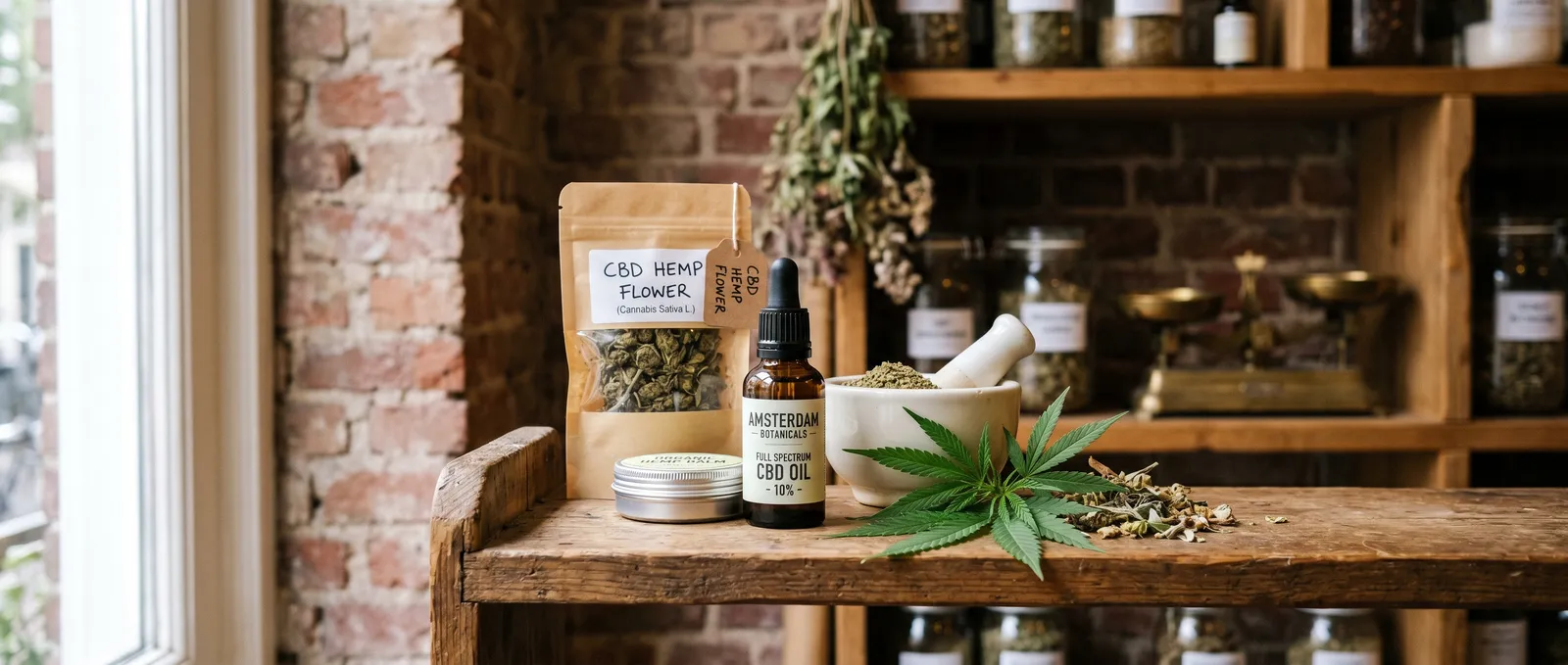
What Is CBD?
CBD (cannabidiol) is a non-intoxicating cannabinoid from Cannabis sativa that modulates the endocannabinoid system, serotonin receptors, and vanilloid channels without producing a high. According to Larsen and Shahinas (2020), it shows a favourable safety profile at doses up to 1,500 mg/day, though significant drug interactions via CYP450 inhibition make it less benign than its reputation suggests.
More CBD articles

CBD and Recovery: What the Research Actually Shows
CBD and recovery is a research topic spanning exercise-induced muscle damage, sleep quality, and perceived soreness. As McCartney et al.

CBD Pet Dosing Vet Consultation: Prepare for Your Visit
Veterinary CBD dosing is not a scaled-down version of human dosing — dogs and cats metabolise cannabidiol through different enzymatic pathways and at…

CBD for Cats Veterinary Considerations: Feline Research, Safety and Guidance
Cats metabolise cannabinoids differently from dogs and humans, lacking key glucuronidation enzymes that affect CBD clearance. Deabold et al.

EU Novel Food Regulation CBD: Country Status, EFSA Safety & Guide
EU novel food regulation CBD is a policy framework under EU rule 2015/2283 that classifies cannabidiol extracts as a novel food, requiring safety assessment…
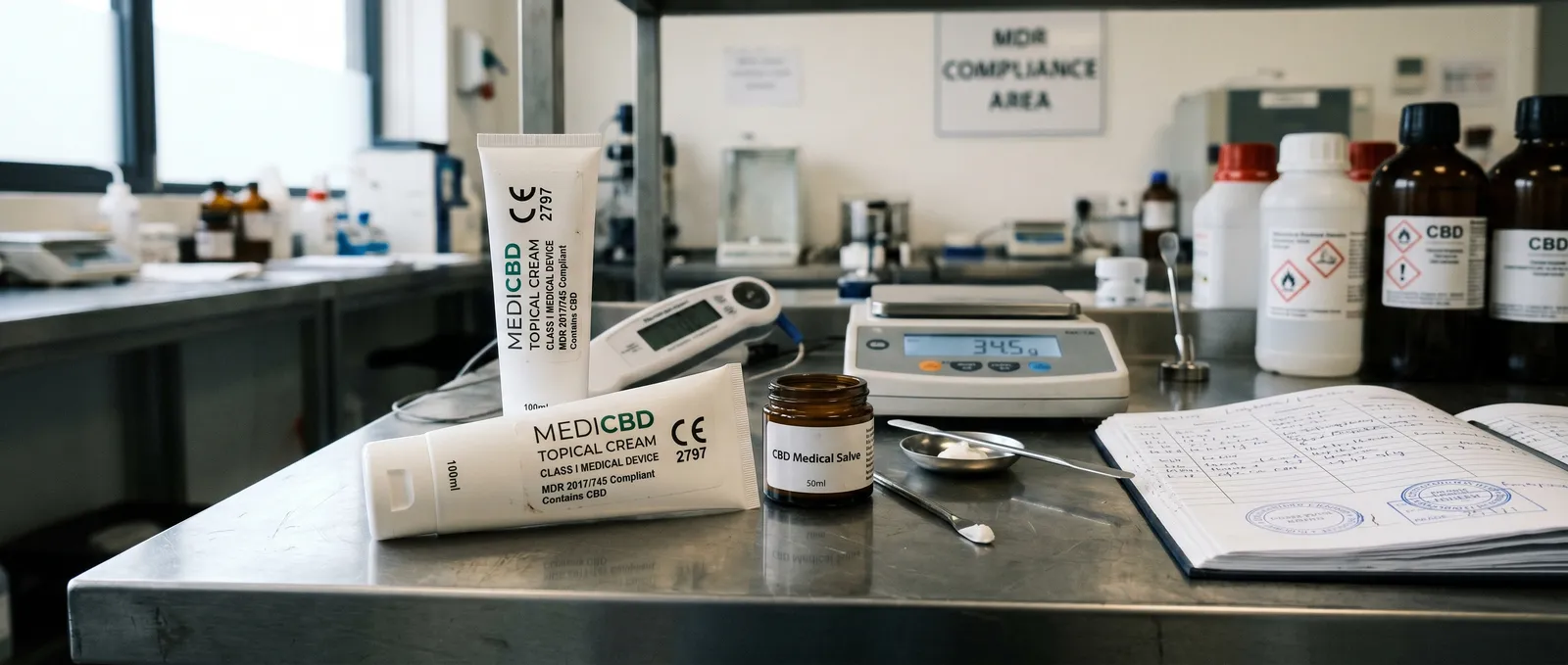
CBD Topical Creams Medical Grade: CE-Marked Class I Explained
CBD topical creams deliver cannabidiol directly to the skin rather than the bloodstream.
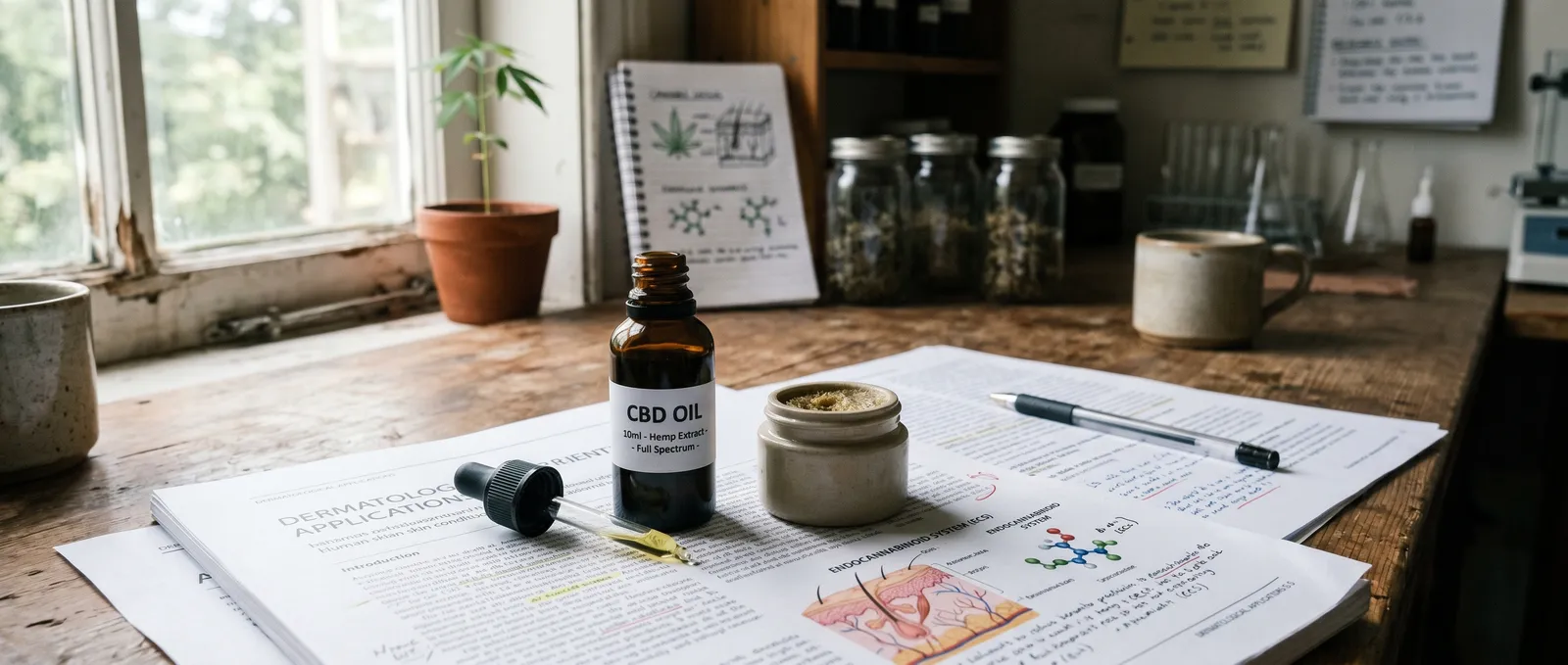
CBD and Skin Conditions: What Research Shows
Cannabidiol (CBD) interacts with the endocannabinoid system expressed in human skin — including CB1 and CB2 receptors on keratinocytes, sebocytes, and…
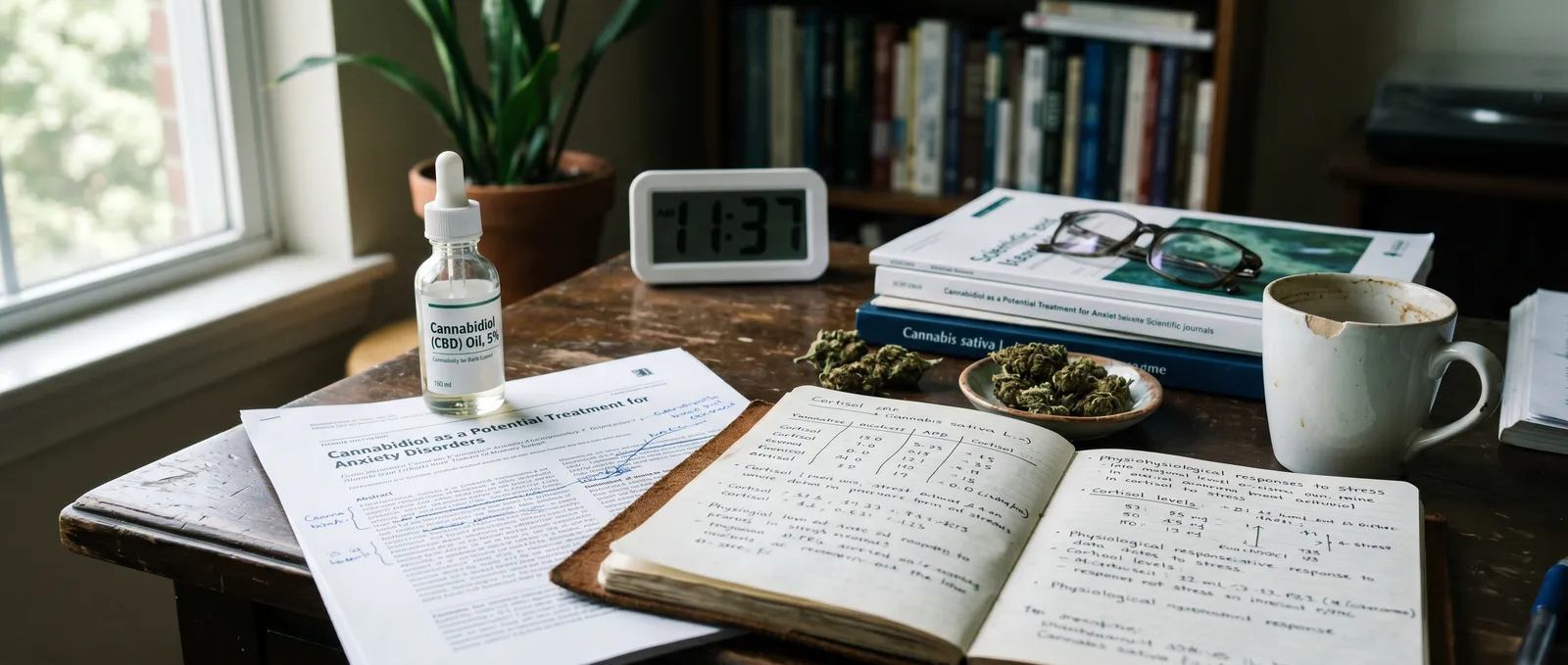
CBD and Stress: What Research Actually Shows
Cannabidiol (CBD) has been studied in a growing number of human trials measuring stress-related outcomes — from cortisol levels to subjective anxiety under…

CBD Side Effects and Safety Profile
Cannabidiol (CBD) is generally well tolerated according to a WHO critical review (WHO, 2018), but clinical trials have documented dose-dependent side effects…

CBD Clinical Trials Overview 2024 — Evidence Map
Over 360 interventional CBD trials were registered on ClinicalTrials.gov by 2023, yet the vast majority remain Phase I or Phase II with small sample sizes…

CBD for Dogs: What Veterinary Research Shows
CBD for dogs is a growing area of veterinary inquiry examining whether cannabidiol can measurably affect canine health outcomes.

CBD and Sleep: What Research Shows (2026 Review)
Research on CBD and sleep includes a handful of clinical trials, several preclinical studies, and two systematic reviews — all pointing to insufficient…

CBD Drug Interactions & Cytochrome P450 Overview
Cannabidiol (CBD) inhibits several cytochrome P450 liver enzymes — notably CYP3A4, CYP2C19, and CYP2C9 — that metabolise an estimated 60–80% of clinically…
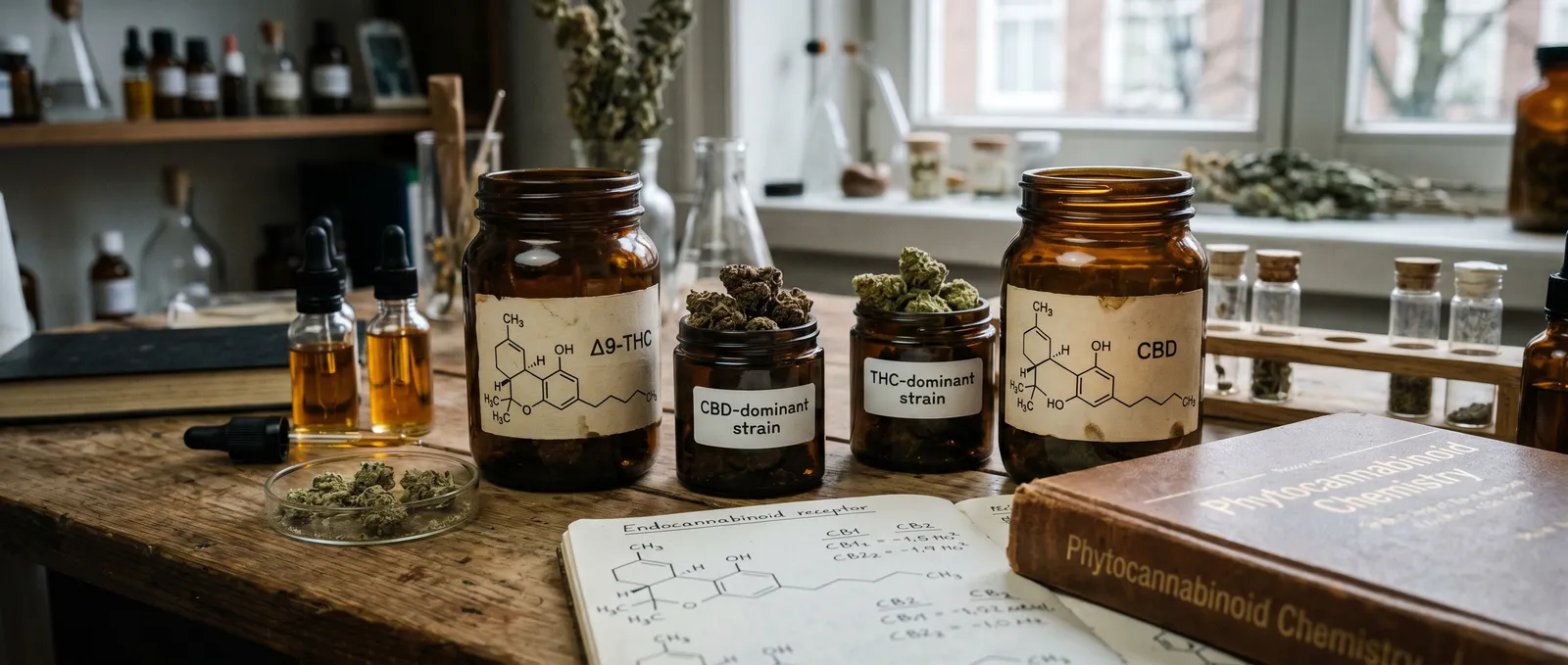
CBD vs THC Mechanism of Action — Full Pharmacology Comparison
CBD and THC share an identical molecular formula (C₂₁H₃₀O₂) but act through fundamentally different pharmacological routes.

CBD Pharmacology: How Cannabidiol Interacts With Receptors
Cannabidiol interacts with over 65 documented molecular targets, including cannabinoid receptors, serotonin 5-HT₁A receptors, TRP ion channels, and nuclear…

Endocannabinoid System Explained: Receptors & Anandamide
The endocannabinoid system (ECS) is a cell-signalling network of receptors, endogenous lipid-based molecules, and enzymes found across virtually all vertebrates.
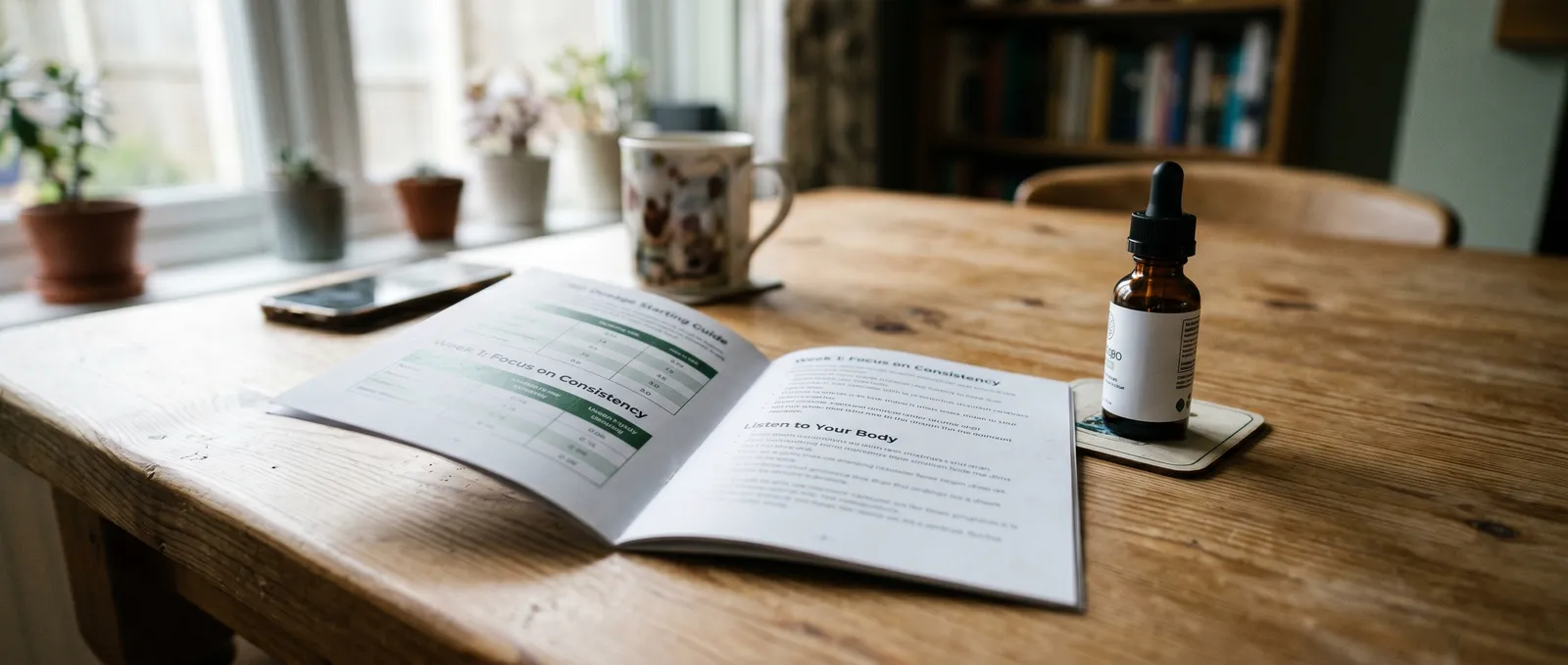
CBD Dosage Starting Guide: Manufacturer Recommendations
Manufacturer-label dosing is the safest starting framework for CBD newcomers — not internet guesswork, not clinical trial figures, just the dose printed on…
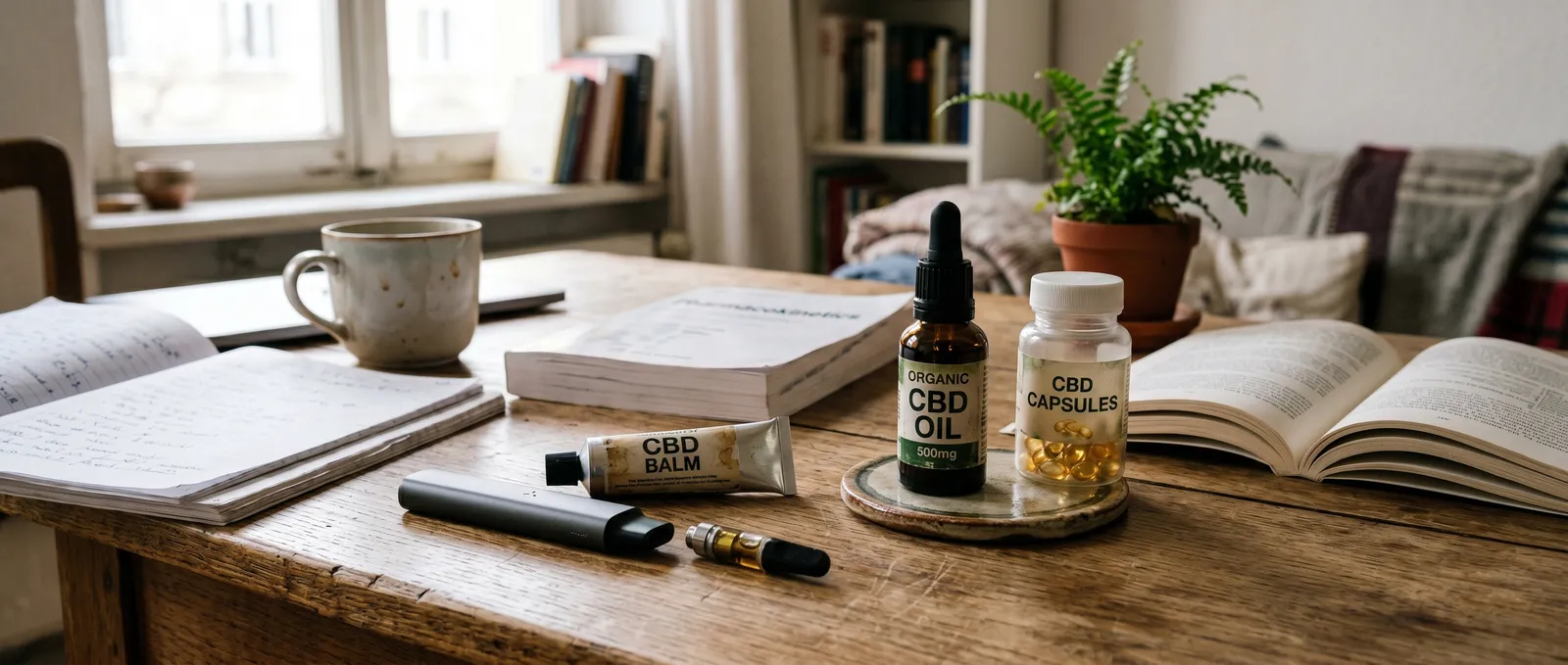
CBD Bioavailability by Format: Oil, Capsule, Vape, Topical
Bioavailability is the percentage of ingested CBD that reaches systemic circulation intact.
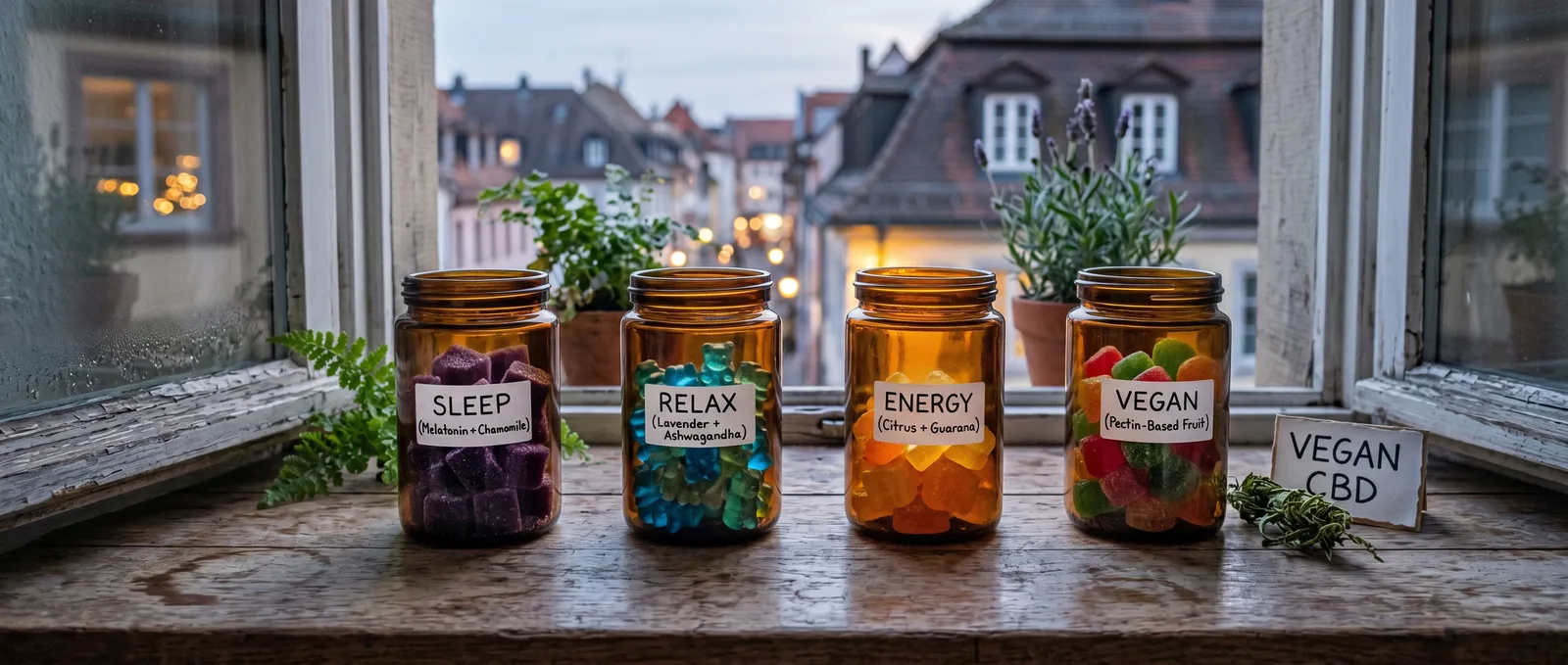
CBD Gummies Buyer's Guide: Sleep, Relax, Energy, Vegan
CBD gummies are oral edibles containing cannabidiol from Cannabis sativa L., pressed into chewable form with added ingredients that define distinct product…
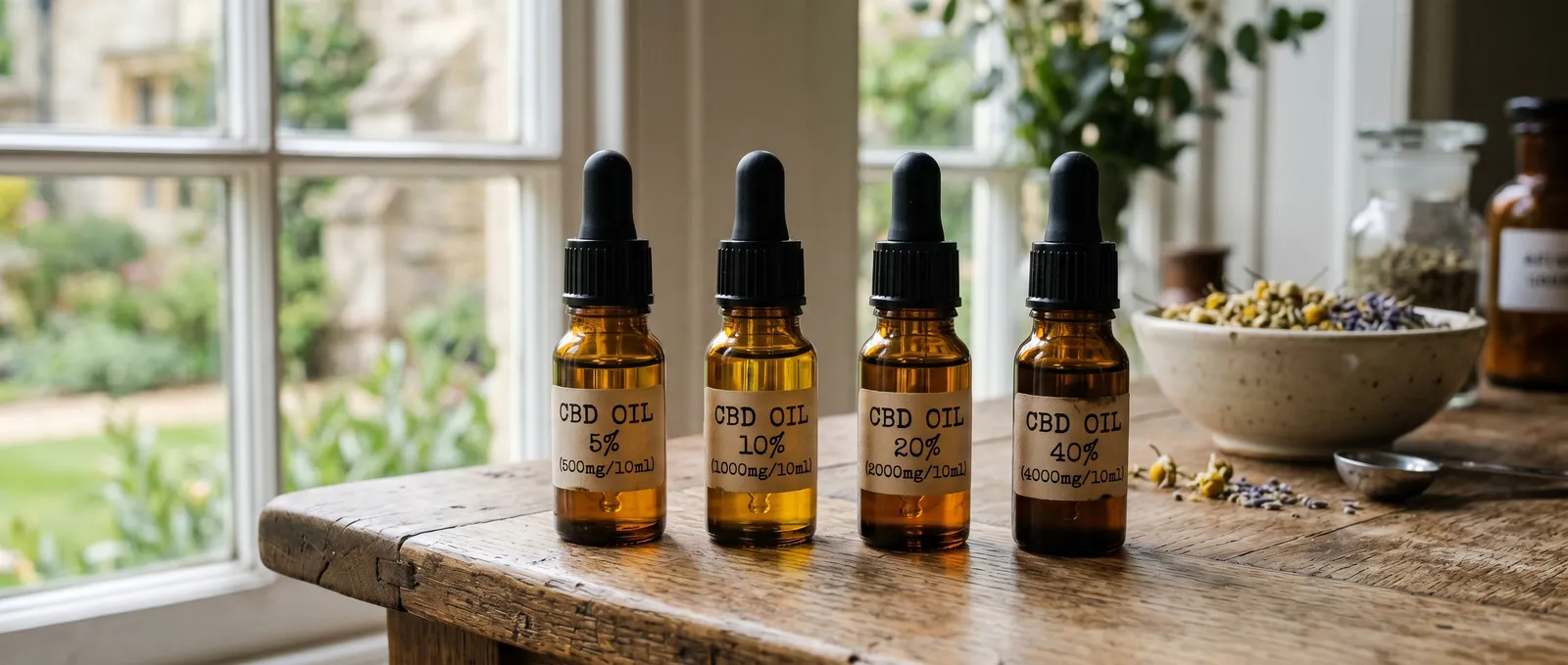
CBD Oil Percentages Explained: 5% vs 10% vs 20% vs 40%
CBD oil percentage is a weight-by-volume concentration that determines how many milligrams of cannabidiol each drop delivers.

MCT vs Olive vs Hemp Carrier Oils for CBD Explained
A carrier oil dissolves lipophilic CBD into a fat your body can absorb — without one, most oral CBD passes through the gut poorly utilised.
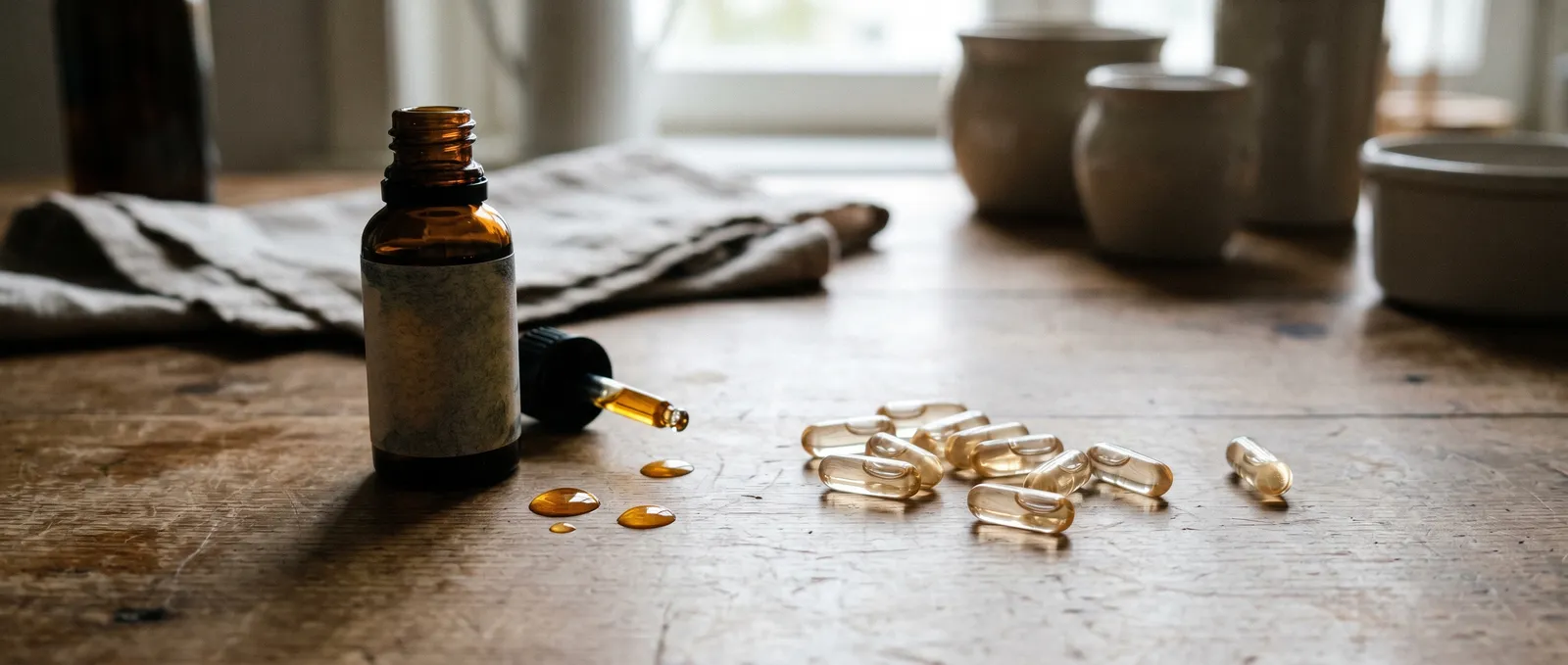
CBD Oil vs Capsules: Which Format to Choose
CBD oil and capsules deliver the same phytocannabinoid through different routes — sublingual versus oral — producing measurably different bioavailability and…
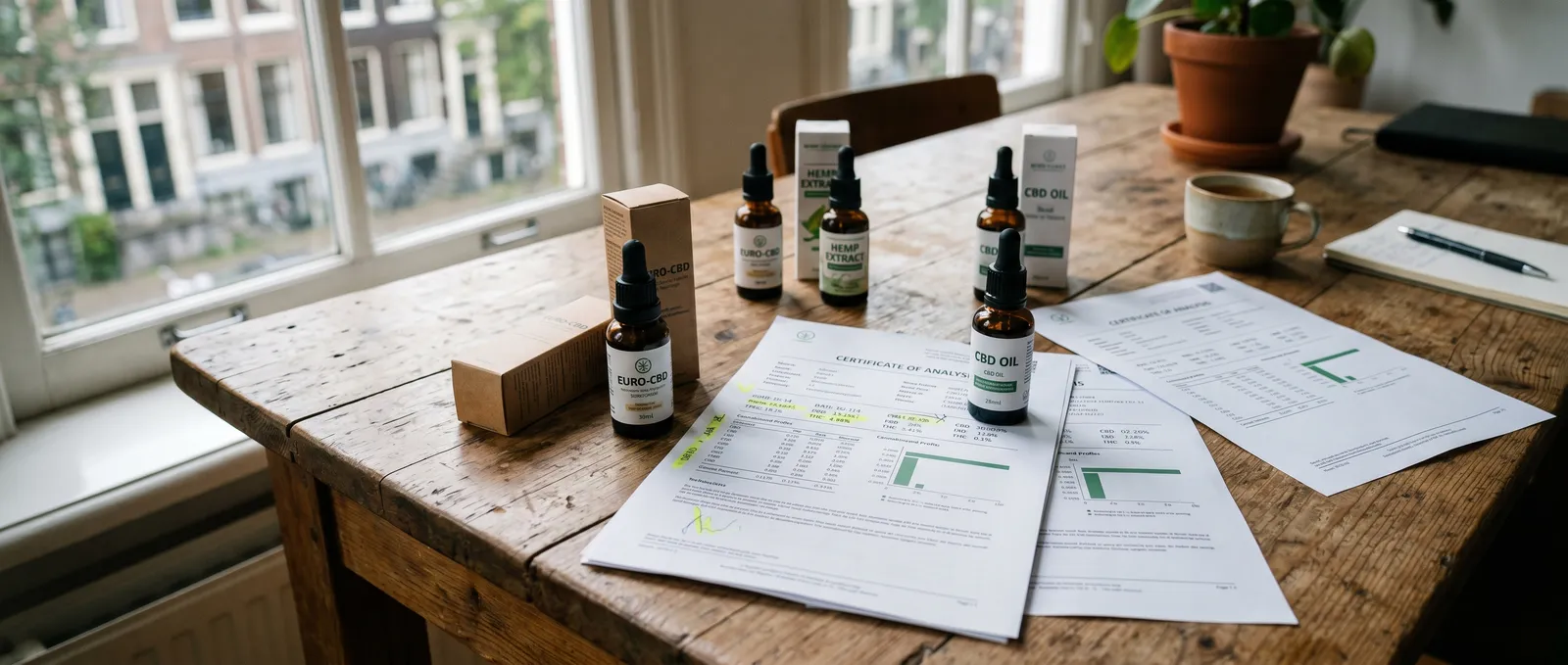
Reading CBD Labels and COA Reports: A Buyer's Guide
A Certificate of Analysis (COA) is a third-party lab report verifying the cannabinoid content and purity of a CBD product.
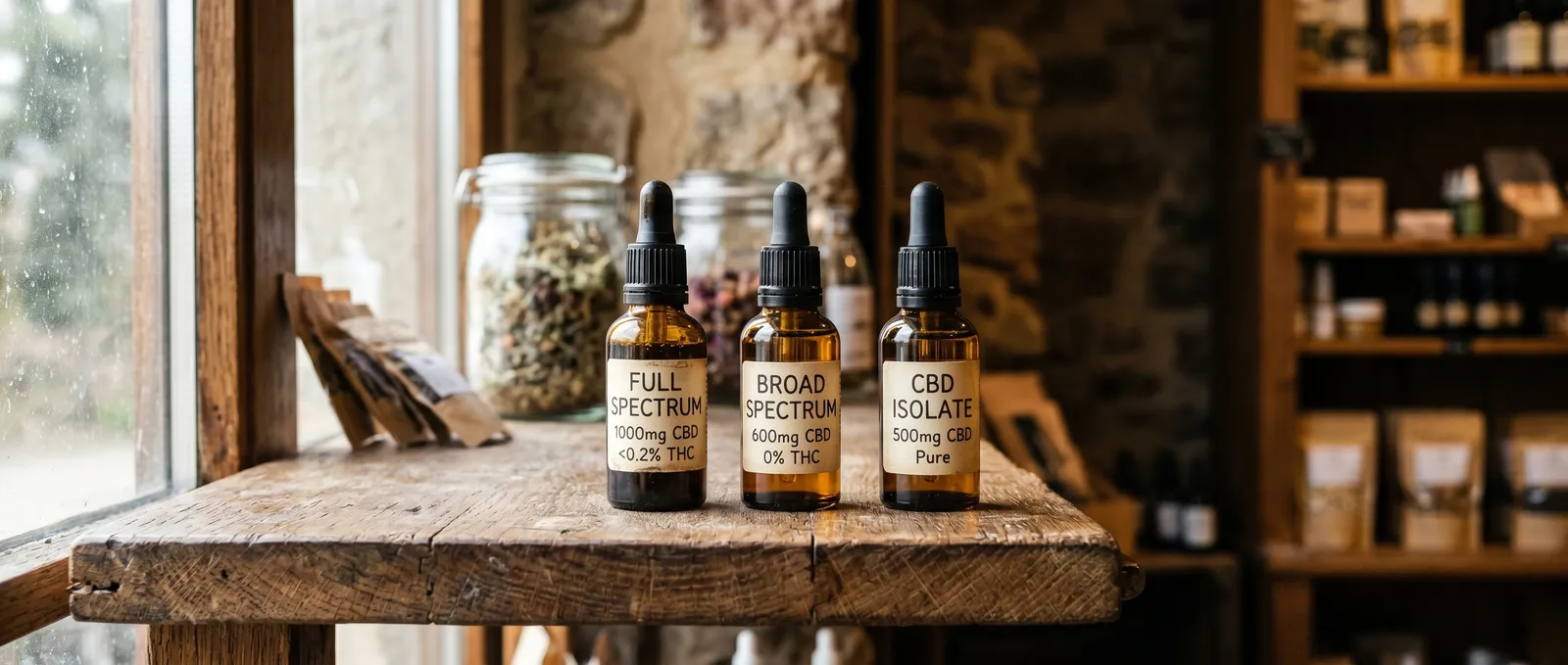
Full Spectrum, Broad Spectrum & CBD Isolate: What's the Difference?
Full spectrum, broad spectrum, and CBD isolate are the three main categories of cannabidiol extract, each containing a different range of hemp-derived compounds.

CBD vs THC: Differences in Effects, Dosing, and How They Work Together
CBD (cannabidiol) is a non-intoxicating cannabinoid that modulates serotonin and vanilloid receptors, while THC (Δ9-tetrahydrocannabinol) is the intoxicating…
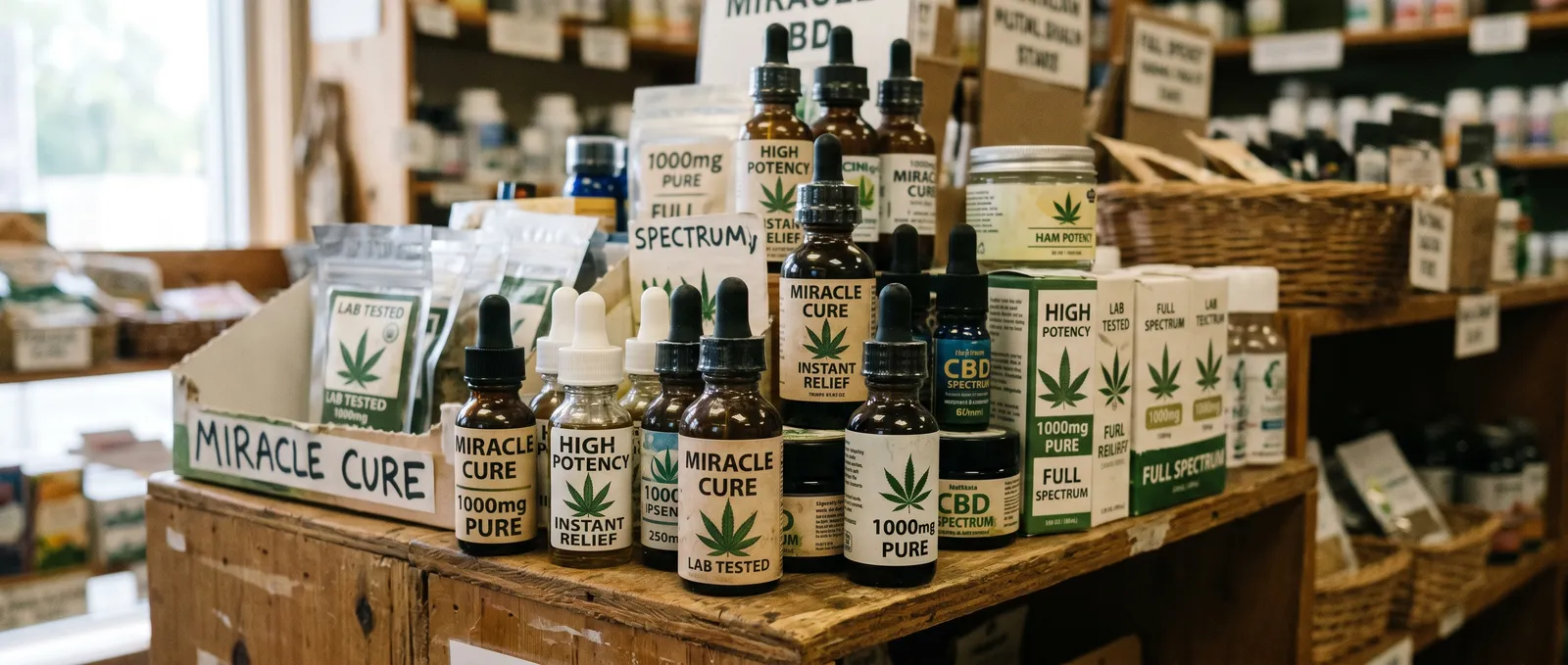
Recognising Misleading CBD Claims
A misleading CBD claim is a health or potency statement made by a CBD brand that lacks adequate clinical evidence.