
This article discusses psychoactive substances intended for adults (18+). If you have a health condition or take medication, consult a doctor before use. Our age policy
CBD Topical Creams Medical Grade: CE-Marked Class I Explained
Definition
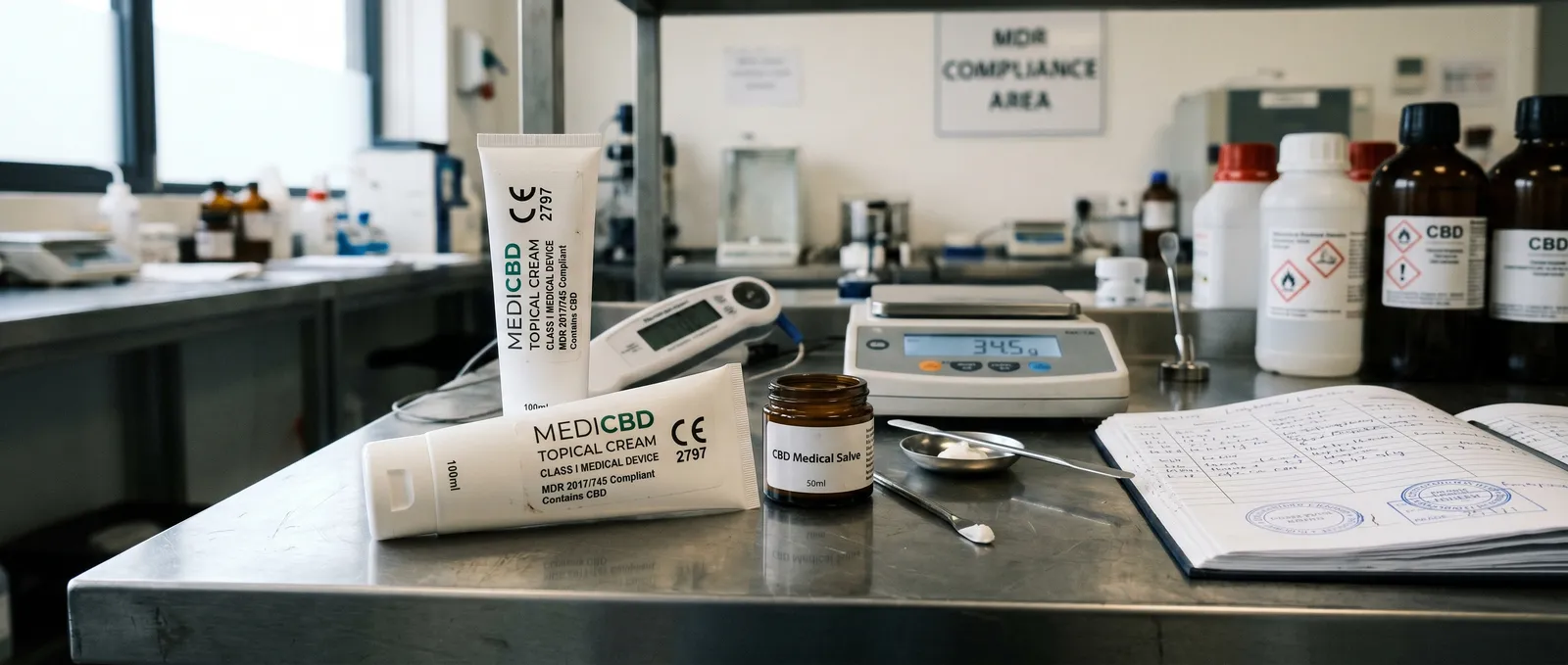
CBD topical creams deliver cannabidiol directly to the skin rather than the bloodstream. A small number carry CE marking as Class I medical devices under EU Regulation 2017/745, meeting documented safety and conformity-assessment standards (Hua, 2020). This article explains what that classification involves and how it differs from standard cosmetic CBD balms.
What Are CBD Topical Creams — and What Does "Class I Medical Device" Actually Mean?
CBD topical creams medical grade is a term used to describe cannabidiol-based skin formulations that carry formal CE marking as Class I medical devices under EU MDR 2017/745, distinguishing them from standard cosmetic balms. Most CBD topicals on the market are cosmetics or food-supplement-adjacent products with no device classification beyond that. A small number, however, carry CE marking as Class I medical devices under EU MDR 2017/745 (the Medical Device Regulation). That distinction matters, and it is the core of what this article unpacks.
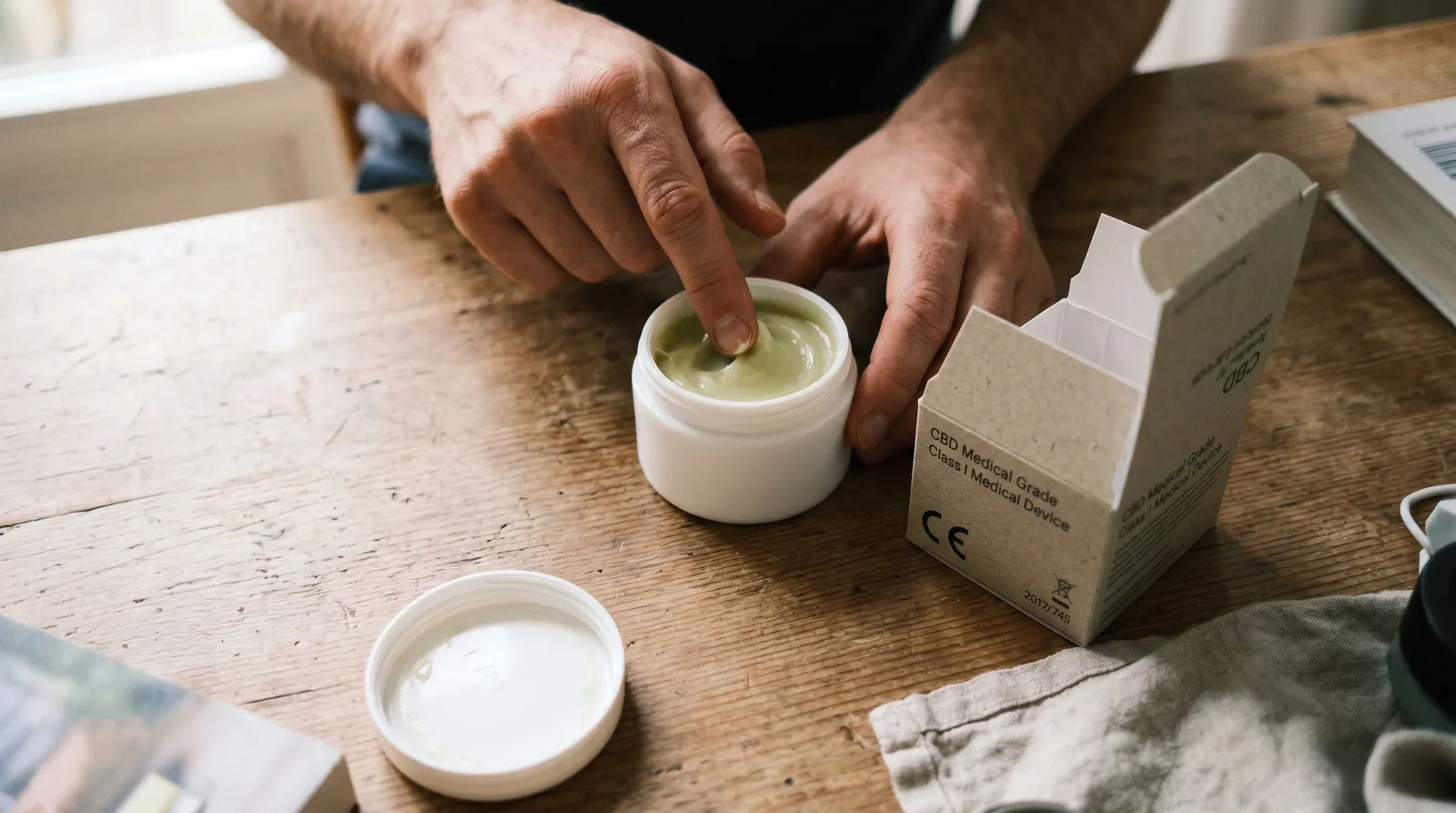
The phrase "medical grade" floats around the CBD space with almost no consistency. Search for it and you will find US-market brands using it as marketing shorthand for "we tested our batch." Within the EU framework, though, a product either meets the MDR definition of a medical device or it does not. Cibdol's topical cream range — Aczedol, Zemadol, and Soridol — carries CE marking as Class I medical devices, which means they have been through a conformity-assessment process, maintain technical documentation, and are registered with a competent authority. That is a verifiable fact, not a marketing claim. This article explains what that classification involves, how these CBD topical creams differ in formulation from standard CBD balms or salves, and what the current research says about topical CBD absorption. If you want to buy CBD topical creams with genuine device classification, understanding this framework first is essential.
Class I Medical Device and CE Marking — What the Classification Requires
A Class I medical device is the lowest-risk tier under EU MDR 2017/745 and does not require a notified-body audit before market placement. What it does require is a conformity assessment carried out by the manufacturer, a Declaration of Conformity, a technical file documenting safety and performance, post-market surveillance, and registration with the relevant EU member-state authority. The CE mark on the packaging signals that the manufacturer declares compliance with these requirements.
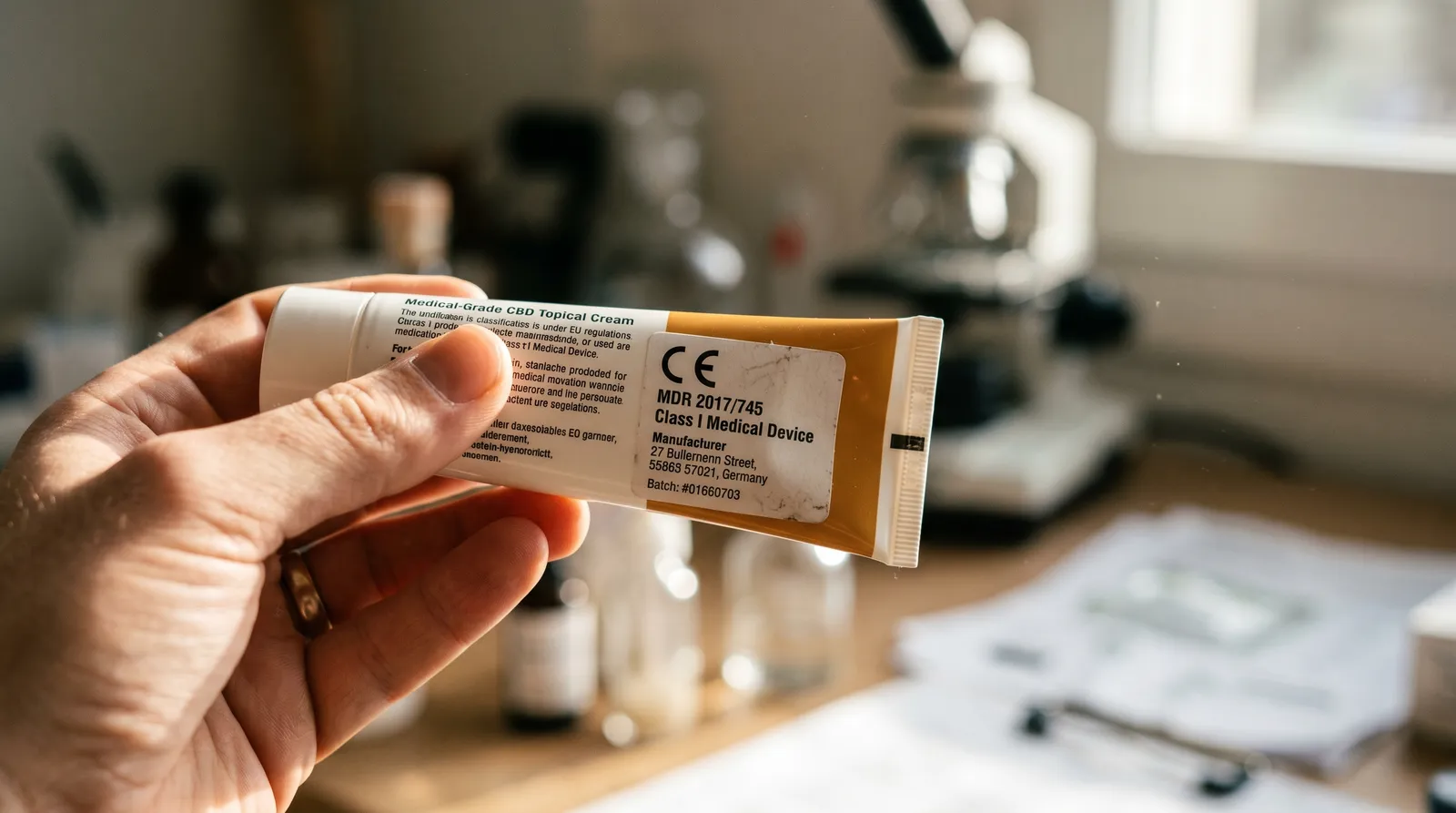
For context: adhesive bandages, cold packs, and non-medicated wound dressings also fall into Class I. The classification does not imply that a product treats or cures a disease — it means the product has a stated medical purpose (such as supporting the skin barrier) and meets the safety, quality, and documentation standards the MDR sets for that purpose tier.
This is different from a cosmetic (covered under EC 1223/2009, which requires a safety assessment but not a conformity-assessment procedure under the MDR) and from a food supplement (covered under Directive 2002/46/EC and, for novel-food ingredients like CBD, under EU 2015/2283). The pathway shapes what claims can appear on the label, what documentation the manufacturer must maintain, and what post-market monitoring is required. The EMCDDA (now EUDA) has noted the growing complexity of cannabinoid product classification across EU member states, which makes understanding these formal distinctions all the more important for consumers.
Formulation Details — Aczedol, Zemadol, Soridol
Cibdol produces three CE-marked CBD topical creams, each in a 50 ml tube containing 100 mg of CBD. They share a liposomal delivery system — meaning the CBD is encapsulated in liposomes (phospholipid vesicles) intended to improve penetration into the upper skin layers. Liposomal encapsulation has been studied in dermatological drug delivery more broadly: a 2020 review by Hua (International Journal of Pharmaceutics, DOI: 10.1016/j.ijpharm.2019.118843) found that liposomal carriers can enhance skin deposition of active compounds compared to conventional creams, though the degree of enhancement varies with formulation specifics.
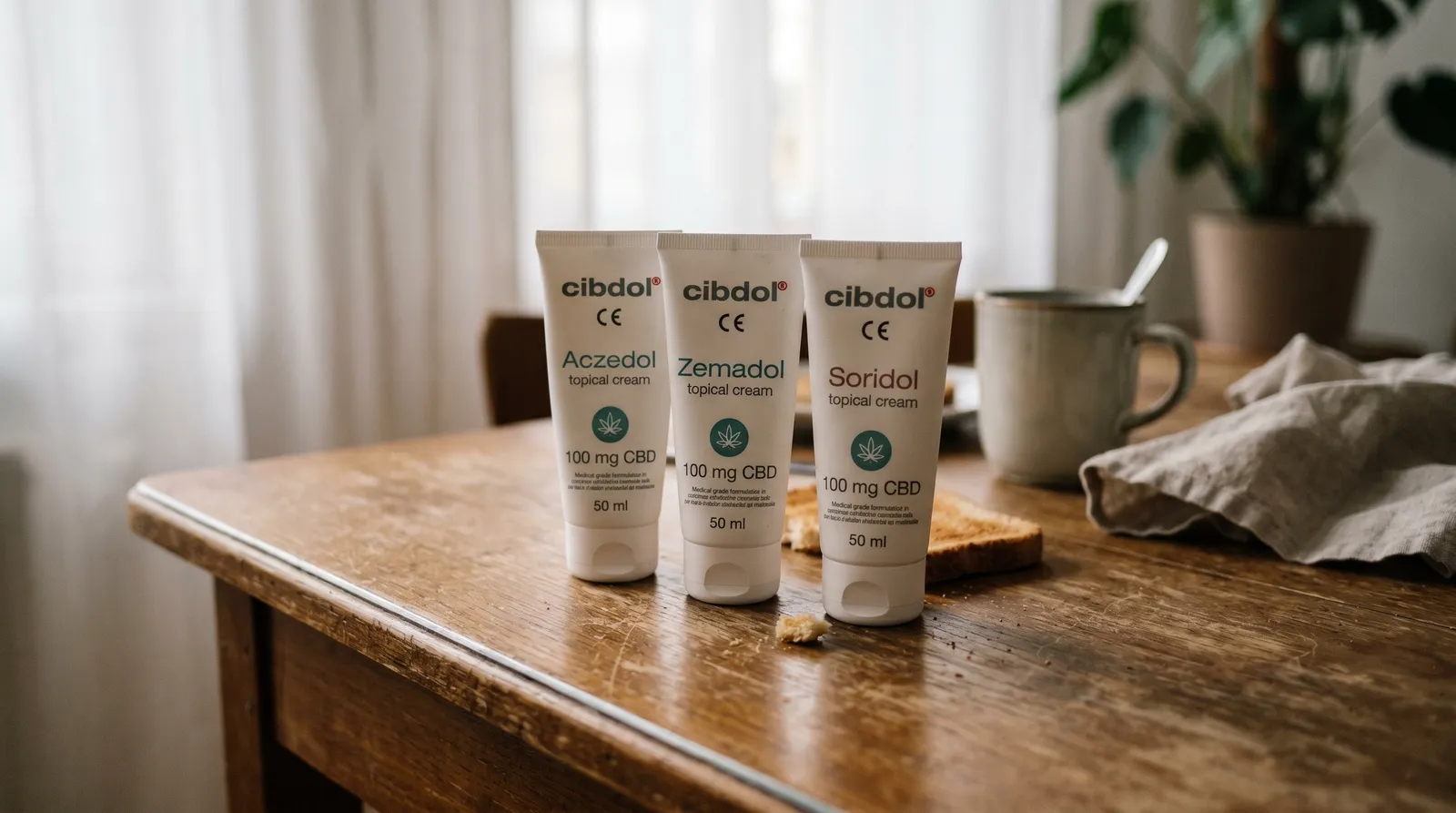
The three products are formulated for different skin-condition contexts:
- Aczedol — formulated for acne-prone skin
- Zemadol — formulated for eczema-prone skin
- Soridol — formulated for psoriasis-prone skin
Each contains additional active and supporting ingredients (colloidal oatmeal in Zemadol, for instance, which has its own evidence base for skin-barrier support). The CBD itself is one component in a multi-ingredient formulation — these are not single-ingredient products where CBD does all the work.
One point worth noting: 100 mg of CBD across 50 ml of cream is a relatively modest concentration (0.2% w/v). For comparison, some unclassified CBD balms on the market claim 500–1,000 mg per container. Higher milligram counts do not automatically mean better skin penetration — formulation technology (the liposomal system, in this case) and the vehicle's interaction with the stratum corneum matter as much as raw concentration, possibly more (Lodzki et al., 2003, Journal of Controlled Release, PMID: 14516768).
Topical CBD Absorption — What Research Has Measured
Topical application of CBD targets local tissue rather than systemic circulation, meaning most of the cannabidiol stays in the skin layers where it is applied. This is a fundamentally different pharmacokinetic route from sublingual oil or oral capsules. A 2020 study by Paudel et al. (Pharmaceutics, DOI: 10.3390/pharmaceutics12020152) examined CBD permeation through human skin models and found that CBD is highly lipophilic (log P ~6.3), which means it partitions readily into the lipid-rich stratum corneum but has difficulty crossing into the aqueous dermal layers beneath without a delivery-enhancement strategy.
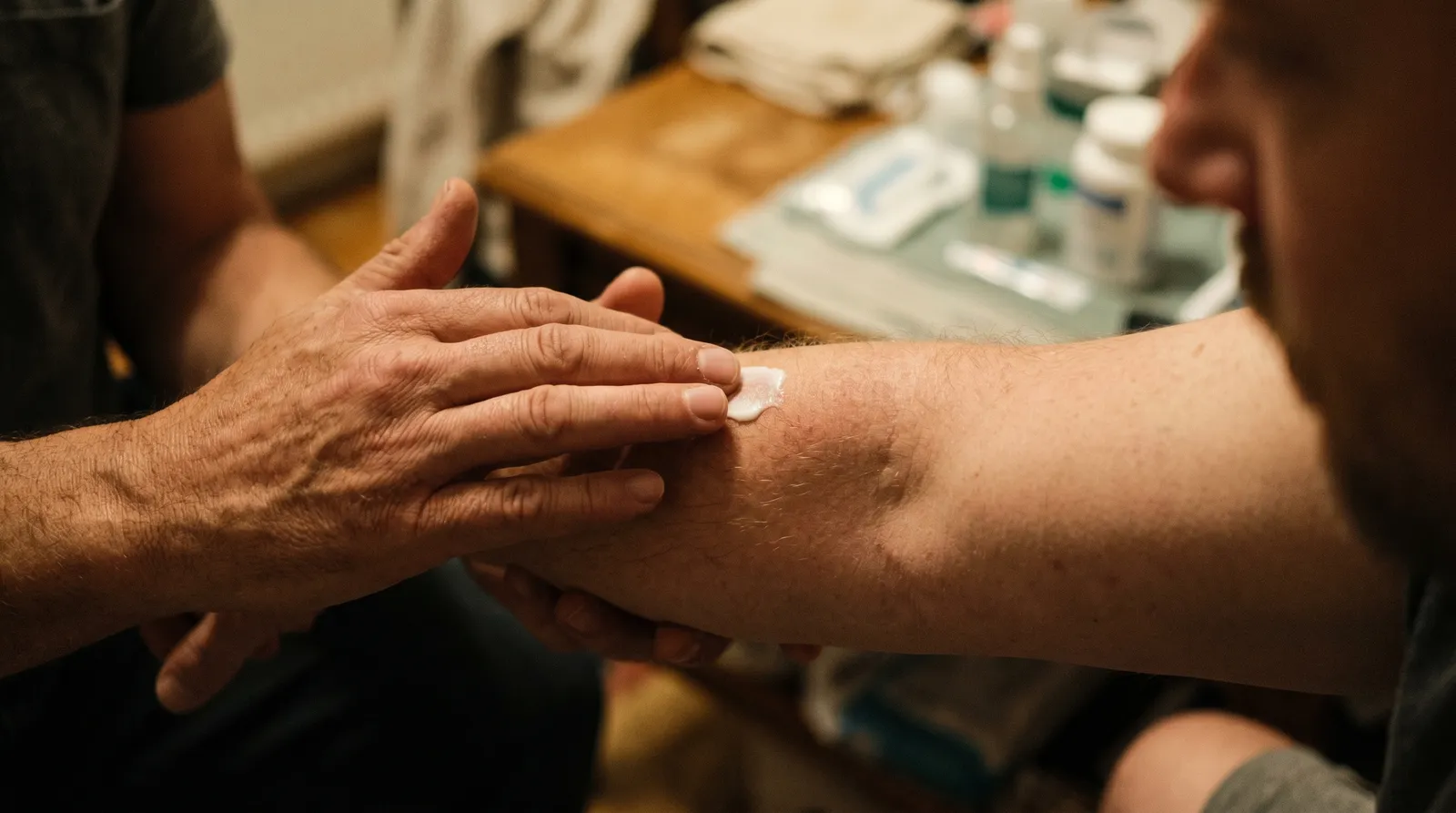
Estimated systemic bioavailability of topically applied CBD is low — most sources place it well under 10%, and some transdermal studies report negligible plasma levels unless penetration enhancers or occlusive patches are used (Stinchcomb et al., 2004, Pharmaceutical Research, PMID: 15139527). For a cream intended to act locally on the skin surface and upper dermis, low systemic absorption is not necessarily a drawback — it means the CBD stays where you put it, which is the point of a topical.
The research picture for topical CBD and specific skin conditions is still early. A 2019 observational study by Palmieri et al. (La Clinica Terapeutica, DOI: 10.7417/CT.2019.2116) looked at a CBD-enriched ointment applied to 20 participants with inflammatory skin conditions and reported improvements in skin hydration and elasticity scores, though the study was small, uncontrolled, and observational — not a randomised trial. Larger, controlled studies specific to CBD topical creams remain limited as of early 2026.
Cream vs Balm vs Salve — Format Differences That Affect Delivery
Creams, balms, and salves are three distinct physical formulations with different base compositions, not different grades of product quality. These three terms describe different physical formulations:
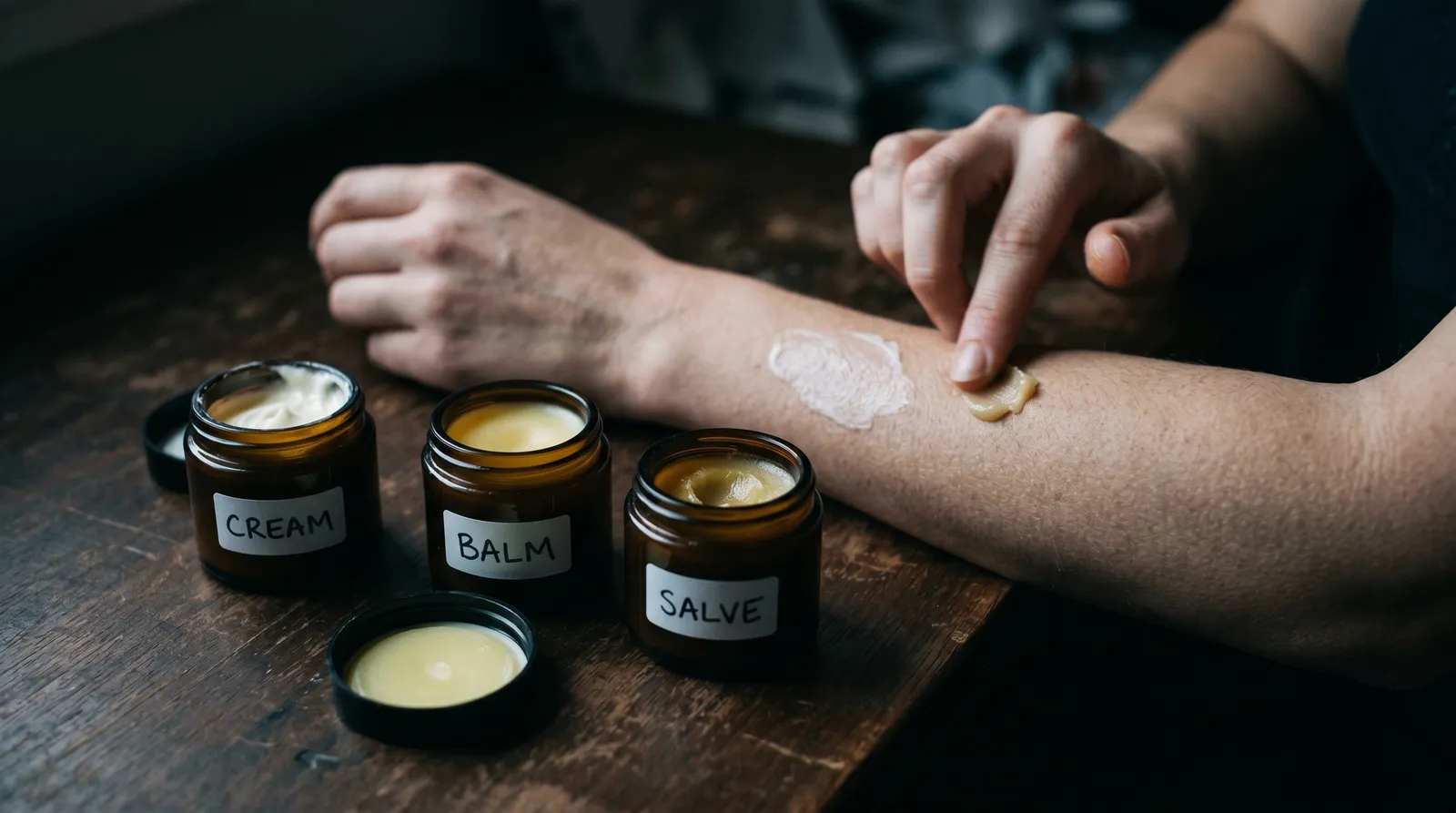
| Format | Base composition | Texture | Typical use context |
|---|---|---|---|
| Cream | Oil-in-water or water-in-oil emulsion | Light, absorbs quickly | Daytime facial or body application |
| Balm | Wax + oil base, no water phase | Thick, semi-solid | Targeted application to dry or rough areas |
| Salve | Oil + wax or butter base, minimal or no water | Softer than balm, thicker than cream | Similar to balm; terms often used interchangeably |
Cibdol's Aczedol, Zemadol, and Soridol are creams — emulsion-based, with a water phase that allows the liposomal delivery system to function. They are not balms or salves, and the distinction is not just semantic: the presence of a water phase changes how the formulation interacts with the skin barrier and how the active ingredients are released. The wiki article on CBD topicals (balm, salve, cream) covers the broader format category in more detail.
Practical Use and the Patch-Test Rule
Any topical product — CBD or otherwise — should be patch-tested before broad application, especially on sensitive or already-irritated skin. Apply a small amount to the inside of your wrist or behind the ear, wait 24 hours, and check for redness, itching, or irritation. This is standard dermatological advice, not specific to CBD.
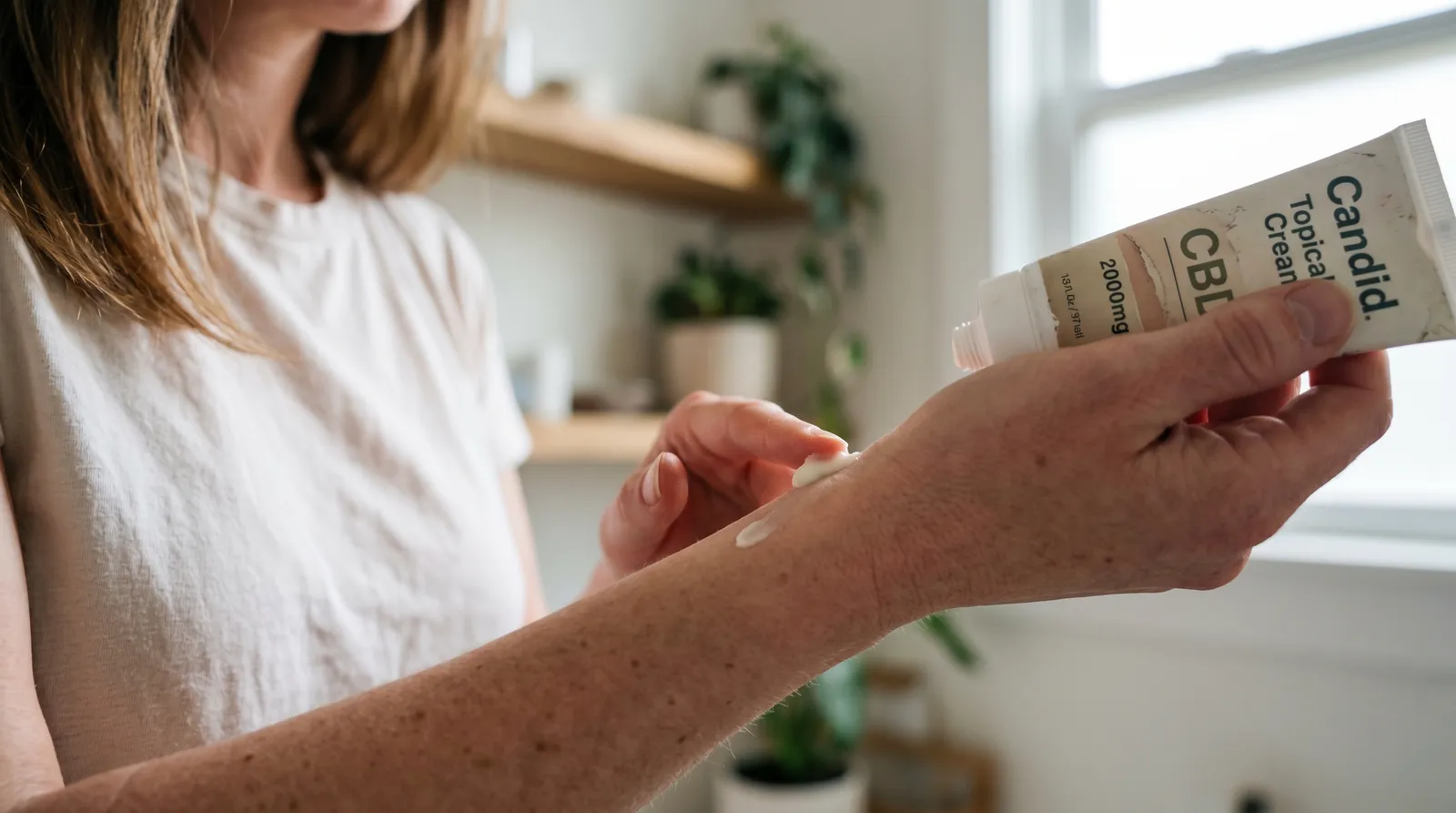
The Cibdol creams use hemp-seed-derived ingredients. If you have a known allergy to hemp seeds or other seeds, exercise caution. The liposomal system uses phospholipids, typically soy- or sunflower-derived — check the ingredient list if you have relevant allergies.
Manufacturer-label usage for the Cibdol CBD topical creams is to apply a thin layer to the affected area as needed. There is no "3 drops twice daily" equivalent here — topical application frequency depends on the area being covered and the skin's response.
What CE Marking Does Not Mean
CE marking on a Class I medical device does not mean the product has been through clinical trials demonstrating efficacy for a named condition. It does not mean a body has reviewed and approved the product in the way that, say, a prescription dermatological medication would be approved. It means the manufacturer has completed a conformity-assessment process, maintains a technical file, and declares that the product meets the essential safety and performance requirements of the MDR.

This is worth being clear about because the gap between "CE-marked Class I device" and a product described as having demonstrated efficacy through controlled trials (Palmieri et al., 2019) is significant. The Cibdol CBD topical creams sit in the former category. They are documented, registered, and manufactured under quality-management standards — but they are not prescription medicines and should not be positioned as replacements for dermatological treatments prescribed by a doctor.
Honest Limitations — What We Do Not Know Yet
The evidence base for CBD topical creams remains thin compared to established dermatological actives like corticosteroids or retinoids. Most published studies are small, observational, or use varying formulations that make direct comparison difficult. We do not yet have large randomised controlled trials specifically testing CE-marked CBD topical creams against placebo for acne, eczema, or psoriasis outcomes. That gap is not unique to Cibdol — it applies to the entire topical-CBD category. Anyone who tells you the science is settled is overstating the current evidence.
Important: This article is consumer education and is not medical advice. CBD products are food supplements, not medicines. Research on CBD is ongoing and evidence remains limited or mixed for many topics. Talk to your doctor before use if you are pregnant, breastfeeding, taking medication, scheduled for surgery, or living with a health condition. Keep CBD products out of reach of children and pets.
This article has been reviewed for factual and editorial accuracy by Toine Verleijsdonk (Cibdol brand manager) and Joshua Askew (Editorial Director). It has NOT been reviewed by a licensed medical practitioner and does not constitute medical advice.
Last reviewed: 2026-04-25
Last updated: April 2026
Frequently Asked Questions
8 questionsWhat is the difference between a CE-marked CBD cream and a regular CBD balm?
Does topical CBD enter the bloodstream?
How much CBD is in Cibdol topical creams?
Should I patch-test a CBD cream before full application?
Does CE marking mean a CBD cream has demonstrated efficacy in clinical trials?
Can I use CBD topical creams alongside other skincare products?
Where can I buy CBD topical creams with CE marking?
What is liposomal delivery and why does it matter for CBD creams?
About this article


Luke Sholl has been writing about cannabis, cannabinoids, and the broader benefits of nature since 2011, and has personally grown cannabis in home grow tents for more than a decade. That first-hand cultivation experience
This wiki article was drafted with AI assistance and reviewed by Luke Sholl, External contributor since 2026. Editorial oversight by Toine Verleijsdonk.
Medical disclaimer. This content is for informational purposes only and does not constitute medical advice. Consult a qualified healthcare provider before use of any substance.
Last reviewed April 26, 2026
Related Articles

Pinene Alpha and Beta: Aroma, Chemistry & Vaporisation Guide
Pinene is a bicyclic monoterpene occurring as two isomers — α-pinene and β-pinene — and ranks as the most abundant terpene in the plant kingdom.

CBD and Recovery: What the Research Actually Shows
CBD and recovery is a research topic spanning exercise-induced muscle damage, sleep quality, and perceived soreness. As McCartney et al.

CBD Pet Dosing Vet Consultation: Prepare for Your Visit
Veterinary CBD dosing is not a scaled-down version of human dosing — dogs and cats metabolise cannabidiol through different enzymatic pathways and at…

CBD for Cats Veterinary Considerations: Feline Research, Safety and Guidance
Cats metabolise cannabinoids differently from dogs and humans, lacking key glucuronidation enzymes that affect CBD clearance. Deabold et al.

EU Novel Food Regulation CBD: Country Status, EFSA Safety & Guide
EU novel food regulation CBD is a policy framework under EU rule 2015/2283 that classifies cannabidiol extracts as a novel food, requiring safety assessment…
Humulene Effects and Aroma Profile | Terpene Guide
Humulene (α-humulene) is a monocyclic sesquiterpene named after Humulus lupulus — hops.

Terpene Entourage Effect: Current Evidence Reviewed
The terpene entourage effect proposes that cannabis terpenes modulate cannabinoid activity, producing different outcomes than isolated compounds alone.

CBD and Skin Conditions: What Research Shows
Cannabidiol (CBD) interacts with the endocannabinoid system expressed in human skin — including CB1 and CB2 receptors on keratinocytes, sebocytes, and…

CBD and Stress: What Research Actually Shows
Cannabidiol (CBD) has been studied in a growing number of human trials measuring stress-related outcomes — from cortisol levels to subjective anxiety under…