
CBD topicals are cannabidiol-infused creams, balms, and salves you rub onto skin rather than swallow — designed for localised effect on the spot where you apply them. Unlike oils or edibles, topicals skip the digestive system entirely and work on the skin and tissue directly underneath. Buy CBD creams from Azarius, the Amsterdam smartshop that's been shipping cannabinoid products across the EU since 1999.
CBD Topicals — How Skin-Applied Creams Differ From Oil
Topicals work where you put them. That's the single biggest reason to order a cream or balm instead of CBD oil: when your elbow hurts, you don't need cannabidiol travelling through your liver and bloodstream to find the elbow. You rub it on the elbow.
Oral CBD (oils, capsules, edibles) goes through first-pass metabolism — the liver breaks down a big chunk before anything systemic reaches your tissues. Studies on oral cannabidiol bioavailability put the figure somewhere between 6% and 19%, depending on carrier and formulation. Topicals sidestep that entirely. They don't aim for systemic absorption; they aim to stay local. The cannabinoids interact with CB2 receptors in the skin's own endocannabinoid system, and on well-formulated products using liposome encapsulation, they reach deeper dermal layers than plain oil-based balms.
Practical translation: if you want whole-body calm, buy CBD oil. If you want something working on a specific knee, a patch of irritated skin, or tired hands after a long shift, shop a topical.
When to Choose a CBD Cream, Balm or Salve
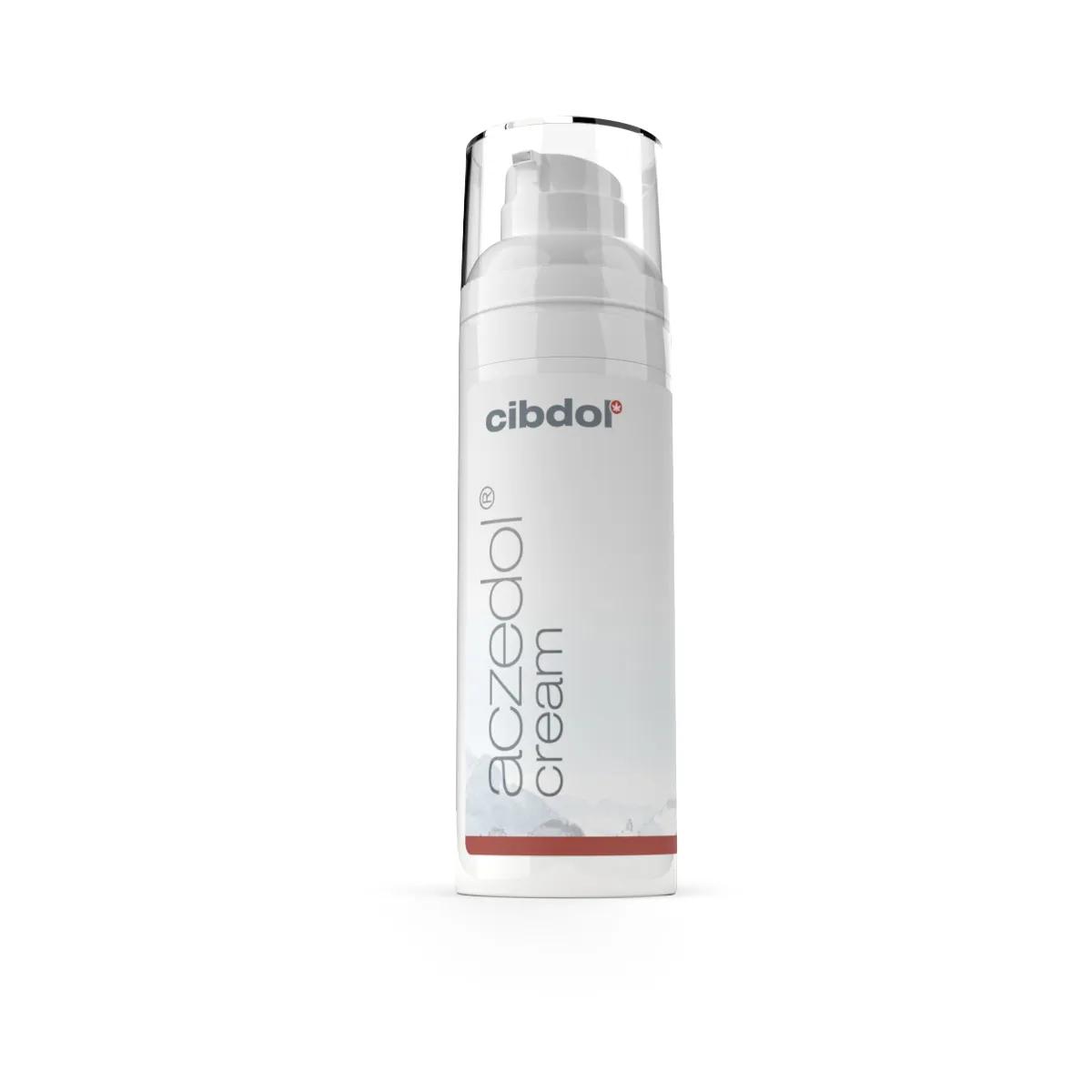
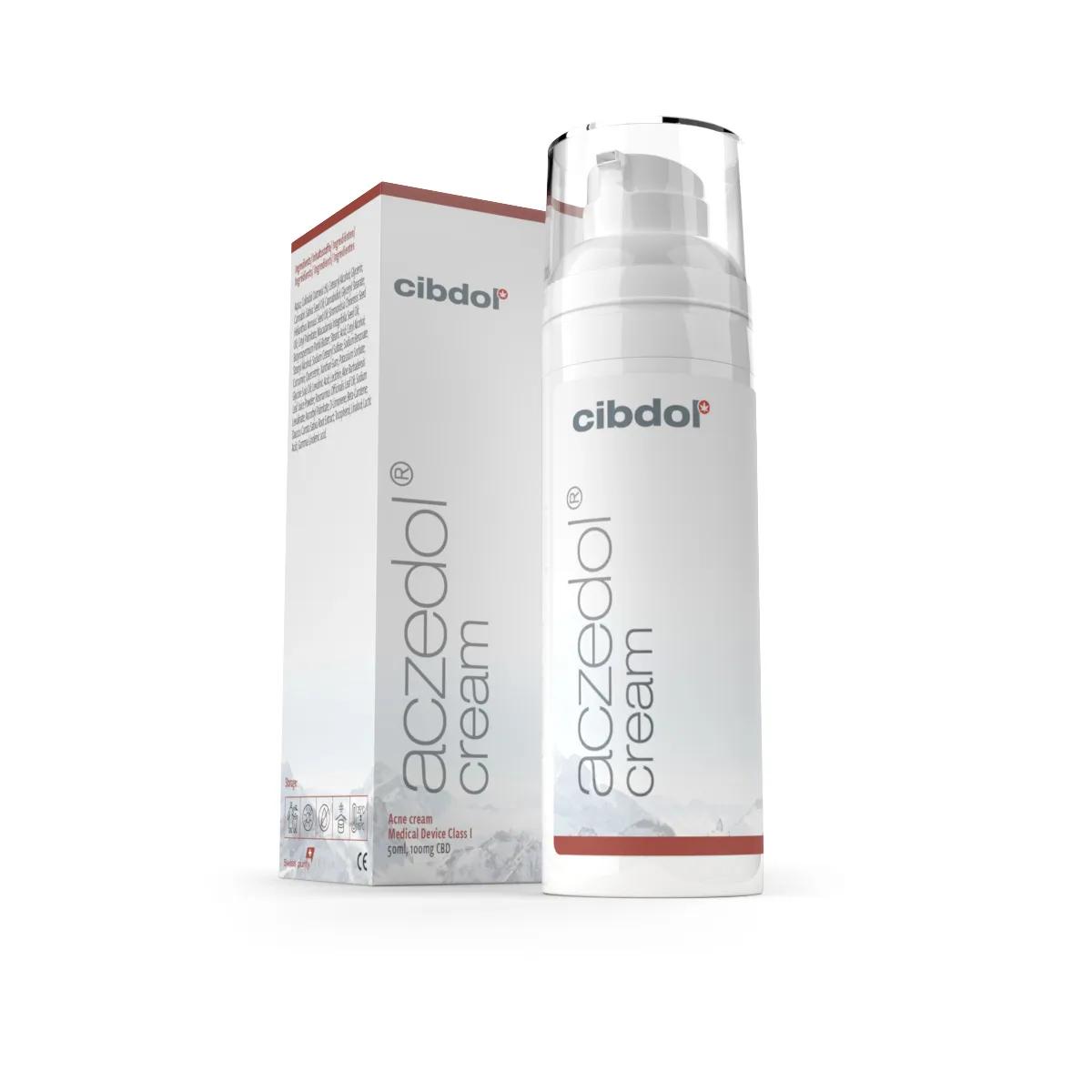
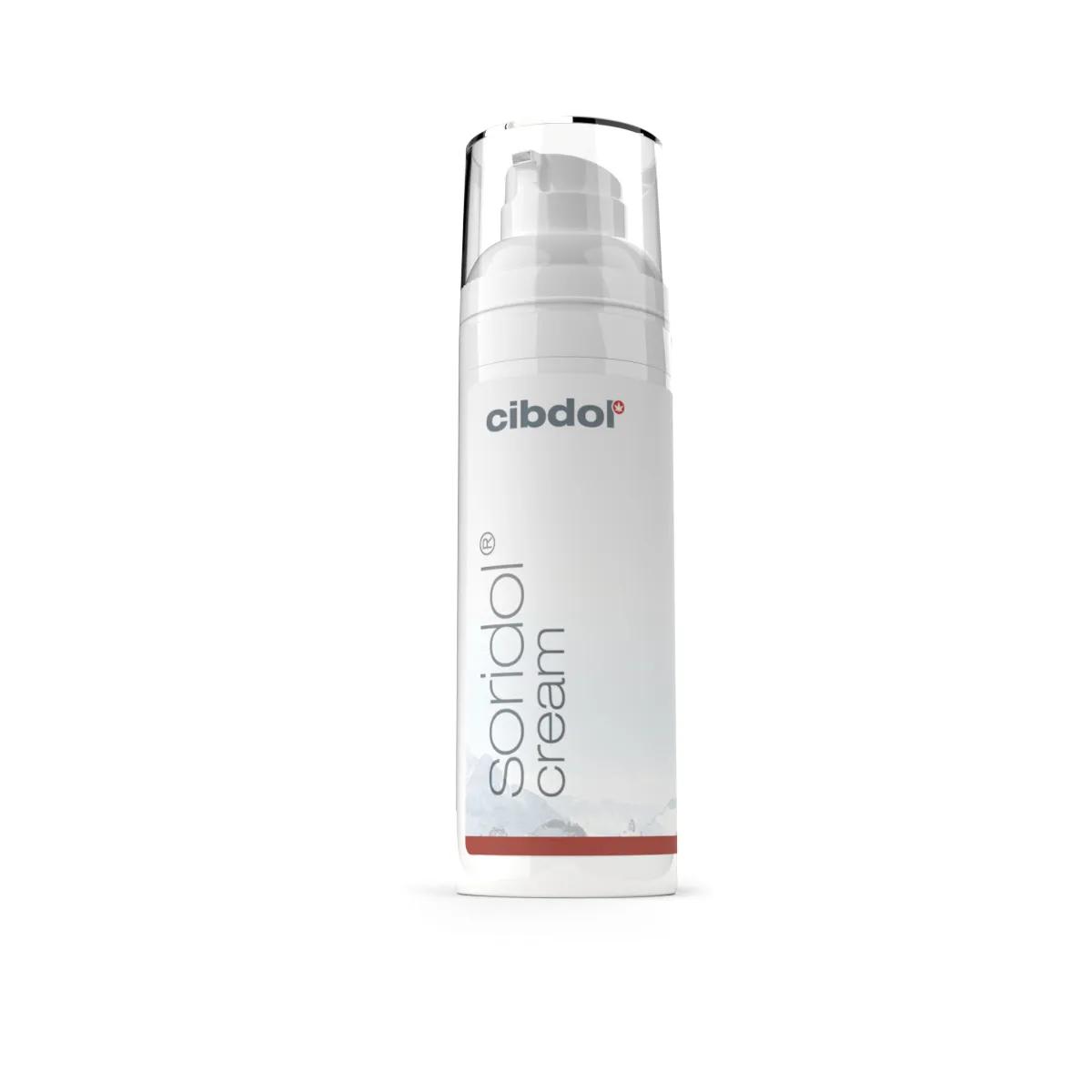
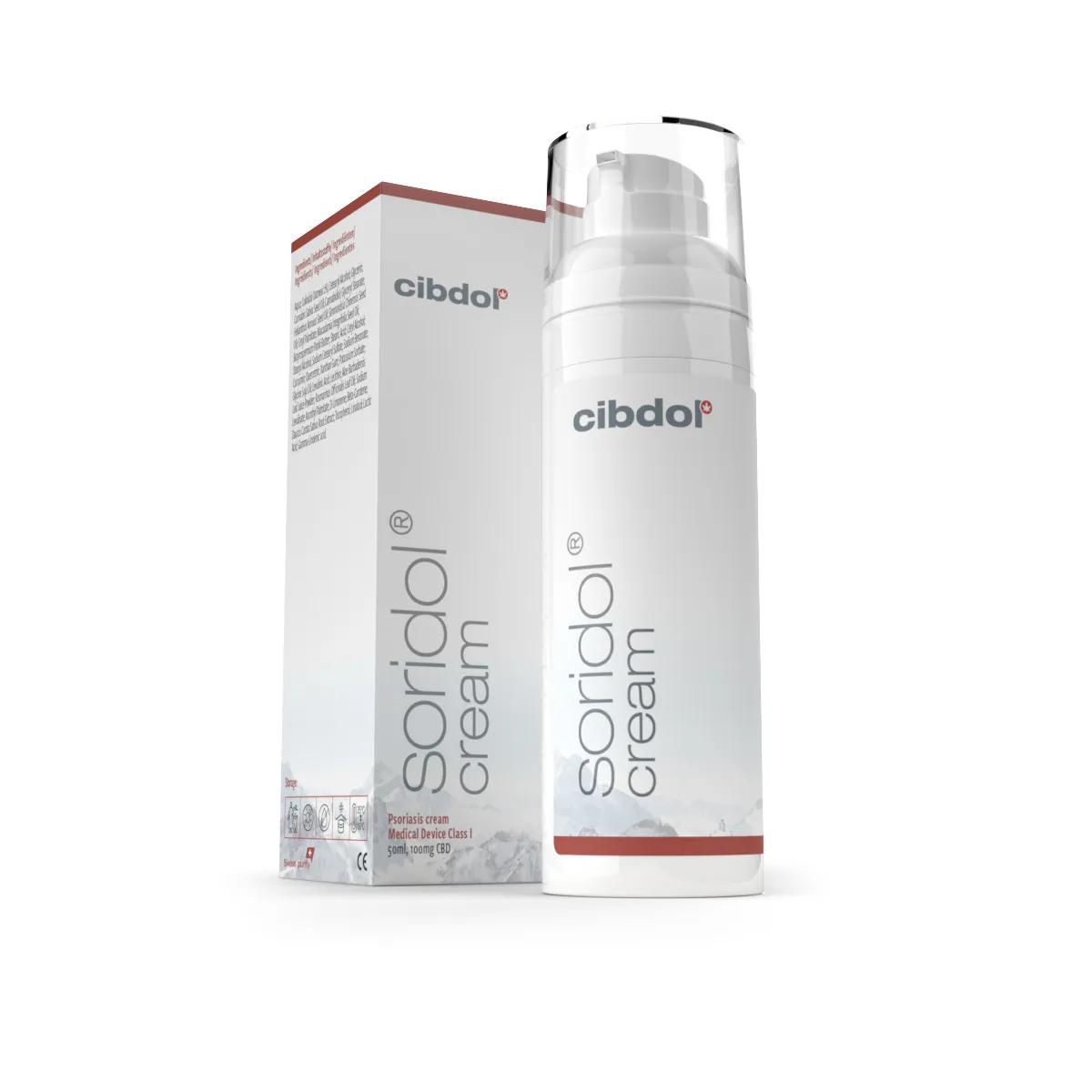
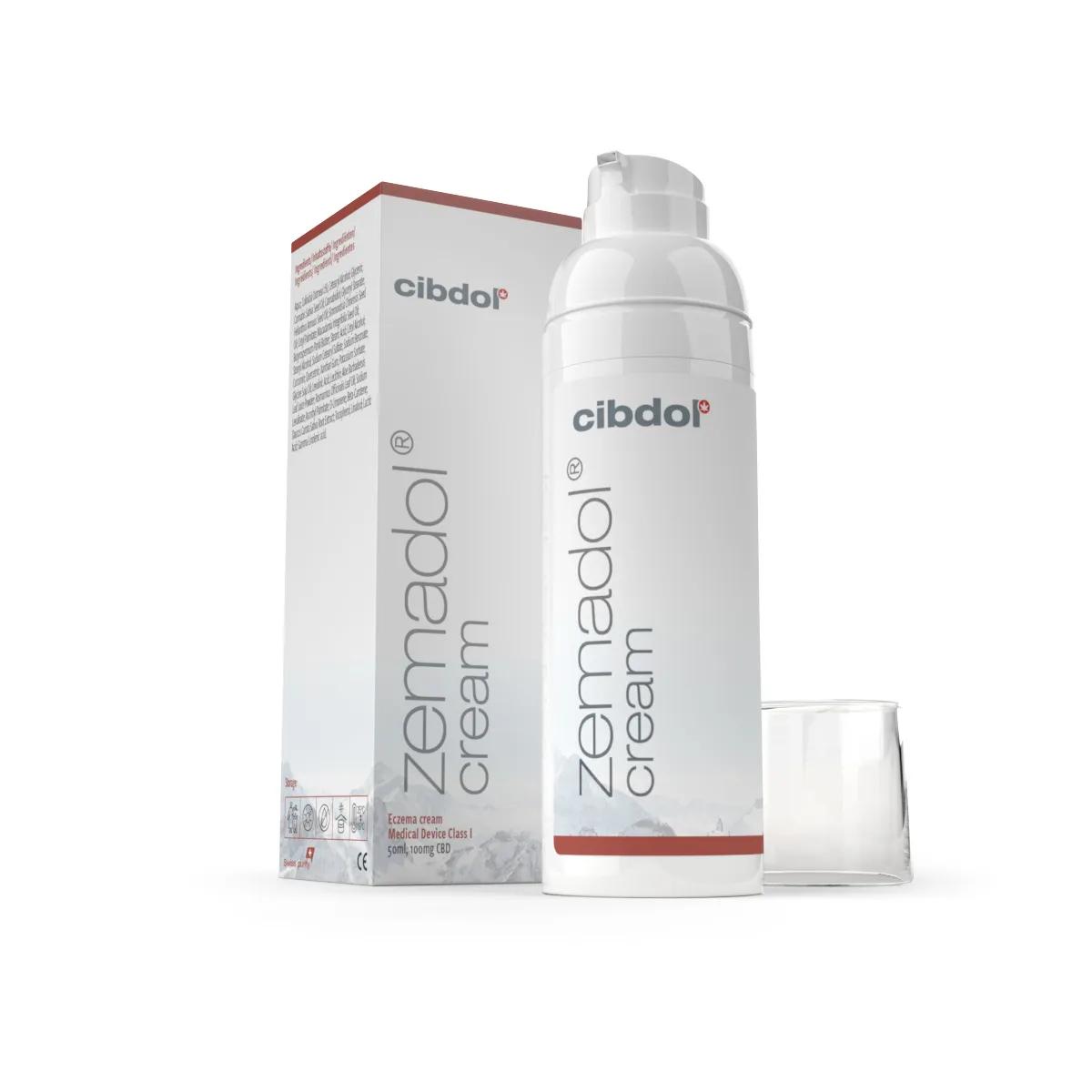
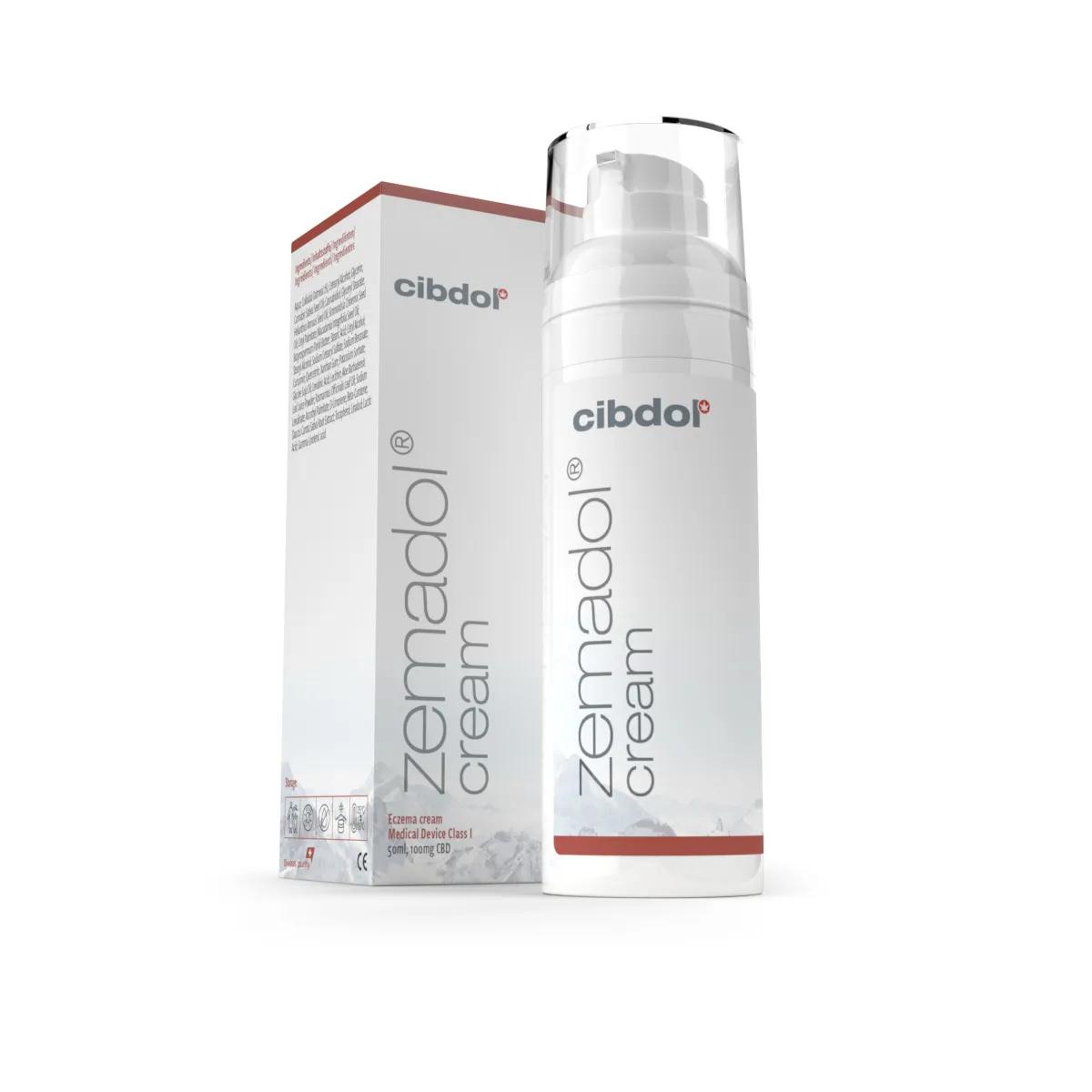
Pick a topical when the issue has an address. Joint stiffness, post-workout muscle soreness, a flare of problem skin, dry winter hands, chapped lips — these are all "point at the spot" situations. The three Cibdol medical-device creams we carry target specific skin conditions: Aczedol for acne-prone skin, Zemadol for eczema-affected areas, and Soridol for psoriasis patches. All three are Class I medical devices, which in the EU means they've cleared a regulatory bar most cosmetic CBD products haven't bothered with.
Format matters more than people think. Here's how the three main topical textures behave on skin:
| Format | Texture | Best for | Typical base |
|---|---|---|---|
| Cream | Light, absorbs fast, non-greasy | Daily facial use, problem skin, anyone who hates residue | Water-in-oil emulsion, hemp seed oil |
| Balm | Thicker, sits on skin longer | Joints, muscles, hands and feet after exposure | Beeswax, shea butter, carrier oils |
| Salve | Densest, oil-heavy, occlusive | Very dry patches, lips, overnight application | Beeswax-heavy, minimal water |
If you're buying one topical to try first, get a cream. Balms and salves are brilliant for their jobs but messier to live with — a cream absorbs in under a minute and you can put your clothes back on.
What's Actually In a CBD Topical — Excipients to Watch
The CBD is the headline ingredient but it's usually 1-3% of the jar. The other 97% is what determines whether the product feels good on skin and whether your skin tolerates it. Common excipients in the CBD creams we stock:
- Hemp seed oil — carrier oil rich in omega-3 and omega-6, no cannabinoids itself. Standard base for most CBD topicals.
- Shea butter — moisturising fat, occlusive, gives balms their thickness. Sensitive-skin friendly for most people.
- Beeswax — binds balms and salves, creates a breathable barrier. Not vegan; check the label if that matters.
- Liposome encapsulation — microscopic lipid bubbles carrying CBD through the skin barrier. Cibdol's Aczedol and Zemadol use this; it's the difference between CBD sitting on top of skin and CBD getting into deeper layers.
- Essential oils — lavender, eucalyptus, menthol. Nice for muscle balms, potentially irritating on damaged skin. Read the ingredient list if you're buying for eczema or broken skin.
The whole point of a topical for problem skin is calming it down, not introducing five new allergens.
CBD Topicals vs Oral CBD — Which to Buy
Different tools for different problems. You can own both; most of our long-term customers do.
| Factor | CBD topicals | CBD oil / edibles |
|---|---|---|
| Where it works | The spot you rub it on | Whole body (systemic) |
| Onset | Minutes, localised feel | 15-90 minutes depending on format |
| First-pass metabolism | Bypassed entirely | Yes — reduces bioavailability |
| Dosing precision | Less precise — apply a pea-sized amount | Precise mg per drop or gummy |
| Best for | Localised skin, joint, muscle issues | Sleep, general calm, daily routine |
How to Choose Your CBD Topical
Match the product to the problem. Buying for a specific skin condition? Start with a medical-device formulation — Aczedol if you're targeting acne, Zemadol for eczema, Soridol for psoriasis. These aren't generic "wellness" creams; they're regulated as Class I medical devices in the EU, which means the formulation has to do what it claims.
Buying for muscle recovery, joint stiffness, or just want a daily-use CBD cream? A standard balm or cream with a decent CBD concentration and a clean excipient list is what you want. When in doubt, order a 50ml tube first — it lasts longer than you'd think, and you'll know within a week if the texture and absorption suit your skin.
Frequently Asked Questions
Do CBD topicals get you high?
No. CBD is non-intoxicating, and topicals don't reach the bloodstream in any meaningful amount anyway. They work locally on skin and underlying tissue through CB2 receptors — no head effect, no drug-test concerns in most cases.
How long does a CBD cream take to work?
You feel most topicals within 10-20 minutes on the application site — cooling, warming, or just reduced awareness of the spot. Skin-condition creams like Aczedol or Zemadol work over days and weeks as the skin barrier recovers, not instantly.
Can I use a CBD balm on broken or eczema-affected skin?
Use a cream formulated for that purpose, not a generic muscle balm. Zemadol is designed for eczema-prone skin with a liposome-delivered CBD dose and a calming excipient base. Avoid heavily fragranced balms or ones loaded with essential oils on broken skin.
What's the difference between a CBD cream, balm and salve?
Cream is light and water-based, absorbs fast, best for face and daily use. Balm is beeswax-thicker, sits longer on skin, good for joints and muscles. Salve is the densest and most occlusive, made for very dry patches or overnight application on lips and hands.
Why buy a Class I medical device CBD cream over a regular one?
Class I medical device status means the product has gone through EU regulatory registration and has to back up its intended use. Cibdol's Aczedol, Zemadol and Soridol all carry this classification — most cosmetic CBD creams don't.
Looking for whole-body effects instead? Shop our CBD oil range for systemic use, or browse CBD capsules for precise daily dosing.
Last updated: April 2026