
This article discusses psychoactive substances intended for adults (18+). If you have a health condition or take medication, consult a doctor before use. Our age policy
CBD Drug Interactions & Cytochrome P450 Overview

Definition
Cannabidiol (CBD) inhibits several cytochrome P450 liver enzymes — notably CYP3A4, CYP2C19, and CYP2C9 — that metabolise an estimated 60–80% of clinically used drugs (Zanger & Schwab, 2013). This overlap means CBD can raise or lower blood levels of co-administered medications, making prescriber consultation essential for anyone combining CBD with pharmaceuticals.
What Cytochrome P450 Means for CBD Users
Cannabidiol (CBD) — the non-intoxicating phytocannabinoid from Cannabis sativa L. — is metabolised primarily by your liver. Specifically, it passes through a family of enzymes called cytochrome P450 (CYP450). These same enzymes are responsible for breaking down an estimated 60–80% of all clinically used medications (Zanger & Schwab, 2013). When CBD occupies those enzymes, it can change how fast or slow your body processes other drugs. The result: blood levels of those drugs may rise or fall in ways neither you nor your prescriber planned for.
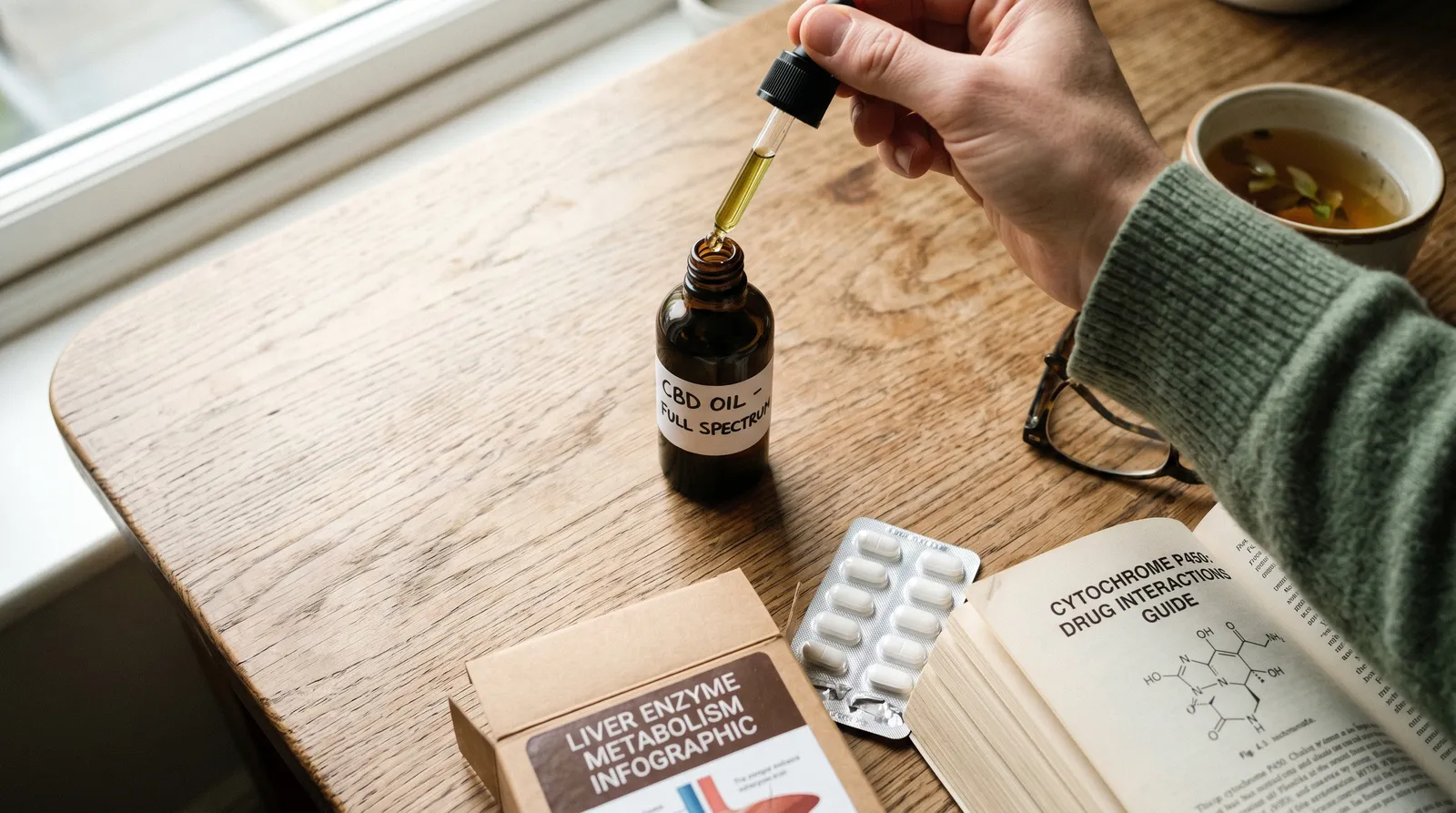
This is not a theoretical concern. A landmark 2023 clinical study in healthy adults (n = 18) demonstrated that a single 640 mg dose of CBD significantly altered the pharmacokinetics of probe drugs metabolised by CYP3A4, CYP2C19, and CYP2C9 (Nasrin et al., 2023). At consumer-level doses — typically 10–50 mg per day from a food-supplement oil — the picture is less clear, but the mechanism is the same. If you take any prescription or over-the-counter medication alongside CBD, this article explains why a conversation with your doctor is not optional.
The CYP450 System: A Quick Primer
Cytochrome P450 is not a single enzyme. It is a superfamily of over 50 enzymes, mostly concentrated in the liver, though also present in the gut wall, kidneys, and lungs. Each enzyme is named with a prefix (CYP), a number for the family, a letter for the subfamily, and another number for the individual gene. CYP3A4, for instance, handles roughly 30–40% of all drug metabolism on its own (Guengerich, 2008).
When a drug enters your bloodstream, CYP enzymes oxidise it — chemically modifying the molecule so your body can excrete it. If an enzyme is inhibited (blocked), the drug it normally processes hangs around longer, and blood concentrations rise. If an enzyme is induced (upregulated), the drug gets cleared faster, and blood concentrations drop. Either shift can cause problems: too much drug means toxicity risk; too little means the drug stops working.
This is the exact mechanism behind the well-known grapefruit interaction warning. Furanocoumarins in grapefruit juice inhibit CYP3A4 in the intestinal wall, raising blood levels of dozens of medications — from certain statins to certain calcium-channel blockers. CBD acts on the same principle, though through different chemical pathways and on a broader set of CYP isoforms.
Primary CYP450 Enzymes Affected by CBD
The table below summarises the CYP isoforms that peer-reviewed research has identified as targets for CBD inhibition or modulation. Every row cites the underlying study. Note: most of this data comes from in vitro assays or clinical trials using pharmaceutical-grade CBD at doses of 200–1,500 mg/day — substantially higher than typical food-supplement use. The direction of effect at lower doses is not well characterised, which is precisely why caution matters.

| CYP Enzyme | CBD Effect | Drugs Commonly Metabolised | Clinical Relevance | Key Citation |
|---|---|---|---|---|
| CYP3A4 | Inhibition (competitive and time-dependent) | Midazolam, certain statins (atorvastatin, simvastatin), ciclosporin, certain calcium-channel blockers, some HIV antiretrovirals | Raised blood levels of co-administered drugs; dose-dependent toxicity risk | Nasrin et al., 2021 (PMID: 33597513); Nasrin et al., 2023 |
| CYP2C19 | Inhibition (potent, competitive) | Clobazam (N-desmethylclobazam metabolite), omeprazole, certain SSRIs (citalopram, escitalopram), certain tricyclics | Well-documented clobazam interaction — up to 5-fold increase in active metabolite (Geffrey et al., 2015) | Geffrey et al., 2015 (PMID: 25935511); Anderson et al., 2019 |
| CYP2C9 | Inhibition | Warfarin (S-warfarin enantiomer), phenytoin, certain NSAIDs (ibuprofen, diclofenac), losartan | Warfarin INR elevation documented in case reports — bleeding risk | Grayson et al., 2018 (PMID: 29307314); Nasrin et al., 2021 |
| CYP2D6 | Inhibition (moderate) | Codeine, tramadol, certain beta-blockers (metoprolol), certain SSRIs (fluoxetine, paroxetine), tamoxifen | Less studied than CYP3A4/2C19; clinical significance at consumer doses unclear | Yamaori et al., 2011 (PMID: 21356216) |
| CYP1A2 | Inhibition (in vitro) | Caffeine, theophylline, clozapine, certain tricyclic antidepressants | In vitro data; limited human confirmation at consumer-relevant doses | Yamaori et al., 2010 (PMID: 20930591) |
| CYP2B6 | Inhibition (in vitro) | Bupropion, efavirenz, methadone (partial) | Largely in vitro; clinical significance uncertain | Bansal et al., 2020 |
The Grapefruit Rule — A Practical Shortcut
If your medication carries a "do not take with grapefruit" warning on the label or patient information leaflet, that drug is metabolised by CYP3A4 (and sometimes CYP1A2 or CYP2C9). CBD inhibits those same enzymes. The grapefruit rule is not a perfect one-to-one mapping — grapefruit acts mainly on intestinal CYP3A4, while CBD affects hepatic CYP3A4 as well — but it is the single most useful screening heuristic for non-specialists.
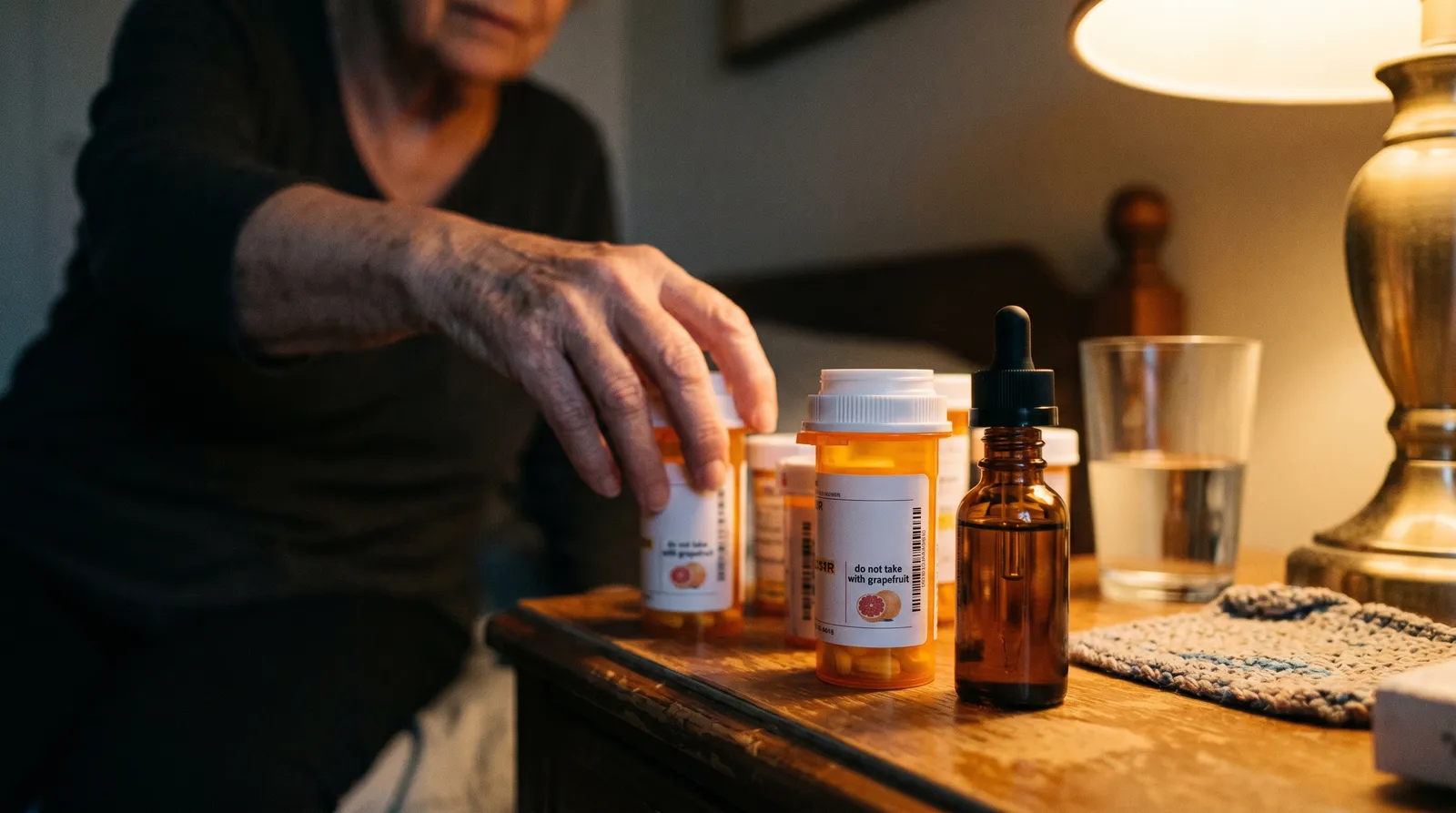
Common drug classes that carry the grapefruit warning include:
- Certain statins (atorvastatin, lovastatin, simvastatin — but not pravastatin or rosuvastatin)
- Certain calcium-channel blockers (felodipine, nifedipine, verapamil)
- Certain immunosuppressants (ciclosporin, tacrolimus)
- Certain benzodiazepines (midazolam, triazolam, diazepam)
- Certain anti-arrhythmics (amiodarone)
- Certain anticoagulants (apixaban — though warfarin's main pathway is CYP2C9, not CYP3A4)
This list is not exhaustive. The point is simple: check your medication's patient information leaflet. If grapefruit is mentioned, flag CBD with your prescriber before combining them.
High-Risk Interactions Documented in Humans
Most CYP450 interaction data for CBD comes from in vitro (test-tube) studies. But a handful of interactions have been confirmed in human subjects or documented in clinical case reports. These deserve specific attention.

Warfarin
Warfarin is metabolised primarily via CYP2C9 (the S-enantiomer, which is the more pharmacologically active form). CBD inhibits CYP2C9. In a 2018 case report, a patient stable on warfarin began using CBD oil and saw their INR (international normalised ratio — a measure of blood-clotting time) rise from a therapeutic range of 2–3 to over 8 within two weeks (Grayson et al., 2018). An INR above 4 significantly increases the risk of spontaneous bleeding. The warfarin dose had to be reduced by approximately 30% to re-stabilise the patient.
A 2023 retrospective analysis of CBD–warfarin co-administration reinforced this pattern: CBD consistently elevated INR values, requiring dose adjustments under medical supervision (Leino et al., 2023). If you take warfarin — or any vitamin K antagonist — and want to use CBD, your prescriber needs to monitor your INR closely.
Clobazam
The clobazam interaction is probably the best-characterised CBD drug interaction in clinical medicine. Clobazam is an anti-seizure benzodiazepine metabolised by CYP2C19 into its active metabolite, N-desmethylclobazam. CBD potently inhibits CYP2C19, causing N-desmethylclobazam levels to rise — in some paediatric epilepsy patients, by up to five-fold (Geffrey et al., 2015). Clinically, this manifested as increased sedation and, in some cases, required clobazam dose reductions of 25–50%.
This interaction was identified during clinical trials of pharmaceutical-grade purified CBD (doses of 10–20 mg/kg/day) for treatment-resistant epilepsy. Those doses are orders of magnitude above typical food-supplement use, but the enzyme mechanism does not switch off at lower doses — it simply becomes harder to predict.
Valproate
Valproic acid (valproate) is another anti-epileptic drug that showed interaction signals during pharmaceutical CBD trials. Co-administration of CBD and valproate was associated with elevated liver transaminases (ALT/AST) in a subset of trial participants (Devinsky et al., 2018). The mechanism may involve shared hepatic metabolic burden rather than direct CYP450 competition, but the clinical result — liver enzyme elevation — prompted monitoring recommendations. Anyone taking valproate should inform their prescriber before adding CBD in any form.
Certain SSRIs
Selective serotonin reuptake inhibitors metabolised by CYP2C19 (citalopram, escitalopram) or CYP2D6 (fluoxetine, paroxetine) may see elevated blood levels when taken alongside CBD. Human data is limited to case reports and pharmacokinetic modelling rather than controlled trials, so the magnitude of the interaction at consumer-level CBD doses remains uncertain (Anderson et al., 2019). The risk is not zero, though — particularly for SSRIs with narrow therapeutic indices or for individuals who are already poor metabolisers of CYP2C19 or CYP2D6 due to genetic variation.
Dose Dependence and the Consumer-Dose Question
Here is where the evidence gets genuinely murky. Nearly all controlled human data on CBD–drug interactions comes from pharmaceutical contexts using 200–1,500 mg of purified CBD per day. A typical food-supplement oil delivers somewhere between 5 mg and 60 mg per dose, depending on concentration and the number of drops taken. The 2023 Nasrin et al. study used 640 mg — roughly 10–60 times what most CBD oil users consume.
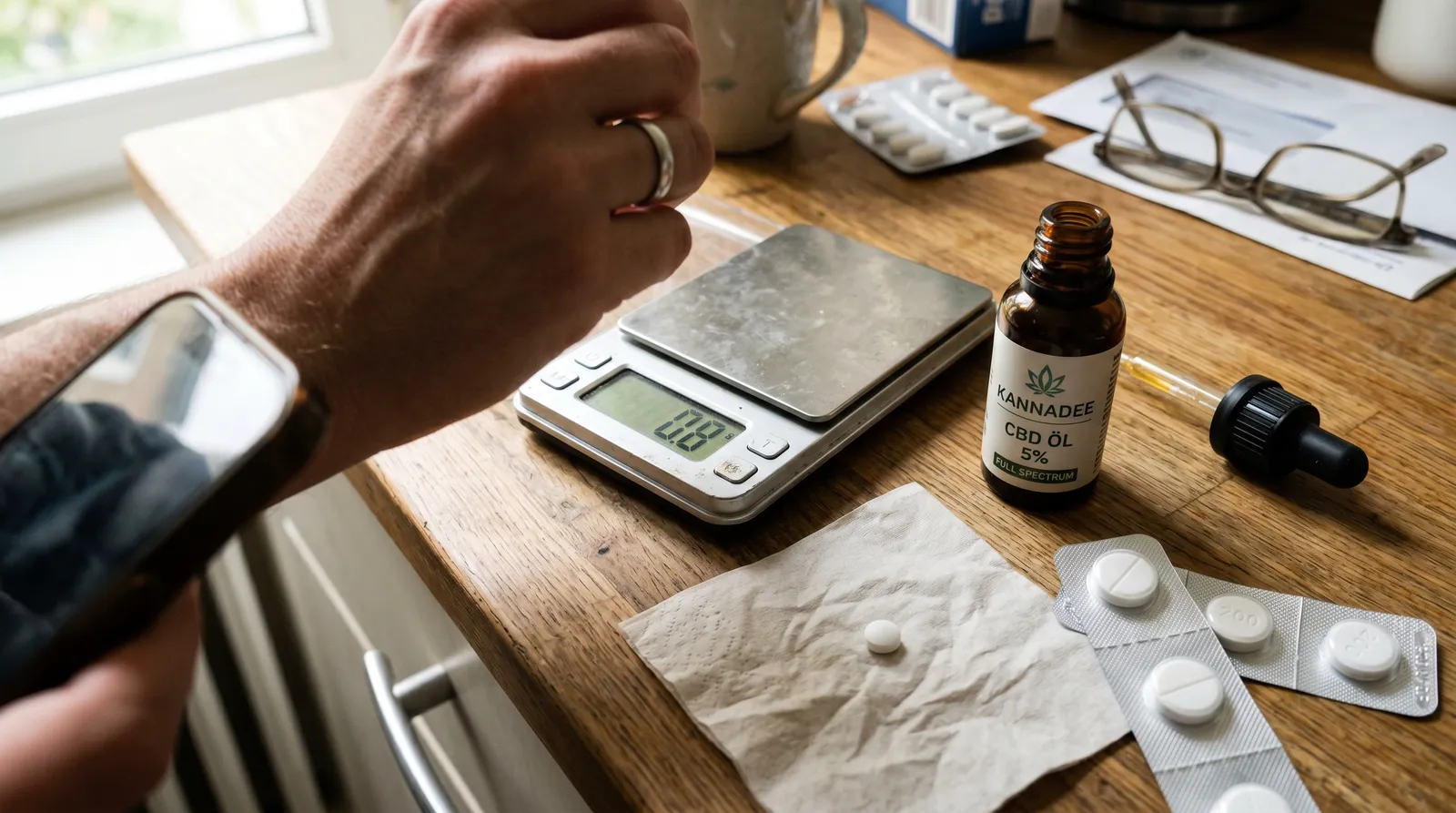
Does that mean consumer-level doses are safe to combine with medications? Not necessarily. CYP inhibition is concentration-dependent, but there is no clearly established threshold below which CBD has zero effect on enzyme activity (Balachandran et al., 2021). Individual variation in baseline CYP enzyme expression — driven by genetics, age, liver health, and other medications — means that what is negligible for one person may be clinically meaningful for another.
The honest summary: at 10–20 mg of CBD per day, the probability of a clinically significant interaction is lower than at 600 mg per day. But "lower probability" is not the same as "no risk," and the consequences of getting it wrong with drugs like warfarin or clobazam can be serious. The conservative position — talk to your prescriber — remains the only responsible advice.
Beyond CYP450: Other Metabolic Pathways
CYP450 is not the only enzyme system CBD interacts with. Research has also identified effects on:

- UGT enzymes (UDP-glucuronosyltransferases): CBD inhibits UGT1A9 and UGT2B7 in vitro. These enzymes are involved in the glucuronidation of drugs like morphine, zidovudine, and certain NSAIDs (Nasrin et al., 2021). Clinical significance at consumer doses is not yet established.
- P-glycoprotein (P-gp): CBD may inhibit this efflux transporter, which pumps drugs back out of cells — including back into the intestinal lumen. Inhibiting P-gp could increase absorption of co-administered drugs. Evidence is largely preclinical (Feinshtein et al., 2013).
- CES1 (carboxylesterase 1): Preliminary data suggests CBD may affect this enzyme, which metabolises prodrugs like methylphenidate and the antiplatelet agent clopidogrel. Data is early-stage and in vitro only.
The CYP450 system gets the most attention because it is the best studied, but it is not the complete picture. As CBD research matures, the interaction profile will almost certainly grow more complex, not simpler.
What About Topical and Inhaled CBD?
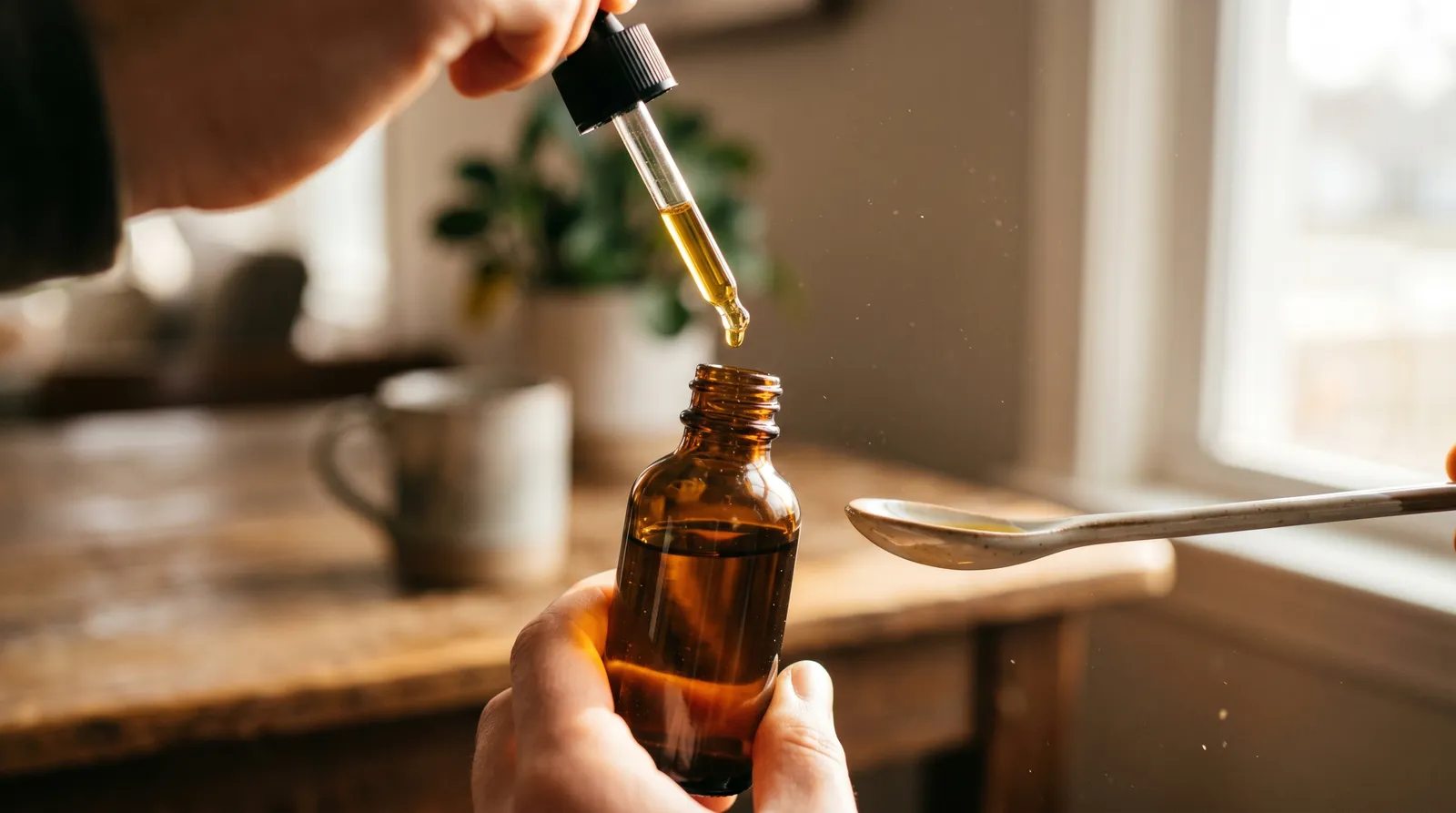
Route of administration matters. Oral CBD (oils, capsules, gummies) undergoes first-pass metabolism in the liver — meaning it passes directly through the CYP450 system before reaching systemic circulation. This is the route most likely to produce enzyme inhibition at the hepatic level.
Inhaled CBD (vaporised flower or vape liquid) bypasses first-pass metabolism and enters the bloodstream via the lungs. Systemic CBD still reaches the liver eventually, but the pharmacokinetic profile is different — peak plasma concentrations are higher and faster, but total hepatic exposure may differ from oral dosing (Millar et al., 2018).
Topical CBD (creams, balms) applied to the skin for localised use generally produces negligible systemic absorption. The likelihood of a CYP450-mediated drug interaction from a topical CBD product is very low, though transdermal patches designed for systemic delivery are a different matter — they are engineered to push CBD into the bloodstream, and the interaction logic then applies as with oral formats.
The article on CBD bioavailability by format covers absorption differences in more detail.
Genetic Variation and Individual Risk
Not everyone expresses CYP enzymes at the same level. Pharmacogenomic variation — the genetic differences in enzyme activity between individuals — is well documented for CYP2C19, CYP2D6, and CYP2C9 in particular.

Roughly 2–5% of Caucasian populations and up to 15–20% of East Asian populations are CYP2C19 poor metabolisers (Sim et al., 2006). These individuals already clear CYP2C19 substrates (like clobazam or citalopram) more slowly than average. Adding CBD — another CYP2C19 inhibitor — on top of an already reduced metabolic capacity could amplify the interaction disproportionately.
CYP2D6 shows even wider variation: roughly 5–10% of Europeans are poor metabolisers, while 1–2% are ultra-rapid metabolisers (Gaedigk et al., 2017). If you have ever been told by a doctor or pharmacist that you are a "slow metaboliser" or have had pharmacogenomic testing, this information is directly relevant to your CBD interaction risk.
Practical Takeaways
This is a pharmacology article, not a clinical consultation. But the practical points are straightforward:
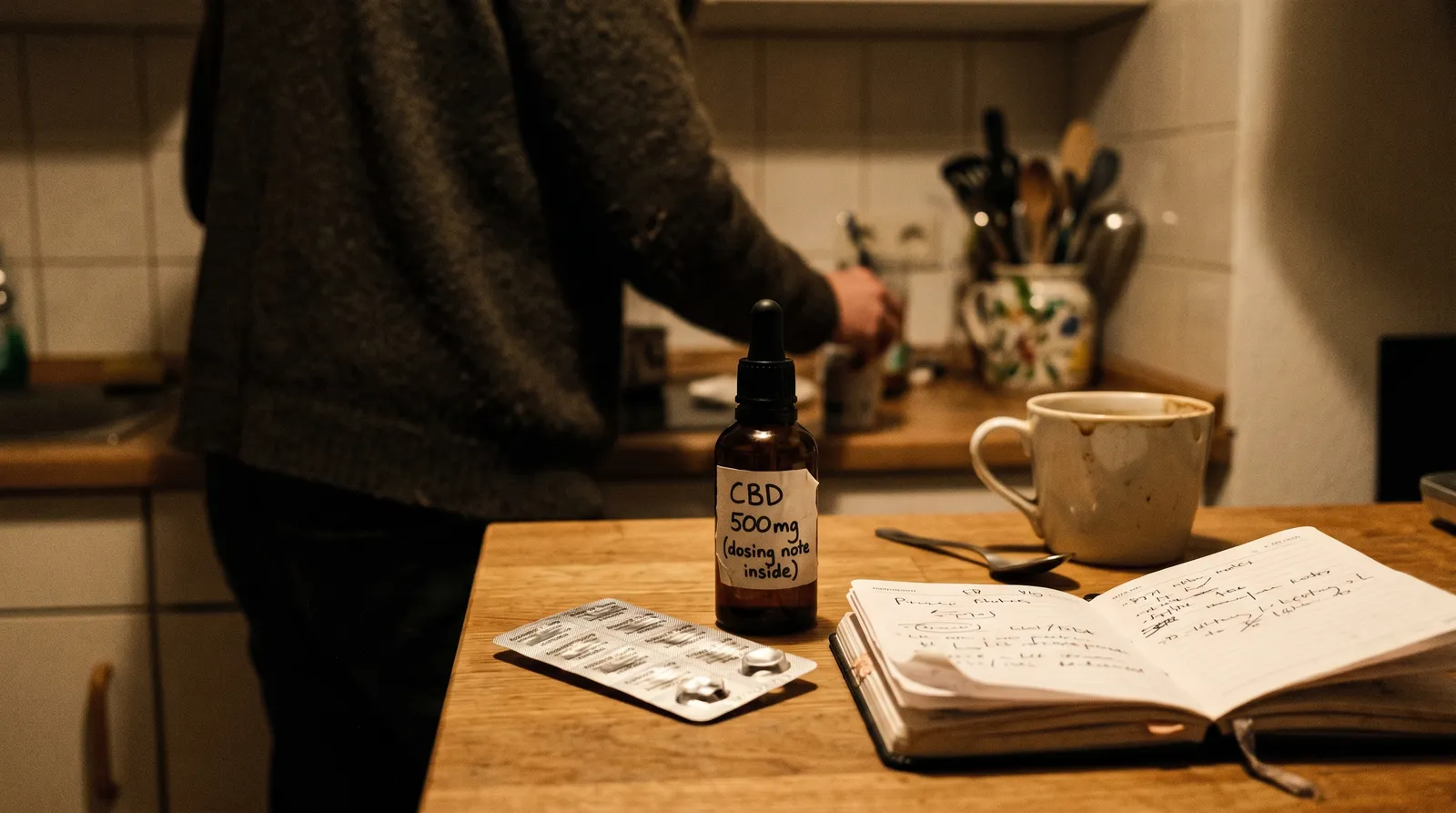
- Check the grapefruit rule. If your medication says "avoid grapefruit," flag CBD use with your prescriber.
- Warfarin, clobazam, and valproate have the strongest documented interaction signals. These are not theoretical.
- SSRIs, certain statins, and certain benzodiazepines carry moderate interaction potential via CYP2C19, CYP3A4, and CYP2D6.
- Dose matters, but the threshold is not known. Consumer-level CBD doses (10–50 mg/day) are far below clinical trial doses, but enzyme inhibition is a spectrum, not a binary switch.
- Your pharmacist is your best resource. They can cross-reference your full medication list against CYP450 pathways in minutes. This is literally what they are trained to do.
- If you are already combining CBD with medication, do not abruptly stop either one without medical guidance. Sudden withdrawal of CBD could cause a rebound change in drug metabolism, altering blood levels of your medication in the opposite direction.
The article on CBD dosing and manufacturer recommendations covers label-level guidance for food-supplement formats. For the underlying absorption science, see the bioavailability overview.
---Important: This article is consumer education and is not medical advice. CBD products are food supplements, not medicines. Research on CBD is ongoing and evidence remains limited or mixed for many topics. Talk to your doctor before use if you are pregnant, breastfeeding, taking medication, scheduled for surgery, or living with a health condition. Keep CBD products out of reach of children.
This article has been reviewed for factual and editorial accuracy by Toine Verleijsdonk (Cibdol brand manager) and Joshua Askew (Editorial Director). It has NOT been reviewed by a licensed medical practitioner and does not constitute medical advice.
References
- Anderson, L.L., Absalom, N.L., Abelev, S.V., et al. (2019). Coadministered cannabidiol and clobazam: Preclinical evidence for both pharmacodynamic and pharmacokinetic interactions. Epilepsia, 60(11), 2224–2234. DOI: 10.1111/epi.16355
- Balachandran, P., Elsohly, M., & Hill, K.P. (2021). Cannabidiol interactions with medications, illicit substances, and alcohol: a complete review. Journal of General Internal Medicine, 36, 2074–2084. DOI: 10.1007/s11606-020-06504-8
- Bansal, S., Zamarripa, C.A., Spindle, T.R., et al. (2020). Evaluation of cytochrome P450-mediated cannabinoid–drug interactions. Drug Metabolism and Disposition, 48(12), 1373–1382. PMID: 33020144
- Devinsky, O., Cross, J.H., Laux, L., et al. (2018). Trial of cannabidiol for drug-resistant seizures in the Dravet syndrome. New England Journal of Medicine, 376(21), 2011–2020. DOI: 10.1056/NEJMoa1611618
- Feinshtein, V., Erez, O., Ben-Zvi, Z., et al. (2013). Cannabidiol enhances xenobiotic permeability through the human placental barrier by direct inhibition of breast cancer resistance protein: an ex vivo study. American Journal of Obstetrics and Gynecology, 209(6), 573.e1–573.e15. PMID: 23954531
- Gaedigk, A., Sangkuhl, K., Whirl-Carrillo, M., et al. (2017). Prediction of CYP2D6 phenotype from genotype across world populations. Genetics in Medicine, 19(1), 69–76. DOI: 10.1038/gim.2016.80
- Geffrey, A.L., Pollack, S.F., Bruno, P.L., & Thiele, E.A. (2015). Drug–drug interaction between clobazam and cannabidiol in children with refractory epilepsy. Epilepsia, 56(8), 1246–1251. PMID: 25935511
- Grayson, L., Vines, B., Nichol, K., & Szaflarski, J.P. (2018). An interaction between warfarin and cannabidiol, a case report. Epilepsy & Behavior Case Reports, 9, 10–11. PMID: 29307314
- Guengerich, F.P. (2008). Cytochrome P450 and chemical toxicology. Chemical Research in Toxicology, 21(1), 70–83. DOI: 10.1021/tx700079z
- Leino, A.D., Emoto, C., Engelman, K., et al. (2023). Warfarin–cannabidiol interaction: a retrospective case series. Cannabis and Cannabinoid Research, 8(2), 340–345. DOI: 10.1089/can.2021.0209
- Millar, S.A., Stone, N.L., Yates, A.S., & O'Sullivan, S.E. (2018). A systematic review on the pharmacokinetics of cannabidiol in humans. Frontiers in Pharmacology, 9, 1365. DOI: 10.3389/fphar.2018.01365
- Nasrin, S., Watson, C.J.W., Perez-Paramo, Y.X., & Lazarus, P. (2021). Cannabinoid metabolites as inhibitors of major hepatic CYP450 enzymes, with implications for cannabis–drug interactions. Clinical Pharmacology & Therapeutics, 109(6), 1506–1517. PMID: 33597513
- Nasrin, S., Watson, C.J.W., Bardhi, K., et al. (2023). Inhibition of UDP-glucuronosyltransferase enzymes by major cannabinoids and their metabolites. Drug Metabolism and Disposition, 51(10), 1282–1290.
- Sim, S.C., Risber, C., Dahl, M.L., et al. (2006). A common novel CYP2C19 gene variant causes ultrarapid drug metabolism relevant for the drug response to proton pump inhibitors and antidepressants. Clinical Pharmacology & Therapeutics, 79(1), 103–113. DOI: 10.1016/j.clpt.2005.10.002
- Yamaori, S., Ebisawa, J., Okushima, Y., Yamamoto, I., & Watanabe, K. (2011). Potent inhibition of human cytochrome P450 3A isoforms by cannabidiol: role of phenolic hydroxyl groups in the resorcinol moiety. Life Sciences, 88(15–16), 730–736. PMID: 21356216
- Yamaori, S., Okamoto, Y., Yamamoto, I., & Watanabe, K. (2010). Cannabidiol, a major phytocannabinoid, as a potent atypical inhibitor for CYP2D6. Drug Metabolism and Disposition, 39(11), 2049–2056. PMID: 20930591
- Zanger, U.M. & Schwab, M. (2013). Cytochrome P450 enzymes in drug metabolism: regulation of gene expression, enzyme activities, and impact of genetic variation. Pharmacology & Therapeutics, 138(1), 103–141. DOI: 10.1016/j.pharmthera.2012.12.007
Last updated: April 2026
Frequently Asked Questions
8 questionsDoes CBD interact with blood thinners like warfarin?
Is the grapefruit warning a reliable guide for CBD drug interactions?
Are CBD drug interactions dose-dependent?
Does topical CBD cause drug interactions?
Can CBD interact with antidepressants like SSRIs?
What happens if I stop taking CBD while on medication?
How long should I wait between taking CBD and my medication?
Does the dose of CBD matter for cytochrome P450 inhibition?
About this article


Luke Sholl has been writing about cannabis, cannabinoids, and the broader benefits of nature since 2011, and has personally grown cannabis in home grow tents for more than a decade. That first-hand cultivation experience
This wiki article was drafted with AI assistance and reviewed by Luke Sholl, External contributor since 2026. Editorial oversight by Toine Verleijsdonk.
Medical disclaimer. This content is for informational purposes only and does not constitute medical advice. Consult a qualified healthcare provider before use of any substance.
Last reviewed April 25, 2026
Related Articles

Pinene Alpha and Beta: Aroma, Chemistry & Vaporisation Guide
Pinene is a bicyclic monoterpene occurring as two isomers — α-pinene and β-pinene — and ranks as the most abundant terpene in the plant kingdom.

CBD and Recovery: What the Research Actually Shows
CBD and recovery is a research topic spanning exercise-induced muscle damage, sleep quality, and perceived soreness. As McCartney et al.

CBD Pet Dosing Vet Consultation: Prepare for Your Visit
Veterinary CBD dosing is not a scaled-down version of human dosing — dogs and cats metabolise cannabidiol through different enzymatic pathways and at…

CBD for Cats Veterinary Considerations: Feline Research, Safety and Guidance
Cats metabolise cannabinoids differently from dogs and humans, lacking key glucuronidation enzymes that affect CBD clearance. Deabold et al.

EU Novel Food Regulation CBD: Country Status, EFSA Safety & Guide
EU novel food regulation CBD is a policy framework under EU rule 2015/2283 that classifies cannabidiol extracts as a novel food, requiring safety assessment…
CBD Topical Creams Medical Grade: CE-Marked Class I Explained
CBD topical creams deliver cannabidiol directly to the skin rather than the bloodstream.
Humulene Effects and Aroma Profile | Terpene Guide
Humulene (α-humulene) is a monocyclic sesquiterpene named after Humulus lupulus — hops.

Terpene Entourage Effect: Current Evidence Reviewed
The terpene entourage effect proposes that cannabis terpenes modulate cannabinoid activity, producing different outcomes than isolated compounds alone.
CBD and Skin Conditions: What Research Shows
Cannabidiol (CBD) interacts with the endocannabinoid system expressed in human skin — including CB1 and CB2 receptors on keratinocytes, sebocytes, and…