
This article discusses psychoactive substances intended for adults (18+). If you have a health condition or take medication, consult a doctor before use. Our age policy
What Is CBD?
Definition
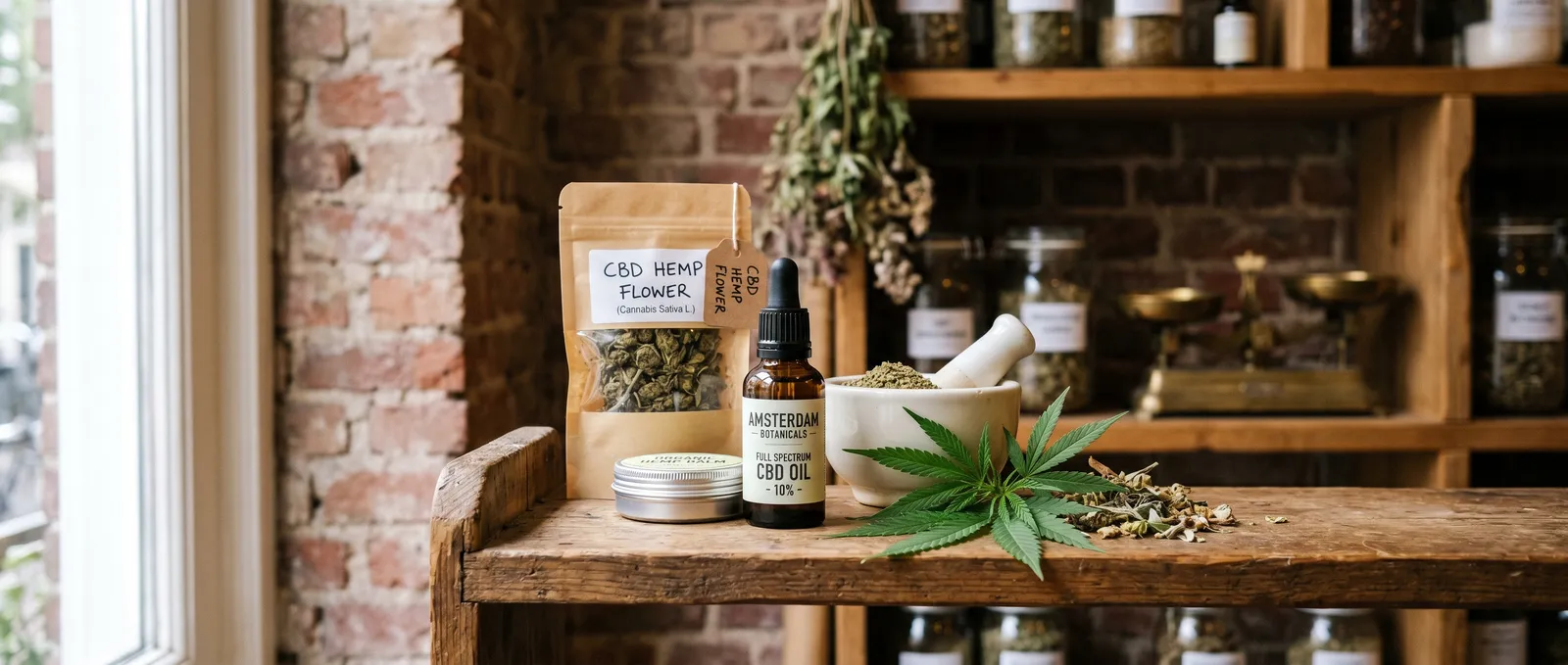
CBD (cannabidiol) is a non-intoxicating cannabinoid from Cannabis sativa that modulates the endocannabinoid system, serotonin receptors, and vanilloid channels without producing a high. According to Larsen and Shahinas (2020), it shows a favourable safety profile at doses up to 1,500 mg/day, though significant drug interactions via CYP450 inhibition make it less benign than its reputation suggests.
CBD (cannabidiol) is a non-intoxicating phytocannabinoid that is derived from Cannabis sativa and that interacts primarily with the body's endocannabinoid system without producing the characteristic high associated with THC. According to a large-scale review by Larsen and Shahinas (2020), CBD shows a favourable safety profile at doses up to 1,500 mg/day in clinical settings, though it does interact with a surprising number of common medications. 18+ only
This guide is written for adults aged 18 and over. Effects and dosing ranges described below apply to adult physiology; CBD is not appropriate for people under 18.
This article is provided for educational purposes only and does not constitute medical advice. CBD products may carry health risks, particularly when combined with medications. Always consult a qualified healthcare professional before using CBD, especially if you are pregnant, nursing, taking prescription drugs, or have a pre-existing medical condition. The information here should not replace professional medical guidance.
Key Facts
CBD is one of over 100 cannabinoids identified in Cannabis sativa and is the most widely researched non-intoxicating compound in the plant.
- Classification: Phytocannabinoid — one of over 100 cannabinoids identified in Cannabis sativa (Hanus et al., 2016).
- Primary receptor activity: Weak antagonist at CB1 and CB2 receptors; allosteric modulator of opioid and serotonin (5-HT1A) receptors (Laprairie et al., 2015).
- First isolated: 1940 by Roger Adams at the University of Illinois; structure fully elucidated by Raphael Mechoulam in 1963.
- Forms available: Oils and tinctures, capsules, edibles, topical creams, vape liquids, water-soluble powders, isolate crystals, and full-spectrum or broad-spectrum extracts. Those looking to buy CBD oil or order CBD capsules will find a range of options at Azarius.
- Safety summary: Adverse effects are generally mild — fatigue, diarrhoea, and appetite changes are most commonly reported (Hurd et al., 2019). Liver enzyme elevation (ALT/AST) has been observed at high doses, particularly when combined with valproate (Devinsky et al., 2017).
- Only approved pharmaceutical: Epidiolex (cannabidiol oral solution) is the sole CBD medicine approved by the FDA and EMA, specifically for Lennox-Gastaut and Dravet syndromes.
- Drug interactions: CBD inhibits cytochrome P450 enzymes (CYP3A4, CYP2C19), meaning it can raise or lower blood levels of over 600 medications (Nasrin et al., 2021).
Commercial Disclosure
Azarius sells CBD products and has a commercial interest in this topic. Our editorial process includes independent pharmacological review to mitigate commercial bias.
Contraindications
Certain groups should avoid CBD entirely or use it only under medical supervision due to documented safety risks.
- Pregnancy and breastfeeding: The FDA has warned against CBD use during pregnancy and lactation, citing animal studies showing risks to foetal development including effects on the male reproductive system (FDA, 2020). Human data is essentially absent.
- Liver disease: CBD is extensively metabolised by the liver. Individuals with hepatic impairment showed elevated plasma concentrations in pharmacokinetic studies (Taylor et al., 2018). If you have any liver condition, clinical supervision is critical before using CBD.
- CYP450-metabolised medications: CBD inhibits CYP3A4 and CYP2C19 — the same enzymes that process roughly 60% of all prescribed drugs. This includes warfarin, clobazam, certain SSRIs, and immunosuppressants. Blood levels of these drugs can increase unpredictably (Nasrin et al., 2021).
- Sedatives and CNS depressants: Combining CBD with benzodiazepines, opioids, or alcohol may amplify sedation. A 2019 study noted increased somnolence when CBD was co-administered with clobazam (Devinsky et al., 2019).
- Children under 18: Outside of Epidiolex prescribed by a specialist, paediatric use of over-the-counter CBD products lacks sufficient safety data.
- Driving and operating machinery: While CBD alone does not appear to impair driving according to a University of Sydney trial (Arkell et al., 2020), full-spectrum products containing trace THC may affect reaction time in sensitive individuals.
History and Origin
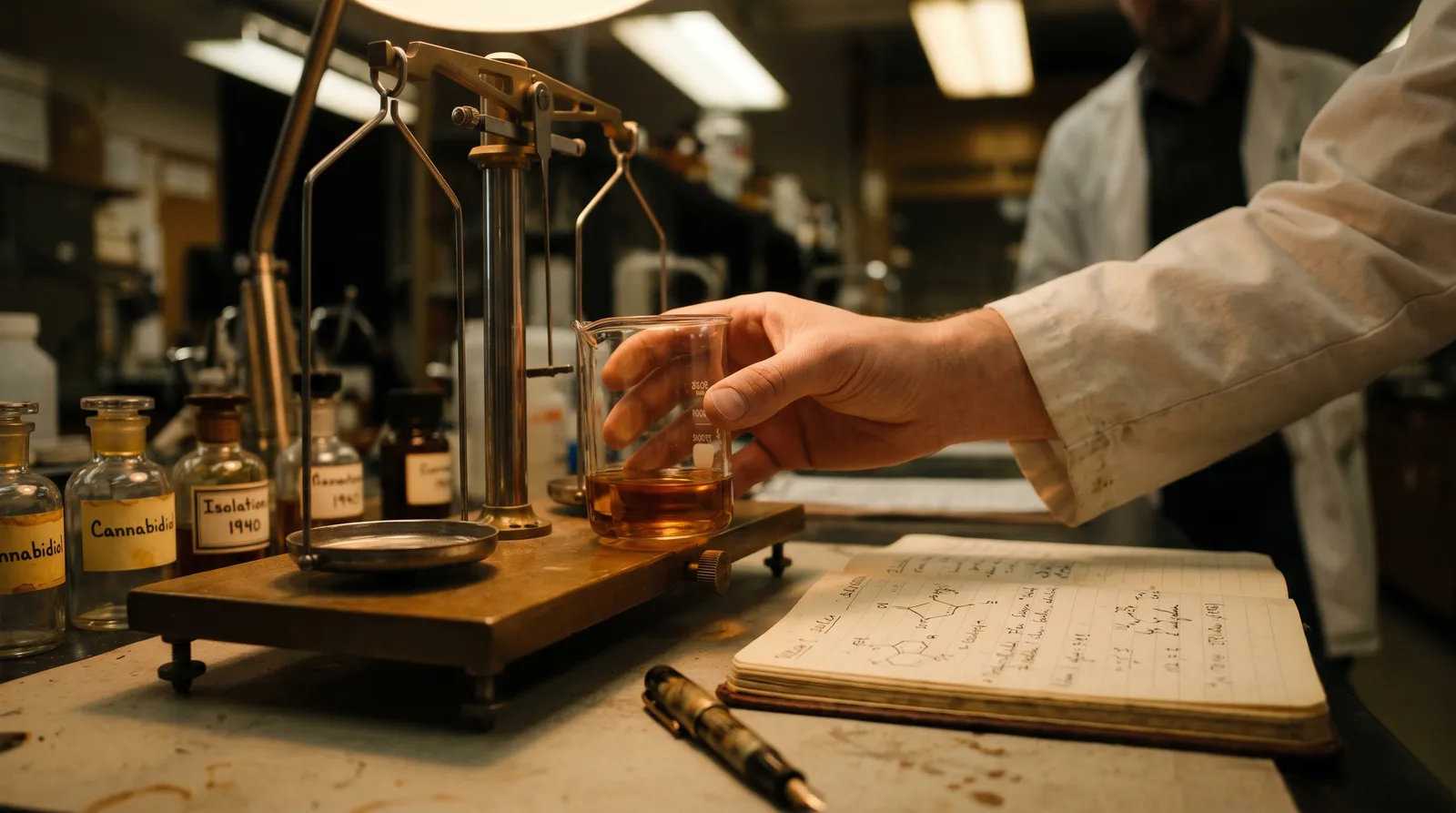
CBD was first isolated in 1940 by American chemist Roger Adams, but its molecular structure was not fully determined until 1963 by Raphael Mechoulam. The molecule sat in relative obscurity for over two decades until Mechoulam — often called the godfather of cannabis research — elucidated its exact chemical structure and then synthesised it in 1965 (Mechoulam and Shvo, 1963).
For the next thirty years, CBD lived in THC's shadow. Researchers were far more interested in the compound that got people high. That started shifting in the 1990s when the endocannabinoid system was discovered, revealing that the human body produces its own cannabis-like molecules. Suddenly CBD had a plausible mechanism of action worth investigating.
The real turning point came in 2013 when CNN aired a documentary featuring Charlotte Figi, a young girl with Dravet syndrome whose seizures dropped from 300 per week to roughly 2-3 after using a CBD-rich cannabis extract. That story blew the doors open for public interest and research funding alike. By 2018, the FDA approved Epidiolex, and CBD went from obscure phytochemical to a multi-billion-euro global market in under a decade.
Chemistry and Active Compounds
Cannabidiol has the molecular formula C21H30O2 and a molecular weight of 314.46 g/mol, making it structurally identical to THC except for the arrangement of a single ring. THC has a closed pyran ring where CBD has an open hydroxyl group. That seemingly minor structural difference is why one compound binds strongly to CB1 receptors (producing intoxication) and the other does not.
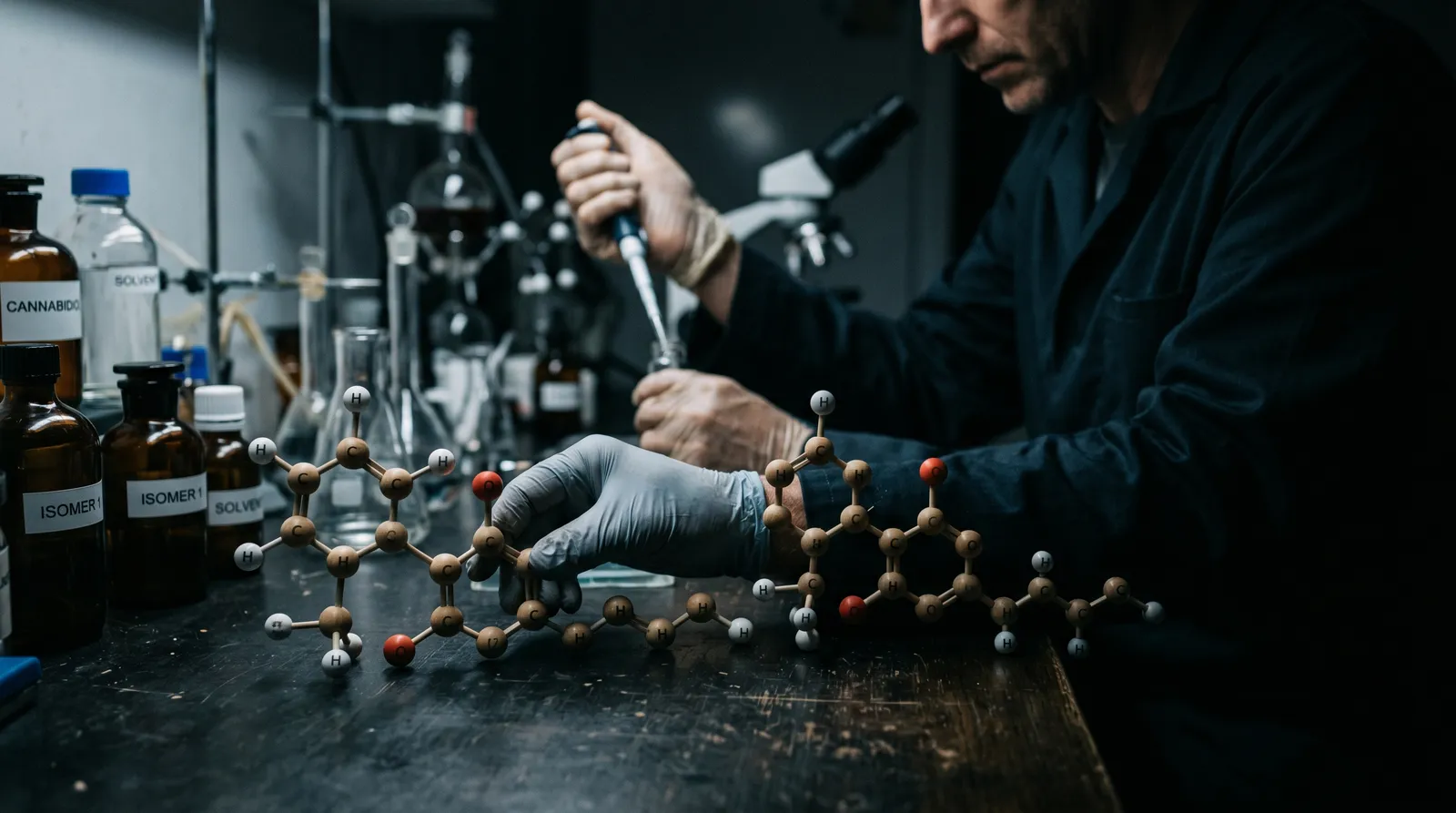
CBD's pharmacology is unusually promiscuous. Rather than acting as a straightforward agonist or antagonist at one receptor, it modulates multiple targets simultaneously:
| Target | Action | Functional Relevance |
|---|---|---|
| CB1 receptor | Negative allosteric modulator | May dampen THC's effects at the same receptor |
| CB2 receptor | Inverse agonist | Possible anti-inflammatory signalling |
| 5-HT1A (serotonin) | Partial agonist | Anxiolytic and anti-nausea effects observed in animal models |
| TRPV1 (vanilloid) | Agonist, then desensitiser | Pain modulation pathway |
| GPR55 | Antagonist | May influence bone density and blood pressure |
| PPAR-gamma | Agonist | Anti-inflammatory and neuroprotective signalling |
| CYP3A4 / CYP2C19 | Inhibitor | Primary mechanism behind drug interactions |
Full-spectrum cannabis extracts also contain minor cannabinoids (CBG, CBN, CBC) and terpenes (myrcene, limonene, linalool). Some researchers have proposed an "entourage effect" where these compounds work synergistically — though the evidence for this remains preliminary and contested. A 2020 review by Cogan found that while the concept is plausible, rigorous clinical trials isolating the entourage effect from placebo are still largely absent (Cogan, 2020).
CBD vs THC
Both are cannabinoids from the same plant, but they diverge sharply in their receptor binding. THC is a partial agonist at CB1 receptors in the brain, which is why it produces euphoria, altered perception, and appetite stimulation. CBD does not activate CB1 in the same way — it actually acts as a negative allosteric modulator, meaning it can reduce THC's binding efficiency when both are present. This is why some users report that CBD "takes the edge off" a THC high, though controlled data on this interaction in naturalistic settings is limited.
CBD vs CBG
CBG (cannabigerol) is sometimes called the "mother cannabinoid" because CBGA is the precursor from which CBD, THC, and CBC are enzymatically derived. CBG interacts with both CB1 and CB2 receptors more directly than CBD does, and early preclinical research suggests it may have distinct anti-inflammatory and antibacterial properties (Appendino et al., 2008). However, CBG research is roughly where CBD research was a decade ago — promising but far from conclusive. Those curious about CBG can explore CBG oil products at Azarius, though we would be honest that the evidence base is thinner than for CBD.
Effects Overview
CBD does not produce intoxication, so "effects" here refers to the subtle physiological shifts that users and clinical trial participants report. The most consistently observed effects in research include reduced self-reported anxiety scores (Zuardi et al., 2017), modest improvements in sleep onset (Shannon et al., 2019), and decreased inflammatory markers in certain conditions.
What you actually notice depends heavily on the delivery method. Sublingual oils hit faster than capsules because they bypass first-pass liver metabolism. Vaping delivers CBD to the bloodstream within minutes but raises its own safety questions around carrier liquids and lung health.
| Method | Onset | Peak | Duration | Bioavailability |
|---|---|---|---|---|
| Sublingual oil/tincture | 15-45 min | 1-3 hours | 4-6 hours | ~13-35% |
| Capsules / edibles | 45-90 min | 2-4 hours | 6-8 hours | ~6-19% |
| Vaping | 1-5 min | 15-30 min | 2-3 hours | ~34-56% |
| Topical (cream/balm) | 15-45 min (local) | 1-2 hours | 3-5 hours | Minimal systemic absorption |
| Water-soluble / nano | 10-20 min | 1-2 hours | 4-6 hours | Manufacturer-dependent; limited independent data |
Bioavailability figures vary considerably between studies — the ranges above are drawn from Millar et al. (2018) and represent averages across multiple formulations. Individual absorption depends on body composition, whether you have eaten recently, and the specific carrier oil used.
Dosage Guide
There is no universally agreed standard dose for CBD — clinical research spans from 15 mg for mild anxiety up to 1,500 mg/day in epilepsy trials. The table below reflects doses observed across published clinical literature, not personal recommendations.
| Level | Oral Dose (mg) | Context in Published Research | Risk Level |
|---|---|---|---|
| Threshold | 5-15 mg | Minimal physiological effect observed; used in some microdose studies | Low |
| Light | 15-50 mg | Anxiety and sleep studies (Shannon et al., 2019: 25-75 mg/day) | Low |
| Common | 50-150 mg | Pain and inflammation studies; most consumer products target this range | Moderate |
| Strong | 150-600 mg | Social anxiety (Bergamaschi et al., 2011: 600 mg single dose); psychiatric research | Moderate |
| Heavy | 600-1,500 mg | Epilepsy trials (Devinsky et al., 2017: 10-20 mg/kg/day); liver enzyme monitoring required | High |
Doses above 600 mg/day were almost exclusively studied under clinical supervision with regular blood work. At these levels, the risk of elevated liver enzymes rises substantially — particularly when CBD is taken alongside valproate or other hepatotoxic medications. Doses above 1,500 mg/day were not included in the published clinical studies reviewed here.
Preparation Methods
CBD is fat-soluble, which means how you take it matters almost as much as how much you take.
Sublingual oils and tinctures: Place drops under the tongue, hold for 60-90 seconds, then swallow. The sublingual mucosa absorbs CBD directly into the bloodstream, bypassing first-pass metabolism. Most oils use MCT (coconut-derived) or hemp seed oil as a carrier. Full-spectrum oils contain trace cannabinoids and terpenes; isolate-based oils contain only CBD.
Capsules and edibles: Swallowed CBD passes through the digestive system and liver before reaching circulation. This means lower bioavailability but longer-lasting effects. Taking capsules with a fatty meal can increase absorption by up to 4-5 times, according to a University of Minnesota study (Birnbaum et al., 2019).
Topicals: Creams, balms, and salves deliver CBD to local tissue without meaningful systemic absorption. Useful for localised discomfort but will not produce the same whole-body effects as oral administration.
Vaping: Offers the fastest onset and highest bioavailability, but the long-term safety of inhaling vaporised carrier liquids (PG, VG) alongside CBD remains poorly studied. The 2019 EVALI outbreak in the US — linked primarily to vitamin E acetate in illicit THC cartridges — highlighted how little we know about inhaled cannabis product safety in general.
Safety and Drug Interactions
CBD is generally well-tolerated at common consumer doses, but "well-tolerated" does not mean "without risk." The most commonly reported adverse effects across clinical trials are fatigue, diarrhoea, changes in appetite, and weight fluctuation (Hurd et al., 2019). These tend to be dose-dependent and mild.
The serious concern is hepatotoxicity. In the Epidiolex trials, approximately 5-20% of participants showed elevated liver enzymes (ALT above three times the upper limit of normal), with the highest rates in those also taking valproate (Devinsky et al., 2017). If you are using CBD at doses above 300 mg/day, periodic liver function tests are a reasonable precaution — though almost no one buying CBD oil from a shop actually does this, which is a genuine gap between clinical practice and consumer reality.
Drug interactions are where CBD gets properly complicated. It inhibits CYP3A4 and CYP2C19 — two of the liver's most important drug-metabolising enzymes. According to Nasrin et al. (2021), there are over 600 known drug interactions with cannabidiol. Here are the most clinically relevant categories:
| Drug Class | Examples | Interaction | Risk Level |
|---|---|---|---|
| Anti-epileptics | Clobazam, valproate, phenytoin | Increased blood levels of clobazam (up to 3-fold); elevated liver enzymes with valproate | High |
| Blood thinners | Warfarin | Increased INR; case reports of bleeding events (Grayson et al., 2018) | High |
| SSRIs / SNRIs | Sertraline, fluoxetine, venlafaxine | Potential increase in antidepressant blood levels via CYP2C19 inhibition | Moderate |
| Benzodiazepines | Diazepam, alprazolam | Increased sedation; slower clearance | Moderate |
| Opioid analgesics | Codeine, oxycodone, fentanyl | Altered metabolism; potential for increased opioid effects | Moderate |
| Immunosuppressants | Tacrolimus, cyclosporine | CYP3A4 inhibition may raise blood levels to toxic range | Moderate |
| Statins | Atorvastatin, simvastatin | Mild increase in statin levels; monitor for muscle pain | Low |
| Common analgesics | Paracetamol (acetaminophen) | Both hepatically metabolised; additive liver strain at high doses | Low |
A practical rule: if your medication label says "avoid grapefruit," CBD likely interacts with it through the same enzymatic pathway. This is not a perfect heuristic — some grapefruit interactions involve CYP3A4 only while CBD hits multiple CYP enzymes — but it catches most of the high-risk combinations.
Product quality adds another layer of uncertainty. A 2017 study by Bonn-Miller et al. found that nearly 70% of CBD products sold online were mislabelled — some containing significantly more or less CBD than stated, and about 21% containing detectable THC. Third-party certificates of analysis (COAs) from independent labs are the only real safeguard here, and even those vary in reliability.
European Regulatory Field
CBD's legal status in Europe varies by country and is evolving rapidly. The European Monitoring Centre for Drugs and Drug Addiction (EMCDDA) classifies CBD as a non-scheduled substance at the EU level, but individual member states apply different rules around THC content thresholds, novel food regulations, and marketing claims.
In the Netherlands, CBD products are legal provided they contain less than 0.05% THC — one of the strictest thresholds in Europe. The Dutch Office for Risk Assessment and Research (BuRO) published a 2022 opinion recommending a maximum daily intake of 160 mg CBD for consumer products, which is notably lower than doses used in many clinical trials. In contrast, the UK's Food Standards Agency (FSA) set a recommended cap of 70 mg/day for healthy adults in 2023, while Switzerland permits up to 1% THC in CBD products.
The Beckley Foundation has advocated for evidence-based cannabis policy reform across Europe, including clearer regulatory frameworks for CBD that distinguish between pharmaceutical and wellness applications. Their position — that regulation should be proportionate to actual risk — aligns with the growing consensus among European pharmacologists, though implementation remains fragmented.
What We Do Not Know
There are significant gaps in CBD research that honest reporting requires us to acknowledge. Long-term safety data beyond 12-18 months is essentially nonexistent for consumer-grade CBD products. Most clinical trials use pharmaceutical-grade CBD (Epidiolex) at controlled doses — the extent to which those findings translate to the variable-quality products available in shops and online is genuinely unclear.
We also do not have good data on CBD's effects in elderly populations, people with kidney disease, or individuals taking complex multi-drug regimens. The entourage effect remains unproven in controlled human trials. And the optimal dose for any given condition — anxiety, sleep, pain — has not been established with the kind of rigour we would expect for a pharmaceutical. Anyone who tells you otherwise is selling certainty that the science does not yet support.
Emergency Information
CBD alone has not been associated with fatal overdose in published literature. However, if someone experiences severe drowsiness, jaundice (yellowing of the skin or eyes), or signs of an allergic reaction after taking CBD — particularly in combination with other medications — seek medical attention immediately.
- European emergency number: 112
- Netherlands Poisons Information Centre: +31 30 274 8888
- UK National Poisons Information Service: 0344 892 0111
Tell medical staff exactly what was taken, including the CBD product name, dosage, and any other medications or substances consumed.
Related Products and Reading
If you are exploring CBD, you may also be interested in related cannabinoid and wellness products available at Azarius. Our CBD oil collection includes full-spectrum, broad-spectrum, and isolate options in various concentrations. For those curious about other cannabinoids, we carry CBG oil and CBN products as well. The Azarius wiki also covers related topics including Cannabis sativa, the endocannabinoid system, and terpenes — all of which provide useful context for understanding how CBD works within the broader plant chemistry. Our blog features regularly updated articles on cannabinoid research and European regulatory developments.
Commercial Disclosure
Azarius sells CBD products and has a commercial interest in this topic. Our editorial process includes independent pharmacological review to mitigate commercial bias.
Last updated: April 2026
Frequently Asked Questions
8 questionsDoes CBD show up on a drug test?
Can CBD interact with antidepressants?
What are the side effects of CBD?
How long does CBD take to work?
Is CBD the same as hemp oil?
Can you take too much CBD?
Is CBD safe to use during pregnancy or breastfeeding?
What is the difference between full-spectrum, broad-spectrum, and CBD isolate?
About this article


Luke Sholl has been writing about cannabis, cannabinoids, and the broader benefits of nature since 2011, and has personally grown cannabis in home grow tents for more than a decade. That first-hand cultivation experience
This wiki article was drafted with AI assistance and reviewed by Luke Sholl, External contributor since 2026. Editorial oversight by Toine Verleijsdonk.
Medical disclaimer. This content is for informational purposes only and does not constitute medical advice. Consult a qualified healthcare provider before use of any substance.
Last reviewed April 19, 2026
References (17)
- [1]Appendino, G. et al. (2008). "Antibacterial cannabinoids from Cannabis sativa." Journal of Natural Products, 71(8), 1427-1430.
- [2]Arkell, T.R. et al. (2020). "Effect of cannabidiol and delta-9-tetrahydrocannabinol on driving performance." JAMA, 324(21), 2177-2186.
- [3]Bergamaschi, M.M. et al. (2011). "Cannabidiol reduces the anxiety induced by simulated public speaking in treatment-naive social phobia patients." Neuropsychopharmacology, 36(6), 1219-1226.
- [4]Birnbaum, A.K. et al. (2019). "Food effect on pharmacokinetics of cannabidiol oral capsules in adult patients with refractory epilepsy." Epilepsia, 60(8), 1586-1592.
- [5]Bonn-Miller, M.O. et al. (2017). "Labeling accuracy of cannabidiol extracts sold online." JAMA, 318(17), 1708-1709.
- [6]Cogan, P.S. (2020). "The 'entourage effect' or 'hodge-podge hashish': the questionable rebranding, marketing, and expectations of cannabis polypharmacy." Expert Review of Clinical Pharmacology, 13(8), 835-845.
- [7]Devinsky, O. et al. (2017). "Trial of cannabidiol for drug-resistant seizures in the Dravet syndrome." New England Journal of Medicine, 376(21), 2011-2020.
- [8]EMCDDA (2020). "Low-THC cannabis products in Europe." European Monitoring Centre for Drugs and Drug Addiction, Lisbon.
- [9]Grayson, L. et al. (2018). "An interaction between warfarin and cannabidiol, a case report." Epilepsy & Behavior Case Reports, 9, 10-11.
- [10]Hanus, L.O. et al. (2016). "Phytocannabinoids: a unified critical inventory." Natural Product Reports, 33(12), 1357-1392.
- [11]Hurd, Y.L. et al. (2019). "Cannabidiol for the reduction of cue-induced craving and anxiety in drug-abstinent individuals with heroin use disorder." American Journal of Psychiatry, 176(11), 911-922.
- [12]Laprairie, R.B. et al. (2015). "Cannabidiol is a negative allosteric modulator of the cannabinoid CB1 receptor." British Journal of Pharmacology, 172(20), 4790-4805.
- [13]Larsen, C. and Shahinas, J. (2020). "Dosage, efficacy and safety of cannabidiol administration in adults." Journal of Clinical Medicine Research, 12(3), 129-141.
- [14]Mechoulam, R. and Shvo, Y. (1963). "Hashish — I: The structure of cannabidiol." Tetrahedron, 19(12), 2073-2078.
- [15]Millar, S.A. et al. (2018). "A systematic review on the pharmacokinetics of cannabidiol in humans." Frontiers in Pharmacology, 9, 1365.
- [16]Nasrin, S. et al. (2021). "Cannabinoid metabolites as inhibitors of major hepatic CYP450 enzymes." Clinical Pharmacology & Therapeutics, 109(6), 1523-1529.
- [17]Shannon, S. et al. (2019). "Cannabidiol in anxiety and sleep: a large case series." The Permanente Journal, 23, 18-041.
Related Articles

Pinene Alpha and Beta: Aroma, Chemistry & Vaporisation Guide
Pinene is a bicyclic monoterpene occurring as two isomers — α-pinene and β-pinene — and ranks as the most abundant terpene in the plant kingdom.

CBD and Recovery: What the Research Actually Shows
CBD and recovery is a research topic spanning exercise-induced muscle damage, sleep quality, and perceived soreness. As McCartney et al.
CBD Pet Dosing Vet Consultation: Prepare for Your Visit
Veterinary CBD dosing is not a scaled-down version of human dosing — dogs and cats metabolise cannabidiol through different enzymatic pathways and at…

CBD for Cats Veterinary Considerations: Feline Research, Safety and Guidance
Cats metabolise cannabinoids differently from dogs and humans, lacking key glucuronidation enzymes that affect CBD clearance. Deabold et al.
EU Novel Food Regulation CBD: Country Status, EFSA Safety & Guide
EU novel food regulation CBD is a policy framework under EU rule 2015/2283 that classifies cannabidiol extracts as a novel food, requiring safety assessment…
CBD Topical Creams Medical Grade: CE-Marked Class I Explained
CBD topical creams deliver cannabidiol directly to the skin rather than the bloodstream.
Humulene Effects and Aroma Profile | Terpene Guide
Humulene (α-humulene) is a monocyclic sesquiterpene named after Humulus lupulus — hops.
Terpene Entourage Effect: Current Evidence Reviewed
The terpene entourage effect proposes that cannabis terpenes modulate cannabinoid activity, producing different outcomes than isolated compounds alone.
CBD and Skin Conditions: What Research Shows
Cannabidiol (CBD) interacts with the endocannabinoid system expressed in human skin — including CB1 and CB2 receptors on keratinocytes, sebocytes, and…