




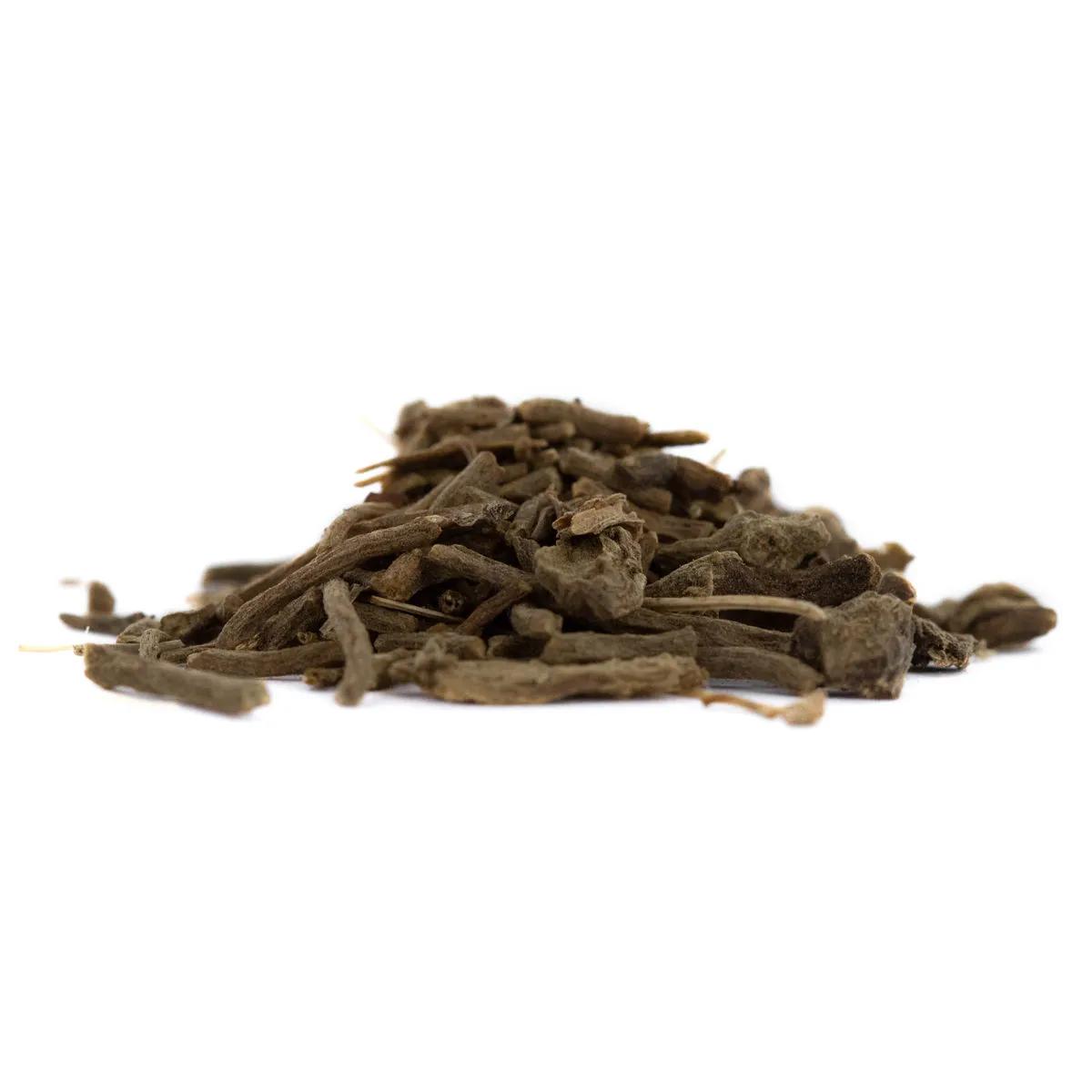
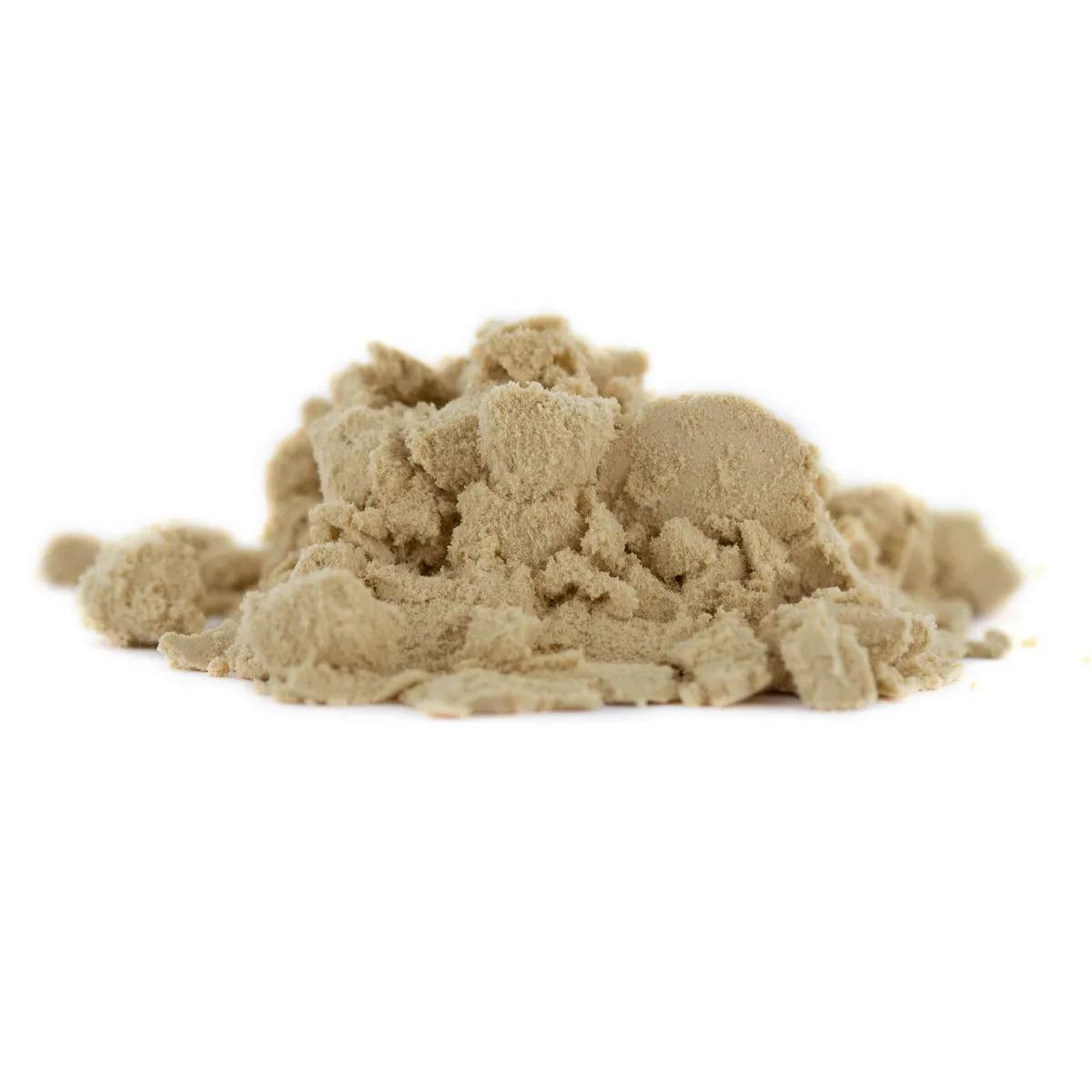
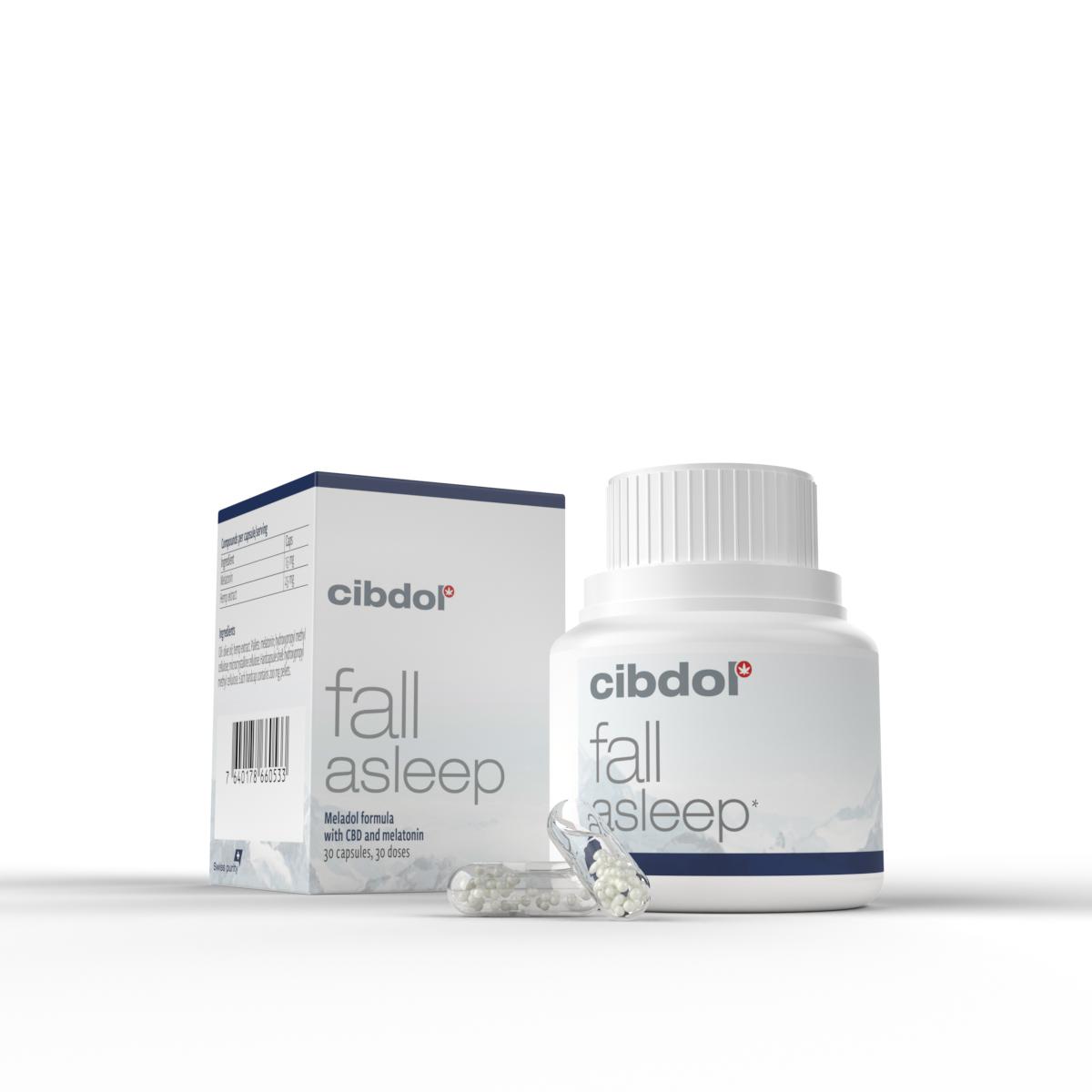

Calming herbs are dried botanicals you brew as tea or blend into herbal smoke to take the edge off your evening. Azarius has been stocking the classics since 1999 — passionflower, valerian, wild lettuce, mulungu, lavender — so you can buy proven evening herbs in one place. Seven products in this category, all cut-and-sifted or extract form, ready to steep.
Buy Calming Herbs — An Evening Cupboard Guide
Calming herbs are traditional botanicals used in herbal tea traditions across Europe, South America, and Asia to support a quieter evening. We carry seven of them, and each one works a bit differently — some sedate, some just soften the edges, some stink the kitchen out for an hour afterwards (looking at you, valerian).
This guide is written for adults. The herbs described below are traditionally used by adult drinkers; none of this is appropriate for under-18s.
| Herb | Format | Strength | Good for |
|---|---|---|---|
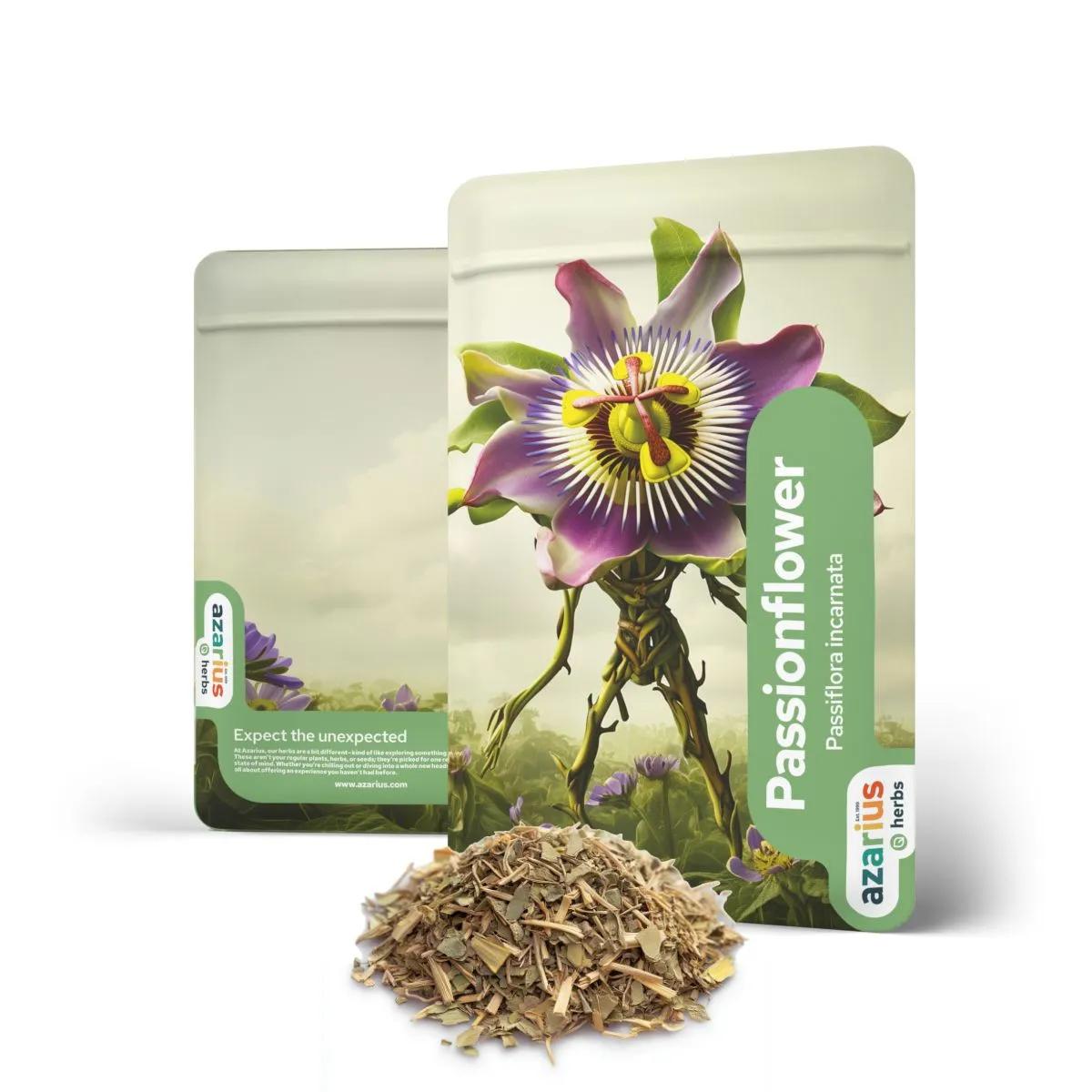
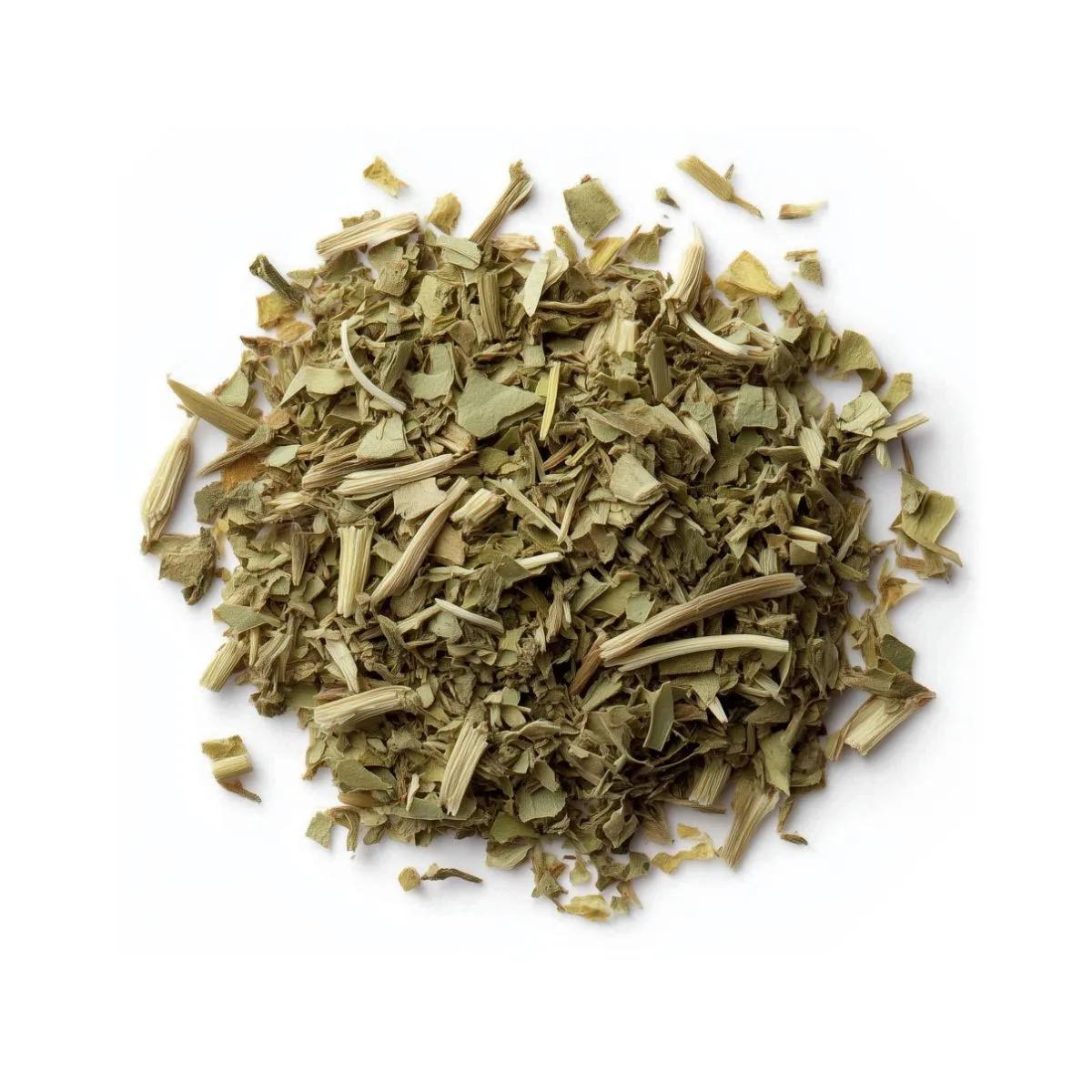
| Passionflower (cut herb) | Dried aerial parts, cut & sifted | Gentle | First-time buyers of calming tea |
| Passionflower leaves | Leaves only, organically grown | Gentle | Tea blenders who want leaf-only material |
| Passionflower 10x extract | Concentrated powder | Strong | Experienced users who want lower volume |
| Valerian root | Cut root | Strong, sedative | People who've tried passionflower and want more |
| Wild lettuce | Shredded leaf / seeds | Medium | Traditional herb enthusiasts |
| Mulungu bark | Shredded bark | Medium | Fans of South American botanicals |
| Lavender | Dried flower | Gentle | Tea blends and fragrance |
Read the table by strength, not by name. If you've never bought a calming herb before, the gentle column is where you start — not because the others are dangerous, but because passionflower tea is a pleasant introduction and valerian root smells like old socks. Order the softer stuff first, see how your body responds, then work up.
What We Carry
Our calming herbs range covers the classical European tradition, the South American bark tradition, and one concentrated extract for people who want less volume in the cup.
- Passionflower family — three variants: the standard cut-and-sifted Passiflora incarnata herb, organically grown leaves only, and a 10x concentrated extract powder
- Valerian root — cut Valeriana officinalis root, the old Germanic sleep herb, strong and unmistakably pungent
- Wild lettuce (Lactuca virosa) — shredded herb or seeds, traditionally used across Europe
- Mulungu bark — shredded Erythrina mulungu from Brazil, brewed as an evening bark tea
- Lavender — dried flower for tea blending and fragrance, blends beautifully with passionflower or chamomile
How to Choose Your Calming Herb
If you're new to this, buy passionflower first. The cut-and-sifted Passiflora incarnata brews into a mild, earthy tea with a hay-like character — nothing confronting, nothing medicinal-tasting. Passionflower is traditionally used for relaxation support, and research suggests it may support calm (Ngan & Conduit, 2011). Blend it 50/50 with lavender or chamomile if the bitterness isn't your thing.
Once you've got a feel for how your body reacts to a calming tea, step up. Valerian root is the heavy hitter of our shelf — boil the cut root for five minutes and you'll know why Germanic herbalists have kept it in the cupboard for centuries. Mulungu bark sits somewhere between the two, with a soothing character that's traditionally used across South America for evening use. Wild lettuce is for the traditionalists — historically used across Europe, milder than its reputation suggests.
For experienced users: the Passionflower 10x extract condenses ten grams of dried herb into every gram of powder, so you get the same herbal profile with a fraction of the brewing volume. Order this if you've been drinking passionflower tea for a while and want to skip the 15-minute steep.
When in doubt, start with passionflower. It's the gentlest entry point and it plays nicely with everything else on the shelf.
Frequently Asked Questions
What is the best calming herb for beginners?
Passionflower (Passiflora incarnata) is the gentlest starting point. It brews into a mild, earthy tea and blends well with lavender or chamomile. If passionflower feels too light after a few weeks, step up to mulungu bark or valerian root.
Can I blend calming herbs together?
Yes, and a lot of customers do. Passionflower and lavender is a classic pairing; valerian and mulungu is a heavier combination; chamomile mixes with almost anything. Start with equal parts and adjust to taste.
How do I brew a calming herb tea?
For leaf and flower material (passionflower, lavender, wild lettuce), steep 1–2 teaspoons in hot water for 10–15 minutes. For roots and barks (valerian, mulungu), simmer the herb in boiling water for 5–20 minutes to extract the active compounds properly.
Does valerian really smell that bad?
Yes. Valerian root smells like a gym bag that's been left in a cupboard — it's the valeranon and related compounds. The smell is part of how you know the root is potent. Mask it with honey or a slice of ginger in the cup.
What's the difference between passionflower herb and passionflower 10x extract?
The cut-and-sifted herb is the whole dried aerial part of Passiflora incarnata — brew it as tea. The 10x extract is a concentrated powder where ten grams of herb is condensed into one gram of powder, so you use far less material per cup.
Last updated: April 2026