
This article discusses psychoactive substances intended for adults (18+). If you have a health condition or take medication, consult a doctor before use. Our age policy
Valerian Root: Traditional Use and Research
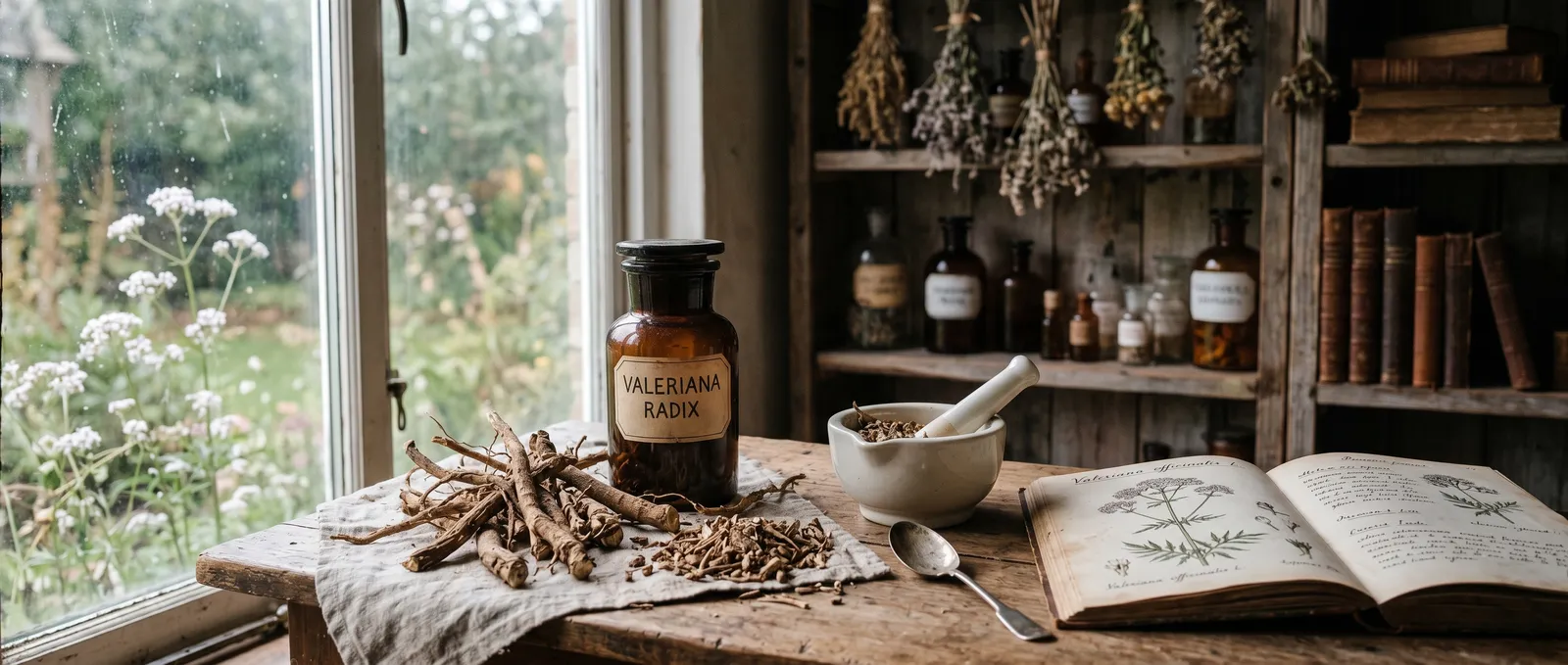
Definition
Valeriana officinalis L. is a European perennial whose root has been used as a calming and sleep-supporting preparation since at least the fourth century BCE. A 2015 Cochrane review (Leach & Page, 2015) found the clinical evidence inconclusive, though the root's valerenic acid content shows plausible GABA-A receptor activity in laboratory models.
A Root With a Long Memory
Valeriana officinalis L. is a perennial flowering plant native to Europe and parts of Asia, now naturalised across North America. Its root and rhizome have been prepared as a sleep and calming aid for well over two thousand years — one of the longest continuous records of any European medicinal herb. The Greek physician Hippocrates described valerian's properties around the fourth century BCE, and Galen recommended it specifically for sleeplessness in the second century CE (Houghton, 1999). Dioscorides, writing in De Materia Medica (first century CE), called the plant phu — possibly an onomatopoeia for the smell, which is, to put it diplomatically, an acquired taste.
That pungent, earthy, slightly cat-pee aroma is actually a decent quality indicator: it comes from isovaleric acid, a short-chain fatty acid released when the plant's valepotriates and other compounds break down. If dried valerian root doesn't smell of much, it's either very old or wasn't stored well. The scent is so distinctive that medieval herbalists used it to attract cats — and indeed rats, which led to a persistent folk legend connecting valerian to the Pied Piper of Hamelin.
Traditional Use Across European and Asian Cultures
Valerian's traditional-use record is unusually well documented compared with most European herbs. The Anglo-Saxon Leechbook of Bald (ninth century CE) lists valerian among remedies for restlessness. By the sixteenth century, the root was a fixture in European apothecaries: the German physician and botanist Hieronymus Bock described it in his 1539 herbal, and it appeared in every major European pharmacopoeia from the seventeenth century onward (Houghton, 1999).
During the First and Second World Wars, valerian tincture was used in Britain to manage civilian stress during air raids — a piece of social history that occasionally surfaces in Blitz-era medical records. The plant was cultivated in Derbyshire and other English counties specifically for wartime demand.
Outside Europe, related Valeriana species have their own traditional histories. Valeriana wallichii DC. (Indian valerian, or tagar) appears in Ayurvedic texts as a nervine, and Valeriana jatamansi Jones has been used in Unani and Tibetan medicine. These are distinct species with different phytochemical profiles, but the cross-cultural pattern — root preparations used for sleep and nervous tension — is remarkably consistent across the genus.
The European Pharmacopoeia lists Valeriana officinalis root as an herbal substance, and ESCOP (European Scientific Cooperative on Phytotherapy) monographs describe its traditional indication for temporary relief of mild nervous tension and difficulty falling asleep (ESCOP, 2003). The WHO monograph on Radix Valerianae similarly documents this traditional use across multiple cultures (WHO, 2009). These monograph entries reflect historical and traditional evidence — they are not treatment endorsements.
Phytochemistry: What Is Actually in the Root
Valerian root contains a complex mix of compounds, and researchers have spent decades trying to pin down which ones are responsible for its traditional reputation. The honest answer: it's still not entirely settled. Several compound classes have been studied, and the current thinking is that the overall activity likely comes from multiple constituents acting together rather than a single "active ingredient."
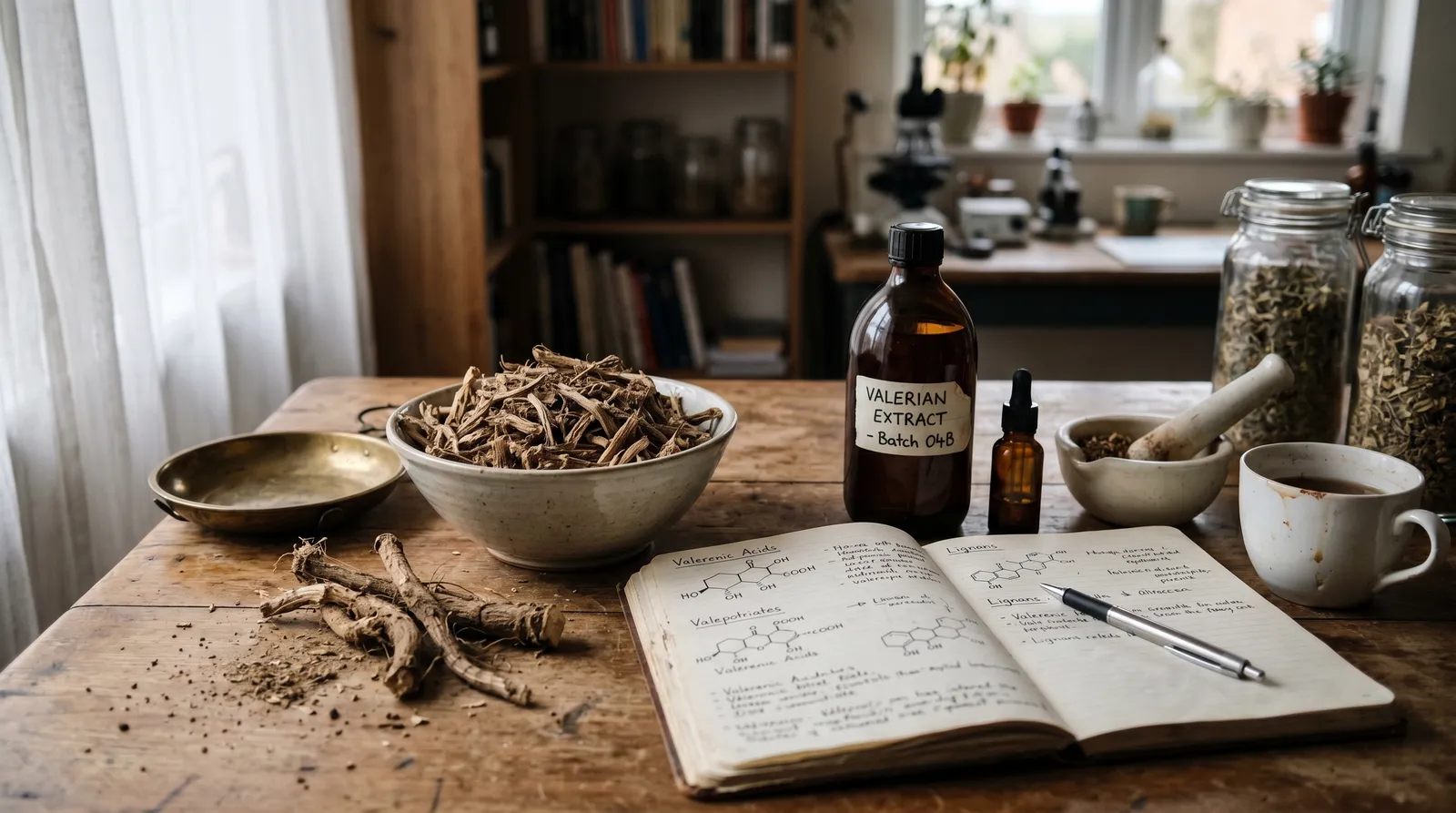
The most-discussed compounds include:
- Valerenic acid and its derivatives (acetoxyvalerenic acid, hydroxyvalerenic acid) — sesquiterpenoids unique to Valeriana officinalis. Valerenic acid has been shown in vitro to modulate GABA-A receptors by acting as a positive allosteric modulator at the β3 subunit (Benke et al., 2009). This is the compound class most often cited in pharmacological discussions of valerian.
- Valepotriates (valtrate, isovaltrate, didrovaltrate) — iridoid esters that are quite unstable and decompose rapidly during drying and storage. Their contribution to the activity of finished preparations is debated, since most commercial dried-root products contain very little intact valepotriate by the time they reach a consumer.
- Isovaleric acid — the smelly one. It has some mild sedative-like activity in animal models, but it's primarily a degradation product of the valepotriates rather than a primary active constituent.
- Lignans (including olivil and pinoresinol) — identified more recently and shown to have affinity for adenosine A1 receptors in vitro (Schumacher et al., 2002), which is interesting because adenosine signalling is one of the pathways involved in sleep pressure.
- Flavonoids — including hesperidin and 6-methylapigenin. The latter is a flavone that, like the structurally related apigenin found in passionflower and chamomile, has some affinity for benzodiazepine binding sites on GABA-A receptors.
Standardisation in commercial extracts usually targets valerenic acid content, typically around 0.8% in a hydroethanolic extract. But the total phytochemical picture varies significantly depending on the extraction solvent (water vs ethanol vs ethanol-water mixtures), the part of the root used, harvest timing, and drying method. This variability is one reason why clinical trial results can be inconsistent — two "valerian extracts" from different manufacturers may have quite different chemical compositions.
What the Research Says
Valerian has been the subject of a reasonable number of clinical trials — more than most herbs in the European tradition, though the quality and consistency of that evidence is mixed.
A Cochrane systematic review by Leach and Page (2015) assessed 16 randomised controlled trials examining valerian for sleep. Their conclusion was cautious: the evidence was insufficient to determine whether valerian improves sleep quality or sleep latency (the time it takes to fall asleep) compared to placebo. The review noted that many of the included studies had small sample sizes, varied widely in the preparations used, and had a high risk of bias. This is the most rigorous available assessment, and it's worth sitting with that conclusion rather than cherry-picking individual positive trials.
That said, some individual studies have reported positive signals. Bent et al. (2006) conducted a randomised, double-blind, placebo-controlled crossover trial with 30 participants using 600 mg of a valerian extract and found a modest but statistically non-significant improvement in subjective sleep quality. Fernández-San-Martín et al. (2010) published a meta-analysis of 18 RCTs and reported that valerian might improve subjective sleep quality, though they flagged substantial heterogeneity across studies and possible publication bias.
A more recent double-blind RCT by Shinjyo et al. (2020) examined a standardised valerian extract in 39 participants and found improvements in sleep quality measured by the Pittsburgh Sleep Quality Index, with a particular effect on sleep latency. The sample size was small, and the authors themselves called for larger confirmatory trials.
The pattern across the literature is consistent: individual trials sometimes find modest positive effects, but when pooled rigorously, the signal weakens. This could mean valerian has a small real effect that current trial designs struggle to capture, or it could mean the positive individual results are artefacts of small samples and expectation effects. Both interpretations are legitimate.
Beyond sleep, there is a thinner evidence base for valerian's traditional use in nervous tension. Andreatini et al. (2002) conducted a small pilot RCT comparing valerenic acid with diazepam and placebo in 36 patients with generalised anxiety disorder. They reported some positive findings, but the study was too small and too short to draw firm conclusions.
Mechanism of Action: What We Think Is Happening
The most-studied mechanism involves GABA (gamma-aminobutyric acid), the brain's primary inhibitory neurotransmitter. Valerenic acid has been shown to inhibit the enzyme-induced breakdown of GABA in the synaptic cleft and to act as a positive allosteric modulator at GABA-A receptors, specifically at the β3 subunit (Benke et al., 2009). In animal models, this translates to sedative and anxiolytic-like behaviour — mice given valerenic acid show reduced locomotor activity and increased time in the open arms of an elevated plus maze.
The adenosine receptor pathway is a more recent area of interest. Schumacher et al. (2002) identified that certain lignans in valerian bind to adenosine A1 receptors, which are involved in promoting sleepiness (caffeine works partly by blocking these same receptors). Whether this mechanism contributes meaningfully to the effects of a cup of valerian tea or a capsule in humans remains to be established.
Some researchers have proposed that valerian's effects are cumulative — that it works better after several days of use rather than as a single-dose intervention. This hypothesis is supported by a few trials showing stronger effects after two to four weeks of use compared to single-dose protocols (Donath et al., 2000), though the evidence is not definitive.
Formats and Traditional Preparations
Valerian root has been prepared in nearly every format imaginable over its long history. The traditional European method is a simple aqueous infusion — dried root steeped in hot water for ten to fifteen minutes. This is still the most common preparation globally. The taste is bitter and earthy, and the smell is strong; some people find it actively unpleasant, which is one reason capsules and tinctures became popular alternatives.
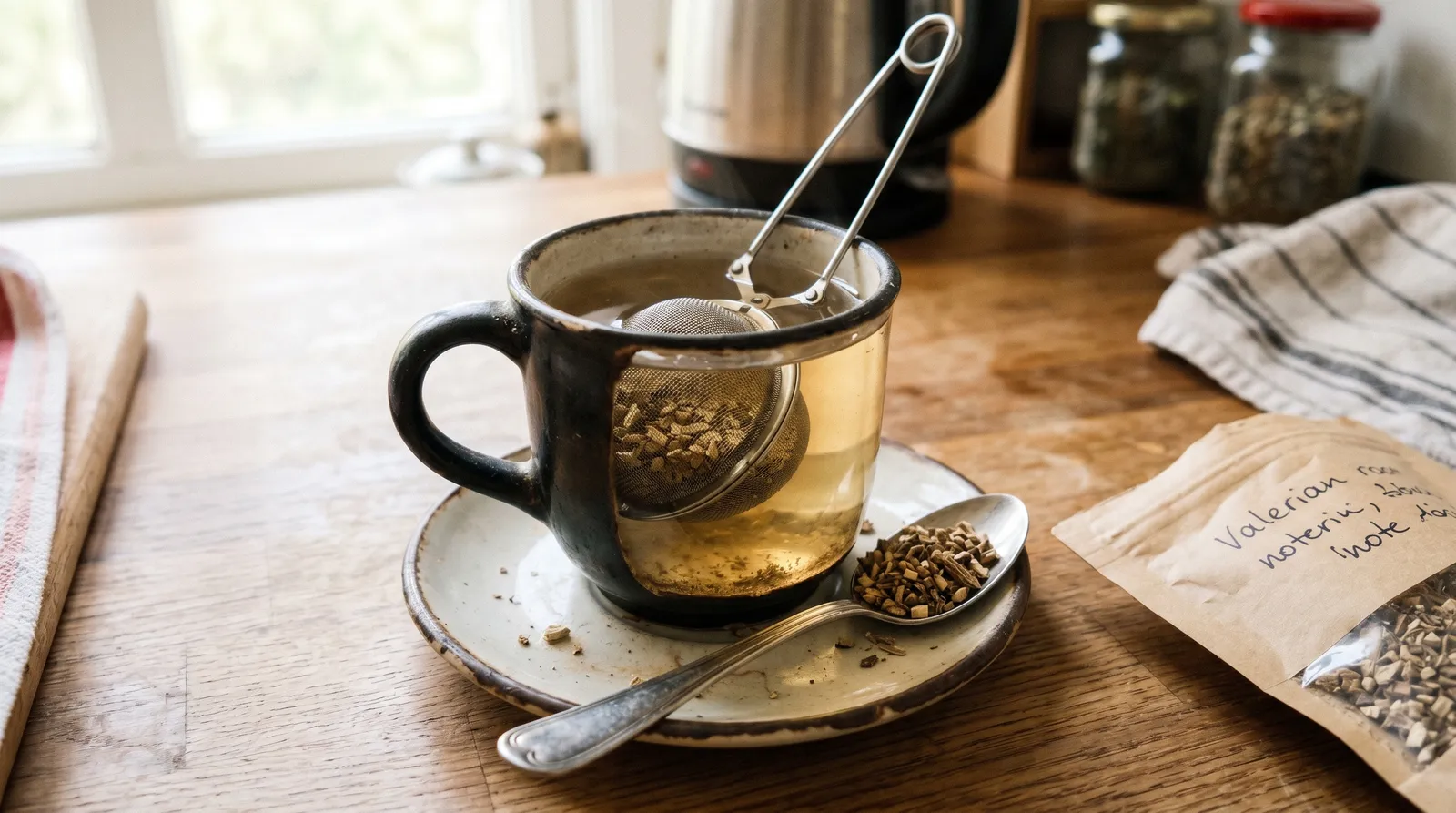
Modern preparations include hydroethanolic extracts (tinctures), dried root powder in capsules, and standardised extracts. The onset, strength, and compound profile differ across these formats. A water infusion extracts different proportions of compounds than an ethanol-based tincture — water pulls more of the water-soluble flavonoids and amino acids, while ethanol extracts more of the sesquiterpenoids including valerenic acid. Standardised extracts attempt to control for this by targeting a specific valerenic acid concentration, but standardisation practices vary between manufacturers.
Clinical studies have used a wide range of preparations, from 300 to 600 mg of dried extract daily for up to six weeks (NCCIH, 2023), to 0.3–3 g of powdered root as described in the European Medicines Agency monograph. These are research-context figures, not dosing instructions — actual content varies by product and manufacturer.
Safety and Interactions
Valerian is generally well tolerated in short-term use. The most commonly reported side effects in clinical trials are headache, dizziness, and gastrointestinal discomfort, though these occurred at rates similar to placebo in most studies (Leach & Page, 2015). A small number of case reports have described hepatotoxicity, but these involved multi-ingredient products and causality could not be attributed to valerian alone (Teschke et al., 2009).
Valerian has sedative-leaning activity and should not be combined with alcohol, benzodiazepines, opioids, or other central-nervous-system depressants without medical supervision. Do not drive or operate machinery after a sedative dose.
There is insufficient safety data for use during pregnancy or breastfeeding, and most clinical guidelines recommend avoidance during these periods. Anyone taking prescription medication — particularly sedatives, anxiolytics, or anticonvulsants — should consult a healthcare practitioner before using valerian preparations, as pharmacokinetic interactions are plausible even if not fully characterised.
Some surgical guidelines recommend discontinuing valerian at least two weeks before scheduled surgery, due to potential interactions with anaesthetic agents, though the clinical evidence for this is largely precautionary rather than based on documented adverse events.
Valerian in Combination: Traditional Blends
Valerian has traditionally been combined with other relaxant herbs rather than used in isolation. The most common European combinations pair it with hops (Humulus lupulus L.), passionflower (Passiflora incarnata L.), or lemon balm (Melissa officinalis L.). These combinations have their own small evidence bases — a 2005 study by Koetter et al. found that a fixed valerian-hops combination reduced sleep latency in a model of caffeine-induced wakefulness, and several European phytotherapy traditions treat these combinations as more effective than single-herb preparations.
Whether the combinations genuinely produce additive or synergistic effects in humans, or whether the tradition simply reflects flavour-masking (hops and lemon balm taste better than straight valerian), is an open question. The ESCOP monograph notes the traditional combination use without making efficacy claims for the blends specifically. For more on passionflower and lemon balm as individual herbs, see the dedicated articles on passionflower traditional use and research and lemon balm (Melissa officinalis) traditional use.
Where the Evidence Stands Now
Valerian occupies an unusual position in phytotherapy: it has a longer and better-documented history of traditional use than almost any European herb, a plausible and partially characterised mechanism of action via GABA-A modulation, and a clinical evidence base that remains frustratingly inconclusive. The Cochrane review's verdict — "insufficient evidence" — does not mean valerian doesn't work; it means the available trials haven't been large enough, consistent enough, or well-designed enough to prove that it does. Those are different statements, and the distinction matters.
Research continues. More recent trials have used better-standardised extracts and more rigorous sleep-measurement tools (polysomnography rather than subjective questionnaires alone), which may eventually produce clearer answers. For now, valerian remains what it has been for two millennia: a widely used traditional preparation with a pharmacologically interesting profile and an evidence base that hasn't quite caught up with the tradition.
References
- Andreatini, R. et al. (2002). Effect of valepotriates (valerian extract) in generalized anxiety disorder: a randomized placebo-controlled pilot study. Phytotherapy Research, 16(7), 650–654.
- Benke, D. et al. (2009). GABA-A receptors as in vivo substrate for the anxiolytic action of valerenic acid, a major constituent of valerian root extracts. Neuropharmacology, 56(1), 174–181.
- Bent, S. et al. (2006). Valerian for sleep: a systematic review and meta-analysis. American Journal of Medicine, 119(12), 1005–1012.
- Donath, F. et al. (2000). Critical evaluation of the effect of valerian extract on sleep structure and sleep quality. Pharmacopsychiatry, 33(2), 47–53.
- ESCOP (2003). ESCOP Monographs: Valerianae radix. European Scientific Cooperative on Phytotherapy, 2nd ed.
- Fernández-San-Martín, M.I. et al. (2010). Effectiveness of Valerian on insomnia: a meta-analysis of randomized placebo-controlled trials. Sleep Medicine, 11(6), 505–511.
- Houghton, P.J. (1999). The scientific basis for the reputed activity of Valerian. Journal of Pharmacy and Pharmacology, 51(5), 505–512.
- Koetter, U. et al. (2005). A randomized, double blind, placebo-controlled, prospective clinical study to demonstrate clinical efficacy of a fixed valerian hops extract combination in patients suffering from non-organic sleep disorder. Phytotherapy Research, 21(9), 847–851.
- Leach, M.J. & Page, A.T. (2015). Herbal medicine for insomnia: a systematic review and meta-analysis. Sleep Medicine Reviews, 24, 1–12.
- NCCIH (2023). Valerian. National Center for Complementary and Integrative Health fact sheet.
- Schumacher, B. et al. (2002). Lignans isolated from valerian: identification and characterization of a new olivil derivative with partial agonistic activity at A1 adenosine receptors. Journal of Natural Products, 65(10), 1479–1485.
- Shinjyo, N., Waddell, G. & Green, J. (2020). Valerian root in treating sleep problems and associated disorders — a systematic review and meta-analysis. Journal of Evidence-Based Integrative Medicine, 25, 1–31.
- Teschke, R. et al. (2009). Herbal hepatotoxicity by valerian: a case series. European Journal of Gastroenterology & Hepatology, 21(8), 963–966.
- WHO (2009). WHO Monographs on Selected Medicinal Plants, Vol. 4: Radix Valerianae.
This article is consumer education, not medical advice. Traditional and ceremonial uses are described for cultural and historical context. Botanicals can interact with medications and are not a substitute for professional care. If you are pregnant, nursing, taking prescription medication, or managing a health condition, consult a qualified healthcare practitioner before use.
Last updated: April 2026
Frequently Asked Questions
8 questionsDoes valerian root actually work for sleep?
How long does valerian take to have an effect?
Why does valerian root smell so bad?
Can valerian be combined with other herbs like hops or passionflower?
What is valerenic acid and why does it matter?
Is valerian root safe to take every day?
Why does valerian root attract cats?
Was valerian root used during the World Wars?
About this article


Adam Parsons is an external cannabis and psychedelics writer and editor who contributes to Azarius's wiki as both author and reviewer. On the writing side, he authors Azarius's kratom and kanna clusters, drawing on exten
This wiki article was drafted with AI assistance and reviewed by Adam Parsons, External contributor. Editorial oversight by Joshua Askew.
Medical disclaimer. This content is for informational purposes only and does not constitute medical advice. Consult a qualified healthcare provider before use of any substance.
Last reviewed April 25, 2026
Related Articles
Blue Lotus vs Kanna: Effects & Safety
Blue lotus vs kanna compared — Nymphaea caerulea's aporphine profile against Sceletium tortuosum's mesembrine chemistry, with interaction warnings.
Lotus Clinical Research Overview
What does lotus clinical research actually show? A critical review of Nymphaea caerulea and Nelumbo nucifera pharmacology, preclinical data, and…
Kanna South Africa To West History
Sceletium tortuosum was used by San and Khoekhoe communities in southern Africa for centuries before European colonists first documented it in the 1660s.
Sceletium Tortuosum Plant
Learn about the sceletium tortuosum plant: botany, alkaloids, fermentation, safety warnings, and where to buy kanna.
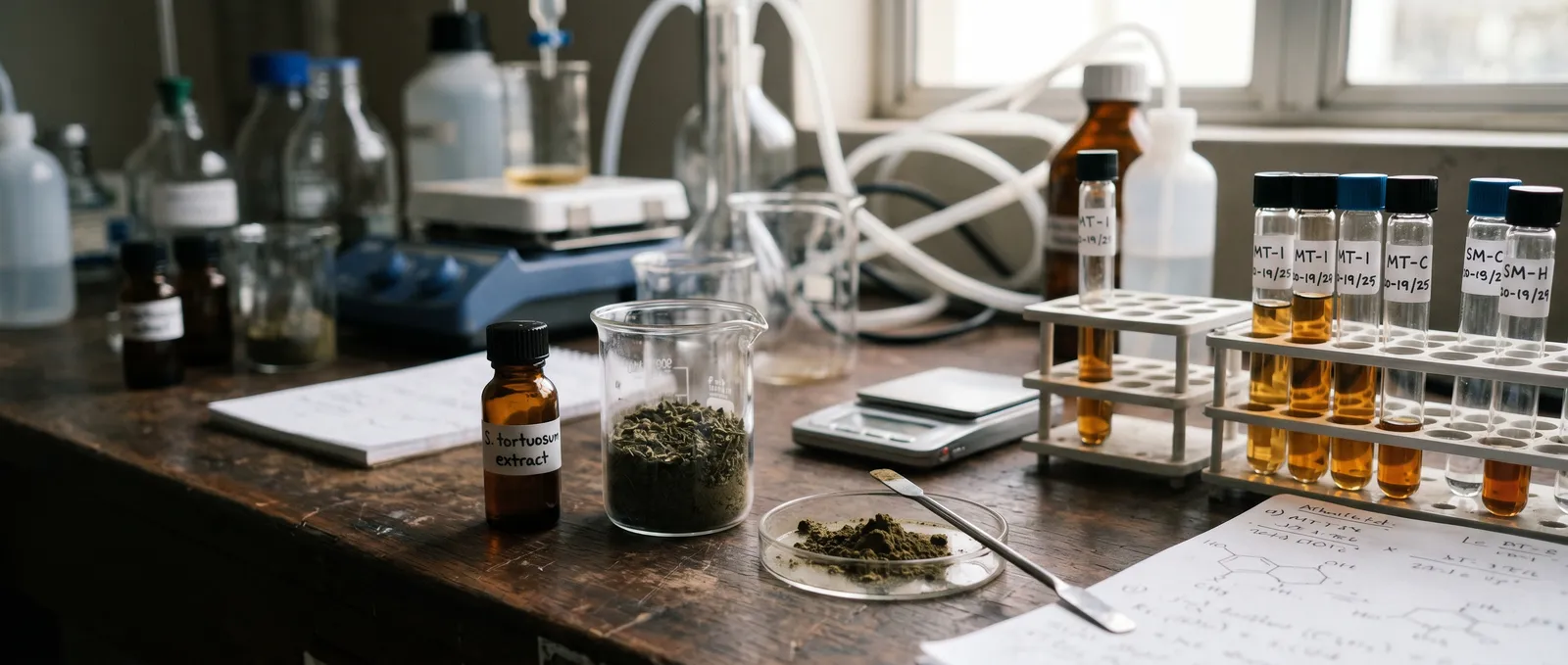
Kanna Pharmacokinetics Explained
Complete guide to kanna pharmacokinetics: how Sceletium tortuosum alkaloids are absorbed, metabolised via CYP2D6, and eliminated.
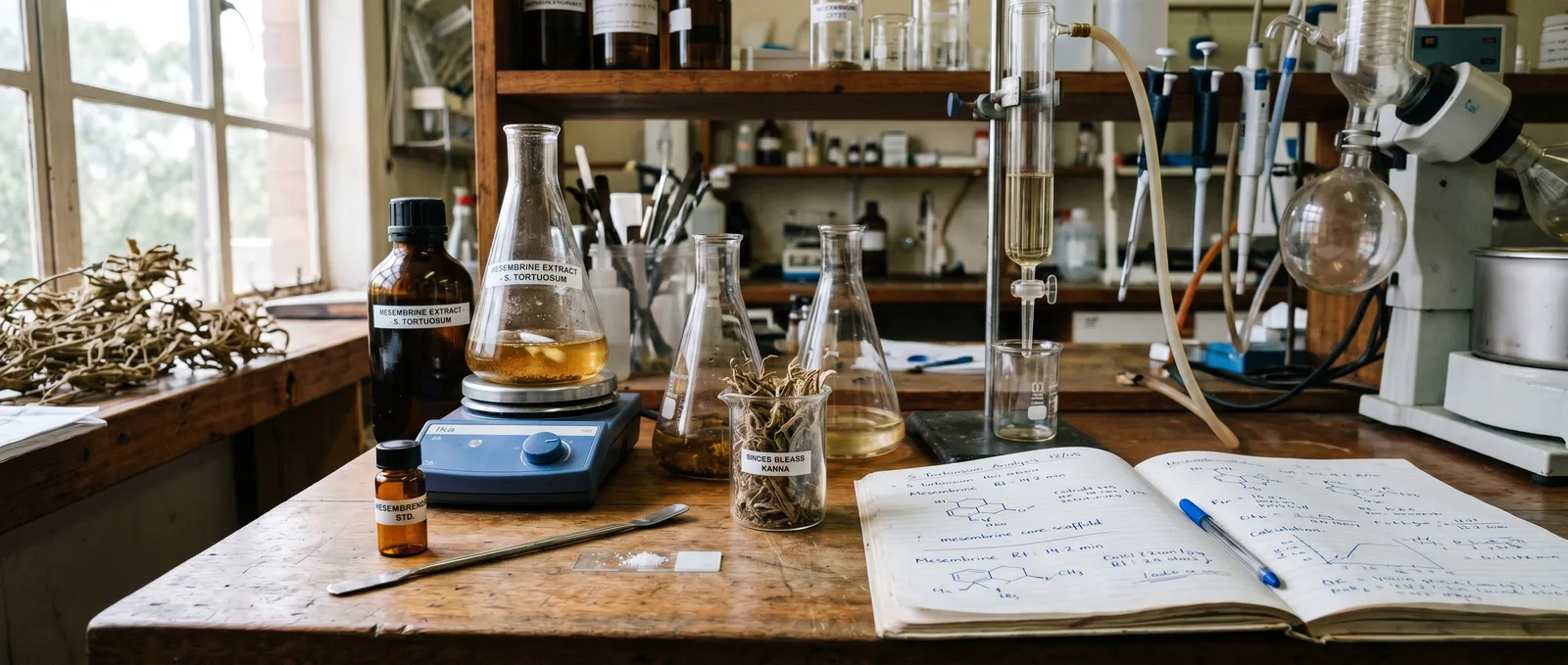
Kanna Chemistry: Sceletium Alkaloids Explained
Kanna chemistry explained: mesembrine, mesembrenone, their mechanisms, how fermentation and extraction change alkaloid profiles, and why it matters…
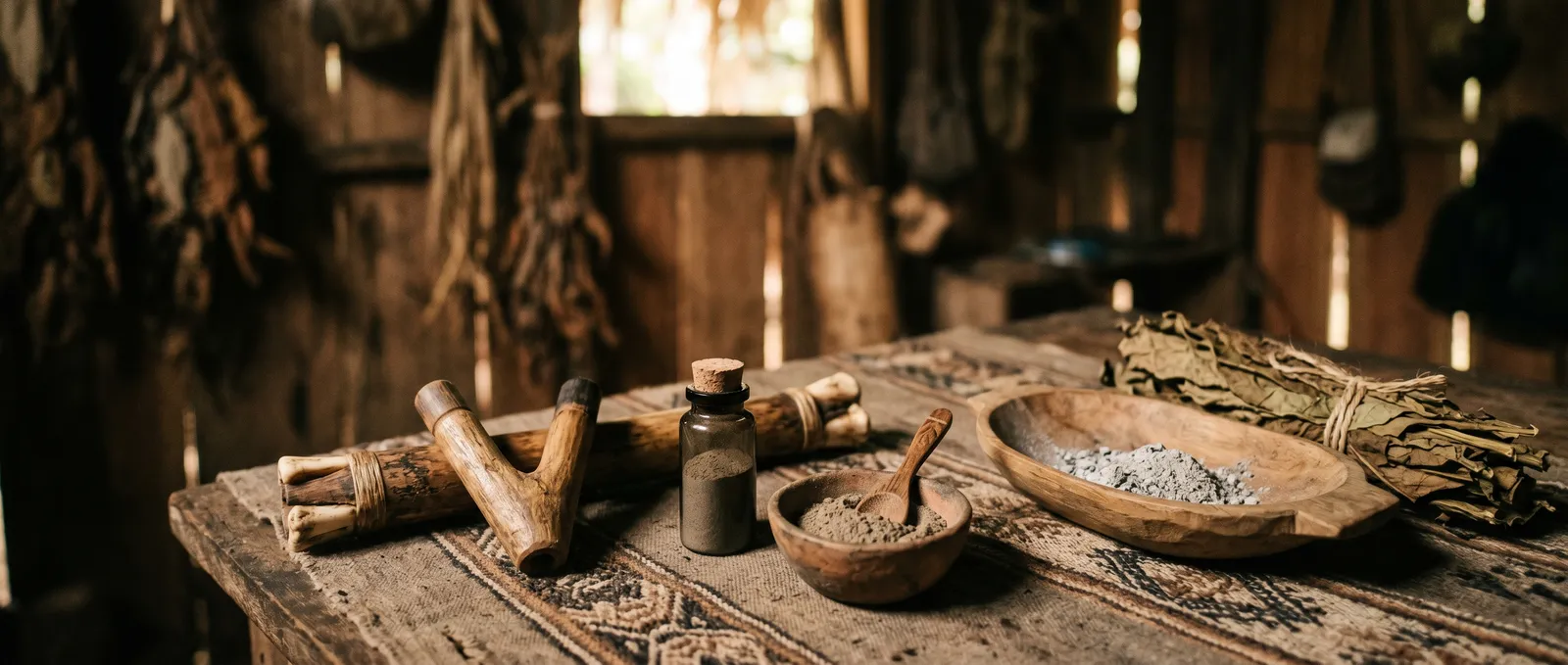
Rapé Shamanic Snuff Guide: How to Use It Safely
A practical rapé shamanic snuff guide covering dose, kuripe technique, effects, nicotine safety, interactions and Amazonian tradition.
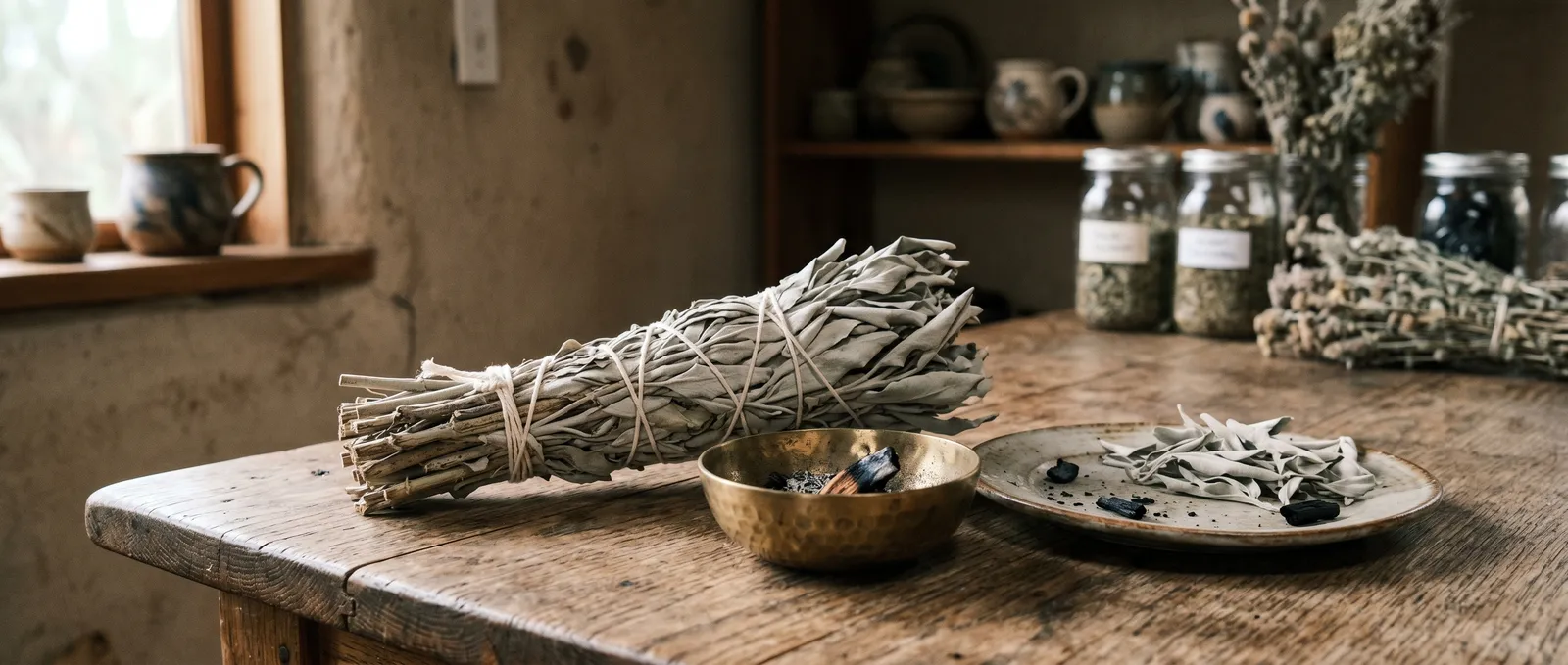
White Sage Salvia Apiana Cultural Smudging Guide
Salvia apiana is a non-psychoactive shrub native to southern California's coastal sage scrub, burned as ceremonial incense in Indigenous North American…
Mulungu Erythrina Traditional Amazonian Use — Bark, Alkaloids & Research
Erythrina mulungu is a Brazilian legume tree whose bark has been brewed as a calming decoction in rural folk medicine for generations.