
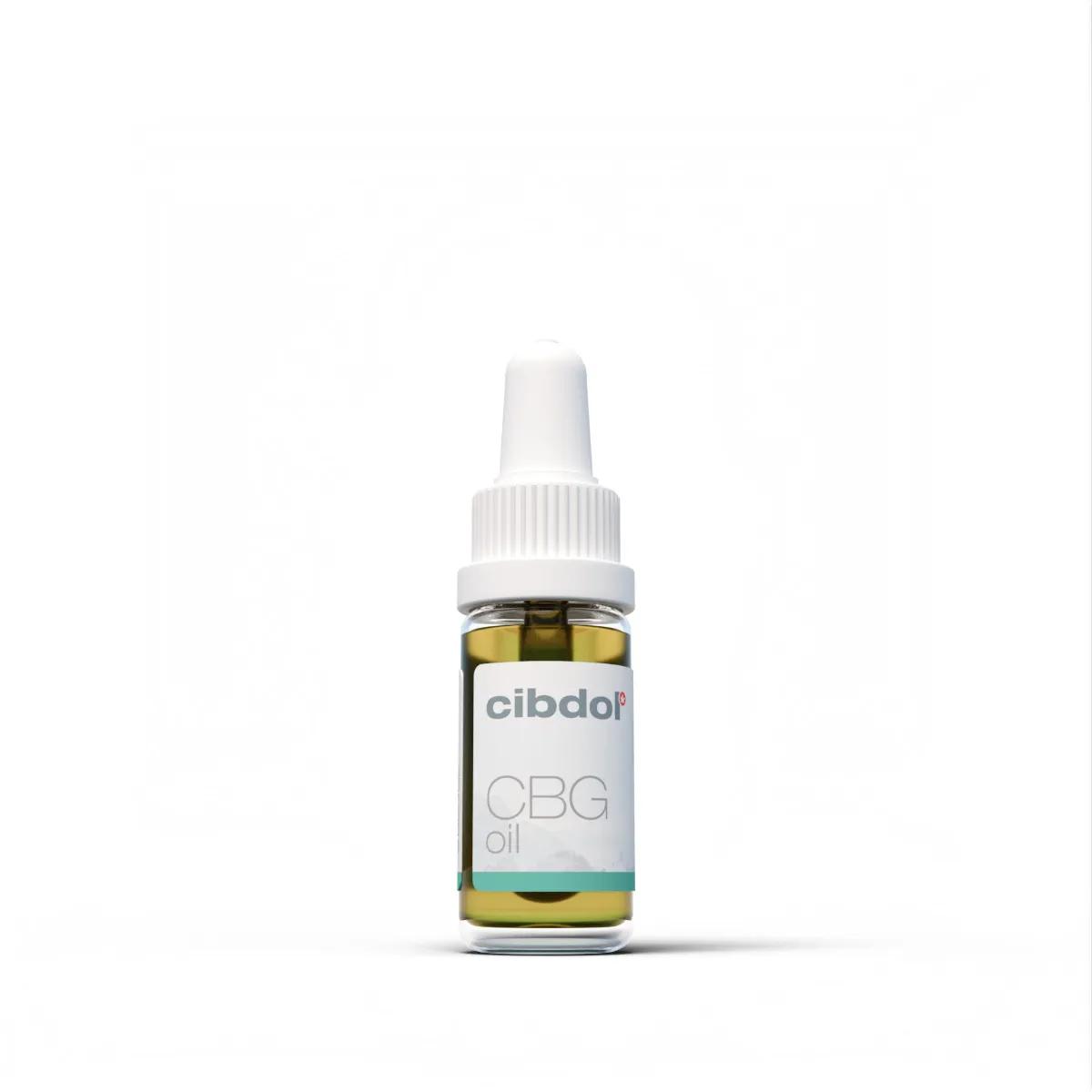
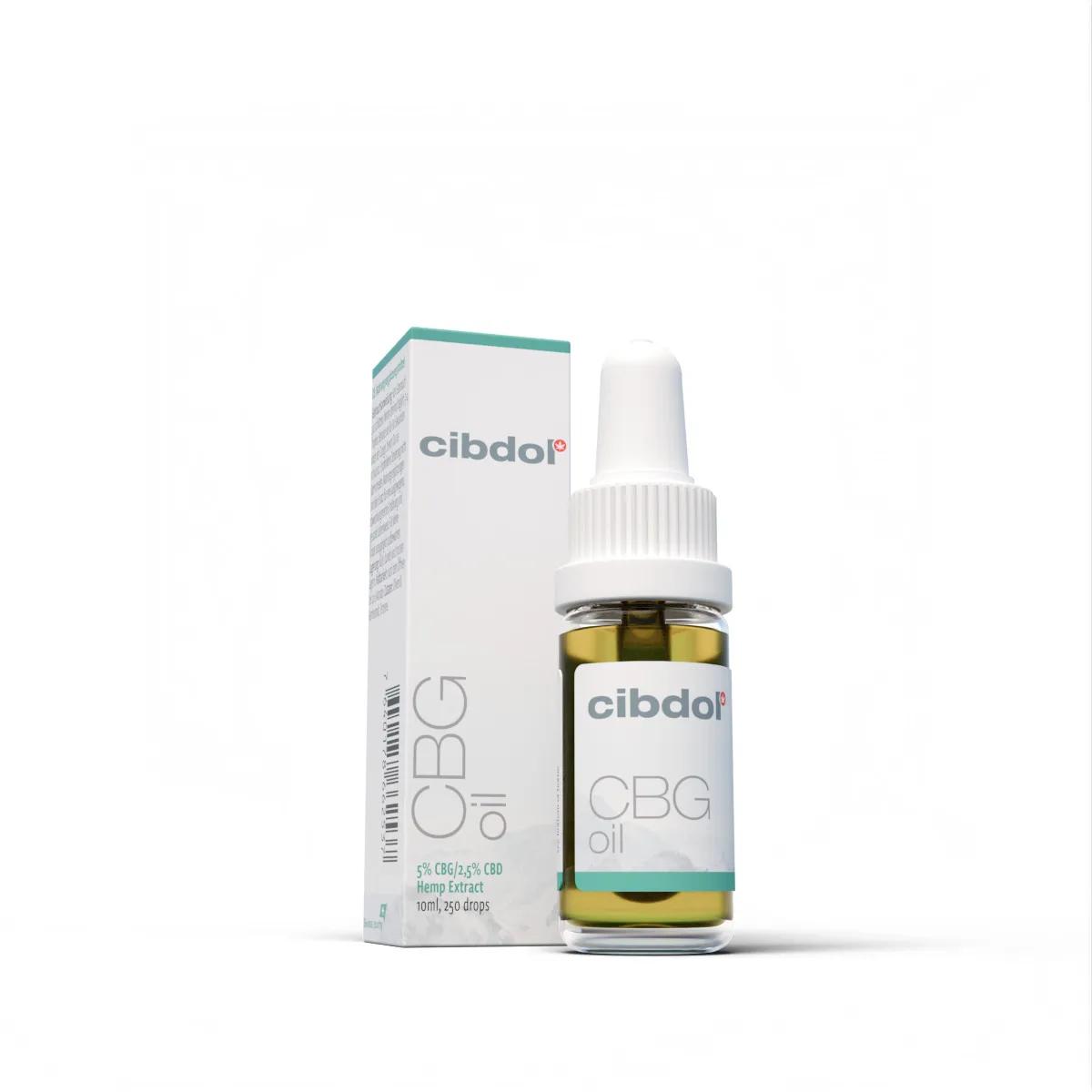
CBG oil is a sublingual cannabinoid extract built around cannabigerol — the "mother cannabinoid" that other compounds like CBD and THC are synthesised from in the living plant. It's for buyers who already know their way around CBD and want to shop for something further down the cannabinoid list. Azarius has been stocking cannabinoid products since the category existed in Europe, and CBG oils are the newest shelf in that section.
Buy CBG Oil — What the Format Actually Is
CBG (cannabigerol) is a minor cannabinoid that sits in hemp at roughly 1% or less of total cannabinoid content, compared to CBD which can hit 20%+ in modern hemp cultivars. That scarcity is why CBG oils cost more per milligram than standard CBD oils and why the category stayed niche until extraction tech caught up around 2019–2020. When you buy a CBG oil today, you're buying something that would have been commercially unviable a decade ago.
Format-wise, CBG oil behaves like CBD oil: hemp extract dissolved in a carrier (MCT, hemp seed, or olive oil), dosed under the tongue with a pipette, held for 60–90 seconds before swallowing. Onset lands in the 15–45 minute window. That's the sublingual advantage — faster than capsules, more precise than edibles, cleaner than vaping.
CBG Oil vs CBD Oil — How to Choose Before You Order
The honest answer: if you've never tried any cannabinoid, order a standard CBD oil first. CBG is a refinement, not a starting point. Most people exploring cannabinoids shop CBD for six to twelve months before they get curious about the minors (CBG, CBN, CBC, CBDA — each a different cannabinoid with its own receptor affinity).
| Format | What it is | Good for |
|---|---|---|
| CBD oil | Standard hemp extract, 5%–40% strengths | First-time cannabinoid buyers, daily users on a budget |
| CBG oil | Cannabigerol-dominant extract, often blended with CBD | Experienced CBD users curious about minor cannabinoids |
| CBN oil | Cannabinol-dominant, usually evening-focused | Buyers who've tried CBD and want something different for late-day use |
| Full-spectrum blends | Multiple cannabinoids + terpenes in one bottle | Buyers chasing the "entourage effect" across compounds |
The blend question is worth flagging. Pure CBG isolate exists, but most reputable European CBG oils — including the one we carry — pair CBG with a smaller CBD fraction. The reasoning is pharmacological: the two cannabinoids hit different receptor pathways, and keeping the terpene profile intact (full-spectrum extraction) is where the "entourage effect" hypothesis lives. A 2020 review in Frontiers in Plant Science flagged CBG's distinct receptor profile compared to CBD as the main reason researchers started taking the minor cannabinoids seriously.
What We Carry
This shelf is small and deliberately so — we'd rather stock one CBG oil we trust than five we don't. Right now that's Cibdol's CBG Oil 5% + CBD 2.5%, a Swiss-extracted full-spectrum blend in a 10ml pipette bottle. Cibdol has been one of the steadiest names in the European CBD market for years; their CBG line was a natural extension when minor cannabinoids became extractable at commercial scale.
How to Choose Your CBG Oil
Three things to weigh before you buy: extraction method, cannabinoid ratio, and hemp source. Full-spectrum (CO2 or ethanol-extracted) keeps the terpenes and minor cannabinoids intact — that's what you want if you're paying a CBG premium. Isolate-based products strip everything except the cannabinoid, which defeats half the point. Ratio matters too: a CBG-dominant oil with a CBD backbone behaves differently from a 50/50 split. And hemp source — EU-grown, third-party tested — is the baseline. Anything vaguer than that, skip it.
Start here: if you've been taking CBD daily for six months or more and want to shop the next layer down, the Cibdol 5% CBG + 2.5% CBD is the sensible first bottle. If you haven't done that groundwork yet, buy a CBD oil first and come back to this shelf later.
Frequently Asked Questions
What's the difference between CBG oil and CBD oil?
Different cannabinoids, different receptor targets. CBD is abundant in hemp and well-studied; CBG is scarce (under 1% of most hemp cultivars) and newer to the consumer market. CBG oil is typically more expensive per mg because of that scarcity, and most buyers shop it as a follow-up to CBD rather than a replacement.
Should I buy CBG oil if I've never tried CBD?
Start with CBD. CBG is a refinement on top of existing cannabinoid experience — you'll get more out of it if you already know how your body responds to sublingual hemp extracts. Order a mid-strength CBD oil first, run it for a couple of months, then come back to the CBG shelf.
Is CBG psychoactive?
No. Like CBD, cannabigerol is non-intoxicating — it doesn't bind to CB1 receptors in the way THC does. You won't feel "high" from CBG oil. That's why it's sold openly across the EU as a hemp-derived wellness product.
How do I take CBG oil?
Sublingually — drops under the tongue, held for 60–90 seconds, then swallowed. This is the same method as CBD oil and gives onset in roughly 15–45 minutes. Taking it with food slows absorption; empty stomach is faster but can feel more pronounced.
Why is CBG oil more expensive than CBD oil?
Raw material scarcity. CBG exists in hemp at around 1% or less, versus 15–20%+ for CBD in modern cultivars. Extracting a usable quantity of CBG requires either specialist hemp strains bred for higher CBG content or processing far more biomass — both of which push the cost up. The price gap is the category, not a markup.
New to this? Our wiki covers the effects of CBG, dosage and safe use in depth.
Last updated: April 2026