
This article discusses psychoactive substances intended for adults (18+). If you have a health condition or take medication, consult a doctor before use. Our age policy
CBD and Recovery: What the Research Actually Shows
Definition
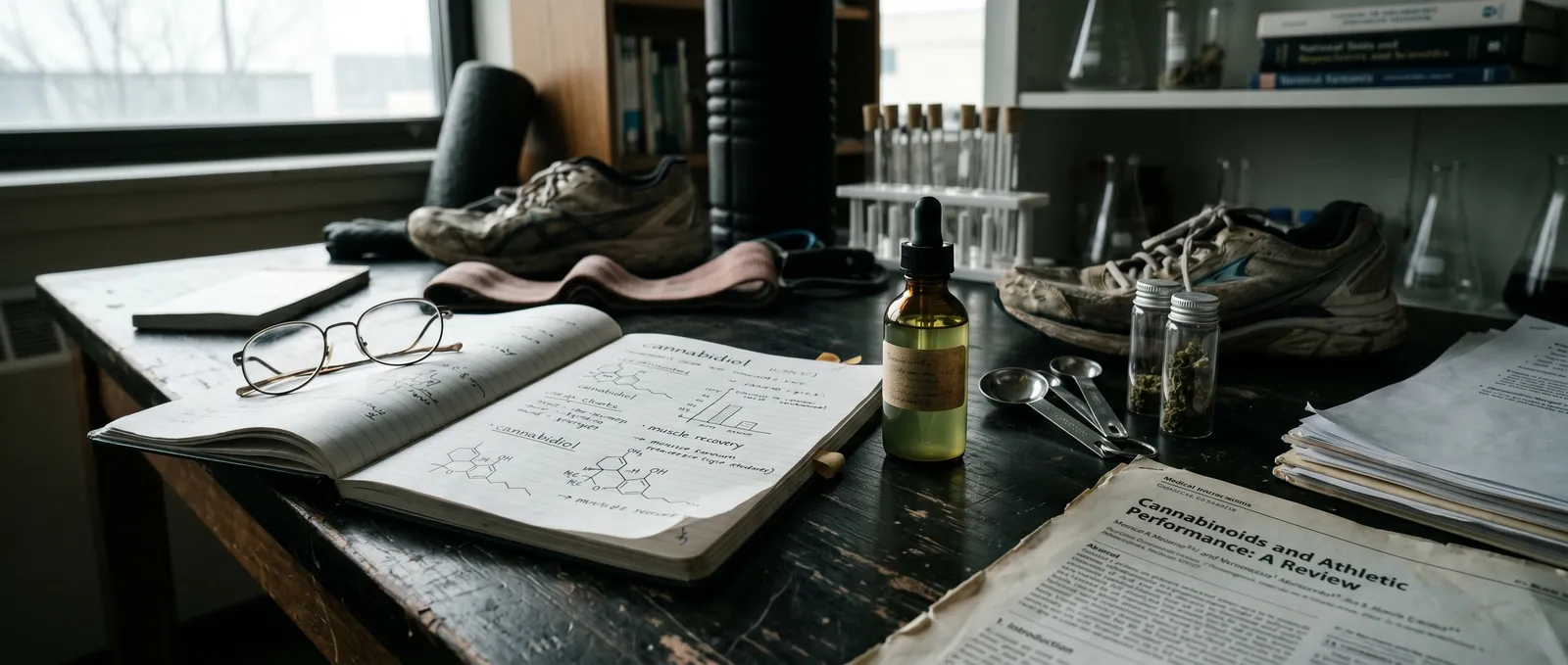
CBD and recovery is a research topic spanning exercise-induced muscle damage, sleep quality, and perceived soreness. As McCartney et al. (2020) noted, the preclinical data are encouraging but human evidence remains in its infancy. This article reviews the controlled trials published to date, their limitations, and the open questions that persist.
What "Recovery" Means in CBD Research
CBD and recovery is a topic that sits at the intersection of exercise science and cannabinoid pharmacology, one that has attracted growing attention from researchers and athletes alike. The word "recovery" covers a lot of ground. In the scientific literature on cannabidiol (CBD) — the non-intoxicating phytocannabinoid from Cannabis sativa L. — it turns up in at least three distinct contexts: exercise-induced muscle damage, sleep architecture after physical exertion, and perceived soreness or fatigue. Each of these has attracted its own cluster of studies, and each sits at a different level of evidence maturity. This article walks through what researchers have actually measured, what the numbers look like, and where the gaps still are. It is written for adults interested in the science behind the claims they encounter on labels and in forums — not as guidance on what to take or when.
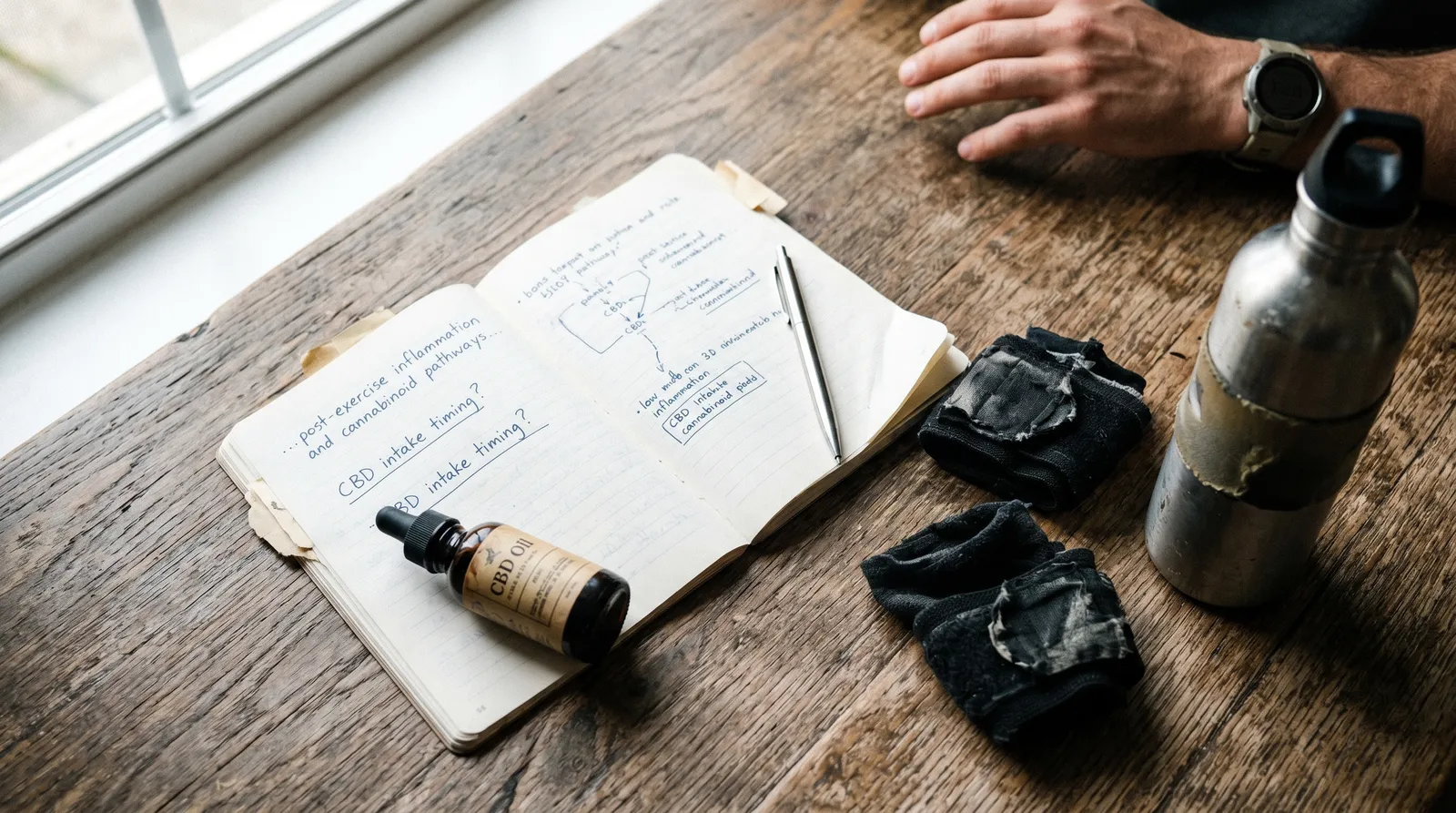
One thing worth flagging straight away: most of the human trials in this area are small. Sample sizes of 10–30 participants are common, crossover designs dominate, and blinding is not always robust. That does not make the findings worthless, but it does mean that confident conclusions are premature. A 2020 narrative review by McCartney et al. in Sports Medicine — Open (DOI: 10.1186/s40798-020-00251-0) put it plainly: the preclinical data on CBD and inflammation are encouraging, but the translation to human athletic recovery is "in its infancy."
Exercise-Induced Muscle Damage and Inflammation (Isenmann et al., 2021; Cochrane-Snyman et al., 2020)
The short answer is that no human trial has yet demonstrated a statistically significant reduction in muscle damage markers from CBD supplementation. When you push muscles beyond their accustomed load — eccentric contractions, high-volume resistance training, unaccustomed endurance work — the result is microstructural damage to muscle fibres. The body responds with an inflammatory cascade: neutrophils arrive within hours, followed by macrophages that clear debris and signal repair. Creatine kinase (CK) leaks into the bloodstream and is used as a proxy marker for damage severity. Delayed-onset muscle soreness (DOMS) peaks around 24–72 hours post-exercise.
CBD's proposed relevance here rests on preclinical evidence that it modulates inflammatory signalling. In rodent models, CBD has been observed to attenuate levels of pro-inflammatory cytokines such as TNF-α, IL-1β, and IL-6 (Burstein, 2015; DOI: 10.1016/j.bmc.2015.01.059). The mechanism appears to involve multiple pathways — adenosine receptor modulation, TRPV1 activation, PPARγ agonism — rather than a single receptor target. That pharmacological complexity is part of what makes human-outcome prediction difficult.
A 2021 randomised trial by Isenmann et al. (Journal of the International Society of Sports Nutrition; DOI: 10.1186/s12970-021-00398-1) gave trained participants 60 mg of oral CBD or placebo following muscle-damaging exercise. The study measured CK, interleukin-6 (IL-6), and subjective pain scores over 72 hours. The result: no statistically significant differences between groups on any marker. CK rose and fell in both groups on essentially the same curve.
A smaller 2020 crossover study by Cochrane-Snyman et al. (Medicine & Science in Sports & Exercise, conference abstract, 52(7S), p.840) similarly found no significant effect of oral CBD (150 mg) on CK, perceived soreness, or performance recovery after eccentric exercise in resistance-trained men. The doses, timing, and populations differed from Isenmann's work, but the direction of the finding was the same.
Does that mean the preclinical anti-inflammatory signals are irrelevant to humans? Not necessarily. The doses used in rodent studies, when scaled by body surface area, often exceed what is practical or commercially available in consumer products. A 2018 review by Millar et al. (Frontiers in Pharmacology; DOI: 10.3389/fphar.2018.01365) noted that oral CBD bioavailability in humans is estimated at roughly 6–19%, meaning a large proportion of an ingested dose never reaches systemic circulation. The gap between a preclinical dose delivered intraperitoneally to a rat and a consumer oil taken sublingually by a human is substantial.
Sleep and Recovery: The Indirect Pathway (Shannon et al., 2019; Kisiolek et al., 2023)
Sleep is where most physiological recovery actually happens — and this is the area where CBD and recovery research gets genuinely interesting, even if the results remain inconclusive. Growth hormone secretion peaks during slow-wave sleep, protein synthesis rates increase, and the glymphatic system clears metabolic waste from the central nervous system. If CBD influenced sleep quality, it could plausibly affect recovery indirectly, even if direct anti-inflammatory effects in humans remain undemonstrated at consumer doses.
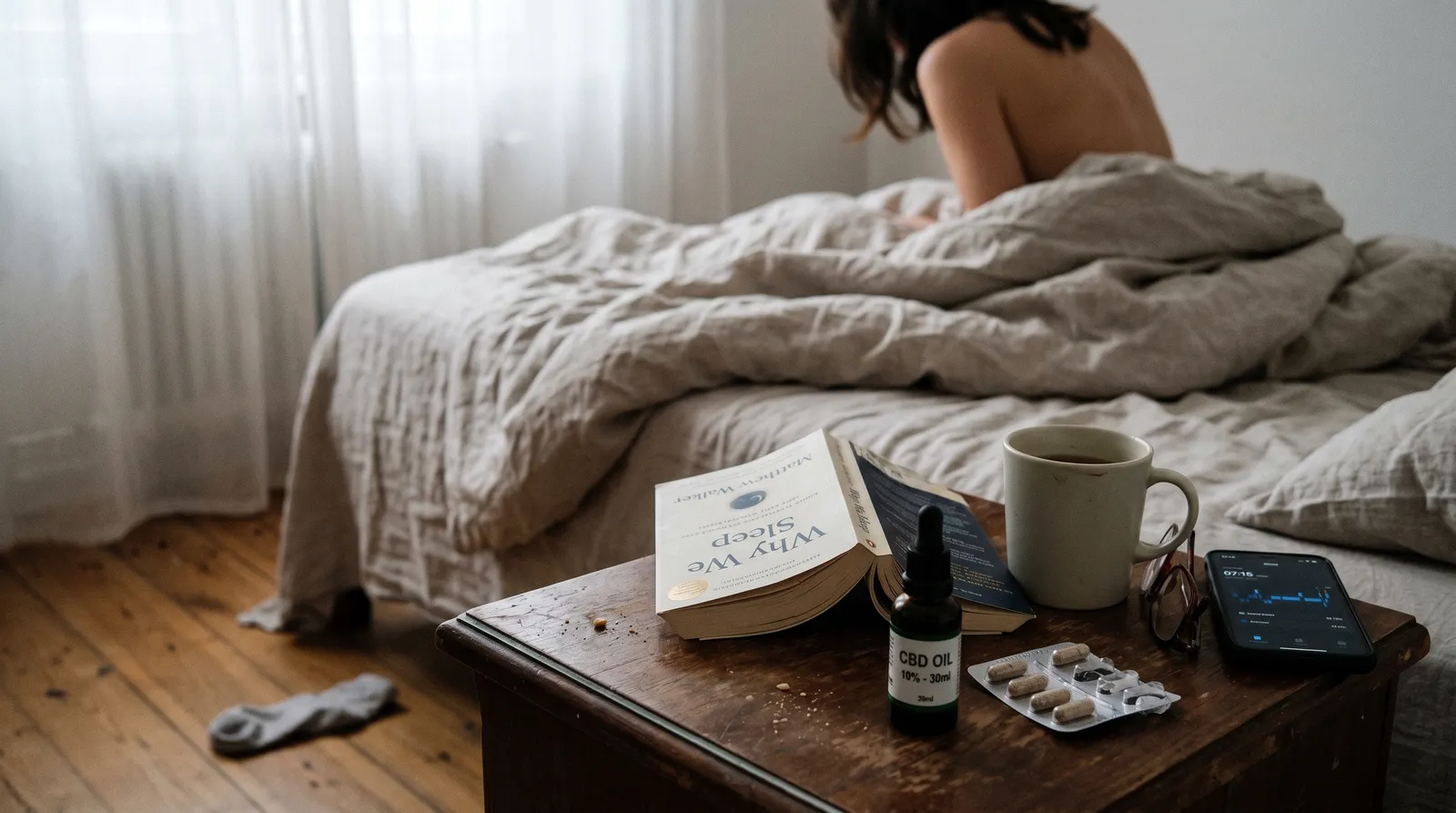
A frequently cited 2019 case series by Shannon et al. (The Permanente Journal; DOI: 10.7812/TPP/18-041) followed 72 adults given 25–75 mg of CBD daily. Sleep scores (measured by the Pittsburgh Sleep Quality Index) improved in 66.7% of participants during the first month, though scores fluctuated over time. The study had no control group and was not designed as a recovery trial — participants were selected for anxiety or poor sleep complaints, not exercise-related fatigue.
A 2023 randomised, double-blind, placebo-controlled trial by Kisiolek et al. (International Journal of Sport Nutrition and Exercise Metabolism; DOI: 10.1123/ijsnem.2022-0181) specifically examined CBD's effect on sleep in physically active adults. Participants received 50 mg of CBD or placebo nightly for two weeks. Actigraphy data showed no significant differences in total sleep time, sleep efficiency, or wake-after-sleep-onset between groups. Subjective sleep quality also did not differ.
The picture from the broader sleep literature is similarly mixed. A 2022 systematic review by Suraev et al. (Sleep Medicine Reviews; DOI: 10.1016/j.smrv.2020.101339) examined all available evidence on cannabinoids and sleep, concluding that "there is limited evidence to support the clinical use of cannabinoids for improving sleep outcomes" and that most positive findings come from studies with significant methodological limitations. The European Monitoring Centre for Drugs and Drug Addiction (EMCDDA) has similarly noted the limited quality of the evidence base for cannabinoid-based interventions across multiple outcome domains.
None of this means CBD has no effect on sleep in any individual — it means the controlled evidence, as of early 2025, does not consistently support the claim at the population level. Individual responses may vary for reasons that are poorly understood, including differences in endocannabinoid tone, CYP enzyme activity, and baseline sleep architecture.
Perceived Soreness and Subjective Measures
The most consistent finding across CBD and recovery studies is a modest subjective benefit that does not show up in blood work. Several small studies have reported that participants feel less sore or less fatigued after CBD administration, even when objective markers like CK or IL-6 do not shift.
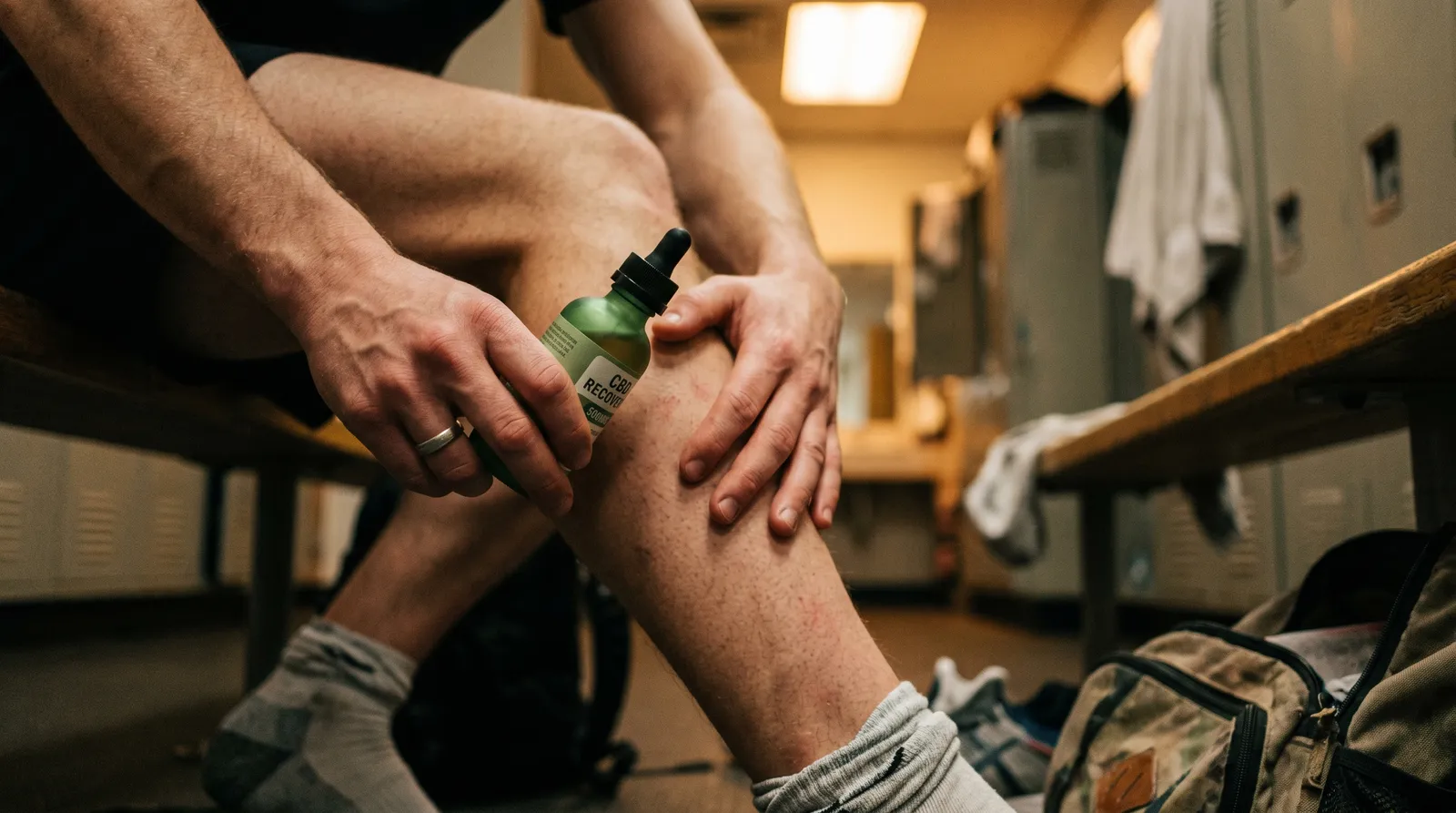
A 2020 pilot study by Hatchett et al. (Journal of Cannabis Research; DOI: 10.1186/s42238-020-00049-z) examined topical CBD application on quadriceps soreness following downhill running. Participants who applied CBD cream reported lower visual analogue scale (VAS) pain scores at 24 and 48 hours compared to placebo, though the sample was small (n = 15) and the effect did not reach significance at all time points.
A 2021 survey-based study by Rojas-Valverde et al. (Frontiers in Pharmacology; DOI: 10.3389/fphar.2021.667717) found that among athletes who self-reported CBD use, the most commonly cited reason was recovery and pain management, and most reported subjective improvement. Survey data, of course, cannot establish causation — expectation effects, placebo response, and recall bias all play a role.
The gap between subjective and objective findings is not unique to CBD research. Placebo analgesia is a well-documented phenomenon in sports science, and substances with anxiolytic properties (which CBD may possess at certain doses — see Zuardi et al., 2017; DOI: 10.3389/fimmu.2017.01614) could theoretically reduce the psychological distress component of DOMS without altering the underlying tissue damage. Whether that constitutes meaningful "recovery" depends on how you define the term.
Dose, Route, and Timing: The Variables Nobody Has Nailed Down
One of the reasons the CBD and recovery literature is so inconsistent is that studies use wildly different protocols. Oral doses have ranged from 25 mg to 300 mg. Some studies use acute dosing (one dose post-exercise), others use chronic loading (daily dosing for one to four weeks before the exercise bout). Topical, sublingual, and oral routes have all been tested — each with different bioavailability profiles.
As the bioavailability article in this wiki series covers in detail, oral CBD undergoes extensive first-pass metabolism. Millar et al. (2018) estimated oral bioavailability at 6–19%, while inhaled CBD may reach 11–45% depending on device and technique. Sublingual administration, often assumed to bypass first-pass metabolism, has limited bioavailability data in humans — much of the "better absorption" claim rests on pharmacokinetic modelling rather than head-to-head trials.
Timing adds another layer. Inflammatory signalling after exercise follows a predictable but complex timeline. Neutrophil infiltration peaks within hours; macrophage activity extends over days. A single dose of CBD taken two hours post-exercise might hit a different phase of the inflammatory cascade than a dose taken 30 minutes before. No published trial has systematically varied timing as an independent variable.
The practical upshot: even if CBD does modulate recovery-relevant pathways in humans, the "right" dose, route, and timing remain unknown. Researchers in the field openly acknowledge this. A 2022 position statement from the International Society of Sports Nutrition (Maughan et al., JISSN; DOI: 10.1186/s12970-022-00463-0) concluded that evidence is insufficient to recommend CBD for exercise recovery and called for larger, well-controlled trials.
Comparing CBD Formats for Recovery: Oil, Topical, and Capsule
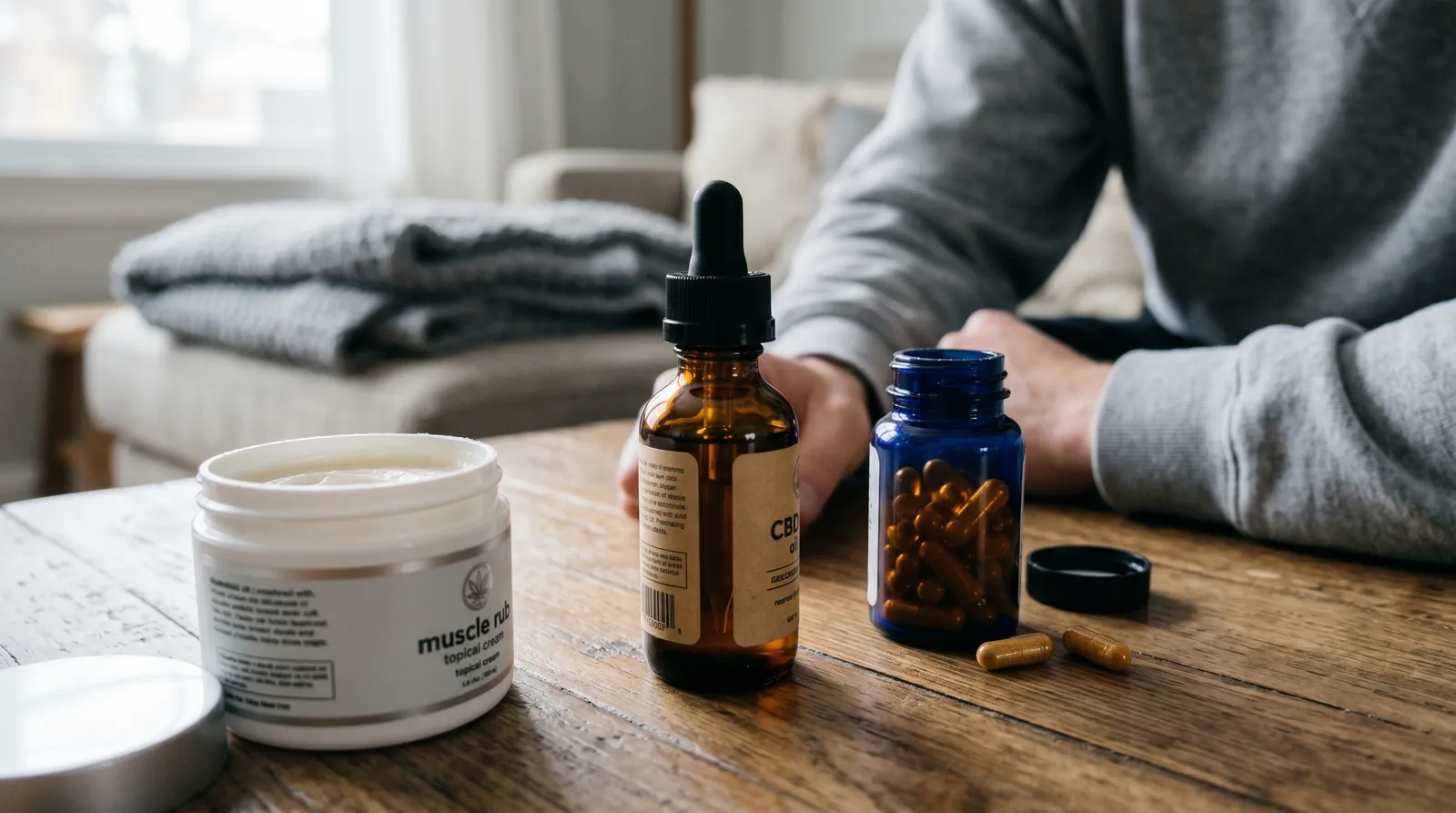
People who want to buy CBD for recovery purposes often ask which format to get — and the honest answer is that no head-to-head trial has compared them for this specific use. Still, the pharmacological differences are real and worth understanding. The table below summarises what is known from the broader CBD pharmacokinetics literature.
| Format | Route | Estimated Bioavailability | Onset | Duration | Recovery-Relevant Notes |
|---|---|---|---|---|---|
| CBD oil (sublingual) | Oral mucosa → systemic | Limited human data; often cited as higher than oral | 15–45 min | 4–6 hours | Most commonly used in clinical trials; Cibdol CBD Oil is a well-known example in this category |
| CBD capsule | Oral → GI tract → liver | 6–19% (Millar et al., 2018) | 30–90 min | 6–8 hours | Consistent dosing; subject to first-pass metabolism; convenient for daily protocols |
| CBD topical (cream/gel) | Transdermal → local tissue | Minimal systemic absorption | 15–30 min locally | Variable | Acts on local receptors; Cibdol CBD Cream is one option; best studied for localised soreness |
| CBD isolate powder | Varies by use | Depends on route | Varies | Varies | No entourage compounds; relevant for those concerned about trace THC in testing scenarios |
What About Topical CBD for Localised Soreness?
Topical CBD acts locally on cannabinoid receptors (CB2), TRPV1 channels, and other targets in the dermis and underlying tissue, rather than entering systemic circulation in meaningful quantities. This is a distinct pharmacological route and is why topical and oral CBD are not interchangeable in research terms.
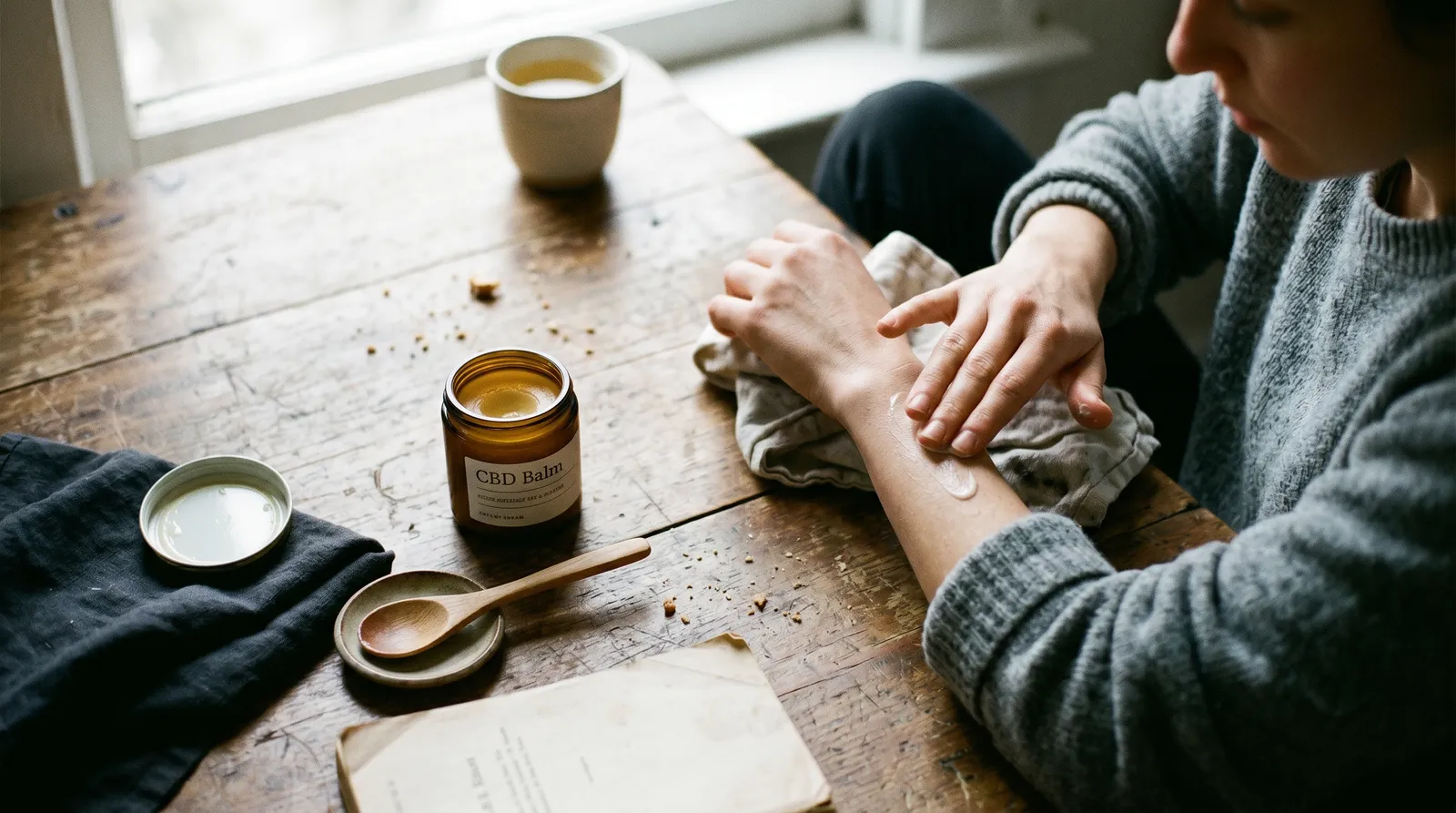
The Hatchett et al. (2020) study mentioned above is one of the few to examine topical CBD specifically for exercise-induced soreness. A 2022 study by Eskander et al. (Clinical Journal of Sport Medicine; DOI: 10.1097/JSM.0000000000001058) tested a topical CBD gel on DOMS in the biceps following eccentric exercise. Participants (n = 21) reported modest reductions in soreness at 48 hours, but CK levels and range-of-motion recovery did not differ from placebo.
The pattern repeats: subjective improvement, objective markers unchanged. Whether the subjective benefit is pharmacological or placebo-mediated (or some combination) remains an open question. Topical formulations also vary enormously in CBD concentration, penetration enhancers, and base composition, making cross-study comparison difficult.
Honest Limitations: What This Article Cannot Tell You
We want to be upfront about what we do not know — and what nobody knows yet. The CBD and recovery field has no large-scale (n > 100) randomised trial. There is no established dose-response curve. There is no consensus on timing, route, or duration of supplementation. The subjective benefits reported in small studies could be real pharmacological effects, placebo responses, or some mixture of both. If you are looking for a definitive answer on whether to buy CBD for your post-training routine, the science cannot give you one yet. That is not a comfortable thing to say on a page where you can also order the product, but it is the truth.
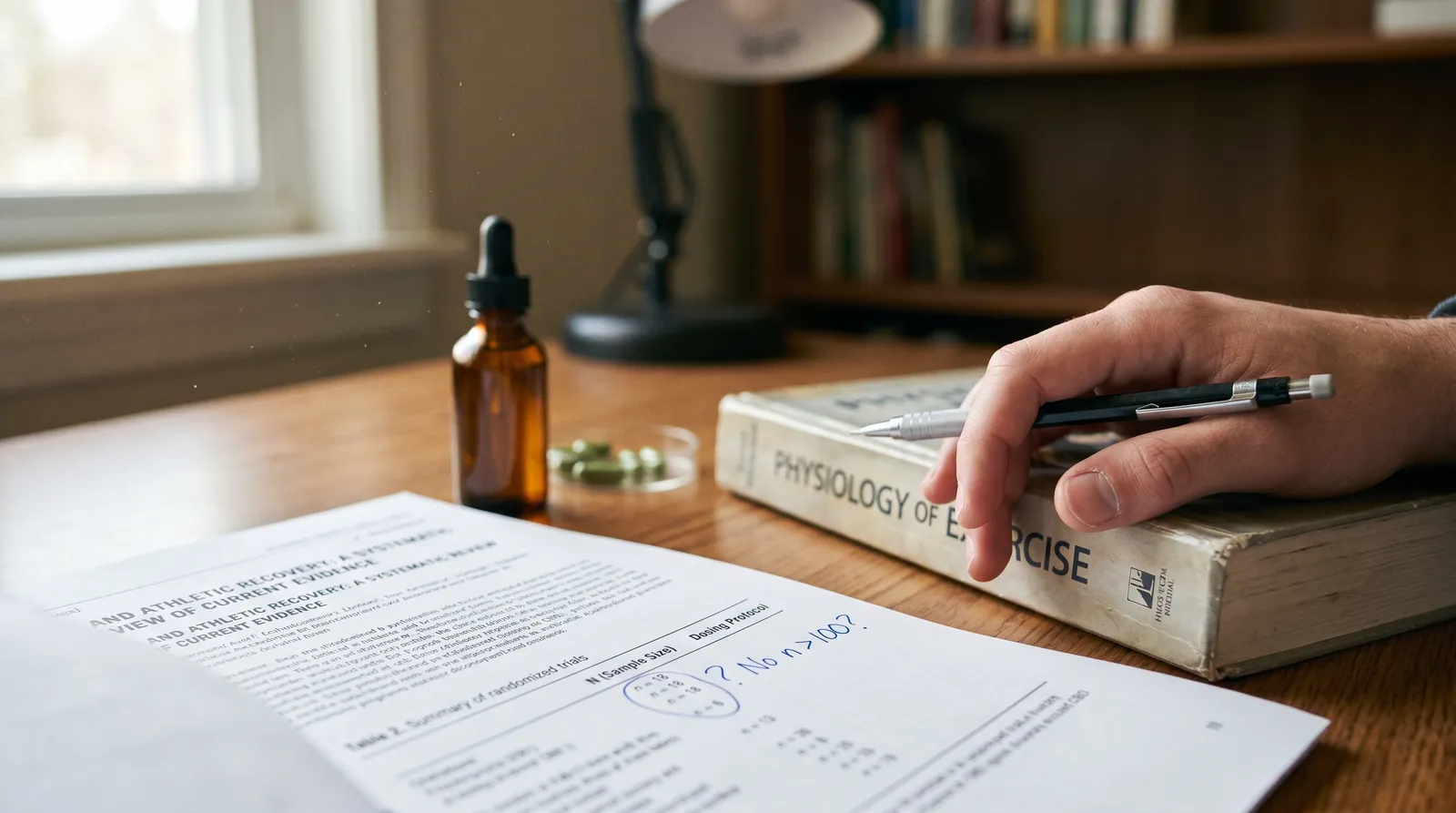
We also cannot tell you how CBD compares to other recovery strategies with stronger evidence bases — cold water immersion, compression garments, adequate protein intake, and simply sleeping enough all have more robust data behind them. CBD might eventually join that list, or it might remain a marginal player. The next five years of research will matter a great deal.
Safety Considerations in a Recovery Context
CBD is generally well-tolerated in the dose ranges used in consumer products. A 2017 review by Iffland and Grotenhermen (Cannabis and Cannabinoid Research; DOI: 10.1089/can.2016.0034) examined safety data from clinical trials and found that common side effects include fatigue, diarrhoea, and changes in appetite — typically at doses above 300 mg/day.
For people using CBD alongside a training programme, two interactions are worth flagging. First, CBD inhibits cytochrome P450 enzymes CYP3A4 and CYP2C19 — the same enzymes affected by grapefruit. If you take any medication with a grapefruit warning (certain statins, blood thinners like warfarin, some anti-epileptics such as clobazam), CBD could alter how those drugs are metabolised. Talk to your doctor before combining. Second, the fatigue side effect at higher doses could theoretically impair training quality if dosing is poorly timed, though no study has specifically measured this.
Full-spectrum CBD products contain trace amounts of THC within the applicable EU limit. This trace THC may register on a sensitive workplace drug screening test — something worth knowing if you are subject to anti-doping or occupational testing. The World Anti-Doping Agency (WADA) removed CBD from its list in 2018, but THC and other cannabinoids remain on it. A full-spectrum product is not the same as pure CBD isolate in this regard.
---Important: This article is consumer education and is not medical advice. CBD products are food supplements, not medicines. Research on CBD is ongoing and evidence remains limited or mixed for many topics. Talk to your doctor before use if you are pregnant, breastfeeding, taking medication, scheduled for surgery, or living with a health condition. Keep CBD products out of reach of children and pets.
This article has been reviewed for factual and editorial accuracy by Toine Verleijsdonk (Cibdol brand manager) and Joshua Askew (Editorial Director). It has NOT been reviewed by a licensed medical practitioner and does not constitute medical advice.
References
- Burstein, S. (2015). Cannabidiol (CBD) and its analogs: a review of their effects on inflammation. Bioorganic & Medicinal Chemistry, 23(7), 1377–1385. DOI: 10.1016/j.bmc.2015.01.059
- Cochrane-Snyman, K.C. et al. (2020). Effects of CBD on physiological and perceptual responses to eccentric exercise. Medicine & Science in Sports & Exercise, 52(7S), p.840.
- Eskander, J.P. et al. (2022). Topical cannabidiol for delayed-onset muscle soreness. Clinical Journal of Sport Medicine. DOI: 10.1097/JSM.0000000000001058
- Hatchett, A. et al. (2020). The influence of cannabidiol on delayed onset of muscle soreness. Journal of Cannabis Research, 2(1), 27. DOI: 10.1186/s42238-020-00049-z
- Iffland, K. & Grotenhermen, F. (2017). An update on safety and side effects of cannabidiol. Cannabis and Cannabinoid Research, 2(1), 139–154. DOI: 10.1089/can.2016.0034
- Isenmann, E. et al. (2021). Effects of cannabidiol supplementation on skeletal muscle regeneration after intensive resistance training. Journal of the International Society of Sports Nutrition, 18(1), 7. DOI: 10.1186/s12970-021-00398-1
- Kisiolek, J.N. et al. (2023). Effects of cannabidiol on sleep in physically active adults. International Journal of Sport Nutrition and Exercise Metabolism, 33(4), 202–209. DOI: 10.1123/ijsnem.2022-0181
- Maughan, R.J. et al. (2022). International Society of Sports Nutrition position stand: cannabidiol. Journal of the International Society of Sports Nutrition. DOI: 10.1186/s12970-022-00463-0
- McCartney, D. et al. (2020). Cannabidiol and sports performance: a narrative review of relevant evidence and recommendations for future research. Sports Medicine — Open, 6(1), 27. DOI: 10.1186/s40798-020-00251-0
- Millar, S.A. et al. (2018). A systematic review on the pharmacokinetics of cannabidiol in humans. Frontiers in Pharmacology, 9, 1365. DOI: 10.3389/fphar.2018.01365
- Rojas-Valverde, D. et al. (2021). Cannabidiol use in sports: an opinion article on current evidence. Frontiers in Pharmacology, 12, 667717. DOI: 10.3389/fphar.2021.667717
- Shannon, S. et al. (2019). Cannabidiol in anxiety and sleep: a large case series. The Permanente Journal, 23, 18-041. DOI: 10.7812/TPP/18-041
- Suraev, A.S. et al. (2022). Cannabinoid therapies in the management of sleep disorders: a systematic review of preclinical and clinical studies. Sleep Medicine Reviews, 53, 101339. DOI: 10.1016/j.smrv.2020.101339
- Zuardi, A.W. et al. (2017). Inverted U-shaped dose-response curve of the anxiolytic effect of cannabidiol. Frontiers in Immunology. DOI: 10.3389/fimmu.2017.01614
Last updated: April 2026
Frequently Asked Questions
8 questionsHas any human trial shown CBD reduces creatine kinase levels after exercise?
Does topical CBD work differently from oral CBD for muscle soreness?
What dose of CBD has been tested for exercise recovery in humans?
Why do some people report feeling less sore with CBD if the objective markers do not change?
Has the International Society of Sports Nutrition taken a position on CBD and recovery?
Where can I buy CBD products for recovery?
Is CBD the same as THC for recovery purposes?
How does CBD compare to other recovery methods like cold water immersion?
About this article


Luke Sholl has been writing about cannabis, cannabinoids, and the broader benefits of nature since 2011, and has personally grown cannabis in home grow tents for more than a decade. That first-hand cultivation experience
This wiki article was drafted with AI assistance and reviewed by Luke Sholl, External contributor since 2026. Editorial oversight by Toine Verleijsdonk.
Medical disclaimer. This content is for informational purposes only and does not constitute medical advice. Consult a qualified healthcare provider before use of any substance.
Last reviewed April 26, 2026
Related Articles
Pinene Alpha and Beta: Aroma, Chemistry & Vaporisation Guide
Pinene is a bicyclic monoterpene occurring as two isomers — α-pinene and β-pinene — and ranks as the most abundant terpene in the plant kingdom.
CBD Pet Dosing Vet Consultation: Prepare for Your Visit
Veterinary CBD dosing is not a scaled-down version of human dosing — dogs and cats metabolise cannabidiol through different enzymatic pathways and at…
CBD for Cats Veterinary Considerations: Feline Research, Safety and Guidance
Cats metabolise cannabinoids differently from dogs and humans, lacking key glucuronidation enzymes that affect CBD clearance. Deabold et al.
EU Novel Food Regulation CBD: Country Status, EFSA Safety & Guide
EU novel food regulation CBD is a policy framework under EU rule 2015/2283 that classifies cannabidiol extracts as a novel food, requiring safety assessment…
CBD Topical Creams Medical Grade: CE-Marked Class I Explained
CBD topical creams deliver cannabidiol directly to the skin rather than the bloodstream.
Humulene Effects and Aroma Profile | Terpene Guide
Humulene (α-humulene) is a monocyclic sesquiterpene named after Humulus lupulus — hops.
Terpene Entourage Effect: Current Evidence Reviewed
The terpene entourage effect proposes that cannabis terpenes modulate cannabinoid activity, producing different outcomes than isolated compounds alone.
CBD and Skin Conditions: What Research Shows
Cannabidiol (CBD) interacts with the endocannabinoid system expressed in human skin — including CB1 and CB2 receptors on keratinocytes, sebocytes, and…
CBD and Stress: What Research Actually Shows
Cannabidiol (CBD) has been studied in a growing number of human trials measuring stress-related outcomes — from cortisol levels to subjective anxiety under…