
This article discusses psychoactive substances intended for adults (18+). If you have a health condition or take medication, consult a doctor before use. Our age policy
CBD Bioavailability by Format: Oil, Capsule, Vape, Topical
Definition
Bioavailability is the percentage of ingested CBD that reaches systemic circulation intact. For cannabidiol, that figure ranges from roughly 6% for a swallowed capsule to over 30% for inhaled vapour, according to Millar et al. (2018). This article compiles peer-reviewed estimates for every major consumer format — sublingual oil, capsule, edible, vape, topical, and transdermal patch — and explains what drives the differences.
CBD bioavailability is a pharmacokinetic measure that determines how much of the cannabidiol (CBD) you consume actually reaches your systemic circulation intact. For CBD derived from Cannabis sativa L., that fraction varies wildly depending on format: from as low as 6% for a swallowed capsule to potentially above 30% for an inhaled vapour. Understanding CBD bioavailability matters because it directly affects how much value you get from every milligram on the label — whether you buy a sublingual oil, a capsule, a vape cartridge, or a topical balm. The table below compiles peer-reviewed estimates for every major consumer format, followed by sections unpacking what the numbers mean and where the data gets shaky.
Bioavailability by format — the data
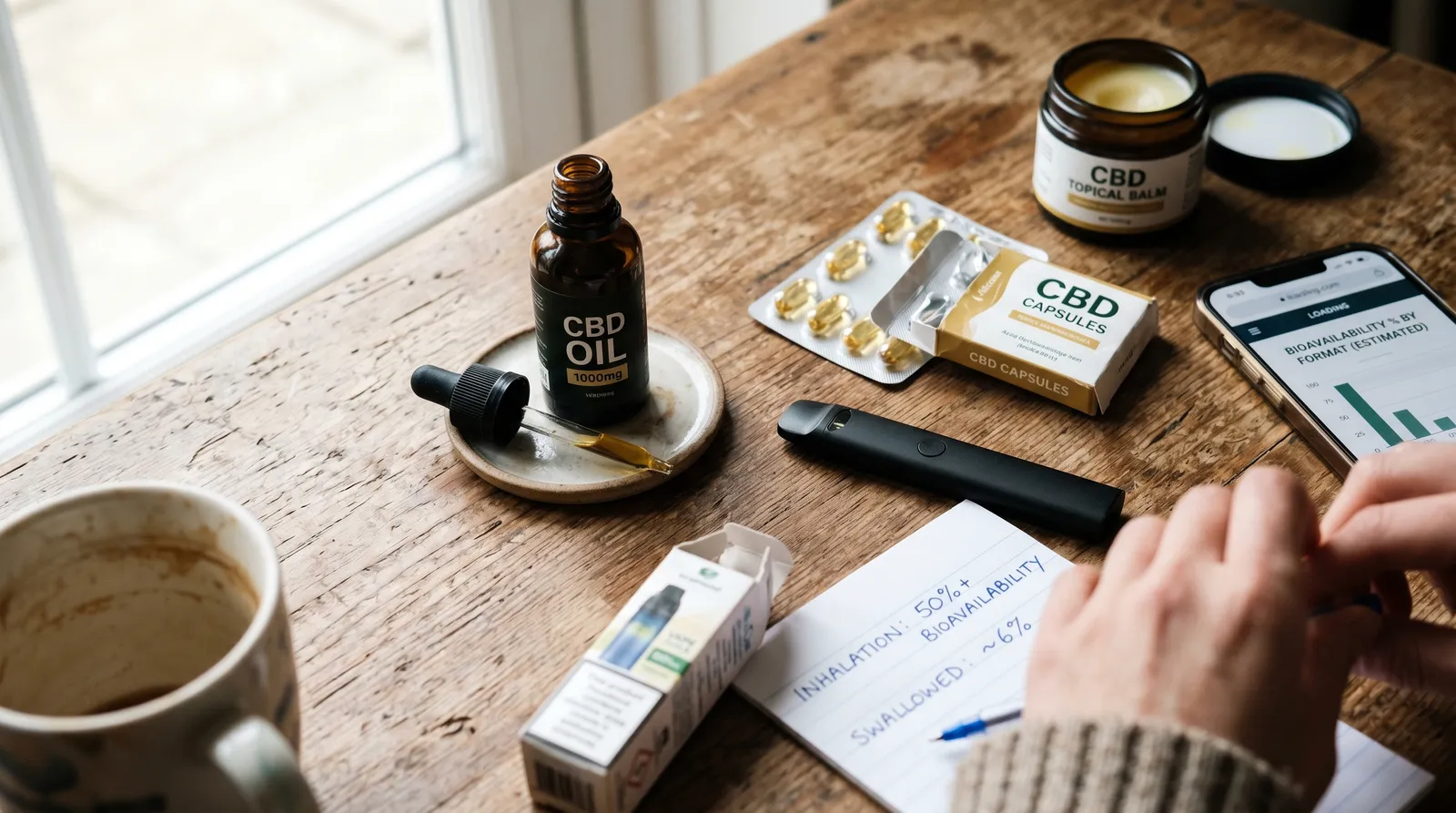
CBD bioavailability ranges from approximately 6% for swallowed formats to over 50% for inhaled vapour, depending on route of administration and formulation. The following table summarises the best available peer-reviewed estimates for each major consumer format.
| Format | Estimated bioavailability range | Typical onset window | Typical duration window |
|---|---|---|---|
| Sublingual oil (held under tongue 60–90 s) | 13–35% (Millar et al., 2018; Birnbaum et al., 2019) | 15–45 minutes | 4–6 hours |
| Oral capsule / softgel (swallowed) | 6–19% (Millar et al., 2018; Huestis, 2007) | 30–90 minutes | 6–8 hours |
| Oral edible / gummy (swallowed, chewed) | 6–19% (same oral route; Millar et al., 2018) | 30–90 minutes | 6–8 hours |
| Inhaled vapour (vape pen / vape juice) | 31–56% (Ohlsson et al., 1986; Millar et al., 2018) | 1–5 minutes | 2–3 hours |
| Inhaled smoke (CBD flower / hash) | ~31% mean (Ohlsson et al., 1986) | 1–5 minutes | 2–3 hours |
| Topical (cream, balm, salve — non-transdermal) | Not systemically bioavailable in standard formulations (Lodzki et al., 2003; Paudel et al., 2010) | 15–45 minutes (local area) | Variable — localised effect only |
| Transdermal patch | Permeation enhancer–dependent; limited human data (Paudel et al., 2010; Lodzki et al., 2003) | 1–2 hours (estimated) | Up to 12+ hours (design-dependent) |
| Sublingual melt tablet / spray | Comparable to sublingual oil — 13–35% range assumed (Millar et al., 2018) | 15–30 minutes | 4–6 hours |
Every figure above comes with a caveat: most published CBD bioavailability studies used small sample sizes, and several of the foundational numbers (particularly Ohlsson et al., 1986) were measured using THC protocols adapted for CBD. Individual variation — body mass, metabolism, whether you have eaten recently, even the fat content of your last meal — can shift your personal figure within or outside these brackets. The European Monitoring Centre for Drugs and Drug Addiction (EMCDDA) has noted the general scarcity of high-quality pharmacokinetic data for cannabinoids in its reporting, which shows why these ranges remain broad.
Oral route: capsules, gummies, and edibles
Oral CBD bioavailability sits between 6% and 19% because first-pass liver metabolism destroys the majority of the dose before it reaches general circulation. When you swallow CBD, it passes through the stomach and into the small intestine before entering the hepatic portal vein. Cytochrome P450 enzymes — mainly CYP3A4 and CYP2C19 — metabolise a large portion before it reaches general circulation. A 15 mg softgel therefore delivers somewhere between 0.9 mg and 2.85 mg of intact CBD to the bloodstream.
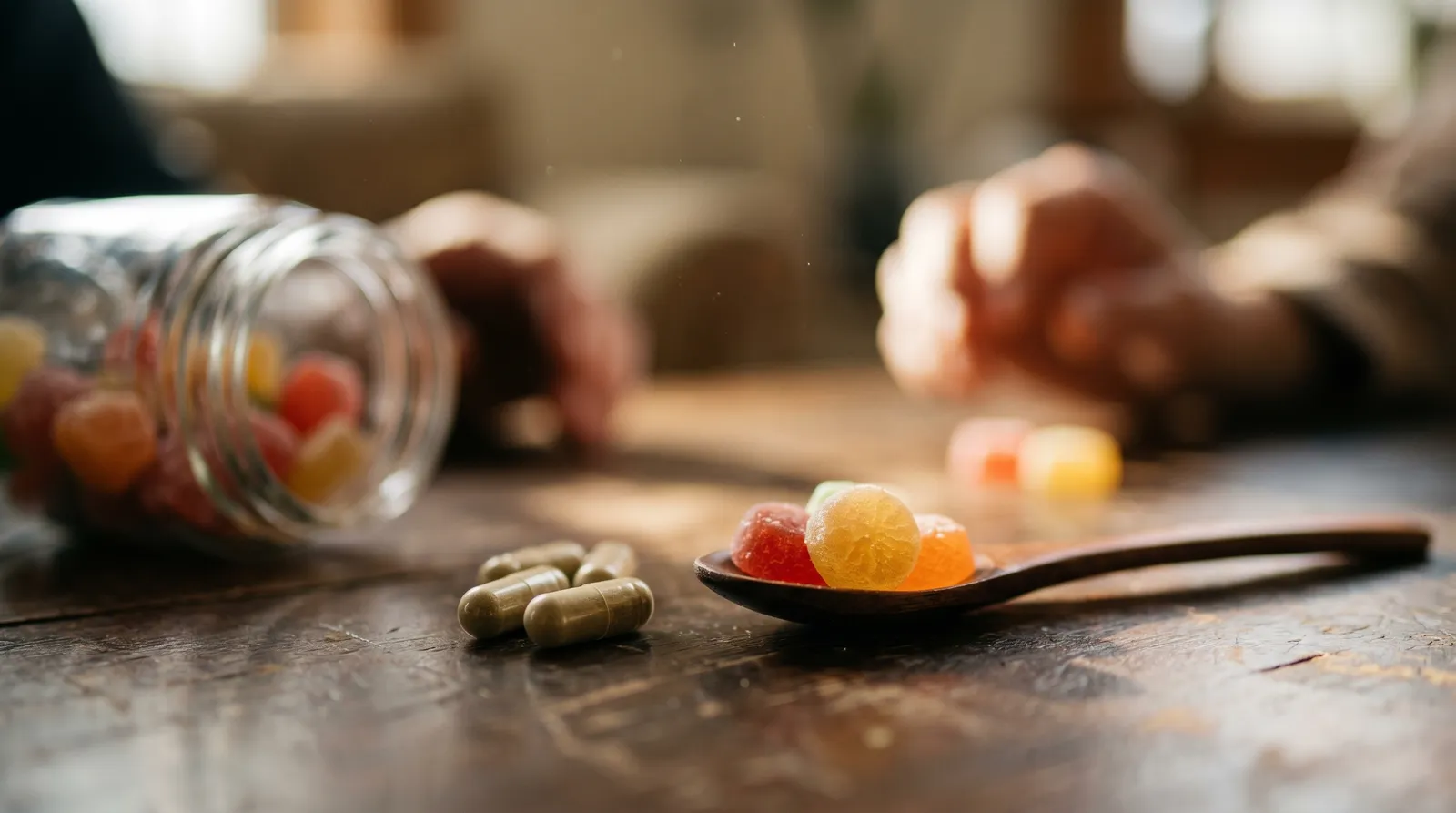
Co-administration with dietary fat can shift oral bioavailability upward substantially. Birnbaum et al. (2019) found that taking pharmaceutical-grade CBD with a high-fat meal increased systemic exposure by roughly four- to fivefold compared to a fasted state. This is consistent with CBD's high lipophilicity — bile-salt emulsification in the gut improves absorption. If you order CBD capsules or gummies, taking them alongside a meal containing fat is the simplest way to improve how much CBD your body actually uses.
Sublingual route: oils, sprays, and melt tablets
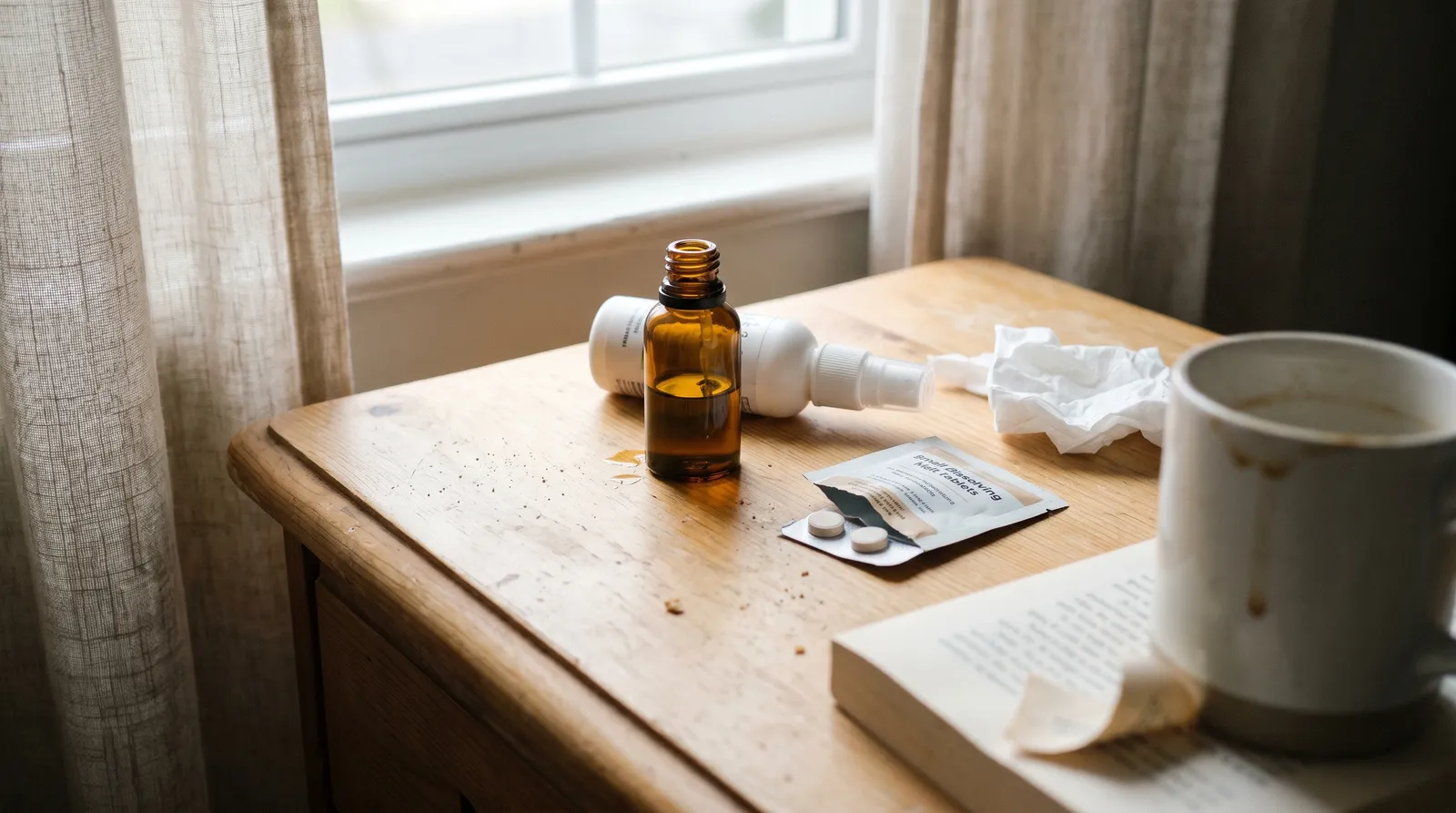
Sublingual CBD bioavailability ranges from roughly 13% to 35%, making it a middle-ground route that partially bypasses first-pass metabolism. Holding CBD oil under the tongue for 60 to 90 seconds allows a portion to absorb through the sublingual mucosa directly into the bloodstream. The fraction eventually swallowed still goes through the oral route, so sublingual delivery is a hybrid: part mucosal absorption, part oral absorption.
Published estimates cluster around 13–35% (Millar et al., 2018), though isolating the sublingual fraction from the swallowed fraction in human trials is methodologically tricky. The upper end likely reflects formulations optimised for mucosal uptake or longer hold times. Onset tends to be faster than oral — roughly 15 to 45 minutes — and duration is around 4 to 6 hours.
Sublingual melt tablets and sprays follow the same pharmacological principle. No published head-to-head studies compare CBD melt-tablet bioavailability against oil-drop bioavailability in humans, so the 13–35% range from oil studies is the best available proxy. Products like Cibdol CBD Oil and similar sublingual formats from other brands all rely on this same mucosal absorption mechanism.
Inhaled route: vape, flower, and hash
Inhaled CBD bioavailability is the highest of any consumer route, estimated at 31–56% in published studies. Inhalation delivers CBD through the alveolar membrane of the lungs — an enormous surface area with a very short diffusion distance to capillary blood. Ohlsson et al. (1986) measured a mean of approximately 31% for smoked cannabinoids, and Millar et al. (2018) placed the inhaled range at 31–56%. Onset is fast — typically 1 to 5 minutes — but duration is shorter, generally 2 to 3 hours.

Vape devices heating CBD e-liquid to a controlled temperature (typically 160–220 °C) tend to deliver a more consistent dose than smoking dried flower, where combustion destroys a significant fraction of the cannabinoid by pyrolysis. None of these distinctions have been precisely quantified in published human bioavailability trials — the Ohlsson data predates modern vape hardware entirely.
Vaping safety: Use only regulated vape devices designed for CBD e-liquid. Do not mix sublingual CBD oil into a vape cartridge — carrier fats (hemp-seed oil, MCT) are not safe to inhale. Do not use cartridges of unknown origin, and never use products containing vitamin-E acetate, which was linked to the EVALI (e-cigarette or vaping product use–associated lung injury) outbreak in the US in 2019.
Topical and transdermal routes
Standard topical CBD products deliver cannabinoid to local tissue only and do not meaningfully raise blood plasma CBD levels. Despite CBD's lipophilicity, the molecule's size and the skin's barrier function limit penetration. Paudel et al. (2010) and Lodzki et al. (2003) both found that without permeation enhancers, CBD's transdermal flux through human skin is very low. A standard CBD cream works locally, not systemically — that is not the same as saying topicals "do nothing."
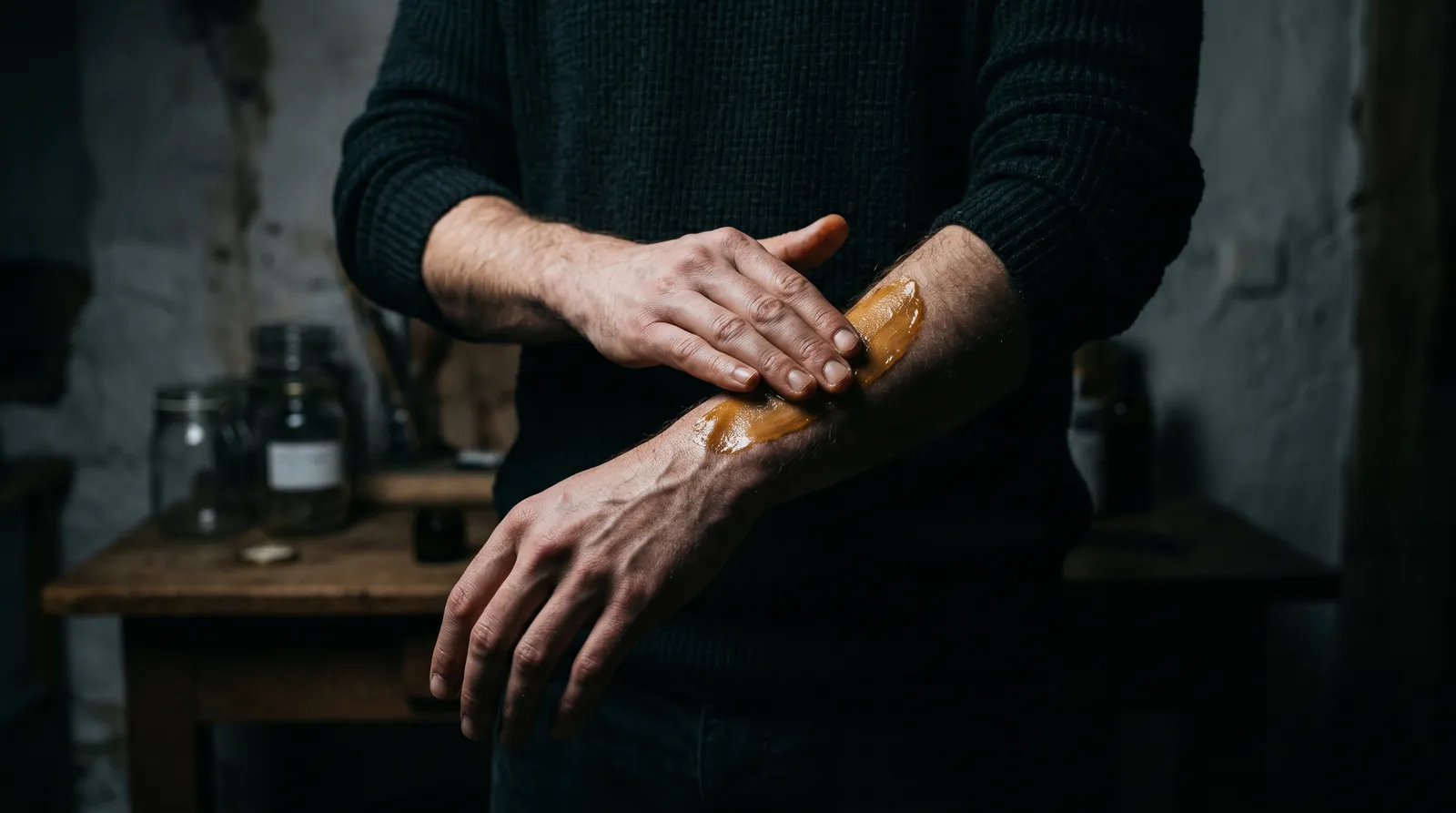
Transdermal patches are engineered with permeation enhancers and sometimes liposomal or ethosomal delivery systems to push CBD into systemic circulation. Lodzki et al. (2003) demonstrated that ethosomal CBD carriers significantly improved skin permeation in an animal model, but robust human bioavailability data remains limited. Onset is slow (estimated 1–2 hours) and intended duration is long, potentially 12+ hours.
What shifts these numbers in practice
Several real-world factors can move your personal CBD bioavailability significantly above or below the published ranges listed in the table.
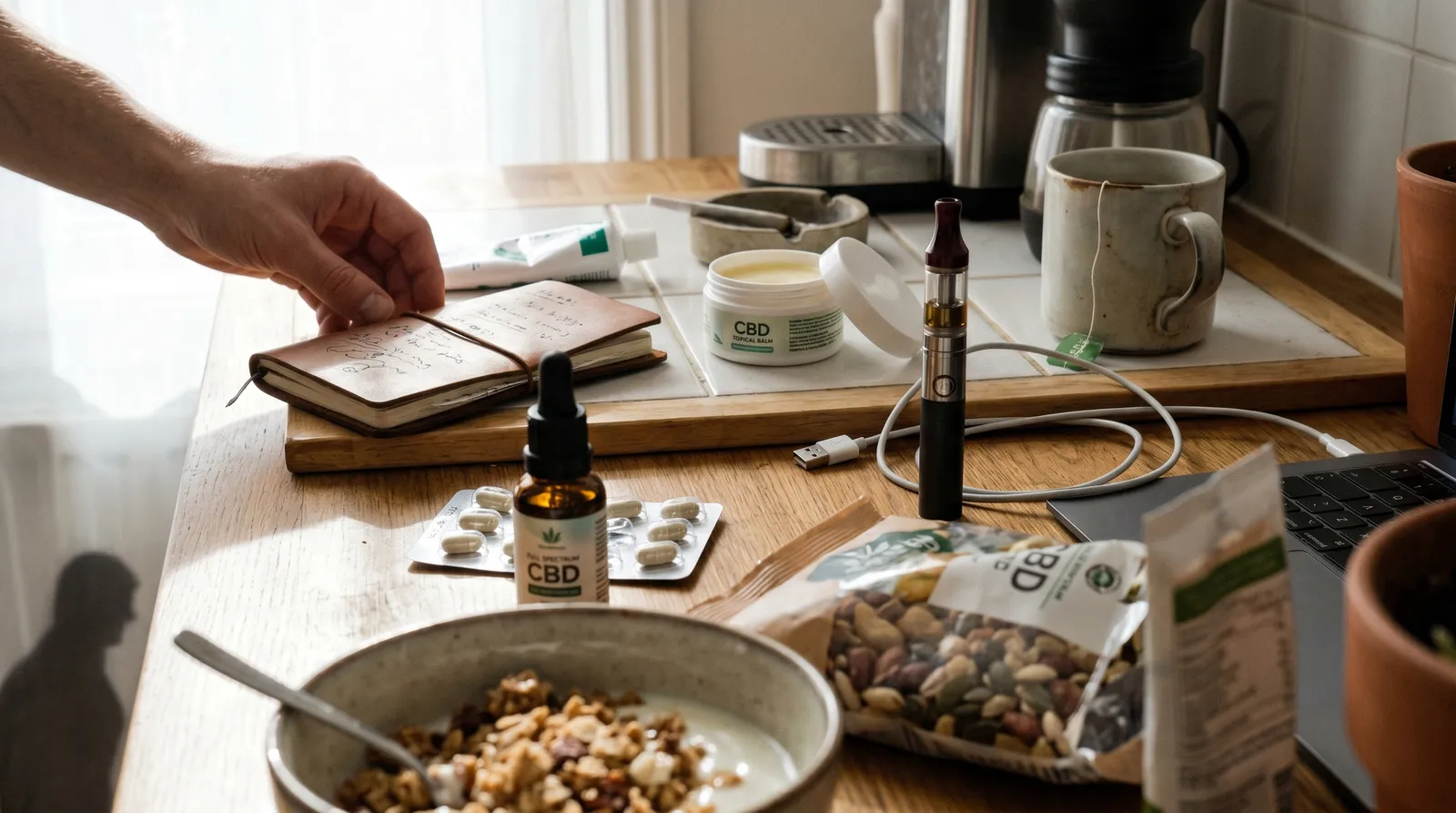
- Fed vs. fasted state: As Birnbaum et al. (2019) showed, a fatty meal before an oral CBD dose can increase systemic exposure by four to five times. This is the single easiest lever you can pull to improve oral CBD bioavailability.
- Formulation technology: Nanoemulsions, liposomal carriers, and self-emulsifying drug delivery systems (SEDDS) aim to improve oral bioavailability by reducing particle size. Peer-reviewed human data supporting specific consumer products is still sparse, though the pharmacological principle is established (Cherniakov et al., 2017).
- Individual metabolism: CYP3A4 and CYP2C19 activity varies due to genetics, age, liver health, and concurrent medication. Lower CYP3A4 activity means less first-pass metabolism and higher effective bioavailability from an oral dose.
- Carrier oil: MCT carriers are absorbed somewhat differently from long-chain triglycerides like hemp-seed oil, though whether this translates to a measurable CBD bioavailability advantage has not been conclusively demonstrated in human trials.
- Inhalation technique: Deeper, longer inhalations increase alveolar contact time and improve pulmonary absorption.
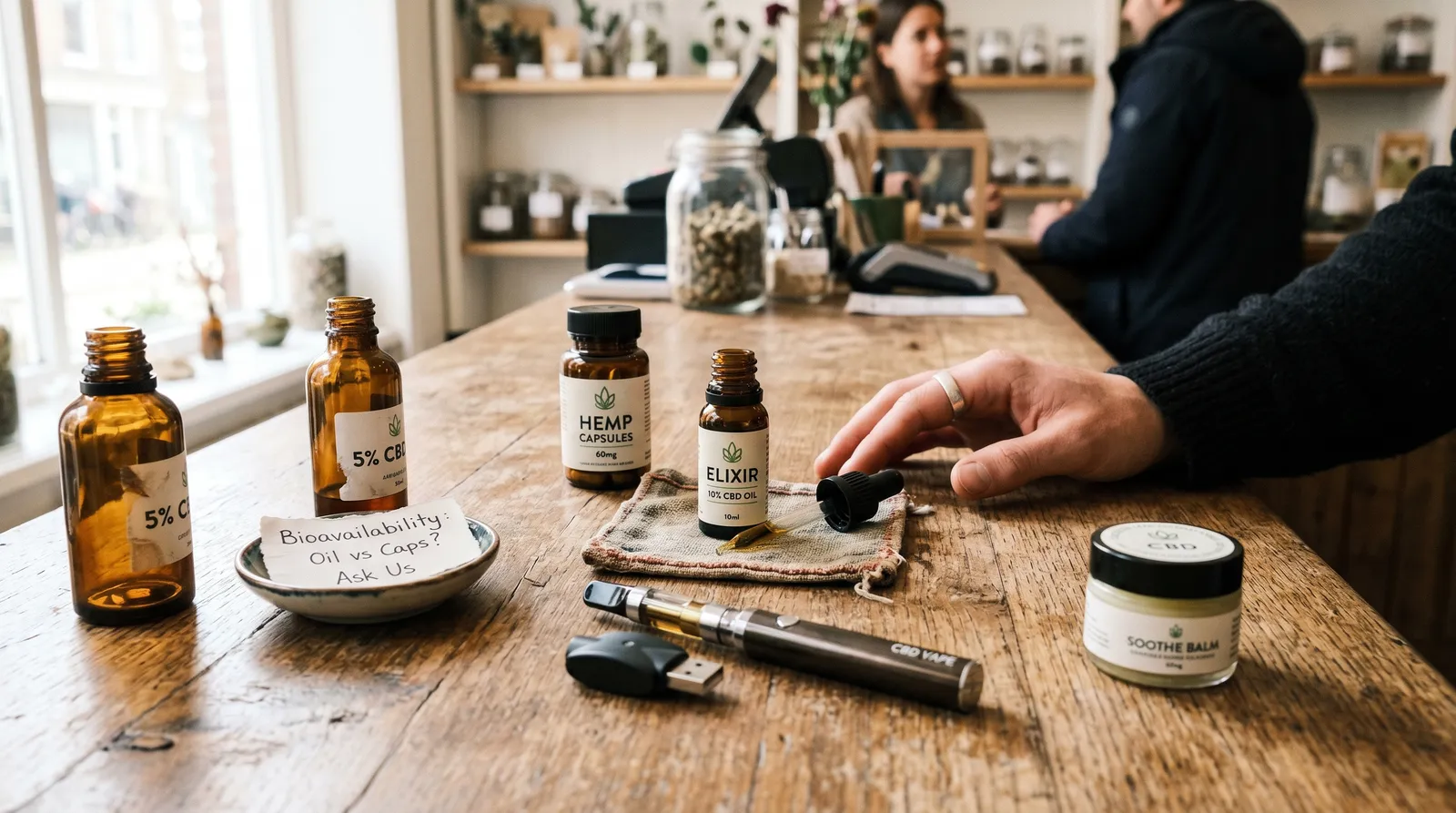
We should be honest about the limitations too. The bioavailability numbers in this article come from a small handful of studies, several decades old, with small sample sizes. Nobody has run a large, well-powered human trial comparing, say, Cibdol CBD Oil 5% sublingual bioavailability against a generic capsule in 500 participants. The ranges are real, but they are rough. Treat them as useful guides rather than precise predictions for your body.
CBD bioavailability compared to other cannabinoids
CBD is not unique in having low oral bioavailability — THC faces the same first-pass metabolism problem, with oral bioavailability estimates of roughly 4–12% (Huestis, 2007). CBG and CBN, two other cannabinoids gaining consumer interest, have even less published pharmacokinetic data than CBD, so direct bioavailability comparisons are not yet possible. What is clear is that the route-of-administration effect — inhaled being higher than sublingual, sublingual being higher than oral — applies broadly across lipophilic cannabinoids, not just CBD. If you are interested in cannabinoid pharmacology more broadly, the Azarius encyclopedia pages on THC and CBG cover what is currently known about those compounds.
Choosing a format based on bioavailability
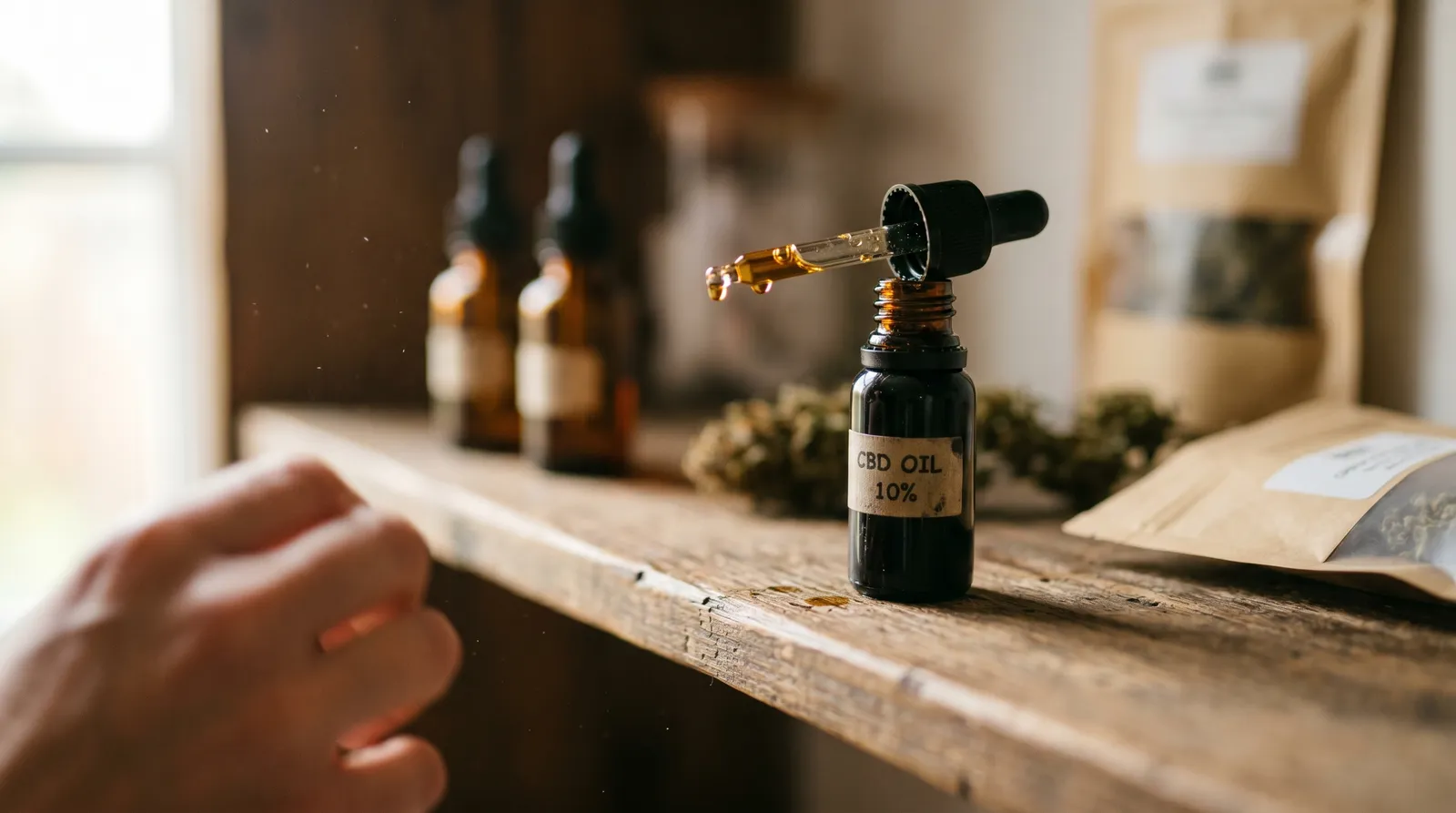
Higher bioavailability does not automatically mean "better" — the right format depends on your priorities for onset speed, duration, convenience, and personal comfort. If you are comparing the milligram content on two different product labels — say a 10 mg capsule versus a 10 mg sublingual oil dose — you are not comparing like with like in terms of what reaches your bloodstream. The sublingual oil, properly held under the tongue, will likely deliver more CBD to systemic circulation than the swallowed capsule. But someone who values discretion and consistent dosing might reasonably prefer capsules and simply adjust the dose upward to compensate for lower CBD bioavailability.
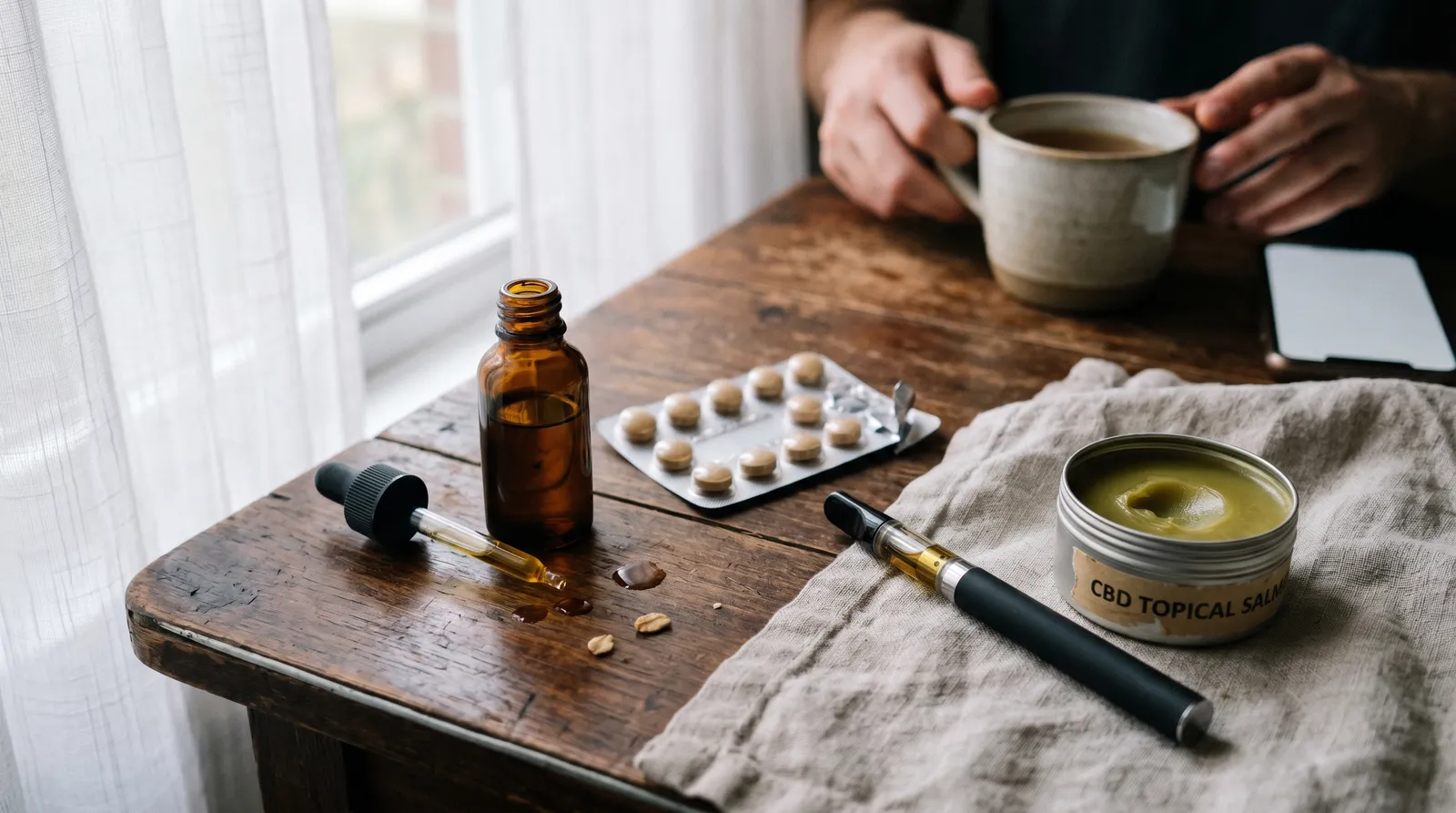
If you want to get the most from an oral product, take it with food containing fat. If you want faster onset and higher bioavailability, consider a sublingual oil or a vape format. If you want localised relief for a specific area of the body, a topical makes sense even though it will not raise your plasma CBD levels. Every format has a rational use case.
Safety note: CBD inhibits liver enzymes (CYP3A4, CYP2C19) and may interact with prescription medication. Anyone taking prescription medication, pregnant, breastfeeding, or with a health condition should consult a qualified healthcare professional before use.
Important: This article is consumer education and is not medical advice. CBD products are food supplements, not medicines. Research on CBD is ongoing and evidence remains limited or mixed for many topics. Talk to your doctor before use if you are pregnant, breastfeeding, taking medication, scheduled for surgery, or living with a health condition. Keep CBD products out of reach of children and pets.
This article has been reviewed for factual and editorial accuracy by Toine Verleijsdonk (Cibdol brand manager) and Joshua Askew (Editorial Director). It has NOT been reviewed by a licensed medical practitioner and does not constitute medical advice.
References
- Millar, S.A., Stone, N.L., Yates, A.S. & O'Sullivan, S.E. (2018). A systematic review on the pharmacokinetics of cannabidiol in humans. Frontiers in Pharmacology, 9, 1365. DOI: 10.3389/fphar.2018.01365
- Ohlsson, A., Lindgren, J.E., Andersson, S., Agurell, S., Gillespie, H. & Hollister, L.E. (1986). Single-dose kinetics of deuterium-labelled cannabidiol in man after smoking and intravenous administration. Biomedical & Environmental Mass Spectrometry, 13(2), 77–83. DOI: 10.1002/bms.1200130206
- Birnbaum, A.K., Karanam, A., Engel, S.S., et al. (2019). Food effect on pharmacokinetics of cannabidiol oral capsules in adult patients with refractory epilepsy. Epilepsia, 60(8), 1586–1592. DOI: 10.1111/epi.16093
- Lodzki, M., Godin, B., Rakou, L., Mechoulam, R., Gallily, R. & Touitou, E. (2003). Cannabidiol — transdermal delivery and anti-inflammatory effect in a murine model. Journal of Controlled Release, 93(3), 377–387. DOI: 10.1016/j.jconrel.2003.09.001
- Paudel, K.S., Hammell, D.C., Agu, R.U., Valiveti, S. & Stinchcomb, A.L. (2010). Cannabidiol bioavailability after nasal and transdermal application: effect of permeation enhancers. Drug Development and Industrial Pharmacy, 36(9), 1088–1097. DOI: 10.3109/03639041003657295. PMID: 20545522
- Cherniakov, I., Izgelov, D., Barasch, D., Davidson, E., Domb, A.J. & Hoffman, A. (2017). Piperine-pro-nanolipospheres as a novel oral delivery system of cannabinoids: pharmacokinetic evaluation in healthy volunteers in comparison to buccal spray administration. Journal of Controlled Release, 266, 1–7. DOI: 10.1016/j.jconrel.2017.09.011
- Huestis, M.A. (2007). Human cannabinoid pharmacokinetics. Chemistry & Biodiversity, 4(8), 1770–1804. DOI: 10.1002/cbdv.200790152. PMID: 17712819
- European Monitoring Centre for Drugs and Drug Addiction (EMCDDA) (2020). Low-THC cannabis products in Europe. Lisbon: EMCDDA.
Last updated: April 2026
Last reviewed: 2026-04-25
Frequently Asked Questions
8 questionsDoes holding CBD oil under the tongue longer increase bioavailability?
Does taking CBD capsules with food improve absorption?
Why does vaping CBD have higher bioavailability than oil?
Does CBD cream enter the bloodstream?
Are nanoemulsion CBD products really better absorbed?
What is the best way to buy CBD if bioavailability matters to me?
How long does CBD from a vape stay in your system compared to an oil or capsule?
Does body weight or metabolism affect CBD bioavailability?
About this article


Luke Sholl has been writing about cannabis, cannabinoids, and the broader benefits of nature since 2011, and has personally grown cannabis in home grow tents for more than a decade. That first-hand cultivation experience
This wiki article was drafted with AI assistance and reviewed by Luke Sholl, External contributor since 2026. Editorial oversight by Toine Verleijsdonk.
Medical disclaimer. This content is for informational purposes only and does not constitute medical advice. Consult a qualified healthcare provider before use of any substance.
Last reviewed April 25, 2026
Related Articles

Pinene Alpha and Beta: Aroma, Chemistry & Vaporisation Guide
Pinene is a bicyclic monoterpene occurring as two isomers — α-pinene and β-pinene — and ranks as the most abundant terpene in the plant kingdom.

CBD and Recovery: What the Research Actually Shows
CBD and recovery is a research topic spanning exercise-induced muscle damage, sleep quality, and perceived soreness. As McCartney et al.
CBD Pet Dosing Vet Consultation: Prepare for Your Visit
Veterinary CBD dosing is not a scaled-down version of human dosing — dogs and cats metabolise cannabidiol through different enzymatic pathways and at…
CBD for Cats Veterinary Considerations: Feline Research, Safety and Guidance
Cats metabolise cannabinoids differently from dogs and humans, lacking key glucuronidation enzymes that affect CBD clearance. Deabold et al.
EU Novel Food Regulation CBD: Country Status, EFSA Safety & Guide
EU novel food regulation CBD is a policy framework under EU rule 2015/2283 that classifies cannabidiol extracts as a novel food, requiring safety assessment…
CBD Topical Creams Medical Grade: CE-Marked Class I Explained
CBD topical creams deliver cannabidiol directly to the skin rather than the bloodstream.
Humulene Effects and Aroma Profile | Terpene Guide
Humulene (α-humulene) is a monocyclic sesquiterpene named after Humulus lupulus — hops.
Terpene Entourage Effect: Current Evidence Reviewed
The terpene entourage effect proposes that cannabis terpenes modulate cannabinoid activity, producing different outcomes than isolated compounds alone.
CBD and Skin Conditions: What Research Shows
Cannabidiol (CBD) interacts with the endocannabinoid system expressed in human skin — including CB1 and CB2 receptors on keratinocytes, sebocytes, and…