
This article discusses psychoactive substances intended for adults (18+). If you have a health condition or take medication, consult a doctor before use. Our age policy
CBD Pet Dosing Vet Consultation: Prepare for Your Visit
Definition
Veterinary CBD dosing is not a scaled-down version of human dosing — dogs and cats metabolise cannabidiol through different enzymatic pathways and at species-specific rates (Deabold et al., 2019). This guide prepares pet owners for a productive veterinary consultation by outlining the published research, the questions worth asking, and the monitoring steps that make a supervised CBD trial safer.
Why Veterinary Consultation Comes First
CBD pet dosing vet consultation is a structured process that helps pet owners work with a veterinarian to determine safe, species-appropriate cannabidiol doses for dogs and cats. Giving a pet any cannabinoid product without veterinary guidance is guesswork — and potentially dangerous guesswork at that. Dogs and cats are not small humans. Their endocannabinoid systems differ in receptor density, their livers process compounds through different enzymatic pathways, and their body-weight-to-dose ratios bear no resemblance to anything on a human product label. A 2018 pharmacokinetic study in dogs found that CBD elimination half-life was roughly 4.2 hours, with significant individual variation even among dogs of similar size (Bartner et al., 2018). Cats present an even more complicated picture — they lack several glucuronidation pathways that dogs and humans rely on, which changes how long CBD and its metabolites linger in the body (Deabold et al., 2019).
This guide walks through how to prepare for a veterinary CBD pet dosing vet consultation, what questions to bring, and what the published veterinary research actually says about dosing in companion animals. It does not replace a vet visit — it helps you make that visit more productive.
This article describes veterinary research. Always consult a licensed veterinarian before giving any cannabinoid product to a pet. Human CBD dosing does NOT transfer to pets — cats and dogs metabolize cannabinoids differently and at species-specific rates.
Step 1 — Gather Your Pet's Health Profile Before the Appointment
The single most useful thing you can do before a CBD pet dosing vet consultation is arrive with your pet's complete health profile already compiled. Vets cannot advise on CBD in a vacuum. Before your consultation, gather the following:

- Current body weight — weighed within the last week, not estimated. Veterinary CBD research doses are calculated per kilogram. A 2 kg error on a 10 kg dog shifts the dose by 20%.
- Complete medication list — CBD inhibits cytochrome P450 enzymes (CYP1A2, CYP2D15, CYP3A12 in dogs), which means it can alter how other drugs are metabolised. If your dog takes phenobarbital, non-steroidal anti-inflammatories, or any drug metabolised through hepatic pathways, the vet needs to know (McGrath et al., 2019).
- Liver and kidney bloodwork — ideally from the last 6 months. High-dose CBD has been associated with elevated alkaline phosphatase (ALP) in dogs (McGrath et al., 2019). Baseline values let your vet monitor changes.
- Breed and age — brachycephalic breeds, toy breeds, senior animals, and animals with compromised liver function all warrant extra caution.
- Specific concern — write down what you are hoping CBD might address. Your vet may or may not agree that the existing evidence supports trying it, but having a clear starting point focuses the conversation.
Step 2 — Understand What Veterinary Research Has Actually Measured
The veterinary CBD evidence base is small but growing. Three studies come up repeatedly in vet consultations, and knowing what they found — and what they didn't — will help you ask better questions during your CBD pet dosing vet consultation.
| Study | Species | Focus | Dose used | Key finding |
|---|---|---|---|---|
| Bartner et al., 2018 (PMID: 30083539) | Dogs | Pharmacokinetics and safety | 2 mg/kg and 8 mg/kg, oral | CBD was absorbed and tolerated; ALP elevation noted at higher dose. Elimination half-life ~4.2 hours. |
| McGrath et al., 2019 (PMID: 31067185) | Dogs | Seizure frequency | 2.5 mg/kg, twice daily, oral | 89% of dogs in the CBD group showed a reduction in seizure frequency vs. placebo, though the sample was small (n=26). ALP elevation was the most common adverse finding. |
| Deabold et al., 2019 (PMID: 31071242) | Cats | Pharmacokinetics and safety | 2 mg/kg, oral, twice daily for 12 weeks | Cats tolerated CBD but showed excessive licking and head-shaking. Pharmacokinetic profile differed from dogs — slower clearance suggested cats may need lower doses or longer intervals. |
A few things jump out from this table. First, the doses used in these studies (2–8 mg/kg) are research doses under controlled conditions with veterinary monitoring — they are not DIY starting points. Second, sample sizes are small. McGrath's seizure study had 26 dogs total. That is a signal worth investigating, not a treatment protocol. Third, cats are not dogs. Deabold's work showed that feline pharmacokinetics differ enough that simply scaling a canine dose down by body weight is not appropriate.
A 2020 review by Corsato Alvarenga et al. in the journal Animals noted that while preliminary evidence in dogs is encouraging for certain applications, "well-designed, adequately powered clinical trials are still needed" (Corsato Alvarenga et al., 2020). That phrase — "still needed" — is the honest summary of where veterinary CBD science sits right now. The European Monitoring Centre for Drugs and Drug Addiction (EMCDDA) has similarly noted the limited scope of clinical evidence for cannabinoid applications across species, reinforcing the need for caution.
Step 3 — Questions to Ask Your Vet
Not every vet will be familiar with the CBD literature. Some will be enthusiastic, some cautious, and some flatly opposed. All three positions are understandable given the current evidence. Here are questions that move the conversation forward regardless of where your vet stands:
- "Given my pet's current medications, are there known drug-interaction risks with CBD?" — This is the most critical question. CBD's inhibition of cytochrome P450 enzymes in dogs is documented (Martinez et al., 2021). If your pet takes phenobarbital, potassium bromide, or NSAIDs, the vet needs to evaluate whether adding CBD could alter drug levels.
- "Would you recommend baseline bloodwork before starting, and follow-up bloodwork after 4–6 weeks?" — ALP elevation appeared in multiple canine studies. Monitoring liver enzymes gives you and the vet an objective safety signal rather than relying on behavioural observation alone.
- "What dose range would you consider appropriate for my pet's species, weight, and condition — and how does that compare with the published research doses?" — This question anchors the conversation in evidence. The vet may suggest starting well below the 2 mg/kg used in studies, which is a common and reasonable approach.
- "How long should we trial CBD before evaluating whether it's doing anything?" — Bartner et al. (2018) noted steady-state plasma levels in dogs within about a week of consistent dosing. But behavioural or clinical changes may take longer to assess. Your vet can set a realistic evaluation window — typically 4 to 8 weeks in published protocols.
- "What signs should I watch for that would mean we stop immediately?" — Gastrointestinal upset, excessive sedation, changes in appetite, vomiting, and diarrhoea have all been reported in veterinary CBD studies. Knowing the red flags in advance prevents delayed response.
- "Are you comfortable with me bringing in the specific product I'm considering, so you can review the certificate of analysis?" — Third-party lab reports matter even more for pets than for humans, because pets cannot report side effects verbally. A product with verified cannabinoid content and confirmed absence of heavy metals, pesticides, and residual solvents is the minimum standard.
Step 4 — Why Human CBD Products Need Vet-Specific Review
Many pet owners consider using human-grade CBD oil for their animals. This is not automatically wrong, but it requires veterinary sign-off for several reasons:
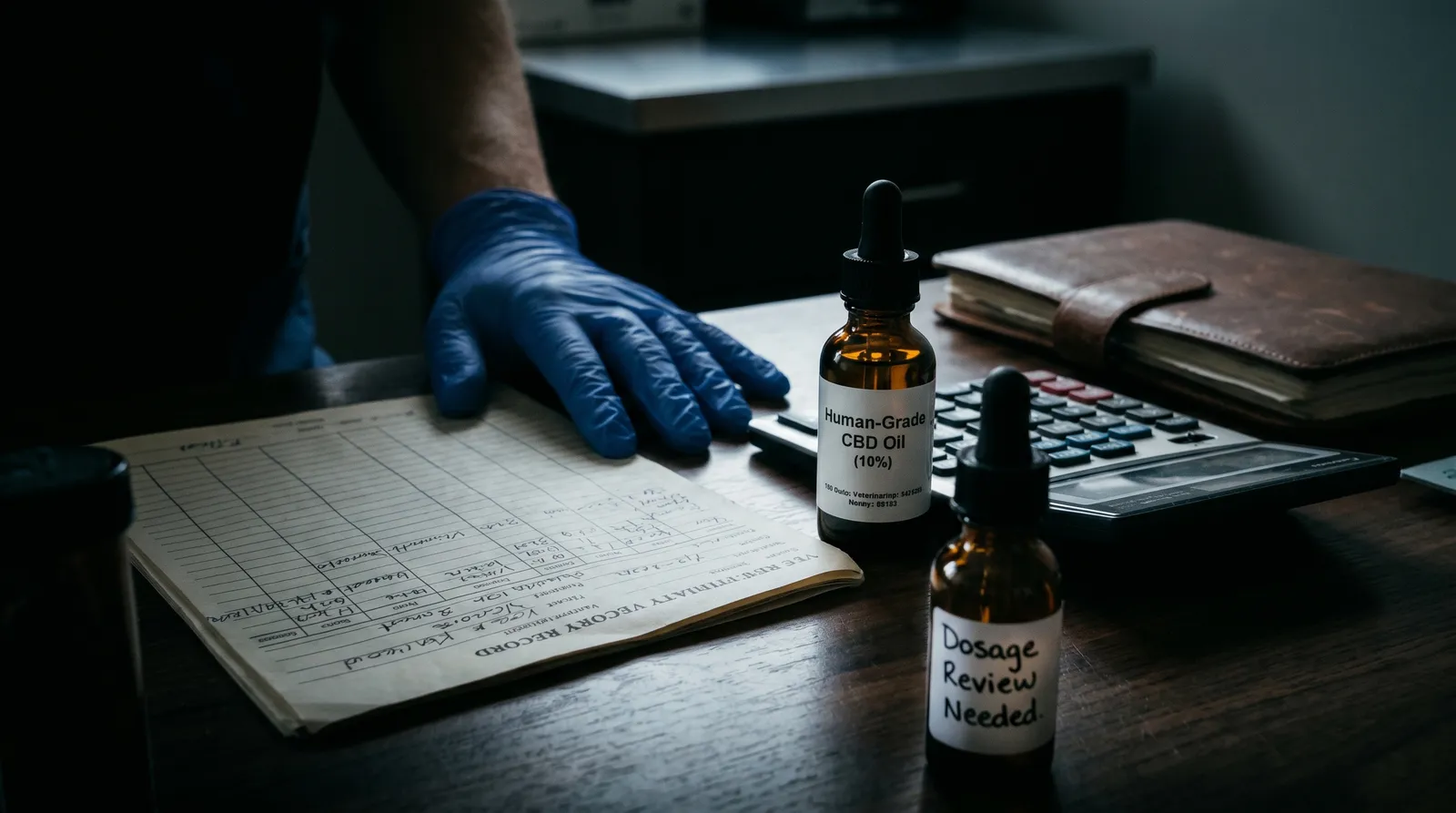
Concentration mismatch. A 10% CBD oil formulated for humans contains 4 mg per drop (in a standard 250-drop bottle). For a 5 kg cat, even a single drop puts you at 0.8 mg/kg — and three drops would land at 2.4 mg/kg, which is already at the upper end of doses studied in felines. The margin for error is thin with small animals.
Carrier oil considerations. Some CBD oils use MCT (coconut-derived) carrier oil. While MCT is generally well tolerated by dogs, cats metabolise fats differently, and some vets prefer hemp-seed oil carriers for feline patients. Others have no preference. The point is that your vet should make this call based on your specific animal's digestive history.
THC trace content. Full-spectrum CBD products contain trace THC within accepted limits (below 0.2% in the EU). Dogs have a higher density of CB1 receptors in the cerebellum and brainstem than humans do, which may make them more sensitive to THC's effects (Silver, 2019). Even trace amounts that are irrelevant to a 70 kg human could matter to a 4 kg Chihuahua. Broad-spectrum or isolate-based products remove this variable, but the decision belongs to your vet.
Step 5 — Product Quality Checks to Bring to the Appointment
Your vet is not a CBD product expert — that is not their job. But they can evaluate safety data if you bring it. If you plan to buy a CBD oil for your pet, whether from Cibdol or another reputable brand, make sure you can present the following at your appointment:
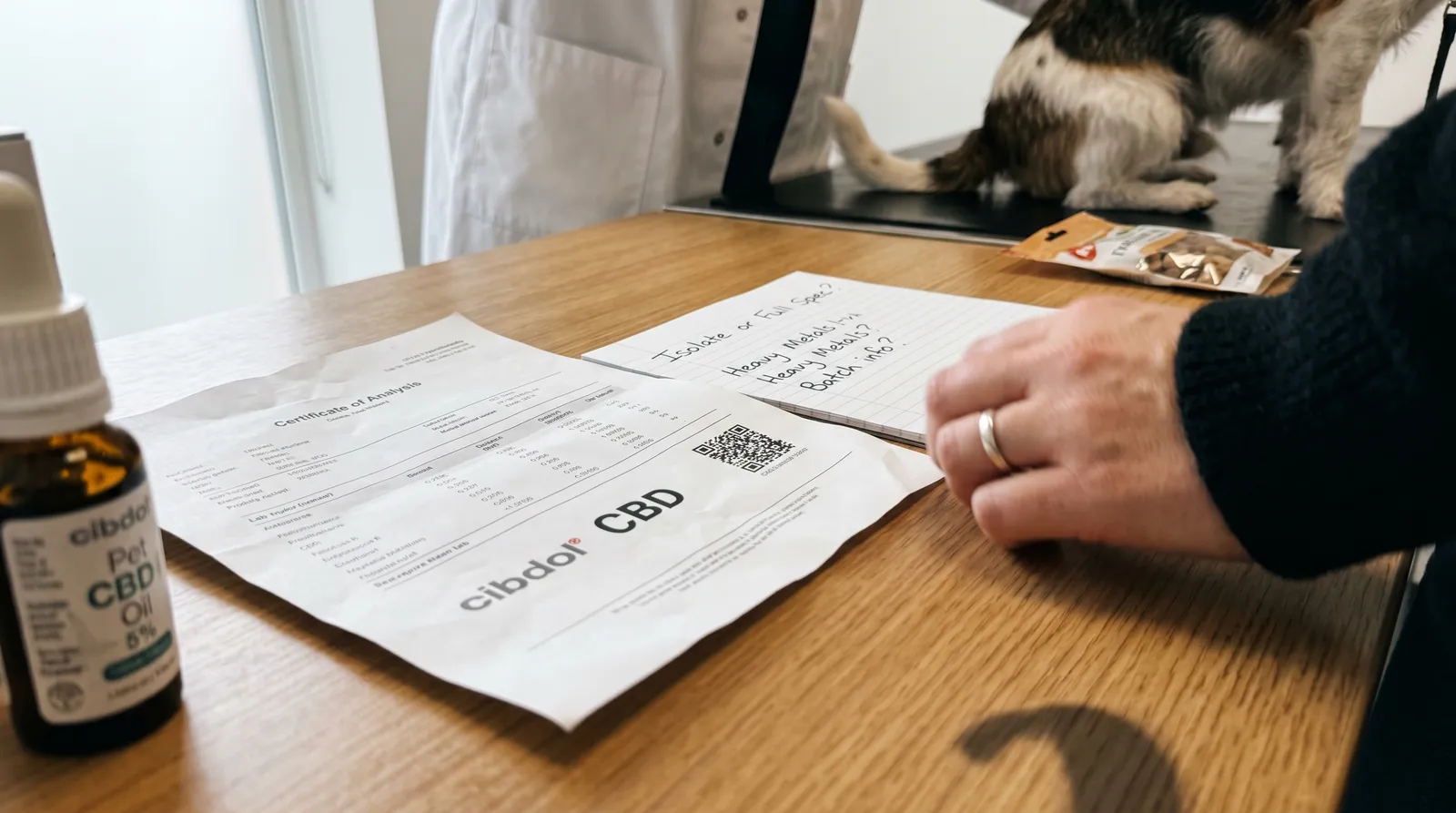
- Certificate of Analysis (COA) — a third-party lab report showing cannabinoid content (confirming the label matches reality), plus panels for heavy metals, pesticides, microbial contaminants, and residual solvents. If a manufacturer does not publish a COA, that product should not go near your pet.
- Exact CBD concentration per drop or per unit — your vet needs this number to calculate a dose. "Contains CBD" is not enough information. The arithmetic matters: a 10 ml bottle at 5% concentration contains 500 mg total CBD across 250 drops, yielding 2 mg per drop. At 20%, the same bottle delivers 8 mg per drop. That fourfold difference is the difference between a conservative starting dose and a dose that exceeds published research ranges for a small dog.
- Full ingredient list — including carrier oil, any added terpenes, flavourings, or sweeteners. Xylitol, which appears in some human CBD gummies and edibles, is lethally toxic to dogs even in small amounts. This alone is reason enough to never give a human CBD edible to a pet without checking every ingredient.
- THC content declaration — the COA should confirm THC levels. For pets, many vets prefer products with non-detectable THC rather than "below 0.2%."
Step 6 — Monitoring After Starting
If your vet agrees to a CBD trial, the work does not end at the first dose. Responsible monitoring includes:
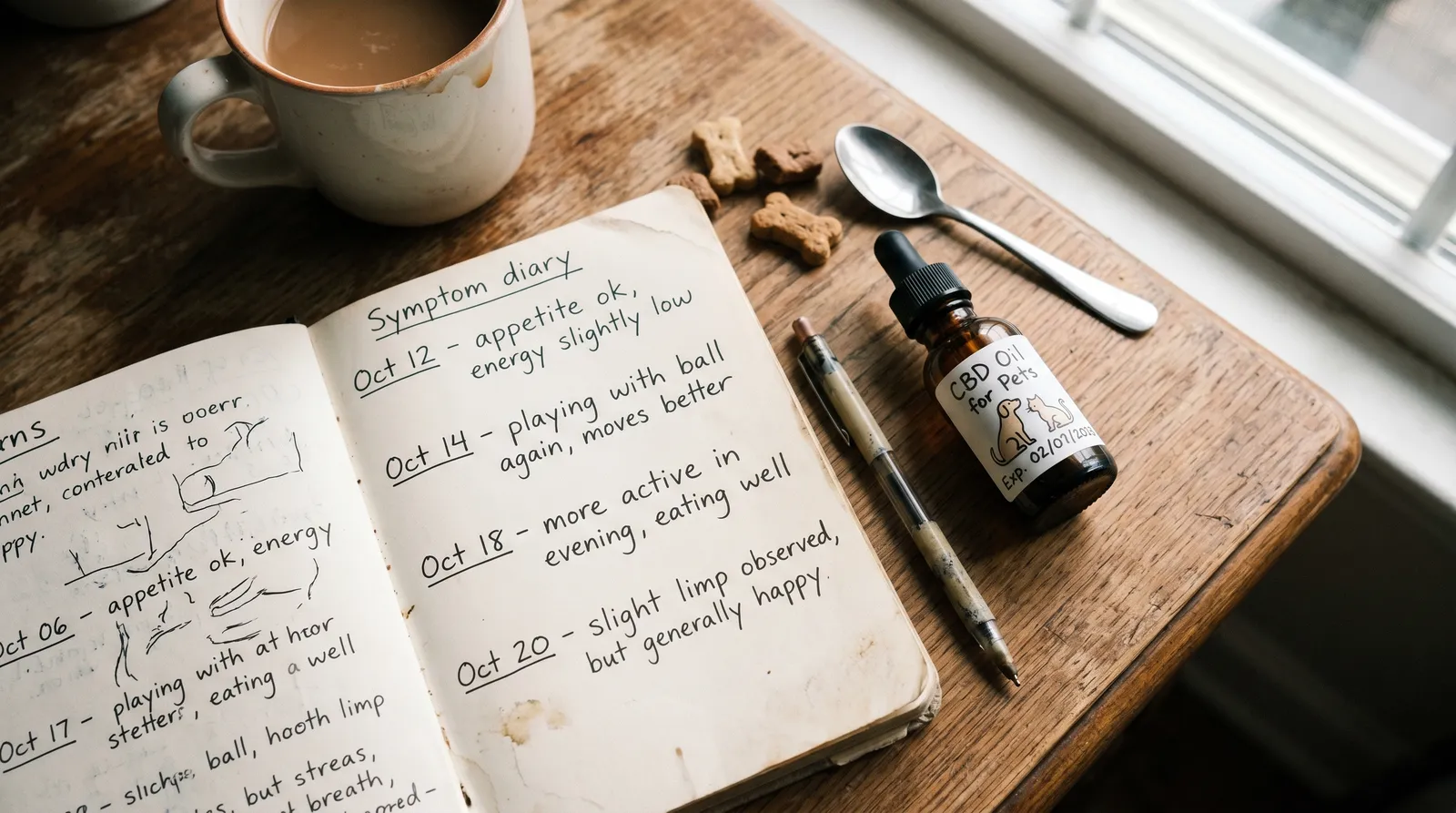
A symptom diary. Record daily observations — appetite, energy level, mobility (if that is the concern), seizure frequency (if applicable), stool quality, and any unusual behaviours. Deabold et al. (2019) noted that cats showed excessive licking and head-shaking, behaviours that an owner might dismiss as quirky but that could signal discomfort or a neurological response.
Scheduled bloodwork. Most vets who are comfortable with CBD trials recommend a liver-enzyme panel at 4–6 weeks. If ALP or ALT values climb significantly from baseline, your vet may reduce the dose or discontinue the trial. McGrath et al. (2019) reported that ALP elevations in their canine epilepsy study were the most consistent adverse finding, though they did not correlate with clinical signs of liver disease in that short trial period.
Dose adjustments only with vet approval. The temptation to increase a dose when you do not see immediate results is strong. Resist it. Veterinary pharmacokinetics are not intuitive — a dose that produces no visible effect at week one may reach therapeutic relevance at week three as tissue levels stabilise. Conversely, doubling a dose without guidance could push liver-enzyme markers into concerning territory.
What If Your Vet Says No?
Some vets will decline to supervise a CBD trial. This does not necessarily mean they think CBD is dangerous — it may mean they feel the evidence is too thin to guide responsible dosing for your pet's specific situation, or that professional constraints in their jurisdiction limit what they can recommend.
If your vet declines, you have a few options: seek a second opinion from a vet with specific interest in integrative or cannabinoid medicine, ask whether your vet would be willing to monitor bloodwork even if they will not formally recommend CBD, or accept the decision and revisit the conversation as more veterinary research is published. What you should not do is dose your pet without any veterinary oversight. The studies cited in this article used controlled conditions, regular blood monitoring, and standardised products. Replicating the dose without replicating the safety monitoring defeats the purpose.
Honest Limitations of This Guide
We want to be upfront about what this guide cannot do. It cannot tell you the right CBD dose for your specific pet — no article can, because dosing depends on species, weight, liver function, concurrent medications, and the specific product used. It cannot substitute for the clinical judgement of a veterinarian who has physically examined your animal. And it cannot predict how your individual pet will respond, because even the best-designed veterinary studies show significant individual variation in CBD pharmacokinetics. What it can do is help you walk into that vet appointment better prepared than most pet owners, with the right paperwork and the right questions.
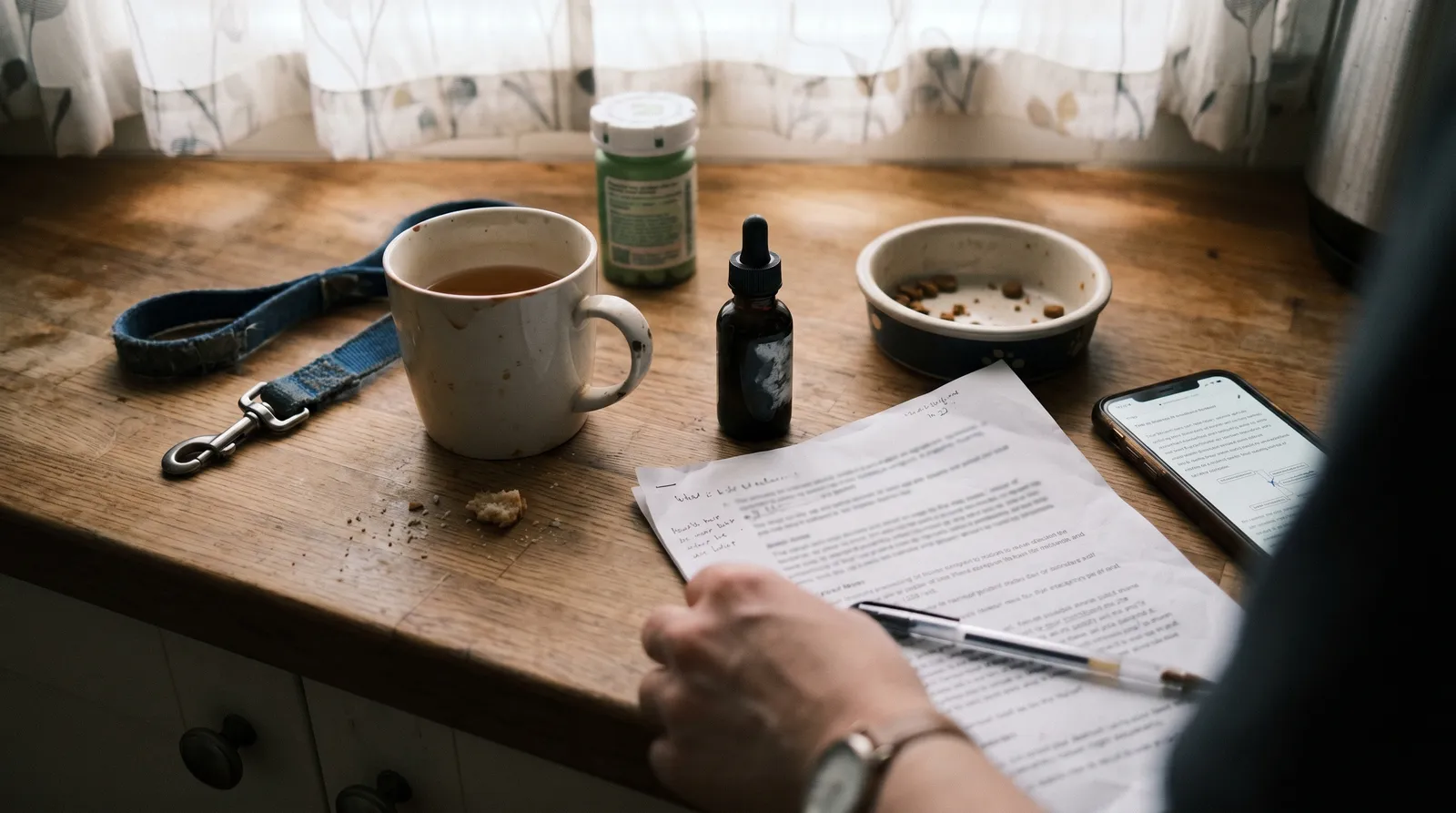
Pet CBD Approaches Compared — Isolate, Broad-Spectrum, and Full-Spectrum
Pet owners preparing for a CBD pet dosing vet consultation often wonder which type of CBD extract is most appropriate. Here is how the three main categories compare in a veterinary context:
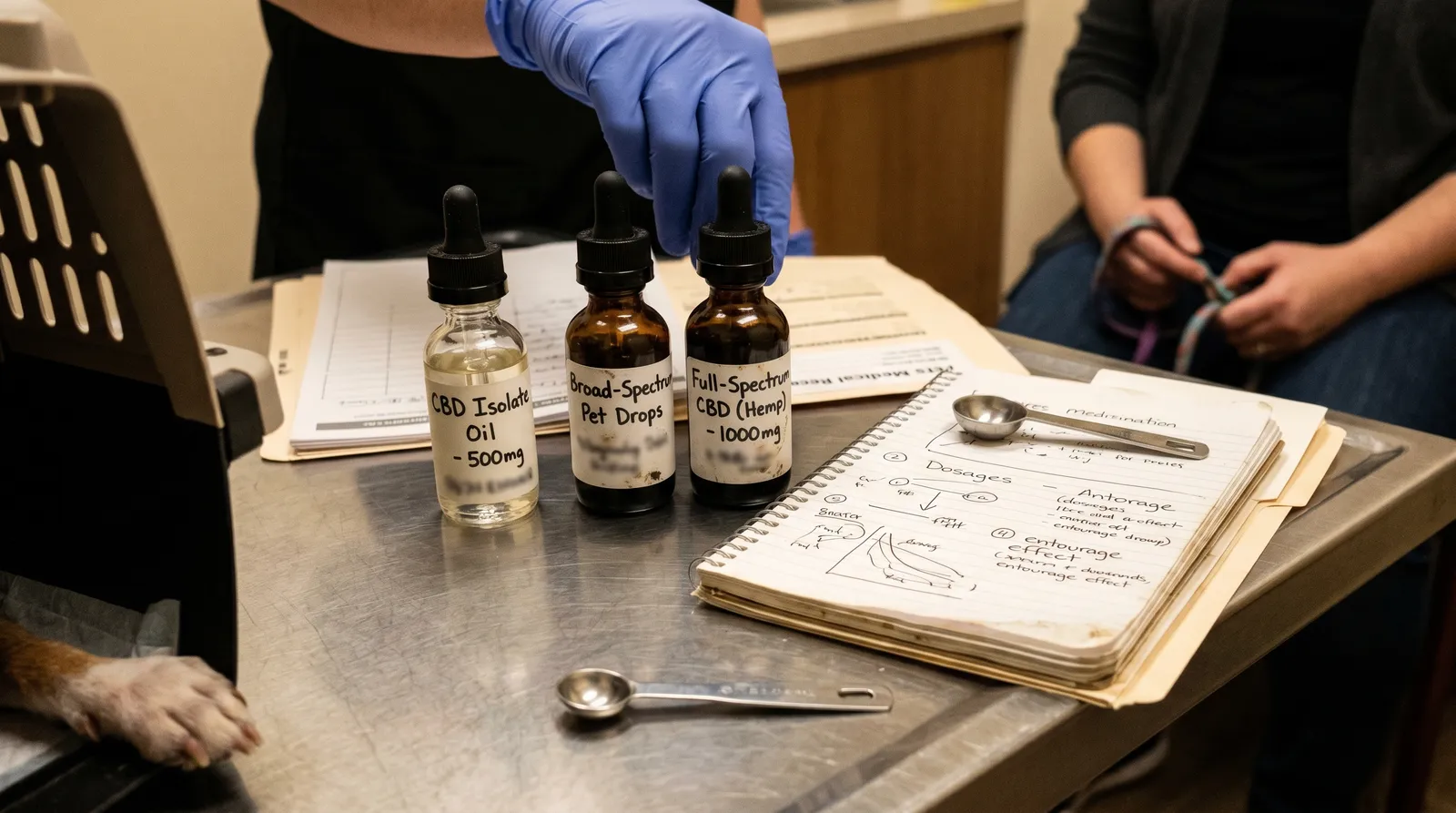
| Extract type | THC content | Other cannabinoids | Veterinary consideration |
|---|---|---|---|
| CBD Isolate | Non-detectable | None | Simplest for dose calculation; eliminates THC sensitivity concern in dogs. Most conservative option for a first trial. |
| Broad-spectrum | Non-detectable | Minor cannabinoids, terpenes | Offers potential entourage-effect benefits without THC. Some vets prefer this as a middle ground, though entourage-effect research in animals is essentially nonexistent. |
| Full-spectrum | Below 0.2% | Full cannabinoid and terpene profile | Trace THC may matter for dogs given their CB1 receptor density (Silver, 2019). Many vets advise against full-spectrum for canine patients until more data exists. |
The honest takeaway: for most first-time pet CBD trials, isolate or broad-spectrum products give vets the cleanest safety profile to work with. Full-spectrum is not inherently dangerous, but the trace THC introduces a variable that most veterinary professionals would rather avoid in the absence of species-specific safety data.
Important: This article is consumer education and is not medical advice. CBD products are food supplements, not medicines. Research on CBD is ongoing and evidence remains limited or mixed for many topics. Talk to your doctor before use if you are pregnant, breastfeeding, taking medication, scheduled for surgery, or living with a health condition. Keep CBD products out of reach of children and pets.
This article has been reviewed for factual and editorial accuracy by Toine Verleijsdonk (Cibdol brand manager) and Joshua Askew (Editorial Director). It has NOT been reviewed by a licensed medical practitioner and does not constitute medical advice.
References
- Bartner, L.R., McGrath, S., Rao, S., Hyatt, L.K., & Wittenburg, L.A. (2018). Pharmacokinetics of cannabidiol administered by 3 delivery methods at 2 different dosages to healthy dogs. Canadian Journal of Veterinary Research, 82(3), 178–183. PMID: 30083539.
- McGrath, S., Bartner, L.R., Rao, S., Packer, R.A., & Gustafson, D.L. (2019). Randomized blinded controlled clinical trial to assess the effect of oral cannabidiol administration in addition to conventional antiepileptic treatment on seizure frequency in dogs with intractable idiopathic epilepsy. Journal of the American Veterinary Medical Association, 254(11), 1301–1308. PMID: 31067185.
- Deabold, K.A., Schwark, W.S., Wolf, L., & Wakshlag, J.J. (2019). Single-dose pharmacokinetics and preliminary safety assessment with use of CBD-rich hemp nutraceutical in healthy dogs and cats. Animals, 9(10), 783. PMID: 31071242.
- Corsato Alvarenga, I., Panickar, K.S., Hess, H., & McGrath, S. (2020). Scientific validation of cannabidiol for management of dog and cat diseases. Annual Review of Animal Biosciences, 11, 227–246.
- Martinez, S.E., Shi, J., Bhatt, R., Kopec, R.E., & Ulu, A. (2021). Effect of cannabidiol on the pharmacokinetics of common canine anti-epileptic drugs. Frontiers in Veterinary Science, 8, 743458.
- Silver, R.J. (2019). The endocannabinoid system of animals. Animals, 9(9), 686.
- European Monitoring Centre for Drugs and Drug Addiction (EMCDDA). (2020). Low-dose THC and CBD products: An overview of the evidence. EMCDDA Technical Report.
Last updated: April 2026
Frequently Asked Questions
9 questionsCan I give my dog the same CBD oil I use myself?
Why do cats need different CBD dosing than dogs?
What blood tests should my vet run before starting CBD?
Is CBD safe for puppies or kittens?
How long does a CBD trial in pets typically last before you see results?
What should I do if my vet refuses to discuss CBD for my pet?
Where can I buy CBD oil suitable for a vet consultation?
Does the carrier oil in CBD products matter for pets?
Can CBD interact with my pet's existing medications?
About this article


Luke Sholl has been writing about cannabis, cannabinoids, and the broader benefits of nature since 2011, and has personally grown cannabis in home grow tents for more than a decade. That first-hand cultivation experience
This wiki article was drafted with AI assistance and reviewed by Luke Sholl, External contributor since 2026. Editorial oversight by Toine Verleijsdonk.
Medical disclaimer. This content is for informational purposes only and does not constitute medical advice. Consult a qualified healthcare provider before use of any substance.
Last reviewed April 26, 2026
Related Articles

Pinene Alpha and Beta: Aroma, Chemistry & Vaporisation Guide
Pinene is a bicyclic monoterpene occurring as two isomers — α-pinene and β-pinene — and ranks as the most abundant terpene in the plant kingdom.

CBD and Recovery: What the Research Actually Shows
CBD and recovery is a research topic spanning exercise-induced muscle damage, sleep quality, and perceived soreness. As McCartney et al.
CBD for Cats Veterinary Considerations: Feline Research, Safety and Guidance
Cats metabolise cannabinoids differently from dogs and humans, lacking key glucuronidation enzymes that affect CBD clearance. Deabold et al.

EU Novel Food Regulation CBD: Country Status, EFSA Safety & Guide
EU novel food regulation CBD is a policy framework under EU rule 2015/2283 that classifies cannabidiol extracts as a novel food, requiring safety assessment…
CBD Topical Creams Medical Grade: CE-Marked Class I Explained
CBD topical creams deliver cannabidiol directly to the skin rather than the bloodstream.
Humulene Effects and Aroma Profile | Terpene Guide
Humulene (α-humulene) is a monocyclic sesquiterpene named after Humulus lupulus — hops.

Terpene Entourage Effect: Current Evidence Reviewed
The terpene entourage effect proposes that cannabis terpenes modulate cannabinoid activity, producing different outcomes than isolated compounds alone.
CBD and Skin Conditions: What Research Shows
Cannabidiol (CBD) interacts with the endocannabinoid system expressed in human skin — including CB1 and CB2 receptors on keratinocytes, sebocytes, and…
CBD and Stress: What Research Actually Shows
Cannabidiol (CBD) has been studied in a growing number of human trials measuring stress-related outcomes — from cortisol levels to subjective anxiety under…