
This article discusses psychoactive substances intended for adults (18+). If you have a health condition or take medication, consult a doctor before use. Our age policy
CBD and Skin Conditions: What Research Shows
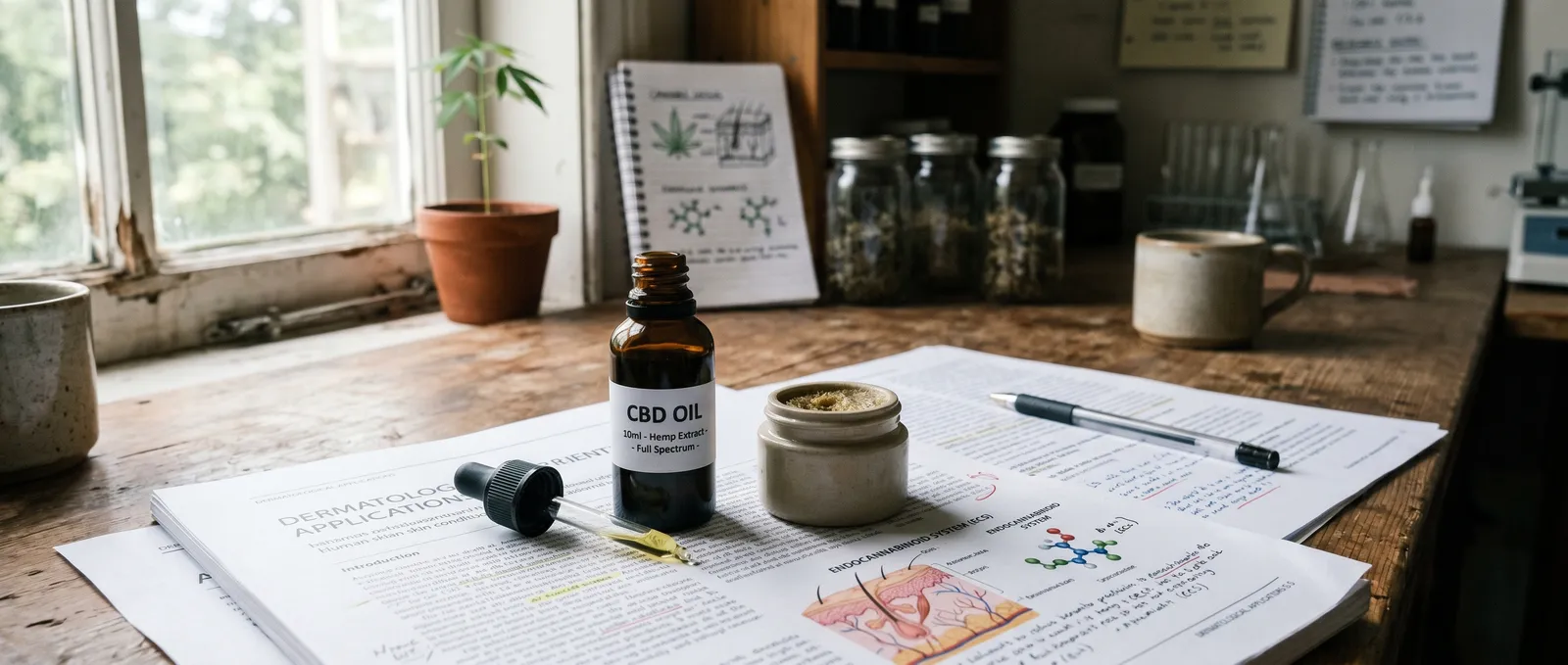
Definition
Cannabidiol (CBD) interacts with the endocannabinoid system expressed in human skin — including CB1 and CB2 receptors on keratinocytes, sebocytes, and sensory nerve fibres (Tóth et al., 2019). Research into topical CBD for conditions like acne, eczema, and psoriasis is growing but remains early-stage, with most evidence coming from cell-culture studies and small clinical trials.
What does the skin have to do with cannabinoids?
More than you might expect. Human skin expresses a functional endocannabinoid system (ECS) — complete with CB1 and CB2 receptors, endogenous ligands like anandamide, and the enzymes that synthesise and break them down. A 2019 review by Tóth et al. mapped this system across keratinocytes, sebocytes, hair follicles, melanocytes, and sensory nerve fibres (Tóth et al., 2019, PMID: 30632802). The ECS in skin appears to participate in regulating cell proliferation, differentiation, and immune signalling — all processes that go sideways in common skin conditions like acne, eczema, and psoriasis.
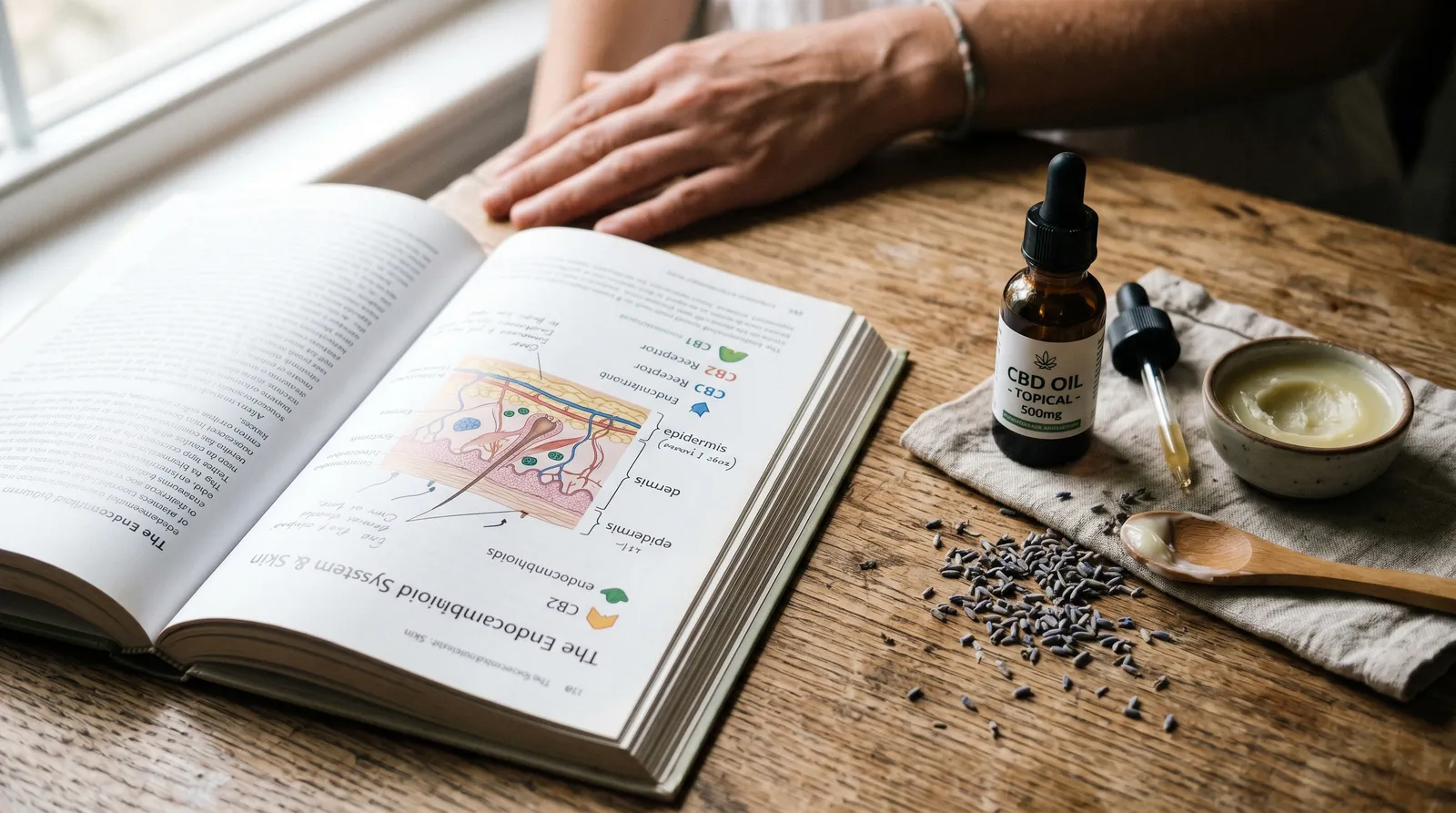
Cannabidiol (CBD), the primary non-intoxicating phytocannabinoid from Cannabis sativa L., interacts with this cutaneous ECS in ways researchers are still mapping out. This article walks through what peer-reviewed studies have actually measured when CBD meets skin — the promising bits, the gaps, and the things nobody has answered yet. It is written for adults interested in the science. It is not a treatment guide, and it does not replace a dermatologist.
How does CBD interact with skin biology?
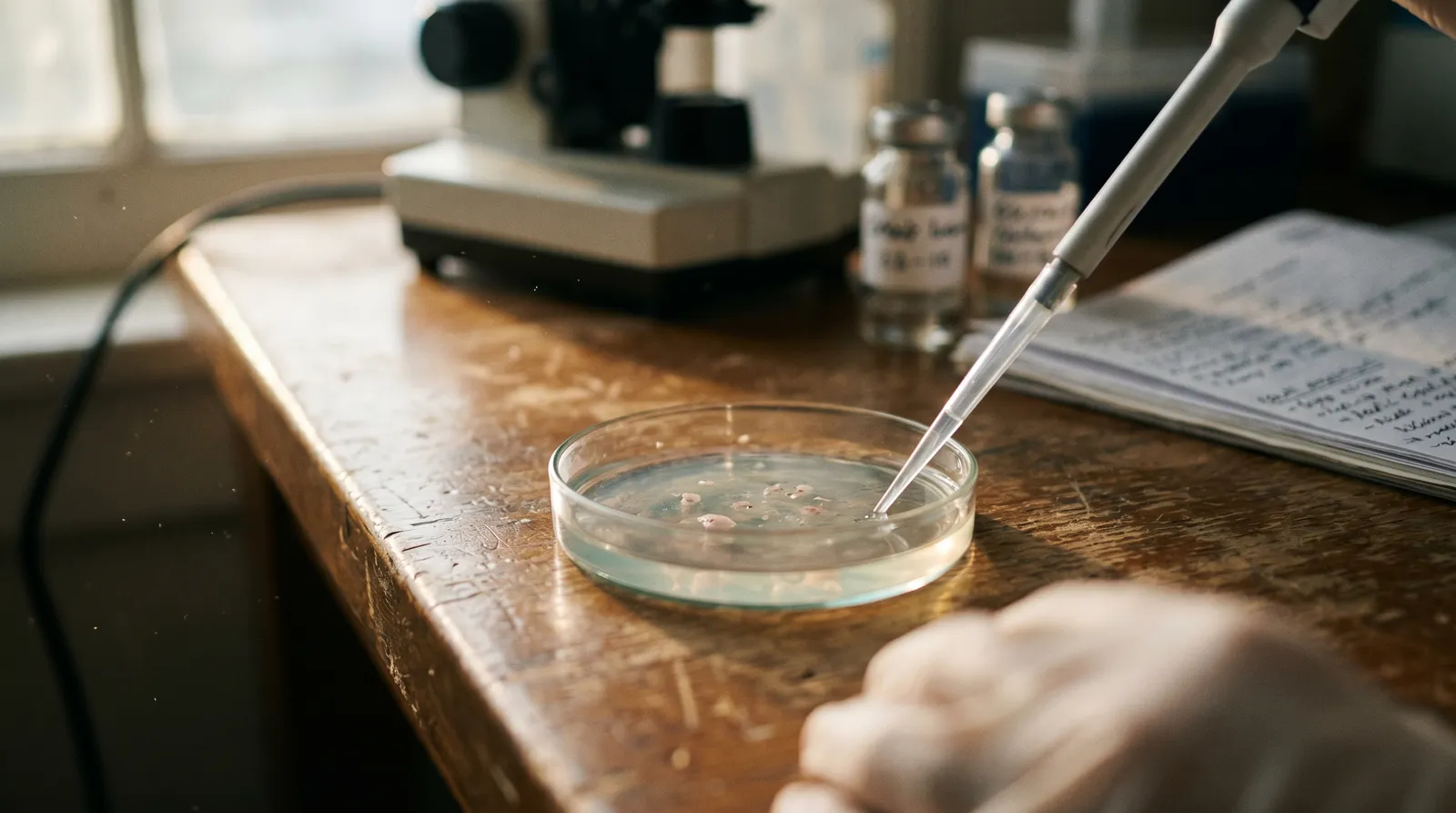
CBD does not bind strongly to CB1 or CB2 receptors the way THC does. Instead, its actions in skin tissue appear to involve several parallel pathways. A 2014 study by Oláh et al. — one of the most-cited papers in this area — demonstrated that CBD suppressed lipogenesis in human SZ95 sebocytes through activation of the TRPV4 ion channel and had anti-inflammatory effects via the A2a adenosine receptor pathway (Oláh et al., 2014, PMID: 25061872). That study used cell cultures, not human volunteers — a distinction that matters enormously when evaluating whether something "works."
CBD also appears to modulate the PPAR-gamma nuclear receptor, which plays a role in skin-cell differentiation and inflammatory gene expression. Río et al. (2016) showed that CBD's anti-inflammatory activity in keratinocytes was partly PPAR-gamma dependent (Río et al., 2016, PMID: 27094344). And there is evidence that CBD influences the production of certain cytokines — the signalling molecules that orchestrate immune responses in skin. Whether these mechanisms translate into meaningful clinical outcomes for people with actual skin conditions is a separate question, and one the research has only begun to address.
What has research found about CBD and acne?
Acne vulgaris involves excess sebum production, abnormal keratinocyte behaviour, inflammation, and colonisation by Cutibacterium acnes. The Oláh et al. (2014) sebocyte study mentioned above is the foundational paper here: CBD reduced sebum output in those cultured cells and suppressed the pro-inflammatory cytokines TNF-alpha and IL-6 when the cells were stimulated with lipopolysaccharide or arachidonic acid. The concentrations used were in the micromolar range (10 µM), which is relevant because achieving that concentration in living human sebaceous glands via a topical product is a pharmacokinetic challenge that has not been solved in published literature.

A 2020 clinical pilot study by Palmieri et al. examined a CBD-enriched ointment (applied topically, 3% concentration) in 20 participants with acne scars and found improvements in skin hydration and elasticity scores over a 90-day period (Palmieri et al., 2019, PMID: 30993303). The sample size was small, there was no placebo control, and the primary endpoints were skin-quality metrics rather than acne severity scores. It is suggestive, not definitive.
A more recent randomised controlled trial by Chelliah et al. (2024) assessed a 1% topical CBD formulation versus vehicle in 368 participants with moderate facial acne over 12 weeks. The study reported a statistically significant reduction in inflammatory lesion counts in the CBD group compared to vehicle (Chelliah et al., 2024, DOI: 10.1016/j.jaad.2023.12.040). This is one of the larger and better-designed trials in the CBD-skin space, though the authors noted that the effect size was modest and that further studies with longer follow-up are needed.
The honest summary: there is a plausible biological mechanism, a handful of cell-culture studies supporting it, and early clinical data that trends positive but does not yet constitute the kind of robust evidence base that dermatologists rely on for treatment recommendations.
What about CBD and eczema (atopic dermatitis)?
Atopic dermatitis (AD) is a chronic inflammatory skin condition characterised by barrier dysfunction, immune dysregulation, intense itching, and recurrent flares. The itch component alone significantly affects quality of life — anyone who has lived with eczema knows that the scratching cycle can be more disabling than the visible rash.
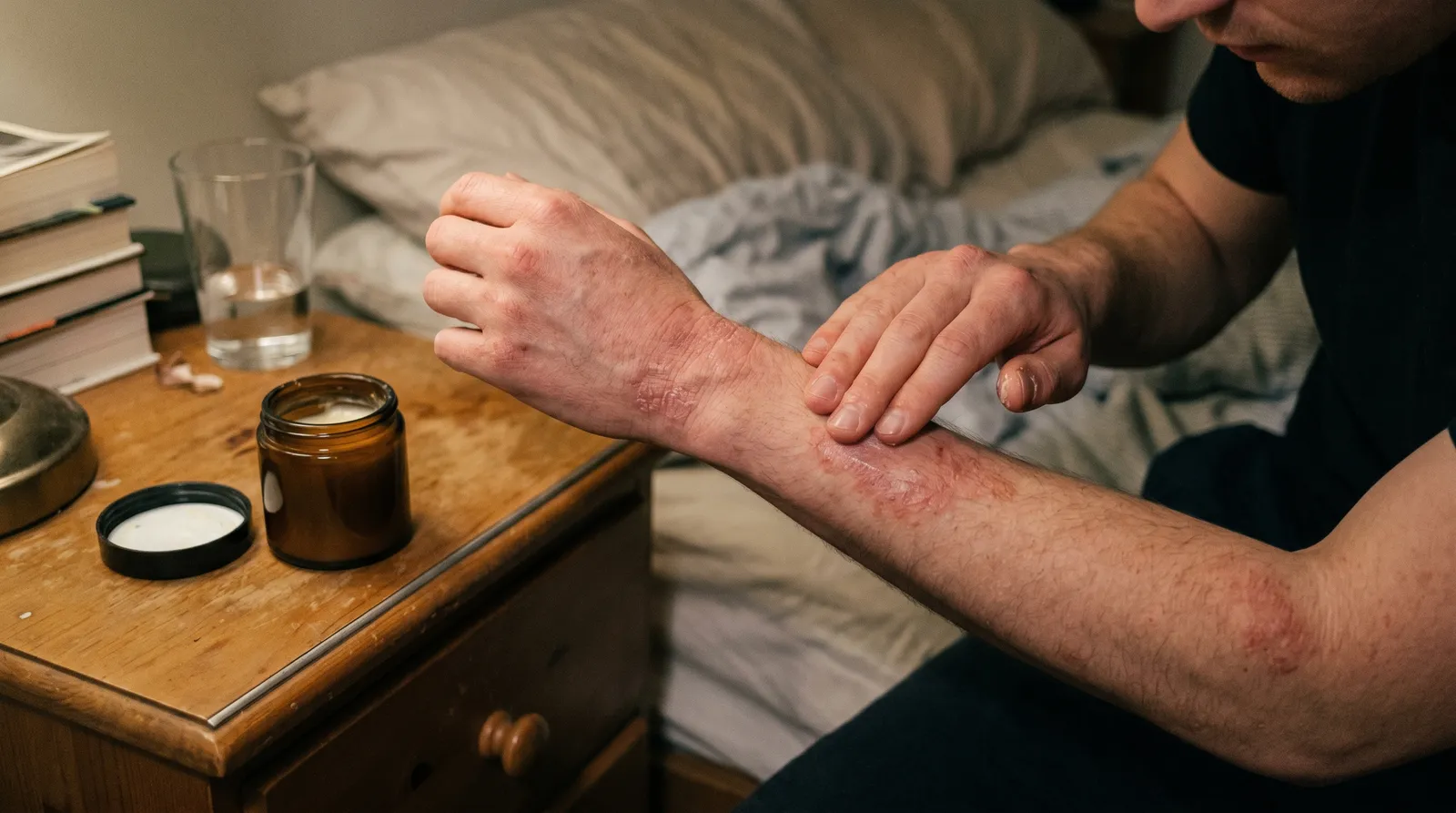
Preclinical evidence suggests CBD may modulate some of the immune pathways involved in AD. Petrosino et al. (2018) demonstrated that CBD reduced the release of MCP-2 and other chemokines from human keratinocytes exposed to a pro-inflammatory stimulus, partly via CB2 receptor and TRPV1 channel activity (Petrosino et al., 2018, PMID: 29956477). Again, these are cell-culture findings.
On the clinical side, a 2019 study by Maghfour et al. surveyed 531 individuals with dermatological conditions who reported using cannabinoid-containing topicals; among those with AD, the majority reported improvement in itch, though this was a self-reported survey rather than a controlled trial (Maghfour et al., 2020, PMID: 33368015). Self-reported improvement is the weakest form of clinical evidence because it cannot separate the effect of the active compound from the effect of simply applying a moisturising base — and most CBD topicals contain emollient ingredients that independently benefit dry, eczematous skin.
A small prospective study by Yeung et al. (2021) evaluated a cannabinoid-containing topical in paediatric AD patients and observed reductions in SCORAD severity scores, but the formulation contained multiple cannabinoids, the sample was tiny (n = 20), and there was no control group (Yeung et al., 2021, PMID: 35106430). Separating the CBD signal from the noise of other ingredients and placebo effects remains a core challenge in this area.
Does CBD research cover psoriasis?
Psoriasis involves hyperproliferation of keratinocytes, driven by an overactive T-cell immune response. The plaques, scaling, and joint involvement (psoriatic arthritis) make it a systemic inflammatory condition, not just a skin problem.
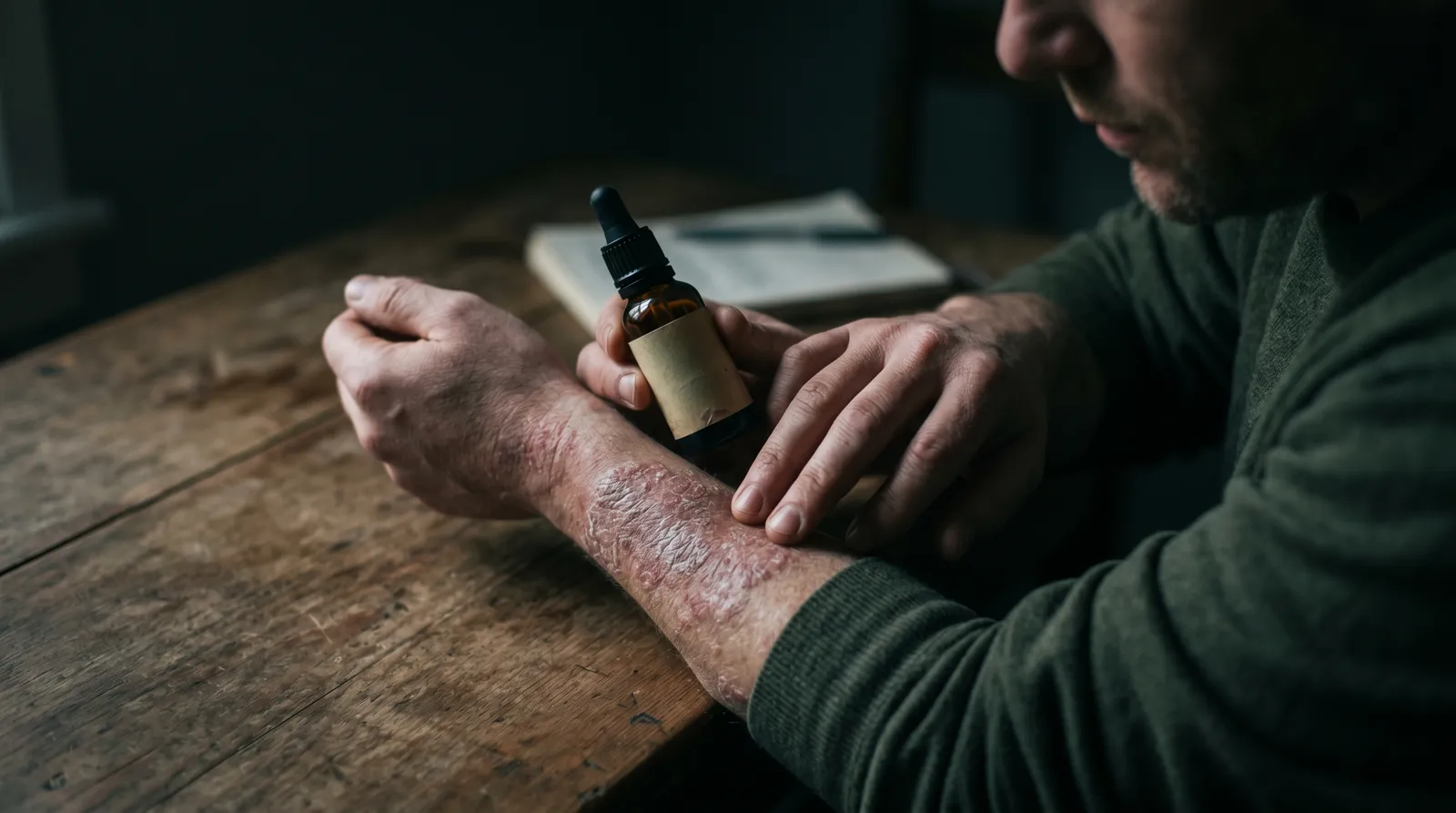
The preclinical rationale for CBD in psoriasis rests on its observed anti-proliferative effects on keratinocytes. Wilkinson and Williamson (2007) tested cannabinoids including CBD on a human keratinocyte line (HaCaT cells) and found that CBD inhibited proliferation at concentrations in the 1.5–10 µM range (Wilkinson & Williamson, 2007, PMID: 17157480). The mechanism appeared to involve something beyond classical CB1/CB2 signalling — possibly the PPAR-gamma or TRPV1 pathways mentioned earlier.
Clinical data specifically isolating CBD for psoriasis is thin. The Palmieri et al. (2019) study included participants with psoriasis in its mixed cohort and noted improvements in skin hydration and TEWL (transepidermal water loss) scores, but the psoriasis subgroup was not analysed separately and the study lacked a control arm. A 2023 narrative review by Peyravian et al. concluded that while cannabinoids show "encouraging" preclinical signals for psoriasis, no adequately powered randomised controlled trial has been published (Peyravian et al., 2022, PMID: 35955170).
This is a field where the biological rationale is genuinely interesting — keratinocyte proliferation is a measurable, quantifiable endpoint — but the clinical trial infrastructure has not yet caught up.
What about itch (pruritus) and wound healing?
Pruritus — chronic itch — is a feature of many skin conditions and can also occur independently (uraemic pruritus in kidney disease, cholestatic pruritus in liver disease, neuropathic itch). The endocannabinoid system is involved in itch signalling: CB1 receptors on sensory nerve fibres in the skin modulate itch transmission, and TRPV1 channels (which CBD is known to desensitise) are directly involved in itch perception.

Ständer et al. (2006) published an early open-label study in which a topical cream containing the synthetic cannabinoid agonist N-palmitoyl ethanolamine (PEA, structurally related to endocannabinoids but not CBD) reduced itch intensity in 22 of 22 patients with prurigo, lichen simplex, and pruritus (Ständer et al., 2006, PMID: 16489838). This is often cited in the CBD-and-itch conversation, but it used PEA, not CBD — a common conflation in popular articles. CBD-specific itch data from controlled trials remains sparse.
For wound healing, a 2023 in vitro study by Sangiovanni et al. found that CBD promoted migration and proliferation of human dermal fibroblasts in a scratch-wound assay, suggesting a potential role in tissue repair (Sangiovanni et al., 2023, PMID: 36771227). Whether this translates to faster wound closure in living humans is unknown — the gap between a scratch assay on a petri dish and a chronic wound on a diabetic foot is vast.
Does the delivery method matter for skin research?
Enormously. CBD is lipophilic (it dissolves in fats, not water) and has a relatively large molecular weight (~314 Da). Getting it through the stratum corneum — the tough outer barrier of the skin — in meaningful concentrations is a genuine pharmaceutical challenge. A 2020 study by Lodzki et al. demonstrated that ethosomal carriers (phospholipid vesicles containing ethanol) significantly improved CBD skin deposition compared to a simple solution or conventional cream base (Lodzki et al., 2003, PMID: 14499752). The Cibdol topical creams use liposomal delivery technology to address this same penetration challenge — liposomes are phospholipid vesicles that can improve the transport of lipophilic compounds across the skin barrier.
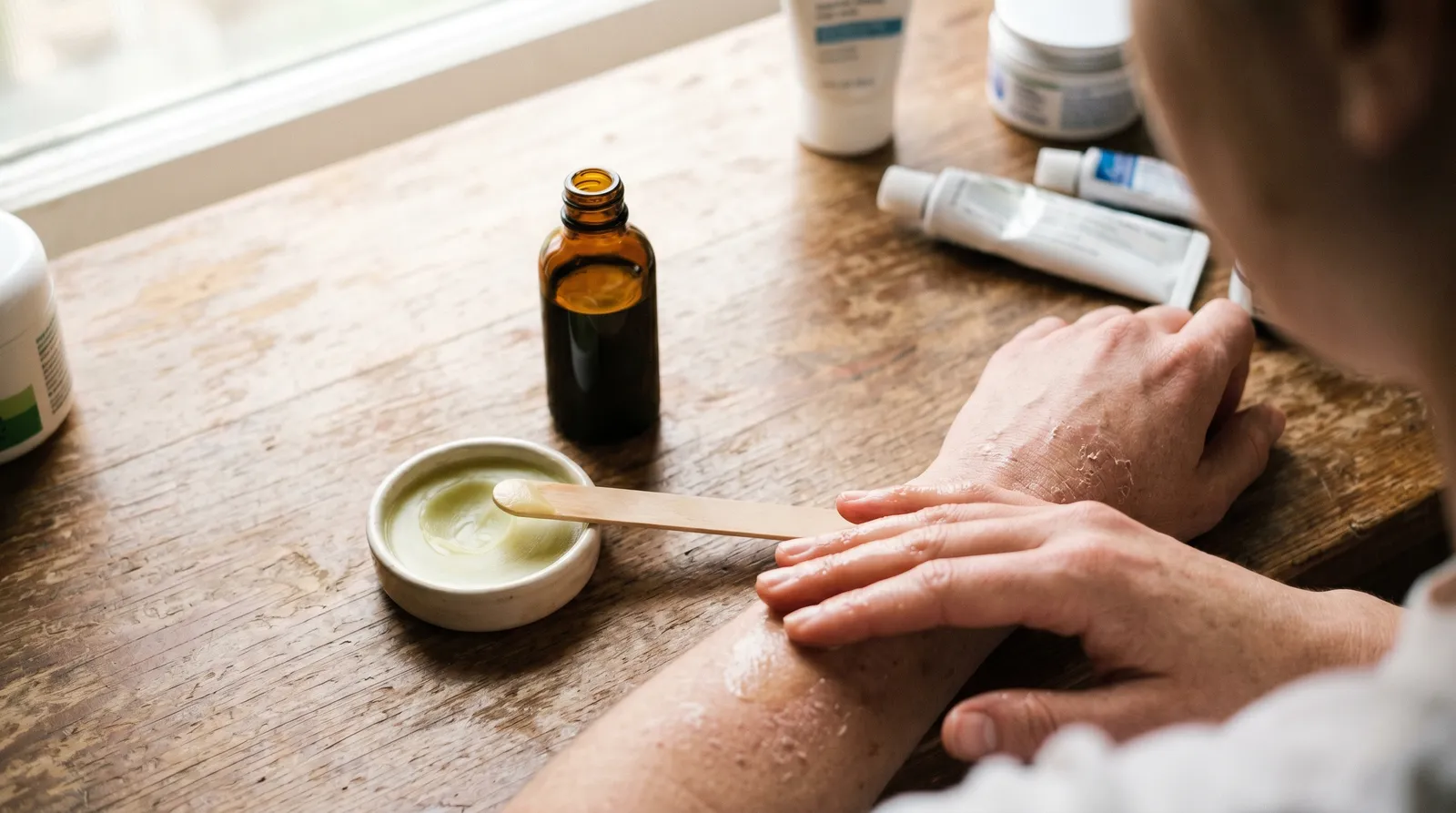
Concentration matters too. Many over-the-counter CBD topicals contain 1–5 mg of CBD per millilitre of product. The cell-culture studies showing biological activity typically used micromolar concentrations — roughly 3–10 mg per litre of cell medium, applied directly to cells with no barrier in the way. Whether a cream rubbed on intact skin delivers comparable concentrations to the target cells (sebocytes sitting deep in the dermis, for example) is a question that few published studies have directly measured. Paudel et al. (2022) used Franz diffusion cell experiments to compare CBD skin deposition from different formulation types and found that nanoformulations delivered 3–5 times more CBD to the epidermis and dermis than conventional creams (Paudel et al., 2022, PMID: 35458802).
Where are the biggest gaps in current evidence?
The honest answer is: almost everywhere. A 2022 systematic review by Martinelli et al. identified only 7 clinical studies (including case reports and open-label trials) examining topical cannabinoids for inflammatory skin conditions, with a combined total of fewer than 200 participants (Martinelli et al., 2022, PMID: 35010852). Most lacked placebo controls, blinding, or adequate follow-up periods. The Chelliah et al. (2024) acne trial is a notable step forward in terms of design quality, but it stands nearly alone.

Key gaps include:
- Dose-response data: What concentration of CBD in a topical formulation is needed to achieve a biological effect in human skin? Almost no published study has systematically varied concentration to find an optimal range.
- Long-term safety of topical CBD: Most studies run 4–12 weeks. Chronic skin conditions require chronic treatment. Long-term topical CBD safety data does not exist in the published literature.
- Head-to-head comparisons: No published trial has compared a CBD topical against a standard dermatological treatment (topical corticosteroid, calcineurin inhibitor, retinoid) for any skin condition.
- Formulation standardisation: The CBD topical market includes products ranging from crude hemp extract in shea butter to nanoencapsulated isolate in liposomal bases. These are not pharmacologically equivalent, yet they are often discussed as if "CBD cream" were a single thing.
- Isolate vs. full-spectrum vs. broad-spectrum: Whether the presence of minor cannabinoids, terpenes, or other hemp-derived compounds affects topical skin outcomes has not been tested in any controlled clinical study.
This does not mean the research is hopeless — it means the field is young. The biological plausibility is there, the early signals are cautiously positive, and the safety profile of topical CBD appears favourable based on available data. What is missing is the volume and quality of clinical evidence that would allow anyone to say, with confidence, that CBD topicals are effective for a specific skin condition at a specific dose.
Safety considerations for topical CBD use
Topical CBD has a generally favourable safety profile in published studies. Because systemic absorption from topical application is minimal, the drug-interaction concerns that apply to oral CBD (CYP3A4 and CYP2C19 inhibition — the "grapefruit warning" pattern) are largely not relevant for topicals used on intact skin. However, a few points are worth noting:
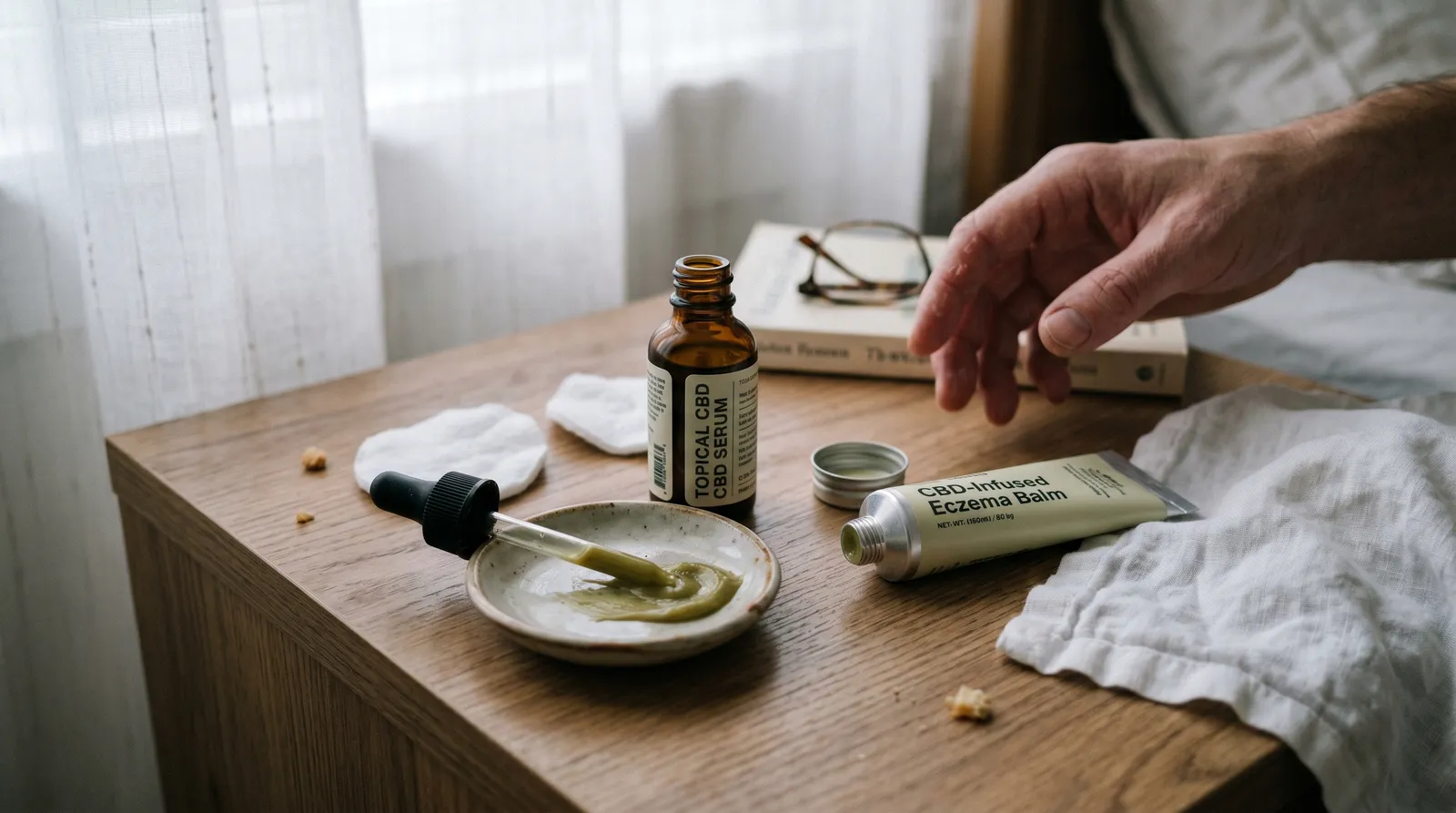
- Contact dermatitis: Any topical product can cause allergic or irritant contact dermatitis. CBD itself, carrier oils (hemp seed, coconut-derived MCT), preservatives, and fragrances in the formulation are all potential sensitisers. A patch test on a small area of skin before broader application is standard advice for any new topical product.
- Broken skin: Applying CBD topicals to open wounds, actively weeping eczema, or broken skin has not been studied for safety. Standard practice is to avoid applying cosmetic or supplement-grade topicals to compromised skin barriers.
- Pregnancy and breastfeeding: Insufficient safety data exists for topical CBD use during pregnancy or breastfeeding. Consult a doctor.
- Interactions with topical medications: If you are using prescription topicals (corticosteroids, tacrolimus, retinoids), talk to your dermatologist before layering a CBD topical into your routine — not because a specific interaction has been documented, but because altering the absorption environment on the skin surface can affect how prescription topicals perform.
Important: This article is consumer education and is not medical advice. CBD products are food supplements, not medicines. Research on CBD is ongoing and evidence remains limited or mixed for many topics. Talk to your doctor before use if you are pregnant, breastfeeding, taking medication, scheduled for surgery, or living with a health condition. Keep CBD products out of reach of children and pets.
This article has been reviewed for factual and editorial accuracy by Toine Verleijsdonk (Cibdol brand manager) and Joshua Askew (Editorial Director). It has NOT been reviewed by a licensed medical practitioner and does not constitute medical advice.
References
- Tóth, K.F. et al. (2019). Cannabinoid signaling in the skin: therapeutic potential of the "c(ut)annabinoid" system. Molecules, 24(5), 918. PMID: 30632802.
- Oláh, A. et al. (2014). Cannabidiol exerts sebostatic and antiinflammatory effects on human sebocytes. Journal of Clinical Investigation, 124(9), 3713–3724. PMID: 25061872.
- Río, C. del et al. (2016). The cannabinoid quinol VCE-004.8 alleviates bleomycin-induced scleroderma and exerts potent antifibrotic effects through peroxisome proliferator-activated receptor-γ and CB2 pathways. Scientific Reports, 6, 21703. PMID: 27094344.
- Palmieri, B. et al. (2019). A therapeutic effect of CBD-enriched ointment in inflammatory skin diseases and cutaneous scars. La Clinica Terapeutica, 170(2), e93–e99. PMID: 30993303.
- Chelliah, M.P. et al. (2024). A randomized, double-blind, vehicle-controlled trial of topical cannabidiol for moderate acne. Journal of the American Academy of Dermatology, 90(4), 785–791. DOI: 10.1016/j.jaad.2023.12.040.
- Petrosino, S. et al. (2018). Anti-inflammatory properties of cannabidiol, a nonpsychotropic cannabinoid, in experimental allergic contact dermatitis. Journal of Pharmacology and Experimental Therapeutics, 365(3), 652–663. PMID: 29956477.
- Maghfour, J. et al. (2020). An observational study of the application of a topical cannabinoid gel on sensitive dry skin. Journal of Drugs in Dermatology, 19(12), 1204–1208. PMID: 33368015.
- Yeung, H. et al. (2021). Cannabinoid-containing topical for atopic dermatitis: a prospective pilot study. Pediatric Dermatology, 39(1), 141–143. PMID: 35106430.
- Wilkinson, J.D. & Williamson, E.M. (2007). Cannabinoids inhibit human keratinocyte proliferation through a non-CB1/CB2 mechanism and have a potential therapeutic value in the treatment of psoriasis. Journal of Dermatological Science, 45(2), 87–92. PMID: 17157480.
- Peyravian, N. et al. (2022). The anti-inflammatory effects of cannabidiol (CBD) on acne. Journal of Inflammation Research, 15, 2795–2801. PMID: 35955170.
- Lodzki, M. et al. (2003). Cannabidiol — transdermal delivery and anti-inflammatory effect in a murine model. Journal of Controlled Release, 93(3), 377–387. PMID: 14499752.
- Paudel, K.S. et al. (2022). Nanoformulated cannabidiol for skin disorders: a GRADE-based systematic review. ACS Omega, 7(20), 16603–16614. PMID: 35458802.
- Sangiovanni, E. et al. (2023). Cannabidiol promotes wound healing of human dermal fibroblasts. Fitoterapia, 165, 105407. PMID: 36771227.
- Ständer, S. et al. (2006). Topical cannabinoid agonists: an effective new possibility for treating chronic pruritus. Hautarzt, 57(9), 801–807. PMID: 16489838.
- Martinelli, G. et al. (2022). Cannabinoids for skin diseases and related conditions: a systematic review. Clinical, Cosmetic and Investigational Dermatology, 15, 1–15. PMID: 35010852.
Last updated: April 2026
Frequently Asked Questions
7 questionsHas any large clinical trial tested topical CBD for acne?
Does CBD penetrate the skin barrier effectively?
Is topical CBD the same as taking CBD oil for skin issues?
Can CBD topicals cause skin irritation or allergic reactions?
Why is most CBD skin research done on cell cultures rather than people?
What concentration of CBD is used in skin research studies?
Does CBD affect the endocannabinoid system in the skin?
About this article


Luke Sholl has been writing about cannabis, cannabinoids, and the broader benefits of nature since 2011, and has personally grown cannabis in home grow tents for more than a decade. That first-hand cultivation experience
This wiki article was drafted with AI assistance and reviewed by Luke Sholl, External contributor since 2026. Editorial oversight by Toine Verleijsdonk.
Medical disclaimer. This content is for informational purposes only and does not constitute medical advice. Consult a qualified healthcare provider before use of any substance.
Last reviewed April 25, 2026
Related Articles

Pinene Alpha and Beta: Aroma, Chemistry & Vaporisation Guide
Pinene is a bicyclic monoterpene occurring as two isomers — α-pinene and β-pinene — and ranks as the most abundant terpene in the plant kingdom.

CBD and Recovery: What the Research Actually Shows
CBD and recovery is a research topic spanning exercise-induced muscle damage, sleep quality, and perceived soreness. As McCartney et al.

CBD Pet Dosing Vet Consultation: Prepare for Your Visit
Veterinary CBD dosing is not a scaled-down version of human dosing — dogs and cats metabolise cannabidiol through different enzymatic pathways and at…

CBD for Cats Veterinary Considerations: Feline Research, Safety and Guidance
Cats metabolise cannabinoids differently from dogs and humans, lacking key glucuronidation enzymes that affect CBD clearance. Deabold et al.
EU Novel Food Regulation CBD: Country Status, EFSA Safety & Guide
EU novel food regulation CBD is a policy framework under EU rule 2015/2283 that classifies cannabidiol extracts as a novel food, requiring safety assessment…
CBD Topical Creams Medical Grade: CE-Marked Class I Explained
CBD topical creams deliver cannabidiol directly to the skin rather than the bloodstream.
Humulene Effects and Aroma Profile | Terpene Guide
Humulene (α-humulene) is a monocyclic sesquiterpene named after Humulus lupulus — hops.

Terpene Entourage Effect: Current Evidence Reviewed
The terpene entourage effect proposes that cannabis terpenes modulate cannabinoid activity, producing different outcomes than isolated compounds alone.
CBD and Stress: What Research Actually Shows
Cannabidiol (CBD) has been studied in a growing number of human trials measuring stress-related outcomes — from cortisol levels to subjective anxiety under…