
This article discusses psychoactive substances intended for adults (18+). If you have a health condition or take medication, consult a doctor before use. Our age policy
CBD Dosage Starting Guide: Manufacturer Recommendations
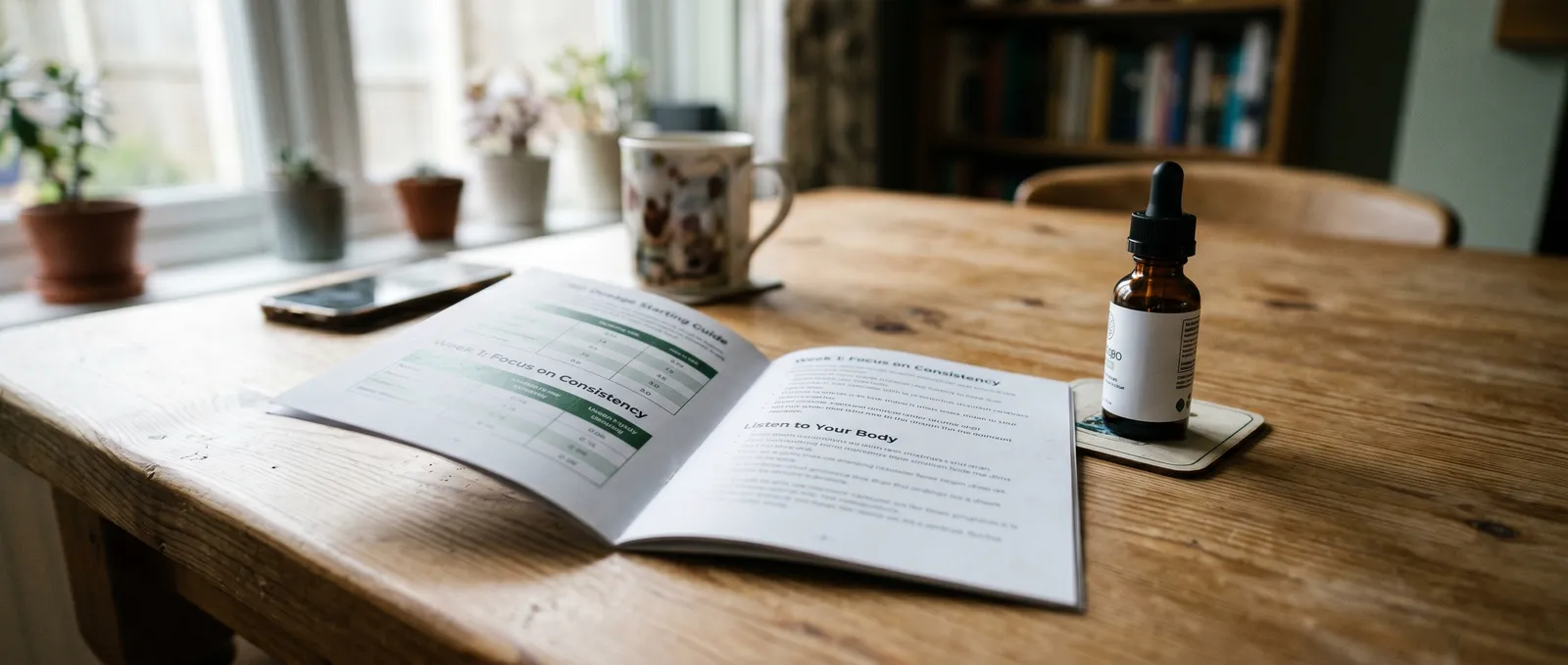
Definition
Manufacturer-label dosing is the safest starting framework for CBD newcomers — not internet guesswork, not clinical trial figures, just the dose printed on the bottle. A 2018 cross-sectional survey by Corroon and Phillips (2018) found that most CBD users reported daily intakes under 50 mg, a range that maps directly onto standard label recommendations for consumer oils and softgels.
What Manufacturer-Label Dosing Actually Means
A CBD dosage starting guide is a practical framework that helps newcomers follow manufacturer-label recommendations rather than guessing milligram numbers from internet forums. Every bottle of CBD oil, every blister of softgels, and every tin of gummies ships with a recommended daily intake printed on the label. That label dose is the manufacturer's suggested starting point — not a therapeutic prescription, not a one-size-fits-all magic number, and definitely not a ceiling you need to race towards. It is the amount the manufacturer has chosen based on its own formulation, concentration, and the food-supplement rules it operates under (in the EU, that means Regulation (EU) 2015/2283, not medicine licensing).
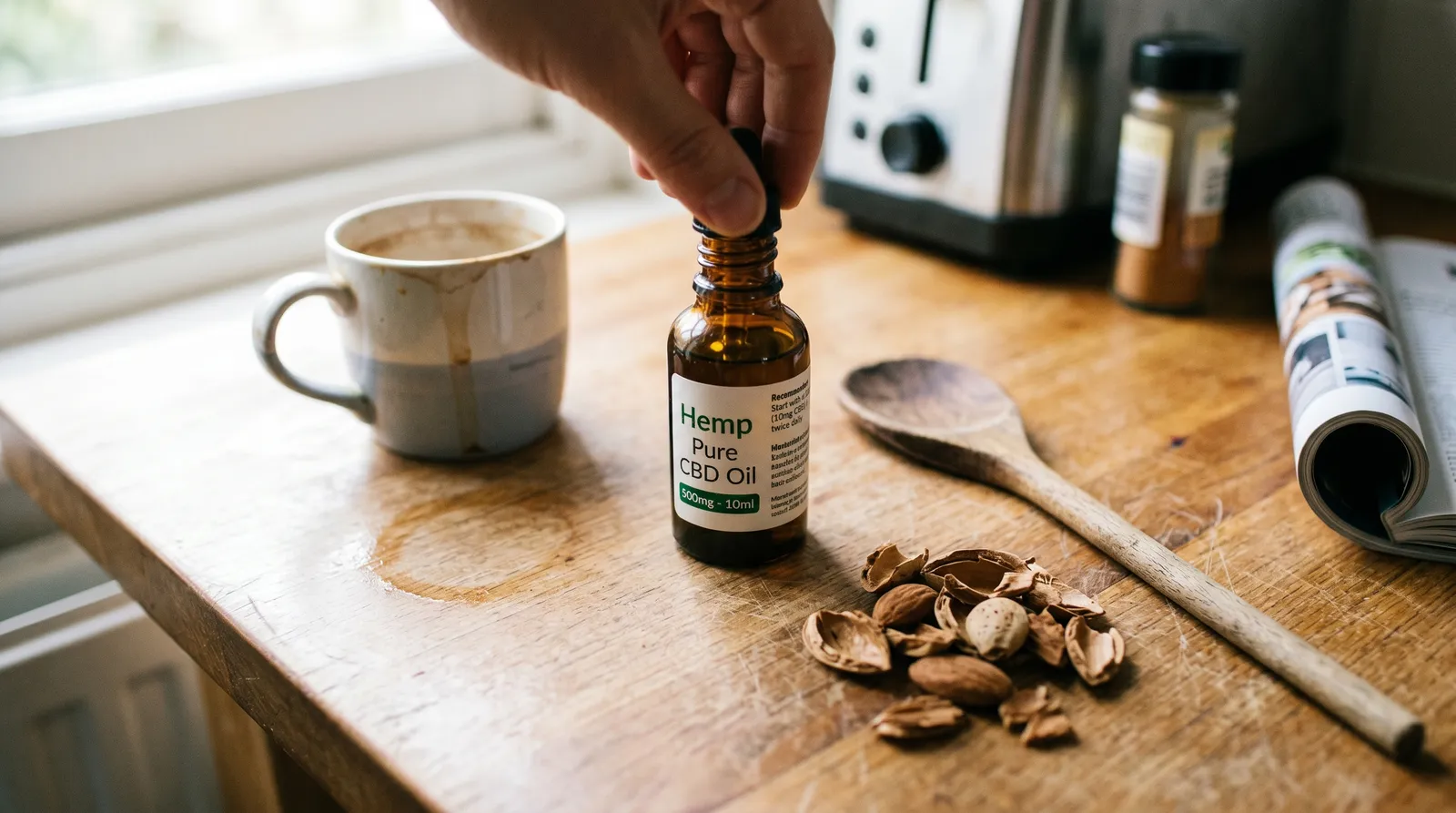
This CBD dosage starting guide walks through how to read and apply those label recommendations — step by step — using the Cibdol 2.0 oil range as the primary worked example, since it is the flagship CBD brand stocked at Azarius and the one with the most transparent per-drop arithmetic. The same logic applies to softgels, gummies, and other formats: find the label, read the dose, do the maths on milligrams, and start there.
One thing to keep in mind throughout: CBD products are food supplements. They are not medicines. No milligram figure in this article is a treatment recommendation. If you are taking prescription medication, pregnant, breastfeeding, or living with a health condition, talk to your doctor before adding any CBD product to your routine.
Step 1 — Find the Label Dose
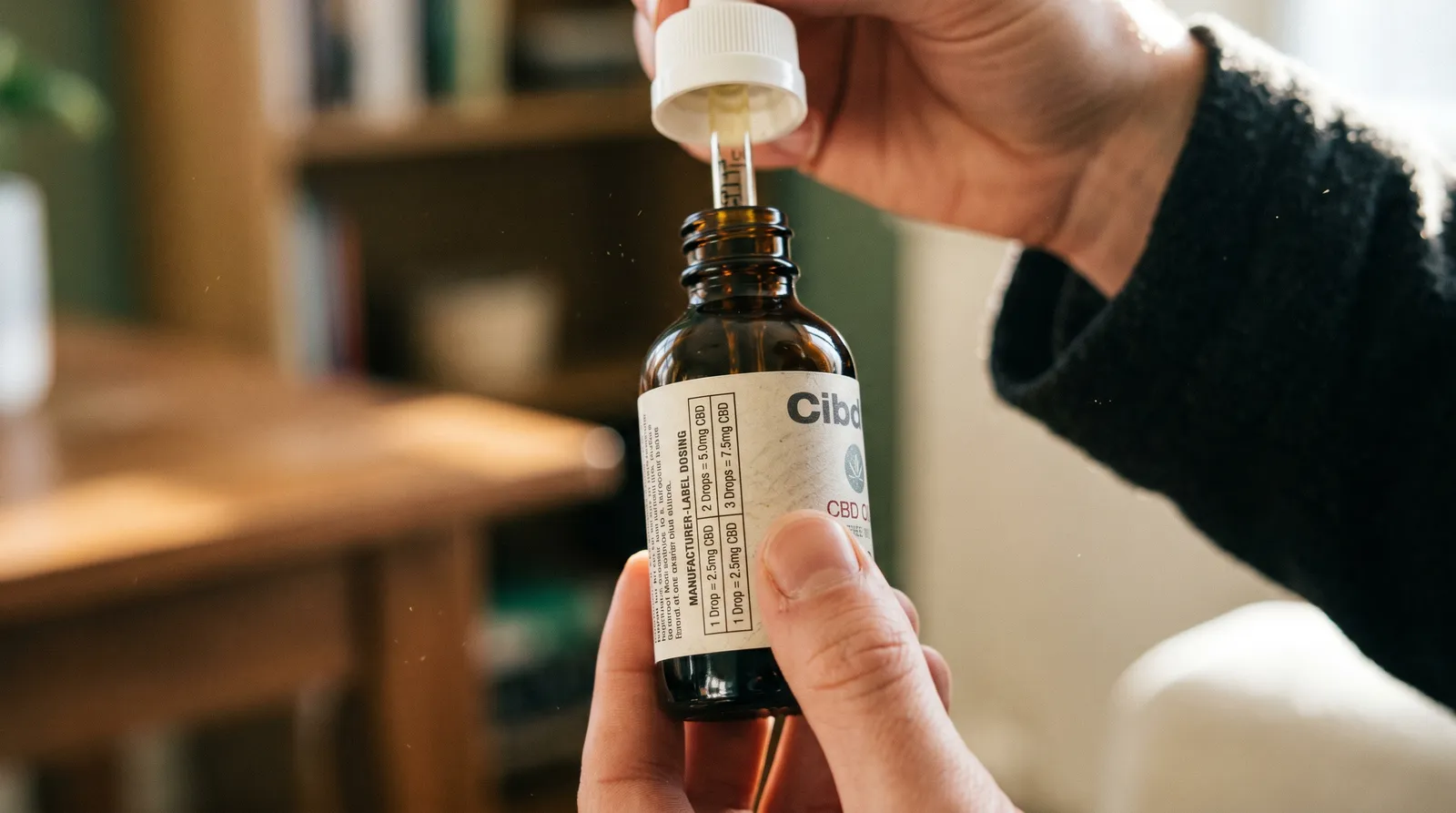
The label printed on your CBD product is the single most reliable starting point for any CBD dosage starting guide. A surprising number of people skip it entirely and go straight to an internet forum for a milligram number. For Cibdol 2.0 oils (available in 5%, 10%, 15%, 20%, 30%, and 40% concentrations), the manufacturer-label recommendation is the same across the entire percentage range:
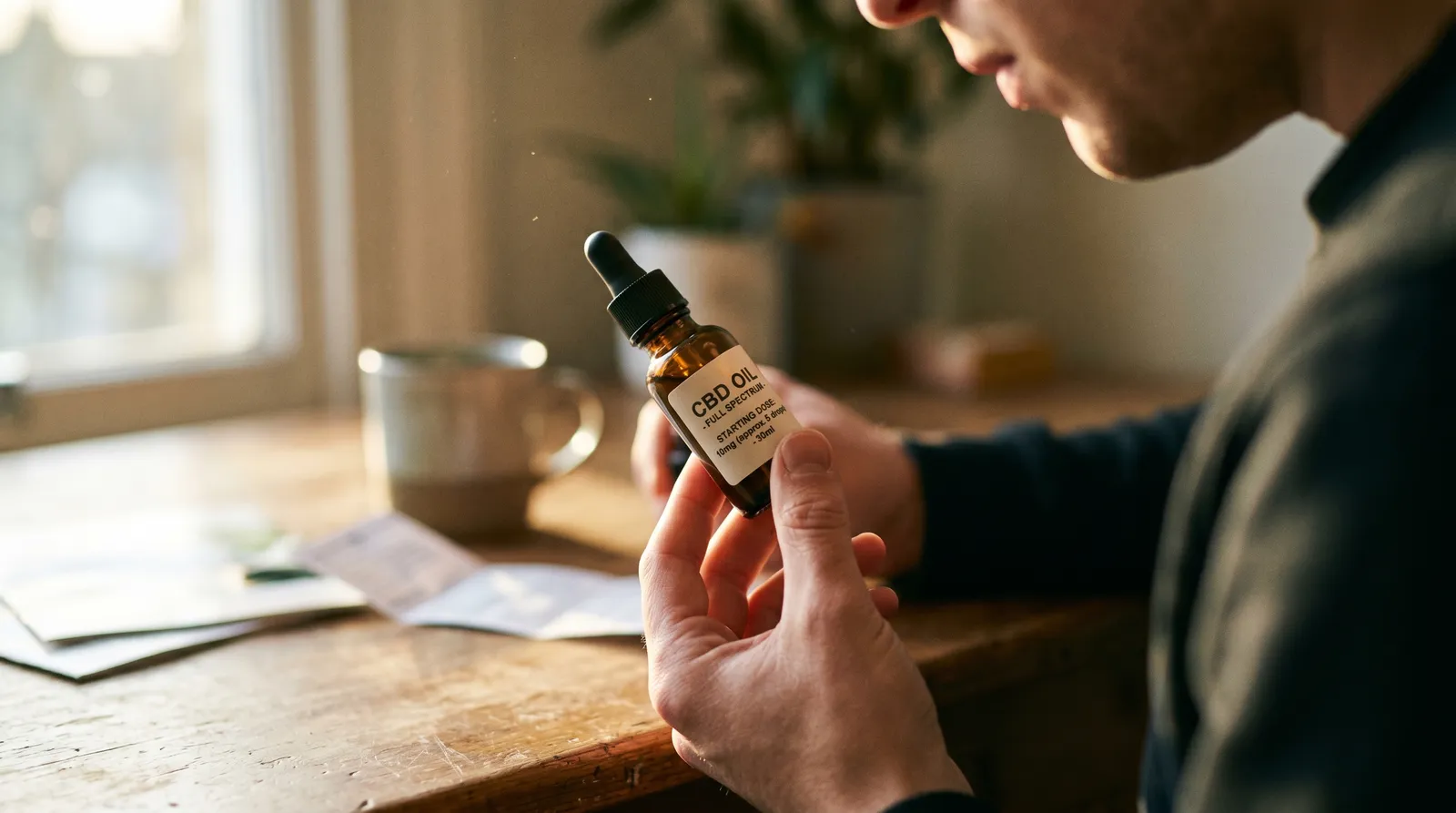
3 drops, twice daily.
That is not a typo. Whether you are holding a 5% bottle or a 40% bottle, the drop count on the label stays at three drops, twice a day. What changes is the milligram payload per drop — which is the whole point of offering different percentages. The label assumes you have already chosen a concentration that matches your experience level and format preference; it does not adjust the drop count to compensate.
For other formats in the Azarius CBD range, the label dose looks different:
- Cibdol softgels — the label states the number of capsules per serving (typically one softgel, one to two times daily, depending on the percentage — always check the specific box).
- Zen CBD gummies — the label states a per-gummy CBD content and a maximum daily intake.
- SupMedi melt tablets — the label states one tablet dissolved sublingually per serving.
- Kush Vape disposable pen — the label states the total CBD content (200 mg per pen) but inhalation dosing is self-titrated by puff count; no fixed "drops twice daily" equivalent exists.
The common thread: every product has a label. Read it first.
Step 2 — Do the Milligram Maths
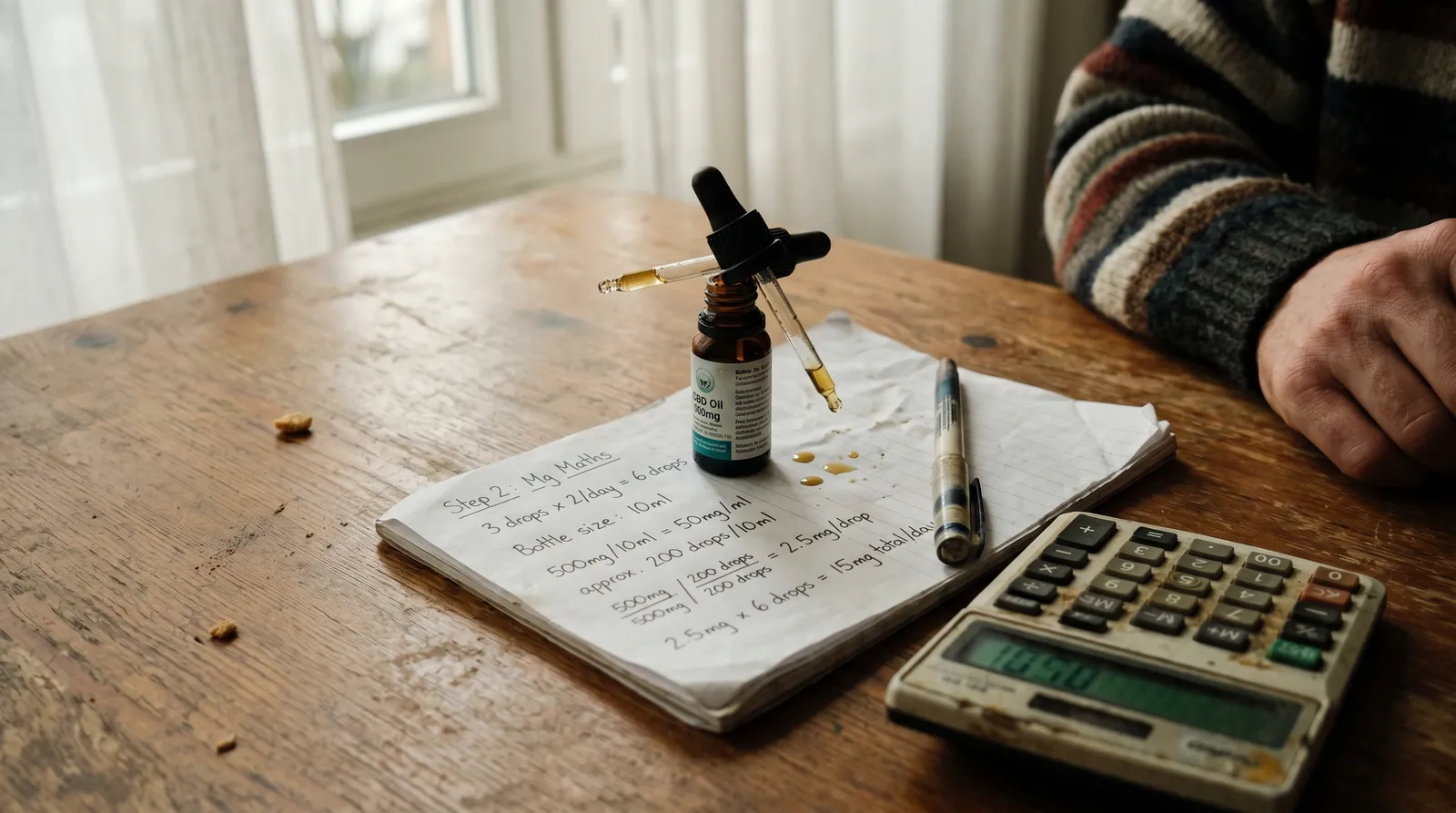
Converting drop count to milligrams is the core arithmetic of any CBD dosage starting guide. "3 drops twice daily" is a volume instruction. To know how many milligrams of CBD that actually delivers, you need two numbers: the total CBD in the bottle and the total number of drops in the bottle. For Cibdol 2.0 oils, each 10 ml bottle delivers approximately 250 drops. The arithmetic is straightforward:
| Cibdol 2.0 oil | Total CBD per 10 ml bottle | CBD per drop (÷ 250) | CBD per 3-drop dose | CBD per day (2 × 3 drops) |
|---|---|---|---|---|
| 5% | 500 mg | 2.0 mg | 6.0 mg | 12.0 mg |
| 10% | 1,000 mg | 4.0 mg | 12.0 mg | 24.0 mg |
| 15% | 1,500 mg | 6.0 mg | 18.0 mg | 36.0 mg |
| 20% | 2,000 mg | 8.0 mg | 24.0 mg | 48.0 mg |
| 30% | 3,000 mg | 12.0 mg | 36.0 mg | 72.0 mg |
| 40% | 4,000 mg | 16.0 mg | 48.0 mg | 96.0 mg |
Source: Cibdol 2.0 product labels; arithmetic derived from manufacturer-stated 250 drops per 10 ml bottle and stated CBD percentage.
Notice the range: following the exact same "3 drops twice daily" instruction, a 5% oil delivers 12 mg per day while a 40% oil delivers 96 mg per day. That is an eightfold difference from the same drop count. This is why choosing the right percentage matters more than fiddling with drop numbers — and why the article on CBD oil percentages explained (5% vs 10% vs 20% vs 40%) is worth reading alongside this one.
A 2020 review by Millar et al. in Frontiers in Pharmacology noted that oral CBD bioavailability is estimated at roughly 6–19% depending on formulation and fed/fasted state (Millar et al., 2020; DOI: 10.3389/fphar.2018.01365). That means only a fraction of the milligrams you swallow reaches systemic circulation — but this is already baked into the manufacturer's label recommendation. You do not need to "correct" for bioavailability when following label dosing.
Step 3 — Start With a Lower Percentage if You Are New
Newcomers should begin with a 5% or 10% concentration oil. This is not because higher percentages are dangerous at label dosing, but because starting at the lower end of the milligram range lets you get familiar with the format (taste, sublingual hold, timing) before committing to a higher daily milligram intake. If you want to order a first bottle, the Cibdol 2.0 5% oil or the Cibdol 2.0 10% oil are the most popular entry points at Azarius.
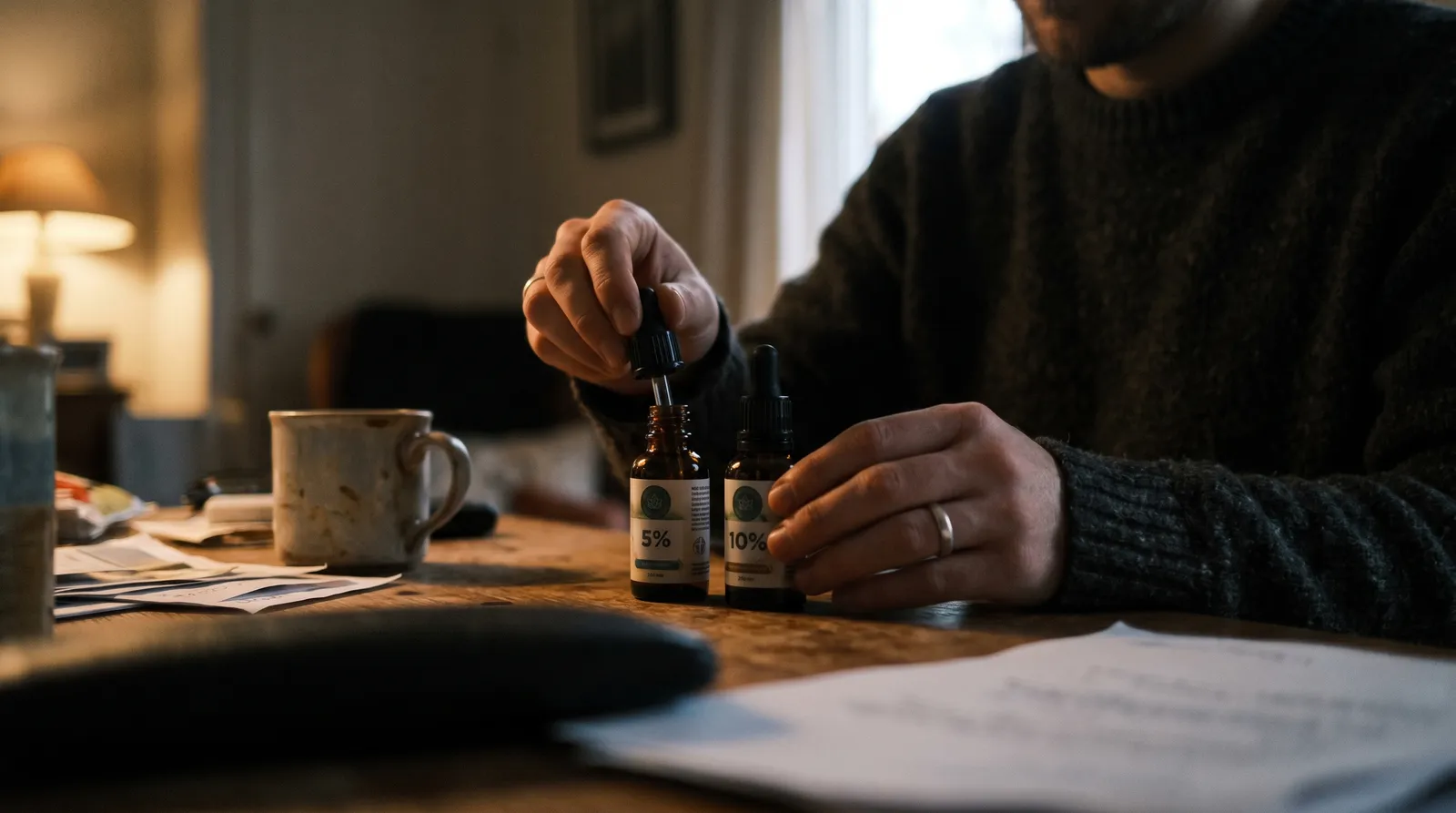
A 2019 cross-sectional survey by Corroon and Phillips, published in Cannabis and Cannabinoid Research, found that among 2,409 CBD users, the most commonly reported daily dose range was 21–50 mg, with a significant proportion of respondents using less than 20 mg daily (Corroon & Phillips, 2018; DOI: 10.1089/can.2017.0043). That range maps comfortably onto the 5% and 10% Cibdol oils at label dosing (12 mg and 24 mg per day respectively).
There is no published evidence that starting at a higher concentration is harmful at label dosing. But there is also no reason to start at 40% if you have never held a dropper bottle before. Get the routine down first.
Step 4 — Hold Sublingual, Then Swallow
Sublingual administration means placing the drops under your tongue and holding for 60–90 seconds before swallowing. The mucous membrane under the tongue allows a portion of the CBD to absorb directly into the bloodstream, bypassing the digestive tract and first-pass liver metabolism.
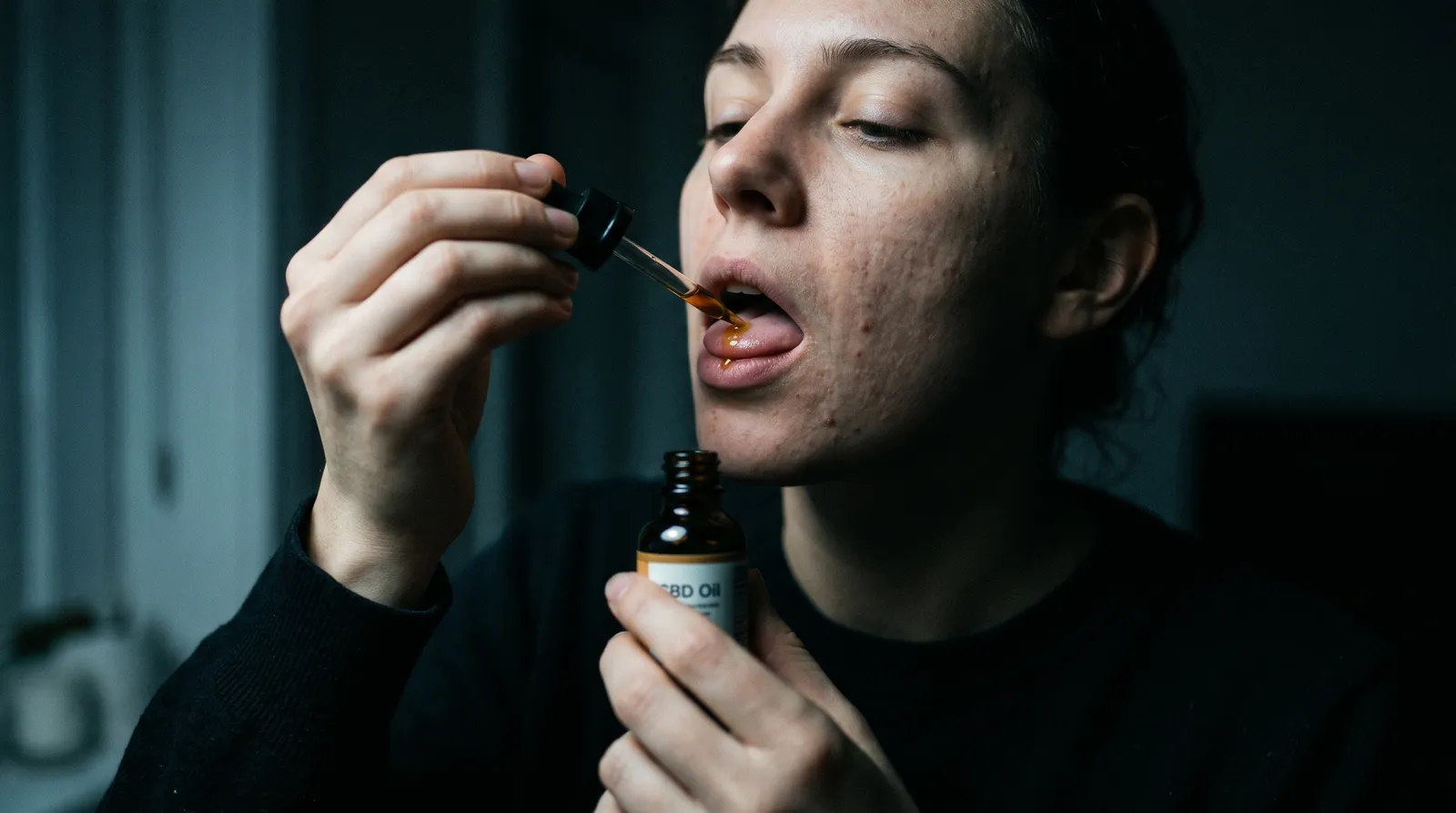
Sublingual absorption is estimated to offer higher bioavailability than simply swallowing the oil outright. A 2018 pharmacokinetic review by Millar et al. in Frontiers in Pharmacology reported that sublingual and oromucosal routes generally show faster onset (15–45 minutes) compared to oral ingestion (60–120 minutes), though exact bioavailability figures for sublingual CBD in humans remain limited and study designs vary considerably (Millar et al., 2018; DOI: 10.3389/fphar.2018.01365).
In practical terms: hold the oil under your tongue, try not to swallow immediately, and then swallow whatever remains after about a minute. The taste of hemp-seed carrier oil (used in Cibdol 5%, 10%, 15%, and 20% oils) is earthy and slightly nutty. The 30% oil uses MCT (coconut-derived) carrier, which has a milder, more neutral flavour. Neither is unpleasant, but neither tastes like a milkshake either.
Step 5 — Keep the Schedule Consistent
Twice-daily dosing at consistent times gives your body a steady baseline of CBD intake. Morning and evening is the most common pattern — one dose after breakfast, one dose before bed. Consistency matters more than the exact clock time. CBD is fat-soluble, and a 2019 study by Birnbaum et al. in Epilepsia demonstrated that co-administration with a high-fat meal increased CBD plasma concentrations approximately four to five times compared to fasting (Birnbaum et al., 2019; PMID: 31032907). Taking your drops around mealtimes — rather than on a completely empty stomach — may improve absorption, though the manufacturer label does not specify fed or fasted state.
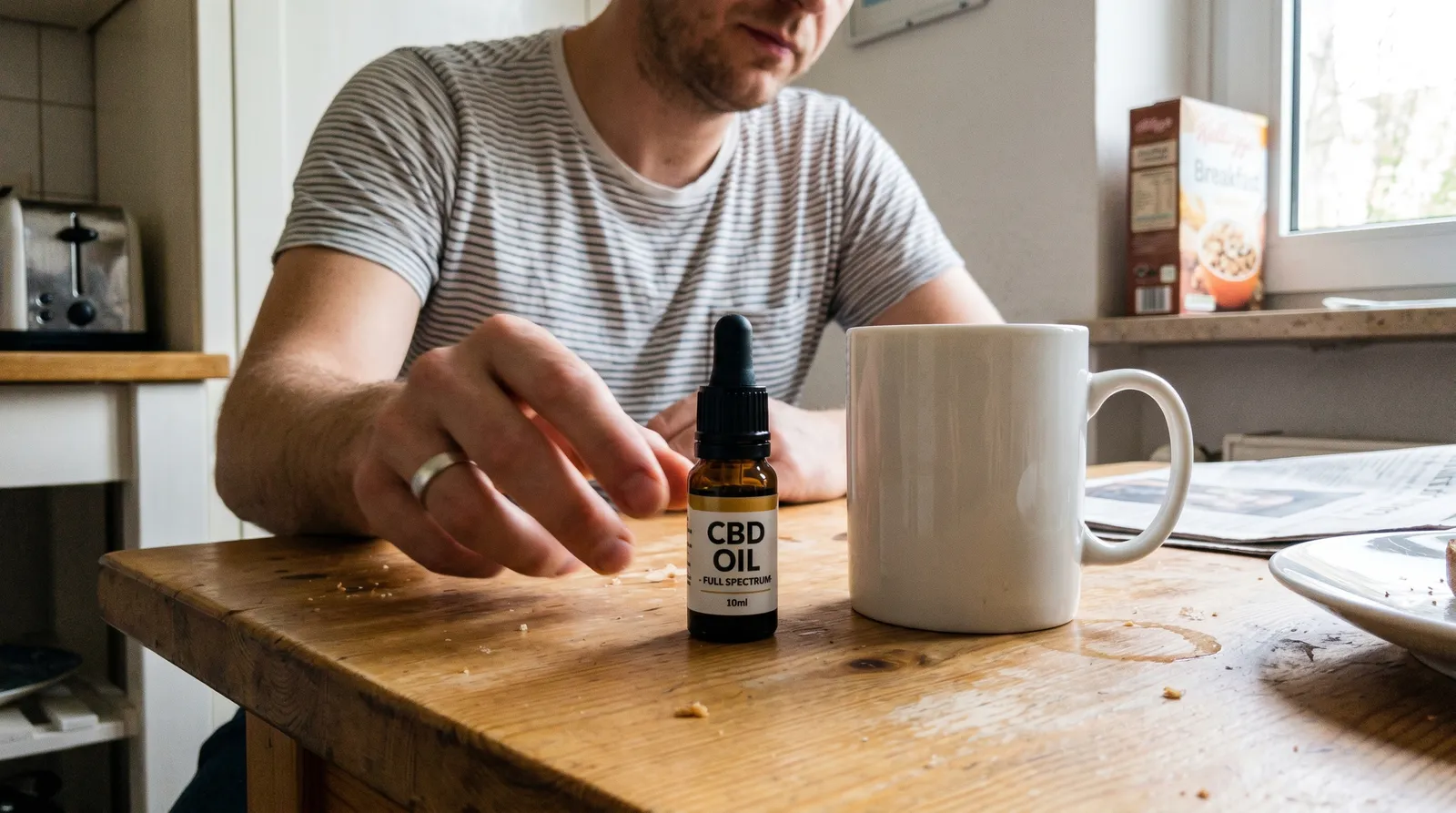
Stick with the label dose for at least a week before drawing any conclusions about the format. CBD is not paracetamol — you are not looking for a single-dose acute effect. The survey data from Corroon and Phillips (2018) showed that most respondents used CBD daily for weeks or months, not as a one-off.
Step 6 — Do Not Exceed the Manufacturer's Recommended Daily Intake
The manufacturer's label dose is the ceiling described in this CBD dosage starting guide — not a floor to build from. Some internet guides tell you to "titrate up until you feel something." This article does not do that.
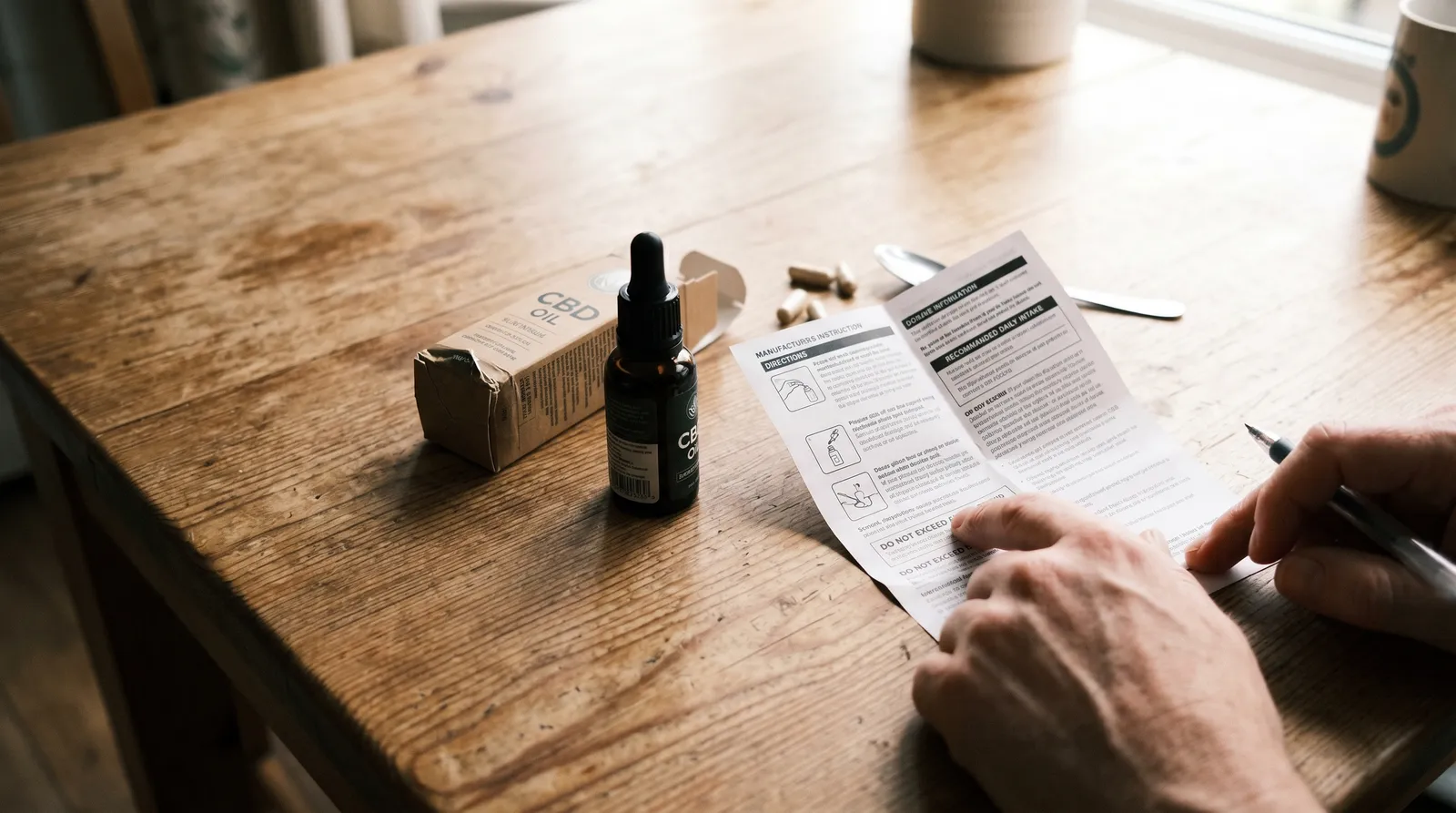
If, after a consistent period at label dosing with a given percentage, you want to explore a higher daily milligram intake, the appropriate route is to move to a higher-percentage oil (from 10% to 15%, or from 15% to 20%) while keeping the same 3-drops-twice-daily schedule. This keeps you within the manufacturer's recommended framework at every step. It also makes the arithmetic transparent: you always know exactly how many milligrams you are taking.
A 2023 systematic review by Chesney et al. in Neuropsychopharmacology observed that clinical trials of CBD have used doses ranging from 20 mg to 1,500 mg per day, but these were pharmaceutical-grade preparations administered under medical supervision — not consumer food-supplement oils taken at home (Chesney et al., 2020; DOI: 10.1038/s41386-020-0667-2). The gap between clinical trial dosing and consumer label dosing is enormous, and this article does not bridge it. If you believe you need a dose outside the manufacturer's label range, that is a conversation for a qualified healthcare professional, not a wiki article.
The Manufacturer-Label Table
This reference table lists the exact manufacturer-label dosing for every CBD product you can buy at Azarius:
| Brand | Format | Manufacturer-label dosage (exactly as printed) | Source |
|---|---|---|---|
| Cibdol | 2.0 oil (all percentages: 5–40%) | 3 drops twice daily, held sublingually 60–90 s | Cibdol product label |
| Cibdol | Softgels (all percentages: 5–40%) | Per label — typically 1 softgel, 1–2× daily (check specific box) | Cibdol product label |
| Zen CBD | Gummies | Per label — stated mg per gummy, max daily intake on packaging | Zen CBD product label |
| SupMedi | Melt tablets (sublingual) | 1 tablet dissolved under the tongue per serving | SupMedi product label |
| Kush Vape | Disposable CBD pen (200 mg total) | Self-titrated by puff; no fixed drop/tablet equivalent | Kush Vape product label |
No inferred efficacy doses appear in this table. The milligram-per-drop arithmetic for Cibdol oils is in the calculation table above — cross-reference the two if you want to know exactly what "3 drops of the 20%" delivers.
What About Other Formats?
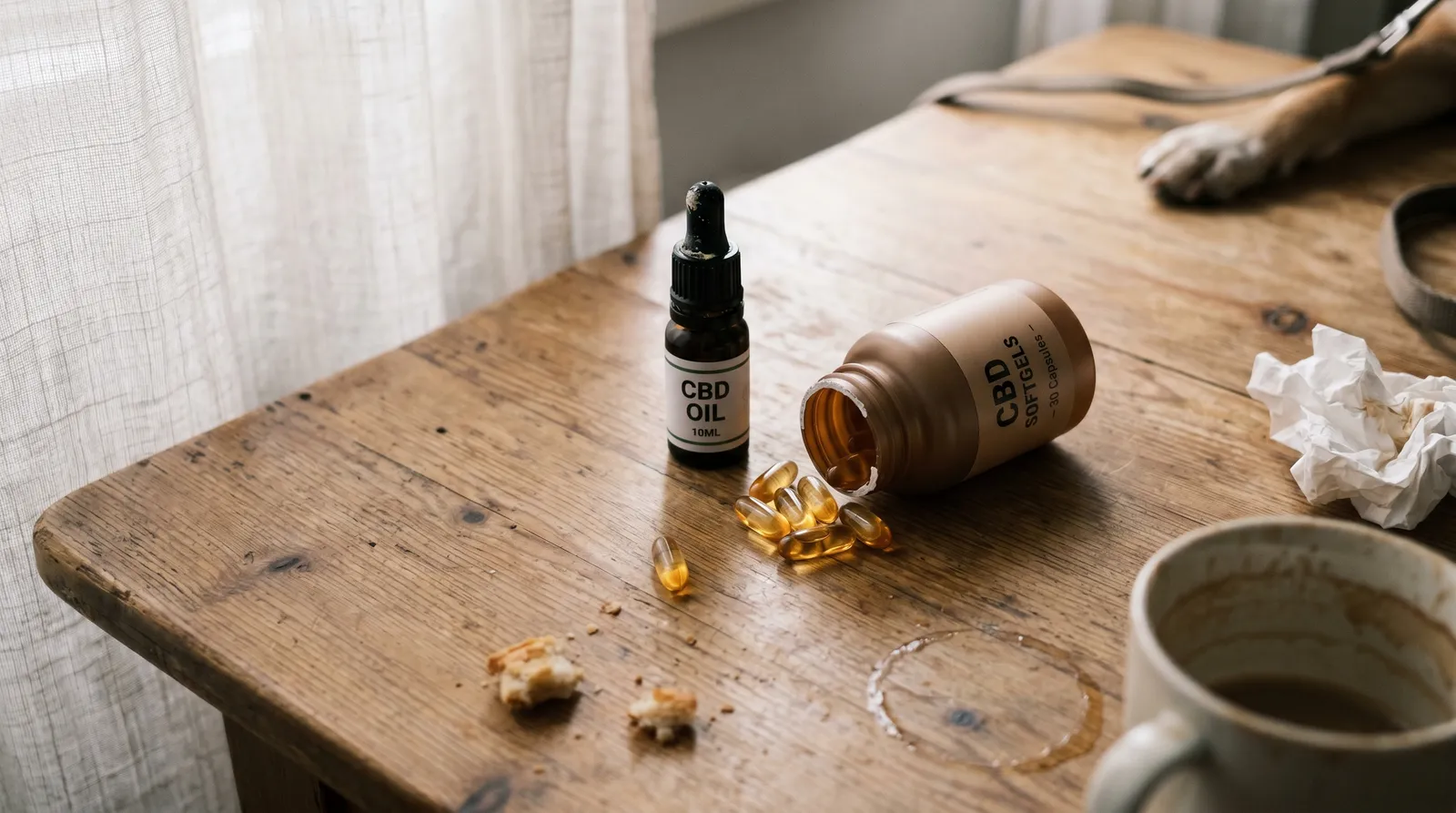
Softgels are the most popular alternative to oil drops for people who want pre-measured CBD without counting drops. Each capsule contains a fixed amount of CBD, removing the guesswork entirely. The trade-off is flexibility: you cannot take "half a softgel" the way you can take one drop instead of three. For people who dislike the taste of hemp-seed oil or who want a grab-and-go format, Cibdol softgels are a straightforward alternative to get your daily CBD intake sorted. The bioavailability profile is similar to swallowed oil (oral route, first-pass metabolism applies), though onset may be slightly slower due to capsule dissolution time. The article on CBD oil vs capsules covers this comparison in detail.
Gummies and melt tablets follow the same principle: the label states a per-unit CBD content and a maximum daily intake. Follow it. The bioavailability article (CBD bioavailability by format) covers how absorption differs across oral, sublingual, inhaled, and topical routes — worth reading if you want to understand why the same milligram number can mean different things depending on how you take it.
Vape formats (such as the Kush Vape disposable pen) do not have a "drops twice daily" equivalent because inhalation is self-titrated — you take a puff, wait, and decide whether to take another. Inhaled CBD has a faster onset (minutes rather than 30–60 minutes for sublingual) and a different bioavailability profile. A 2018 pharmacokinetic study by Ohlsson et al., frequently cited in reviews, estimated inhaled cannabinoid bioavailability at approximately 31% (Ohlsson et al., 1986; PMID: 3007365), though this figure comes from older THC data and direct CBD inhalation pharmacokinetics in humans remain under-studied.
We should be honest about a limitation here: the bioavailability numbers cited in the literature vary widely between studies, and most were conducted with small sample sizes or older analytical methods. The figures in this guide are the best available estimates, not precision measurements. Take them as useful ballpark numbers rather than gospel.
Oils Versus Softgels — A Quick Comparison
Oils offer sublingual absorption and flexible drop-by-drop dosing; softgels offer convenience and taste-free ingestion. Neither format is objectively "better" — the right choice depends on whether you value dosing flexibility (oils) or grab-and-go simplicity (softgels). Both formats use the same Cibdol CBD extract. The main practical difference is onset time: sublingual oil can reach the bloodstream in 15–45 minutes, while a swallowed softgel typically takes 60–120 minutes because it must pass through the stomach and intestine first. If you are deciding which to buy, the article on CBD oil vs capsules breaks down the trade-offs in more detail.
Safety and Interactions
CBD inhibits liver enzymes CYP3A4 and CYP2C19, which means it may interact with prescription medication. This article describes manufacturer-label dosing only. It is consumer education and is not medical advice. Do NOT exceed the manufacturer's recommended daily intake. Cibdol 2.0 oils are labelled "3 drops twice daily" — this is the manufacturer recommendation across the percentage range. CBD products are food supplements, not medicines. Anyone taking prescription medication, pregnant, breastfeeding, or with a health condition should consult a qualified healthcare professional before use.
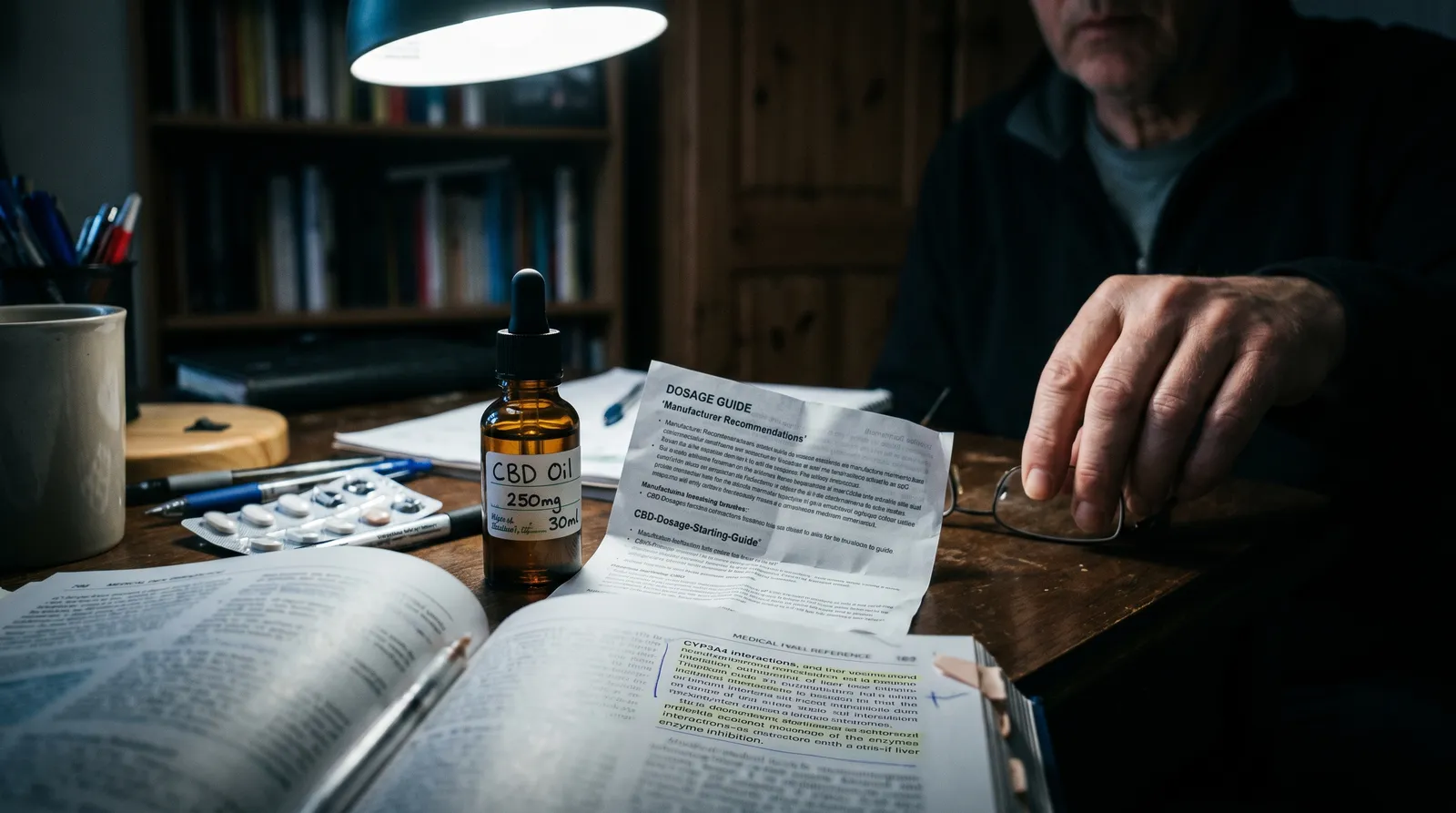
The enzyme-inhibition pattern is sometimes called the "grapefruit warning" — if your medication label says "do not take with grapefruit," CBD may affect the same metabolic pathway. Drugs with documented interactions in the pharmacological literature include warfarin, clobazam, valproate, certain SSRIs, and certain statins (Nasrin et al., 2021; DOI: 10.3390/pharmaceutics13101628). This article does not enumerate dose adjustments — that is your prescribing physician's job.
High-dose pharmaceutical CBD (as used in clinical trials of the approved medicine for epilepsy) has shown elevated liver enzymes (ALT) in some participants. Consumer food-supplement dosing is orders of magnitude lower, but anyone with existing liver disease should consult a doctor before use.
If you are using a sleep-positioned CBD product (such as a sleep-tier gummy containing melatonin), do not drive or operate heavy machinery after taking it. That is the melatonin talking as much as anything else, but the caution applies to the combined product.
Important: This article is consumer education and is not medical advice. CBD products are food supplements, not medicines. Research on CBD is ongoing and evidence remains limited or mixed for many topics. Talk to your doctor before use if you are pregnant, breastfeeding, taking medication, scheduled for surgery, or living with a health condition. Keep CBD products out of reach of children and pets.
This article has been reviewed for factual and editorial accuracy by Toine Verleijsdonk (Cibdol brand manager) and Joshua Askew (Editorial Director). It has NOT been reviewed by a licensed medical practitioner and does not constitute medical advice.
Last reviewed: 2025-07-25
References
- Millar, S.A., Stone, N.L., Yates, A.S. & O'Sullivan, S.E. (2018). A systematic review on the pharmacokinetics of cannabidiol in humans. Frontiers in Pharmacology, 9, 1365. DOI: 10.3389/fphar.2018.01365
- Corroon, J. & Phillips, J.A. (2018). A cross-sectional study of cannabidiol users. Cannabis and Cannabinoid Research, 3(1), 152–161. DOI: 10.1089/can.2017.0043
- Birnbaum, A.K., Karanam, A., Engel, S.S. et al. (2019). Food effect on pharmacokinetics of cannabidiol oral capsules in adult patients with refractory epilepsy. Epilepsia, 60(8), 1586–1592. PMID: 31032907
- Chesney, E., Oliver, D., Green, A. et al. (2020). Adverse effects of cannabidiol: a systematic review and meta-analysis of randomized clinical trials. Neuropsychopharmacology, 45, 1799–1806. DOI: 10.1038/s41386-020-0667-2
- Nasrin, S., Watson, C.J.W., Perez-Paramo, Y.X. & Lazarus, P. (2021). Cannabinoid metabolites as inhibitors of major hepatic CYP450 enzymes, with implications for cannabis-drug interactions. Pharmaceutics, 13(10), 1628. DOI: 10.3390/pharmaceutics13101628
- Ohlsson, A., Lindgren, J.E., Andersson, S. et al. (1986). Single-dose kinetics of deuterium-labelled cannabidiol in man after smoking and intravenous administration. Biomedical & Environmental Mass Spectrometry, 13(2), 77–83. PMID: 3007365
Last updated: April 2026
Frequently Asked Questions
8 questionsWhy is the Cibdol drop count the same for 5% and 40% oils?
Should I take CBD oil on an empty stomach or with food?
How long should I follow the label dose before changing percentage?
Can I take more than 3 drops of CBD oil per dose?
What is the grapefruit warning for CBD?
Do CBD softgels work the same as CBD oil drops?
How do I calculate the milligrams of CBD per drop for different oil percentages?
Which CBD percentage should a beginner choose when starting with the label dose?
About this article


Luke Sholl has been writing about cannabis, cannabinoids, and the broader benefits of nature since 2011, and has personally grown cannabis in home grow tents for more than a decade. That first-hand cultivation experience
This wiki article was drafted with AI assistance and reviewed by Luke Sholl, External contributor since 2026. Editorial oversight by Toine Verleijsdonk.
Medical disclaimer. This content is for informational purposes only and does not constitute medical advice. Consult a qualified healthcare provider before use of any substance.
Last reviewed April 25, 2026
Related Articles

Pinene Alpha and Beta: Aroma, Chemistry & Vaporisation Guide
Pinene is a bicyclic monoterpene occurring as two isomers — α-pinene and β-pinene — and ranks as the most abundant terpene in the plant kingdom.

CBD and Recovery: What the Research Actually Shows
CBD and recovery is a research topic spanning exercise-induced muscle damage, sleep quality, and perceived soreness. As McCartney et al.
CBD Pet Dosing Vet Consultation: Prepare for Your Visit
Veterinary CBD dosing is not a scaled-down version of human dosing — dogs and cats metabolise cannabidiol through different enzymatic pathways and at…

CBD for Cats Veterinary Considerations: Feline Research, Safety and Guidance
Cats metabolise cannabinoids differently from dogs and humans, lacking key glucuronidation enzymes that affect CBD clearance. Deabold et al.
EU Novel Food Regulation CBD: Country Status, EFSA Safety & Guide
EU novel food regulation CBD is a policy framework under EU rule 2015/2283 that classifies cannabidiol extracts as a novel food, requiring safety assessment…
CBD Topical Creams Medical Grade: CE-Marked Class I Explained
CBD topical creams deliver cannabidiol directly to the skin rather than the bloodstream.
Humulene Effects and Aroma Profile | Terpene Guide
Humulene (α-humulene) is a monocyclic sesquiterpene named after Humulus lupulus — hops.
Terpene Entourage Effect: Current Evidence Reviewed
The terpene entourage effect proposes that cannabis terpenes modulate cannabinoid activity, producing different outcomes than isolated compounds alone.
CBD and Skin Conditions: What Research Shows
Cannabidiol (CBD) interacts with the endocannabinoid system expressed in human skin — including CB1 and CB2 receptors on keratinocytes, sebocytes, and…