
This article discusses psychoactive substances intended for adults (18+). If you have a health condition or take medication, consult a doctor before use. Our age policy
CBD for Cats Veterinary Considerations: Feline Research, Safety and Guidance
Definition
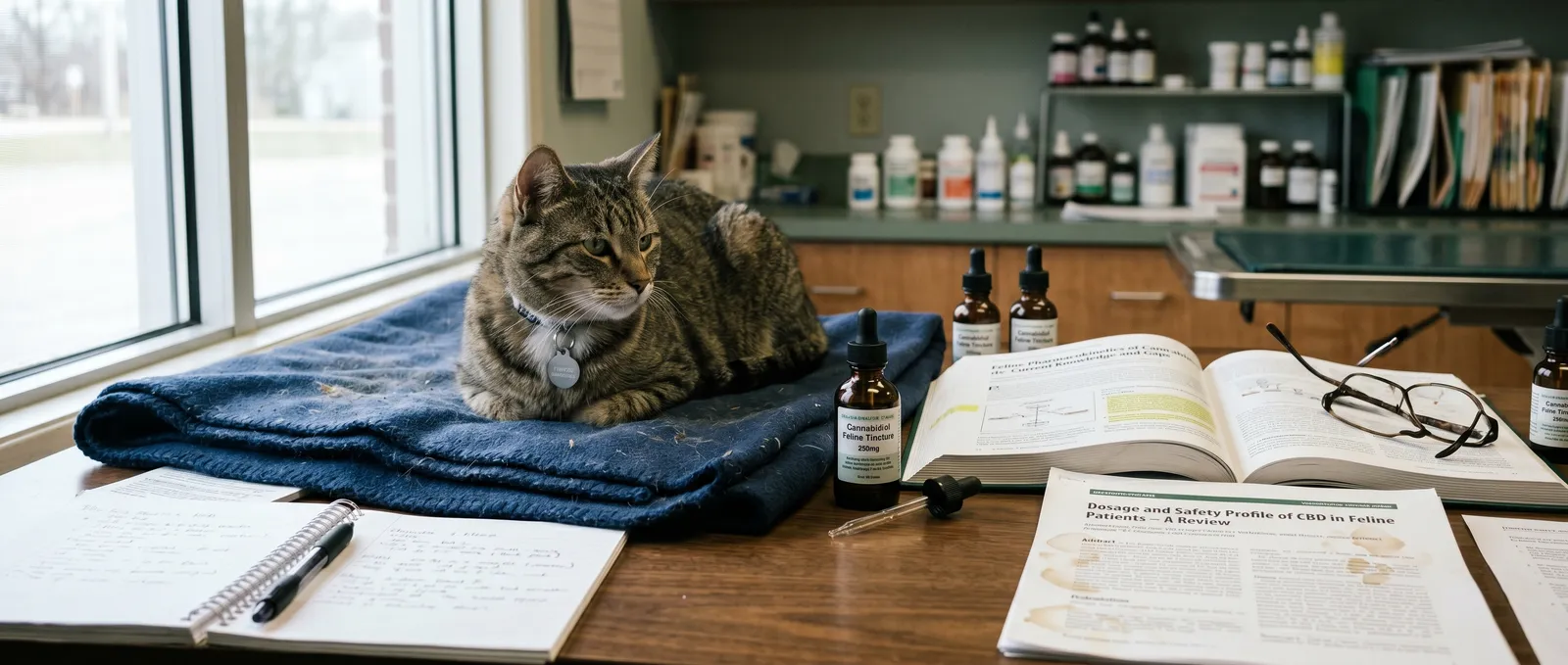
Cats metabolise cannabinoids differently from dogs and humans, lacking key glucuronidation enzymes that affect CBD clearance. Deabold et al. (2019) found cats showed more adverse signs than dogs at equivalent CBD doses. Veterinary-specific research remains limited, making professional guidance essential before giving any CBD product to a cat.
CBD for cats veterinary considerations is a topic that encompasses the species-specific pharmacokinetic and safety questions surrounding cannabidiol use in feline patients. This article describes veterinary research on cannabidiol (CBD) and feline physiology. Always consult a licensed veterinarian before giving any cannabinoid product to a pet. Human CBD dosing does NOT transfer to cats or dogs — these species metabolise cannabinoids differently and at species-specific rates. CBD for cats veterinary considerations matters because cats lack several glucuronidation pathways that dogs and humans rely on, making feline-specific guidance essential for anyone who wants to buy a CBD product intended for a cat.
Why does feline CBD need its own conversation?
Feline CBD requires separate discussion because cats lack several glucuronidation pathways that dogs and humans rely on to metabolise cannabinoids. Cats are not small dogs, and dogs are not small humans. That sentence sounds obvious, but it gets ignored constantly in online forums where people halve their own CBD oil dose and squeeze it into a cat's mouth. The problem is pharmacokinetic: cats are deficient in several UDP-glucuronosyltransferase enzymes. A 2019 pharmacokinetic study by Deabold et al. found that cats given 2 mg/kg CBD oil twice daily showed measurable plasma CBD concentrations but also displayed adverse signs — excessive licking, head-shaking, and signs of gastrointestinal distress — at rates higher than dogs receiving the same weight-adjusted dose (Deabold et al., 2019). The feline liver processes CBD more slowly, which means both the desired and undesired effects can linger longer than you might expect from canine or human data. Anyone exploring CBD for cats veterinary considerations should understand this metabolic reality before proceeding.
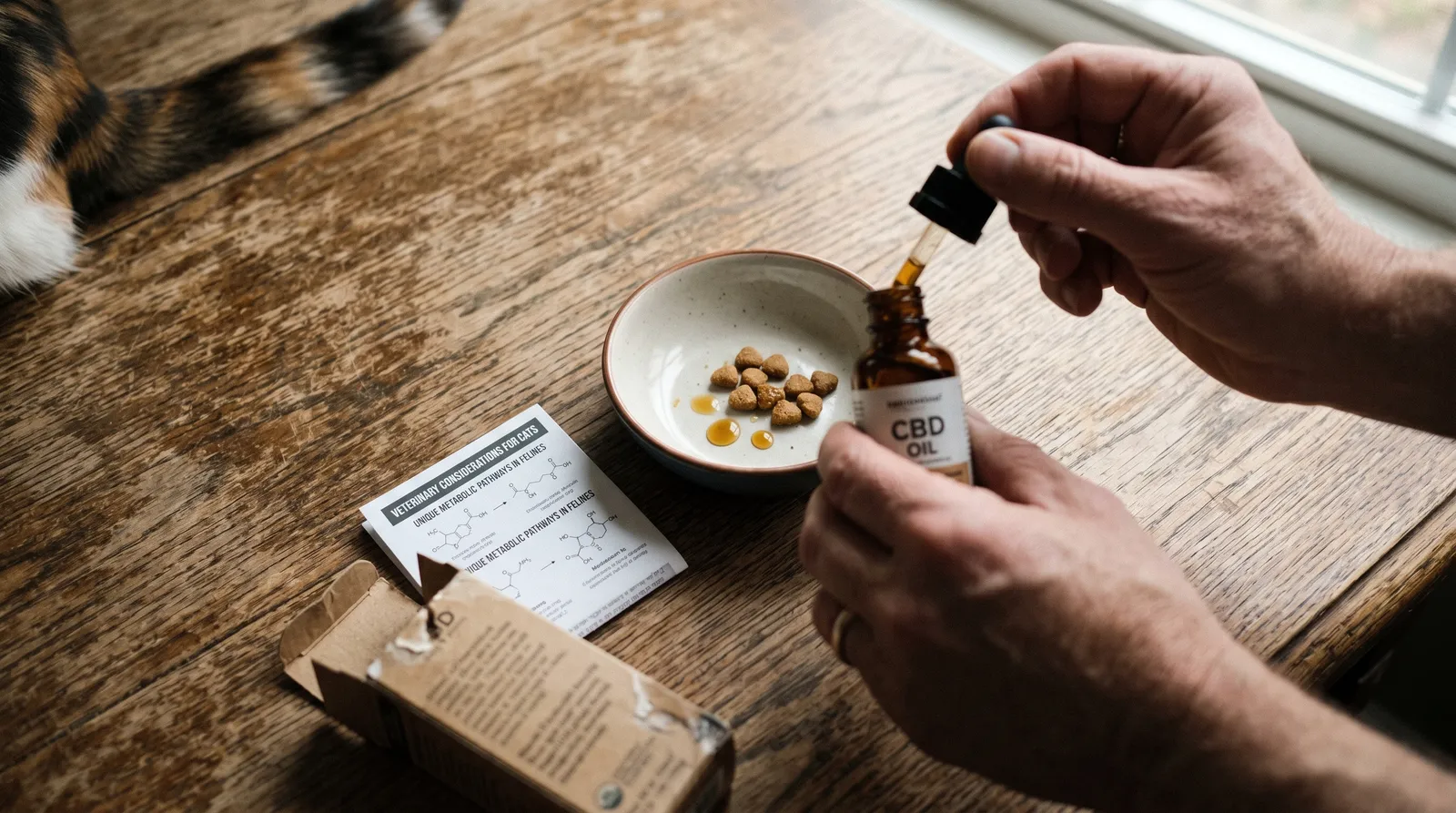
This matters because the vast majority of published veterinary CBD research has been conducted in dogs, not cats. When you read about "pets and CBD," the evidence base is overwhelmingly canine. Extrapolating from dogs to cats is risky precisely because of those metabolic differences.
What does the veterinary research actually show in cats?
The veterinary research on CBD in cats is extremely limited, with only a handful of peer-reviewed studies addressing feline-specific pharmacokinetics. The Deabold et al. (2019) study remains one of the few peer-reviewed pharmacokinetic investigations conducted specifically in cats. It used a CBD-dominant hemp extract administered orally at 2 mg/kg twice daily over 12 weeks. Plasma CBD levels were detectable but variable between individual cats, and the adverse-effect profile was notably different from the canine arm of the same study. Cats showed more pronounced gastrointestinal signs and behavioural changes than dogs at equivalent doses (Deabold et al., 2019; PMID: 31317833).
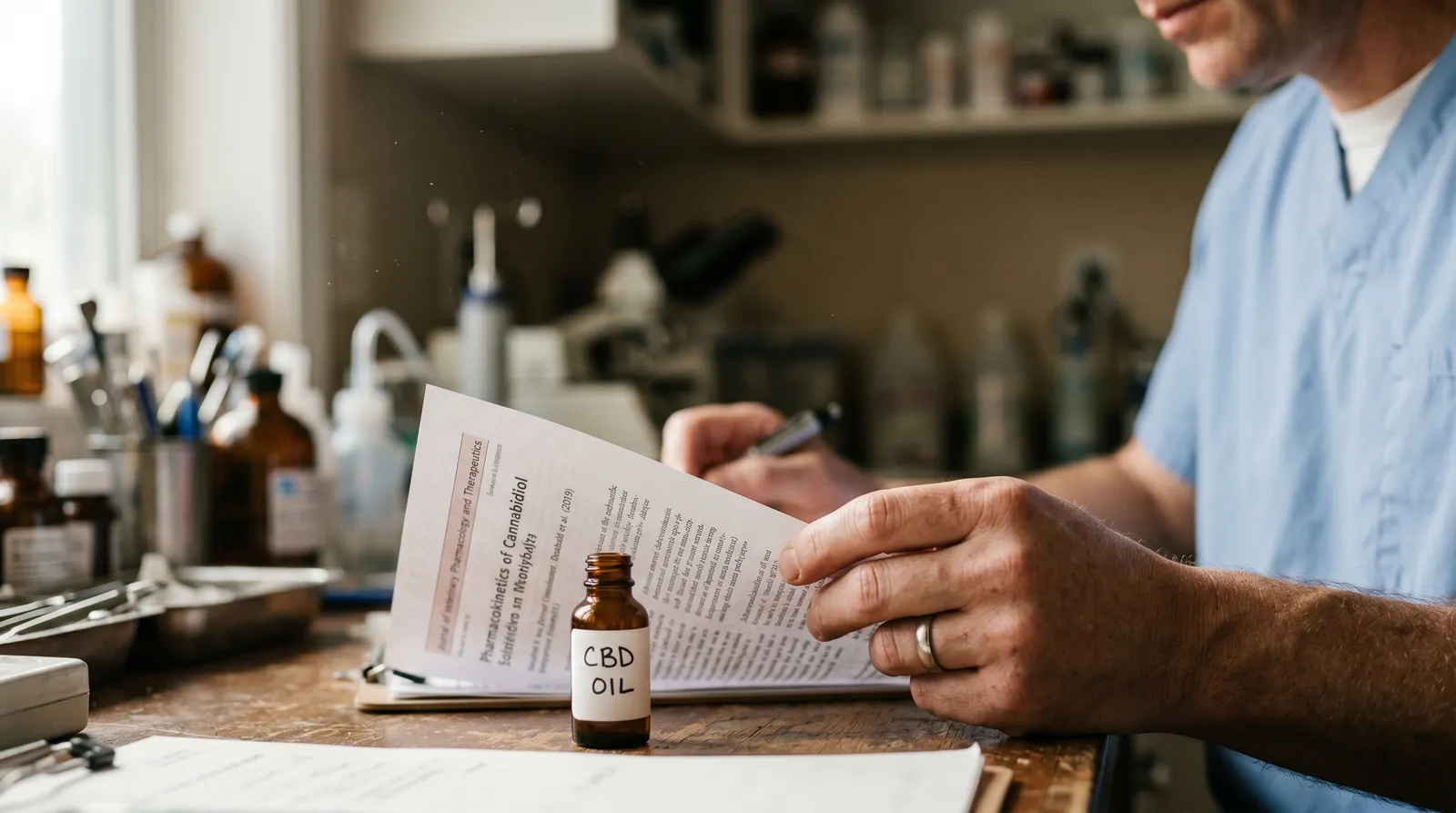
A broader look at companion-animal CBD research shows most trials have focused on dogs. Bartner et al. (2018) evaluated CBD pharmacokinetics in healthy dogs and found that CBD-infused oil achieved higher plasma concentrations than CBD-infused treats, with no clinically significant changes in blood chemistry over 12 weeks (Bartner et al., 2018; PMID: 30083539). McGrath et al. (2019) studied CBD as an adjunct in dogs with epilepsy and observed a significant reduction in seizure frequency compared to placebo, though the sample size was small — 26 dogs total (McGrath et al., 2019; PMID: 30740725). Neither of these studies included cats, and their findings should not be assumed to apply to feline patients.
A 2021 review by Corsato Alvarenga et al. surveyed the state of cannabinoid research across companion animals and concluded that while preliminary safety data exists for dogs, "feline-specific data remain sparse and insufficient to establish dosing guidelines" (Corsato Alvarenga et al., 2021). That gap has not meaningfully closed since. The EMCDDA cannabinoid resource pages similarly note that companion-animal cannabinoid research remains in early stages across Europe.
Why are cats metabolically different?
Cats are metabolically different because they are deficient in several UDP-glucuronosyltransferase (UGT) enzymes responsible for conjugating and clearing many drugs, plant phenols, and cannabinoid metabolites. This is well-documented in veterinary pharmacology: it is the reason paracetamol (acetaminophen) is dangerous to cats at doses that barely register in dogs, and why certain essential oils and NSAIDs carry feline-specific toxicity warnings (Court & Greenblatt, 2000).

CBD is metabolised primarily via cytochrome P450 enzymes (CYP3A and CYP2C families) and then undergoes glucuronidation for excretion. In species with robust UGT pathways — humans and dogs — this clearance is relatively efficient. In cats, the reduced glucuronidation capacity means CBD and its metabolites may accumulate to higher effective concentrations for longer periods. This does not automatically mean CBD is toxic to cats, but it does mean that dose-response curves derived from dogs or humans are unreliable for feline application.
There is also the terpene and carrier-oil question. Many CBD oil formulations contain terpenes (limonene, linalool, myrcene) and are suspended in carrier oils such as MCT or hemp-seed oil. Cats are known to be sensitive to certain terpenes — limonene in particular has documented feline toxicity at concentrated exposures. Whether the trace terpene levels in a broad-spectrum CBD oil reach a concerning threshold in cats is unknown, because no published study has isolated that variable.
Comparing CBD formats: oils, treats, and isolates for cats
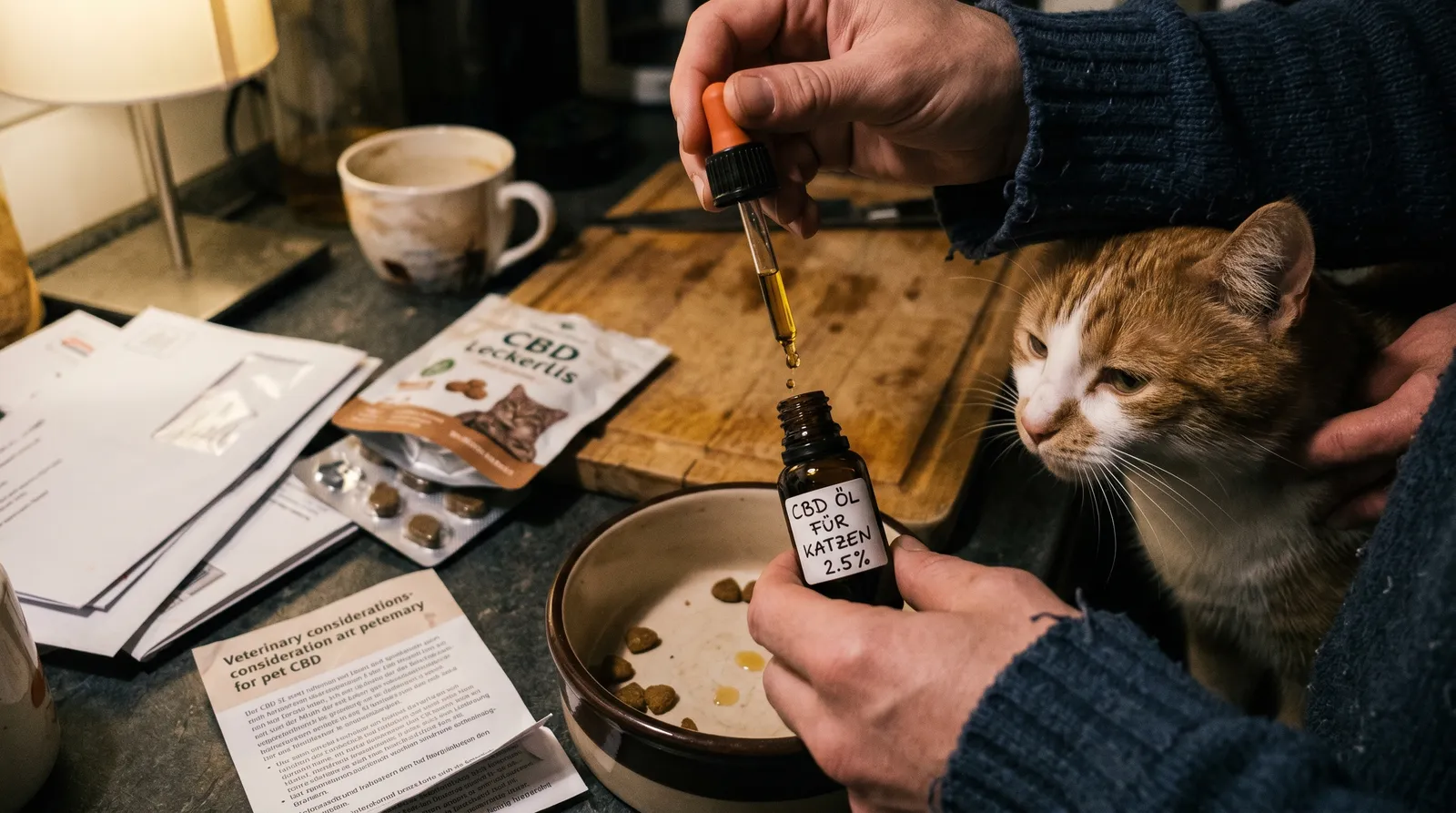
CBD oil administered via dropper is generally the preferred format for cats according to veterinary pharmacologists, because it allows precise micro-dosing, whereas treat-based formats contain fixed amounts that are difficult to adjust (Deabold et al., 2019). The table below summarises key differences relevant to CBD for cats veterinary considerations, based on available pharmacokinetic data and veterinary guidance.
| Format | Bioavailability notes | Terpene risk | Dosing precision | Veterinary preference |
|---|---|---|---|---|
| CBD oil (isolate-based) | Higher plasma levels observed in dogs (Bartner et al., 2018); feline data limited | Low if terpene-free | High — dropper allows small increments | Generally preferred for dose control |
| CBD oil (broad-spectrum) | Similar to isolate oil; may include minor cannabinoids | Moderate — trace terpenes present | High | Acceptable if COA confirms no THC and low terpene load |
| CBD oil (full-spectrum) | Contains THC up to 0.2–0.3% | Higher — full terpene profile retained | High | Generally not recommended for cats due to THC sensitivity |
| CBD treats | Lower and more variable plasma levels in dogs (Bartner et al., 2018); no feline data | Variable | Low — fixed dose per unit, hard to micro-dose | Less preferred due to dosing imprecision |
| CBD isolate powder | No carrier oil; requires manual preparation | None | Requires precision scale | Rarely discussed in veterinary literature |
| Species | UGT enzyme activity | Typical CBD clearance speed | THC sensitivity | Published CBD studies (peer-reviewed) |
|---|---|---|---|---|
| Human | Full UGT pathway | Moderate to fast | Moderate | Hundreds |
| Dog | Full UGT pathway | Moderate | Moderate to high | Approximately 15–20 clinical trials |
| Cat | Deficient in key UGT isoforms | Slow | High | Fewer than 5 |
If you are looking to buy a CBD product specifically formulated for pets, products like Cibdol CBD Oil for Cats are designed with feline-appropriate concentrations and carrier oils. You can also order isolate-based options that avoid terpene exposure entirely. Always verify the certificate of analysis before you get any CBD product for a cat.
What do veterinarians actually say about CBD for cats?
Most veterinary bodies remain cautious and have not endorsed CBD for companion animals. The American Veterinary Medical Association (AVMA) notes that veterinarians in most US states face ambiguity around recommending cannabis-derived products. In Europe, the picture is similarly unclear — CBD products for animals are not authorised as veterinary medicines under the EU veterinary medicinal products framework (EU 2019/6), and their status as feed additives varies by member state.
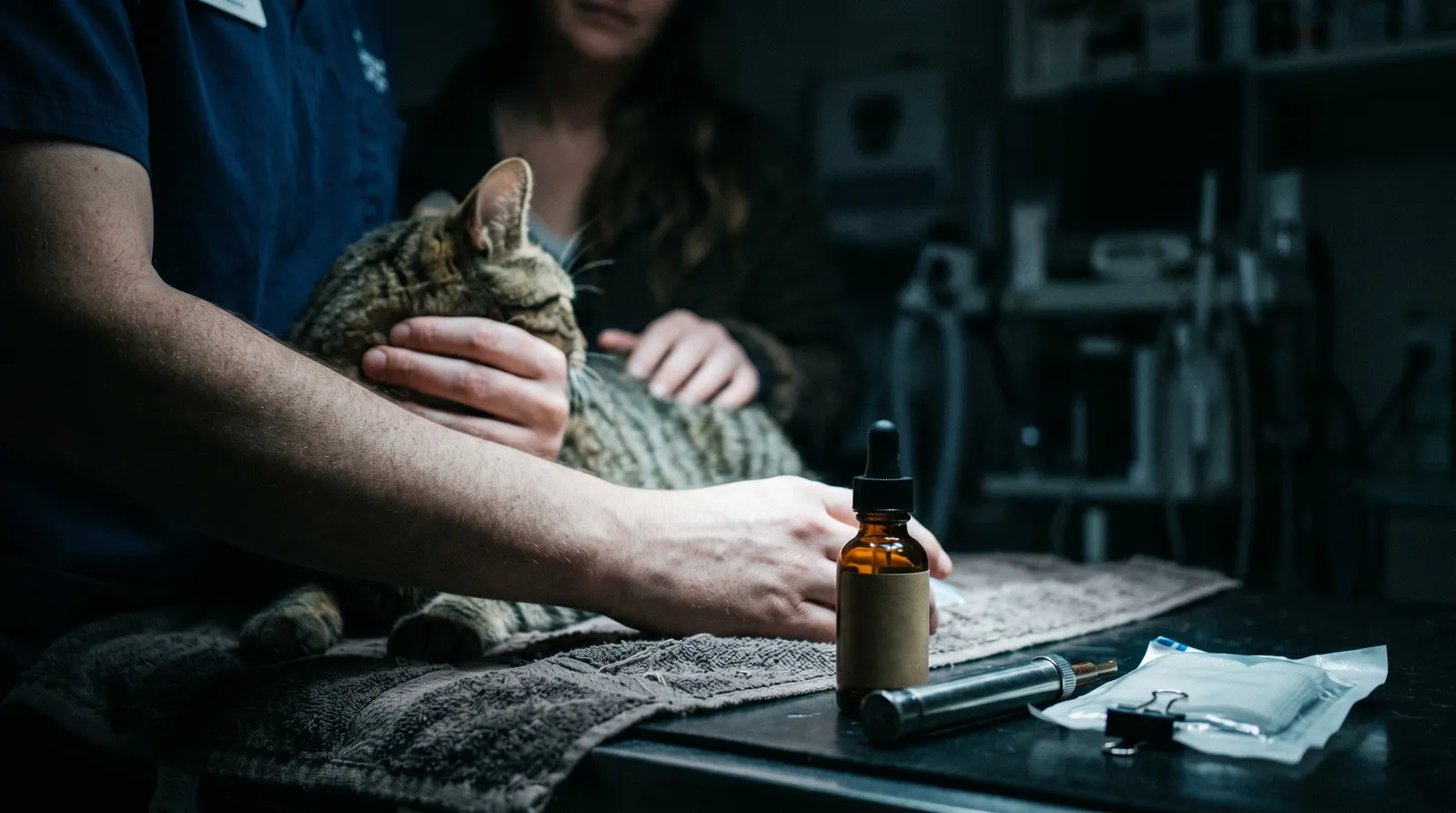
The American Animal Hospital Association (AAHA) published a 2021 position acknowledging growing client interest in CBD and stating that veterinarians should be prepared to discuss cannabinoids, including the limitations of current evidence. Their guidance explicitly notes that "the evidence base for cats is significantly smaller than for dogs" and that feline-specific dosing data is insufficient for clinical recommendations (AAHA, 2021).
In practice, some veterinarians — particularly those specialising in integrative or pain-management practice — do discuss CBD with cat owners, but typically with significant caveats: start with the lowest possible dose, use products with a certificate of analysis (COA) confirming cannabinoid content and the absence of contaminants, avoid full-spectrum products with THC (cats appear more sensitive to THC than dogs), and monitor closely for adverse signs including lethargy, vomiting, diarrhoea, and behavioural changes.
What about THC and cats?
THC is genuinely dangerous to cats and represents one of the most serious safety concerns in feline cannabinoid exposure. Cats have a higher density of CB1 receptors in certain brain regions compared to dogs, and case reports of THC toxicosis in cats describe ataxia, hypothermia, urinary incontinence, prolonged sedation, and in severe cases, coma (Fitzgerald et al., 2013). Full-spectrum CBD products sold for human use contain up to 0.2% THC (the EU threshold for hemp extracts) or 0.3% in some jurisdictions. While this trace amount is considered negligible for a 70 kg human, a 4 kg cat receiving even a modest volume of oil is exposed to a proportionally larger THC dose relative to body weight — and with slower clearance.
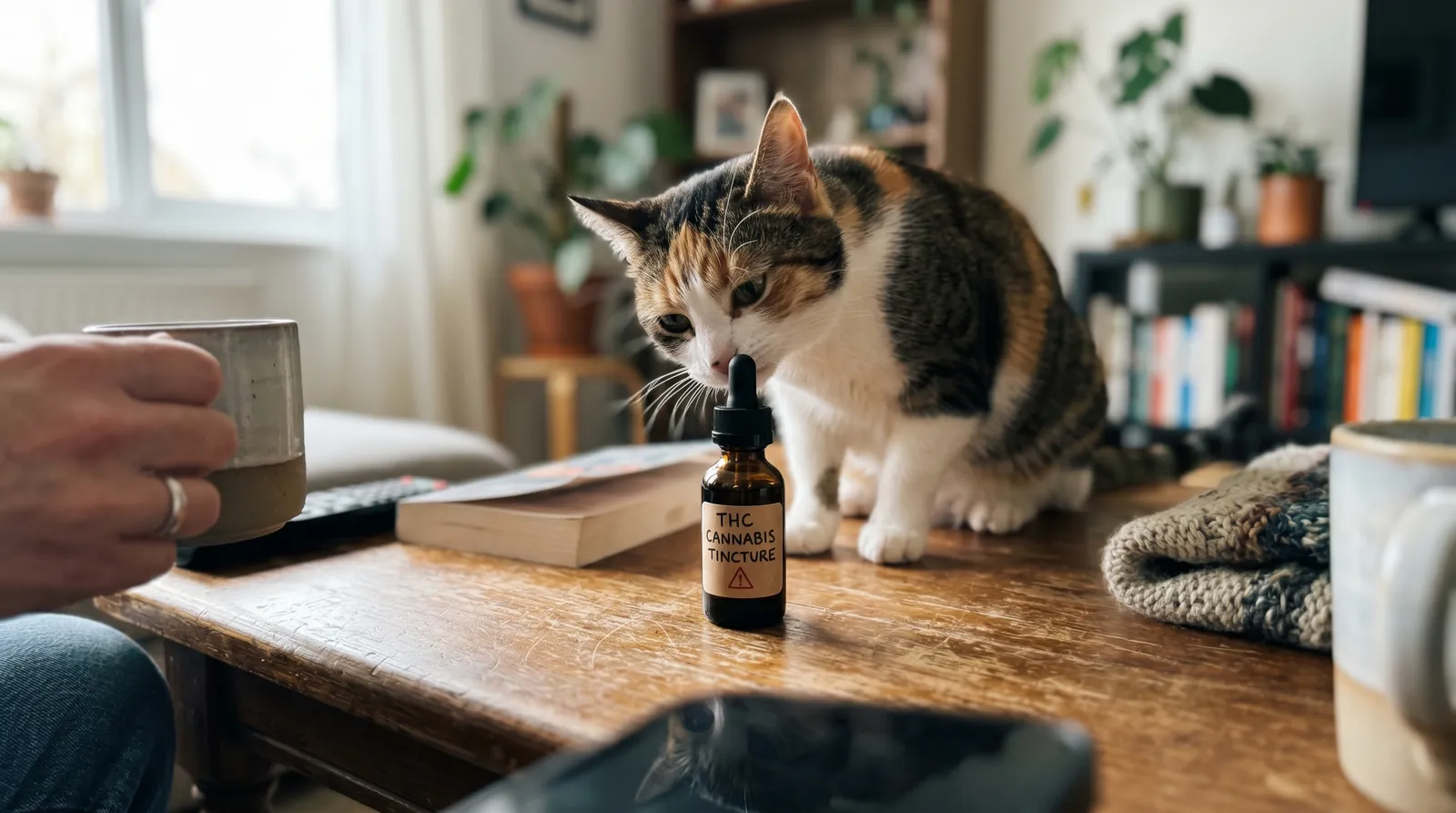
This is why veterinary researchers working on feline CBD generally recommend broad-spectrum or isolate-based products with non-detectable THC levels, verified by third-party COA testing. Even then, the CBD itself requires veterinary oversight for the glucuronidation reasons described above.
Can CBD interact with medications my cat already takes?
Yes — CBD inhibits cytochrome P450 enzymes involved in metabolising many common feline medications, and this is one of the strongest reasons to involve a veterinarian. Specifically, CYP3A4 and CYP2C19 in humans have analogous pathways in cats. Many common feline medications are metabolised through these pathways, including certain anti-seizure drugs, corticosteroids, and sedatives. The "grapefruit warning" principle applies: if a drug label warns against grapefruit consumption (because grapefruit inhibits CYP3A4), CBD may produce a similar interaction by slowing the drug's clearance and raising its effective blood concentration.
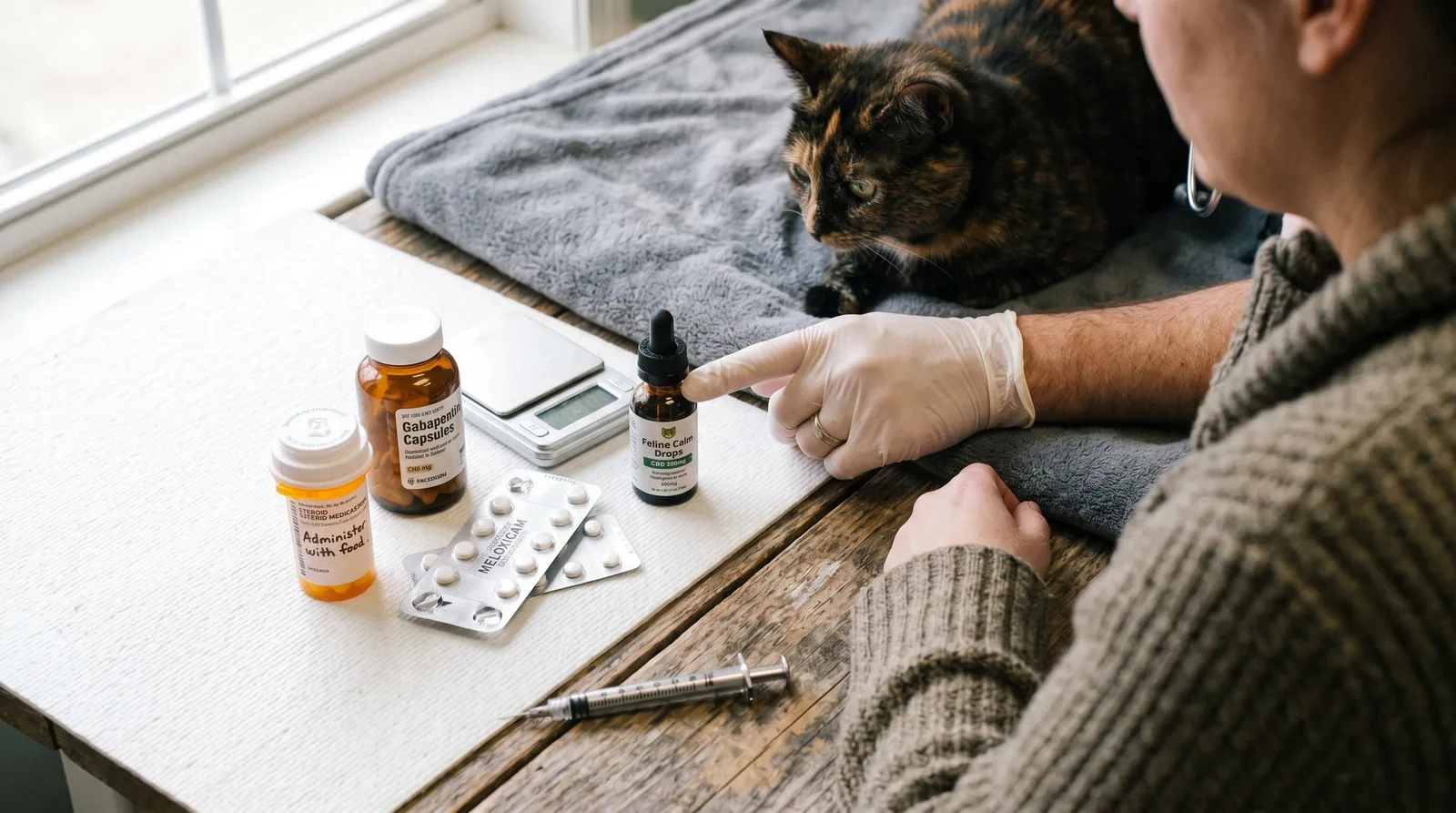
In dogs, McGrath et al. (2019) noted elevated alkaline phosphatase (ALP) levels in some CBD-treated subjects, suggesting hepatic involvement even at 2.5 mg/kg twice daily. Whether cats — with their already compromised conjugation pathways — are more susceptible to liver enzyme changes at lower CBD doses is an open question without a published answer. Any cat currently on medication should not receive CBD without direct veterinary supervision.
How does feline CBD research compare to canine CBD research?
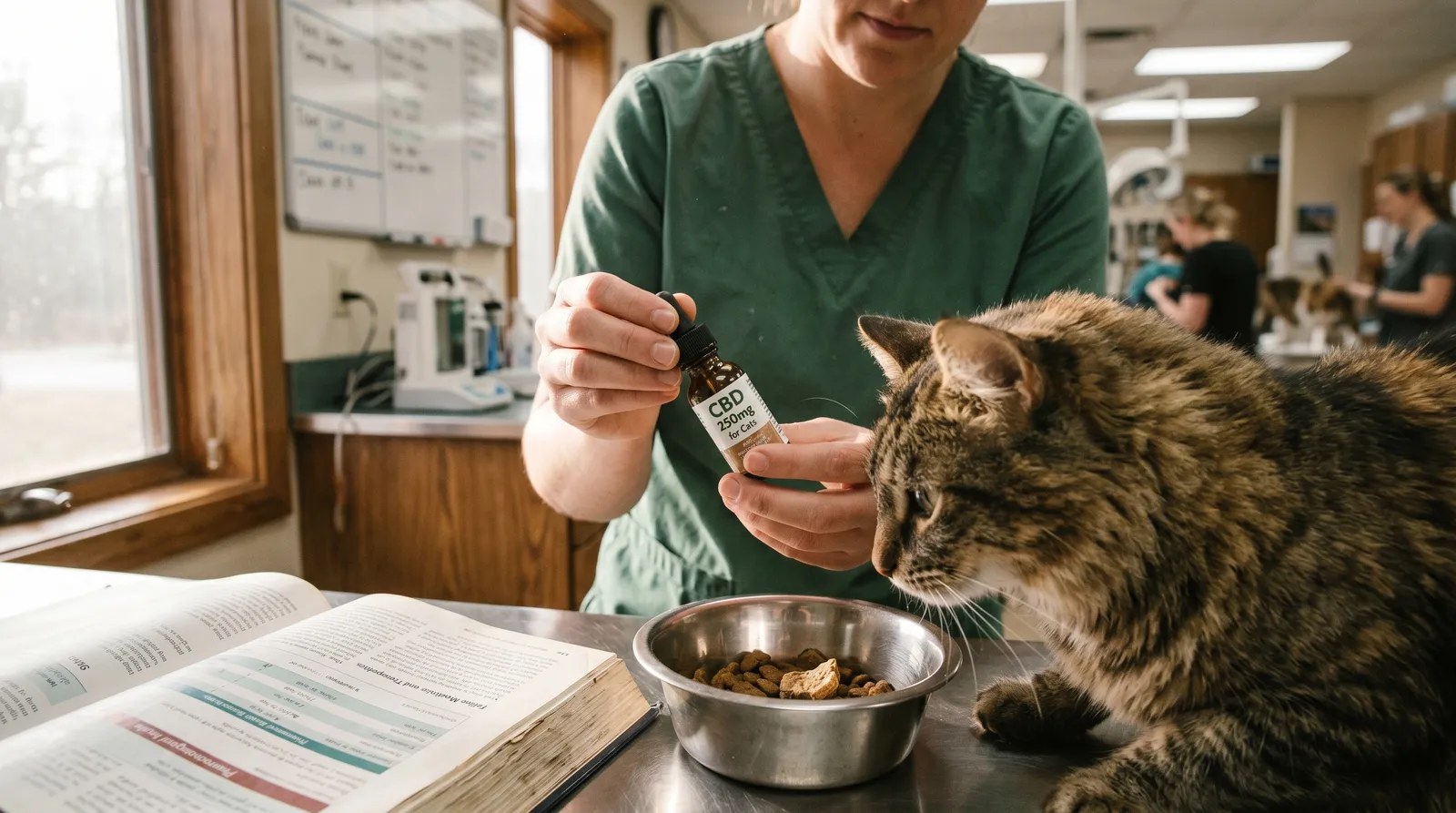
Feline CBD research lags significantly behind canine CBD research in both volume and clinical scope. As of 2025, there are fewer than five peer-reviewed studies that directly investigate CBD pharmacokinetics or safety in cats, compared to approximately 15–20 published clinical trials in dogs. The canine literature includes randomised controlled trials for specific conditions — osteoarthritis (Gamble et al., 2018), epilepsy (McGrath et al., 2019), and behavioural anxiety — whereas feline research has not yet progressed beyond basic pharmacokinetic profiling and preliminary safety observation. This disparity means that nearly every claim about "CBD for pets" is, in practice, a claim about CBD for dogs, and anyone evaluating CBD for cats veterinary considerations should recognise that the feline evidence base is at an earlier stage than even the modest canine one.
What we honestly do not know yet
There are significant gaps in the feline CBD evidence base that deserve transparent acknowledgement. We do not know the optimal dose range for cats for any condition. We do not know the long-term safety profile of daily CBD administration in cats beyond the 12-week window of the Deabold study. We do not know whether specific cat breeds with known hepatic sensitivities (such as Siamese or Oriental breeds) face elevated risk. We do not know how age, kidney function, or concurrent disease states alter CBD metabolism in cats. And we do not know whether the minor cannabinoids present in broad-spectrum extracts — CBG, CBC, CBN — have independent effects on feline physiology. This is not a failure of the research community so much as a reflection of how new this field is. Canine CBD research itself only began producing peer-reviewed clinical trials around 2018, and feline research lags further behind.

How carrier oils and terpenes affect feline safety
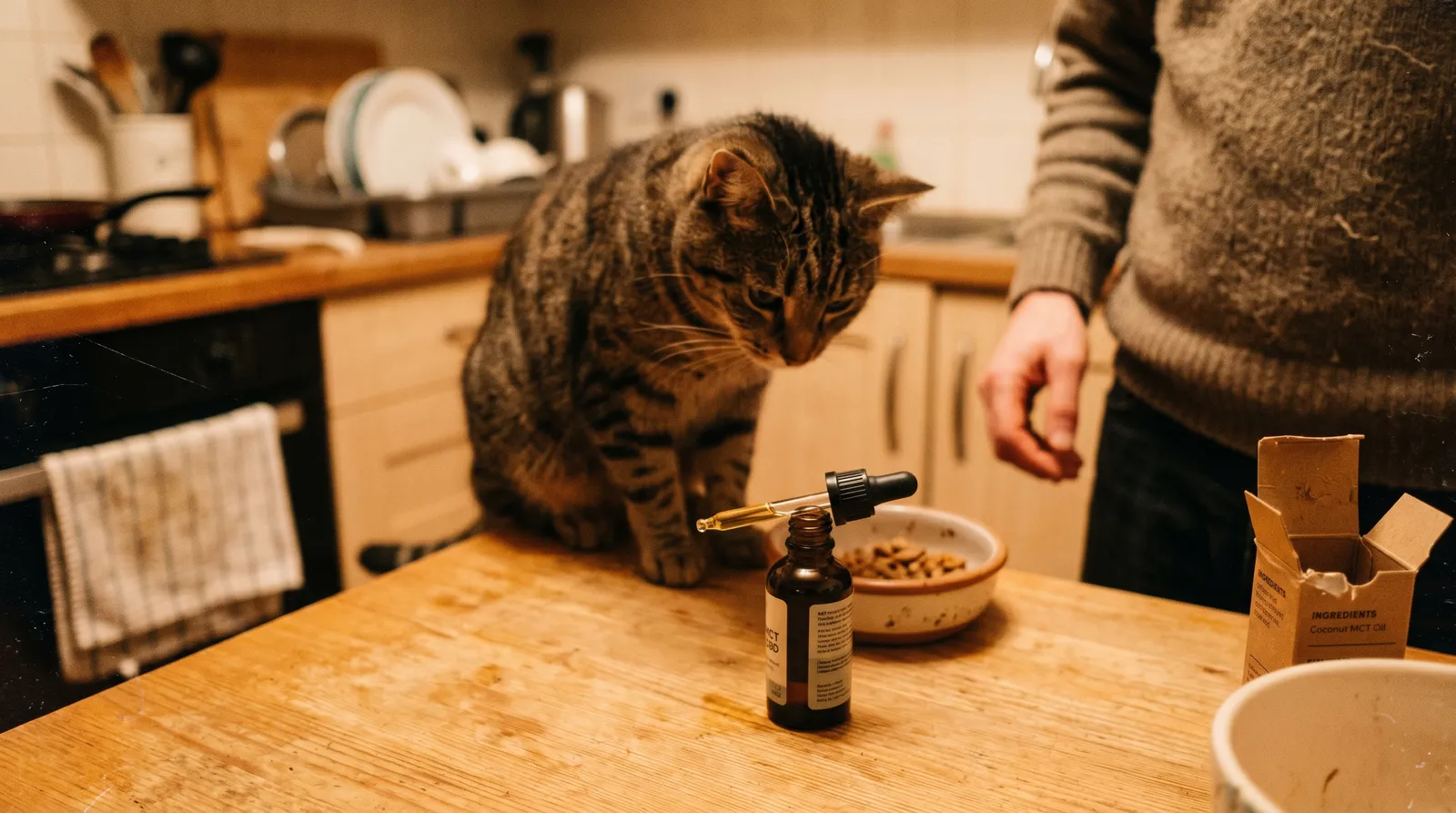
Carrier oils and terpenes present distinct safety considerations for cats that do not apply equally to dogs or humans. Most CBD oils use medium-chain triglyceride (MCT) oil derived from coconut, which cats generally tolerate in small volumes, though high-fat loads can trigger pancreatitis in susceptible felines (Xenoulis & Steiner, 2010). Hemp-seed oil is an alternative carrier but introduces trace terpenes and chlorophyll compounds. The terpene limonene, commonly retained in broad-spectrum extracts, has documented feline toxicity at concentrated exposures — the ASPCA Animal Poison Control Center lists concentrated citrus oils among feline hazards. Linalool and myrcene have less feline-specific data but remain a concern given the general principle that cats glucuronidate aromatic compounds poorly. When you order a CBD product for a cat, checking the COA for terpene content — not just cannabinoid levels — is a practical step that most online guides overlook.
How to read a certificate of analysis for a feline CBD product
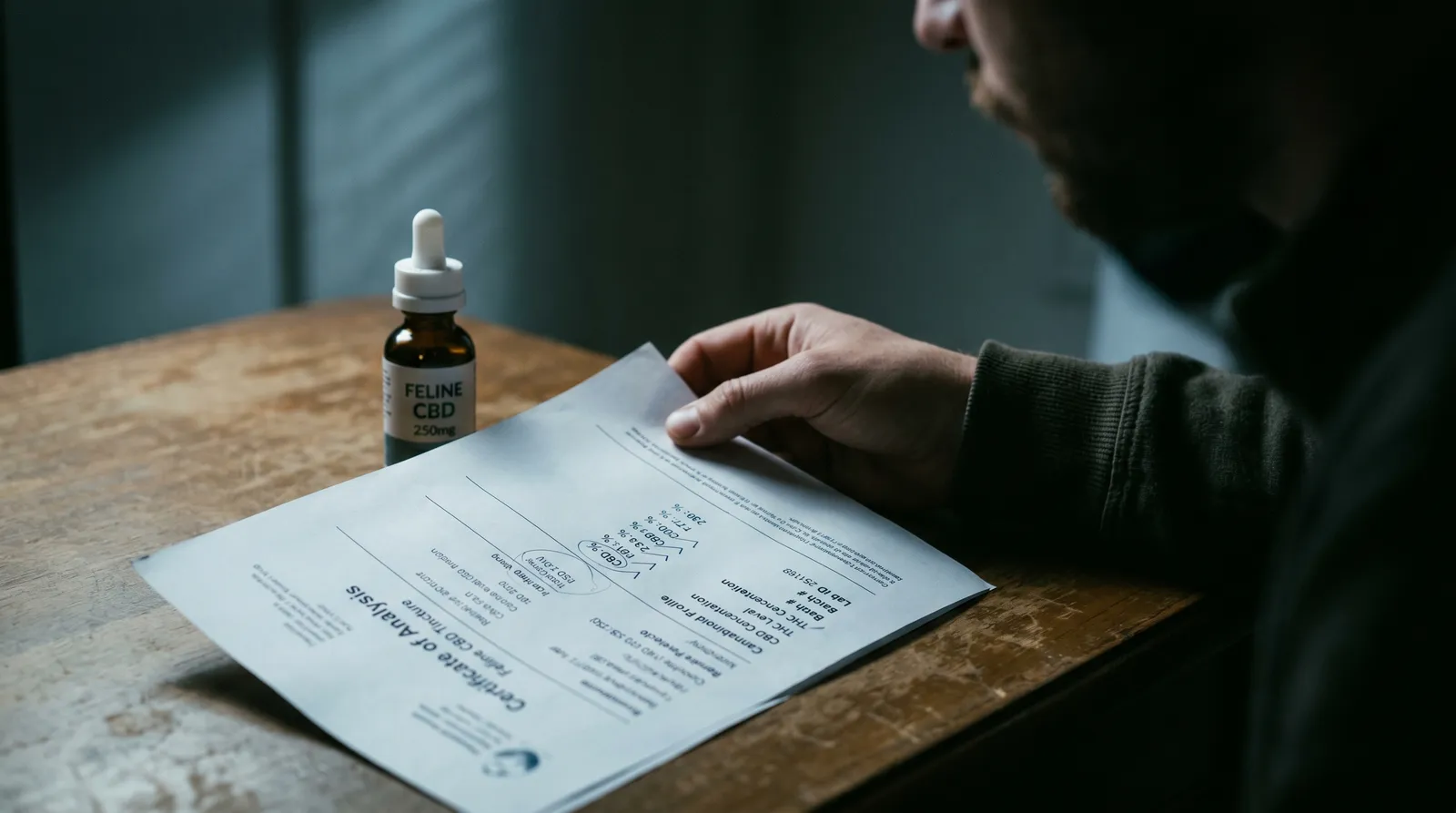
A certificate of analysis (COA) is a third-party lab document that verifies what a CBD product actually contains, and reading one correctly is essential before you buy any CBD product for a cat. The COA should list cannabinoid concentrations (CBD, THC, CBN, CBG at minimum), confirm THC is below the detection threshold (not merely below the jurisdiction limit), and report results for heavy metals (lead, arsenic, cadmium, mercury), pesticide residues, and microbial contaminants. For feline use specifically, look for a terpene profile panel — not all COAs include this, but it matters because cats are sensitive to certain terpenes as discussed above. A COA dated more than 12 months ago may not reflect the current batch. If a product does not make its COA publicly accessible or refuses to provide one on request, that is a meaningful red flag regardless of species.
What should a cat owner take away from all this?
The most important takeaway is that veterinary guidance is non-negotiable before giving any CBD product to a cat. Three specific points follow. First, the veterinary evidence base for CBD in cats is thin — far thinner than for dogs, and canine data is itself still in early stages. The Deabold et al. (2019) pharmacokinetic study and the Corsato Alvarenga et al. (2021) review are among the few peer-reviewed sources directly addressing feline CBD pharmacology, and both call for more research before clinical guidelines can be established.
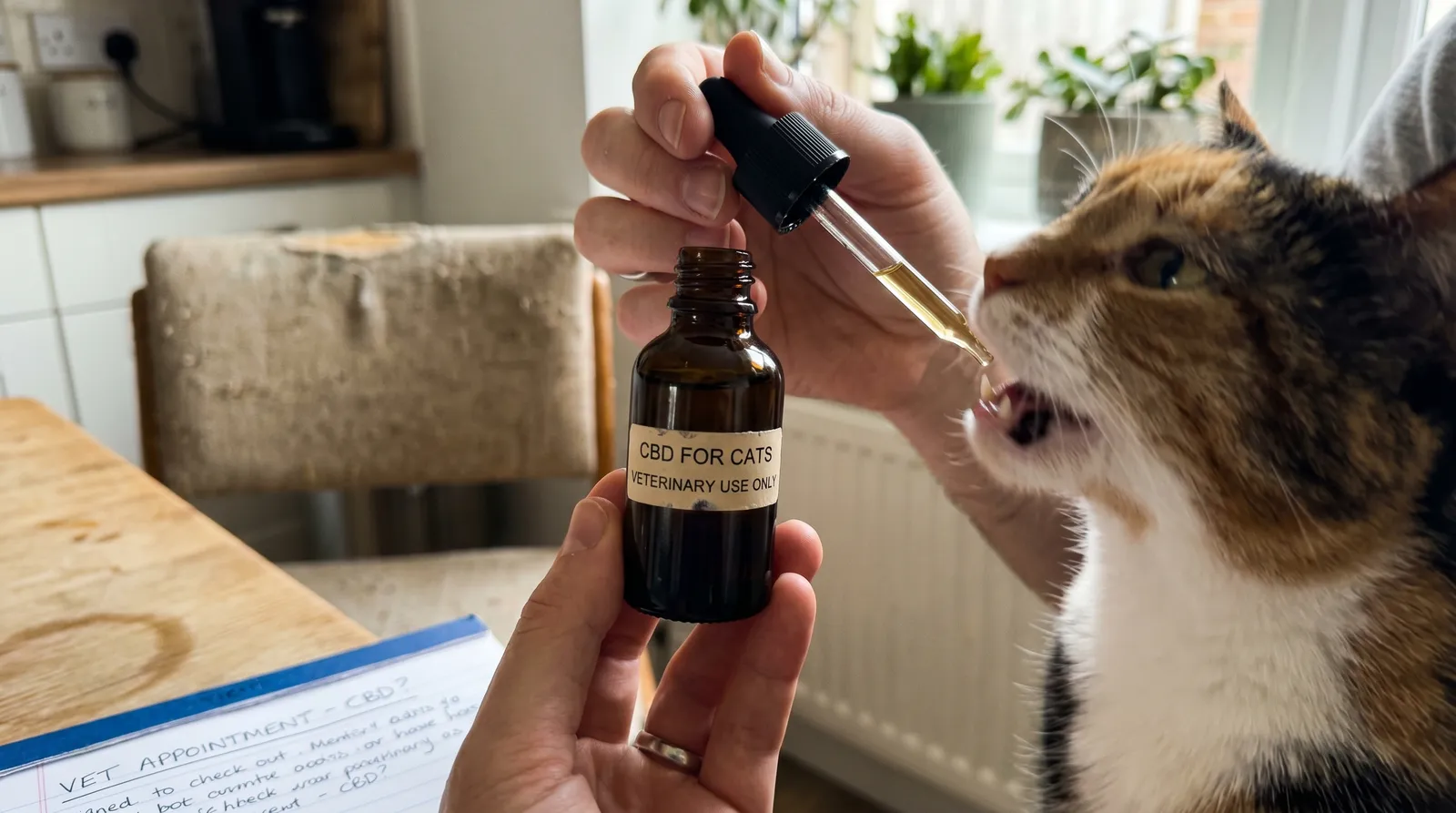
Second, feline metabolism is genuinely different from canine and human metabolism in ways that matter for cannabinoid processing. The UGT enzyme deficiency in cats is not a theoretical concern — it is a well-characterised pharmacological reality that affects how cats handle a wide range of compounds, CBD included.
Third, a veterinarian is the only appropriate source of dosing guidance for your specific cat. Online dosing calculators, forum recommendations, and extrapolations from human products are not substitutes for a clinical assessment that accounts for your cat's weight, age, health status, and current medications. If you decide to buy a feline-specific CBD product after consulting your vet, choose one with a current certificate of analysis and formulated specifically for cats.
This article has been reviewed for factual and editorial accuracy by Toine Verleijsdonk (Cibdol brand manager) and Joshua Askew (Editorial Director). It has NOT been reviewed by a licensed medical practitioner or licensed veterinarian and does not constitute medical or veterinary advice.
Important: This article is consumer education and is not medical advice. CBD products are food supplements, not medicines. Research on CBD is ongoing and evidence remains limited or mixed for many topics. Talk to your doctor before use if you are pregnant, breastfeeding, taking medication, scheduled for surgery, or living with a health condition. Keep CBD products out of reach of children and pets.
Editorial review: This article has been reviewed for factual and editorial accuracy by the Cibdol brand-management team. It has NOT been reviewed by a licensed medical practitioner and does not constitute medical advice.
Last updated: 2025-07-25
References
- Bartner, L.R. et al. (2018). Pharmacokinetics of cannabidiol administered by 3 delivery methods at 2 different dosages to healthy dogs. Canadian Journal of Veterinary Research, 82(3), 178–183. PMID: 30083539.
- Corsato Alvarenga, I. et al. (2021). Systematic review of cannabis use in companion animals. Journal of the American Veterinary Medical Association, 259(S2), S62–S72.
- Court, M.H. & Greenblatt, D.J. (2000). Molecular genetic basis for deficient acetaminophen glucuronidation by cats. Pharmacogenetics, 10(4), 355–369.
- Deabold, K.A. et al. (2019). Single-dose pharmacokinetics and preliminary safety assessment with use of CBD-rich hemp nutraceutical in healthy dogs and cats. Animals, 9(10), 832. PMID: 31317833.
- EMCDDA (2024). Cannabis and cannabinoids — drug profiles. European Monitoring Centre for Drugs and Drug Addiction.
- Fitzgerald, K.T. et al. (2013). Marijuana poisoning. Topics in Companion Animal Medicine, 28(1), 8–12.
- Gamble, L.J. et al. (2018). Pharmacokinetics, safety, and clinical efficacy of cannabidiol treatment in osteoarthritic dogs. Frontiers in Veterinary Science, 5, 165.
- McGrath, S. et al. (2019). Randomized blinded controlled clinical trial to assess the effect of oral cannabidiol administration in addition to conventional antiepileptic treatment on seizure frequency in dogs with intractable idiopathic epilepsy. Journal of the American Veterinary Medical Association, 254(11), 1301–1308. PMID: 30740725.
- Xenoulis, P.G. & Steiner, J.M. (2010). Lipid metabolism and hyperlipidemia in dogs. The Veterinary Journal, 183(1), 12–21.
- AAHA (2021). Cannabinoids in veterinary medicine — position statement. American Animal Hospital Association.
Frequently Asked Questions
10 questionsWhy can't I just give my cat a smaller dose of my own CBD oil?
What side effects has veterinary research observed in cats given CBD?
Can CBD interact with my cat's existing medications?
Has any veterinary body officially endorsed CBD for cats?
Is full-spectrum CBD oil safe for cats?
What CBD product format is best for cats?
Where can I buy CBD oil specifically formulated for cats?
How long does CBD stay in a cat's system compared to a dog?
Should I look for a certificate of analysis before I buy CBD for my cat?
Are there any cat breeds more at risk from CBD side effects?
About this article


Luke Sholl has been writing about cannabis, cannabinoids, and the broader benefits of nature since 2011, and has personally grown cannabis in home grow tents for more than a decade. That first-hand cultivation experience
This wiki article was drafted with AI assistance and reviewed by Luke Sholl, External contributor since 2026. Editorial oversight by Toine Verleijsdonk.
Medical disclaimer. This content is for informational purposes only and does not constitute medical advice. Consult a qualified healthcare provider before use of any substance.
Last reviewed April 26, 2026
Related Articles

Pinene Alpha and Beta: Aroma, Chemistry & Vaporisation Guide
Pinene is a bicyclic monoterpene occurring as two isomers — α-pinene and β-pinene — and ranks as the most abundant terpene in the plant kingdom.

CBD and Recovery: What the Research Actually Shows
CBD and recovery is a research topic spanning exercise-induced muscle damage, sleep quality, and perceived soreness. As McCartney et al.
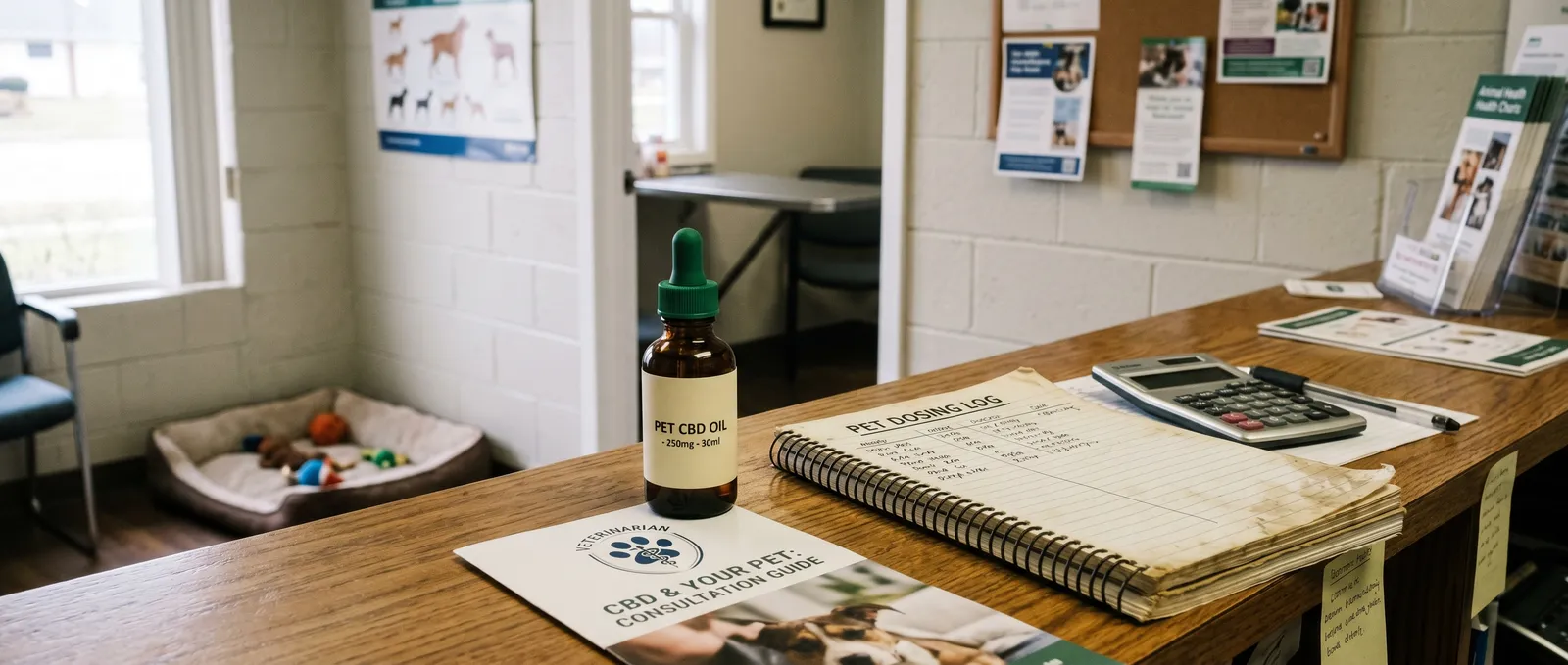
CBD Pet Dosing Vet Consultation: Prepare for Your Visit
Veterinary CBD dosing is not a scaled-down version of human dosing — dogs and cats metabolise cannabidiol through different enzymatic pathways and at…

EU Novel Food Regulation CBD: Country Status, EFSA Safety & Guide
EU novel food regulation CBD is a policy framework under EU rule 2015/2283 that classifies cannabidiol extracts as a novel food, requiring safety assessment…
CBD Topical Creams Medical Grade: CE-Marked Class I Explained
CBD topical creams deliver cannabidiol directly to the skin rather than the bloodstream.
Humulene Effects and Aroma Profile | Terpene Guide
Humulene (α-humulene) is a monocyclic sesquiterpene named after Humulus lupulus — hops.

Terpene Entourage Effect: Current Evidence Reviewed
The terpene entourage effect proposes that cannabis terpenes modulate cannabinoid activity, producing different outcomes than isolated compounds alone.
CBD and Skin Conditions: What Research Shows
Cannabidiol (CBD) interacts with the endocannabinoid system expressed in human skin — including CB1 and CB2 receptors on keratinocytes, sebocytes, and…
CBD and Stress: What Research Actually Shows
Cannabidiol (CBD) has been studied in a growing number of human trials measuring stress-related outcomes — from cortisol levels to subjective anxiety under…