
This article discusses psychoactive substances intended for adults (18+). If you have a health condition or take medication, consult a doctor before use. Our age policy
CBD and Stress: What Research Actually Shows
Definition
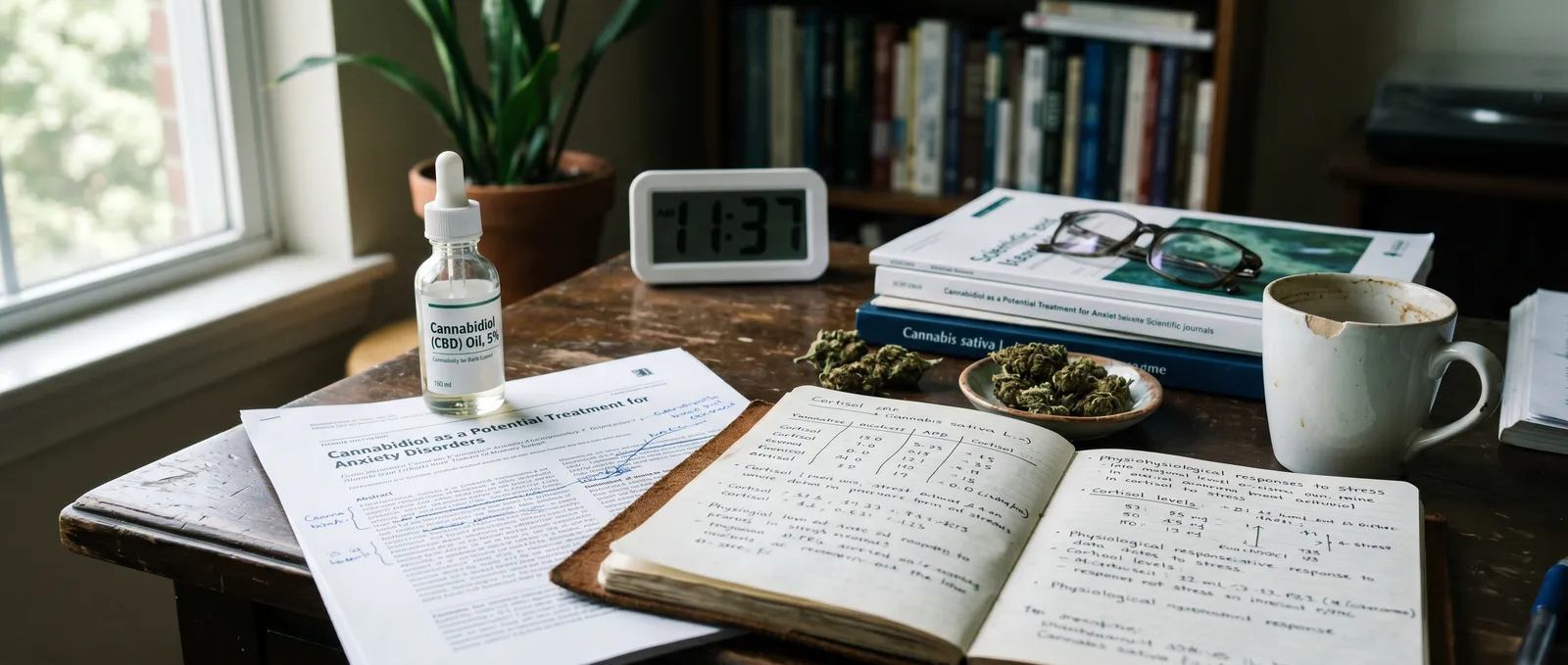
Cannabidiol (CBD) has been studied in a growing number of human trials measuring stress-related outcomes — from cortisol levels to subjective anxiety under experimental conditions. Bergamaschi et al. (2011) showed that 600 mg CBD lowered anxiety scores during simulated public speaking in socially anxious participants. The evidence is genuinely interesting but still early, with small samples and limited chronic-dosing data.
What the question actually is
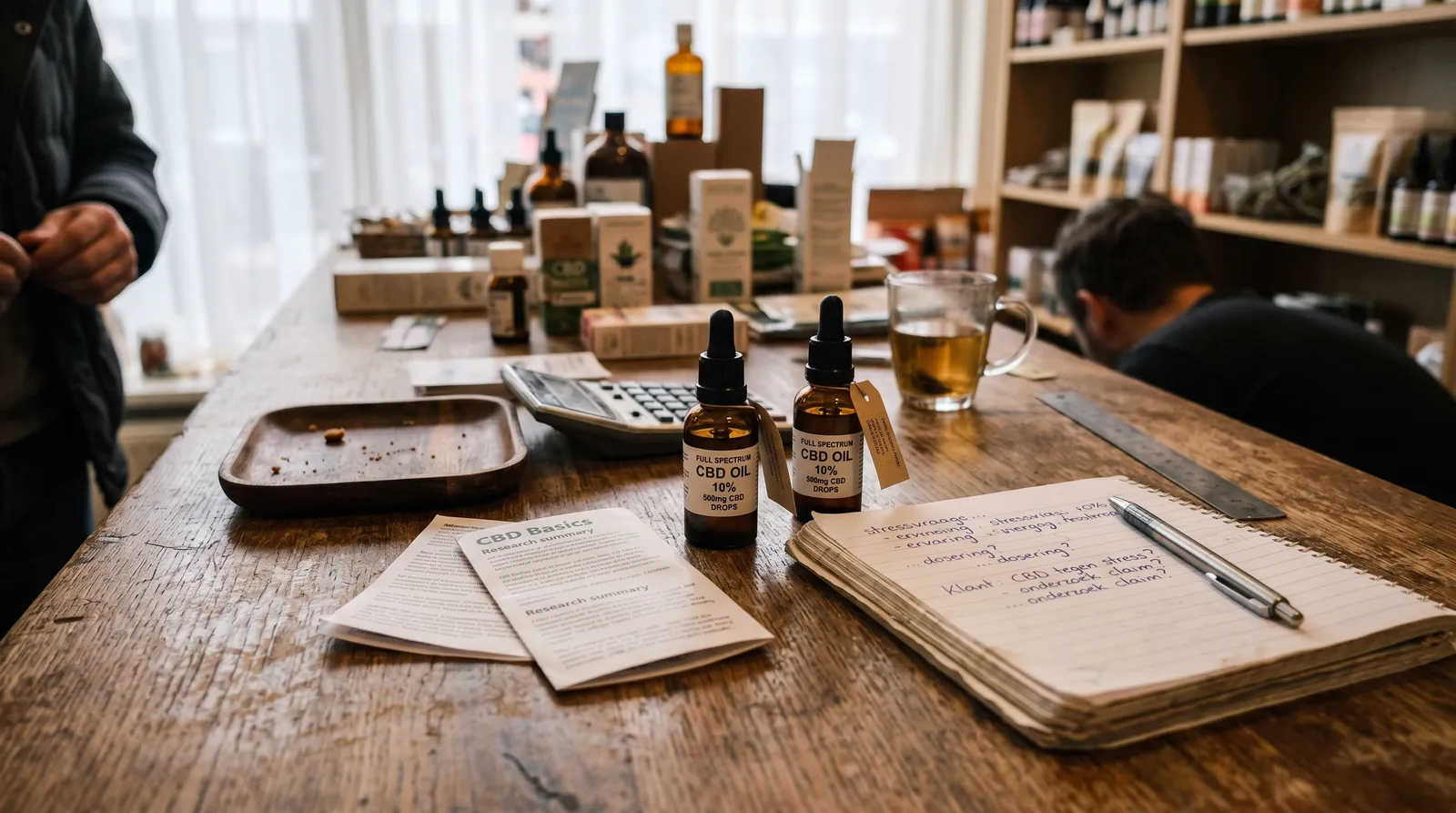
CBD and stress is a research topic that has grown rapidly as scientists investigate how cannabidiol — the non-intoxicating phytocannabinoid from Cannabis sativa L. — affects measurable biological stress responses. The word "stress" gets thrown around loosely, so let's be specific: we're talking about the measurable biological stress response — cortisol secretion, autonomic nervous system activation, subjective anxiety ratings under formal experimental conditions — not the vague feeling of having too many browser tabs open. This article walks through what peer-reviewed studies have actually measured regarding CBD and stress, where the evidence looks promising, where it's thin, and what remains unanswered. Adult readers exploring CBD formats can use this as a research-literacy primer, not a treatment guide.
The endocannabinoid system and stress physiology
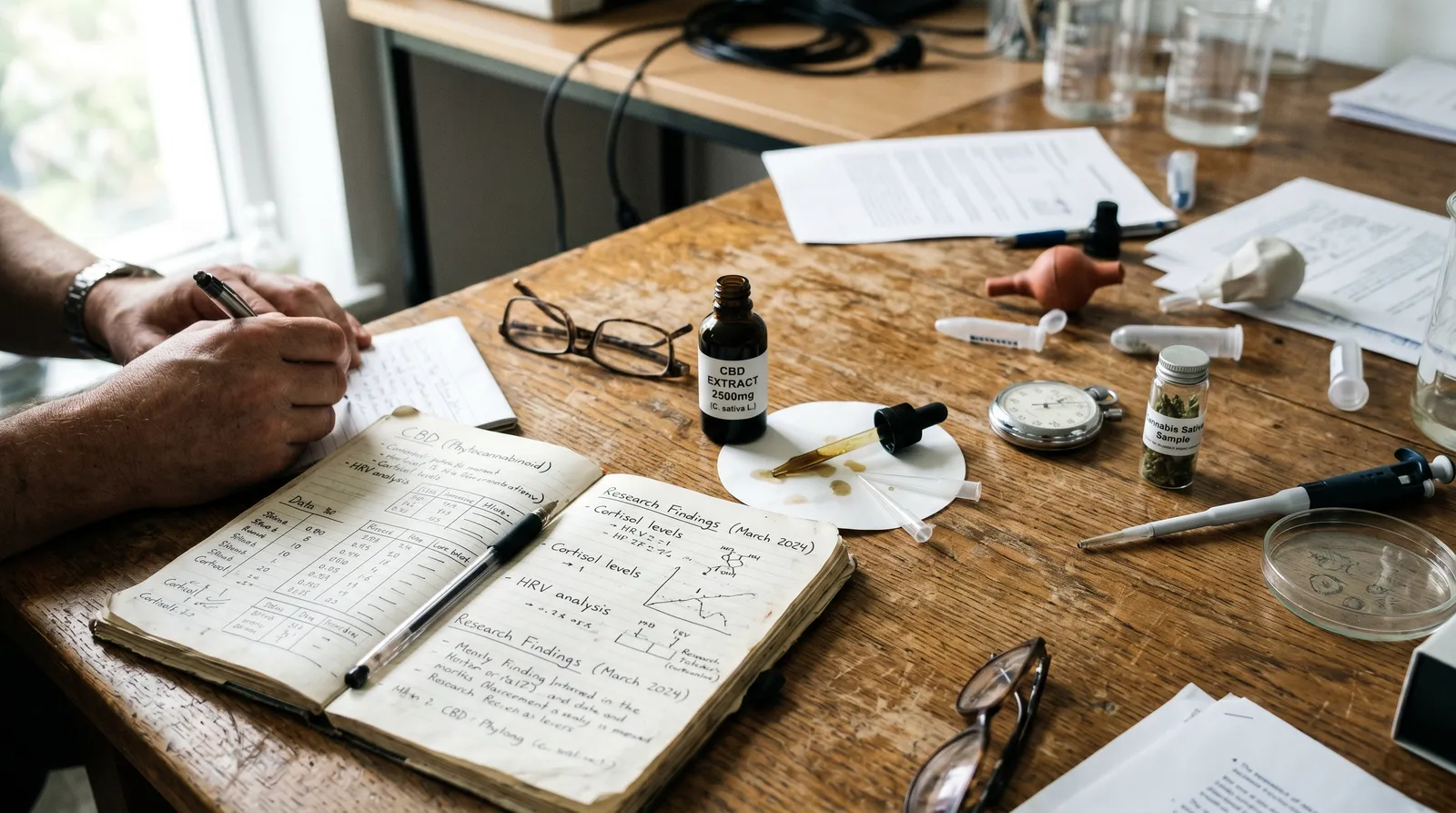
The endocannabinoid system (ECS) is the body's built-in cannabinoid signalling network that helps regulate the stress response. Two endogenous ligands, anandamide (AEA) and 2-arachidonoylglycerol (2-AG), bind to CB1 and CB2 receptors distributed across the central and peripheral nervous systems. The ECS modulates the hypothalamic–pituitary–adrenal (HPA) axis, which is the body's primary hormonal stress-response cascade. When cortisol spikes, the ECS acts as a kind of brake, helping the system return to baseline. A 2016 review by Hillard noted that endocannabinoid signalling is consistently activated by stress and appears to buffer the HPA axis response (Hillard, 2016; DOI: 10.1016/j.yfrne.2015.12.003).
CBD doesn't bind strongly to CB1 or CB2 the way THC does. Instead, its pharmacology is messier — and more interesting. It appears to inhibit fatty acid amide hydrolase (FAAH), the enzyme that breaks down anandamide, thereby raising anandamide tone indirectly (Leweke et al., 2012; DOI: 10.1038/tp.2012.15). It also acts at serotonin 5-HT1A receptors, which are well-established targets in anxiety and stress pharmacology. And it modulates transient receptor potential vanilloid type 1 (TRPV1) channels, which play a role in fear extinction and conditioned stress responses (Campos & Guimarães, 2008; DOI: 10.1016/j.neuropharm.2008.01.017). None of this means CBD "fixes stress" — it means there are plausible biological pathways worth investigating, and researchers have been doing exactly that.
Human experimental stress studies
Acute-dose human trials provide the strongest positive signals for CBD and stress so far, with most evidence coming from experimental stress paradigms — settings where researchers deliberately induce stress and measure the response. The simulated public speaking test (SPST) is the workhorse here.

Zuardi et al. (1993) published one of the earliest studies: 600 mg of CBD given to healthy volunteers before a simulated public speaking task produced lower subjective anxiety scores compared to placebo (Zuardi et al., 1993; PMID: 8257923). The sample was small (n = 40), and the dose was high, but it put CBD and stress research on the map.
Bergamaschi et al. (2011) followed up with a more targeted design, giving 600 mg CBD to treatment-naïve individuals with generalised social anxiety disorder before a simulated public speaking test. The CBD group showed lower anxiety, cognitive impairment, and discomfort in their speech performance, and reduced alert in anticipatory speech. Crucially, the study also measured physiological markers — and found no significant difference in heart rate or blood pressure between CBD and placebo groups, though subjective distress was lower (Bergamaschi et al., 2011; DOI: 10.1038/npp.2010.6). That dissociation between subjective and cardiovascular measures is a recurring theme in the literature: CBD seems to affect how stressful a situation feels more consistently than it affects the raw physiological numbers.
Linares et al. (2019) attempted a dose-finding study using the same SPST model, testing 150 mg, 300 mg, and 600 mg against placebo in healthy volunteers (n = 57). Only the 300 mg dose significantly reduced anxiety compared to placebo — the 150 mg and 600 mg groups did not differ from placebo (Linares et al., 2019; DOI: 10.3389/fphar.2019.00627). This inverted-U dose-response pattern — where a middle dose works but higher and lower ones don't — has shown up repeatedly in preclinical CBD research. It complicates any simple "more is better" narrative and is one reason why fixed-dose consumer recommendations remain premature.
Cortisol and the HPA axis
CBD's effect on cortisol has been directly measured in a small number of studies, with suggestive but inconclusive results. Zuardi et al. (1993) observed a trend toward lower cortisol in the CBD group during the public speaking task, though the effect didn't reach statistical significance in that small sample. A separate early study by the same research group found that 300–600 mg CBD interfered with cortisol secretion in healthy volunteers under non-stress conditions (Zuardi et al., 1993; PMID: 8257923) — but "interfered with" is not the same as "reduced stress," and the clinical meaning of blunting cortisol in a non-stressed person is unclear.
A 2019 case series by Shannon et al. tracked 72 adults presenting with anxiety and poor sleep in a psychiatric clinic. Participants received 25–175 mg CBD daily (most received 25 mg) alongside standard treatment. Anxiety scores (measured by the Hamilton Anxiety Rating Scale) decreased in 79.2% of patients in the first month and remained lower at the two-month follow-up (Shannon et al., 2019; DOI: 10.7812/TPP/18-041). The study did not measure cortisol directly, and it was open-label with no placebo control — meaning expectation effects could account for some or all of the improvement. Still, the scale of the response and the naturalistic clinical setting make it a commonly referenced data point.
Neuroimaging evidence
Brain imaging studies show that CBD modulates activity in regions associated with threat processing and anxiety. Crippa et al. (2011) used SPECT imaging to show that a single 400 mg dose of CBD altered blood flow in the parahippocampal gyrus, hippocampus, and inferior temporal gyrus — regions involved in anxiety processing — in 10 volunteers with generalised social anxiety disorder (Crippa et al., 2011; DOI: 10.1177/0269881110379283). The direction of change was consistent with an anxiolytic effect, though the sample was tiny and the study lacked a healthy-control comparison arm.
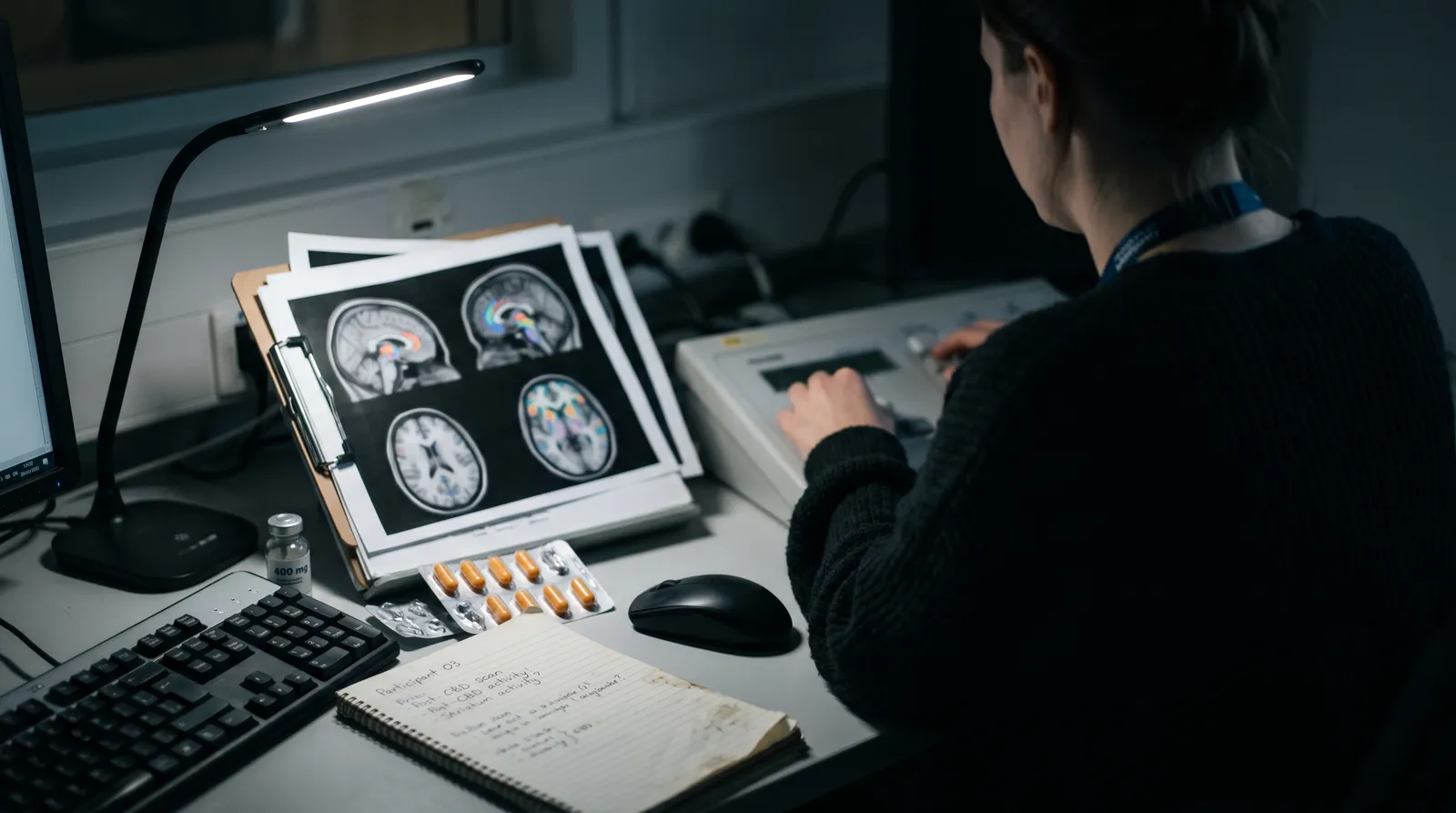
Fusar-Poli et al. (2009) used fMRI to show that 600 mg CBD modulated amygdala and anterior cingulate cortex activation during processing of fearful faces in healthy volunteers (Fusar-Poli et al., 2009; DOI: 10.1093/ijnp/pyp017). The amygdala is the brain's threat-detection hub, and dampened amygdala reactivity is a feature shared by several established anxiolytic compounds. Again, the sample was small (n = 15) and the model was acute — a single dose, not repeated use.
These imaging studies are mechanistically interesting but don't tell you what happens when someone takes CBD daily for weeks. That's a different question, and the long-term neuroimaging data barely exists yet.
Chronic stress and repeated dosing
Repeated-dosing evidence for CBD and stress is noticeably weaker than the acute data, with only a handful of trials lasting longer than a single session. Most human CBD-stress studies use a single acute dose before a lab stressor. Real-world stress isn't a one-off public speaking test — it's sustained, cumulative, and messy. The number of well-designed repeated-dosing trials in humans is still small.
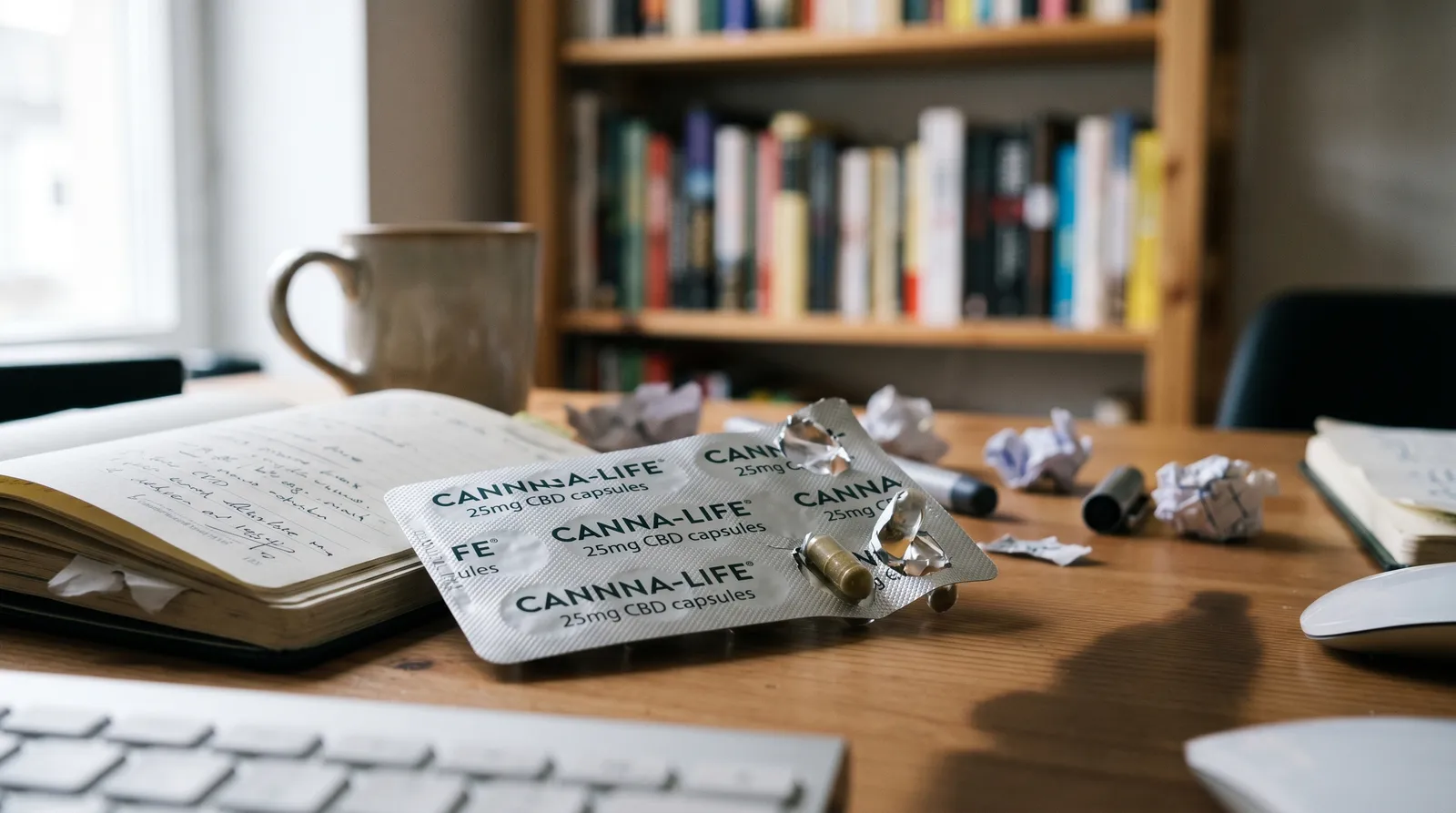
Masataka (2019) conducted a small trial (n = 37) giving 300 mg CBD daily for four weeks to Japanese teenagers with social anxiety disorder. The CBD group showed significantly lower anxiety scores on the Fear of Negative Evaluation Questionnaire and the Liebowitz Social Anxiety Scale compared to placebo (Masataka, 2019; DOI: 10.3389/fpsyg.2019.02466). Promising, but the sample size limits generalisability, and adolescent populations bring their own confounds.
A 2022 randomised trial by Berger et al. gave 150 mg or 300 mg CBD daily for 12 weeks to young people (aged 12–25) with treatment-resistant anxiety. Neither dose produced a statistically significant difference from placebo on the primary outcome measure, though there were signals of improvement on secondary measures in the 300 mg group (Berger et al., 2022; DOI: 10.1176/appi.ajp.21101061). This is a critical study because it was larger (n = 31 per arm), longer, and used a clinical population — and it came back largely negative on the primary endpoint. It doesn't disprove CBD's potential, but it does show that the effect, if present, may be modest and inconsistent in treatment-resistant presentations.
The gap between acute lab findings and chronic real-world outcomes is the single biggest hole in the CBD and stress literature right now. Most of the positive data comes from single-dose studies; the repeated-dosing picture is mixed at best.
What about dose?
There is no established "stress dose" of CBD — published studies use doses ranging from 25 mg to 600 mg with no consensus. The inverted-U pattern reported by Linares et al. (2019) — where 300 mg worked but 150 mg and 600 mg didn't — suggests that dose-response is non-linear and possibly quite narrow. This is consistent with preclinical animal data showing bell-shaped dose-response curves for CBD's anxiolytic effects (Campos & Guimarães, 2008).
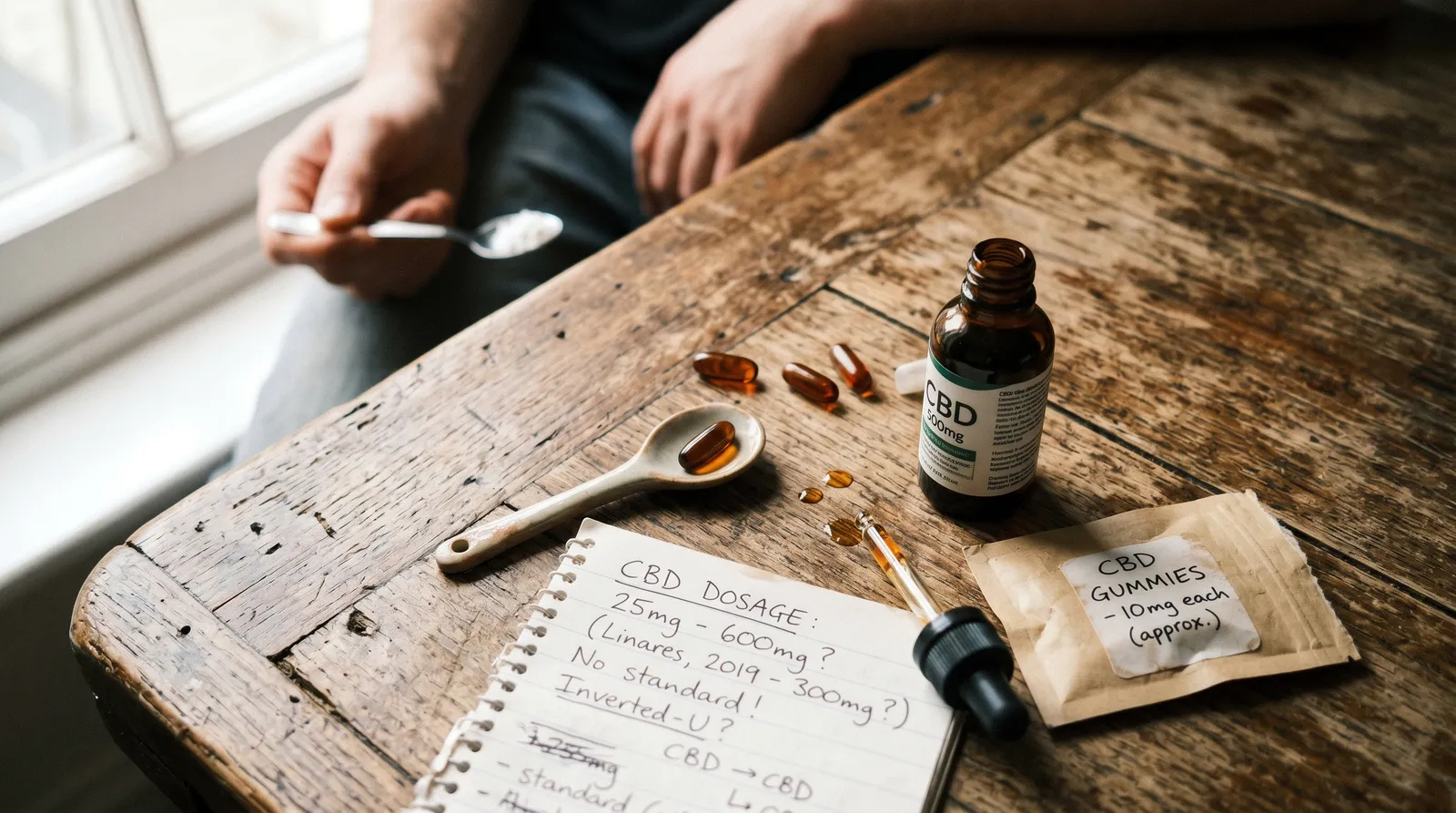
What this means practically: published research uses pharmaceutical-grade isolate under formal conditions, which is not directly comparable to consumer oil taken sublingually with breakfast. Bioavailability varies dramatically by route of administration — oral CBD has an estimated bioavailability of 6–19% depending on formulation and fed/fasted state (Millar et al., 2018; DOI: 10.3389/fphar.2018.01365). A 300 mg oral dose in a clinical trial does not mean 300 mg reaches your bloodstream. For a deeper look at how format affects absorption, see the article on CBD bioavailability by format.
CBD and stress compared to other approaches
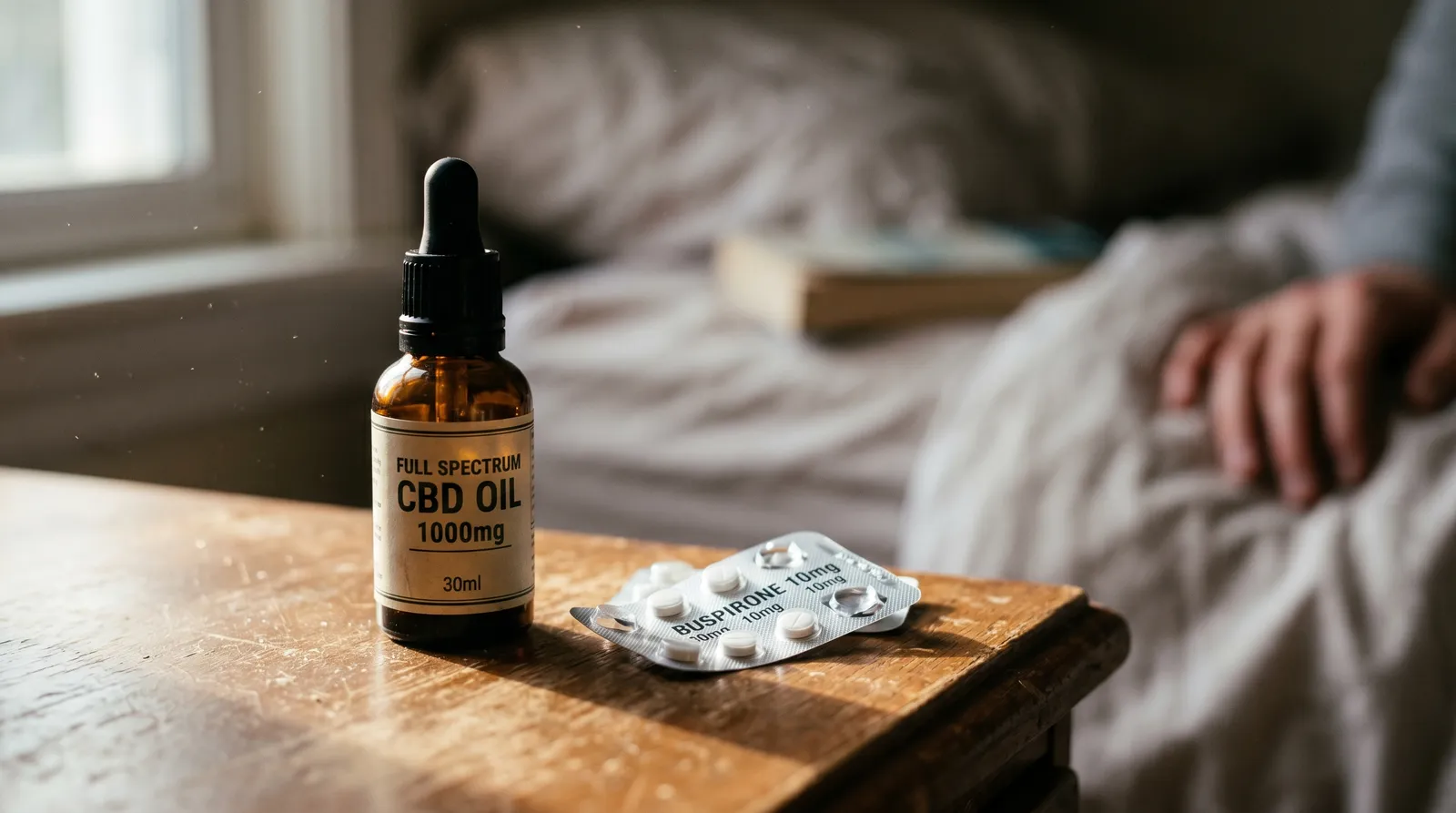
CBD is not the only compound studied for stress-related outcomes, and comparing it to established interventions puts the evidence in perspective. Pharmaceutical anxiolytics like buspirone also target 5-HT1A receptors, the same receptor CBD appears to activate, but buspirone has decades of large-scale trial data behind it while CBD has a handful of small studies. Adaptogenic herbs such as ashwagandha (Withania somnifera) have a similarly sized evidence base to CBD for stress — a 2019 systematic review published by the EMCDDA-adjacent European monitoring bodies noted that many botanical stress claims rest on limited clinical data, a situation CBD shares. Mindfulness-based stress reduction (MBSR) programmes, by contrast, have been tested in dozens of randomised trials with hundreds of participants each. The honest takeaway: CBD's mechanistic profile is interesting, but its clinical evidence for stress is still in an earlier stage than several alternatives that consumers might also consider.
Limitations and open questions
Several recurring methodological issues limit what we can conclude about CBD and stress from the current literature:

- Small samples. Most studies cited above enrolled fewer than 60 participants. Statistical power is limited, and effect sizes are hard to estimate reliably.
- Acute vs. chronic. The majority of positive findings come from single-dose paradigms. Chronic-dosing trials are fewer, smaller, and more mixed in their results.
- Heterogeneous populations. Some studies use healthy volunteers; others use people with diagnosed anxiety disorders. These are different populations with different baseline stress physiology, and results from one don't automatically transfer to the other.
- Dose inconsistency. Across the literature, doses range from 25 mg to 600 mg with no consensus on an optimal range. The inverted-U pattern makes standardisation even harder.
- Formulation variability. Clinical trials typically use pharmaceutical-grade CBD isolate in capsule form. Consumer products vary in spectrum (full-spectrum, broad-spectrum, isolate), carrier oil, and bioavailability. Direct extrapolation from trial to product is not straightforward.
- Publication bias. Positive results are more likely to be published than null results. The Berger et al. (2022) trial is valuable precisely because it was a well-powered negative result — but such studies are underrepresented in the literature.
- Placebo response. Stress and anxiety measures are notoriously susceptible to placebo effects. Open-label studies (like Shannon et al., 2019) cannot separate CBD's pharmacological effect from expectation.
| Study | Design | Dose | Duration | Primary finding |
|---|---|---|---|---|
| Zuardi et al. (1993) | RCT, healthy volunteers (n=40) | 600 mg | Single dose | Lower subjective anxiety vs. placebo |
| Bergamaschi et al. (2011) | RCT, social anxiety (n=24) | 600 mg | Single dose | Reduced anxiety, no cardiovascular change |
| Linares et al. (2019) | RCT, healthy volunteers (n=57) | 150/300/600 mg | Single dose | Only 300 mg reduced anxiety (inverted U) |
| Shannon et al. (2019) | Open-label case series (n=72) | 25–175 mg daily | 3 months | 79% showed lower anxiety scores (no placebo arm) |
| Masataka (2019) | RCT, adolescents with SAD (n=37) | 300 mg daily | 4 weeks | Lower anxiety scores vs. placebo |
| Berger et al. (2022) | RCT, treatment-resistant anxiety (n=93) | 150/300 mg daily | 12 weeks | No significant difference from placebo on primary outcome |
A 2020 systematic review by Bonaccorso et al. concluded that while preclinical and early clinical data support CBD's anxiolytic potential, the evidence base remains "insufficient to make definitive conclusions" and that large-scale, long-duration randomised trials are needed (Bonaccorso et al., 2020; DOI: 10.1007/s00213-019-05415-w). That assessment still holds.
Where this leaves things
The research picture on CBD and stress is genuinely interesting but genuinely incomplete. There are plausible mechanisms (FAAH inhibition, 5-HT1A agonism, amygdala modulation), a handful of positive acute-dose studies in humans, some supportive neuroimaging data, and a dose-response curve that appears non-linear. Against that, there are small sample sizes, limited chronic-dosing data, at least one well-designed negative trial, and no authority anywhere in Europe that has approved a health claim linking CBD to stress reduction.

None of this means the research is worthless — it means it's early. The difference between "early evidence suggests a possible effect" and "CBD reduces stress" is the difference between science and marketing. For readers interested in the format and dosing specifics of CBD products, the articles on CBD oil percentages explained and the CBD dosage starting guide cover manufacturer-label information without extrapolating into therapeutic territory.
Safety considerations
CBD is generally well-tolerated in published studies, but it is not side-effect-free. Reported adverse effects in clinical trials include fatigue, diarrhoea, and changes in appetite and weight (Hurd et al., 2019; DOI: 10.1176/appi.ajp.2019.18101191). At high doses, pharmaceutical CBD (used in epilepsy treatment) has been associated with elevated liver enzymes (ALT) — this is a different exposure level than consumer products at label dosing, but anyone with liver disease should talk to a doctor before use.
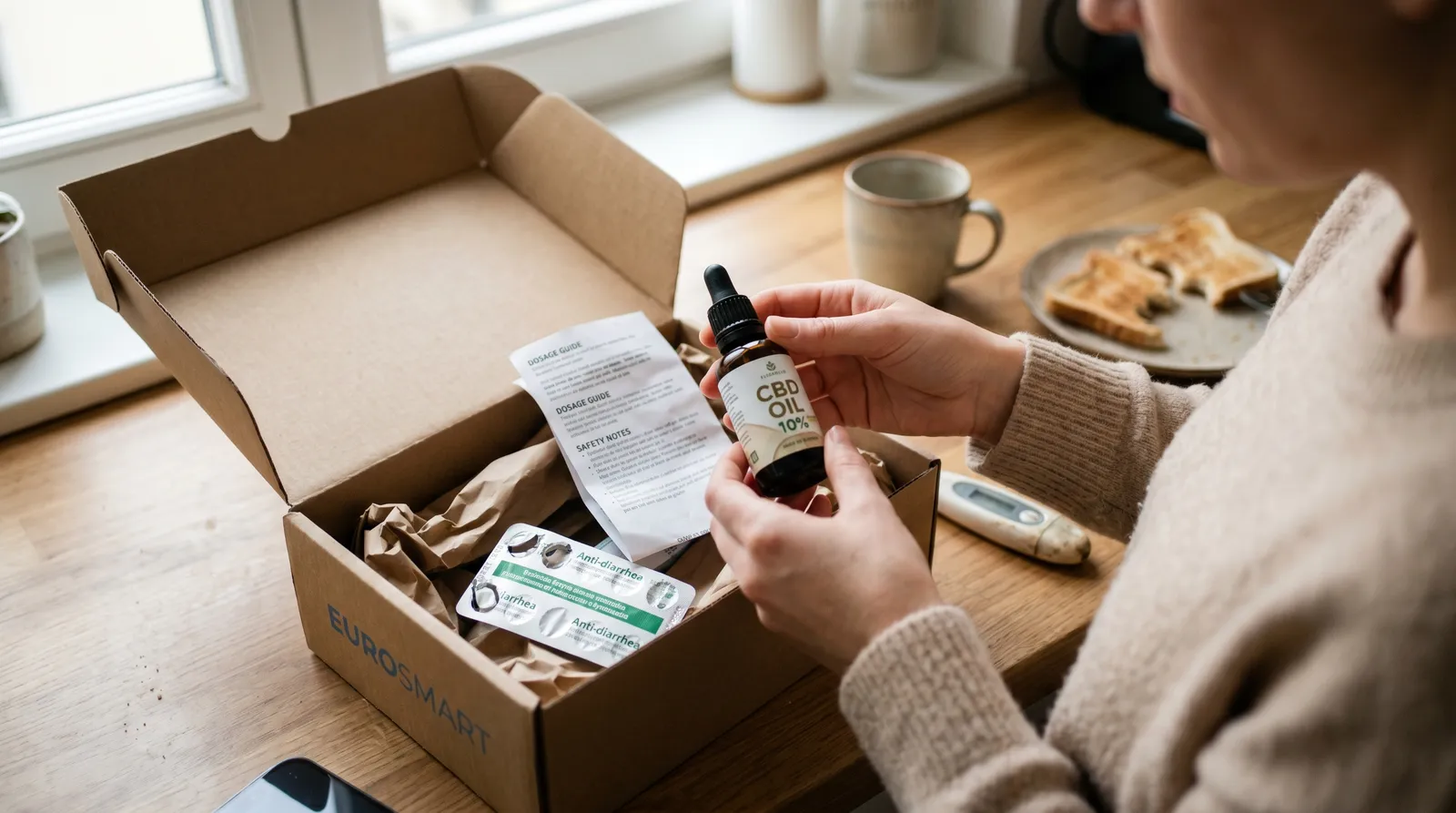
CBD inhibits the cytochrome P450 enzymes CYP3A4 and CYP2C19, which metabolise a wide range of medications. The practical shortcut: if your medication label says "do not take with grapefruit," it may interact with CBD through the same enzymatic pathway. Specifically flagged in the literature are warfarin, clobazam, valproate, certain SSRIs, and certain statins. This is not a complete list — talk to your prescriber.
Pregnancy and breastfeeding: insufficient safety data exists. Consumer CBD products should be discussed with a doctor in these circumstances. Full-spectrum products contain trace THC within the EU threshold, which may register on a sensitive workplace drug screening — see the article on full-spectrum, broad-spectrum, and CBD isolate for more on spectrum types.
Important: This article is consumer education and is not medical advice. CBD products are food supplements, not medicines. Research on CBD is ongoing and evidence remains limited or mixed for many topics. Talk to your doctor before use if you are pregnant, breastfeeding, taking medication, scheduled for surgery, or living with a health condition. Keep CBD products out of reach of children and pets.
This article has been reviewed for factual and editorial accuracy by Toine Verleijsdonk (Cibdol brand manager) and Joshua Askew (Editorial Director). It has NOT been reviewed by a licensed medical practitioner and does not constitute medical advice.
References
- Bergamaschi, M.M. et al. (2011). Cannabidiol reduces the anxiety induced by simulated public speaking in treatment-naïve social phobia patients. Neuropsychopharmacology, 36(6), 1219–1226. DOI: 10.1038/npp.2010.6
- Berger, M. et al. (2022). Cannabidiol for treatment-resistant anxiety disorders in young people: an open-label trial. American Journal of Psychiatry, 179(12), 1–10. DOI: 10.1176/appi.ajp.21101061
- Bonaccorso, S. et al. (2020). Cannabidiol use in psychiatric disorders: a systematic review. Psychopharmacology, 237, 1279–1297. DOI: 10.1007/s00213-019-05415-w
- Campos, A.C. & Guimarães, F.S. (2008). Involvement of 5HT1A receptors in the anxiolytic-like effects of cannabidiol. Neuropharmacology, 54(1), 77–83. DOI: 10.1016/j.neuropharm.2008.01.017
- Crippa, J.A. et al. (2011). Neural basis of anxiolytic effects of cannabidiol in generalized social anxiety disorder. Journal of Psychopharmacology, 25(1), 121–130. DOI: 10.1177/0269881110379283
- Fusar-Poli, P. et al. (2009). Distinct effects of Δ9-tetrahydrocannabinol and cannabidiol on neural activation during emotional processing. Archives of General Psychiatry, 66(1), 95–105. DOI: 10.1093/ijnp/pyp017
- Hillard, C.J. (2016). Stress regulates endocannabinoid-CB1 receptor signaling. Seminars in Immunology, 26(5), 380–388. DOI: 10.1016/j.yfrne.2015.12.003
- Hurd, Y.L. et al. (2019). Cannabidiol for the reduction of cue-induced craving and anxiety in drug-abstinent individuals with heroin use disorder. American Journal of Psychiatry, 176(11), 911–922. DOI: 10.1176/appi.ajp.2019.18101191
- Leweke, F.M. et al. (2012). Cannabidiol enhances anandamide signaling and alleviates psychotic symptoms of schizophrenia. Translational Psychiatry, 2, e94. DOI: 10.1038/tp.2012.15
- Linares, I.M. et al. (2019). Cannabidiol presents an inverted U-shaped dose-response curve in a simulated public speaking test. Frontiers in Pharmacology, 10, 627. DOI: 10.3389/fphar.2019.00627
- Masataka, N. (2019). Anxiolytic effects of repeated cannabidiol treatment in teenagers with social anxiety disorders. Frontiers in Psychology, 10, 2466. DOI: 10.3389/fpsyg.2019.02466
- Millar, S.A. et al. (2018). A systematic review on the pharmacokinetics of cannabidiol in humans. Frontiers in Pharmacology, 9, 1365. DOI: 10.3389/fphar.2018.01365
- Shannon, S. et al. (2019). Cannabidiol in anxiety and sleep: a large case series. The Permanente Journal, 23, 18-041. DOI: 10.7812/TPP/18-041
- Zuardi, A.W. et al. (1993). Effects of ipsapirone and cannabidiol on human experimental anxiety. Journal of Psychopharmacology, 7(1 Suppl), 82–88. PMID: 8257923
Last updated: April 2026
Frequently Asked Questions
7 questionsDoes CBD lower cortisol levels according to research?
What doses of CBD have been used in stress studies?
Is there evidence for long-term CBD use and stress?
Does CBD affect the amygdala during stress?
Why do some CBD stress studies show no effect?
How does CBD interact with serotonin receptors in relation to stress?
What is the role of anandamide and FAAH inhibition in CBD's potential stress effects?
About this article


Luke Sholl has been writing about cannabis, cannabinoids, and the broader benefits of nature since 2011, and has personally grown cannabis in home grow tents for more than a decade. That first-hand cultivation experience
This wiki article was drafted with AI assistance and reviewed by Luke Sholl, External contributor since 2026. Editorial oversight by Toine Verleijsdonk.
Medical disclaimer. This content is for informational purposes only and does not constitute medical advice. Consult a qualified healthcare provider before use of any substance.
Last reviewed April 25, 2026
Related Articles
Pinene Alpha and Beta: Aroma, Chemistry & Vaporisation Guide
Pinene is a bicyclic monoterpene occurring as two isomers — α-pinene and β-pinene — and ranks as the most abundant terpene in the plant kingdom.
CBD and Recovery: What the Research Actually Shows
CBD and recovery is a research topic spanning exercise-induced muscle damage, sleep quality, and perceived soreness. As McCartney et al.
CBD Pet Dosing Vet Consultation: Prepare for Your Visit
Veterinary CBD dosing is not a scaled-down version of human dosing — dogs and cats metabolise cannabidiol through different enzymatic pathways and at…
CBD for Cats Veterinary Considerations: Feline Research, Safety and Guidance
Cats metabolise cannabinoids differently from dogs and humans, lacking key glucuronidation enzymes that affect CBD clearance. Deabold et al.
EU Novel Food Regulation CBD: Country Status, EFSA Safety & Guide
EU novel food regulation CBD is a policy framework under EU rule 2015/2283 that classifies cannabidiol extracts as a novel food, requiring safety assessment…
CBD Topical Creams Medical Grade: CE-Marked Class I Explained
CBD topical creams deliver cannabidiol directly to the skin rather than the bloodstream.
Humulene Effects and Aroma Profile | Terpene Guide
Humulene (α-humulene) is a monocyclic sesquiterpene named after Humulus lupulus — hops.
Terpene Entourage Effect: Current Evidence Reviewed
The terpene entourage effect proposes that cannabis terpenes modulate cannabinoid activity, producing different outcomes than isolated compounds alone.
CBD and Skin Conditions: What Research Shows
Cannabidiol (CBD) interacts with the endocannabinoid system expressed in human skin — including CB1 and CB2 receptors on keratinocytes, sebocytes, and…