
This article discusses psychoactive substances intended for adults (18+). If you have a health condition or take medication, consult a doctor before use. Our age policy
CBD vs THC Mechanism of Action — Full Pharmacology Comparison
Definition
CBD and THC share an identical molecular formula (C₂₁H₃₀O₂) but act through fundamentally different pharmacological routes. THC partially activates CB1 receptors to produce intoxication; CBD modulates CB1 allosterically and engages at least four additional receptor systems. A 2023 Neuron review (Bhatt et al., 2023) mapped these divergent pathways and flagged dose-response gaps that remain open.
CBD vs THC at a Glance: The Comparison Table
CBD vs THC mechanism of action is a comparison that begins with a single bond closure and radiates outward into entirely different pharmacological profiles. Cannabidiol (CBD) and Δ9-tetrahydrocannabinol (THC) are the two most abundant phytocannabinoids in Cannabis sativa L., yet they act on the body through strikingly different molecular routes. Both share the same molecular formula — C₂₁H₃₀O₂ — and even the same parent biosynthetic pathway in the plant, but a single ring closure in their chemical structure sends them down very different pharmacological paths. A 2023 review in Neuron called them "siblings" for good reason: similar on paper, very different in behaviour (Bhatt et al., 2023). The European Monitoring Centre for Drugs and Drug Addiction (EMCDDA, now EUDA) has published multiple technical reports distinguishing the two compounds at the receptor level, reinforcing that the difference is not just cultural but molecular.
| Dimension | CBD (cannabidiol) | THC (Δ9-tetrahydrocannabinol) |
|---|---|---|
| Primary receptor target | Low affinity at CB1 and CB2; acts mainly as a negative allosteric modulator at CB1 (Laprairie et al., 2015) | Partial agonist at CB1 (high affinity) and CB2 (lower affinity) (Pertwee, 2008) |
| Intoxicating? | Non-intoxicating at consumer-relevant doses | Yes — produces the characteristic cannabis "high" |
| Key non-cannabinoid targets | 5-HT1A (serotonin), TRPV1 (vanilloid), GPR55, PPARγ, adenosine reuptake | GPR55, PPARγ, TRPV2 (at high concentrations) |
| CYP enzyme inhibition | Inhibits CYP3A4 and CYP2C19 — the "grapefruit warning" pattern | Metabolised primarily by CYP2C9 and CYP3A4; less potent inhibitor than CBD |
| Molecular formula | C₂₁H₃₀O₂ (molecular weight 314.47) | C₂₁H₃₀O₂ (molecular weight 314.47) |
The rest of this article unpacks each row of that table. If you want the practical format side of CBD — oils, capsules, gummies, bioavailability — the article on CBD bioavailability by format covers that ground in detail. For those ready to buy CBD oil or order CBD capsules, the Cibdol product range offers options across formats. This piece stays at the molecular level and maps the CBD vs THC mechanism of action in the detail it deserves.
Same Formula, Different Shape: Why Structure Matters
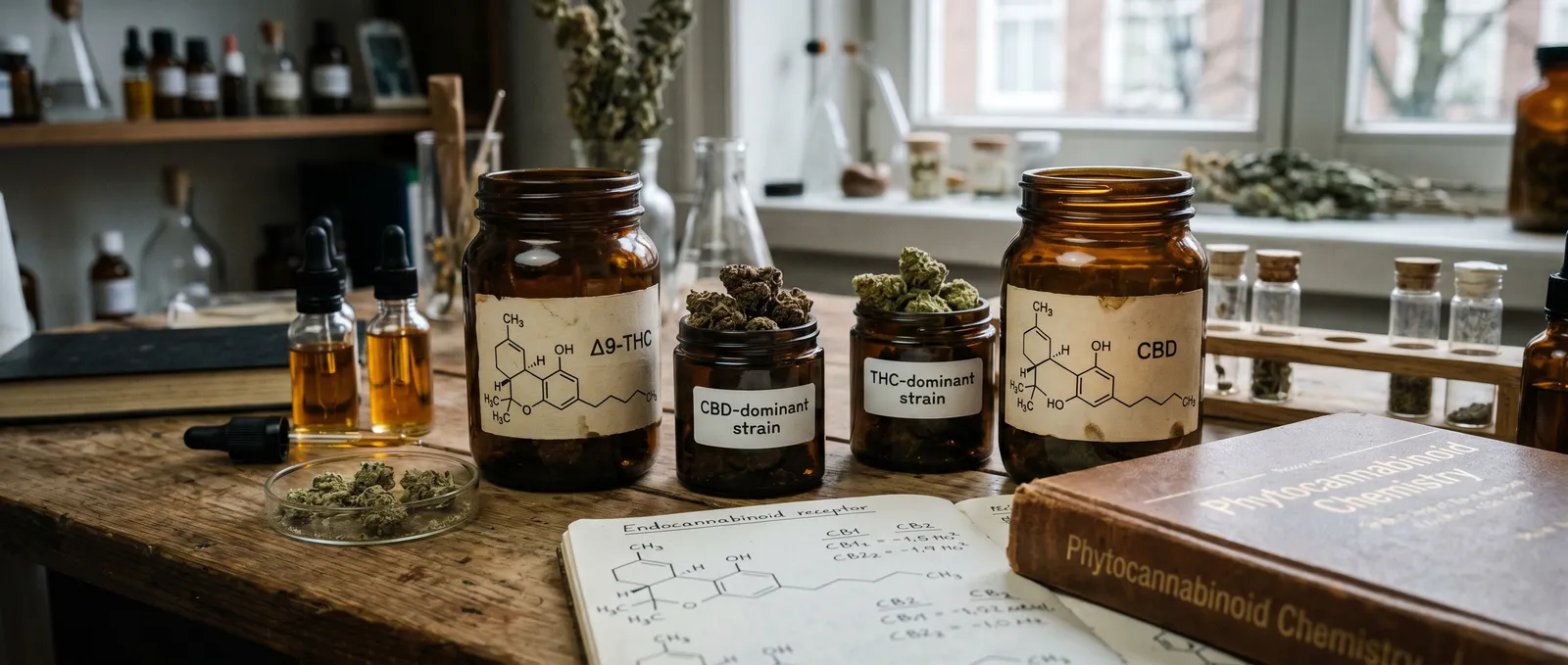
CBD and THC are structural isomers that share 21 carbon atoms, 30 hydrogens, and 2 oxygens but arrange them differently. The critical difference is a single ring: THC has a closed pyran ring that lets the molecule slot neatly into the CB1 receptor's binding pocket. CBD has an open ring at the same position, which changes its three-dimensional shape enough to prevent that same tight fit (Mechoulam & Hanuš, 2002).

This is worth sitting with for a second, because it explains almost everything that follows. A single bond closure — the difference between an open hydroxyl group and a closed oxygen bridge — is the reason one molecule is intoxicating and the other is not. Pharmacology can be that granular.
Both cannabinoids are biosynthesised from the same precursor, cannabigerolic acid (CBGA), inside the trichomes of the cannabis plant. Specific synthase enzymes (THCA synthase and CBDA synthase) then convert CBGA into either THCA or CBDA, which decarboxylate into THC and CBD respectively when exposed to heat (Taura et al., 2007). The plant essentially runs a fork in the road at the enzymatic level — same starting material, two different products.
THC and the CB1 Receptor: The Direct Agonist Route
THC acts as a partial agonist at the cannabinoid type-1 receptor (CB1), which is the primary molecular event behind its intoxicating effects. CB1 is densely expressed throughout the central nervous system — particularly in the cerebral cortex, hippocampus, basal ganglia, and cerebellum (Herkenham et al., 1990). When THC binds CB1, it mimics the endogenous cannabinoid anandamide but with a longer residence time at the receptor, which is a large part of why the effects are more pronounced and sustained than what your own endocannabinoid system produces moment to moment.

CB1 activation by THC triggers a G-protein signalling cascade that inhibits adenylyl cyclase, reduces cyclic AMP levels, and modulates ion channels — the net effect being altered neurotransmitter release in the synapse (Howlett et al., 2002). This is the molecular basis of the intoxicating effect: altered dopamine signalling in the mesolimbic pathway, disrupted short-term memory encoding in the hippocampus, and modified motor coordination through the basal ganglia.
THC also binds CB2 receptors, though with lower affinity. CB2 is expressed mainly in immune cells and peripheral tissues, and THC's interaction there is thought to modulate immune signalling — though the research picture is still incomplete (Turcotte et al., 2016).
CBD: The Indirect Operator
CBD does not activate CB1 in the way THC does, which is why it produces no intoxication at consumer-relevant doses. Instead, CBD interacts with the endocannabinoid system and several other receptor systems through a mix of indirect mechanisms that researchers are still mapping out. Understanding this section is central to grasping the full CBD vs THC mechanism of action picture.
Negative allosteric modulation at CB1
Rather than binding the same site as THC (the orthosteric site), CBD binds a different location on the CB1 receptor — an allosteric site. From there, it changes the receptor's shape slightly, making it less responsive to agonists like THC and anandamide. A 2015 study by Laprairie et al. demonstrated this negative allosteric modulation in vitro and proposed it as a mechanism by which CBD may dampen some of THC's effects when the two are co-administered (Laprairie et al., 2015). This is one of the more elegant findings in cannabinoid pharmacology: CBD doesn't block CB1 outright, it just turns the volume down.
Serotonin 5-HT1A activity
CBD acts as an agonist at the serotonin 5-HT1A receptor, a target shared by buspirone and other anxiolytic compounds. Russo et al. (2005) and later Campos & Guimarães (2008) demonstrated this activity in animal models, and it is one of the most frequently cited mechanisms in CBD research. The 5-HT1A interaction is separate from the endocannabinoid system entirely — it places CBD in the broader category of compounds that modulate serotonergic signalling.
TRPV1 vanilloid channel activation
CBD activates the transient receptor potential vanilloid type 1 (TRPV1) channel — the same ion channel that responds to capsaicin (the hot compound in chilli peppers). TRPV1 is involved in pain signalling and thermoregulation. Bisogno et al. (2001) showed that CBD desensitises TRPV1 after initial activation, a pattern pharmacologists call "functional antagonism through desensitisation." Essentially, CBD switches the channel on, then wears it out so it responds less to subsequent stimuli.
GPR55 antagonism and adenosine reuptake inhibition
CBD acts as an antagonist at GPR55, sometimes called the "orphan cannabinoid receptor." GPR55 is involved in bone-density regulation and cell proliferation, and its antagonism by CBD is an area of active preclinical research (Ryberg et al., 2007). Separately, CBD inhibits the reuptake of adenosine by blocking the equilibrative nucleoside transporter (ENT1), which raises extracellular adenosine levels. Adenosine is the molecule that accumulates during waking hours and promotes sleepiness — it is also the molecule that caffeine blocks. Carrier et al. (2006) demonstrated this mechanism and proposed it as a route through which CBD might modulate inflammatory signalling.
The point worth emphasising: CBD does not have one mechanism. It has at least five well-characterised molecular targets and likely more that remain under investigation. This "multi-target" profile is unusual for a single small molecule and is part of why CBD pharmacology is harder to summarise than THC pharmacology — though the data on several of these targets still comes primarily from preclinical (cell and animal) models rather than large-scale human trials.
The Entourage Hypothesis: Where the Two Meet
The entourage effect is a hypothesis proposing that cannabinoids, terpenes, and other plant compounds work differently together than in isolation. Ben-Shabat et al. (1998) first proposed this concept for endocannabinoids, and Russo (2011) extended it to phytocannabinoids. The hypothesis is plausible and has some preclinical support, but it has not been confirmed in large, well-controlled human trials. A 2020 systematic review by Cogan found that the evidence for terpene-cannabinoid interaction specifically was limited (Cogan, 2020).
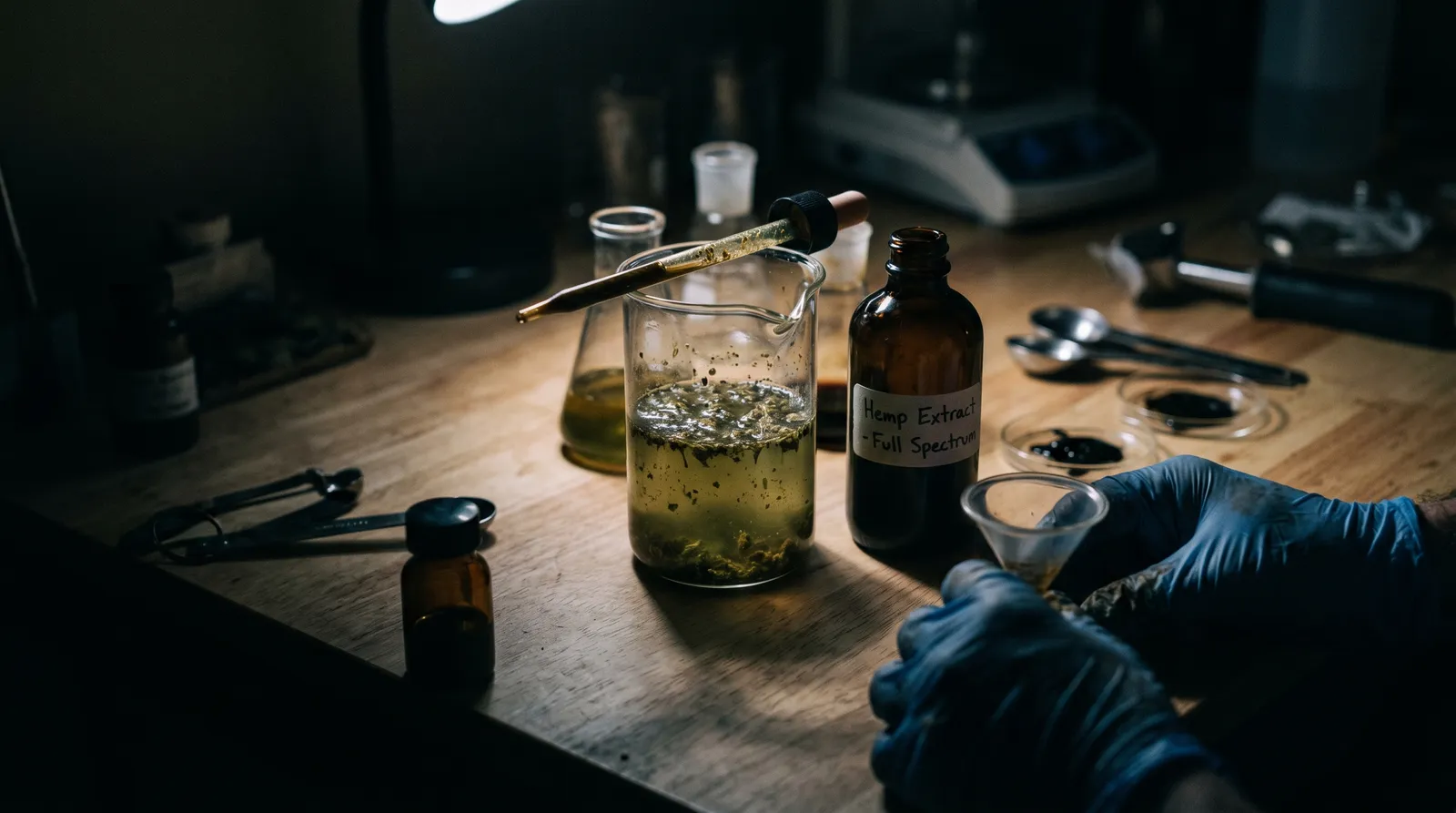
What is better supported is the specific CBD-THC interaction at CB1 described above: CBD's negative allosteric modulation may attenuate some of THC's effects. This is a defined molecular mechanism with in-vitro evidence, not a vague appeal to "plant combination." The distinction matters for anyone reading about full-spectrum hemp extracts — the trace THC in a hemp product with ≤0.2–0.3% THC (depending on member state) is present in quantities far below what would produce intoxication, and the CBD-to-THC ratio in such products is heavily weighted toward CBD.
CYP Enzyme Interactions: The Grapefruit Parallel
CBD is a more potent inhibitor of hepatic CYP450 enzymes than THC, which is the single most important pharmacokinetic difference between the two. CBD inhibits CYP3A4 and CYP2C19, two enzymes responsible for metabolising a wide range of prescription medications — from certain blood thinners (warfarin) to anti-epileptic drugs (clobazam) to some statins and SSRIs (Nasrin et al., 2021).
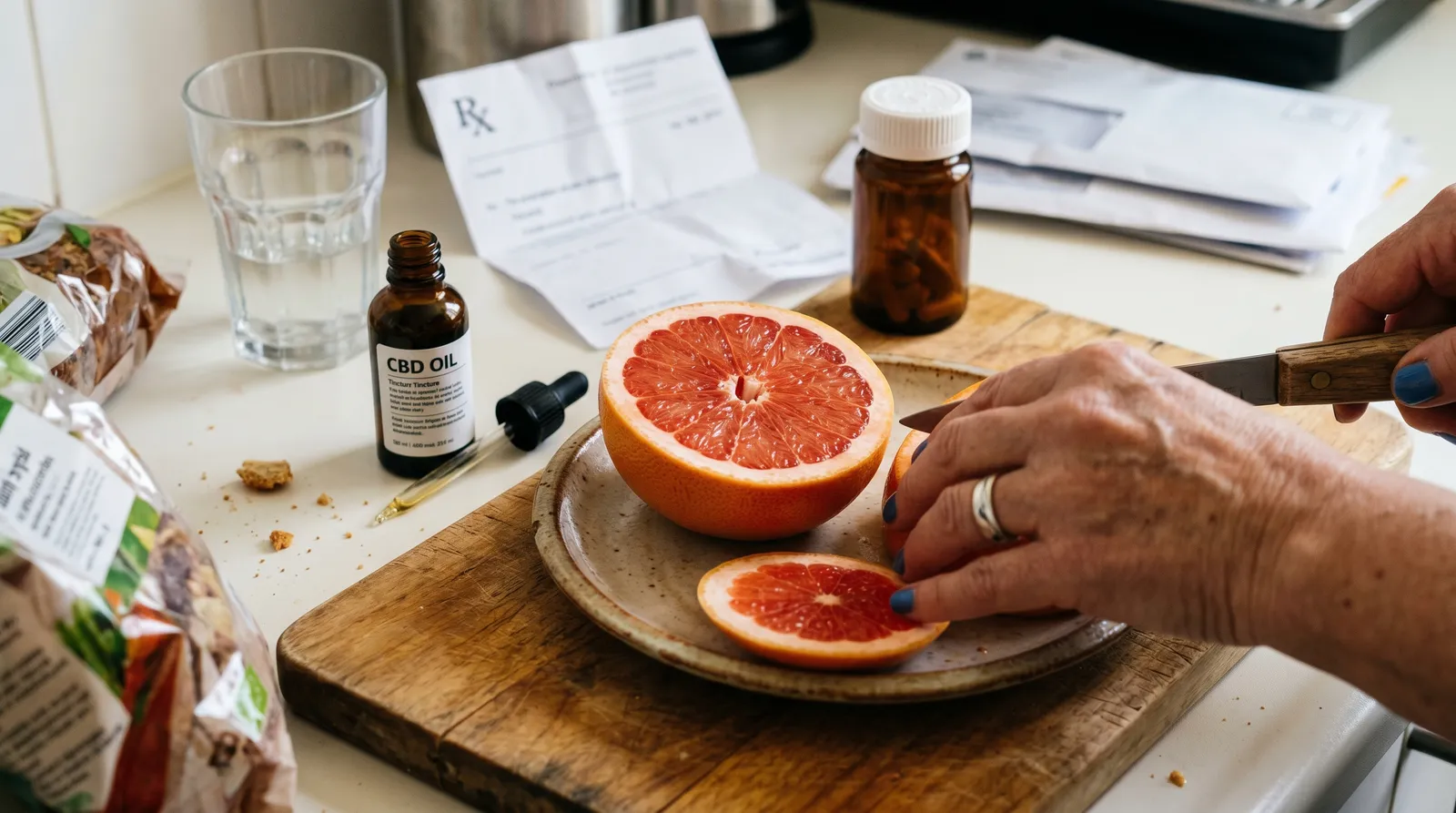
The practical parallel is grapefruit: if a medication's label says "do not take with grapefruit," the same CYP inhibition pathway is involved, and CBD may produce a similar interaction. This does not mean every grapefruit-flagged drug will interact dangerously with CBD at consumer doses, but it does mean anyone taking prescription medication should talk to their doctor before adding CBD to their routine. THC also undergoes CYP metabolism (primarily CYP2C9 and CYP3A4), but its inhibitory potency at those enzymes is lower than CBD's.
Practical Differences When Choosing a Product
The CBD vs THC mechanism of action differences translate into very different consumer experiences. CBD products — oils, capsules, gummies — are available as food supplements across much of Europe. THC-containing products are an entirely separate category with separate frameworks. The article on CBD dosage guidelines covers practical starting points.
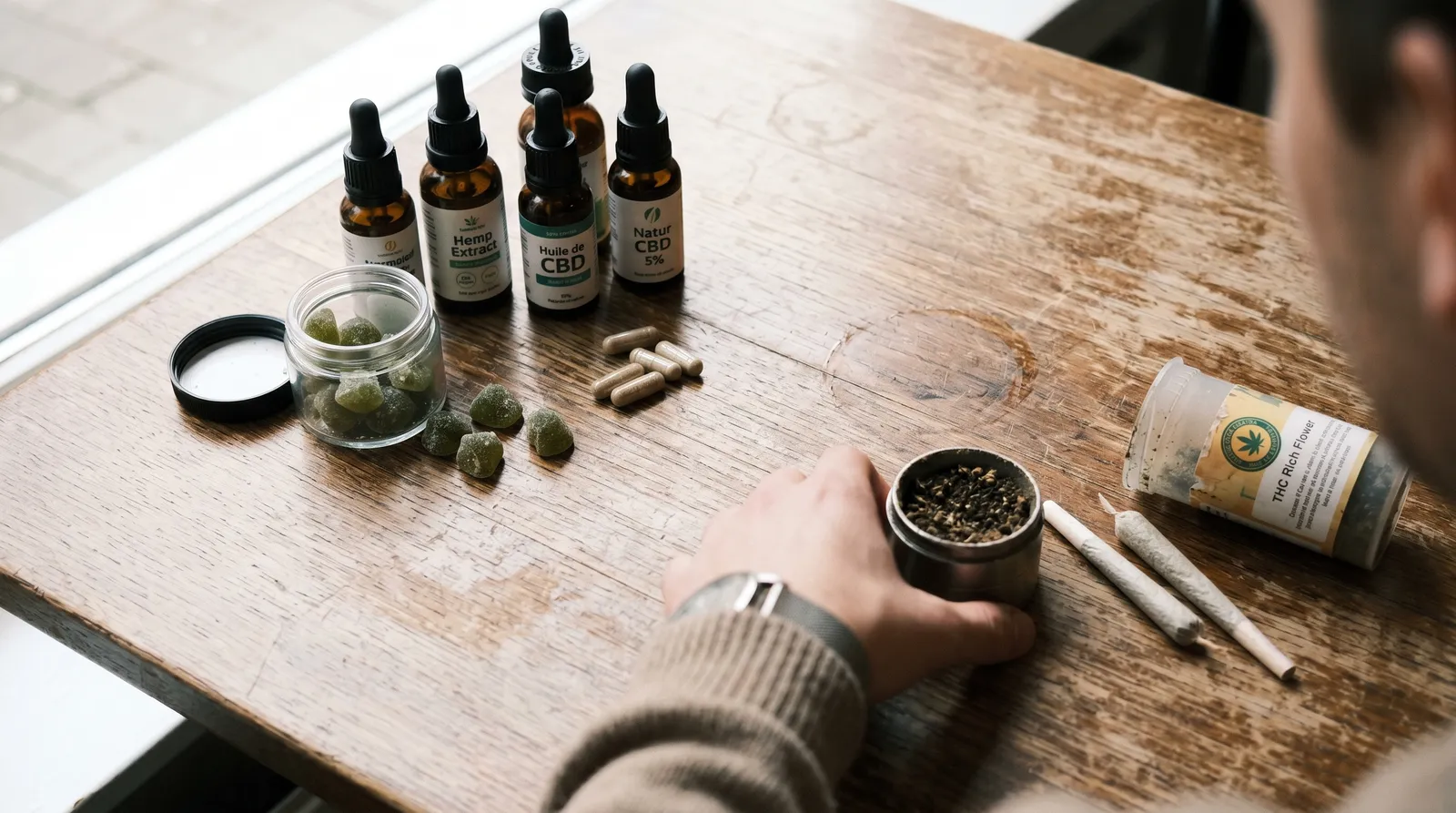
One comparison we find useful: if THC is a key that fits the CB1 lock and turns it, CBD is more like a hand resting on the outside of the lock housing, subtly changing the shape of the keyhole. Both interact with the same system, but the nature of the interaction — and therefore the experience — is fundamentally different. This is not a value judgement; it is a structural fact rooted in ring chemistry.
What Research Has Not Settled
Several important gaps remain in the mechanistic picture outlined above. The dose-response relationship for CBD's 5-HT1A activity in humans is not well established outside of pharmaceutical-grade preparations used in clinical trials. The clinical relevance of GPR55 antagonism is still largely preclinical. And the degree to which CBD's multi-target profile produces additive, synergistic, or even opposing effects at different doses in living humans is an open question — the Bhatt et al. (2023) review in Neuron explicitly flags this as a priority for future research.
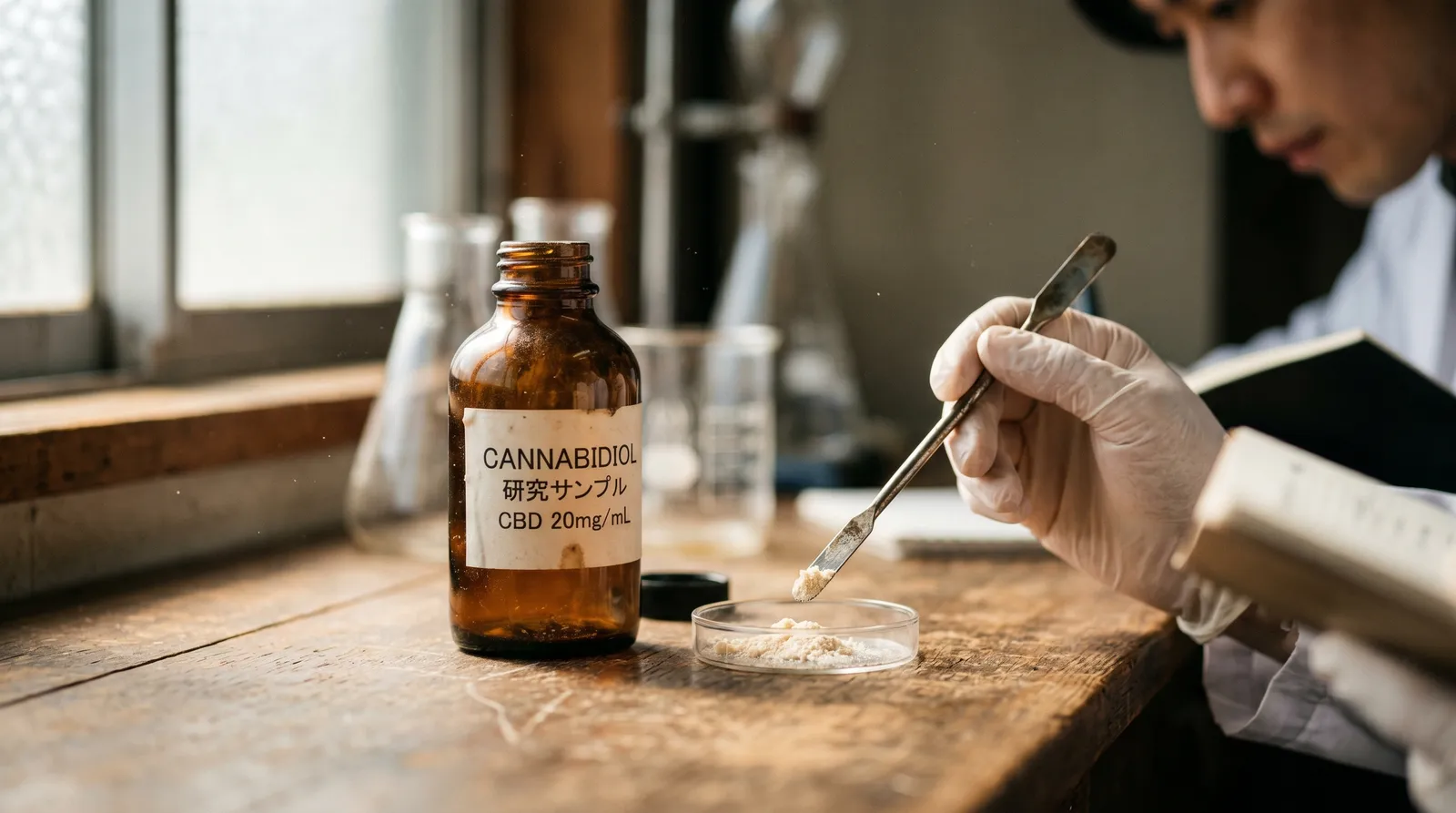
For consumer CBD products — oils, capsules, gummies, topicals — the mechanistic research provides context for understanding what CBD is doing at a molecular level, but it does not translate directly into specific health claims. The gap between "CBD activates 5-HT1A in a cell culture" and "this oil will make you feel X" is wide, and responsible education sits in that gap without pretending to bridge it. We would rather be honest about the limits of current evidence than overstate what the science supports — that is a principle we hold to at Azarius.
References
- Ben-Shabat, S. et al. (1998). An entourage effect: inactive endogenous fatty acid glycerol esters enhance 2-arachidonoyl-glycerol cannabinoid activity. European Journal of Pharmacology, 353(1), 23–31. DOI: 10.1016/S0014-2999(98)00392-6
- Bhatt, D. et al. (2023). THC and CBD: Similarities and differences between siblings. Neuron, 111(3), 302–327. DOI: 10.1016/j.neuron.2022.12.032
- Bisogno, T. et al. (2001). Molecular targets for cannabidiol and its synthetic analogues: effect on vanilloid VR1 receptors and on the cellular uptake and enzymatic hydrolysis of anandamide. British Journal of Pharmacology, 134(4), 845–852. PMID: 11606325
- Campos, A.C. & Guimarães, F.S. (2008). Involvement of 5HT1A receptors in the anxiolytic-like effects of cannabidiol injected into the dorsolateral periaqueductal gray of rats. Psychopharmacology, 199(2), 223–230. PMID: 18446323
- Carrier, E.J. et al. (2006). Inhibition of an equilibrative nucleoside transporter by cannabidiol: a mechanism of cannabinoid immunosuppression. Proceedings of the National Academy of Sciences, 103(20), 7895–7900. DOI: 10.1073/pnas.0511232103
- Cogan, P.S. (2020). The 'entourage effect' or 'hodge-podge hashish': the questionable rebranding, marketing, and expectations of cannabis polypharmacy. Expert Review of Clinical Pharmacology, 13(8), 835–845. PMID: 32589063
- EMCDDA (2020). Low-THC cannabis products in Europe. European Monitoring Centre for Drugs and Drug Addiction, Technical Report. Lisbon.
- Herkenham, M. et al. (1990). Cannabinoid receptor localization in brain. Proceedings of the National Academy of Sciences, 87(5), 1932–1936. PMID: 2308954
- Howlett, A.C. et al. (2002). International Union of Pharmacology. XXVII. Classification of cannabinoid receptors. Pharmacological Reviews, 54(2), 161–202. PMID: 12037135
- Laprairie, R.B. et al. (2015). Cannabidiol is a negative allosteric modulator of the cannabinoid CB1 receptor. British Journal of Pharmacology, 172(20), 4790–4805. DOI: 10.1111/bph.13250
- Mechoulam, R. & Hanuš, L. (2002). Cannabidiol: an overview of some chemical and pharmacological aspects. Part I: chemical aspects. Chemistry and Physics of Lipids, 121(1–2), 35–43. PMID: 12505688
- Nasrin, S. et al. (2021). Cannabinoid metabolites as inhibitors of major hepatic CYP450 enzymes, with implications for cannabis-drug interactions. Clinical Pharmacology & Therapeutics, 109(6), 1506–1516. DOI: 10.1002/cpt.2097
- Pertwee, R.G. (2008). The diverse CB1 and CB2 receptor pharmacology of three plant cannabinoids: Δ9-tetrahydrocannabinol, cannabidiol and Δ9-tetrahydrocannabivarin. British Journal of Pharmacology, 153(2), 199–215. PMID: 17828291
- Russo, E.B. et al. (2005). Agonistic properties of cannabidiol at 5-HT1a receptors. Neurochemical Research, 30(8), 1037–1043. PMID: 16258853
- Russo, E.B. (2011). Taming THC: potential cannabis combination and phytocannabinoid-terpenoid entourage effects. British Journal of Pharmacology, 163(7), 1344–1364. DOI: 10.1111/j.1476-5381.2011.01238.x
- Ryberg, E. et al. (2007). The orphan receptor GPR55 is a novel cannabinoid receptor. British Journal of Pharmacology, 152(7), 1092–1101. PMID: 17876302
- Taura, F. et al. (2007). Cannabidiolic-acid synthase, the chemotype-determining enzyme in the fiber-type Cannabis sativa. FEBS Letters, 581(16), 2929–2934. PMID: 17544411
- Turcotte, C. et al. (2016). The CB2 receptor and its role as a regulator of inflammation. Cellular and Molecular Life Sciences, 73(23), 4449–4470. DOI: 10.1007/s00018-016-2300-4
Important: This article is consumer education and is not medical advice. CBD products are food supplements, not medicines. Research on CBD is ongoing and evidence remains limited or mixed for many topics. Talk to your doctor before use if you are pregnant, breastfeeding, taking medication, scheduled for surgery, or living with a health condition. Keep CBD products out of reach of children and pets.
This article has been reviewed for factual and editorial accuracy by Toine Verleijsdonk (Cibdol brand manager) and Joshua Askew (Editorial Director). It has NOT been reviewed by a licensed medical practitioner and does not constitute medical advice.
Last updated: April 2026
Frequently Asked Questions
8 questionsDoes CBD block THC at the receptor level?
Why is THC intoxicating but CBD is not?
How does CBD interact with serotonin receptors?
Can CBD and THC interact with prescription medications?
What is the entourage effect between CBD and THC?
Is the CBD vs THC mechanism of action difference relevant when choosing a product?
Why do CBD and THC have the same molecular formula but different effects?
Does CBD affect the same CYP liver enzymes as THC?
About this article


Luke Sholl has been writing about cannabis, cannabinoids, and the broader benefits of nature since 2011, and has personally grown cannabis in home grow tents for more than a decade. That first-hand cultivation experience
This wiki article was drafted with AI assistance and reviewed by Luke Sholl, External contributor since 2026. Editorial oversight by Toine Verleijsdonk.
Medical disclaimer. This content is for informational purposes only and does not constitute medical advice. Consult a qualified healthcare provider before use of any substance.
Last reviewed April 25, 2026
Related Articles

Pinene Alpha and Beta: Aroma, Chemistry & Vaporisation Guide
Pinene is a bicyclic monoterpene occurring as two isomers — α-pinene and β-pinene — and ranks as the most abundant terpene in the plant kingdom.

CBD and Recovery: What the Research Actually Shows
CBD and recovery is a research topic spanning exercise-induced muscle damage, sleep quality, and perceived soreness. As McCartney et al.
CBD Pet Dosing Vet Consultation: Prepare for Your Visit
Veterinary CBD dosing is not a scaled-down version of human dosing — dogs and cats metabolise cannabidiol through different enzymatic pathways and at…

CBD for Cats Veterinary Considerations: Feline Research, Safety and Guidance
Cats metabolise cannabinoids differently from dogs and humans, lacking key glucuronidation enzymes that affect CBD clearance. Deabold et al.
EU Novel Food Regulation CBD: Country Status, EFSA Safety & Guide
EU novel food regulation CBD is a policy framework under EU rule 2015/2283 that classifies cannabidiol extracts as a novel food, requiring safety assessment…
CBD Topical Creams Medical Grade: CE-Marked Class I Explained
CBD topical creams deliver cannabidiol directly to the skin rather than the bloodstream.
Humulene Effects and Aroma Profile | Terpene Guide
Humulene (α-humulene) is a monocyclic sesquiterpene named after Humulus lupulus — hops.
Terpene Entourage Effect: Current Evidence Reviewed
The terpene entourage effect proposes that cannabis terpenes modulate cannabinoid activity, producing different outcomes than isolated compounds alone.
CBD and Skin Conditions: What Research Shows
Cannabidiol (CBD) interacts with the endocannabinoid system expressed in human skin — including CB1 and CB2 receptors on keratinocytes, sebocytes, and…