
This article discusses psychoactive substances intended for adults (18+). If you have a health condition or take medication, consult a doctor before use. Our age policy
CBD and Sleep: What Research Shows (2026 Review)
Definition
Research on CBD and sleep includes a handful of clinical trials, several preclinical studies, and two systematic reviews — all pointing to insufficient evidence for firm conclusions. Shannon et al. (2019) reported modest short-term sleep-score improvements in a small uncontrolled case series (n = 72), while Suraev et al. (2020) concluded that clinical evidence remains limited. This article examines what has been measured, what was found, and where the gaps remain.
What Does the Research Actually Say About CBD and Sleep?
CBD and sleep is a research topic that examines whether cannabidiol — the primary non-intoxicating phytocannabinoid from Cannabis sativa L. — can measurably influence sleep quality, sleep onset, or sleep duration in humans. Public interest in CBD and sleep is enormous, but the gap between consumer expectations and solid clinical evidence remains wide. This article walks through the published research on CBD and sleep as it stands in early 2026: what studies have measured, what they found, where the data is strong, and where it is thin. This is consumer education written for adults, not a treatment guide.
The short version: a handful of clinical trials and several preclinical studies have examined CBD and sleep parameters. Results are mixed. Some trials report improvements in subjective sleep scores, others find no significant difference from placebo. Dose, formulation, study size, and whether participants had a primary sleep complaint or a primary anxiety complaint all shape the outcomes. The field is still early-stage — and being honest about that is more useful than cherry-picking the positive results. If you are looking to buy a CBD oil or order CBD gummies to try in your evening routine, understanding what the science actually supports will help you set realistic expectations.
How Might CBD Interact With Sleep Biology?
CBD does not appear to act as a classical sedative, and the mechanisms by which it might influence sleep remain hypothetical and largely derived from preclinical models (Suraev et al., 2020; DOI: 10.1016/j.smrv.2020.101339). Most mechanistic work comes from animal models and in-vitro studies, not from human sleep labs.
CBD does not bind strongly to CB1 or CB2 cannabinoid receptors the way tetrahydrocannabinol (THC) does. Instead, researchers have identified several indirect pathways that could theoretically influence sleep–wake regulation:
- Serotonin 5-HT1A receptor agonism: CBD shows affinity for the 5-HT1A receptor in preclinical models (Russo et al., 2005). This receptor is involved in anxiety modulation — and anxiety is one of the most common drivers of poor sleep. The hypothesis is that CBD may improve sleep indirectly by reducing pre-sleep anxiety rather than acting as a direct sedative.
- Adenosine reuptake: Early preclinical work suggested CBD may inhibit adenosine reuptake (Murillo-Rodríguez et al., 2006), which could promote sleepiness in a manner loosely analogous to the adenosine-system effects that build up during waking hours. This has not been confirmed in human pharmacokinetic studies at consumer-relevant doses.
- Cortisol modulation: A crossover study by Zuardi et al. (1993) observed that a single 300 mg oral dose of CBD was associated with a significant decrease in cortisol levels compared to placebo (n = 11). Elevated evening cortisol is associated with sleep-onset difficulty, so this is a plausible — but not proven — link.
- GABA modulation: Some in-vitro evidence suggests CBD may act as a positive allosteric modulator at GABA-A receptors (Bakas et al., 2017). GABA is the primary inhibitory neurotransmitter and the target of benzodiazepines and Z-drugs. Whether CBD's effect at this receptor reaches functional significance at oral consumer doses remains unclear.
None of these mechanisms have been confirmed as the primary pathway by which CBD might influence human sleep. The honest picture is that researchers have several plausible leads and no definitive answer.
What Did the Shannon 2019 Case Series Find?
The Shannon et al. (2019) case series reported modest short-term improvements in sleep scores, but it is not a randomised controlled trial and its findings are weaker than headlines suggest (PMID: 30624194). It followed 72 adults presenting at a psychiatric clinic with primary complaints of anxiety (n = 47) or poor sleep (n = 25). Participants received 25 mg of CBD in capsule form daily (increased for some patients up to 75 mg/day in the anxiety group, or 50–75 mg in the sleep group). The study used the Pittsburgh Sleep Quality Index (PSQI) and the Hamilton Anxiety Rating Scale (HAM-A) at baseline and at monthly follow-ups.

Key findings:
- Sleep scores (PSQI) improved during the first month for 66.7% of the sleep-complaint subgroup, then fluctuated over subsequent months.
- Anxiety scores (HAM-A) improved in the first month for 79.2% of the anxiety subgroup and remained decreased over the study period.
- Side effects were generally mild — fatigue was the most common.
Limitations worth flagging: no placebo control, no blinding, small sample, retrospective design, and the sleep-complaint subgroup was only 25 people. The fluctuation in sleep scores after month one is notable — it may suggest an initial placebo response that attenuated, or it may reflect the natural variability of insomnia. Without a control group, you simply cannot tell.
Shannon et al. is useful as hypothesis-generating evidence. It is not proof that CBD improves sleep.
What About the Older Crossover Studies?
The two most frequently cited early trials both used CBD doses far above typical consumer products and have never been replicated (Carlini & Cunha, 1981, PMID: 7028792; Zuardi et al., 1993, PMID: 8257923).

Carlini and Cunha (1981) conducted a small double-blind crossover trial (n = 15) comparing 160 mg of oral CBD with placebo in volunteers who reported difficulty sleeping. Participants receiving CBD reported sleeping significantly longer than those on placebo. This is one of the few studies to use a direct sleep-duration endpoint, but the sample was tiny, the dose (160 mg) is well above typical consumer product ranges, and the study has not been replicated in the four decades since publication.
Zuardi et al. (1993) — the cortisol study mentioned above — also noted that the 300 mg CBD dose was associated with a sedative effect as measured by a visual analogue scale, though sleep architecture was not measured directly.
Both studies are limited by very small sample sizes and dated methodology. They remain part of the evidence base but should be weighted accordingly.
What Do the More Recent RCTs Show?
Recent randomised controlled trials have produced mixed results, and systematic reviews consistently conclude that evidence for CBD and sleep remains insufficient for clinical recommendations (Suraev et al., 2020; DOI: 10.1016/j.smrv.2020.101339).
Suraev et al. (2020) published a systematic review in Sleep Medicine Reviews (DOI: 10.1016/j.smrv.2020.101339) examining all cannabinoid research (THC, CBD, and combinations) related to sleep. Their conclusion was sobering: "There is limited evidence to support the clinical use of cannabinoids, including CBD, for the treatment of sleep disorders." They noted that most existing studies were small, short-duration, and used varied doses and formulations, making cross-study comparison difficult.
Kesner and Lovinger (2020) reviewed cannabinoid effects on sleep in Neuroscience & Biobehavioral Reviews (DOI: 10.1016/j.neubiorev.2020.07.024) and reached a similar conclusion: preclinical data is suggestive but human trial evidence is insufficient to draw firm conclusions about CBD monotherapy for sleep.
A 2023 randomised, double-blind, placebo-controlled trial by Spinella et al. in Journal of Cannabis Research (DOI: 10.1186/s42238-023-00192-3) examined a CBD-dominant hemp extract (containing minor cannabinoids and terpenes) versus placebo in adults with self-reported sleep difficulties (n = 1,793 enrolled, with 989 completing the study). Participants taking the multi-cannabinoid extract reported modestly improved sleep quality on the PSQI compared to placebo after four weeks. The effect size was small but statistically significant. This study is notable for its large sample size, though the use of a full-spectrum extract rather than pure CBD makes it difficult to attribute the effect to CBD alone — the entourage of minor cannabinoids and terpenes may be contributing.
Dani et al. (2022) published a pilot RCT in Regional Anesthesia & Pain Medicine (DOI: 10.1136/rapm-2022-103748) examining CBD's effect on post-surgical pain and sleep in 60 patients following spinal surgery. They found no significant difference in sleep quality between the CBD and placebo groups, though the primary endpoint was pain rather than sleep.
The pattern across these studies: when CBD appears to help sleep, the effect tends to be small, and it often co-occurs with anxiety reduction or involves multi-cannabinoid formulations. Isolated CBD at moderate doses has not yet demonstrated a robust, replicable sleep benefit in well-controlled trials.
Does Dose Matter?
Dose is one of the most important open questions in CBD and sleep research, and the range used across published studies is enormous (Murillo-Rodríguez et al., 2006, PMID: 16844117; Shannon et al., 2019, PMID: 30624194) — from 25 mg/day in Shannon's case series to 160 mg in Carlini and Cunha's crossover trial to 300 mg in Zuardi's cortisol study. Preclinical work by Murillo-Rodríguez et al. (2006) in rats suggested that CBD at low doses might actually promote wakefulness rather than sleepiness, while higher doses had a sedating profile.
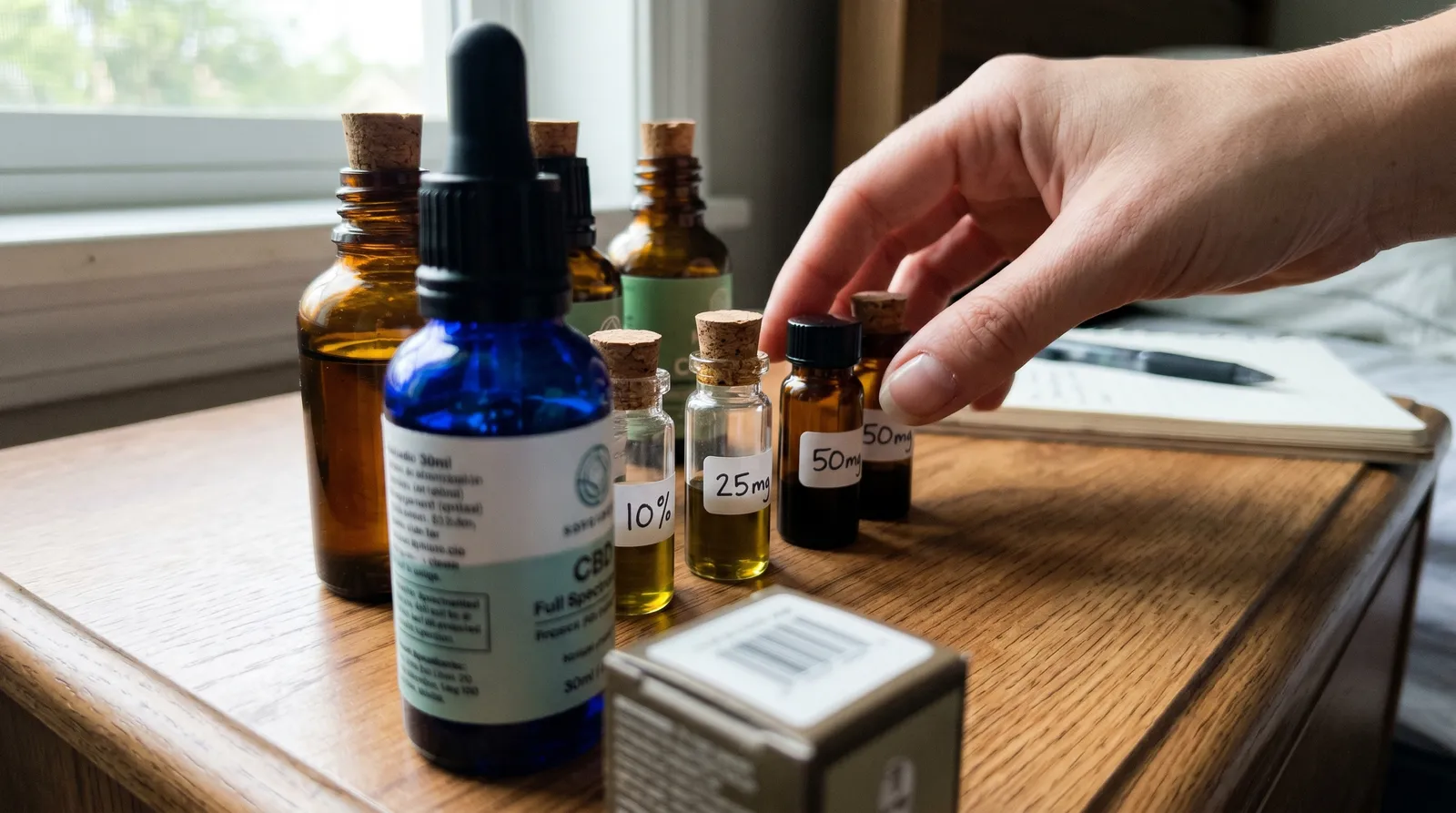
This biphasic dose–response pattern — low doses alerting, high doses sedating — has been proposed but not rigorously confirmed in humans. If it holds, it would mean that the dose in a given consumer product matters enormously, and that "more CBD" does not necessarily mean "better sleep." It would also mean that a 5% oil taken at manufacturer-label dosing delivers a very different milligram amount than a 40% oil at the same three-drop dose — a point explored in the article on CBD oil percentages explained.
For context: manufacturer-label dosing for consumer CBD oils typically sits well below the doses used in clinical sleep studies. The gap between a 12 mg dose (roughly three drops of a 10% oil) and the 160–300 mg doses in the older positive trials is substantial. Whether consumer-dose CBD has any measurable effect on sleep architecture is simply not established.
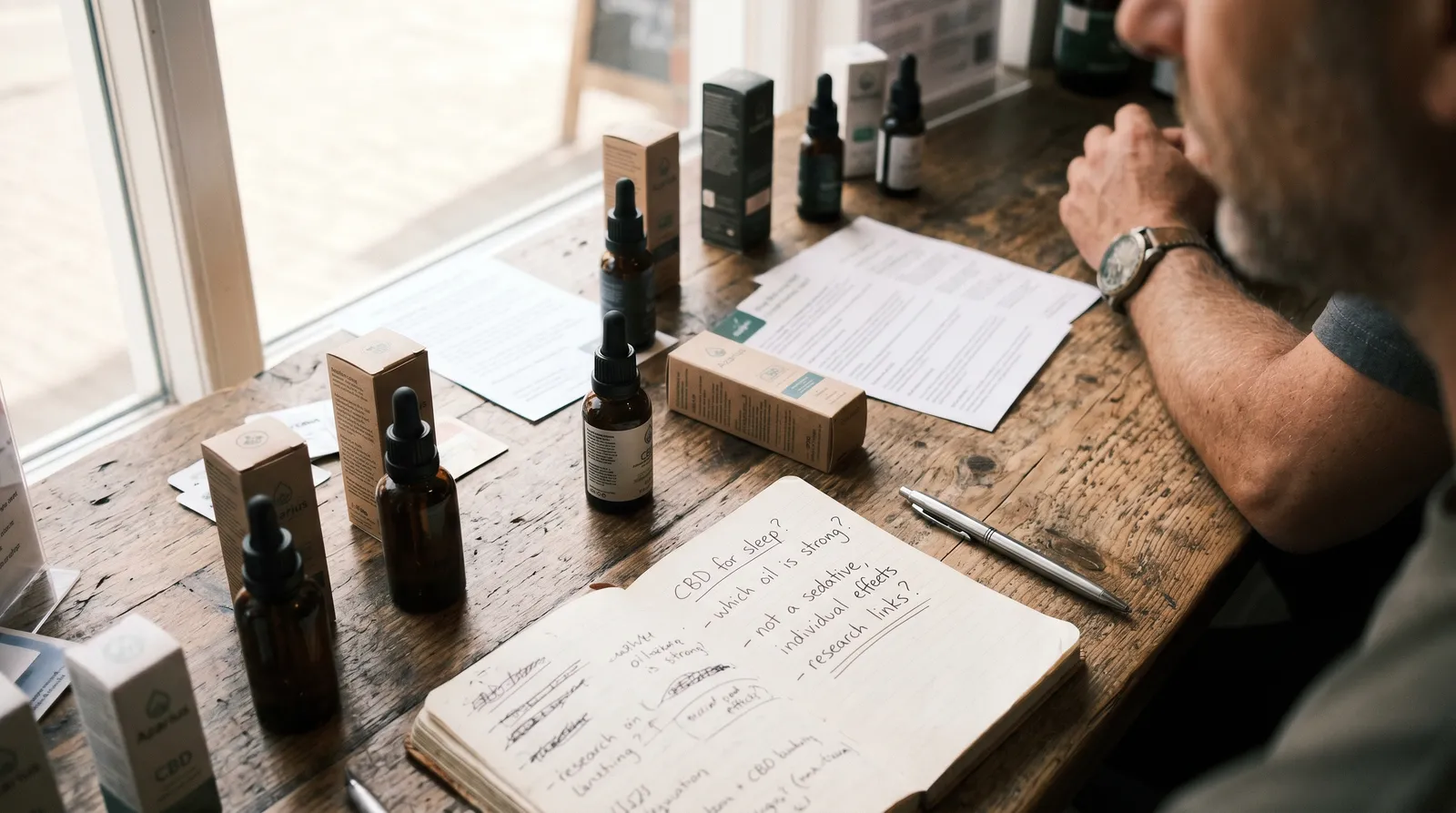
We also notice that people often underestimate how much their evening habits matter relative to any single supplement. A customer who switches from scrolling their phone in bed to taking a CBD oil and reading a book has changed two variables, not one. We are not in a position to tell you the CBD did the work — and frankly, neither is the current research. The European Monitoring Centre for Drugs and Drug Addiction (EMCDDA) has noted in its cannabis-related publications that consumer expectations often outpace the evidence base for cannabinoid products, a pattern we see reflected in the questions we field daily.
A Behind-the-Counter Comparison: CBD Versus the Evening Routine
One thing we have learned from years of conversations at Azarius is that the customers who get the most out of CBD and sleep products are the ones who treat the product as one piece of a larger puzzle rather than a standalone solution. We had a regular customer who bought Cibdol CBD oil 10% every month for about six months. He told us it "definitely helped" — but when we asked what else had changed, he admitted he had also stopped drinking coffee after 2 pm, started dimming the lights at 9 pm, and was going to bed at the same time every night. That is not a criticism of CBD — it is a reminder that isolating the effect of any single supplement from broader behaviour changes is genuinely difficult, even in your own personal experience.
What About CBD Combined With Other Sleep-Associated Ingredients?
Many consumer products marketed in the sleep category combine CBD with ingredients like melatonin, L-theanine, chamomile, or other botanicals (Ferracioli-Oda et al., 2013; DOI: 10.1371/journal.pone.0063773). This is a format-design choice, not a pharmacological endorsement. The article on CBD gummies covers the common ingredient tiers (sleep, relax, energy, vegan) in more detail.
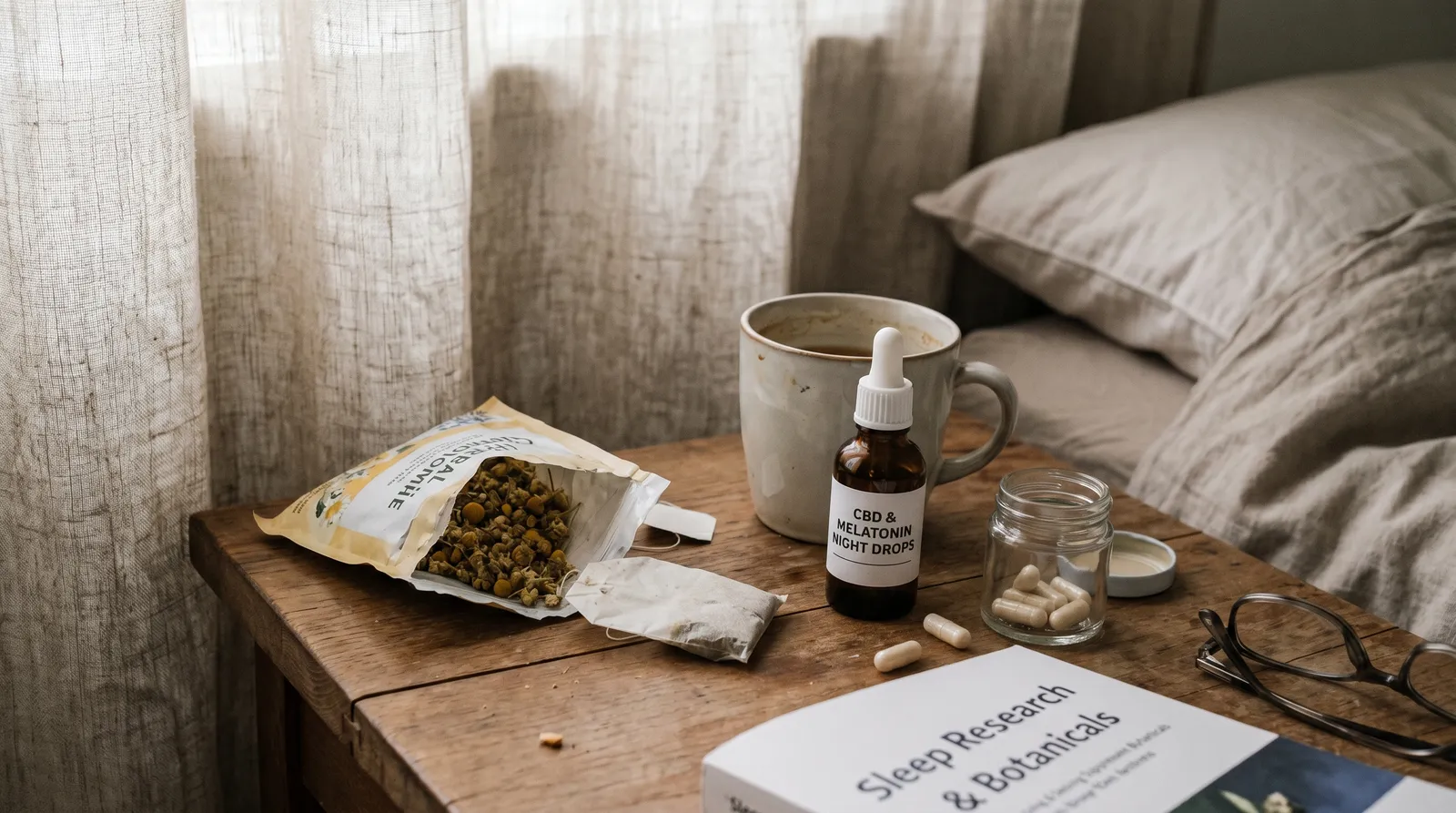
From a research standpoint, combination products make it harder to attribute any observed effect to CBD specifically. Melatonin, for instance, has its own body of evidence for circadian-rhythm entrainment (Ferracioli-Oda et al., 2013; DOI: 10.1371/journal.pone.0063773 — a meta-analysis of 19 RCTs finding a modest reduction in sleep-onset latency). If a consumer takes a gummy containing both 25 mg CBD and 1 mg melatonin and sleeps better, there is no way to know which ingredient — if either — was responsible.
Similarly, the Spinella et al. (2023) trial mentioned above used a full-spectrum extract, not CBD isolate. The presence of cannabinol (CBN), minor terpenes like myrcene and linalool, and trace THC may all contribute to the observed effect. Research on CBN specifically is even more limited than CBD and sleep research — a point covered in the article on what is CBN.
How Does CBD Compare to Other Sleep Supplements?
Compared to melatonin, valerian, magnesium glycinate, and L-theanine, CBD has a thinner evidence base for sleep specifically (Ferracioli-Oda et al., 2013; DOI: 10.1371/journal.pone.0063773). Melatonin has the strongest clinical support among over-the-counter sleep supplements, with multiple meta-analyses showing a modest but consistent reduction in sleep-onset latency. Valerian has mixed results across trials but a longer history of use. Magnesium glycinate has limited but promising data for people with low magnesium status. L-theanine has a handful of small positive trials for relaxation but not robust sleep data.
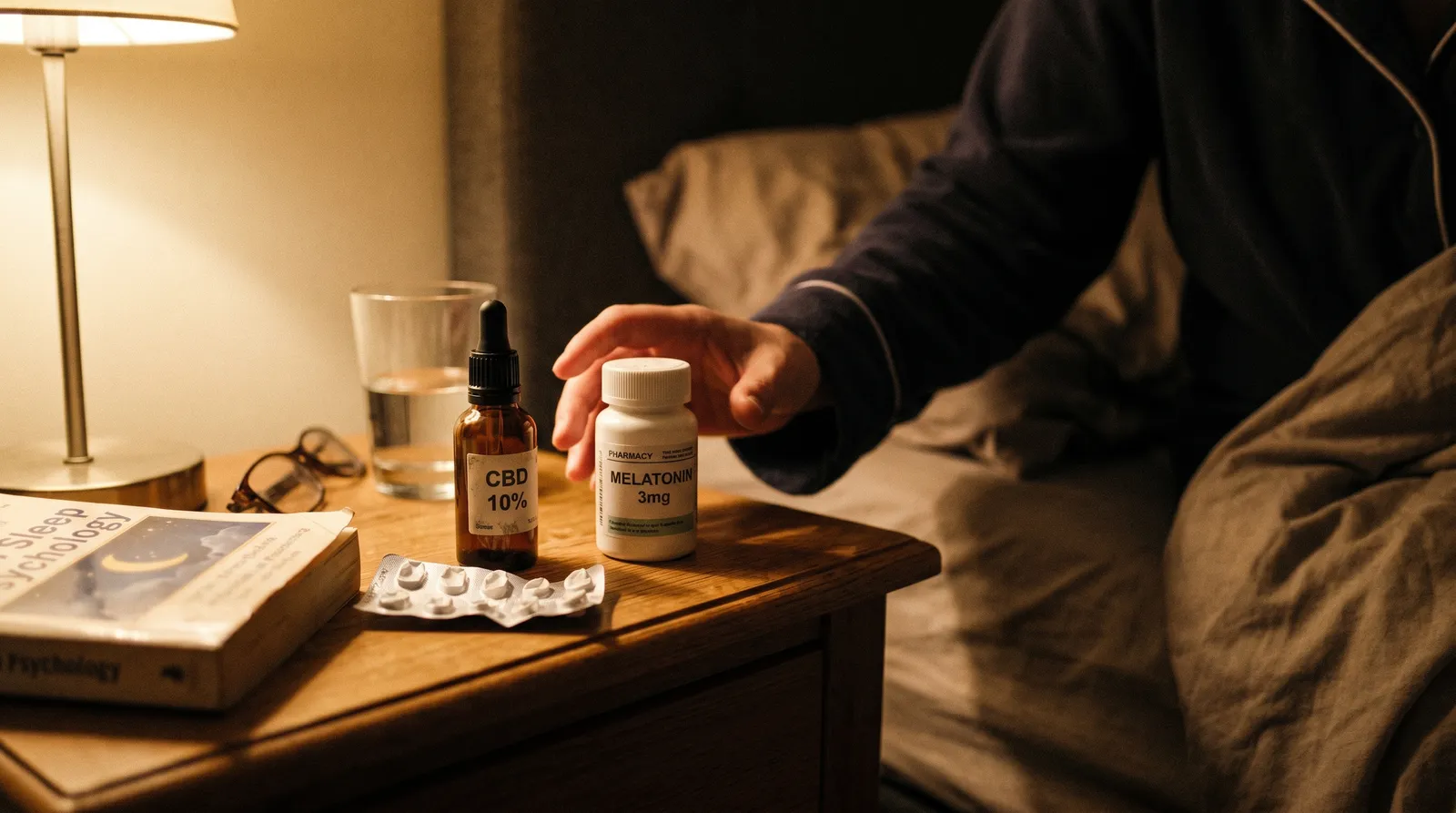
CBD sits in the "interesting but unproven" tier alongside several other popular botanicals. The difference is that CBD products tend to be more expensive per serving than melatonin or magnesium, which is worth factoring into any personal cost-benefit calculation. If you order a CBD oil primarily for sleep, it is worth knowing that you are paying a premium for a compound whose sleep-specific evidence is weaker than some cheaper alternatives. That said, some customers at Azarius prefer CBD because they find melatonin leaves them groggy — a subjective preference, not a clinical recommendation.
What Are the Safety Considerations?
Across published trials, CBD's side-effect profile at consumer-relevant doses has been relatively mild, with fatigue, diarrhoea, and appetite changes most commonly reported (Hurd et al., 2019; DOI: 10.1176/appi.ajp.2019.18101191). Shannon et al. (2019) reported fatigue in a subset of participants — which, depending on your perspective, could be a side effect or the desired outcome in a sleep context.
More serious safety signals come from high-dose pharmaceutical CBD studies (the Epidiolex clinical programme for paediatric epilepsy), where doses of 10–20 mg/kg/day — far above consumer product ranges — were associated with elevated liver enzymes (ALT) in some patients, particularly those co-administered valproate (Devinsky et al., 2017; DOI: 10.1056/NEJMoa1611618). This is a clinical-precedent observation, not a consumer-product claim, but it is relevant for anyone with liver conditions or taking hepatically metabolised medications.
CBD is a known inhibitor of cytochrome P450 enzymes CYP3A4 and CYP2C19 (Nasrin et al., 2021; DOI: 10.1124/dmd.121.000442). This means it follows the "grapefruit warning" pattern: any medication labelled "do not take with grapefruit" may interact with CBD. Specifically flagged in the literature are warfarin, clobazam, valproate, certain SSRIs, and certain statins. If you take any prescription medication, talk to your doctor before adding CBD to your routine.
For anyone considering CBD and sleep products who is pregnant or breastfeeding: there is insufficient safety data. The default recommendation from every health authority is to avoid use.
Where Does the Evidence Stand Overall?
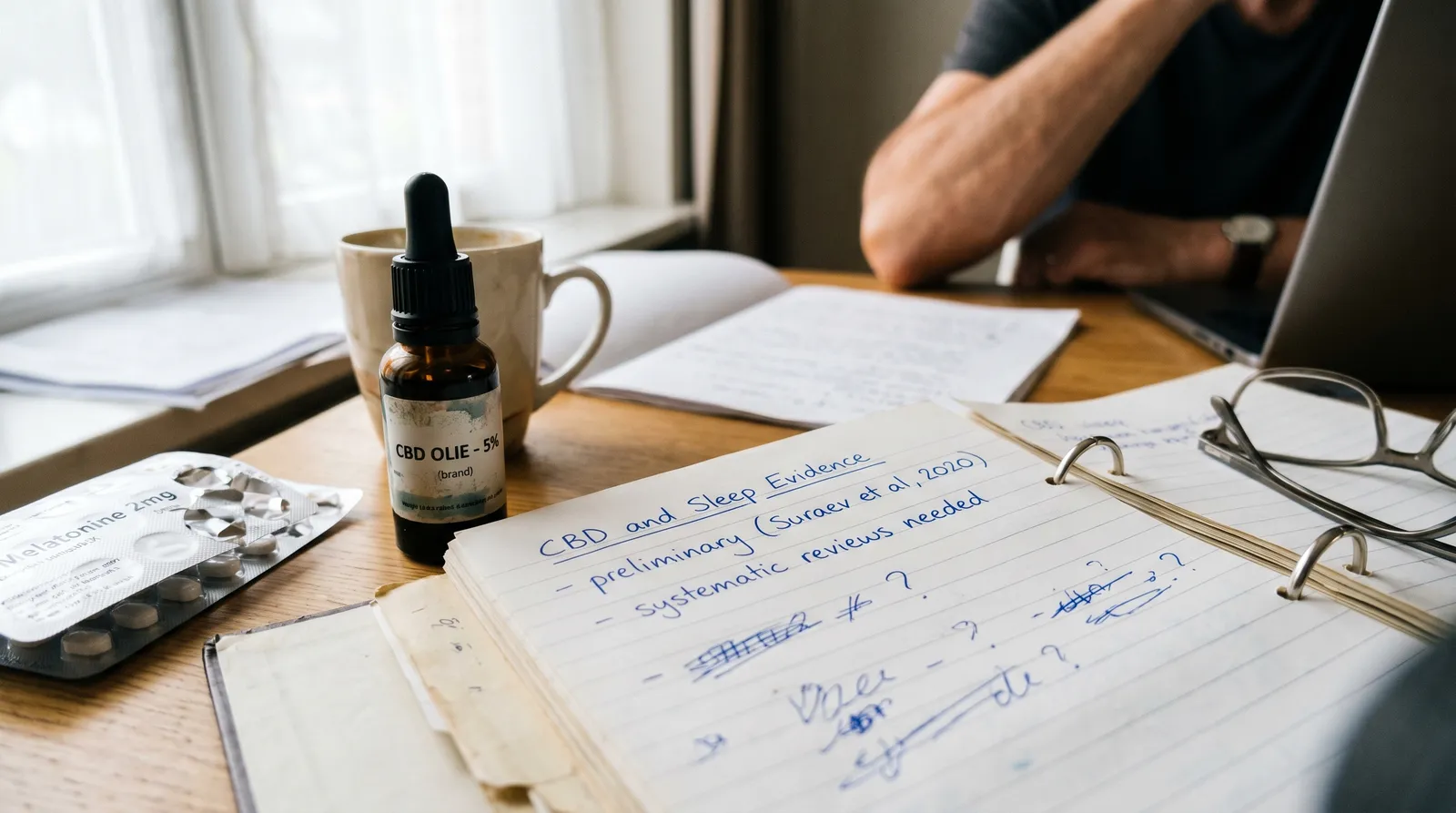
The overall evidence for CBD and sleep is best described as preliminary and insufficient for clinical recommendations, as confirmed by multiple systematic reviews (Suraev et al., 2020; DOI: 10.1016/j.smrv.2020.101339). If you line up all the published data, the picture looks like this:
| Evidence type | Direction | Strength | Key limitation |
|---|---|---|---|
| Preclinical (animal models) | Suggestive of dose-dependent sedation at higher doses | Low (animal-to-human translation uncertain) | Doses and routes do not match human consumer use |
| Case series (Shannon 2019) | Modest improvement in sleep scores, month 1 | Very low (no placebo, no blinding, n = 25 sleep subgroup) | Fluctuating results after month 1; retrospective design |
| Older crossover trials (Carlini 1981, Zuardi 1993) | Positive at 160–300 mg doses | Low (very small samples, not replicated) | Doses far above consumer products; dated methodology |
| Recent RCTs — CBD isolate | Mixed; some null results | Low–moderate (small-to-medium samples) | Varied doses, short duration, heterogeneous endpoints |
| Recent RCTs — multi-cannabinoid extract (Spinella 2023) | Small positive effect on PSQI | Moderate (large n, placebo-controlled) | Cannot attribute effect to CBD alone; full-spectrum extract used |
| Systematic reviews (Suraev 2020, Kesner 2020) | Insufficient evidence to recommend CBD for sleep disorders | High (review-level synthesis) | Reflects the quality of underlying studies |
The systematic reviews are the most methodologically robust pieces of the puzzle, and they consistently conclude that the evidence is insufficient. That does not mean CBD has no effect on sleep — it means the research has not yet demonstrated a reliable, replicable effect at the standard required for clinical confidence.
For someone reading this and wondering whether to try a CBD product in their evening routine: the research cannot tell you it will work. It also cannot tell you it is useless. What it can tell you is that side effects at consumer doses appear to be mild and infrequent, that drug interactions are a real consideration if you take prescription medication, and that the strongest positive signals come from multi-cannabinoid preparations rather than pure CBD — which raises the question of whether it is CBD doing the work at all. If you decide to buy a CBD oil or get a pack of CBD sleep gummies from Azarius, treat it as a personal experiment with realistic expectations rather than a guaranteed fix.
More and larger RCTs are underway. The evidence base for CBD and sleep in 2026 is substantially better than it was in 2020, and it will likely be substantially better again by 2030. For now, approach the topic with the same informed caution you would apply to any supplement with preliminary but inconclusive evidence.
---Important: This article is consumer education and is not medical advice. CBD products are food supplements, not medicines. Research on CBD is ongoing and evidence remains limited or mixed for many topics. Talk to your doctor before use if you are pregnant, breastfeeding, taking medication, scheduled for surgery, or living with a health condition. Keep CBD products out of reach of children and pets.
This article has been reviewed for factual and editorial accuracy by Toine Verleijsdonk (Cibdol brand manager) and Joshua Askew (Editorial Director). It has NOT been reviewed by a licensed medical practitioner and does not constitute medical advice.
References
- Bakas, T. et al. (2017). The direct actions of cannabidiol and 2-arachidonoyl glycerol at GABA-A receptors. Pharmacological Research, 119, 358–370. DOI: 10.1016/j.phrs.2017.02.022
- Carlini, E.A. & Cunha, J.M. (1981). Hypnotic and antiepileptic effects of cannabidiol. Journal of Clinical Pharmacology, 21(S1), 417S–427S. PMID: 7028792
- Devinsky, O. et al. (2017). Trial of cannabidiol for drug-resistant seizures in the Dravet syndrome. New England Journal of Medicine, 376(21), 2011–2020. DOI: 10.1056/NEJMoa1611618
- Ferracioli-Oda, E. et al. (2013). Meta-analysis: melatonin for the treatment of primary sleep disorders. PLoS ONE, 8(5), e63773. DOI: 10.1371/journal.pone.0063773
- Hurd, Y.L. et al. (2019). Cannabidiol for the reduction of cue-induced craving and anxiety in drug-abstinent individuals with heroin use disorder. American Journal of Psychiatry, 176(11), 911–922. DOI: 10.1176/appi.ajp.2019.18101191
- Kesner, A.J. & Lovinger, D.M. (2020). Cannabinoids, endocannabinoids and sleep. Neuroscience & Biobehavioral Reviews, 108, 258–277. DOI: 10.1016/j.neubiorev.2020.07.024
- Murillo-Rodríguez, E. et al. (2006). Cannabidiol, a constituent of Cannabis sativa, modulates sleep in rats. FEBS Letters, 580(18), 4337–4345. PMID: 16844117
- Nasrin, S. et al. (2021). Cannabinoid metabolites as inhibitors of major hepatic CYP450 enzymes. Drug Metabolism and Disposition, 49(12), 1070–1080. DOI: 10.1124/dmd.121.000442
- Russo, E.B. et al. (2005). Agonistic properties of cannabidiol at 5-HT1a receptors. Neurochemical Research, 30(8), 1037–1043. DOI: 10.1007/s11064-005-6978-1
- Shannon, S. et al. (2019). Cannabidiol in anxiety and sleep: a large case series. The Permanente Journal, 23, 18–041. PMID: 30624194
- Spinella, T.C. et al. (2023). A randomized, double-blind, placebo-controlled study of a cannabidiol-dominant hemp extract for sleep disturbance. Journal of Cannabis Research, 5, 21. DOI: 10.1186/s42238-023-00192-3
- Suraev, A.S. et al. (2020). Cannabinoid therapies in the management of sleep disorders: a systematic review of preclinical and clinical studies. Sleep Medicine Reviews, 53, 101339. DOI: 10.1016/j.smrv.2020.101339
- Zuardi, A.W. et al. (1993). Effects of ipsapirone and cannabidiol on human experimental anxiety. Journal of Psychopharmacology, 7(1 Suppl), 82–88. PMID: 8257923
Last updated: April 2026
Frequently Asked Questions
8 questionsHas any randomised controlled trial shown CBD improves sleep?
What doses of CBD were used in sleep studies?
Does CBD make you sleepy or alert?
Is the Shannon 2019 study strong evidence for CBD and sleep?
Can CBD interact with sleep medications?
Does full-spectrum CBD work better for sleep than CBD isolate?
How long before bed should you take CBD for sleep?
Is CBD's effect on sleep actually just an effect on anxiety?
About this article


Luke Sholl has been writing about cannabis, cannabinoids, and the broader benefits of nature since 2011, and has personally grown cannabis in home grow tents for more than a decade. That first-hand cultivation experience
This wiki article was drafted with AI assistance and reviewed by Luke Sholl, External contributor since 2026. Editorial oversight by Toine Verleijsdonk.
Medical disclaimer. This content is for informational purposes only and does not constitute medical advice. Consult a qualified healthcare provider before use of any substance.
Last reviewed April 25, 2026
Related Articles

Pinene Alpha and Beta: Aroma, Chemistry & Vaporisation Guide
Pinene is a bicyclic monoterpene occurring as two isomers — α-pinene and β-pinene — and ranks as the most abundant terpene in the plant kingdom.

CBD and Recovery: What the Research Actually Shows
CBD and recovery is a research topic spanning exercise-induced muscle damage, sleep quality, and perceived soreness. As McCartney et al.
CBD Pet Dosing Vet Consultation: Prepare for Your Visit
Veterinary CBD dosing is not a scaled-down version of human dosing — dogs and cats metabolise cannabidiol through different enzymatic pathways and at…
CBD for Cats Veterinary Considerations: Feline Research, Safety and Guidance
Cats metabolise cannabinoids differently from dogs and humans, lacking key glucuronidation enzymes that affect CBD clearance. Deabold et al.
EU Novel Food Regulation CBD: Country Status, EFSA Safety & Guide
EU novel food regulation CBD is a policy framework under EU rule 2015/2283 that classifies cannabidiol extracts as a novel food, requiring safety assessment…
CBD Topical Creams Medical Grade: CE-Marked Class I Explained
CBD topical creams deliver cannabidiol directly to the skin rather than the bloodstream.
Humulene Effects and Aroma Profile | Terpene Guide
Humulene (α-humulene) is a monocyclic sesquiterpene named after Humulus lupulus — hops.

Terpene Entourage Effect: Current Evidence Reviewed
The terpene entourage effect proposes that cannabis terpenes modulate cannabinoid activity, producing different outcomes than isolated compounds alone.
CBD and Skin Conditions: What Research Shows
Cannabidiol (CBD) interacts with the endocannabinoid system expressed in human skin — including CB1 and CB2 receptors on keratinocytes, sebocytes, and…