
This article discusses psychoactive substances intended for adults (18+). If you have a health condition or take medication, consult a doctor before use. Our age policy
CBD Oil vs Capsules: Which Format to Choose
Definition
CBD oil and capsules deliver the same phytocannabinoid through different routes — sublingual versus oral — producing measurably different bioavailability and onset profiles. A 2018 systematic review estimated sublingual bioavailability at 13–19% versus 6–13% for oral capsules (Millar et al., 2018). This guide compares the two formats on the dimensions that matter for everyday use.
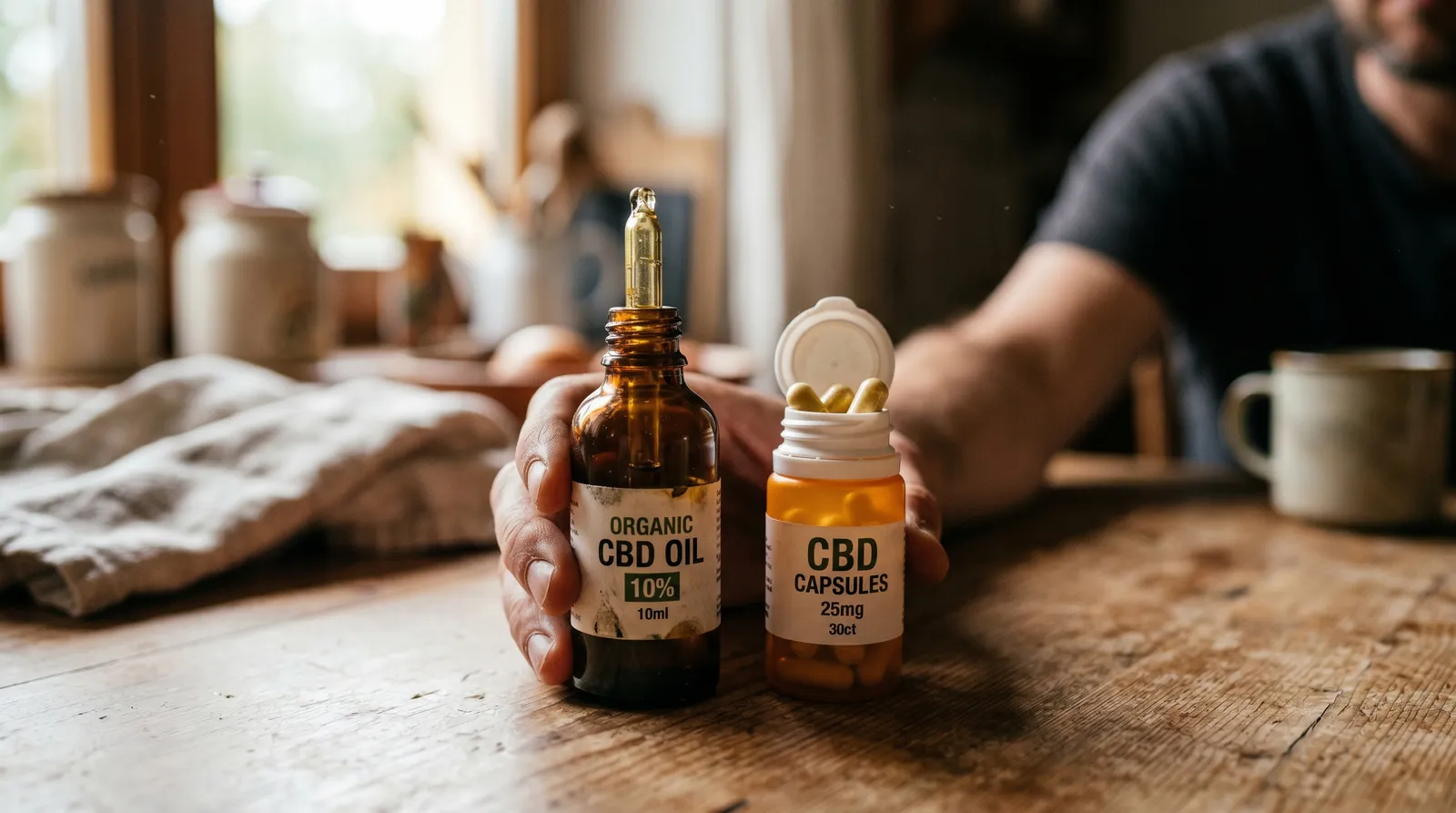
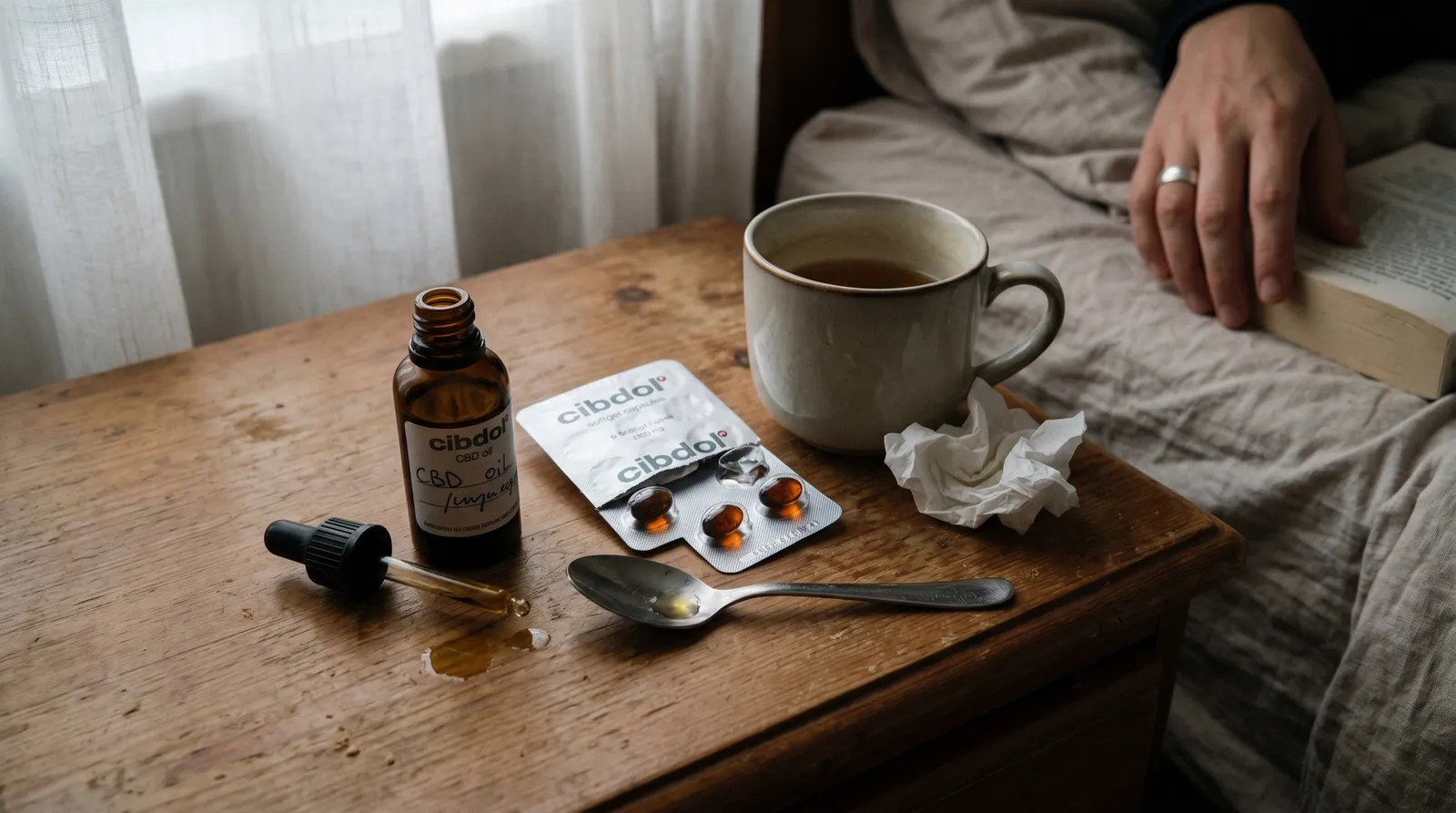
CBD oil and CBD capsules deliver the same active compound — cannabidiol (CBD), a non-intoxicating phytocannabinoid from Cannabis sativa L. — but the format you pick changes how quickly it reaches your bloodstream, how precisely you can adjust your intake, and how the whole experience fits into your day.
Head-to-Head: Oil Vs Capsules at a Glance
| Dimension | CBD Oil (sublingual drops) | CBD Capsules / Softgels |
|---|---|---|
| Route of administration | Sublingual (under the tongue), then swallowed | Oral (swallowed whole) |
| Estimated bioavailability | ~13–19% sublingual (Millar et al., 2018) | ~6–13% oral (Millar et al., 2018) |
| Typical onset | 15–45 minutes | 45–90 minutes |
| Duration window | ~4–6 hours | ~6–8 hours |
| Dose adjustability | Drop-by-drop (high flexibility) | Fixed per capsule (low flexibility) |
| Taste | Earthy, botanical — carrier-oil dependent | Tasteless (encapsulated) |
| Portability | Glass bottle with dropper — less pocket-friendly | Blister pack or jar — easy to carry |
| Manufacturer-label dosing (Cibdol 2.0) | 3 drops twice daily | 1 softgel twice daily |
That table captures the essentials, but the numbers deserve context. Below, we unpack each dimension so the comparison actually means something.
Bioavailability: Why the Route Matters
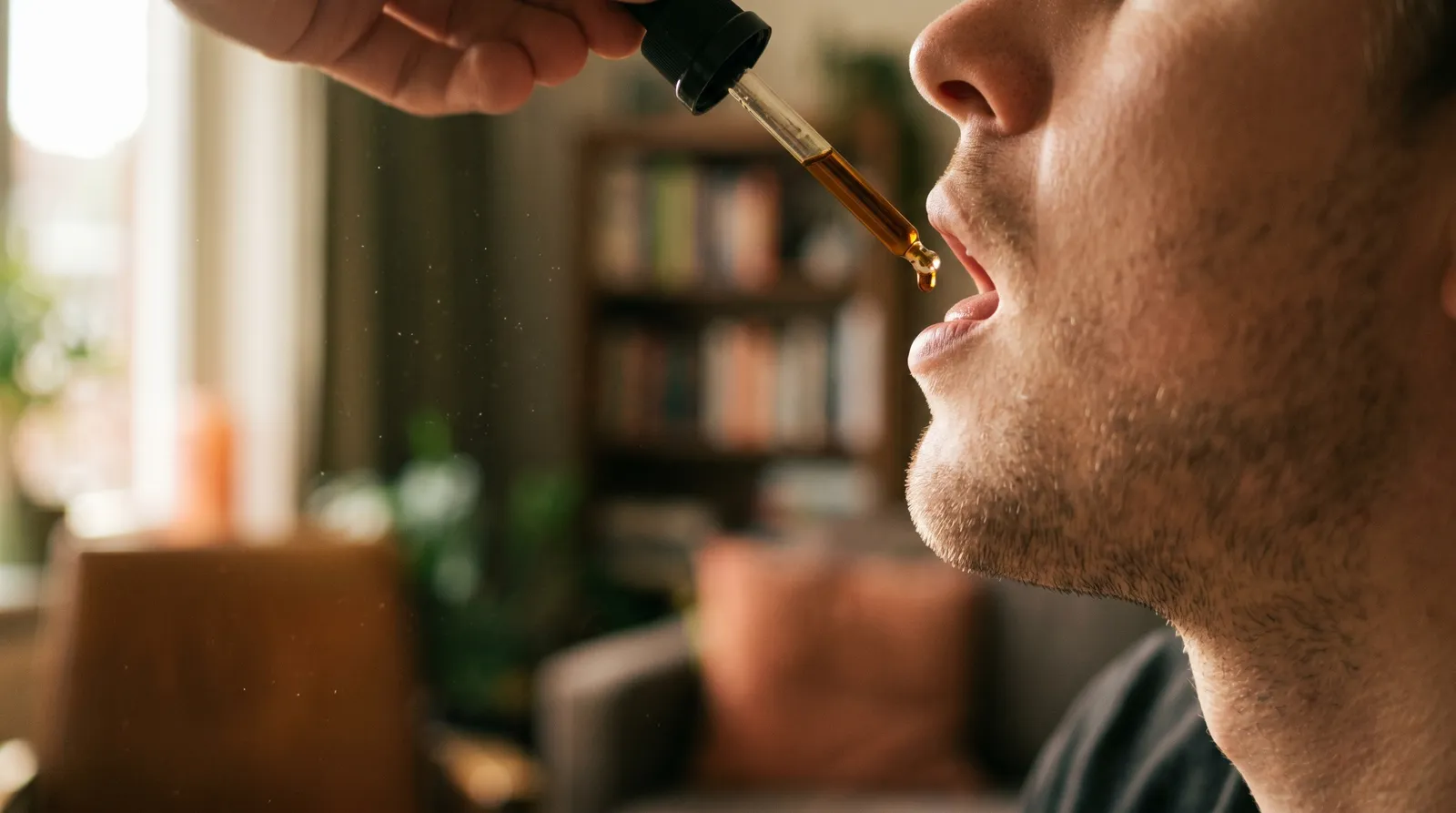
Bioavailability is the fraction of CBD that reaches your systemic circulation after administration. It is the single biggest practical difference between these two formats. When you hold oil under your tongue for 60–90 seconds, CBD absorbs through the sublingual mucosa and partially bypasses first-pass liver metabolism. A 2018 review by Millar et al. in Frontiers in Pharmacology estimated sublingual bioavailability at roughly 13–19% (PMID: 30298064). Capsules, by contrast, travel through the digestive tract and hit the liver first, where cytochrome P450 enzymes metabolise a significant portion before it reaches circulation — the same review placed oral bioavailability at approximately 6–13%.
In plain terms: if you swallow a capsule containing 10 mg of CBD, your body may absorb somewhere around 0.6–1.3 mg. The same 10 mg held under the tongue as oil might deliver 1.3–1.9 mg. These are estimates drawn from limited human pharmacokinetic data, and individual variation is real — gut health, recent food intake, body composition, and liver enzyme activity all shift the numbers. A 2020 crossover study by Nadulski et al. found that taking CBD alongside a high-fat meal increased oral bioavailability by up to four- to fivefold compared to fasting (Birnbaum et al., 2019; PMID: 31264651), which matters more for capsules than for sublingual oil, though the data remains limited in sample size.
For a deeper look at bioavailability across all CBD formats — including vape, topical, and transdermal — see the article CBD Bioavailability by Format: Oil, Capsule, Vape, Topical.
Onset and Duration
Oil taken sublingually tends to produce measurable plasma CBD levels within 15–45 minutes, because the sublingual capillary bed offers a relatively direct route to the bloodstream. Capsules need to dissolve, transit the stomach, and absorb through the intestinal wall — onset typically falls in the 45–90-minute range, though some users report waiting up to two hours, particularly on an empty stomach.
Duration is roughly the inverse. Because oral absorption is slower and more gradual, capsule-derived CBD tends to circulate for longer — around 6–8 hours in most pharmacokinetic profiles, versus 4–6 hours for sublingual oil. Neither window is precise; these are ranges drawn from small clinical datasets, and your own experience may sit at either end.
Dose Adjustability
This is where oil has a clear structural advantage. A 10 ml bottle of Cibdol 2.0 oil contains 250 drops. With a 10% (1,000 mg) bottle, each drop delivers 4 mg of CBD — so you can adjust in 4 mg increments. Bump up to 15% (1,500 mg per bottle) and each drop is 6 mg; at 20% (2,000 mg per bottle), it is 8 mg. The arithmetic is straightforward: total mg divided by 250 drops equals mg per drop. Manufacturer-label dosing is 3 drops twice daily across all Cibdol percentages — deeper percentages mean more milligrams per dose, not a different drop count.
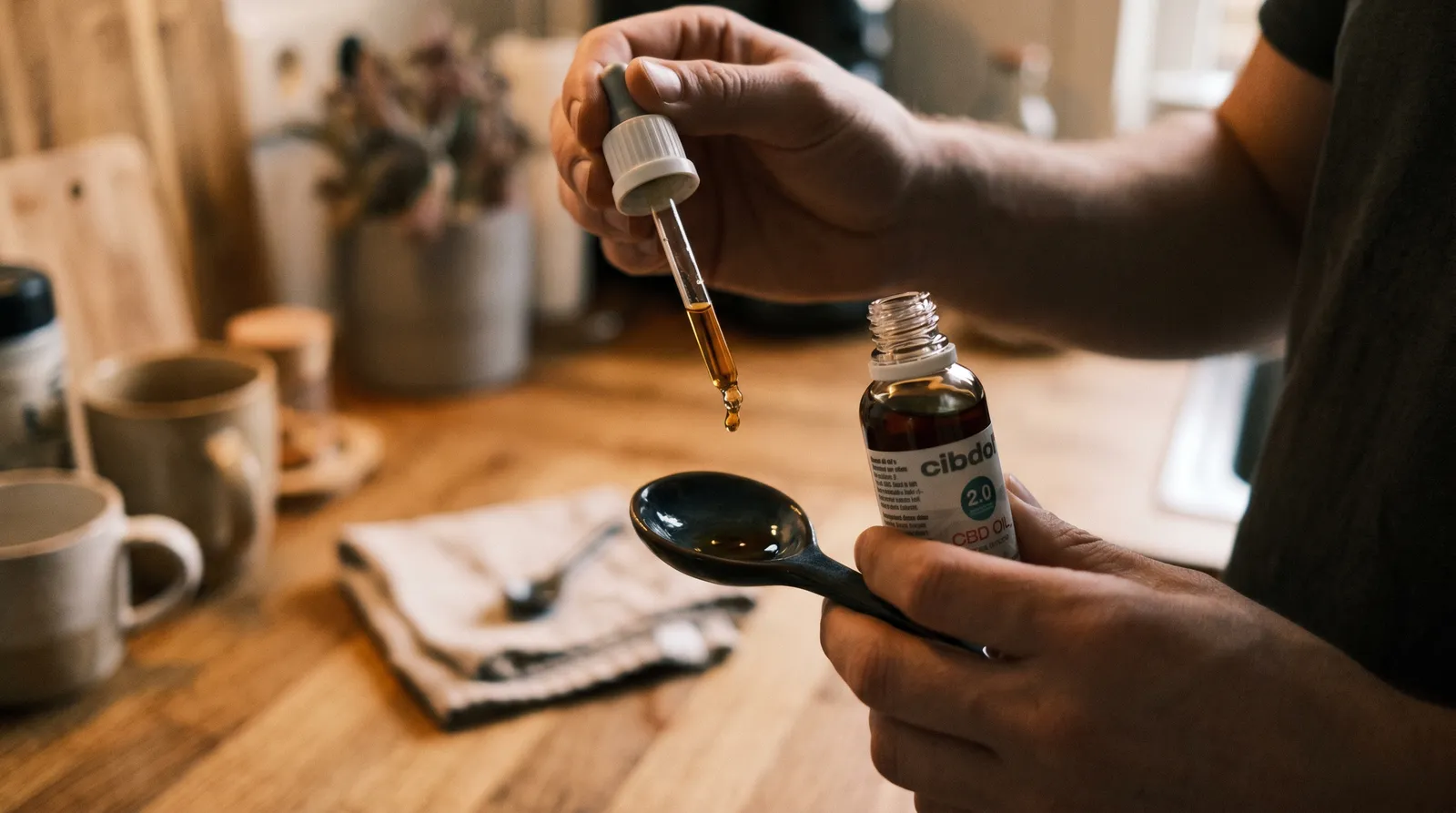
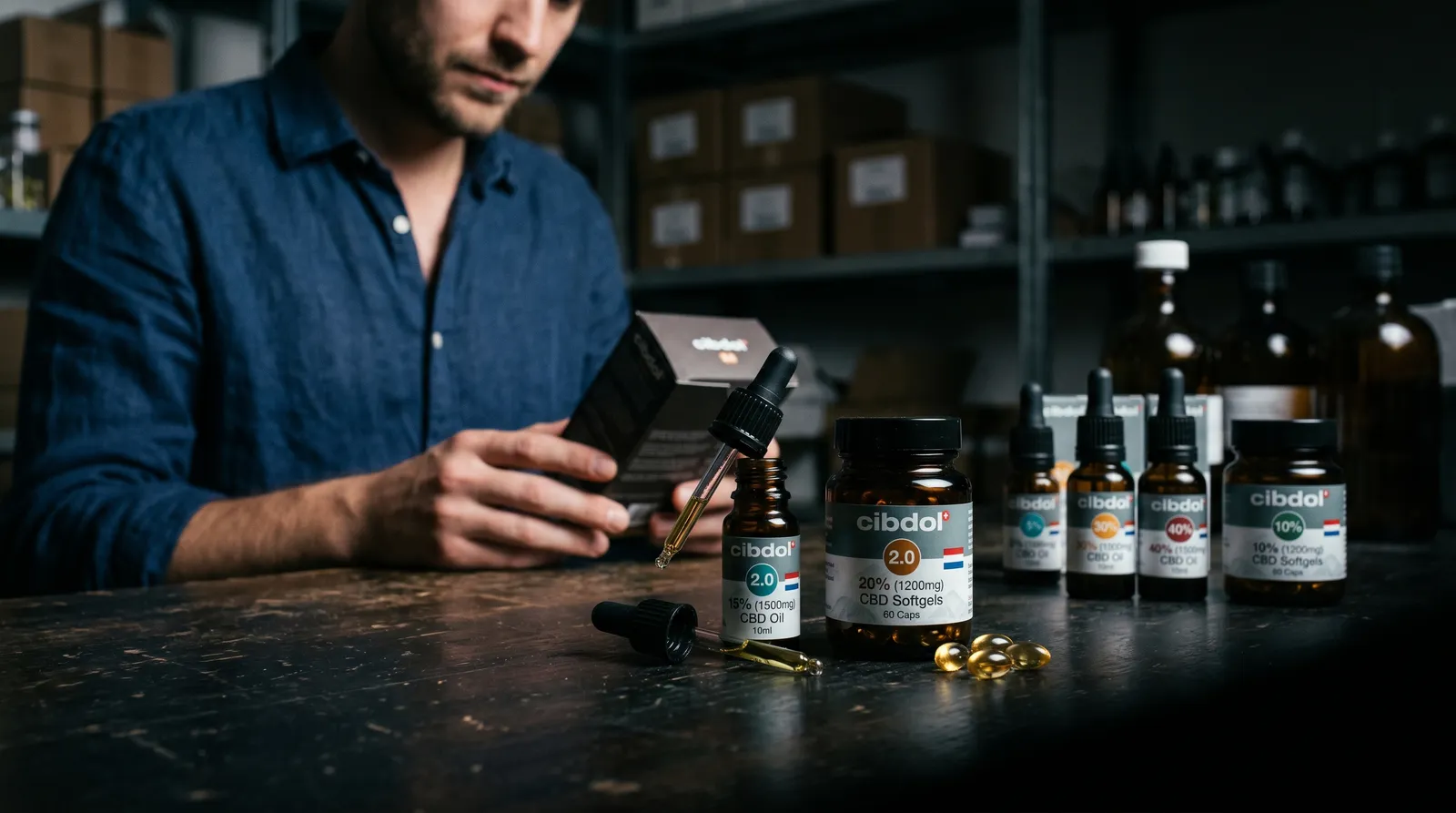
Capsules, on the other hand, come in fixed-dose units. Cibdol softgels are available at 5%, 10%, 15%, 20%, 30%, and 40% concentrations in 60-capsule jars. You take one capsule, and you get the dose printed on the label — no splitting, no half-measures. That is either a limitation or a feature, depending on what you want.
For people who are still familiarising themselves with CBD formats and want to start conservatively, drops offer granularity. For people who already know the concentration that suits them and want zero fuss, a capsule is hard to beat. The article CBD Oil Percentages Explained: 5% vs 10% vs 20% vs 40% walks through the per-drop maths for each Cibdol concentration.
Taste and Convenience
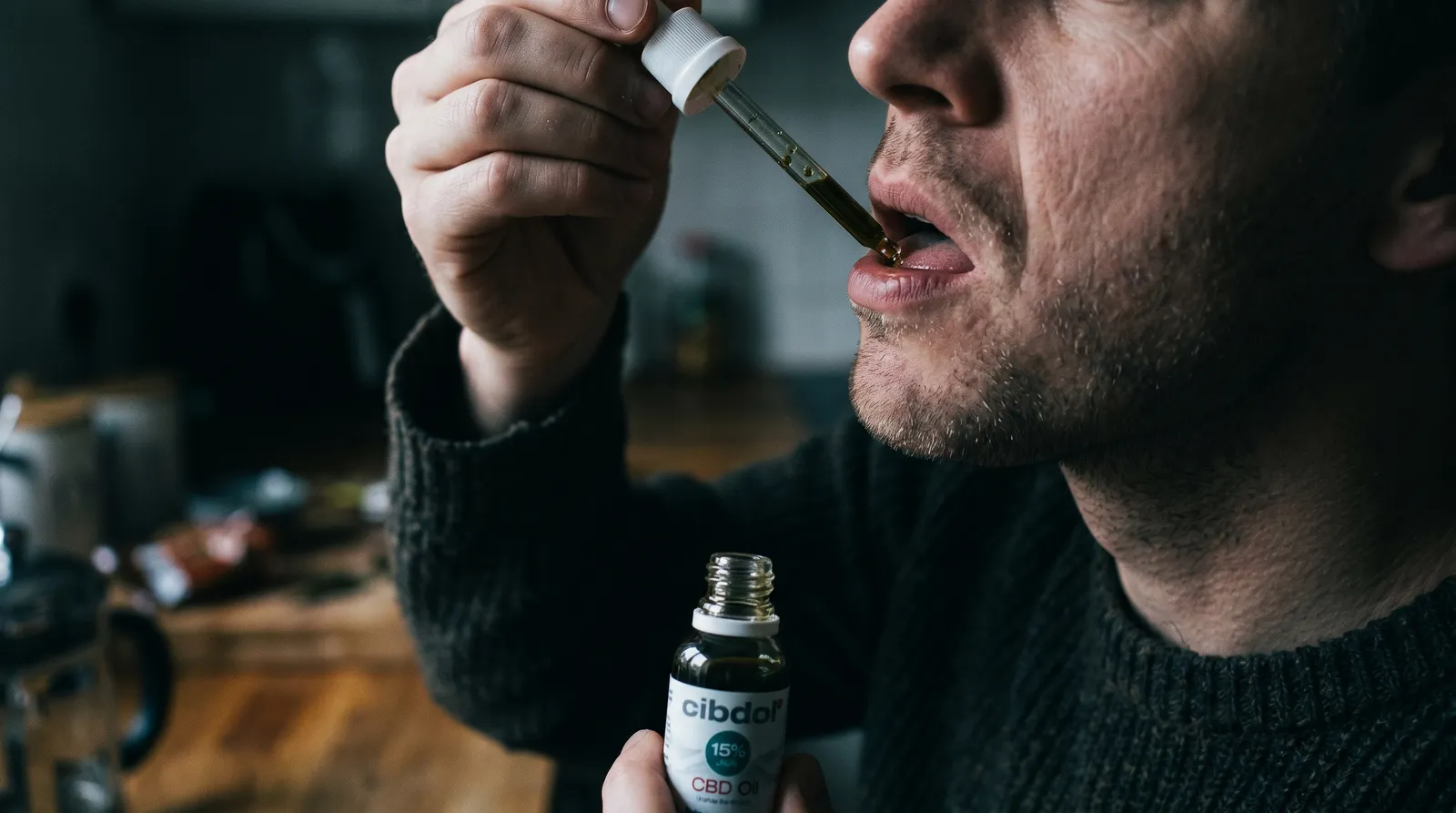
CBD oil has a taste. There is no way around it. Cibdol's 5%, 10%, 15%, and 20% oils use cold-pressed hemp-seed oil as a carrier, which gives them a distinctly earthy, nutty, slightly grassy flavour. The 30% oil uses MCT (medium-chain triglyceride, coconut-derived) as a carrier, which is milder and more neutral. Some people genuinely do not mind the hemp-seed taste; others find it unpleasant enough that it becomes a barrier to consistent use. The article MCT vs Olive vs Hemp Carrier Oils Explained covers the flavour and absorption profiles of different carriers in detail.
Capsules eliminate taste entirely. The softgel shell dissolves in the stomach, so the oil inside never touches your tongue. If you have tried CBD oil and found the flavour off-putting, capsules solve that problem immediately.
On portability: a glass dropper bottle is fine on a bathroom shelf, less ideal rattling around in a bag. Capsules travel well — a blister strip or small jar fits in a pocket, no risk of leaking, no need for a mirror to count drops. For people who take their dose away from home — at work, while travelling — capsules are simply more practical.
When Oil Makes More Sense
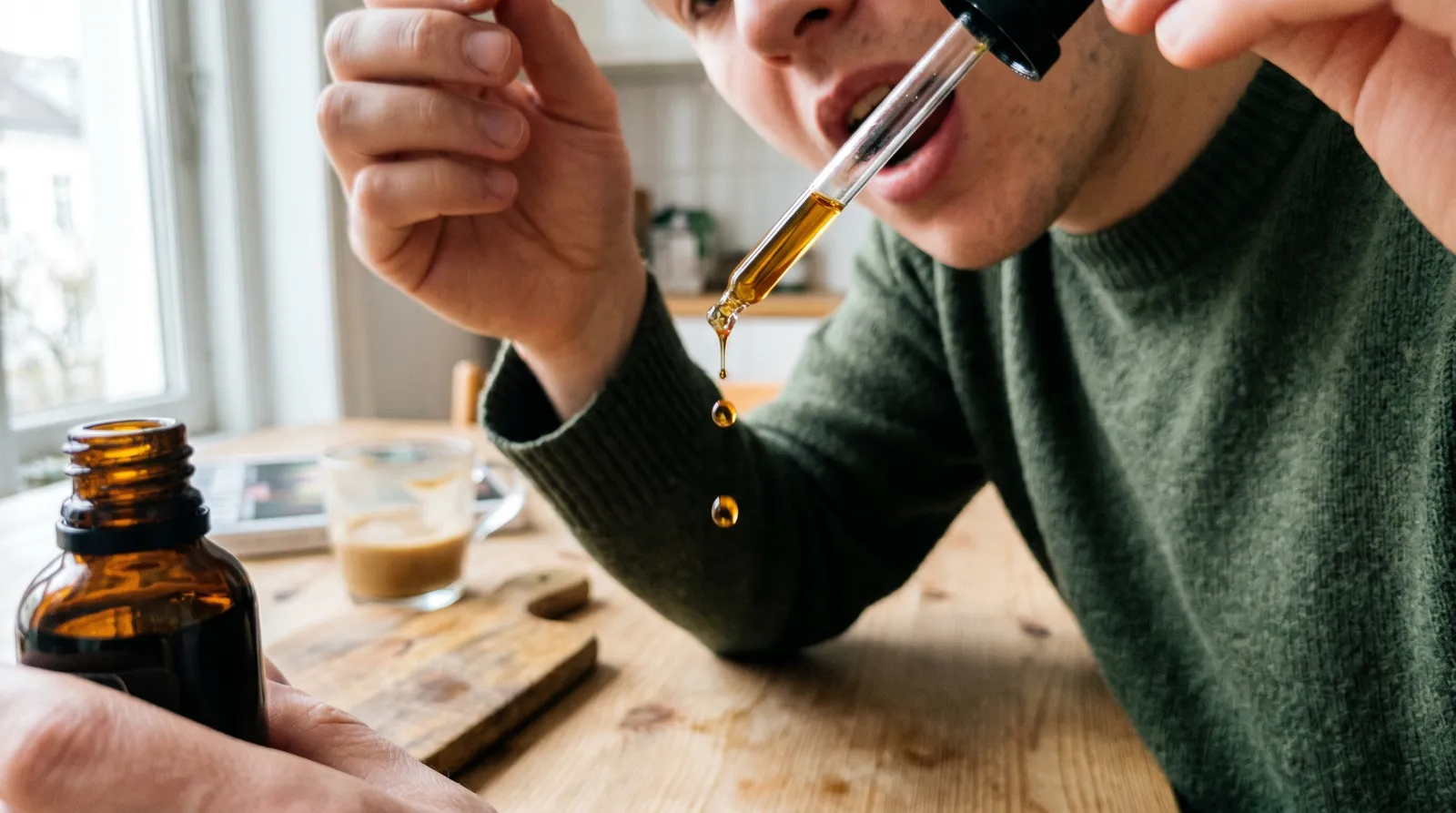
- You want faster onset. Sublingual absorption delivers CBD to the bloodstream in roughly half the time of oral capsules.
- You want to adjust your dose in small increments. Drop-by-drop control lets you move in 4–8 mg steps (depending on percentage) rather than jumping a full capsule unit.
- You are still figuring out your preferred concentration. Oils come in a wider range of percentages — Cibdol offers 5%, 10%, 15%, 20%, 30%, and 40% — and each can be dosed from 1 drop upward.
- You do not mind the taste. Or you actively like the earthy, botanical flavour of hemp-seed carrier oil.
When Capsules Make More Sense
- You want a fixed, repeatable dose with no measuring. One capsule, same amount every time. No counting drops, no holding oil under your tongue.
- You dislike the taste of CBD oil. Capsules bypass the palate entirely.
- You take your dose away from home. A blister strip in a jacket pocket is more discreet and spill-proof than a glass bottle with a pipette.
- You already know your preferred concentration. If you have settled on a percentage and a routine, capsules streamline the process.
- You prefer a longer, more gradual absorption curve. Oral bioavailability is lower, but the duration window tends to be longer — which some people prefer for sustained, even intake across the day.
Can You Use Both?
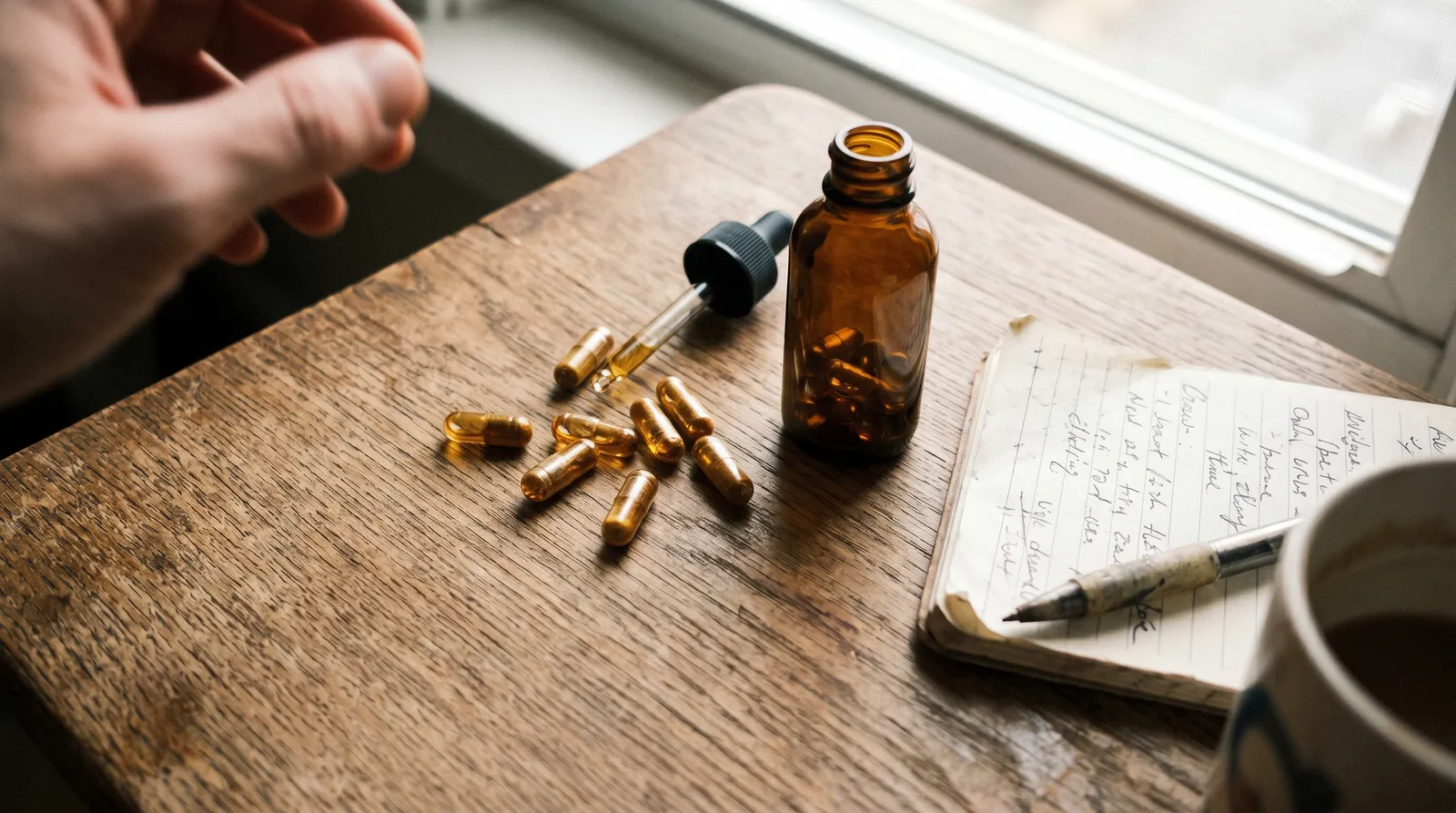
Yes. There is no pharmacological reason you cannot use oil at one time of day and a capsule at another, as long as you stay within the manufacturer's recommended daily intake. Some people use oil in the morning (faster onset, adjustable) and a capsule later in the day (convenient, no taste). The total daily CBD intake is what matters, not the format split. Cibdol's label dosing — 3 drops twice daily for oil, 1 softgel twice daily for capsules — provides the manufacturer's framework; combining formats means tracking the total milligrams across both.
A Note on Spectrum Type
Both Cibdol oils and softgels are available in the same spectrum formulations. Whether you choose oil or capsule, the cannabinoid profile inside is the same — the format changes the delivery route, not the extract. For a breakdown of full-spectrum, broad-spectrum, and isolate differences, see the article Full-Spectrum, Broad-Spectrum, and CBD Isolate.
Safety and Dosing
This article describes CBD oil and capsule formats. It is consumer education and is not medical advice. CBD products are food supplements, not medicines. Anyone taking prescription medication, pregnant, breastfeeding, or with a health condition should consult a qualified healthcare professional before use. Manufacturer-label dosing applies to both formats; do not exceed the manufacturer's recommended daily intake.
CBD inhibits the liver enzymes CYP3A4 and CYP2C19, which metabolise a wide range of prescription drugs. The practical shorthand: if your medication carries a "do not take with grapefruit" warning, it may interact with CBD. Specifically flagged in the literature are warfarin, clobazam, valproate, certain SSRIs, and certain statins (Nasrin et al., 2021; PMID: 34117498). This applies equally to oil and capsule formats — the interaction is with CBD itself, not the delivery method. The article CBD Dosage Starting Guide: Manufacturer Recommendations covers the manufacturer-label framework in more detail.
Pregnancy and breastfeeding: safety data for CBD during pregnancy and lactation is insufficient. Consult a healthcare professional before use.
Important: This article is consumer education and is not medical advice. CBD products are food supplements, not medicines. Research on CBD is ongoing and evidence remains limited or mixed for many topics. Talk to your doctor before use if you are pregnant, breastfeeding, taking medication, scheduled for surgery, or living with a health condition. Keep CBD products out of reach of children and pets.
This article has been reviewed for factual and editorial accuracy by Toine Verleijsdonk (Cibdol brand manager) and Joshua Askew (Editorial Director). It has NOT been reviewed by a licensed medical practitioner and does not constitute medical advice.
Cibdol Range Overview
Cibdol 2.0 oils are available at 5%, 10%, 15%, 20%, 30%, and 40% in 10 ml bottles (250 drops each). Cibdol softgels come in the same percentage range — 5%, 10%, 15%, 20%, 30%, and 40% — in jars of 60 capsules. Both formats are Swiss-formulated and stocked at Azarius.
References
- Millar SA, Stone NL, Yates AS, O'Sullivan SE. A systematic review on the pharmacokinetics of cannabidiol in humans. Front Pharmacol. 2018;9:1365. doi:10.3389/fphar.2018.01365. PMID: 30298064.
- Birnbaum AK, Karanam A, Engel SS, et al. Food effect on pharmacokinetics of cannabidiol oral capsules in adult patients with refractory epilepsy. Epilepsia. 2019;60(8):1586–1592. doi:10.1111/epi.16093. PMID: 31264651.
- Nasrin S, Watson CJW, Perez-Paramo YX, et al. Cannabinoid metabolites as inhibitors of major hepatic CYP450 enzymes, with implications for cannabis-drug interactions. Clin Pharmacol Ther. 2021;109(6):1506–1516. doi:10.1002/cpt.2097. PMID: 34117498.
Last updated: April 2026
Frequently Asked Questions
7 questionsIs CBD oil more effective than capsules?
Can I switch between CBD oil and capsules?
Why do CBD capsules take longer to work than oil?
Do CBD capsules and oil have the same side effects?
Does taking CBD capsules with food change absorption?
How much CBD actually enters my bloodstream from oil versus capsules?
How long should I hold CBD oil under my tongue for best absorption?
About this article


Luke Sholl has been writing about cannabis, cannabinoids, and the broader benefits of nature since 2011, and has personally grown cannabis in home grow tents for more than a decade. That first-hand cultivation experience
This wiki article was drafted with AI assistance and reviewed by Luke Sholl, External contributor since 2026. Editorial oversight by Toine Verleijsdonk.
Medical disclaimer. This content is for informational purposes only and does not constitute medical advice. Consult a qualified healthcare provider before use of any substance.
Last reviewed April 25, 2026
Related Articles

Pinene Alpha and Beta: Aroma, Chemistry & Vaporisation Guide
Pinene is a bicyclic monoterpene occurring as two isomers — α-pinene and β-pinene — and ranks as the most abundant terpene in the plant kingdom.
CBD and Recovery: What the Research Actually Shows
CBD and recovery is a research topic spanning exercise-induced muscle damage, sleep quality, and perceived soreness. As McCartney et al.
CBD Pet Dosing Vet Consultation: Prepare for Your Visit
Veterinary CBD dosing is not a scaled-down version of human dosing — dogs and cats metabolise cannabidiol through different enzymatic pathways and at…
CBD for Cats Veterinary Considerations: Feline Research, Safety and Guidance
Cats metabolise cannabinoids differently from dogs and humans, lacking key glucuronidation enzymes that affect CBD clearance. Deabold et al.
EU Novel Food Regulation CBD: Country Status, EFSA Safety & Guide
EU novel food regulation CBD is a policy framework under EU rule 2015/2283 that classifies cannabidiol extracts as a novel food, requiring safety assessment…
CBD Topical Creams Medical Grade: CE-Marked Class I Explained
CBD topical creams deliver cannabidiol directly to the skin rather than the bloodstream.
Humulene Effects and Aroma Profile | Terpene Guide
Humulene (α-humulene) is a monocyclic sesquiterpene named after Humulus lupulus — hops.
Terpene Entourage Effect: Current Evidence Reviewed
The terpene entourage effect proposes that cannabis terpenes modulate cannabinoid activity, producing different outcomes than isolated compounds alone.
CBD and Skin Conditions: What Research Shows
Cannabidiol (CBD) interacts with the endocannabinoid system expressed in human skin — including CB1 and CB2 receptors on keratinocytes, sebocytes, and…