
Research on Stress and Adaptogenic Mushrooms

Definition
Research stress adaptogen science is a growing field that examines whether specific fungal extracts — particularly reishi, cordyceps, and lion's mane — can modulate the body's physiological response to chronic and acute stressors. Animal data are moderate; human trials are few, small, and tied to proprietary extracts (Panossian & Wikman, 2010). The gap between preclinical promise and real-world supplementation remains wide.
Research stress adaptogen science is a growing field that examines whether specific fungal extracts can modulate the body's physiological response to chronic and acute stressors. The term "adaptogen" gets thrown around liberally in wellness circles, often attached to any mushroom extract that sounds vaguely medicinal. The actual picture is more specific and more interesting than marketing copy suggests. Several functional mushroom species — particularly reishi (Ganoderma lucidum), cordyceps (Cordyceps militaris), and lion's mane (Hericium erinaceus) — have been investigated for their effects on stress-related biomarkers, hypothalamic-pituitary-adrenal (HPA) axis activity, and subjective measures of fatigue and anxiety. The evidence base is real but uneven: some findings come from well-designed human trials, others from rodent models or in-vitro work that cannot be directly mapped onto a capsule you take with breakfast. This article surveys what the research actually shows, where the gaps sit, and why the jump from "adaptogenic compound isolated in a lab" to "this mushroom powder fixes your stress" is bigger than most product labels suggest.
What "Adaptogen" Actually Means — and What It Doesn't
An adaptogen, by its original 1947 definition from Soviet toxicologist Nikolai Lazarev, is a substance that increases resistance to a broad spectrum of stressors without disturbing normal biological function. His student Israel Brekhman later formalised three criteria: an adaptogen must be relatively non-toxic, it must produce a non-specific resistance to stress, and it must have a normalising effect on physiology regardless of the direction of the pathological change (Panossian & Wikman, 2010). That third criterion is the tricky one — it implies the substance can both upregulate and downregulate biological processes depending on what the body needs, which is a tall order for any single molecule, let alone a crude extract.

Classical adaptogens in the pharmacological literature are plants: Withania somnifera (ashwagandha), Rhodiola rosea, Eleutherococcus senticosus (Siberian ginseng), Panax ginseng. Mushrooms entered the research stress adaptogen conversation later, primarily through traditional Chinese medicine (TCM) usage patterns and through the isolation of bioactive compounds — triterpenes from reishi, cordycepin from cordyceps, hericenones and erinacines from lion's mane — that showed stress-relevant activity in preclinical models. Whether these mushrooms meet Brekhman's formal criteria remains debated. Most researchers working in this space use "adaptogenic" loosely, meaning "appears to modulate some aspect of the stress response in some model system." That is a different claim from "is a proven adaptogen," and the distinction matters for anyone looking to buy mushroom supplements based on research stress adaptogen claims.
Reishi and the HPA Axis
Reishi is the most extensively studied mushroom in the context of HPA axis modulation, with both animal and limited human data supporting stress-relevant bioactivity. In TCM, it was classified as a shén (spirit) tonic, used for calming the mind and supporting sleep — claims that map loosely onto modern stress and anxiety research. The bioactive compounds most studied in this context are ganoderic acids (a family of lanostane-type triterpenes) and polysaccharides, particularly beta-glucans.

Animal studies have examined reishi's effects on HPA axis markers. Tang et al. (2005) reported that Ganoderma lucidum polysaccharide fractions reduced serum corticosterone levels in swim-stress-tested mice, alongside reductions in adrenal weight — a crude but standard proxy for chronic stress load in rodent models. A separate study by Matsuzaki et al. (2013) found that a hot-water extract of G. lucidum attenuated anxiety-like behaviour in elevated plus-maze tests in rats, with corresponding changes in hippocampal BDNF expression. These are interesting data points, but they involve specific extract preparations administered at specific doses to rodents — not oral capsules taken by humans.
Human evidence is thinner. A randomised controlled trial by Tang et al. (2005) — the same research group — examined a Ganoderma lucidum polysaccharide extract (Ganopoly) in 132 patients with neurasthenia (a diagnosis used in Chinese medicine roughly corresponding to chronic fatigue with anxiety features). After eight weeks, the extract group reported statistically significant improvements in fatigue and well-being scores compared to placebo. The trial has been cited widely, but it used a proprietary extract at a specific dose, the diagnostic category is not standard in Western psychiatry, and the sample was drawn from a single clinical setting. A more recent pilot study by Pazzi et al. (2020) examined reishi supplementation in breast cancer survivors experiencing fatigue, finding modest improvements in quality-of-life measures — though the sample was small (n=48) and the study was not blinded.
The triterpene fraction is where reishi's pharmacology gets particularly relevant to research stress adaptogen questions. Ganoderic acids have demonstrated GABAergic activity in vitro — specifically, ganoderic acid A has shown binding affinity for GABAA receptors in receptor-binding assays (Socala et al., 2015). If confirmed in human pharmacokinetic studies, this would provide a plausible mechanism for the traditional calming effects. But oral bioavailability of these triterpenes from whole-mushroom preparations is not well characterised, and the concentration of ganoderic acids varies enormously between products depending on whether the extract is alcohol-based (which concentrates triterpenes) or hot-water-based (which concentrates polysaccharides instead). A dual-extraction preparation would theoretically deliver both compound classes, but comparative bioavailability data between extraction methods in human subjects is essentially absent. Customers looking to order a reishi extract for calming purposes should prioritise alcohol or dual-extraction products and check the certificate of analysis for triterpene content. Products like the Foodsporen Reishi Extract or the Real Mushrooms Reishi Capsules are examples of preparations that specify extraction method on the label — always verify the COA before you buy. You can find these and similar options on the Azarius functional mushrooms category page, which lists extraction method and beta-glucan content for each product.
Cordyceps, Fatigue, and Oxygen Utilisation
Cordyceps has the strongest preliminary data linking mushroom supplementation to measurable fatigue and cortisol outcomes in humans, though the trial count remains small. The species appears in stress-adaptogen discussions primarily through the lens of physical fatigue and exercise tolerance. The logic runs: if a compound improves oxygen utilisation or reduces perceived exertion, it may buffer the physiological stress response during both physical and psychological challenge. The key bioactive studied here is cordycepin (3'-deoxyadenosine), an adenosine analogue with documented anti-inflammatory properties in vitro.

The clinical picture is genuinely mixed. A well-known study by Chen et al. (2010) reported that a Cs-4 strain fermentation product (a mycelium-based preparation, not a fruiting-body extract) improved VO2max in older adults after 12 weeks. However, a double-blind trial by Hirsch et al. (2017) using a Cordyceps militaris fruiting-body extract found no significant improvement in VO2max or time-to-exhaustion in young, healthy, trained adults after three weeks. The discrepancy may reflect differences in extract preparation, dose, study duration, population age and fitness level, or the specific species and growth substrate used — or it may simply reflect that the effect, if it exists, is modest enough to appear in some study designs and not others.
On the stress-biomarker side, Jang et al. (2020) examined Cordyceps militaris extract supplementation in moderately stressed adults (identified via the Perceived Stress Scale) and reported reductions in salivary cortisol and improvements in subjective stress scores after eight weeks compared to placebo. The sample was small (n=63), and the extract was a proprietary hot-water preparation standardised to cordycepin and adenosine content. Whether a different cordyceps product — say, a mycelium-on-grain powder with lower cordycepin concentration — would produce similar results is unknown. If you want to get a cordyceps extract that aligns with the cortisol research, look for products standardised to cordycepin content, such as the Foodsporen Cordyceps Extract or the Real Mushrooms Cordyceps Capsules, both available in the Azarius functional mushrooms category.
There is also a blood-sugar dimension worth noting here. Cordyceps extracts have shown hypoglycaemic effects in animal models, and blood glucose dysregulation is itself a physiological stressor. Anyone taking diabetes medication should be aware of the potential for cumulative blood-sugar-lowering effects. The dedicated drug interactions article in the Azarius wiki covers this in detail, and the broader functional mushroom safety guide on the Azarius blog provides additional context.
Lion's Mane, Neurotrophins, and Mood
Lion's mane is the species with the most direct mechanistic link between mushroom bioactives and mood-relevant neurobiological pathways, specifically through nerve growth factor (NGF) stimulation. The mushroom is more commonly discussed in the context of cognitive function, but it appears in stress research through a specific mechanism: NGF stimulation and its downstream effects on mood and anxiety. The compounds of interest are hericenones (found in the fruiting body) and erinacines (found primarily in the mycelium), both of which have demonstrated NGF-stimulating activity in vitro (Mori et al., 2008). NGF plays a role in hippocampal neuroplasticity, and hippocampal dysfunction is implicated in both chronic stress and depression — so the theoretical pathway from lion's mane to stress resilience, while indirect, is at least biologically coherent.
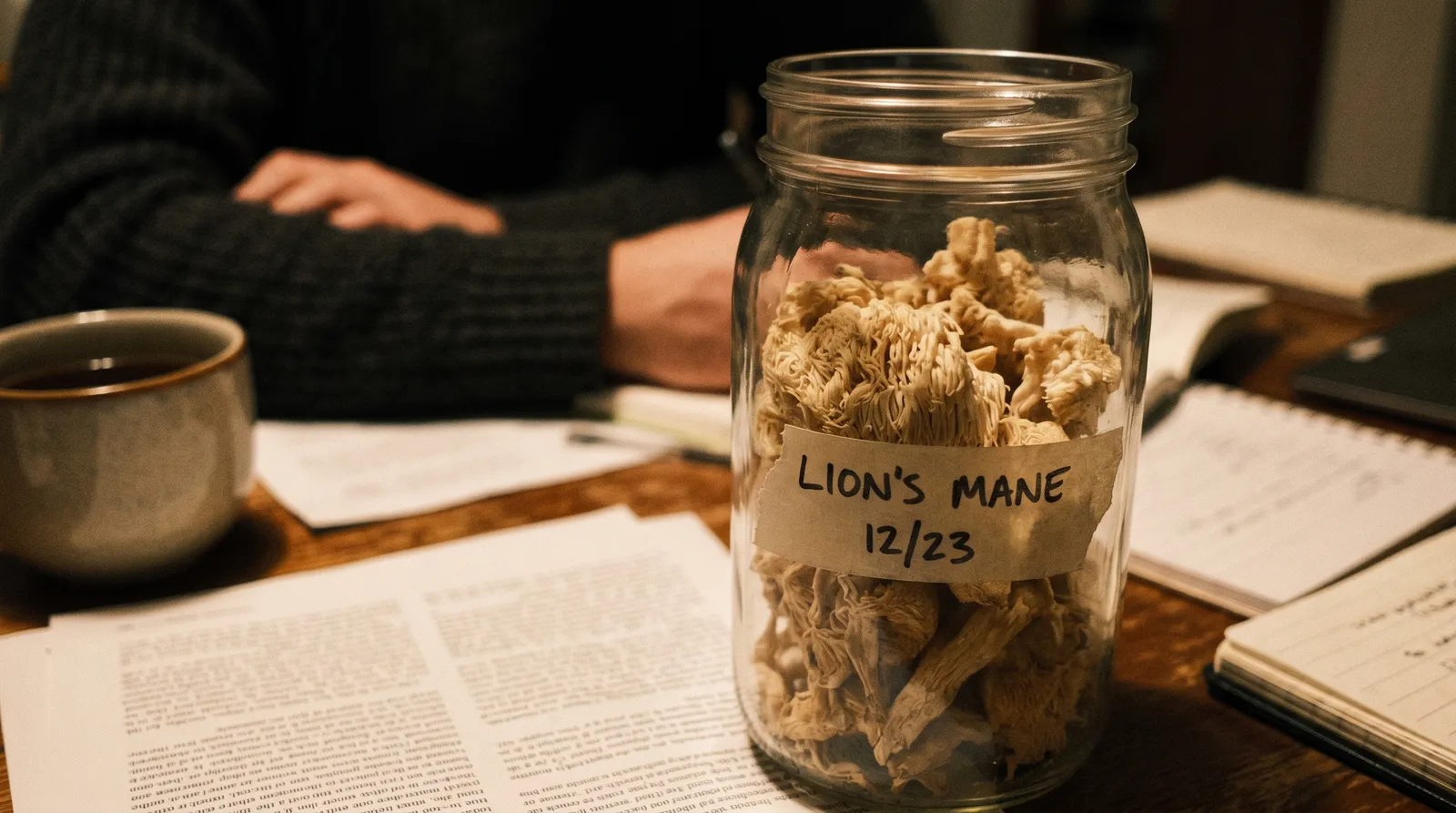
The most-cited human trial is Nagano et al. (2010), which administered lion's mane cookies (containing 0.5g of fruiting-body powder per cookie, four cookies daily) to 30 women over four weeks. The study reported reductions in self-reported depression and anxiety scores (measured by the Centre for Epidemiologic Studies Depression Scale and the Indefinite Complaints Index) compared to placebo. The effect sizes were modest, the sample was small, and the delivery vehicle was unusual — but the study remains one of very few randomised human trials directly measuring mood outcomes with lion's mane.
A more recent trial by Vigna et al. (2019) examined a lion's mane extract (standardised to erinacine A content) in overweight adults and found improvements in depression and anxiety subscale scores alongside changes in circulating pro-BDNF. This is notable because it links the subjective mood improvement to a measurable neurotrophin marker, though the study was not designed primarily to test stress outcomes and the population was selected for metabolic, not psychological, characteristics.
The mycelium-versus-fruiting-body question is particularly live for lion's mane research stress adaptogen applications. Erinacines are concentrated in the mycelium, hericenones in the fruiting body. If the stress-relevant mechanism runs through NGF stimulation via erinacines, then a fruiting-body-only extract may not contain the relevant compounds at meaningful concentrations. Conversely, mycelium-on-grain preparations often contain substantial residual starch from the grain substrate, diluting the active fraction. This is not a settled debate — it is an active one, and anyone reading lion's mane stress research should note which preparation the cited study actually used. If you want to get a lion's mane product that matches the mood research, check whether the product specifies erinacine content — the Foodsporen Lion's Mane Extract and similar dual-fraction products listed on the Azarius functional mushrooms category page are worth comparing on this basis.
Other Species in the Stress Conversation
Chaga, maitake, turkey tail, and shiitake all have some preclinical data touching on stress-adjacent pathways, but none have direct human evidence for stress-specific endpoints. Chaga (Inonotus obliquus) and maitake (Grifola frondosa) appear in adaptogen discussions less frequently, but both have some preclinical data worth noting. Chaga's betulinic acid and melanin content have shown antioxidant activity in vitro, and oxidative stress is a measurable component of the chronic stress response — but the leap from "reduces oxidative markers in a cell culture" to "helps you cope with your job" is enormous. Maitake's D-fraction (a purified beta-glucan preparation) has been studied primarily in immune-modulation contexts, not stress per se, though immune dysregulation is itself a downstream consequence of chronic HPA axis activation.

Turkey tail (Trametes versicolor) and shiitake (Lentinula edodes) are even more peripheral to the stress-adaptogen literature. Their beta-glucan fractions (PSK, PSP, lentinan) have been studied extensively for immune-related endpoints, but stress-specific outcomes — cortisol, perceived stress scores, HPA axis markers — have not been primary endpoints in published trials on these species. The EMCDDA and other European regulatory bodies have not issued specific guidance on adaptogenic mushroom supplements, which reflects both the novelty of the product category and the limited clinical evidence base. For a broader overview of mushroom species and their studied properties, see the functional mushroom species comparison guide in the Azarius wiki.
The Extract Problem: Why Product Choice Matters
The single most important factor determining whether a mushroom supplement delivers stress-relevant compounds is the extraction method, not the species name on the label. Nearly every positive finding described above used a specific extract, prepared by a specific method, standardised to a specific compound concentration, and administered at a specific dose for a specific duration. The Tang et al. (2005) reishi trial used Ganopoly — a patented polysaccharide extract. The Jang et al. (2020) cordyceps trial used a proprietary hot-water extract standardised to cordycepin. The Nagano et al. (2010) lion's mane trial used fruiting-body powder baked into cookies.
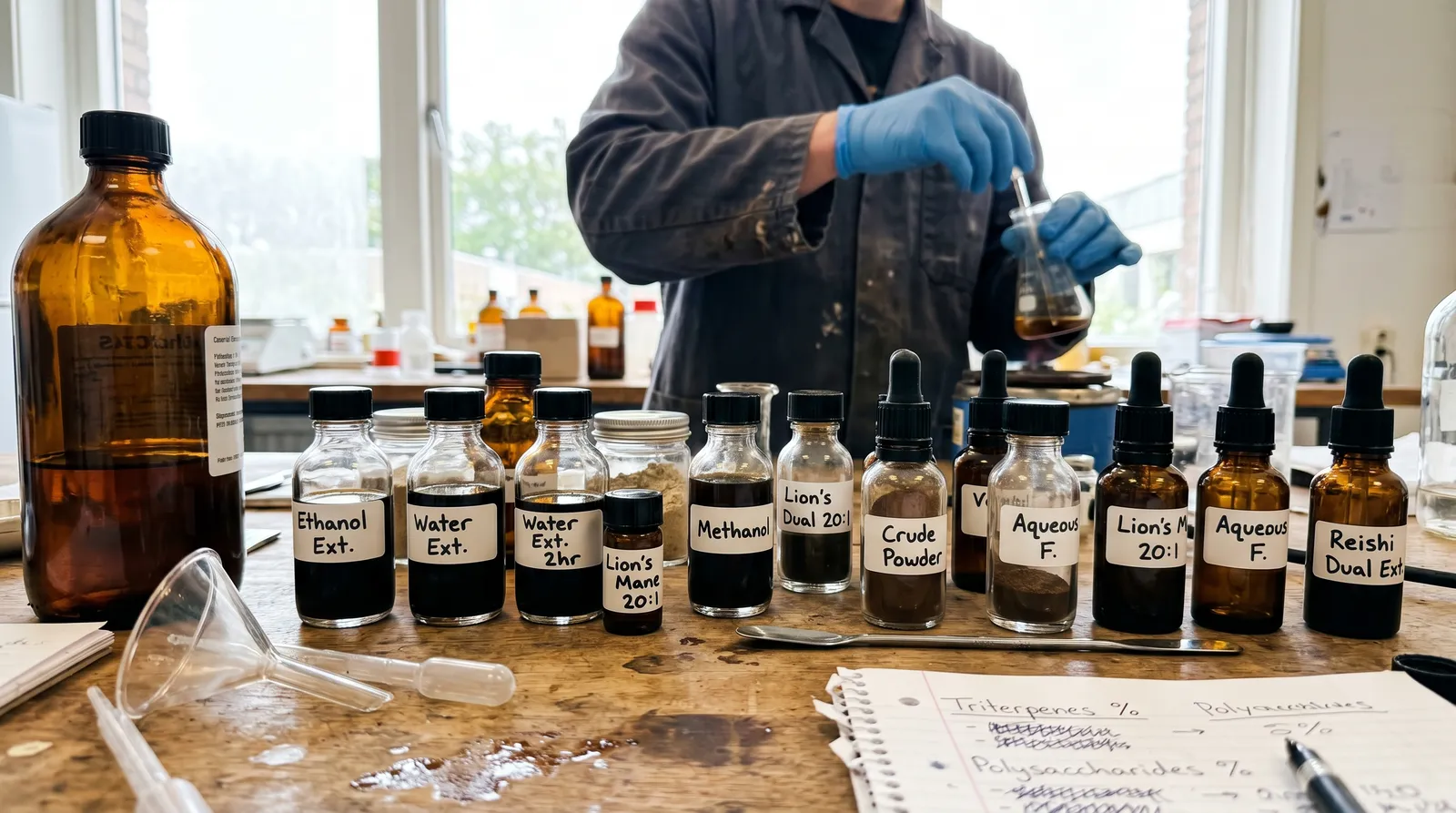
None of these findings automatically transfer to a generic mushroom powder, a different extraction method, a different species strain, or a different dose. A hot-water reishi extract will be rich in polysaccharides but low in triterpenes. An alcohol tincture will show the opposite profile. A dual-extraction product will theoretically contain both, but the ratio depends on the extraction parameters. A mycelium-on-grain product may contain meaningful quantities of neither if the grain substrate dilutes the active fraction below the threshold used in the cited research.
Beta-glucan percentage is often used as a quality proxy, but beta-glucan content alone does not predict stress-relevant activity — triterpenes, cordycepin, hericenones, and erinacines are all non-polysaccharide compounds with distinct mechanisms. A certificate of analysis (COA) showing 30% beta-glucans tells you something about polysaccharide content but nothing about triterpene or cordycepin concentration. The responsible reading of this research stress adaptogen literature is not "mushrooms reduce stress" but rather "specific extracts of specific mushrooms, at specific doses, showed specific effects on specific stress markers in specific populations, and we do not yet know how broadly those findings generalise." When you order any mushroom extract from the Azarius catalogue, we recommend cross-referencing the product's COA with the preparations described in the studies cited here. The Azarius functional mushrooms category page lists extraction method and beta-glucan content for each product, and the Azarius blog series on mushroom quality covers COA interpretation in detail.
An Honest Limitation We Think Matters
One thing we are upfront about at Azarius: no mushroom supplement we carry has been tested in a large-scale, multi-site, placebo-controlled trial for stress reduction. The products we stock are based on the best available evidence, but "best available" in this field still means small trials, proprietary extracts, and short durations. We think that honesty serves you better than hype. If a product worked as powerfully as some marketing claims suggest, the clinical trial field would look very different than it does today. We sell these products because the science is interesting and the safety profile is generally favourable — not because the evidence is conclusive.
A Comparison We Get Asked About Often
Customers regularly ask us how functional mushroom extracts stack up against herbal adaptogens like ashwagandha or rhodiola. The short version: the herbal adaptogens have a bigger evidence base, but the mushroom compounds offer distinct mechanisms that herbs do not replicate — particularly lion's mane NGF stimulation and reishi triterpene GABA binding. Some of our repeat customers get both and rotate them, which is a reasonable approach given the different pathways involved. Neither category is a magic bullet, and combining them does not double the effect — but understanding the mechanistic differences helps you decide what to order based on your specific goal rather than marketing claims. The Azarius herbal adaptogens category page and the Azarius functional mushrooms blog series both cover this comparison in more detail.
Comparing Mushroom Species for Stress Research
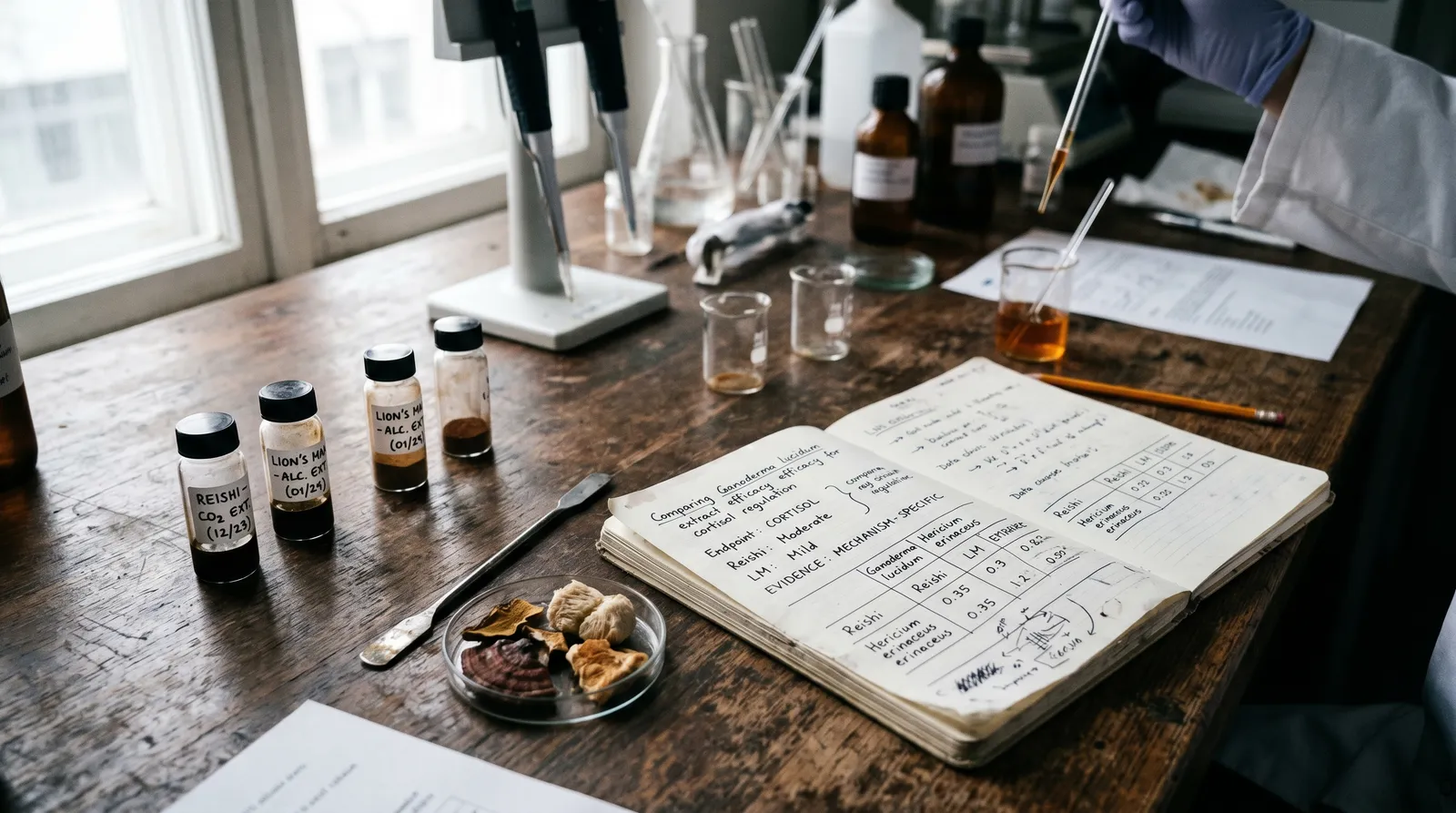
No single mushroom species outperforms all others across every stress-related endpoint — the evidence is mechanism-specific and extract-dependent. The table below summarises the current state of research across species, and the list following it outlines key questions to ask before choosing a product based on research stress adaptogen claims.
| Species | Key Stress-Relevant Compounds | Primary Mechanism Studied | Human Trial Evidence | Extract Type in Key Studies |
|---|---|---|---|---|
| Reishi (G. lucidum) | Ganoderic acids, polysaccharides | GABAA receptor binding, HPA axis modulation | 1 RCT (n=132, fatigue); 1 pilot (n=48, QoL) | Hot-water polysaccharide extract (Ganopoly) |
| Cordyceps (C. militaris) | Cordycepin, adenosine | Anti-inflammatory, cortisol modulation | 1 RCT (n=63, cortisol + perceived stress) | Hot-water extract standardised to cordycepin |
| Lion's Mane (H. erinaceus) | Hericenones, erinacines | NGF stimulation, BDNF-related mood effects | 1 RCT (n=30, mood); 1 trial (overweight adults, mood + BDNF) | Fruiting-body powder; mycelium extract (erinacine A) |
| Chaga (I. obliquus) | Betulinic acid, melanin | Antioxidant (oxidative stress reduction) | None for stress endpoints | N/A |
| Maitake (G. frondosa) | D-fraction beta-glucans | Immune modulation (indirect stress relevance) | None for stress endpoints | N/A |
Key Questions Before Choosing a Stress-Related Mushroom Product
- Which compound class are you targeting? Triterpenes (reishi's GABAergic ganoderic acids) concentrate in alcohol extracts. Polysaccharides concentrate in hot-water extracts. Dual extraction captures both. No single method is universally superior.
- Does the product specify extraction method? If the label says only "mushroom powder" without specifying extraction, you likely have ground raw material — not an extract comparable to those used in published research stress adaptogen trials.
- Is there a certificate of analysis (COA)? Look for beta-glucan percentage, triterpene content (for reishi), cordycepin content (for cordyceps), or erinacine/hericenone content (for lion's mane). The Azarius blog series on mushroom quality walks through COA interpretation step by step.
- Fruiting body or mycelium? For lion's mane stress research specifically, erinacines (NGF-stimulating) are in the mycelium. For reishi, ganoderic acids are concentrated in the fruiting body.
- What preparation was used in the cited study? The Tang et al. reishi trial used a proprietary polysaccharide extract. The Nagano et al. lion's mane trial used fruiting-body powder. Compare your product's serving size and extract type to the research preparation.
- How long was the study? Most positive findings emerged at four to twelve weeks. Expecting results after three days of use is not supported by any published trial.
How Adaptogenic Mushrooms Compare to Herbal Adaptogens
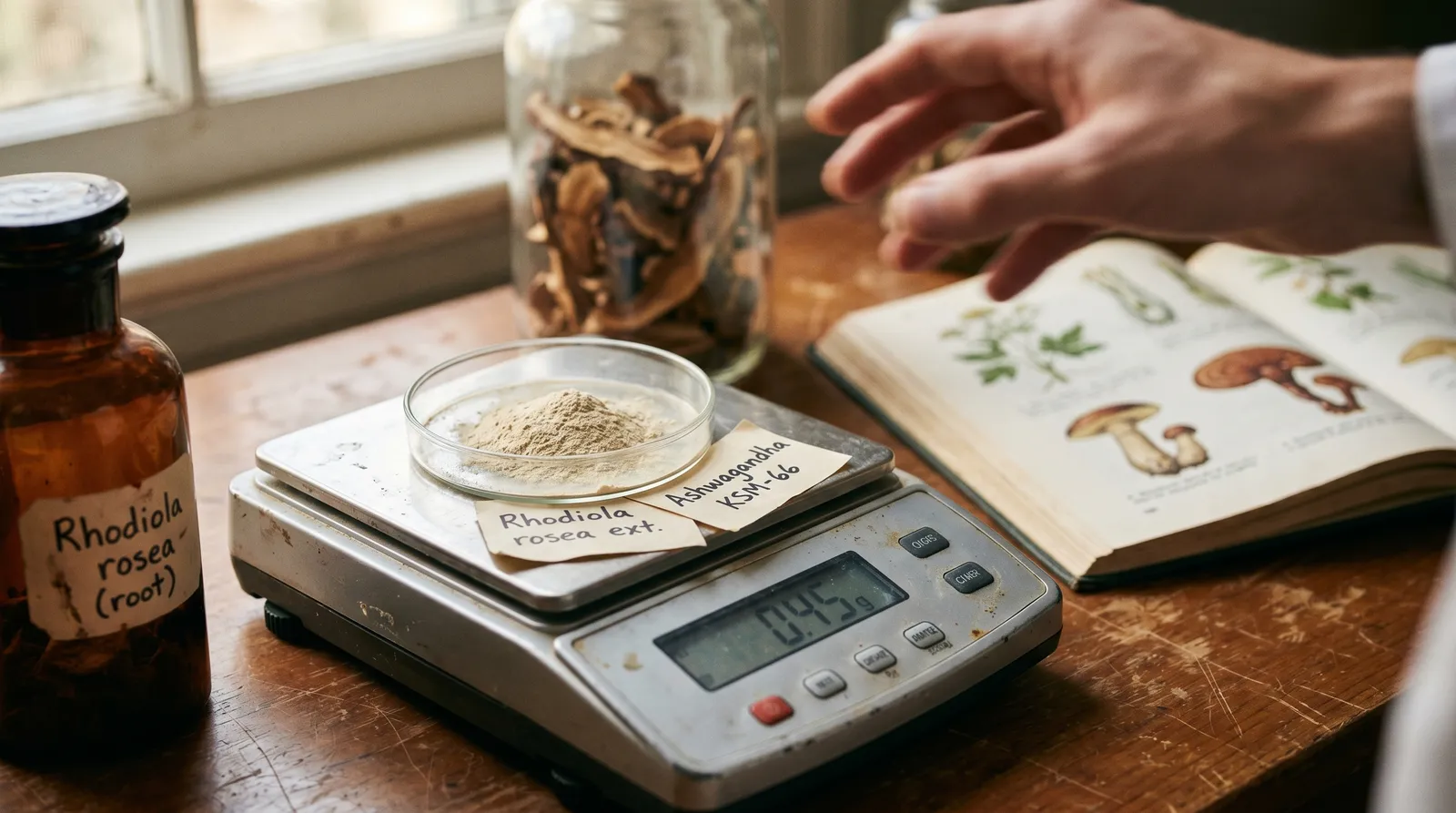
Herbal adaptogens such as ashwagandha and rhodiola have a substantially larger clinical trial base than any adaptogenic mushroom species, with multiple meta-analyses supporting modest cortisol and anxiety effects for the herbal compounds. Ashwagandha alone has been tested in over a dozen randomised controlled trials for cortisol and anxiety outcomes, with meta-analyses supporting modest but consistent effects on both endpoints (Lopresti et al., 2019). Rhodiola rosea has similarly been examined in multiple human trials for fatigue and stress resilience. By contrast, the entire research stress adaptogen literature for mushrooms rests on a handful of small trials. This does not mean mushrooms are less effective — it means they are less studied. The mechanisms differ too: ashwagandha's withanolides appear to act primarily on GABAergic and serotonergic pathways, while mushroom adaptogens work through a wider range of mechanisms including NGF stimulation (lion's mane), adenosine-pathway modulation (cordyceps), and triterpene-mediated GABA receptor binding (reishi). For customers looking to order adaptogenic products, understanding these mechanistic differences helps match the product to the goal. Some people choose to buy both a herbal adaptogen and a functional mushroom extract, rotating them or combining them — a strategy that is reasonable given the non-overlapping mechanisms, though no published trial has tested the combination directly. The Azarius ashwagandha product page and the Azarius rhodiola product page both include extract-type information that pairs well with the mushroom data discussed here.
Safety Considerations for Stress-Related Use
The most important safety concern for stress-related mushroom use is the potential for interactions with psychiatric, cardiovascular, and immune-modulating medications. Anyone considering functional mushrooms for stress-related purposes while taking prescription medication needs to pay attention to interaction risks. Reishi has demonstrated anticoagulant and antiplatelet effects in vitro and may interact with warfarin, apixaban, rivaroxaban, and other blood thinners — concurrent use increases bleeding risk. Cordyceps may potentiate hypoglycaemic medication. Both reishi and cordyceps may modestly lower blood pressure, creating cumulative risk with antihypertensive drugs. Immune-modulating species (reishi, maitake, turkey tail) work in theoretical opposition to immunosuppressants such as methotrexate, tacrolimus, and ciclosporin — combining them is inadvisable. The dedicated drug interactions article in the Azarius wiki covers these risks in full.
For individuals with autoimmune conditions, the immune-modulating properties of beta-glucan-rich species raise a separate concern. The theoretical risk — that immune stimulation opposes the therapeutic goal of autoimmune treatment — is real even if the clinical evidence documenting specific adverse outcomes is limited. The cautious approach is to err toward the warning.
Long-term safety data for daily mushroom supplementation are thin. Most published trials run four to twelve weeks. What happens at month eighteen or year three of daily reishi extract use is not established in controlled studies. Chronic use is widespread in TCM tradition, which provides some reassurance, but traditional use patterns (intermittent decoctions of whole dried mushroom) differ from modern use patterns (daily standardised extract capsules), and the dose-exposure profiles are not equivalent.
Mushroom allergies are also worth mentioning. Fungal cross-reactivity is real — individuals with mould allergies may react to mushroom supplements, and the reaction can range from mild gastrointestinal discomfort to more significant allergic responses. Anyone with known fungal sensitivities should proceed carefully. The Azarius functional mushroom safety guide on the wiki provides a more detailed overview of contraindications and allergy considerations.
Dosage and Timing in Published Stress Trials
Published trials on adaptogenic mushrooms used a range of extract preparations and treatment durations of four to twelve weeks before measuring stress-related outcomes. The Tang et al. (2005) reishi trial used a proprietary polysaccharide extract (Ganopoly) over eight weeks. The Nagano et al. (2010) lion's mane trial used fruiting-body powder over four weeks. The Jang et al. (2020) cordyceps trial used a proprietary hot-water extract over eight weeks. Commercial capsule products often provide different amounts per serving than the preparations used in positive trials — anyone looking to get results informed by the research stress adaptogen literature should compare their product's serving size and extract type to the specific study they find compelling. Timing of administration (morning versus evening, with or without food) has not been systematically studied for stress outcomes, though reishi's traditional use as an evening calming agent and cordyceps' association with energy and exercise performance suggest a logical split. The Azarius functional mushroom dosage blog post covers serving-size comparisons across popular products in the catalogue.

Where the Evidence Actually Stands
The current evidence for adaptogenic mushrooms and stress is best described as preclinically promising and clinically preliminary, with no species yet supported by the volume of human data that would justify strong therapeutic claims. If you map the research stress adaptogen findings for functional mushrooms onto the standard evidence hierarchy, the picture looks roughly like this. Animal and in-vitro evidence for stress-relevant bioactivity is moderate to strong for reishi (triterpene GABAergic activity, polysaccharide effects on corticosterone), cordyceps (cordycepin anti-inflammatory pathways, cortisol modulation), and lion's mane (NGF stimulation, BDNF-related mood effects). Human clinical evidence is limited: a handful of small trials, mostly using proprietary extracts, with modest effect sizes and short durations. Long-term outcome data are absent. Comparative data between extract types and species strains are absent.

None of this means the research is worthless — it means it is early. The compounds are real, the mechanisms are plausible, and some of the human data are genuinely encouraging. But the gap between "a proprietary reishi polysaccharide extract reduced fatigue scores in 132 neurasthenia patients over eight weeks" and "reishi reduces stress" is the gap that honest science communication has to hold open, even when — especially when — the marketing incentive is to close it. We would rather you get the right product for the right reason than buy something based on a headline that oversimplifies the research stress adaptogen literature.
Last updated: April 2026
Frequently Asked Questions
8 questionsDo adaptogenic mushrooms lower cortisol levels in humans?
Which mushroom extract method is best for stress-related compounds?
Can you take adaptogenic mushrooms with anti-anxiety medication?
Is there a difference between mycelium and fruiting body for stress benefits?
How long do adaptogenic mushroom effects take to appear?
What does research stress adaptogen science say about chaga for anxiety?
Are adaptogenic mushrooms safe to use every day?
What is the difference between adaptogens and nootropics in mushrooms?
About this article


Adam Parsons is an external cannabis and psychedelics writer and editor who contributes to Azarius's wiki as both author and reviewer. On the writing side, he authors Azarius's kratom and kanna clusters, drawing on exten
This wiki article was drafted with AI assistance and reviewed by Adam Parsons, External contributor. Editorial oversight by Joshua Askew.
Medical disclaimer. This content is for informational purposes only and does not constitute medical advice. Consult a qualified healthcare provider before use of any substance.
Last reviewed April 24, 2026
References (4)
- [1]Lopresti et al. (2019). [reference pending verification]
- [2]Mori, K. et al. (2008). Nerve growth factor–inducing activity of Hericium erinaceus in 1321N1 human astrocytoma cells. Biological and Pharmaceutical Bulletin , 31(9), 1727–1732.
- [3]Panossian et al. (2010). [reference pending verification]
- [4]Socala et al. (2015). [reference pending verification]
Related Articles

Medicinal Mushrooms TCM Western Pharmacognosy Guide
Guide to medicinal mushrooms TCM Western pharmacognosy — how reishi, lion's mane, cordyceps are classified, extracted, and studied.
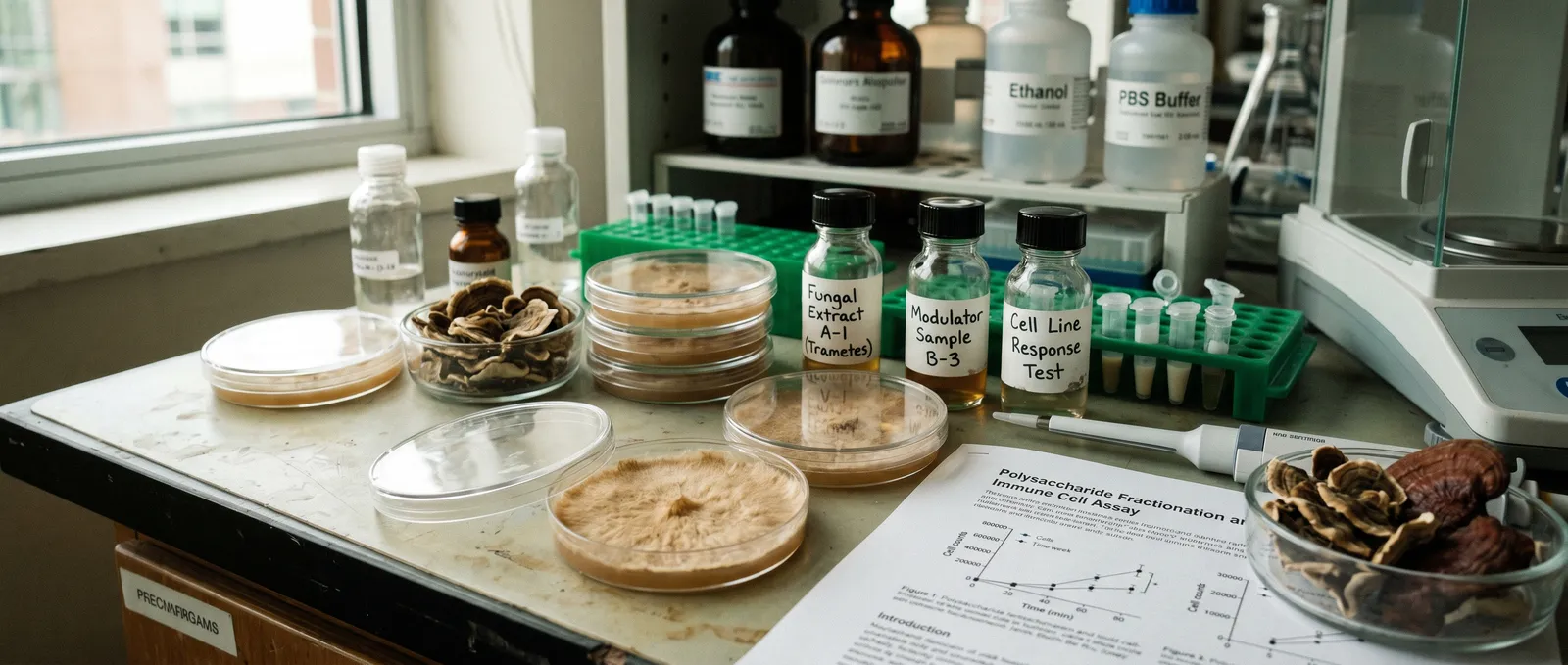
Research on Immune Modulation by Functional Mushrooms
What does research on immune modulation by functional mushrooms actually show? Beta-glucans, Dectin-1 signalling, human trials, and the honest gap...
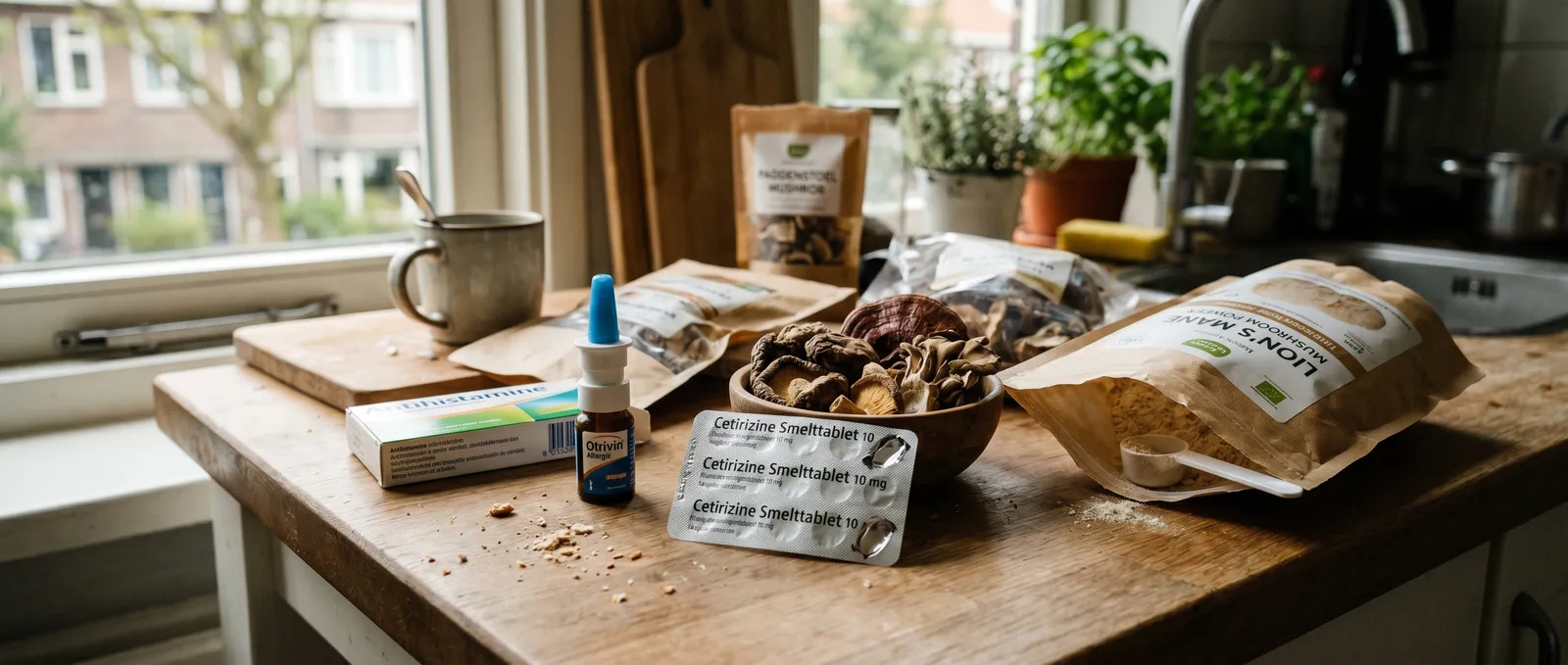
Allergic Reactions & Mushroom Sensitivities
Understand allergic reactions and mushroom sensitivities: mould cross-reactivity, shiitake dermatitis, species-specific risks, and safer product…
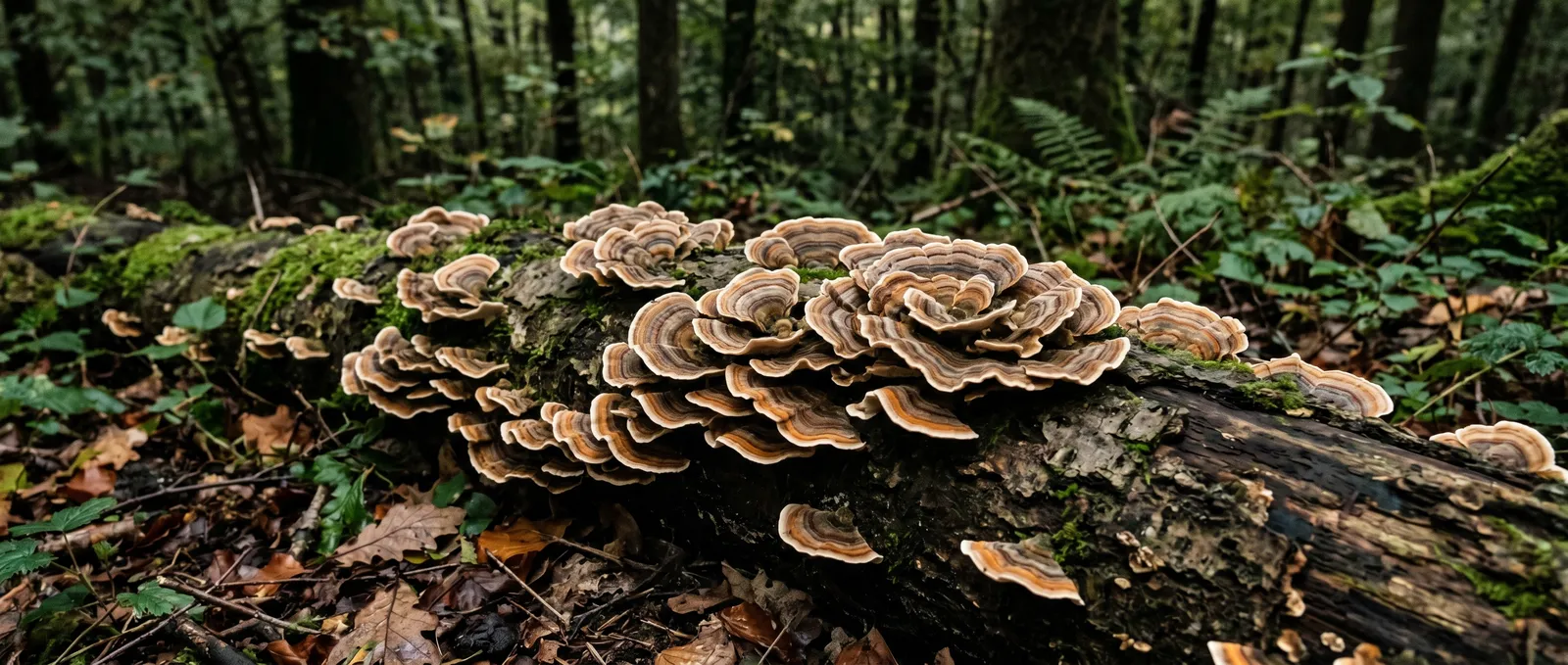
Turkey Tail Trametes versicolor — Buy Supplements
Buy turkey tail Trametes versicolor supplements at Azarius. PSK and PSP evidence, beta-glucan dosage, extraction methods, and safety.

Triterpenes In Medicinal Mushrooms
Triterpenes in medicinal mushrooms are a class of 30-carbon terpenoid compounds produced as secondary metabolites by several functional mushroom species…

Chaga Siberian Nordic Folk Use
Chaga Siberian Nordic folk use is a centuries-old tradition in which indigenous Siberians and Nordic communities brewed the birch-parasitising fungus…
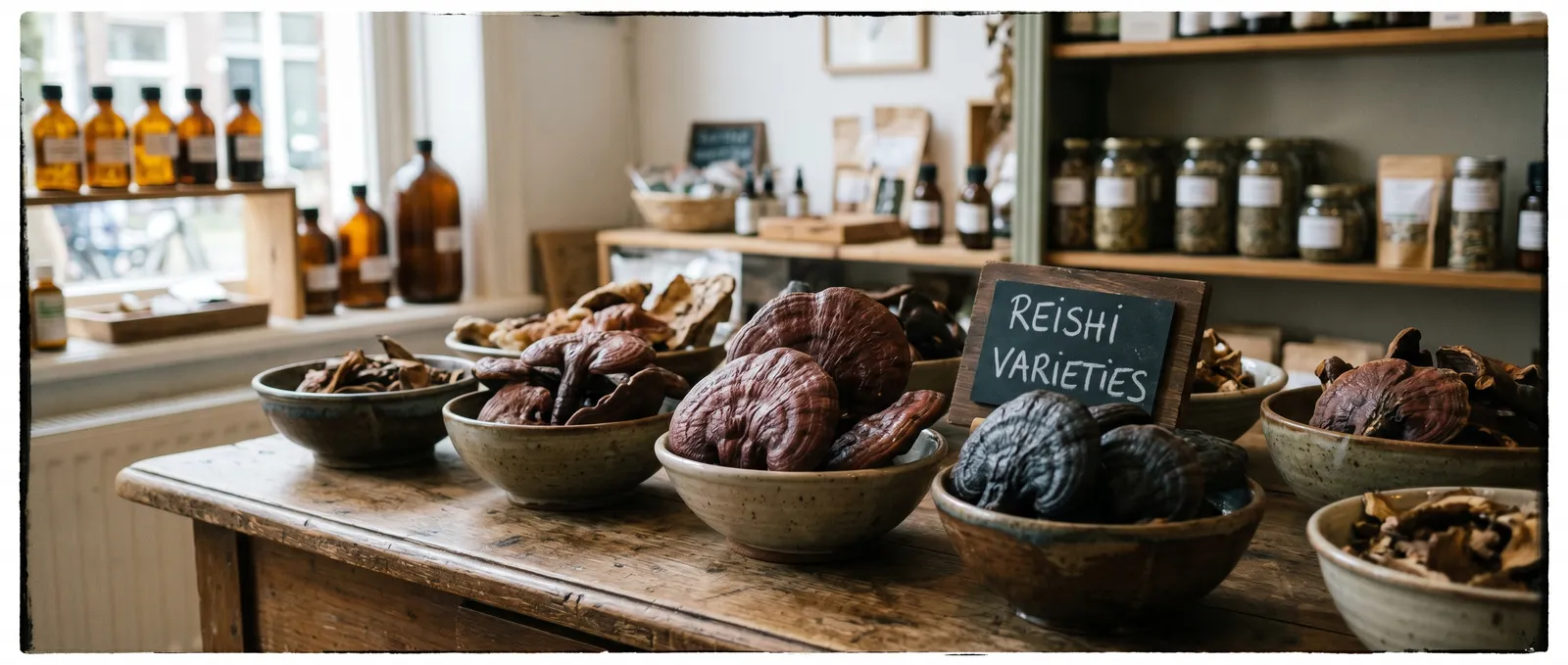
Red and Black Reishi Varieties
Red reishi (Ganoderma lucidum) and black reishi (Ganoderma sinense) both fall under the lingzhi umbrella in traditional Chinese medicine, but they differ in…
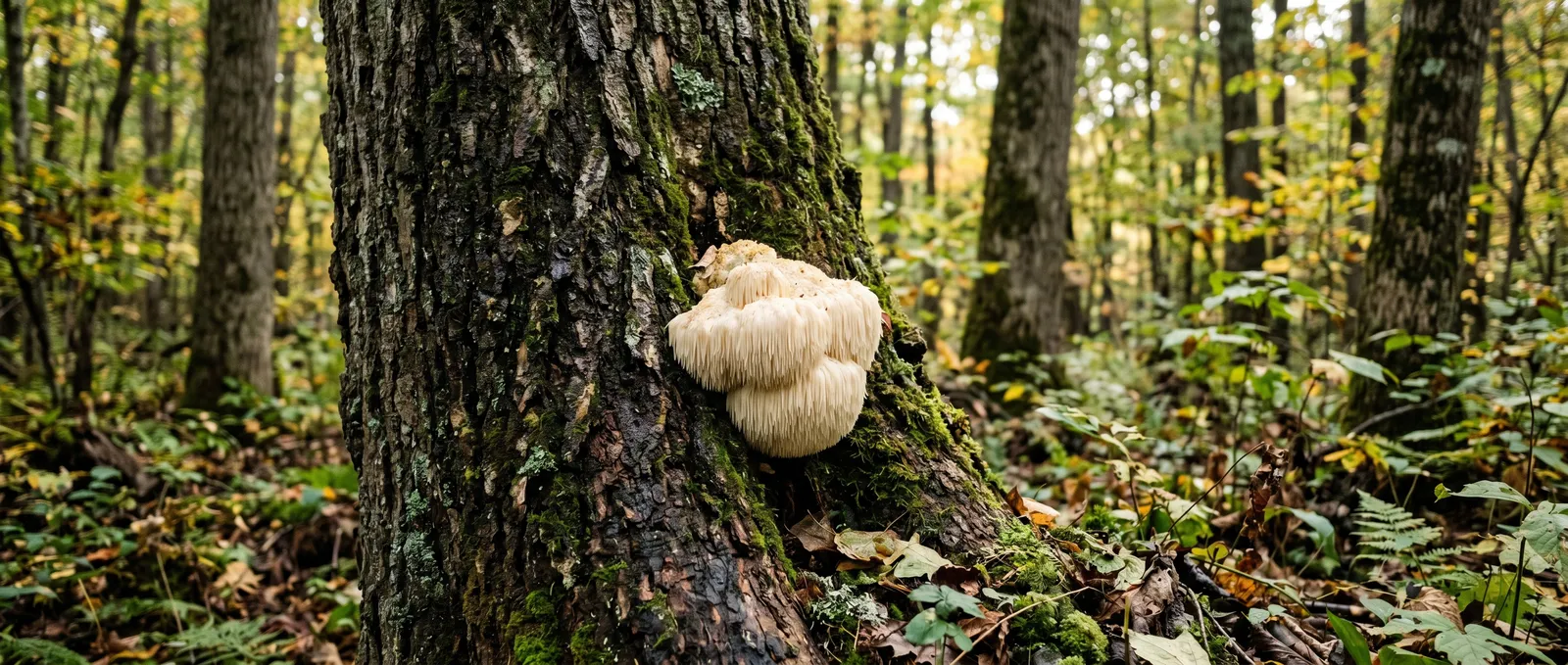
Lion's Mane Identification & Habitat
Hericium erinaceus is a tooth fungus that fruits as a single white, spine-covered mass on wounded or dead hardwood trees.
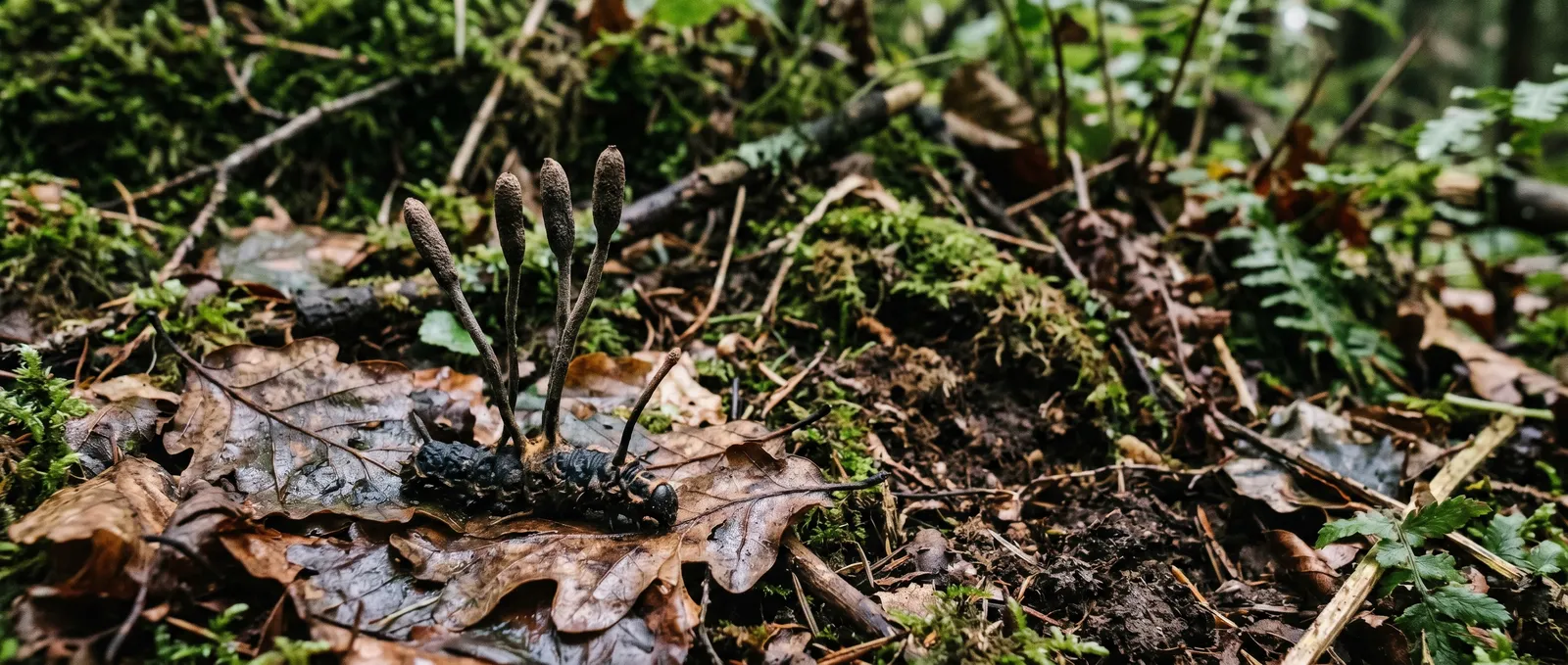
Cordyceps Lifecycle
The cordyceps lifecycle is a parasitic biological sequence in which a fungus infects an insect host, colonises its body from within, and erupts as a…