
Red and Black Reishi Varieties
Definition
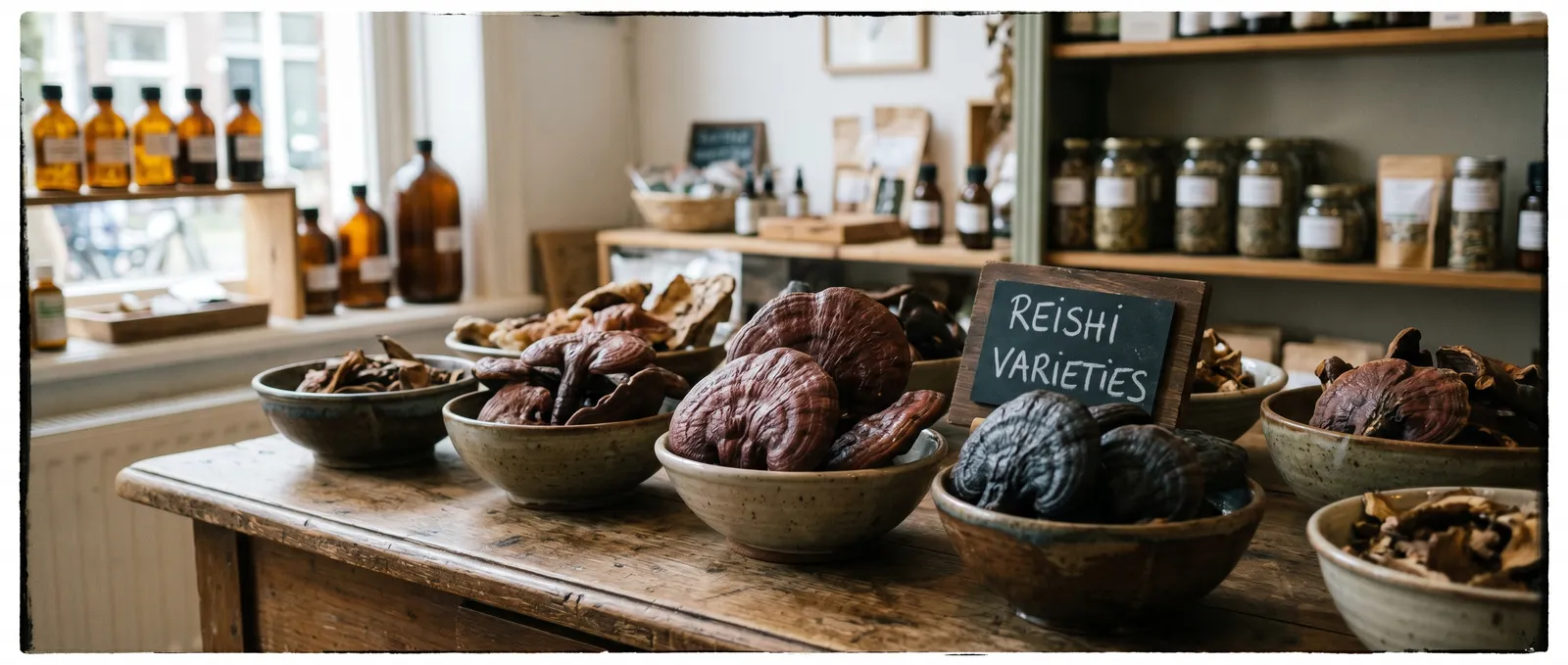
Red reishi (Ganoderma lucidum) and black reishi (Ganoderma sinense) both fall under the lingzhi umbrella in traditional Chinese medicine, but they differ in triterpene concentration, polysaccharide structure, and clinical evidence. A comparative analysis by Zhao et al. (2015) found distinct compound ratios between the two species, with red reishi commanding the larger body of published research by a wide margin.
18+ only — This guide covers functional mushroom supplements used by adults; dosing data below applies to adult physiology.
Red and black reishi varieties are two distinct species of Ganoderma mushroom — red reishi (Ganoderma lucidum) and black reishi (Ganoderma sinense) — that share the "lingzhi" designation in traditional Chinese medicine but differ meaningfully in triterpene concentration, polysaccharide structure, and clinical evidence depth. When people say "reishi," they almost always mean the red variety. It's the one plastered across supplement labels, the one with centuries of Chinese and Japanese medical texts behind it, and the one that accounts for the vast majority of published clinical research. But there's a second species that keeps turning up in TCM under the same lingzhi umbrella: black reishi, formally Ganoderma sinense. The two share a genus and a reputation, yet they differ in chemistry, appearance, taste, and the depth of evidence behind them. This article breaks down exactly where red and black reishi varieties overlap and where they don't — and helps you decide which to buy.
Red vs. Black Reishi at a Glance
Red and black reishi varieties belong to the same genus but differ across nearly every measurable dimension, from chemical fingerprint to commercial availability. The table below summarises the key contrasts so you can orient yourself before diving into the detail.
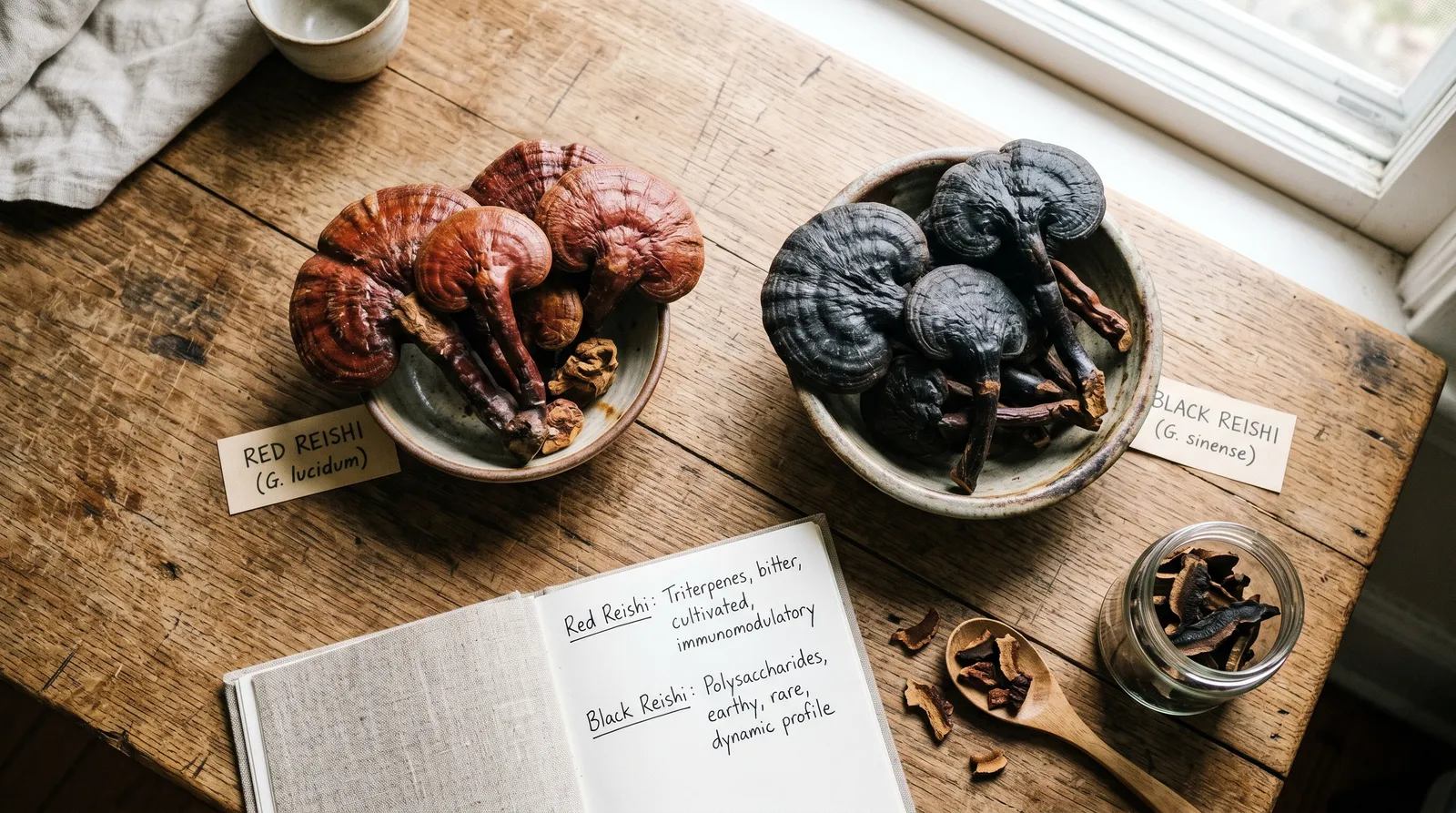
| Dimension | Red Reishi (G. lucidum) | Black Reishi (G. sinense) |
|---|---|---|
| Binomial name | Ganoderma lucidum | Ganoderma sinense |
| Cap colour | Reddish-brown, lacquered sheen | Dark brown to near-black, matte to semi-glossy |
| Taste profile | Intensely bitter | Milder, slightly woody, less bitter |
| Key triterpenes | Ganoderic acids A–Z (over 130 identified) | Ganoderic acids present but fewer characterised; ganodermanontriol noted |
| Beta-glucan content | Well-characterised; typically standardised in extracts | Present but less frequently standardised commercially |
| Published clinical trials | Dozens (immunomodulation, cardiovascular markers, oncology-adjunct) | Fewer than 10 dedicated human studies |
| TCM classification | "Chi Zhi" (red lingzhi) — associated with heart and vitality | "Hei Zhi" / "Zi Zhi" (black/purple lingzhi) — associated with kidneys and brain |
| Commercial availability | Widely cultivated worldwide; easy to order online | Rarer; mostly cultivated in China, limited Western supply |
| Typical price point | Moderate | Higher, due to scarcity and slower cultivation |
What Makes Red Reishi the Default?
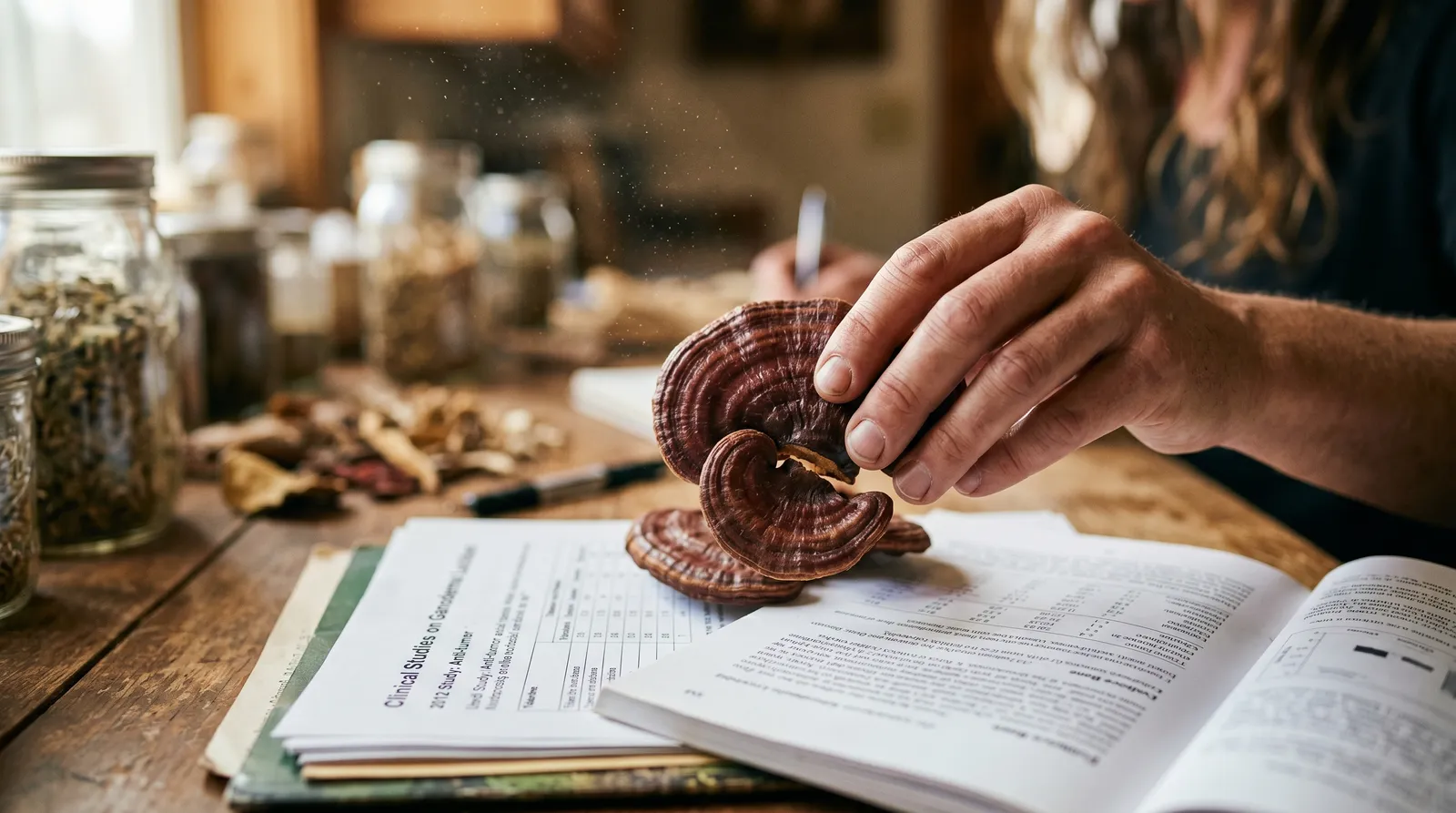
Red reishi is the default choice because it has the most published clinical data of any medicinal mushroom species, giving consumers and practitioners the strongest evidence base to work from. A 2012 Cochrane-style review by Jin et al. (2012) examined five randomised controlled trials involving G. lucidum and found that reishi preparations may enhance immune response in cancer patients when used alongside conventional treatment, though the authors stressed that study quality was generally low and sample sizes small. That's a measured conclusion, but it's still more than most medicinal mushrooms can claim.
The triterpene profile of red reishi is unusually complex. Researchers have identified over 130 ganoderic acids from G. lucidum fruiting bodies and spores (Cör et al., 2018). These oxygenated lanostane-type compounds are what give red reishi its aggressive bitterness — if your reishi tea doesn't taste unpleasant, the triterpene content is probably low. Beta-glucan polysaccharides, the other major bioactive group, are responsible for much of the immunomodulatory interest. Most commercial extracts standardise to beta-glucan percentage, typically somewhere between 20% and 50% depending on extraction method.
Research ranges for red reishi vary by form. Dried whole mushroom preparations in clinical studies have used 1.5 to 9 grams daily, while concentrated extracts typically appear at 1–1.8 grams daily (Jin et al., 2012). The European Medicines Agency has not issued a formal monograph for Ganoderma species, and the EMCDDA does not schedule reishi, so these figures come from individual trial protocols rather than a regulatory consensus.
Black Reishi: The Rarer Sibling
Black reishi (Ganoderma sinense) is a slower-growing, less-studied species that produces fewer triterpenes than red reishi but carries distinct polysaccharide structures of emerging scientific interest. In the classical TCM text Shennong Ben Cao Jing (circa 200 CE), six colours of lingzhi are described, each linked to a different organ system. Black or purple lingzhi was associated with the kidneys and, by extension, with vitality and cognitive sharpness. Modern TCM practitioners still sometimes prefer black reishi for formulas targeting what they'd call "kidney essence."

Chemically, black reishi shares the same compound families — ganoderic acids, beta-glucans, sterols — but the ratios differ. A comparative analysis by Zhao et al. (2015) found that G. sinense contained lower total triterpene concentrations than G. lucidum but showed distinct polysaccharide structures that may interact differently with immune receptors. The word "may" is doing heavy lifting there: very few studies have directly compared the immunological effects of the two species head-to-head in humans.
Black reishi's flavour is noticeably milder. Where red reishi punches you with bitterness, black reishi tastes more like a concentrated forest-floor tea — earthy, woody, with only a gentle bitter finish. Some people genuinely prefer it for daily decoctions precisely because it's more drinkable, though the lower bitterness likely reflects a lower triterpene load.
The rarity factor is real. G. sinense grows more slowly, produces smaller fruiting bodies, and is cultivated on a much smaller commercial scale. Most of the global supply comes from a handful of farms in southern China. This scarcity means black reishi commands a higher price per gram, and it also means quality control is harder to verify — fewer labs routinely test for G. sinense-specific marker compounds. If you want to order black reishi, expect to do more homework on supplier credibility than you would for red reishi.
Unpacking the Key Differences
The core differences between red and black reishi varieties come down to three areas: triterpene profiles, polysaccharide structures, and the sheer volume of published research supporting each species.
Triterpene profiles
Red reishi's ganoderic acid spectrum is the most thoroughly mapped of any Ganoderma species. Ganoderic acids A and B are often used as quality markers. Black reishi contains many of the same acids but in different proportions, and some compounds — like certain ganodermanontriol derivatives — appear more prominently in G. sinense (Zhao et al., 2015). Whether these differences translate into meaningfully different effects in the body remains an open question. Most of the functional mushroom research that makes it into systematic reviews focuses exclusively on G. lucidum.
Polysaccharides
Both species are rich in beta-glucans, but structural analysis shows that the branching patterns and molecular weights differ. A 2018 study by Wang et al. (2018) found that polysaccharides from G. sinense exhibited antioxidant activity in vitro comparable to those from G. lucidum, though the authors cautioned that in-vitro antioxidant assays are notoriously poor predictors of in-vivo effects. Translation: test-tube results here are interesting but not conclusive.
Research depth
This is where the gap is starkest. A PubMed search for "Ganoderma lucidum" returns over 4,000 results. "Ganoderma sinense" returns roughly 200. Li et al. (2023) noted in a review of reishi-related clinical trials that nearly all human studies used G. lucidum or unspecified "reishi" products, making it difficult to draw species-specific conclusions about G. sinense. If evidence-based decision-making matters to you — and it should — red reishi is the safer bet simply because we know more about it.
Which One Should You Choose?
Red reishi is the better-supported choice for most people, backed by dozens of clinical trials and widely available in standardised extract form. The research on immune modulation, though still limited in quality, at least exists in meaningful volume. If you want to buy a reishi supplement with confidence, look for products that specify G. lucidum, list the extraction method, and report beta-glucan and triterpene percentages. Reputable suppliers test for both.
Black reishi makes sense if you're specifically interested in TCM formulation, if you prefer a milder-tasting daily decoction, or if you're working with a practitioner who has a reason to recommend G. sinense over G. lucidum. Just go in with eyes open about the evidence gap — you're relying more on traditional use patterns and less on clinical data.
Some products blend both red and black reishi varieties together. This isn't necessarily marketing nonsense — the idea of combining complementary polysaccharide profiles has some theoretical basis — but there's no published clinical trial comparing a red-black blend against either species alone. If you see a blend product, check that it specifies the ratio and extraction method. "Proprietary reishi blend" with no further detail is a red flag.
- Buy red reishi if you want the most evidence-backed option with the widest product selection
- Order black reishi if a TCM practitioner has specifically recommended G. sinense for your formula
- Choose a blend only if the label names both species, states the ratio, and provides third-party test results
- Avoid any product labelled simply "reishi" or "lingzhi" without a species name — you cannot verify what you're getting
What We Still Don't Know
Significant gaps remain in our understanding of both red and black reishi varieties, and intellectual honesty demands acknowledging them openly. No large-scale, high-quality randomised controlled trial has established definitive therapeutic doses for either species. The Cochrane-style reviews that exist for G. lucidum consistently flag small sample sizes and methodological weaknesses. For G. sinense, the situation is worse — we're largely extrapolating from in-vitro work and a handful of small human studies.
We also lack head-to-head comparisons. Despite both species being sold under the lingzhi umbrella for centuries, no published clinical trial has directly compared red reishi against black reishi for any health outcome. The Beckley Foundation and similar research organisations have not yet turned their attention to comparative Ganoderma studies, and the EMCDDA maps of substance monitoring do not currently track reishi species separately, leaving a gap that traditional-use data alone cannot fill.
- No regulatory body (EMA, FDA, TGA) has issued a formal therapeutic monograph for either G. lucidum or G. sinense
- Most "reishi" products on the market do not specify which species they contain
- Beta-glucan percentages on labels are not always verified by independent third-party testing
- In-vitro antioxidant and immunomodulatory results for both species have not been reliably replicated in human trials
- Long-term safety data beyond 12 months of continuous use is essentially absent for both species
One thing worth noting: the pillar article on reishi covers general safety, interactions with anticoagulant and antihypertensive medications, and broader contraindications. If you're on blood thinners or blood pressure medication, read that article before starting any reishi product — red or black. The Azarius reishi category page lists products from suppliers who provide species identification and extraction details, which is the minimum you should expect when you buy red and black reishi varieties in any form.
Last updated: April 2026
Frequently Asked Questions
8 questionsIs black reishi more potent than red reishi?
Why does red reishi taste so much more bitter than black reishi?
Can you combine red and black reishi in the same supplement?
Why is black reishi more expensive than red reishi?
How do you tell if a reishi product is actually G. lucidum or G. sinense?
Where can I buy red or black reishi varieties?
Which reishi color is traditionally considered the most prized in Chinese medicine?
Do red and black reishi contain different types of triterpenes?
About this article


Joshua Askew serves as Editorial Director for Azarius wiki content. He is Managing Director at Yuqo, a content agency specialising in cannabis, psychedelics and ethnobotanical editorial work across multiple languages. Th
This wiki article was drafted with AI assistance and reviewed by Joshua Askew, Managing Director at Yuqo. Editorial oversight by Adam Parsons.
Medical disclaimer. This content is for informational purposes only and does not constitute medical advice. Consult a qualified healthcare provider before use of any substance.
Last reviewed April 24, 2026
References (2)
- [1]Wasser, S. P. (2005). Reishi or Lingzhi (Ganoderma lucidum). Encyclopedia of Dietary Supplements, 603-622. DOI: 10.1081/E-EDS-120022119
- [2]Sliva, D. (2003). Ganoderma lucidum (Reishi) in cancer treatment. Integrative Cancer Therapies, 2(4), 358-364. DOI: 10.1177/1534735403259066
Related Articles
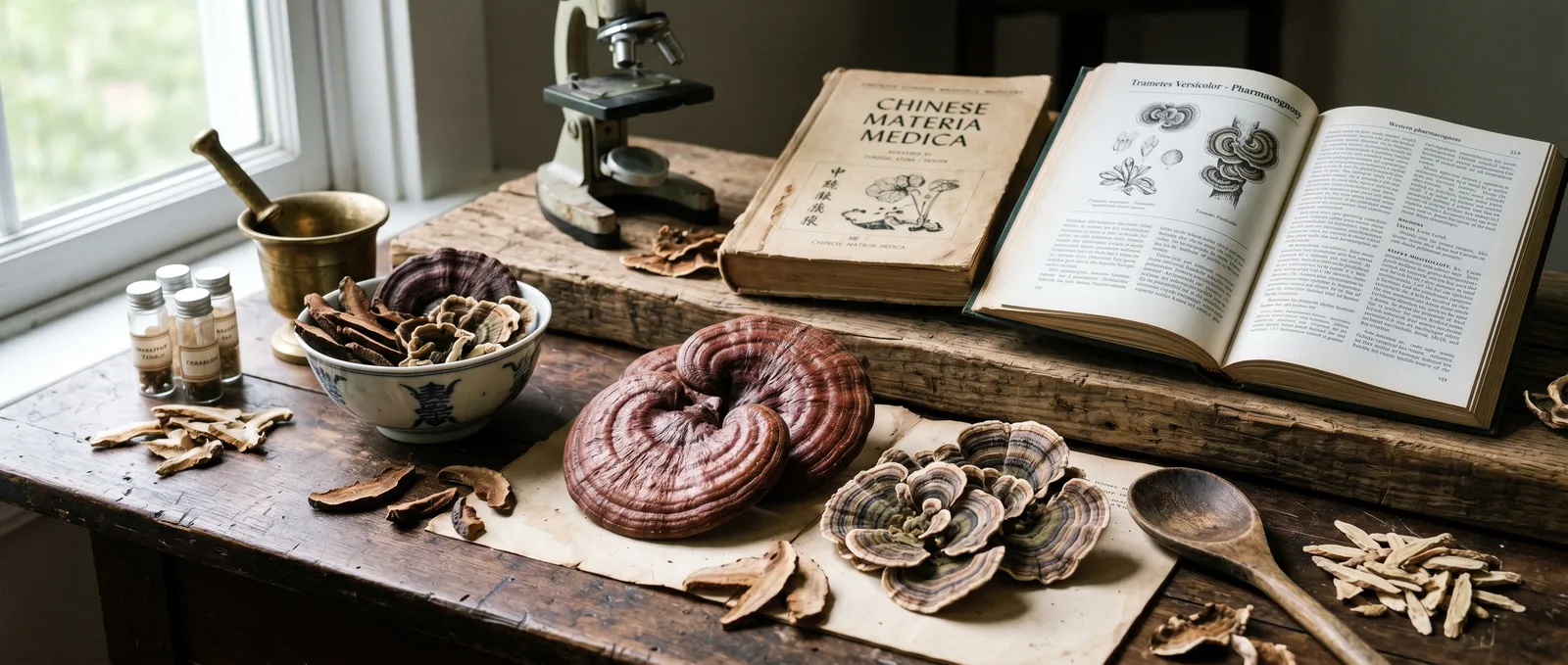
Medicinal Mushrooms TCM Western Pharmacognosy Guide
Guide to medicinal mushrooms TCM Western pharmacognosy — how reishi, lion's mane, cordyceps are classified, extracted, and studied.
Research on Immune Modulation by Functional Mushrooms
What does research on immune modulation by functional mushrooms actually show? Beta-glucans, Dectin-1 signalling, human trials, and the honest gap...
Allergic Reactions & Mushroom Sensitivities
Understand allergic reactions and mushroom sensitivities: mould cross-reactivity, shiitake dermatitis, species-specific risks, and safer product…
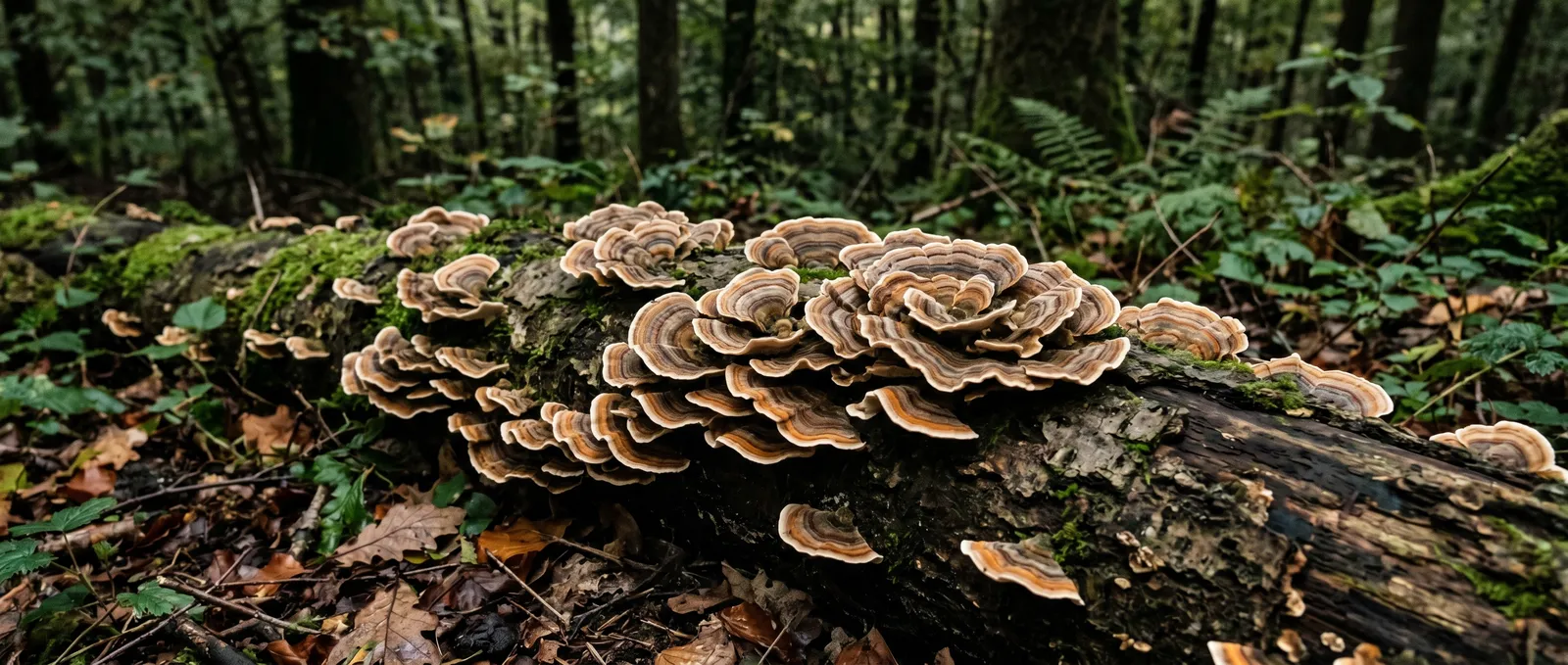
Turkey Tail Trametes versicolor — Buy Supplements
Buy turkey tail Trametes versicolor supplements at Azarius. PSK and PSP evidence, beta-glucan dosage, extraction methods, and safety.
Triterpenes In Medicinal Mushrooms
Triterpenes in medicinal mushrooms are a class of 30-carbon terpenoid compounds produced as secondary metabolites by several functional mushroom species…
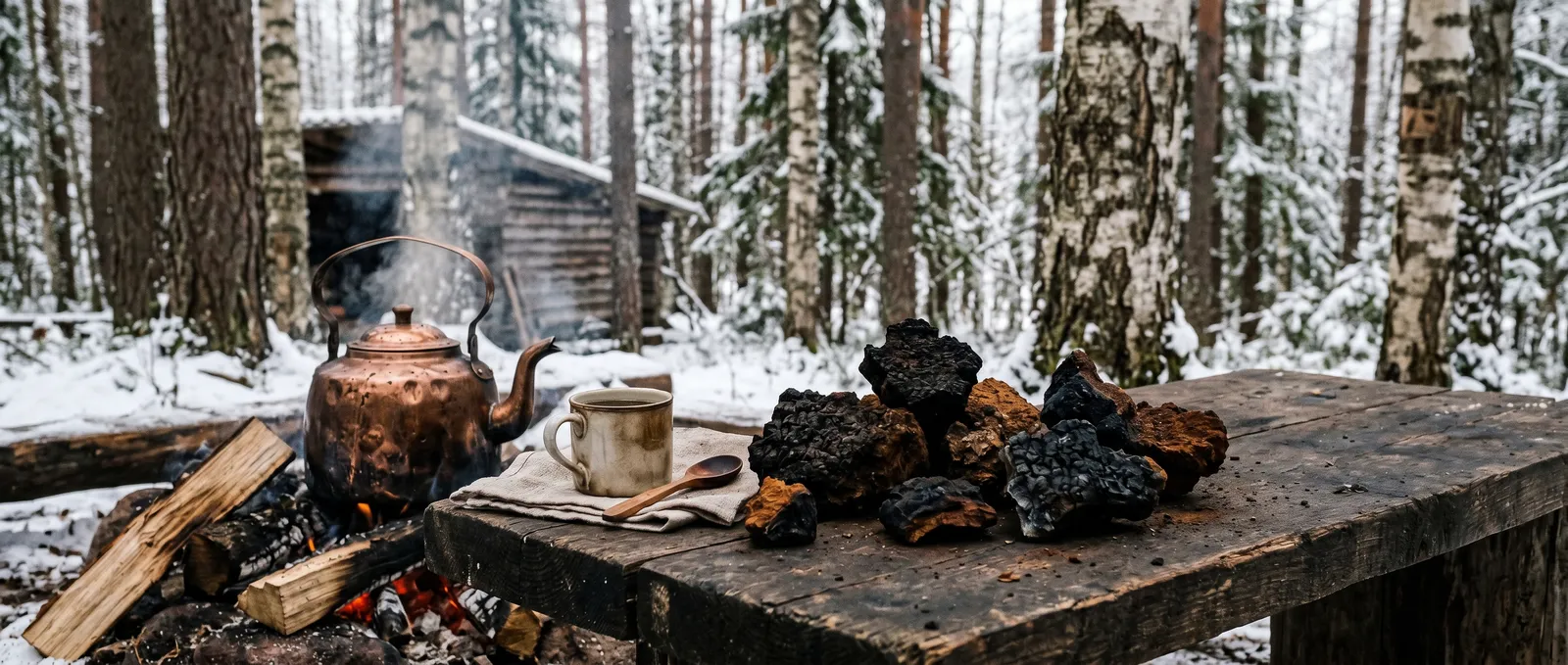
Chaga Siberian Nordic Folk Use
Chaga Siberian Nordic folk use is a centuries-old tradition in which indigenous Siberians and Nordic communities brewed the birch-parasitising fungus…
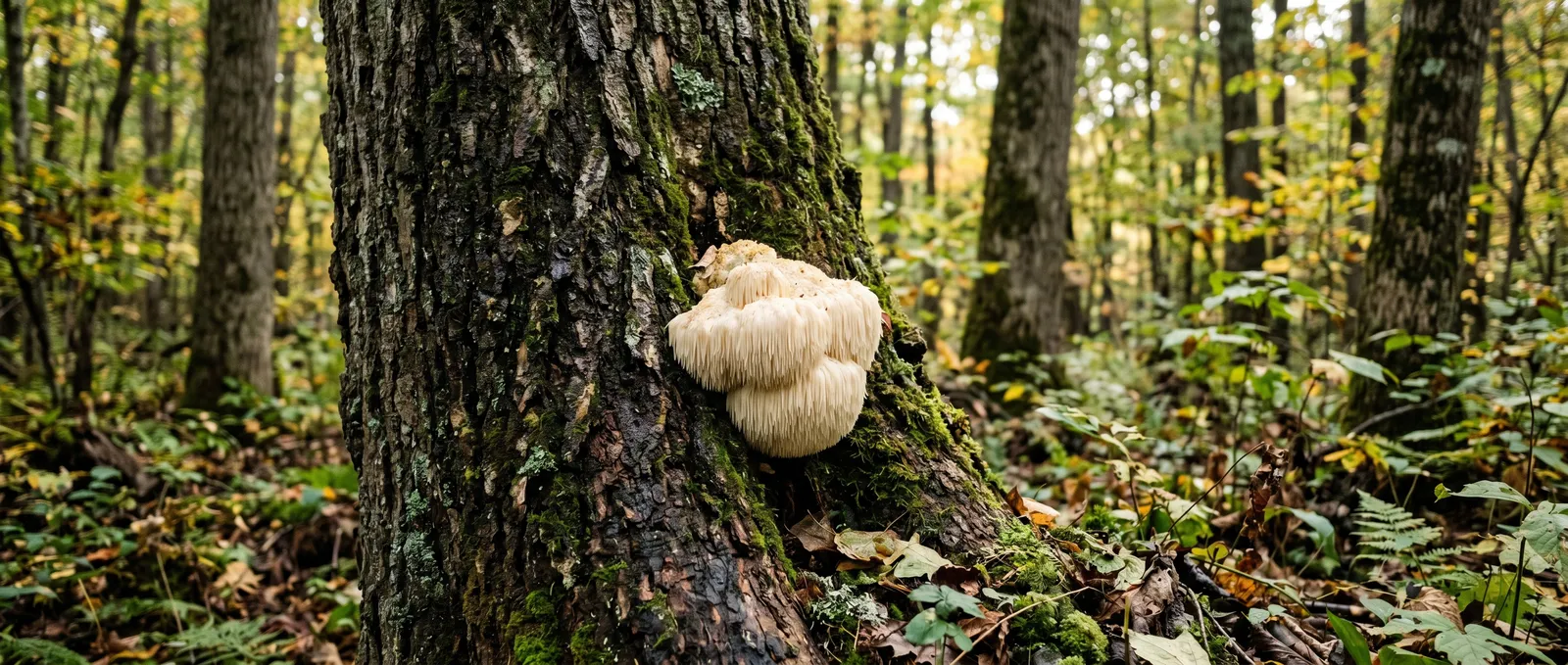
Lion's Mane Identification & Habitat
Hericium erinaceus is a tooth fungus that fruits as a single white, spine-covered mass on wounded or dead hardwood trees.
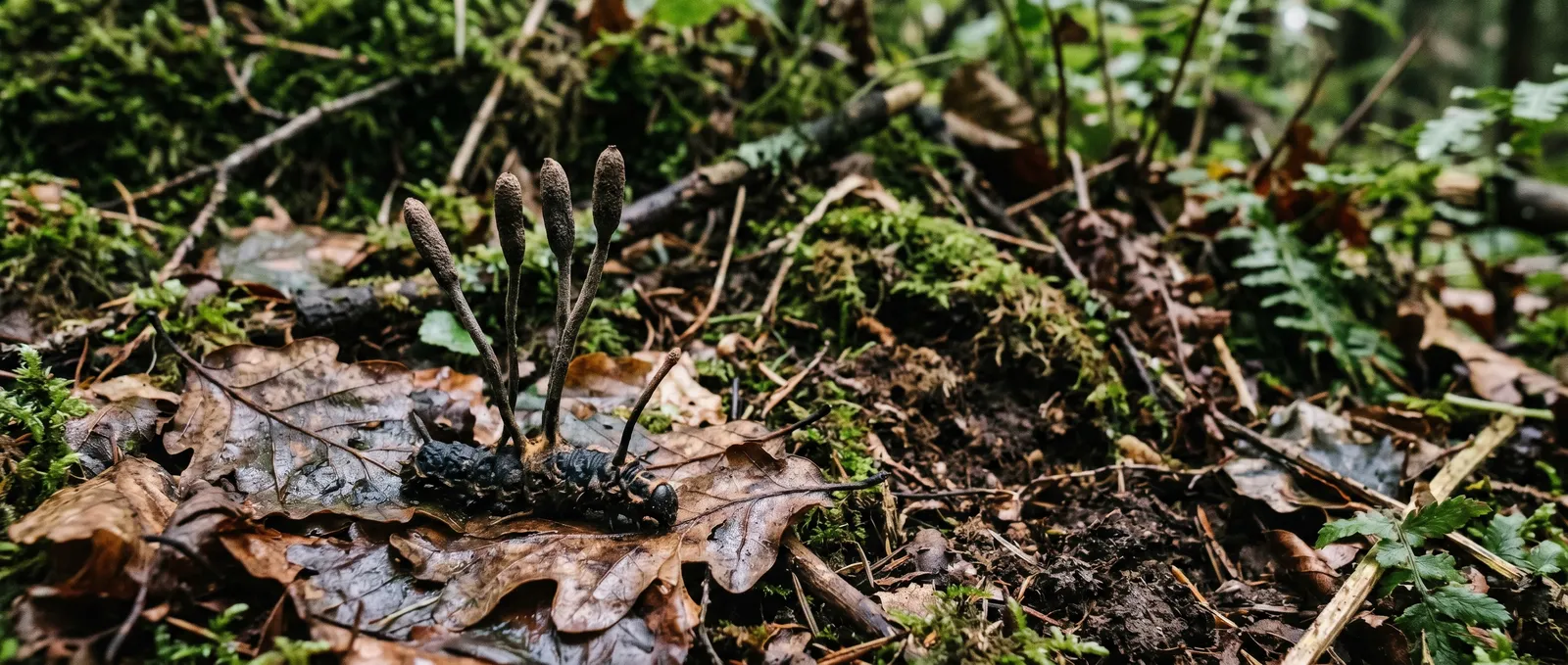
Cordyceps Lifecycle
The cordyceps lifecycle is a parasitic biological sequence in which a fungus infects an insect host, colonises its body from within, and erupts as a…
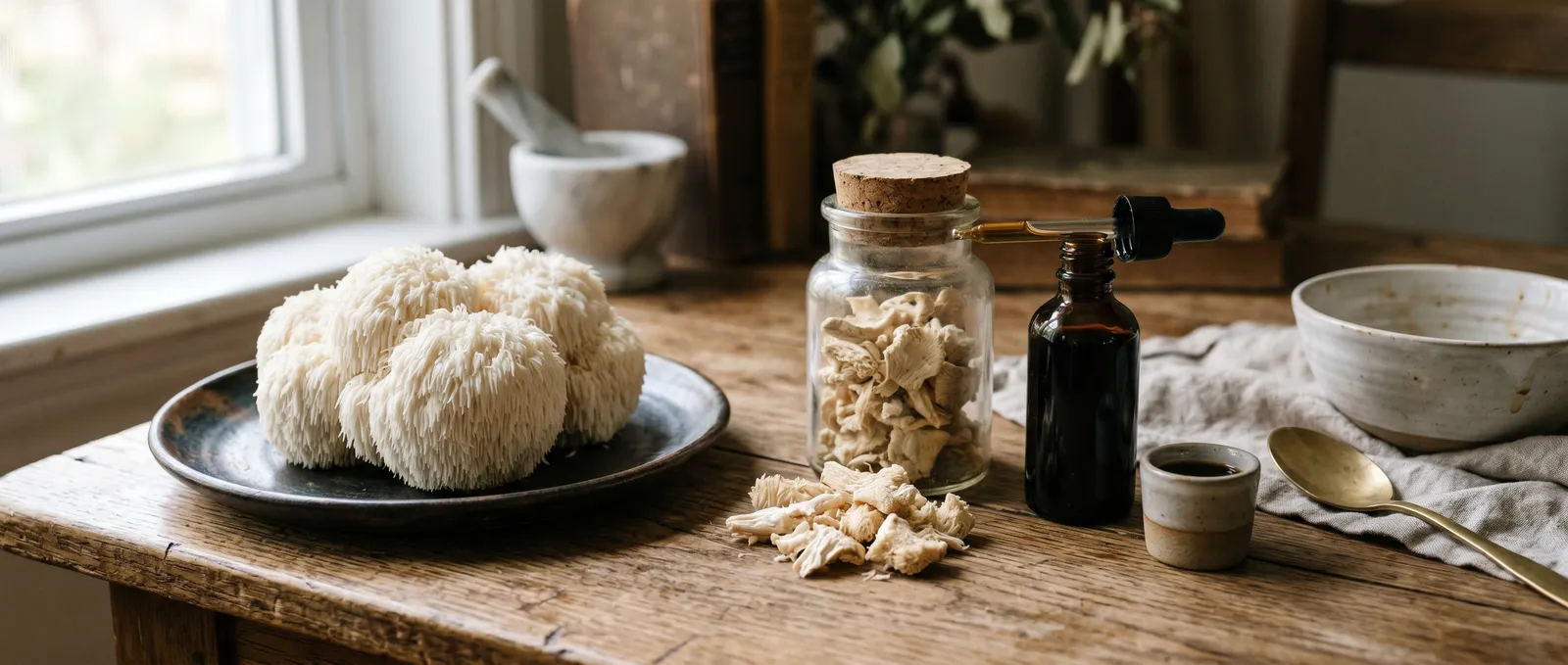
Lion's Mane Fresh Dried Extract: What's Actually Different?
Lion's mane fresh dried extract is a collective term for the main preparation forms of Hericium erinaceus — fresh fruiting bodies, dehydrated powder, and…