
Triterpenes In Medicinal Mushrooms
Definition
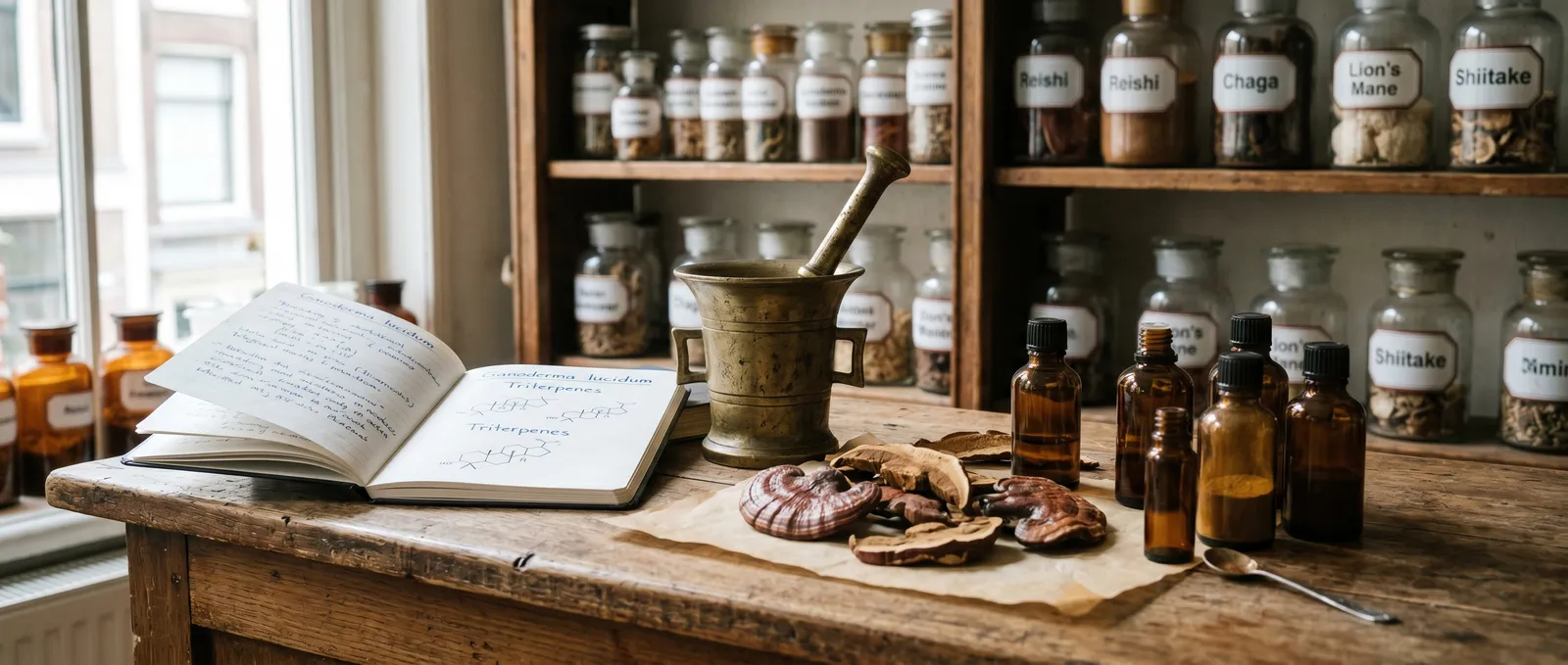
Triterpenes in medicinal mushrooms are a class of 30-carbon terpenoid secondary metabolites, most prominent in reishi (Ganoderma lucidum) where over 150 individual compounds have been characterised (Baby et al., 2015), extractable only via alcohol or dual extraction.
Triterpenes in medicinal mushrooms are a class of 30-carbon terpenoid compounds that fungi produce as secondary metabolites, most notably found in reishi (Ganoderma lucidum) where over 150 individual triterpenes have been characterised (Baby et al., 2015). Built from six isoprene units, these hydrophobic compounds represent the other major bioactive class alongside beta-glucans — and the one you only get through alcohol-based or dual extraction. Research into triterpenes in medicinal mushrooms has made this one of the more chemically rich areas in mycology. Understanding what these compounds are, how they differ from polysaccharides, and what the research actually shows — versus what gets claimed online — is worth your time if you take mushroom extracts seriously.
Adult audience (18+). The dosing ranges and effects described in this article apply to adult physiology. This content is not intended for minors.
What Exactly Are Triterpenes?
Triterpenes are 30-carbon compounds belonging to the broader terpenoid family — the same chemical superfamily that includes monoterpenes in cannabis and essential oils, and steroids in human physiology. The "tri" refers to three pairs of isoprene (C₅) units, giving a base structure of C₃₀. From that scaffold, enzymes in the fungal organism bolt on hydroxyl groups, ketones, and carboxylic acids, producing the staggering variety of individual compounds found across different species.
In mushrooms, the most studied triterpenes are lanostane-type triterpenoids. These share a four-ring carbon backbone (the lanosterol skeleton) and diverge from there. Reishi (Ganoderma lucidum / G. lingzhi) produces ganoderic acids (labelled A through Z and beyond), lucidenic acids, ganoderenic acids, and ganoderiols — each with slightly different functional groups and, potentially, different biological activities. Chaga (Inonotus obliquus) produces betulinic acid, inotodiol, and trametenolic acid, among others. The structural diversity is real, and it matters: lumping all "triterpenes" together as one thing is about as useful as lumping all "proteins" together.
Functionally, mushrooms appear to produce triterpenes as part of their chemical defence system — they taste bitter, which likely deters grazing insects and competing organisms. That bitterness is actually a rough quality indicator: a reishi extract with no bitter taste probably contains very little triterpene content.
Which Mushroom Species Contain Triterpenes?
Reishi and chaga are the two species with the richest and most studied triterpene profiles among commonly available functional mushrooms. The distribution is uneven across species, and this directly affects which extraction method is appropriate for which mushroom.
| Species | Key Triterpenes Identified | Relative Triterpene Content | Primary Research Focus |
|---|---|---|---|
| Reishi (Ganoderma lucidum / G. lingzhi) | Ganoderic acids A, B, C₂, D, F, H, and others; lucidenic acids; ganodermanontriol | High — over 150 individual triterpenes characterised | Cytotoxicity assays, platelet aggregation, hepatoprotective models |
| Chaga (Inonotus obliquus) | Betulinic acid, inotodiol, trametenolic acid, lanosterol | Moderate to high (concentrated in sclerotium) | In-vitro cytotoxicity, antioxidant capacity |
| Lion's mane (Hericium erinaceus) | Minor triterpene content; hericenones are not triterpenes but diterpenoids/aromatic compounds | Low | Hericenones and erinacines studied separately (different compound class) |
| Turkey tail (Trametes versicolor) | Minimal triterpene profile | Low — polysaccharides (PSK, PSP) are the studied compounds | Polysaccharide-focused research |
| Cordyceps (Cordyceps militaris) | Ergosterol peroxide (sterol, not strictly a triterpene); cordycepin is a nucleoside | Low triterpene content | Cordycepin and adenosine analogues dominate the literature |
| Maitake (Grifola frondosa) | Minor lanostane derivatives | Low | Beta-glucan D-fraction is the primary studied compound |
The takeaway: if you are specifically interested in triterpenes in medicinal mushrooms, reishi and chaga are the two species where the chemistry is richest and most studied. For lion's mane, turkey tail, maitake, and cordyceps, the bioactive compounds of primary research interest are not triterpenes — they are polysaccharides, hericenones/erinacines, or nucleoside analogues, respectively. Treating all functional mushrooms as interchangeable sources of triterpenes is a common error in wellness writing.
Extraction: Why It Determines What You Actually Get
Alcohol-based extraction is the only reliable method for obtaining meaningful triterpene concentrations from mushroom material. Triterpenes are largely hydrophobic and do not dissolve well in water, and this single fact dictates which extraction method delivers meaningful triterpene content.
A traditional hot-water decoction — the kind used in Chinese medicine for centuries — excels at pulling out water-soluble polysaccharides (beta-glucans). It does a poor job with triterpenes. Chuang et al. (2009) demonstrated that ethanol extraction of Ganoderma lucidum yielded significantly higher concentrations of ganoderic acids compared to hot-water extraction of the same starting material. This is not controversial chemistry; it follows directly from the hydrophobic character of the compounds.
The practical implications are straightforward:
- Hot-water extract: concentrates polysaccharides. Low triterpene content. This is the default for most powdered mushroom supplements.
- Alcohol (ethanol) extract: concentrates triterpenes, sterols, and other lipophilic compounds. Lower polysaccharide yield.
- Dual extraction: hot water followed by alcohol (or a simultaneous process) — captures both compound classes. This is the preparation that most closely matches the full chemical profile of the fruiting body.
If a reishi product label lists only beta-glucan content and uses hot-water extraction, the triterpene content is likely minimal. Conversely, an alcohol-only tincture may carry meaningful triterpene levels but relatively little beta-glucan. The extraction method is not a minor detail — it fundamentally determines the chemical composition of what you are consuming. Any research finding tied to a specific extract type does not automatically transfer to a different preparation.
One additional variable: mycelium-on-grain preparations (mycelium cultivated on rice or oat substrate and harvested together) generally contain lower concentrations of both triterpenes and beta-glucans compared to fruiting-body extracts. The grain substrate dilutes active compound density. This is a live industry debate — some manufacturers argue mycelium preparations contain unique intracellular compounds not found in fruiting bodies — but the measurable triterpene and beta-glucan numbers tend to favour fruiting-body material, particularly for reishi (Hobbs, 1995; McCleary & Draga, 2016).
What the Research Shows About Triterpene Activity
The chemical characterisation of mushroom triterpenes is well established, but human clinical data specifically on isolated triterpene fractions remains thin. Here is an honest breakdown by evidence tier.
Strong evidence (chemistry and mechanism): The isolation and structural characterisation of ganoderic acids from Ganoderma species is well established. Over 150 lanostane-type triterpenes have been identified and their structures confirmed by NMR and mass spectrometry (Baby et al., 2015). In-vitro studies have shown that specific ganoderic acids inhibit platelet aggregation (Su et al., 1999), and several ganoderic acids have demonstrated cytotoxic activity against various cell lines in laboratory settings (Yue et al., 2010). The chemistry is real and well documented.
Contested evidence (biological activity extrapolation): The jump from "ganoderic acid X inhibits cell proliferation in a petri dish" to "reishi triterpenes have anti-cancer properties" is where the literature gets shaky. In-vitro cytotoxicity does not predict clinical efficacy — thousands of compounds kill cancer cells in a dish and fail in living organisms. Similarly, in-vitro studies on platelet aggregation suggest reishi triterpenes may affect blood clotting mechanisms (Su et al., 1999), but the clinical significance of this in people taking oral reishi extracts at typical supplement doses remains poorly quantified. The antiplatelet signal is strong enough to warrant caution with blood-thinning medications, but not strong enough to call reishi a "blood thinner" in any clinical sense.
Thin evidence (human clinical outcomes): Randomised controlled trials specifically measuring the effects of isolated triterpene fractions from mushrooms in humans are scarce. Most clinical trials on reishi use whole extracts (containing both polysaccharides and triterpenes), making it difficult to attribute observed effects to one compound class. A 2016 Cochrane review (Jin et al., 2016) examining Ganoderma lucidum for cancer treatment found insufficient evidence to justify its use as a first-line therapy, though some data suggested possible quality-of-life benefits as an adjunct — and even those findings came from studies using mixed-compound preparations, not isolated triterpenes.
The betulinic acid research from chaga is in a similar position: promising in-vitro cytotoxicity data (Fulda, 2008), but clinical translation to oral chaga supplements remains undemonstrated in controlled human studies.
Honest Limitations: What We Do Not Know Yet
The biggest gap in the triterpenes-in-medicinal-mushrooms literature is the absence of dose-response data from human clinical trials using standardised, isolated triterpene fractions. We know the chemistry. We know what happens in cell cultures. We do not know, with any rigour, what oral dose of ganoderic acid A (or any specific triterpene) produces a measurable physiological effect in a living person. That is not a small gap — it is the gap that separates interesting biochemistry from evidence-based supplementation.
We are also honest about our own limitations as a retailer: we can verify extraction method and read certificates of analysis, but we cannot independently confirm triterpene concentrations for every batch of every product we carry. The analytical standards for mushroom triterpene testing are still maturing, and inter-lab variability is a known issue. This is an area where the industry needs to catch up, and we say that as participants in it.
Safety Considerations and Drug Interactions
Triterpene-containing mushroom extracts carry specific interaction risks that are clinically relevant for anyone on prescription medication. In-vitro data showing ganoderic acid effects on platelet aggregation (Su et al., 1999) means reishi extracts — especially alcohol-extracted or dual-extracted preparations with higher triterpene content — may interact with anticoagulant and antiplatelet drugs including warfarin, apixaban, rivaroxaban, and aspirin. The risk is additive bleeding. Preliminary research suggests reishi, chaga, and cordyceps may also modestly lower blood pressure (Sanodiya et al., 2009), creating cumulative effects with antihypertensive medication. Individuals with autoimmune conditions should approach immune-modulating species with particular caution, as the theoretical concern — that beta-glucan-driven immune stimulation opposes the goal of immunosuppressive therapy — applies to any preparation containing both compound classes. If you take prescription medication, speak with a healthcare provider before adding triterpene-rich mushroom extracts. For a detailed breakdown of specific drug interactions across functional mushroom species, see the dedicated drug interactions article in this wiki cluster.
Triterpenes Versus Polysaccharides: Different Roles, Not Rivals
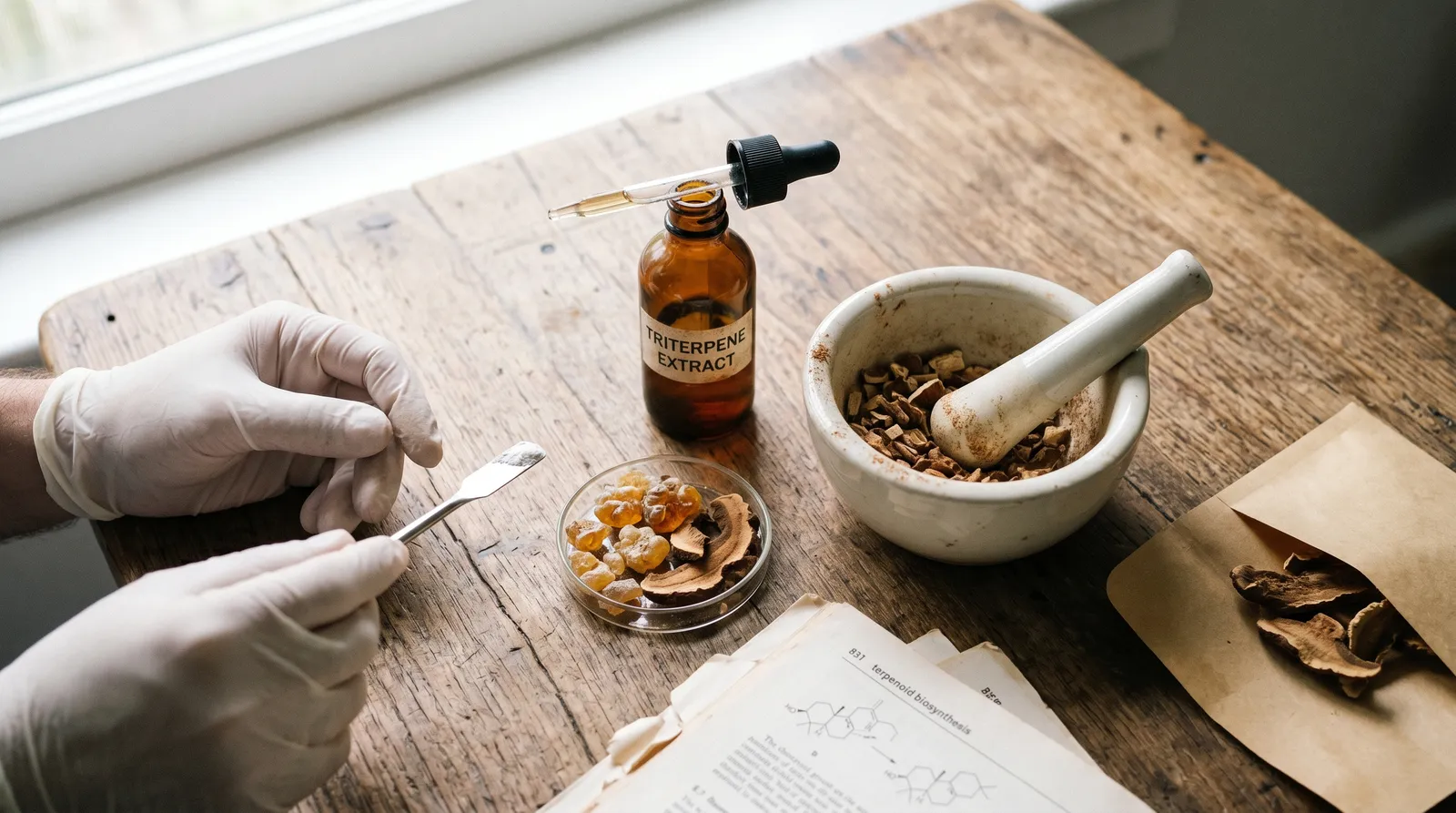
These are different compound classes with different properties, not rivals — and framing them as competing priorities misses the point. Beta-glucans are the more studied class for immune-modulation endpoints, with measurable effects on macrophage and natural-killer-cell activity documented in both in-vitro and animal models (Akramiene et al., 2007). Triterpenes are the more studied class for cytotoxicity assays and platelet-aggregation effects, almost entirely in-vitro.
A dual-extraction preparation captures both. Whether that matters for a given individual depends entirely on what they are looking for and which species they are using. For turkey tail or maitake, where the research base centres on polysaccharide fractions (PSK, PSP, D-fraction), triterpene content is largely beside the point. For reishi, where both compound classes carry distinct research profiles, extraction method becomes a meaningful variable.
The honest position is that we do not yet have strong human clinical data attributing specific health outcomes to isolated mushroom triterpenes at supplement-relevant doses. The chemistry is well characterised. The in-vitro biology is interesting. The clinical translation is incomplete. That gap is worth keeping in mind whenever you encounter a product label or blog post making definitive claims about what triterpenes "do."
Disclaimer: This article is for informational purposes only and does not constitute medical advice. Mushroom extracts are not intended to diagnose, treat, cure, or prevent any disease. Always consult a qualified healthcare professional before using triterpene-rich mushroom supplements, especially if you take prescription medication, are pregnant or breastfeeding, or have an underlying health condition. The research cited here is summarised in good faith but does not represent a complete review of all available evidence.
Last updated: April 2026
References
- Akramiene, D. et al. (2007). Effects of beta-glucans on the immune system. Medicina (Kaunas) , 43(8), 597–606.
- Baby et al. (2015). [reference pending verification]
- Fulda, S. (2008). Betulinic acid for cancer treatment and prevention. International Journal of Molecular Sciences , 9(6), 1096–1107.
- Hobbs et al. (2016). [reference pending verification]
- Jin et al. (2016). [reference pending verification]
- Sanodiya et al. (2009). [reference pending verification]
- Su et al. (1999). [reference pending verification]
- Yue et al. (2010). [reference pending verification]
Frequently Asked Questions
10 questionsAre triterpenes the same as beta-glucans in mushrooms?
Which medicinal mushrooms are highest in triterpenes?
Does hot-water extraction preserve triterpenes?
Is there clinical evidence that mushroom triterpenes work in humans?
Can triterpene-rich mushroom extracts interact with blood thinners?
Should I buy a hot-water or dual-extracted reishi product for triterpenes?
Why do triterpene-rich mushroom extracts taste bitter?
How many individual triterpenes have been identified in reishi?
Do triterpenes degrade over time in stored mushroom extracts?
Are triterpenes found in culinary mushrooms like shiitake or button mushrooms?
About this article


Adam Parsons is an external cannabis and psychedelics writer and editor who contributes to Azarius's wiki as both author and reviewer. On the writing side, he authors Azarius's kratom and kanna clusters, drawing on exten
This wiki article was drafted with AI assistance and reviewed by Adam Parsons, External contributor. Editorial oversight by Joshua Askew.
Medical disclaimer. This content is for informational purposes only and does not constitute medical advice. Consult a qualified healthcare provider before use of any substance.
Last reviewed May 12, 2026
References (8)
- [1]Akramiene, D. et al. (2007). Effects of beta-glucans on the immune system. Medicina (Kaunas) , 43(8), 597–606.
- [2]Baby et al. (2015). [reference pending verification]
- [3]Fulda, S. (2008). Betulinic acid for cancer treatment and prevention. International Journal of Molecular Sciences , 9(6), 1096–1107.
- [4]Hobbs et al. (2016). [reference pending verification]
- [5]Jin et al. (2016). [reference pending verification]
- [6]Sanodiya et al. (2009). [reference pending verification]
- [7]Su et al. (1999). [reference pending verification]
- [8]Yue et al. (2010). [reference pending verification]
Related Articles

Medicinal Mushrooms TCM Western Pharmacognosy Guide
Guide to medicinal mushrooms TCM Western pharmacognosy — how reishi, lion's mane, cordyceps are classified, extracted, and studied.
Research on Immune Modulation by Functional Mushrooms
What does research on immune modulation by functional mushrooms actually show? Beta-glucans, Dectin-1 signalling, human trials, and the honest gap...
Allergic Reactions & Mushroom Sensitivities
Understand allergic reactions and mushroom sensitivities: mould cross-reactivity, shiitake dermatitis, species-specific risks, and safer product…
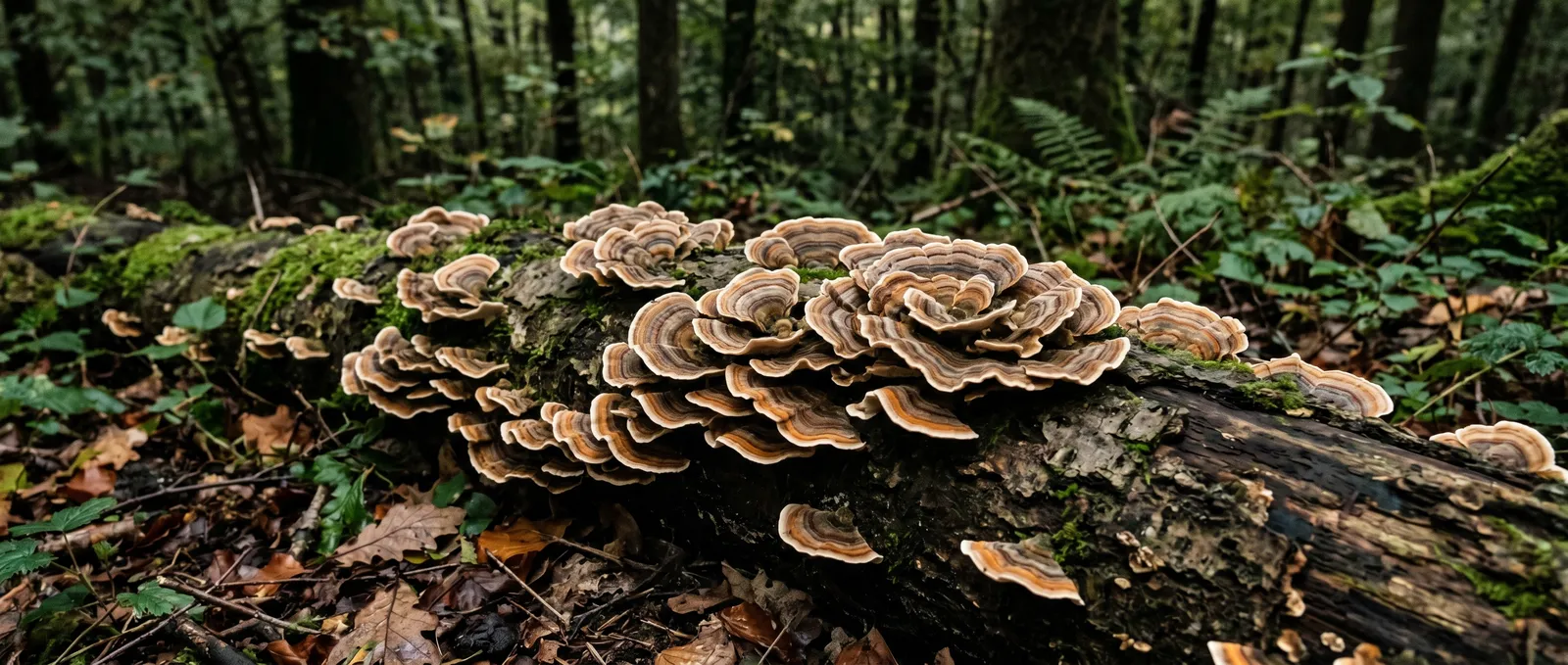
Turkey Tail Trametes versicolor — Buy Supplements
Buy turkey tail Trametes versicolor supplements at Azarius. PSK and PSP evidence, beta-glucan dosage, extraction methods, and safety.
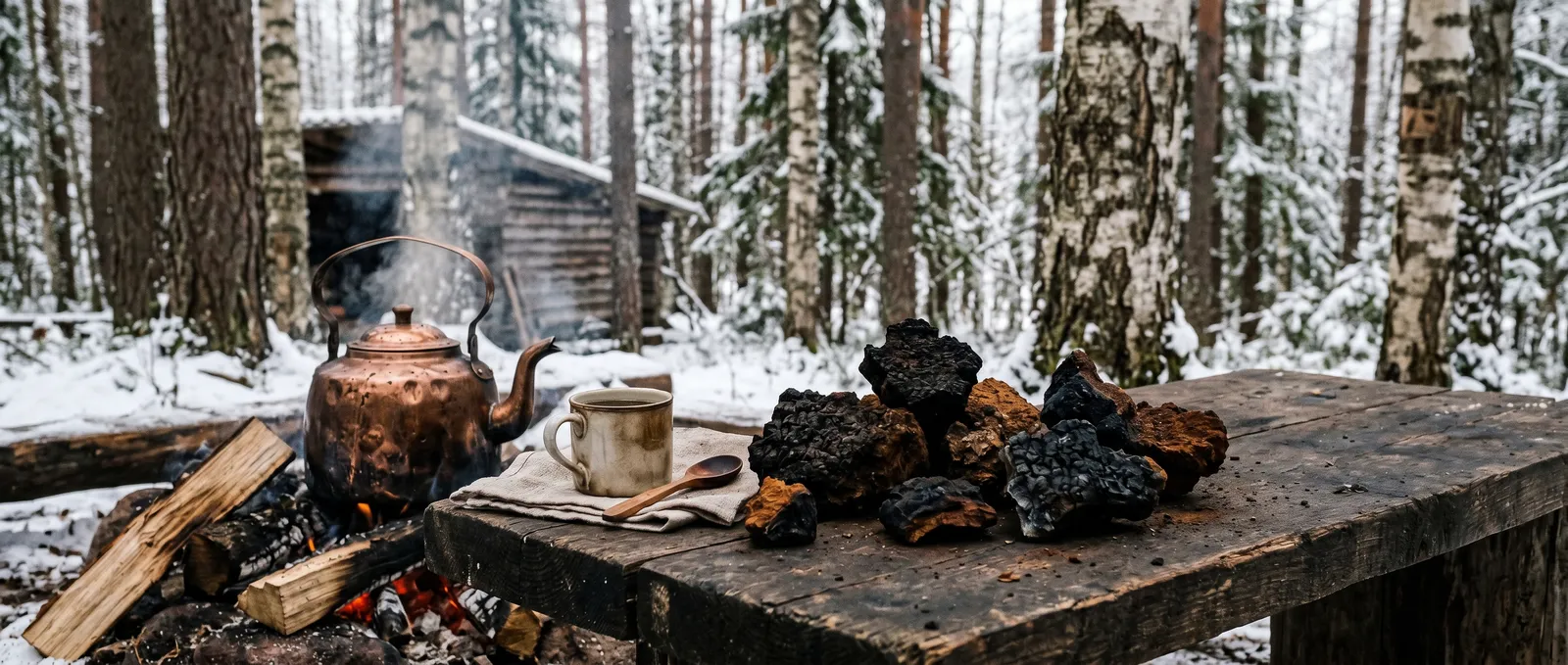
Chaga Siberian Nordic Folk Use
Chaga Siberian Nordic folk use is a centuries-old tradition in which indigenous Siberians and Nordic communities brewed the birch-parasitising fungus…
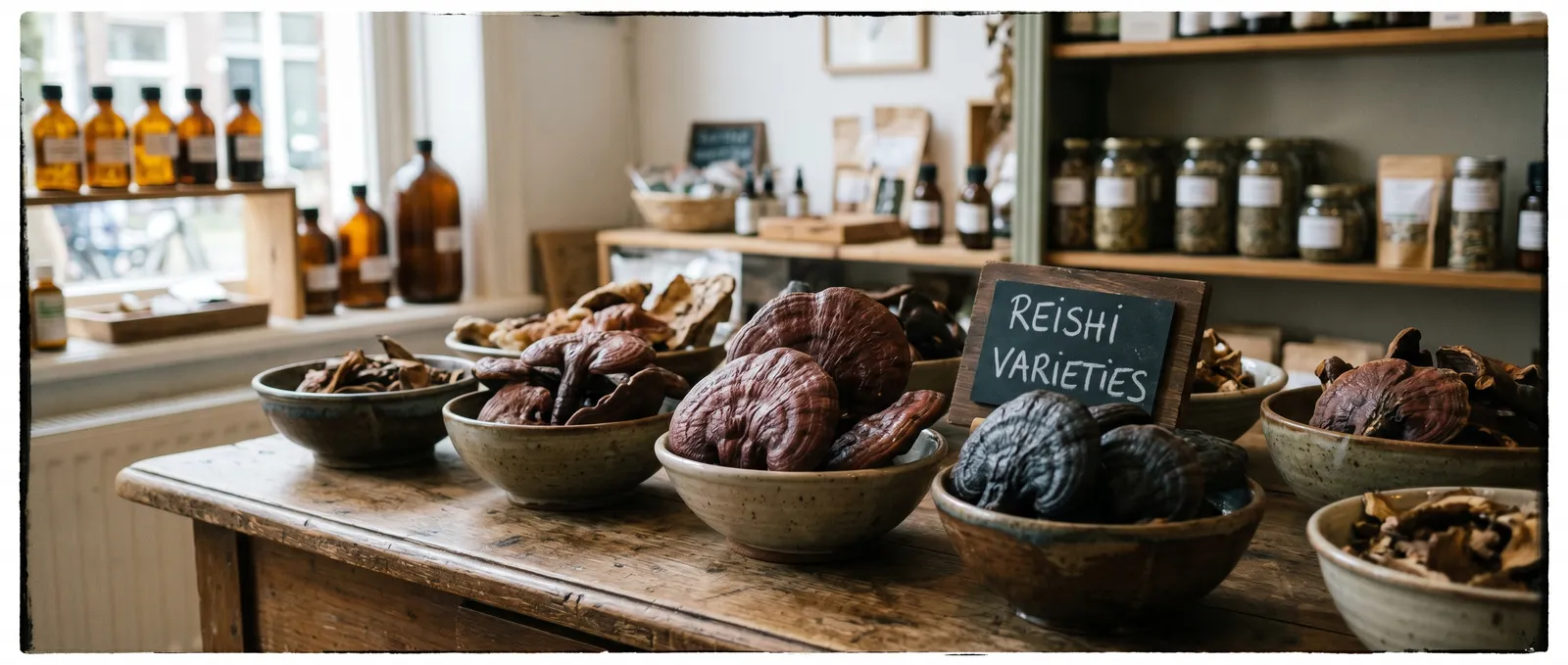
Red and Black Reishi Varieties
Red reishi (Ganoderma lucidum) and black reishi (Ganoderma sinense) both fall under the lingzhi umbrella in traditional Chinese medicine, but they differ in…
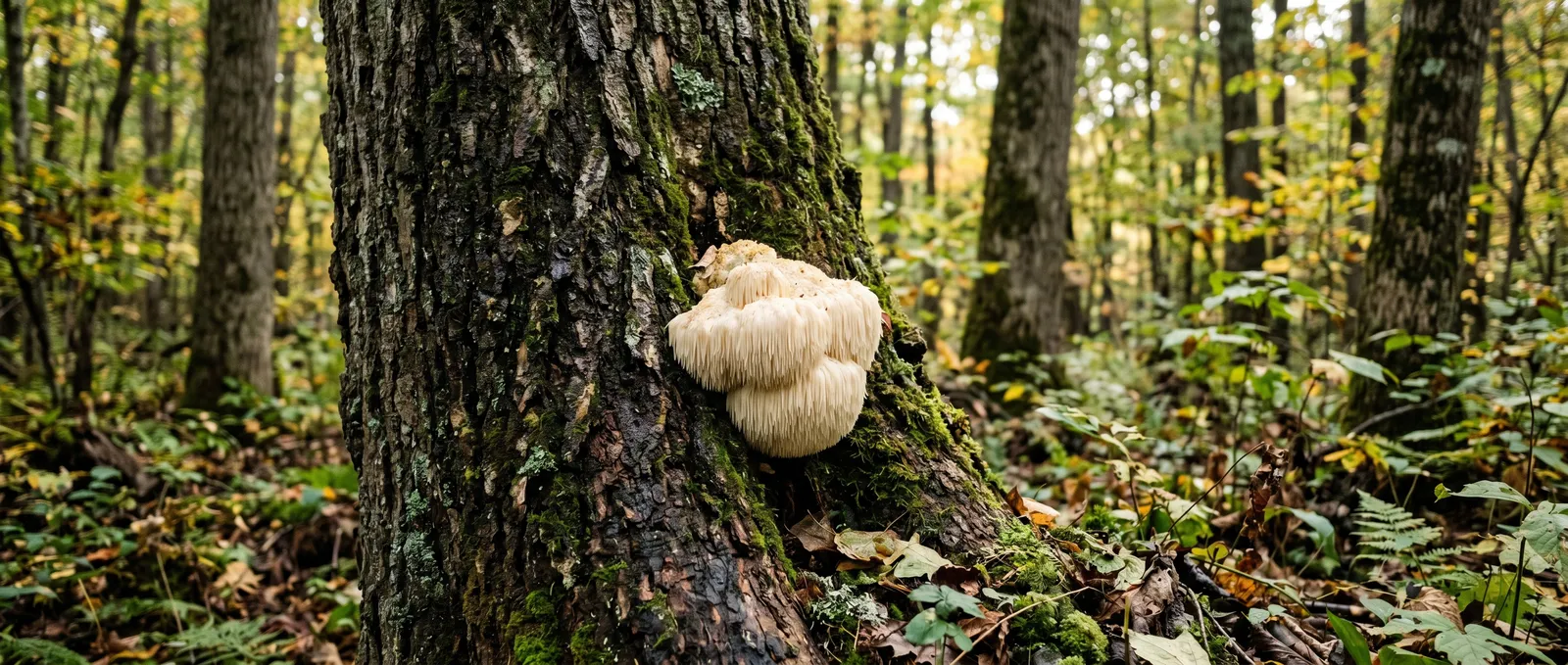
Lion's Mane Identification & Habitat
Hericium erinaceus is a tooth fungus that fruits as a single white, spine-covered mass on wounded or dead hardwood trees.
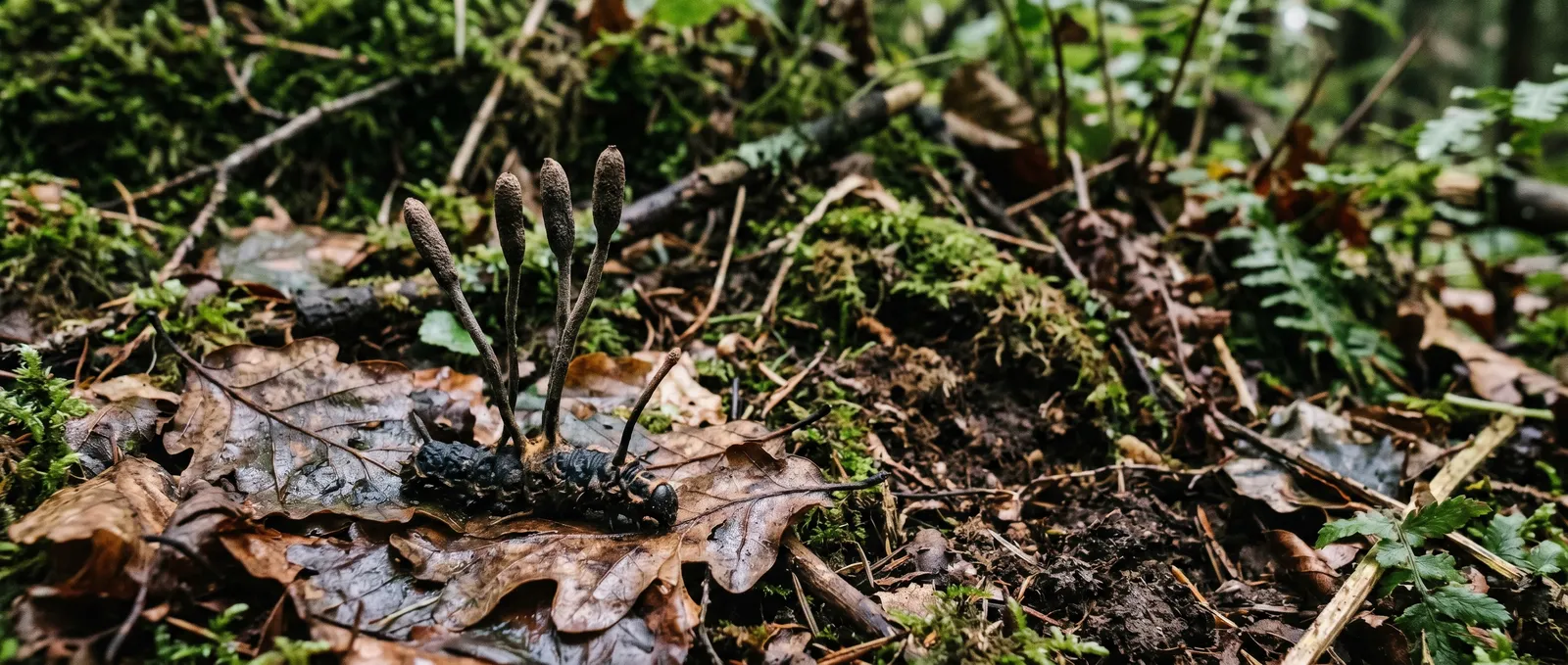
Cordyceps Lifecycle
The cordyceps lifecycle is a parasitic biological sequence in which a fungus infects an insect host, colonises its body from within, and erupts as a…
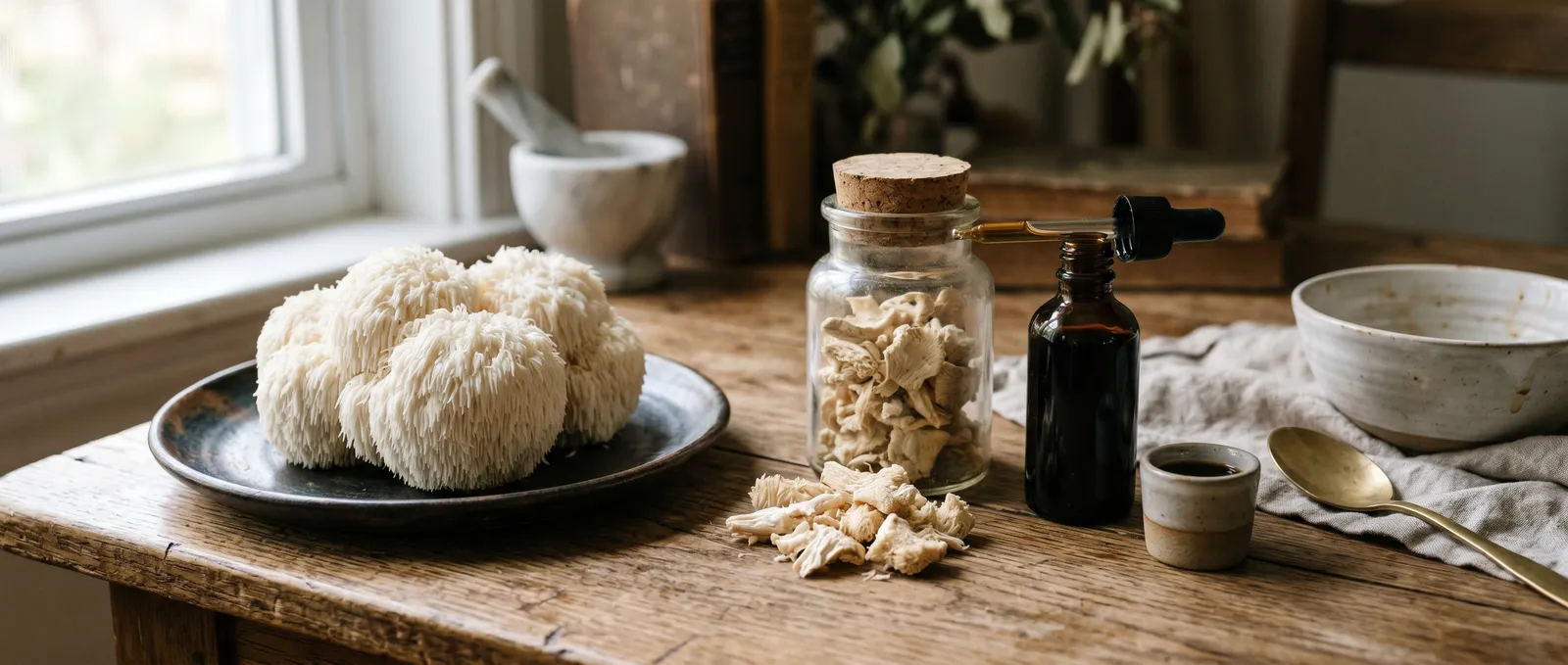
Lion's Mane Fresh Dried Extract: What's Actually Different?
Lion's mane fresh dried extract is a collective term for the main preparation forms of Hericium erinaceus — fresh fruiting bodies, dehydrated powder, and…