
Chaga
Chaga mushroom supplements are concentrated extracts of Inonotus obliquus, the craggy black fungus that grows on birch trees across Siberia, Scandinavia, and northern Canada. At Azarius we carry chaga in three formats — tincture, capsule, and powdered extract — so you can buy the one that fits your routine. Shipping across the EU since 1999, with a small but carefully chosen chaga line-up.
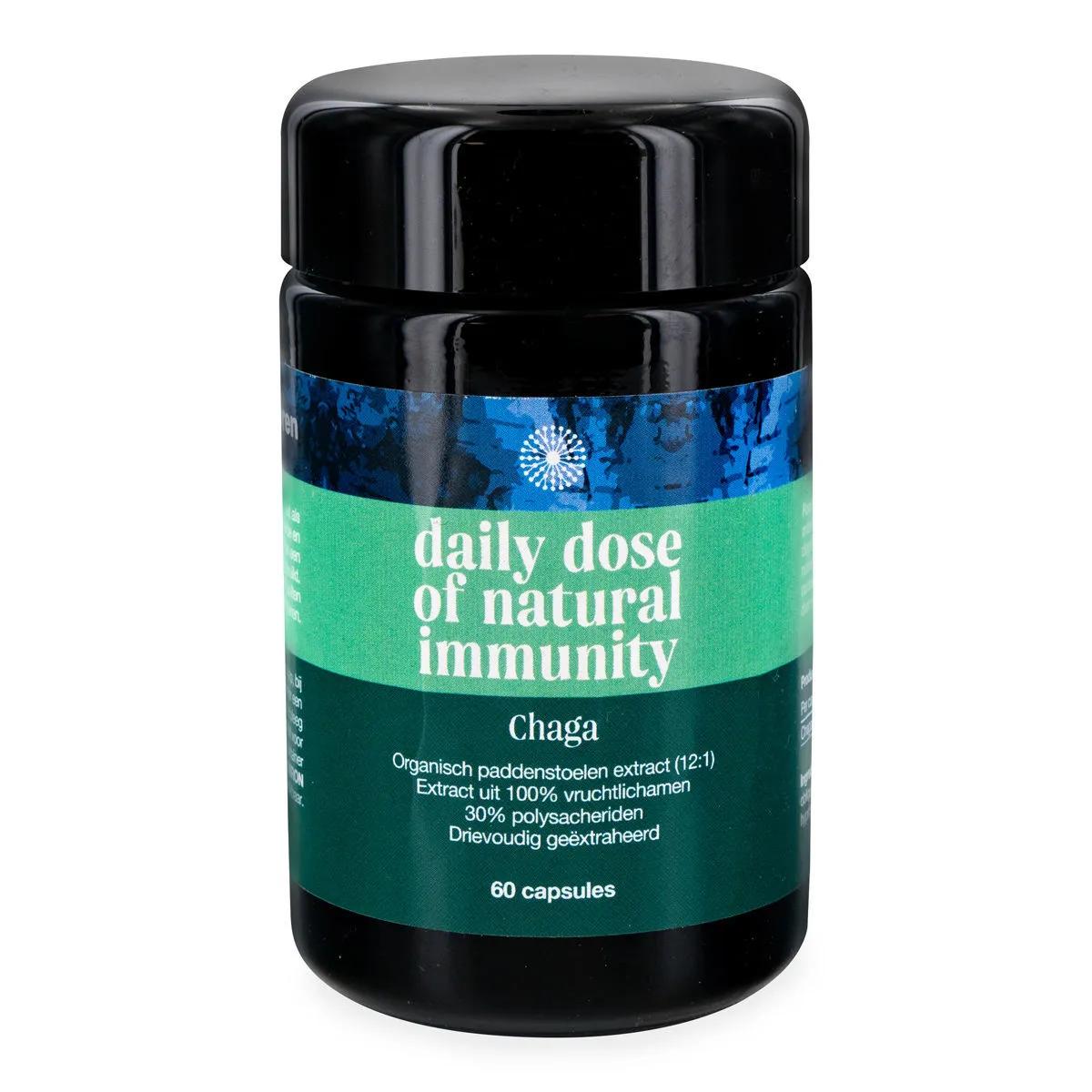
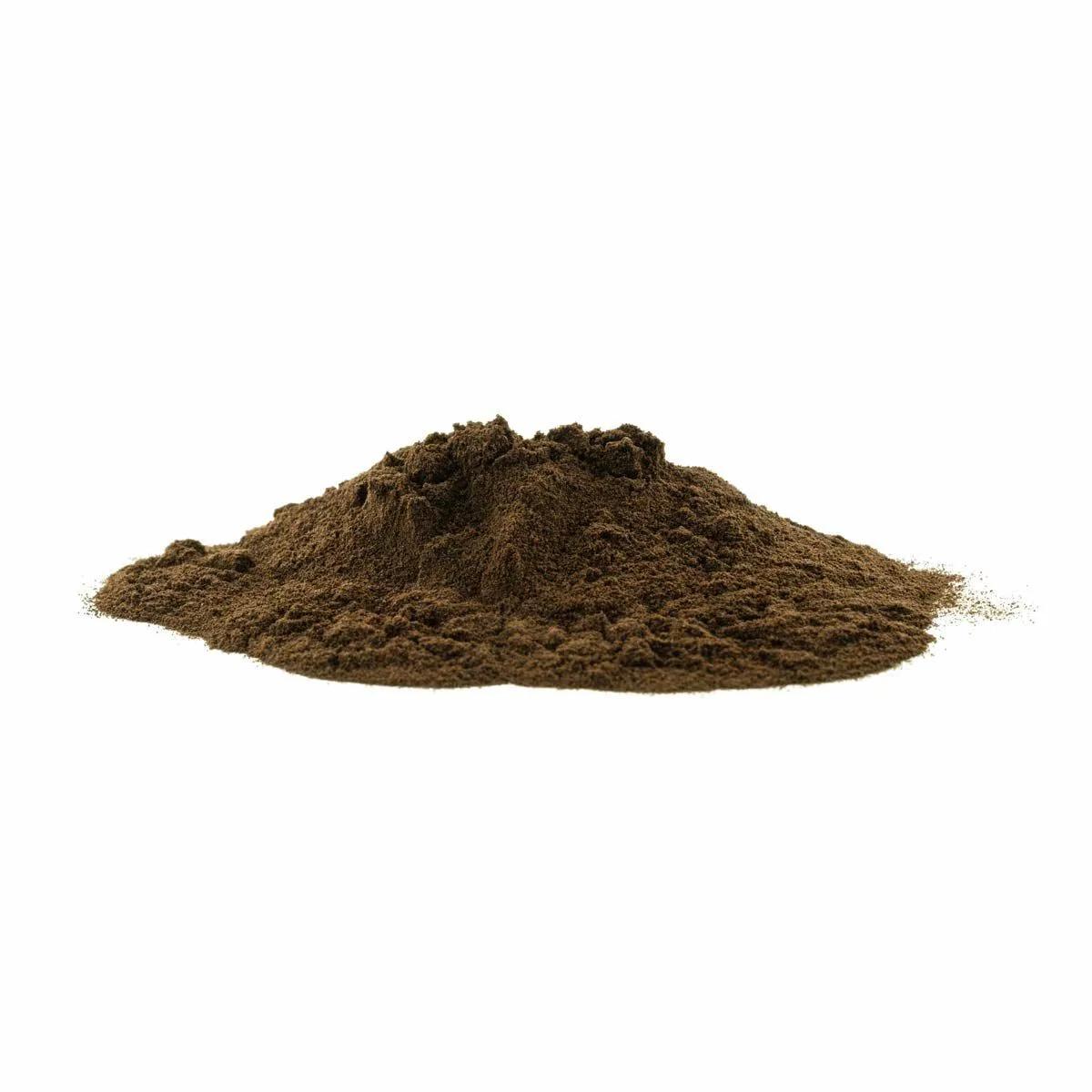
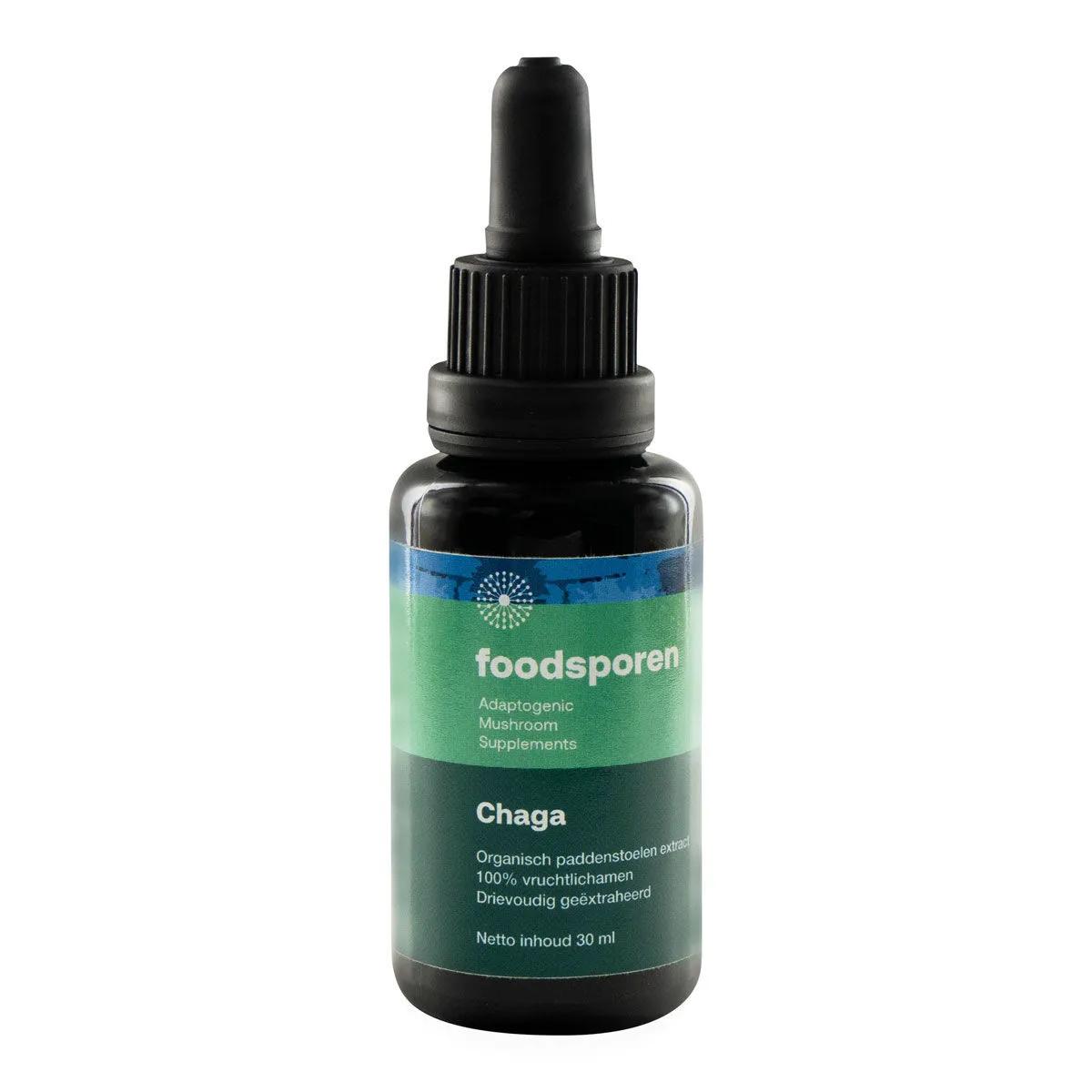
Chaga mushroom supplements are concentrated extracts of Inonotus obliquus, the craggy black fungus that grows on birch trees across Siberia, Scandinavia, and northern Canada. At Azarius we carry chaga in three formats — tincture, capsule, and powdered extract — so you can buy the one that fits your routine. Shipping across the EU since 1999, with a small but carefully chosen chaga line-up.
Buy Chaga Mushroom Supplements — Format Guide
Chaga is one of the oldest documented medicinal fungi, with written records going back to the 13th century in northern Europe and Siberia. We stock four chaga products in total, split across three formats: a Mushinto tincture, a Foodsporen triple-extracted tincture in three bottle sizes, Foodsporen capsules, and a concentrated powder extract. The format you pick matters more than the brand — so start there.
| Format | How you take it | Good for |
|---|---|---|
| Tincture (dropper) | Drops under the tongue or in water | People who want fast sublingual absorption and dose flexibility |
| Capsules | Swallowed with water, fixed dose | Anyone who hates the taste and wants set-and-forget dosing |
| Powder extract | Stirred into coffee, tea, smoothies | Daily users who want to build chaga into a food ritual |
Reading the table: tinctures win on speed and flexibility, capsules win on convenience, powder wins on cost-per-gram and ritual value. None of them is objectively best — it depends on whether you want chaga in your morning coffee or stashed in a travel bag.
What We Carry
- Chaga tinctures — Mushinto's single-extraction tincture and Foodsporen's triple-extracted dropper bottle (30, 50, and 100 ml).
- Chaga capsules — Foodsporen's 12:1 fruiting-body extract in vegan capsules, processed to crack the chitin walls.
- Chaga powder extract — Organic 9–11:1 extract with a minimum 30% polysaccharide content, wild-harvested from cold-climate birch forests.
How to Choose Your Chaga
New to chaga? Order the capsules. Chaga on its own tastes like wet bark mixed with strong tea — not unpleasant, but not something you'll fall in love with on day one. Capsules skip the flavour question entirely and give you a consistent dose without a dropper or scale. A honest limitation: capsules are slower to absorb than a tincture held under the tongue.
If you're already dosing functional mushrooms daily and want flexibility, get a tincture. The Foodsporen triple-extracted version covers both water-soluble beta-glucans and fat-soluble compounds like betulinic acid in one bottle — useful because single-extraction tinctures miss half the chemistry. Drop it under your tongue or stir into hot water.
For the coffee-ritual crowd, buy the powder. It dissolves into anything hot and the cost-per-serving drops the longer you use it. One caveat: always go for an extract powder, not raw ground chaga — raw chaga is locked inside chitin your gut can't break down, so you're paying for mulch. Every powder we stock is extracted.
What to look for in a chaga supplement
Three things separate a chaga product worth buying from one that's sawdust in a jar. First, fruiting body (the black conk) — not mycelium grown on grain, which is what cheap American brands sell. Second, dual or triple extraction — hot water for beta-glucans, alcohol for the triterpenes. Single water-extraction leaves compounds on the table. Third, a stated extract ratio (like 12:1 or 9–11:1) and a polysaccharide percentage. If the label doesn't tell you either, assume the worst.
Frequently Asked Questions
What is chaga mushroom used for?
Chaga (Inonotus obliquus) has been used in Siberian and northern European folk traditions since the 13th century, typically brewed as a strong tea. Modern users take it as a daily supplement for its beta-glucan and polyphenol content. We sell it as food, not medicine.
Tincture, capsules, or powder — which chaga format is best?
Capsules are easiest for beginners and the flavour-averse. Tinctures absorb fastest sublingually and let you adjust dose drop by drop. Powder extract is the most economical per gram and works well stirred into coffee or tea. All three deliver the same active compounds — the difference is routine.
Can I take lion's mane and chaga together?
Yes, they're commonly stacked. Lion's mane and chaga target different mechanisms and there's no known interaction between them. Plenty of our customers run both daily — one in the morning, the other later, or both mixed into the same coffee.
What does chaga taste like?
Earthy, slightly bitter, a bit like strong black tea with a hint of vanilla from the birch wood it grows on. Tinctures taste the most intense because they're concentrated; powder mellows out when blended into coffee. Capsules bypass the taste question entirely.
How do I know a chaga supplement is good quality?
Check three things on the label: fruiting body (not mycelium), a stated extract ratio like 12:1, and a polysaccharide or beta-glucan percentage. Everything we carry meets all three. If a product lists none of these, it's probably raw ground chaga — skip it.
Building a mushroom stack? Pair chaga with lion's mane capsules for cognitive support or reishi for evening wind-down. All our functional mushroom extracts ship together across the EU.
New to this? Our wiki covers the effects of chaga, dosage and safe use in depth.
Last updated: April 2026
Medical disclaimer. This content is for informational purposes only and does not constitute medical advice. Consult a qualified healthcare provider before use of any substance.