
Chaga Siberian Nordic Folk Use
Definition
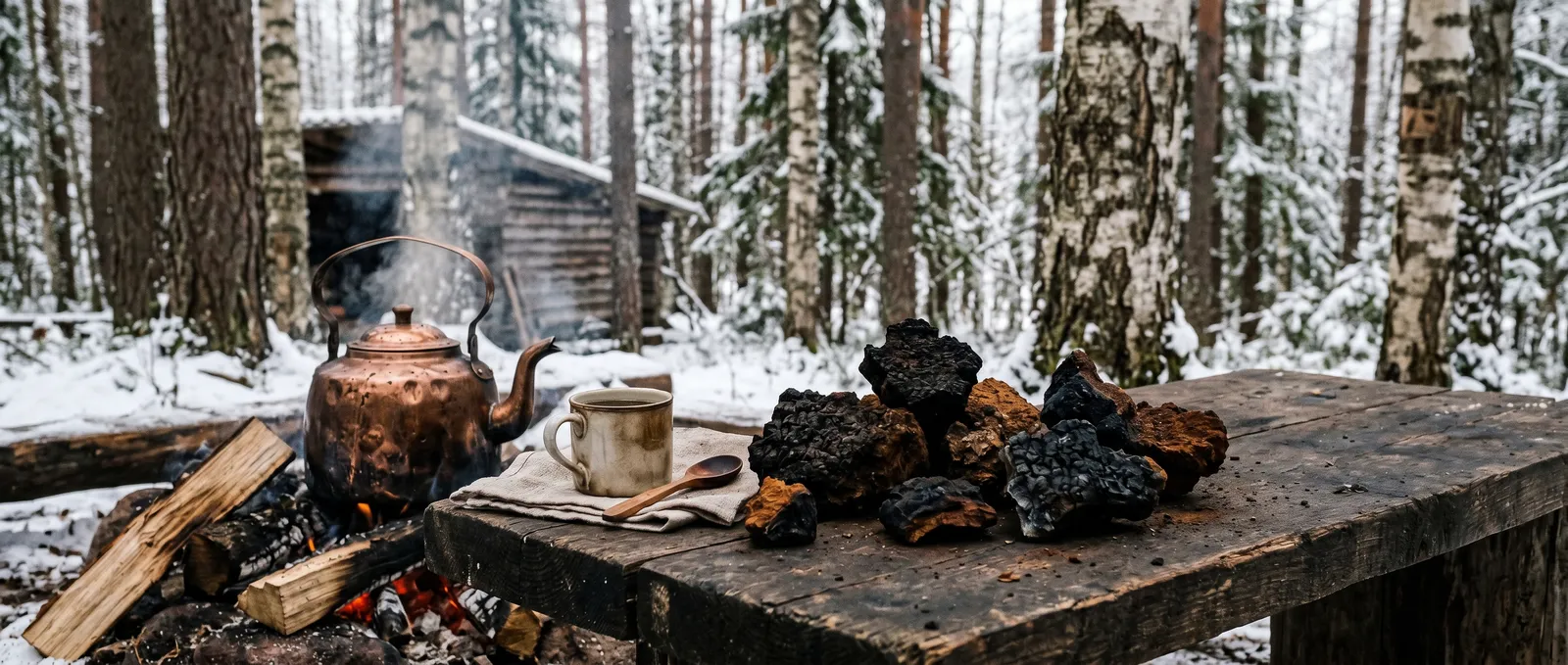
Chaga Siberian Nordic folk use is a centuries-old tradition in which indigenous Siberians and Nordic communities brewed the birch-parasitising fungus Inonotus obliquus into daily teas and tonics. Khanty, Finnish, and Sámi peoples used chaga for gut health and general vitality. Soviet researchers formalised this tradition in the 1950s, approving the extract Befungin for gastrointestinal support (Shashkina et al., 2006).
Chaga Siberian Nordic folk use is a tradition spanning centuries in which communities across northern Eurasia brewed the birch-parasitising fungus Inonotus obliquus into teas and tonics. Chaga is a slow-growing fungal sclerotium that parasitises living birch trees and was harvested by indigenous Siberians and Nordic peoples as both a daily beverage and a folk remedy for gut complaints, wound care, and general vitality.
18+ only — this article covers a bioactive fungus with immunomodulatory properties; the information below is written for adults.
Disclaimer: This article is for informational purposes only and does not constitute medical advice. Chaga is not approved as a medicine in the EU. Do not use chaga to replace any prescribed treatment. Consult a qualified healthcare professional before using chaga, especially if you are pregnant, breastfeeding, or taking medication. The EMCDDA and national health authorities have not evaluated most claims about chaga's medicinal properties. The historical and folk uses described here are not evidence of clinical efficacy.
Long before anyone in a lab coat measured beta-glucan content, people across Siberia, Finland, and the Russian Far East were scraping dark, cracked growths off birch trees and brewing them into something between tea and medicine. The chaga Siberian Nordic folk use tradition is one of the best-documented examples of a fungal practice that predates — and in many ways anticipated — modern mycological research. Soviet researchers formalised this tradition in the 1950s, approving the extract Befungin for gastrointestinal support (Shashkina et al., 2006).
This article stays narrow: how chaga was actually used by indigenous Siberians and Nordic communities, what the ethnobotanical record says, and where folk practice lines up (or doesn't) with what science has found since. For the broader picture — active compounds, pharmacology, safety — see the main chaga pillar article on the Azarius wiki. If you want to buy chaga extract or chaga chunks to try the traditional preparation yourself, the Azarius chaga product page has current options.
What the Khanty Knew
The Khanty people of western Siberia are the most thoroughly documented traditional chaga users, consuming it daily as a beverage and applying it topically for wounds. Russian ethnographer Valentin Saar documented in the 1950s that the Khanty used chaga not just medicinally but as an everyday drink — chunks of the conk were simmered in water and drunk the way you'd drink black tea. According to Shashkina et al. (2006), this habitual consumption was widespread enough that Soviet-era researchers noticed lower rates of certain cancers in regions where chaga tea was a dietary staple, though the observational nature of that data makes causal claims shaky at best.
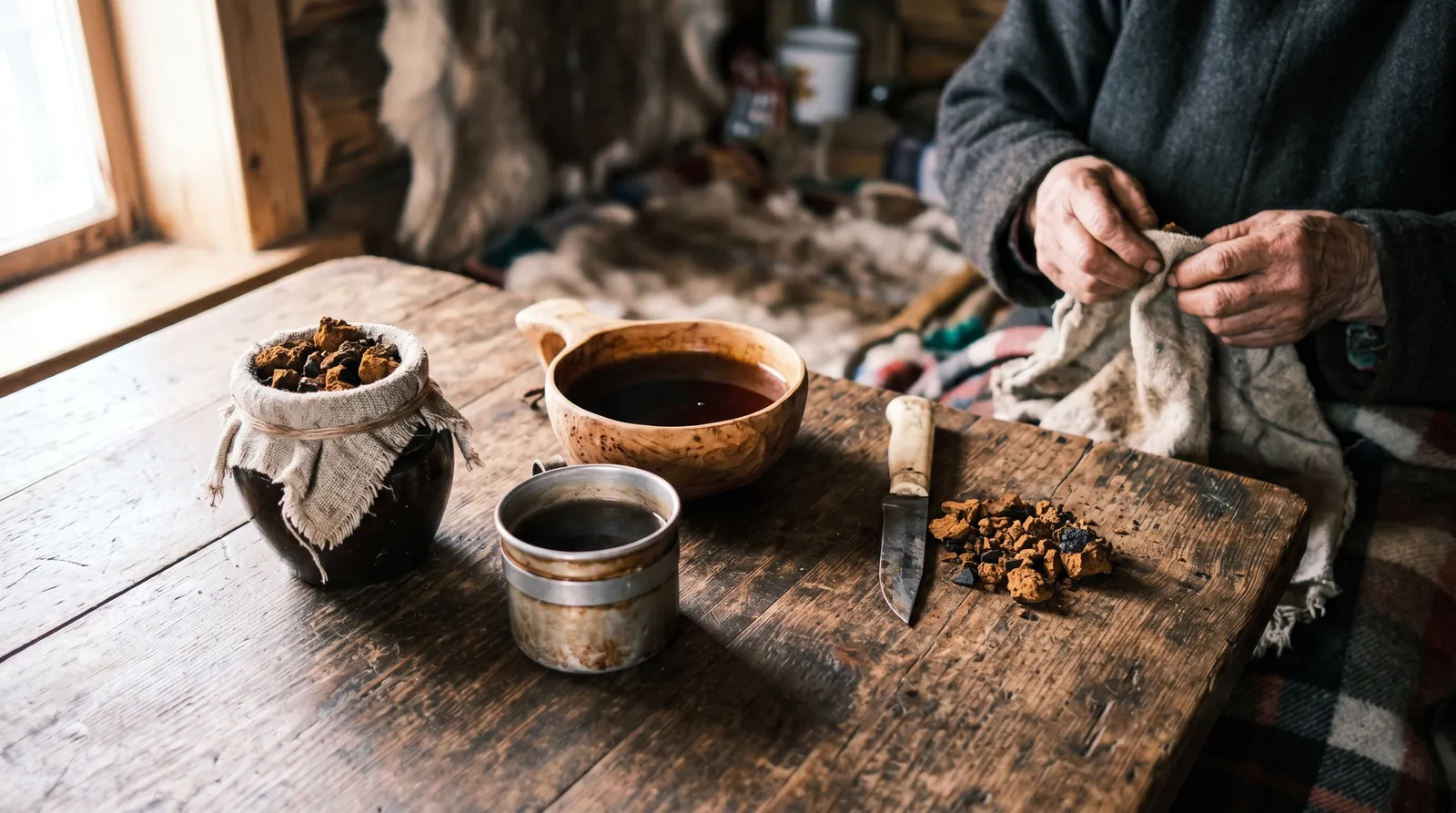
The Khanty reportedly applied chaga externally too. Poultices of ground conk were placed on inflamed skin and wounds. They also inhaled the smoke of burning chaga — a practice that overlaps with the fungus's separate history as a fire-starting material (the tinder fungus Fomes fomentarius gets more credit for this, but chaga's dense, slow-burning interior served the same purpose in Siberian camps). The line between "medicinal smoke" and "practical fire-keeping" was probably blurry. Nobody was running a controlled trial in a reindeer-herding camp.
Beyond the Khanty, other West Siberian groups — the Mansi, Nenets, and various Evenki communities — used chaga in overlapping ways. The common thread: it was considered a tonic for the gut, something you drank regularly rather than reaching for only when sick. That daily-use pattern is worth noting because it distinguishes chaga from many other folk remedies that were reserved for acute illness.
The Finnish and Scandinavian Thread
Finnish and Scandinavian communities independently developed their own chaga traditions, centred on digestive tea and — during wartime — a widely adopted coffee substitute. Finnish folk medicine used chaga tea for digestive complaints, and during World War II — when coffee imports to Finland were cut off — chaga became a widely used coffee replacement. This wasn't some fringe practice; it was common enough that older Finns still remember it. The flavour is earthy, mildly bitter, with a slight vanillin note from the birch-derived compounds — not exactly coffee, but closer than roasted barley.
In Norway and Sweden, references are sparser but present. Myrkskog (2003) noted that Sámi communities in northern Scandinavia used birch polypore fungi (a broader category that includes chaga) for wound care and as a component of traditional smoking mixtures. The ethnobotanical record here is thinner than the Siberian one, partly because Scandinavian folk medicine was less systematically documented before the 20th century, and partly because chaga's range thins out as you move into drier, less birch-heavy forests.
One thing that's consistent across both the Siberian and Nordic traditions: chaga was always associated with birch. The fungus parasitises living birch trees (Betula species), and folk practitioners seemed to understand — without the vocabulary of mycology — that the birch host mattered. Chaga growing on other tree species (rare, but it happens) was generally ignored or considered inferior. Modern analysis backs this up: birch-hosted chaga contains betulin and betulinic acid derived from the host tree's bark, compounds absent in specimens from non-birch hosts (Glamočlija et al., 2015).
Soviet Science Picks Up the Trail
Soviet pharmacologists were the first to formally study chaga, approving the extract Befungin in 1955 for symptomatic treatment of gastrointestinal conditions. This wasn't an endorsement of anti-cancer properties — it was approved for improving appetite and general wellbeing in patients with chronic gastric issues. But the approval itself was remarkable: a fungal folk remedy formally entering the Soviet pharmacopoeia.
The backstory involves Aleksandr Solzhenitsyn, oddly enough. His 1967 novel Cancer Ward includes a passage about a doctor who notices that peasants who drink chaga tea rarely develop cancer. Solzhenitsyn drew on real epidemiological observations from the 1950s, and the novel's popularity (especially in the West after translation) gave chaga a second life as a subject of scientific curiosity. Whether Solzhenitsyn's literary account inflated the actual epidemiological signal is debatable — the original Soviet studies were observational and poorly controlled by modern standards.
What Soviet researchers did establish, and what has held up under later scrutiny, is that chaga contains a dense cocktail of bioactive compounds. Zhong et al. (2009) identified over 200 metabolites including polysaccharides, triterpenoids, and melanin-complex pigments. The melanin content is what gives the exterior sclerotium its coal-black colour — and it's also what gives chaga one of the highest ORAC (oxygen radical absorbance capacity) scores of any natural substance, though ORAC as a metric has fallen out of favour with nutrition scientists since the USDA withdrew its ORAC database in 2012.
Where Folk Use Meets — and Misses — the Evidence
Modern research supports the gut-health and immune-modulation uses described in folk traditions, but only through animal and in vitro studies — no large-scale human trials exist. A 2016 review by Youn et al. demonstrated anti-inflammatory activity of chaga polysaccharides in murine models of colitis, which aligns with centuries of gut-focused use. Immunomodulatory effects — specifically the upregulation of certain cytokines — have been observed in vitro (Kim et al., 2005), supporting the "tonic" framing that Siberian communities applied.
But there's a gap. Nearly all the promising data comes from cell cultures and animal models. As of early 2026, no large-scale randomised controlled trial in humans has been published for any chaga preparation. The leap from "Khanty elders drank this daily and seemed healthy" to "chaga prevents disease X" is exactly the kind of leap that folk traditions can't make on their own — and that science hasn't yet made either. The tradition is suggestive, not conclusive.
The topical use is even less studied. A handful of in vitro papers show antimicrobial activity of chaga extracts against common wound pathogens (Lemieszek et al., 2011), but nobody has run a clinical wound-healing trial. The Khanty poultice tradition remains in the "plausible but unproven" category.
Preparation: Then and Now
Traditional Siberian preparation involved simmering chunks of chaga conk in water for hours, often reusing the same pieces across multiple days. The Khanty reportedly added fresh water each day — a practice that makes sense given chaga's density and the slow extraction rate of its water-soluble polysaccharides. Finnish preparation was similar: chunks steeped in hot (not boiling) water, sometimes overnight.
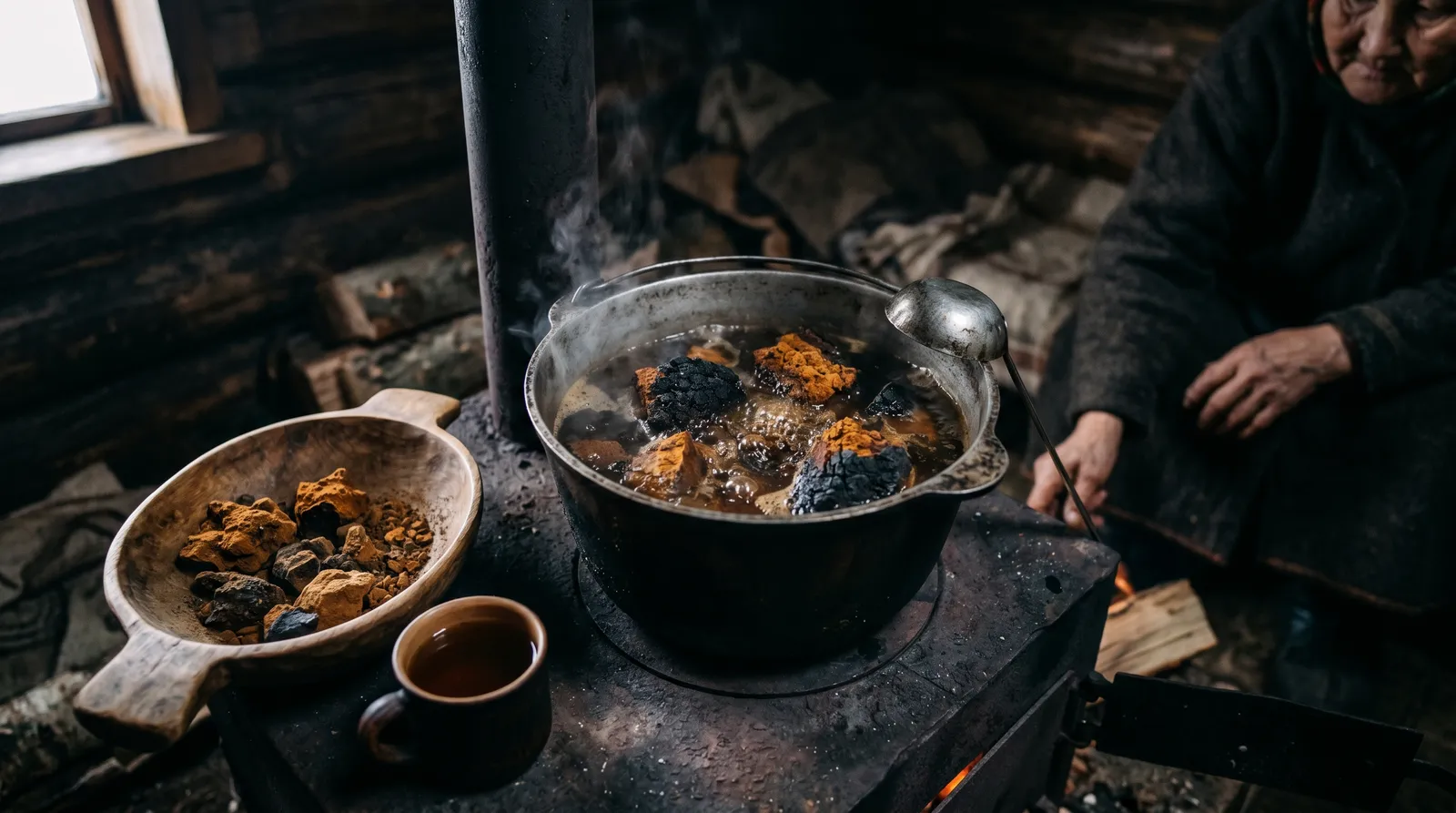
What traditional users didn't do is use alcohol extraction. Dual-extraction methods (hot water plus ethanol) are a modern development, designed to pull out both the water-soluble polysaccharides and the alcohol-soluble triterpenoids like betulinic acid and inotodiol. If you're interested in extraction methods, the dedicated chaga preparation article on the Azarius wiki covers this in detail. The folk tradition captured roughly half the bioactive profile — the water-soluble half — which may explain why the gut-focused benefits (where polysaccharides are the likely active agents) are the most consistent thread in the ethnographic record.
Temperatures matter too. Boiling chaga aggressively can degrade some polysaccharides. The Finnish habit of steeping below boiling point — more like 70–80°C — may have inadvertently preserved more bioactivity than a hard simmer. Or it may have just been about taste. Folk practitioners weren't measuring beta-glucan yields.
Chaga Folk Use Compared to Other Fungal Traditions
Chaga's daily-tonic pattern stands apart from most other traditional medicinal fungi, which were typically reserved for acute illness or ceremonial contexts. Reishi (Ganoderma lucidum) in Chinese medicine was considered too rare and bitter for daily consumption — it was a remedy for specific conditions, not a breakfast drink. Turkey tail (Trametes versicolor) had broader folk use in Asia but was still framed medicinally rather than as a beverage staple.
| Fungus | Primary folk region | Traditional use pattern | Daily beverage? | Modern clinical trials |
|---|---|---|---|---|
| Chaga (Inonotus obliquus) | Siberia, Finland, Scandinavia | Gut tonic, wound poultice, coffee substitute | Yes — litres daily | None (large-scale, human) |
| Reishi (Ganoderma lucidum) | China, Japan, Korea | Longevity tonic, immune support | No — medicinal doses | Several small RCTs |
| Turkey tail (Trametes versicolor) | China, Japan | Immune support, cancer adjunct | No — medicinal doses | PSK/PSP trials in Japan |
| Lion's mane (Hericium erinaceus) | China, Japan | Culinary and cognitive support | No — eaten as food | Small human trials (cognition) |
The comparison highlights something honest about chaga's position: it has the richest folk record of daily use but the weakest modern clinical evidence among major medicinal fungi. If you want to order chaga and try it yourself, keep that gap in mind — tradition and proof are different things.
Traditional Harvesting and Sustainability Concerns
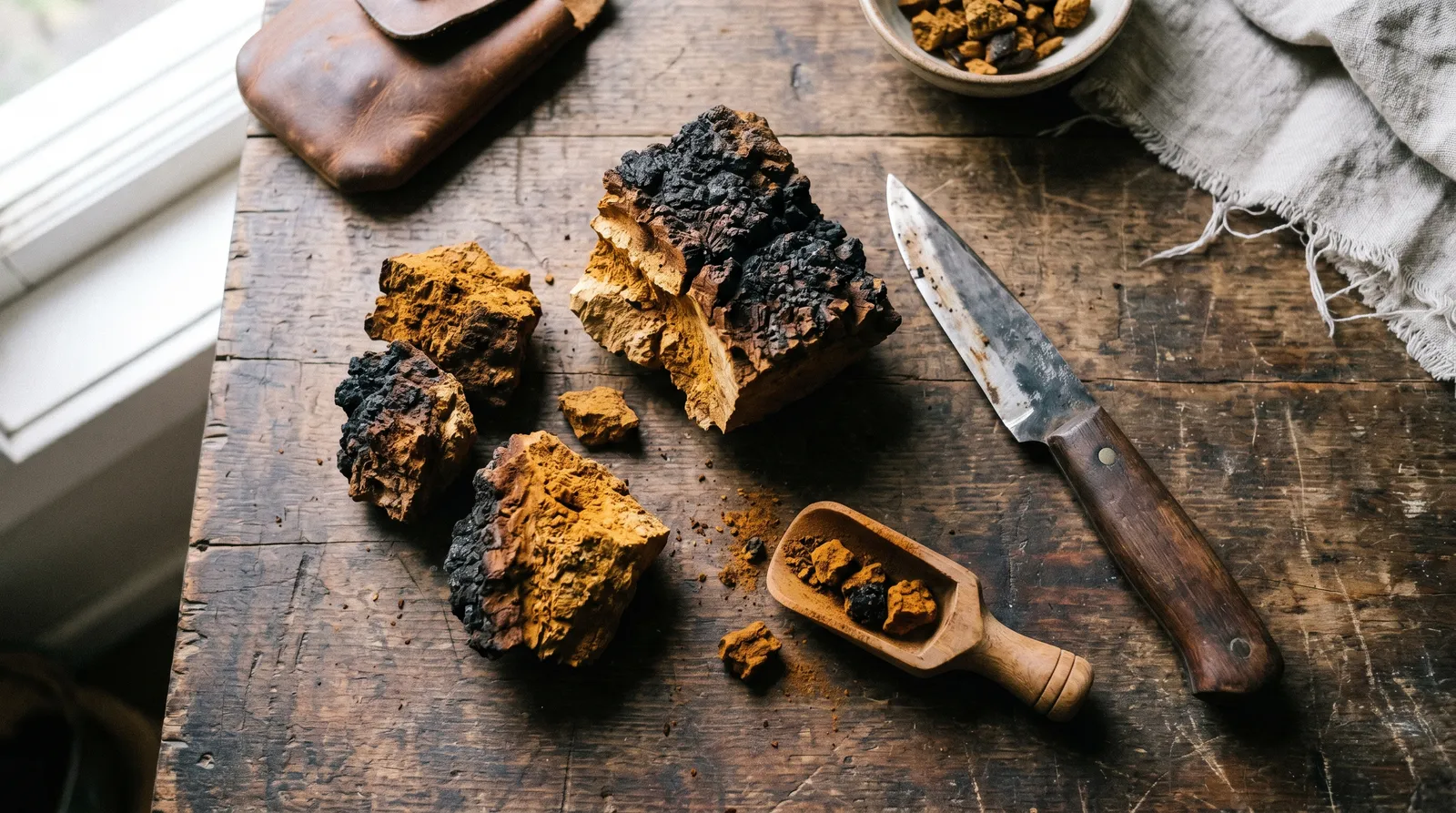
Siberian and Nordic harvesters traditionally took only part of the chaga conk, leaving enough on the birch tree for the fungus to continue growing — a practice that modern foragers would recognise as sustainable wildcrafting. The Khanty and other indigenous groups understood that killing the host tree meant killing future harvests, so they selected mature conks from living birches and avoided stripping the growth entirely. This contrasts sharply with the commercial harvesting boom of the 2010s, which has led to overharvesting concerns in parts of Russia, Finland, and Canada.
We should be honest about a limitation here: most ethnobotanical accounts of chaga harvesting practices come from Soviet-era researchers interviewing elderly informants, often decades after the practices had begun to change. How accurately those accounts reflect pre-contact or pre-Soviet harvesting norms is uncertain. The romantic image of perfectly sustainable indigenous harvesting may be partly a reconstruction.
For anyone looking to get chaga from a responsible source rather than foraging, the Azarius chaga product range offers cultivated and sustainably sourced options. The Azarius blog on mushroom sourcing discusses what to look for in supply-chain transparency.
What the Folk Record Actually Tells Us
Centuries of chaga Siberian Nordic folk use provide a consistent ethnographic signal — pointing toward gut health, immune modulation, and daily tonic consumption — but they do not constitute clinical proof. That signal was strong enough to get Soviet pharmacologists interested in the 1950s, and it's strong enough to keep modern researchers publishing papers seven decades later. The EMCDDA's 2024 monitoring framework for herbal products reflects growing institutional attention to traditional fungal preparations like chaga, even as formal clinical validation remains absent.
The folk tradition also tells us something about dose and duration: these weren't people taking a capsule once a day. They were drinking litres of chaga-infused water, daily, for years. Any attempt to translate folk use into modern supplementation needs to reckon with that difference in exposure — a point that most supplement marketing conveniently ignores. If you want to get closer to the traditional approach, whole chaga chunks brewed as tea remain the most historically faithful method. You can buy chaga chunks and chaga extract on the Azarius chaga product page, and the Azarius blog on mushroom preparation covers practical starting points for brewing your first batch.
Last updated: April 2026
Frequently Asked Questions
10 questionsHow did Siberian indigenous peoples traditionally prepare chaga?
Was chaga used as a coffee substitute in Finland?
Did Soviet scientists study chaga based on folk traditions?
Does the folk record prove chaga has medicinal properties?
Why did traditional users only harvest chaga from birch trees?
How does chaga folk use compare to reishi or turkey tail traditions?
What is Befungin and how does it relate to chaga folk use?
Did traditional Siberians use chaga externally or only as a tea?
How old is the tradition of using chaga in Siberia?
Did Alexander Solzhenitsyn mention chaga in his writings?
About this article


Joshua Askew serves as Editorial Director for Azarius wiki content. He is Managing Director at Yuqo, a content agency specialising in cannabis, psychedelics and ethnobotanical editorial work across multiple languages. Th
This wiki article was drafted with AI assistance and reviewed by Joshua Askew, Managing Director at Yuqo. Editorial oversight by Adam Parsons.
Medical disclaimer. This content is for informational purposes only and does not constitute medical advice. Consult a qualified healthcare provider before use of any substance.
Last reviewed April 24, 2026
References (2)
- [1]Shashkina, M. Y., Shashkin, P. N., & Sergeev, A. V. (2006). Chemical and medicobiological properties of chaga (review). Pharmaceutical Chemistry Journal, 40(10), 560-568. DOI: 10.1007/s11094-006-0194-4
- [2]Glamoclija, J., et al. (2015). Chemical characterization and biological activity of Chaga (Inonotus obliquus). Journal of Ethnopharmacology, 162, 323-332. DOI: 10.1016/j.jep.2014.12.069
Related Articles
Medicinal Mushrooms TCM Western Pharmacognosy Guide
Guide to medicinal mushrooms TCM Western pharmacognosy — how reishi, lion's mane, cordyceps are classified, extracted, and studied.
Research on Immune Modulation by Functional Mushrooms
What does research on immune modulation by functional mushrooms actually show? Beta-glucans, Dectin-1 signalling, human trials, and the honest gap...
Allergic Reactions & Mushroom Sensitivities
Understand allergic reactions and mushroom sensitivities: mould cross-reactivity, shiitake dermatitis, species-specific risks, and safer product…
Turkey Tail Trametes versicolor — Buy Supplements
Buy turkey tail Trametes versicolor supplements at Azarius. PSK and PSP evidence, beta-glucan dosage, extraction methods, and safety.
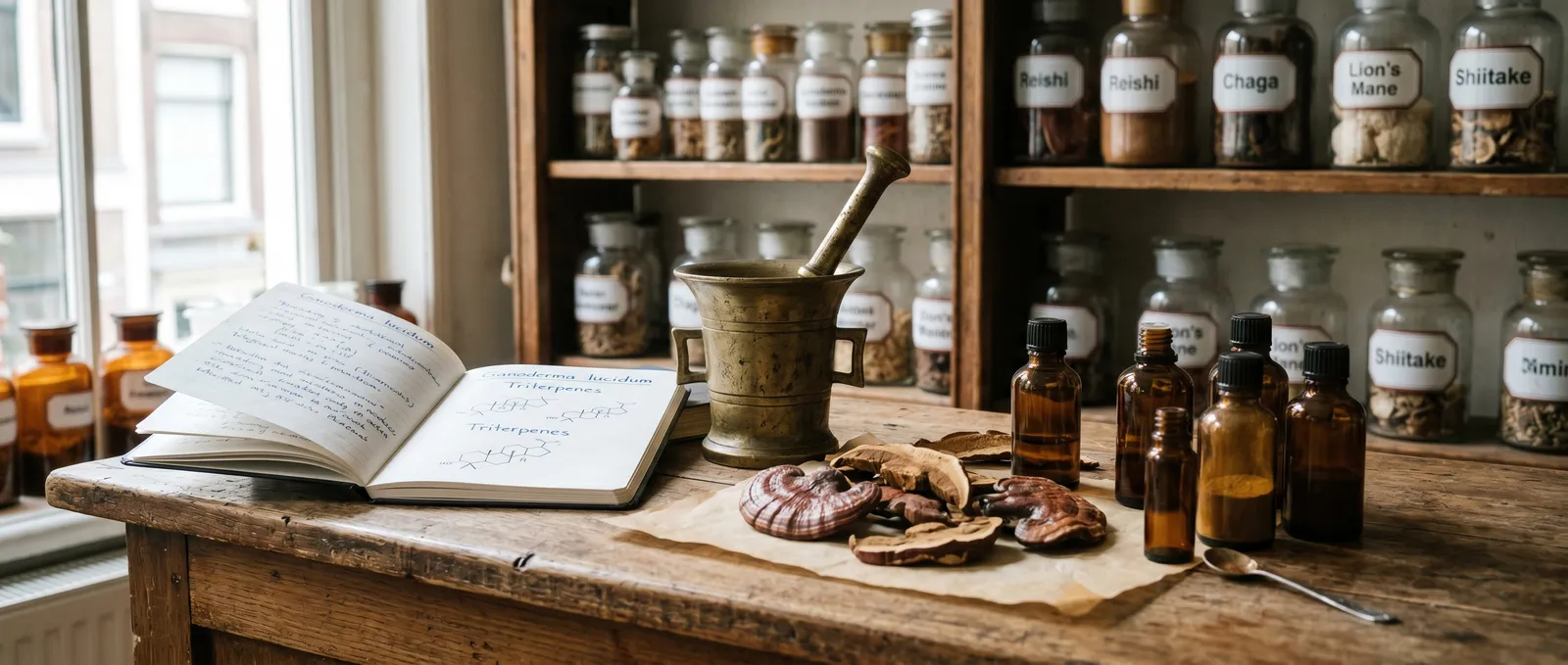
Triterpenes In Medicinal Mushrooms
Triterpenes in medicinal mushrooms are a class of 30-carbon terpenoid compounds produced as secondary metabolites by several functional mushroom species…
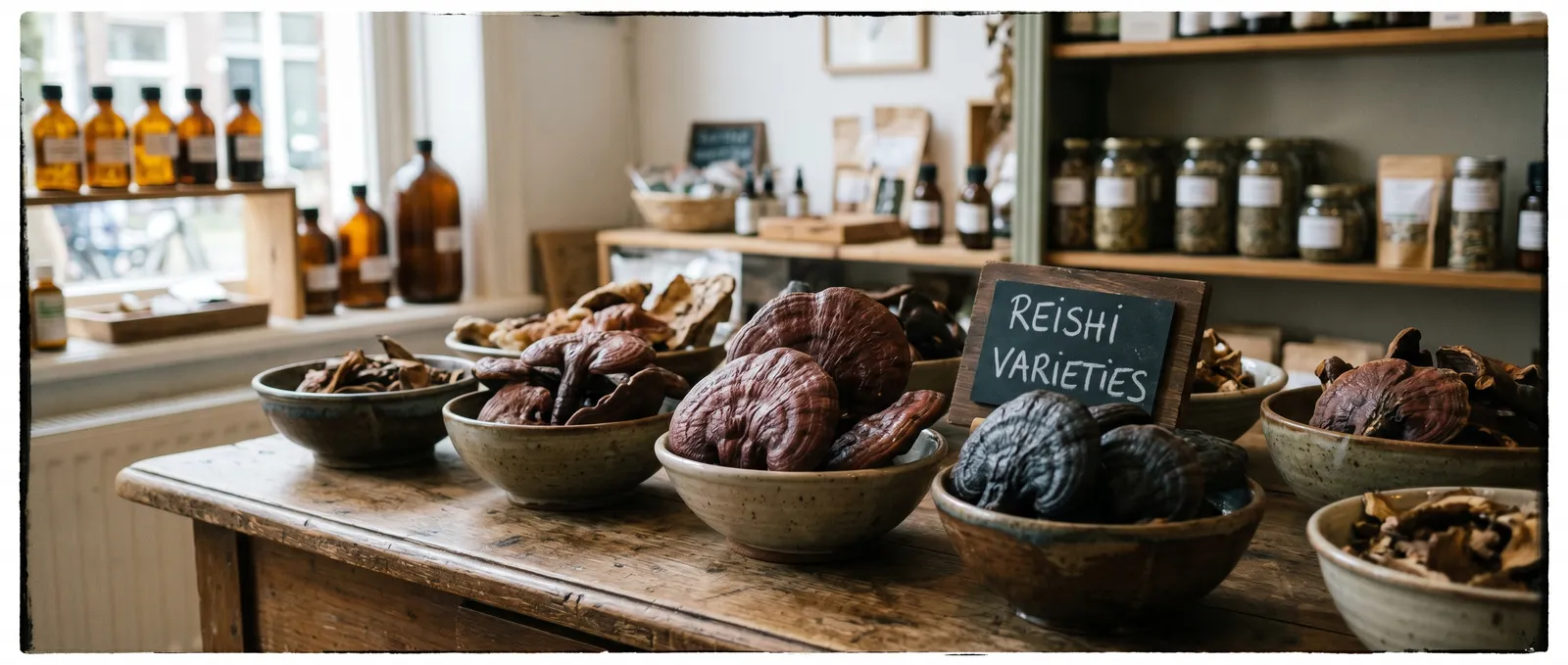
Red and Black Reishi Varieties
Red reishi (Ganoderma lucidum) and black reishi (Ganoderma sinense) both fall under the lingzhi umbrella in traditional Chinese medicine, but they differ in…
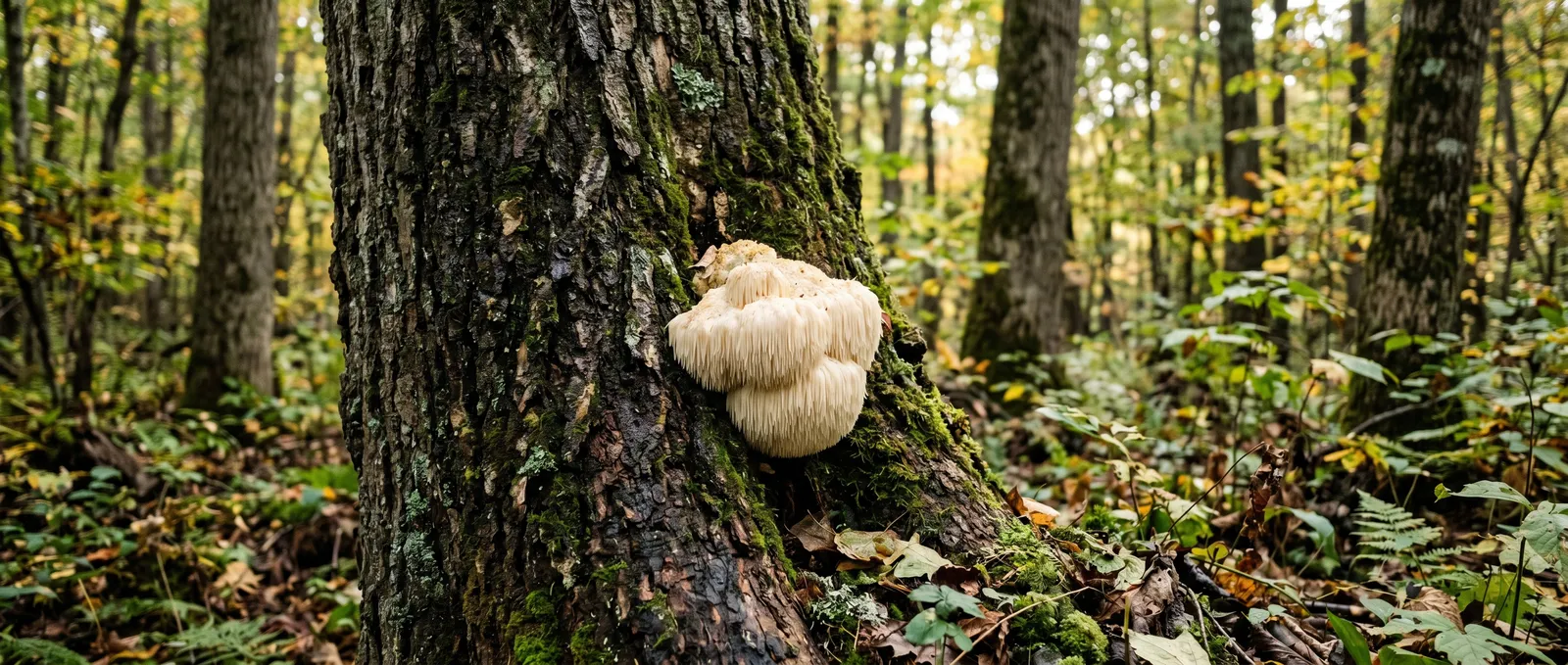
Lion's Mane Identification & Habitat
Hericium erinaceus is a tooth fungus that fruits as a single white, spine-covered mass on wounded or dead hardwood trees.
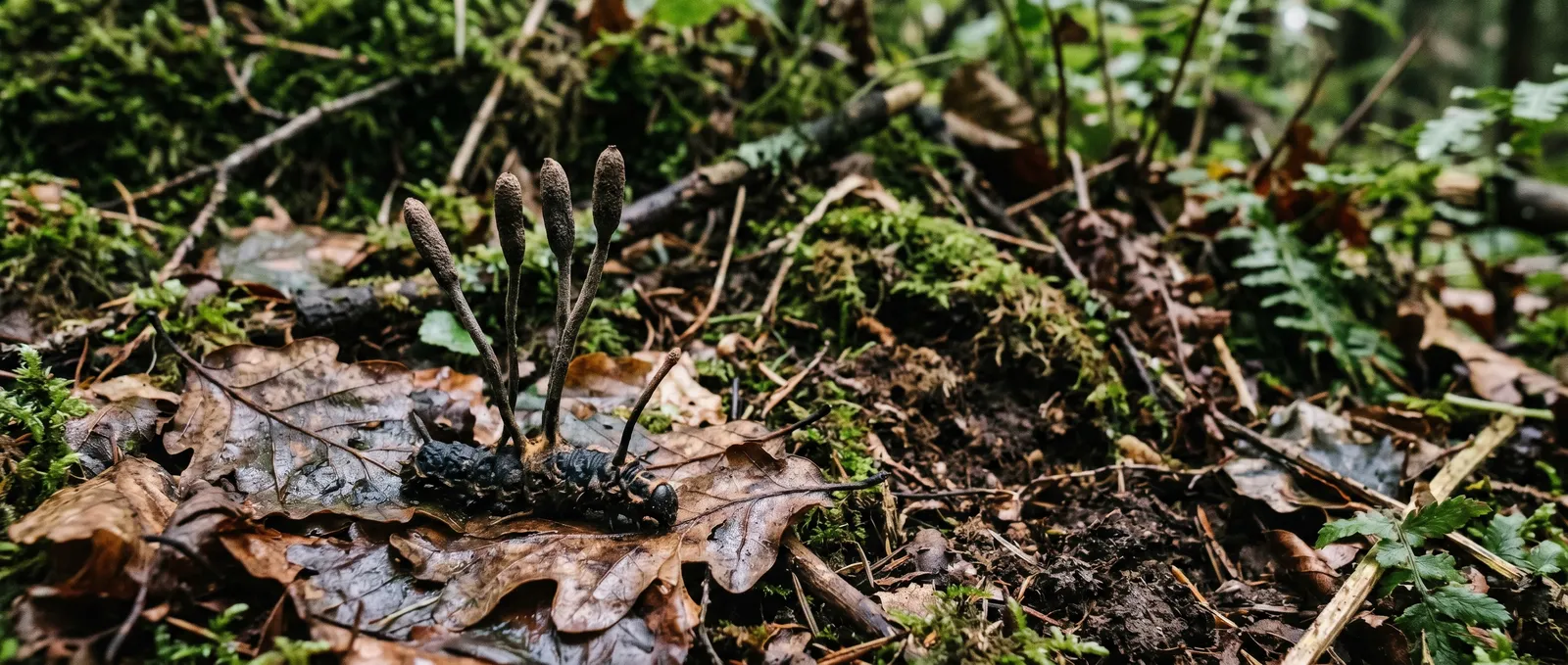
Cordyceps Lifecycle
The cordyceps lifecycle is a parasitic biological sequence in which a fungus infects an insect host, colonises its body from within, and erupts as a…
Lion's Mane Fresh Dried Extract: What's Actually Different?
Lion's mane fresh dried extract is a collective term for the main preparation forms of Hericium erinaceus — fresh fruiting bodies, dehydrated powder, and…