
Medicinal Mushrooms TCM Western Pharmacognosy Guide
Definition
Medicinal Mushrooms TCM Western Pharmacognosy Guide is a comparative reference that examines how fungi like reishi, lion's mane, cordyceps, and turkey tail are classified in classical Chinese materia medica and characterised in modern pharmacognosy through their polysaccharide fractions and receptor interactions.
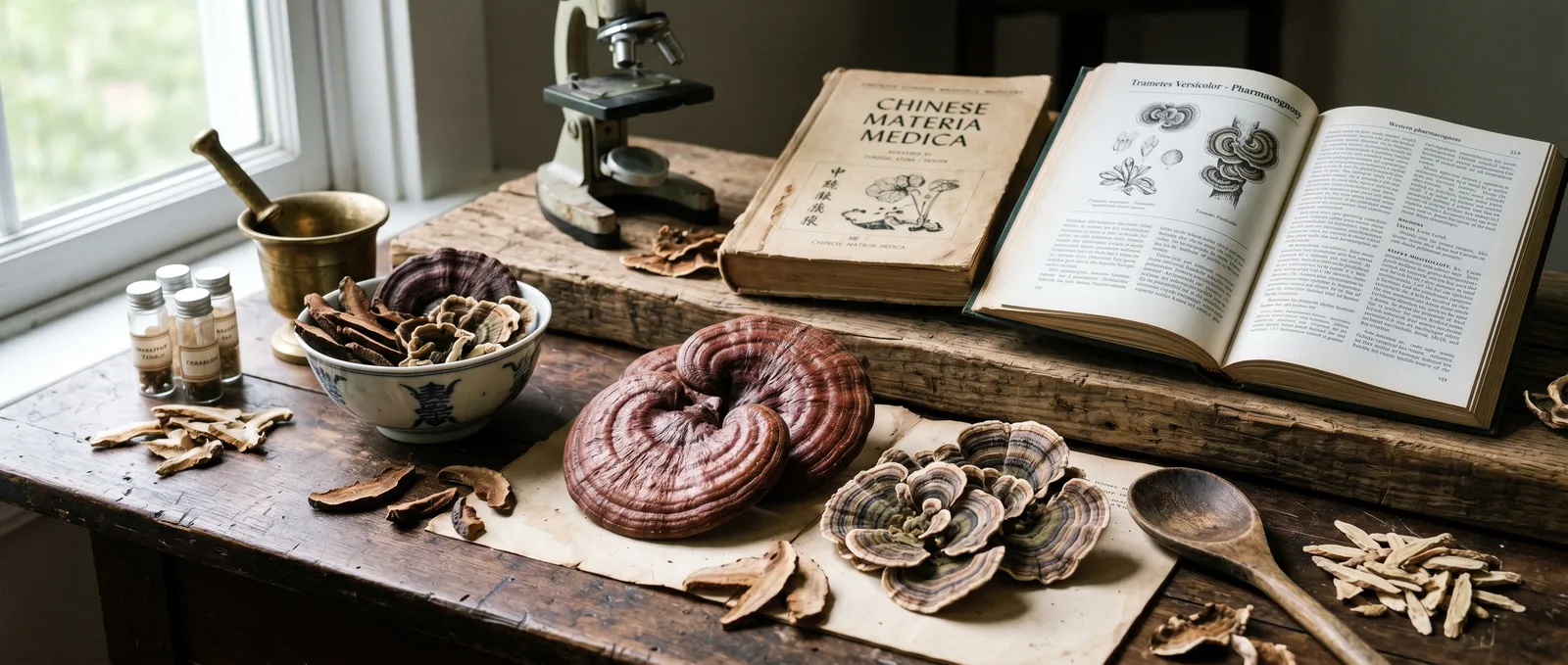
Medicinal mushrooms in TCM and Western pharmacognosy represent a fascinating dual inheritance: species like Ganoderma lucidum (reishi) and Trametes versicolor (turkey tail) appear in classical Chinese materia medica texts dating back over two thousand years, and the same organisms now show up in modern pharmacognosy journals with characterised polysaccharide fractions and defined receptor interactions. A medicinal mushroom is a fungal organism that has been used therapeutically within at least one documented medical tradition and that contains bioactive compounds of pharmacological interest. Understanding how traditional Chinese medicine (TCM) categorised these fungi — and where Western pharmacognosy agrees, diverges, or simply asks different questions — matters if you want to read the research on functional mushrooms without projecting one framework onto the other. Whether you want to buy a mushroom supplement or simply understand the science, this guide covers what both traditions actually say about medicinal mushrooms in TCM and Western pharmacognosy contexts. You can order mushroom extracts based on what the evidence supports, or browse our Herbs & Seeds category and Smartshop wiki for broader context on functional botanicals.
Adult audience (18+). The dosing ranges and effects described in this article apply to adult physiology. This content is not intended for minors.
This article is for informational and educational purposes only. It is not medical advice. Medicinal mushrooms may interact with prescription medications, including anticoagulants and immunosuppressants. Always consult a qualified healthcare provider before using mushroom supplements, especially if you are pregnant, nursing, taking medication, or managing a diagnosed health condition. Nothing in this guide should be interpreted as a recommendation to treat, cure, or prevent any disease.
How TCM Classifies Medicinal Fungi
TCM classifies medicinal fungi by energetic properties — temperature, taste, and meridian affinity — rather than by molecular composition. Its organising logic places substances along axes of hot, warm, neutral, cool, and cold, cross-referenced with taste categories (sweet, bitter, sour, pungent, salty) and the organ meridians they are said to enter. Reishi (língzhī, 灵芝) is classified as bitter and warm, entering the Heart, Liver, and Lung meridians. In the Shennong Bencao Jing — a foundational pharmacopoeia compiled roughly two thousand years ago — reishi was grouped among the "superior" herbs: substances considered safe for long-term use and oriented toward preserving vitality rather than treating acute disease (Yang, 1998). This classification system is central to how medicinal mushrooms in TCM and Western pharmacognosy are understood differently across traditions.
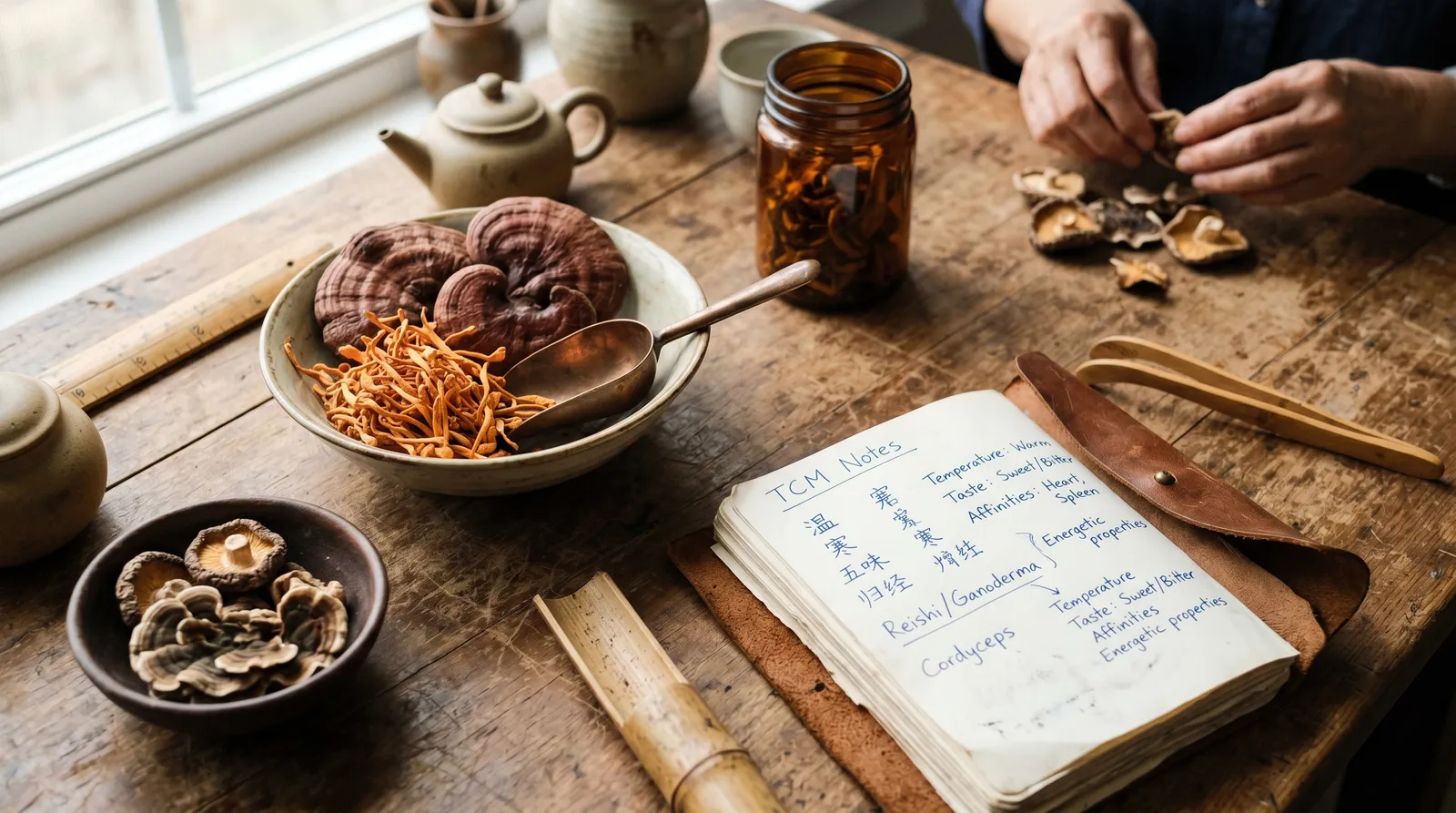
Cordyceps (dōng chóng xià cǎo, 冬虫夏草) occupies a different niche. Classical texts describe it as sweet and warm, entering the Lung and Kidney meridians. Its traditional applications centred on what TCM calls Kidney yang deficiency and Lung yin deficiency — categories that map loosely (and imperfectly) onto fatigue, respiratory weakness, and diminished sexual function. The earliest reliable written record appears in the 18th-century Bencao Congxin by Wu Yiluo (1757), though oral use in Tibetan and Chinese highland communities likely predates that by centuries (Holliday & Cleaver, 2008).
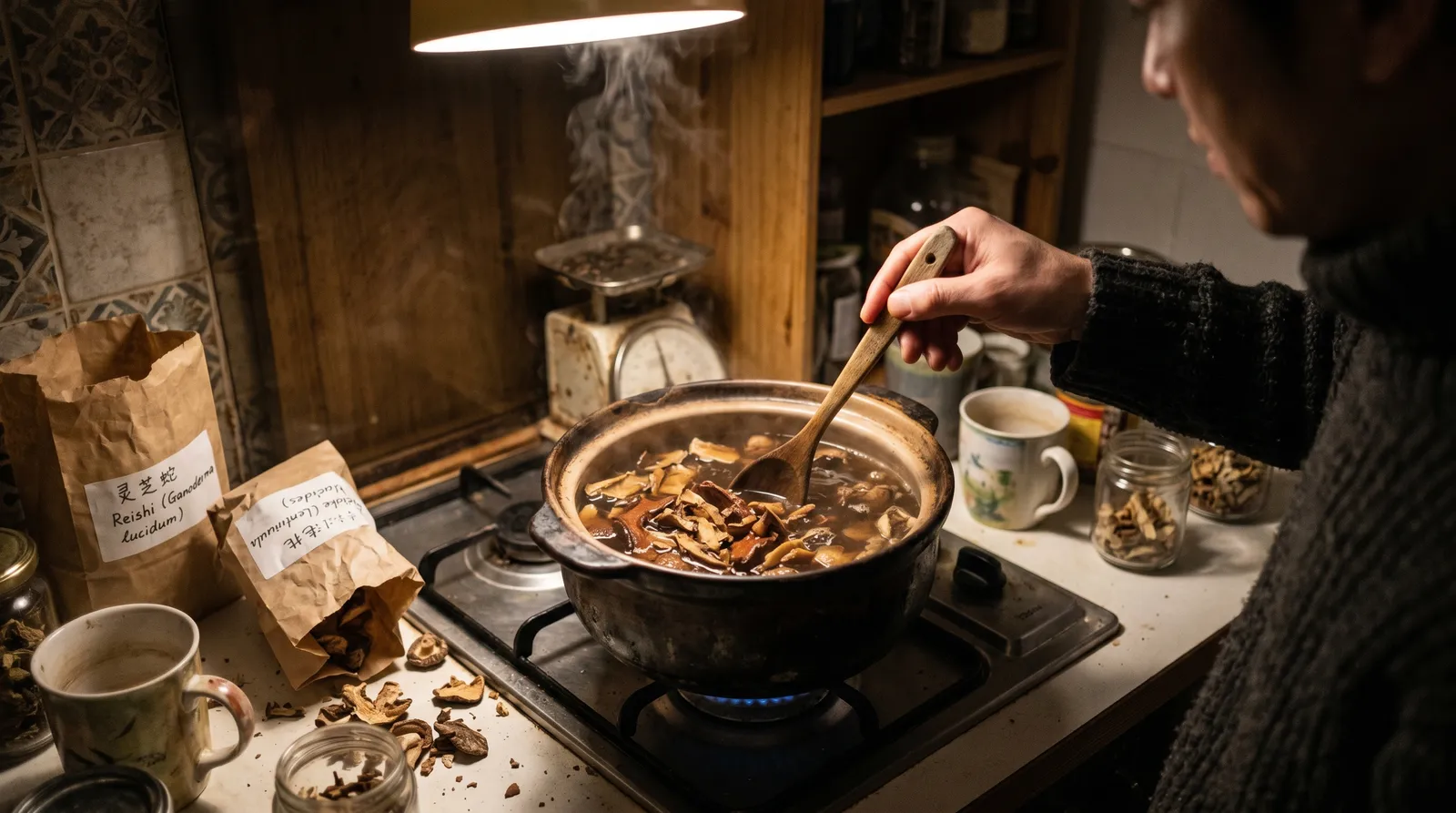
Turkey tail (yún zhī, 云芝) and maitake (huì shù huā, 灰树花) both feature in classical texts, though with less prominence than reishi or cordyceps. Turkey tail was traditionally prepared as a hot-water decoction — essentially a tea brewed for hours — which, as it happens, is the extraction method that concentrates water-soluble polysaccharides. The TCM practitioners who developed these preparations did not know they were isolating beta-glucans, but the method they settled on turns out to be chemically relevant.
Lion's mane (hóu tóu gū, 猴头菇) has a more modest TCM pedigree. It appears in classical texts primarily as a digestive tonic and culinary mushroom rather than a major medicinal agent. Its current fame as a "brain mushroom" is largely a product of late-20th-century Japanese research, not ancient Chinese practice — a distinction worth keeping in mind when you see marketing copy claiming "thousands of years of traditional use for cognitive health."
Western Pharmacognosy: Different Questions, Same Organisms
Western pharmacognosy isolates specific molecules from medicinal mushrooms and measures their biological activity at defined doses. The intellectual tradition is reductionist by design: identify the molecule, describe the mechanism, measure the effect. This approach to medicinal mushrooms in TCM and Western pharmacognosy has produced genuinely useful knowledge — and also some significant blind spots.
The beta-glucan story is a good example. Chihara et al. (1969) isolated lentinan, a beta-(1→3)/(1→6)-D-glucan from Lentinula edodes (shiitake), and demonstrated that it activated macrophages in animal models. This kicked off decades of polysaccharide research. From turkey tail, two fractions became particularly well-studied: PSK (polysaccharide-K, also called krestin) and PSP (polysaccharopeptide). Tsukagoshi et al. (1984) reviewed early clinical data on PSK as an adjunct in oncology settings, and subsequent trials — primarily conducted in Japan and China through the 1980s and 1990s — examined PSK alongside conventional chemotherapy in gastric and colorectal cancer patients.
Here is where discipline matters: those studies used specific isolated polysaccharide fractions, at specific doses, administered to specific patient populations alongside conventional treatment. The leap from "PSK at 3g/day alongside 5-fluorouracil in stage III colorectal cancer patients showed improved five-year survival rates in a Japanese multicentre trial" to "turkey tail fights cancer" is not a small simplification — it is a category error. The over-the-counter turkey tail capsule on your shelf is not PSK. It may contain some of the same polysaccharides, but the dose, purity, and clinical context are entirely different.
The triterpene chemistry of reishi illustrates another angle. Kubota et al. (1982) began characterising ganoderic acids from Ganoderma lucidum, eventually cataloguing dozens of structurally distinct lanostane-type triterpenoids. In-vitro studies have examined these compounds for effects on platelet aggregation, histamine release, and hepatocyte protection. But triterpenes are not water-soluble — a traditional hot-water reishi decoction extracts polysaccharides effectively while leaving most triterpenes behind. Alcohol extraction captures triterpenes. Dual extraction (hot water followed by alcohol, or simultaneous) captures both compound classes. The extraction method determines which bioactive compounds end up in the final preparation, which means a study on an alcohol extract of reishi and a study on a hot-water extract of reishi are not studying the same thing, even if both say "reishi" on the label.
Where the Two Traditions Converge — and Where They Do Not
The most consistent convergence is that both TCM and Western pharmacognosy arrived at hot-water extraction as the primary preparation method for medicinal mushrooms. TCM practitioners brewed reishi and turkey tail in hot water for hours; Western extraction science confirms that prolonged hot-water extraction is the most effective method for solubilising beta-glucans. TCM classified reishi as a long-term tonic rather than an acute remedy; modern safety data, while limited for chronic use, shows relatively low acute toxicity in most studied preparations, according to review literature (Boh et al., 2007). The traditional intuition that these fungi were safe for sustained use appears broadly consistent with what short- and medium-term studies have observed — though long-term safety data from controlled human trials remains thin.
The divergences are equally real. TCM's meridian and temperature system does not translate into pharmacological language. When a TCM text says cordyceps "tonifies Kidney yang," that is a statement within a complete medical framework with its own internal logic — it is not a proto-pharmacological claim about renal function or testosterone levels. Attempting to retrofit TCM categories onto Western endpoints produces bad TCM and bad pharmacology. Researchers who have tried to "validate" TCM classifications using Western bioassays sometimes find correlations (warm-natured herbs do tend to contain compounds that increase metabolic rate in some models), but these correlations are loose and inconsistent enough that they do not constitute validation in either direction (Zhao et al., 2011).
The hericenone and erinacine research on lion's mane is instructive here. Kawagishi et al. (1994) isolated hericenones from the fruiting body and demonstrated nerve growth factor (NGF) stimulation in vitro. Erinacines, isolated from the mycelium, showed similar NGF-stimulating activity. This is genuinely interesting neuroscience — but lion's mane was never a major cognitive herb in TCM. The modern "brain mushroom" narrative is built almost entirely on late-20th-century Japanese laboratory work, not on traditional use. That does not make the research less valid, but it does mean the common marketing claim of "used for centuries for brain health" is historically inaccurate.
The Preparation Problem
Extraction method is the single most important variable determining which bioactive compounds end up in a finished mushroom product. TCM decoction methods — simmering dried fungi in water for extended periods — are essentially hot-water extraction. The pharmacognosy literature confirms that this method concentrates polysaccharides while leaving triterpenes and many smaller terpenes largely behind. A classical reishi decoction and a modern hot-water reishi extract are, in chemical terms, roughly comparable preparations.
But a significant portion of the modern supplement market uses mycelium-on-grain preparations: mycelium cultivated on rice or oat substrate, then harvested and dried together with the grain. These products often carry substantially lower beta-glucan content and higher starch content than fruiting-body extracts, because the grain substrate dilutes the fungal material. This is not a fringe concern — it is a live industry debate. Some manufacturers argue that mycelium preparations contain unique intracellular compounds not present in fruiting bodies (a "full-spectrum" argument). Beta-glucan-focused researchers counter that the fruiting body is the material most traditional preparations and most clinical studies actually used, and that starch-heavy mycelium-on-grain products may not deliver meaningful doses of the compounds under investigation. Neither TCM decoctions nor the pharmacognosy literature's studied extracts typically resemble a mycelium-on-grain capsule, which makes extrapolating research findings to such products particularly questionable.
The table below summarises the key differences across preparation types:
| Preparation Type | Primary Compounds Extracted | Beta-Glucan Content | Traditional/Clinical Precedent |
|---|---|---|---|
| Hot-water extract (fruiting body) | Polysaccharides, beta-glucans | High (typically 20–60%) | Strong — matches TCM decoctions and most clinical trials |
| Alcohol/ethanol extract (fruiting body) | Triterpenes, sterols | Low | Moderate — some modern clinical studies |
| Dual extract (hot water + alcohol) | Polysaccharides + triterpenes | Moderate to high | Limited — newer method, fewer dedicated studies |
| Mycelium-on-grain (dried, powdered) | Variable; includes grain starch | Low (often <10%) | Weak — does not match traditional preparations or most studied extracts |
| Raw dried fruiting body (unextracted) | Locked in cell walls (chitin matrix) | Low bioavailability without extraction | Moderate — traditional use involved prolonged cooking/decoction |
Extraction Comparison at a Glance
- Hot-water extraction — best for beta-glucans; mirrors TCM decoction practice
- Alcohol extraction — best for triterpenes (e.g., ganoderic acids in reishi)
- Dual extraction — captures both polysaccharides and triterpenes; increasingly common in quality products
- Mycelium-on-grain — high starch dilution; poor match for traditional or clinical precedent
- Unextracted powder — compounds remain locked in chitin; low bioavailability without cooking or extraction
What to Look for When You Buy Mushroom Supplements
The three most important label markers when you buy a mushroom supplement are beta-glucan percentage, fruiting body versus mycelium source, and extraction method. If you want to order a product that actually reflects what the research studied, these markers matter more than brand reputation or marketing language. A product listing only "mushroom powder" with no extraction details is almost certainly unextracted dried material, which means the beta-glucans remain locked inside chitin cell walls and are poorly bioavailable. When you order online, look for third-party testing certificates and avoid products that list "polysaccharides" without specifying beta-glucan content, since starch is also a polysaccharide and inflates the number.
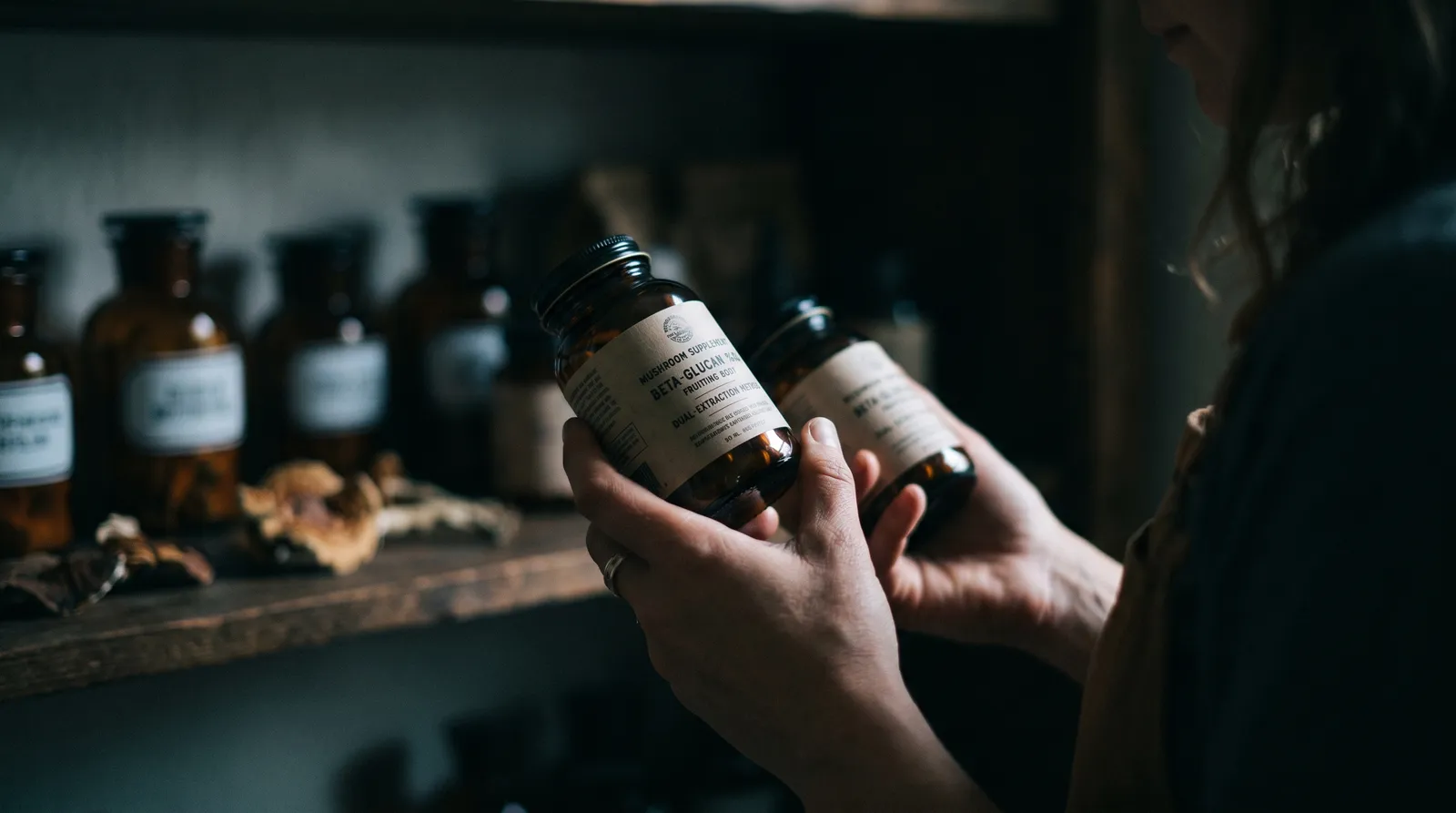
We carry several mushroom extract products. Our Reishi Extract and Lion's Mane Extract both use fruiting-body material with specified extraction methods. For those interested in exploring multiple species, our Mushroom Complex blends offer a convenient starting point. We also stock Cordyceps Extract for those specifically interested in the cordyceps research. If you want to get started with medicinal mushrooms in TCM and Western pharmacognosy traditions, check the product page for beta-glucan percentages and extraction details before making a decision. You can also browse our Herbs & Seeds category and our Smartshop wiki for background on other functional botanicals and adaptogens. Our blog article on adaptogenic herbs and mushrooms provides additional context on how these products compare to plant-based adaptogens.
Safety Across Both Frameworks
Both TCM and Western pharmacognosy recognise that medicinal mushrooms carry real safety considerations, though the two traditions describe the risks in different vocabularies. TCM's classification of reishi as a "superior" herb implied long-term safety, and modern data broadly supports relatively low acute toxicity for most preparations, according to published safety reviews (Boh et al., 2007). But TCM practitioners also recognised contraindications — classical texts advise caution with reishi in cases of "excess heat" conditions, which in modern terms might loosely correspond to acute inflammatory states.
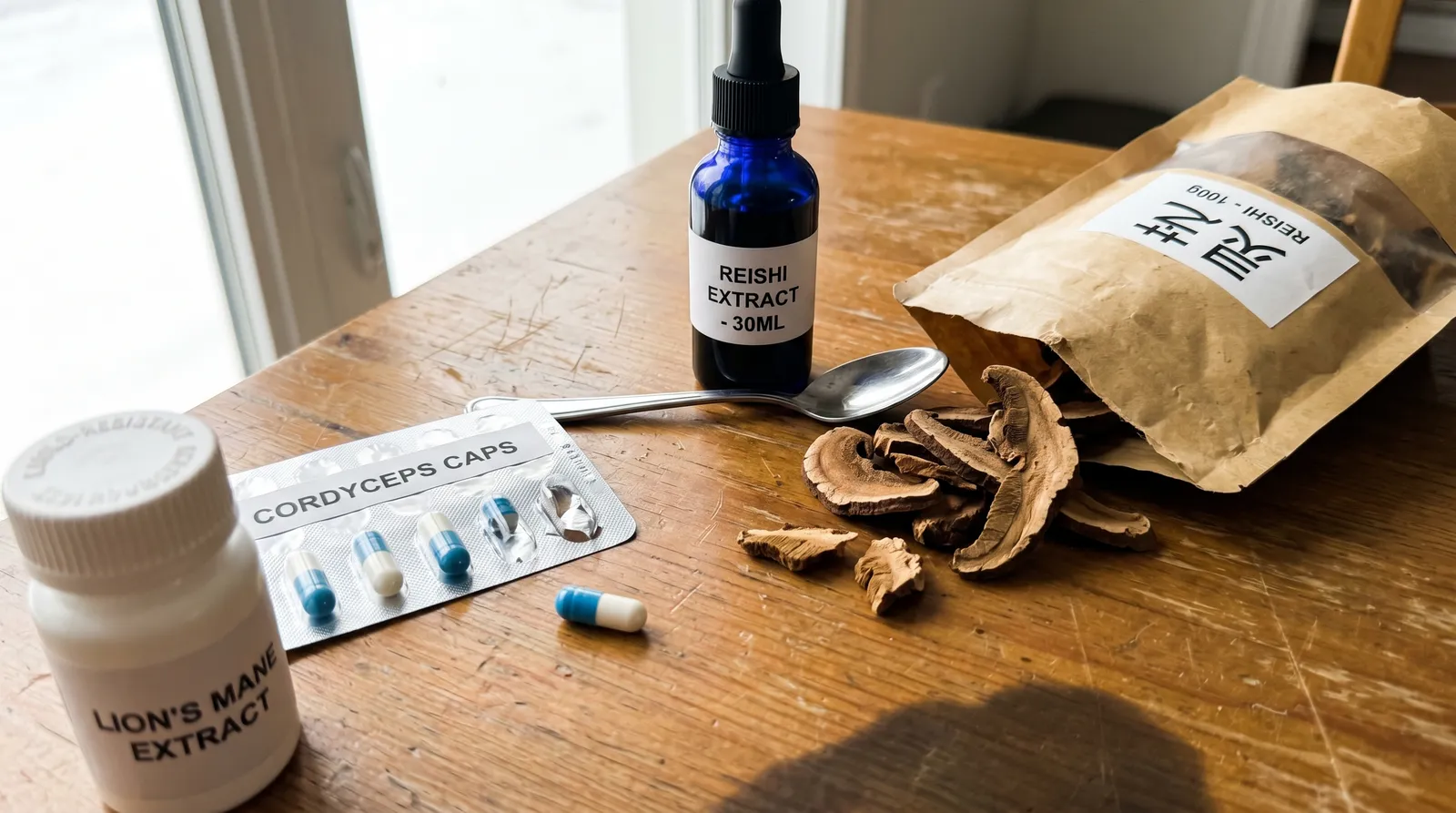
Western pharmacognosy has identified more specific concerns. Reishi triterpenes show antiplatelet activity in vitro, as reported by Shimizu et al. (1985), raising a real interaction risk with anticoagulant medications such as warfarin, apixaban, and rivaroxaban. Immune-modulating species — reishi, maitake, turkey tail, and shiitake at high doses — work in theoretical opposition to immunosuppressant drugs like methotrexate, tacrolimus, and ciclosporin. Cordyceps may affect blood glucose levels, according to animal studies reviewed by Holliday & Cleaver (2008), and could potentiate hypoglycaemic medication. Individuals with autoimmune conditions face a specific theoretical concern: beta-glucan-driven immune stimulation may be counterproductive when the therapeutic goal is immune suppression. Anyone taking prescription medication should discuss functional mushroom use with a healthcare provider before starting.
How Medicinal Mushrooms Compare to Other Adaptogens
Medicinal mushrooms in TCM and Western pharmacognosy occupy a middle ground in terms of evidence quality compared to other popular adaptogens. Ashwagandha has somewhat more robust clinical trial data for stress and cortisol outcomes, with several systematic reviews supporting its anxiolytic effects. Rhodiola has a longer European research tradition, particularly for fatigue and cognitive performance under stress. But mushroom polysaccharides have a more developed mechanistic story — researchers understand, at a molecular level, how beta-glucans interact with dectin-1 receptors on macrophages, according to Goodridge et al. (2011), which is more than can be said for many herbal compounds.
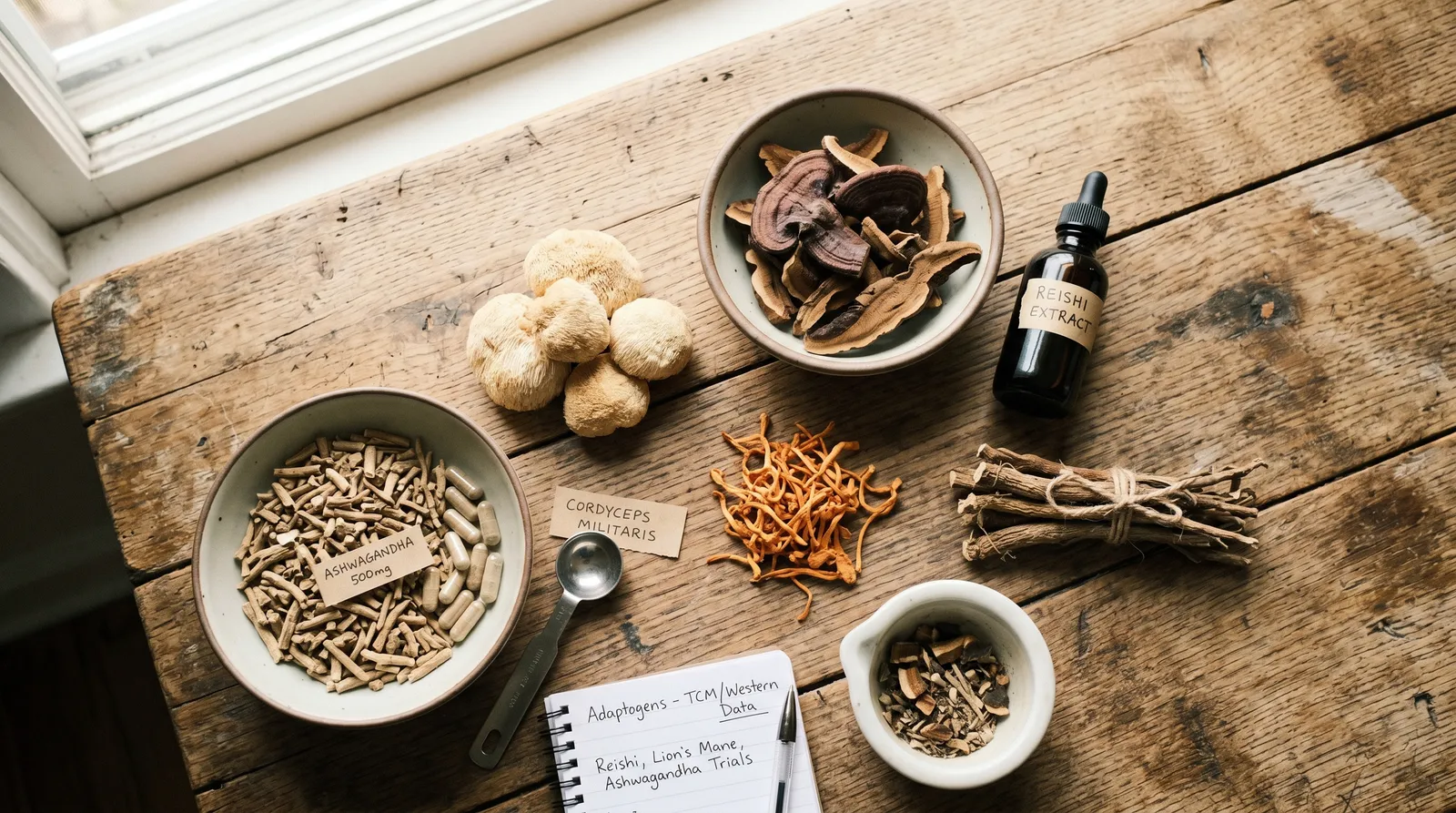
The trade-off is that mechanistic clarity has not yet translated into large, definitive human trials for most mushroom species. If you are deciding between adaptogens and want to buy based on evidence strength alone, ashwagandha and rhodiola currently have more clinical weight behind specific outcomes. If you are drawn to immune-modulation research or the specific compounds in reishi, cordyceps, or lion's mane, the mushroom literature offers genuine substance — just not the certainty that marketing copy implies. You can browse our Herbs & Seeds category for ashwagandha and rhodiola products alongside our mushroom extracts, and our blog article on adaptogenic herbs and mushrooms compares these categories in more detail.
Species Selection Guide: Matching Research to Goals
Reishi is the most broadly studied medicinal mushroom across both TCM and Western pharmacognosy, with research spanning immune modulation, anti-inflammatory activity, and sleep quality. Turkey tail's PSK and PSP fractions have the strongest clinical data specifically for immune-related endpoints. Lion's mane is the only species with published human data on cognitive outcomes, though the evidence remains preliminary. Cordyceps research has focused on exercise performance and respiratory function, with mixed but intriguing results.

If you want to buy a mushroom extract and are unsure where to start, matching your primary interest to the species with the most relevant research is more productive than chasing whichever mushroom is trending on social media. For immune support, consider Turkey Tail Extract or Reishi Extract. For cognitive interest, Lion's Mane Extract is the species with the most directly relevant — if still limited — human data. For energy and exercise recovery, Cordyceps Extract aligns with the existing trial literature. Our Mushroom Complex products combine multiple species for those who prefer a broader approach, and our Herbs & Seeds category includes complementary adaptogens like ashwagandha and rhodiola. The Smartshop wiki offers background reading on how these products fit into the wider field of functional supplements, and our blog article on adaptogenic herbs and mushrooms compares mushroom extracts with plant-based alternatives.
An honest limitation we want to name directly: we sell these products, which means we have a financial interest in you deciding to buy them. We try to counterbalance that by being straightforward about what the research does and does not support. If the evidence for a particular species does not match your goals, we would rather point you toward the right product — or tell you that no product currently has strong evidence for what you are looking for — than sell you something based on hype.
Reading the Research Honestly
Most published studies on medicinal mushrooms in TCM and Western pharmacognosy use specific proprietary extracts at defined doses — not generic supplement powders. Small clinical trials on proprietary Hericium erinaceus extracts have reported changes in cognitive-function measures in older adults (Mori et al., 2009), but the samples were small, the extracts proprietary, and the results have not been replicated at scale. Reishi's effects on sleep quality and anxiety have been investigated in clinical settings, but the evidence remains contested and inconsistent across studies. Cordyceps and VO2-max outcomes have been examined in a handful of trials with mixed results — one widely cited study by Chen et al. (2010) used a specific Cordyceps militaris extract, not a generic supplement powder.
An honest limitation we want to name directly: much of the clinical evidence for medicinal mushrooms in TCM and Western pharmacognosy comes from studies conducted in Japan and China between the 1980s and 2000s, many with small sample sizes, non-standardised preparations, and limited blinding. The EMCDDA and Beckley Foundation have not prioritised mushroom polysaccharides in their research agendas, as these compounds are not psychoactive. European regulatory bodies, including those tracked by EMCDDA maps of substance regulation, generally classify mushroom supplements as food supplements rather than medicines — which means they undergo less pre-market scrutiny than pharmaceuticals. This regulatory gap is worth understanding when you evaluate product claims.
The honest position is this: traditional use tells you that generations of practitioners found these fungi worth preparing and administering. Pharmacognosy tells you which compounds are present and what they do in isolated systems. Neither tradition tells you that the capsule in your hand will produce a specific clinical outcome. That uncertainty is not a failure of either framework — it is the current state of knowledge, and respecting it is more useful than pretending it away.
Last updated: April 2026
Frequently Asked Questions
5 questionsDid TCM practitioners historically use lion's mane for cognitive health?
Why does extraction method matter when comparing TCM decoctions to modern supplements?
Is the TCM classification of reishi as a 'superior' herb supported by modern safety data?
Are mycelium-on-grain supplements comparable to traditional TCM mushroom preparations?
Can Western pharmacognosy validate TCM meridian classifications?
About this article


Adam Parsons is an external cannabis and psychedelics writer and editor who contributes to Azarius's wiki as both author and reviewer. On the writing side, he authors Azarius's kratom and kanna clusters, drawing on exten
This wiki article was drafted with AI assistance and reviewed by Adam Parsons, External contributor. Editorial oversight by Joshua Askew.
Medical disclaimer. This content is for informational purposes only and does not constitute medical advice. Consult a qualified healthcare provider before use of any substance.
Last reviewed May 12, 2026
References (12)
- [1]Boh, B. et al. (2007). Ganoderma lucidum and its pharmaceutically active compounds. Biotechnology Annual Review , 13, 265–301. DOI: 10.1016/s1387-2656(07)13010-6
- [2]Chihara, G. et al. (1969). Fractionation and purification of the polysaccharides with marked antitumour activity, especially lentinan, from Lentinus edodes . Cancer Research , 29(3), 734–735.
- [3]Chen, S. et al. (2010). Effect of Cs-4 ( Cordyceps sinensis ) on exercise performance in healthy older subjects. Journal of Alternative and Complementary Medicine , 16(5), 585–590. DOI: 10.1089/acm.2009.0226
- [4]Goodridge, H. S. et al. (2011). Beta-glucan recognition by the innate immune system. Immunological Reviews , 230(1), 38–50.
- [5]Holliday, J. & Cleaver, M. (2008). Medicinal value of the caterpillar fungi species of the genus Cordyceps . International Journal of Medicinal Mushrooms , 10(3), 219–234. DOI: 10.1615/intjmedmushr.v10.i3.30
- [6]Kawagishi, H. et al. (1994). Hericenones C, D and E, stimulators of nerve growth factor synthesis, from the mushroom Hericium erinaceum . Tetrahedron Letters , 35(10), 1569–1572. DOI: 10.1016/s0040-4039(00)76760-8
- [7]Kubota, T. et al. (1982). Structures of ganoderic acid A and B, two new lanostane type bitter triterpenes from Ganoderma lucidum . Helvetica Chimica Acta , 65(2), 611–619. DOI: 10.1002/hlca.19820650221
- [8]Mori, K. et al. (2009). Improving effects of the mushroom Yamabushitake ( Hericium erinaceus ) on mild cognitive impairment. Phytotherapy Research , 23(3), 367–372.
- [9]Shimizu, A. et al. (1985). Inhibition of platelet aggregation by ganoderic acids from Ganoderma lucidum . Chemical and Pharmaceutical Bulletin , 33(7), 3012–3015. DOI: 10.1248/cpb.33.3012
- [10]Tsukagoshi, S. et al. (1984). Krestin (PSK). Cancer Treatment Reviews , 11(2), 131–155. DOI: 10.1016/0305-7372(84)90005-7
- [11]Yang, S. (1998). The Divine Farmer's Materia Medica: A Translation of the Shen Nong Ben Cao Jing . Blue Poppy Press.
- [12]Zhao, Z. et al. (2011). A systems biology approach to the investigation of "Hot" and "Cold" herbs in traditional Chinese medicine. Evidence-Based Complementary and Alternative Medicine , 2011, 1–8.
Related Articles
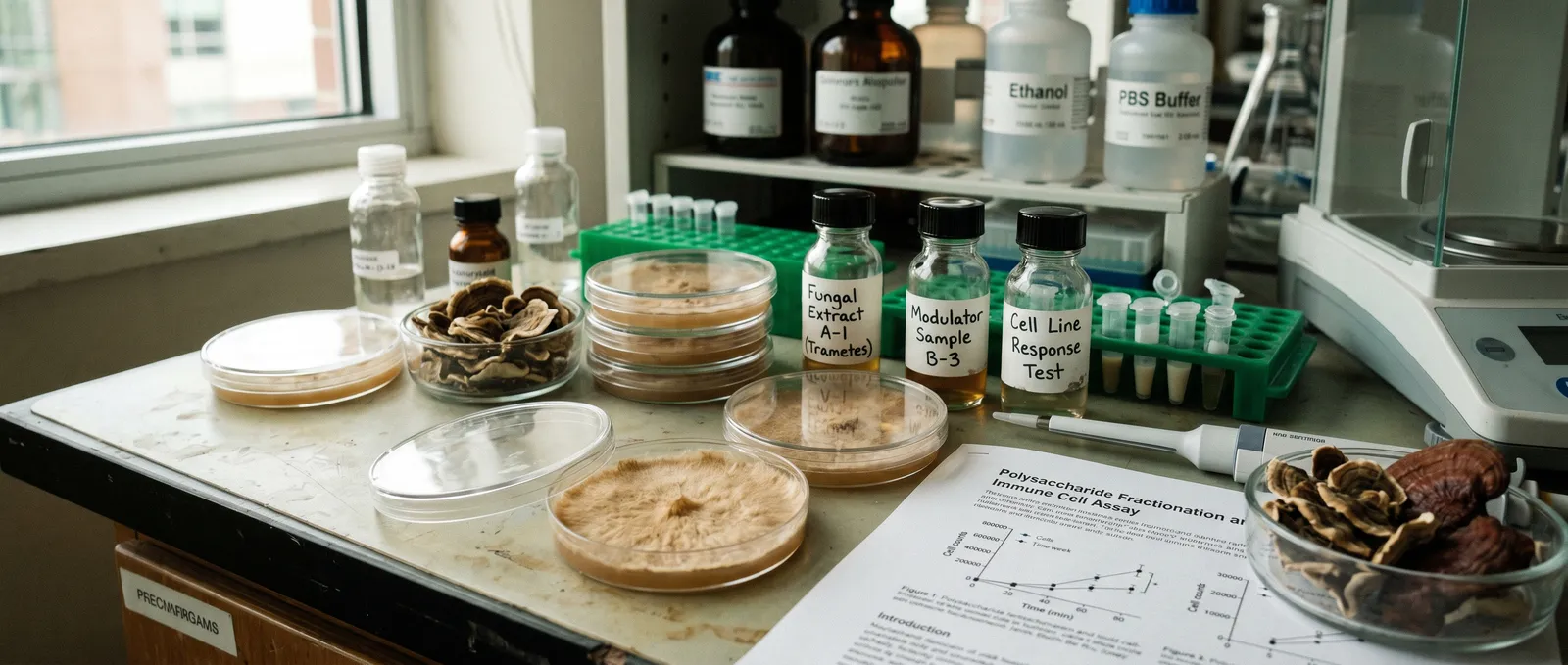
Research on Immune Modulation by Functional Mushrooms
What does research on immune modulation by functional mushrooms actually show? Beta-glucans, Dectin-1 signalling, human trials, and the honest gap...
Allergic Reactions & Mushroom Sensitivities
Understand allergic reactions and mushroom sensitivities: mould cross-reactivity, shiitake dermatitis, species-specific risks, and safer product…
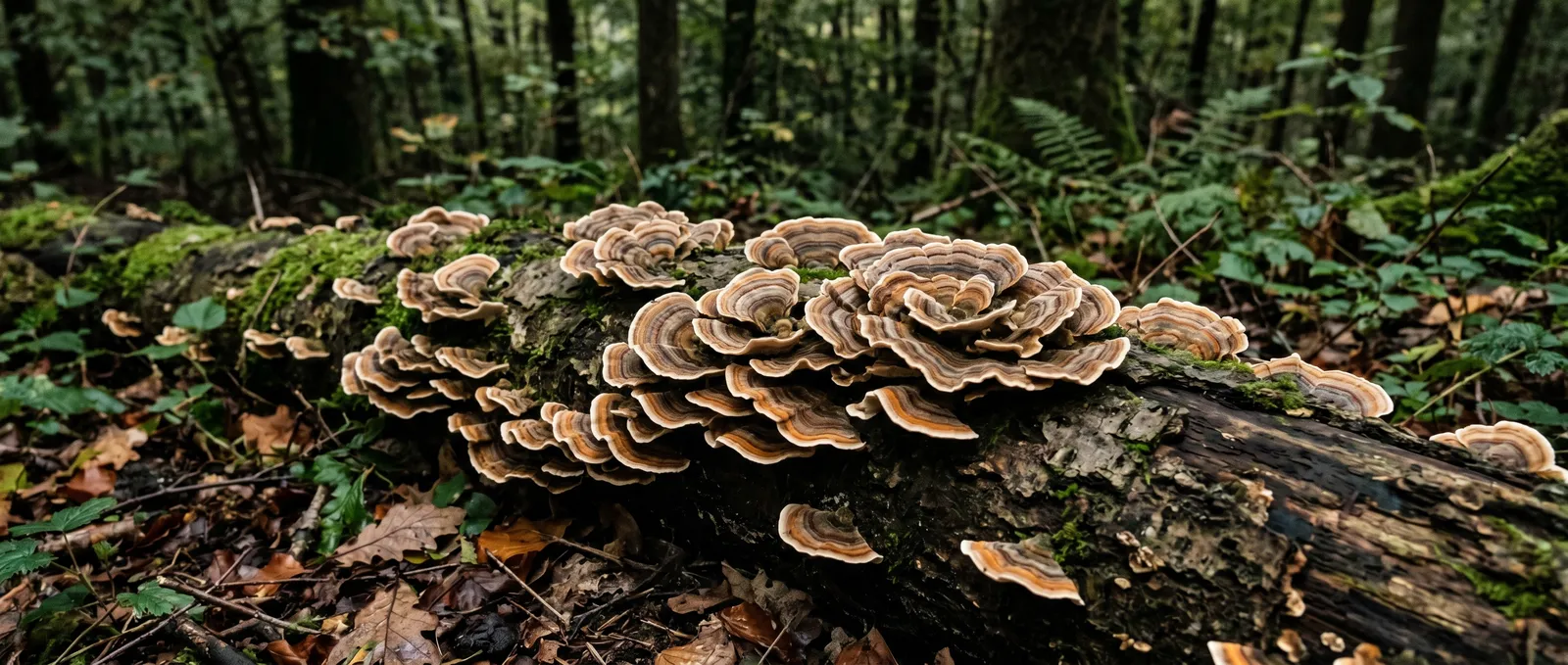
Turkey Tail Trametes versicolor — Buy Supplements
Buy turkey tail Trametes versicolor supplements at Azarius. PSK and PSP evidence, beta-glucan dosage, extraction methods, and safety.
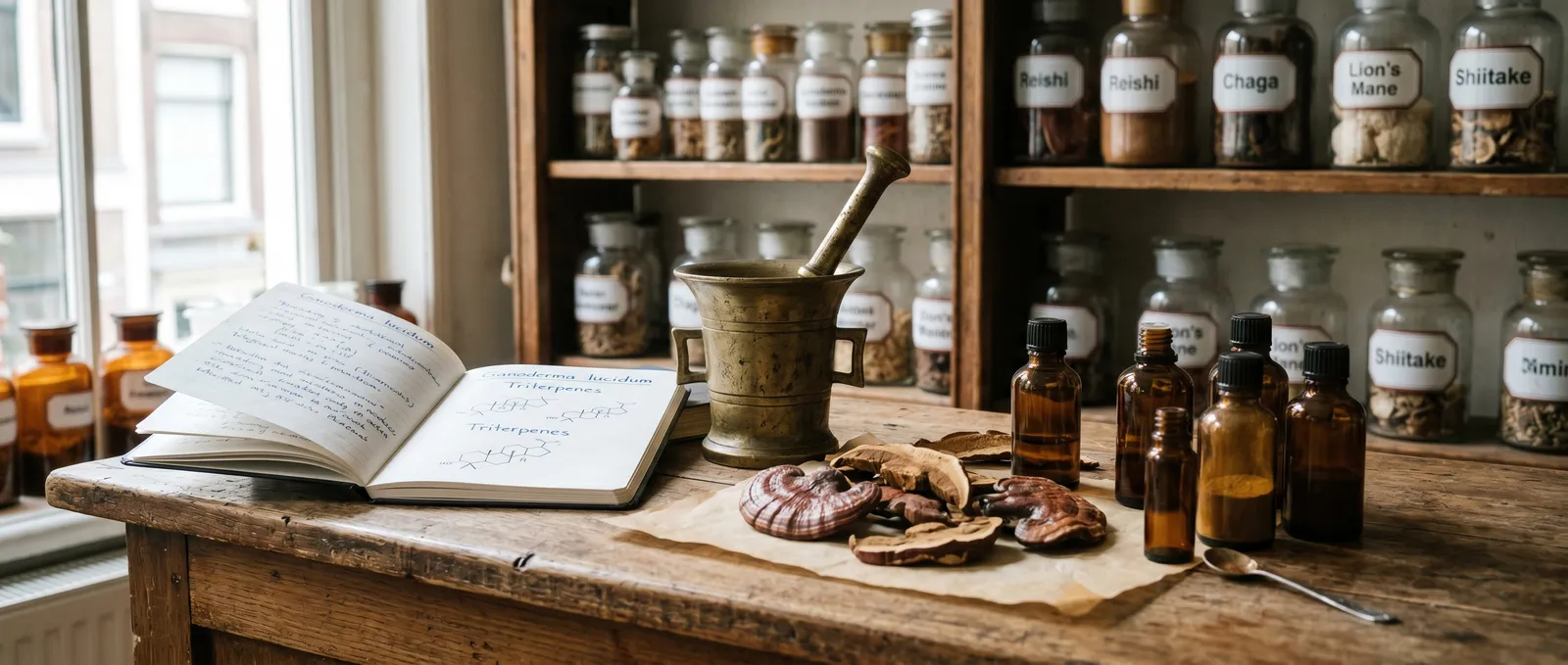
Triterpenes In Medicinal Mushrooms
Triterpenes in medicinal mushrooms are a class of 30-carbon terpenoid compounds produced as secondary metabolites by several functional mushroom species…
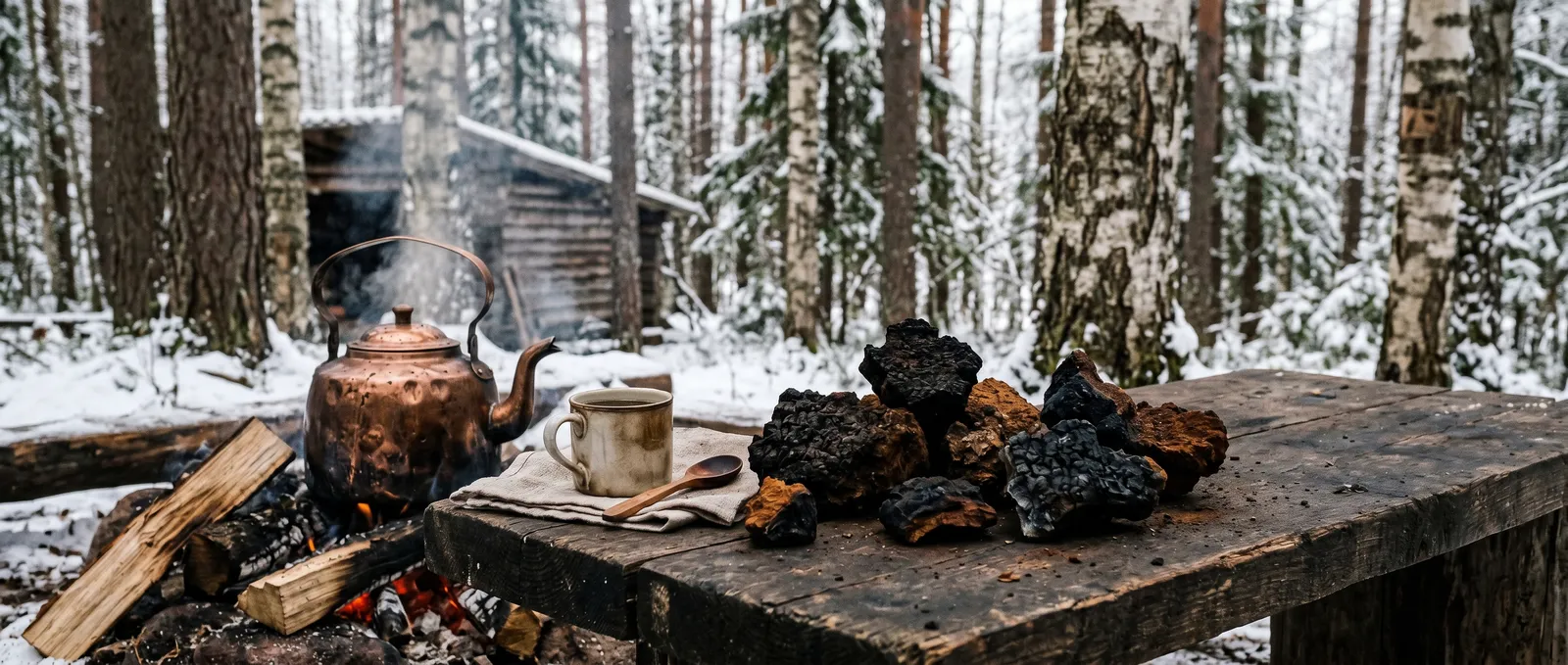
Chaga Siberian Nordic Folk Use
Chaga Siberian Nordic folk use is a centuries-old tradition in which indigenous Siberians and Nordic communities brewed the birch-parasitising fungus…
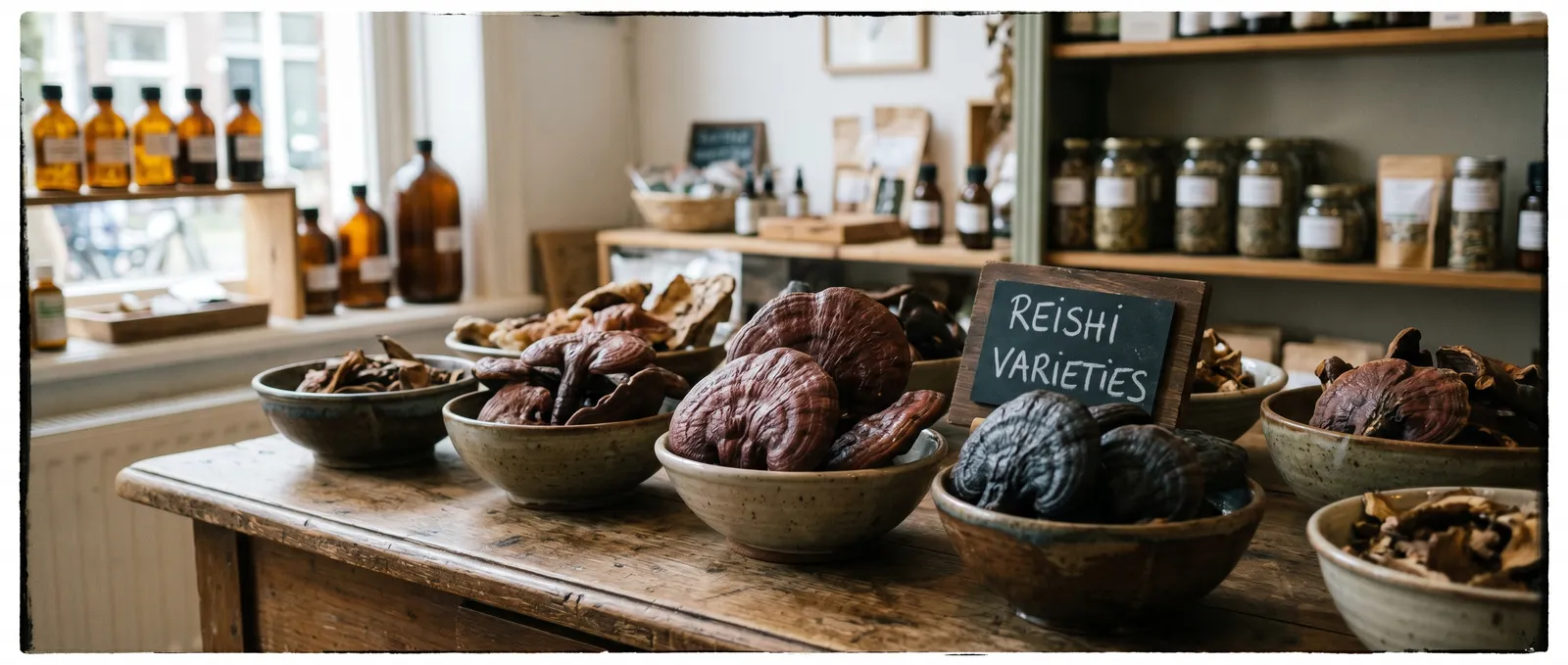
Red and Black Reishi Varieties
Red reishi (Ganoderma lucidum) and black reishi (Ganoderma sinense) both fall under the lingzhi umbrella in traditional Chinese medicine, but they differ in…
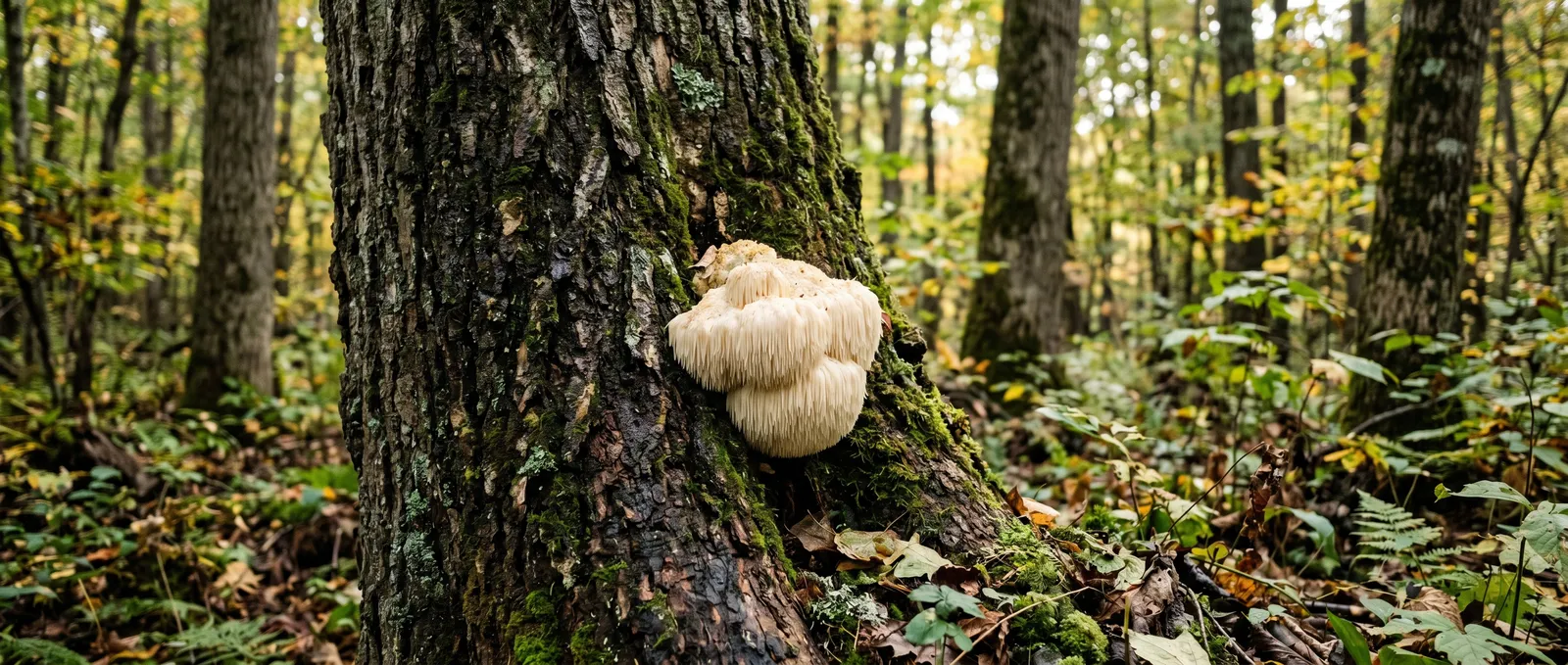
Lion's Mane Identification & Habitat
Hericium erinaceus is a tooth fungus that fruits as a single white, spine-covered mass on wounded or dead hardwood trees.
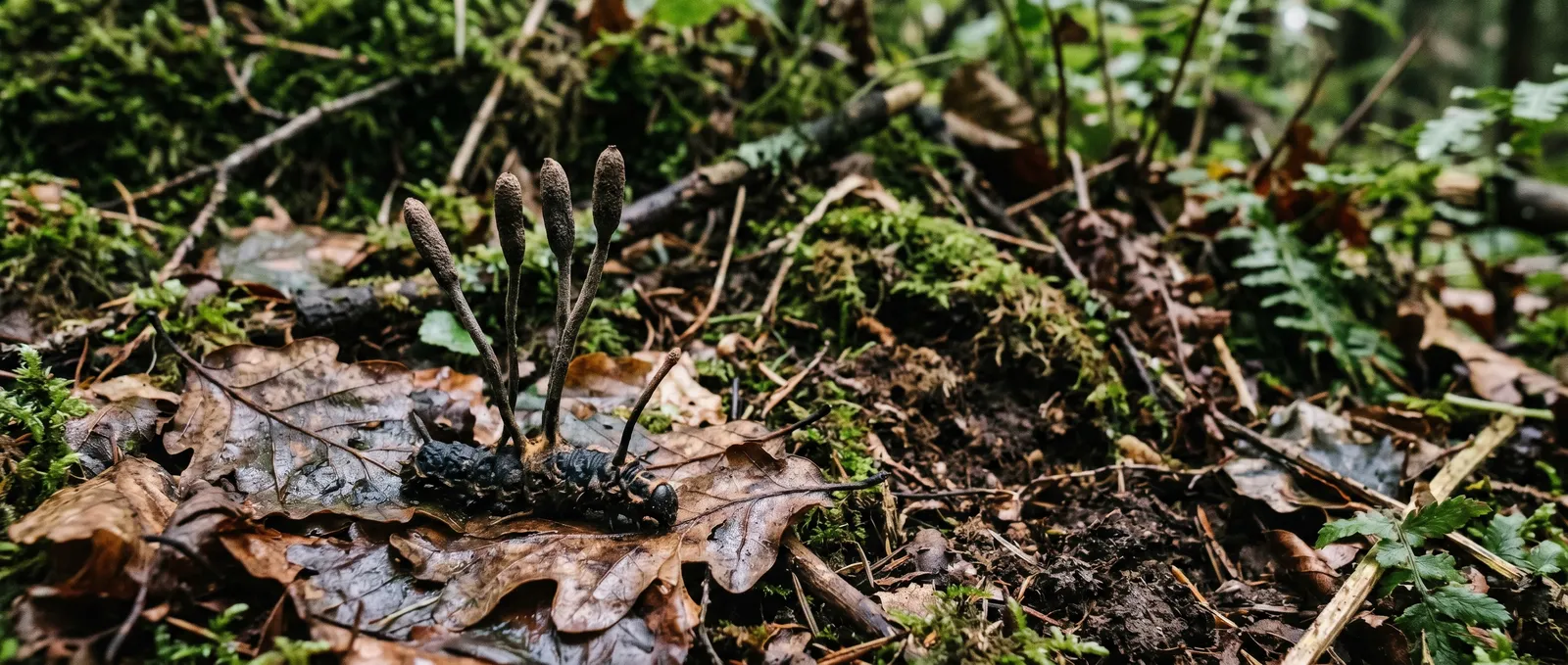
Cordyceps Lifecycle
The cordyceps lifecycle is a parasitic biological sequence in which a fungus infects an insect host, colonises its body from within, and erupts as a…
Lion's Mane Fresh Dried Extract: What's Actually Different?
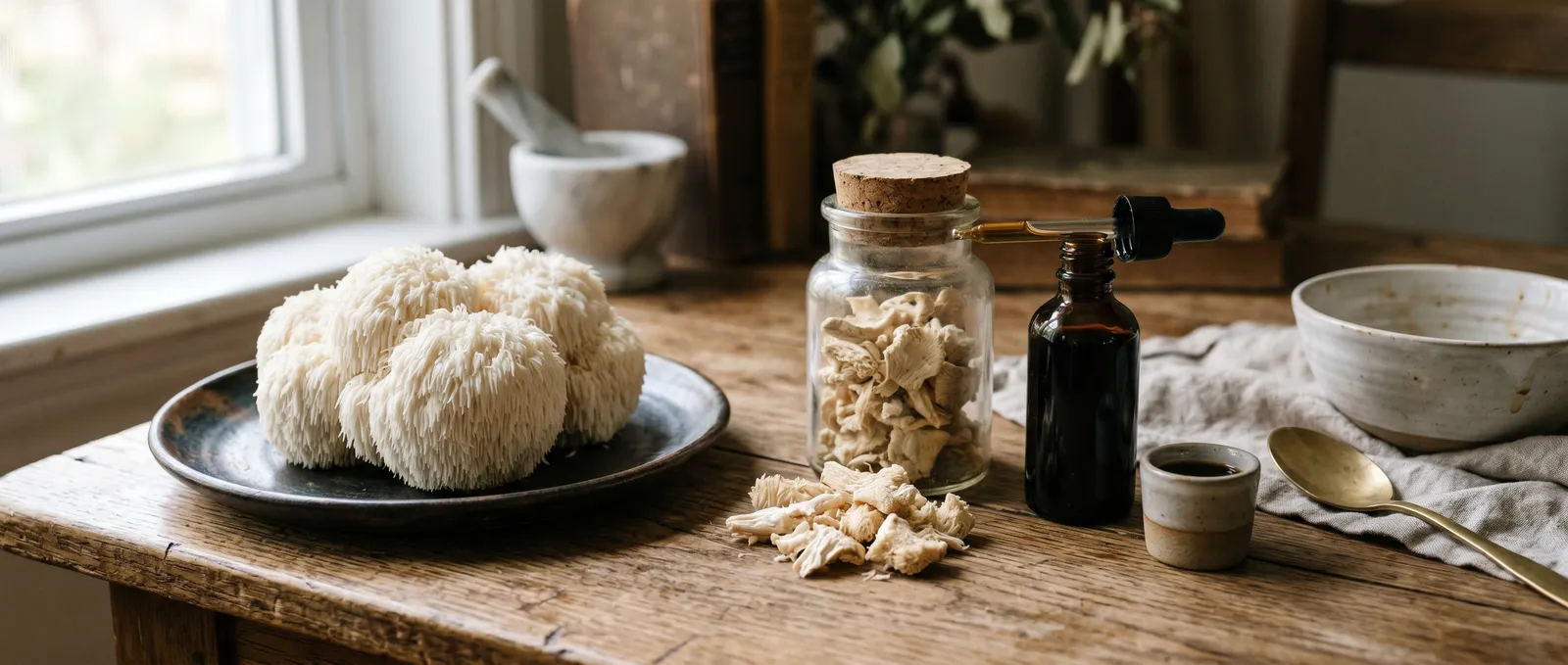
Lion's mane fresh dried extract is a collective term for the main preparation forms of Hericium erinaceus — fresh fruiting bodies, dehydrated powder, and…