
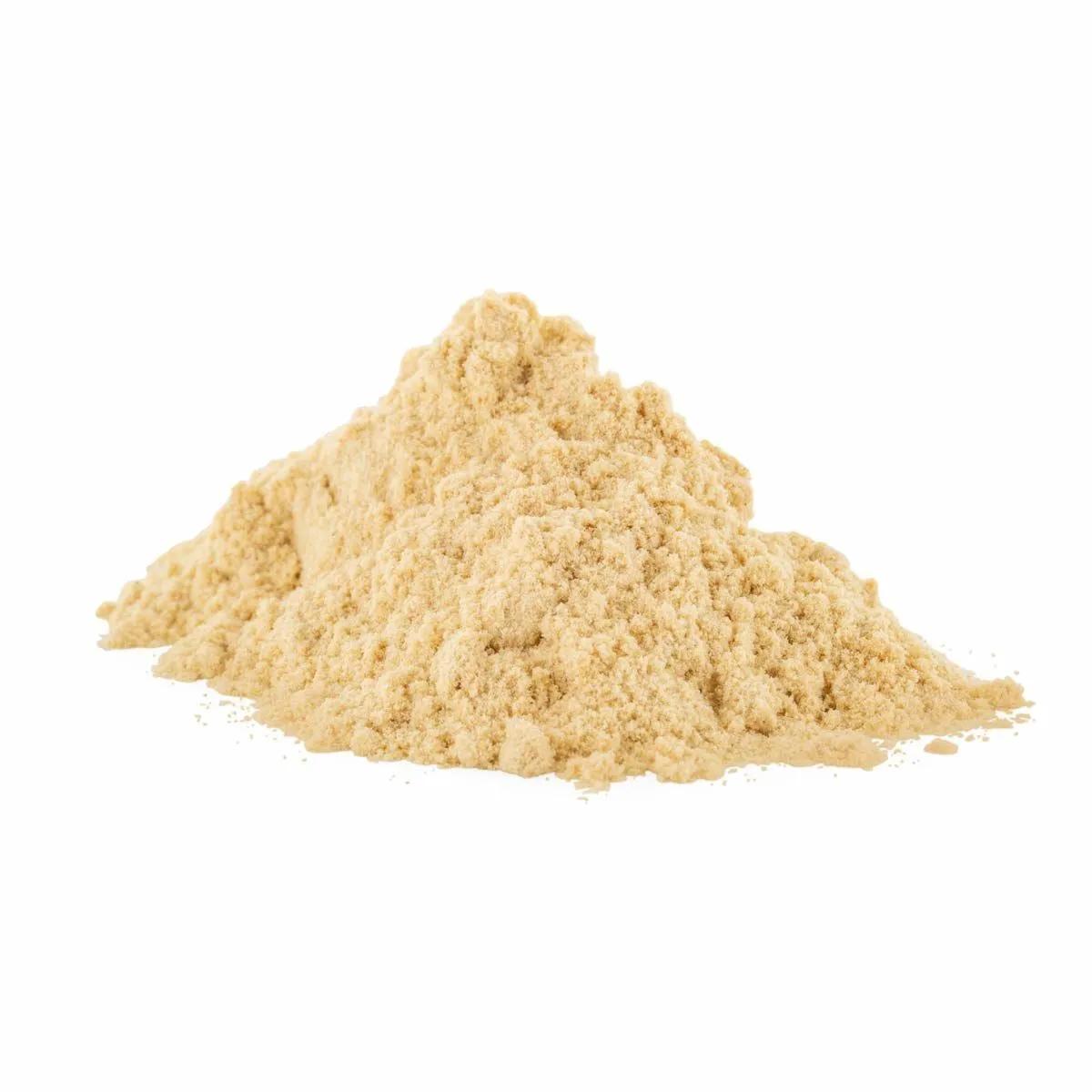
Shiitake powder is dried Lentinula edodes mushroom milled into a fine flour — a concentrated form of one of the most-studied culinary mushrooms on earth. Buy shiitake powder if you want the nutritional profile of fresh shiitake without soaking, slicing, or stewing. Azarius has stocked functional mushroom supplements since the early 2000s, and powdered formats remain the most practical way to get consistent daily servings into food or capsules.
Shiitake Powder — Buying Guide for a Daily Mushroom Supplement
Shiitake powder is whole dried mushroom, ground. Nothing added, nothing extracted. That matters, because the functional mushroom shelf splits into three distinct formats, and they are not interchangeable — even when the label says "shiitake" on all three.
Powder vs Extract vs Fresh — What You're Actually Buying
If you've been looking at mushroom supplements, you've likely seen prices that range from a few euros for 100g of powder to EUR 40+ for 30g of dual-extract tincture. Here's why:
| Format | What it is | Good for |
|---|---|---|
| Whole mushroom powder | Dried fruiting body, milled. Full nutritional profile — fibre, protein, minerals, vitamin D (if sun-exposed), beta-glucans still bound in the cell wall. | Daily food use, cooks, people who want food-first nutrition rather than a concentrated dose. |
| Hot-water or dual extract | Concentrated. Beta-glucans and triterpenes pulled out of the cell wall into a soluble form, typically standardised. | People targeting a specific compound profile, capsule-takers who want fewer grams per dose. |
| Fresh or dried whole caps | Culinary. You cook them. | Meals — risotto, ramen, dashi. Not a supplement format. |
| Mycelium on grain | Lab-grown mycelium plus the substrate it fed on. Beta-glucan content is usually low. | Honestly, we'd skip it for shiitake. The fruiting body is where the good stuff sits. |
Roughly 90% of functional-mushroom research uses either the fruiting body or a hot-water extract of it. If a product doesn't specify which part of the mushroom was used, assume the worst.
Shiitake in Particular — Why the Format Matters
Shiitake is one of the most-cultivated mushrooms globally — over 2 million tonnes produced annually, mostly in China, Japan and Korea. It's been on dinner tables in East Asia for more than a thousand years, which is a longer track record than most things in a supplement cupboard. The compound profile that interests researchers — lentinan (a beta-glucan), eritadenine, ergosterol that converts to vitamin D under UV — is concentrated in the cap and stem, not the mycelium.
Powder keeps the whole thing intact. You lose the umami hit of a freshly soaked dried cap, but you gain portability: a spoonful into miso soup, coffee, a smoothie, or empty veggie capsules if you want to skip the earthy taste entirely.
What We Stock
Our shiitake category is currently a single product: Lentinula Edodes Shiitake — an organic powder of the full fruiting body, sourced for people who'd rather cook with it or capsule it than swallow a dropper of extract. If you want a broader functional mushroom line-up, check our reishi, lion's mane, and cordyceps pages — each has its own use case.
How to Choose Your Shiitake Supplement
Start here if you're new: buy the powder. It's the most forgiving format, the most food-compatible, and the cheapest way to find out whether you actually want shiitake in your routine. Cooks will get more out of it than capsule-takers — stir it into stock, rub it onto roasted veg, fold it into a dough.
Move to an extract only if you've decided you want to target beta-glucan intake specifically and you're happy to pay roughly 5-10x per gram for the concentration. For most people who just want "more mushrooms in the diet," the powder does the job.
When in doubt, start with the powder and a jar of good miso. You'll find a use for it within a week.
Frequently Asked Questions
Is shiitake powder the same as shiitake extract?
No. Powder is the dried mushroom ground up — the whole thing, cell walls included. Extract is concentrated, usually hot-water or dual-extracted, with the active compounds pulled out and standardised. Powder is food-grade and versatile; extract is denser and more expensive per gram.
Can you cook with shiitake powder or does heat destroy it?
You can cook with it freely. Shiitake has been eaten cooked for over a thousand years — heat is how most of the world consumes it. Stir it into soups, stocks, sauces, doughs, or rubs. Beta-glucans are reasonably heat-stable; the water-soluble compounds just end up in whatever you're cooking.
Shiitake powder vs fresh shiitake — which is better nutritionally?
Dried shiitake (and therefore powder) is more concentrated by weight and higher in ergosterol — the vitamin D precursor — especially if the mushrooms were sun-dried. Fresh is better for texture and flavour in cooking. For a daily supplement habit, powder wins on practicality.
How do I take shiitake powder if I don't like the taste?
Two options: mask it or capsule it. It disappears into strong-flavoured dishes — curries, ramen broth, tomato sauces, chilli. If you'd rather skip the taste entirely, buy empty size-00 veggie capsules and fill them yourself. Takes about ten minutes for a week's supply.
Last updated: April 2026