
Research on Immune Modulation by Functional Mushrooms
Definition
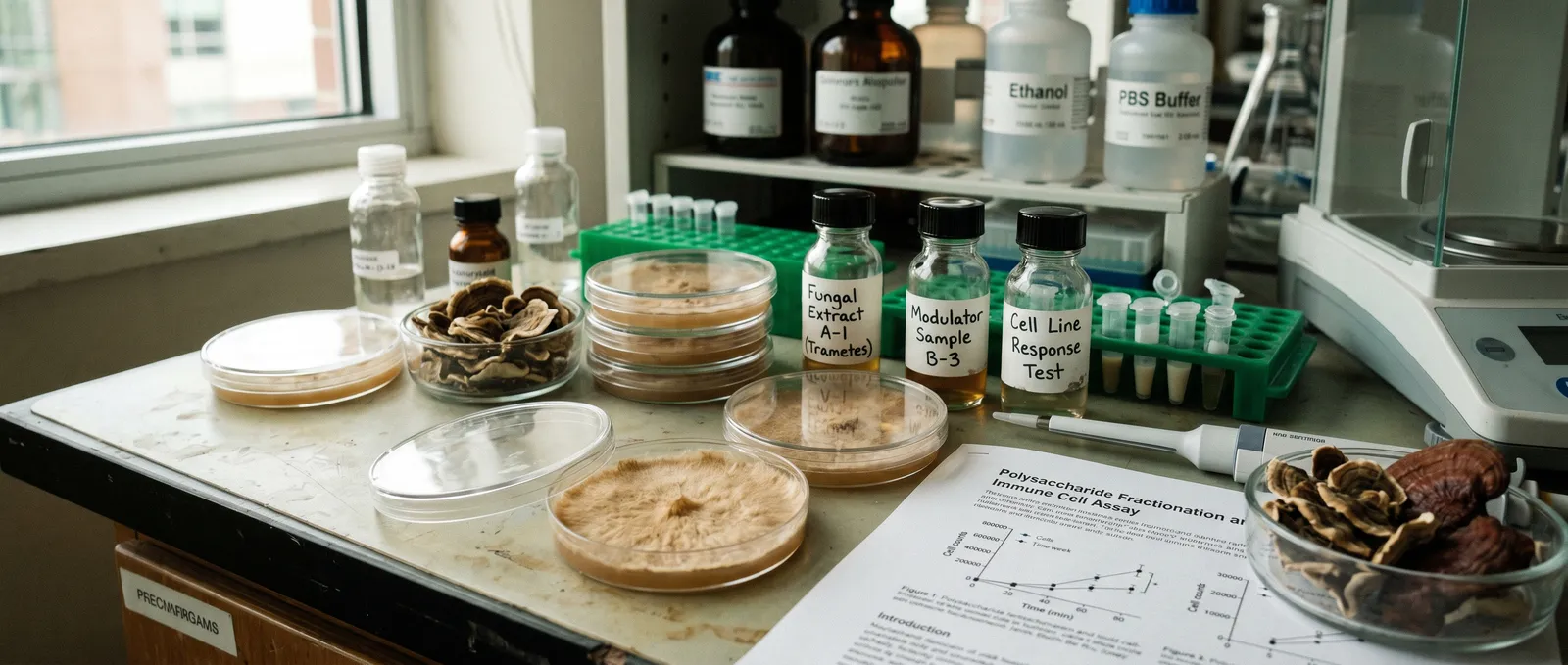
Research on Immune Modulation by Functional Mushrooms is a field of investigation examining whether fungal polysaccharides, primarily beta-glucans, can measurably alter immune cell activity via pathways such as Dectin-1 signalling on macrophages and dendritic cells.
Research on immune modulation by functional mushrooms examines whether specific polysaccharide fractions and other fungal compounds can measurably alter immune cell behaviour. Immune modulation refers to the adjustment — up or down — of immune system activity through biological or pharmacological means. This is a field with genuinely interesting in-vitro and animal-model data, a handful of human trials, and a vast gap between what the laboratory shows and what a capsule from a shop shelf can be expected to do. Understanding that gap is the point of this article.
What Immune Modulation Actually Means
Immune modulation means altering the activity or responsiveness of one or more immune cell populations — not simply "boosting" immunity. The immune system is not a single dial you turn up or down. It is a network of cell types — macrophages, dendritic cells, natural killer (NK) cells, T-lymphocytes, B-lymphocytes — each with distinct activation thresholds, signalling pathways, and feedback loops. That alteration can mean stimulation (upregulation of cytokine production, increased phagocytic activity) or suppression (dampening inflammatory cascades, reducing autoimmune flare signals). The direction depends on context, dose, and the specific compound involved.
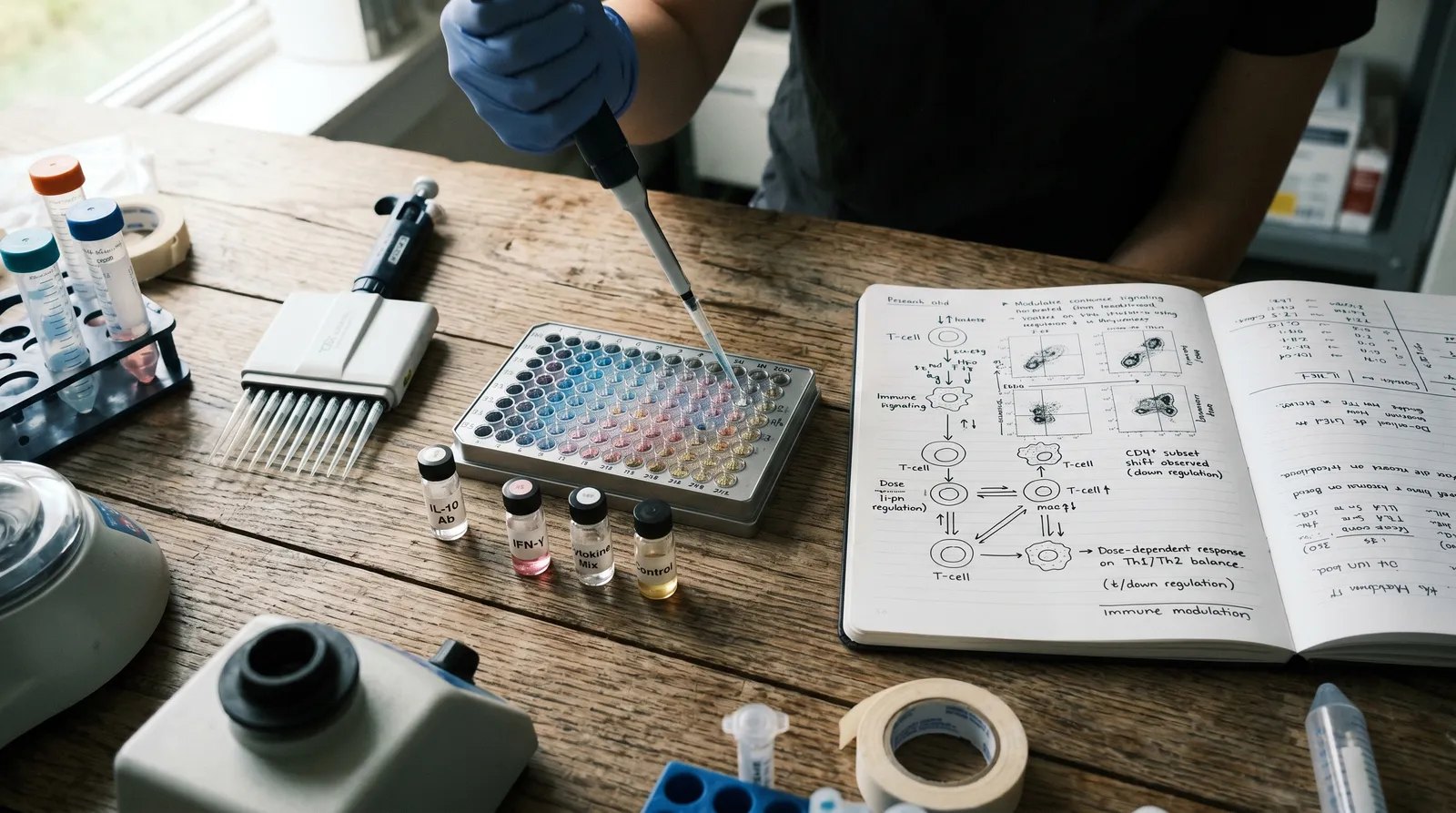
This is why the phrase "immune booster" is misleading to the point of being meaningless. An overactive immune system is not a healthy one — it is an autoimmune condition, an allergic response, or a cytokine storm. The research question in studies of research on immune modulation is not "does compound X make immunity stronger?" but rather "does compound X shift specific immune parameters in a specific direction, in a specific model, at a specific dose?" That framing matters for everything that follows.
Primary Compounds Under Investigation
The main fungal compounds studied for immune-modulating properties are beta-glucans, proteoglycans, and triterpenes. The table below summarises these compounds, the species they derive from, and the type of evidence available. Note the "Evidence Level" column carefully — most of the strongest data comes from isolated, purified fractions tested in cell cultures or animal models, not from whole-mushroom supplements taken orally by humans.
| Compound / Fraction | Source Species | Primary Mechanism Studied | Evidence Level |
|---|---|---|---|
| Lentinan (β-1,3/1,6-glucan) | Lentinula edodes (shiitake) | Macrophage activation, NK cell stimulation, cytokine induction (TNF-α, IL-1β) | Strong in-vitro and animal; limited human oral-supplement data |
| PSK (polysaccharide-K / krestin) | Trametes versicolor (turkey tail) | T-lymphocyte proliferation, dendritic cell maturation, complement activation | Strong — multiple clinical trials in oncology adjunct settings (Tsukagoshi et al., 1984) |
| PSP (polysaccharopeptide) | Trametes versicolor (turkey tail) | Lymphocyte activation, cytokine modulation | Strong in-vitro; clinical data in oncology adjunct contexts (Ng, 1998) |
| D-fraction (β-glucan complex) | Grifola frondosa (maitake) | Dendritic cell activation, NK cell enhancement | Contested — promising in-vitro; small human trials with mixed designs |
| Grifolan (β-1,3-glucan) | Grifola frondosa (maitake) | Macrophage activation via Dectin-1 receptor binding | Strong in-vitro and animal-model; limited human data |
| Ganoderic acids (triterpenes) | Ganoderma lucidum (reishi) | Cytokine modulation, anti-inflammatory signalling, histamine-release inhibition | Contested — in-vitro data; alcohol-extraction-specific; minimal oral human data |
| Reishi polysaccharides (mixed β-glucans) | Ganoderma lucidum (reishi) | Macrophage and dendritic cell activation, splenocyte proliferation | Contested — animal models show effects; human trials small and heterogeneous |
| Cordycepin (3′-deoxyadenosine) | Cordyceps militaris | Anti-inflammatory via NF-κB pathway inhibition | Thin for immune modulation specifically; most data relates to anti-inflammatory rather than immunomodulatory endpoints |
The Beta-Glucan–Dectin-1 Pathway: Where the Strongest Mechanistic Data Sits
The best-characterised mechanism for fungal research on immune modulation is the binding of β-glucans to the Dectin-1 receptor on innate immune cells. These polysaccharides have a backbone of β-1,3-linked glucose units, often with β-1,6-linked side chains. These structures are not unique to medicinal mushrooms; they appear in baker's yeast, oats, and barley. What makes fungal β-glucans interesting is their specific branching patterns and molecular weight, which influence receptor binding affinity.

Dectin-1 is a C-type lectin receptor expressed on macrophages, dendritic cells, and neutrophils. When a β-glucan binds Dectin-1, it triggers a signalling cascade (via Syk kinase and CARD9) that leads to NF-κB activation and the production of pro-inflammatory cytokines including TNF-α, IL-6, and IL-12. Brown and Gordon (2001) identified Dectin-1 as the key pattern-recognition receptor for β-glucans, and subsequent work by Goodridge et al. (2011) mapped the downstream signalling in detail.
This pathway is well-established. The open question is whether orally consumed β-glucans — particularly from whole-mushroom supplements rather than purified injectable fractions — reach immune cells in sufficient quantity and in the right structural form to trigger meaningful Dectin-1 activation. Lentinan, for instance, was studied extensively as an intravenous or intraperitoneal injection in Japanese oncology trials, not as an oral capsule. The leap from "injected purified lentinan activates macrophages" to "eating shiitake powder modulates your immune system" is large, and the data bridging that gap is limited.
What Human Trials Have Actually Shown
Human clinical data on functional mushroom research on immune modulation exists but is narrow, context-specific, and rarely involves retail supplements. Here is what the literature actually contains — and where the limits are.
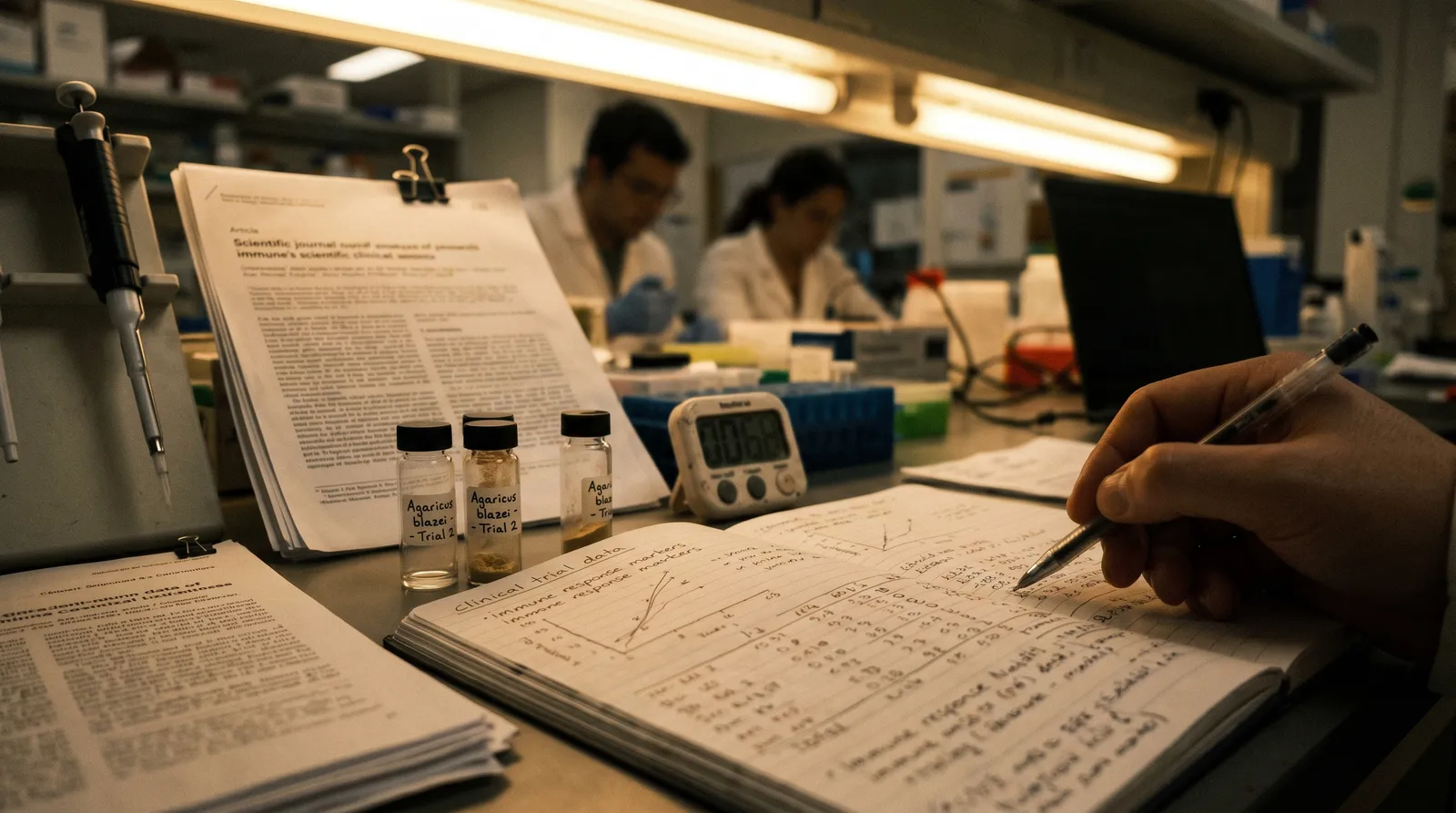
Turkey tail (Trametes versicolor) — PSK and PSP: This is the species with the deepest clinical evidence base for immune-related endpoints. Tsukagoshi et al. (1984) reviewed early Japanese trials using PSK as an adjunct to chemotherapy in gastric and colorectal cancers, reporting measurable improvements in lymphocyte counts and survival metrics. A later trial by Torkelson et al. (2012) examined turkey tail supplementation (3g/day of a freeze-dried mycelium preparation) in breast cancer patients post-radiotherapy and observed dose-related increases in NK cell activity and CD8+ T-cell counts. These are specific, isolated findings in specific oncology contexts using specific preparations — they do not generalise to healthy individuals taking a different turkey tail product for general wellness.
Shiitake (Lentinula edodes): Dai et al. (2015) conducted a four-week trial in which 52 healthy adults consumed 5g or 10g of dried whole shiitake daily. They reported increased proliferation of γδ-T cells and NK-T cells, along with changes in cytokine patterns (increased sIgA, decreased CRP and MIP-1α/CCL3). The study used whole dried mushrooms, not an extract, which is notable — but the sample was small, the duration short, and no follow-up has replicated the findings at scale.
Reishi (Ganoderma lucidum): A Cochrane review by Jin et al. (2012) assessed five randomised controlled trials on reishi for cancer-related outcomes and found that reishi preparations — used alongside conventional treatment — were associated with a 1.27-fold increase in tumour response rates and improvements in some immune markers (CD3, CD4, CD8 counts). The review noted significant heterogeneity in preparations, doses, and trial quality, and concluded that reishi "could be administered as an alternative adjunct to conventional treatment" but that the evidence was insufficient to justify standalone use. Again: these were specific preparations in specific clinical contexts.
Maitake (Grifola frondosa): Kodama et al. (2002) published a non-randomised trial reporting that maitake D-fraction (a purified β-glucan extract) produced regression or significant improvement in 11 of 36 cancer patients. The study lacked a control group and blinding, making it difficult to draw firm conclusions. Subsequent work by Deng et al. (2009) found that maitake extract stimulated dendritic cell maturation in vitro using cells from breast cancer patients, but this has not been confirmed in a controlled oral-supplementation trial.
In-Vitro Findings Versus Oral Bioavailability: The Gap That Matters
Oral bioavailability of fungal β-glucans remains the central unresolved question in research on immune modulation by functional mushrooms. The distance between what happens when you drip a purified β-glucan solution onto a macrophage in a dish and what happens when a person swallows a capsule of mushroom powder is substantial. Several factors complicate the translation:
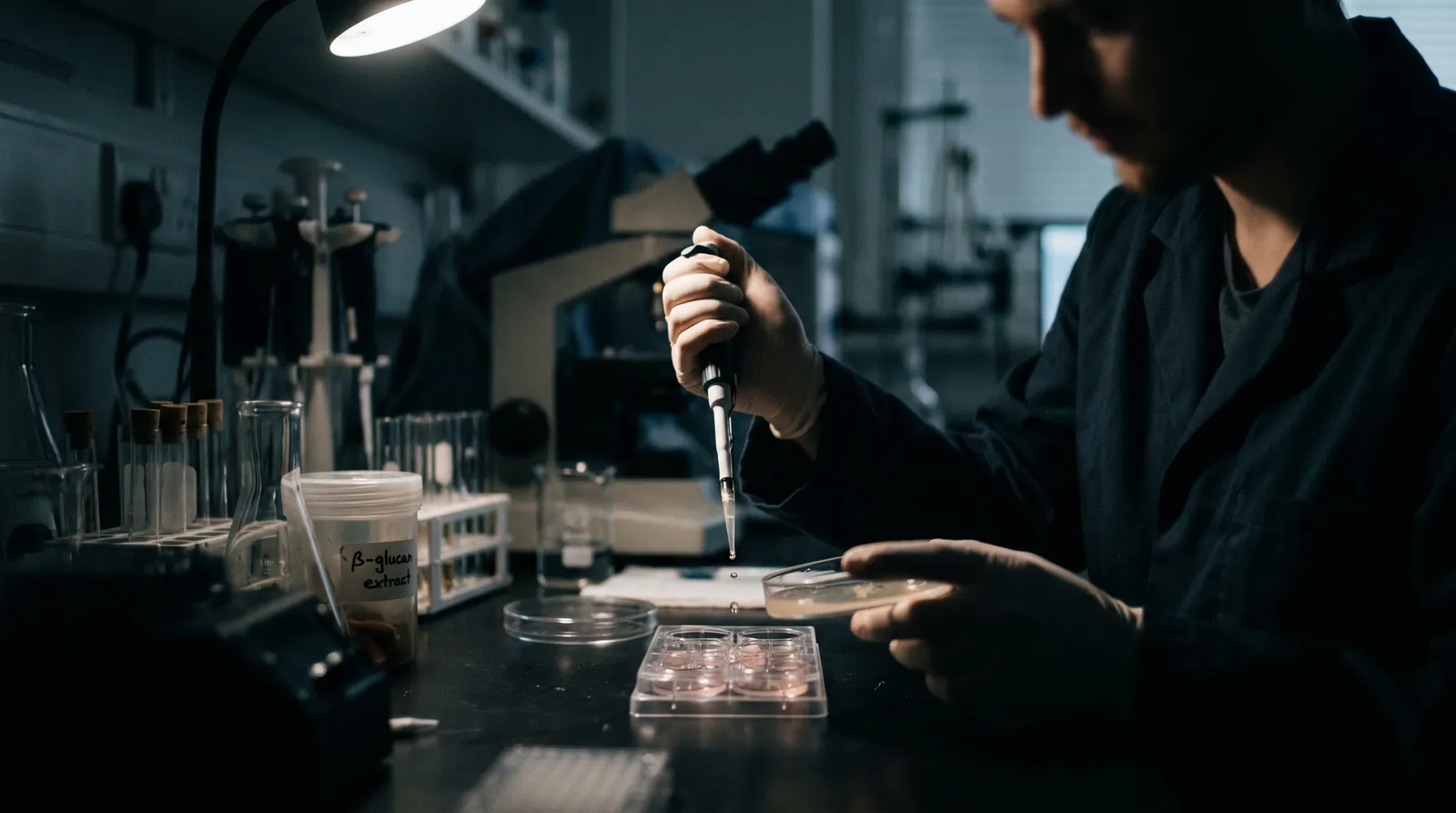
- Molecular weight and structure: High-molecular-weight β-glucans with specific branching patterns show the strongest Dectin-1 binding in vitro. Processing, drying, and extraction can fragment these molecules. Whether a given commercial extract preserves the bioactive conformation is rarely tested or disclosed.
- Gut absorption: β-glucans are large polysaccharides. Oral bioavailability is not straightforward. Some evidence suggests they interact with gut-associated lymphoid tissue (GALT) — Peyer's patches and M cells in the intestinal wall — rather than being absorbed intact into the bloodstream. Rice et al. (2005) proposed that particulate β-glucans are taken up by macrophages in Peyer's patches and transported to lymph nodes, but this pathway is better characterised for yeast-derived β-glucans than for fungal ones specifically.
- Extract source matters: A hot-water extract of shiitake fruiting bodies will have a different β-glucan profile (molecular weight distribution, branching pattern, protein complexation) than a mycelium-on-grain powder from the same species. The mycelium-on-grain product will also contain significant starch from the grain substrate, which can inflate polysaccharide measurements on a certificate of analysis without contributing immunologically active β-glucans. This is not a trivial distinction — it is the central quality-control issue in the functional mushroom supplement field.
- Dose translation: Many in-vitro studies use β-glucan concentrations of 10–100 μg/mL applied directly to immune cells. Translating that to an effective oral dose requires accounting for digestion, absorption, distribution, and the fraction that actually reaches immune-competent tissue. Published dose-translation work for fungal β-glucans is thin.
Extraction Method Determines What You Are Actually Studying
The extraction method dictates which immune-relevant compounds end up in the final product. This point deserves its own section because it is routinely ignored in popular writing about mushroom immunity. The compounds relevant to research on immune modulation are overwhelmingly polysaccharides — β-glucans and proteoglycans — which are water-soluble. Hot-water extraction is the method that concentrates them, and it is the preparation that most closely resembles traditional decoction (the way these mushrooms were used in East Asian medicine for centuries).
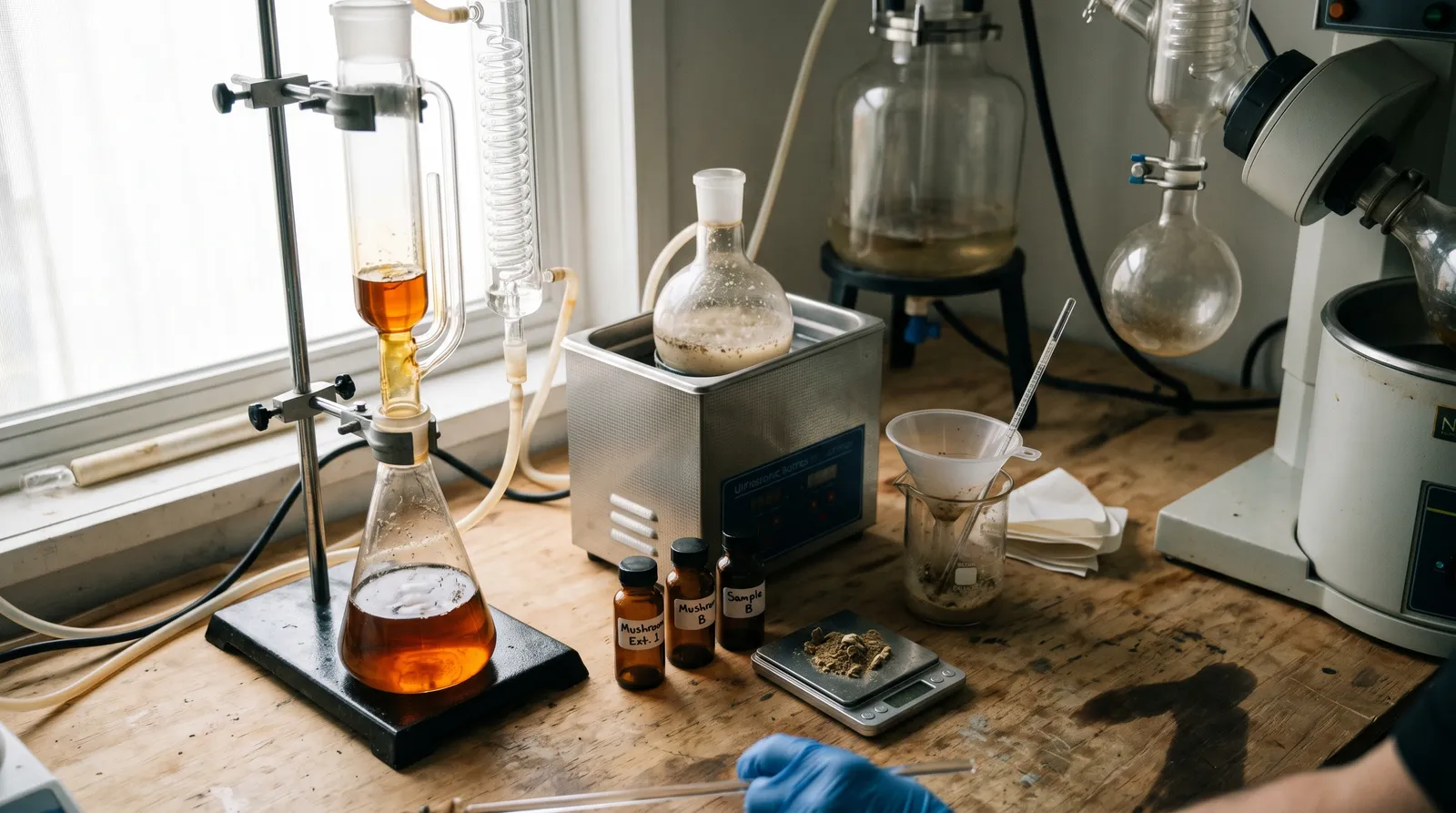
Triterpenes — such as the ganoderic acids in reishi — require alcohol extraction. Triterpenes have shown anti-inflammatory and immunomodulatory activity in vitro (Dudhgaonkar et al., 2009), but their mechanism is distinct from the β-glucan–Dectin-1 pathway. They appear to modulate NF-κB and MAPK signalling more directly, acting on inflammatory cascades rather than innate immune-cell activation.
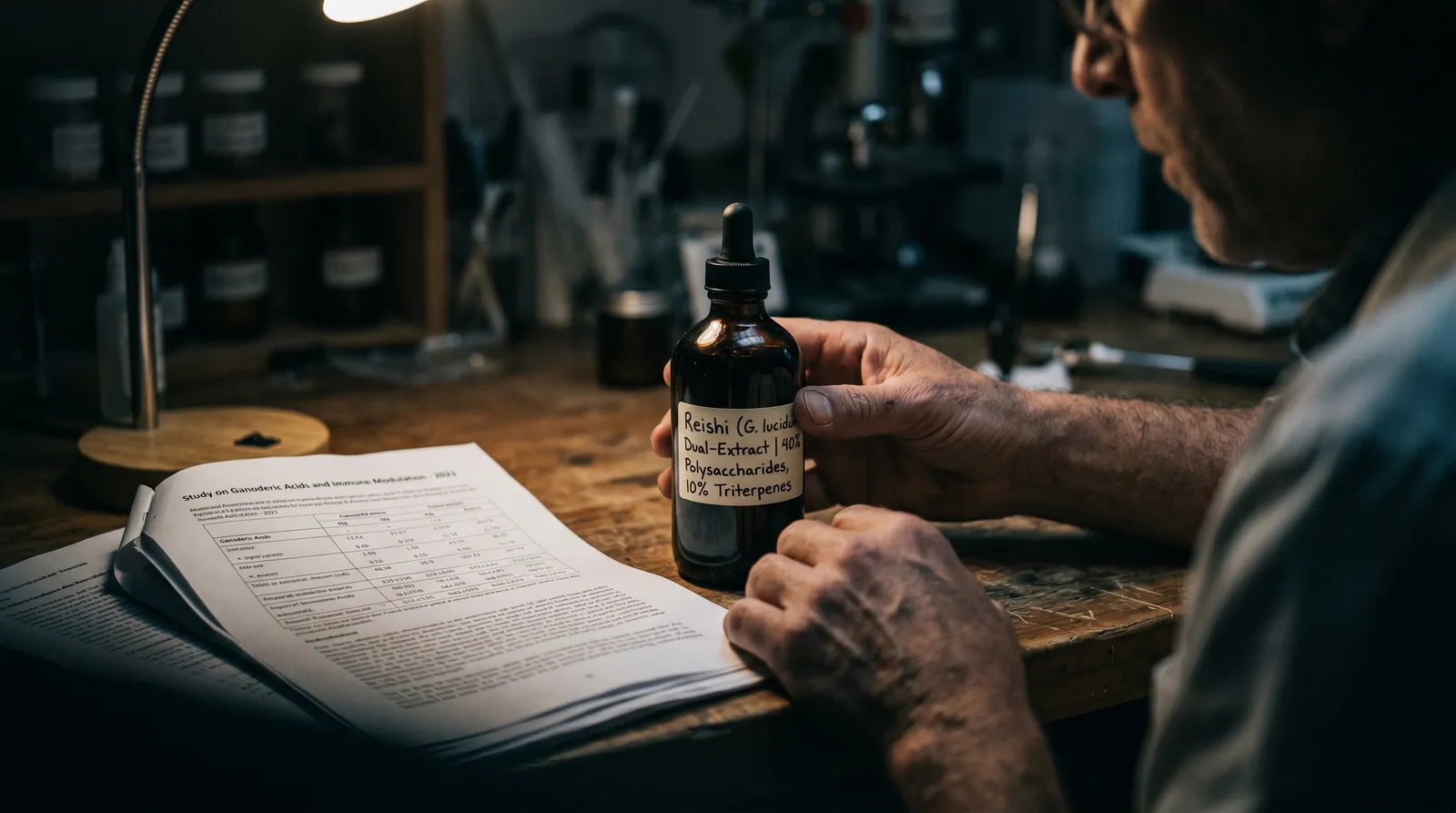
A dual-extraction product (hot water followed by alcohol, or simultaneous) captures both compound classes. A product extracted with only one method will be enriched for one class and depleted for the other. When reading a study on reishi immune modulation, the first question should be: was this a polysaccharide fraction (hot-water extract), a triterpene fraction (alcohol extract), or a dual extract? The answer changes the interpretation entirely.
Honest Limitation: What We Cannot Tell You
Here is what we cannot honestly tell any customer who asks about research on immune modulation and functional mushrooms: we cannot tell you that taking a mushroom supplement will produce a measurable change in your immune function. The research shows that specific purified compounds interact with specific immune receptors under controlled conditions. Whether the capsule or powder you buy from us — or from anyone — reproduces those conditions in your body is a question the published literature has not answered with confidence. We sell these products because the research is genuinely interesting and the safety profile for most species is reasonable in healthy adults, but we will not pretend the evidence says more than it does.
Comparing Mushroom Species: Not All Evidence Is Equal
Turkey tail has the strongest clinical evidence base for immune modulation among all functional mushroom species, followed by shiitake, then reishi, then maitake. It is worth comparing these species directly, because the popular impression — that all "medicinal mushrooms" have equivalent immune-supporting evidence — is wrong. Turkey tail (specifically PSK and PSP fractions) has been studied in multiple randomised controlled trials in oncology settings across Japan and China over several decades. Shiitake has one notable human trial with whole dried mushrooms (Dai et al., 2015). Reishi has a Cochrane review that found suggestive but heterogeneous results. Maitake has a single uncontrolled trial. Lion's mane, despite its popularity, has essentially no published human data on immune modulation — its research profile centres on nerve growth factor and cognitive endpoints. Chaga has in-vitro data on beta-glucan content but no human immune trials. If your interest is specifically in research on immune modulation, the species are not interchangeable, and the evidence hierarchy matters.

Autoimmune Conditions and Immunosuppressive Therapy
Anyone with an autoimmune condition or on immunosuppressive medication should exercise particular caution with immune-modulating mushroom species. If the mechanism under investigation is upregulation of innate immune activity — more macrophage activation, more NK cell cytotoxicity, more pro-inflammatory cytokine production — then the obvious concern is what happens in someone whose immune system is already overactive or who is taking medication to suppress it.
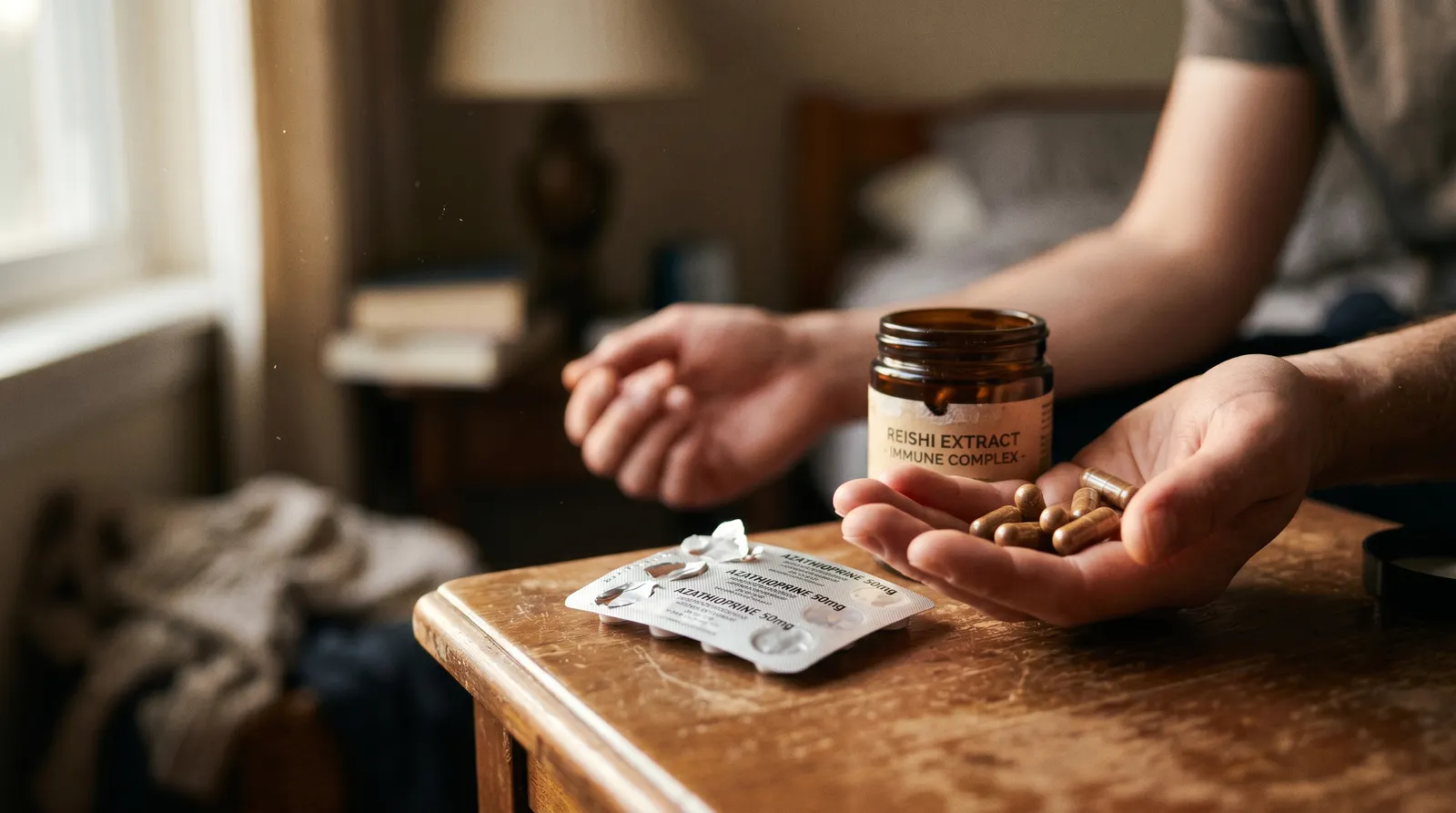
Individuals with autoimmune conditions (rheumatoid arthritis, lupus, multiple sclerosis, Crohn's disease, type 1 diabetes, among others) are managing a situation where the immune system is attacking the body's own tissue. Immunosuppressive medications — methotrexate, tacrolimus, ciclosporin, corticosteroids — are prescribed specifically to dial that activity down. A compound that stimulates the same immune pathways these drugs are trying to suppress works in direct opposition to the therapeutic goal.
The clinical evidence on this specific interaction is limited — there are no large trials examining what happens when someone on tacrolimus takes a high-dose turkey tail extract. But the theoretical concern is grounded in the same mechanism that makes these compounds interesting in the first place. If β-glucans genuinely activate macrophages and T cells via Dectin-1, then giving them to someone on immunosuppressive therapy is pharmacologically contradictory. The species most relevant to this concern are reishi, turkey tail, maitake, and shiitake at supplemental (not culinary) doses. The EMCDDA and similar European monitoring bodies have not issued specific guidance on this interaction, which itself reflects how under-studied it remains.
Drug Interactions Beyond Immunosuppressants
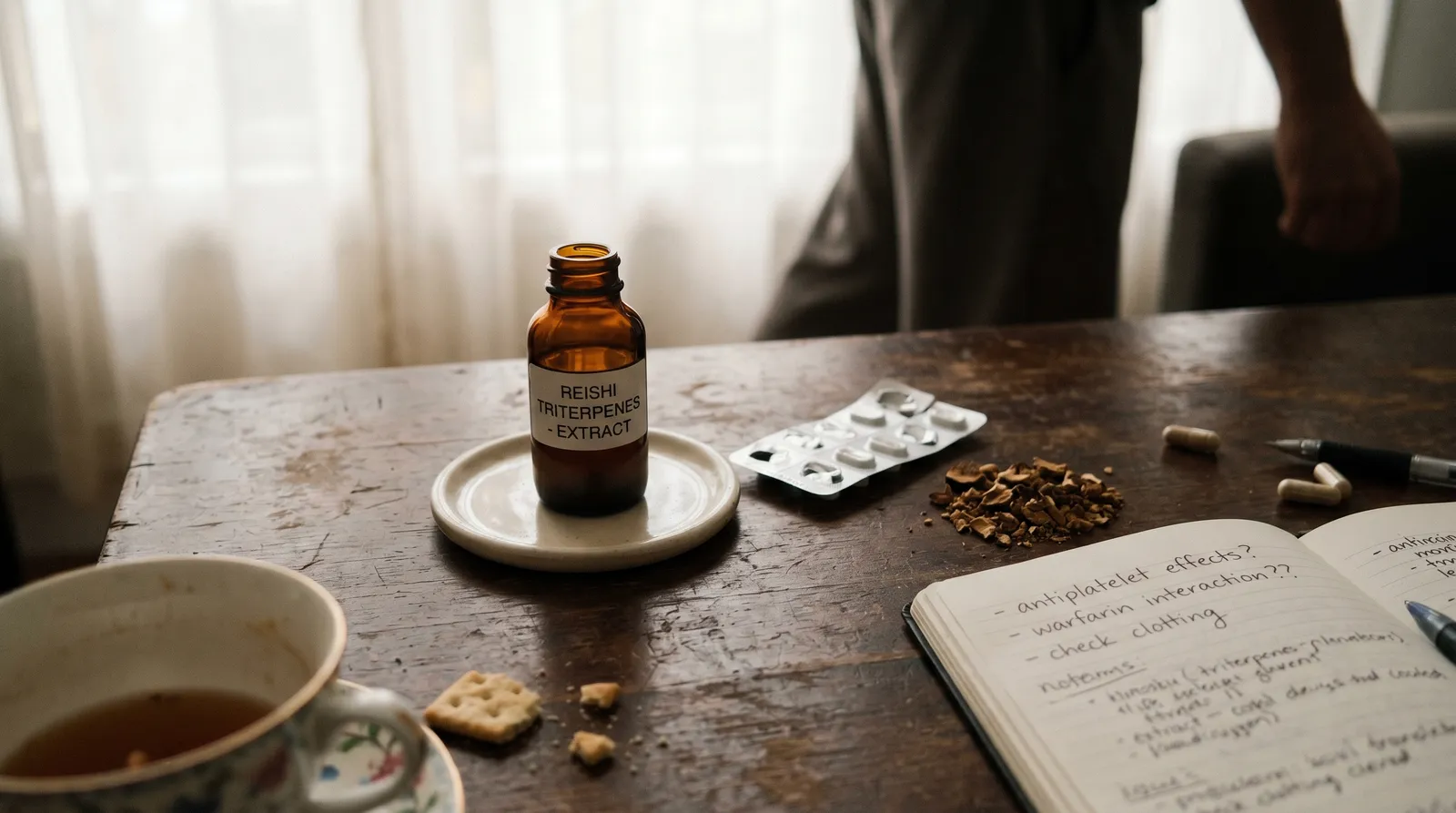
Reishi triterpenes have demonstrated antiplatelet effects in vitro, raising the risk of increased bleeding when combined with anticoagulants. Immune modulation is not the only pharmacological activity these species exhibit. Reishi triterpenes raise the risk of increased bleeding when combined with warfarin, apixaban, rivaroxaban, or other anticoagulants. Cordyceps may affect blood glucose levels and could potentiate hypoglycaemic medications including metformin, sulfonylureas, and insulin. Reishi, chaga, and cordyceps have all shown modest blood-pressure-lowering effects in some studies, creating a potential cumulative risk with antihypertensive drugs. For a complete discussion of interaction mechanisms and affected medication classes, see the dedicated article on drug interactions and functional mushrooms. The short version: if you take prescription medication, talk to a prescriber before adding any of these species at supplemental doses.
European Regulatory Context and Monitoring
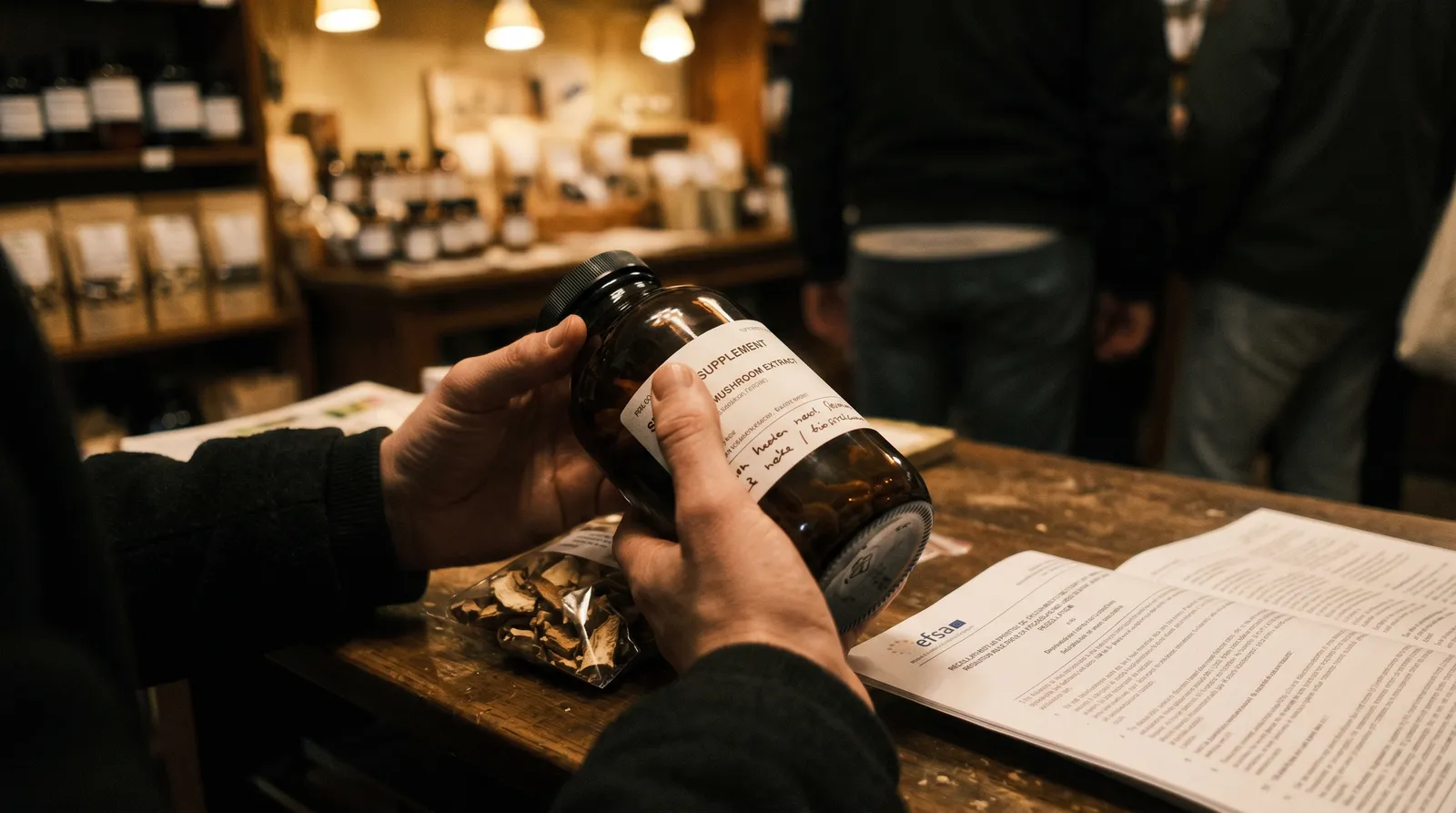
No functional mushroom extract has received an approved health claim from EFSA for immune modulation. The European regulatory field for these products sits in a grey zone: they are sold as food supplements, not medicines, and the health claims regulation (EC No 1924/2006) prohibits unapproved claims on labels and marketing materials. The EMCDDA monitors novel psychoactive and bioactive substances across Europe and has included certain fungal compounds in its technical monitoring frameworks, though functional mushroom polysaccharides are not classified as controlled substances. The Beckley Foundation, while primarily focused on psychoactive research, has contributed to broader European discussions about evidence standards for bioactive natural products. For consumers in the Netherlands and the EU more broadly, the practical implication is clear: any product marketed with specific immune-modulation claims is making statements that have not been authorised by European food safety authorities. The research on immune modulation discussed in this article is published science, not an approved basis for product claims.
Practical Guidance for Choosing a Product
Choosing a functional mushroom product aligned with the research on immune modulation requires matching the species, extraction method, and compound specification to the published evidence. Here is a practical checklist based on what the literature actually supports:
- Species first: Turkey tail has the deepest clinical data for immune endpoints. Shiitake and reishi follow. Do not assume all species are equivalent.
- Extraction method second: If you are interested in beta-glucan research, you want a hot-water extract. If you are interested in reishi triterpene research, you want an alcohol extract. Dual extracts capture both.
- Beta-glucan specification: Look for labels that state beta-glucan content as a percentage, separate from total polysaccharides. A product listing only "polysaccharides" may be counting grain starch.
- Fruiting body versus mycelium: Fruiting-body extracts generally contain higher concentrations of the specific beta-glucan structures studied in Dectin-1 research. Mycelium-on-grain products are not without value but require more careful label scrutiny.
- Dose context: Compare the dose in the product you are considering to the dose used in the study you have read. Many human trials used 1–3g per day of specific preparations — check whether the capsule count and serving size get you into that range.
When you order from Azarius, we list extraction method and mushroom part (fruiting body or mycelium) on our product pages wherever the manufacturer provides this information. If that information is missing, ask before you buy.
What the Evidence Does and Does Not Support
The research on immune modulation by functional mushrooms is real but narrower than marketing language suggests. Pulling this together honestly:
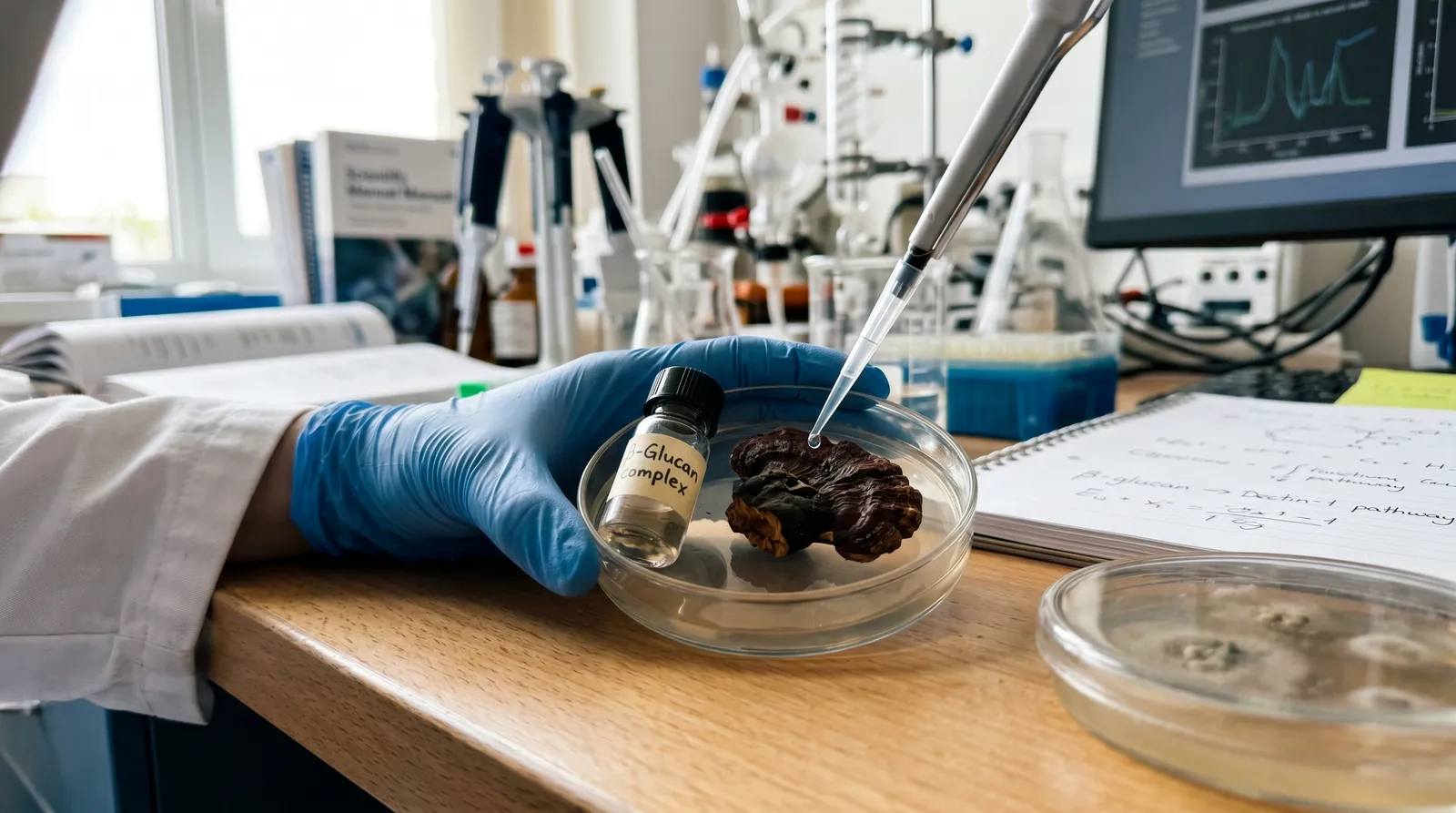
What is well-established: Fungal β-glucans bind Dectin-1 receptors on innate immune cells and trigger downstream signalling cascades. This has been demonstrated repeatedly in vitro and in animal models using purified polysaccharide fractions (Brown and Gordon, 2001; Goodridge et al., 2011). Specific isolated fractions — PSK, PSP, lentinan, D-fraction — have shown measurable immune-parameter changes in human trials, predominantly in oncology adjunct settings using controlled preparations at defined doses.
What is contested: Whether orally consumed whole-mushroom supplements or commercial extracts produce clinically meaningful immune modulation in healthy humans. The few human trials that exist (Dai et al., 2015; Torkelson et al., 2012) are small, short, and use preparations that may not resemble what is available on the retail market. The gap between purified injectable lentinan and an over-the-counter shiitake capsule has not been bridged by published data.
What is thin: Long-term safety data for chronic daily supplementation with immune-modulating mushroom species. Dose-response relationships for oral β-glucan preparations in humans. Whether mycelium-on-grain products and fruiting-body extracts produce equivalent immune effects — this is an active industry debate with legitimate arguments on both sides but very little head-to-head clinical comparison. Paediatric data is essentially absent. Pregnancy and breastfeeding data is absent.
The field is not empty. It is not pseudoscience. But the distance between the mechanistic data and the claims commonly made about mushroom supplements is real, and being honest about that distance is more useful than pretending it does not exist. If you decide to buy a functional mushroom product with research on immune modulation in mind, choose one where the extraction method, beta-glucan content, and species match the research you have actually read — not the marketing copy on the box. When you order from Azarius, we are happy to help you get clear on which product matches which body of evidence.
Last updated: April 2026
Frequently Asked Questions
6 questionsDo functional mushrooms stimulate or suppress the immune system?
Is there human clinical evidence for mushroom immune modulation?
Why does extraction method matter for immune-modulating compounds?
Can immune-modulating mushrooms interfere with immunosuppressive medication?
Does the beta-glucan content on a supplement label reflect immune activity?
Are in-vitro immune modulation results from mushroom compounds reliable for predicting oral supplement effects?
About this article


Adam Parsons is an external cannabis and psychedelics writer and editor who contributes to Azarius's wiki as both author and reviewer. On the writing side, he authors Azarius's kratom and kanna clusters, drawing on exten
This wiki article was drafted with AI assistance and reviewed by Adam Parsons, External contributor. Editorial oversight by Joshua Askew.
Medical disclaimer. This content is for informational purposes only and does not constitute medical advice. Consult a qualified healthcare provider before use of any substance.
Last reviewed May 12, 2026
References (13)
- [1]Brown, G.D. and Gordon, S. (2001). 'Immune recognition: a new receptor for β-glucans.' Nature , 413(6851), pp. 36–37. DOI: 10.1038/35092620
- [2]Dai, X. et al. (2015). 'Consuming Lentinula edodes (shiitake) mushrooms daily improves human immunity.' Journal of the American College of Nutrition , 34(6), pp. 478–487. DOI: 10.1080/07315724.2014.950391
- [3]Deng, G. et al. (2009). 'A phase I/II trial of a polysaccharide extract from Grifola frondosa (maitake mushroom) in breast cancer patients.' Journal of Cancer Research and Clinical Oncology , 135(9), pp. 1215–1221. DOI: 10.1007/s00432-009-0562-z
- [4]Dudhgaonkar, S., Thyagarajan, A. and Sliva, D. (2009). 'Suppression of the inflammatory response by triterpenes isolated from the mushroom Ganoderma lucidum.' International Immunopharmacology , 9(11), pp. 1272–1280. DOI: 10.1016/j.intimp.2009.07.011
- [5]EMCDDA (2024). European Monitoring Centre for Drugs and Drug Addiction — technical reports on novel psychoactive and bioactive substances monitoring frameworks. Available at: Source
- [6]Goodridge, H.S. et al. (2011). 'Activation of the innate immune receptor Dectin-1 upon formation of a "phagocytic synapse".' Nature , 472(7344), pp. 471–475. DOI: 10.1038/nature10071
- [7]Jin, X. et al. (2012). 'Ganoderma lucidum (reishi mushroom) for cancer treatment.' Cochrane Database of Systematic Reviews , Issue 6, Art. No.: CD007731. DOI: 10.1002/14651858.cd007731.pub2
- [8]Kodama, N., Komuta, K. and Nanba, H. (2002). 'Can maitake MD-fraction aid cancer patients?' Alternative Medicine Review , 7(3), pp. 236–239.
- [9]Ng, T.B. (1998). 'A review of research on the protein-bound polysaccharide (polysaccharopeptide, PSP) from the mushroom Coriolus versicolor.' General Pharmacology , 30(1), pp. 1–4. DOI: 10.1016/s0306-3623(97)00076-1
- [10]Rice, P.J. et al. (2005). 'Human monocyte absorption of fungal β-glucans.' International Immunopharmacology , 5(7–8), pp. 1122–1133.
- [11]Torkelson, C.J. et al. (2012). 'Phase 1 clinical trial of Trametes versicolor in women with breast cancer.' ISRN Oncology , 2012, Article ID 251632. DOI: 10.5402/2012/251632
- [12]Tsukagoshi, S. et al. (1984). 'Krestin (PSK).' Cancer Treatment Reviews , 11(2), pp. 131–155. DOI: 10.1016/0305-7372(84)90005-7
- [13]Beckley Foundation (2023). Policy and research reports on evidence standards for bioactive natural products. Available at: Source
Related Articles

Medicinal Mushrooms TCM Western Pharmacognosy Guide
Guide to medicinal mushrooms TCM Western pharmacognosy — how reishi, lion's mane, cordyceps are classified, extracted, and studied.
Allergic Reactions & Mushroom Sensitivities
Understand allergic reactions and mushroom sensitivities: mould cross-reactivity, shiitake dermatitis, species-specific risks, and safer product…
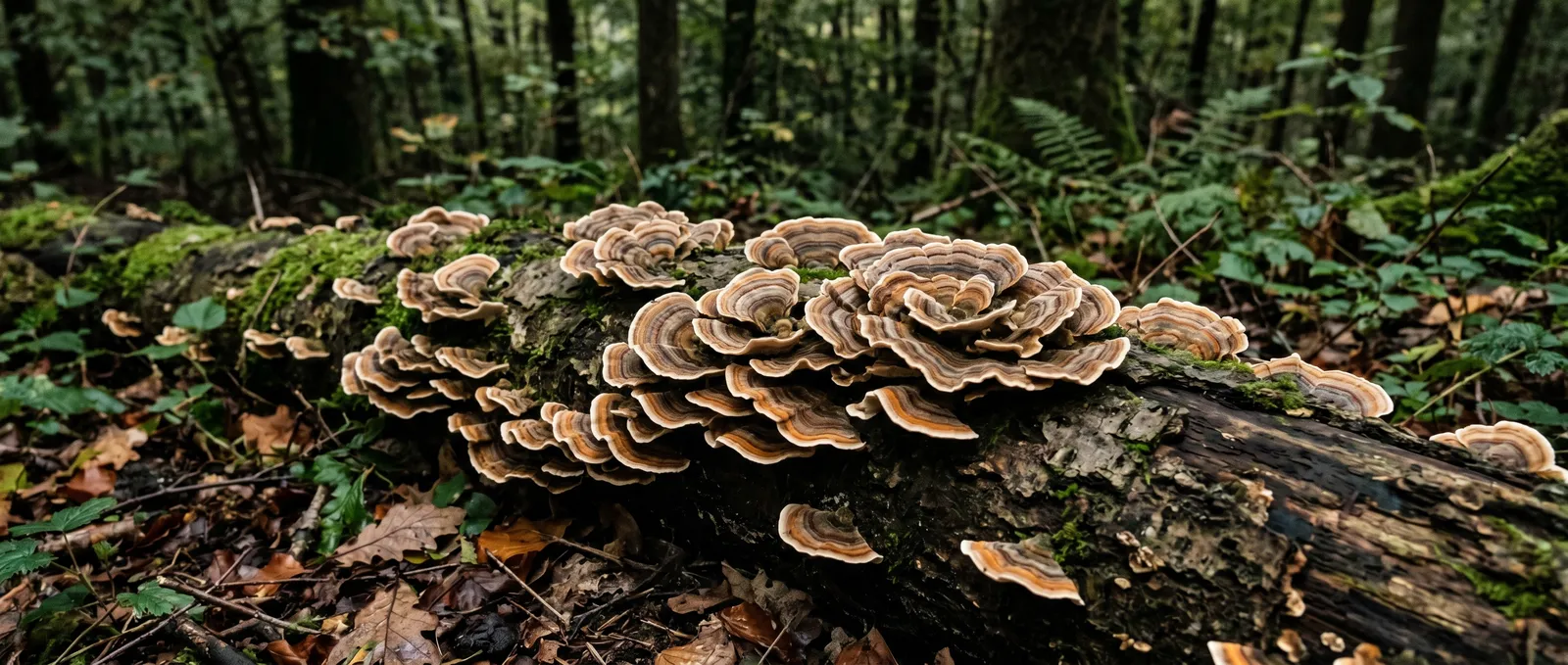
Turkey Tail Trametes versicolor — Buy Supplements
Buy turkey tail Trametes versicolor supplements at Azarius. PSK and PSP evidence, beta-glucan dosage, extraction methods, and safety.
Triterpenes In Medicinal Mushrooms
Triterpenes in medicinal mushrooms are a class of 30-carbon terpenoid compounds produced as secondary metabolites by several functional mushroom species…
Chaga Siberian Nordic Folk Use
Chaga Siberian Nordic folk use is a centuries-old tradition in which indigenous Siberians and Nordic communities brewed the birch-parasitising fungus…
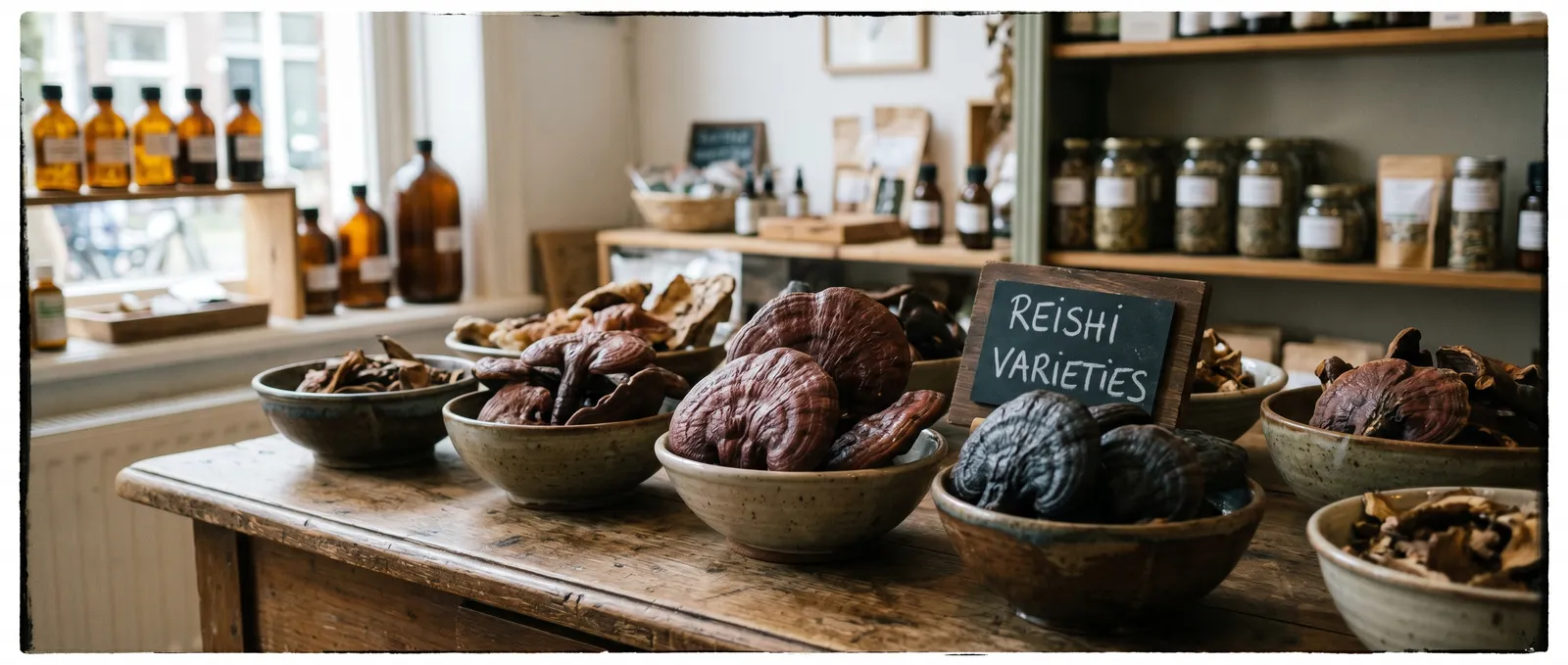
Red and Black Reishi Varieties
Red reishi (Ganoderma lucidum) and black reishi (Ganoderma sinense) both fall under the lingzhi umbrella in traditional Chinese medicine, but they differ in…
Lion's Mane Identification & Habitat
Hericium erinaceus is a tooth fungus that fruits as a single white, spine-covered mass on wounded or dead hardwood trees.
Cordyceps Lifecycle
The cordyceps lifecycle is a parasitic biological sequence in which a fungus infects an insect host, colonises its body from within, and erupts as a…
Lion's Mane Fresh Dried Extract: What's Actually Different?
Lion's mane fresh dried extract is a collective term for the main preparation forms of Hericium erinaceus — fresh fruiting bodies, dehydrated powder, and…