
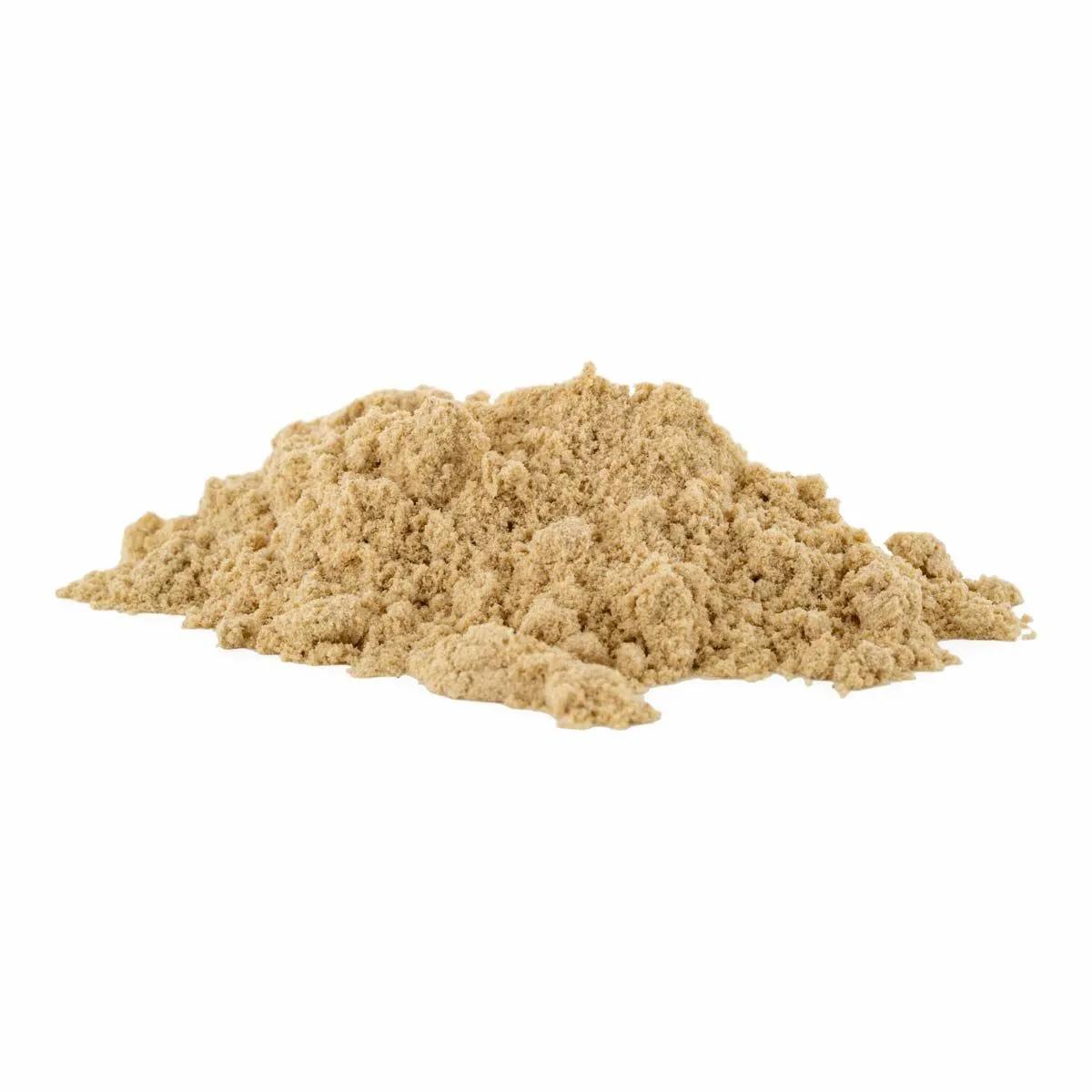
Maitake mushroom powder is a fine-ground supplement made from the dried fruiting bodies of Grifola frondosa, sold as a loose powder for stirring into drinks, broths, or capsules you fill yourself. This category is for people who want functional mushrooms in their most flexible form — no capsules to swallow, no tinctures to measure, just powder you can buy by weight and dose to your own routine. Shop maitake powder at Azarius, smartshop since 1999.
Buy Maitake Mushroom Powder — Format Guide
Powder is the rawest useful form of a functional mushroom. You're getting milled fruiting body — nothing more, nothing less — which means you control how much goes into your coffee, smoothie, or miso. Capsules are tidier, tinctures hit faster, but powder wins on value per gram and flexibility. If you cook, you'll get more out of a bag of powder than any other format.
Our single listing here is Grifola Frondosa Maitake — organic, whole-fruiting-body powder. One product, one job: proper maitake in a bag.
Powder vs Capsules vs Extracts — Which Format to Order
The format decides how you'll actually use it day-to-day. Powder is the workhorse; capsules are the commuter option; dual-extracts are the concentrated hit.
| Format | Best for | Trade-off |
|---|---|---|
| Whole-fruiting-body powder | Cooks, tea drinkers, people who want maximum flexibility per euro | Earthy taste — you'll notice it in water |
| Capsules | Travel, people who hate the taste, fixed daily dosing | Costs more per gram; less flexible |
| Dual-extract tinctures | Faster onset, concentrated beta-glucan delivery | Alcohol base; priced higher per serving |
| Mycelium on grain | Budget options you'll see elsewhere | Mostly grain filler — we don't stock these |
It's cheaper to trial, you'll learn whether you actually like working it into your routine, and if you decide capsules suit you better later, you've lost maybe a tenner. The reverse — buying a month of capsules then realising you'd rather cook with it — is a more expensive mistake.
What to Check Before You Buy
- Fruiting body vs mycelium — fruiting body is the actual mushroom. Mycelium-on-grain products contain a lot of grain and less of the beta-glucans you're buying the stuff for. Roughly 70–80% of mushroom supplements sold in the US are mycelium-on-grain; in the EU, proper fruiting-body products are more common but always worth checking.
- Organic certification — maitake is typically grown on hardwood. Organic means no synthetic inputs in the substrate.
- Country of cultivation — Japan and China dominate maitake production; both can be fine, but sourcing transparency matters.
- Single-ingredient — the bag should contain maitake. Not "proprietary blend with maitake."
- Packaging — resealable, opaque pouches beat clear jars. Mushroom powders oxidise over months.
How to Use Maitake Powder
Stir it into coffee, hot chocolate, miso soup, or broth — the umami actually works in savoury cooking. Some people blend it into smoothies to hide the earthy note. If you want to avoid tasting it entirely, buy empty vegan capsules and fill them yourself; it's cheaper than buying pre-filled capsules and gives you the same convenience. Store the bag sealed, away from light and humidity — a kitchen cupboard is fine, the fridge is better in summer.
Frequently Asked Questions
What's the difference between maitake and reishi or lion's mane?
They're all functional mushrooms but used for different reasons traditionally. Maitake (Grifola frondosa) is the one associated with immune and metabolic support in Japanese tradition. Reishi is the bitter "calm" one, lion's mane is the cognitive one. Nothing stops you rotating between them.
Is maitake powder the same as "hen of the woods"?
Yes — hen of the woods is the English common name for Grifola frondosa. Maitake is the Japanese name. Same species, same mushroom, same powder.
Should I buy powder or capsules for my first try?
Get the powder. It's cheaper per gram, you can start with a smaller daily amount and adjust, and if you end up disliking it you've wasted less money. Move to capsules later if the taste or routine bothers you.
How long does a bag of maitake powder last once opened?
Roughly 6–12 months if you keep it sealed, dry and out of direct light. You'll know it's past its best when the earthy smell goes flat or faintly musty. Fridge storage extends shelf life in humid climates.
Can I cook with maitake powder or does heat destroy it?
You can cook with it. Beta-glucans are heat-stable up to normal cooking temperatures, which is why maitake has been used in Japanese broths and stews for centuries. Stirring it into a hot soup is fine; deep-frying probably isn't the best use.
Last updated: April 2026