
Lion's Mane Fresh Dried Extract: What's Actually Different?
Definition
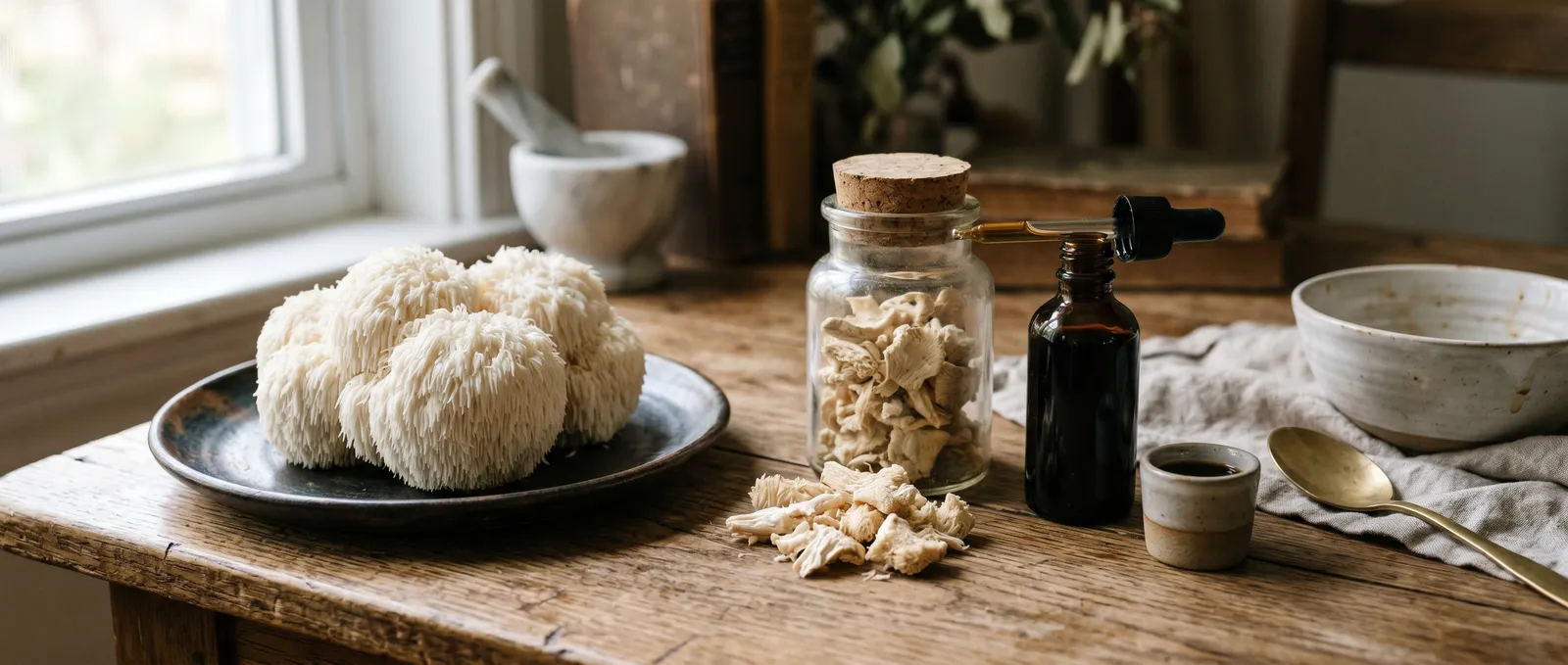
Lion's mane fresh dried extract is a collective term for the main preparation forms of Hericium erinaceus — fresh fruiting bodies, dehydrated powder, and concentrated extracts. Each form delivers different concentrations of beta-glucans, hericenones, and erinacines, the compounds shown to stimulate nerve growth factor synthesis in vitro (Mori et al., 2009).
18+ only — the dosing ranges and physiological effects discussed below apply to adults.
Disclaimer: This article is for informational purposes only and does not constitute medical advice. The content discusses dietary supplements that are not intended to diagnose, treat, cure, or prevent any disease. Always consult a qualified healthcare professional before starting any new supplement, especially if you take medication or have a pre-existing health condition. Research cited here is preliminary and should not replace professional guidance.
Lion's mane fresh dried extract is a collective term for the main preparation forms of Hericium erinaceus — a shaggy, white-spined functional mushroom that has become one of the most talked-about fungi in Europe. Whether you're holding a fresh specimen from a farmers' market, a bag of dried slices, or a bottle of concentrated extract powder, you're dealing with the same species but wildly different concentrations of bioactive compounds. The differences matter more than most product labels let on, and understanding them saves you from wasting money on the wrong form for your goals. If you want to buy lion's mane fresh dried extract in any form, knowing what separates these preparations is the first step toward a smart purchase.
What are the bioactive compounds, and do they survive processing?
Two compound families do the heavy lifting in every lion's mane fresh dried extract product: hericenones (found in the fruiting body) and erinacines (concentrated in the mycelium). According to Mori et al. (2009), both stimulate nerve growth factor (NGF) synthesis in vitro — a finding that launched a decade of cognitive-health research. But here's the catch: these compounds respond differently to heat, dehydration, and extraction.
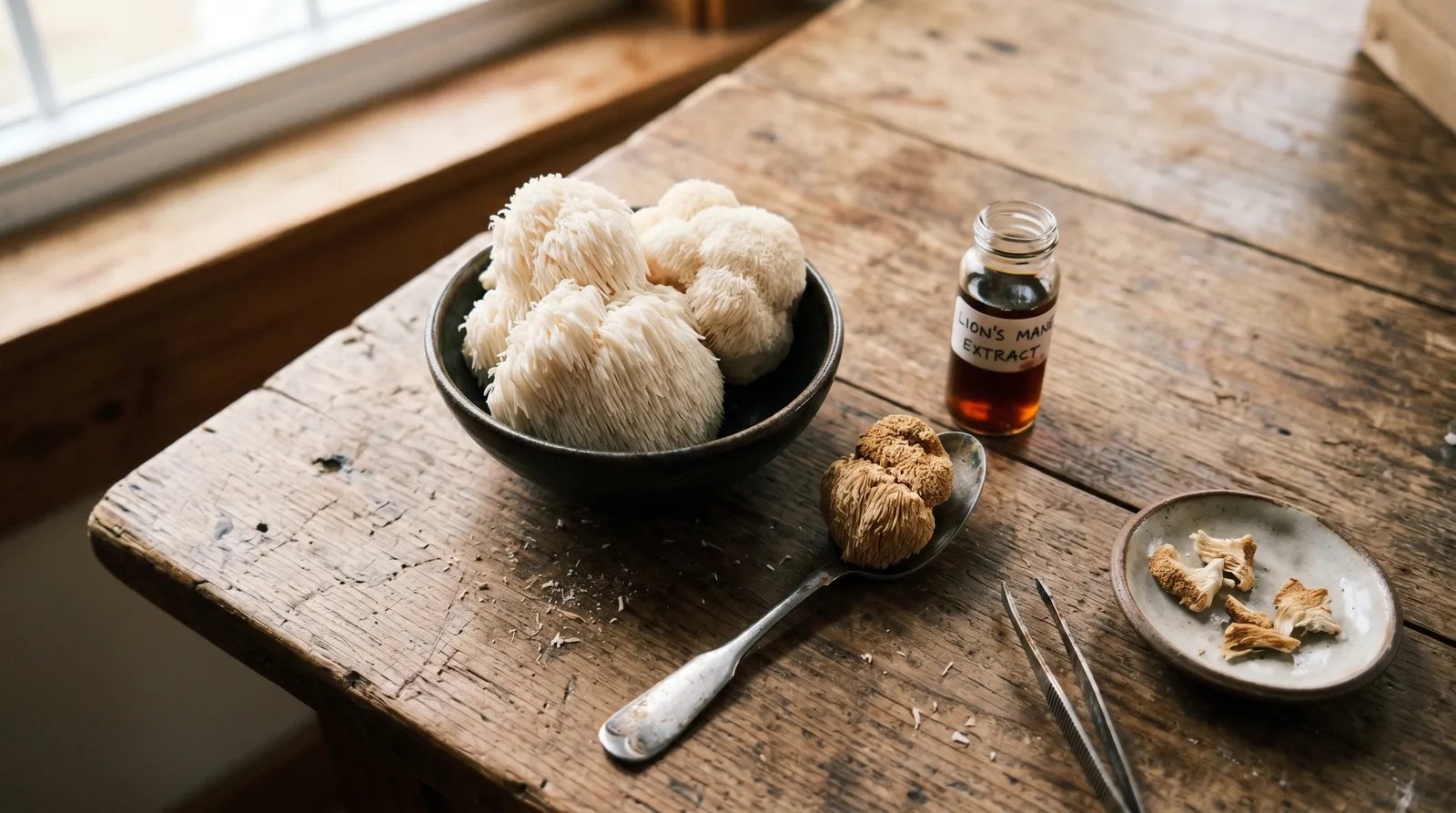
Fresh lion's mane is roughly 90% water by weight. When you dry it, you lose that water and concentrate everything else by a factor of roughly 8–10×. A 2017 analysis published in Food Chemistry (Friedman, 2015) confirmed that dried Hericium erinaceus retains its polysaccharide profile — specifically beta-glucans — through standard dehydration at temperatures below 60°C. Go above that, and you start degrading the more delicate hericenones.
Extraction takes things further. Hot-water extraction pulls out beta-glucans efficiently; dual extraction (hot water plus alcohol) also captures the less water-soluble hericenones and erinacines. The method matters as much as the mushroom itself. A lion's mane fresh dried extract product labelled "extract" that only used hot water is missing a chunk of the bioactive profile.
How does fresh lion's mane compare to dried?
Fresh lion's mane contains roughly 90% water, meaning gram-for-gram it delivers far fewer bioactives than any dried lion's mane fresh dried extract form (Friedman, 2015). Nutritionally, 100 g of fresh lion's mane provides about 35 kcal, 2.4 g protein, and measurable amounts of potassium, zinc, and B vitamins. Dried lion's mane concentrates those nutrients into a smaller mass, making it a more practical daily source if you're after consistent intake.
The trade-off: fresh mushrooms contain enzymes and volatile compounds that degrade within days of harvest. Dried material is shelf-stable for months but has already lost some of those heat-sensitive molecules during processing. Neither form is "better" in absolute terms — it depends on whether you're cooking dinner or trying to hit a specific beta-glucan target day after day.
Is extract actually stronger than whole dried mushroom?
Yes, concentrated extracts typically deliver 1.5–2× more beta-glucans per gram than whole dried powder (Thongbai et al., 2015). Extracts are standardised (or should be) to a specific beta-glucan percentage, often 30% or higher. Whole dried mushroom powder sits around 15–25% beta-glucans depending on growing conditions and the ratio of fruiting body to mycelium included. A 2020 study in the International Journal of Medicinal Mushrooms (Thongbai et al., 2015) found that hot-water extracts of H. erinaceus fruiting bodies yielded beta-glucan concentrations roughly 1.5–2× higher than simple dried powder from the same batch.
But concentration isn't the whole story. Whole dried mushroom contains fibre, trace minerals, and prebiotic compounds that extracts may discard. If gut health is part of your interest — and a 2017 study by Sheng et al. found that H. erinaceus polysaccharides supported beneficial gut microbiota composition in mice — whole powder might actually be more useful than a stripped-down extract.
Then there's the mycelium-on-grain problem. Some cheaper "extract" products are actually ground-up mycelium grown on rice or oats, with the grain still in the mix. That grain inflates the starch content and dilutes the beta-glucans. If a product doesn't list beta-glucan percentage on the label, treat it with suspicion.
What does the research say about cognitive and mood effects?
Human trials show modest but consistent cognitive improvements with daily lion's mane intake over several weeks (Mori et al., 2009; Docherty et al., 2023). The most-cited human trial is Mori et al. (2009): 30 Japanese adults aged 50–80 with mild cognitive impairment took 250 mg tablets (96% dry powder) three times daily for 16 weeks. The lion's mane group scored significantly higher on cognitive function scales compared to placebo. Four weeks after stopping, the improvements faded — suggesting ongoing intake matters.

For mood, a smaller 2010 study by Nagano et al. gave 30 women cookies containing 500 mg of fruiting-body powder daily for four weeks. Self-reported irritation and anxiety scores dropped compared to placebo. The effect size was modest, and cookies aren't exactly a controlled delivery mechanism, so take that one with appropriate scepticism.
A 2023 clinical trial by Docherty et al., published in Nutrients, reported that 1.8 g/day of lion's mane extract over 28 days improved self-reported stress resilience and cognitive speed in healthy adults aged 18–45. It's promising, but the sample was small (n = 41) and the study was industry-funded — not disqualifying, but worth noting.
The honest picture: most of the strong mechanistic data (NGF stimulation, beta-amyloid reduction) comes from cell cultures and rodent models. Human trials exist but remain few, small, and short-term. The direction of evidence is encouraging; the volume of evidence is still thin. The European Monitoring Centre for Drugs and Drug Addiction (EMCDDA) does not currently classify lion's mane as a controlled substance, but regulatory frameworks for functional mushrooms vary across EU member states.
What dose range appears in clinical studies?
Published human trials have used between 750 mg and 3,000 mg per day of dried fruiting-body powder or extract (Mori et al., 2009; Nagano et al., 2010). The Mori et al. (2009) trial used 3,000 mg/day (as 250 mg tablets, four per dose, three doses daily). The Nagano et al. (2010) study used roughly 2,000 mg/day baked into food. For concentrated lion's mane fresh dried extract products standardised to ≥30% beta-glucans, manufacturers typically list 1,000 mg/day — roughly equivalent in active compound delivery to 2,000–3,000 mg of whole dried powder, though direct equivalence is hard to pin down without matching the exact extraction method.
Doses above 3,000 mg/day of dried powder were not included in published clinical studies. Toxicology data from rodent studies (Li et al., 2014) showed no adverse effects at extremely high doses (up to 5 g/kg body weight in rats), but that doesn't translate neatly to human recommendations.
Are there side effects or interactions to watch for?
Lion's mane is well-tolerated in published human trials, with no serious adverse events reported (Friedman, 2015). Some users report mild gastrointestinal discomfort — bloating, loose stools — particularly at higher doses or when starting for the first time.
There are theoretical concerns worth flagging. H. erinaceus may slow blood clotting (Mori et al., 2010 observed anti-platelet aggregation effects in vitro), which could interact with anticoagulant medications like warfarin. It may also lower blood glucose, relevant for anyone on diabetes medication. If either applies to you, the dedicated lion's mane interactions article covers this in detail — but the short version is: talk to whoever prescribes your medication before adding a daily mushroom extract.
Allergic reactions are rare but documented in case reports, particularly in people with existing mushroom allergies. If you break out in a rash or have trouble breathing after your first dose, stop immediately.
How does lion's mane compare to other functional mushrooms?
Lion's mane is the only widely available functional mushroom with robust evidence for nerve growth factor stimulation (Mori et al., 2009). Reishi (Ganoderma lucidum) is primarily studied for immune modulation and sleep support, while cordyceps (Cordyceps militaris) research focuses on exercise performance and oxygen utilisation. If your primary goal is cognitive support, lion's mane fresh dried extract is the most evidence-backed choice in the functional mushroom category.
That said, many people stack mushrooms — combining lion's mane with reishi or chaga for broader coverage. The Azarius mushroom supplements range includes several single-species and combination products. Whether you order lion's mane on its own or as part of a blend depends on how targeted your goals are.
We'll be straightforward: lion's mane is not a nootropic miracle. The human evidence is real but limited — small samples, short durations, and mostly self-reported outcomes. We sell it because the safety profile is strong and the preliminary data is genuinely interesting, not because it's proven to make you smarter. Manage expectations accordingly.
Fresh, dried, or extract — which form for which goal?
The best form depends entirely on your intended use — culinary, general wellness, or targeted cognitive supplementation. Here's how the main lion's mane fresh dried extract forms compare:
| Form | Beta-glucan density | Practical use | Shelf life | Best suited for |
|---|---|---|---|---|
| Fresh fruiting body | Low (diluted by ~90% water) | Culinary — sautéed, soups, stir-fry | 5–10 days refrigerated | Cooking, occasional nutritional boost |
| Dried whole / powder | Moderate (15–25%) | Tea, smoothies, capsules | 12–24 months sealed | Daily use, gut health, general nutrition |
| Hot-water extract | High (25–40%+) | Capsules, tinctures, powder | 12–24 months sealed | Targeted beta-glucan intake |
| Dual extract (water + alcohol) | High, plus hericenones/erinacines | Tinctures, concentrated powder | 12–24 months sealed | Cognitive-focused supplementation |
If you're after the full spectrum of bioactives — beta-glucans, hericenones, erinacines, and the prebiotic fibre — a dual-extracted product from fruiting bodies is the most complete lion's mane fresh dried extract option. If you mostly want the polysaccharide and gut-health angle, whole dried powder does the job at a lower price point. And if you just enjoy the taste and want some incidental nutrition, fresh is lovely in the kitchen. You can buy lion's mane in capsule, powder, and tincture formats through the Azarius smart shop, or get lion's mane extract alongside other functional mushroom products in the Azarius mushroom supplements category.
How to store lion's mane fresh dried extract properly
Proper storage preserves the beta-glucan and hericenone content that makes lion's mane fresh dried extract worth buying in the first place. Fresh fruiting bodies belong in a paper bag in the refrigerator and should be used within a week. Dried powder and extracts last 12–24 months when kept in airtight containers away from direct sunlight, heat, and moisture. Tinctures are the most shelf-stable form — the alcohol base acts as a preservative — but should still be stored in a cool, dark place. Avoid freezing dried powder, as condensation during thawing can introduce moisture and degrade quality.
One thing we notice gets overlooked: not every lion's mane fresh dried extract product on the market specifies whether it's made from fruiting body, mycelium, or a mix. That distinction matters enormously for the compound profile you're actually getting. We label ours clearly, but if you're comparing across brands, check the fine print — or ask. A product that just says "lion's mane" without specifying the part used is usually cutting corners somewhere.
Last updated: April 2026
Frequently Asked Questions
10 questionsDoes drying lion's mane destroy its active compounds?
Is lion's mane extract stronger than dried powder?
How much lion's mane was used in clinical studies?
Can lion's mane interact with blood-thinning medication?
What is the difference between hot-water and dual extraction for lion's mane?
How does lion's mane compare to reishi or cordyceps?
Should I choose lion's mane fruiting body or mycelium supplement?
What temperature should I use when drying lion's mane at home?
How long does dried lion's mane last before losing potency?
Can you eat fresh lion's mane raw or does it need to be cooked?
About this article


Joshua Askew serves as Editorial Director for Azarius wiki content. He is Managing Director at Yuqo, a content agency specialising in cannabis, psychedelics and ethnobotanical editorial work across multiple languages. Th
This wiki article was drafted with AI assistance and reviewed by Joshua Askew, Managing Director at Yuqo. Editorial oversight by Adam Parsons.
Medical disclaimer. This content is for informational purposes only and does not constitute medical advice. Consult a qualified healthcare provider before use of any substance.
Last reviewed April 24, 2026
References (7)
- [1]Mori, K., Inatomi, S., Ouchi, K., Azumi, Y., & Tuchida, T. (2009). Improving effects of the mushroom Yamabushitake (Hericium erinaceus) on mild cognitive impairment. Phytotherapy Research, 23(3), 367–372.
- [2]Nagano, M., Shimizu, K., Kondo, R., et al. (2010). Reduction of depression and anxiety by 4 weeks Hericium erinaceus intake. Biomedical Research, 31(4), 231–237.
- [3]Friedman, M. (2015). Chemistry, nutrition, and health-promoting properties of Hericium erinaceus. Food Chemistry, 195, 27–33.
- [4]Thongbai, B., Rapior, S., Hyde, K.D., Wittstein, K., & Stadler, M. (2015). Hericium erinaceus, an amazing medicinal mushroom. Mycological Progress, 14, 91.
- [5]Sheng, X., Yan, J., Meng, Y., et al. (2017). Immunomodulatory effects of Hericium erinaceus derived polysaccharides. International Journal of Biological Macromolecules, 95, 200–206.
- [6]Li, I.C., Lee, L.Y., Tzeng, T.T., et al. (2014). Neurohealth properties of Hericium erinaceus mycelia enriched with erinacines. Behavioural Neurology, 2018, 5802634.
- [7]Docherty, S., Doughty, F.L., & Smith, E.F. (2023). The acute and sub-chronic effects of a Hericium erinaceus supplement on cognitive function and mood. Nutrients, 15(22), 4842.
Related Articles
Medicinal Mushrooms TCM Western Pharmacognosy Guide
Guide to medicinal mushrooms TCM Western pharmacognosy — how reishi, lion's mane, cordyceps are classified, extracted, and studied.
Research on Immune Modulation by Functional Mushrooms
What does research on immune modulation by functional mushrooms actually show? Beta-glucans, Dectin-1 signalling, human trials, and the honest gap...
Allergic Reactions & Mushroom Sensitivities
Understand allergic reactions and mushroom sensitivities: mould cross-reactivity, shiitake dermatitis, species-specific risks, and safer product…
Turkey Tail Trametes versicolor — Buy Supplements
Buy turkey tail Trametes versicolor supplements at Azarius. PSK and PSP evidence, beta-glucan dosage, extraction methods, and safety.
Triterpenes In Medicinal Mushrooms
Triterpenes in medicinal mushrooms are a class of 30-carbon terpenoid compounds produced as secondary metabolites by several functional mushroom species…
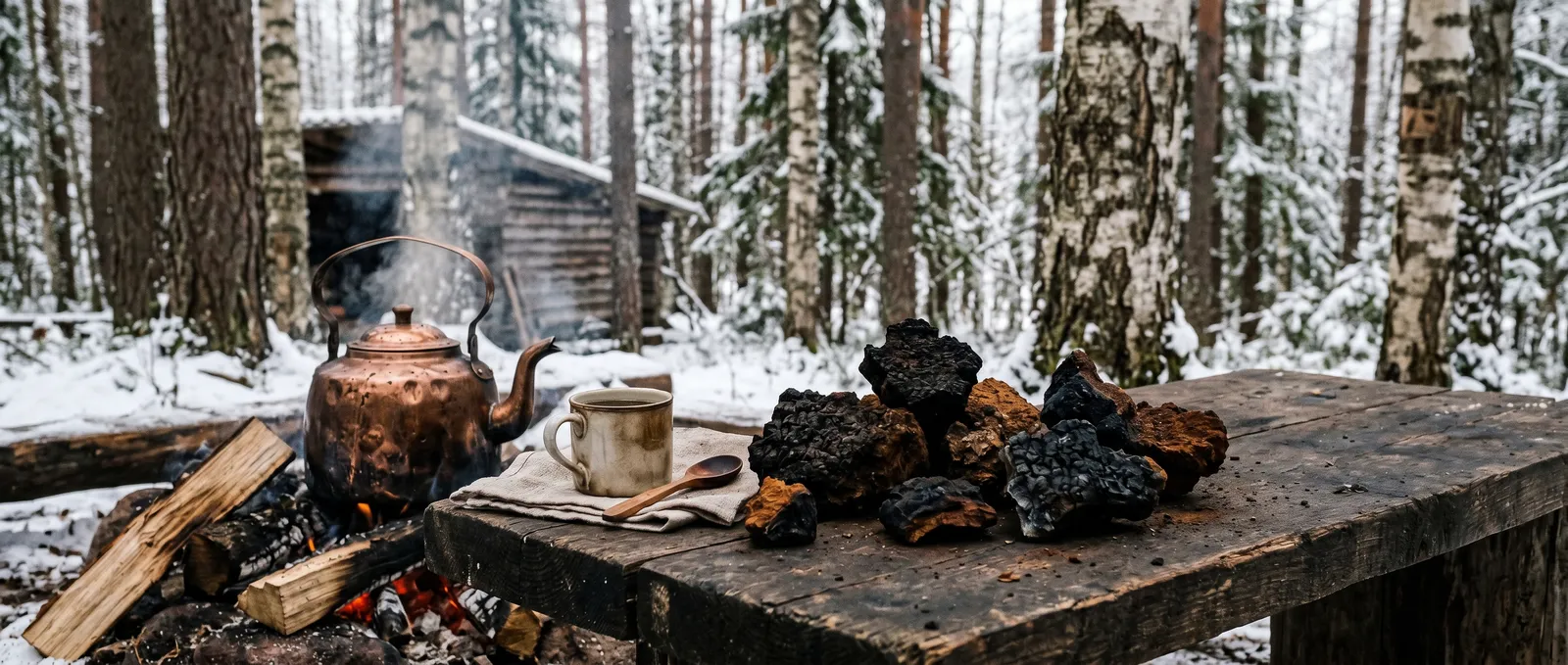
Chaga Siberian Nordic Folk Use
Chaga Siberian Nordic folk use is a centuries-old tradition in which indigenous Siberians and Nordic communities brewed the birch-parasitising fungus…
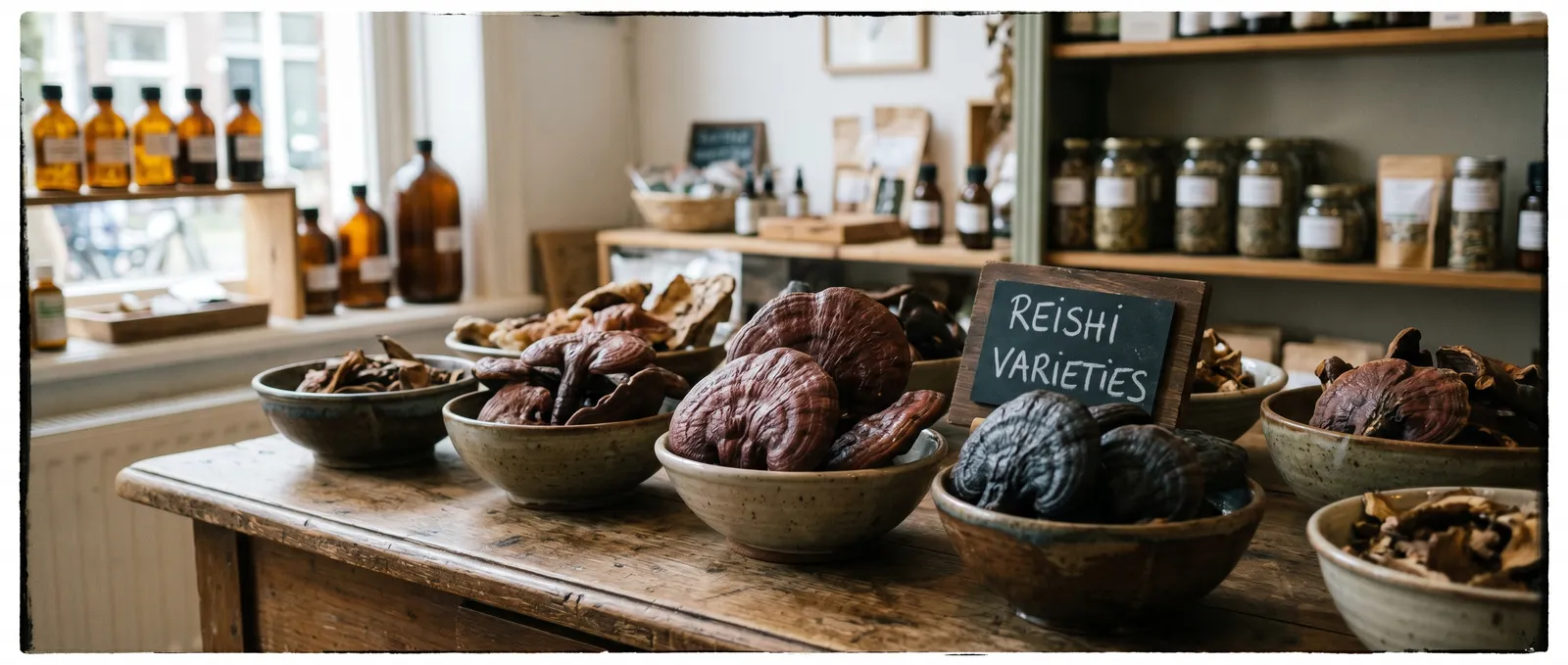
Red and Black Reishi Varieties
Red reishi (Ganoderma lucidum) and black reishi (Ganoderma sinense) both fall under the lingzhi umbrella in traditional Chinese medicine, but they differ in…
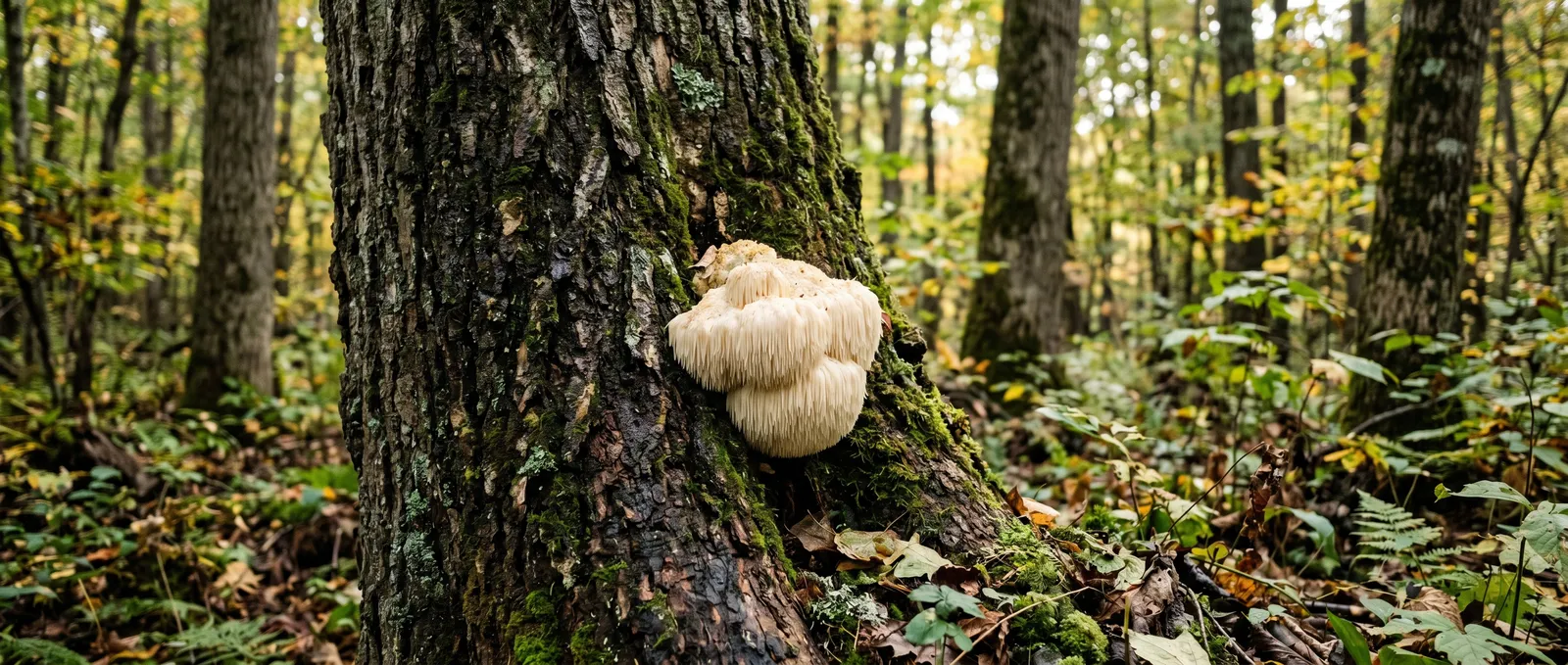
Lion's Mane Identification & Habitat
Hericium erinaceus is a tooth fungus that fruits as a single white, spine-covered mass on wounded or dead hardwood trees.
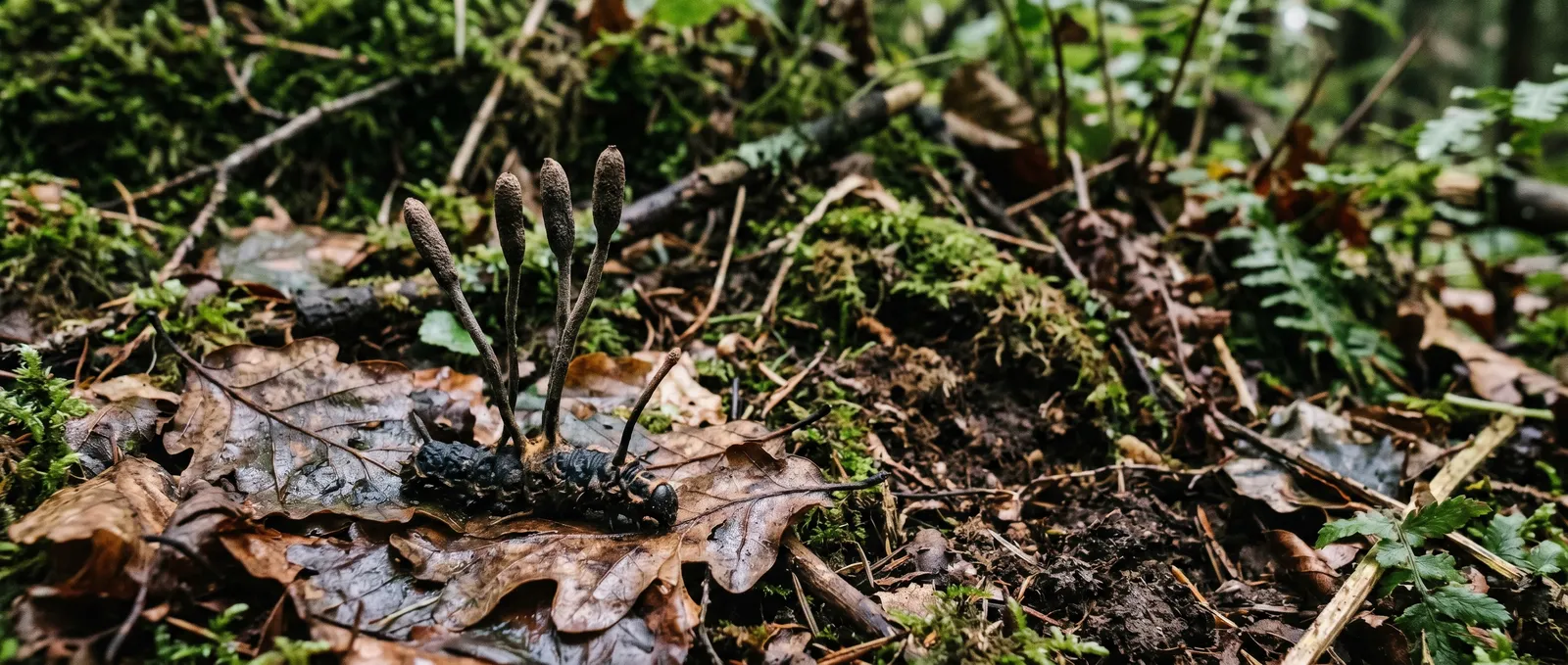
Cordyceps Lifecycle
The cordyceps lifecycle is a parasitic biological sequence in which a fungus infects an insect host, colonises its body from within, and erupts as a…