
Research on Cognitive Support with Functional Mushrooms

Definition
Cognitive support is among the most common reasons people try functional mushroom extracts, yet the clinical evidence remains narrow. Most human trial data come from small studies on Hericium erinaceus (lion's mane), where Mori et al. (2009) reported modest cognitive improvements in older adults with mild impairment over 16 weeks. For other species, direct human cognitive-outcome data are essentially absent.
Research on cognitive support is a field where mechanistic promise runs well ahead of clinical proof. Cognitive support, in the context of functional mushroom science, is a broad category that refers to measurable improvements in memory, attention, processing speed, or neuroprotection — outcomes that functional mushroom extracts, particularly lion's mane (Hericium erinaceus), are increasingly marketed to deliver. Research on cognitive support from these species reveals a picture that is more specific and more limited than wellness marketing typically suggests. Most of the compelling mechanistic data comes from isolated compounds tested in cell cultures or animal models, and the handful of human trials that exist tend to be small, short, and conducted with proprietary extracts that may not resemble what ends up in a capsule or powder on your shelf. This article maps what the science actually says — compound by compound, study by study — so you can evaluate the claims for yourself.
Key Compounds and Their Proposed Mechanisms (Kawagishi et al., 1994; Kawagishi et al., 2006)
The main compound classes linked to research on cognitive support from mushrooms number fewer than most people expect. The cognitive-support conversation around functional mushrooms centres on a small number of compound classes. Understanding which mushroom produces which compound — and what that compound has been shown to do in which experimental context — is the only way to make sense of the broader claims.

| Compound class | Primary mushroom source | Proposed cognitive mechanism | Evidence level | Key limitation |
|---|---|---|---|---|
| Hericenones (H–N) | Hericium erinaceus (fruiting body) | Stimulation of nerve growth factor (NGF) synthesis in vitro | In-vitro, animal-model | Hericenones are lipophilic; oral bioavailability in humans is not well characterised |
| Erinacines (A–K) | Hericium erinaceus (mycelium) | NGF induction; erinacine A crosses the blood-brain barrier in rodent models | In-vitro, animal-model | Erinacines are found in mycelium, not fruiting body — extract source matters |
| Ganoderic acids | Ganoderma lucidum (reishi) | Antioxidant and anti-inflammatory activity; indirect neuroprotective hypothesis | In-vitro, limited animal | No direct human cognitive-outcome data |
| Cordycepin (3'-deoxyadenosine) | Cordyceps militaris | Adenosine-receptor modulation; anti-neuroinflammatory effects in rodent models | In-vitro, animal-model | Rapid deamination in vivo limits systemic exposure; human cognitive trials absent |
| Beta-glucans (general) | Multiple species | Immune modulation that may indirectly affect neuroinflammation | Mechanistic hypothesis, not tested for cognition directly | The link between peripheral immune modulation and cognitive outcomes is theoretical |
A few things jump out from that table. First, the strongest mechanistic story belongs to lion's mane, specifically to its hericenones and erinacines. Second, those two compound classes come from different parts of the organism — hericenones from the fruiting body, erinacines from the mycelium. This matters because the supplement you pick determines which compounds you're actually getting. A fruiting-body extract will contain hericenones but likely negligible erinacines; a mycelium preparation may contain erinacines but, if grown on grain substrate, could also carry significant starch filler that dilutes active-compound concentration. Third, the evidence for every other species on this list is at least one step further removed from direct cognitive outcomes in humans. Anyone looking to buy functional mushroom extracts for research on cognitive support should understand these compound distinctions before choosing a product.
The NGF Pathway: Why Lion's Mane Dominates the Conversation (Kawagishi et al., 1994; Mori et al., 2008)
Nerve growth factor (NGF) is a protein critical to the survival, maintenance, and regeneration of certain neuron populations — particularly cholinergic neurons in the basal forebrain, which are implicated in memory and attention. The idea that a dietary compound could stimulate NGF production is genuinely interesting, and it's the reason Hericium erinaceus gets more research on cognitive support attention than any other functional mushroom.
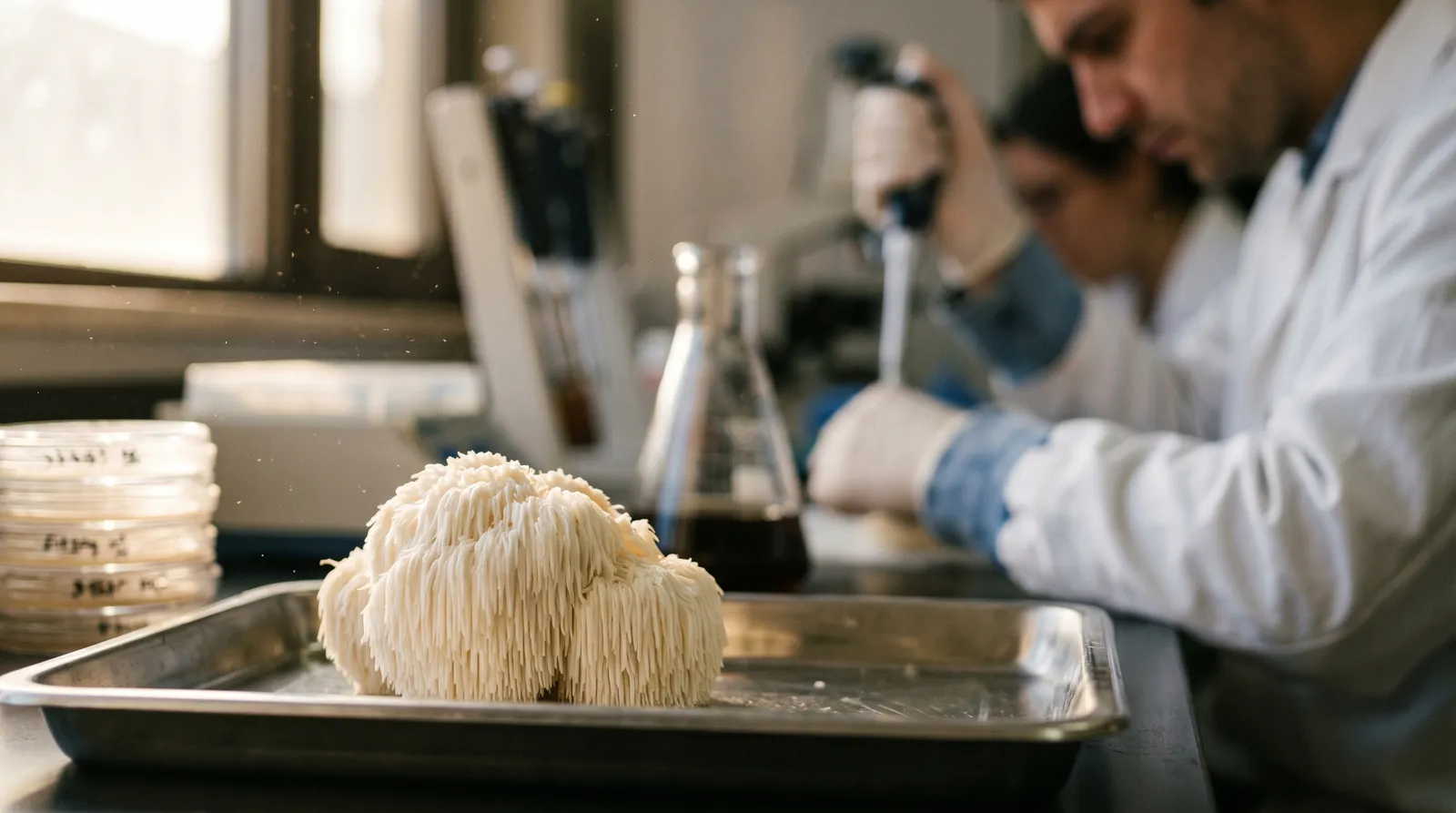
Kawagishi et al. (1994) first isolated hericenones C and D from H. erinaceus fruiting bodies and demonstrated that they induced NGF synthesis in astroglial cells in vitro. Subsequent work by the same group identified erinacines from the mycelium, with erinacine A showing particularly strong NGF-inducing activity in cell culture (Kawagishi et al., 2006). In rodent models, oral administration of H. erinaceus mycelium enriched in erinacines increased hippocampal NGF levels and appeared to improve recognition memory in mice (Mori et al., 2008).
The gap between these findings and a human sitting at a desk trying to concentrate better is substantial, though. NGF does not cross the blood-brain barrier easily in its mature form. The hypothesis is that hericenones and erinacines cross the barrier themselves and then stimulate local NGF production within the brain — but direct evidence for this in humans is absent. Erinacine A has been shown to cross the blood-brain barrier in rats (Hu et al., 2019), which is encouraging, but rodent pharmacokinetics do not reliably predict human pharmacokinetics.
Human Clinical Trials: What Has Actually Been Tested (Mori et al., 2009; Docherty et al., 2023)
Fewer than ten published human trials have examined functional mushrooms and cognitive outcomes. The lion's mane trials are the most relevant; trials on other species with cognitive endpoints are essentially nonexistent at the time of writing.

Mori et al. (2009) — the most cited trial
This double-blind, placebo-controlled study enrolled 30 Japanese adults aged 50–80 with mild cognitive impairment. Participants received 250 mg tablets of H. erinaceus dry powder (96% fruiting body) four times daily — totalling 1,000 mg per day — for 16 weeks. Cognitive function was assessed using the Revised Hasegawa Dementia Scale (HDS-R). The mushroom group showed statistically significant improvement in HDS-R scores at weeks 8, 12, and 16 compared to placebo. However, scores declined again four weeks after supplementation stopped, returning toward baseline.
This is the study most frequently cited to support lion's mane cognitive claims, and it does show a measurable effect. But the sample was tiny (n=30), the population was older adults with existing mild cognitive impairment (not healthy younger adults looking for a focus boost), the preparation was a specific dry powder at a specific dose, and the effect was not durable after discontinuation. Extrapolating from this to "lion's mane improves your memory" is a stretch the data does not support.
Saitsu et al. (2019)
A slightly larger trial (n=49) in healthy Japanese adults aged 50 and over, using a different preparation — tablets containing H. erinaceus fruiting body powder alongside other ingredients. After 12 weeks, the supplementation group showed modest improvements on certain cognitive subscales. The mixed-ingredient formulation makes it difficult to attribute effects specifically to lion's mane, and the sample remained small.
Li et al. (2020) — an animal-model note
While not a human trial, this study is worth mentioning because it tested H. erinaceus mycelium enriched in erinacine A in a mouse model of Alzheimer's disease and reported reduced amyloid plaque burden and improved spatial memory. It reinforces the mechanistic plausibility of the erinacine pathway but does not constitute clinical evidence.
Docherty et al. (2023)
A more recent pilot study from the University of Queensland examined the effects of H. erinaceus extract on cognitive performance and mood in healthy adults aged 18–45 — a younger demographic than previous trials. Participants took 1.8 g of lion's mane extract daily for 28 days. The researchers reported a trend toward improved processing speed on a specific cognitive task, though the study was small (n=41) and the authors themselves described the findings as preliminary.
Reishi, Cordyceps, and Other Species: Where Is the Cognitive Evidence? (Zhang et al., 2016; Olatunji et al., 2016)
No published human trial has measured cognitive outcomes for any functional mushroom species other than lion's mane. That is the direct answer, and it is important.
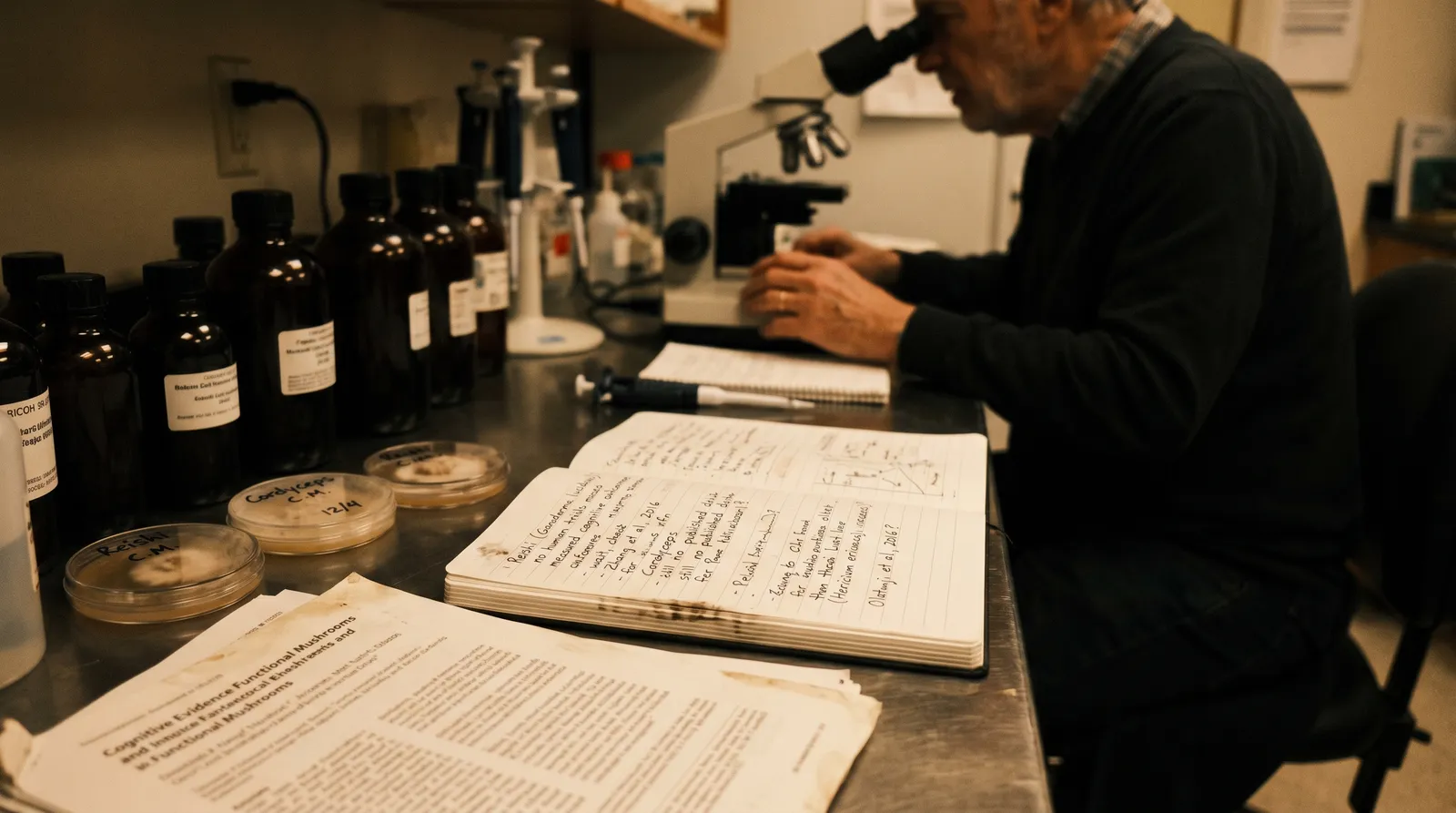
Reishi (Ganoderma lucidum): The triterpenes in reishi — ganoderic acids — have shown anti-inflammatory and antioxidant activity in cell models, and chronic neuroinflammation is implicated in cognitive decline. But the logical chain from "anti-inflammatory in a petri dish" to "better memory in a person" has not been tested in any published human cognitive trial. Some animal studies have examined reishi polysaccharides in models of neurodegeneration (e.g., Zhang et al., 2016), but these used isolated fractions at doses that do not translate straightforwardly to oral supplementation.
Cordyceps (Cordyceps militaris): Cordycepin has demonstrated anti-neuroinflammatory effects in rodent models (Olatunji et al., 2016). It modulates adenosine receptors, which are involved in sleep-wake regulation and synaptic plasticity. The theoretical relevance to cognition exists, but no human trial has measured cognitive outcomes following cordyceps supplementation. Cordycepin also has a short half-life in vivo due to rapid deamination by adenosine deaminase, raising questions about how much active compound reaches the brain after oral dosing.
Chaga (Inonotus obliquus), turkey tail (Trametes versicolor), maitake (Grifola frondosa): These species are primarily studied for their beta-glucan content and immune-modulating properties. No published human trials have examined cognitive endpoints for any of them. The indirect hypothesis — that immune modulation reduces neuroinflammation, which in turn preserves cognitive function — is plausible on paper but entirely untested in clinical settings for these species.
How Lion's Mane Compares to Other Popular Nootropics
Lion's mane is among the least evidence-supported nootropics by trial volume, but among the most mechanistically novel. Unlike caffeine, which has hundreds of controlled trials demonstrating acute improvements in attention and reaction time, lion's mane has fewer than five human cognitive trials total. Unlike racetams or modafinil, which act on well-characterised receptor systems with measurable pharmacokinetics, lion's mane's proposed mechanism — stimulating endogenous NGF production — is indirect and slower-acting. The comparison is not flattering for lion's mane in terms of evidence volume, but it is worth noting that lion's mane's mechanism, if validated, would represent a fundamentally different kind of cognitive support: neurotrophic rather than neuromodulatory. That distinction matters, even if the evidence is not yet strong enough to confirm it works that way in humans.

Compared to bacopa monnieri, which has a somewhat larger body of human trial data showing modest memory improvements over 8–12 weeks, lion's mane research on cognitive support is earlier-stage but targets a different biological pathway entirely. Bacopa appears to work primarily through antioxidant and cholinergic mechanisms; lion's mane, if the NGF hypothesis holds, would work through neurotrophic support — promoting nerve growth rather than modulating existing neurotransmitter activity. Neither has the depth of evidence that pharmaceutical nootropics carry, but both represent genuinely distinct mechanistic approaches.
The Extract-Source Problem: Why "Lion's Mane" Is Not One Thing (Mori et al., 2009; Docherty et al., 2023)
The product you order determines which compounds you actually ingest — and that single variable may matter more than any other factor in research on cognitive support with functional mushrooms. One of the most persistent issues in this research area is that the term "lion's mane supplement" covers products that differ enormously in composition.
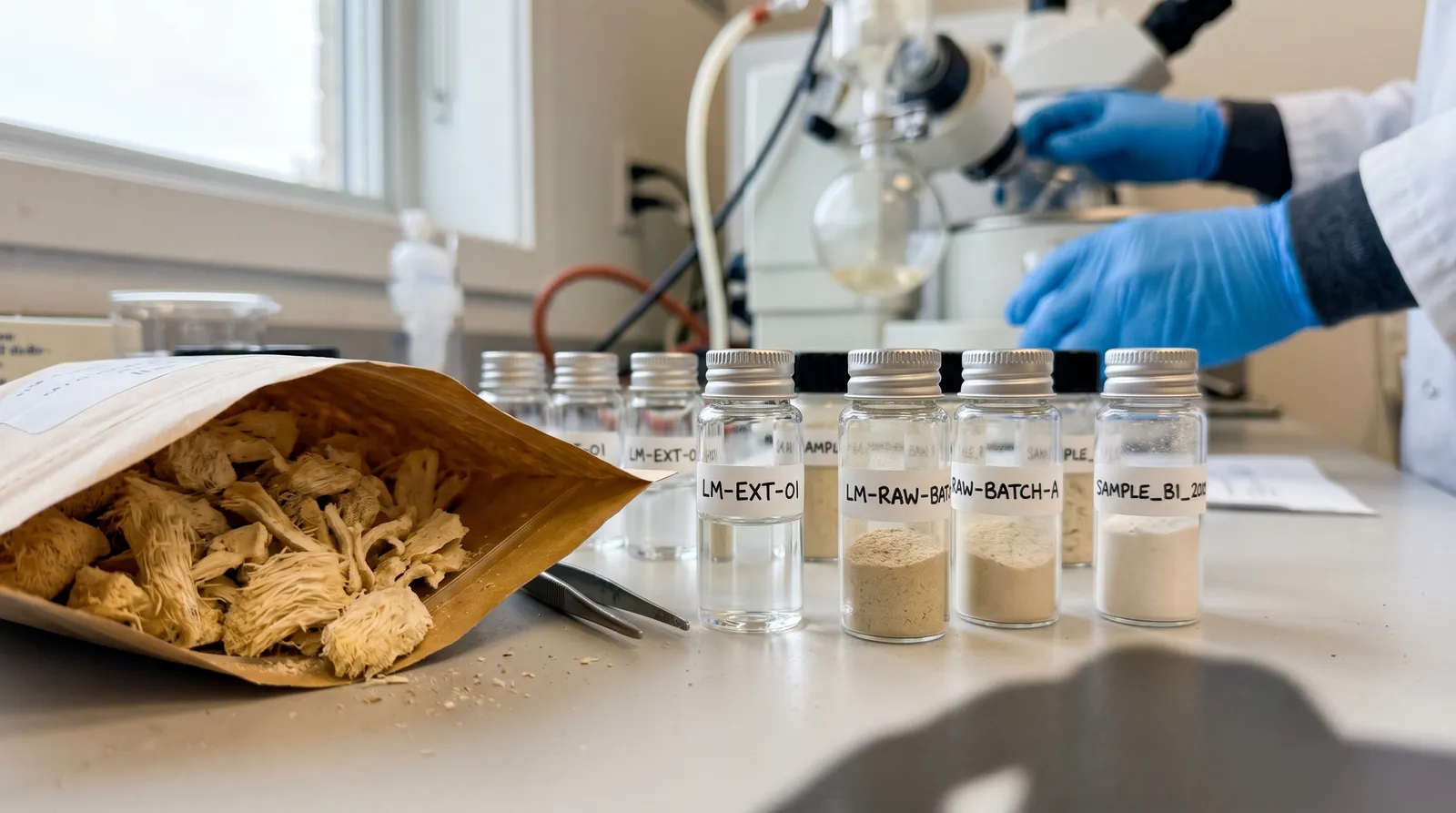
Fruiting-body extracts contain hericenones but likely minimal erinacines. Mycelium preparations may contain erinacines — the compounds with the strongest blood-brain-barrier-crossing evidence in animal models — but mycelium-on-grain products often contain substantial amounts of grain starch, which dilutes beta-glucan and other active-compound concentrations. Analytical work by independent labs has shown that some mycelium-on-grain products contain as little as 5–10% beta-glucans by weight, compared to 25–50% in well-prepared fruiting-body extracts (though beta-glucan content is not itself a direct marker of cognitive-relevant compounds like hericenones or erinacines).
Extraction method adds another variable. Hot-water extraction concentrates polysaccharides (including beta-glucans). Alcohol extraction concentrates less polar compounds like hericenones and triterpenes. Dual extraction — hot water followed by alcohol — captures both classes. The Mori et al. (2009) trial used dry fruiting-body powder, not an extract, meaning the results may not apply to a dual-extracted tincture or an alcohol-only preparation. The Docherty et al. (2023) trial used a specific commercial extract. Neither preparation is necessarily equivalent to whatever is in a given capsule or powder on the market.
This is not a minor technical footnote. It is the central problem with translating functional mushroom research on cognitive support into consumer decisions. When a study uses preparation X at dose Y in population Z, and a product on the shelf is preparation A at dose B aimed at population C, the study does not validate the product. It validates itself. If you want to get as close to the research conditions as possible, look for products that specify their extract type, beta-glucan content, and whether they use fruiting body, mycelium, or both.
Practical Considerations When You Buy Functional Mushroom Extracts
The most important practical step is matching the product you buy to the specific research preparation you are relying on. Choosing a functional mushroom product for research on cognitive support means navigating the extract-source problem described above. A few practical points can help narrow the field:

- Check whether the product is fruiting body, mycelium, or a blend. If you want hericenones, look for fruiting-body extracts. If erinacines are your target, you need a mycelium-based product — but verify that it is not primarily grain filler.
- Look for stated beta-glucan percentages. Products that disclose beta-glucan content (ideally above 20%) are at least providing a measurable quality marker. This does not guarantee cognitive-relevant compound levels, but it indicates a more concentrated extract.
- Match the preparation to the research you're relying on. If you're basing your decision on Mori et al. (2009), note that they used dry fruiting-body powder at 1,000 mg daily — not a tincture, not a dual extract, not a mycelium product.
- Be sceptical of stacks marketed for "brain health" that combine multiple species. The cognitive evidence is concentrated in lion's mane. Adding reishi or cordyceps to a blend does not add cognitive evidence — it adds cost and complexity.
For those looking to order lion's mane or other functional mushroom extracts, Azarius carries several options including Lion's Mane Extract capsules and Lion's Mane Elixir. Compare the extract type and stated compound profiles against the research on cognitive support discussed here before making a choice. You can also get Reishi Extract capsules or Cordyceps Extract capsules if your interest extends to immune or energy support — just be clear that the cognitive evidence does not follow those species. For broader context on how these extracts fit into the functional mushroom category, see the Azarius functional mushrooms collection page. Those interested in the underlying biology may also find the Azarius wiki article on beta-glucans and the blog post on how to read a mushroom supplement label helpful companions to this piece.
Safety Considerations (Mori et al., 2009; Tao & Feng, 1990; Dong et al., 2014)
Lion's mane has a generally favourable safety profile based on the limited human trial data available. Mori et al. (2009) reported no significant adverse effects at 1,000 mg daily over 16 weeks. Allergic reactions are possible — fungal cross-reactivity is a real concern for individuals with mould or mushroom allergies.

For those considering stacking multiple functional mushrooms for a combined cognitive and general-health protocol, drug interactions become relevant. According to in-vitro and preliminary clinical data, reishi has demonstrated anticoagulant and antiplatelet effects and may interact with warfarin, apixaban, rivaroxaban, and other blood thinners, potentially increasing bleeding risk (Tao & Feng, 1990). Cordyceps may affect blood glucose levels and could potentiate hypoglycaemic medications such as metformin or insulin (Dong et al., 2014). Immune-modulating species — reishi, maitake, turkey tail — work in theoretical opposition to immunosuppressant medications like methotrexate, tacrolimus, or ciclosporin. Individuals with autoimmune conditions should approach beta-glucan-rich species with particular caution, as immune stimulation may oppose the therapeutic goal. For a complete breakdown of interaction risks across species, see the dedicated Azarius article on functional mushroom drug interactions. Anyone taking prescription medication should discuss functional mushroom use with a healthcare provider before starting.
Long-term safety data for chronic daily supplementation of any functional mushroom species remain limited. Most published trials run 8–16 weeks; what happens at the two-year mark is simply not known.
An honest limitation of this article: We have focused almost entirely on lion's mane because that is where the cognitive evidence exists. If future trials on cordyceps or reishi produce positive cognitive-outcome data, this picture will change — but as of the last update, it has not.
Another honest limitation: The research on cognitive support reviewed here is dominated by studies from a small number of research groups, particularly Kawagishi and Mori in Japan. Independent replication by unaffiliated labs remains limited, and publication bias — the tendency for positive results to be published more readily than null findings — may skew the available literature in favour of effects that are smaller or less reliable than they appear.
A third honest limitation: This article cannot account for the variability in commercial products. Even when we cite a specific trial dose and preparation, the lion's mane capsule or powder you buy from any retailer — including Azarius — may differ in extraction method, compound concentration, and raw-material sourcing. Until the industry adopts standardised assays for hericenones and erinacines, matching a consumer product to a published study remains an imperfect exercise.
What the Evidence on Research on Cognitive Support Actually Shows
No functional mushroom has strong enough clinical evidence to be recommended as a reliable cognitive enhancer. Here is what can be said based on the available data:

- Lion's mane has the strongest mechanistic rationale for cognitive effects among functional mushrooms, based on the hericenone and erinacine NGF-induction pathway. This is supported by consistent in-vitro and animal-model data (Kawagishi et al., 1994; Kawagishi et al., 2006; Mori et al., 2008; Hu et al., 2019).
- A small number of human trials have reported modest, measurable cognitive improvements with specific lion's mane preparations in specific populations — primarily older adults with mild cognitive impairment (Mori et al., 2009) and, more recently, healthy adults in a small pilot (Docherty et al., 2023). Effects were not durable after discontinuation in the Mori trial.
- No human cognitive-outcome data exist for reishi, cordyceps, chaga, turkey tail, maitake, tremella, or shiitake. Claims about these species and cognitive function are extrapolations from anti-inflammatory or antioxidant cell-culture data, not from clinical observation.
- Product composition varies enormously. Fruiting body versus mycelium, extraction method, and dose all determine which compounds are actually present. Research on cognitive support findings from one preparation do not automatically transfer to another.
- The field needs larger, longer, better-controlled trials with standardised preparations and pre-registered endpoints. The existing evidence is suggestive and interesting — not definitive.
That is the honest picture. The mechanistic science is genuinely compelling. The clinical evidence is early-stage and narrow. The gap between what a specific study showed and what a general product claim implies is, at present, wide.
This article is provided for educational purposes only and does not constitute medical advice. The studies cited report preliminary findings; no functional mushroom has been approved by the EMA or FDA for the treatment or prevention of any cognitive condition. Always consult a qualified healthcare professional before starting any new supplement, especially if you take prescription medication or have an existing health condition.
Disclaimer: The information in this article is intended for educational and harm-reduction purposes. It does not replace professional medical advice. Functional mushroom extracts are sold as food supplements, not medicines, and no claims are made regarding the diagnosis, treatment, cure, or prevention of any disease. Individual responses vary. If you are pregnant, nursing, taking medication, or managing a health condition, consult a qualified healthcare provider before use.
Last updated: April 2026
Frequently Asked Questions
11 questionsHas lion's mane been tested for cognitive support in young healthy adults?
Do hericenones and erinacines come from the same part of the mushroom?
Is there clinical evidence that reishi or cordyceps improve memory?
Why did cognitive scores drop after participants stopped taking lion's mane in the Mori 2009 trial?
Does extraction method affect which cognitive-relevant compounds are in a lion's mane product?
Can lion's mane compounds actually cross the blood-brain barrier in humans?
How long does it typically take for lion's mane to show cognitive effects in studies?
Do beta-glucans in functional mushrooms directly improve cognitive function?
Are the cognitive studies on lion's mane done with whole fruiting body or mycelium?
What dosages of lion's mane have been used in cognitive research?
Why does it matter whether a lion's mane supplement uses fruiting body or mycelium?
About this article


Adam Parsons is an external cannabis and psychedelics writer and editor who contributes to Azarius's wiki as both author and reviewer. On the writing side, he authors Azarius's kratom and kanna clusters, drawing on exten
This wiki article was drafted with AI assistance and reviewed by Adam Parsons, External contributor. Editorial oversight by Joshua Askew.
Medical disclaimer. This content is for informational purposes only and does not constitute medical advice. Consult a qualified healthcare provider before use of any substance.
Last reviewed April 24, 2026
References (12)
- [1]Docherty, S. et al. (2023). The acute and chronic effects of lion's mane mushroom supplementation on cognitive function, stress, and mood in young adults: a double-blind, parallel groups, pilot study. Nutrients , 15(22), 4842. DOI: 10.3390/nu15224842
- [2]Dong, Y. et al. (2014). Studies on the antidiabetic activities of Cordyceps militaris extract in diet-streptozotocin-induced diabetic Sprague-Dawley rats. BioMed Research International , 2014, 160980. DOI: 10.1155/2014/160980
- [3]Hu, J.H. et al. (2019). Erinacine A–enriched Hericium erinaceus mycelium produces antidepressant-like effects through modulating BDNF/PI3K/Akt/GSK-3β signaling in mice. International Journal of Molecular Sciences , 20(1), 163.
- [4]Kawagishi, H. et al. (1994). Hericenones C, D and E, stimulators of nerve growth factor synthesis, from the mushroom Hericium erinaceum . Tetrahedron Letters , 35(10), 1569–1572. DOI: 10.1016/s0040-4039(00)76760-8
- [5]Kawagishi, H. et al. (2006). Erinacines, brain cell growth stimulators from the mycelia of Hericium erinaceus . Mycoscience , 47(2), 55–61.
- [6]Li, I.C. et al. (2020). Prevention of early Alzheimer's disease by erinacine A–enriched Hericium erinaceus mycelia pilot double-blind placebo-controlled study. Frontiers in Aging Neuroscience , 12, 155. DOI: 10.3389/fnagi.2020.00155
- [7]Mori, K. et al. (2008). Nerve growth factor–inducing activity of Hericium erinaceus in 1321N1 human astrocytoma cells. Biological and Pharmaceutical Bulletin , 31(9), 1727–1732. DOI: 10.1248/bpb.31.1727
- [8]Mori, K. et al. (2009). Improving effects of the mushroom Yamabushitake ( Hericium erinaceus ) on mild cognitive impairment: a double-blind placebo-controlled clinical trial. Phytotherapy Research , 23(3), 367–372.
- [9]Olatunji, O.J. et al. (2016). Anti-neuroinflammatory effects of cordycepin in lipopolysaccharide-stimulated BV2 microglial cells. Molecular Medicine Reports , 14(4), 3378–3384.
- [10]Saitsu, Y. et al. (2019). Improvement of cognitive functions by oral intake of Hericium erinaceus . Biomedical Research , 40(4), 125–131. DOI: 10.2220/biomedres.40.125
- [11]Tao, J. & Feng, K.Y. (1990). Experimental and clinical studies on inhibitory effect of Ganoderma lucidum on platelet aggregation. Journal of Tongji Medical University , 10(4), 240–243.
- [12]Zhang, J. et al. (2016). Neuroprotective effects of Ganoderma lucidum polysaccharides against oxidative stress-induced neuronal apoptosis. Neural Regeneration Research , 11(2), 298–304.
Related Articles

Medicinal Mushrooms TCM Western Pharmacognosy Guide
Guide to medicinal mushrooms TCM Western pharmacognosy — how reishi, lion's mane, cordyceps are classified, extracted, and studied.
Research on Immune Modulation by Functional Mushrooms
What does research on immune modulation by functional mushrooms actually show? Beta-glucans, Dectin-1 signalling, human trials, and the honest gap...
Allergic Reactions & Mushroom Sensitivities
Understand allergic reactions and mushroom sensitivities: mould cross-reactivity, shiitake dermatitis, species-specific risks, and safer product…
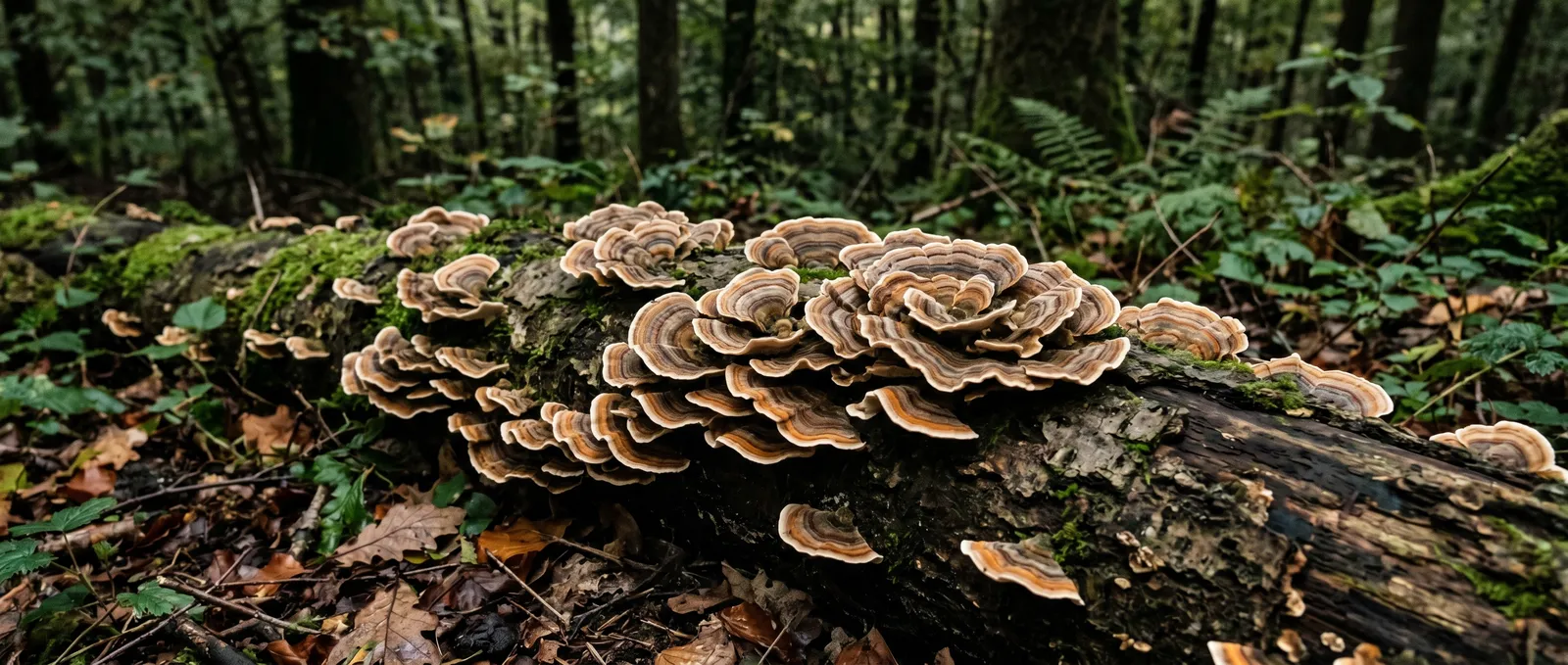
Turkey Tail Trametes versicolor — Buy Supplements
Buy turkey tail Trametes versicolor supplements at Azarius. PSK and PSP evidence, beta-glucan dosage, extraction methods, and safety.

Triterpenes In Medicinal Mushrooms
Triterpenes in medicinal mushrooms are a class of 30-carbon terpenoid compounds produced as secondary metabolites by several functional mushroom species…

Chaga Siberian Nordic Folk Use
Chaga Siberian Nordic folk use is a centuries-old tradition in which indigenous Siberians and Nordic communities brewed the birch-parasitising fungus…
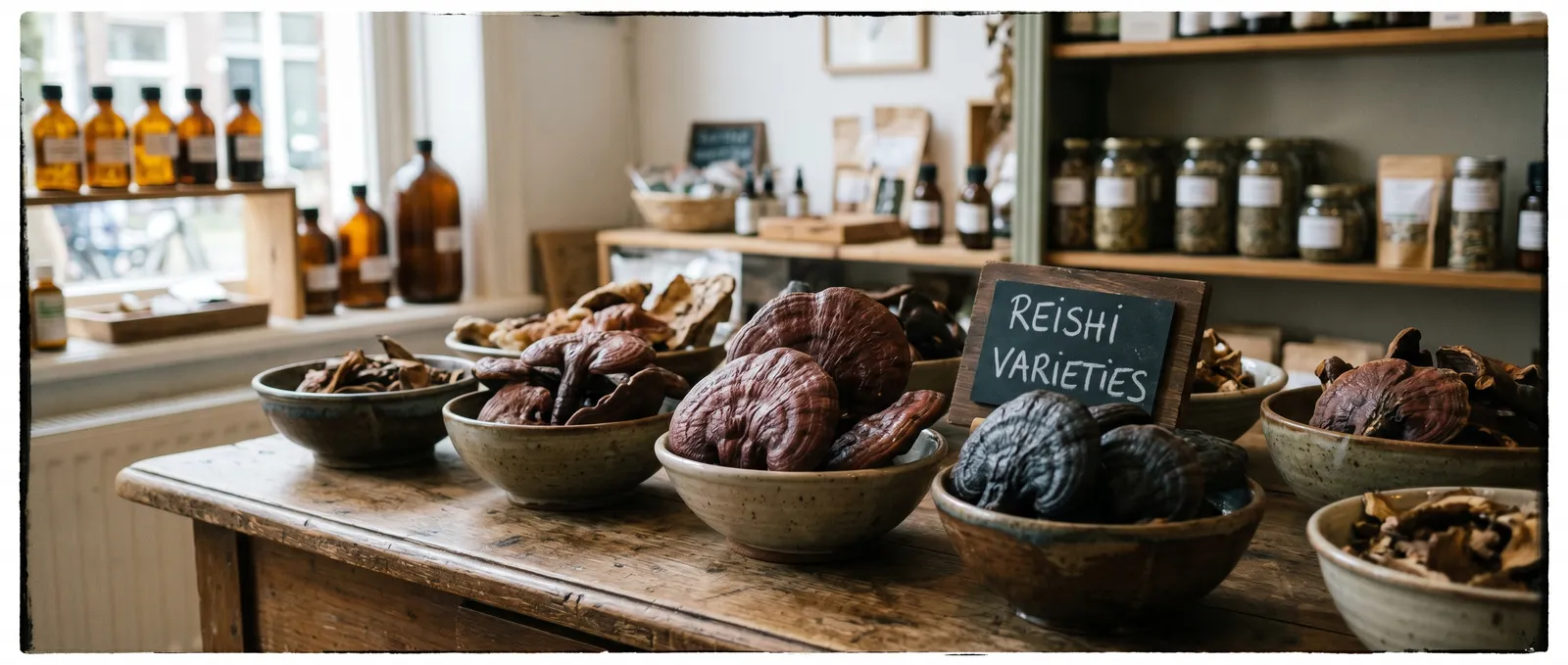
Red and Black Reishi Varieties
Red reishi (Ganoderma lucidum) and black reishi (Ganoderma sinense) both fall under the lingzhi umbrella in traditional Chinese medicine, but they differ in…
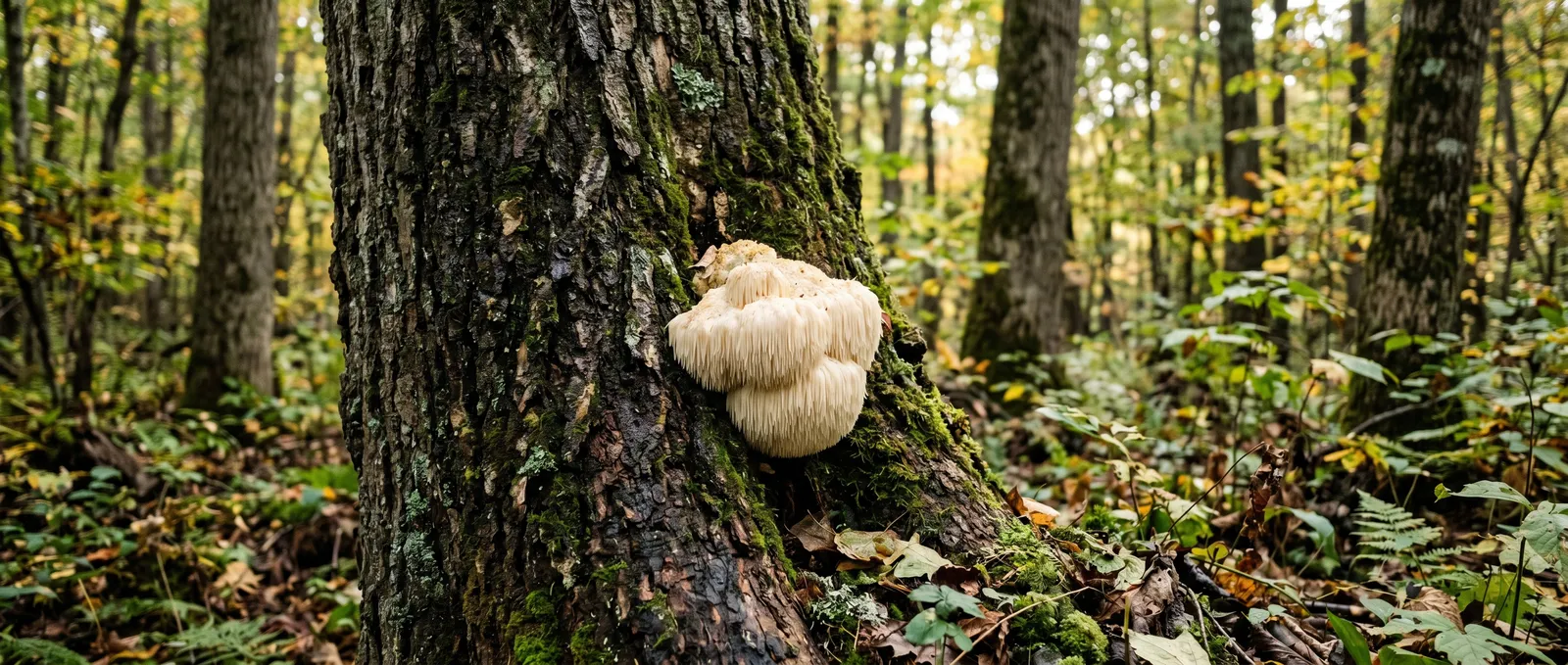
Lion's Mane Identification & Habitat
Hericium erinaceus is a tooth fungus that fruits as a single white, spine-covered mass on wounded or dead hardwood trees.
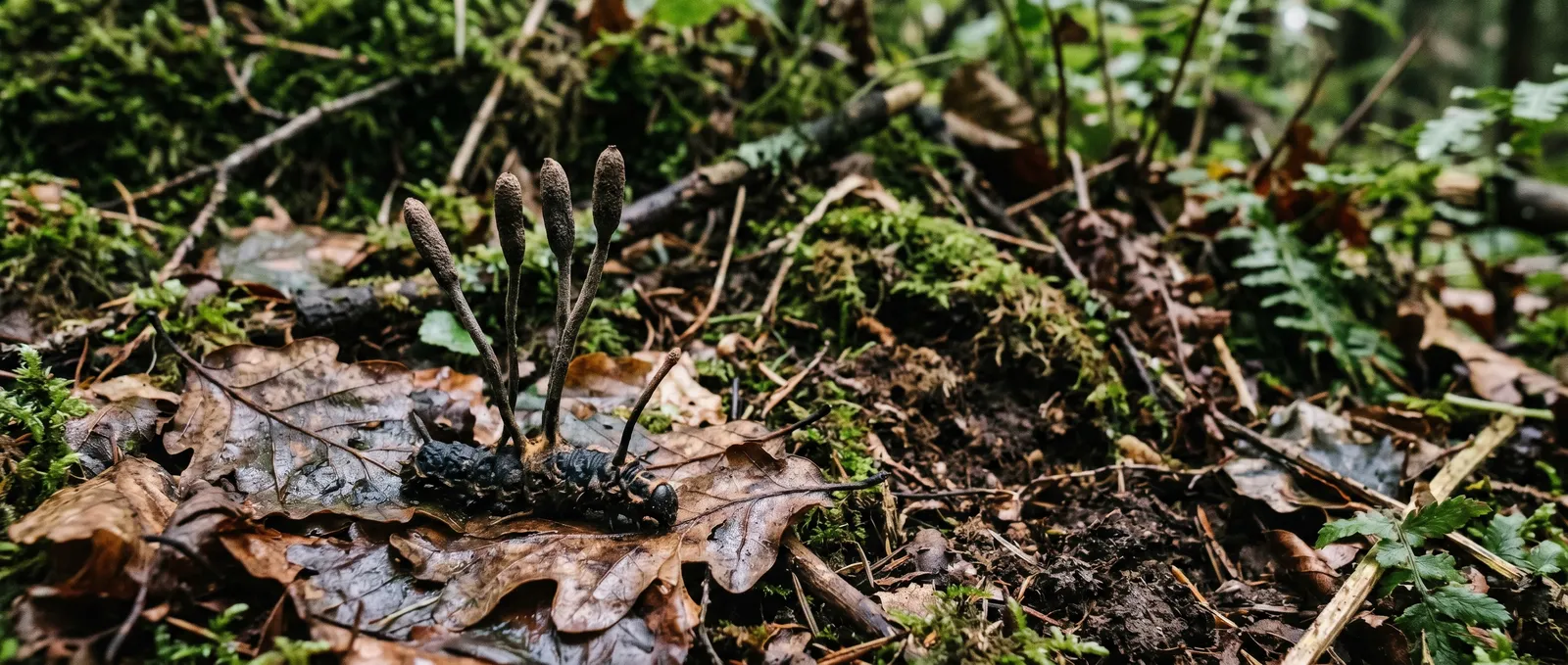
Cordyceps Lifecycle
The cordyceps lifecycle is a parasitic biological sequence in which a fungus infects an insect host, colonises its body from within, and erupts as a…