
What Are Functional Mushrooms
Definition
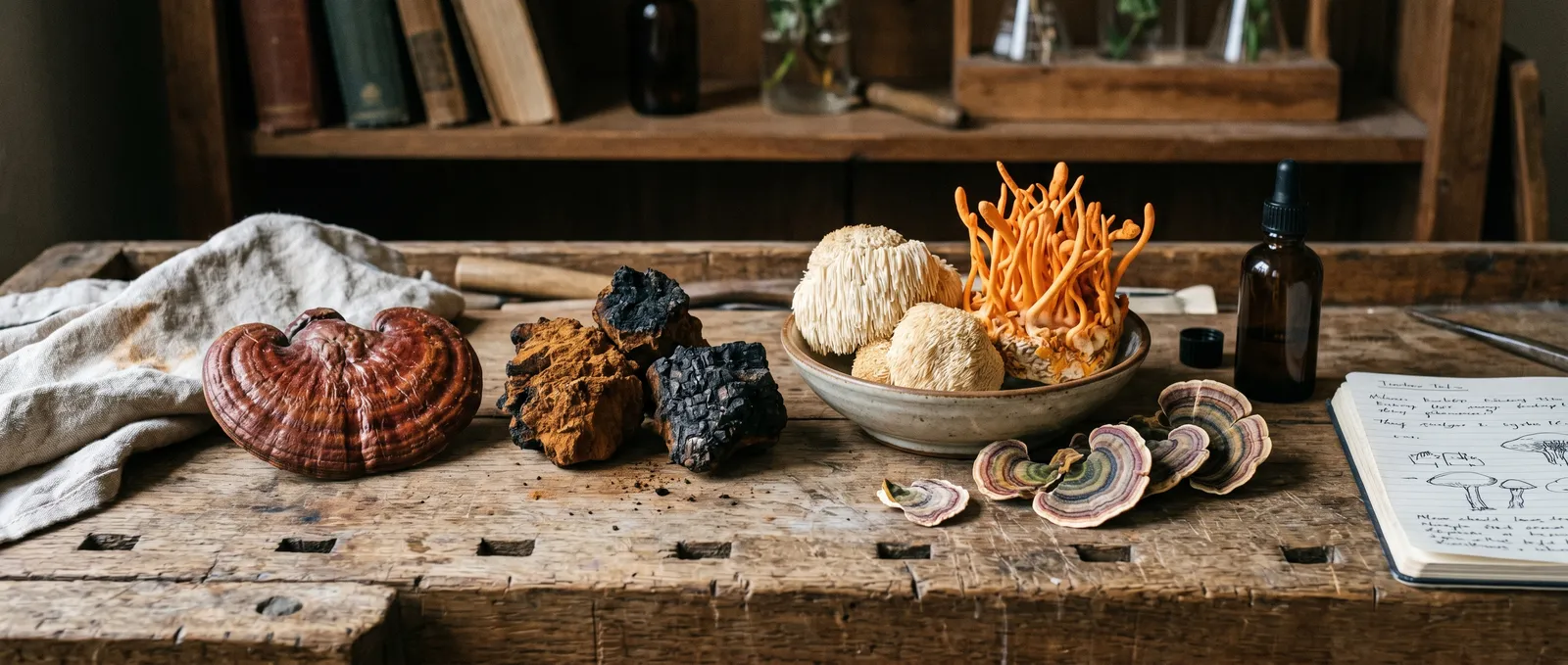
Functional mushrooms are non-psychoactive fungal species — lion's mane, reishi, chaga, cordyceps, turkey tail, and others — valued for bioactive compounds like beta-glucan polysaccharides and triterpenes. Research has examined their immunological and neurological properties, though human clinical evidence often comes from small trials using specific proprietary extracts (Mori et al., 2009). They are distinct from psilocybin-containing species.
Functional mushrooms are non-psychoactive fungal species — including lion's mane (Hericium erinaceus), reishi (Ganoderma lucidum), chaga (Inonotus obliquus), cordyceps (Cordyceps militaris), turkey tail (Trametes versicolor), and others — studied for their bioactive compounds rather than consumed primarily as food. The term covers a broad group of species whose beta-glucan polysaccharides, triterpenes, and other secondary metabolites have been the subject of immunological, neurological, and metabolic research over the past several decades. They are distinct from psilocybin-containing species, which fall under psychedelics.
Adult audience (18+). The dosing ranges and effects described in this article apply to adult physiology. This content is not intended for minors.
Key Facts
- Primary bioactive compounds: Beta-glucan polysaccharides (notably lentinan, PSK, PSP, grifolan), triterpenes (ganoderic acids in reishi), hericenones and erinacines (lion's mane), cordycepin (cordyceps), ergosterol (a sterol precursor to vitamin D₂).
- Historical record: Reishi (Ganoderma lucidum) appears in Chinese materia medica texts dating to the Han dynasty (~200 CE); cordyceps is documented in Tibetan medical texts from the 15th century (Winkler, 2008).
- Species commonly sold: Lion's mane, reishi, chaga, cordyceps, shiitake (Lentinula edodes), maitake (Grifola frondosa), turkey tail, and tremella (Tremella fuciformis).
- Available formats: Tinctures (alcohol or dual-extracted), powders (whole or spray-dried extract), capsules, coffee and tea blends, gummies, and home grow kits.
- Research state: Substantial in-vitro and animal-model literature on beta-glucan immune modulation and triterpene chemistry; human clinical data is growing but often limited to small samples, short durations, and proprietary extract formulations.
- Safety signal: Clinically relevant drug interactions exist — particularly reishi with anticoagulants, cordyceps with hypoglycaemic medication, and immune-modulating species with immunosuppressants. See the safety section below.
- Key industry debate: Mycelium-on-grain preparations versus fruiting-body extracts differ substantially in beta-glucan content and starch load — research findings from one preparation do not automatically transfer to the other.
Commercial Disclosure
Azarius sells functional mushroom products and has a commercial interest in this topic. Our editorial process includes independent pharmacological review to mitigate commercial bias.
Drug Interactions and Contraindications
This section comes first deliberately. Adaptogenic and medicinal mushrooms are widely framed as gentle and food-like, but several species contain compounds with measurable pharmacological activity that can interact with common medications.
| Species | Interaction Concern | Medications Affected | Risk Level |
|---|---|---|---|
| Reishi (G. lucidum) | Anticoagulant / antiplatelet effects observed in vitro (Tao & Bhatt, 2016); may increase bleeding risk | Warfarin, apixaban, rivaroxaban, clopidogrel, aspirin | High |
| Reishi, maitake, turkey tail, shiitake (high-dose) | Immune-modulating beta-glucans work in opposition to immunosuppressive therapy | Methotrexate, tacrolimus, ciclosporin, corticosteroids | High |
| Cordyceps (C. militaris) | May affect blood glucose; animal studies report hypoglycaemic activity (Lo et al., 2004) | Metformin, sulfonylureas, insulin | Moderate |
| Reishi, chaga, cordyceps | May modestly lower blood pressure; cumulative effect with antihypertensives | ACE inhibitors, ARBs, calcium channel blockers, beta-blockers | Moderate |
| Reishi | Discontinue well ahead of elective surgery due to antiplatelet activity | Anaesthetics, anticoagulants used perioperatively | Moderate |
Autoimmune conditions: Immune-modulating species — notably reishi, maitake, and turkey tail — may be inappropriate for individuals with autoimmune conditions or those on immunosuppressive therapy. The specific clinical evidence for this caution is limited, but the theoretical concern is straightforward: beta-glucan-driven immune stimulation opposes the goal of immunosuppressive treatment. Until controlled data exist, err toward caution.
Pregnancy and breastfeeding: Data on functional mushroom use during pregnancy and breastfeeding are insufficient to establish safety. Controlled studies in these populations have not been conducted for any of the species discussed here.
Mushroom allergies: Fungal cross-reactivity is real. Individuals with known mould or mushroom allergies should approach functional mushroom products with particular care.
If you take prescription medication, consult a healthcare provider before using adaptogenic mushroom supplements.
History and Traditional Use
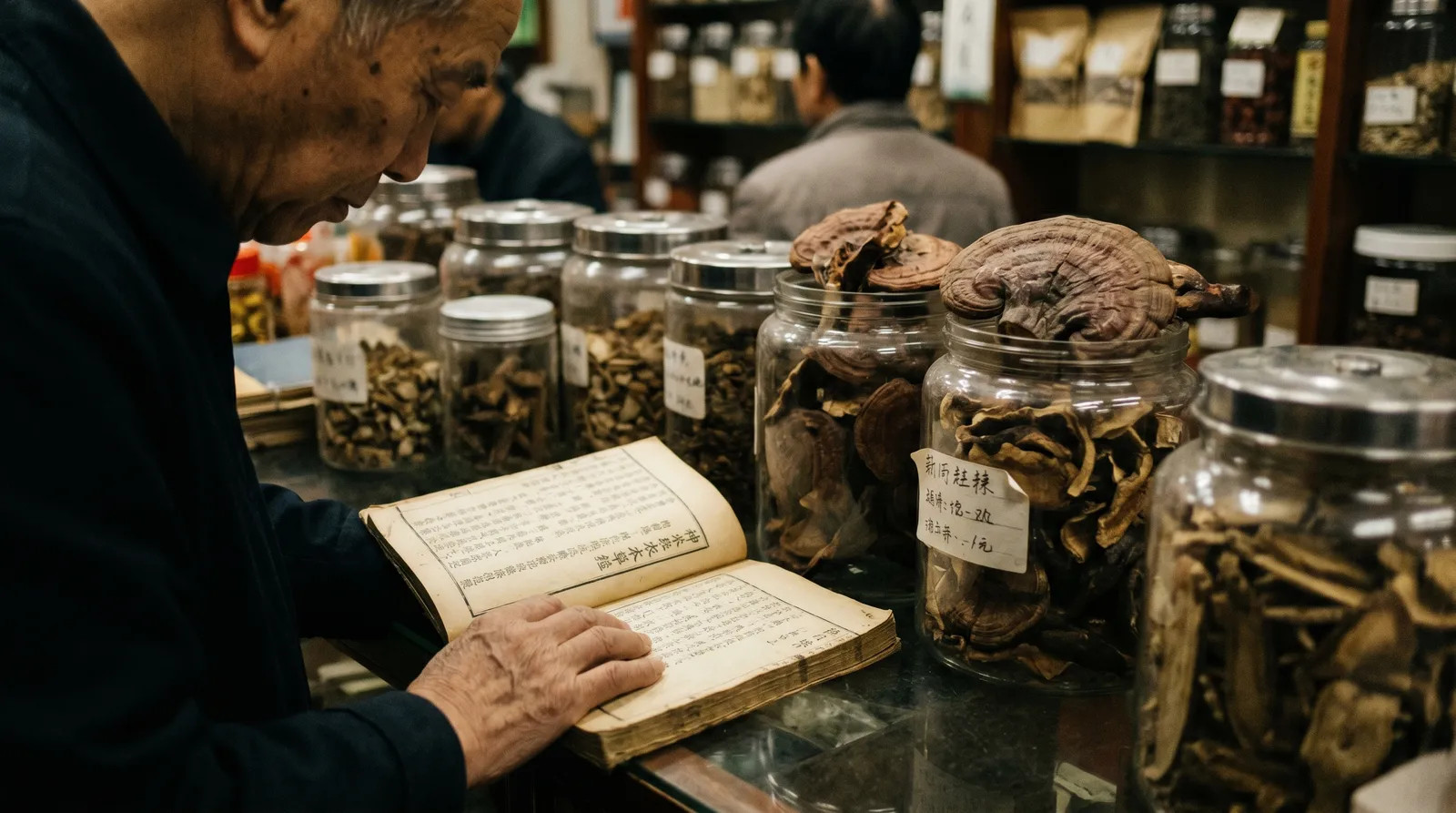
Medicinal and adaptogenic mushrooms are not a modern invention. Reishi (Ganoderma lucidum, known as língzhī in Chinese) appears in the Shennong Ben Cao Jing, a foundational Chinese materia medica text compiled around 200 CE, where it was classified among the superior herbs — those considered safe for long-term use. Cordyceps (Ophiocordyceps sinensis) enters Tibetan medical literature by the 15th century, described in the An Ocean of Aphrodisiacal Qualities by Zurkhar Nyamnyi Dorje (Winkler, 2008). Turkey tail (Trametes versicolor) has a more recent clinical history: its polysaccharide fraction PSK (polysaccharopeptide Krestin) was isolated in Japan in the 1970s and became one of the most-studied fungal compounds in oncology-adjacent research (Tsukagoshi et al., 1984).
In Europe, Fomes fomentarius (the tinder polypore) was found on the body of Ötzi the Iceman, dated to roughly 3300 BCE — though its use there was likely as a fire-starting material rather than a medicinal preparation. The modern Western interest in bioactive fungi as supplements accelerated in the 1990s and 2000s, driven partly by translations of Chinese and Japanese pharmacological literature and partly by the growing nutraceutical market.
The point worth noting is that traditional use documents how a preparation was used, not whether it worked by modern pharmacological standards. A 1,800-year-old text describing reishi does not constitute clinical evidence for any specific health outcome — it constitutes historical context.
Chemistry and Active Compounds
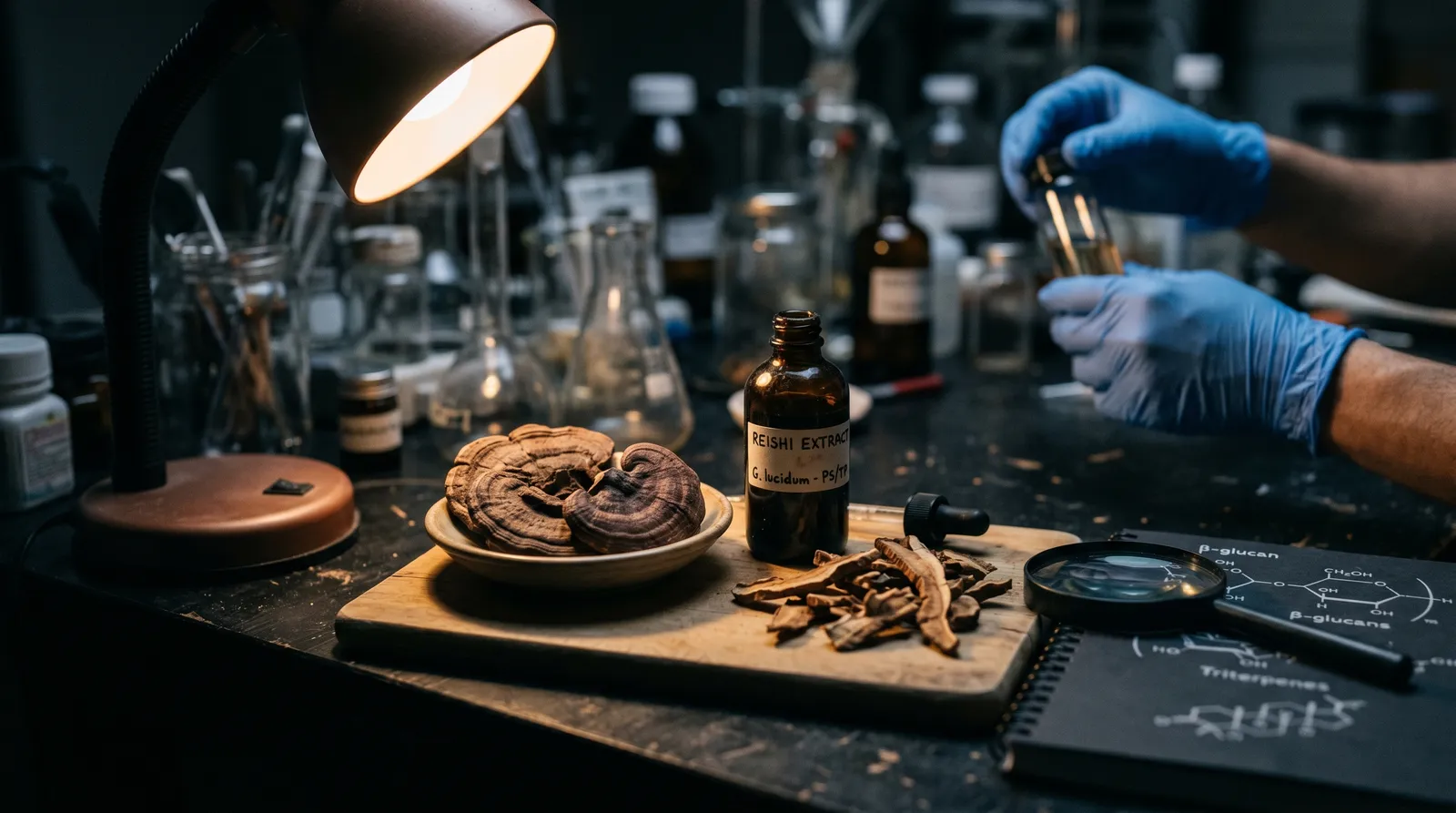
The bioactive chemistry of adaptogenic and medicinal mushrooms falls into several compound classes. The relative abundance of each class varies by species, by whether you are looking at the fruiting body or the mycelium, and by the extraction method used to prepare the product.
| Compound Class | Key Examples | Primary Species | Extraction Method |
|---|---|---|---|
| Beta-glucan polysaccharides | Lentinan, PSK, PSP, grifolan, D-fraction | Shiitake, turkey tail, maitake, reishi | Hot-water extraction |
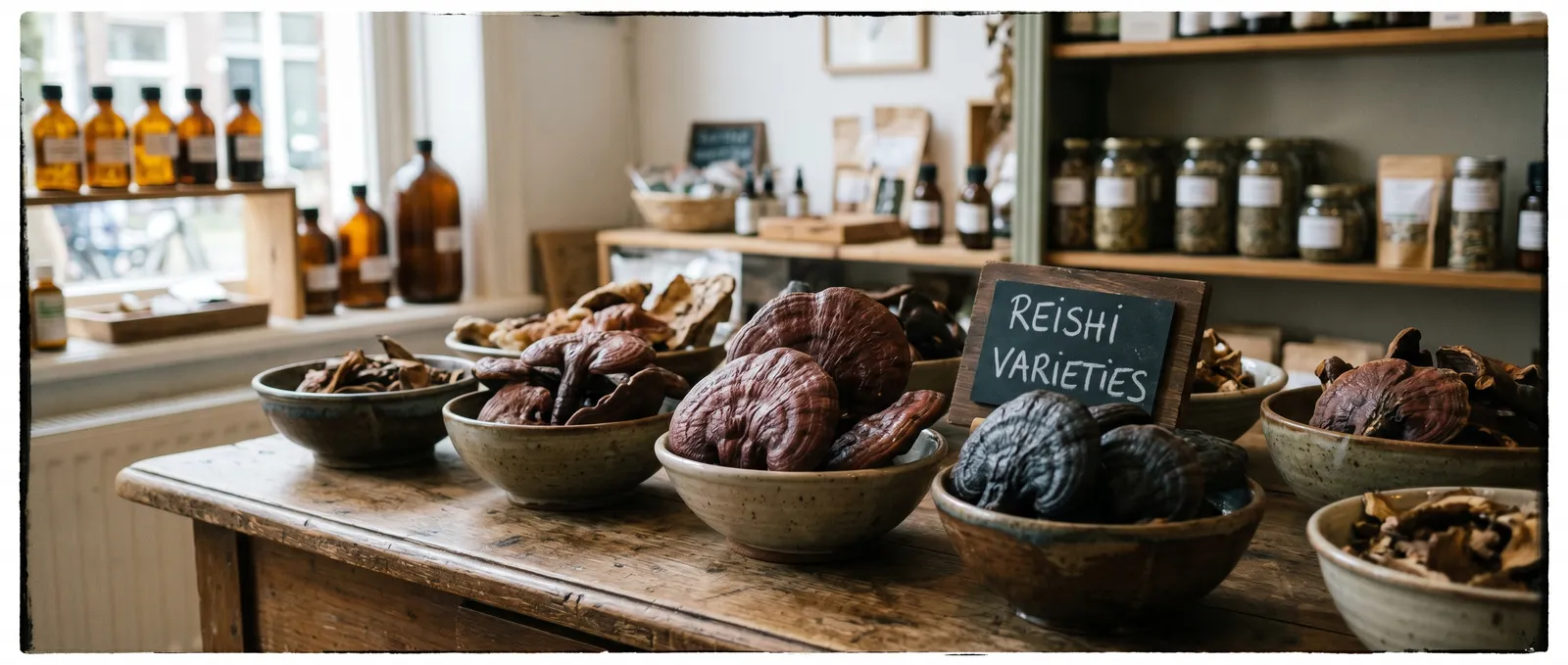
| Triterpenes | Ganoderic acids A–Z, lucidenic acids | Reishi (Ganoderma spp.) | Alcohol extraction |
| Hericenones and erinacines | Hericenone C, D; erinacine A, B | Lion's mane (H. erinaceus) | Alcohol (hericenones from fruiting body); erinacines primarily from mycelium |
| Cordycepin (3'-deoxyadenosine) | Cordycepin | Cordyceps (C. militaris) | Hot-water or dual extraction |
| Ergosterol | Ergosterol (provitamin D₂) | Most species | Present in fruiting bodies; used as a marker to distinguish fruiting-body material from grain substrate |
| Melanin complex | Melanin-glucan complex | Chaga (I. obliquus) | Hot-water extraction |
Beta-glucans are the most-studied compound class across the category. These are polysaccharides with a (1→3),(1→6)-beta-D-glucan backbone. In-vitro and animal-model research has demonstrated measurable effects on macrophage and natural-killer-cell activity (Akramiene et al., 2007). The critical qualifier: beta-glucan content varies enormously between products. Fruiting-body extracts typically deliver 25–60% beta-glucans by dry weight, while mycelium-on-grain preparations may test below 5%, with much of the carbohydrate content coming from residual grain starch (Childress, 2018 — Nammex analytical data).
Triterpenes in reishi — particularly the ganoderic acids — have been studied for antiplatelet, hepatoprotective, and anti-inflammatory activity in vitro (Cör et al., 2018). These are alcohol-soluble compounds, meaning a hot-water-only extract will contain minimal triterpene content. Dual extraction (hot water followed by alcohol, or a simultaneous process) is the preparation designed to capture both polysaccharides and triterpenes.
Hericenones and erinacines from lion's mane are the compounds behind the species' reputation in cognitive research. In-vitro work has shown that erinacines stimulate nerve growth factor (NGF) synthesis in cell culture (Kawagishi et al., 1994). An important distinction: erinacines are found primarily in the mycelium, while hericenones are isolated from the fruiting body. This means the mycelium-versus-fruiting-body debate has a different texture for lion's mane than for, say, reishi — both parts of the organism contain potentially relevant compounds, but different ones.
One area where the data remain genuinely thin: we do not have strong pharmacokinetic profiles for most of these compounds in humans. How much orally ingested beta-glucan from a capsule actually reaches immune cells in a bioavailable form, and how that compares to the concentrations used in cell-culture studies, is not well established.
Research by Species — What the Evidence Actually Shows
The temptation with adaptogenic and medicinal mushroom varieties is to write a paragraph per species that sounds like a product label. Here is what the peer-reviewed literature actually supports, broken down by evidence quality.

Lion's Mane (Hericium erinaceus)
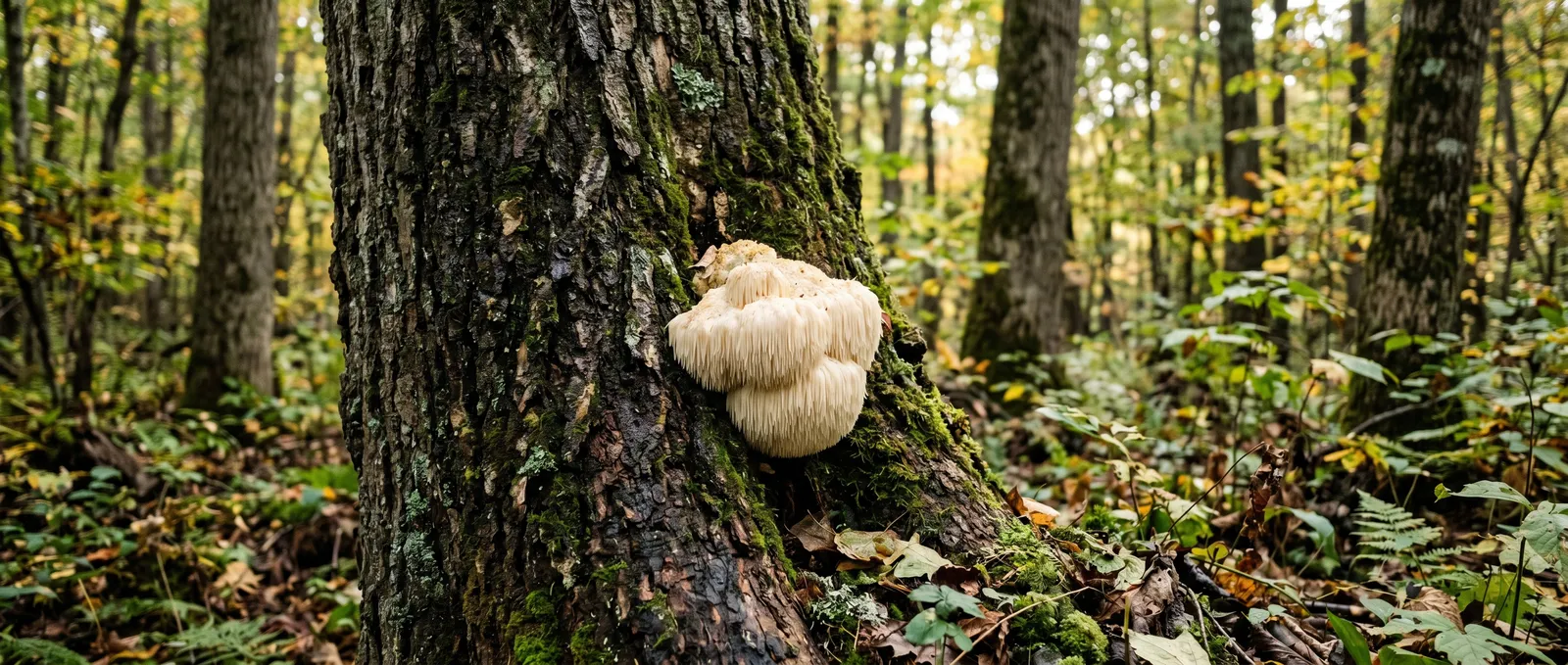
The primary research interest is cognitive function. Mori et al. (2009) conducted a small randomised, double-blind, placebo-controlled trial in 30 Japanese adults aged 50–80 with mild cognitive impairment. Participants receiving 250 mg tablets of lion's mane powder (96% fruiting body) three times daily for 16 weeks showed statistically significant improvements on a cognitive function scale compared to placebo. Scores declined again after supplementation stopped. This is the most-cited human trial, but the sample was small (n = 30), the duration short, and the extract was a specific proprietary preparation — outcomes do not automatically generalise to every lion's mane product on the market. Subsequent small trials (Li et al., 2020; Saitsu et al., 2019) have reported varied results, and the overall clinical picture for cognitive outcomes in humans remains contested.
Reishi (Ganoderma lucidum)
Reishi has the broadest traditional-use footprint and one of the wider research literatures. Its beta-glucans have been studied for immune modulation, and its triterpenes for anti-inflammatory and hepatoprotective effects. A Cochrane review by Jin et al. (2012) examined five randomised controlled trials on reishi for cancer treatment and concluded that reishi could be administered alongside conventional treatment, but that the evidence was insufficient to justify its use as a first-line therapy. Clinical trials have investigated reishi for sleep quality and anxiety, but results are inconsistent and sample sizes small (Tang et al., 2005). The anticoagulant interaction concern described above is grounded in in-vitro platelet aggregation studies (Tao & Bhatt, 2016).
Turkey Tail (Trametes versicolor)
Turkey tail's polysaccharide fractions PSK and PSP have the most extensive clinical history of any functional mushroom compound, particularly in Japanese oncology research from the 1980s and 1990s. Tsukagoshi et al. (1984) reviewed PSK as an adjunct in gastric and colorectal cancer treatment protocols. A critical distinction: this research used isolated, standardised polysaccharide fractions administered in clinical oncology settings — not over-the-counter turkey tail capsules purchased as supplements. Transferring those findings to retail mushroom products is not supported by the evidence.
Cordyceps (Cordyceps militaris)
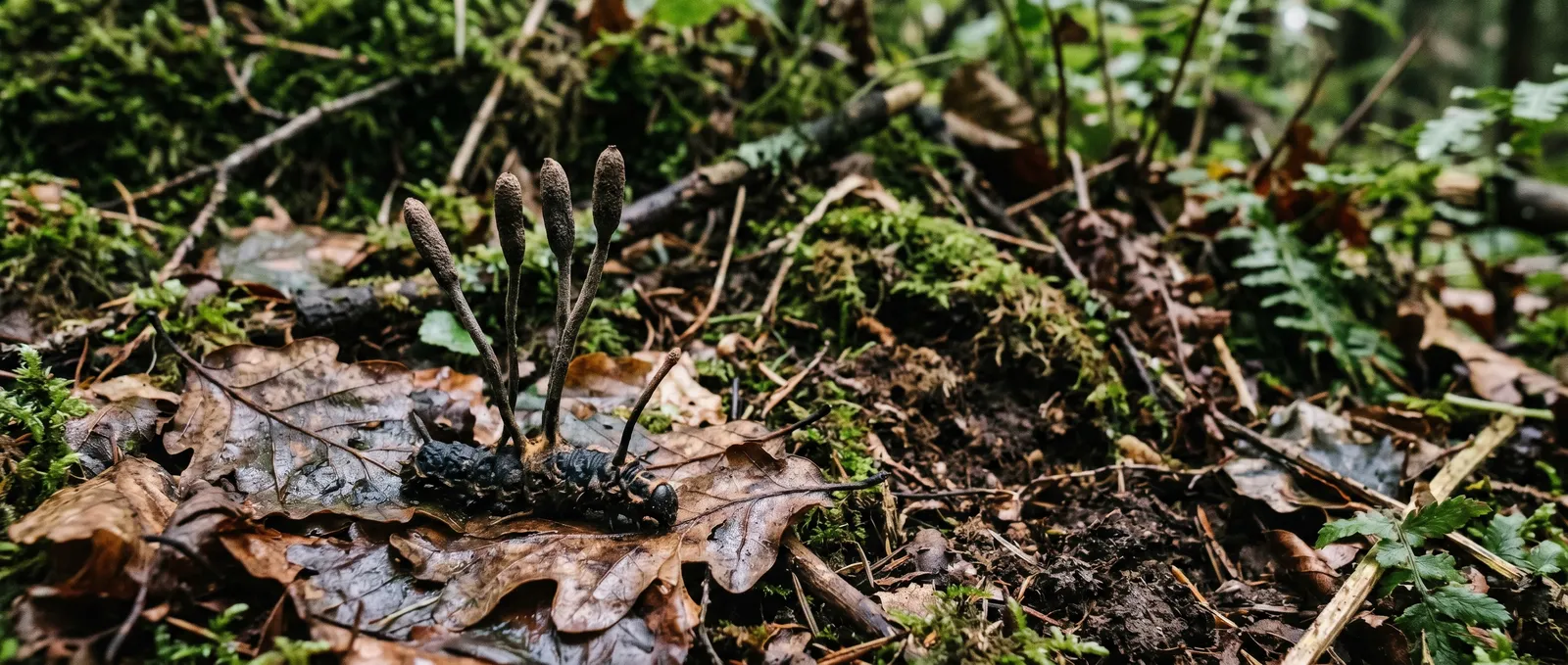
The athletic-performance claims around cordyceps trace partly to a 1993 episode where Chinese distance runners broke multiple world records and their coach attributed their performance to a cordyceps-containing tonic. Controlled studies have produced mixed results. Chen et al. (2014) found that a Cordyceps sinensis-derived preparation (CordyMax Cs-4) improved VO₂max in a small group of healthy older adults after 12 weeks, and Parcell et al. (2004) used the same Cs-4 preparation in younger trained cyclists and found no effect on aerobic capacity. An important species distinction: most of the published clinical literature used C. sinensis (now often reclassified as Ophiocordyceps sinensis), whereas the retail market — including most smartshop cordyceps products — is dominated by C. militaris, a related but biochemically distinct species. Extrapolating between the two is not straightforward. Cordycepin (3'-deoxyadenosine), the signature nucleoside analogue, has shown anti-inflammatory activity in cell culture (Tuli et al., 2013), but human pharmacokinetic data are limited.
Chaga (Inonotus obliquus)
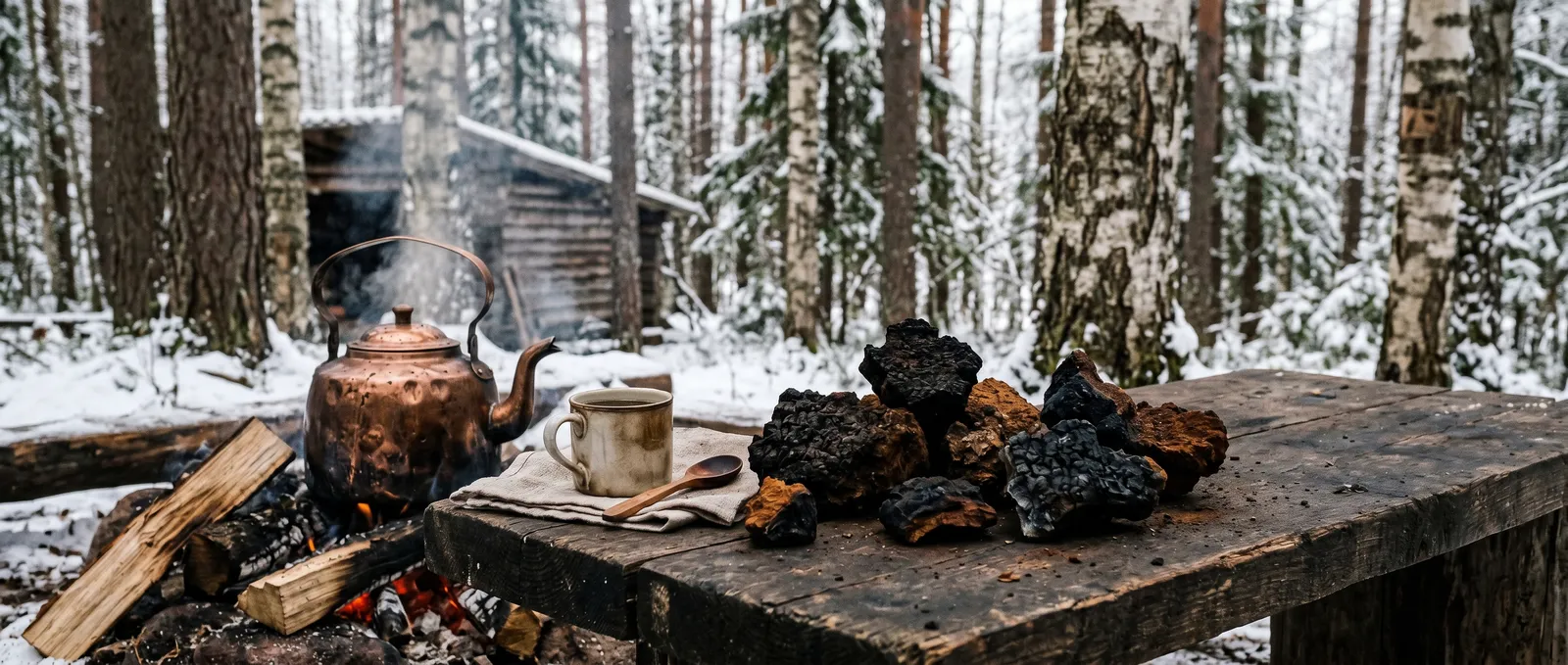
Chaga is consumed primarily as a hot-water decoction, a tradition rooted in Russian and Scandinavian folk medicine. Its melanin-glucan complex and betulinic acid (derived from the birch trees on which it grows) have been studied in vitro for antioxidant and cytotoxic properties (Glamočlija et al., 2015). Human clinical trials on chaga are sparse. The species also raises a sustainability concern: wild chaga is slow-growing and heavily harvested, and cultivated chaga may differ in compound profile from wild-harvested material.
Oxalate safety signal. Chaga is high in oxalates, and a published case report has linked sustained high-dose chaga consumption to oxalate nephropathy (Kikuchi et al., 2014). Anyone with a history of kidney disease, kidney stones, or on medication that affects renal function should consult a clinician before using chaga — the dedicated chaga article covers the case detail and the dosing context.
Shiitake, Maitake, and Tremella
Shiitake's lentinan has been studied as an injectable immune-modulating agent in Japanese oncology (Oba et al., 2009) — again, a specific isolated fraction in a clinical setting, not a dietary supplement. Maitake's D-fraction (a beta-glucan extract) has been examined for immune-modulating effects in small human studies (Kodama et al., 2002). Tremella (Tremella fuciformis) is less studied pharmacologically; its traditional use centres on skin and cosmetic applications in Chinese cuisine and medicine, and its polysaccharides have been characterised for water-retention properties in vitro (Wu et al., 2019), but clinical evidence for dermatological outcomes is thin.
The Mycelium-Versus-Fruiting-Body Question
This is not a minor technical footnote — it is the single most important variable in functional mushroom product quality, and it is the source of the loudest debate in the industry.
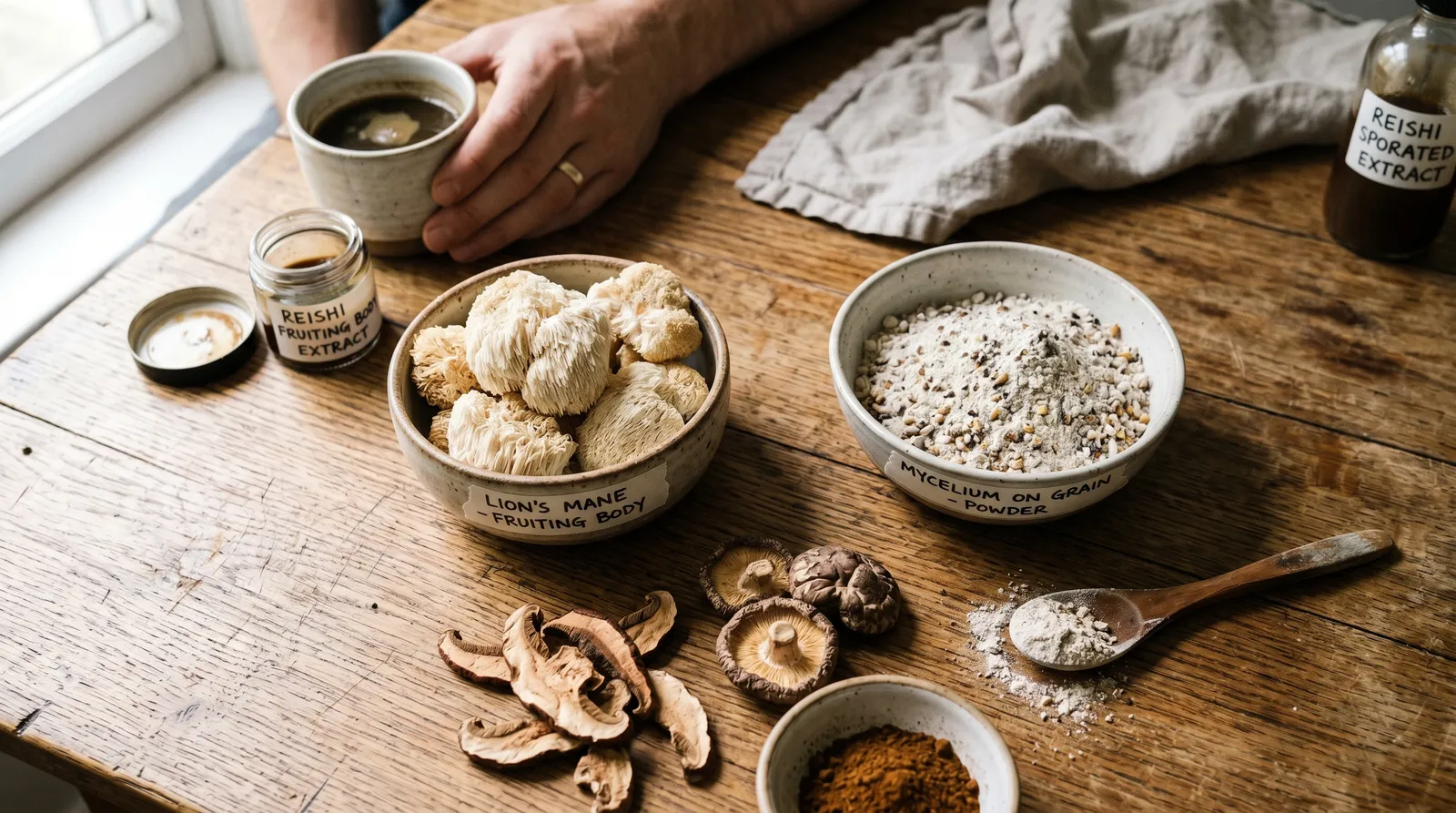
Many supplements sold as "mushroom" products are actually mycelium-on-grain: the fungal mycelium is grown on a grain substrate (typically brown rice or oats), and the entire mass — mycelium plus uncolonised grain — is dried and powdered. Because the grain is not fully consumed during growth, these products can contain substantial amounts of starch and correspondingly lower concentrations of beta-glucans. Analytical testing by Nammex (Childress, 2018) found that some mycelium-on-grain products contained less than 5% beta-glucans, with alpha-glucans (a marker for starch from the grain substrate) making up a large proportion of total carbohydrate content. Fruiting-body extracts from the same species tested at 25–60% beta-glucans.
Manufacturers of mycelium-on-grain products counter that mycelium contains the full spectrum of fungal metabolites, including compounds not present in the fruiting body — the "full-spectrum biomass" argument. For lion's mane specifically, this has some biochemical grounding: erinacines, the NGF-stimulating compounds, are found primarily in the mycelium (Kawagishi et al., 1994). For most other species, the beta-glucan-focused position — that the fruiting body is the studied material and the higher-potency form — has stronger analytical support.
The honest position is that these are not interchangeable preparations. When reading research, check which preparation the study used. When evaluating a product, look for a certificate of analysis that reports beta-glucan content (not just "polysaccharides," which can include starch) and ideally ergosterol content as a fruiting-body marker.
Extraction Methods and Why They Matter
The extraction method determines which compounds end up in the final product. This is not a branding detail — it is basic chemistry.
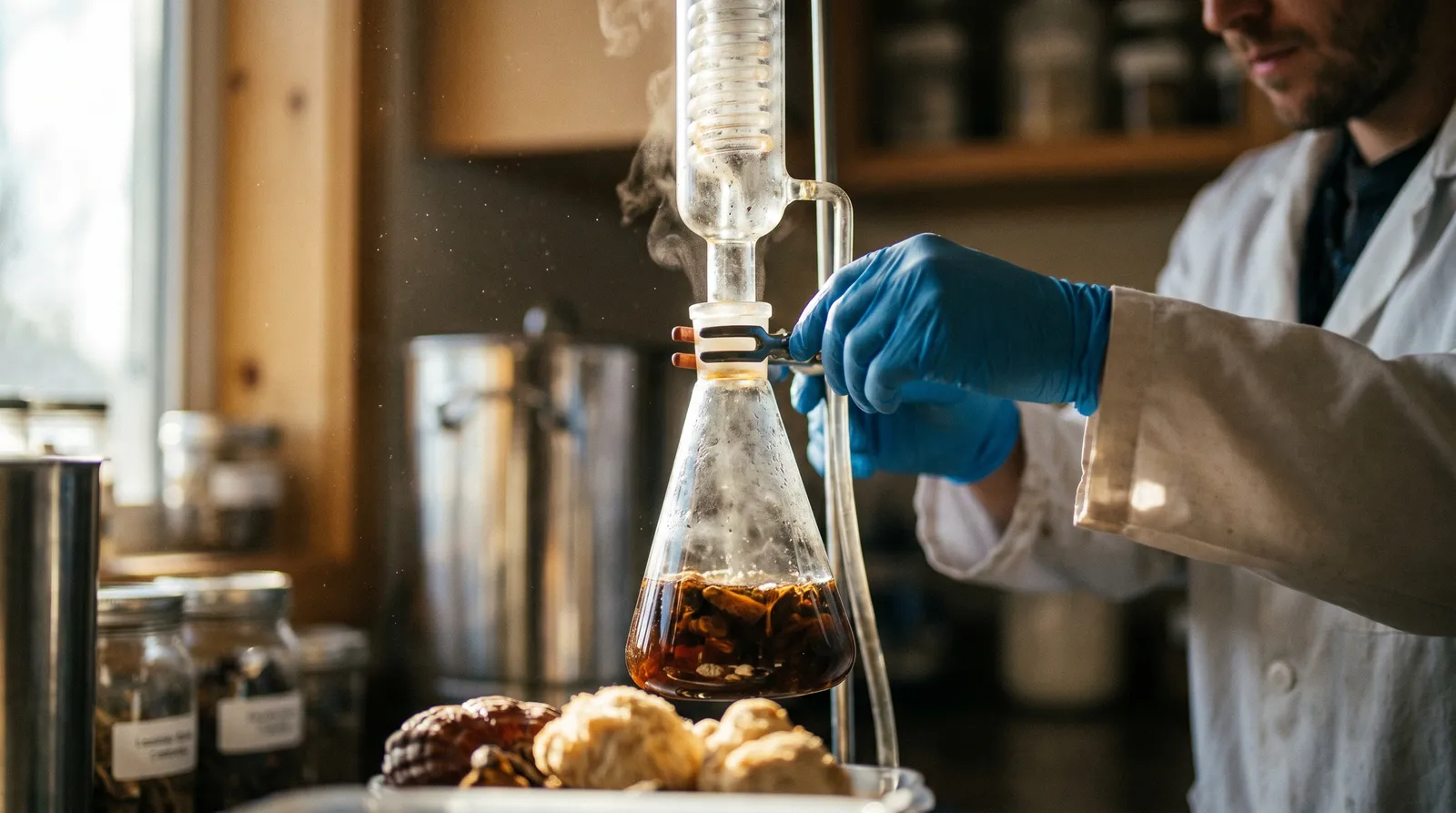
Hot-water extraction is the traditional method, mirroring centuries of decoction in Chinese and Japanese medicine. It concentrates water-soluble polysaccharides, primarily beta-glucans. If a product's main selling point is beta-glucan content, hot-water extraction is the relevant method.
Alcohol extraction concentrates triterpenes, sterols, and other alcohol-soluble compounds. A reishi tincture made with alcohol only will have a different compound profile from a hot-water reishi extract — higher in ganoderic acids, lower in beta-glucans.
Dual extraction combines both methods (sequential or simultaneous) to capture both polysaccharides and triterpenes in a single preparation. For species like reishi, where both compound classes are of interest, dual extraction is the preparation that most closely reflects the full range of studied bioactives.
When a study reports results from a hot-water extract, those results say nothing about what an alcohol-only tincture of the same species might do, and vice versa. Match the extraction method to the compound class and the claim being evaluated.
Safety and Side Effects
Acute toxicity from adaptogenic and medicinal mushrooms at typical supplemental doses is not a prominent concern in the published literature. The safety questions that matter are subtler and longer-term.
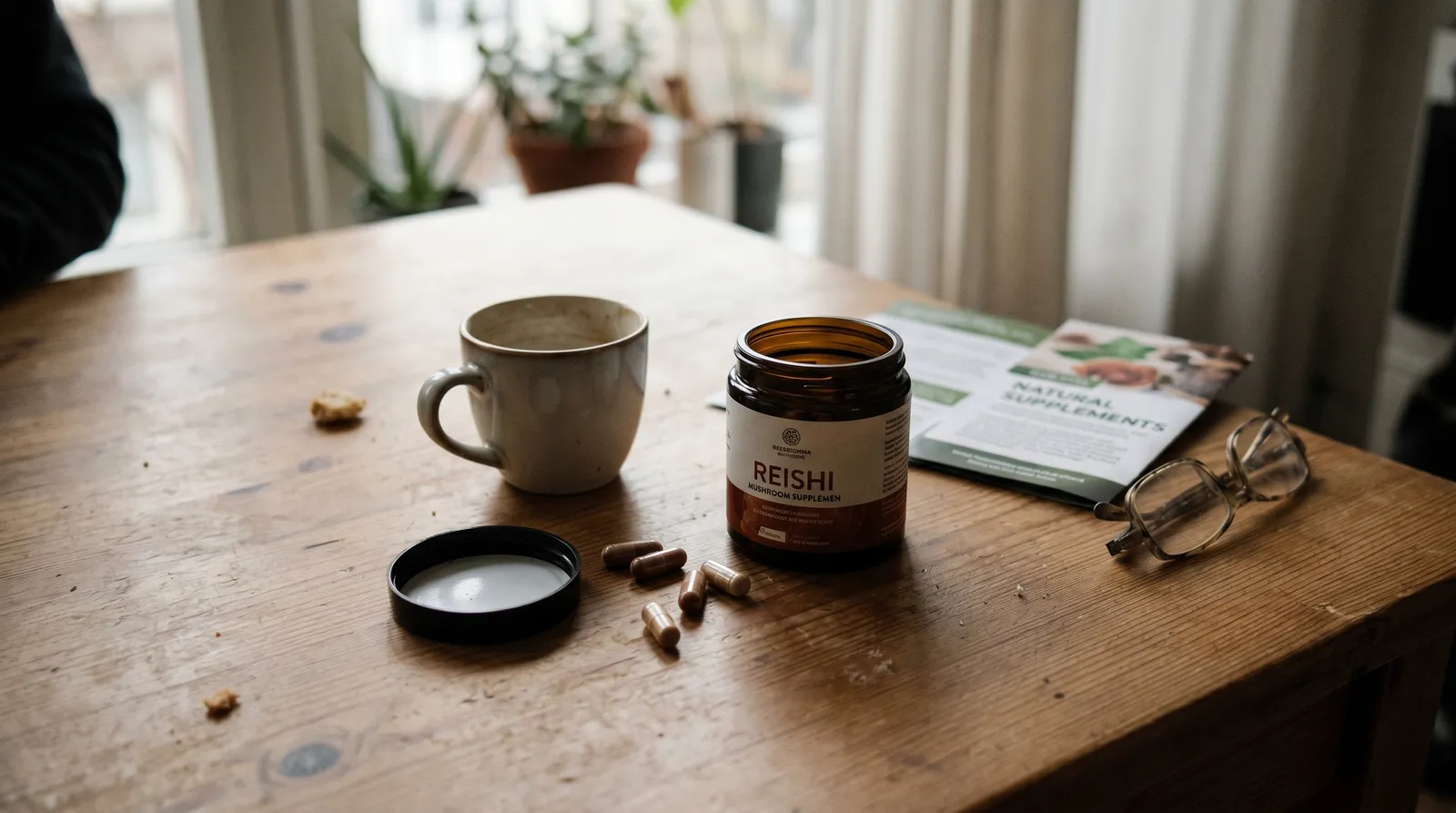
Gastrointestinal effects: Some users report digestive discomfort, particularly with high-dose reishi or chaga preparations. Reishi in particular has been associated with mild GI upset in clinical trial participants (Jin et al., 2012).
Liver toxicity: Rare case reports have linked reishi powder consumption to hepatotoxicity (Wanmuang et al., 2007). These are isolated reports and causality is difficult to establish, but they exist and should not be dismissed.
Long-term safety: Controlled data on the safety of chronic daily supplementation — the way most people actually use these products — are limited for all species discussed here. Most clinical trials run 8–16 weeks. What happens at year two or year five of daily reishi extract consumption is not established in controlled studies.
Paediatric use: Not established. Controlled studies in children have not been conducted for any of these species.
Product quality variance: Functional mushroom products vary substantially between brands and formats in extract source (mycelium-on-grain vs fruiting body), extraction method, active-compound content, and species identification at strain level. Some products sold as "reishi" may contain related Ganoderma species rather than G. lucidum specifically. A certificate of analysis from an independent laboratory, reporting beta-glucan percentage and ideally heavy-metal and microbial testing, is the most reliable quality indicator available to consumers.
What Functional Mushrooms Are Not
A few clarifications that the marketing around this category often blurs:
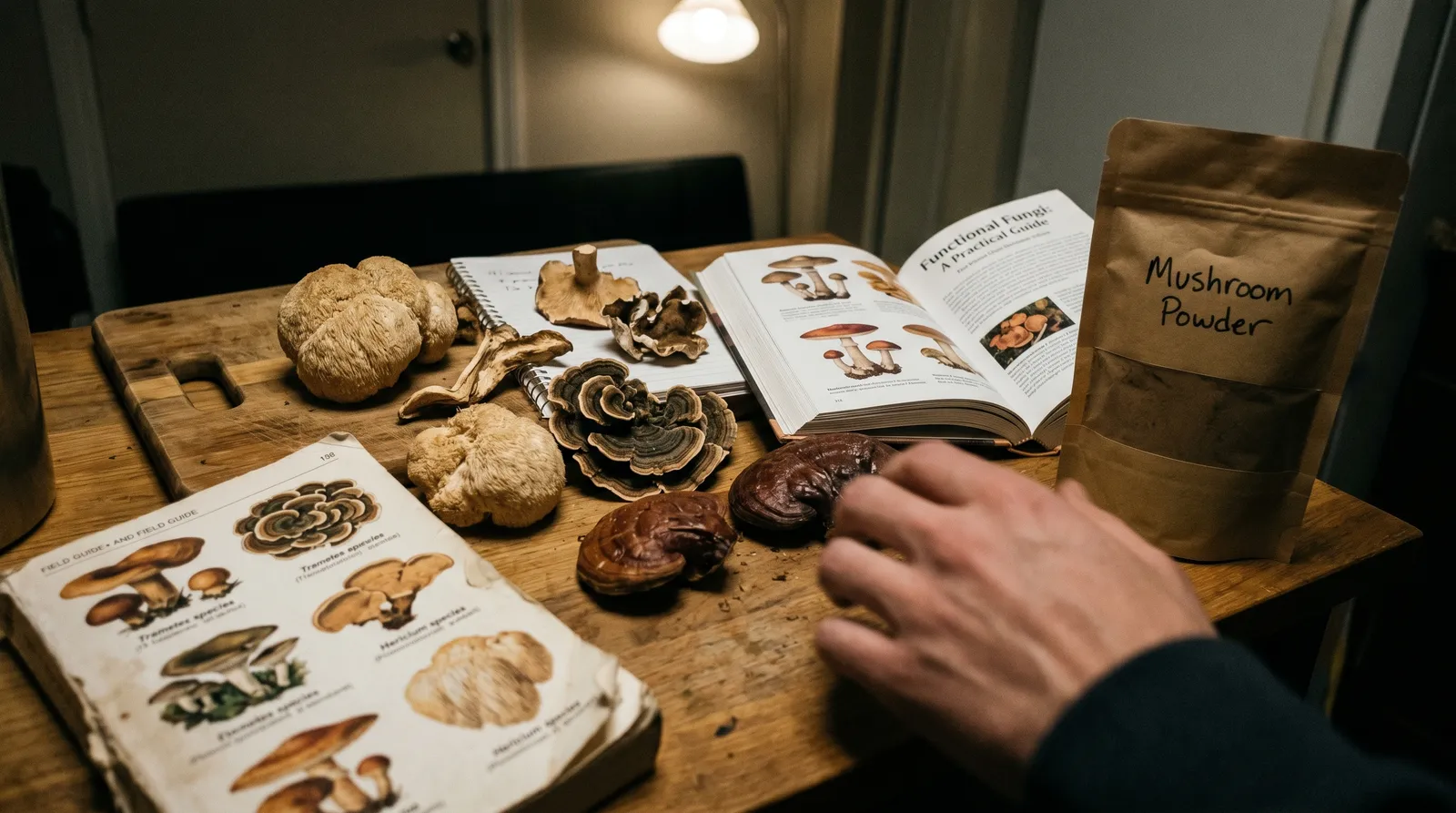
They are not psychoactive. None of the species discussed here contain psilocybin, psilocin, or any other classical psychedelic compound. The "functional" label applied to these adaptogenic and bioactive mushrooms is a market term distinguishing them from culinary-only varieties on one side and psilocybin-containing species on the other.
They are not standardised pharmaceuticals. Unlike a prescription drug, where every tablet contains a verified dose of a specific active compound, functional mushroom products vary widely in composition. A "500 mg reishi capsule" from one manufacturer may have a completely different beta-glucan and triterpene profile from a "500 mg reishi capsule" from another.
Research on isolated fractions is not research on supplements. When a study uses injectable lentinan in an oncology setting, that finding does not validate a shiitake capsule purchased as a supplement. The preparation, the dose, the route of administration, and the clinical context are all different. This distinction is the single most important thing to understand when reading about functional mushroom research.
Last updated: April 2026
Frequently Asked Questions
9 questionsAre functional mushrooms the same as medicinal mushrooms?
Can you take functional mushrooms with blood thinners?
What is the difference between mycelium-on-grain and fruiting-body mushroom supplements?
Do functional mushrooms have side effects?
Does extraction method matter for functional mushroom supplements?
Can you take functional mushrooms if you are on immunosuppressants?
Which bioactive compounds make functional mushrooms different from regular culinary mushrooms?
How long does it take to feel the effects of functional mushrooms?
Can you take multiple functional mushrooms together?
About this article


Adam Parsons is an external cannabis and psychedelics writer and editor who contributes to Azarius's wiki as both author and reviewer. On the writing side, he authors Azarius's kratom and kanna clusters, drawing on exten
This wiki article was drafted with AI assistance and reviewed by Adam Parsons, External contributor. Editorial oversight by Joshua Askew.
Medical disclaimer. This content is for informational purposes only and does not constitute medical advice. Consult a qualified healthcare provider before use of any substance.
Last reviewed April 18, 2026
References (19)
- [1]Akramiene, D., Kondrotas, A., Didziapetriene, J., & Kevelaitis, E. (2007). Effects of beta-glucans on the immune system. Medicina (Kaunas) , 43(8), 597–606.
- [2]Chen, S., Li, Z., Krochmal, R., Abrazado, M., Kim, W., & Cooper, C. B. (2014). Effect of Cs-4 ( Cordyceps sinensis ) on exercise performance in healthy older subjects. Journal of Alternative and Complementary Medicine , 16(5), 585–590.
- [3]Childress, J. (2018). Redefining medicinal mushrooms: a Nammex white paper on analytical testing of fungal products. Nammex.
- [4]Cör, D., Knez, Ž., & Knez Hrnčič, M. (2018). Antitumour, antimicrobial, antioxidant and antiacetylcholinesterase effect of Ganoderma lucidum terpenoids and polysaccharides. Molecules , 23(3), 649. DOI: 10.3390/molecules23030649
- [5]Glamočlija, J., Ćirić, A., Nikolić, M., et al. (2015). Chemical characterization and biological activity of chaga. Journal of Ethnopharmacology , 162, 323–332.
- [6]Jin, X., Ruiz Beguerie, J., Sze, D. M., & Chan, G. C. (2012). Ganoderma lucidum (reishi mushroom) for cancer treatment. Cochrane Database of Systematic Reviews , (6), CD007731. DOI: 10.1002/14651858.cd007731.pub2
- [7]Kawagishi, H., Shimada, A., Shirai, R., et al. (1994). Erinacines A, B and C, strong stimulators of nerve growth factor synthesis, from the mycelia of Hericium erinaceum . Tetrahedron Letters , 35(10), 1569–1572. DOI: 10.1016/s0040-4039(00)76760-8
- [8]Kodama, N., Komuta, K., & Nanba, H. (2002). Can maitake MD-fraction aid cancer patients? Alternative Medicine Review , 7(3), 236–239.
- [9]Lo, H. C., Hsu, T. H., Tu, S. T., & Lin, K. C. (2004). Anti-hyperglycemic activity of natural and fermented Cordyceps sinensis in rats with diabetes induced by nicotinamide and streptozotocin. American Journal of Chinese Medicine , 32(5), 727–735.
- [10]Mori, K., Inatomi, S., Ouchi, K., Azumi, Y., & Tuchida, T. (2009). Improving effects of the mushroom Yamabushitake ( Hericium erinaceus ) on mild cognitive impairment. Phytotherapy Research , 23(3), 367–372.
- [11]Oba, K., Teramukai, S., Kobayashi, M., et al. (2009). Efficacy of adjuvant immunochemotherapy with polysaccharide K for patients with curative resections of gastric cancer. Cancer Immunology, Immunotherapy , 56(6), 905–911.
- [12]Parcell, A. C., Smith, J. M., Schulthies, S. S., Myrer, J. W., & Fellingham, G. (2004). Cordyceps sinensis (CordyMax Cs-4) supplementation does not improve endurance exercise performance. International Journal of Sport Nutrition and Exercise Metabolism , 14(2), 236–242. DOI: 10.1123/ijsnem.14.2.236
- [13]Tang, W., Gao, Y., Chen, G., et al. (2005). A randomized, double-blind and placebo-controlled study of a Ganoderma lucidum polysaccharide extract in neurasthenia. Journal of Medicinal Food , 8(1), 53–58. DOI: 10.1089/jmf.2005.8.53
- [14]Tao, J., & Bhatt, D. L. (2016). Antiplatelet activity of Ganoderma lucidum . In Ganoderma lucidum: pharmacological and clinical studies . Springer.
- [15]Tsukagoshi, S., Hashimoto, Y., Fujii, G., et al. (1984). Krestin (PSK). Cancer Treatment Reviews , 11(2), 131–155. DOI: 10.1016/0305-7372(84)90005-7
- [16]Tuli, H. S., Sharma, A. K., Sandhu, S. S., & Kashyap, D. (2013). Cordycepin: a bioactive metabolite with therapeutic potential. Life Sciences , 93(23), 863–869. DOI: 10.1016/j.lfs.2013.09.030
- [17]Wanmuang, H., Leopairut, J., Kositchaiwat, C., Wananukul, W., & Bunyaratvej, S. (2007). Fatal fulminant hepatitis associated with Ganoderma lucidum (lingzhi) mushroom powder. Journal of the Medical Association of Thailand , 90(1), 179–181.
- [18]Winkler, D. (2008). Yartsa Gunbu ( Cordyceps sinensis ) and the fungal commodification of Tibet's rural economy. Economic Botany , 62(3), 291–305. DOI: 10.1007/s12231-008-9038-3
- [19]Wu, Y. J., Wei, Z. X., Zhang, F. M., et al. (2019). Structure, bioactivities and applications of the polysaccharides from Tremella fuciformis mushroom. International Journal of Biological Macromolecules , 121, 1005–1010. DOI: 10.1016/j.ijbiomac.2018.10.117
Related Articles

Medicinal Mushrooms TCM Western Pharmacognosy Guide
Guide to medicinal mushrooms TCM Western pharmacognosy — how reishi, lion's mane, cordyceps are classified, extracted, and studied.
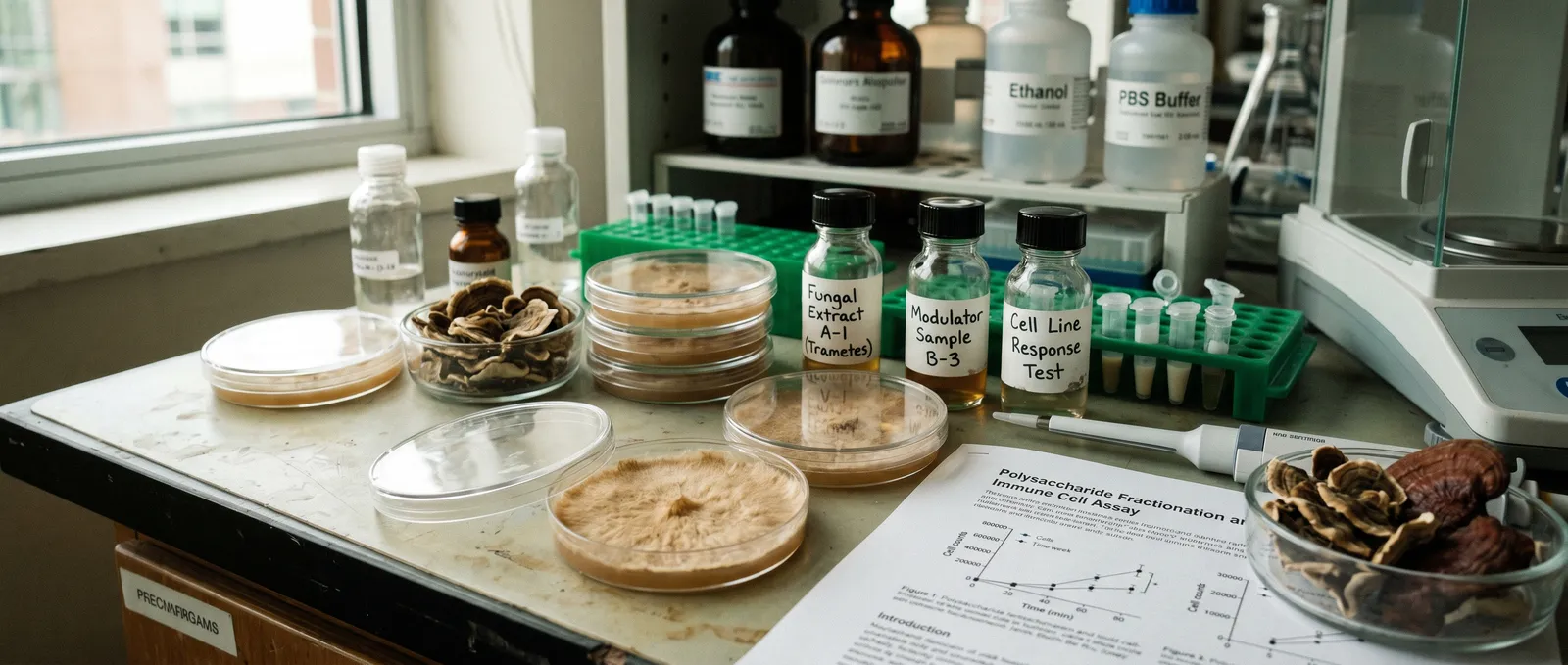
Research on Immune Modulation by Functional Mushrooms
What does research on immune modulation by functional mushrooms actually show? Beta-glucans, Dectin-1 signalling, human trials, and the honest gap...
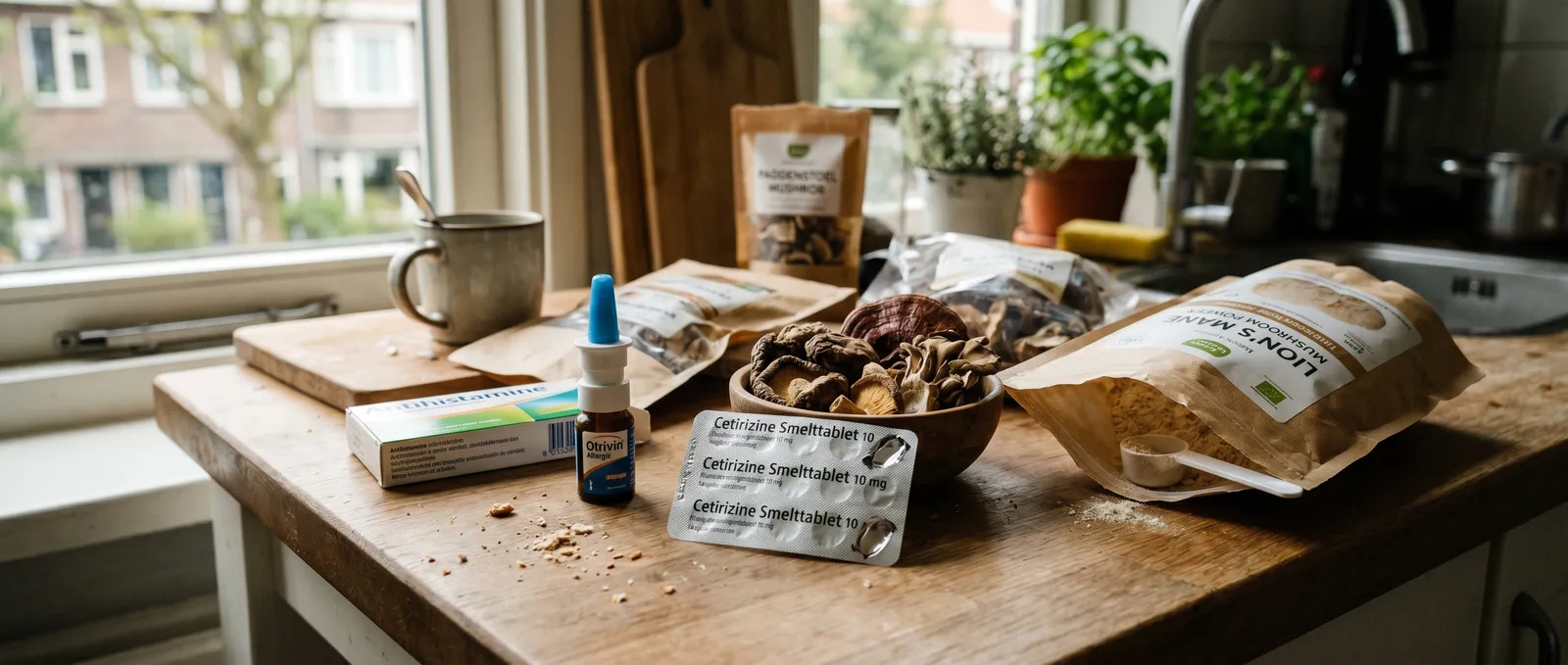
Allergic Reactions & Mushroom Sensitivities
Understand allergic reactions and mushroom sensitivities: mould cross-reactivity, shiitake dermatitis, species-specific risks, and safer product…
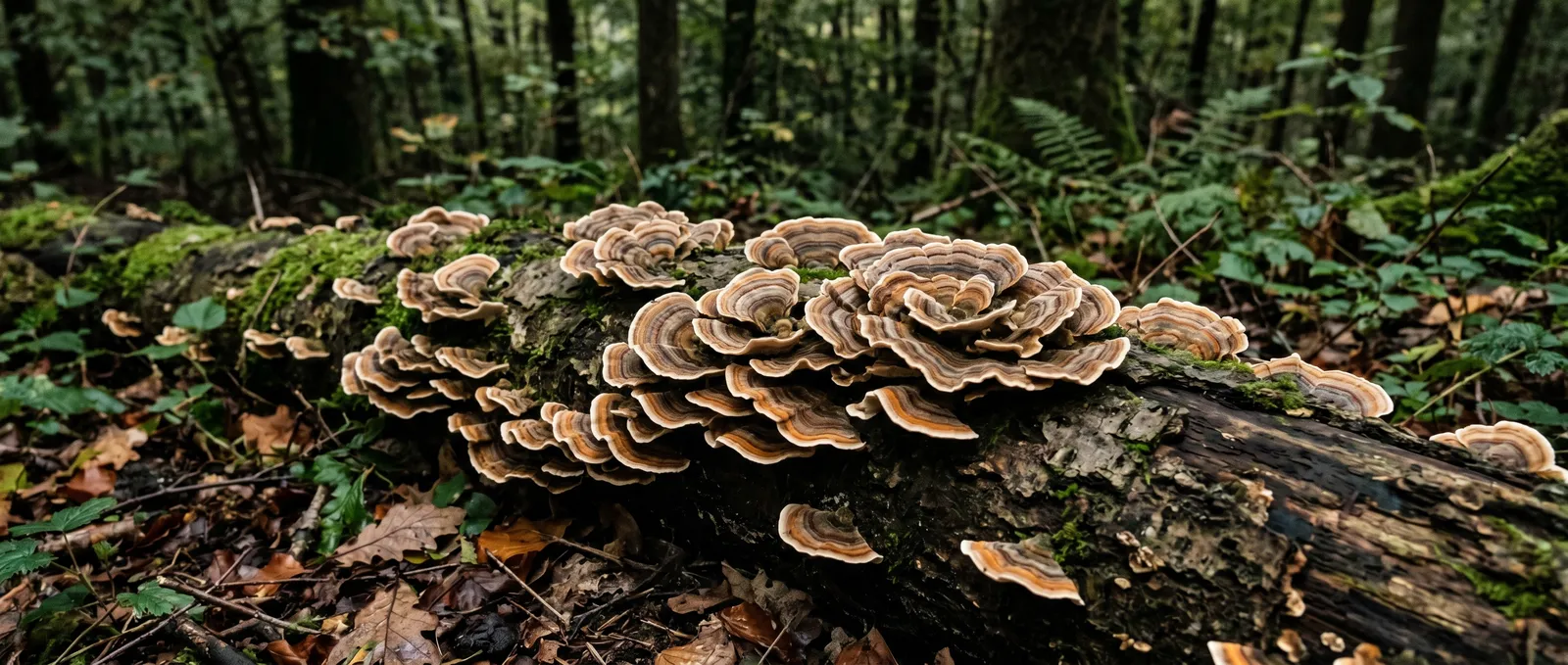
Turkey Tail Trametes versicolor — Buy Supplements
Buy turkey tail Trametes versicolor supplements at Azarius. PSK and PSP evidence, beta-glucan dosage, extraction methods, and safety.
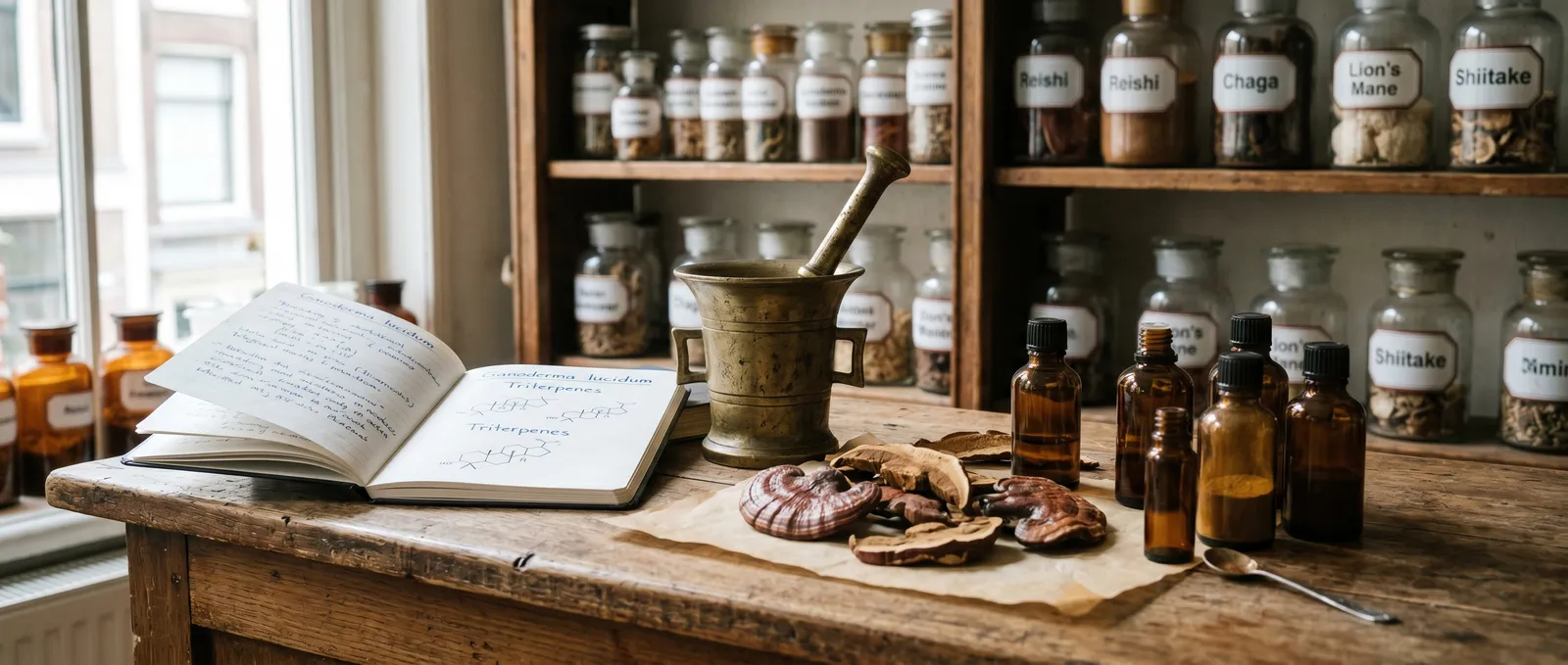
Triterpenes In Medicinal Mushrooms
Triterpenes in medicinal mushrooms are a class of 30-carbon terpenoid compounds produced as secondary metabolites by several functional mushroom species…
Chaga Siberian Nordic Folk Use
Chaga Siberian Nordic folk use is a centuries-old tradition in which indigenous Siberians and Nordic communities brewed the birch-parasitising fungus…
Red and Black Reishi Varieties
Red reishi (Ganoderma lucidum) and black reishi (Ganoderma sinense) both fall under the lingzhi umbrella in traditional Chinese medicine, but they differ in…
Lion's Mane Identification & Habitat
Hericium erinaceus is a tooth fungus that fruits as a single white, spine-covered mass on wounded or dead hardwood trees.
Cordyceps Lifecycle
The cordyceps lifecycle is a parasitic biological sequence in which a fungus infects an insect host, colonises its body from within, and erupts as a…