
Sclerotia Formation: Why Magic Truffles Grow Underground
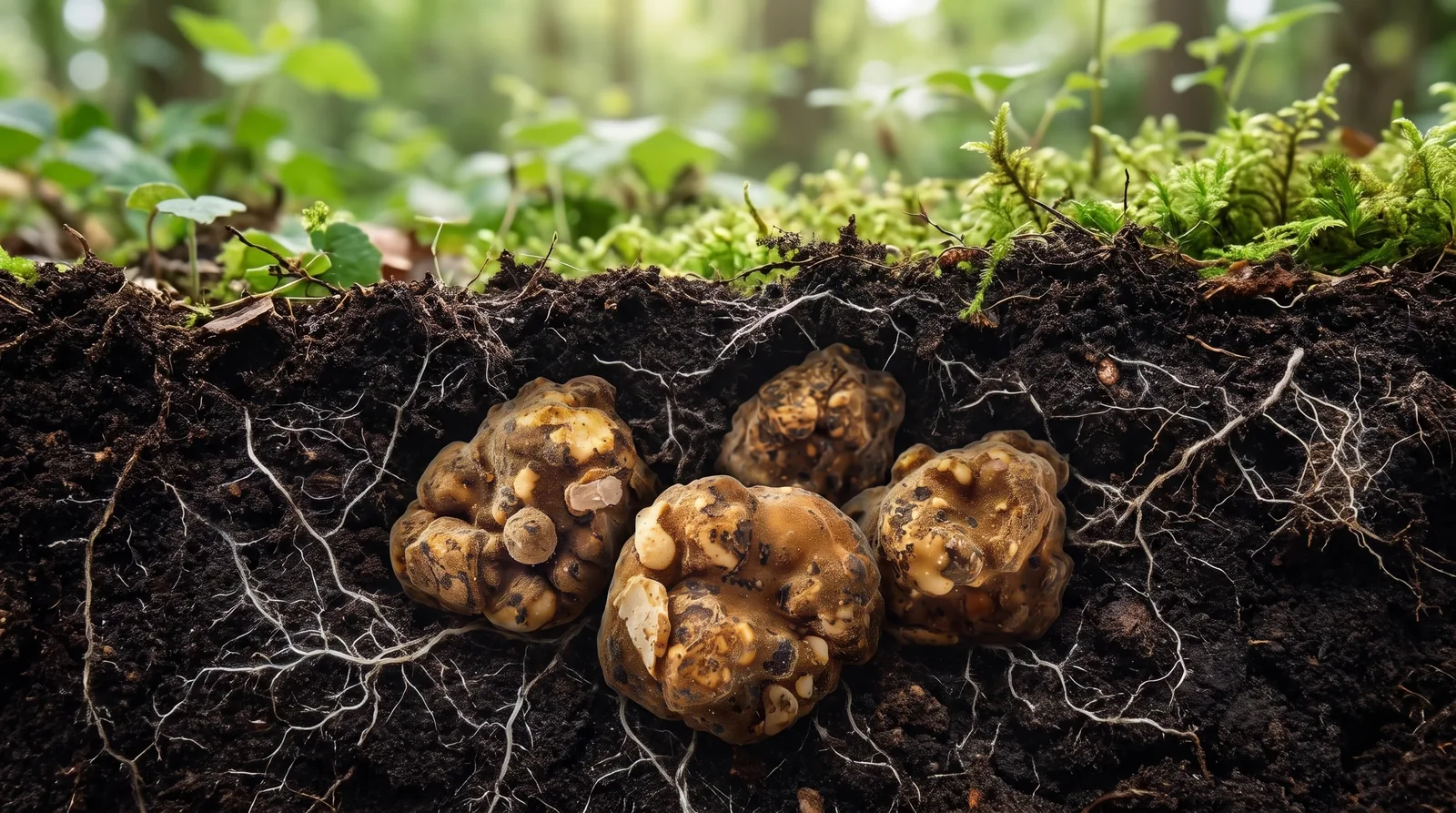
Sclerotia formation is a survival strategy — a fungus quite literally burying its assets underground when the world above turns hostile. While mushrooms fruit for spores and glory, certain Psilocybe species have evolved a second trick: packing dense knots of mycelium beneath the soil, waiting out drought, fire, and hungry mouths. That's the story of magic truffles, and it's a lot more interesting than "underground mushroom."
We've been selling truffles at Azarius since the late '90s, and one thing customers rarely ask about is why these things exist in the first place. Fair enough — most people care about the effect, not the evolutionary biology. But once you understand what sclerotia formation actually is, everything else starts to make sense: why they store so well, why potency stays stable, why they feel different from dried mushrooms. This piece is written for adults, and it's a walk through the biology, not a how-to.
18+ onlyWhy sclerotia formation evolved: drought, fire, and grazing pressure
Sclerotia formation evolved as an underground insurance policy against surface-level catastrophe — drought, wildfire, grazing herbivores, and seasonal nutrient collapse. Above ground, a mushroom is a fragile, water-heavy fruiting body with maybe a week or two to release spores before it rots, gets eaten, or dries out. Below ground, a sclerotium can sit for months, sometimes years, in a state of suspended metabolism.
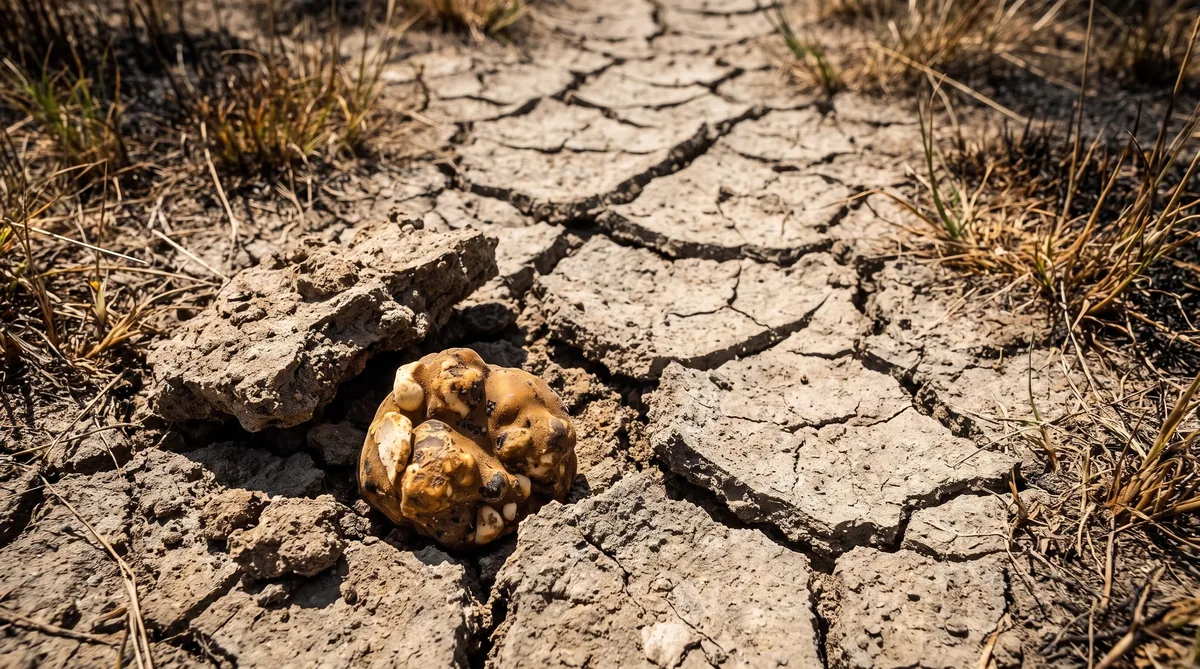
Only a handful of Psilocybe species have committed to this trick. Psilocybe tampanensis, Psilocybe mexicana, Psilocybe atlantis, and Psilocybe galindoi are the main truffle-formers. Their native habitats — subtropical grasslands in Florida, the Oaxacan highlands, cloud forests along the Mexican Gulf — share a common theme: unpredictable rainfall, seasonal fires, and heavy grazing from cattle and wild herbivores. Species that stayed purely aerial got wiped out. Species that learned sclerotia formation kept their genetic lineage going, one buried nugget at a time.
Guzmán's survey of Psilocybe species diversity remains the reference work on the genus, and the ecological pattern it describes is consistent: sclerotia are hardened mycelial masses far more resistant to adverse conditions — wildfire included — than ordinary mycelium. That's not a coincidence — it's selection pressure written into the fungus.
What triggers the retreat underground
In the lab (and at professional truffle farms in the Netherlands), sclerotia formation is triggered by stress: low moisture, restricted air exchange, and nutrient depletion in the substrate. The mycelium senses the pantry running low and switches strategy — instead of pushing energy up toward a fruiting body, it packs everything into dense, glucan-rich knots underground. It's the fungal equivalent of a squirrel burying acorns before winter.
How sclerotia differ structurally from fruiting bodies
A sclerotium is a compact ball of hardened mycelium packed with stored nutrients, while a fruiting body is a fragile, water-heavy reproductive organ built to burst and disperse spores. Structurally, they're solving completely different problems, and that shows up in every layer of tissue.
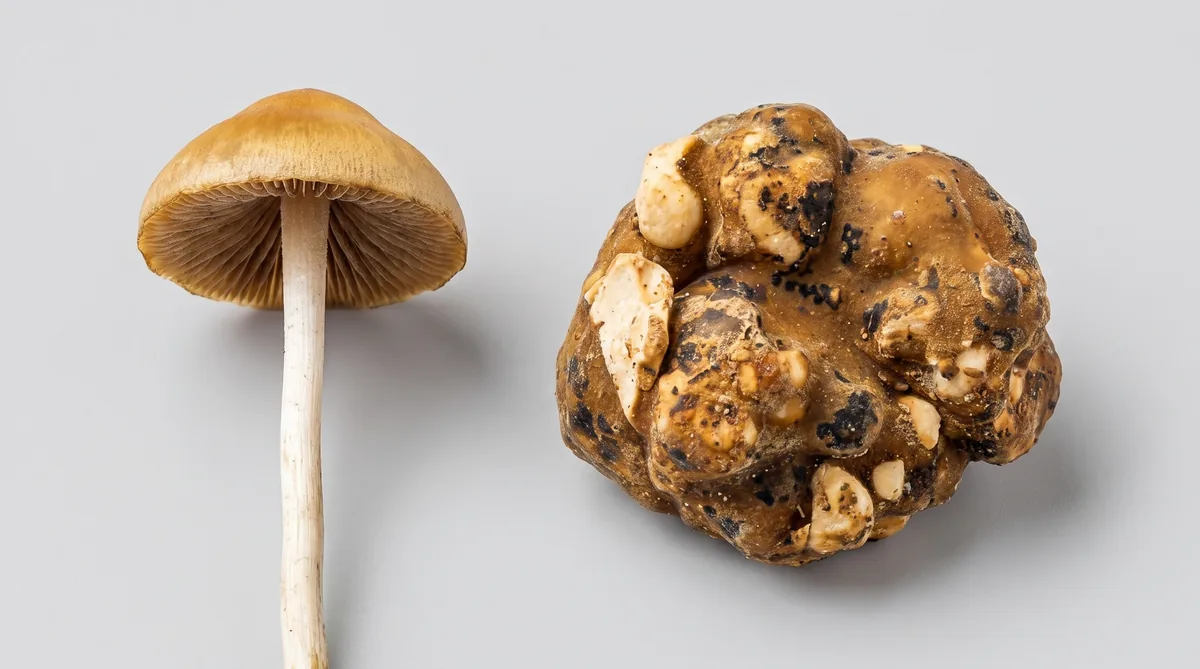
Fruiting bodies (the mushrooms you'd pick in a field) are around 90% water. Their job is short-term: pop up after rain, release spores, die. The cell walls are thin, the flesh is soft, and the whole thing collapses within days. A sclerotium is roughly 65–70% water, with the remaining mass being densely packed hyphal cells, beta-glucans, glycogen, and lipid reserves. The outer rind is darker and tougher than mushroom tissue — some biologists describe it as a "melanised" protective layer that resists dehydration and microbial attack.
| Feature | Fruiting body (mushroom) | Sclerotium (truffle) |
|---|---|---|
| Water content | ~90% | ~65–70% |
| Primary function | Spore dispersal | Nutrient storage & survival |
| Lifespan (natural) | 7–14 days | Months to years |
| Outer layer | Thin cuticle | Melanised rind |
| Metabolic state | Active, short-lived | Dormant, low respiration |
| Psilocybin distribution | Concentrated in caps | Distributed through mass |
This is why fresh truffles feel dense and slightly waxy in the hand — that's not moisture, that's stored glucan. And it's why they don't collapse the way a mushroom does when it starts to age.
What sclerotia formation means for psilocybin potency
Sclerotia formation produces a more stable, evenly distributed psilocybin content than fruiting bodies, though the total concentration per gram is generally lower. It's a trade-off the fungus made when it went underground: less punch, more shelf life.
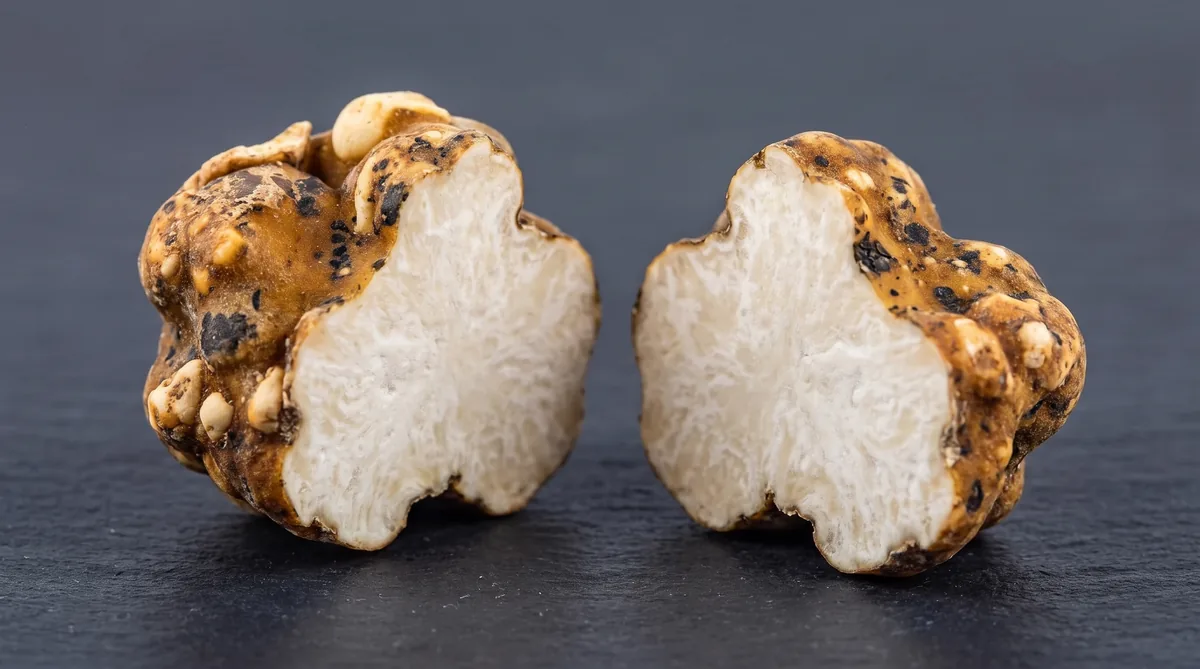
Published analyses of Psilocybe tampanensis sclerotia report psilocybin content ranging from about 0.31% to 0.68% by dry weight, varying with the composition of the growth medium. For comparison, dried Psilocybe cubensis fruiting bodies clock in around 0.6% to 1.2% psilocybin depending on strain and flush. Fresh truffles, at roughly 70% water, work out to about 0.1–0.2% psilocybin by wet weight — which is why fresh doses are 5–15g while dried mushroom doses are 1–3g.
Why the more even distribution? In a fruiting body, psilocybin biosynthesis concentrates in the cap tissue where sporulation happens. In a sclerotium, there's no reproductive gradient — the mass is uniform storage tissue, and the alkaloids are spread throughout.
Why underground storage means chemical stability
Psilocybin is fragile. Light, heat, and oxygen all break it down into psilocin (and eventually into inactive breakdown products). A fruiting body, sitting on top of the substrate exposed to air, is a bad long-term container. A sclerotium, packed tight and buried in the soil, is essentially a sealed vault — low oxygen, no light, stable temperature. Evolution didn't design them as pharmacology; it designed them for survival, and stable alkaloid content is a happy accident.
What sclerotia formation means for storage and freshness
The biology of sclerotia formation is exactly why fresh truffles keep in the fridge for two to three months while fresh mushrooms rot within a week. The fungus already solved the storage problem — we're just borrowing its solution.
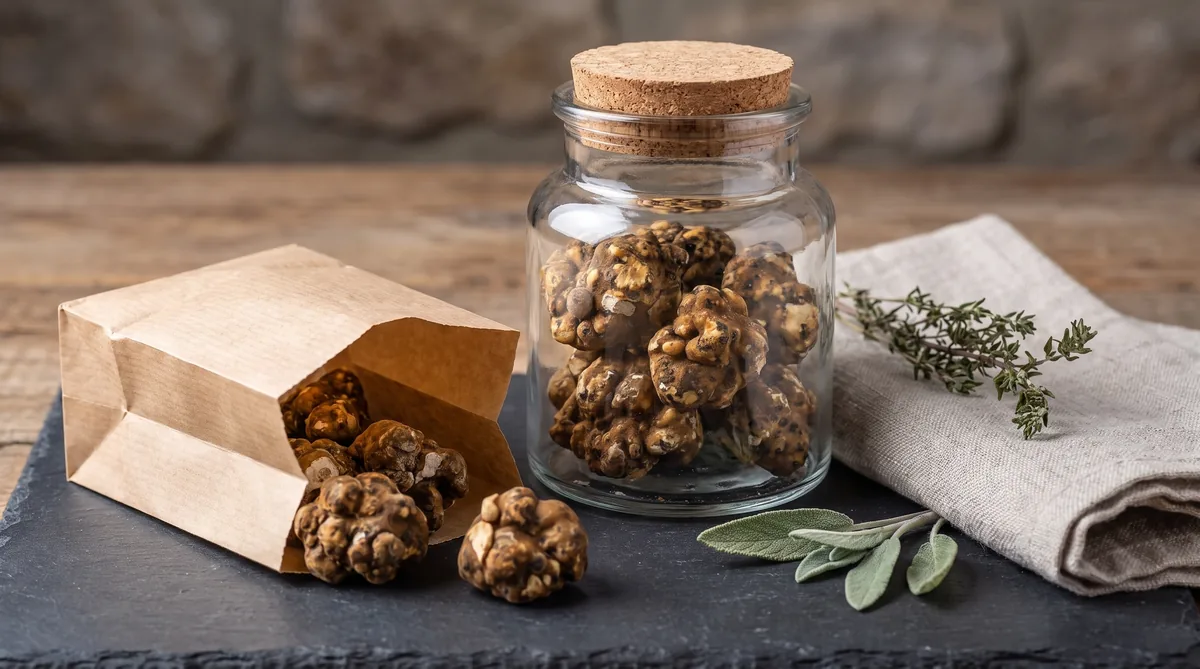
A sealed vacuum pack of fresh truffles, kept at 2–4°C, mimics the underground environment surprisingly well: low oxygen, no light, cool and stable. Under those conditions, our own magic truffles range — including the Pandora, Utopia, and Atlantis varieties — holds potency for the full stated shelf life. Once you open the pack, oxygen exposure starts the clock: dry them within a few days or eat them within a week, otherwise you're watching the psilocybin slowly degrade.
A few practical points that follow directly from sclerotia biology:
- Keep them sealed and cold. The fungus evolved for dark, stable, low-oxygen conditions. Your fridge is the closest you'll get without a shovel.
- Don't freeze fresh truffles. The ice crystals rupture the dense hyphal cells that make sclerotia what they are, and you lose both texture and some potency.
- Dry them if you want long-term storage. Air-dry in a warm, dark spot until they're cracker-hard, then store in an airtight jar with a silica pack. Dried sclerotia keep for a year or more.
- Don't rinse them. That melanised rind is doing a job — protecting the interior from microbial attack. Wipe with a dry cloth if you must.
- Watch for fuzz. Green, pink, or white fluffy growth means contamination broke through. Bin the pack. The rind is good, but it's not invincible.
Why cultivated sclerotia formation looks nothing like the wild
Commercial sclerotia formation is essentially a controlled famine — growers deliberately trigger the fungus's stress response in a jar or bag, without ever letting it fruit. In the wild, a Psilocybe tampanensis colony might spend a full season building up a single walnut-sized sclerotium in Florida sandy soil. In cultivation, the same species produces harvestable sclerotia in 8–12 weeks on a rye grain substrate under controlled humidity and gas exchange.
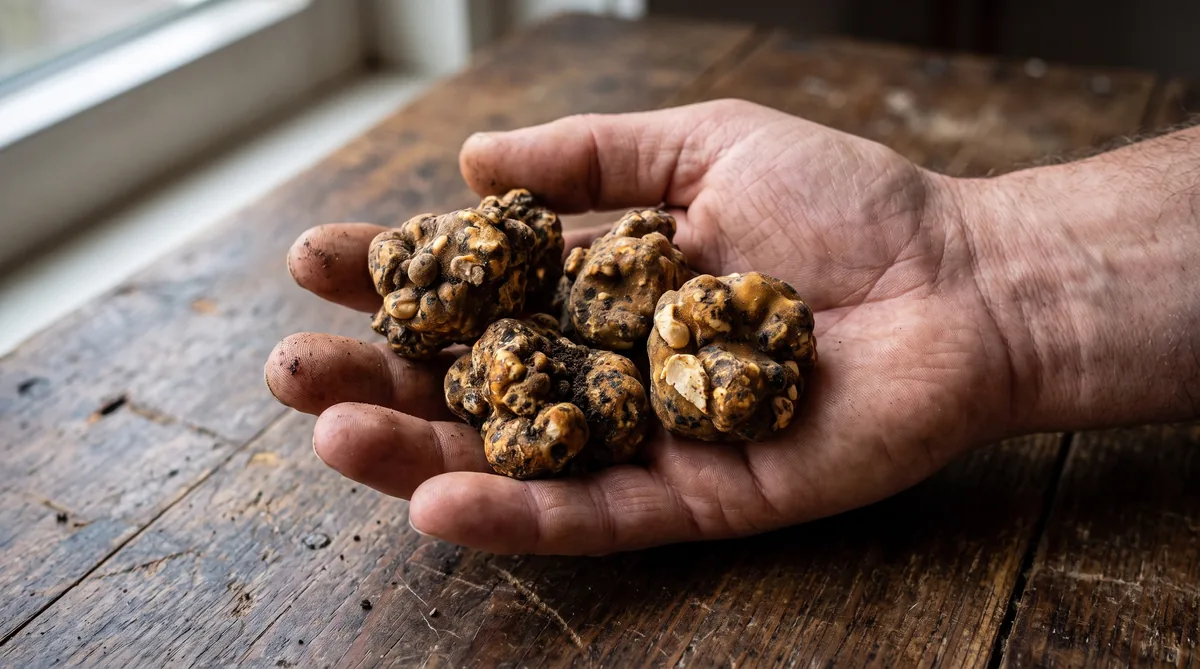
The trick, as our own growers will tell you, is dialling in the stress precisely. Too much moisture and the mycelium tries to fruit, wasting energy on above-ground tissue. Too little and the whole colony dies before sclerotia formation completes. The sweet spot is a semi-sealed container with restricted fresh air exchange, forcing the fungus into "winter is coming" mode. What comes out of the substrate looks nothing like a wild-foraged truffle — they're bigger, denser, and more uniform, because the cultivation environment is more consistent than any patch of Oaxacan hillside.
One honest limitation: cultivated sclerotia have a narrower alkaloid range than wild specimens. The consistency is a feature for anyone buying them, but it also means the surprising outliers — the ultra-strong wild tampanensis at the 0.68% top of the published range — are rare in commercial stock. Most Dutch commercial sclerotia sit around 0.5% psilocybin dry weight, give or take.
Frequently Asked Questions
Last updated: September 2026
Frequently Asked Questions
5 questionsAre magic truffles just underground mushrooms?
Why do only some Psilocybe species form sclerotia?
Are sclerotia less potent than mushrooms?
How long can sclerotia survive underground naturally?
Does sclerotia formation happen in other fungi too?
About this article


Luke Sholl has been writing about cannabis, cannabinoids, and the broader benefits of nature since 2011, and has personally grown cannabis in home grow tents for more than a decade. That first-hand cultivation experience
This blog article was drafted with AI assistance and reviewed by Luke Sholl, External contributor since 2026. Editorial oversight by Joshua Askew.
Last reviewed September 18, 2026
Related Articles
Psychedelics and Predictive Processing: Sam Harris Explained
Sam Harris on psychedelics and predictive processing: how REBUS, the entropic brain and Johns Hopkins research reveal how your mind builds reality.
Kratom Effects on the Brain: What Hamilton Morris Found
Hamilton Morris's VICE film tested kratom effects on the brain. Here's the pharmacology, the nucleus accumbens finding, and the real story behind the…

Psilocybin and the Brain: What the Science Actually Shows
Psilocybin and the brain: how psilocin binds to serotonin 2A receptors, quiets the default mode network, and what the clinical research actually…
Cannabis Combustion Chemistry: What 900°C Does to THC
Cannabis combustion chemistry explained: how 900°C creates formaldehyde, benzene and CO from cannabinoids, and how vaporising and edibles avoid it.