
This article discusses psychoactive substances intended for adults (18+). If you have a health condition or take medication, consult a doctor before use. Our age policy
What Are Magic Truffles?
Definition
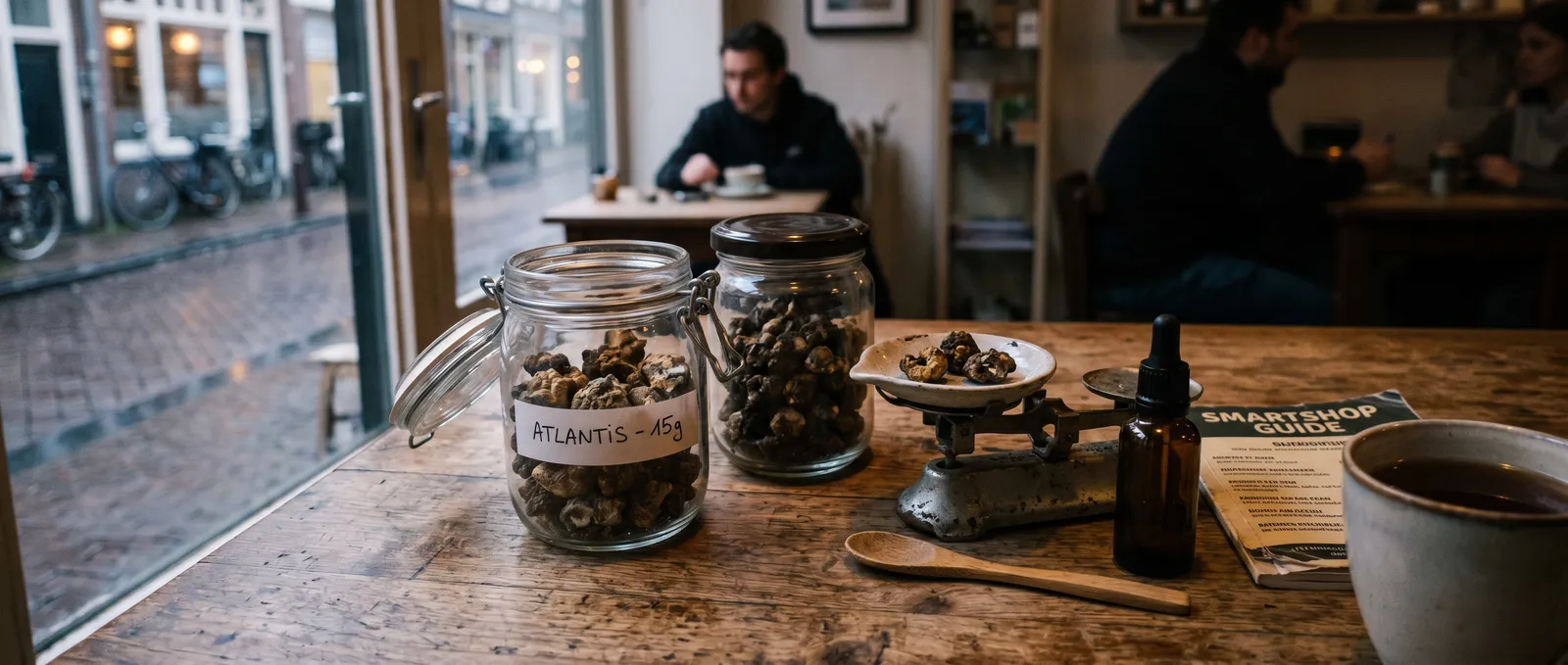
Magic truffles are the underground sclerotia of psilocybin-producing fungi — compact mycelial growths containing psilocybin and psilocin, which act on serotonin 5-HT2A receptors to alter perception, emotion, and cognition. According to Hasler et al. (2004), effects begin 30–60 minutes after oral ingestion and last 4–6 hours. They are biologically distinct from mushroom fruiting bodies but contain the same active compounds.
18+ only
Magic truffles are the underground sclerotia of certain psilocybin-producing fungi — dense, compact growths that the mycelium forms as a food reserve beneath the soil. They contain the same psychoactive compounds as psilocybin mushrooms, primarily psilocybin and psilocin, which act on serotonin 5-HT2A receptors to produce altered perception, shifts in thought patterns, and changes in emotional processing. This guide is written for adults aged 18 and over; effects and dosing ranges described below apply to adult physiology.
Key Facts
- Active compounds: Psilocybin (a prodrug), psilocin, baeocystin, and norbaeocystin. Psilocybin is dephosphorylated to psilocin in the body, which binds serotonin 5-HT2A receptors with a Ki of approximately 6 nM (Rickli et al., 2016).
- Biological classification: Sclerotia — hardened masses of mycelium — primarily from Psilocybe tampanensis, Psilocybe mexicana, and Psilocybe galindoi. They are not true truffles (genus Tuber), despite the common name.
- Psilocybin content: Fresh sclerotia typically contain 0.5–1.8% psilocybin by dry weight, depending on species and growing conditions (Gotvaldová et al., 2022).
- Historical use: Psilocybin-containing fungi have been used in Mesoamerican ceremonial contexts for at least 2,000 years, with stone mushroom effigies dating to 1000 BCE found in Guatemala and Mexico.
- Effect duration: Onset typically 30–60 minutes after oral ingestion on an empty stomach; peak effects at 60–90 minutes; total duration 4–6 hours (Hasler et al., 2004).
- Physiological safety profile: Psilocybin has low organ toxicity and is not associated with physical dependence. A 2018 Global Drug Survey analysis ranked psilocybin mushrooms as the psychoactive substance with the lowest rate of emergency medical treatment (Winstock et al., 2018).
- Forms available: Fresh sclerotia (most common), dried sclerotia, and truffle-based preparations such as teas or microdosing strips.
Commercial Disclosure
Azarius sells magic truffle products and has a commercial interest in this topic. Our editorial process includes independent pharmacological review to mitigate commercial bias.
Contraindications — Read Before Dosage
Psilocybin is contraindicated in several populations and drug-combination scenarios. This section should be read before considering any dosage information below.
| Population / Substance | Risk | Detail |
|---|---|---|
| Pregnancy and breastfeeding | Severe | No safety data exists. Avoid entirely. |
| Personal or family history of psychotic disorders | High | Psilocybin can precipitate or worsen psychotic episodes. A 2021 review in Neuroscience and Biobehavioral Reviews identified pre-existing psychotic vulnerability as the strongest predictor of adverse psychological reactions (Dos Santos et al., 2021). |
| Lithium | High | Multiple case reports associate psilocybin + lithium with seizures. This combination should be avoided (Malcolm & Thomas, 2022). |
| MAOIs (including ayahuasca, Syrian rue) | High | MAO inhibition slows psilocin metabolism, intensifying and prolonging effects unpredictably. Risk of additive QTc interval prolongation and potential serotonergic excess. |
| SSRIs and SNRIs | Moderate | Chronic SSRI use typically blunts psilocybin effects due to 5-HT2A downregulation (Becker et al., 2022). Abrupt discontinuation to "feel more" introduces SSRI withdrawal risk — never stop prescribed medication for a psychoactive experience. |
| Tramadol | Moderate | Serotonergic activity plus lowered seizure threshold. Avoid combining. |
| Cardiovascular conditions | Moderate | Psilocybin produces transient increases in heart rate and blood pressure (Hasler et al., 2004). People with serious cardiac conditions should be cautious. |
| Driving or operating machinery | Moderate | Impaired perception and reaction time persist for the full duration of effects. Do not drive for at least 8 hours after ingestion. |
History and Origin
The story of psilocybin truffles as a distinct product category is surprisingly recent. While psilocybin mushrooms have deep Mesoamerican roots — the Aztec term teonanacatl ("flesh of the gods") appears in 16th-century Spanish colonial records — sclerotia specifically entered Western awareness through the work of mycologist Steven Pollock. In 1977, Pollock collected Psilocybe tampanensis near Tampa, Florida, describing both its mushroom fruiting body and the sclerotia it produced in culture. That single wild specimen became the genetic ancestor of virtually all commercially cultivated psilocybin-containing sclerotia today.
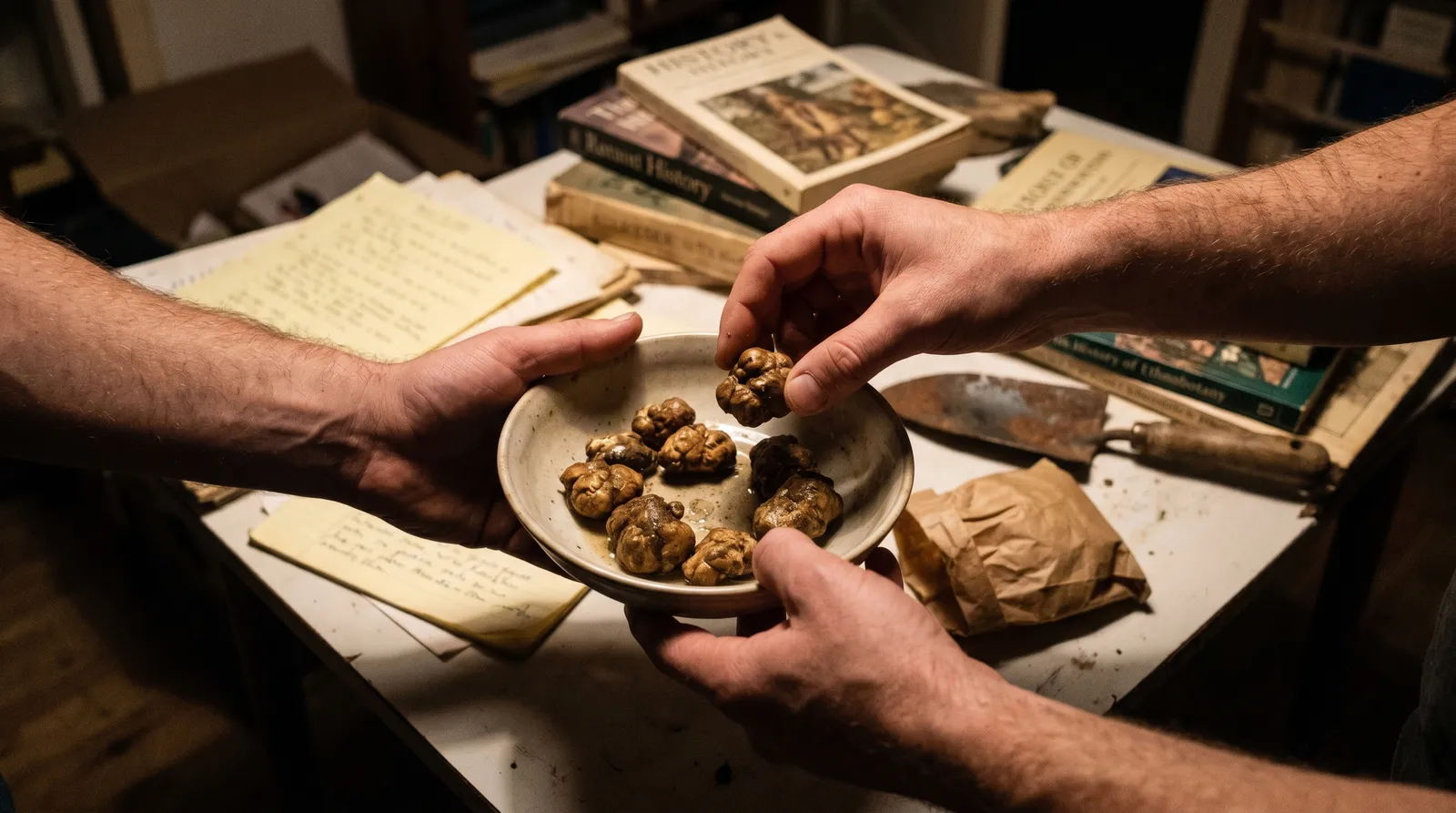
The sclerotia gained commercial significance in the Netherlands after 2008, when dried psilocybin mushrooms were prohibited but fresh sclerotia — biologically distinct from the fruiting body — remained available. Dutch truffle cultivation scaled rapidly, with professional farms developing controlled indoor growing methods that produce consistent psilocybin concentrations. By the mid-2010s, the Netherlands had become the global centre of legal psilocybin truffle production.
Chemistry and Active Compounds
Magic truffl
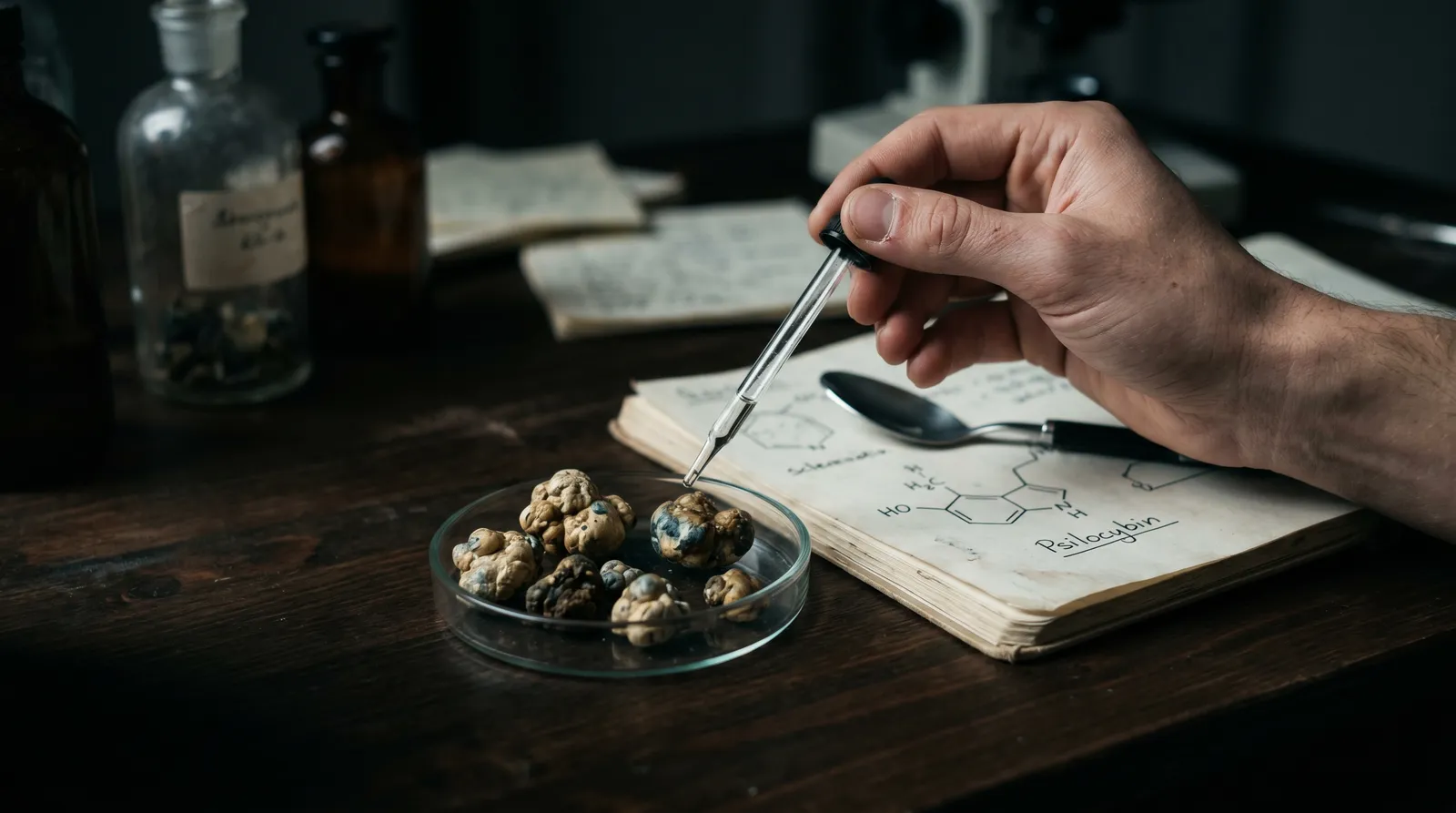
Psilocybin sclerotia owe their psychoactive properties to a small family of tryptamine alkaloids. The primary compound is psilocybin (4-phosphoryloxy-N,N-dimethyltryptamine), a phosphorylated prodrug that is enzymatically converted to psilocin (4-hydroxy-N,N-dimethyltryptamine) by alkaline phosphatase in the gut and liver. Psilocin is the pharmacologically active molecule — it crosses the blood-brain barrier and acts as a partial agonist at serotonin 5-HT2A receptors, with additional activity at 5-HT2C, 5-HT1A, and other serotonin receptor subtypes (Rickli et al., 2016).
Alkaloid Profile of Common Truffle Species (Dry Weight)
| Species / Cultivar | Psilocybin (%) | Psilocin (%) | Baeocystin (%) | Relative Potency |
|---|---|---|---|---|
| Psilocybe mexicana | 0.5–0.8 | 0.01–0.05 | 0.01–0.03 | Moderate |
| Psilocybe tampanensis | 0.6–1.0 | 0.02–0.10 | 0.01–0.05 | Moderate |
| Psilocybe galindoi (e.g., "Hollandia") | 0.9–1.8 | 0.05–0.15 | 0.02–0.06 | High |
| Psilocybe atlantis | 0.4–0.7 | 0.01–0.04 | trace | Low to Moderate |
Alkaloid concentrations vary between batches, even from the same farm. A 2022 analysis by Gotvaldová et al. found up to 40% variation in psilocybin content between individual sclerotia harvested from the same substrate — a reminder that natural products are inherently inconsistent, and any dosage table should be read as a range rather than a precise prescription.
Effects Overview
The effects
The effects of psilocybin from psychedelic sclerotia follow a characteristic arc. After oral ingestion, psilocybin is converted to psilocin, which begins binding serotonin receptors within 20–40 minutes. The subjective experience typically includes enhanced colour perception, geometric visual patterns (open- and closed-eye), altered sense of time, emotional intensification, and shifts in self-referential thinking. At higher doses, ego dissolution — a temporary loss of the boundary between self and environment — can occur.
Effects Timeline — Oral Ingestion (Fresh Truffles, Empty Stomach)
| Phase | Time After Ingestion | Typical Experience |
|---|---|---|
| Onset | 20–45 minutes | Body sensations — warmth, mild nausea, "butterflies." Slight visual brightening. |
| Come-up | 45–90 minutes | Effects intensify. Visual distortions, emotional shifts, possible anxiety or excitement. |
| Peak | 90–150 minutes | Strongest effects. Visual patterns, altered time perception, introspective thought loops. |
| Plateau | 2.5–4 hours | Gradual softening. Still noticeably altered but with increasing clarity. |
| Come-down | 4–6 hours | Effects fade. Mild fatigue or emotional openness. Most people feel baseline by hour 6. |
Eating a full meal before ingestion delays onset by 30–60 minutes and can reduce peak intensity. Nausea is the most commonly reported physical side effect — chewing thoroughly or brewing truffle tea helps, as it begins breaking down the chitin cell walls before they reach your stomach.
Dosage Guide — Fresh Magic Truffles
All dosage ranges below refer to fresh (undried) sclerotia taken orally. Dried truffles are roughly three times more concentrated by weight due to water loss — if using dried material, divide these figures by three. These ranges reflect published literature and observational data from clinical and retreat settings, not personal recommendations.
| Level | Fresh Weight (g) | Expected Effects | Risk Level |
|---|---|---|---|
| Threshold / Microdose | 0.5–2 | Sub-perceptual to subtle mood shift, enhanced focus and creativity. No overt visual changes. | Low |
| Light | 2–5 | Mild visual enhancement (brighter colours, sharper textures), gentle emotional opening, light body sensations. | Low |
| Common | 5–10 | Clear perceptual changes — visual patterns, altered time sense, introspective thoughts. Functional but noticeably altered. | Moderate |
| Strong | 10–15 | Pronounced visual and cognitive effects. Possible ego softening. Navigation of physical space may feel challenging. | High |
| Heavy | 15+ | Intense perceptual dissolution, potential ego death, strong emotional and somatic responses. Doses above 15g of fresh truffles were not included in most published clinical studies. | Very High |
Species matters. A 10g portion of a mild cultivar like Mexicana delivers a noticeably different experience than 10g of Hollandia or Utopia, which contain roughly double the psilocybin per gram. Always check the specific strain's potency class before choosing a dose.
Tolerance builds rapidly — within 24 hours of a full dose, repeating the same amount produces markedly reduced effects. Cross-tolerance with LSD and mescaline also occurs. Most sources suggest waiting at least 7–14 days between full doses for baseline sensitivity to return (Nichols, 2004).
Preparation Methods
Fresh magic
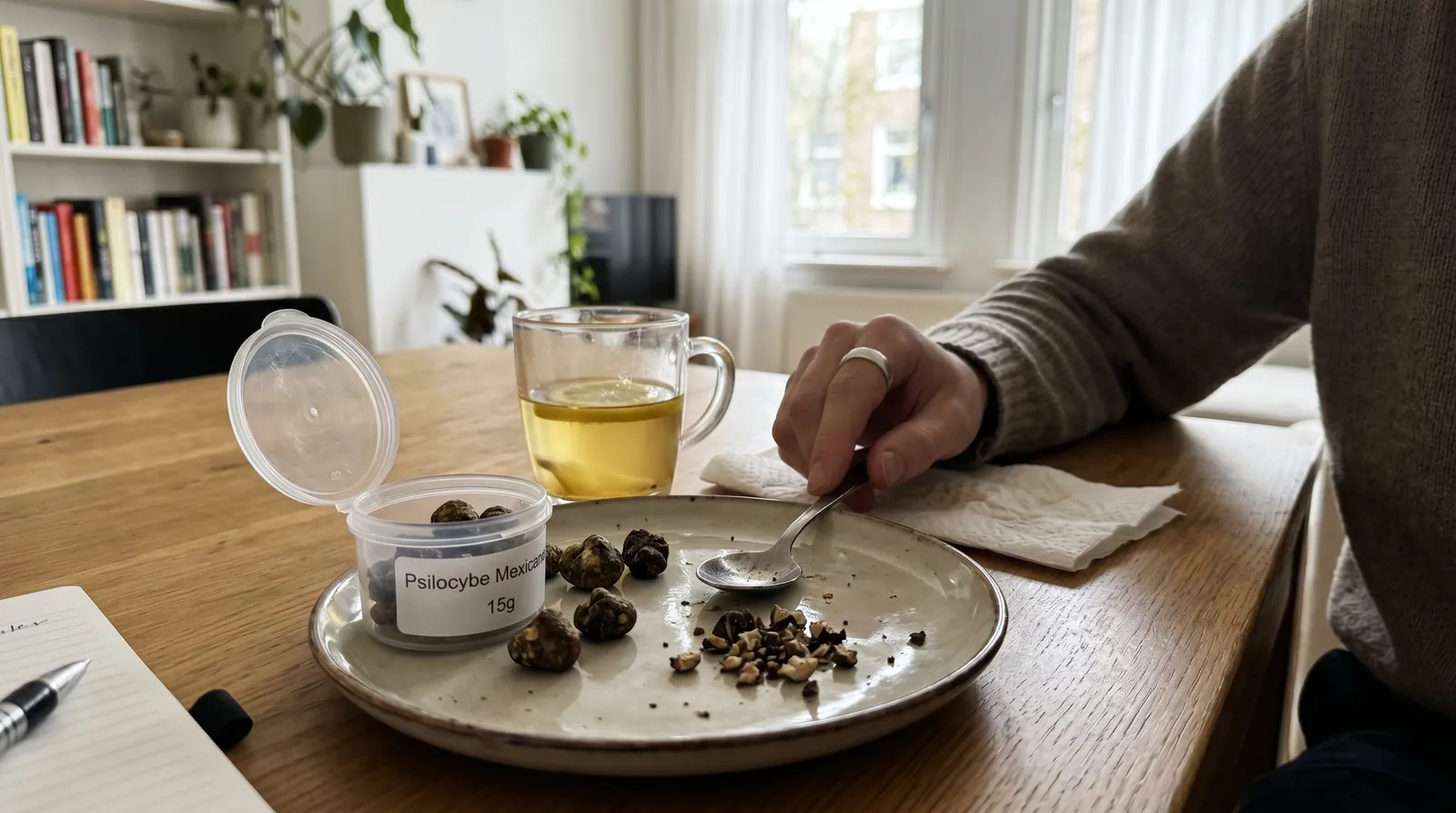
Fresh psilocybin truffles are most commonly eaten raw. The taste is earthy, sour, and somewhat nutty — not pleasant for most people, but manageable. Chewing thoroughly is worth the effort: saliva enzymes and mechanical breakdown improve absorption speed and reduce the amount of intact chitin reaching your stomach, which is the main cause of nausea.
rationChop or grind the truffles finely. Steep in hot (not boiling) water — around 70–80 degrees Celsius — for 15–20 minutes. Boiling water may degrade some psilocybin, though the extent is debated. Adding ginger to the tea helps with nausea. Strain and drink, or eat the solids as well for maximum effect. Onset via tea is typically 10–15 minutes faster than eating raw truffles.
Lemon Tek
Soaking ground truffles in lemon or lime juice for 15–20 minutes before ingestion. The acidic environment is thought to begin converting psilocybin to psilocin outside the body, potentially accelerating onset and intensifying the peak while shortening total duration. Controlled studies on this method are lacking — the mechanism is plausible but unconfirmed.
Microdosing Strips and Preparations
Pre-dosed truffle strips or capsules offer consistent sub-perceptual doses, typically equivalent to 0.5–1g of fresh truffles per unit. These are useful for people who want precise dosing without a kitchen scale.
Regardless of method, an empty stomach (2–3 hours after your last meal) produces faster onset and stronger effects per gram.
Safety and Drug Interactions
Psilocybin has a remarkably wide therapeutic index. Estimates place the lethal dose in humans at roughly 280 mg/kg of body weight — for a 70 kg person, that would require ingesting approximately 17 kilograms of fresh truffles, a quantity that is physically impossible to consume (Gable, 2004). Deaths directly attributable to psilocybin toxicity are essentially absent from the medical literature; fatalities associated with psilocybin use involve behavioural risks (falls, drowning, traffic) rather than pharmacological overdose.
The primary risks are psychological. Acute anxiety, panic, and paranoia can occur, particularly at higher doses, in unfamiliar settings, or in people with pre-existing anxiety disorders. These reactions are almost always time-limited and resolve as the drug wears off. A calm environment and a sober companion ("sitter") significantly reduce the likelihood and severity of difficult experiences.
Known Drug Interactions
| Substance | Interaction Type | Risk Level | Notes |
|---|---|---|---|
| Lithium | Pharmacodynamic | High | Seizure risk reported in case reports (Malcolm and Thomas, 2022). Avoid. |
| MAOIs (pharmaceutical and plant-based) | Pharmacokinetic | High | Slowed psilocin metabolism, unpredictable intensification. Risk of QTc prolongation. Discontinue at least 2 weeks prior. |
| SSRIs / SNRIs | Pharmacodynamic | Moderate | Typically blunts effects. Do not discontinue prescribed SSRIs to intensify a session — withdrawal risk outweighs any perceived benefit (Becker et al., 2022). |
| Tramadol | Pharmacodynamic | Moderate | Combined serotonergic load plus lowered seizure threshold. Avoid. |
| Cannabis | Pharmacodynamic | Low to Moderate | Commonly combined but can intensify anxiety and confusion, especially during the peak. Unpredictable potentiation. |
| Alcohol | Pharmacodynamic | Low | Dulls the experience at low amounts; increases nausea and confusion at higher amounts. No known dangerous interaction, but generally counterproductive. |
| Benzodiazepines | Pharmacodynamic | Low | Used in clinical settings to abort difficult sessions. Reduces intensity. No dangerous interaction reported. |
Interaction data for psilocybin is still limited compared to more widely studied drugs. The absence of a reported interaction does not guarantee safety — particularly with newer psychiatric medications, anticonvulsants, or immunosuppressants, where co-administration data simply does not exist yet.
Physical Side Effects
Nausea and occasional vomiting (especially in the first hour), jaw tension, mild headache during the come-down, and transient increases in heart rate and blood pressure are the most frequently reported physical effects. A 2023 pooled analysis of clinical trial data found that nausea occurred in approximately 25–30% of participants receiving moderate-to-high psilocybin doses, while headache was reported by roughly 20% in the 24 hours following a session (Goodwin et al., 2023). These effects are self-limiting and typically resolve without intervention.
Set and Setting
The concept of "set and setting" — your mindset going in and the physical and social environment around you — is the single most reliable predictor of experience quality with psilocybin. This is not folk wisdom: a 2018 study by Haijen et al. found that psychological variables (emotional state, intention, surrender) explained more variance in mystical-type experiences than dose alone.
Practical guidelines observed in clinical research settings:
- Environment: Comfortable, familiar, safe. Private space preferred. Avoid crowds, loud environments, or unfamiliar locations — especially at higher doses.
- Company: A sober, trusted companion ("sitter") is strongly advised for doses above the light range. Clinical trials universally use trained facilitators.
- Timing: Allow a full day with no obligations. Effects last 4–6 hours, and most people feel reflective or tired for several hours afterward.
- Mindset: Anxiety, grief, or unresolved stress can surface intensely. This is not inherently harmful — clinical protocols use it therapeutically — but without support, it can feel overwhelming.
- Preparation: Eat lightly 2–3 hours before. Have water, fruit, blankets, and calming music available. Write down your intention if it helps ground you.
Truffles Versus Mushrooms — A Brief Note
Magic truffl
Psilocybin truffles and psilocybin mushrooms contain the same active compounds. The difference is biological structure, not chemistry: truffles are sclerotia (underground storage organs), mushrooms are fruiting bodies (above-ground reproductive structures). Both are produced by the same species. Gram for gram on a dry-weight basis, potency is comparable — though fresh truffles contain more water than fresh mushrooms, so you need a larger weight of fresh truffles to match the same dose of fresh mushrooms. The subjective experience, given equivalent psilocybin doses, is indistinguishable.
ge">StorageFresh magic
Fresh psilocybin truffles are perishable. Unopened vacuum-sealed packs stored in a refrigerator (2–8 degrees Celsius) retain potency for approximately 6–8 weeks. Once opened, consume within 2–3 days — exposure to air and moisture accelerates oxidation of psilocybin and promotes mould growth. Dried truffles, stored in an airtight container in a cool, dark place, can retain roughly 80% of their psilocybin content after 3 months, though this data comes primarily from Psilocybe cubensis fruiting bodies and truffle-specific long-term stability studies are sparse.
ency-information">Emergency InformationIf someone i
If someone is experiencing severe distress, confusion, or physical symptoms after ingesting psilocybin truffles:
ong>Netherlands: Call 112 (emergency) or the Poisons Information Centre at 030-274 8888.Tell medical staff exactly what was taken, how much, and when. Psilocybin is not associated with fatal overdose at any realistic dose, but accurate information helps staff provide appropriate care — particularly ruling out dangerous combinations.
For psychological distress without a medical emergency: move the person to a quiet, dimly lit space. Speak calmly. Remind them the effects are temporary and will pass. Do not leave them alone.
Last updated: April 2026
Frequently Asked Questions
8 questionsAre magic truffles the same as magic mushrooms?
How long do magic truffles take to kick in?
Can you build a tolerance to magic truffles?
Do magic truffles interact with antidepressants?
How should you store fresh magic truffles?
Why do magic truffles cause nausea?
What is a safe beginner dose for magic truffles?
Are magic truffles legal in the Netherlands?
About this article


Adam Parsons is an external cannabis and psychedelics writer and editor who contributes to Azarius's wiki as both author and reviewer. On the writing side, he authors Azarius's kratom and kanna clusters, drawing on exten
This wiki article was drafted with AI assistance and reviewed by Adam Parsons, External contributor. Editorial oversight by Joshua Askew.
Medical disclaimer. This content is for informational purposes only and does not constitute medical advice. Consult a qualified healthcare provider before use of any substance.
Last reviewed April 19, 2026
References (13)
- [1]Rickli, A., Moning, O.D., Hoener, M.C. and Liechti, M.E. (2016). Receptor interaction profiles of novel psychoactive tryptamines compared with classic hallucinogens. European Neuropsychopharmacology, 26(8), pp.1327–1337.
- [2]Gotvaldová, K., Hájková, K., Borovička, J., Jurok, R., Cihlářová, P. and Kuchař, M. (2022). Stability of psilocybin and its four analogs in the biomass of the psychotropic mushroom Psilocybe cubensis. Drug Testing and Analysis, 14(2), pp.302–310.
- [3]Hasler, F., Grimberg, U., Benz, M.A., Huber, T. and Vollenweider, F.X. (2004). Acute psychological and physiological effects of psilocybin in healthy humans: a double-blind, placebo-controlled dose-effect study. Psychopharmacology, 172(2), pp.145–156.
- [4]Griffiths, R.R., Johnson, M.W., Richards, W.A., Richards, B.D., Jesse, R., MacLean, K.A., Barrett, F.S., Cosimano, M.P. and Klinedinst, M.A. (2011). Psilocybin occasioned mystical-type experiences: immediate and persisting dose-related effects. Psychopharmacology, 218(4), pp.649–665.
- [5]Dos Santos, R.G., Bouso, J.C., Alcázar-Córcoles, M.Á. and Hallak, J.E.C. (2021). Efficacy, tolerability, and safety of serotonergic psychedelics for the management of mood, anxiety, and substance-use disorders: a systematic review of systematic reviews. Neuroscience and Biobehavioral Reviews, 127, pp.1–16.
- [6]Malcolm, B.J. and Thomas, M.P. (2022). Serotonin toxicity of serotonergic psychedelics. Psychopharmacology, 239(6), pp.1881–1891.
- [7]Becker, A.M., Holze, F., Grandinetti, T., Klaiber, A., Toedtli, V.E., Kolaczynska, K.E., Duthaler, U., Varghese, N., Eckert, A., Grünblatt, E. and Liechti, M.E. (2022). Acute effects of psilocybin after escitalopram or placebo pretreatment in a randomized, double-blind, placebo-controlled, crossover study in healthy subjects. Clinical Pharmacology and Therapeutics, 111(4), pp.886–895.
- [8]Winstock, A.R., Barratt, M.J., Maier, L.J. and Ferris, J.A. (2018). Global Drug Survey 2017: global overview and highlights. Global Drug Survey.
- [9]Nichols, D.E. (2004). Hallucinogens. Pharmacology and Therapeutics, 101(2), pp.131–181.
- [10]Gable, R.S. (2004). Comparison of acute lethal toxicity of commonly abused psychoactive substances. Addiction, 99(6), pp.686–696.
- [11]Sherwood, A.M., Halberstadt, A.L., Klein, A.K., McCorvy, J.D., Kaylo, K.W., Kargbo, R.B. and Meisenheimer, P. (2019). Synthesis and biological evaluation of tryptamines found in hallucinogenic mushrooms: norbaeocystin, baeocystin, norpsilocin, and aeruginascin. Journal of Natural Products, 83(2), pp.461–467.
- [12]Goodwin, G.M., Croal, M., Feifel, D., Kelly, J.R., Marwood, L., Mistry, S., O'Keane, V., Peck, S.K., Simmons, H., Sisa, C. and Stansfield, S.C. (2023). Psilocybin for treatment-resistant depression in patients concurrently on an SSRI. Journal of Psychopharmacology, 37(11), pp.1121–1131.
- [13]Haijen, E.C.H.M., Kaelen, M., Roseman, L., Timmermann, C., Kettner, H., Russ, S., Nutt, D., Daws, R.E., Hampshire, A.D.G., Lorenz, R. and Carhart-Harris, R.L. (2018). Predicting responses to psychedelics: a prospective study. Frontiers in Pharmacology, 9, p.897.
Related Articles
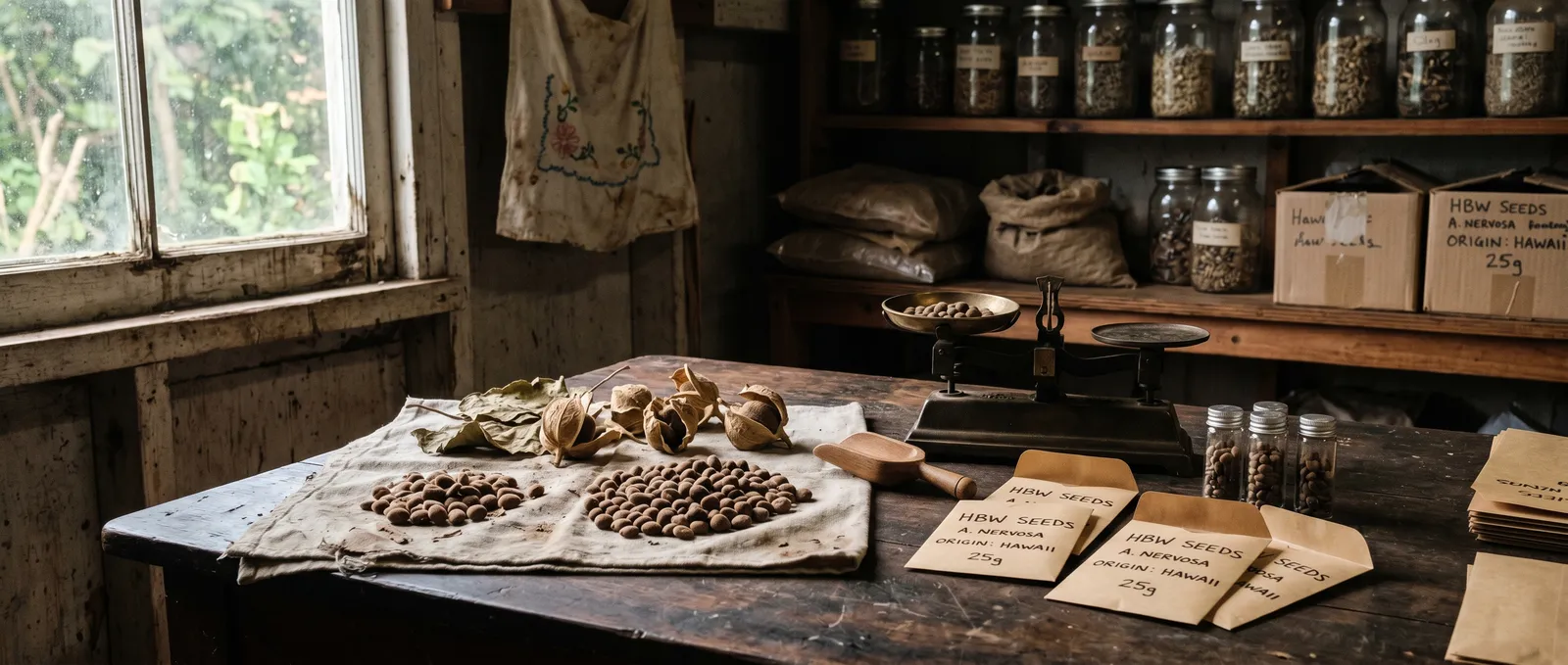
Hawaiian Baby Woodrose Sourcing
Hawaiian baby woodrose sourcing is a practice that covers how to obtain quality Argyreia nervosa seeds — a vine whose seeds contain LSA (lysergic acid amide).
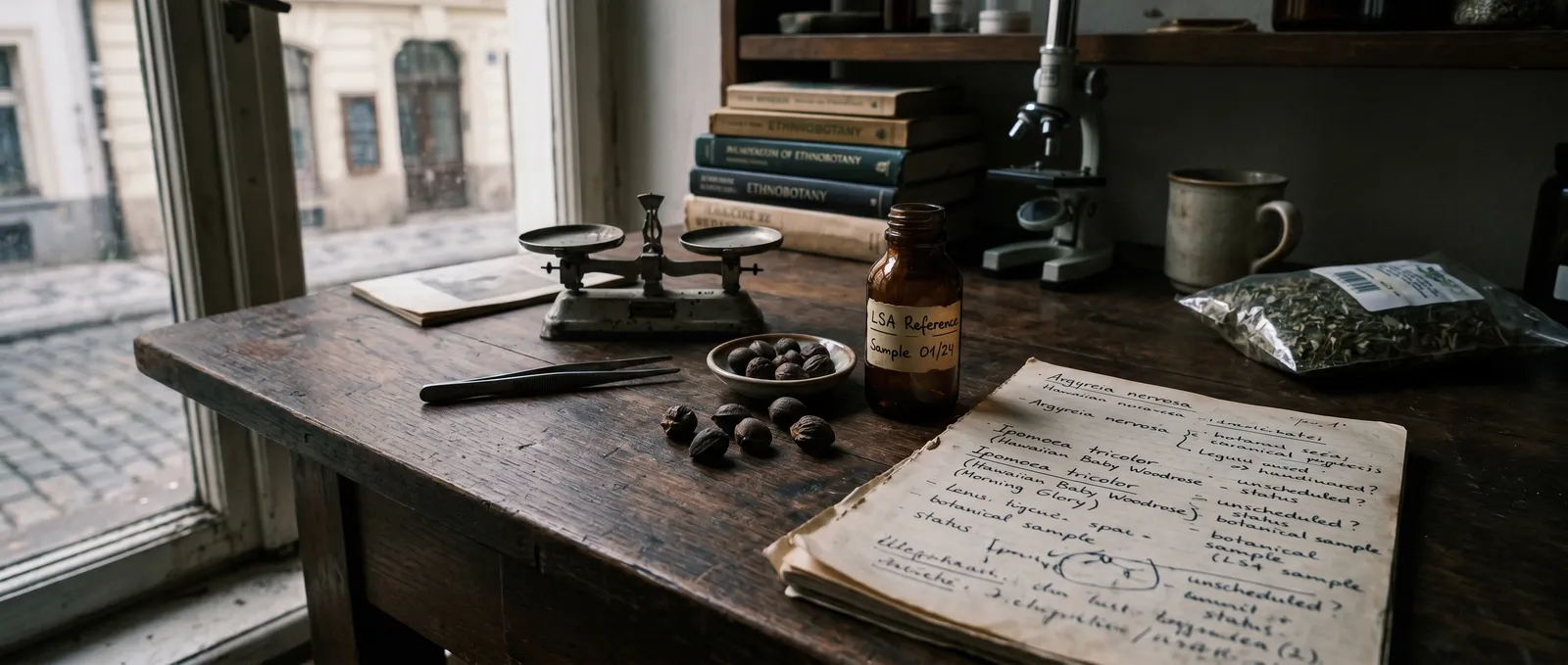
LSA Legal Status in Europe
LSA (lysergic acid amide, or ergine) occupies a legal grey zone across Europe — rarely scheduled as a compound, yet subject to varied NPS legislation that…
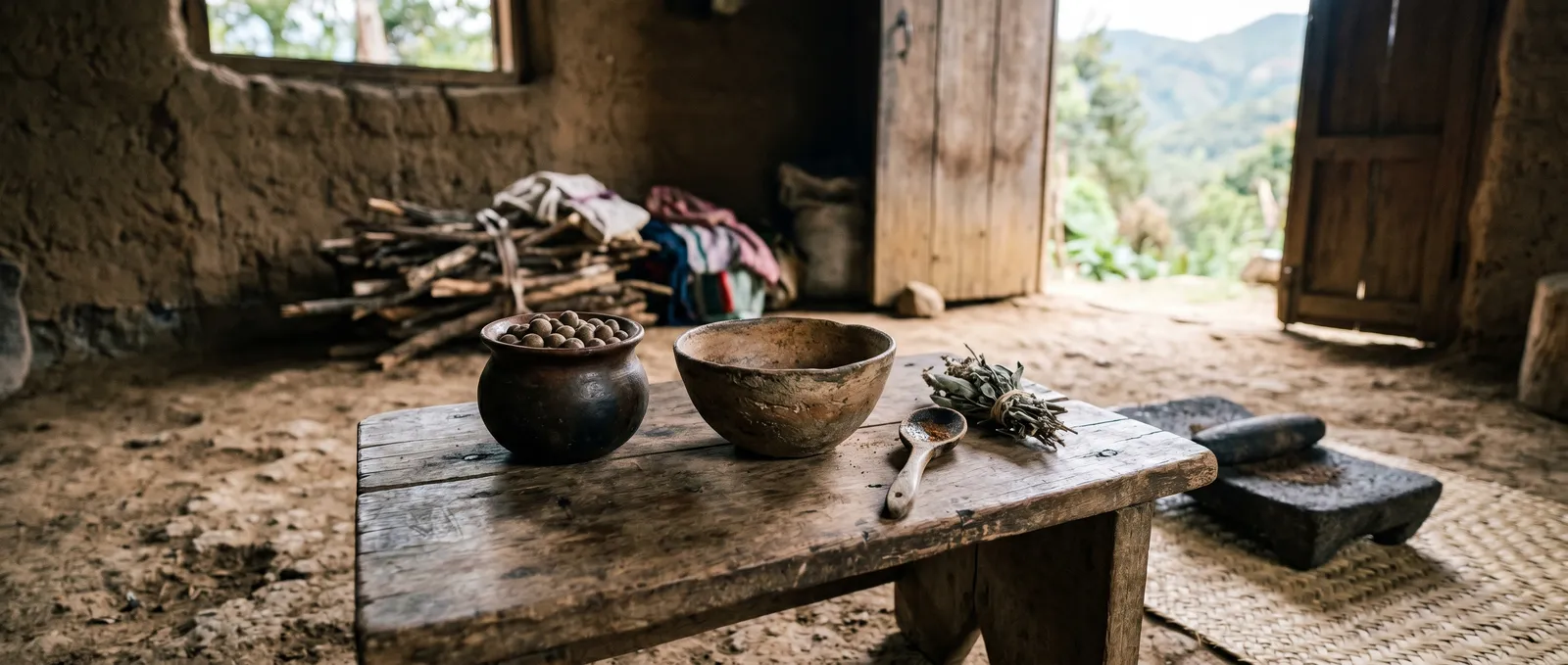
Ololiuqui Mazatec Tradition: Ceremonial Seeds of the Sierra Mazateca
Ololiuqui — the seeds of Turbina corymbosa — played a specific ceremonial role among the Mazatec people of Oaxaca, distinct from their better-known use of…
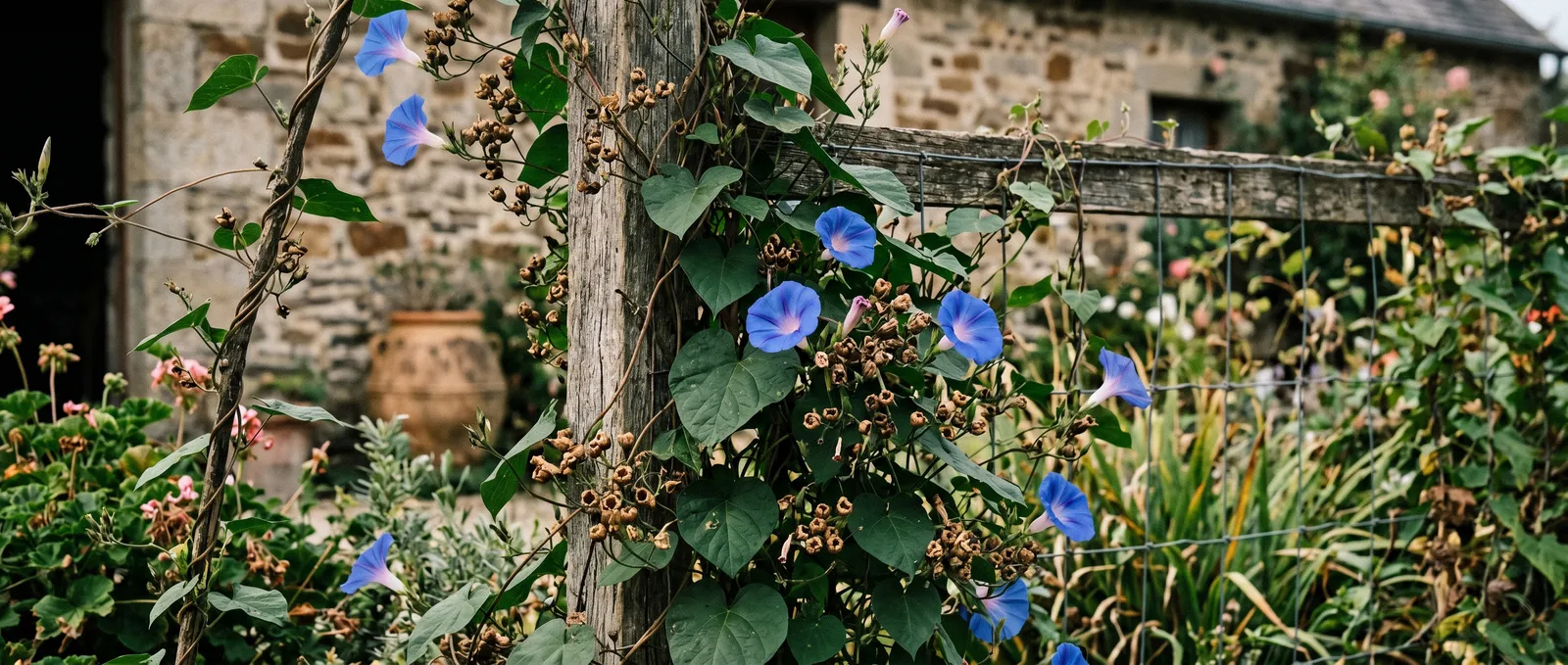
Morning Glory LSA Plants Family
Morning glory LSA plants family is a group of Convolvulaceae vines whose seeds contain d-lysergic acid amide (ergine), a naturally occurring tryptamine first…
Hawaiian Baby Woodrose Plant Botany
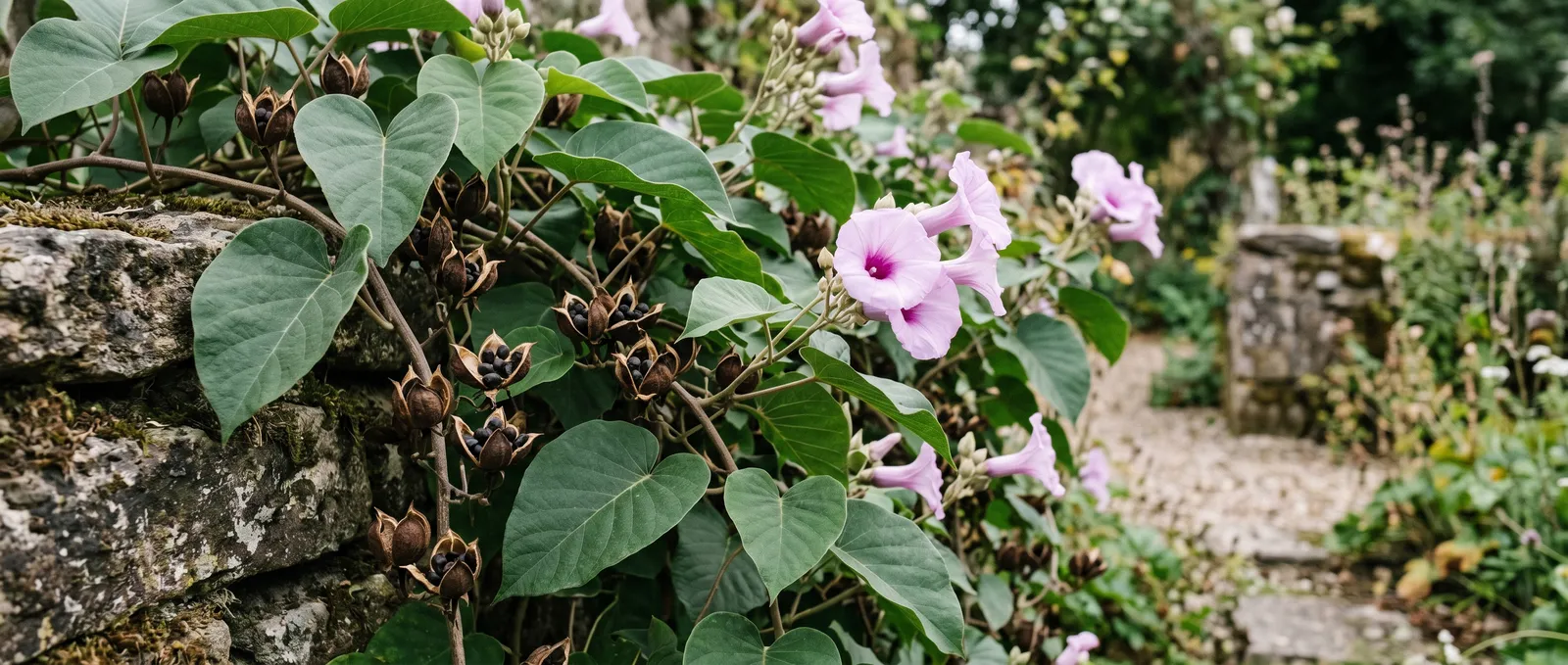
Argyreia nervosa, commonly called Hawaiian baby woodrose, is a perennial climbing vine native to the Indian subcontinent, not Hawai'i.
Magic Truffle Quality Indicators
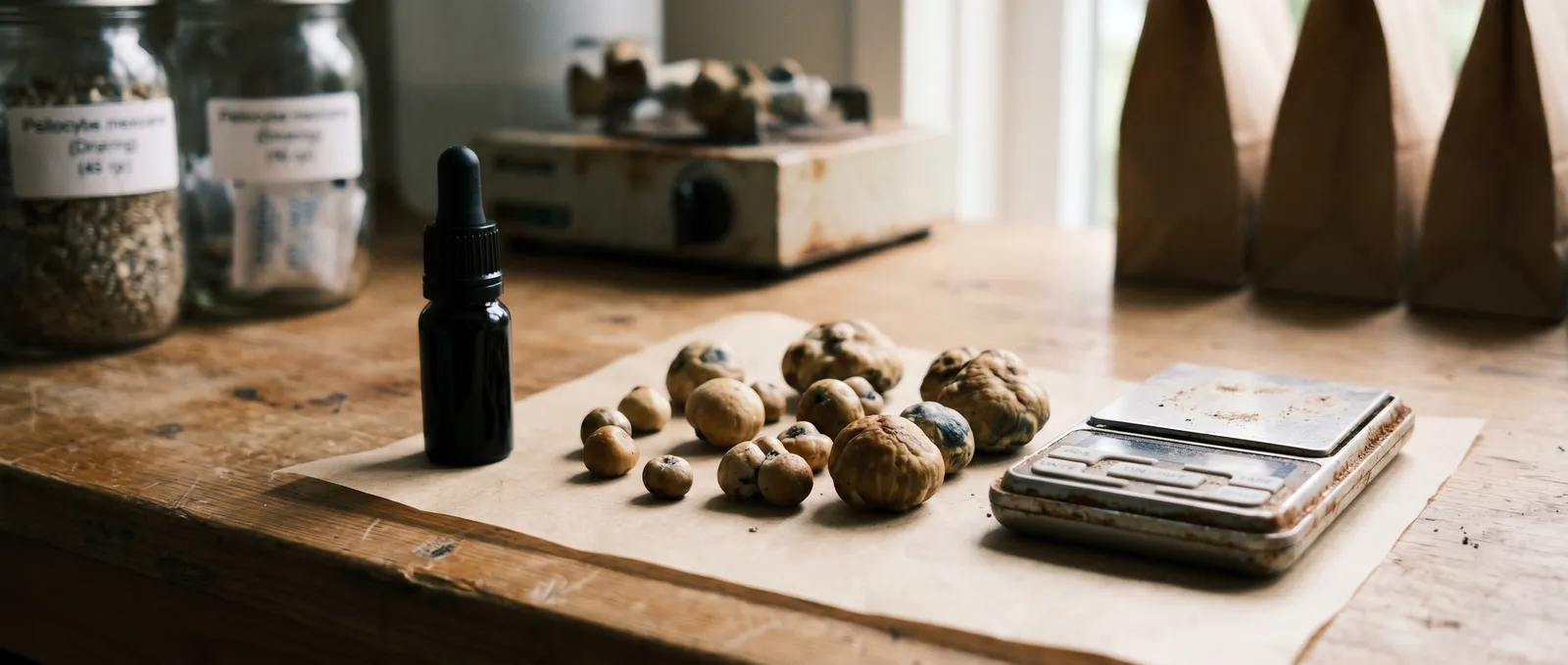
Magic truffle quality indicators are the measurable and sensory characteristics — psilocybin content, texture, aroma, packaging integrity, and storage…

Mescaline Cactus Market Observations
Mescaline cactus market observations is a research and retail term that describes the shifting patterns in sourcing, species selection, and consumption of…

Growing Mescaline Cacti as Ornamental Plants
Growing mescaline cacti ornamental is a horticultural practice that involves cultivating species like San Pedro, Peruvian Torch, and peyote for their…
Commercial Magic Truffle Cultivation
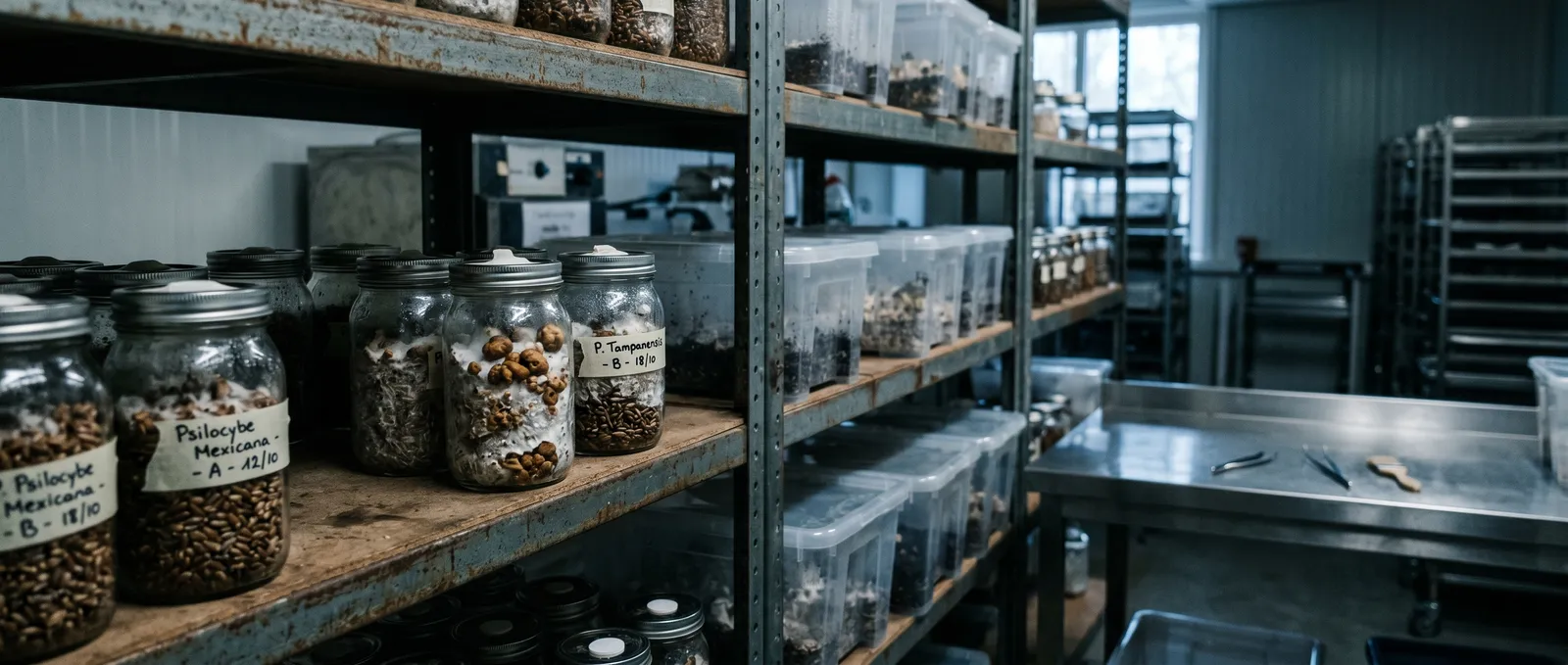
Commercial magic truffle cultivation is a large-scale agricultural process that produces psilocybin-containing sclerotia in climate-controlled indoor…