
This article discusses psychoactive substances intended for adults (18+). If you have a health condition or take medication, consult a doctor before use. Our age policy
Magic Truffle Varieties: Botanical Profiles
Definition
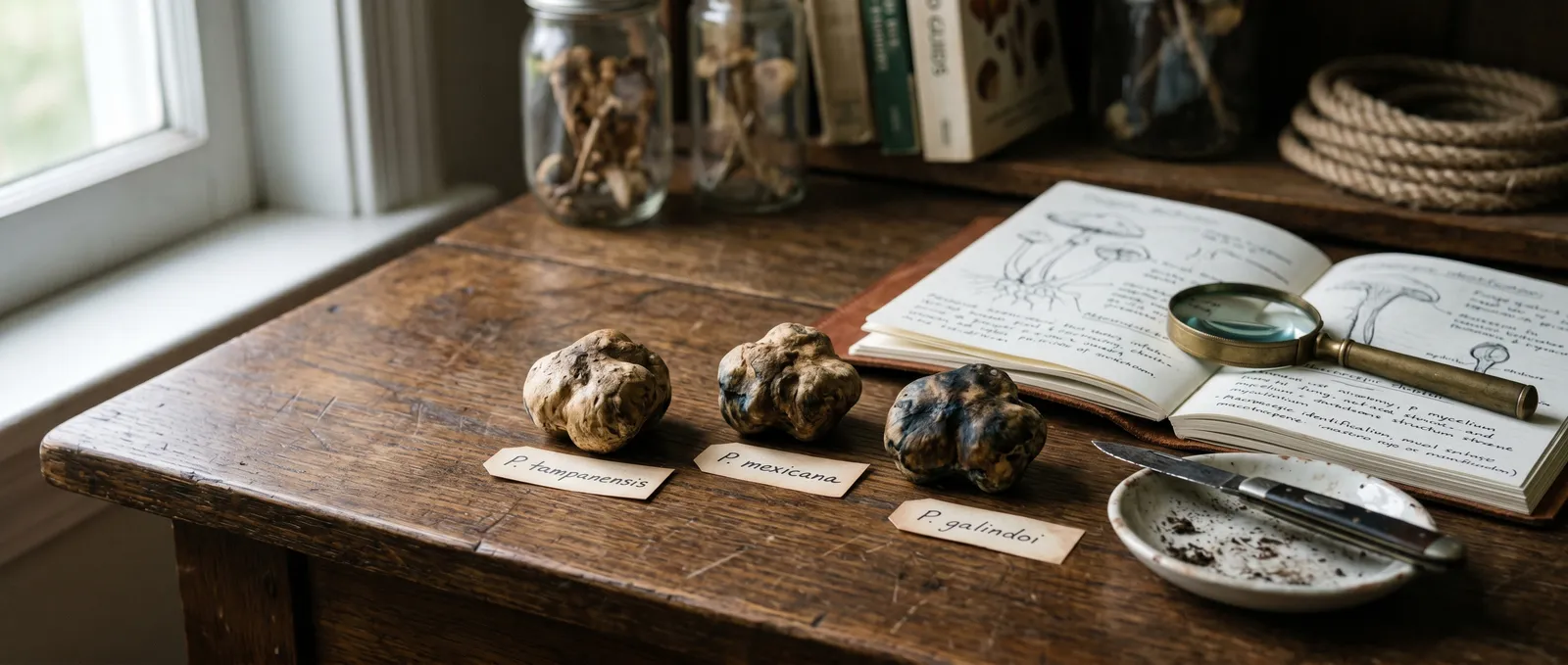
Magic truffle varieties are sclerotia-producing Psilocybe species and cultivars forming dense underground nutrient reserves containing psilocybin and psilocin. Commercial varieties span three core species — P. mexicana, P. tampanensis, and P. atlantis — with alkaloid content ranging from 0.17% to 1.78% dry weight across samples (Gotvaldová et al., 2022).
18+ only
Magic truffle varieties are sclerotia-producing cultivars within the genus Psilocybe that form dense, underground nutrient reserves containing psilocybin and psilocin. These botanical profiles cover the species and strains you will actually encounter when you buy magic truffles from a smartshop. Unlike the more familiar mushroom fruit bodies, these compact masses — technically called sclerotia — develop beneath the substrate surface as a survival mechanism. This guide is written for adults; the profiles, alkaloid ranges, and cultivation notes below apply to adult physiology and contexts where sclerotia are permitted. What follows is a data-first breakdown of the magic truffle varieties, their taxonomy, alkaloid content, and growth characteristics.
| Variety / Cultivar | Species | Typical Psilocybin (% dry weight) | Sclerotia Size | Colonisation Speed | Character Notes |
|---|---|---|---|---|---|
| Mexicana | Psilocybe mexicana | 0.3–0.7% | Small (5–15mm) | Fast (8–10 weeks) | Warm, social, gentle visuals. The original "philosopher's stone." |
| Tampanensis | Psilocybe tampanensis | 0.3–0.7% | Medium (10–25mm) | Moderate (10–12 weeks) | Introspective, creative. Discovered once in Tampa, Florida (1977). |
| Pajaritos | Psilocybe mexicana (strain A) | 0.4–0.7% | Small (5–12mm) | Fast (8–10 weeks) | Lighter than standard Mexicana. "Little birds" — named for the gentle lift. |
| Atlantis | Psilocybe atlantis | 0.5–0.9% | Large (15–40mm) | Moderate (10–14 weeks) | Strong visuals, philosophical depth. Cousin of tampanensis. |
| Fantasia | Psilocybe atlantis (cultivar) | 0.5–0.9% | Medium-large (15–35mm) | Moderate (10–12 weeks) | Colourful closed-eye visuals. Slightly more uplifting lean. |
| Mokum | Psilocybe tampanensis (cultivar) | 0.5–0.8% | Medium (10–20mm) | Moderate (10–12 weeks) | Named for Amsterdam's Yiddish nickname. Balanced body and mind. |
| Pandora | Psilocybe atlantis (cultivar) | 0.6–1.0% | Medium-large (15–30mm) | Moderate (12–14 weeks) | Intense open-eye visuals. Deep emotional territory. |
| Hollandia | Psilocybe hollandia (proprietary hybrid) | 0.8–1.2% | Large (20–40mm) | Slow (12–16 weeks) | Roughly 2x Mexicana potency. Full sensory distortion at standard doses. |
| Utopia | Psilocybe atlantis (high-potency cultivar) | 0.9–1.3% | Large (20–45mm) | Slow (14–16 weeks) | Among the strongest commercially available. Deep immersion territory. |
| Valhalla | Psilocybe valhalla (proprietary) | 1.0–1.5% | Large (20–50mm) | Slow (14–18 weeks) | The ceiling. Experienced users only. Prolonged peak (3–4 hours). |
Taxonomy and Species Boundaries
Three Psilocybe species reliably produce sclerotia in commercial cultivation: P. mexicana, P. tampanensis, and P. atlantis. Some cultivars marketed under proprietary names like Hollandia and Valhalla are either undisclosed hybrids or selectively bred strains whose exact lineage the farms keep close to their chest — the taxonomy here is partly commercial branding rather than strict mycological classification. Understanding these magic truffle varieties and their botanical profiles starts with recognising that species identity drives most of the meaningful differences between the products you can order today.
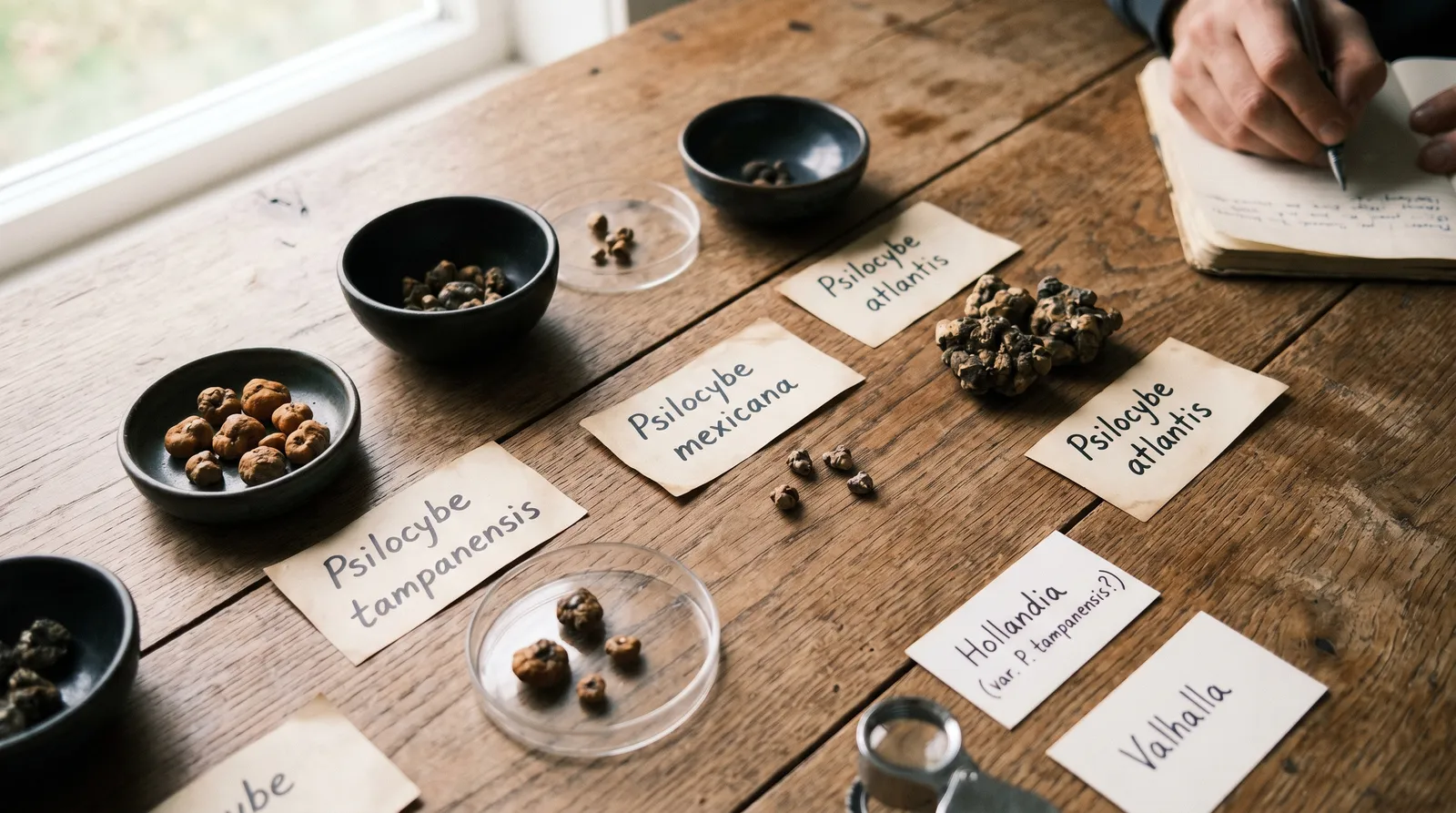
Psilocybe mexicana was the first species formally described as psychoactive by Roger Heim in 1957, working from specimens collected in Oaxaca. P. tampanensis was discovered by Steven Pollock in 1977 near Tampa, Florida — a single specimen that spawned essentially all commercial tampanensis genetics alive today. P. atlantis was described more recently by Guzmán et al. in 2004 from material found in Fulton County, Georgia, and is genetically close to tampanensis but produces distinctly larger, denser sclerotia.
The species question matters because alkaloid profiles vary between species more than between strains within a species. According to Gotvaldová et al. (2022), psilocybin content in sclerotia ranged from 0.17% to 1.78% dry weight across commercial Dutch truffle samples — a tenfold variation that maps primarily onto species identity rather than growing conditions.
Alkaloid Chemistry Across Magic Truffle Varieties
All magic truffles contain the same four core alkaloids — psilocybin, psilocin, baeocystin, and norbaeocystin — but the ratio shifts meaningfully between varieties. Mexicana sclerotia tend to carry a higher proportion of baeocystin relative to psilocybin compared to atlantis-derived cultivars, which may contribute to the reportedly gentler character — though baeocystin's pharmacology remains poorly characterised in isolation.
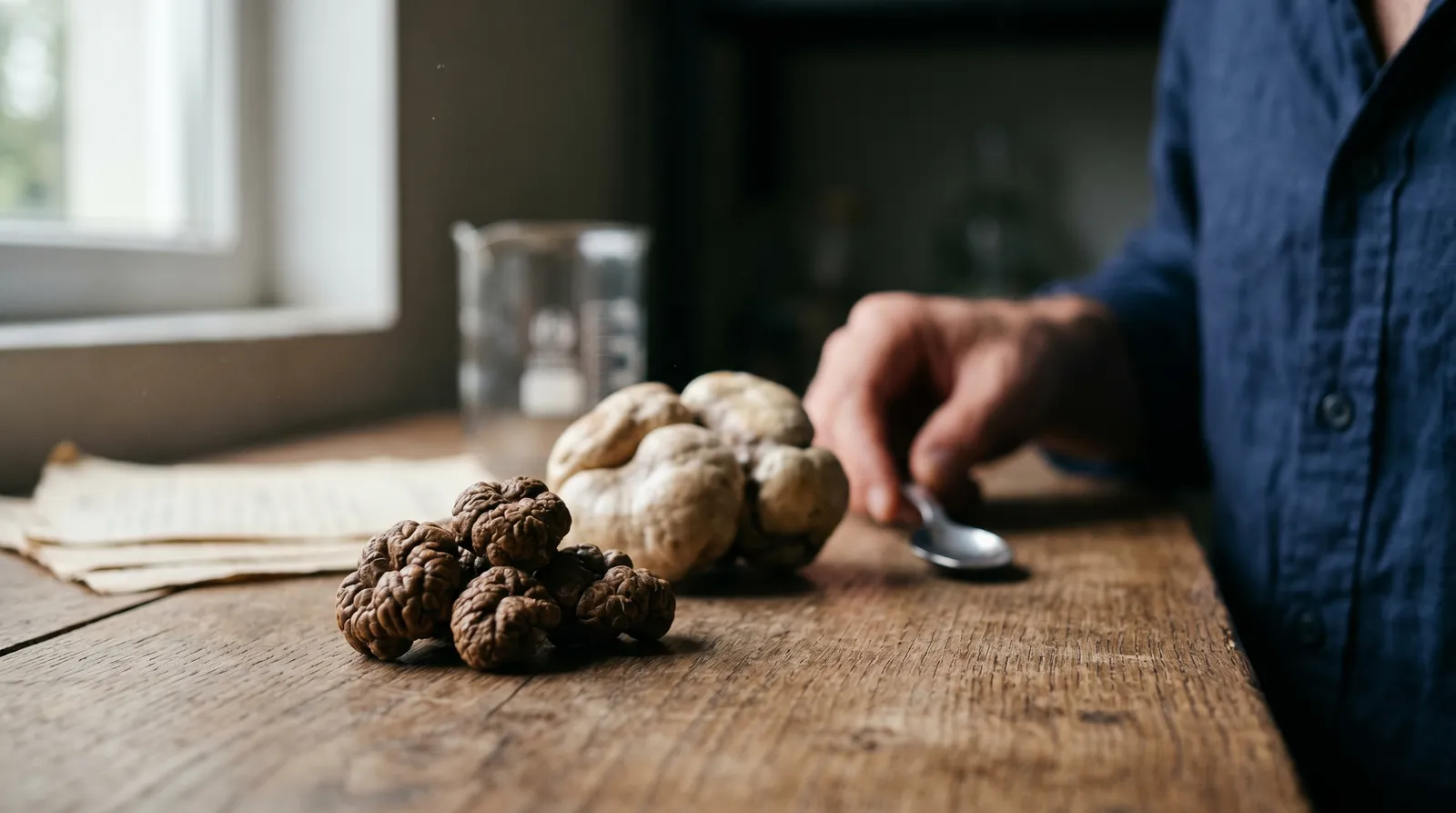
Friederich et al. (2023) analysed 40 commercial truffle samples from Dutch smartshops and found that psilocybin accounted for 60–85% of total alkaloid content, with psilocin contributing 5–15% and baeocystin 8–20%. The psilocin fraction matters for onset speed: psilocin is already active at the 5-HT2A receptor, while psilocybin requires dephosphorylation in the gut and liver. Varieties with higher native psilocin — typically the atlantis-derived ones — tend to produce a faster onset of around 20–30 minutes versus 40–60 minutes for mexicana-based cultivars.
One thing the data doesn't yet confirm is whether the subjective differences people report between, say, Atlantis and Hollandia are fully explained by total psilocybin content, or whether the alkaloid ratio genuinely shapes the qualitative character of the experience. We honestly don't know yet — and anyone who claims otherwise is outrunning the evidence. Anecdotally, experienced users insist the difference is real, but analytically, we're still waiting on controlled comparisons that hold dose constant and vary only the variety.
Sclerotia Morphology and Growth Habits
Sclerotia are dense, irregular masses of compacted mycelium that function as a fungal survival capsule designed to endure harsh environmental conditions. Their outer rind, called the cortex, is dark brown to black, while the interior medulla is pale, marbled, and stores nutrients including glycogen, lipids, and — critically — psilocybin alkaloids sequestered in cell vacuoles.
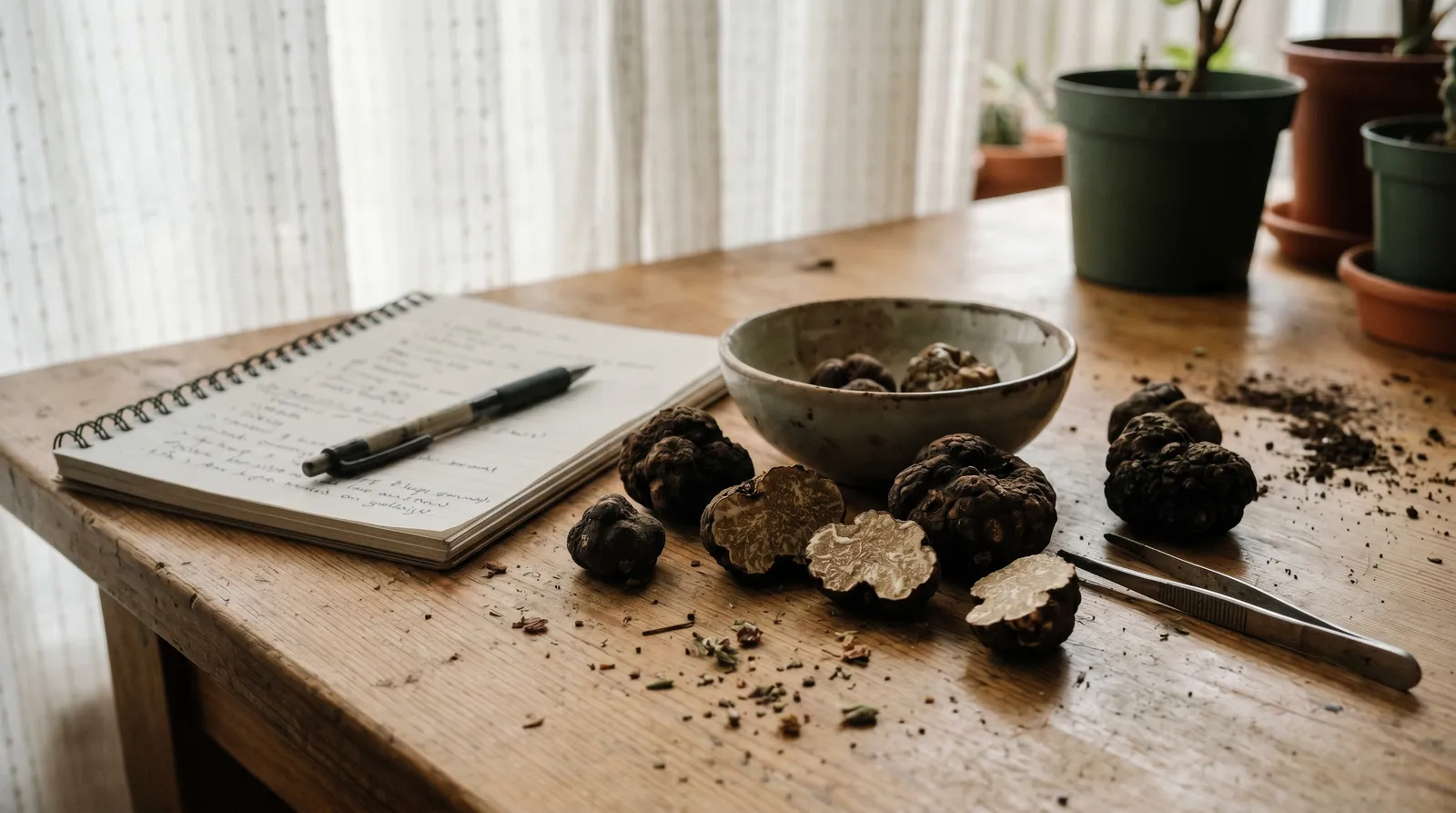
Size correlates loosely with species rather than potency. Mexicana produces small, walnut-kernel-sized stones that are easy to portion. Atlantis and its cultivars like Utopia, Pandora, and Valhalla produce chunks the size of a thumb or larger. Larger sclerotia aren't necessarily more potent per gram — they simply yield more total material per jar. The potency-per-gram is determined by genetics and growing conditions such as substrate composition, temperature, and colonisation duration, not by individual sclerotia size.
Colonisation temperature sits in a narrow band of 21–25°C for most varieties, with mexicana tolerating slightly cooler conditions around 19–23°C. Time to harvest ranges from 8 weeks for fast mexicana strains to 18 weeks for Valhalla. Longer colonisation generally means denser, more alkaloid-rich sclerotia because the mycelium has more time to synthesise and store psilocybin compounds throughout the sclerotial tissue.
How Variety Choice Affects the Experience
Variety choice determines both the intensity ceiling and the qualitative character of a truffle session, which is why selecting the right magic truffle variety matters before you buy. The practical framework most people use when deciding which magic truffle varieties to order from a smartshop breaks down into three tiers based on intensity:
- First experience or cautious exploration: Mexicana or Pajaritos offer a forgiving dose curve — the difference between 10g and 15g fresh is noticeable but not overwhelming. These are the varieties most people buy first, and they remain popular with returning customers who prefer a lighter session.
- Moderate depth with visual richness: Atlantis, Fantasia, or Mokum sit in a sweet spot where 10–12g fresh delivers a full experience without the intensity ceiling of the stronger cultivars. Many experienced users consider these the best all-round choice for a balanced session.
- Deep immersion: Hollandia, Utopia, or Valhalla demand accurate weighing and genuine respect for set and setting. About 10g of Valhalla is not the same as 10g of Mexicana — it's roughly equivalent to 20–25g of Mexicana in alkaloid load, so treat these with appropriate caution.
The dosage article in this cluster covers gram-by-gram ranges for each variety. For interactions with SSRIs, MAOIs, or lithium, see the dedicated psilocybin interactions article — those considerations apply identically across all varieties since the active molecules are the same.
Storage and Stability by Variety
Fresh sclerotia remain stable at 2–4°C for 4–8 weeks in vacuum-sealed packaging, making them practical to order and store at home. Alkaloid degradation is slow under refrigeration — Gotvaldová et al. (2022) measured less than 10% psilocybin loss over 60 days at 4°C, though that data comes from a mixed sample set and individual variety-level stability hasn't been published separately.
Denser varieties such as Hollandia, Utopia, and Valhalla tend to hold up slightly better in storage because their lower surface-area-to-volume ratio reduces oxidation at the cut surface. Mexicana's smaller, more irregular pieces show slightly faster browning once the vacuum seal is broken — not a potency issue per se, but a visual and textural change that bothers some people. For best results, consume opened packages within two to three days.
Comparing Truffles to Dried Mushrooms
Fresh truffles and dried mushroom fruit bodies contain the same active compounds, but the delivery format differs in ways that matter practically for anyone deciding what to get. Fresh truffles carry roughly 65–70% water content, meaning 15g of fresh truffles contain about 5g of dry material — comparable to roughly 1.5–2.5g of dried Psilocybe cubensis depending on the variety. People who have tried both often describe the truffle experience as having a slightly slower onset and smoother arc, though this is not confirmed in controlled settings.
If you get the chance to compare side by side at matched doses, the difference is subtler than most online forums suggest. The real practical advantage of truffles is consistency — because they are produced in controlled indoor environments with standardised substrates and colonisation times, batch-to-batch variation tends to be smaller than what you see with dried mushroom fruit bodies grown under variable conditions.
Choosing Among Magic Truffle Varieties
Selecting the right variety from the full range of magic truffle varieties comes down to three factors: your experience level, your intended depth, and your sensitivity to onset speed. Beginners should start with Mexicana or Pajaritos and work upward only after understanding their personal response curve. Intermediate users who want richer visuals without overwhelming intensity will find Atlantis or Mokum well suited to that middle ground. Advanced users looking to buy the strongest available options should consider Hollandia, Utopia, or Valhalla — but only with careful attention to accurate dosing and a well-prepared setting.
We genuinely cannot tell you which variety will be your favourite — individual neurochemistry, body weight, stomach contents, and mindset all interact in ways that make universal recommendations unreliable. What we can say is that the botanical profiles above give you the data to make an informed choice, and starting lower than you think you need is always the smarter approach.
Last updated: April 2026
Frequently Asked Questions
8 questionsWhy do different magic truffle varieties feel different if they contain the same alkaloids?
How many Psilocybe species actually produce sclerotia?
Is a larger truffle more potent than a smaller one?
How long can fresh magic truffles be stored before alkaloid content drops?
What determines colonisation speed differences between truffle varieties?
How do magic truffles compare to dried psilocybin mushrooms in potency?
Are proprietary truffle names like Hollandia and Valhalla real species or marketing brands?
What is the strongest magic truffle variety available and how potent is it?
About this article


Adam Parsons is an external cannabis and psychedelics writer and editor who contributes to Azarius's wiki as both author and reviewer. On the writing side, he authors Azarius's kratom and kanna clusters, drawing on exten
This wiki article was drafted with AI assistance and reviewed by Adam Parsons, External contributor. Editorial oversight by Joshua Askew.
Medical disclaimer. This content is for informational purposes only and does not constitute medical advice. Consult a qualified healthcare provider before use of any substance.
Last reviewed April 19, 2026
References (4)
- [1]Gotvaldová, K. et al. (2022). "Stability of psilocybin and its four analogs in the biomass of the psychotropic mushroom Psilocybe cubensis." Drug Testing and Analysis, 14(2), 302–310.
- [2]Friederich, D. et al. (2023). "Quantitative analysis of tryptamine derivatives in commercial psilocybin-containing truffles." Forensic Science International, 348, 111726.
- [3]Guzmán, G., Ramírez-Guillén, F., Torres, M. (2004). "New species and new records of Psilocybe from Spain, the U.S.A. and Mexico." Documents Mycologiques, 33(130), 39–52.
- [4]Heim, R. & Wasson, R.G. (1958). Les champignons hallucinogènes du Mexique. Muséum National d'Histoire Naturelle, Paris.
Related Articles
Hawaiian Baby Woodrose Sourcing
Hawaiian baby woodrose sourcing is a practice that covers how to obtain quality Argyreia nervosa seeds — a vine whose seeds contain LSA (lysergic acid amide).
LSA Legal Status in Europe
LSA (lysergic acid amide, or ergine) occupies a legal grey zone across Europe — rarely scheduled as a compound, yet subject to varied NPS legislation that…
Ololiuqui Mazatec Tradition: Ceremonial Seeds of the Sierra Mazateca
Ololiuqui — the seeds of Turbina corymbosa — played a specific ceremonial role among the Mazatec people of Oaxaca, distinct from their better-known use of…
Morning Glory LSA Plants Family
Morning glory LSA plants family is a group of Convolvulaceae vines whose seeds contain d-lysergic acid amide (ergine), a naturally occurring tryptamine first…
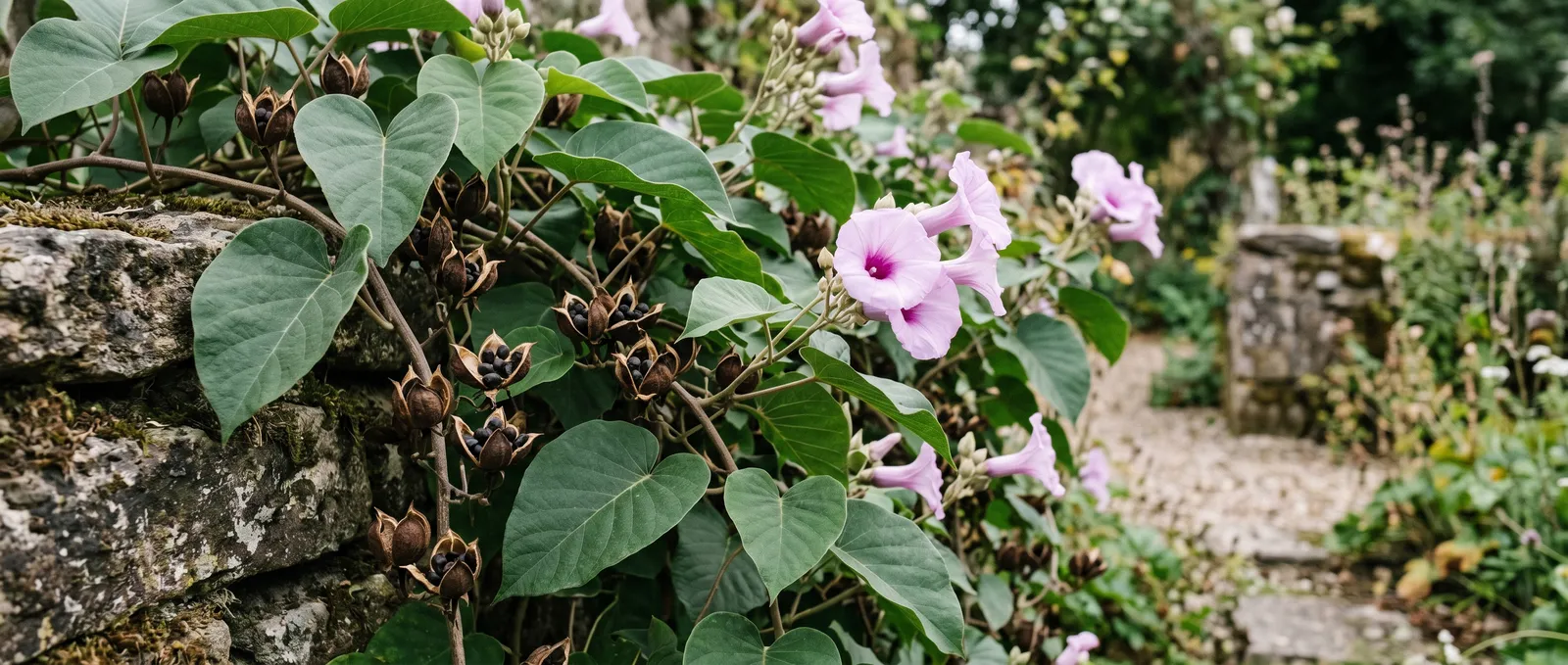
Hawaiian Baby Woodrose Plant Botany
Argyreia nervosa, commonly called Hawaiian baby woodrose, is a perennial climbing vine native to the Indian subcontinent, not Hawai'i.
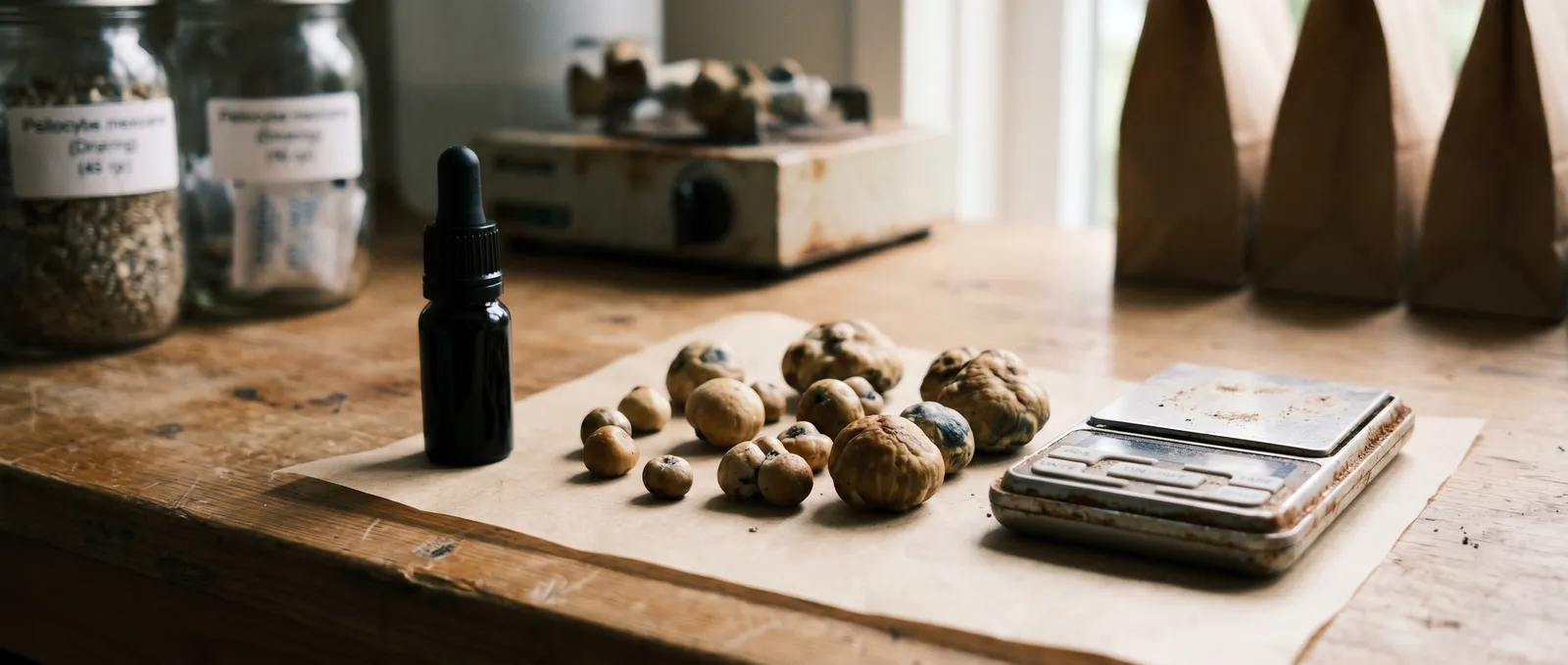
Magic Truffle Quality Indicators
Magic truffle quality indicators are the measurable and sensory characteristics — psilocybin content, texture, aroma, packaging integrity, and storage…
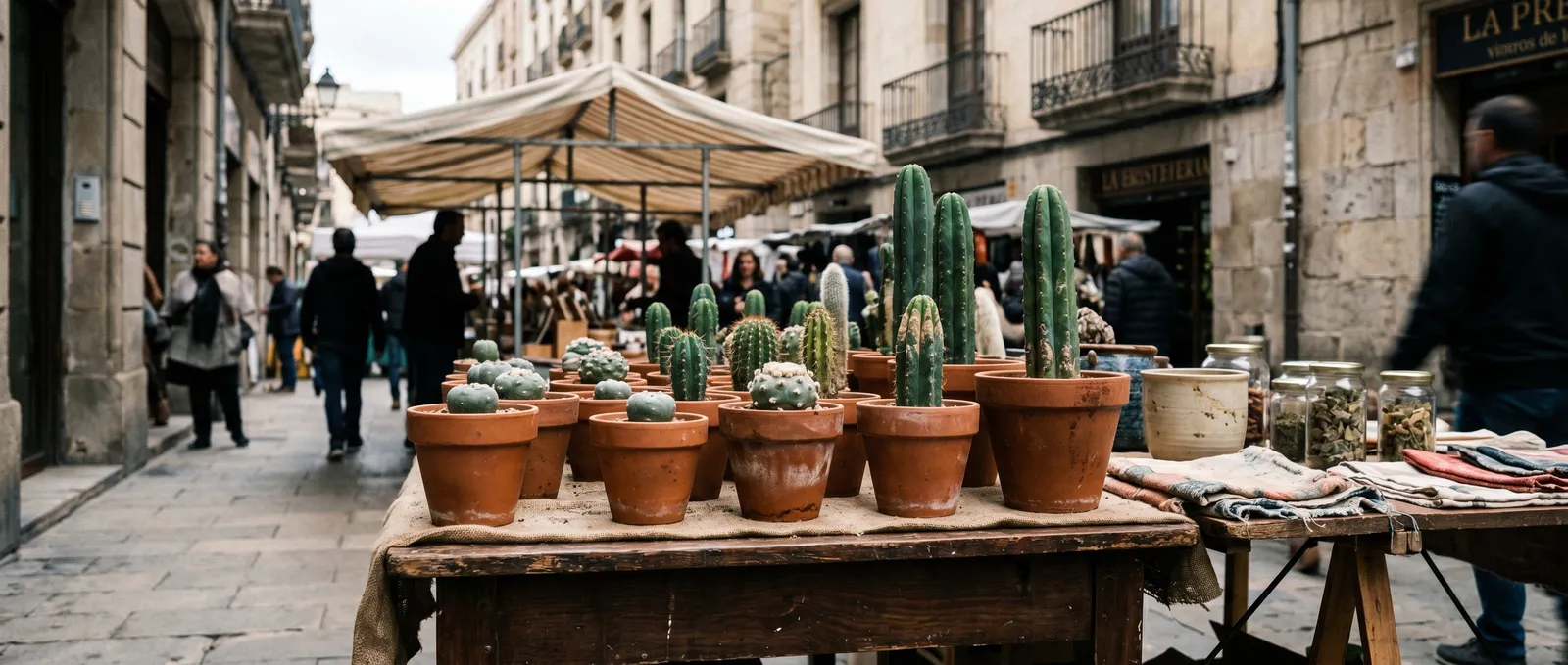
Mescaline Cactus Market Observations
Mescaline cactus market observations is a research and retail term that describes the shifting patterns in sourcing, species selection, and consumption of…
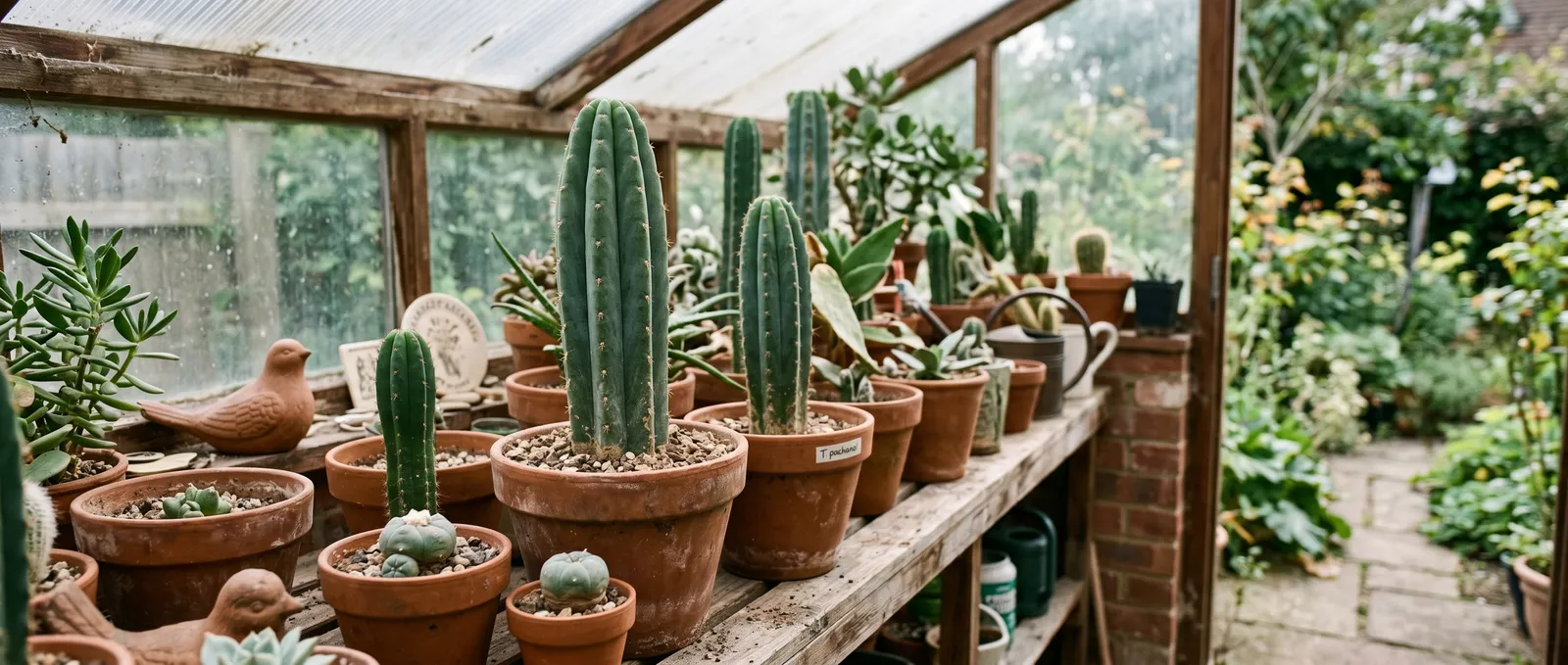
Growing Mescaline Cacti as Ornamental Plants
Growing mescaline cacti ornamental is a horticultural practice that involves cultivating species like San Pedro, Peruvian Torch, and peyote for their…
Commercial Magic Truffle Cultivation
Commercial magic truffle cultivation is a large-scale agricultural process that produces psilocybin-containing sclerotia in climate-controlled indoor…