
This article discusses psychoactive substances intended for adults (18+). If you have a health condition or take medication, consult a doctor before use. Our age policy
Psilocybin Effects: What to Expect

Definition
Psilocybin effects follow a predictable timeline — onset, peak, plateau, comedown — typically lasting 4–6 hours. The subjective content varies enormously based on dose, mindset, and environment. This article breaks down what actually happens at each stage and dose level.
Psilocybin effects are the 4–6 hour window of perceptual, emotional, and cognitive changes produced by psilocin — the active metabolite of psilocybin, a prodrug found in Psilocybe sclerotia and mushrooms — acting as a partial agonist at cortical 5-HT2A receptors. The subjective arc follows a fairly predictable pattern — onset, peak, plateau, comedown — but the content of that arc varies enormously depending on dose, your mental state, and where you are when it begins. This article walks through the timeline, the dose-dependent range of psilocybin effects, what to expect physically, and how to prepare so you know what you're actually signing up for.
Adult audience (18+). The dosing ranges and effects described in this article apply to adult physiology. This content is not intended for minors.
How Quickly Does Psilocybin Kick In?
Most people notice the first psilocybin effects within 20–45 minutes on an empty stomach, or 60–90 minutes after a meal. According to a pharmacokinetic study by Brown et al. (2017), oral psilocybin reaches peak plasma concentration in approximately 80 minutes, with psilocin (the active metabolite) peaking slightly later. The gap between swallowing and feeling anything is where impatience causes problems — redosing before the 90-minute mark is how people overshoot.
Early signs are subtle: a slight tingling sensation in the body, mild nausea, colours appearing a touch more saturated. Some people describe a "coming up" feeling similar to nervous excitement. Yawning is oddly common — not from tiredness, but seemingly from serotonergic activation. Within the first hour, you'll typically know whether you're in for a gentle session or something more intense.
What Does a Low Dose Feel Like?
A low dose of psilocybin — roughly 5–10 mg, or around 0.5–1 g of dried Psilocybe cubensis — produces mood enhancement, mild perceptual shifts, and a gentle sense of openness without full-blown visual distortion. Colours look richer. Music sounds more layered. You might feel emotionally tender or find yourself laughing at things that aren't particularly funny. Thought patterns shift slightly — you notice connections you'd normally skip past.
At this level, you're functional. You can hold a conversation, navigate your surroundings, and generally pass as sober to a stranger (though close friends might notice something's different). A 2011 study by Studerus et al. found that lower doses produced primarily positive mood effects with minimal anxiety, particularly when set and setting were controlled. The duration at this range is typically 3–4 hours, with a gentle tail-off rather than an abrupt end.
What Happens at a Moderate Dose?
Moderate doses — 15–25 mg psilocybin, roughly 2–3.5 g dried mushrooms — produce the full spectrum of classic psilocybin effects, including unmistakable visual changes and significant emotional intensity. Surfaces may appear to breathe or ripple, patterns emerge on plain textures, and closed-eye visuals can be vivid and complex. You might feel waves of joy, awe, sadness, or all three within minutes of each other.
Time perception warps. Five minutes can feel like an hour; an hour can vanish. The default mode network — the brain system responsible for your sense of self and habitual thought loops — shows reduced activity at these doses, according to neuroimaging work by Carhart-Harris et al. (2012) at Imperial College London. That's the neurological basis for the commonly reported feeling that ego boundaries are softening: the line between "you" and "everything else" gets blurry.
This is also the dose range where set and setting matter most. In a safe, comfortable environment with people you trust, a moderate dose is what most clinical studies use to produce lasting positive outcomes. In a chaotic or stressful environment, the same dose can amplify anxiety into something genuinely difficult. The substance doesn't create the content of the experience — it amplifies whatever's already there.
What About Strong and Heavy Doses?
Strong doses — 20–30 mg psilocybin, or roughly 3.0–5.0 g dried — push psilocybin effects beyond visual phenomena into deep psychological territory, with full ego dissolution possible at the upper end. Heavy doses (30 mg+, 5+ g dried) are where the sense of being a separate self can temporarily disappear entirely. These experiences can be either transcendent unity or terrifying annihilation depending on preparation and context. The dose-tier labels used here (Strong / Heavy) match the pillar article on what psilocybin is — some earlier literature collapsed both tiers into a single "High" band.

In the landmark Johns Hopkins study by Griffiths et al. (2006), 30 mg/70 kg psilocybin produced experiences that 67% of participants rated among the five most personally meaningful of their lives. But the same study noted that 31% of participants experienced significant fear at some point during the session — even with careful screening, preparation, and professional support. Doses above 40 mg were not included in most published clinical studies, and the risk-to-benefit ratio becomes increasingly unpredictable beyond that range.
At high doses, the duration extends to 5–6 hours, sometimes longer. The peak can feel like it lasts an eternity. Physical coordination is significantly impaired — standing up and walking around is inadvisable. Having a sober, trusted person present isn't just a nice idea; it's a genuine safety measure. Preparing the environment in advance — lighting, music, water, a quiet space, and a clear schedule — makes a real difference to how the high-dose phase unfolds.
Psilocybin Effects by Dose: A Comparison
The psilocybin effects at each dose tier differ in intensity, duration, and character. The table below provides a direct comparison based on clinical literature and practical observation. Individual responses vary — body weight, metabolism, mushroom species, and personal sensitivity all play a role.
| Dose Range | Psilocybin (mg) | Dried Mushrooms (approx.) | Typical Effects | Duration |
|---|---|---|---|---|
| Microdose | 1–3 mg | 0.1–0.3 g | Sub-perceptual; subtle mood and focus shifts | N/A (no acute session) |
| Low | 5–10 mg | 0.5–1 g | Mood lift, colour enhancement, mild openness | 3–4 hours |
| Moderate | 15–25 mg | 2–3.5 g | Visual changes, emotional waves, time distortion | 4–6 hours |
| High | 25–40 mg | 3.5–5+ g | Ego dissolution, deep psychological material, intense visuals | 5–6+ hours |
| Psilocybin Source | Onset Speed | Nausea Likelihood | Dosing Precision | Availability |
|---|---|---|---|---|
| Fresh psilocybin truffles | Slower (30–60 min) | Higher | Moderate (pre-portioned packs) | Dried Psilocybe cubensis (regulatory status varies by country) |
| Dried Psilocybe cubensis | Moderate (20–45 min) | Moderate | Moderate (scale recommended) | Varies by jurisdiction |
| Psilocybin extract/capsule | Fastest (15–30 min) | Lowest | Highest | Clinical/research settings only |
Note: dried mushroom equivalents are approximate and vary significantly by species and batch. Psilocybin truffles (sclerotia) have different potency per gram than dried caps — check the specific product information before deciding on a dose.
What Are the Physical Effects?
The most common physical psilocybin effects are nausea during onset, dilated pupils, a mild increase in heart rate (typically 10–20 bpm above baseline), and occasional muscle tension. According to a safety review by Johnson et al. (2018), blood pressure changes are minor and heart rate increases are modest. Nausea tends to pass within the first hour and is more common with whole mushrooms or truffles than with extracted psilocybin, likely due to chitin and other fungal material in the matrix.
Body temperature regulation can feel off: you might feel warm one moment and chilly the next. Muscle tension, particularly in the jaw and shoulders, is reported by some users. Headaches occasionally occur during the comedown, though a 2012 study by Johnson et al. found these were typically mild and transient, resolving within 24 hours.
One thing that doesn't happen: organ toxicity. The EMCDDA's 2023 Drug Profile classifies psilocybin among serotonergic hallucinogens with low physiological toxicity and no documented lethal dose in humans. The physical risks of psilocybin are almost entirely indirect — poor decisions made while cognitively impaired, not damage from the molecule itself.
An Honest Limitation
Most of what we know about psilocybin's physical safety profile comes from clinical trials with screened, healthy participants in controlled settings. If you have a cardiovascular condition, a seizure disorder, or are taking psychiatric medication, the published safety data may not apply to you in the same way. We're not doctors, and this article isn't a substitute for medical advice tailored to your situation.
How Long Do the Effects Last?
Total duration of psilocybin effects from onset to baseline is typically 4–6 hours, with the peak occurring roughly 60–90 minutes after onset and lasting 1–2 hours. Some residual effects — mild mood elevation, slight visual enhancement — may linger for another 1–2 hours after that. The "plateau and descent" phase after the peak is usually the most emotionally comfortable part of the experience.
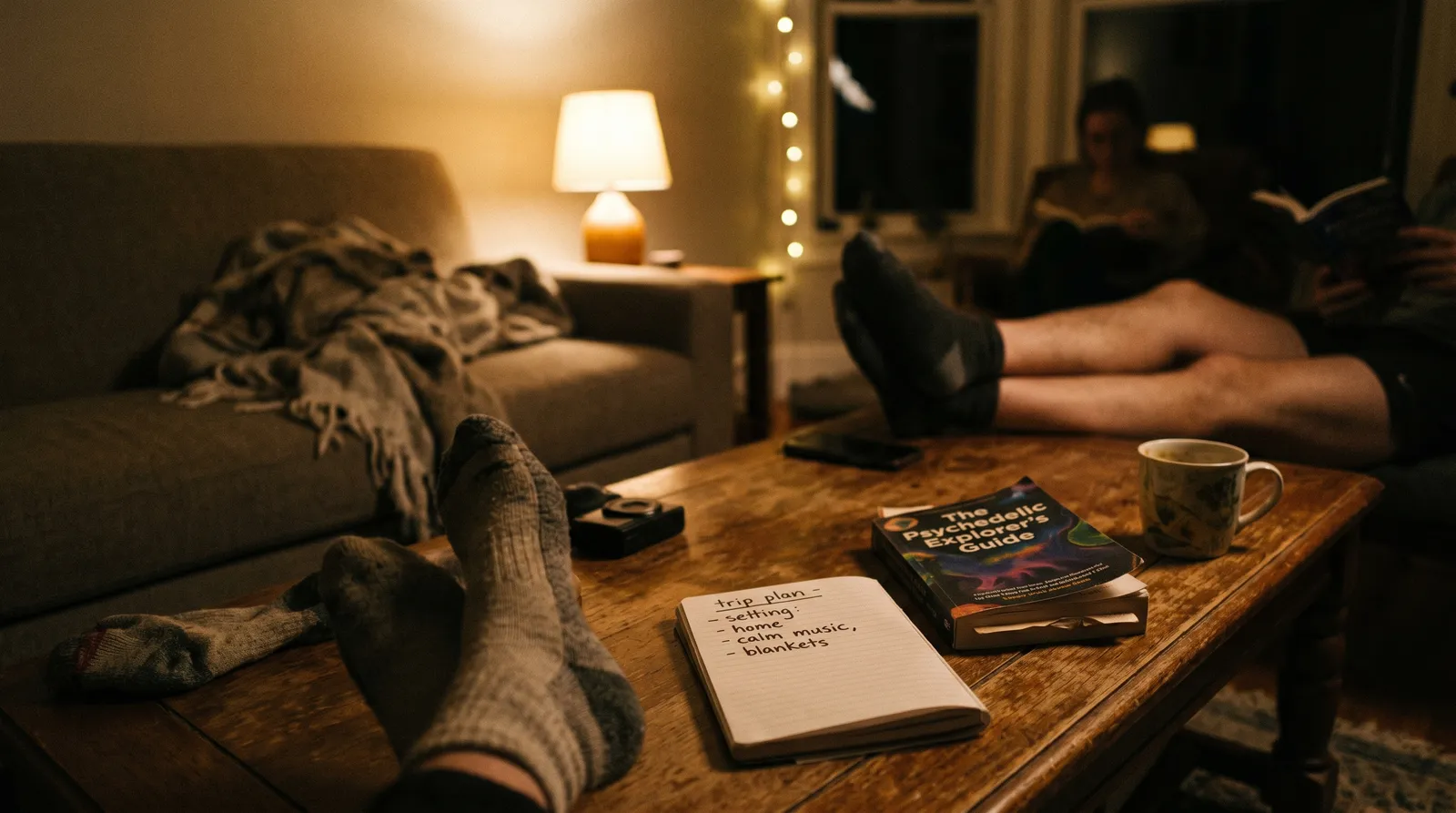
Sleep can be difficult for 2–3 hours after effects have otherwise subsided. Most people report feeling fully normal the following morning, often with a noticeable mood lift that can persist for days or weeks. A 2020 study in the Journal of Psychopharmacology by Erritzoe et al. found that positive afterglow effects — increased well-being and openness — were detectable up to 3 months post-session in a clinical setting, though the extent to which this applies outside controlled environments is less clear.
What Determines Whether the Experience Is Positive or Difficult?
Set, setting, and dose are the three primary factors that determine whether psilocybin effects feel positive or difficult. A 2019 Trimbos Institute report found that 94% of psilocybin experiences in a Dutch sample were rated as positive overall. That still leaves 6% — and the factors separating the two groups are well-documented: set (your mindset, emotional state, expectations, and mental health history), setting (physical environment, social context, noise levels, sense of safety), and dose.
Pre-existing anxiety or unresolved emotional material doesn't disqualify someone from a positive experience, but it does raise the stakes. Difficult moments during a session — fear, confusion, emotional overwhelm — are common even in positive experiences. The distinction between a "difficult experience" and a "bad experience" often comes down to whether you have support to move through the hard parts rather than fight them.
Psilocybin interacts with certain medications, particularly SSRIs, MAOIs, and lithium. For a complete breakdown, see the dedicated article on psilocybin interactions and safety in the Azarius Encyclopedia.
For a deeper look at preparation strategies, the sibling article on psilocybin set and setting in the Azarius blog covers the practical side of creating a supportive environment. Trip stoppers (also called session calmers) can help manage anxiety during a session — these won't end the experience instantly, but they can take the edge off if things get uncomfortable.
Psilocybin Effects Compared: Truffles vs Dried Mushrooms vs Extracts
The core psilocybin effects are the same regardless of source — the active molecule is identical once your body converts it to psilocin. What changes is the delivery curve, onset speed, and the side-effect profile around digestion. Not all psilocybin sources produce identical experiences, even at equivalent doses.
- Fresh psilocybin truffles (e.g., Psilocybe Atlantis, Psilocybe Mexicana): onset tends to be slightly slower due to water content and chitin. Nausea is more common. Effects are otherwise comparable to dried mushrooms at equivalent psilocybin doses. These are the most common form sold in Dutch smartshops.
- Dried Psilocybe cubensis mushrooms: faster onset than fresh material, slightly more concentrated per gram. The most widely studied form in clinical research.
- Psilocybin extracts and capsules: most precise dosing, least nausea, fastest onset. Used in nearly all clinical trials. Not widely available outside research settings.
If nausea is a concern, making a tea from truffles or mushrooms and straining out the solid material reduces stomach discomfort for most people. A herbal stomach settler (ginger, peppermint, or similar) is worth having on hand.
An Honest Limitation on Sources
Potency varies not just between species but between individual batches of the same species. Two packs of the same truffle brand, harvested weeks apart, can differ meaningfully in psilocybin content. Lab-tested clinical capsules solve this problem; whole fungi don't. If precise dosing matters to you — and it should — start at the low end of any range and adjust from there.
Practical Tips for Your First Psilocybin Session
Starting with a low dose is the single most reliable way to steer psilocybin effects toward a positive outcome. Aim for 5–10 mg psilocybin, or a beginner-strength truffle pack, and work up from there in future sessions. Eat lightly two hours beforehand rather than dosing on a full or completely empty stomach. Have water, fruit, and a blanket within reach.
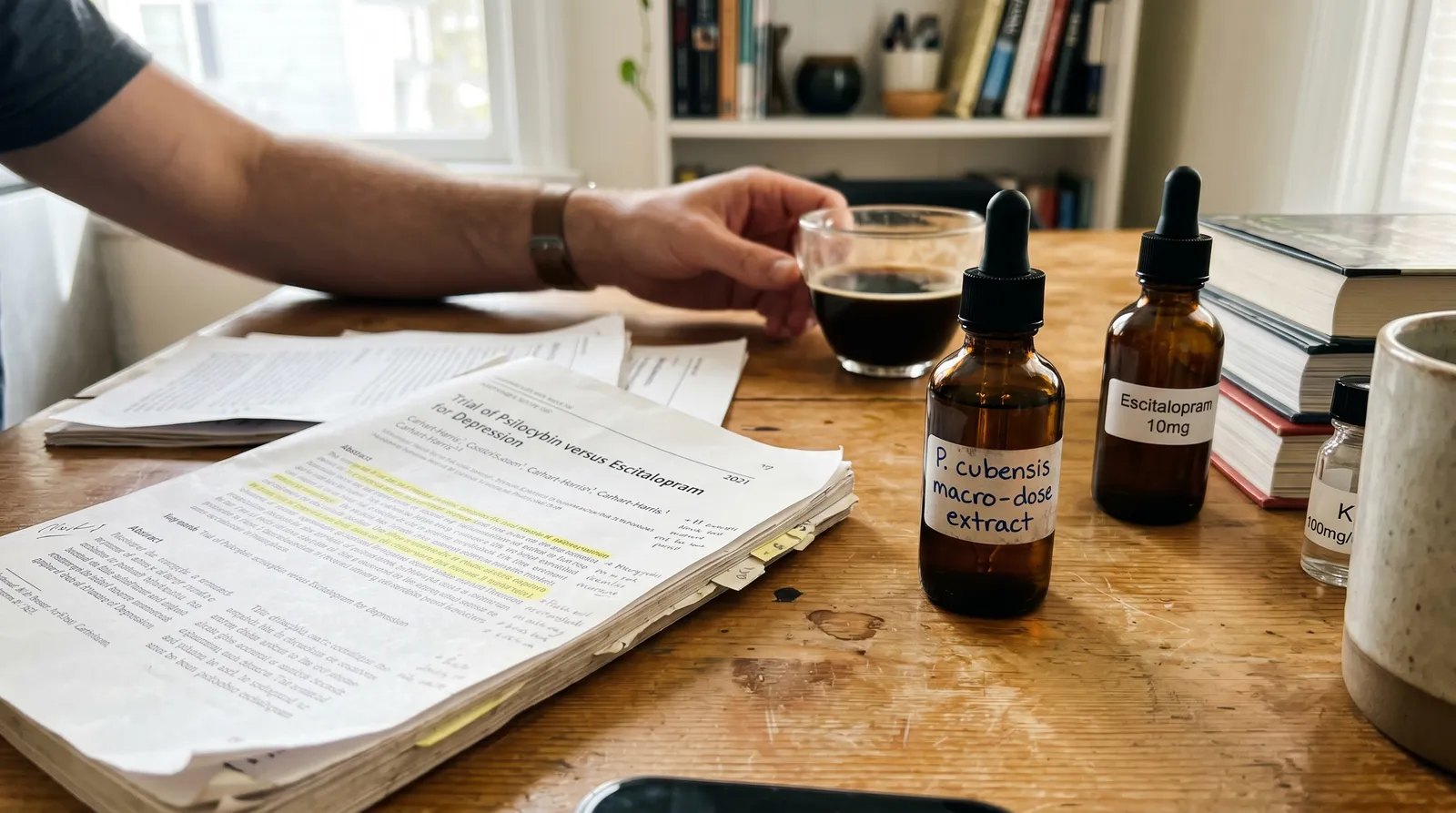
Choose a calm, familiar space. Turn your phone off or leave it in another room. If possible, have a sober friend present who knows what you've taken and can sit with you if things get intense. Music playlists curated for psilocybin sessions — steady, minimal lyrics, gradually building — are used in most clinical studies for good reason: they give the mind something to follow without demanding attention.
Block out the full day. Even if the acute effects last only four hours, you'll want time to rest, eat, and process afterward. Journaling in the hours after a session, while impressions are still fresh, is something many experienced users swear by. A session journal and preparation checklist can help structure the approach.
How Do Psilocybin Effects Compare to Other Psychedelics?
Psilocybin effects last roughly 4–6 hours, which is significantly shorter than LSD (8–12 hours) and shorter than mescaline (8–10 hours), making it the most manageable classical psychedelic for a single-day session. The emotional tone also differs: psilocybin sessions tend to feel warmer and more introspective compared to the analytical clarity many people associate with LSD, though individual variation is enormous.
In terms of body load, psilocybin causes more nausea than LSD but less than mescaline-containing cacti. The visual character differs too — psilocybin visuals tend toward organic, flowing patterns, while LSD visuals are often described as more geometric and crisp. Duration is the most practical differentiator: if you want the full psychedelic experience in a single afternoon rather than an entire day, psilocybin is the most commonly chosen option.
An Honest Limitation on Comparisons
Comparing psychedelics by reading descriptions is a bit like comparing cuisines by reading menus — the words gesture at something, but the actual flavour is irreducibly experiential. Cross-substance comparisons are also complicated by the fact that most people don't control dose precisely across different substances. Take any "psilocybin feels like X but not Y" statement — including the ones above — as a rough sketch rather than a reliable map.
Understanding Psilocybin Effects: What to Expect Overall
Psilocybin effects follow a reliable pharmacological arc — onset within 20–60 minutes, peak at 60–90 minutes, plateau, then a gradual comedown over 4–6 hours total. What fills that arc depends almost entirely on dose, mindset, and environment. At low doses, you get mood enhancement and gentle perceptual shifts. At moderate doses, the full psychedelic palette opens up. At high doses, the experience moves into territory that clinical researchers describe as among the most meaningful — and occasionally the most frightening — events in a person's life.
The practical takeaway is straightforward: know your dose, prepare your environment, have support available, and don't rush. The investment in preparation — knowing the dose, setting up a safe environment, and having support available — pays for itself many times over. For further reading, the Azarius Encyclopedia article on psilocybin covers the pharmacology in more depth, and the Azarius blog guide on psilocybin set and setting walks through environment preparation step by step. The psilocybin effects themselves are largely outside your control once the session begins — but everything leading up to that moment is entirely in your hands.
An Honest Limitation on Expectations
No article — including this one — can fully prepare you for what a psilocybin experience actually feels like. Reading about ego dissolution and reading about swimming are similar exercises: useful for orientation, but fundamentally different from the thing itself. The information here is drawn from clinical literature and years of customer conversations, but your experience will be your own. Treat everything above as a map, not the territory.
Last updated: April 2026
Frequently Asked Questions
10 questionsHow long does it take for psilocybin to kick in?
What are the physical side effects of psilocybin?
Can psilocybin cause a bad experience?
How long do psilocybin effects last?
What is the difference between low-dose and high-dose psilocybin effects?
Do psilocybin truffles and dried mushrooms produce different effects?
Can you eat or drink during a psilocybin trip?
Is it safe to take psilocybin alone or should someone be present?
Can you build a tolerance to psilocybin?
Does eating before a psilocybin trip affect the experience?
About this article


Adam Parsons is an external cannabis and psychedelics writer and editor who contributes to Azarius's wiki as both author and reviewer. On the writing side, he authors Azarius's kratom and kanna clusters, drawing on exten
This wiki article was drafted with AI assistance and reviewed by Adam Parsons, External contributor. Editorial oversight by Joshua Askew.
Medical disclaimer. This content is for informational purposes only and does not constitute medical advice. Consult a qualified healthcare provider before use of any substance.
Last reviewed April 24, 2026
References (8)
- [1]Brown, R.T. et al. (2017). Pharmacokinetics of escalating doses of oral psilocybin in healthy adults. Clinical Pharmacokinetics , 56(12), 1543–1554. DOI: 10.1007/s40262-017-0540-6
- [2]Studerus, E. et al. (2011). Acute, subacute and long-term subjective effects of psilocybin in healthy humans. Journal of Psychopharmacology , 25(11), 1434–1452.
- [3]Carhart-Harris, R.L. et al. (2012). Neural correlates of the psychedelic state as determined by fMRI studies with psilocybin. Proceedings of the National Academy of Sciences , 109(6), 2138–2143. DOI: 10.1073/pnas.1119598109
- [4]Griffiths, R.R. et al. (2006). Psilocybin can occasion mystical-type experiences having substantial and sustained personal meaning and spiritual significance. Psychopharmacology , 187(3), 268–283. DOI: 10.1007/s00213-006-0457-5
- [5]Johnson, M.W. et al. (2018). Classic psychedelics: an integrative review of epidemiology, therapeutics, mystical experience, and brain network function. Pharmacology & Therapeutics , 197, 83–102.
- [6]EMCDDA (2023). Psilocybin Drug Profile. European Monitoring Centre for Drugs and Drug Addiction.
- [7]Erritzoe, D. et al. (2020). Effects of psilocybin therapy on personality structure. Journal of Psychopharmacology , 34(4), 1068–1077.
- [8]Trimbos Institute (2019). Monitoring drug use in the Netherlands: Annual report.
Related Articles
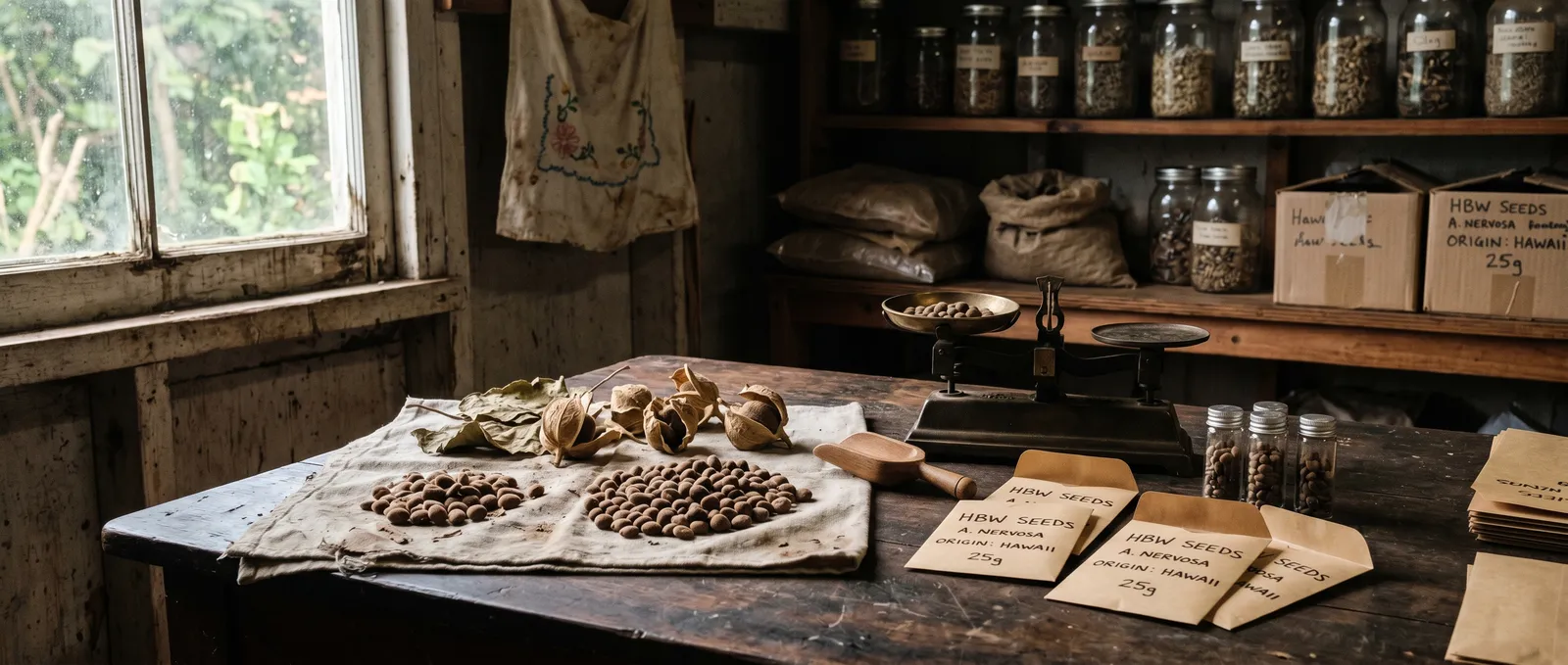
Hawaiian Baby Woodrose Sourcing
Hawaiian baby woodrose sourcing is a practice that covers how to obtain quality Argyreia nervosa seeds — a vine whose seeds contain LSA (lysergic acid amide).
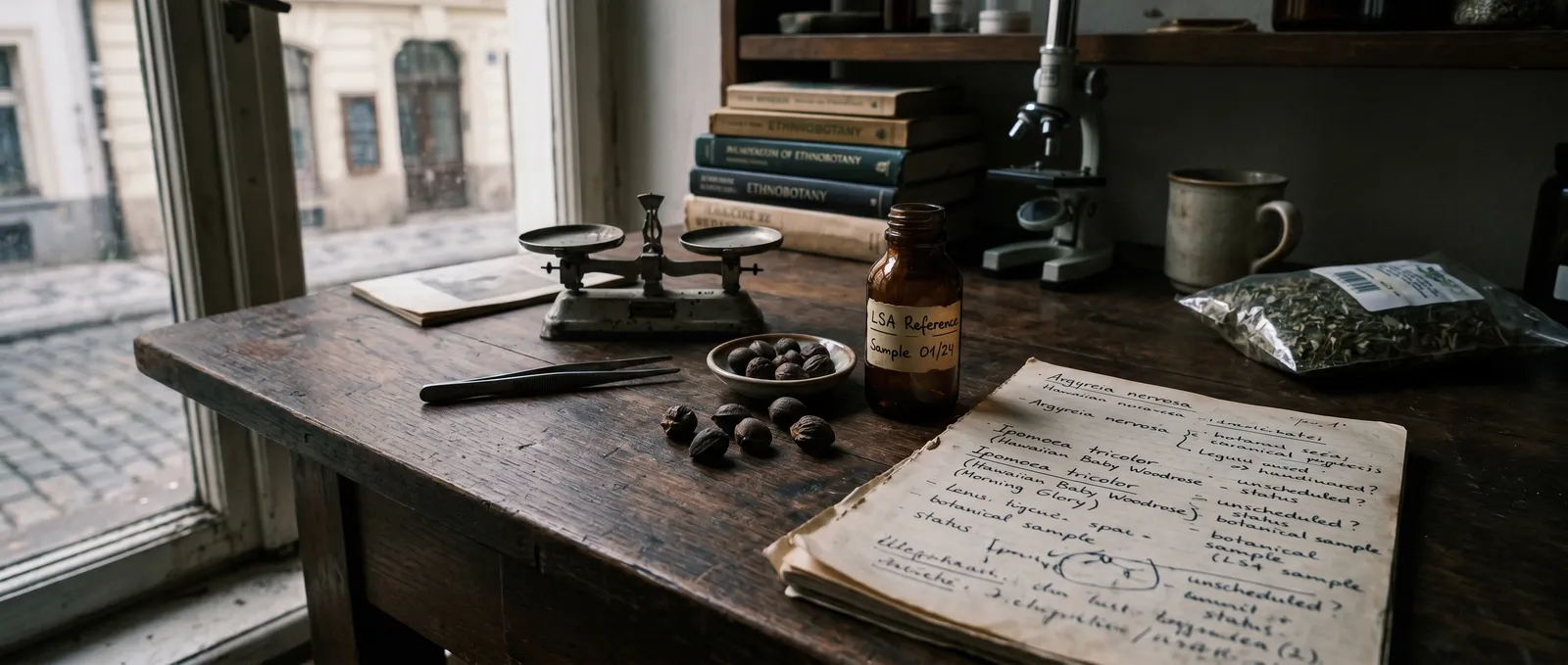
LSA Legal Status in Europe
LSA (lysergic acid amide, or ergine) occupies a legal grey zone across Europe — rarely scheduled as a compound, yet subject to varied NPS legislation that…
Ololiuqui Mazatec Tradition: Ceremonial Seeds of the Sierra Mazateca
Ololiuqui — the seeds of Turbina corymbosa — played a specific ceremonial role among the Mazatec people of Oaxaca, distinct from their better-known use of…

Morning Glory LSA Plants Family
Morning glory LSA plants family is a group of Convolvulaceae vines whose seeds contain d-lysergic acid amide (ergine), a naturally occurring tryptamine first…
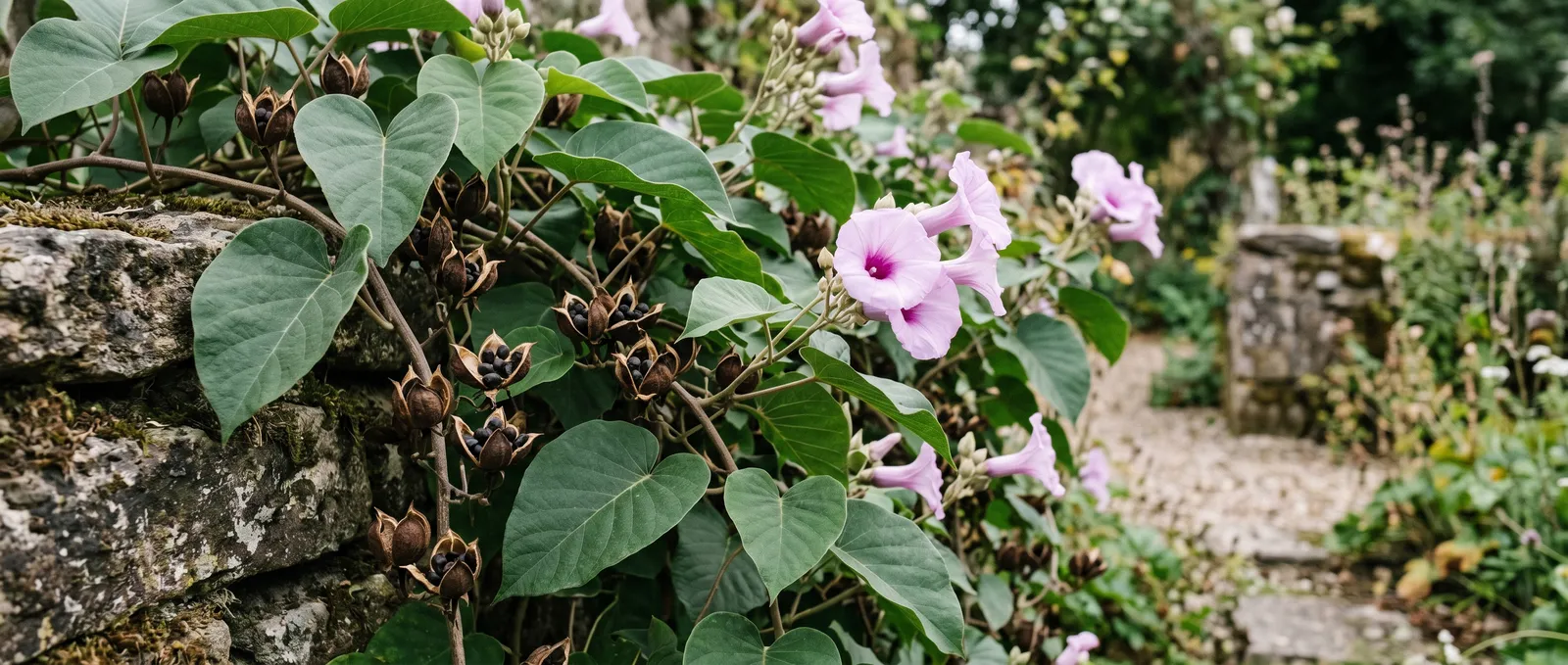
Hawaiian Baby Woodrose Plant Botany
Argyreia nervosa, commonly called Hawaiian baby woodrose, is a perennial climbing vine native to the Indian subcontinent, not Hawai'i.
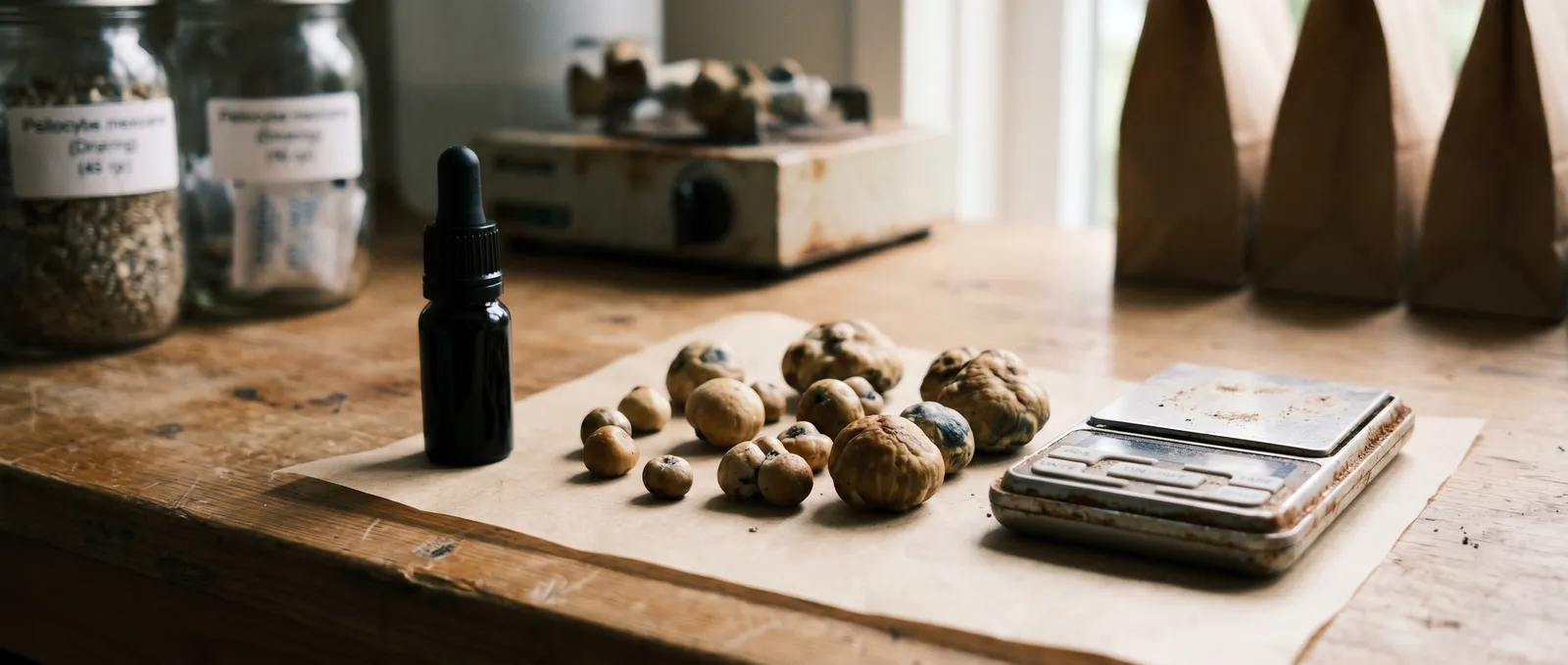
Magic Truffle Quality Indicators
Magic truffle quality indicators are the measurable and sensory characteristics — psilocybin content, texture, aroma, packaging integrity, and storage…

Mescaline Cactus Market Observations
Mescaline cactus market observations is a research and retail term that describes the shifting patterns in sourcing, species selection, and consumption of…

Growing Mescaline Cacti as Ornamental Plants
Growing mescaline cacti ornamental is a horticultural practice that involves cultivating species like San Pedro, Peruvian Torch, and peyote for their…
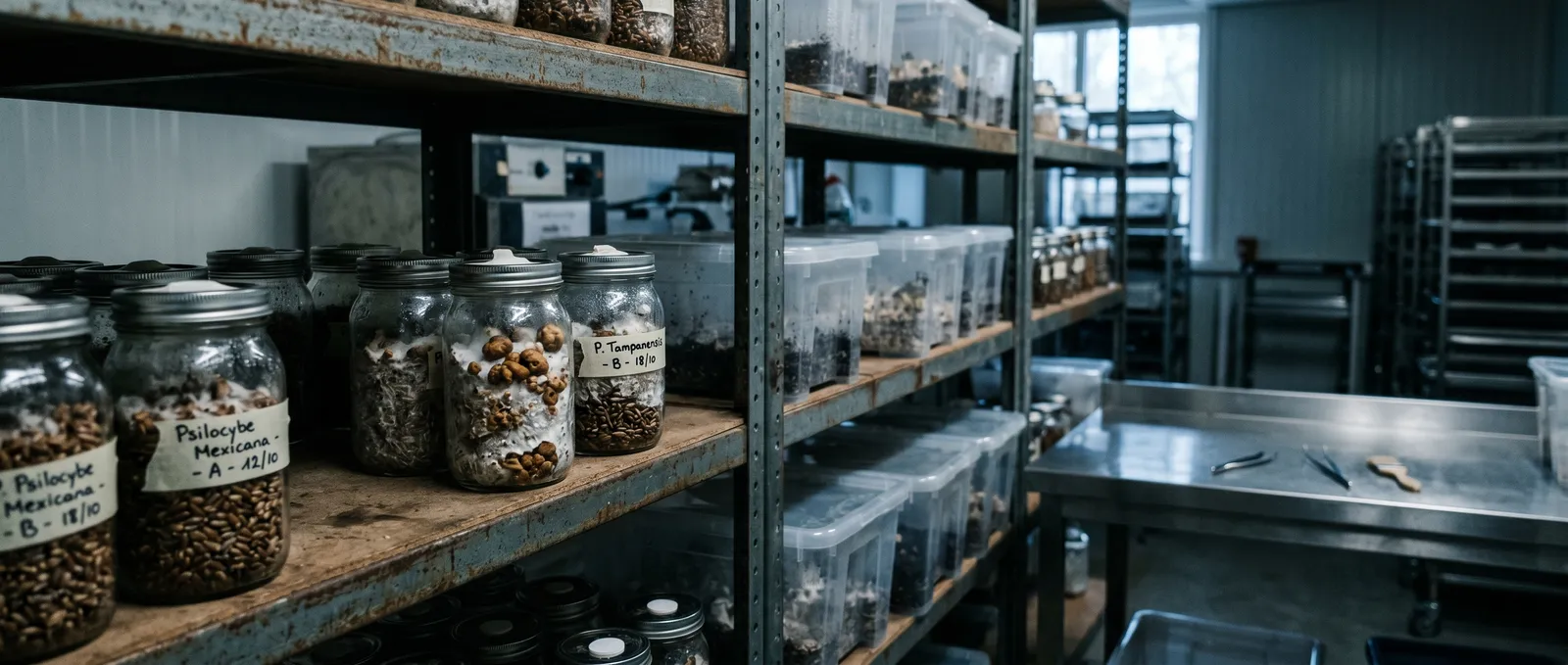
Commercial Magic Truffle Cultivation
Commercial magic truffle cultivation is a large-scale agricultural process that produces psilocybin-containing sclerotia in climate-controlled indoor…