
Mescaline Cacti
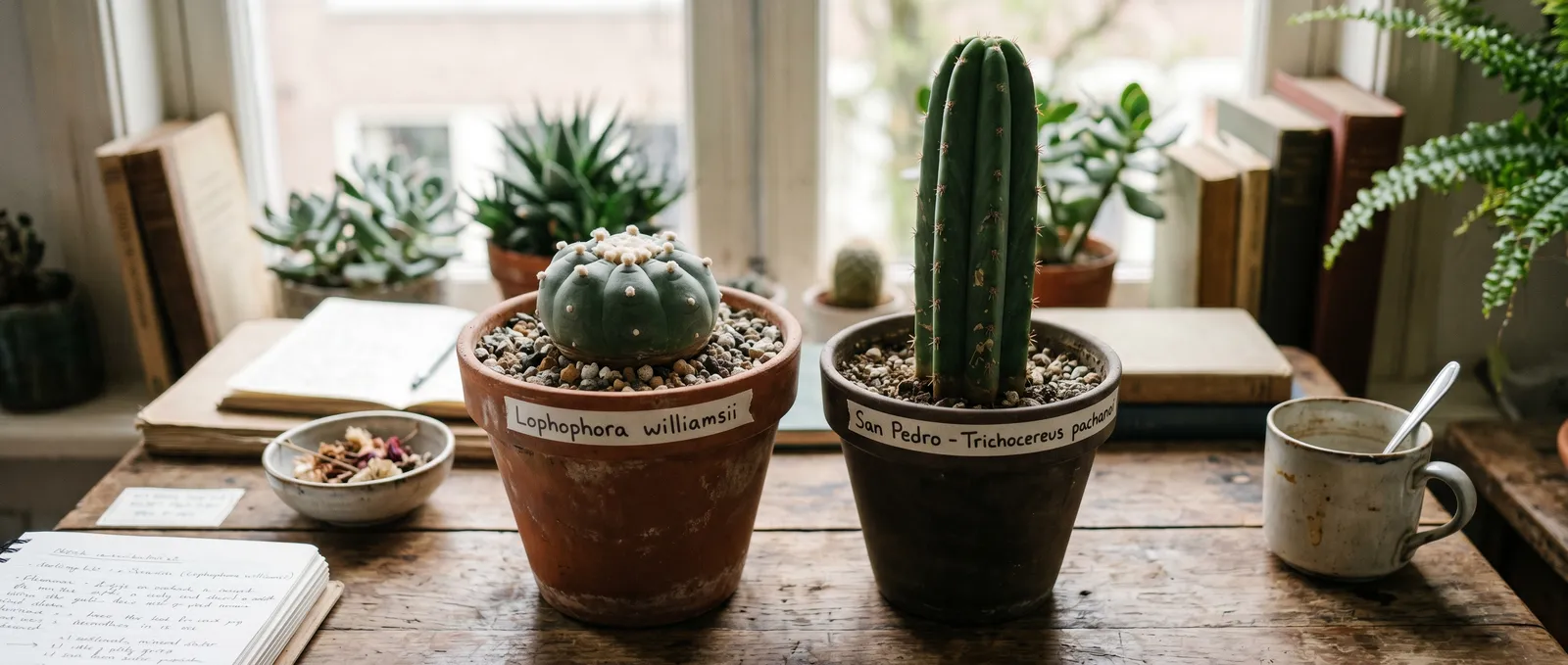
What Are Mescaline Cacti
Mescaline cacti are several species of cactus — including San Pedro, Bolivian Torch, Peruvian Torch, and peyote — that naturally produce mescaline, a phenethylamine psychedelic that activates the serotonin 5-HT2A receptor (Nichols, 2016). Consumed for at least 5,700 years in indigenous ceremony, these cacti produce long-lasting altered states of consciousness typically spanning 8–14 hours when eaten or brewed into tea.
More Mescaline Cacti articles
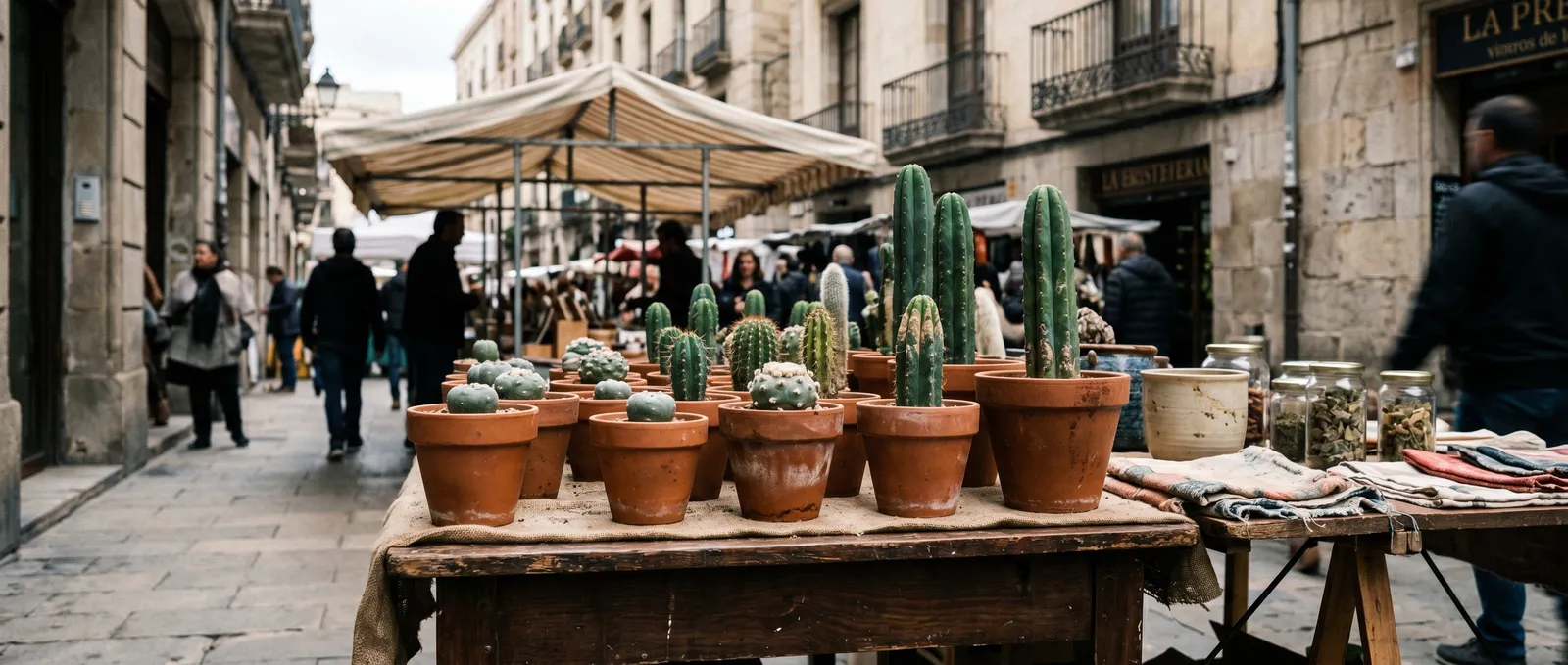
Mescaline Cactus Market Observations
Mescaline cactus market observations is a research and retail term that describes the shifting patterns in sourcing, species selection, and consumption of…
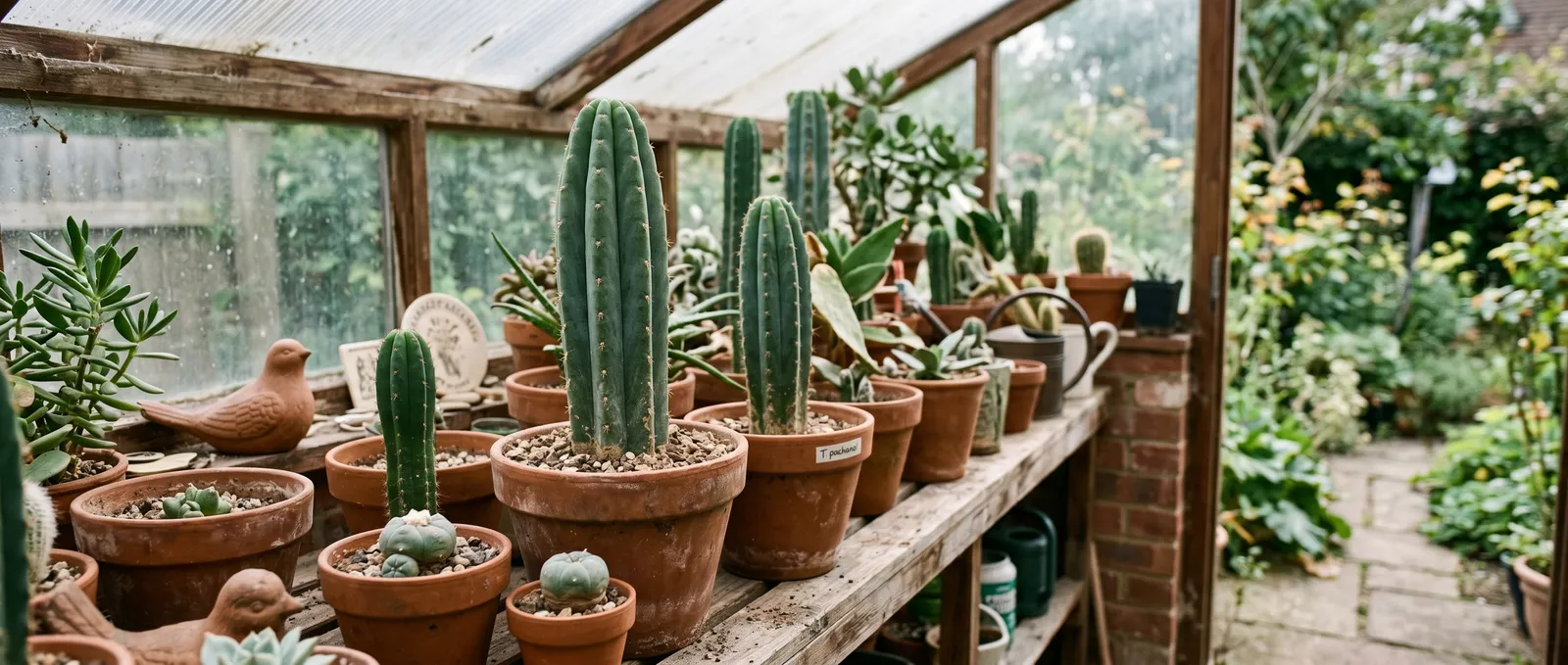
Growing Mescaline Cacti as Ornamental Plants
Growing mescaline cacti ornamental is a horticultural practice that involves cultivating species like San Pedro, Peruvian Torch, and peyote for their…
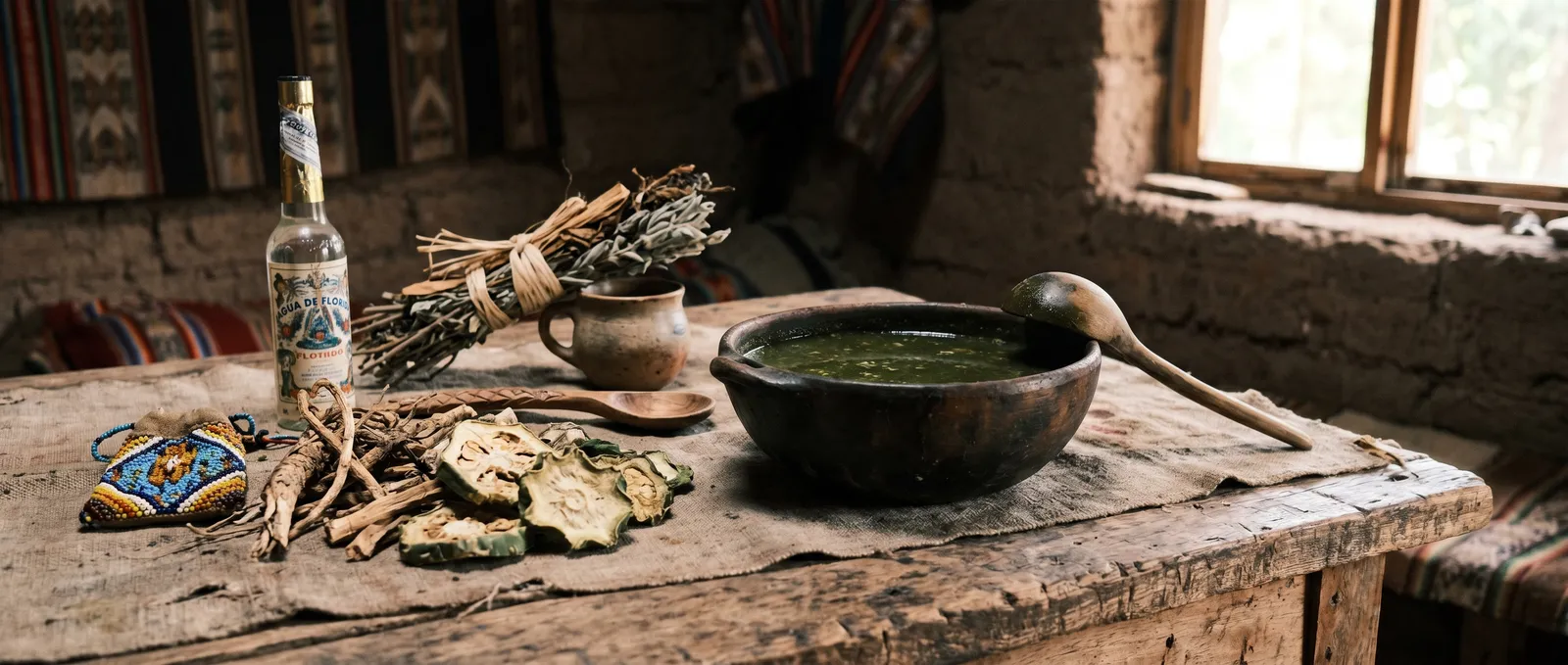
Huachuma Andean Tradition
The huachuma Andean tradition is a ceremonial healing lineage centred on the San Pedro cactus (Echinopsis pachanoi) that has been documented across at least…
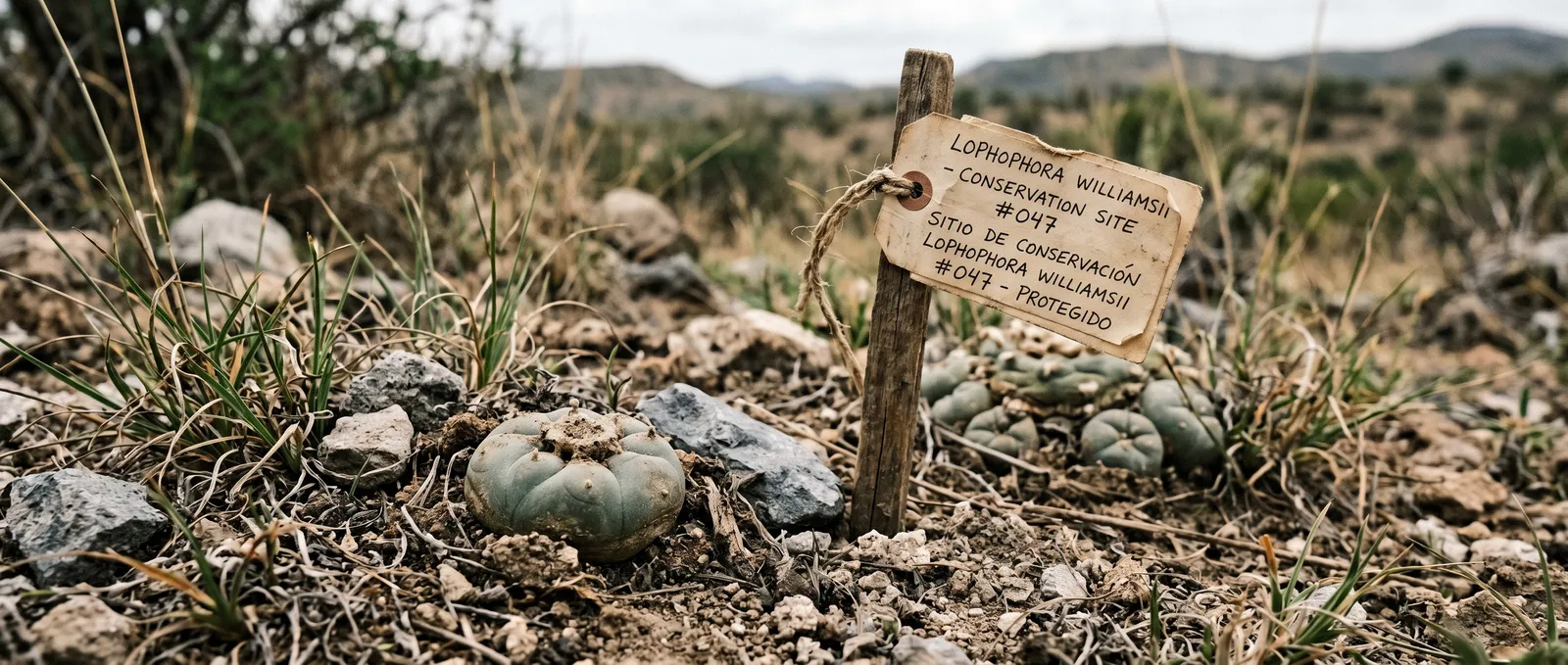
Peyote Cultural Conservation Status
Peyote (Lophophora williamsii) is a slow-growing desert cactus whose wild populations have declined by an estimated 90% since the mid-twentieth century…
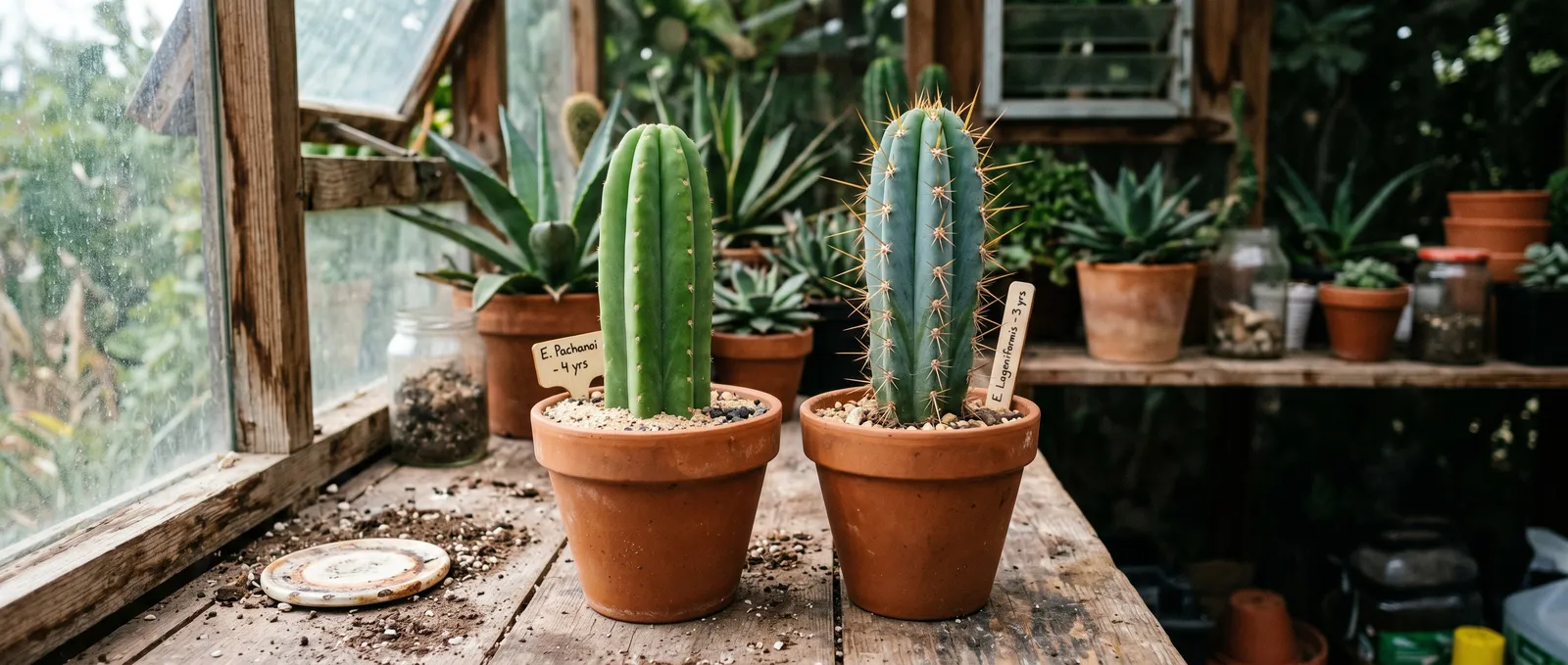
San Pedro vs Bolivian Torch Identification
San Pedro vs Bolivian Torch identification is a comparative method that helps growers and collectors distinguish two closely related columnar cacti —…