
This article discusses psychoactive substances intended for adults (18+). If you have a health condition or take medication, consult a doctor before use. Our age policy
Huachuma Andean Tradition
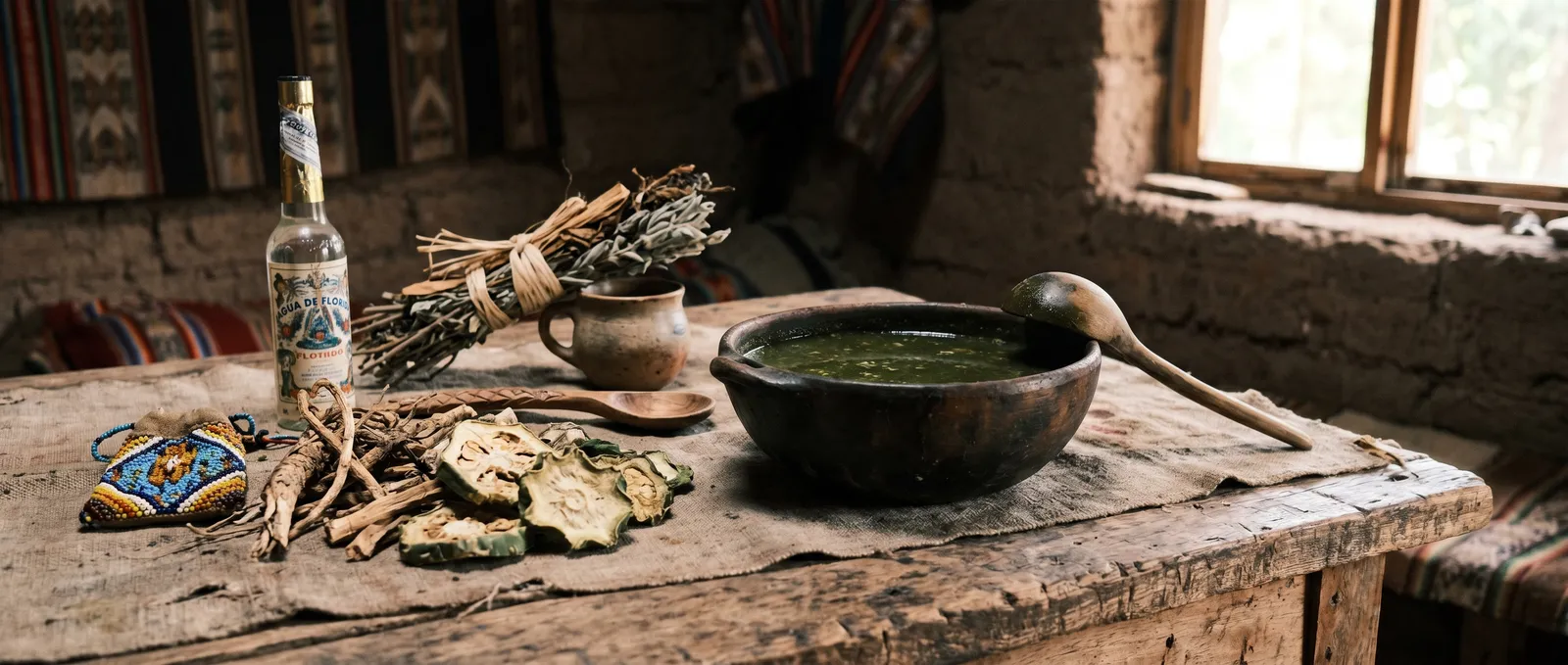
Definition
The huachuma Andean tradition is a ceremonial healing lineage centred on the San Pedro cactus (Echinopsis pachanoi) that has been documented across at least 3,500 years of continuous practice in the Peruvian highlands, based on archaeological finds at Chavín de Huántar (Burger, 2011). This article explores the living ceremonial tradition — the curanderos, the mesa altar, and the cosmological framework — rather than the cactus's pharmacology.
18+ only — This article covers a mescaline-containing cactus with deep ceremonial roots. The information below is written for adults interested in ethnobotany and the anthropology of Andean healing practices.
The huachuma Andean tradition is a ceremonial healing lineage centred on the San Pedro cactus (Echinopsis pachanoi) that has been documented across at least 3,500 years of continuous practice in the Peruvian highlands, based on archaeological evidence from the Chavín de Huántar temple complex (Feldman Gracia, 2006). While the pillar article on San Pedro covers the cactus itself, its chemistry, and general safety, this piece zooms in on the living huachuma Andean tradition: who the huachumeros are, what a traditional ceremony actually looks like, and how the Andean framework differs from the neo-shamanic retreat model that has become popular in recent decades. If you want to buy San Pedro cactus for ethnobotanical study, Azarius carries both dried slices and live cuttings — but understanding the tradition behind the plant is what this article is about.
The Archaeological Record — Older Than You Think
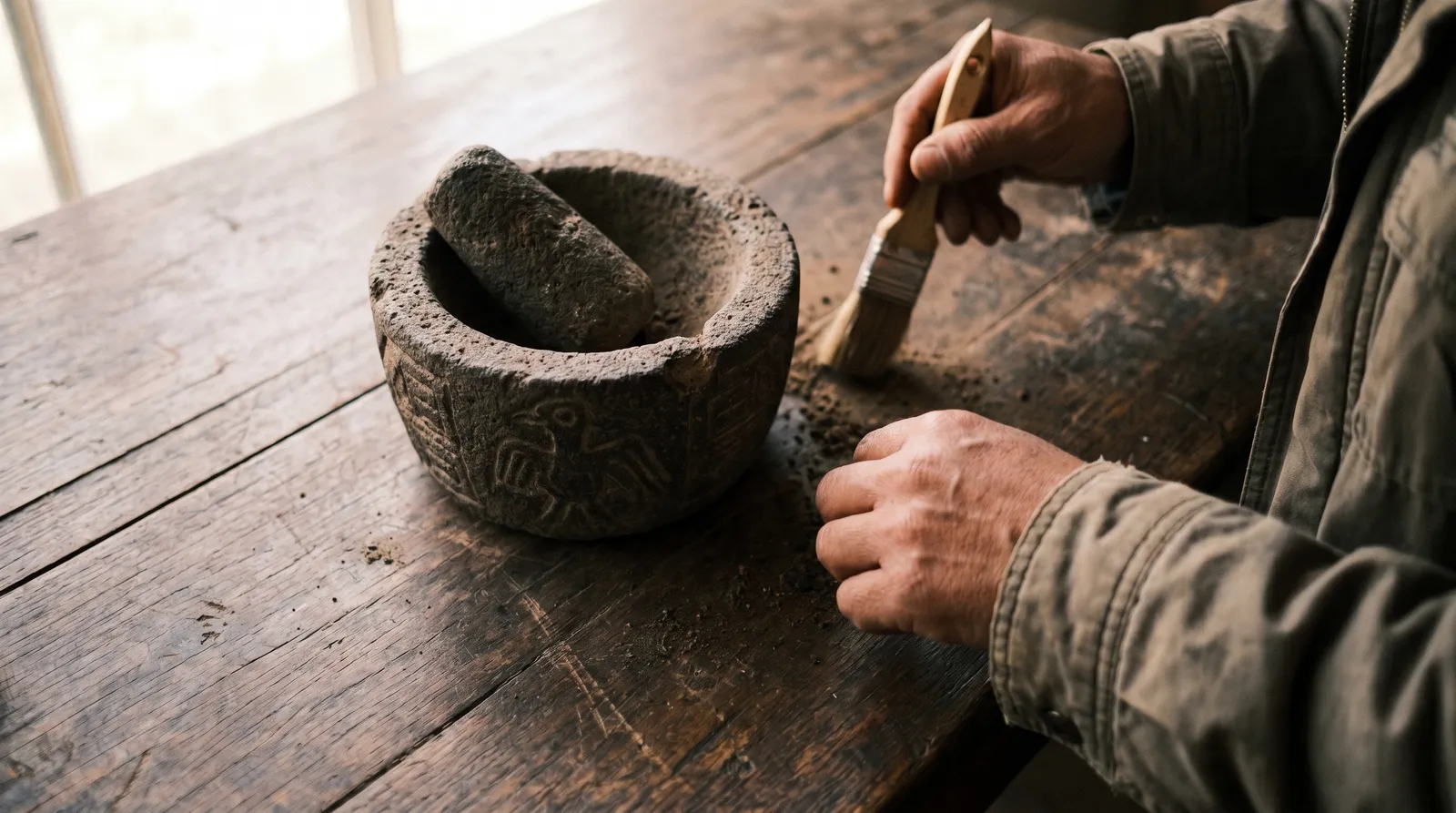
The huachuma Andean tradition is one of the oldest documented plant medicine lineages on the planet, with hard archaeological evidence stretching back at least 3,300 years. A carved stone mortar depicting a figure holding a San Pedro cactus was recovered from the Chavín de Huántar site in the northern Peruvian highlands, dated to roughly 1300 BCE (Burger, 2011). Textile fragments from the Nazca culture (100–800 CE) show the same cactus motif alongside jaguars and hummingbirds — animals that recur in Andean visionary iconography. And ceramic vessels from the Moche period (100–700 CE) depict what appear to be healers mid-ceremony, cactus in hand.
That puts continuous use of this plant somewhere in the range of 3,000 to 3,500 years, though some researchers argue for even earlier dates based on pollen analysis from highland cave sites. For context, that is roughly contemporary with the earliest Vedic hymns mentioning soma — making the huachuma Andean tradition one of the longest-documented plant medicine lineages on the planet.
The name "San Pedro" itself is colonial. Spanish missionaries noticed indigenous healers using the cactus and, rather than stamping it out entirely, folded it into Catholic symbolism — Saint Peter holds the keys to heaven, and the cactus "opens the gates." The Quechua name huachuma (sometimes spelled wachuma) predates this by millennia and carries no Christian overlay. Modern practitioners who prefer the indigenous name are making a deliberate cultural choice to honour the huachuma Andean tradition on its own terms.
The Huachumero — Not Quite a Shaman
The traditional healer who works within the huachuma Andean tradition is called a curandero (healer) or maestro, not a shaman — a distinction that matters. The word "shaman" gets thrown around loosely in psychedelic circles. In the Andean context, the curandero's practice sits within a broader framework called curanderismo that includes herbalism, prayer, divination, and energetic cleansing — not all of which involve the cactus.
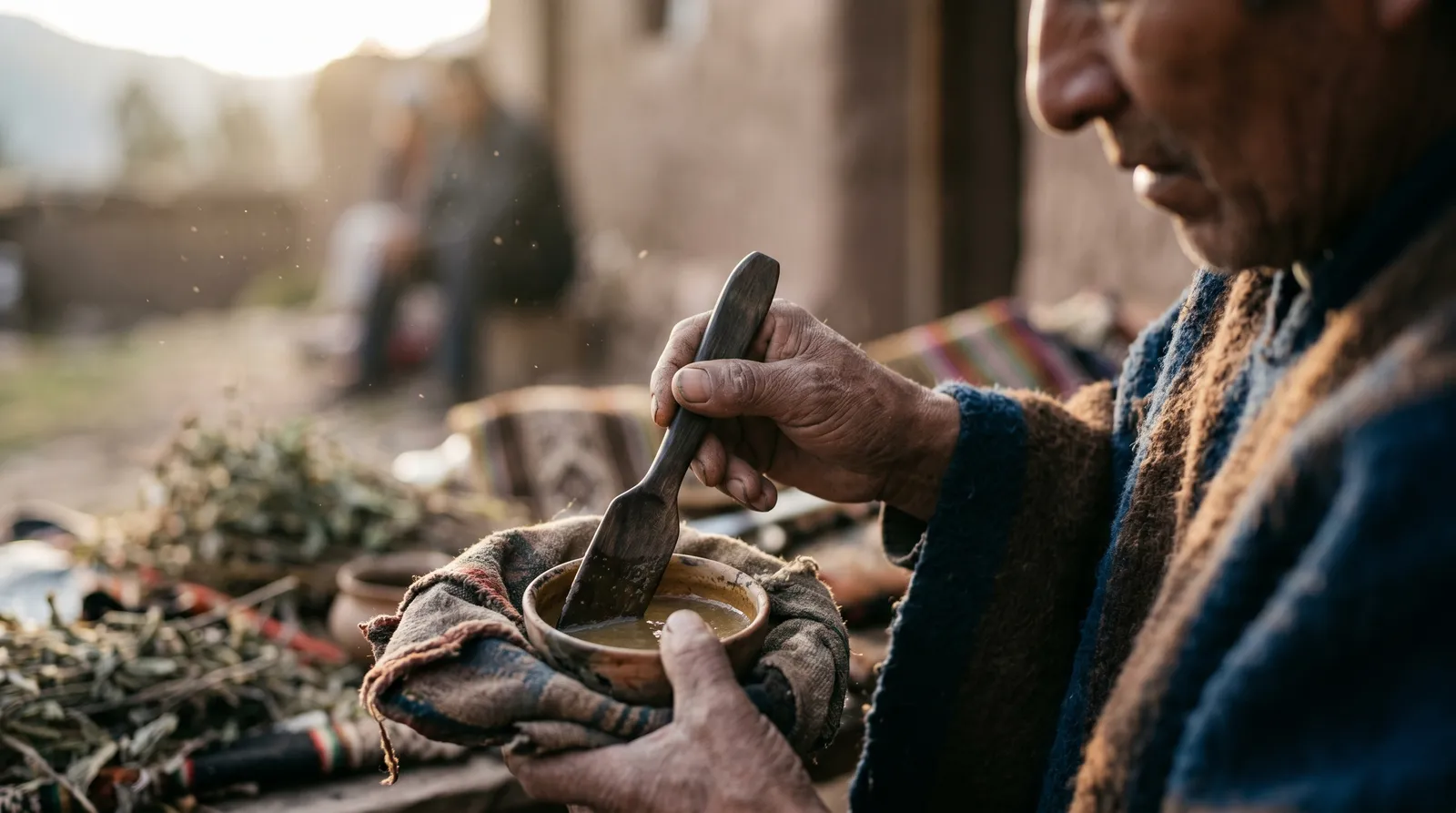
A curandero's training typically spans years, sometimes decades. According to ethnographic fieldwork by Bonnie Glass-Coffin (2010), apprenticeship involves learning hundreds of plant preparations, understanding the mesa (the ceremonial altar and its symbolic objects), and developing the ability to diagnose illness through both physical observation and what practitioners describe as direct spiritual perception. The cactus is one tool among many — a critical one, but not the whole toolkit.
This is worth emphasising because the retreat industry sometimes presents the huachuma Andean tradition as a standalone experience: drink the brew, have visions, go home transformed. In the Andean model, the ceremony is embedded in a complete healing system. The curandero reads the patient's condition before choosing whether huachuma is even appropriate. Sometimes the answer is no — a limpia (energetic cleansing with other plants) or a pilgrimage to a sacred lake might be prescribed instead.
Anatomy of a Traditional Ceremony
A traditional huachuma ceremony typically lasts 12 to 14 hours, beginning at night and often concluding at dawn. In the northern Peruvian highlands — particularly around the Huancabamba and Las Huaringas regions — the ceremony follows a structure that has remained remarkably consistent across ethnographic accounts spanning several decades.
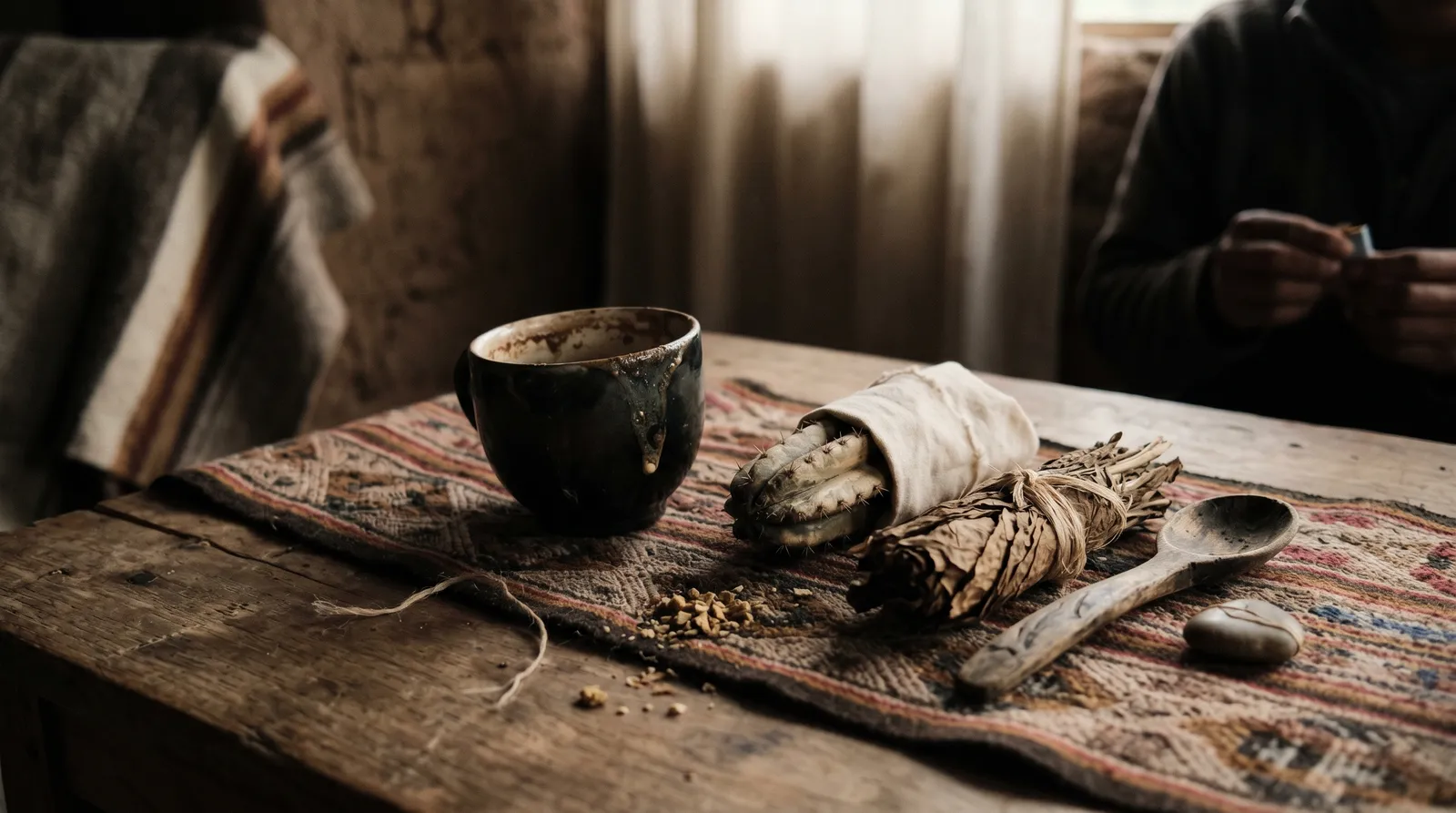
The curandero prepares the brew by boiling sliced cactus for several hours, sometimes adding other plants depending on the patient's condition. The mesa is laid out: a cloth spread with ritual objects including swords, staffs, shells, stones, and Catholic saints' images (the syncretic blend is deliberate and centuries old). Participants drink the preparation, and the curandero begins chanting tarjos — rhythmic songs that are specific to each maestro's lineage.
The effects build slowly. Mescaline's onset is notoriously gradual — typically 60 to 120 minutes — and the full arc of a ceremony can stretch the entire night. During this time, the curandero works with individual participants: diagnosing, chanting, sometimes using the staffs to direct energy or the swords symbolically to "cut" negative attachments. Participants may be taken to sacred lagoons for ritual bathing at dawn.
What is absent is equally telling. There is no purging protocol like ayahuasca ceremonies — nausea can occur, but it is not ritually emphasised. There is no darkness or sensory deprivation. Many ceremonies happen partially outdoors, and interaction with the natural environment (wind, water, starlight) is considered part of the process. Sharon (1978), in his foundational ethnography Wizard of the Four Winds, described the mesa ceremony as "a dialogue between the healer, the patient, and the living world" — a characterisation that subsequent researchers have largely confirmed.
Key Elements of a Traditional Ceremony at a Glance
| Element | Traditional Huachuma Ceremony | Typical Retreat Model |
|---|---|---|
| Duration | 12–14 hours (night to dawn) | 6–10 hours (often daytime) |
| Setting | Outdoors or mixed; sacred sites | Retreat centre, often indoors |
| Facilitator drinks? | Yes — curandero navigates alongside | Often no |
| Group size | 1–3 patients, ongoing relationship | 8–20+ strangers, single session |
| Mesa altar | Central; objects specific to lineage | Sometimes present, sometimes absent |
| Dosing | Adjusted by taste and patient reading | Often standardised recipe |
| Purging emphasis | Minimal — not ritually central | Varies |
| Integration | Embedded in ongoing curandero relationship | Post-ceremony circle or none |
Stages of a Traditional Night Ceremony
| Stage | Approximate Timing | What Happens |
|---|---|---|
| Preparation | Late afternoon | Cactus boiled for hours; mesa objects arranged |
| Opening | After dark | Prayers, invocations; participants drink the brew |
| Onset | 60–120 min after drinking | Effects build; curandero begins chanting tarjos |
| Diagnostic work | Mid-ceremony | Curandero works individually with each participant |
| Peak healing | Deepest night hours | Staffs and swords used; energetic cutting and cleansing |
| Dawn closing | First light | Ritual bathing at sacred lagoon; closing prayers |
Where the Cactus Fits in Andean Cosmology
The huachuma Andean tradition positions the cactus as a bridge between three cosmological levels — a role that makes sense only within the broader Andean worldview. The tradition operates within a three-world model: the Hanan Pacha (upper world), Kay Pacha (this world), and Ukhu Pacha (inner/lower world). The cactus is understood as connecting these levels — its tall, columnar form literally reaching upward while its roots go deep.
The concept of ayni (reciprocity) is central to the huachuma Andean tradition. Illness in the Andean model is not understood as purely biological — according to ethnographic literature, it is often framed as a disruption in reciprocal relationships: with other people, with the land, with the spirit world (Glass-Coffin, 2010). The ceremony aims to restore balance within this relational framework. This is why a curandero might prescribe offerings to a mountain spirit alongside the cactus preparation — the approach is relational, not pharmacological in isolation.
This cosmological framework also explains why huachuma is traditionally used in specific contexts rather than recreationally. Common ceremonial purposes include diagnosing the cause of persistent illness, resolving interpersonal conflicts, finding lost objects or animals (practical concerns in pastoral communities), and marking life transitions. It is regarded as medicine in the broadest sense — but it is still medicine, not entertainment.
We should be upfront: most of what we know about the huachuma Andean tradition comes from a relatively small body of ethnographic work, much of it conducted by outsiders. Curanderos are often selective about what they share with researchers, and regional variation across Peru, Bolivia, and Ecuador is enormous. This article synthesises the best available scholarship, but it inevitably simplifies a tradition that is far more diverse and varied than any single text can capture.
Traditional Practice vs. the Retreat Model
The core difference is context: traditional huachuma Andean tradition practice is embedded in an ongoing healer-patient relationship, while the retreat model typically offers a one-off experience to strangers. The past two decades have seen an explosion of huachuma retreats, particularly in Peru, Ecuador, and Costa Rica. Some are run by or in collaboration with traditional curanderos. Many are not. The differences matter.
In the traditional model, the curandero drinks the brew alongside the patient — they are navigating the same altered state and using their training to guide the process from within. Many retreat facilitators do not drink, instead supervising from a sober vantage point. Neither approach is inherently wrong, but they are fundamentally different methodologies.
Traditional ceremonies also tend to be one-on-one or small-group affairs embedded in ongoing therapeutic relationships. The curandero knows the patient's family, history, and community context. Retreat settings, by contrast, often involve groups of strangers sharing a single ceremony — a format that has no real precedent in the huachuma Andean tradition.
Dosing is another divergence. Traditional curanderos adjust the brew's strength based on their reading of the patient. The variability in mescaline content across individual cacti is enormous — according to the EMCDDA (2023), 50g of dried cactus can contain anywhere from 150mg to 1.2g of mescaline, a range spanning threshold to overwhelming. An experienced curandero tastes the brew and adjusts; a retreat operator working from a standardised recipe may not have that calibration skill.
None of this means retreat experiences cannot be meaningful. But understanding what the huachuma Andean tradition actually is — and what has been adapted, simplified, or removed — helps you evaluate what you are signing up for.
We are a Dutch smartshop, not an anthropology department. Our knowledge of the huachuma Andean tradition comes from published ethnographic sources and conversations with customers and visiting researchers — not from firsthand apprenticeship with a curandero. We try to represent this tradition accurately, but we encourage anyone seriously interested to go directly to the academic sources listed in our references section rather than treating this overview as the final word.
Exploring the Huachuma Andean Tradition Responsibly
The best starting point is reading, not consuming. If you want to buy San Pedro cactus for your ethnobotanical collection, Azarius carries both dried San Pedro slices and live Echinopsis pachanoi cuttings — but understanding the huachuma Andean tradition behind the plant is at least as important as having the plant itself. Our San Pedro wiki article covers the cactus's botany and chemistry in detail, while the Mescaline Cacti category page lists related species like Bolivian Torch and Peruvian Torch for those interested in comparative ethnobotany.
For deeper reading, start with Sharon's Wizard of the Four Winds and Glass-Coffin's ethnographic work. The Beckley Foundation (2022) has published accessible overviews of mescaline research that complement the anthropological literature. The EMCDDA drug profile on mescaline provides a solid pharmacological baseline. And if you are specifically interested in Andean plant knowledge more broadly, our Ethnobotany blog series covers related topics including coca leaf tradition and ayahuasca anthropology. You can also order live San Pedro cuttings from the Azarius cactus collection to grow your own ethnobotanical specimen.
A Living Tradition Under Pressure
The huachuma Andean tradition faces genuine threats from the very international interest that has brought it wider recognition. Tourism brings income but also disrupts transmission of traditional knowledge. Young people who might have apprenticed with a curandero can earn more as retreat guides with a fraction of the training. Sacred sites like the Las Huaringas lagoons face environmental pressure from increased foot traffic.
Organisations like the Chacruna Institute have documented these dynamics, noting in a 2021 report that indigenous reciprocity — the very principle at the heart of the huachuma Andean tradition — is often absent from the economic structures of psychedelic tourism. Money flows out of communities; intellectual property protections for traditional knowledge remain weak across South American jurisdictions.
If you are drawn to the huachuma Andean tradition specifically — not just to mescaline as a molecule — it is worth considering how your engagement with it either honours or undermines the culture that developed and maintained this practice across three and a half millennia, as documented by researchers including those at the Chacruna Institute (2021).
Last updated: April 2026
Frequently Asked Questions
8 questionsHow long does a traditional huachuma ceremony last?
What is a mesa in the huachuma Andean tradition?
How does a huachuma ceremony differ from an ayahuasca ceremony?
Do traditional curanderos always use huachuma for healing?
Why do some practitioners prefer the name huachuma over San Pedro?
Where can I buy San Pedro cactus for ethnobotanical study?
What role does music play in a huachuma ceremony?
Is huachuma typically consumed during the day or at night?
About this article
Joshua Askew serves as Editorial Director for Azarius wiki content. He is Managing Director at Yuqo, a content agency specialising in cannabis, psychedelics and ethnobotanical editorial work across multiple languages. Th
This wiki article was drafted with AI assistance and reviewed by Joshua Askew, Managing Director at Yuqo. Editorial oversight by Adam Parsons.
Medical disclaimer. This content is for informational purposes only and does not constitute medical advice. Consult a qualified healthcare provider before use of any substance.
Last reviewed April 24, 2026
References (7)
- [1]Burger, R.L. (2011). Chavín and the Origins of Andean Civilization. Thames & Hudson.
- [2]EMCDDA (2023). "Mescaline drug profile." European Monitoring Centre for Drugs and Drug Addiction.
- [3]Feldman Gracia, L. (2006). "San Pedro cactus in Andean ritual: archaeological and ethnographic evidence." Journal of Ethnobiology, 26(2), 228–245.
- [4]Glass-Coffin, B. (2010). The Gift of Life: Female Spirituality and Healing in Northern Peru. University of New Mexico Press.
- [5]Sharon, D. (1978). Wizard of the Four Winds: A Shaman's Story. Free Press.
- [6]Chacruna Institute (2021). "Indigenous Reciprocity Initiative: Ethical Guidelines for Psychedelic Plant Medicine Tourism." Chacruna.net.
- [7]Beckley Foundation (2022). "Mescaline: Pharmacology, History, and Therapeutic Potential." Beckley Foundation Research Programme.
Related Articles
Hawaiian Baby Woodrose Sourcing
Hawaiian baby woodrose sourcing is a practice that covers how to obtain quality Argyreia nervosa seeds — a vine whose seeds contain LSA (lysergic acid amide).
LSA Legal Status in Europe
LSA (lysergic acid amide, or ergine) occupies a legal grey zone across Europe — rarely scheduled as a compound, yet subject to varied NPS legislation that…
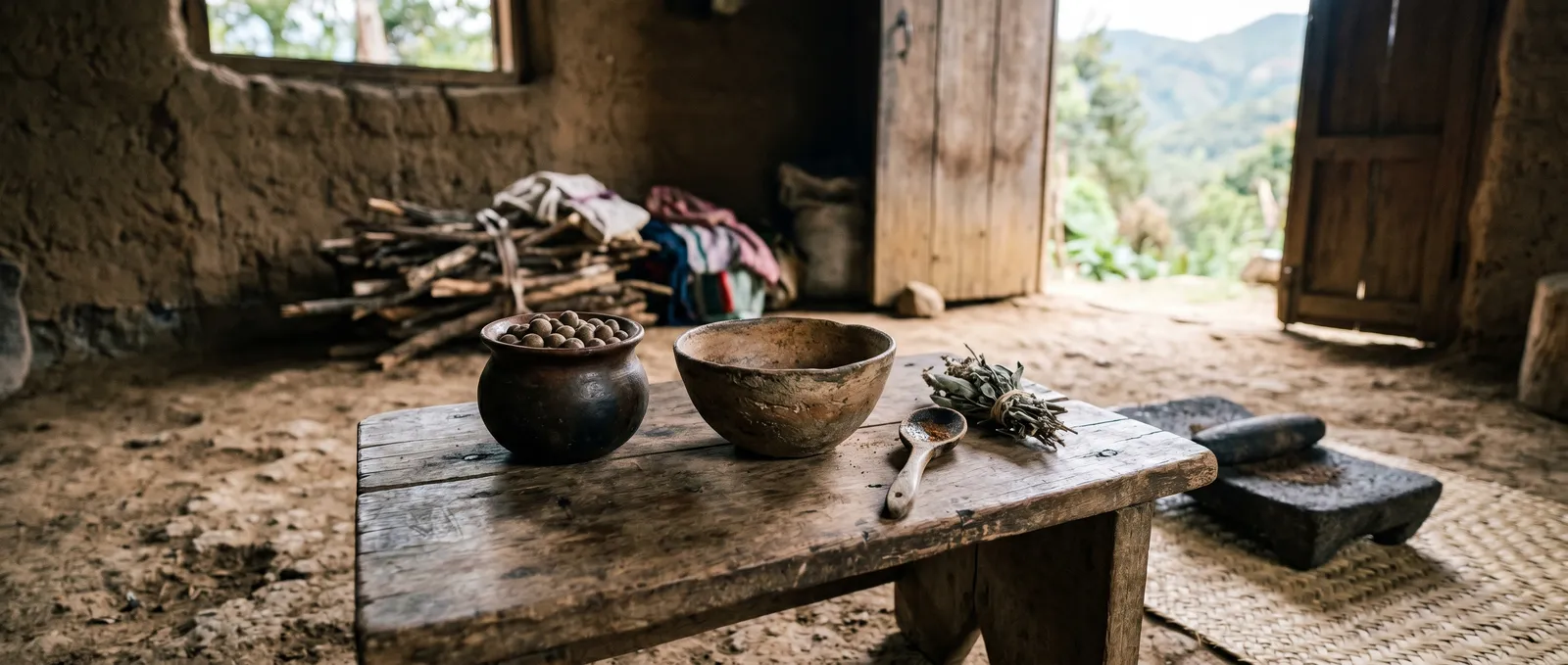
Ololiuqui Mazatec Tradition: Ceremonial Seeds of the Sierra Mazateca
Ololiuqui — the seeds of Turbina corymbosa — played a specific ceremonial role among the Mazatec people of Oaxaca, distinct from their better-known use of…
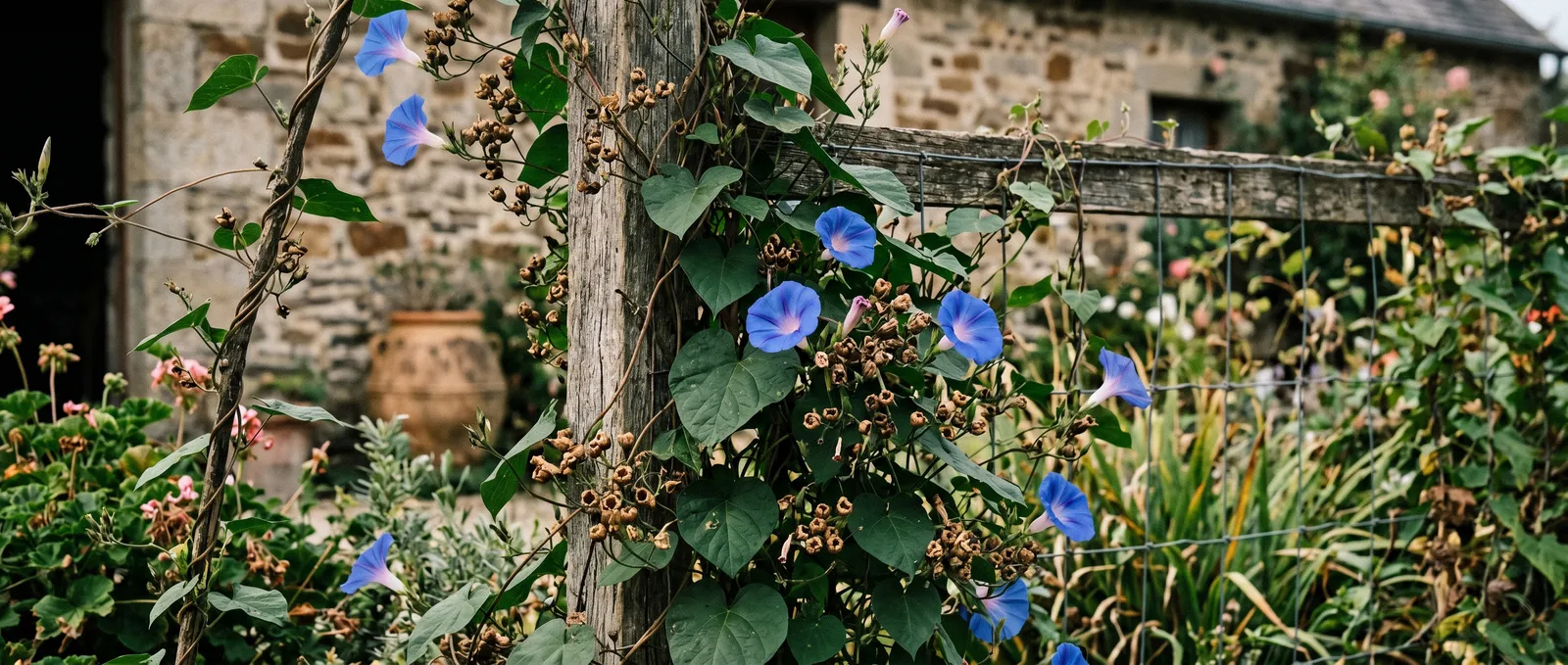
Morning Glory LSA Plants Family
Morning glory LSA plants family is a group of Convolvulaceae vines whose seeds contain d-lysergic acid amide (ergine), a naturally occurring tryptamine first…
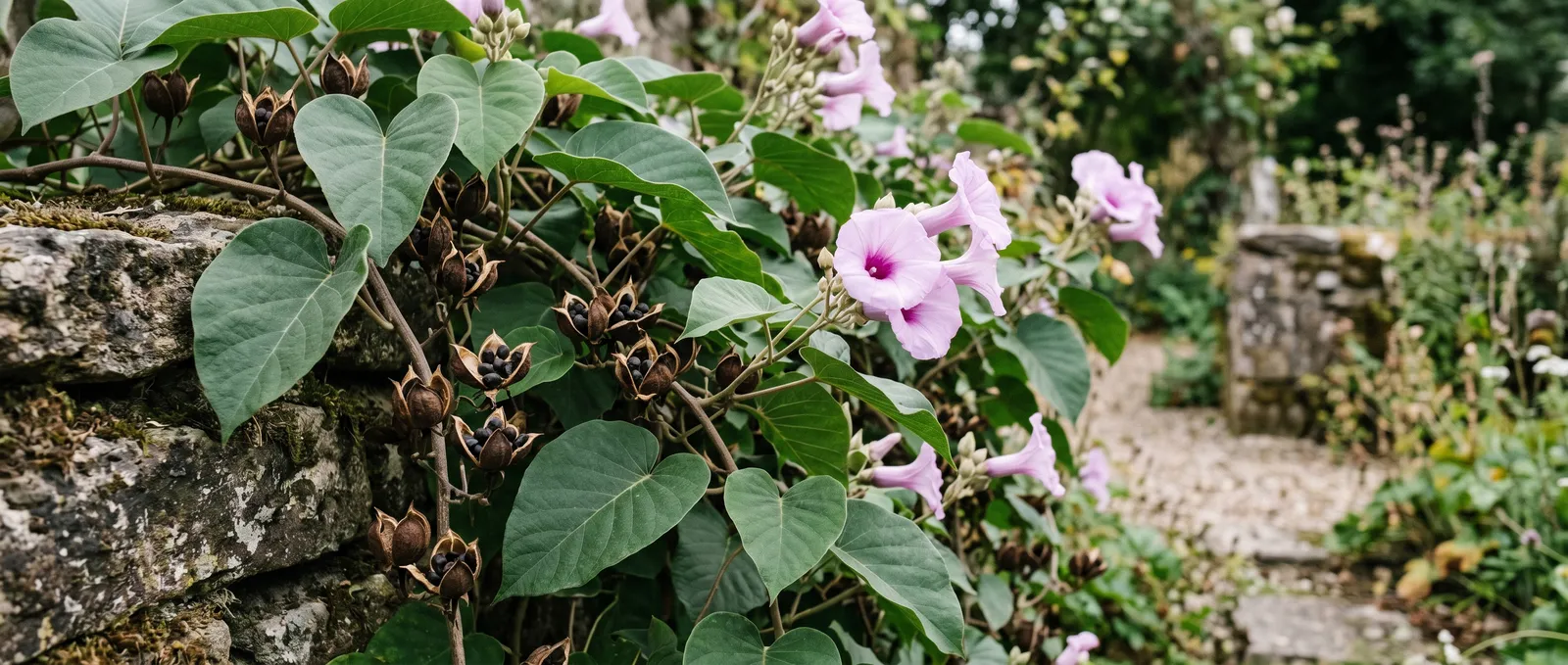
Hawaiian Baby Woodrose Plant Botany
Argyreia nervosa, commonly called Hawaiian baby woodrose, is a perennial climbing vine native to the Indian subcontinent, not Hawai'i.
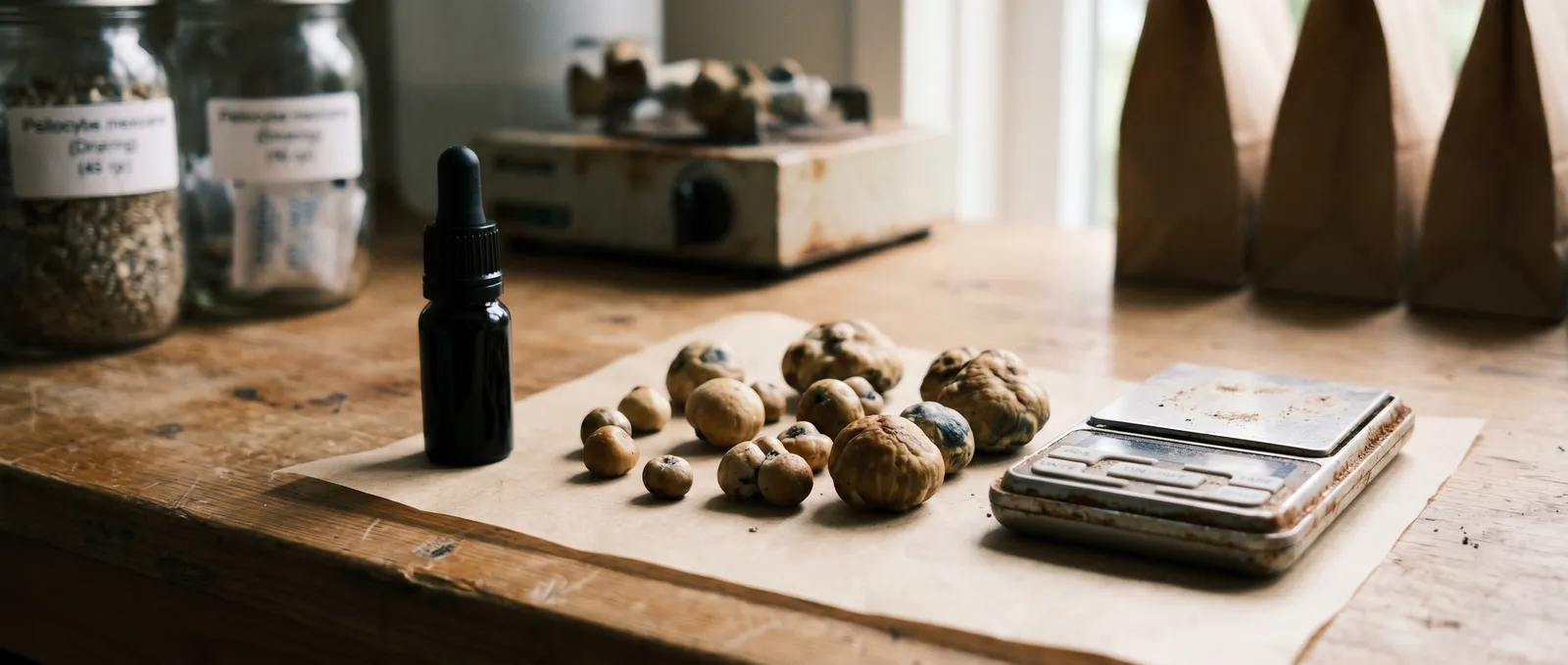
Magic Truffle Quality Indicators
Magic truffle quality indicators are the measurable and sensory characteristics — psilocybin content, texture, aroma, packaging integrity, and storage…
Mescaline Cactus Market Observations
Mescaline cactus market observations is a research and retail term that describes the shifting patterns in sourcing, species selection, and consumption of…
Growing Mescaline Cacti as Ornamental Plants
Growing mescaline cacti ornamental is a horticultural practice that involves cultivating species like San Pedro, Peruvian Torch, and peyote for their…
Commercial Magic Truffle Cultivation
Commercial magic truffle cultivation is a large-scale agricultural process that produces psilocybin-containing sclerotia in climate-controlled indoor…