
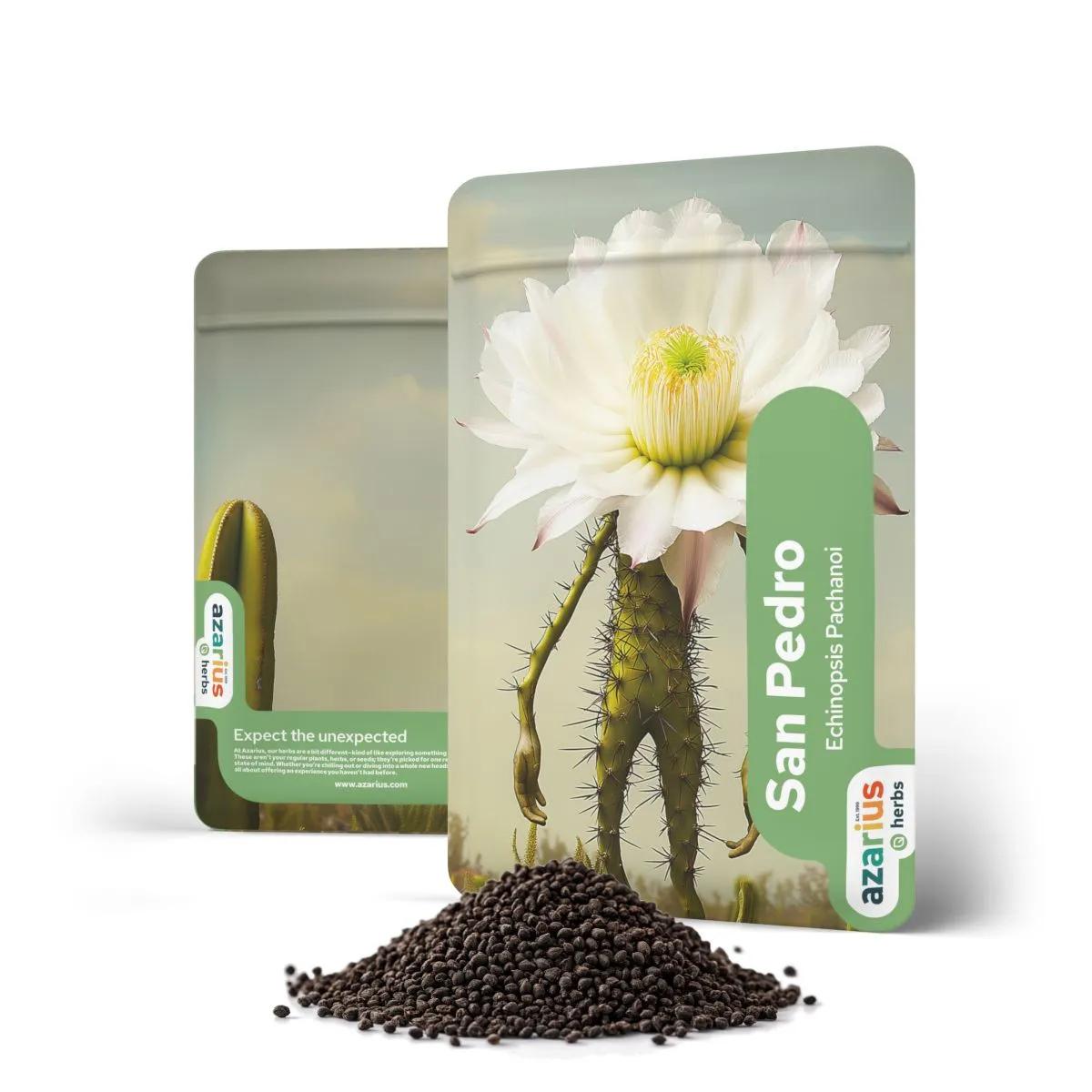
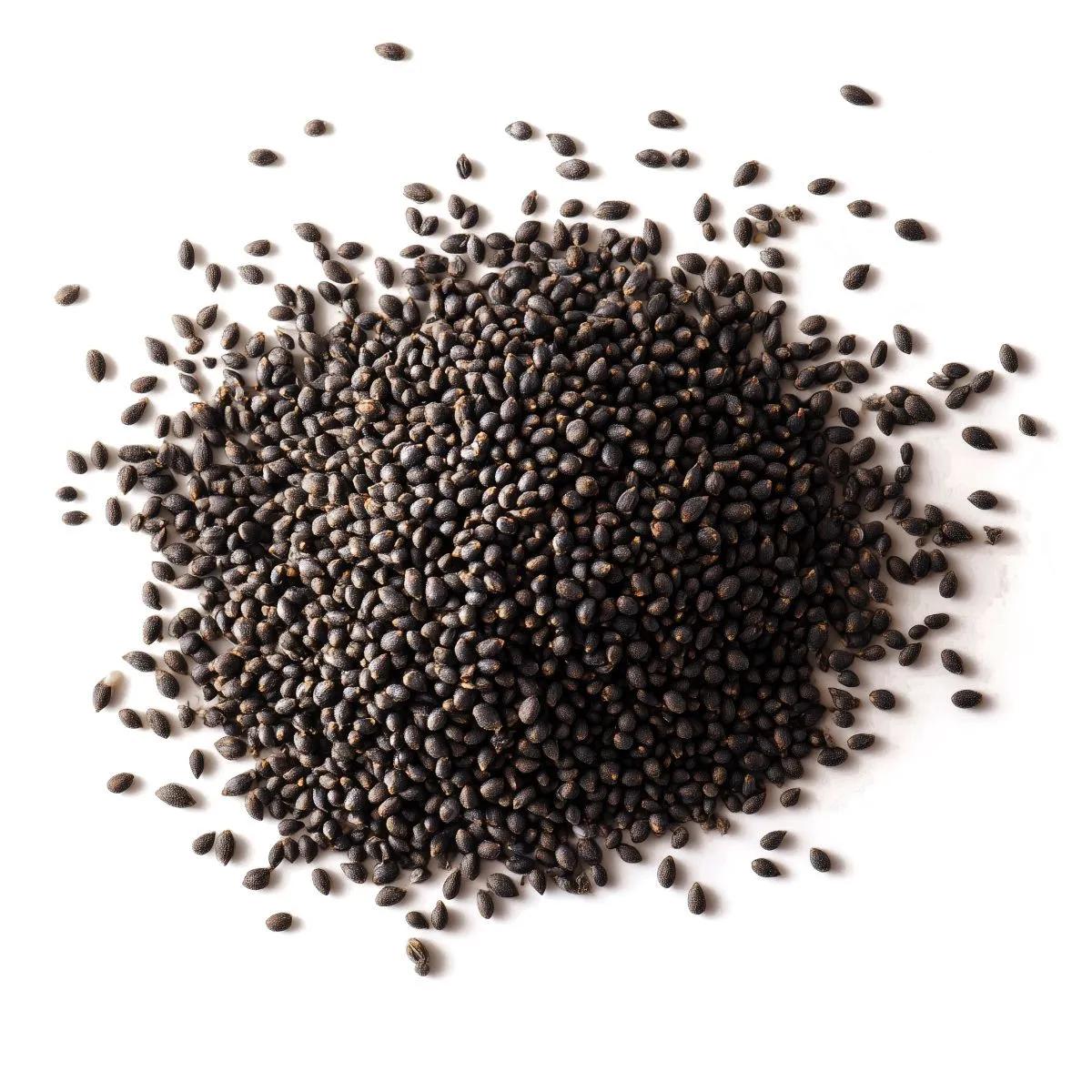
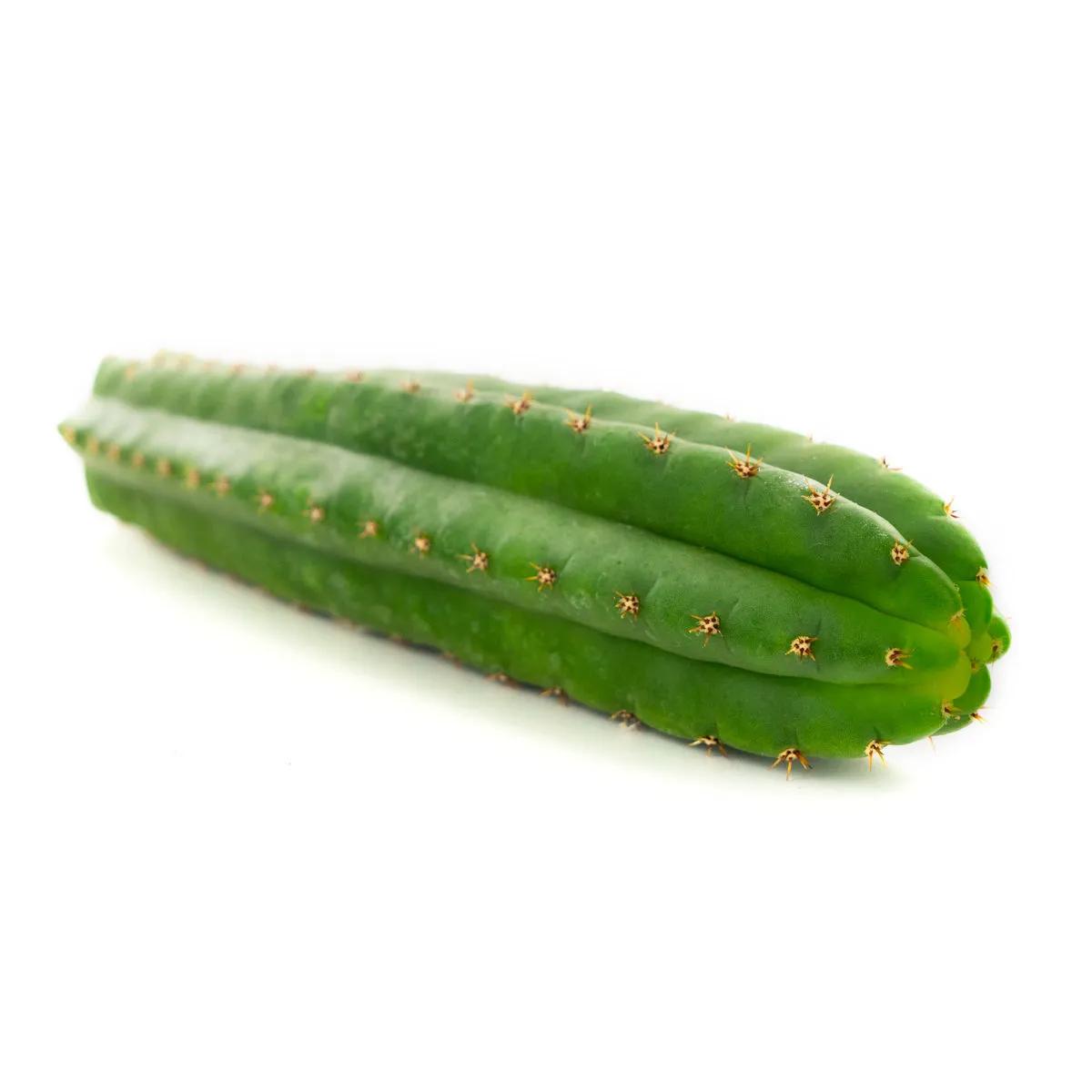
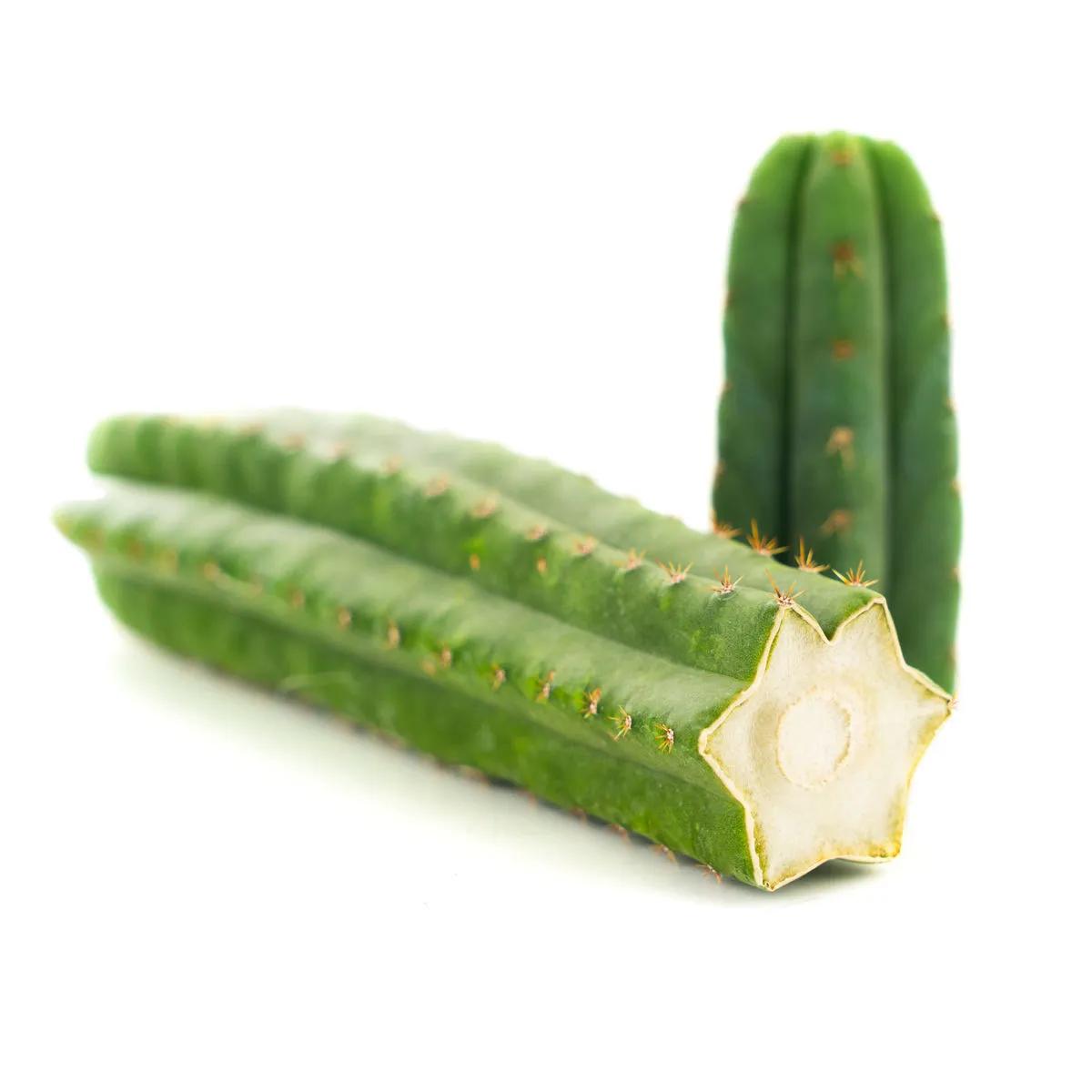
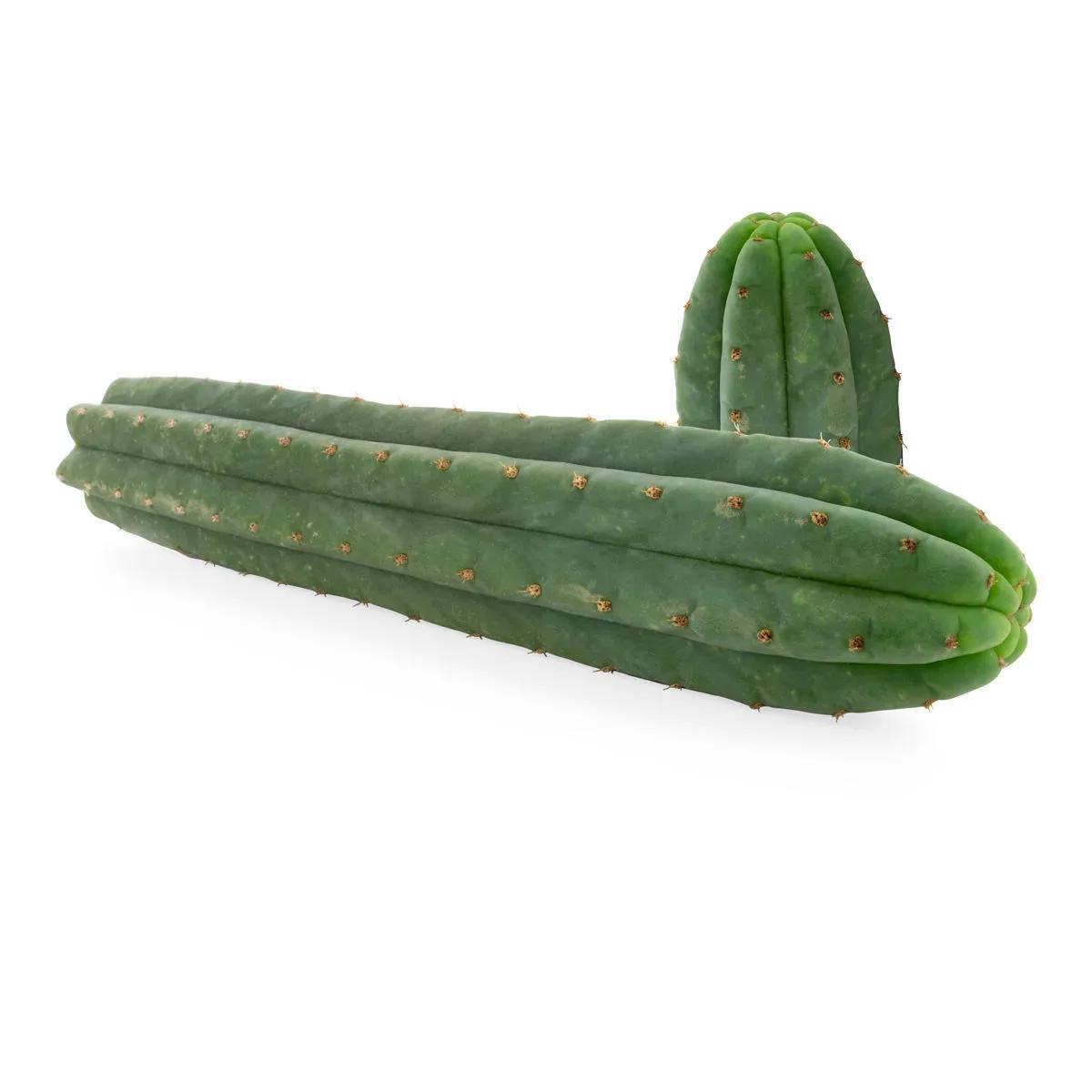
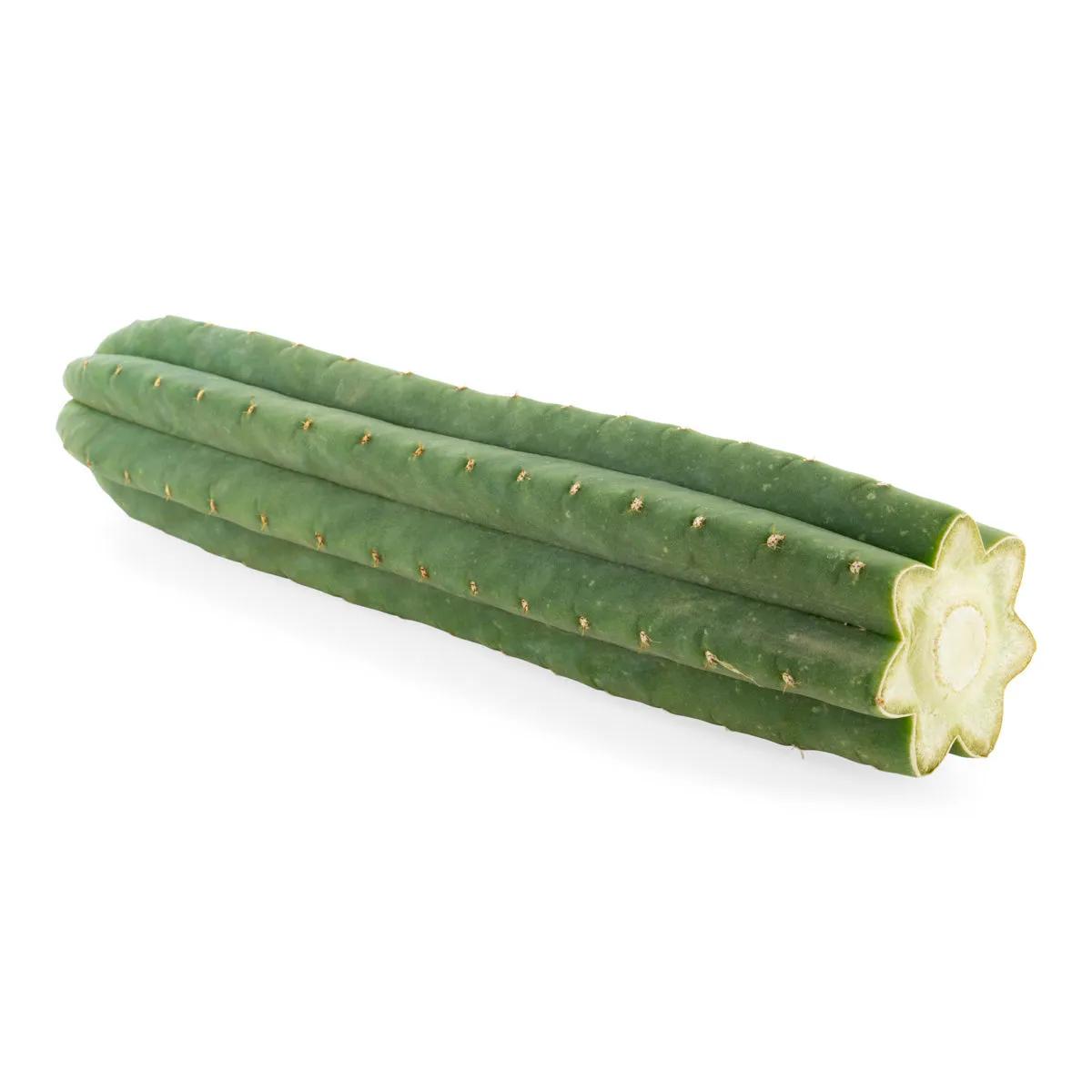
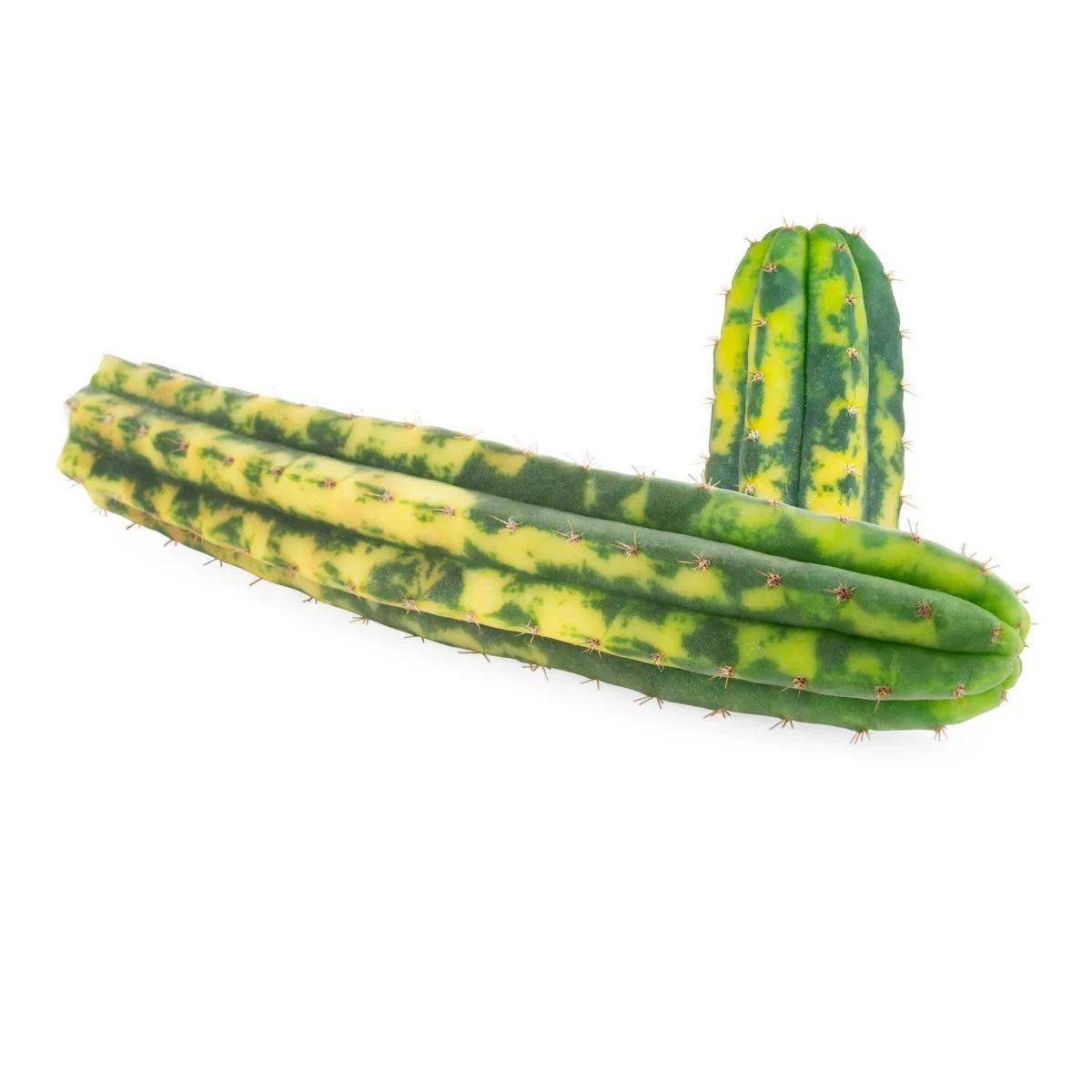
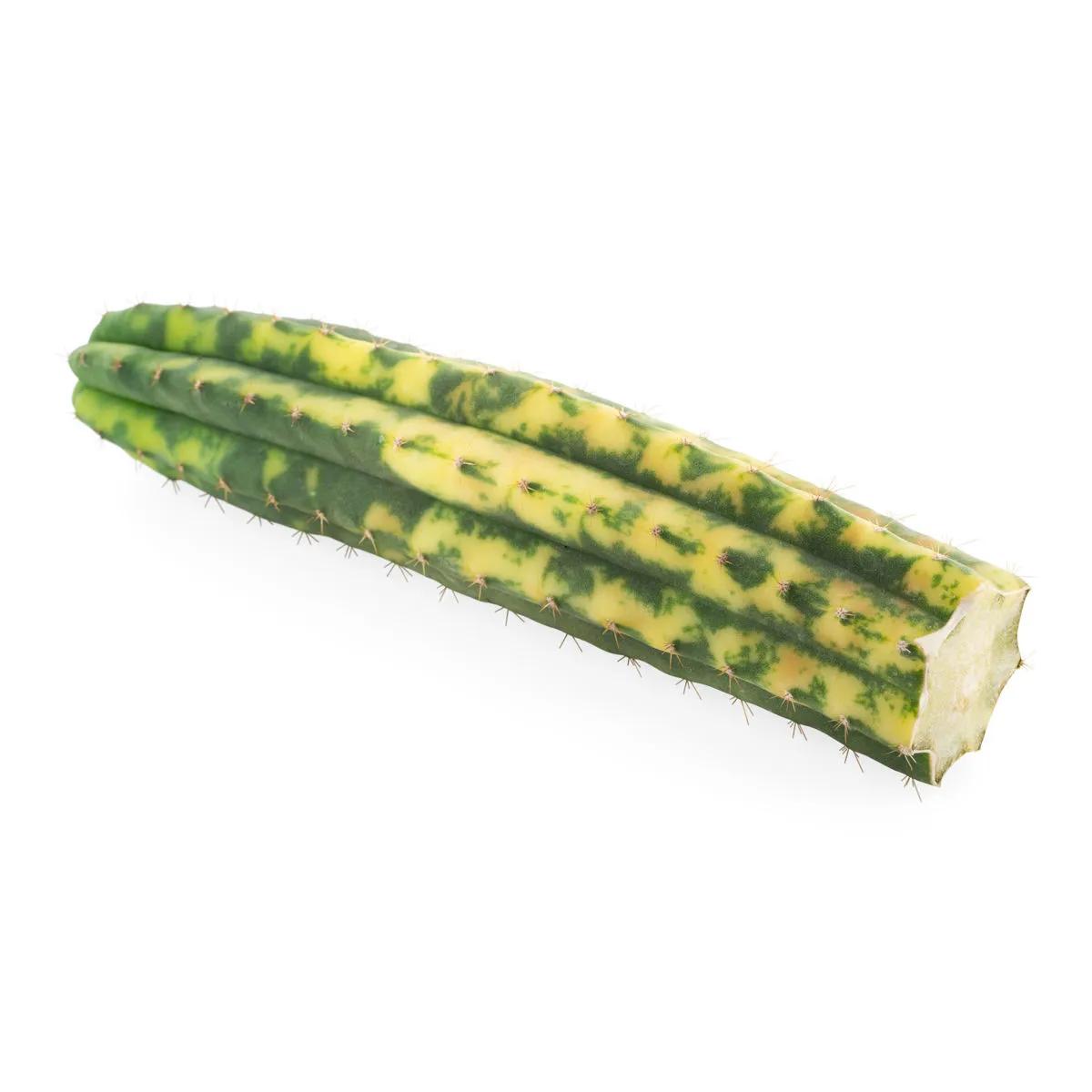
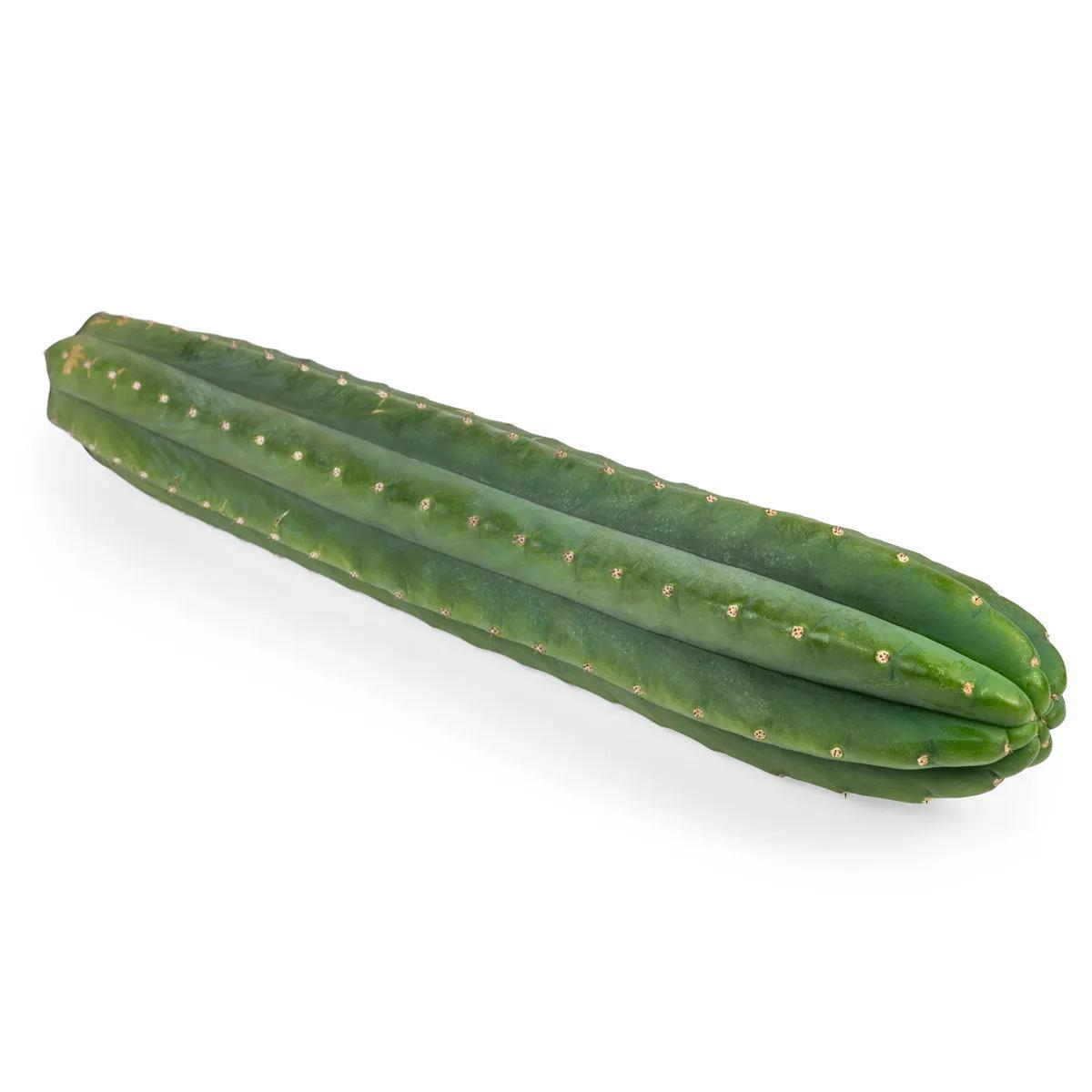
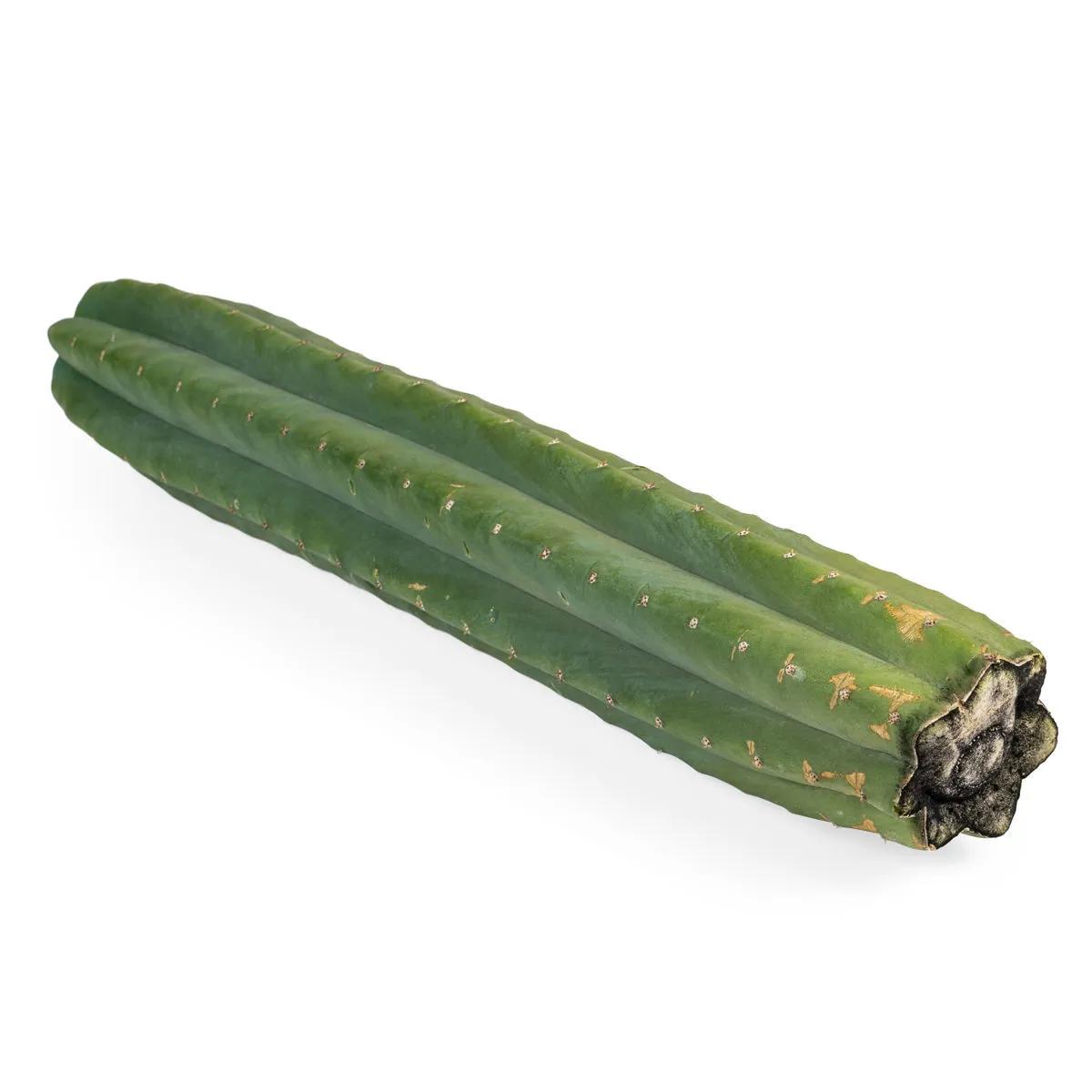
San Pedro cactus (Echinopsis pachanoi) is the Andean columnar cactus we've been selling at Azarius since the early 2000s — available as live rooted cuttings, rare cultivars, and seed packs. Eight products in this category cover every entry point, from a 20-seed pack for patient growers to a 50-60 cm XL cutting that's already halfway there.
Buy San Pedro Cactus — Cuttings, Seeds & Rare Cultivars
San Pedro is the fastest-growing mescaline cactus you can order online, putting on 20-40 cm of new growth per year once rooted. We carry the standard Echinopsis pachanoi alongside four collector-grade variants: the 7-ribbed clone, the fasciated Crested form, the Monstrose mutant, and the stabilised Variegated "Buenavista" from a Tenerife nursery. Eight products, three formats, one genus.
Which San Pedro Should You Buy?
Choosing by format is simpler than choosing by cultivar — decide first whether you want to start from zero, skip ahead with a cutting, or collect something rare.
| Format | Time to a proper plant | Good for |
|---|---|---|
| Seeds (~20 per pack) | 2-3 years | Patient growers, budget-first buyers, people who want the full experience from germination |
| Small cutting (10-11 cm) | 1-2 years to visible size | First-time cactus keepers who want a low-commitment starter |
| Medium cutting (25-30 cm) | Already a respectable plant | The sweet spot — big enough to look like something, small enough to ship easily |
| Large / XL cutting (50-60 cm) | Instant presence | Buyers who want a grown cactus now, not in three years |
| Rare cultivars (Crested, Monstrose, Variegated, 7-ribbed) | Varies | Collectors and growers who already have a standard pachanoi on the windowsill |
The San Pedro Range at Azarius
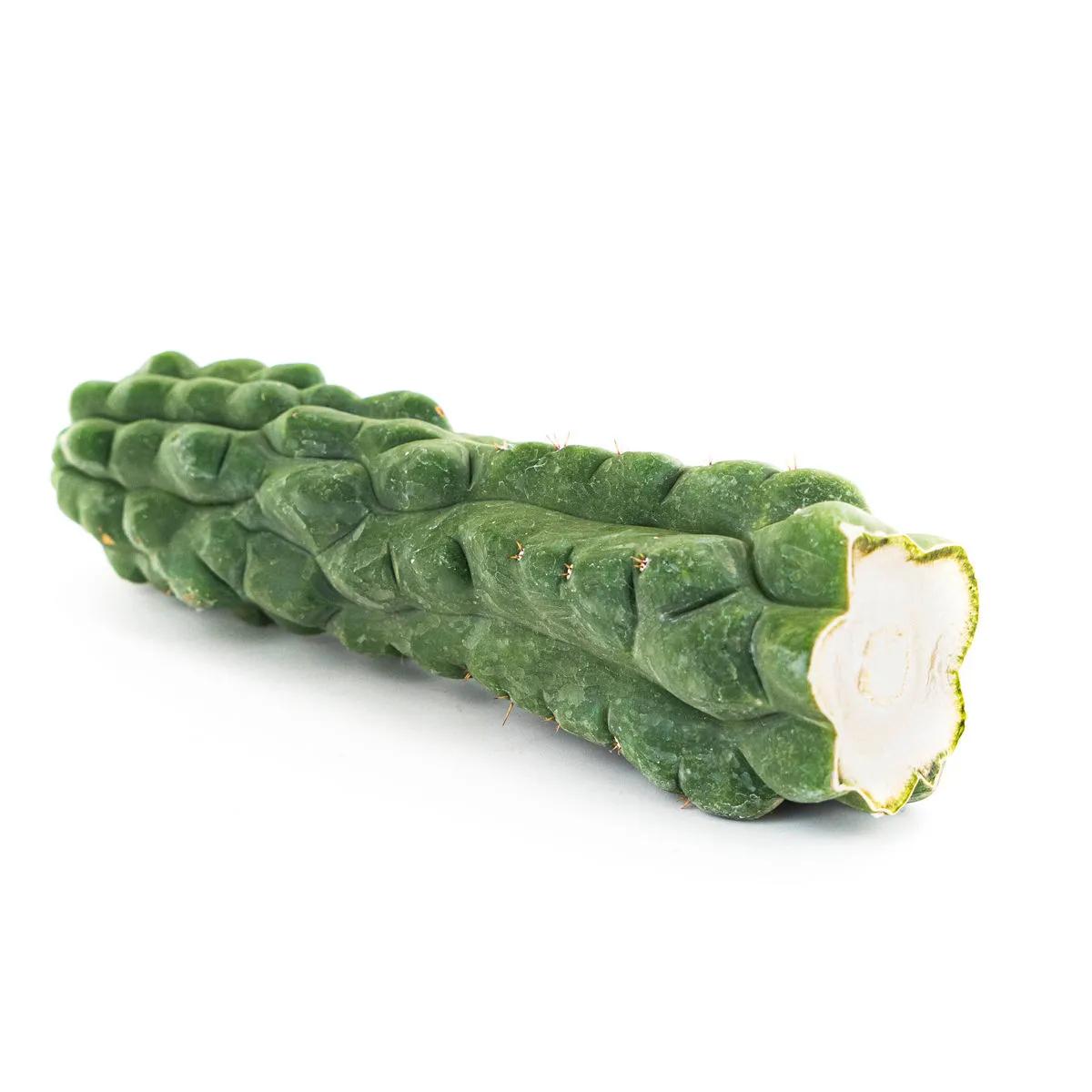
The standard San Pedro cutting is where most people should start. It roots reliably in cactus soil, tolerates beginner mistakes, and grows fast enough that you'll see real progress in your first summer. We stock it in small (10-11 cm), medium (25-30 cm), and large (50-60 cm), plus a dedicated San Pedro XL at 50 cm for buyers who want a thick, photogenic cutting straight away.
San Pedro seeds are the cheapest way in — roughly 20 seeds per pack, germinating under a humidity dome in a few weeks. Seed-grown cacti are slower but genetically varied, which is half the fun if you're in it for the long haul. If you want predictable results and a plant that looks like a San Pedro within the year, get a cutting instead. Honestly, most first-time growers underestimate how slow seedlings are.
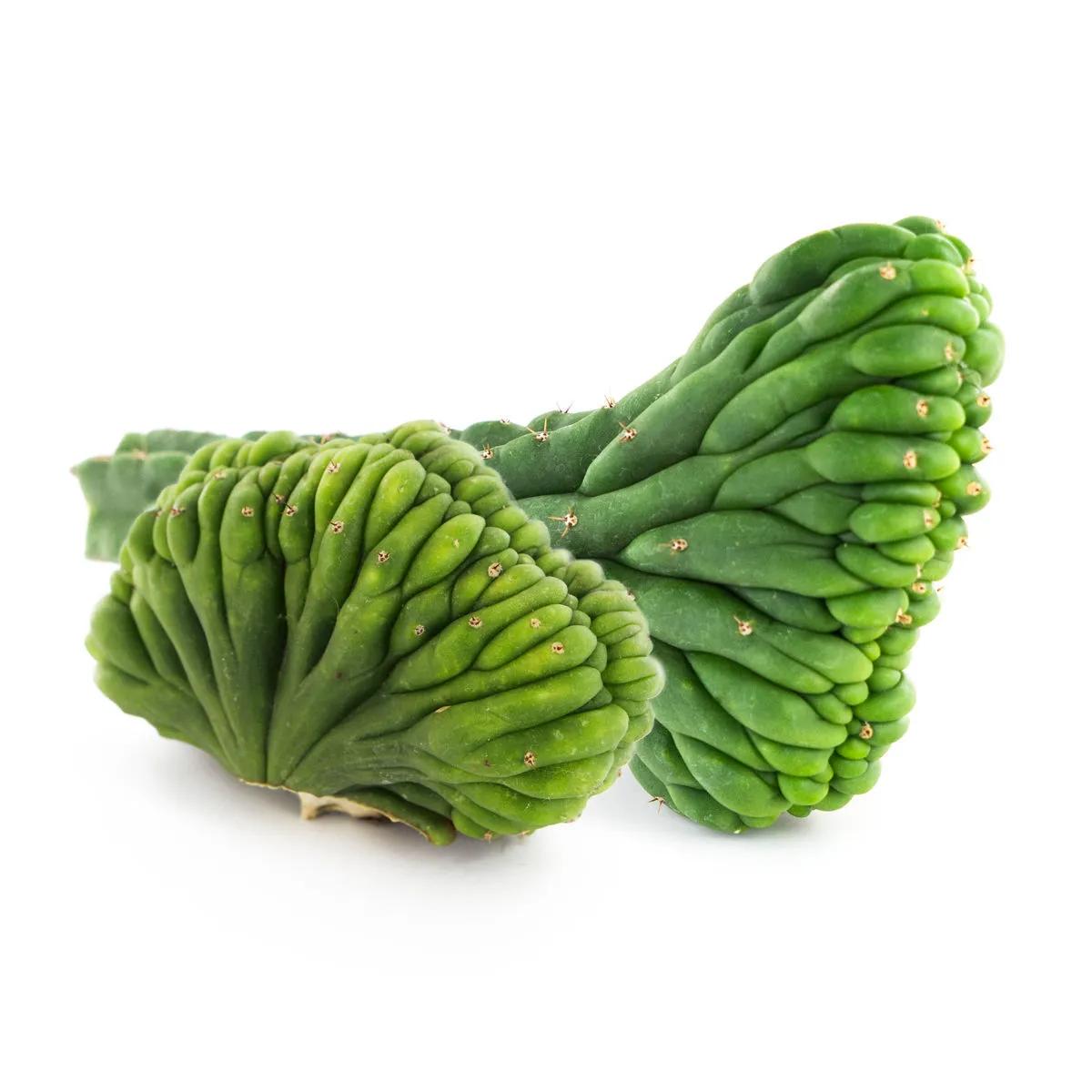
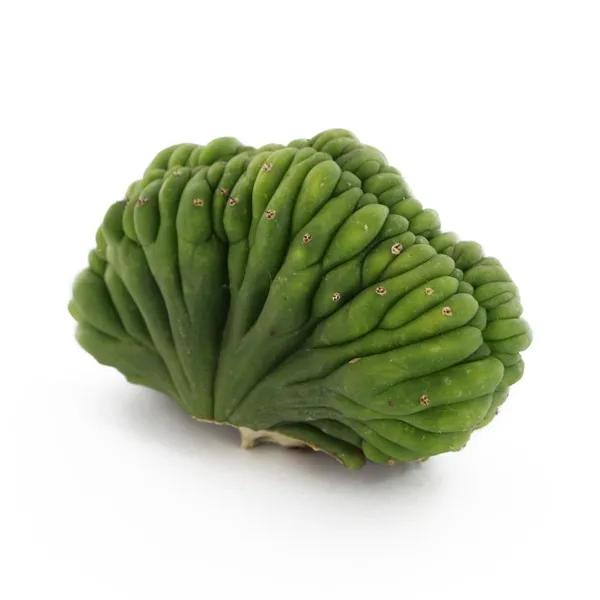
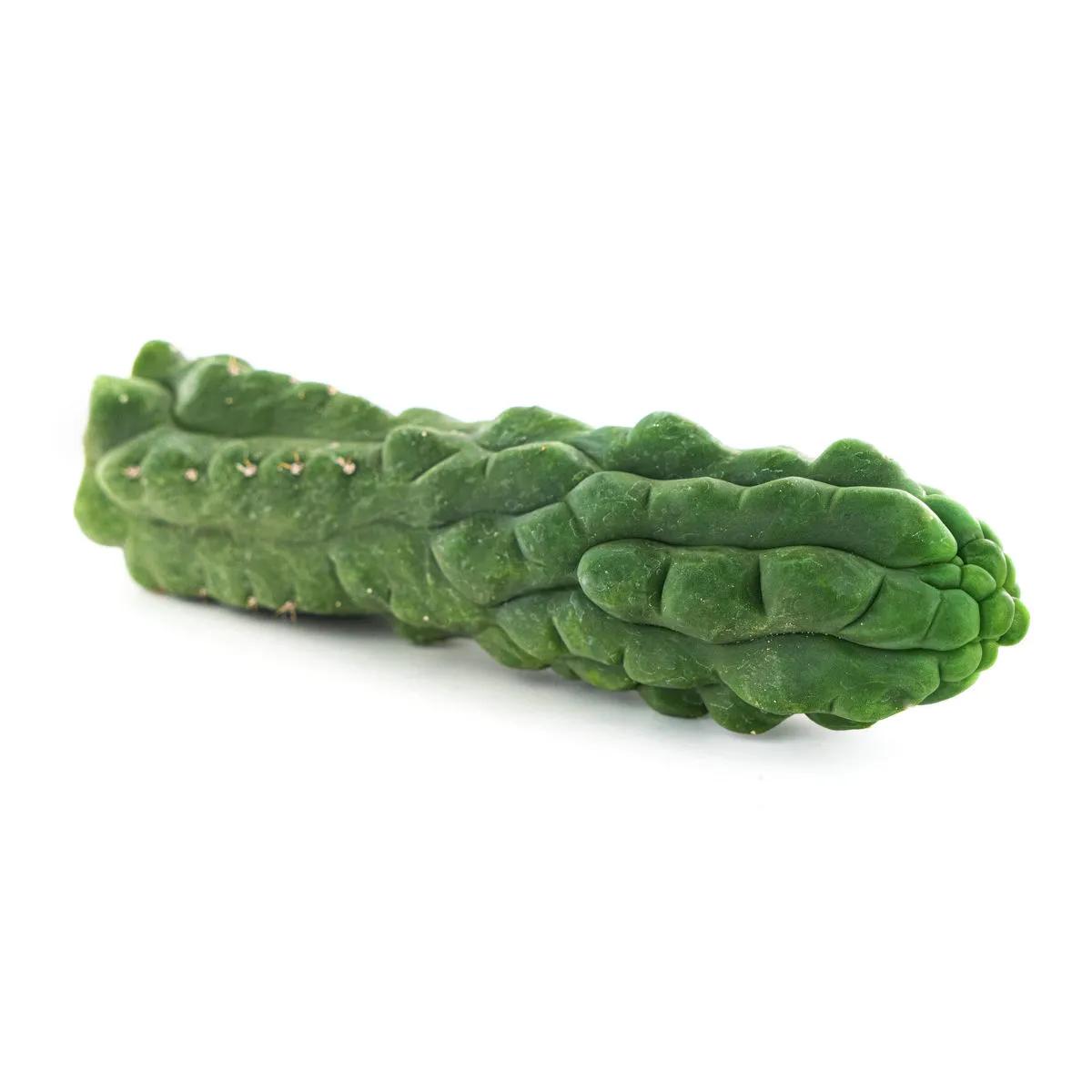
For collectors, we carry four serious rarities. The 7-ribbed San Pedro is a clone from verified mother plants — most pachanoi have 5-8 ribs, and the stable 7-rib count is prized among growers. The Crested San Pedro (Echinopsis pachanoi cristata) is a fasciated mutation with multiple growth points that produces sculptural, brain-like shapes — available stemmed or stemless, and no two cuttings are alike. The Monstrose variant grows in chaotic, unpredictable patterns (the "monstrose" refers to the growth habit, not the size). The Variegated Buenavista is a stabilised yellow-green marbled cultivar traced to a single Tenerife nursery about 20 years ago — the rarest item on this page.
How to Choose Your San Pedro
New to cacti? Get the medium standard cutting. It's thick enough to root without drama, tall enough to look like an actual San Pedro, and forgiving if you over- or under-water in the first few months. Pot it in gritty cactus soil, let the cut end callous over for a week before planting, and keep it dry until you see new growth.
Already grown a pachanoi or two? The 7-ribbed is the obvious next step — same care, rarer genetics. If you want something that looks genuinely strange on the shelf, the Crested or Monstrose will do that. The Variegated Buenavista is the one to buy if you collect cultivars and understand that variegated cacti grow slower because they have less chlorophyll to work with.
Patient and cheap? Order the seeds. Just don't expect a centimetre-per-week miracle — seedlings are tiny for the first year. When in doubt, start with a medium standard cutting and add a rare cultivar once you've kept it alive through a winter.
Frequently Asked Questions
How fast does San Pedro actually grow?
A rooted San Pedro cutting puts on 20-40 cm of new growth per year in good conditions — bright light, gritty soil, watered thoroughly but infrequently. Seed-grown plants are far slower in the first two years before catching up.
Should I buy San Pedro seeds or a cutting?
Buy a cutting if you want a proper-looking cactus within a year. Buy seeds if you want the cheapest entry point and don't mind waiting 2-3 years for plants to reach recognisable size. Most first-time growers are happier with a medium cutting.
What's the difference between 7-ribbed and standard San Pedro?
Standard San Pedro typically develops 5-8 ribs variably. The 7-ribbed clone is a stabilised variant from verified mother plants that consistently produces seven ribs — prized by collectors for its uniformity and reputed potency. Care requirements are identical.
What is a Crested San Pedro?
Crested San Pedro (Echinopsis pachanoi cristata) is a fasciated mutation where the cactus grows from multiple points at once instead of a single tip. The result is a rippled, brain-like shape that's different on every cutting. We stock it stemmed and stemless.
How do I root a San Pedro cutting?
Let the cut end dry and callous over for 7-14 days in a shaded spot. Plant it in dry, gritty cactus soil about 3-5 cm deep, keep it warm and bright, and don't water until you see new growth at the tip — usually 4-8 weeks. Watering too early rots the base.
Planning your grow? Pair your San Pedro with proper cactus soil and a terracotta pot for drainage. Collectors often pick up a Peyote or Peruvian Torch alongside to round out the mescaline cactus shelf.
Last updated: April 2026