
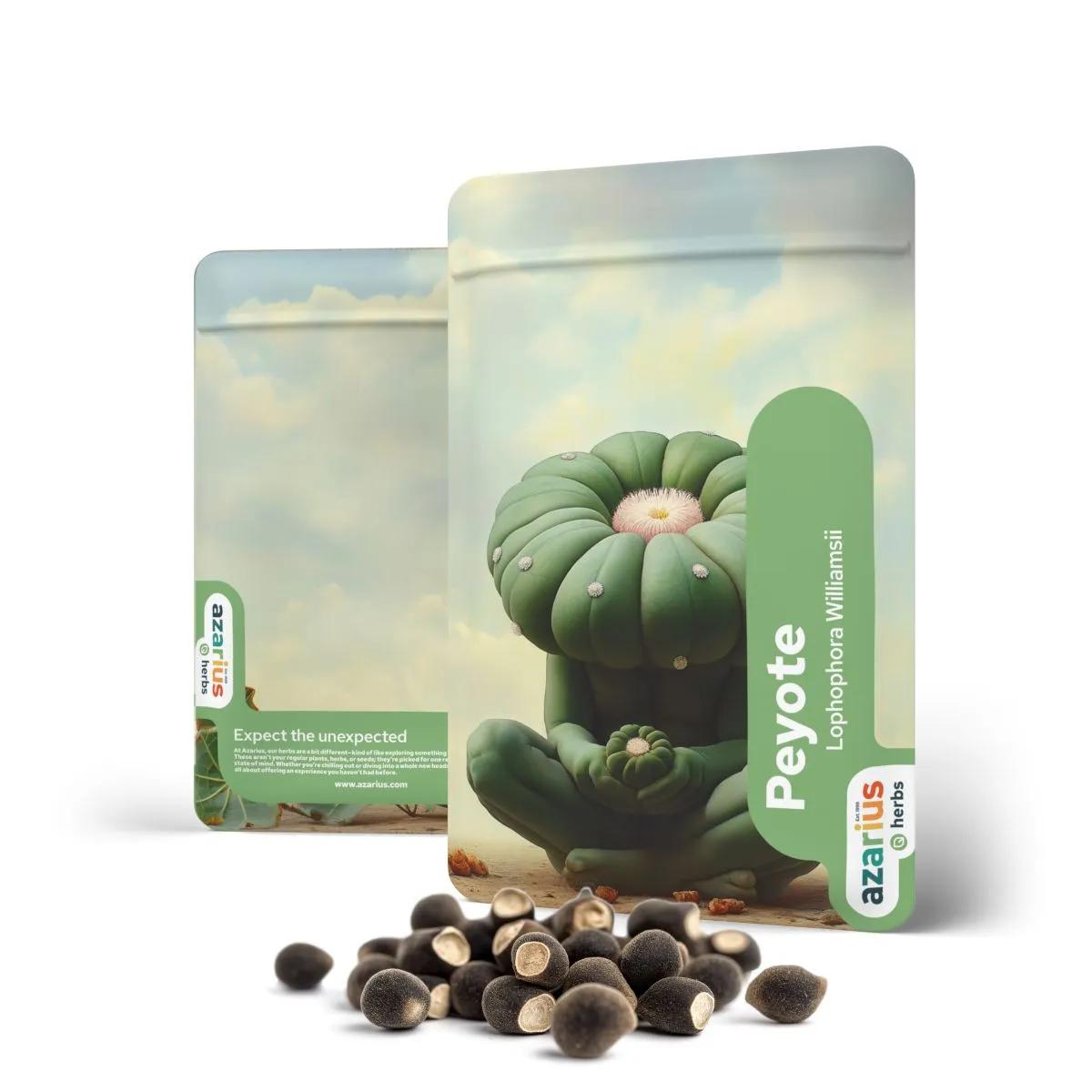
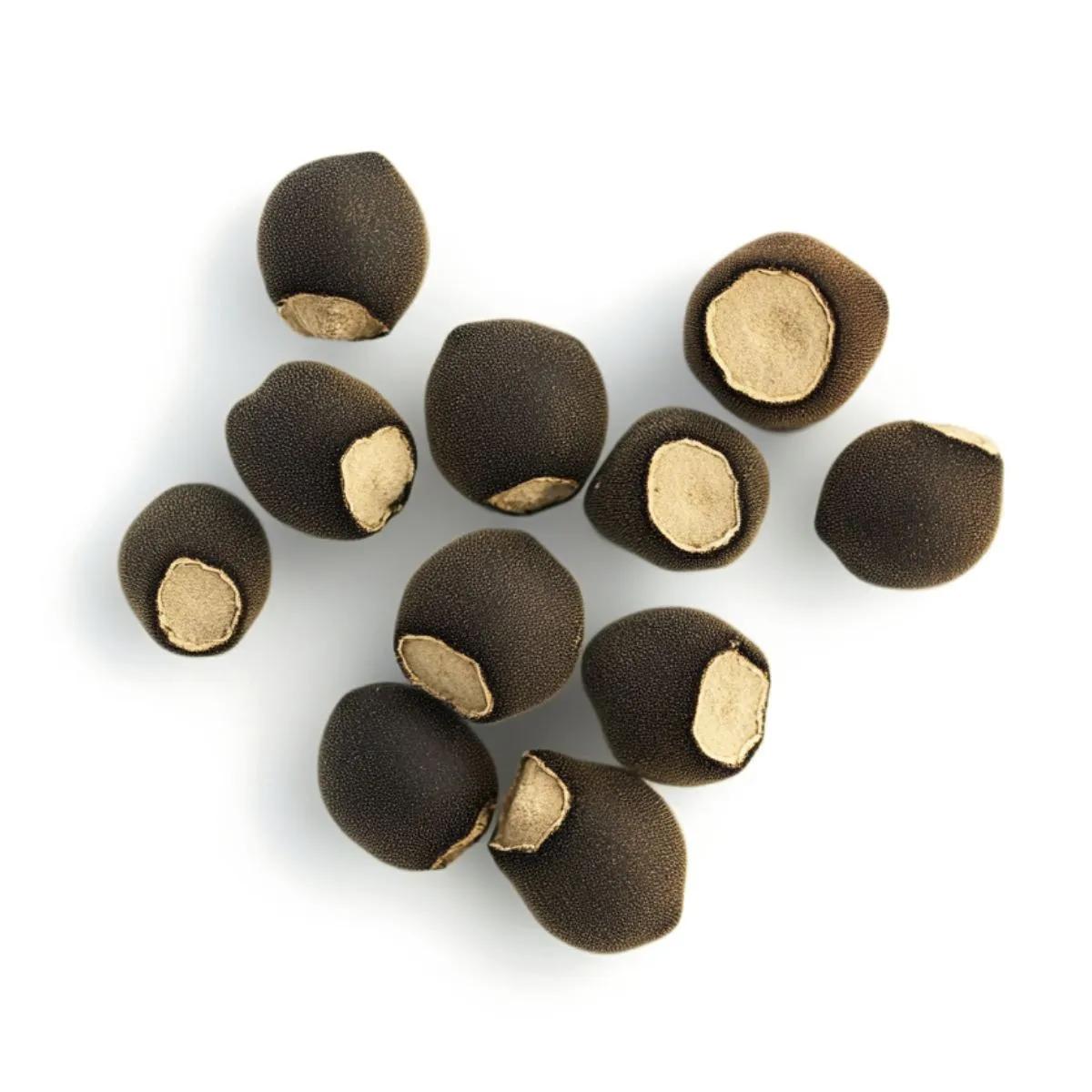
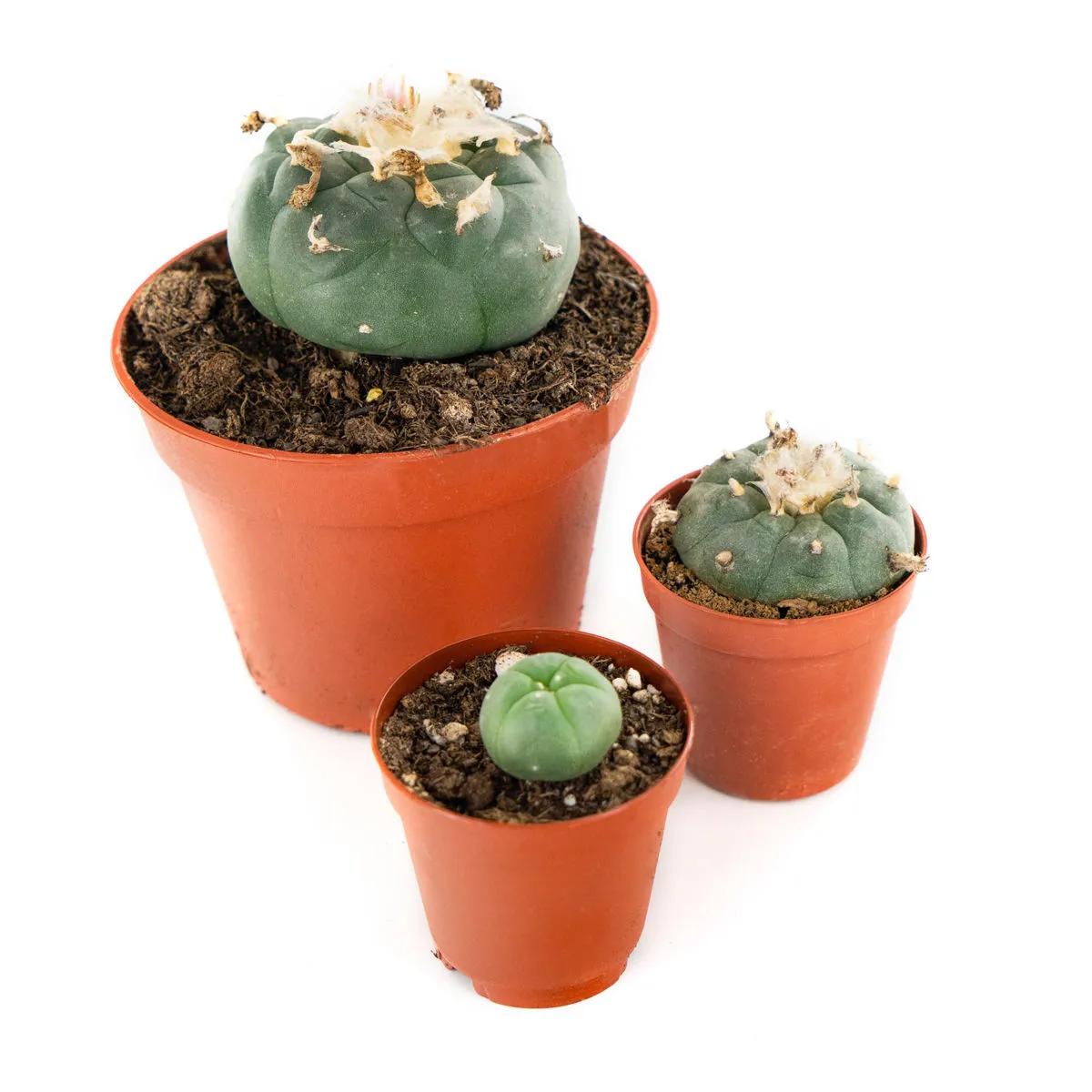
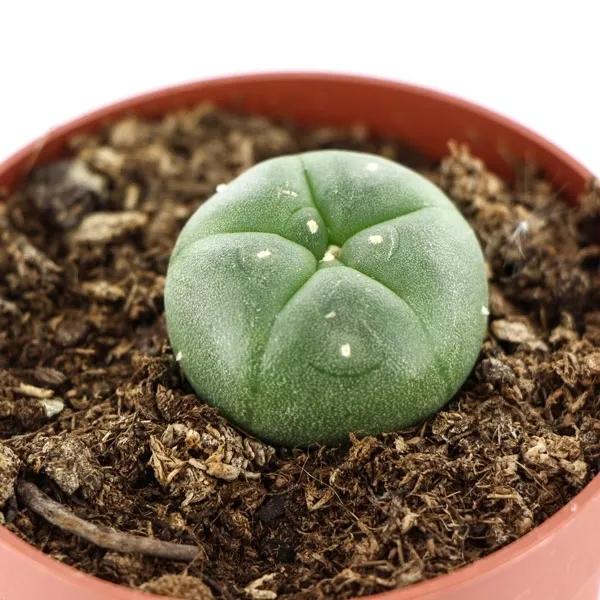
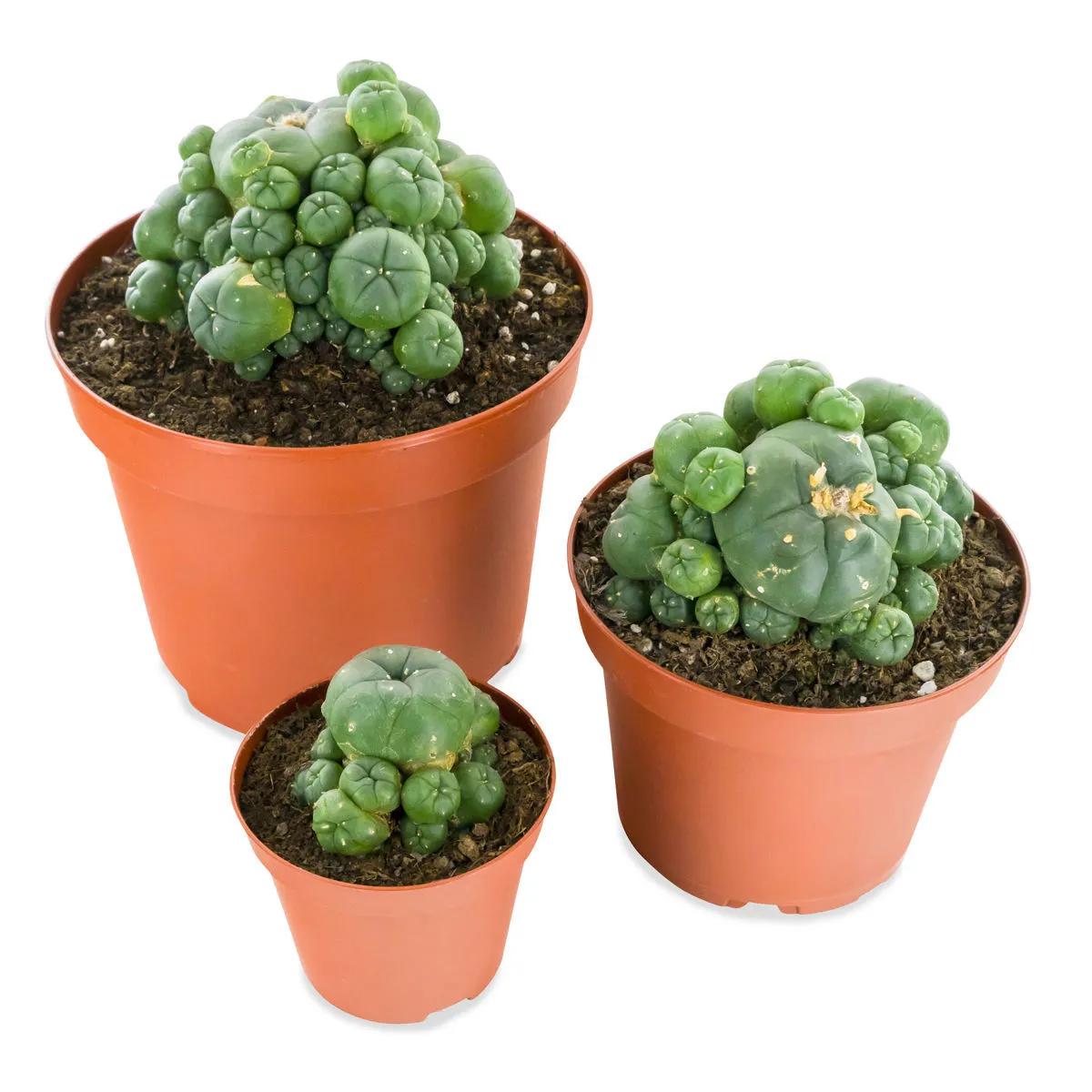
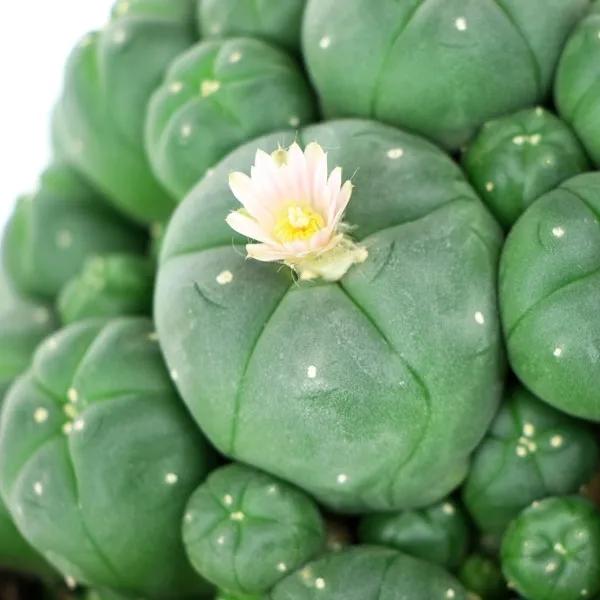
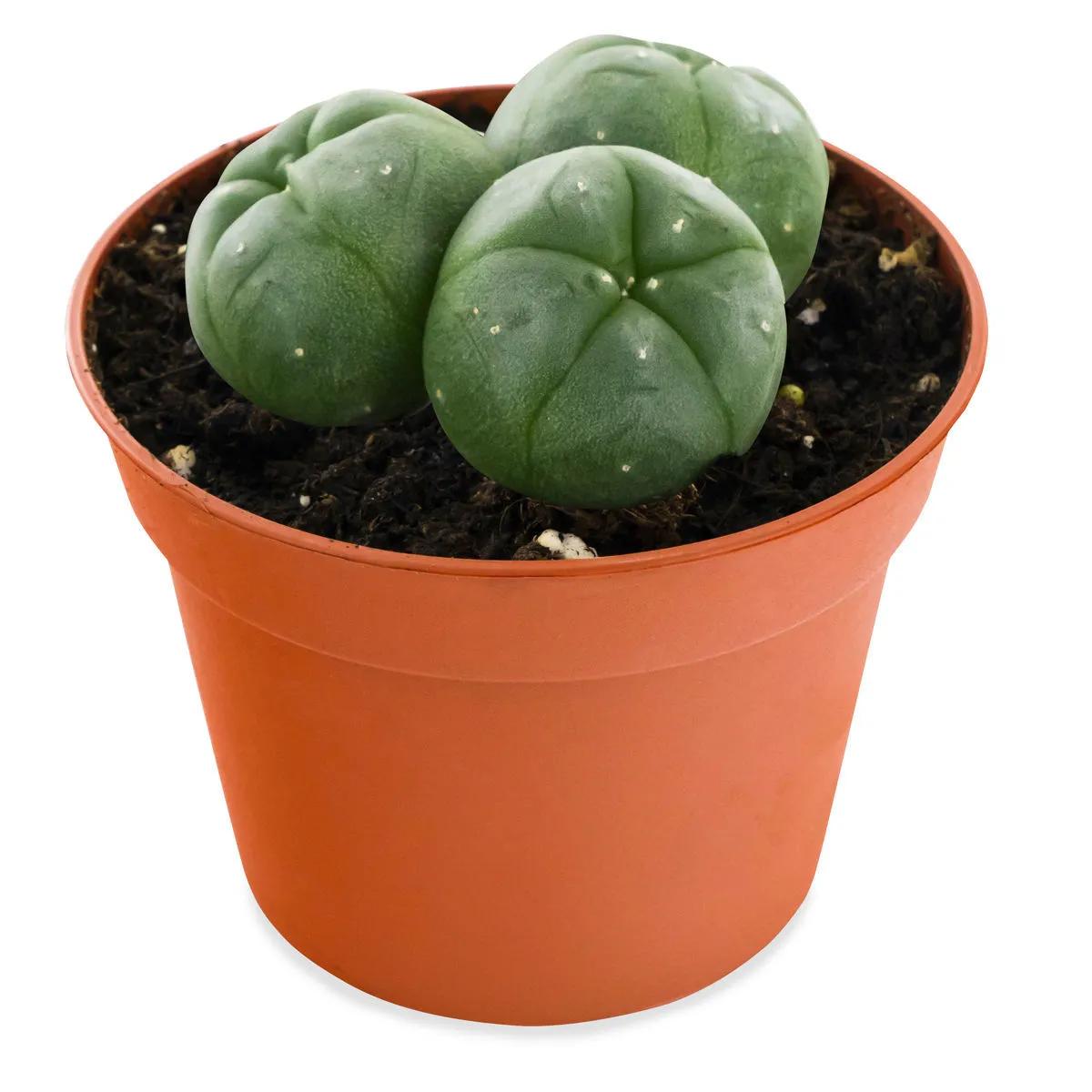
Buy peyote cacti and peyote seeds from Azarius — Lophophora williamsii and its rarer cousins, grown in Dutch nurseries and shipped across the EU. We stock seven sizes of standard peyote from 1-2 cm seedlings up to mature 10-11 cm buttons, plus seeds, clustering forms, grafted specimens, and Lophophora decipiens. Slow-growing, collector-grade cacti for people who think in decades, not weeks. Online smartshop since 1999.
Buy Peyote Cacti — The Full Range at Azarius
Peyote is Lophophora williamsii, a small spineless cactus from the Chihuahuan Desert of northern Mexico and southwest Texas that produces over 50 alkaloids including mescaline. We've been shipping Lophophora across the EU since 1999, and this category is where the whole living collection sits — from a pinhead seedling you'll nurse for a decade to a grafted cluster that throws new buttons inside a year.
Honest warning before you scroll: peyote is the slowest cactus you will ever own. A seed sown today becomes a thumbnail-sized button in around three years. A wild button takes 10-30 years to reach flowering size. If that timeline horrifies you, grab the grafted peyote or a larger specimen. If it appeals to you, welcome — you're our kind of grower.
Peyote Range — Find the Right Starting Point
Choosing between seed, seedling, mature plant, or grafted specimen comes down to one question: how much patience do you actually have? The table below maps every option to a realistic timeline.
| Format | Sizes we carry | Time to maturity | Good for |
|---|---|---|---|
| Peyote seeds | Seed packets | 5-10 years to 3-4 cm | Growers who want the full cycle from day one |
| Peyote (standard L. williamsii) | 1-2, 2-3, 3-4, 4-5, 6-7, 8-9, 10-11 cm | Years per cm of growth | Anyone skipping the seedling stage — pick your starting point |
| Peyote 3-Cluster | 3 × 2-3 cm | Standard peyote pace | Buyers who want a small collection in one order |
| Peyote with Pups | 5-6, 8-9, 10-11, 12-14, 15-17 cm | Already multi-headed | Collectors after the clustering form |
| Grafted Peyote | One size | Visible growth in months | Impatient growers — you'll see new buttons this year |
| Lophophora decipiens | 6-7, 8-9 cm | Faster than williamsii | Collectors who want the rarer Coahuila species |
If you're buying your first peyote, we'd skip the 1-2 cm seedling — it's too fragile for a first-timer — and start with the 4-5 cm or 6-7 cm standard. Big enough to survive a minor watering mistake, small enough to feel like you're actually growing something.
What We Carry
- Peyote seeds — Lophophora williamsii seeds that germinate in 7-14 days. The slowest, most rewarding start point.
- Peyote (standard) — Live L. williamsii buttons in seven sizes from 1-2 cm up to 10-11 cm mature specimens.
- Peyote 3-Cluster — Three 2-3 cm buttons in one pot, a cheap way to start a small collection.
- Peyote with Pups — The clustering multi-headed form, harder to source, five sizes from 5-6 cm starters to 15-17 cm showpieces.
- Grafted Peyote — L. williamsii cluster fused onto Eriocereus jusbertii rootstock. The only way to see fast growth on a peyote.
- Lophophora decipiens — The rarer sister species from Coahuila, Mexico. Larger bodies, prolific pups, bigger flowers in white, pink or magenta.
How to Choose Your Peyote
Start with what matches your patience and your windowsill. Beginners we'd point at the 4-5 cm standard peyote — enough mass to forgive a mistake, small enough that you're genuinely raising it rather than inheriting a grown plant. If you want to watch growth happen instead of squinting for it, order the grafted peyote; that Eriocereus rootstock pushes new buttons within months and it's the single best antidote to peyote impatience.
Experienced growers and collectors — you already know why you're here. The Peyote with Pups in the 12-14 or 15-17 cm range is the shelf piece, and Lophophora decipiens is the species most Lophophora collections are missing. Shop the seeds if you want to document the full arc yourself; there's a particular satisfaction to a button you germinated that no bought specimen matches.
Whatever you pick, these cacti want gritty mineral soil (around 70% inorganic — pumice, lava, coarse sand), a sunny south-facing spot, and dry winters. Overwatering kills more peyote than anything else we sell. When in doubt, water less.
Frequently Asked Questions
How long does peyote take to grow from seed?
Peyote seeds germinate in 7-14 days, but reaching a 3-4 cm button takes roughly 5-10 years depending on conditions. If you want visible size within a year, start from a 4-5 cm or larger specimen — or order the grafted peyote, which grows many times faster on Eriocereus rootstock.
What's the difference between Lophophora williamsii and Lophophora decipiens?
L. williamsii is the classic peyote from the Chihuahuan Desert — small, slow, single-bodied. L. decipiens comes from Coahuila, Mexico and grows faster, produces larger bodies, throws more pups, and flowers in showier white, pink or magenta. Decipiens is the one most collectors are still missing.
Why buy a grafted peyote instead of a standard one?
Speed. A grafted peyote is a L. williamsii cluster fused onto Eriocereus jusbertii rootstock, which feeds the button far faster than its own root system ever could. You'll see new offsets within months instead of the years an ungrafted plant demands. Good pick if you want visible progress on your shelf.
What soil and conditions do peyote cacti need?
Gritty, mineral-heavy mix — around 70% inorganic (pumice, lava rock, coarse sand) and 30% low-nutrient soil. Full sun or bright indirect light, dry winters (little to no water from November to March), and sparing watering in summer. More peyote die from overwatering than any other cause.
Are peyote seeds hard to germinate?
Not really — they germinate in 7-14 days on damp sterile substrate at 22-28°C with high humidity. The hard part is the decade afterwards. Sow more seeds than you think you need; losses in the first year are normal, and seedlings are painfully small for a long time.
Last updated: April 2026