
Buy more, pay less
Peyote Cactus (Lophophora williamsii) — The Sacred Cactus You Can Grow at Home
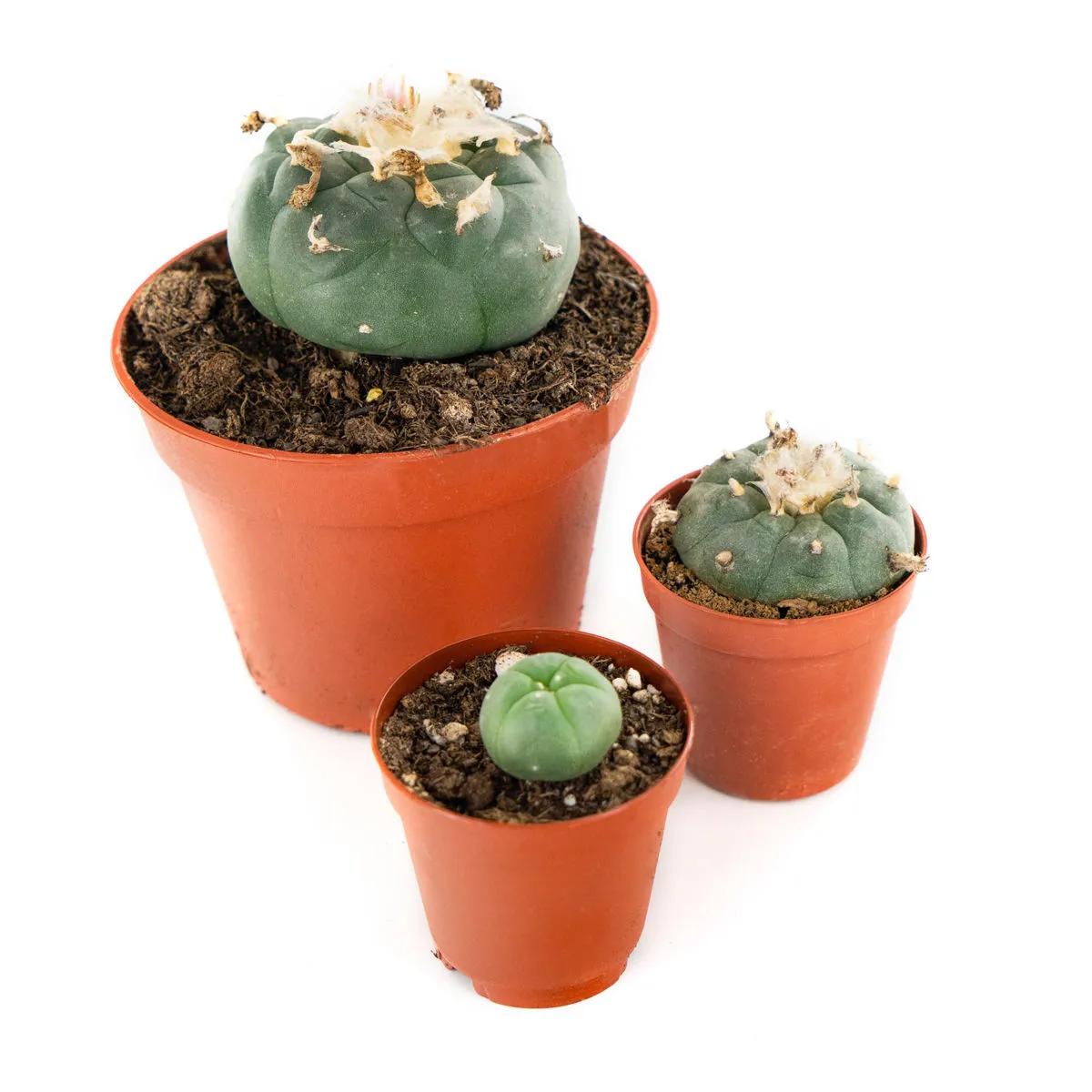
Peyote is a small, spineless cactus native to the deserts of southwestern Texas and Mexico that produces over 50 alkaloids, including the powerful entheogen mescaline. Known to the Aztecs as peyotl and revered as a living deity — El Mescalito — this unassuming button-shaped succulent has been central to indigenous ceremony for at least 5,700 years, according to archaeological evidence. Now you can cultivate your own Lophophora williamsii at home, choosing from seven size options ranging from a 1-2 cm seedling to a substantial 10-11 cm specimen.
Which Size Peyote Cactus Should You Choose?
The size refers to the diameter of the above-ground button — the visible green crown sitting above the soil. Keep in mind that the largest part of a peyote cactus is actually hidden underground: a long, carrot-like taproot that can be several times the length of what you see on the surface. Here's how the sizes break down:
| Size | What to Expect | Best For |
|---|---|---|
| 1-2 cm | Tiny seedling, barely a fingernail across. Needs patience and careful watering. | Collectors who enjoy growing from near-scratch |
| 2-3 cm | Small but established. Root system developing nicely. | Patient growers on a budget |
| 3-4 cm | Clearly recognisable peyote button with visible areoles and fuzzy tufts. | A solid starting point — our most popular entry size |
| 4-5 cm | Well-established crown. Starting to look like the classic peyote you see in books. | Good balance of size and value |
| 6-7 cm | Substantial specimen. Ribs and woolly tufts clearly defined. | Display-ready cactus with character |
| 8-9 cm | Mature button approaching flowering age. | Experienced collectors wanting a head start |
| 10-11 cm | Large, mature specimen — roughly 4 inches across. May already flower. | The centrepiece of a collection |
One thing worth knowing: you may receive a 2- or 3-headed cactus. This happens when multiple seeds germinate together and their roots intertwine, or when a single seed splits during development. Multi-headed peyotes are not defective — they're actually quite prized among collectors.
Why Grow a Peyote Cactus?
Peyote is one of the most culturally significant cacti on earth and among the slowest growing. That combination makes it genuinely special to own. In the wild, Lophophora williamsii is listed as endangered due to over-harvesting and habitat loss from ranching in Texas. Cultivated specimens grow faster than wild ones — a mature, flowering peyote roughly 3 inches (7-8 cm) in diameter can develop from seed in under three years with proper care — but "faster" is relative. This is still a cactus that rewards patience measured in seasons, not weeks.
What makes peyote visually distinctive is what it lacks: spines. Instead of the sharp needles you'd expect from a cactus, Lophophora williamsii produces soft, fuzzy tufts of trichomes (called "wool") at each areole. The crown rarely rises more than 3-4 cm above the soil surface, giving it a humble, almost geological appearance — like a small green stone sitting in the dirt. Pick one up, though, and you'll feel the heft of that hidden taproot pulling downward. The texture of the skin is waxy and slightly rubbery, with pronounced ribs radiating from the centre.
We've been stocking peyote since the early days of the shop, and the one honest limitation we'll flag: small specimens (1-3 cm) are fragile. Overwatering is the number one killer. These are desert plants adapted to limestone scrub — they want neglect, not attention. If you're the type who fusses over houseplants daily, you'll need to fight that instinct. A peyote sitting in damp soil for too long will rot from the taproot up, and by the time you notice, it's too late.
Peyote's Chemical Profile — Nature's Alkaloid Factory
Lophophora williamsii produces more than 50 distinct alkaloids, making it one of the most chemically complex cacti known. The most studied of these is mescaline (3,4,5-trimethoxyphenethylamine), which constitutes approximately 0.3% of fresh peyote weight and 1-2% when dried. According to the Drug Policy Facts database, the active dose of mescaline is about 0.3 to 0.5 grams, with effects lasting around 12 hours.
According to a study published in Drug and Chemical Toxicology (Halpern et al., 2005), long-term peyote users demonstrated no cognitive deficits compared to non-drug controls and showed significant psychological wellbeing. A separate review in the California Poison Control System database covering 1997-2008 suggested mild to moderate toxicity from peyote and mescaline exposures, according to research cited by Drugs.com. As with any potent alkaloid-containing plant, the dose-response relationship matters enormously — mescaline is distributed to the liver and brain after ingestion.
Beyond mescaline, peyote contains pellotine, anhalonidine, lophophorine, and dozens of other phenethylamine and isoquinoline alkaloids. Research into the clinical applications of these compounds is ongoing. According to a 2023 review in the journal Molecules, studies continue to investigate the mechanism of action and potential applications of peyote alkaloids, though much of this work remains preliminary.
| Specification | Detail |
|---|---|
| Species | Lophophora williamsii |
| Common names | Peyote, El Mescalito, Peyotl |
| Native habitat | Southwestern Texas and northern Mexico, limestone desert scrub |
| Primary alkaloid | Mescaline (0.3% fresh / 1-2% dried) |
| Total alkaloids | 50+ identified compounds |
| Above-ground height | Typically 3-4 cm |
| Available sizes | 1-2 cm, 2-3 cm, 3-4 cm, 4-5 cm, 6-7 cm, 8-9 cm, 10-11 cm diameter |
| Growth rate | Extremely slow; cultivated specimens reach ~3 inches in under 3 years from seed |
| Wild conservation status | Endangered (Texas populations) |
| Distinguishing feature | Fuzzy wool tufts instead of spines |
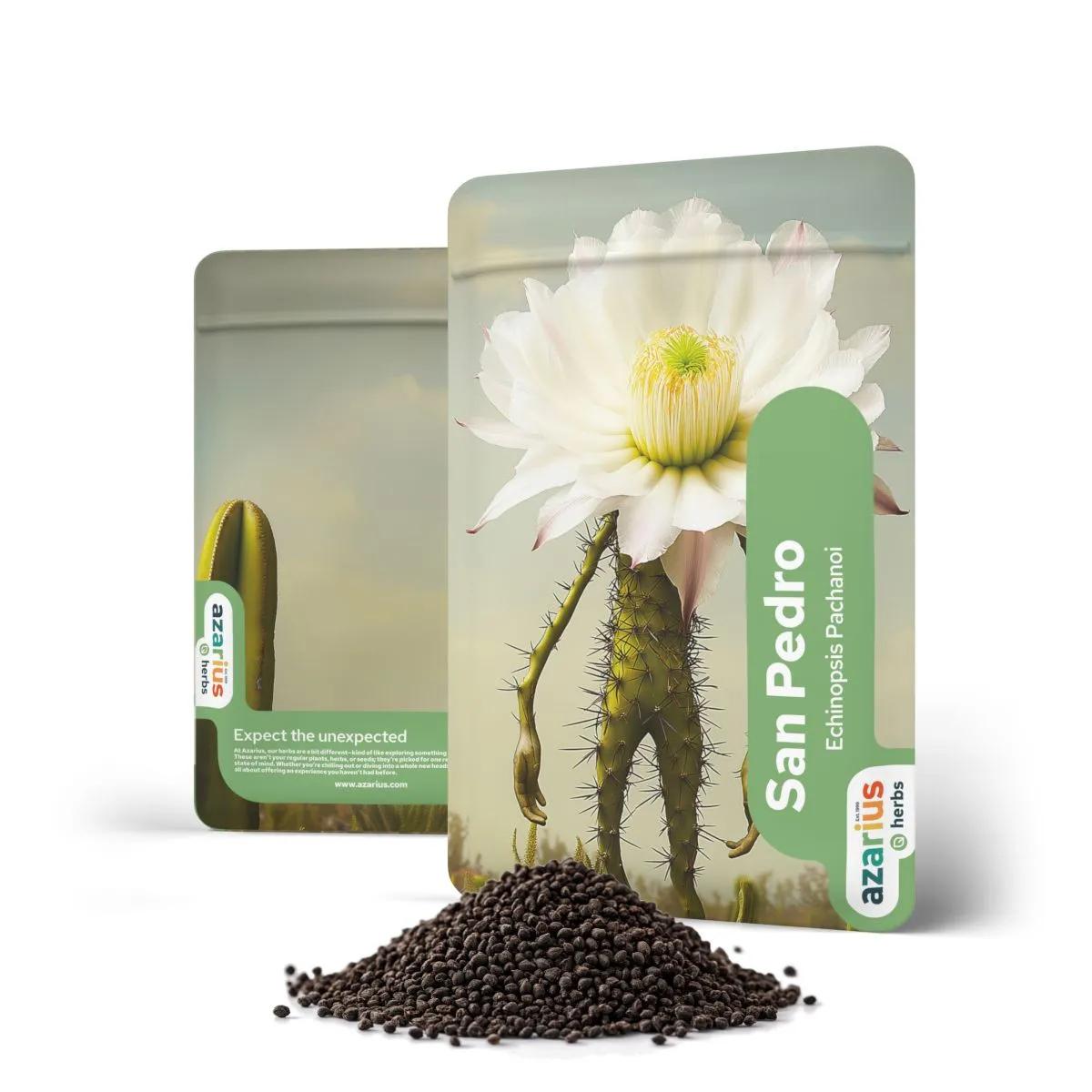
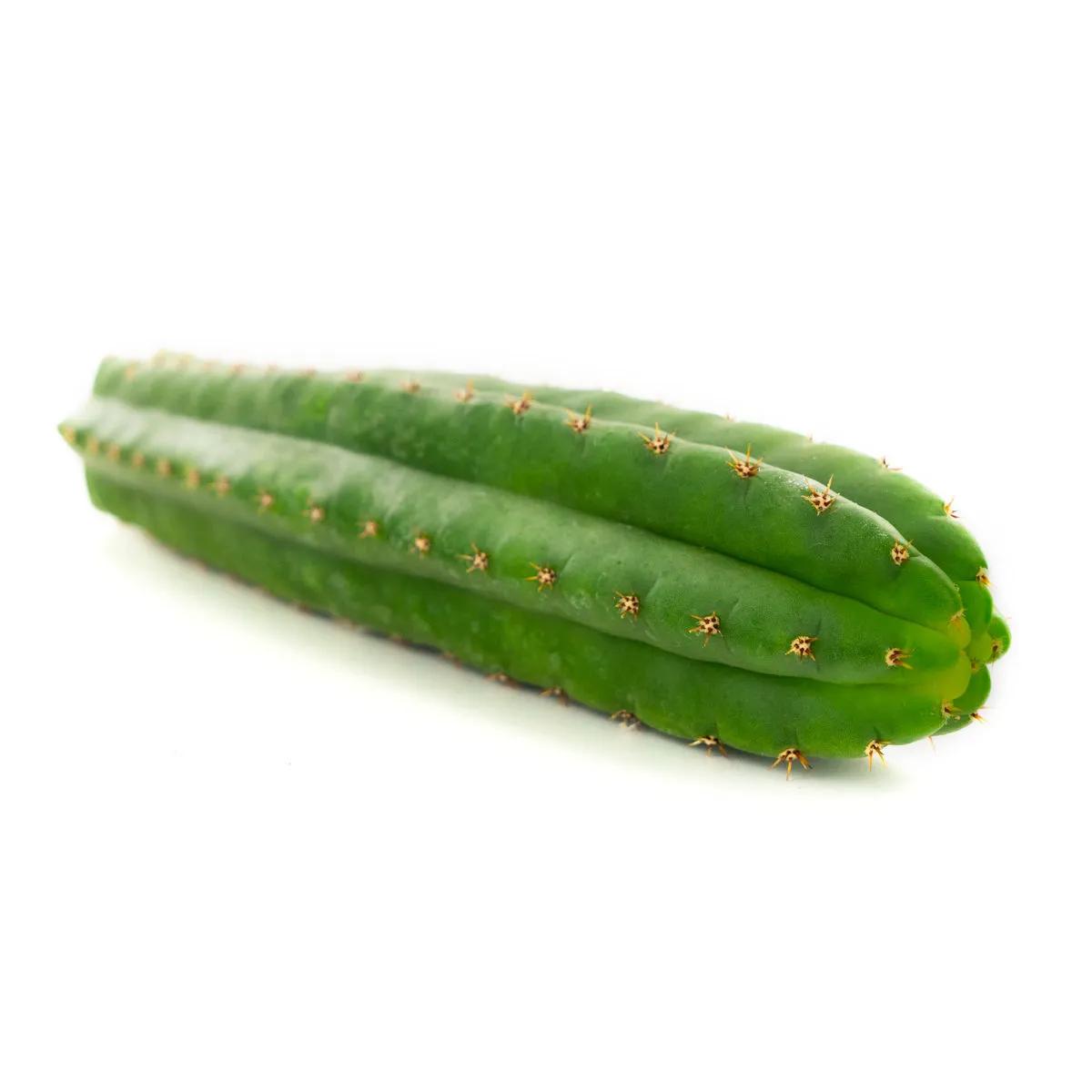
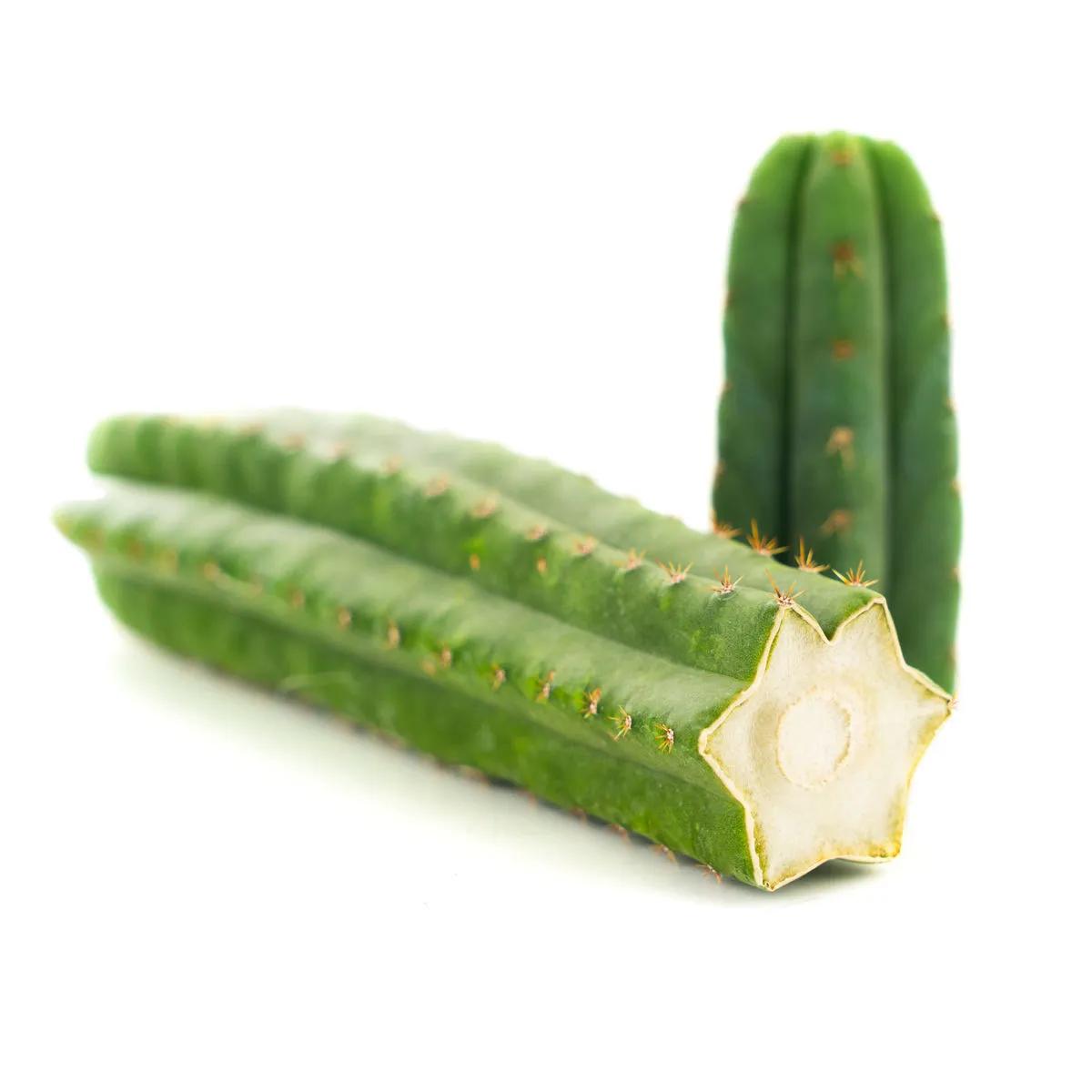
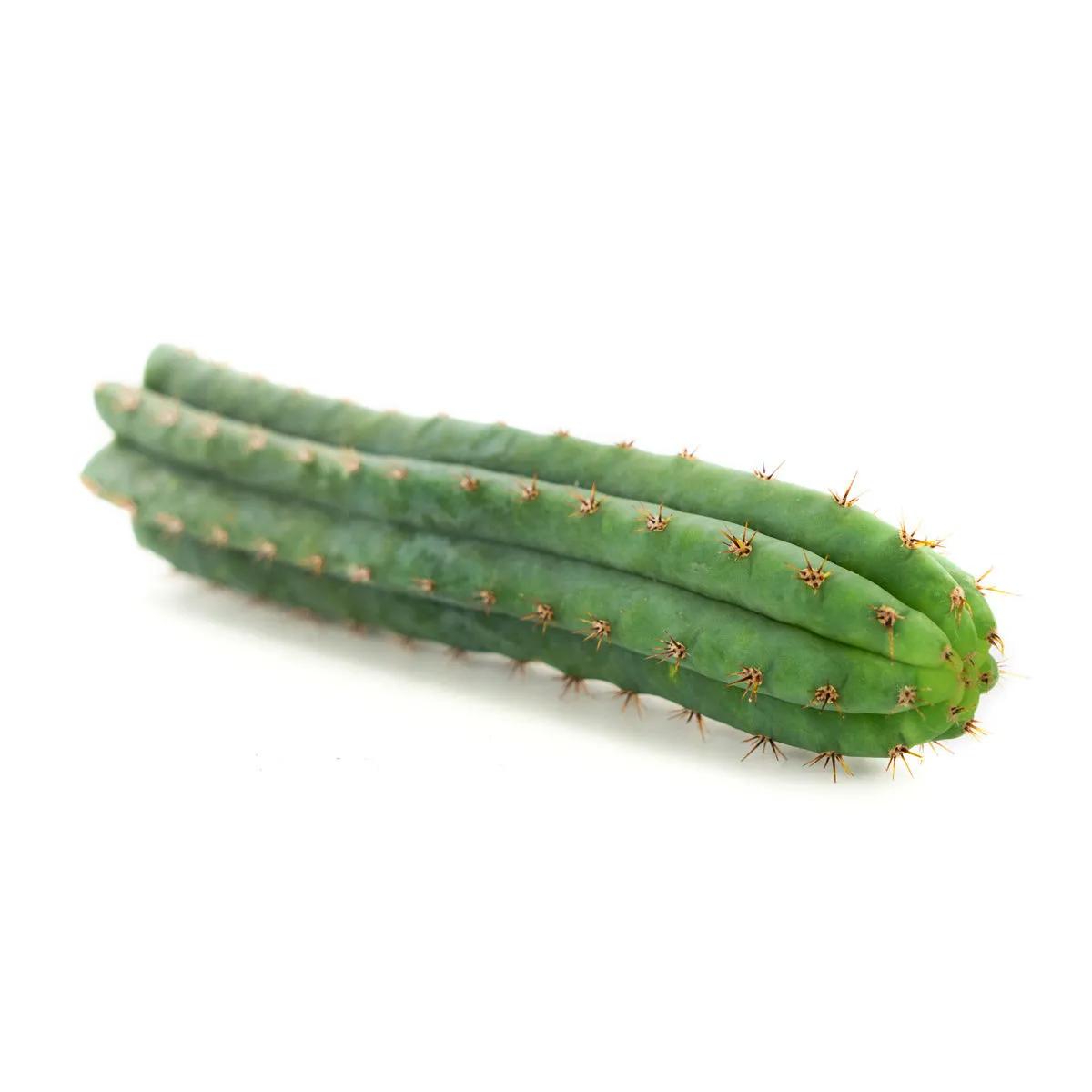
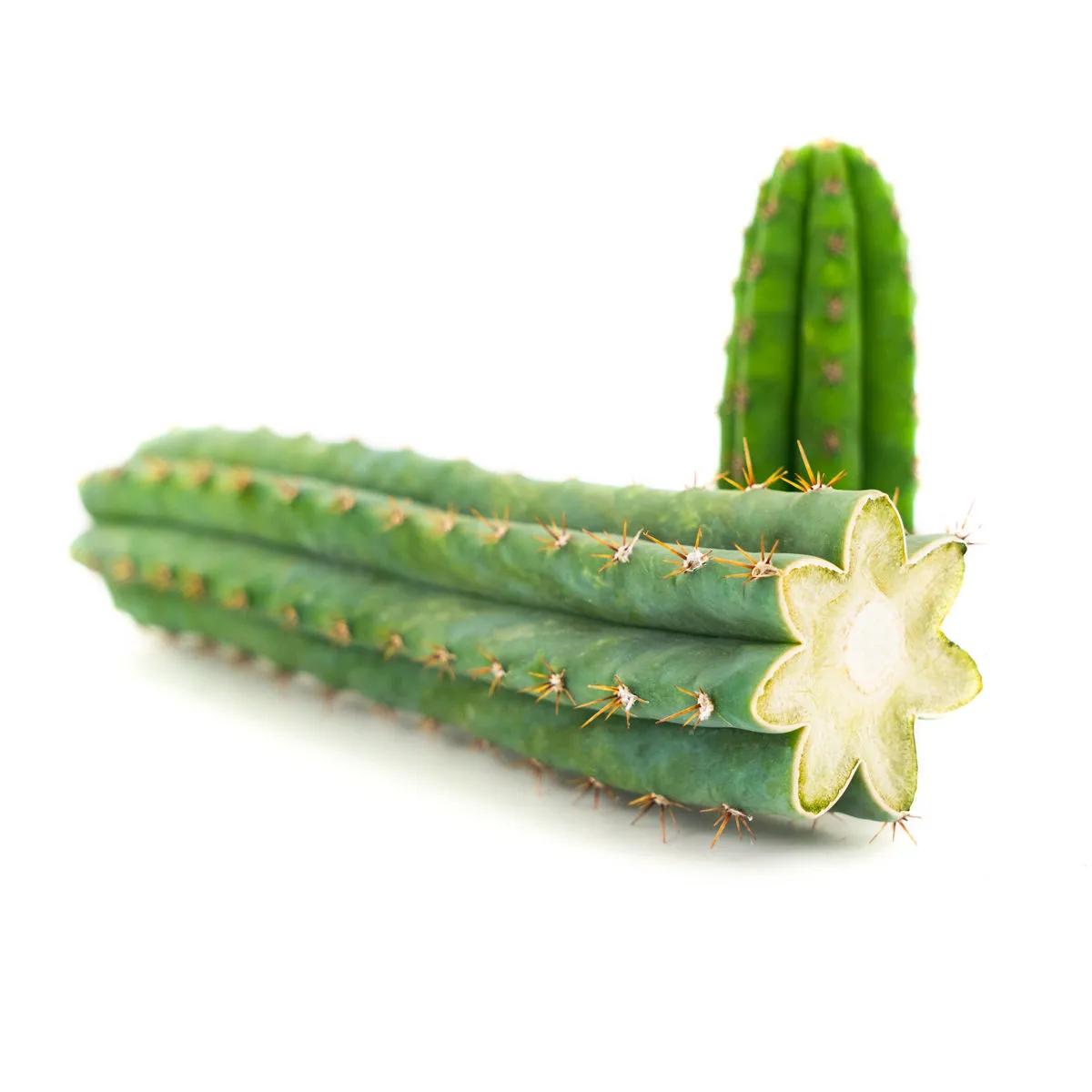
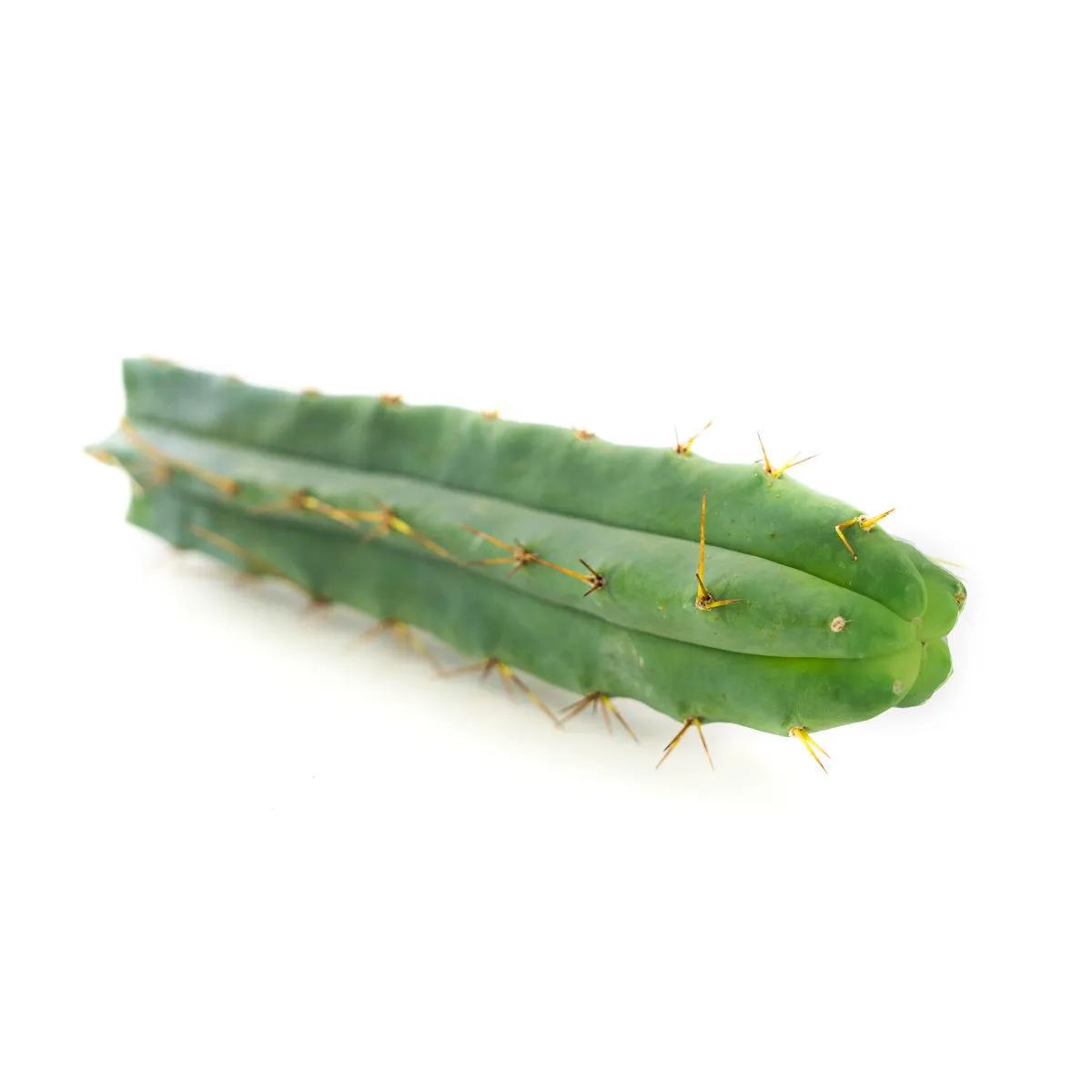
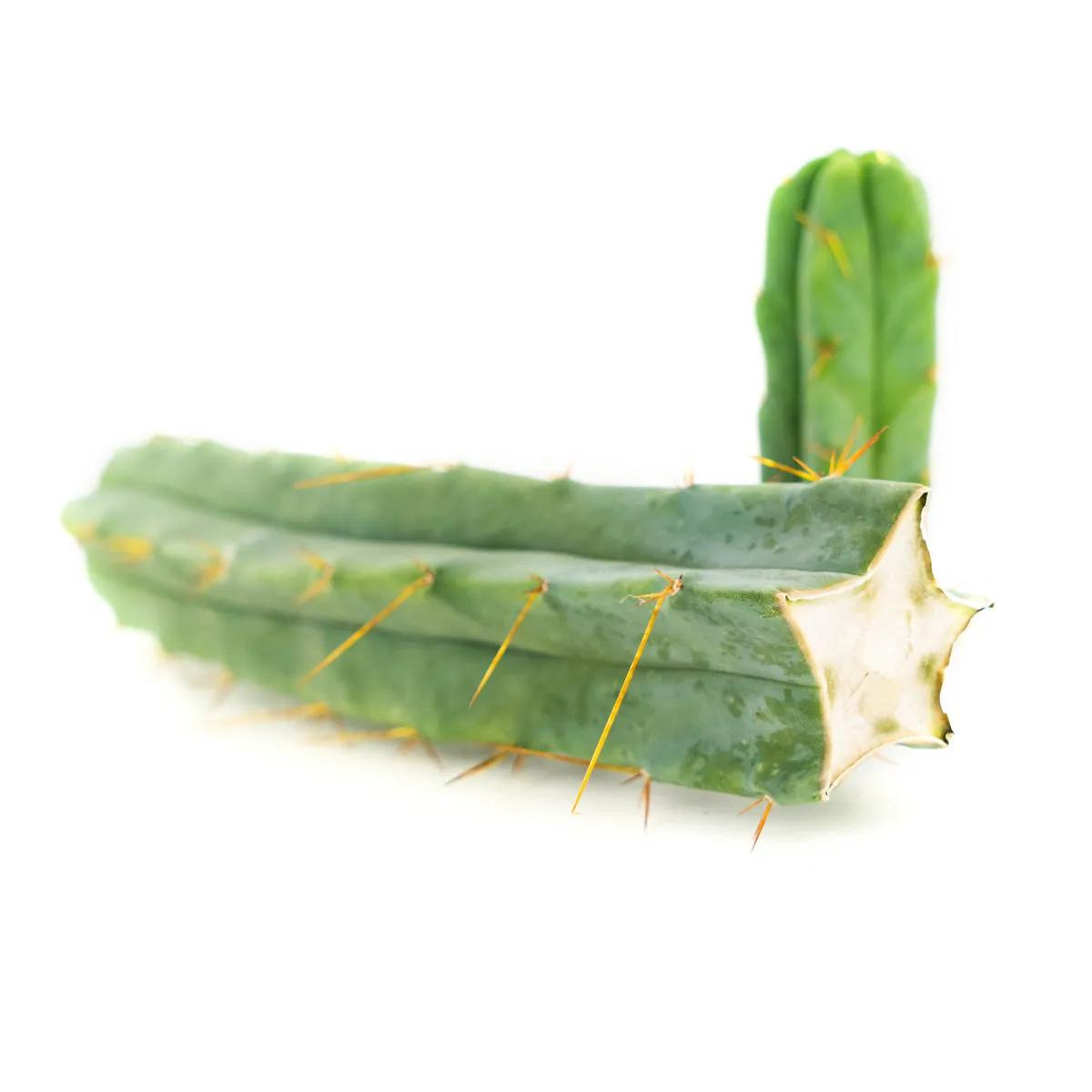
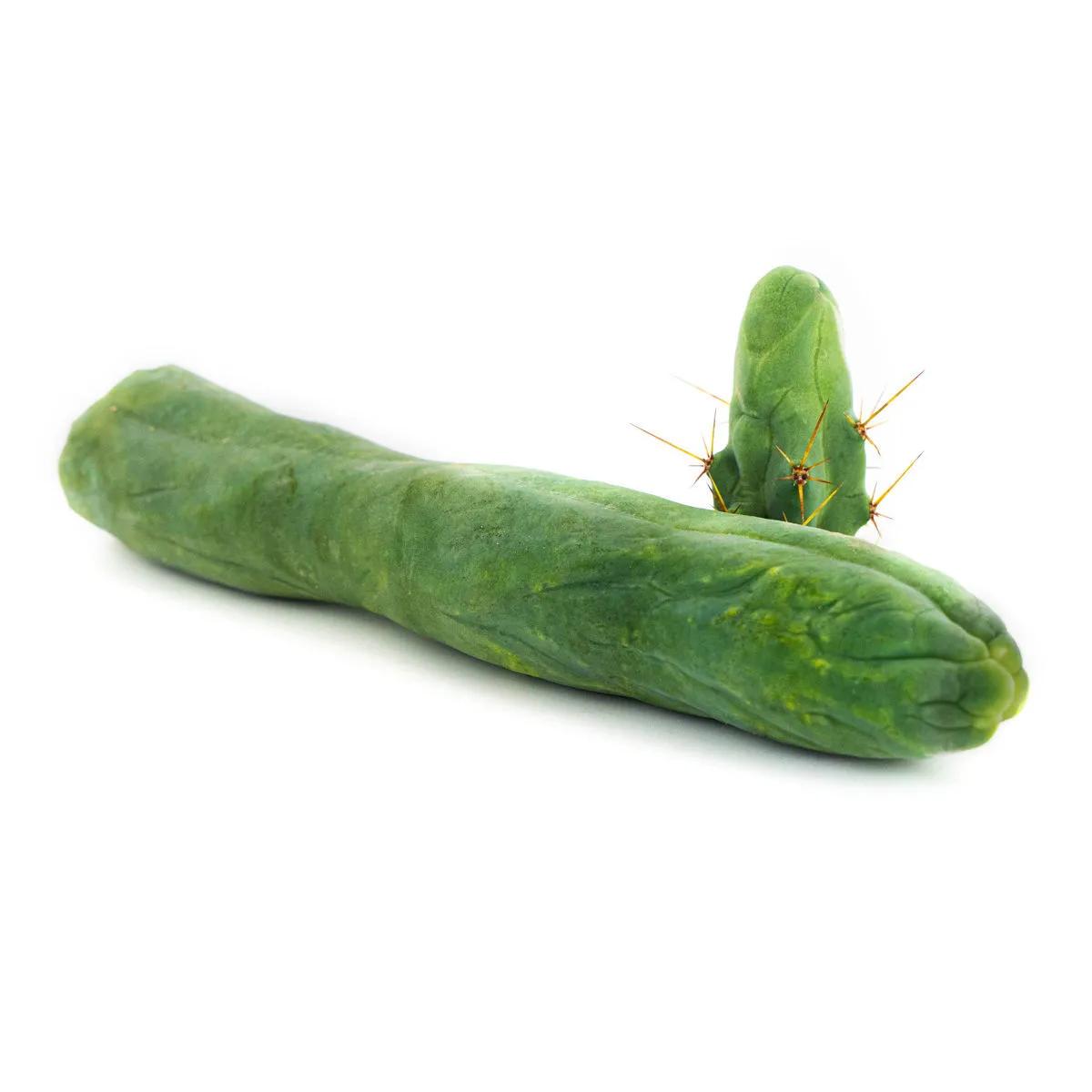
Growing a mescaline cactus collection? The San Pedro (Echinopsis pachanoi) and Peruvian Torch (Echinopsis peruviana) are faster-growing mescaline-containing cacti that pair well with peyote. They give you something to watch grow while your Lophophora takes its time. For cactus soil and growing supplies, check our cultivation accessories.
How to Care for Your Peyote Cactus
Peyote is a desert cactus that thrives on benign neglect. The single most common mistake we see — and we've seen it hundreds of times since 1999 — is overwatering. Here's how to keep your Lophophora williamsii alive and growing:
- Soil: Use a mineral-heavy, fast-draining mix. Peyote naturally grows in limestone soil. A blend of roughly 70-80% inorganic material (perlite, pumice, coarse sand, or crushed limestone) and 20-30% organic matter works well. Standard potting soil will hold too much moisture and rot the taproot.
- Pot selection: Choose a deep, narrow pot rather than a wide, shallow one. Remember, the taproot is the largest part of the plant — it needs vertical space. Terracotta is better than plastic because it breathes and dries out faster. A drainage hole is non-negotiable.
- Watering: During the growing season (spring through early autumn), water sparingly — only when the soil is completely dry, typically every 2-3 weeks depending on your climate. In winter, stop watering entirely. Peyote goes dormant in cold months and sitting in any moisture during dormancy is a death sentence.
- Light: Bright, indirect light or gentle morning sun. Despite being a desert plant, peyote actually grows in the partial shade of scrub bushes in the wild. Harsh midday sun — especially through glass — can scorch the crown. If the green starts turning reddish or purple, it's getting too much direct light.
- Temperature: Room temperature is fine during the growing season (18-30 C). In winter, a cooler rest period around 5-10 C encourages flowering. Peyote can handle brief cold snaps but not sustained frost.
- Feeding: A diluted cactus fertiliser once or twice during the growing season is plenty. Less is more. Overfertilising causes soft, unnatural growth that's prone to rot.
- Patience: This is the real care instruction. Your peyote will grow perhaps 1-2 cm per year under good conditions. Don't repot unnecessarily, don't prod it, don't move it around. Find it a spot and leave it be.
5,700 Years of History in a Flowerpot
Archaeological evidence places peyote use among indigenous peoples of northern Mexico and the American Southwest at a minimum of 5,700 years — making it one of the oldest known entheogens. The Huichol (Wixaritari), Tarahumara (Raramuri), and other indigenous groups considered peyote a living deity, a teacher plant that connected the human world with the divine.
When the Spanish arrived in the 16th century, they named it peyote — derived from the Nahuatl word peyotl — and promptly demonised it. The Inquisition drove peyote ceremonies underground, where they persisted for centuries. It wasn't until the early 1900s that peyote re-entered broader awareness with the establishment of the Native American Church, which incorporated peyote sacrament into its practice and eventually received formal protections.
Today, wild peyote populations in Texas are under serious pressure. Over-harvesting by both ceremonial users and collectors, combined with habitat conversion to cattle ranching, has pushed Lophophora williamsii onto endangered species lists. This is compounded by the cactus's painfully slow growth rate in the wild. Cultivated peyote — like the specimens we sell — actually grows considerably faster than wild plants, which is one small silver lining. By growing your own, you're taking pressure off wild populations.
Related products
Medical disclaimer. This content is for informational purposes only and does not constitute medical advice. Consult a qualified healthcare provider before use of any substance.