
Buy more, pay less
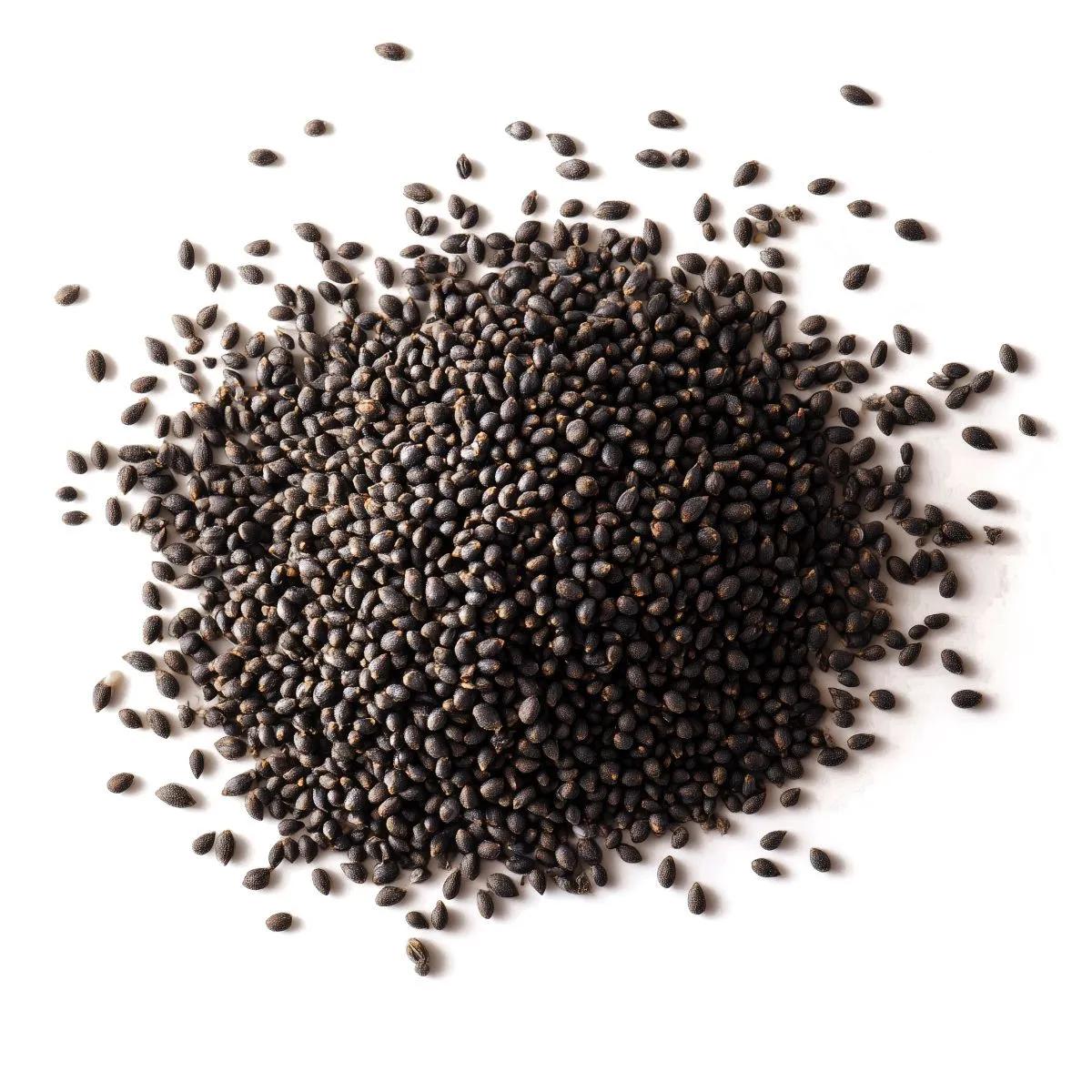
Peyote Seeds — Start the Slowest, Most Rewarding Cactus Project You'll Ever Take On
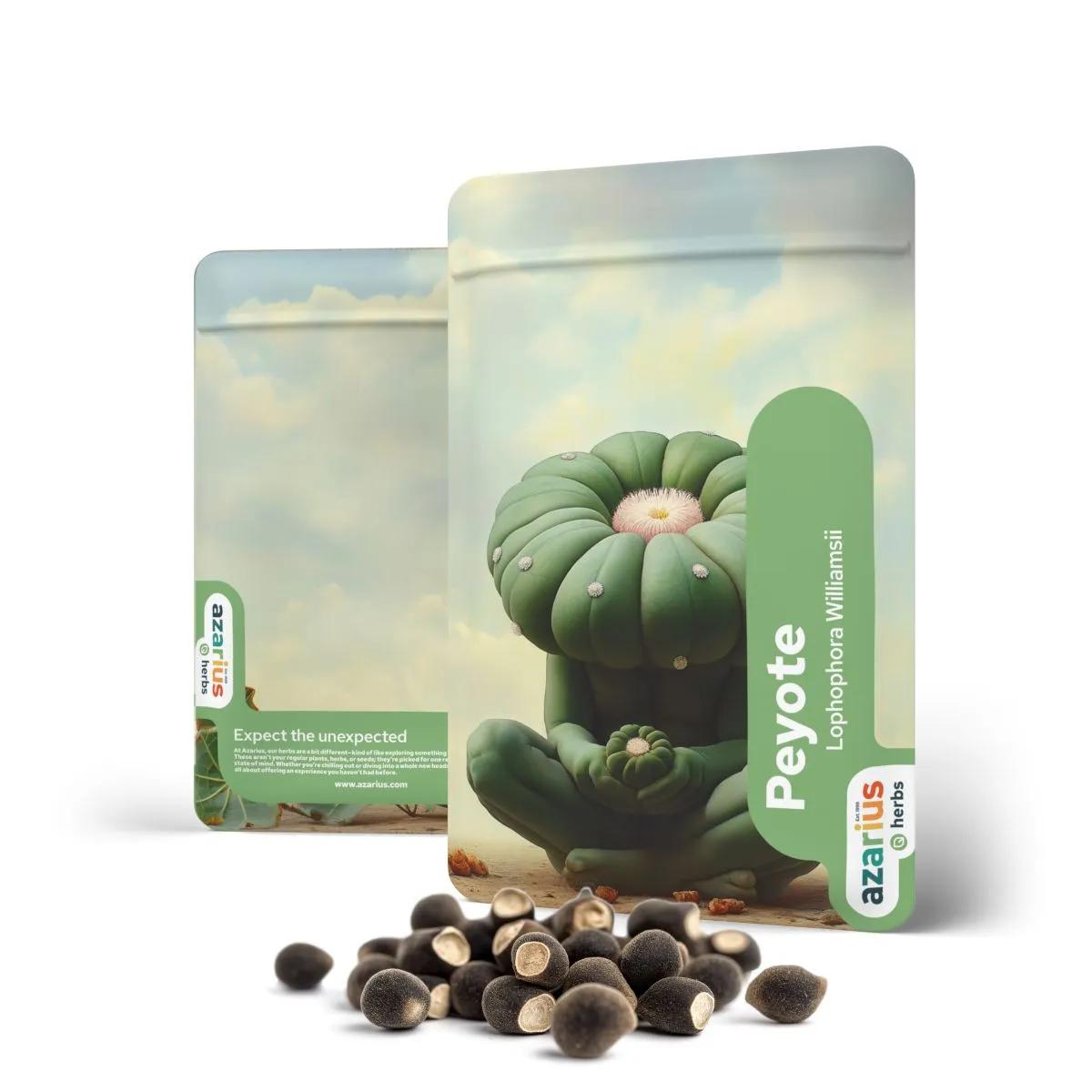
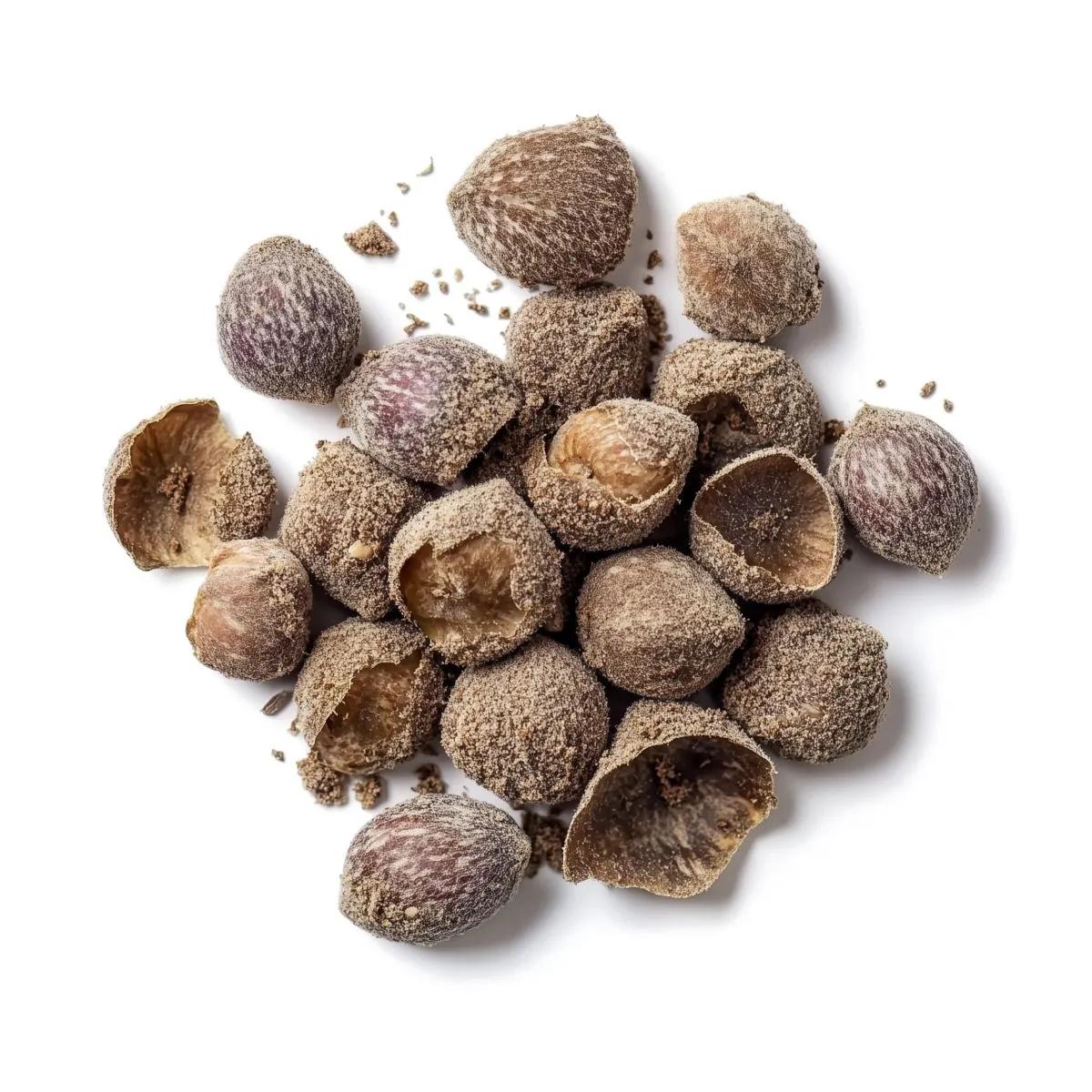
Peyote seeds are the starting point for growing Lophophora williamsii, a small, spineless cactus with over 5,000 years of documented ceremonial use across indigenous cultures in the Americas. These seeds germinate in 7–14 days under the right conditions, then test your patience for years as the cactus slowly takes shape — a marble-sized button after twelve months, a proper specimen after five years or more. The name Lophophora williamsii translates roughly to "William's tuft-bearer," referring to the woolly areoles that crown each button where other cacti would have spines. We've stocked these seeds since the early days of the shop, and they remain one of the most quietly popular items on the shelf — bought by people who understand that some things are worth the wait.
Why Grow Peyote from Seed on Your Windowsill
Growing peyote from seed is the most accessible way to cultivate this cactus at home. Mature buttons are difficult to source and expensive when you find them, but seeds are straightforward — scatter them on a mineral-heavy substrate, keep them warm and humid, and you'll see tiny green dots pushing through within a week or two. That's the easy part. From there, you're looking at 3–5 years before the cactus reaches any notable size, and considerably longer before full maturity. A six-month-old seedling can still be smaller than a pea. At one year, you might have something the size of a marble. This isn't a grow kit that delivers results in a fortnight.
But that glacial pace is part of what makes peyote cultivation genuinely meditative. You water once every few weeks in summer, barely at all in winter, and watch the cactus do its thing at geological speed. According to research published in Psychedelics, Sociality, and Human Evolution (PMC, 2021), Lophophora williamsii has been documented in use among the Ojibwa, Huichol, and numerous other indigenous groups across North America and Mesoamerica — a cultural lineage stretching back millennia. Growing one from seed connects you to that timeline in a way that buying a mature plant simply doesn't.
What Peyote Seeds Need to Germinate
Peyote seeds germinate best in warm, humid conditions with indirect light — think 20–28°C with a humidity dome or cling film over the pot. The process takes 7–14 days on average, though some seeds may take up to three weeks. Here's the step-by-step:
- Prepare a mineral-heavy soil mix: roughly 70% perlite, pumice, or coarse sand, and 30% standard cactus compost. Peyote roots rot fast in organic-rich soil, so keep it gritty.
- Sterilise the substrate. Microwave it damp for 10 minutes or bake at 100°C for 30 minutes. Fungal contamination is the number one killer of peyote seedlings — we've seen it wipe out entire trays.
- Scatter the seeds on the surface. Don't bury them. Peyote seeds need light to germinate. Press them gently into the substrate so they make contact but stay visible.
- Mist with a spray bottle until the surface is damp, not soaked. Cover with a clear lid or cling film to trap humidity.
- Place in a warm spot with bright indirect light. A south-facing windowsill works, but avoid direct midday sun — the greenhouse effect under the cover can cook the seeds.
- Ventilate daily by lifting the cover for 5–10 minutes. This prevents mould. Once seedlings appear, gradually increase ventilation over 2–3 weeks before removing the cover entirely.
- After 6–8 weeks, when seedlings are established, reduce watering to once every 10–14 days. From this point on, underwatering is almost always safer than overwatering.
Peyote Care After Germination — The Long Game
Once your peyote seedlings are past the germination stage, the real cultivation begins. This cactus asks very little of you — mineral-heavy soil, minimal watering, and bright light — but it punishes overattention. The most common mistake we see? Too much water. Lophophora williamsii stores moisture in its taproot and swollen body. In the wild, it survives months of drought in the Chihuahuan Desert. Your job is to replicate that restraint.
| Growth Stage | Approximate Age | Typical Size | Watering Frequency |
|---|---|---|---|
| Seedling | 0–6 months | Smaller than a pea | Every 7–10 days (light misting) |
| Juvenile | 6–18 months | Pea to marble | Every 10–14 days |
| Established | 18 months – 3 years | Marble to golf ball | Every 2–3 weeks in summer, none in winter |
| Sub-adult | 3–5 years | Golf ball to tennis ball | Monthly in summer, none in winter |
| Mature | 5–10+ years | Tennis ball or larger | Monthly in summer, none in winter |
Winter dormancy is critical. From November to March (in the Northern Hemisphere), stop watering completely and keep the cactus in a cool spot — 5–15°C is ideal. The cactus will shrink and wrinkle slightly. That's normal. This cold, dry rest period triggers flowering in spring. Without it, the plant grows weakly and rarely blooms.
One honest limitation: peyote seedlings are fragile in their first year. Damping off (a fungal infection that topples seedlings at the soil line) is common if the substrate stays too wet or isn't sterilised properly. We'd estimate that even experienced growers lose 10–20% of seedlings in the first six months. Sow more seeds than you think you need.
Peyote Seeds vs. San Pedro Seeds — Which Mescaline Cactus to Grow
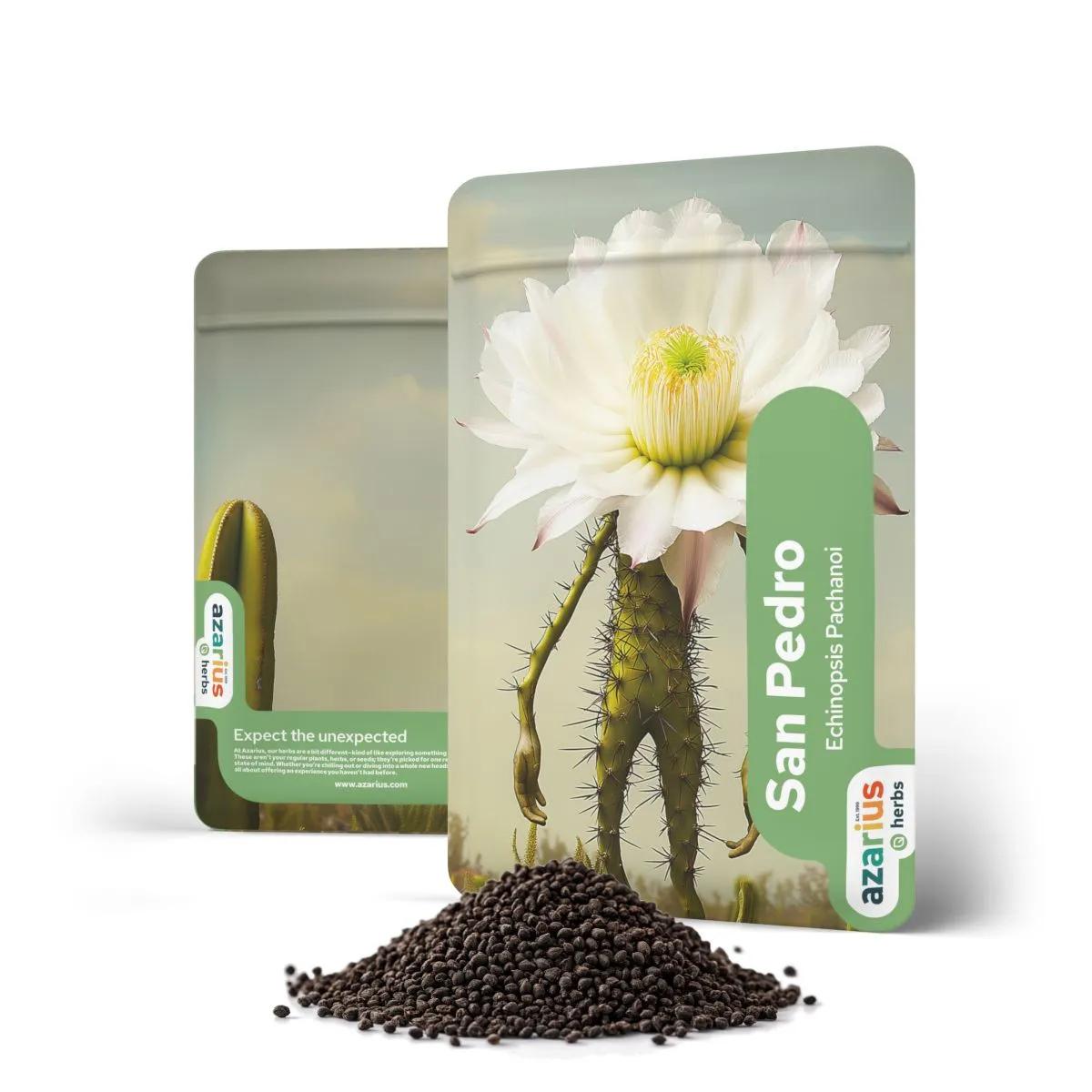
If you're after a mescaline-containing cactus and patience isn't your strongest suit, San Pedro (Echinopsis pachanoi) is the faster alternative. San Pedro can grow 30 cm or more per year under good conditions — a completely different pace from peyote's 5 mm annual crawl. But the two cacti offer very different growing experiences and very different aesthetics.
| Feature | Peyote (Lophophora williamsii) | San Pedro (Echinopsis pachanoi) |
|---|---|---|
| Growth rate | Extremely slow (years to mature) | Fast (30+ cm/year) |
| Mature size | 5–12 cm diameter button | 3–6 metres tall column |
| Space needed | Windowsill | Large pot or garden |
| Watering | Minimal — monthly in summer | Regular — weekly in summer |
| Cold tolerance | Tolerates 5°C dormancy | Tolerates brief frost |
| Spines | None (woolly areoles) | Short spines along ribs |
| Ceremonial history | 5,000+ years (North America) | 3,000+ years (South America) |
| Active compound | Mescaline | Mescaline |
Peyote is the better choice if you want a compact, low-maintenance windowsill project and you genuinely enjoy slow cultivation. San Pedro is the better choice if you want visible growth and have outdoor space. We carry seeds for both — San Pedro seeds are listed under our cactus seeds category if you want to compare.
Growing peyote from seed? A cactus soil mix heavy on perlite and pumice gives your seedlings the drainage they need from day one. Pair these peyote seeds with San Pedro seeds if you want a faster-growing mescaline cactus alongside your slow-burn Lophophora project. Both are available in our cactus seeds collection.
Specifications
| Spec | Detail |
|---|---|
| Species | Lophophora williamsii |
| Common name | Peyote |
| Primary alkaloid | Mescaline |
| Germination time | 7–14 days |
| Germination temperature | 20–28°C |
| Substrate | 70% mineral (perlite/pumice/sand), 30% cactus compost |
| Light | Bright indirect; full sun once established |
| Watering (mature) | Monthly in summer, none in winter |
| Winter dormancy | 5–15°C, completely dry |
| Time to maturity | 5–10+ years |
| Mature size | 5–12 cm diameter |
| Ceremonial history | 5,000+ years documented |
Why Peyote Seeds Are the Best Long-Term Cactus Project
Most cacti reward you within a season or two. Peyote doesn't work like that. It asks for years of minimal but consistent attention, and it gives back slowly — a new rib forming over months, a woolly tuft appearing where there wasn't one before, the subtle colour shift from juvenile green to mature blue-grey. If you've grown fast cacti and found the process too easy, peyote is the antidote.
There's also something to be said for growing a cactus that's been central to indigenous spiritual traditions documented across thousands of years. According to research published in The Ethnobotany of Psychoactive Plant Use (PMC, 2016), the Cactaceae family — which includes Lophophora — shows multiple evolutionary origins of psychoactive compounds, placing peyote within a broader botanical context of plants that have shaped human culture. You're not just growing a houseplant. You're cultivating a living piece of ethnobotanical history on your windowsill.
The best peyote growers we know treat it less like gardening and more like keeping a terrarium — check on it, appreciate the tiny changes, resist the urge to intervene. Water less than you think. Repot less than you think. And accept that the cactus sets the pace, not you.
Frequently Asked Questions
How long do peyote seeds take to germinate?
Typically 7–14 days at 20–28°C with a humidity cover. Some seeds straggle in at three weeks. Don't give up on a tray until at least 30 days have passed — late germinators are common with Lophophora williamsii.
How big will my peyote cactus be after one year?
About the size of a marble — roughly 8–12 mm in diameter. Most of the first year's growth happens underground in the taproot. The visible button stays tiny. This is completely normal for peyote.
What soil mix should I use for peyote seeds?
A mineral-heavy mix: 70% perlite, pumice, or coarse sand, and 30% standard cactus compost. Peyote roots rot quickly in organic-rich soil. Sterilise the substrate before sowing to prevent damping off — the most common cause of seedling loss.
How often do I water peyote?
Seedlings need light misting every 7–10 days. Established plants (18+ months) need water every 2–3 weeks in summer and none at all during winter dormancy. Overwatering kills more peyote than anything else.
Can I grow peyote on a windowsill?
Yes — peyote is one of the best windowsill cacti. It stays small (5–12 cm diameter at maturity), needs bright indirect light, and takes up less space than a coffee mug. A south-facing window is ideal once seedlings are established.
Do peyote seeds need light to germinate?
Yes. Scatter them on the surface of the substrate and press gently — don't bury them. Peyote seeds are light-dependent germinators. Cover the pot with a clear lid to maintain humidity while letting light through.
What is the difference between peyote and San Pedro?
Both contain mescaline, but peyote is a tiny, slow-growing button cactus (years to mature) while San Pedro is a tall columnar cactus that grows 30+ cm per year. Peyote suits windowsills; San Pedro needs serious space. We carry seeds for both.
Why is my peyote seedling not growing?
It probably is — just very slowly. Peyote puts most early energy into its taproot. A seedling that looks unchanged above ground may have tripled its root mass. If the seedling is green and firm, it's alive. If it's brown or mushy, overwatering likely caused rot.
Last updated: April 2026
Related products
Medical disclaimer. This content is for informational purposes only and does not constitute medical advice. Consult a qualified healthcare provider before use of any substance.