
Buy more, pay less
We'll only email you about this product — no marketing.
Morning Glory Seeds — LSA Seeds for Deep Introspection
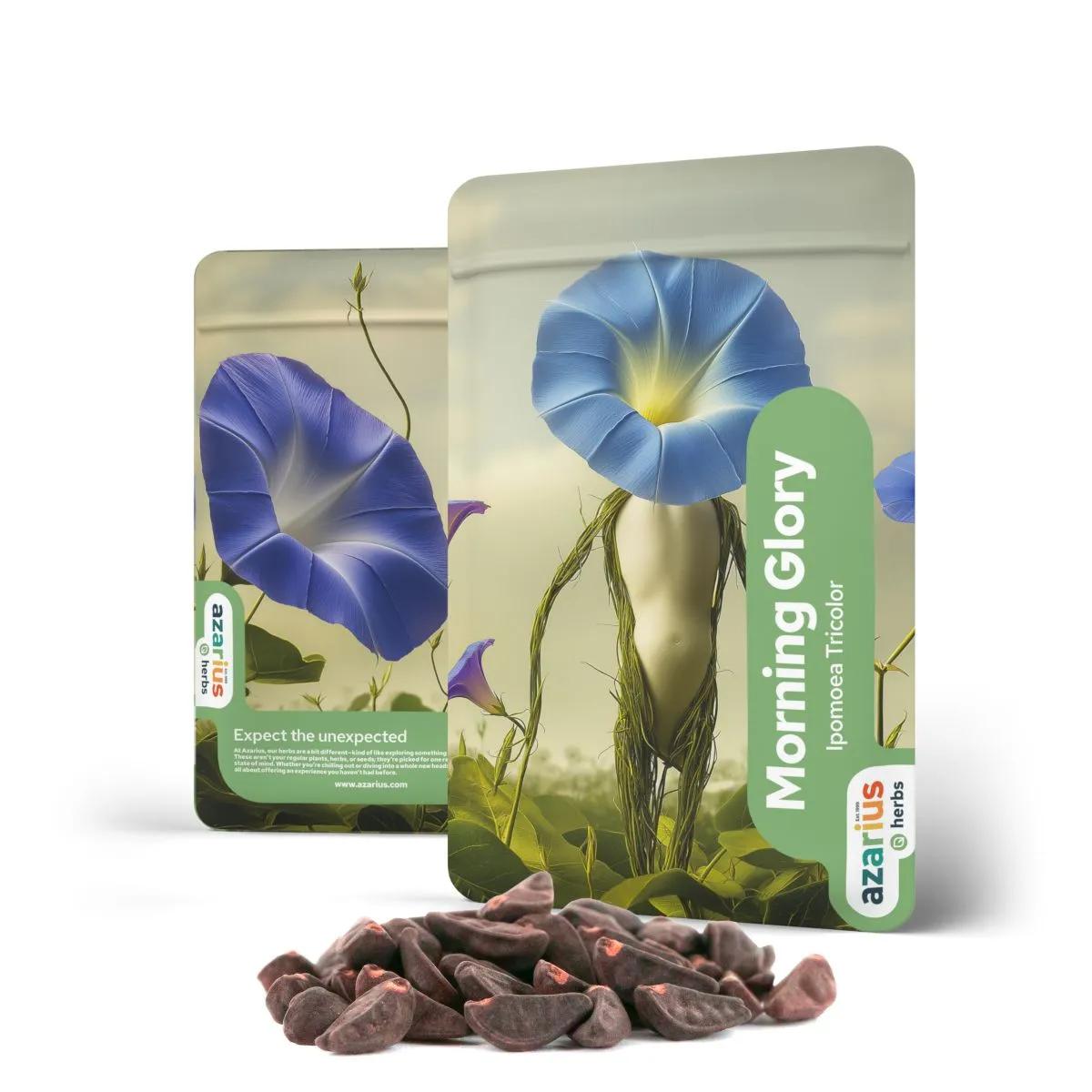
Morning Glory seeds (Ipomoea tricolor) are small, dark seeds containing LSA (lysergic acid amide), a naturally occurring tryptamine alkaloid that interacts with serotonin receptors in the brain. They've been used in Mesoamerican ritual contexts for centuries — the Aztecs called them "tlitlitzin" — and they remain one of the most accessible natural psychoactive seeds you can get your hands on.
What Makes Morning Glory Seeds Different from Hawaiian Baby Woodrose?
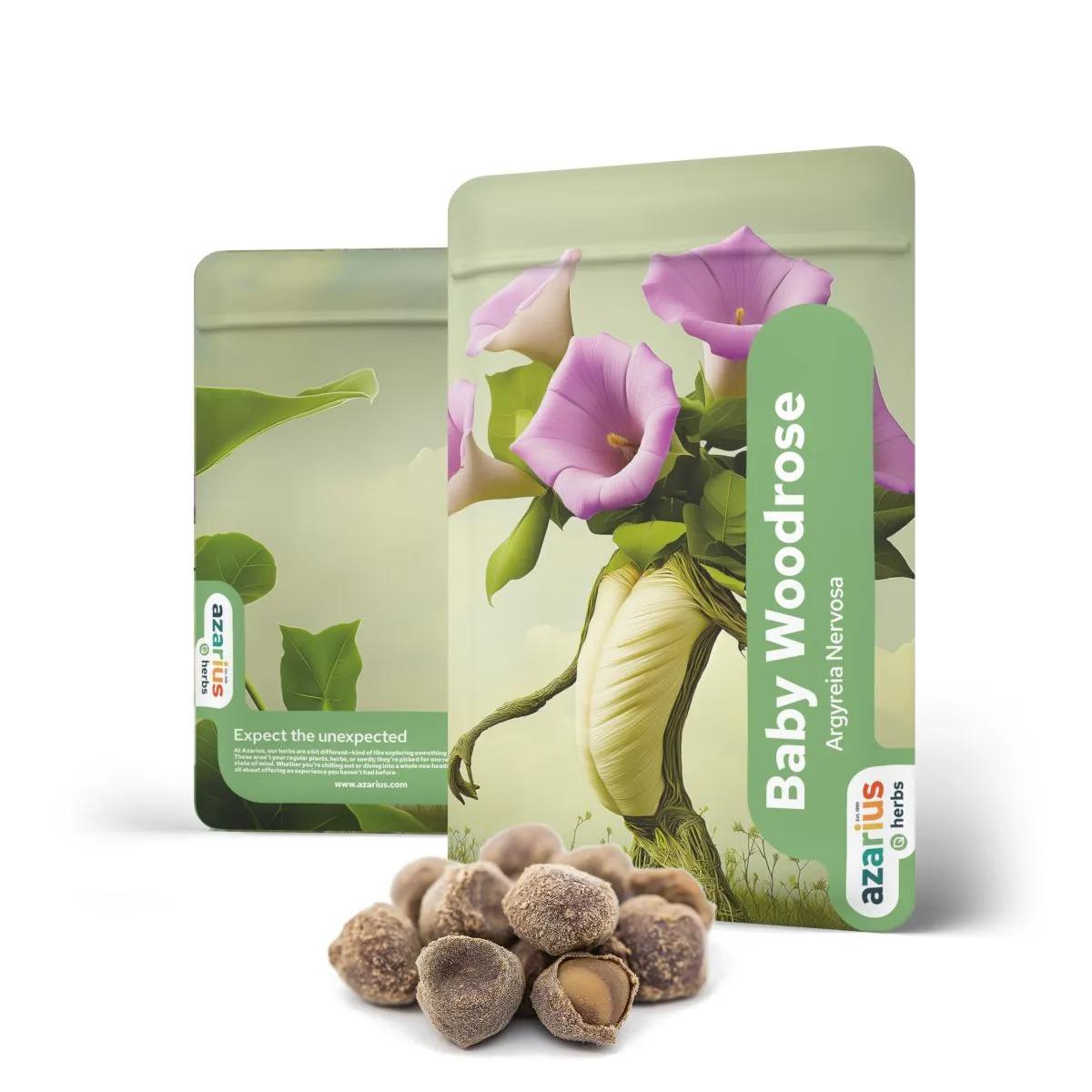
Both contain LSA, but the concentration and experience differ. Morning Glory seeds contain a lower amount of LSA per seed compared to Hawaiian Baby Woodrose (Argyreia nervosa), which means you need considerably more seeds — typically 150-400 seeds versus 4-8 Hawaiian Baby Woodrose seeds for a comparable intensity. According to a 2025 systematic review published in PMC, "LSA was primarily sourced from seeds of Argyreia nervosa, with additional reports of Ipomoea tricolor" (PMC, 2025). The trade-off: Morning Glory tends to produce a gentler onset and a slightly different character to the experience. Many of our customers who've tried both describe Morning Glory as more introspective and less physically heavy, though nausea can still be significant with either. If you want fewer seeds and a more concentrated effect, Hawaiian Baby Woodrose is the one. If you prefer a more gradual curve with a longer tradition behind it, Morning Glory is your pick.
| Feature | Morning Glory Seeds | Hawaiian Baby Woodrose |
|---|---|---|
| Species | Ipomoea tricolor | Argyreia nervosa |
| Primary alkaloid | LSA (lysergic acid amide) | LSA (lysergic acid amide) |
| Seeds per dose | 150-400 seeds | 4-8 seeds |
| Onset | 45-90 minutes | 30-60 minutes |
| Duration | 4-8 hours | 4-8 hours |
| Nausea risk | High | High |
| Character | Gradual, introspective | More concentrated, heavier body load |
How Morning Glory Seeds Work — The Pharmacology
LSA is structurally related to LSD but produces a distinct profile of effects. It binds to 5-HT2A serotonin receptors — the same receptors targeted by psilocybin and LSD — but with lower affinity and different secondary receptor activity. According to a 2025 review in Psychoactive Substances of Natural Origin (PMC, 2021), Ipomoea tricolor contains ergine (LSA) alongside other ergot-type alkaloids including lysergol and ergometrine. This cocktail of alkaloids is what gives Morning Glory its particular character — it's not just one compound doing the work.
Effects typically begin within 45-90 minutes and can last 4-8 hours. According to user reports compiled by harm-reduction resources, there can be an additional 12 hours of a very relaxed and tranquil afterglow once the primary effects subside. The intensity and duration are dose-dependent, and — as with most plant-based psychoactives — alkaloid concentration varies from batch to batch.
Specifications
| Spec | Value |
|---|---|
| Species | Ipomoea tricolor |
| Common name | Morning Glory |
| Primary alkaloid | LSA (lysergic acid amide) |
| Secondary alkaloids | Lysergol, ergometrine, chanoclavine |
| Seed type | 100% organic, untreated |
| Onset time | 45-90 minutes |
| Duration | 4-8 hours |
| Afterglow | Up to 12 hours |
| Storage | Cool, dry, dark place |
If you're looking for a stronger LSA experience with fewer seeds, check out our Hawaiian Baby Woodrose seeds — same primary alkaloid, higher concentration per seed. For nausea management during the come-up, ginger capsules from our herbshop pair well and many of our customers swear by them.
Why Morning Glory Seeds Still Matter After All These Years
We've carried Morning Glory seeds since the late '90s, and they've never gone out of stock for good reason. They're one of the few natural LSA sources that are easy to work with and have a genuine historical pedigree. The Aztecs used them in divinatory rituals alongside psilocybin mushrooms and Salvia divinorum — these weren't recreational plants, they were sacred tools. That context matters, because it tells you something about how to approach them: with intention and respect.
The honest limitation? Nausea. The seed coating and certain alkaloids irritate the stomach, and most people experience some degree of queasiness during the first hour. Some preparation methods can reduce this (more on that below), but if you have a particularly sensitive stomach, you should know what you're signing up for. According to safety data compiled by harm-reduction organisations, primary risks include severe nausea, vasoconstriction (tightness in the legs and extremities), and potential psychological distress at higher doses.
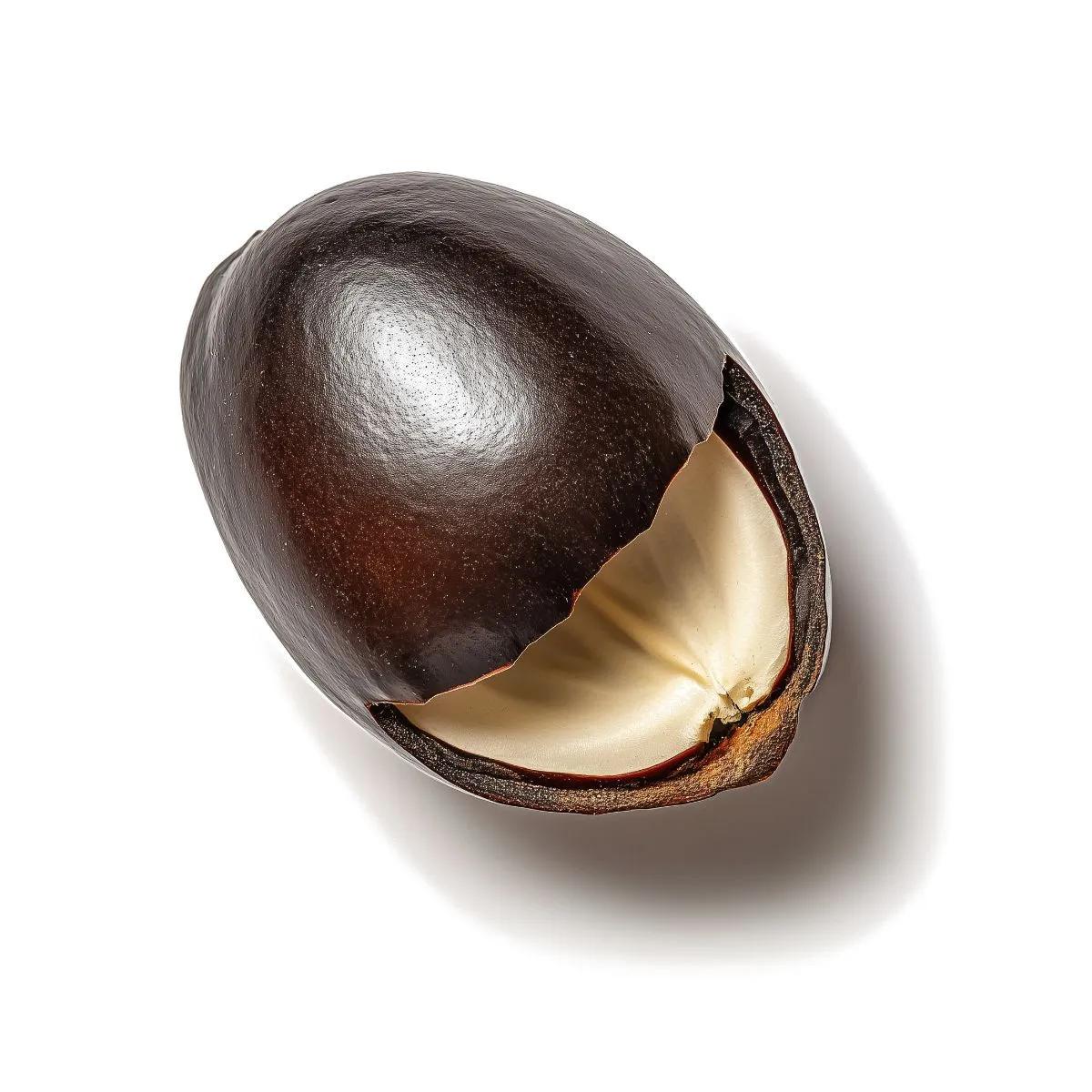
The other thing worth knowing: the seeds smell earthy and slightly musty when you open the bag, and they taste bitter. Not pleasant. Nobody eats these for the flavour. That bitterness is actually a useful indicator — if seeds taste bland or have no bitterness at all, they may have been treated or are a low-alkaloid variety. Ours are untreated and organic, which is exactly what you want.
How to Prepare Morning Glory Seeds
- Count out your seeds. Harm-reduction resources note that effect intensity is dose-dependent and alkaloid concentration varies between batches, so starting conservatively is the sensible approach. Research-documented ranges typically reference 150-400 seeds for Ipomoea tricolor.
- Rinse the seeds thoroughly under cold water to remove any surface residue or dust. Pat dry.
- Grind the seeds to a fine powder using a coffee grinder or mortar and pestle. This increases surface area and can improve absorption.
- Soak the ground seeds in cold water for 2-4 hours. Some people add a small amount of lemon juice. The cold water extraction pulls LSA into solution while leaving behind some of the heavier plant material that contributes to nausea.
- Strain the liquid through a fine cloth or coffee filter, discarding the seed matter. Drink the resulting liquid on an empty stomach.
- Wait at least 90 minutes before deciding whether to adjust. LSA onset is slow and gradual — impatience is where people get into trouble.
Safety and Interactions
LSA is a serotonergic compound. According to harm-reduction data, consumption of Morning Glory seeds can induce effects via the tryptamine lysergic acid, which acts on serotonin pathways. This means interactions with other serotonergic substances are a real concern — do not combine with SSRIs, MAOIs, tramadol, or other serotonin-affecting medications. The risk of serotonin syndrome is low but non-zero, and it's not worth testing.
Vasoconstriction — a tightening of blood vessels, particularly in the legs — is commonly reported. This can feel like cramping or cold extremities. Staying warm and hydrated helps. People with circulatory conditions or Raynaud's disease should be particularly cautious.
According to a 2020 toxicological evaluation published in the Journal of Ethnopharmacology (PubMed ID: 20435118), Morning Glory seed was assessed in subchronic feeding studies in rats, providing data on its toxicological profile. While animal studies don't translate directly to human use, they confirm that these seeds contain pharmacologically active compounds that deserve respect.
Mental health risks include anxiety and psychological distress, particularly at higher doses or in uncomfortable settings. If you have a history of psychosis or severe anxiety disorders, this isn't the product for you — and that's not a judgment, it's harm reduction.
A Bit of History
The name Ipomoea tricolor literally means "three-coloured morning glory," referring to the plant's flowers that shift through shades of blue, purple, and white as they open at dawn and close by afternoon. The Aztecs called the seeds "tlitlitzin" and used them alongside ololiuqui (Turbina corymbosa) in ritual contexts. Spanish colonists documented their use in the 16th century, though they didn't understand the pharmacology — that wouldn't come until Albert Hofmann (yes, the same chemist who synthesised LSD) identified LSA in these seeds in the 1960s.
According to a 2021 review in PMC on psychoactive substances of natural origin, Ipomoea tricolor is "widely distributed in Europe, Africa and subtropical America" and has been documented in ethnobotanical literature for centuries. The connection between Morning Glory LSA and Hofmann's LSD isn't a coincidence — they're structural cousins, both belonging to the ergoline family of alkaloids.
Frequently Asked Questions
Can eating Morning Glory seeds cause visual effects?
Yes. LSA acts on serotonin 5-HT2A receptors, the same pathway responsible for visual distortions with psilocybin and LSD. Effects are typically milder — expect enhanced colours, pattern recognition, and closed-eye imagery rather than full open-eye visuals. Dose and individual sensitivity play a big role.
How do Morning Glory seeds compare to LSD?
LSA is structurally related to LSD but produces a distinctly different profile: more sedative, more dreamy, less stimulating. Duration is similar (4-8 hours) but the headspace tends to be more introspective and less analytical. Most people describe it as LSD's quieter, more contemplative cousin.
Why do Morning Glory seeds cause nausea?
The seed coating and certain non-psychoactive alkaloids irritate the stomach lining. A cold water extraction — grinding the seeds, soaking in cold water for 2-4 hours, then straining — removes much of this material while preserving the LSA. It won't eliminate nausea entirely, but it helps significantly.
How many Morning Glory seeds should I use?
Alkaloid concentration varies between batches, so there's no universal number. Harm-reduction resources document ranges of 150-400 seeds for Ipomoea tricolor. Starting at the lower end and waiting at least 90 minutes before assessing effects is the approach we'd suggest to anyone new to LSA.
Are these seeds treated with chemicals?
No. Our Morning Glory seeds are 100% organic and untreated. Many garden-centre seeds are coated with fungicides or pesticides that are toxic if ingested — never use those. The seeds we sell are specifically sourced as untreated, food-grade organic seeds.
Can I plant these seeds as well?
Absolutely. Ipomoea tricolor is a vigorous climbing plant that produces stunning blue, purple, and white trumpet-shaped flowers. Sow in spring after the last frost, in full sun with something to climb. They germinate in 5-14 days and flower within 2-3 months. Beautiful addition to any garden.
How should I store Morning Glory seeds?
Keep them in a cool, dry, dark place — a sealed container in a cupboard is fine. Avoid heat and moisture, which degrade the alkaloid content over time. Properly stored, they'll remain viable for at least a year.
Should I combine Morning Glory seeds with anything?
We'd strongly advise against combining LSA with other serotonergic substances, MAOIs, SSRIs, or alcohol. Ginger tea before ingestion can help with nausea. Keep it simple — LSA on its own, in a comfortable setting, with an empty stomach.
Last updated: April 2026
Related products
Medical disclaimer. This content is for informational purposes only and does not constitute medical advice. Consult a qualified healthcare provider before use of any substance.