
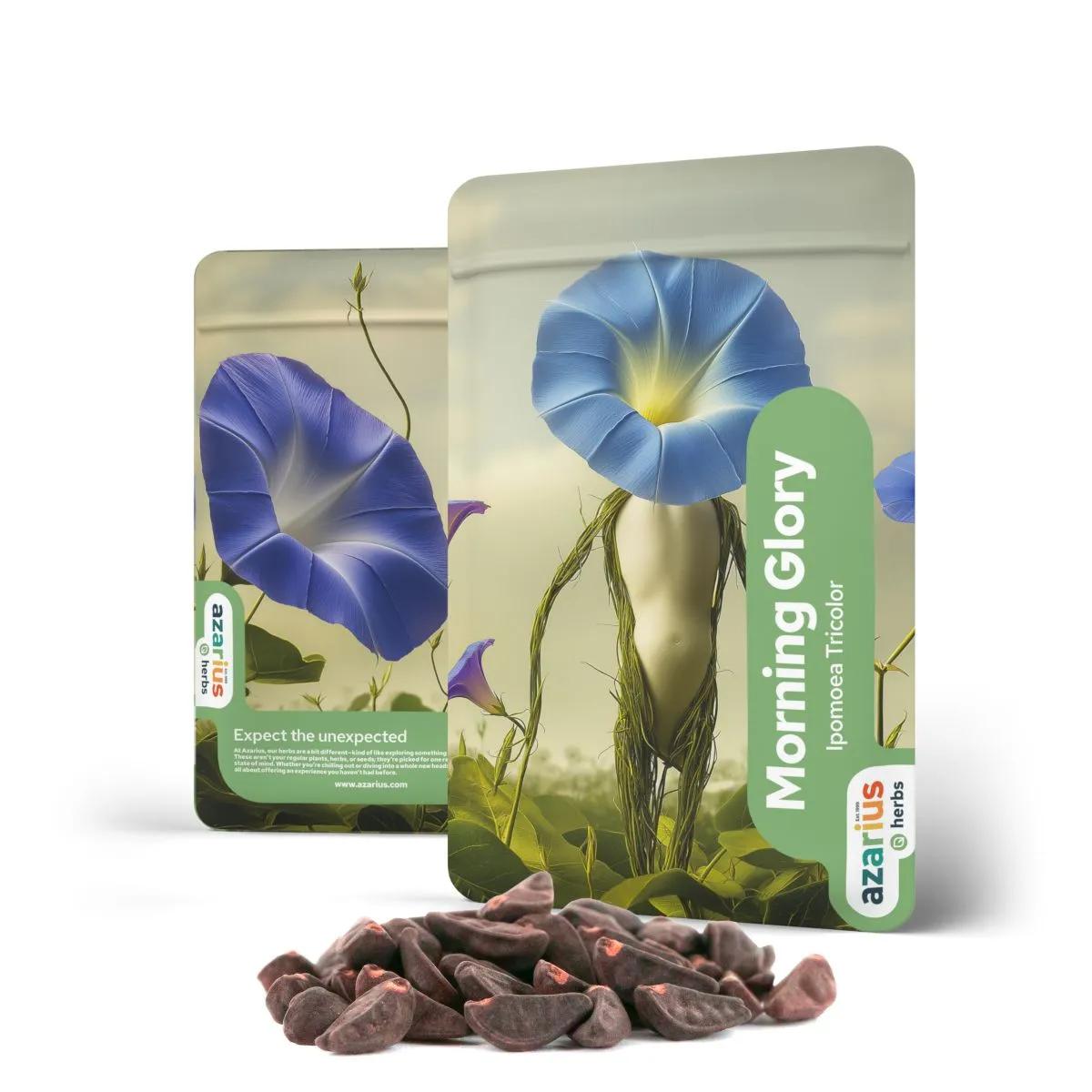
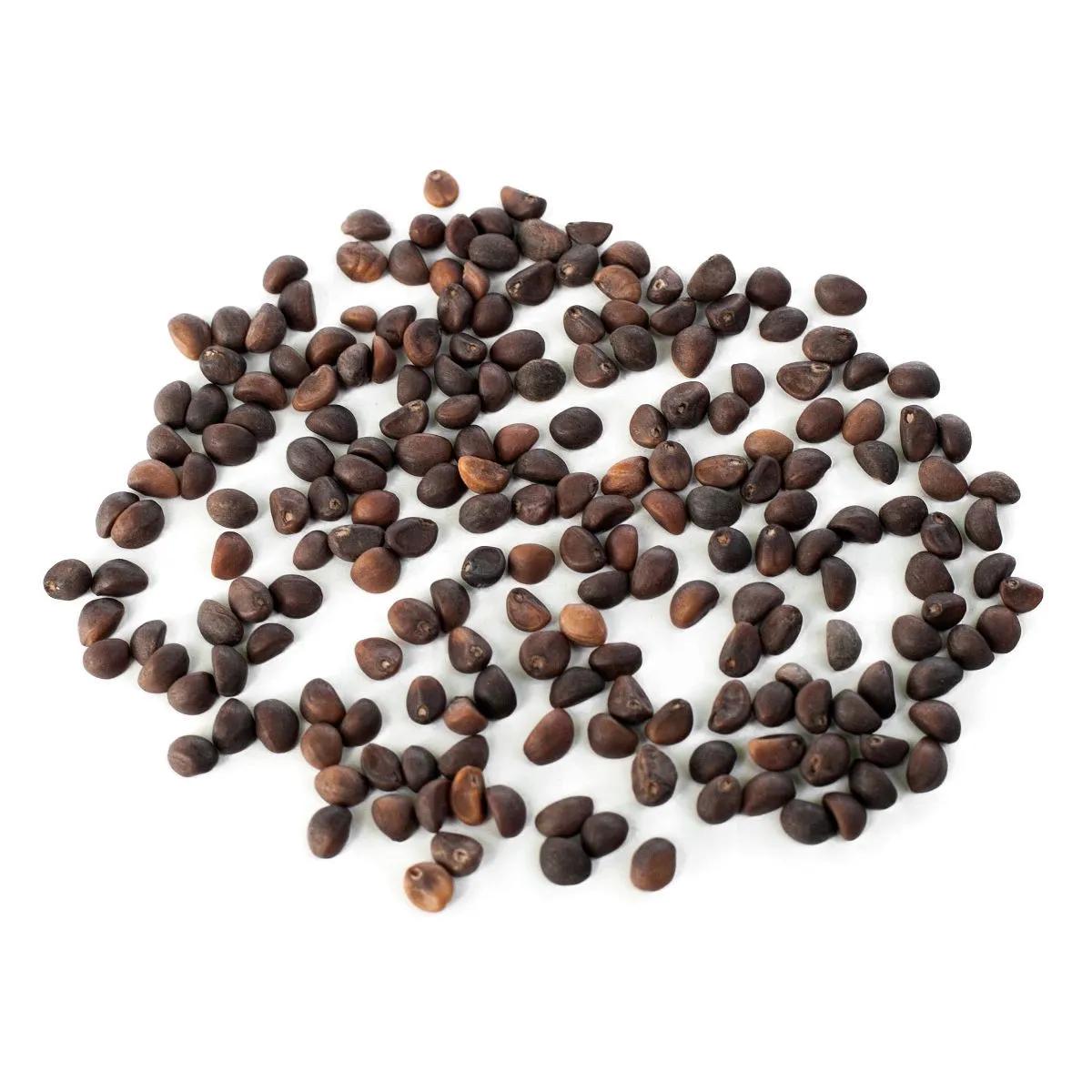
Morning glory seeds are the seeds of Ipomoea tricolor, a climbing flowering plant whose seed coat contains LSA (lysergic acid amide) — a naturally occurring tryptamine that's been part of Mesoamerican botanical traditions for centuries. This category sits in our ethnobotanical range alongside Hawaiian baby woodrose and other LSA-bearing seeds. One product in stock, shipped across the EU, from a shop that's been dealing in ethnobotanicals since 1999.
Buy Morning Glory Seeds — Category Guide
Morning glory seeds are one of three main LSA-containing seeds in the ethnobotanical world, the other two being Hawaiian baby woodrose (Argyreia nervosa) and Hawaiian woodrose (Merremia tuberosa). All three sit in the Convolvulaceae family, all three have a long history in traditional use, and all three get lumped together in forum discussions — but they're not interchangeable. If you're here to shop, the short version: we stock organic, untreated Ipomoea tricolor seeds, and that "untreated" word is the one that matters most.
Morning Glory vs Hawaiian Baby Woodrose — Which Seed to Buy
Both contain LSA. The difference is seed size, alkaloid concentration, and tradition. Hawaiian baby woodrose seeds are larger, fewer per gram, and concentrated enough that people typically count them individually. Morning glory seeds are tiny — you're looking at hundreds per gram — and the alkaloid content per seed is lower, which means the ethnobotanical tradition around them involves much larger seed counts.
| Seed | Family | Seed size | Good for |
|---|---|---|---|
| Morning glory (Ipomoea tricolor) | Convolvulaceae | Small, dark, hundreds per gram | Buyers researching LSA botany, gardeners, ethnobotanical collectors |
| Hawaiian baby woodrose (Argyreia nervosa) | Convolvulaceae | Large, fuzzy, counted individually | Buyers who want a more concentrated LSA seed |
| Hawaiian woodrose (Merremia tuberosa) | Convolvulaceae | Medium, smooth | Niche collectors — less commonly stocked |
Why "Untreated" Is the One Spec That Matters
Most morning glory seeds sold in garden centres are chemically treated — coated with fungicides, methyl mercury compounds (historically), or bittering agents specifically designed to deter any non-horticultural use. Azarius only stocks organic, untreated seed. This is the single biggest decision point in the category, and it's why ethnobotanical shops exist as a separate supply chain from garden retailers. If a seed packet doesn't explicitly say untreated, assume it isn't. A 2011 review in the Journal of Ethnopharmacology noted that commercial seed treatments are one of the primary reasons ethnobotanical researchers source from dedicated suppliers rather than horticultural channels.
How to Choose Your Morning Glory Seeds
There's currently one product in this category: our organic Morning Glory seeds (Ipomoea tricolor). If you're comparing against Hawaiian baby woodrose — also in our ethnobotanicals range — the woodrose is the more concentrated option and the one most people order first. Morning glory is the choice if you specifically want Ipomoea tricolor, whether for botanical study, garden propagation of the ornamental climber, or ethnobotanical interest in the original Mesoamerican seed.
Also in our ethnobotanicals range: Hawaiian baby woodrose seeds, kanna, blue lotus, and dried botanical herbs.
Frequently Asked Questions
What's the difference between morning glory seeds and Hawaiian baby woodrose?
Both are LSA-containing seeds in the Convolvulaceae family, but Hawaiian baby woodrose seeds are larger and more concentrated, while morning glory (Ipomoea tricolor) seeds are small and used in much greater quantities in traditional Mesoamerican contexts. They're related botanically but not interchangeable.
Why do I need untreated morning glory seeds specifically?
Garden-centre morning glory seeds are routinely coated with fungicides and bittering agents to prevent any non-horticultural use. Ethnobotanical shops like Azarius source organic, untreated seed from growers who don't apply these coatings. If a packet doesn't say "untreated," assume it's been treated.
Can I grow morning glory from these seeds?
Yes — Ipomoea tricolor is a climbing ornamental that grows readily from seed in most temperate gardens. Untreated seed germinates well; scarify lightly and soak overnight before sowing after the last frost. They're vigorous climbers, so give them a trellis.
Are morning glory seeds the same as the ones Aztec priests used?
Historically, the seeds referenced in 16th-century Spanish chronicles as tlitliltzin are generally identified as Ipomoea tricolor (or the closely related Turbina corymbosa, known as ololiuhqui). So yes, this species sits squarely in that Mesoamerican ethnobotanical lineage.
Last updated: April 2026