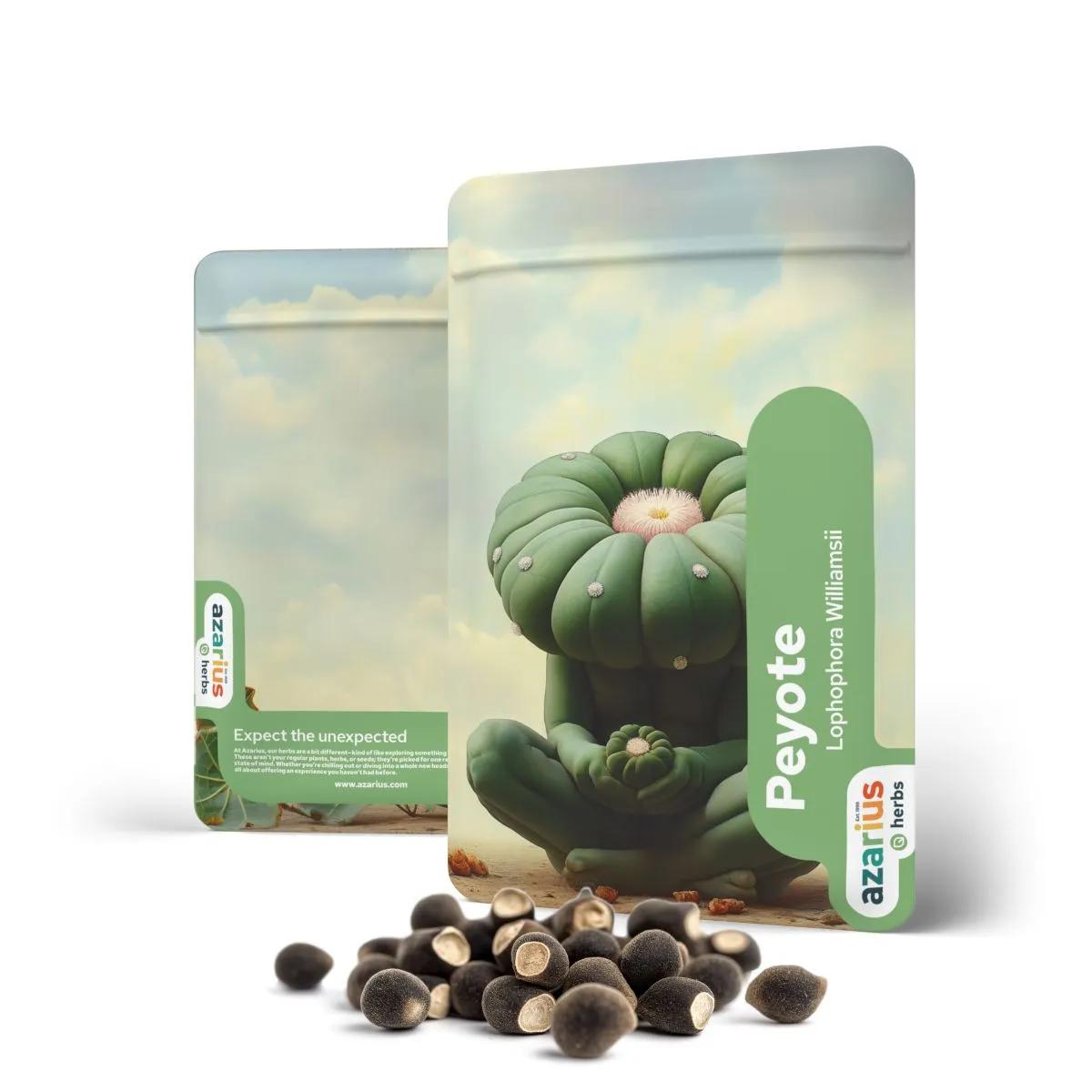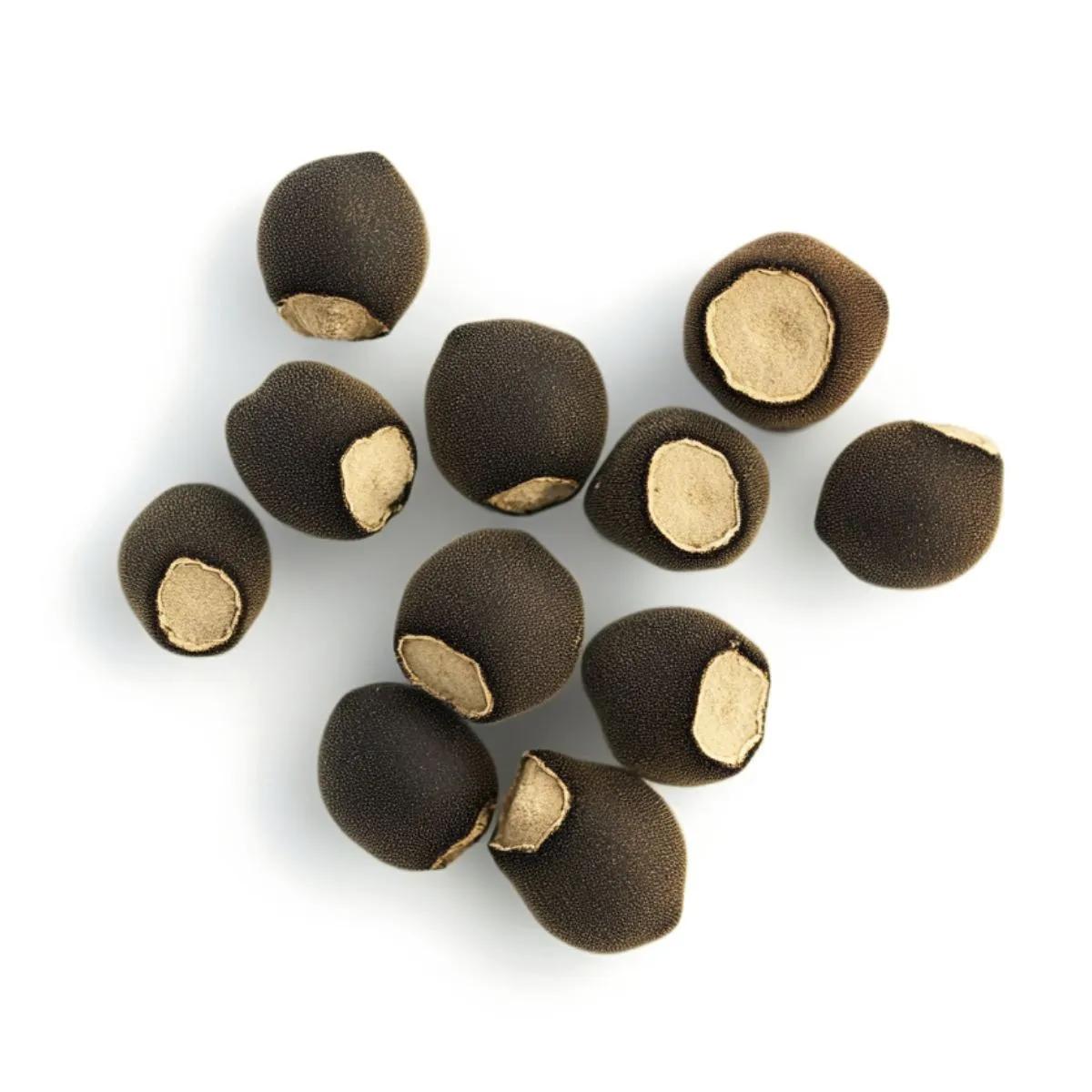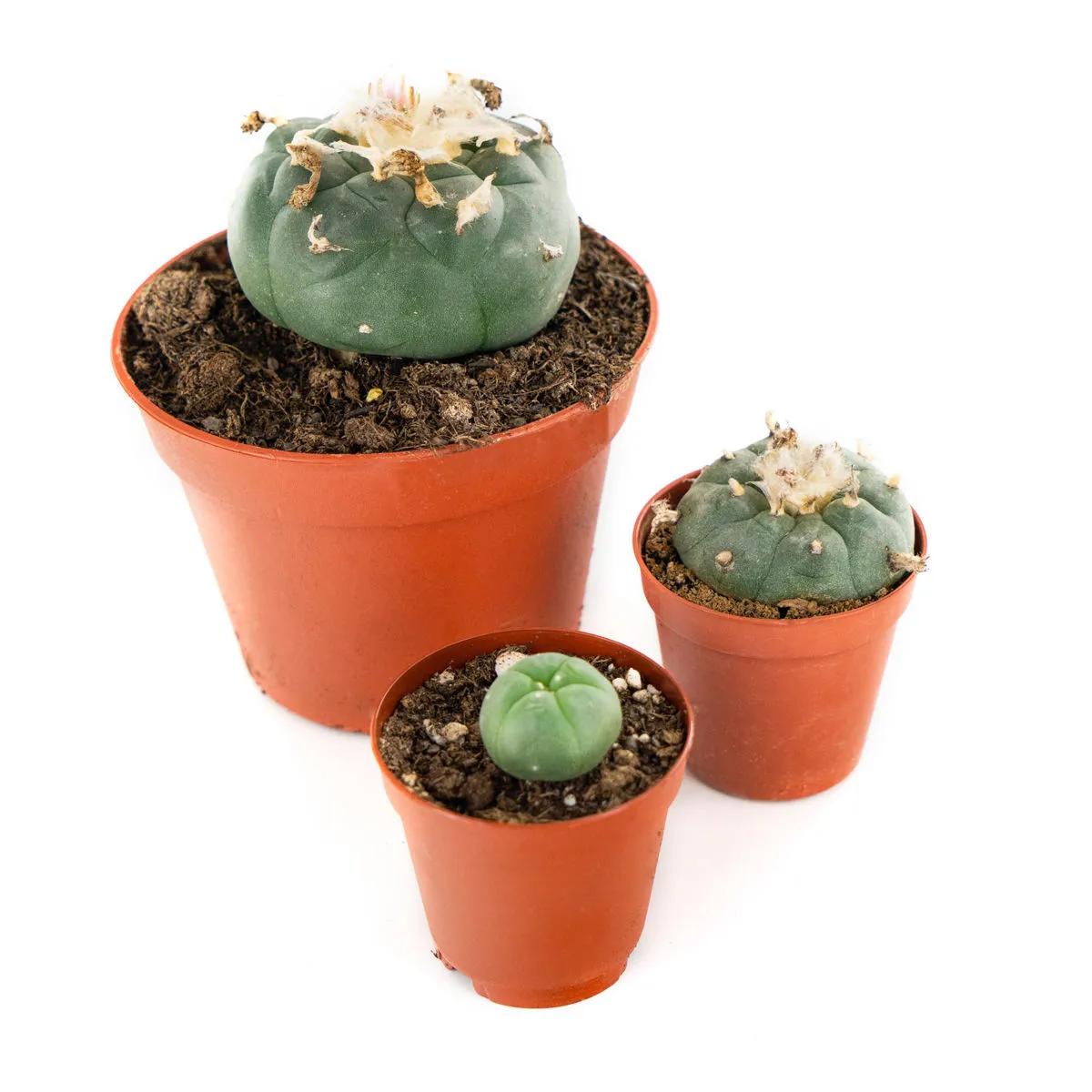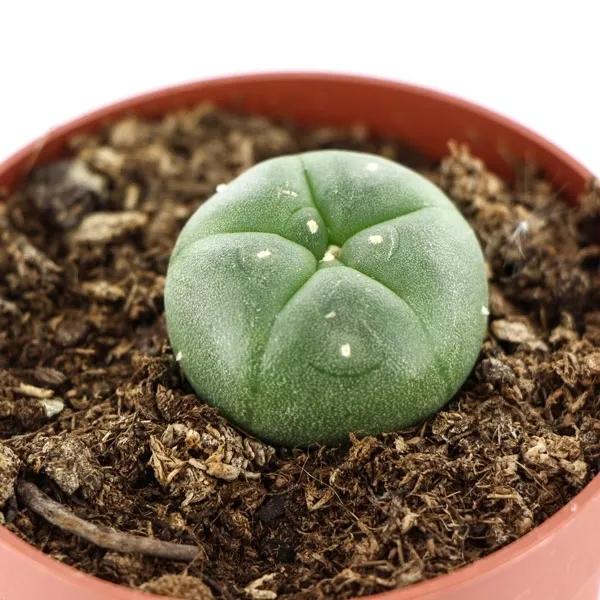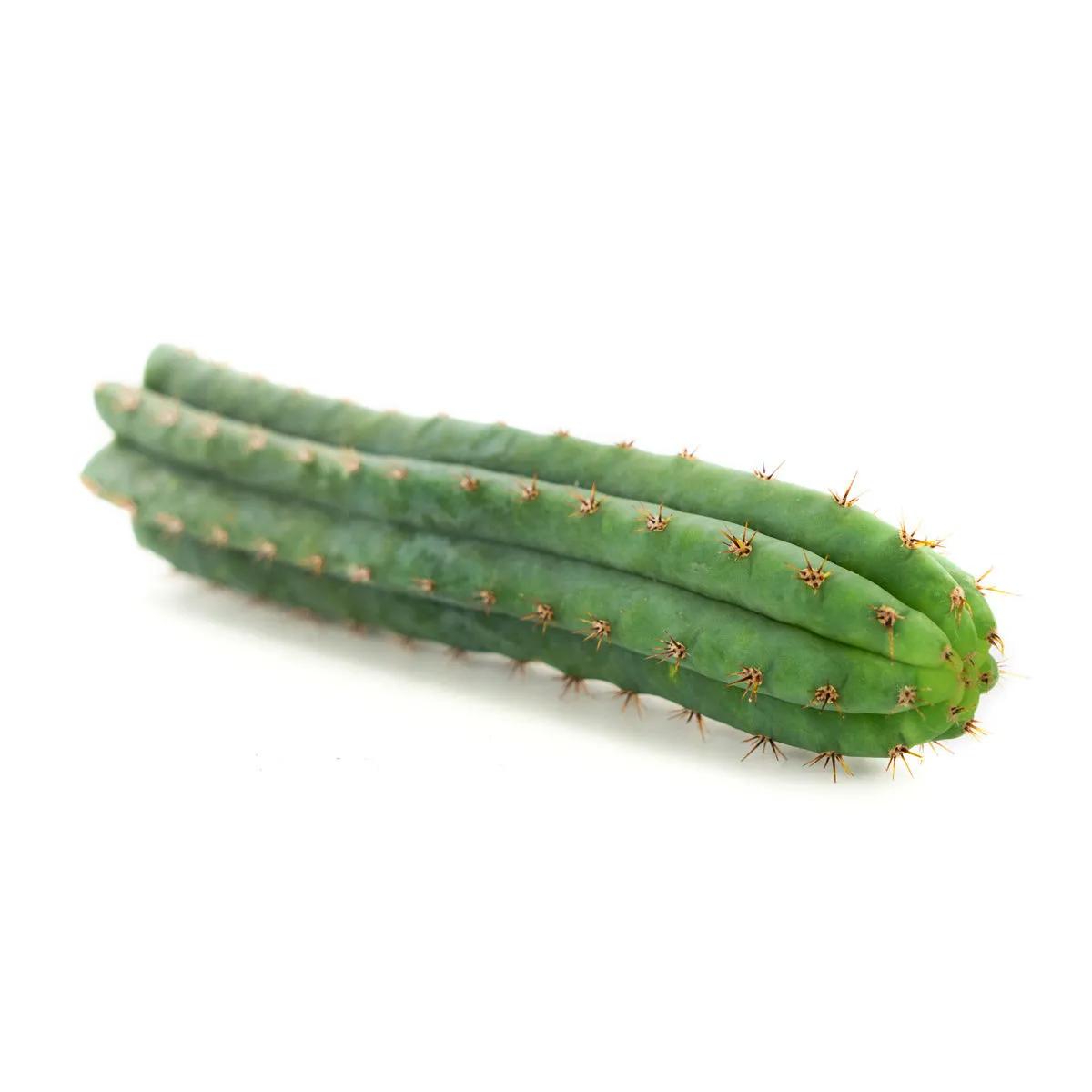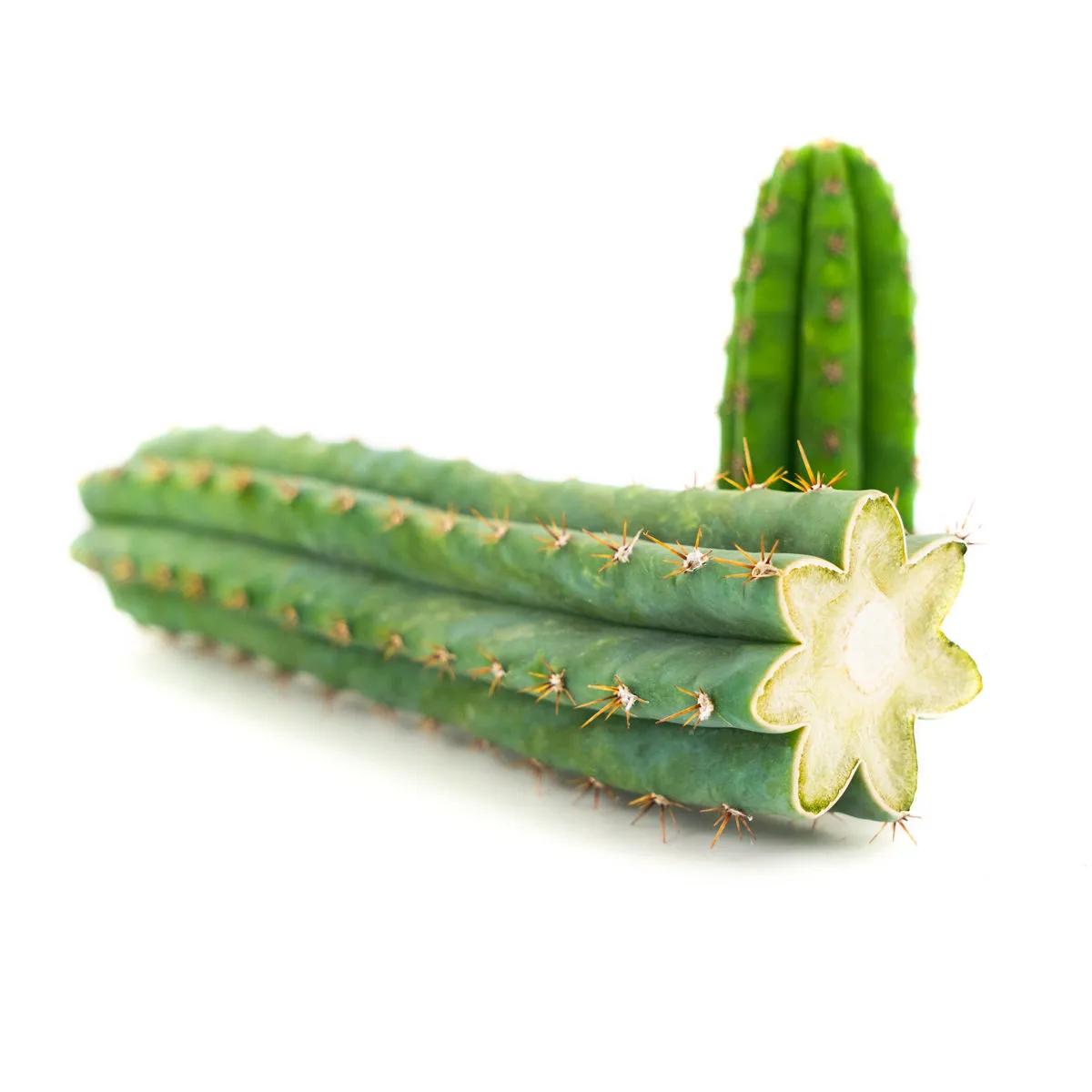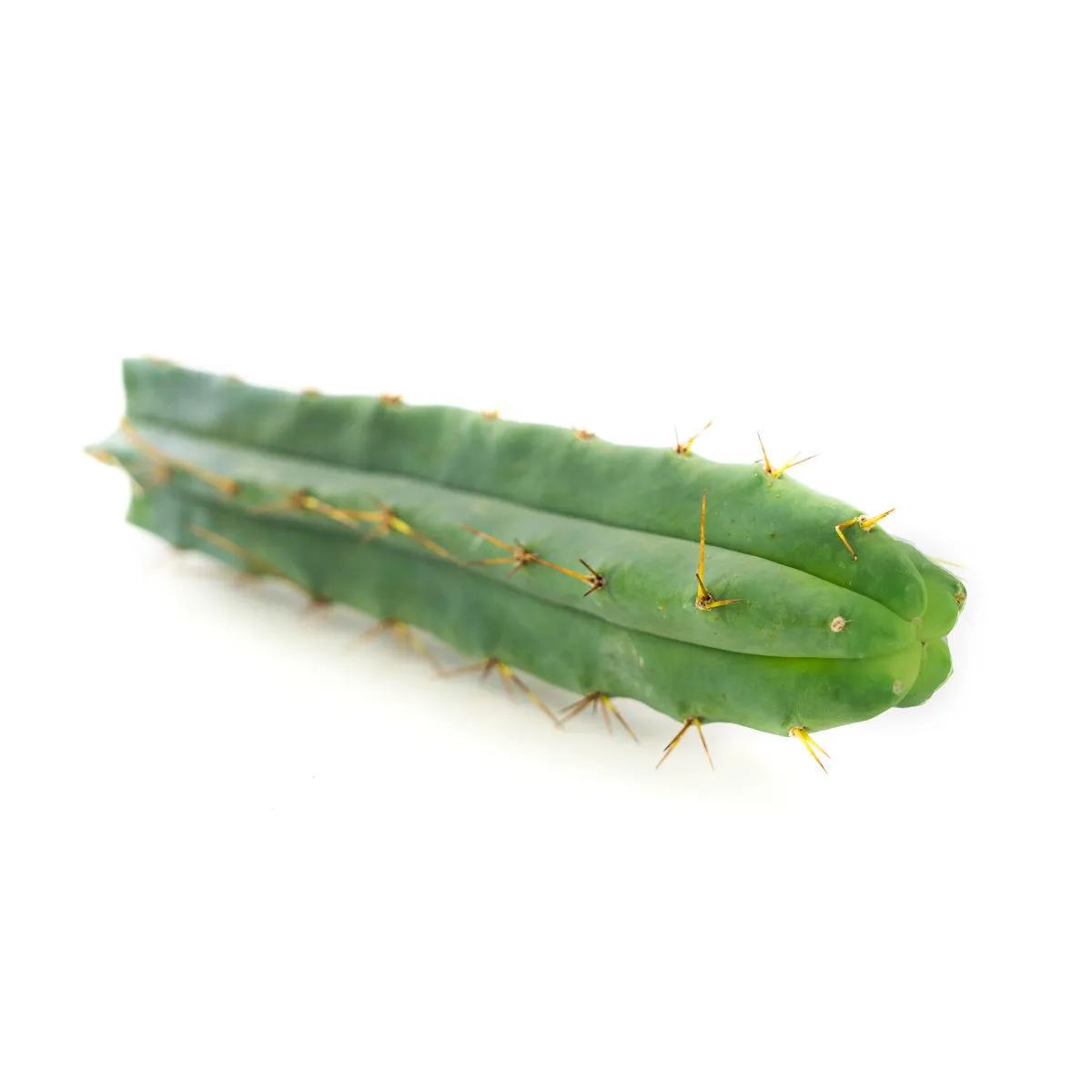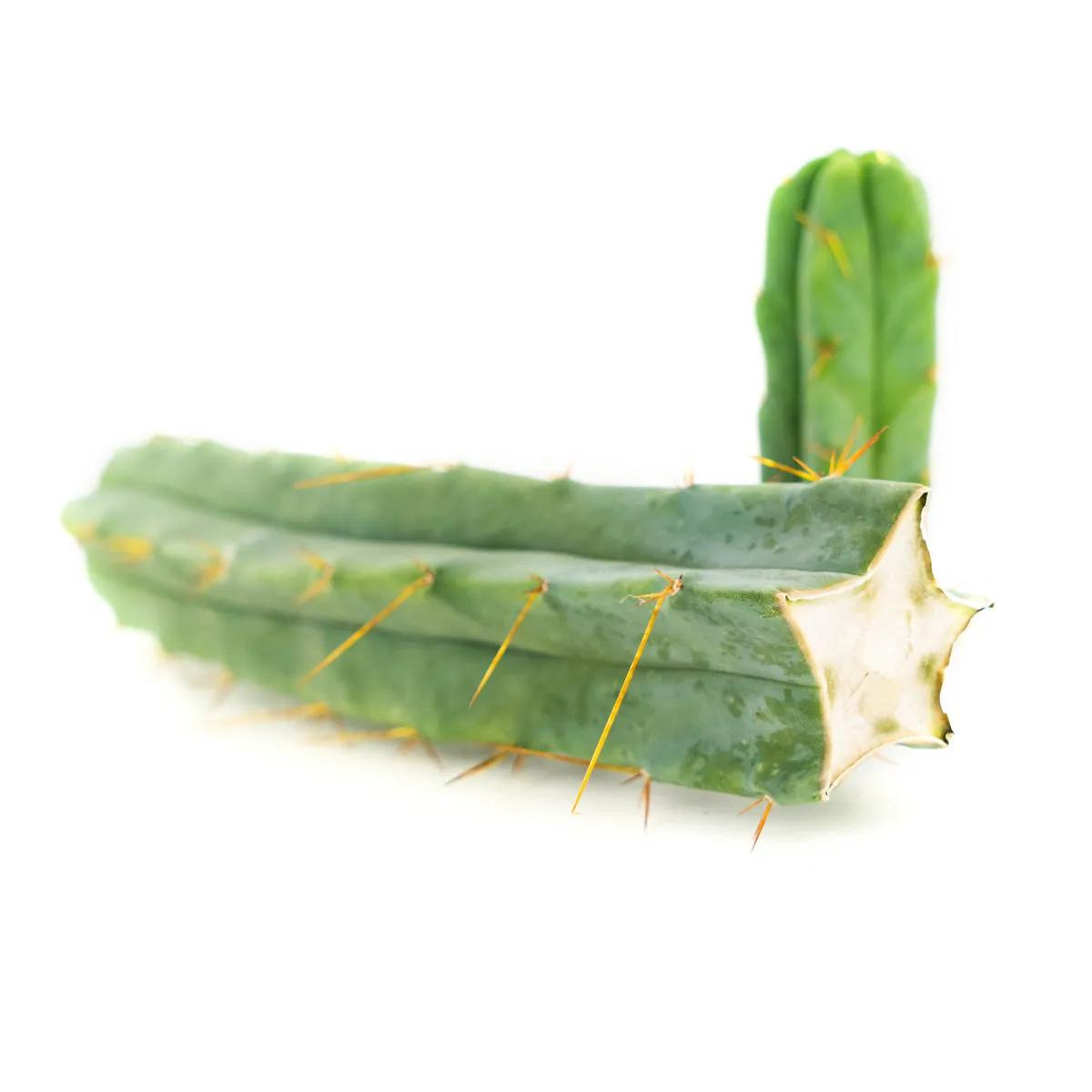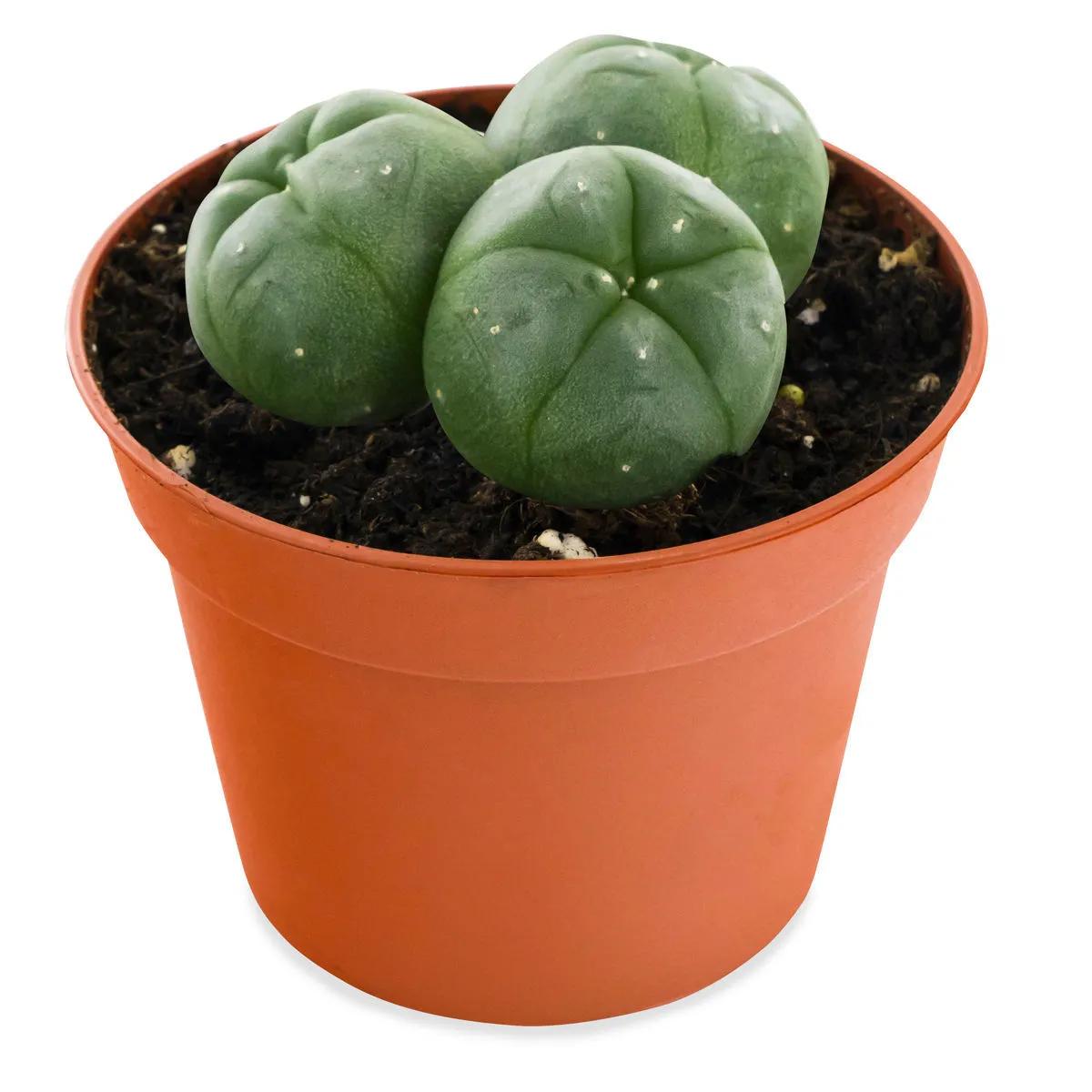
Peyote 3-Cluster is a sacred mescaline cactus (Lophophora williamsii) grown as a trio of small specimens, each measuring 2-3cm in diameter. This is the slow-growing, cactus-collector's prize — the same plant Northern Mexican and Southwestern US tribes have used ceremonially for thousands of years. You're buying living botanical history in a pot, not a quick fix.
Why grab a Peyote 3-Cluster instead of a single button
Three cacti for the price of fiddling with one — that's the short answer. Peyote grows painfully slowly (we're talking 1-2cm per year in good conditions), so starting with a cluster of three small specimens gives you a head start and a backup plan. If one struggles, the other two carry on. It's also genuinely beautiful as an indoor plant: that fat, ribbed, blue-green silhouette is unmistakable on a south-facing windowsill.
This isn't a seedling — it's three established small cacti shipped as a cluster. According to a 2019 review on the pharmacology of peyote (Carod-Artal, PMC6864602), Lophophora williamsii contains more than 50 alkaloids, with mescaline being the most studied. Fresh tissue holds around 0.4% mescaline; dried tissue concentrates that to roughly 3-6%. Those are the numbers worth knowing if you're a collector — but at 2-3cm per button, this cluster is a starter plant, not harvest material.
What's in the cluster
You get three peyote cacti, each with an average diameter of 2-3cm, growing together as a cluster. Sizes vary slightly — that's nature, not a defect. The cacti arrive rooted and ready to pot up or transplant into a wider, shallow container with proper cactus substrate.
| Spec | Value |
|---|---|
| Species | Lophophora williamsii |
| Common names | Peyote, Peyotl, El Mescalito |
| Cluster count | 3 cacti |
| Average diameter | 2-3cm each |
| Native range | Northern Mexico, Southwestern USA |
| Mescaline content (fresh) | ~0.4% |
| Mescaline content (dried) | ~3-6% |
| Growth rate | Very slow (1-2cm/year) |
| SKU | SM0093 |
How to care for your Peyote cluster
Peyote wants what every desert cactus wants — sharp drainage, strong light, and a winter rest. The most common way people kill peyote is overwatering. The second most common way is impatience.
- Pot in a gritty cactus mix — roughly 50% mineral (pumice, perlite, coarse sand) and 50% cactus soil. A terracotta pot helps the substrate dry between waterings.
- Place in the brightest spot you have. South or southwest window, ideally. In summer you can move it outside, but acclimatise gradually or the skin will scorch.
- Water sparingly from spring to early autumn. Soak the substrate fully, then let it dry completely before the next watering. That's usually every 2-3 weeks in summer.
- From November to March, keep it bone-dry and cool (10-15°C if you can manage it). This dormancy period is when peyote prepares to flower the following year.
- Feed once or twice during the growing season with a diluted low-nitrogen cactus fertiliser. Skip feeding entirely in winter.
- Repot every 3-4 years, or when the cluster clearly outgrows its container. Always let the roots dry for a few days after repotting before watering.
Honest limitations
This is a small, slow-growing plant. At 2-3cm per button, you're not going to be doing anything with it for years except admiring it. According to Drugs.com's peyote monograph, clinical studies are lacking and use carries documented risks including nausea, elevated blood pressure, and prolonged psychological effects. Research published in PubMed (Halpern et al., 2005, PMID 16271313) studied long-term ceremonial use among Navajo Native American Church members and found no evidence of cognitive deficit — but that's regulated ceremonial use in a specific cultural context, not casual consumption.
Mescaline-containing cacti interact dangerously with MAOIs, SSRIs, and lithium. According to a 2019 pharmacokinetics review (Dinis-Oliveira et al., PMC6864602), mescaline is metabolised primarily through monoamine oxidase, and combining with MAOIs is a documented risk. Peyote is not suitable during pregnancy or for people with cardiovascular conditions.
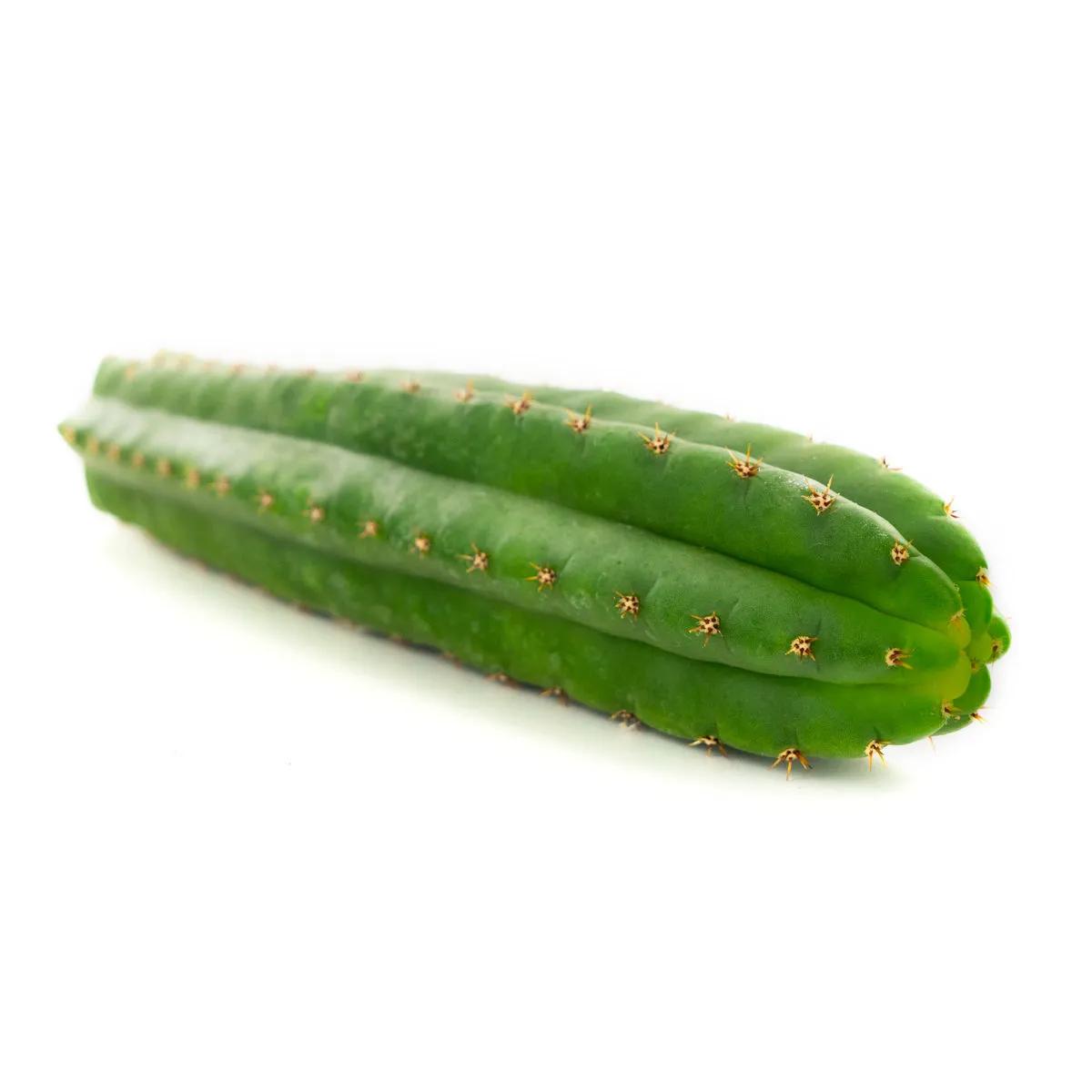
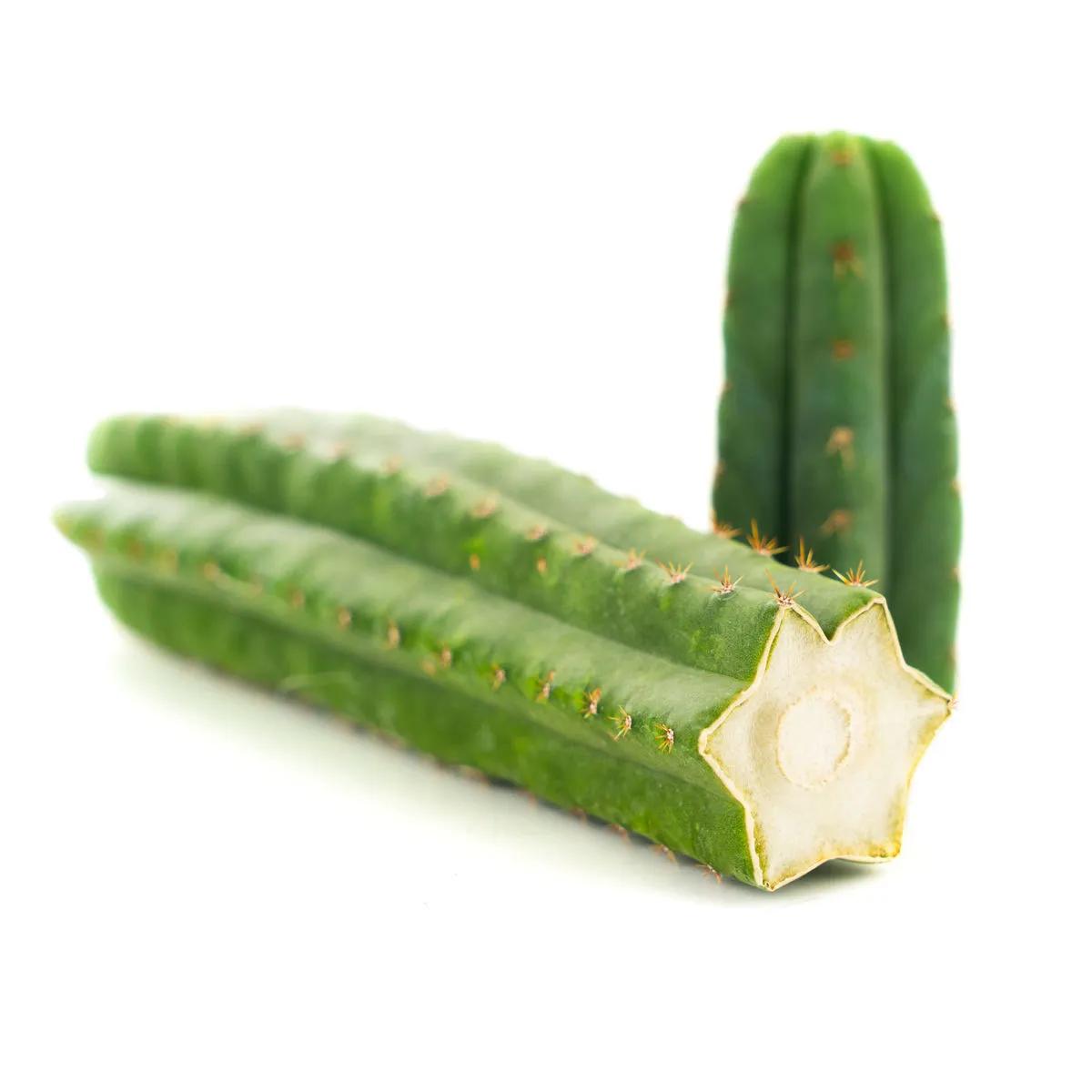
Pairs well with a proper cactus substrate mix and a shallow terracotta pot — both make the difference between a peyote that slowly thrives and one that slowly rots. If you want a faster-growing mescaline cactus to keep your peyote company on the windowsill, San Pedro (Trichocereus pachanoi) puts on serious height each year and is a lot more forgiving of beginner mistakes.
Frequently Asked Questions
How long until the peyote cluster is mature?
Peyote grows roughly 1-2cm in diameter per year under good conditions. A 2-3cm button typically takes 5-10 years to reach the 5-7cm size considered mature. Wild specimens can take 15+ years. This is a collector's plant, not a harvest plant.
Does peyote need a winter dormancy?
Yes. From November to March, keep it dry and cool (10-15°C ideally). This dormancy mimics its native desert winter and is essential for healthy growth and eventual flowering. Skip dormancy and you'll get a soft, stretched, unhappy cactus.
Can I grow peyote from the cluster by separating the buttons?
Eventually, yes. Once the cluster matures, individual buttons can be carefully separated, the cut surface allowed to callus for a week or two, and then rooted in dry substrate. With 2-3cm buttons, leave them clustered for now — separation works better on larger specimens.
Why is peyote so expensive compared to San Pedro?
Slow growth, full stop. San Pedro adds 20-30cm of height per year; peyote adds 1-2cm of diameter. Every peyote in cultivation represents years of careful growing, which is why nursery prices reflect that time investment.
What are the risks of consuming peyote?
Documented risks include nausea, vomiting, elevated blood pressure, and prolonged psychological effects lasting 8-12 hours. According to Drugs.com's peyote monograph, clinical studies are lacking and dangerous interactions exist with MAOIs, SSRIs, and lithium. Not appropriate during pregnancy or with cardiovascular conditions.
How much sunlight does peyote actually need?
As much bright, indirect light as you can give it indoors — a south or southwest window is best. Direct midday sun through glass can scorch the skin, especially in summer. Outdoor specimens need gradual acclimatisation over 2-3 weeks before full sun exposure.
Last updated: April 2026