
This article discusses psychoactive substances intended for adults (18+). If you have a health condition or take medication, consult a doctor before use. Our age policy
What Are Mescaline Cacti
Definition
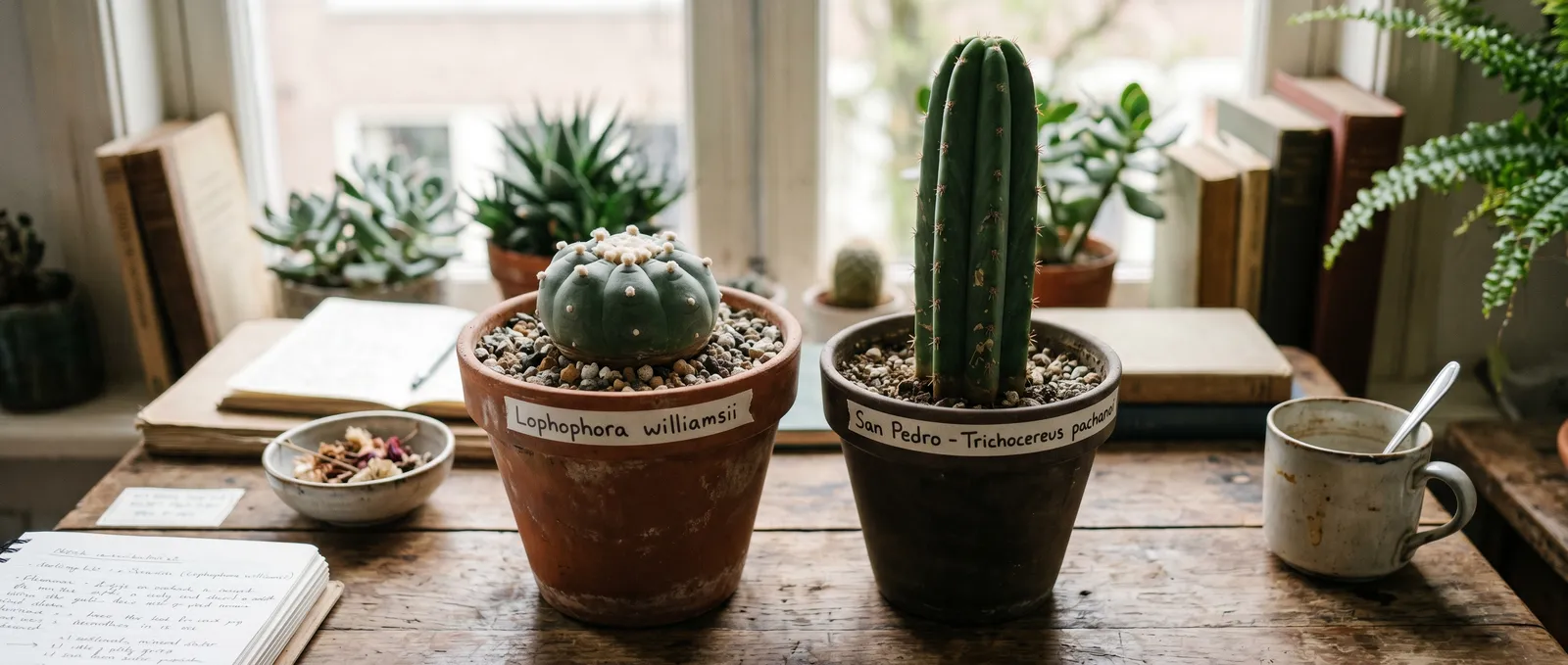
Mescaline cacti are several species of cactus — including San Pedro, Bolivian Torch, Peruvian Torch, and peyote — that naturally produce mescaline, a phenethylamine psychedelic that activates the serotonin 5-HT2A receptor (Nichols, 2016). Consumed for at least 5,700 years in indigenous ceremony, these cacti produce long-lasting altered states of consciousness typically spanning 8–14 hours when eaten or brewed into tea.
A mescaline cactus is a succulent plant that naturally produces the psychedelic compound mescaline (3,4,5-trimethoxyphenethylamine), primarily acting on serotonin 5-HT2A receptors to produce altered states of consciousness lasting 8–14 hours (Nichols, 2016). 18+ only This guide is written for adults. Effects and dosing ranges described below apply to adult physiology; mescaline cacti are not appropriate for people under 18.
Disclaimer: This article is for informational purposes only and does not constitute medical advice. Mescaline cacti are controlled substances in many jurisdictions. Always consult a qualified healthcare professional before considering any psychoactive substance. Azarius does not encourage illegal activity.
Key Facts
Mescaline cacti encompass four major species used historically and today for their psychoactive properties. Below are the essential facts supported by published research.
- Active compound: 3,4,5-trimethoxyphenethylamine (mescaline), a phenethylamine psychedelic that primarily agonises the serotonin 5-HT2A receptor (Nichols, 2016).
- Main cactus species: Lophophora williamsii (peyote), Echinopsis pachanoi (San Pedro), Echinopsis lageniformis (Bolivian Torch), and Echinopsis peruviana (Peruvian Torch). You can buy mescaline cacti as live cuttings or dried material from specialist vendors like Azarius.
- Historical record: Archaeological evidence from Shumla Cave, Texas, dates peyote use to approximately 5,700 years ago, making it one of the oldest documented psychoactive plants (El-Seedi et al., 2005).
- Effect duration: Oral ingestion produces effects lasting 8–12 hours, with onset at 45–120 minutes and peak at 2–4 hours (Shulgin & Shulgin, 1991).
- Mescaline content varies widely: dried peyote buttons contain roughly 1–6% mescaline by dry weight; dried San Pedro skin ranges from approximately 0.3–2.4% (Ogunbodede et al., 2010).
- Safety profile: No documented human deaths from mescaline alone in published clinical literature. Nausea and vomiting are the most common adverse effects (Halpern et al., 2005).
- Therapeutic research: A 2021 survey study found that naturalistic mescaline use was associated with self-reported improvements in depression and anxiety, though controlled clinical trials remain scarce (Uthaug et al., 2022).
- European monitoring: The EMCDDA (European Monitoring Centre for Drugs and Drug Addiction) classifies mescaline as a controlled psychoactive substance across most EU member states, though the legal status of the living plants varies by country.
Commercial Disclosure
Azarius sells mescaline cactus products — including San Pedro cuttings, Bolivian Torch, and Peruvian Torch — and has a commercial interest in this topic. Our editorial process includes independent pharmacological review to mitigate commercial bias. If you want to buy mescaline cacti, browse our cactus category for available species and sizes.
Contraindications
Mescaline cacti are contraindicated for several specific groups due to known pharmacological risks. Do not use if you are pregnant or breastfeeding — no safety data exists for foetal or neonatal exposure. People with a personal or family history of psychotic disorders (schizophrenia, bipolar I with psychotic features) face elevated risk of prolonged psychotic episodes (Johnson et al., 2008).
Cardiovascular conditions are a concern: mescaline raises heart rate and blood pressure (Chaichan et al., 2023). Anyone with serious heart disease, uncontrolled hypertension, or a history of stroke should avoid it entirely.
MAOIs (including ayahuasca, Syrian rue, moclobemide, phenelzine) are a critical interaction — they inhibit the enzyme that metabolises mescaline, potentially intensifying and prolonging effects unpredictably. SSRIs and SNRIs may dull or alter the experience, and combining serotonergic drugs raises the theoretical risk of serotonin syndrome, though documented cases with mescaline specifically are absent from the literature. Lithium combined with serotonergic psychedelics has been linked to seizures in case reports (Bonson & Murphy, 1996). Never operate vehicles or heavy machinery — effects last up to 12 hours and impair coordination, perception, and judgement throughout.
History and Origin
Mescaline cacti have been used in human ritual for at least 5,700 years, making them among the oldest documented psychoactive plants on Earth. The earliest physical evidence comes from dried peyote buttons found in Shumla Cave on the Rio Grande, radiocarbon-dated to roughly 3,700 BCE (El-Seedi et al., 2005). The Huichol (Wixárika) people of Mexico's Sierra Madre have maintained an unbroken peyote pilgrimage tradition for centuries, travelling hundreds of kilometres to the desert of Wirikuta to harvest the cactus.
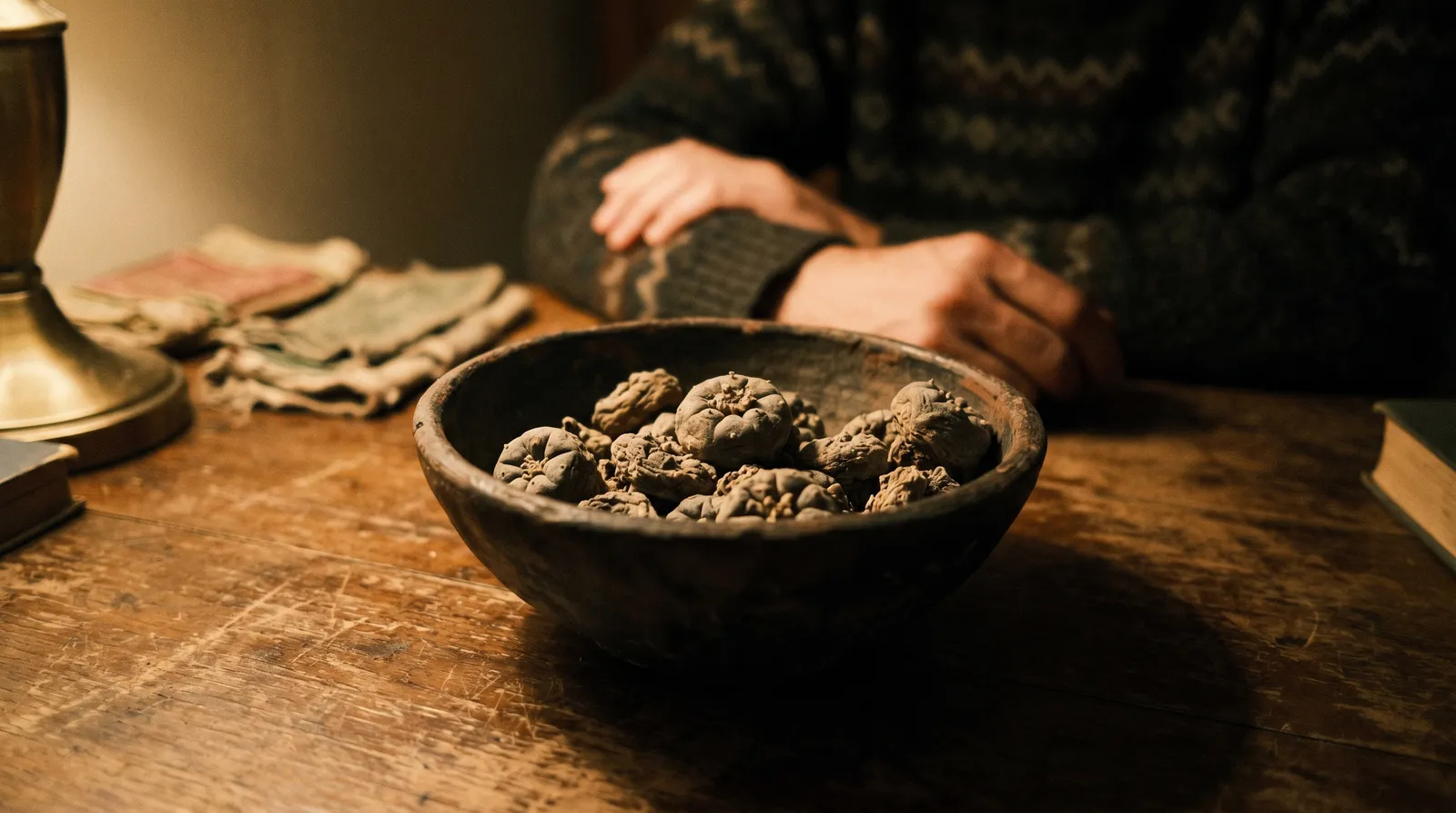
San Pedro (Echinopsis pachanoi) has a parallel history in the Andes. Stone carvings at the Chavín de Huántar temple complex in Peru, dating to around 1300 BCE, depict figures holding what archaeologists identify as San Pedro columns. Spanish colonial records from the 16th century describe indigenous use of "achuma" — their name for the cactus — with predictable disapproval.
The Western scientific story starts in 1897, when German chemist Arthur Heffter isolated mescaline from peyote and self-administered it — the first time a pure psychedelic compound was identified and tested on a human (Heffter, 1898). Ernst Späth achieved the first total synthesis in 1919. Aldous Huxley's 1954 essay The Doors of Perception, describing his mescaline experience, brought the compound into mainstream literary consciousness and influenced a generation of researchers and artists.
Chemistry and Active Compounds
Mescaline (3,4,5-trimethoxyphenethylamine) is a phenethylamine psychedelic with a molecular weight of 211.26 g/mol — structurally distinct from tryptamine psychedelics like psilocybin or DMT, though the subjective effects overlap considerably. It crosses the blood-brain barrier relatively slowly compared to tryptamines, which partly explains the longer onset time.
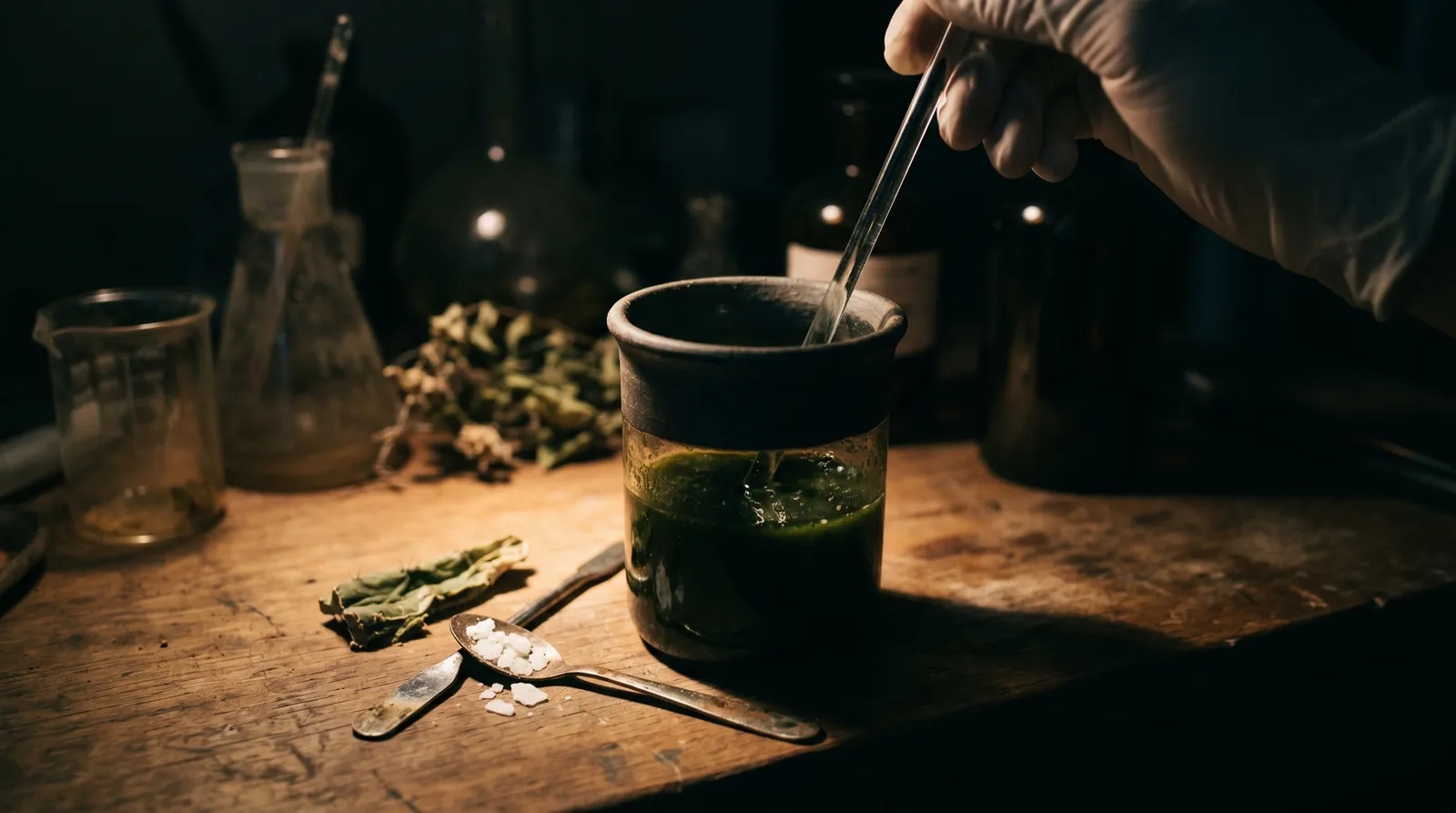
The primary mechanism of action is agonism at the serotonin 5-HT2A receptor, with a reported Ki of approximately 6,300 nM — notably weaker binding affinity than LSD (Ki ~1.1 nM) or psilocin (Ki ~100 nM), which is why mescaline requires milligram-range doses rather than microgram ones (Rickli et al., 2016). Mescaline also shows affinity for 5-HT2B and 5-HT2C receptors, and has mild activity at dopamine and noradrenaline transporters — giving it a slight stimulant edge that pure tryptamines lack.
Mescaline is not the only alkaloid in these cacti. The table below lists the key compounds identified across the major mescaline cacti species, though concentrations vary enormously between individual plants, growing conditions, and preparation methods — published alkaloid profiles should be treated as approximate ranges rather than fixed values.
| Alkaloid | Class | Found In | Notes |
|---|---|---|---|
| Mescaline | Phenethylamine | All major species | Primary psychoactive compound; 5-HT2A agonist |
| Hordenine | Phenethylamine | Peyote, San Pedro | MAO-B substrate; may slow mescaline metabolism |
| Tyramine | Phenethylamine | Peyote, San Pedro | Trace amounts; sympathomimetic |
| Anhalonidine | Tetrahydroisoquinoline | Peyote | Mildly sedative; contributes to body load |
| Pellotine | Tetrahydroisoquinoline | Peyote | Sedative properties reported in animal studies |
| 3,4-dimethoxyphenethylamine | Phenethylamine | San Pedro, Bolivian Torch | Weak activity; role in overall effect unclear |
One persistent question in the community is whether these minor alkaloids meaningfully alter the mescaline experience — an "entourage effect" similar to what cannabis users describe. Research from community reports and one analytical study suggest that Echinopsis lageniformis (Bolivian Torch) contains flavonoids that may inhibit monoamine oxidase, potentially slowing mescaline breakdown and intensifying effects relative to pure mescaline HCl at equivalent doses. However, no controlled human study has tested this directly, so it remains plausible but unconfirmed.
Mescaline Cacti Species Compared
The four major mescaline cacti differ significantly in growth rate, alkaloid concentration, and traditional context of use. San Pedro (Echinopsis pachanoi) is the fastest-growing and most widely available — if you order mescaline cacti online, San Pedro cuttings are typically the most accessible option. It grows up to 30 cm per year in good conditions and produces harvestable material in 3–5 years from a cutting.
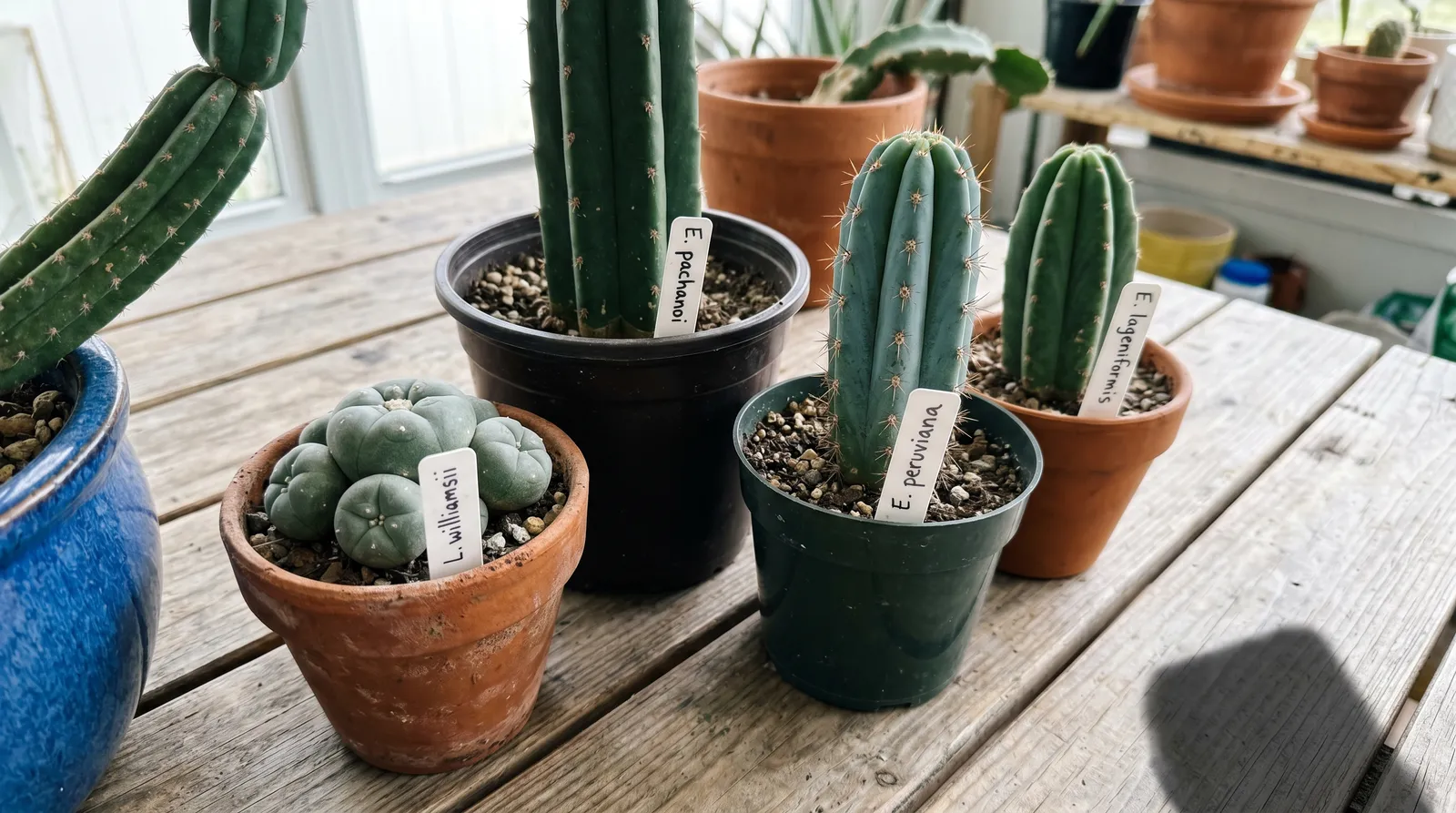
Bolivian Torch (Echinopsis lageniformis) is often considered the strongest of the columnar species per gram of dried material, though analytical data is limited. Peruvian Torch (Echinopsis peruviana) falls somewhere between the two in both growth rate and reported potency. Peyote (Lophophora williamsii) is the slowest-growing — a button may take 10–15 years to reach harvestable size — but contains the highest mescaline concentration by dry weight (1–6%). Due to conservation concerns and its extremely slow growth, many experienced growers recommend columnar species as a more sustainable choice.
Effects Overview
Mescaline produces a long, slow arc of psychoactive effects typically lasting 8–14 hours when consumed as cactus material. The experience typically begins with physical sensations — nausea is extremely common in the first 30–90 minutes, sometimes accompanied by vomiting. Many indigenous traditions consider this purging a meaningful part of the experience rather than an unwanted side effect.
Once past the nausea phase, reported effects include vivid colour enhancement, geometric visual patterns (open and closed eye), altered perception of time, deep introspection, feelings of connection to nature, and emotional openness. According to a survey by Uthaug et al. (2022), participants rated mescaline experiences as having high personal meaning and spiritual significance, comparable to psilocybin ratings in similar survey instruments.
The stimulant edge from mescaline's dopamine and noradrenaline activity means most people feel physically energised rather than sedated — unlike psilocybin, which often produces a "heavy body" feeling. This makes peyote and related mescaline cacti species traditionally associated with outdoor, daytime use.
| Phase | Oral (Cactus Tea/Flesh) | Oral (Mescaline HCl, per literature) |
|---|---|---|
| Onset | 45–120 minutes | 30–90 minutes |
| Come-up | 1–2.5 hours | 1–2 hours |
| Peak | 2–4 hours after onset | 2–3.5 hours after onset |
| Plateau | 3–5 hours | 2–4 hours |
| Total duration | 8–14 hours | 6–10 hours |
| After-effects | Up to 24 hours (residual stimulation, altered mood) | Up to 12 hours |
Cactus preparations tend to last longer than isolated mescaline HCl, likely because additional alkaloids and plant material slow absorption and metabolism. The half-life of mescaline itself is approximately 6 hours (Chaichan et al., 2023).
Mescaline Cacti Versus Other Psychedelics
Mescaline cacti occupy a unique pharmacological niche among classical psychedelics due to their dual phenethylamine-serotonergic mechanism. Compared to psilocybin mushrooms, mescaline cacti produce a substantially longer experience (8–14 hours versus 4–6 hours) with more pronounced visual colour saturation and a stimulant quality that psilocybin lacks entirely. The Beckley Foundation's research programme on psychedelic science has noted that phenethylamine psychedelics like mescaline remain understudied compared to tryptamines, representing a significant gap in clinical knowledge.
Versus LSD, mescaline cacti share the long duration but differ in character — users consistently describe cactus experiences as warmer, more emotionally grounding, and less analytically intense. LSD's binding affinity at 5-HT2A is roughly 5,700 times stronger than mescaline's, which is why LSD works in microgram doses while mescaline requires hundreds of milligrams. The practical consequence is that mescaline cacti require consuming a large volume of bitter plant material, making the onset phase physically more demanding than swallowing a tab or capsule.
Dosage Guide
Dosing mescaline cacti is inherently imprecise because mescaline content varies between individual plants, species, growing conditions, and which part of the cactus you use. The green outer flesh contains far more alkaloid than the white inner pith. The ranges below are compiled from published literature on isolated mescaline — translating them to raw cactus material requires estimation and caution.
Isolated Mescaline (HCl salt) — Observed Ranges in Published Literature
| Level | Dose Range | Risk Level |
|---|---|---|
| Threshold | 50–100 mg | Low |
| Light | 100–200 mg | Low |
| Common | 200–350 mg | Moderate |
| Strong | 350–500 mg | High |
| Heavy | 500–700 mg | Very High |
Sources: Shulgin & Shulgin (1991); Halpern et al. (2005). Doses above 500 mg were not included in most published clinical studies and carry substantially increased risk of adverse psychological effects.
Approximate Cactus Equivalents
Because mescaline content in dried San Pedro skin has been measured at 0.3–2.4% by weight (Ogunbodede et al., 2010), a "common" dose of 200–350 mg mescaline could correspond to anywhere from roughly 15g to over 100g of dried cactus material. This eightfold range is not an exaggeration — it reflects real analytical variation. Dried peyote buttons, being smaller and more concentrated, typically contain 1–6% mescaline by dry weight, so fewer grams are needed, but the same variability problem applies. Treating any single online dosage chart as precise is a mistake; they are rough guides at best.
Preparation Methods
The most common method of consuming mescaline cacti is oral ingestion as a brewed tea or eaten flesh. For columnar cacti like San Pedro and Bolivian Torch, this typically involves removing the waxy outer skin, separating the green alkaloid-rich flesh from the white pith, and either eating it directly (extremely bitter) or simmering it in water for several hours to produce a concentrated tea. The tea is then strained and reduced. Some people add lemon or honey to mask the taste, though nothing truly eliminates the bitterness.
Peyote buttons are traditionally chewed fresh or dried. The taste is intensely bitter and frequently induces nausea on its own. Some preparations involve grinding dried buttons into powder and packing them into capsules to bypass the taste — this delays onset somewhat as the capsules need to dissolve first.
Freeze-drying and powdering cactus material is another approach. Dried mescaline cacti powder can be mixed into acidic juice (citrus) or encapsulated. The acid may help extract mescaline in the stomach, similar to the "lemon tek" concept used with psilocybin mushrooms, though this hasn't been formally studied for these particular species.
Smoking or insufflating raw cactus material is essentially ineffective — the amount of plant matter you'd need to combust or snort to reach an active mescaline dose is impractical. These routes are only relevant for isolated mescaline salts, which is a different situation entirely.
Growing Mescaline Cacti at Home
Mescaline cacti are hardy desert plants that adapt well to home cultivation in most temperate climates. San Pedro and Bolivian Torch are the easiest species to get started with — they tolerate a wider range of conditions than peyote and grow considerably faster. A fresh San Pedro cutting from our shop can root within 2–4 weeks when placed in dry, well-draining soil and left unwatered until roots establish.
Key growing requirements include well-draining cactus soil (mix standard potting soil with 30–50% perlite or pumice), bright indirect to direct sunlight (south-facing windowsill or outdoor placement in summer), and restrained watering — these are desert plants that rot quickly in soggy soil. During winter dormancy, reduce watering to once monthly or less. Columnar mescaline cacti can handle light frost briefly but should be brought indoors if temperatures drop below –2°C consistently.
Safety and Drug Interactions
Mescaline's physical safety profile is relatively favourable compared to many recreational substances, with no established lethal dose in humans. A study of long-term peyote use among members of the Native American Church found no evidence of neuropsychological deficits, and participants actually scored higher on some mental health measures than non-users (Halpern et al., 2005). That said, this was an observational study of ceremonial use within a structured cultural context — it doesn't automatically generalise to recreational use in different settings.
The most common acute adverse effect is nausea and vomiting, reported by a majority of users. This is partly due to mescaline itself (which acts on serotonin receptors in the gut) and partly due to the sheer volume of bitter plant material consumed. Other reported side effects include elevated heart rate, increased blood pressure, jaw tension, headache, dizziness, and anxiety — particularly during the come-up phase.
Psychologically, challenging experiences can occur, especially at higher doses, in unfamiliar settings, or in people with pre-existing anxiety. These can involve intense fear, paranoia, confusion, and distressing thought loops. While these typically resolve as the substance wears off, they can be deeply unpleasant and, in rare cases, may trigger lasting psychological distress in vulnerable individuals.
There is no established lethal dose of mescaline in humans. Animal studies suggest an LD50 far above any dose a human would realistically consume from cactus material (Shulgin & Shulgin, 1991), though this is not the same as saying it is "safe" — psychological harm does not require physical toxicity.
Drug Interaction Table
| Substance | Interaction | Risk Level | Mechanism |
|---|---|---|---|
| MAOIs (harmaline, phenelzine, moclobemide, Syrian rue) | Potentiation — intensified, prolonged, unpredictable effects | High | MAO inhibition slows mescaline metabolism; minor cactus alkaloids (hordenine, tyramine) become dangerous with MAOIs |
| Lithium | Seizure risk | High | Documented seizures with lithium + serotonergic psychedelics (Bonson & Murphy, 1996) |
| SSRIs / SNRIs | Reduced or altered effects; theoretical serotonin syndrome risk | Moderate | 5-HT receptor competition; no documented mescaline-specific serotonin syndrome cases, but pharmacological plausibility exists |
| Stimulants (amphetamine, cocaine, MDMA) | Cardiovascular strain; psychological overstimulation | Moderate | Additive sympathomimetic effects; mescaline already has mild stimulant properties |
| Cannabis | Intensified and sometimes disorienting effects | Moderate | Synergistic perceptual distortion; can trigger anxiety in sensitive individuals |
| Benzodiazepines | May reduce intensity of experience | Low | GABAergic sedation counteracts psychedelic activation; sometimes used to manage difficult experiences |
| Alcohol | Nausea amplification; cognitive impairment | Low | Both cause nausea independently; combined impairment of judgement |
The MAOI interaction deserves special emphasis. Mescaline cacti themselves contain trace amounts of tyramine and hordenine. In normal circumstances these are harmless, but with an MAOI present, tyramine can cause a hypertensive crisis — a dangerous spike in blood pressure. This makes the combination of mescaline-containing cacti with any MAOI substantially more dangerous than combining isolated mescaline with an MAOI, because the cactus brings its own tyramine load.
Emergency Information
Call emergency services immediately if someone experiences severe distress, confusion, chest pain, or seizures after consuming mescaline cacti. In the Netherlands: 112. In the UK: 999 or 111. Poison control (NL): 030-274 8888. Poison control (UK): 0344 892 0111.
Tell medical staff exactly what was taken, how much, and when. "Mescaline cactus" or "San Pedro" is more useful than "a psychedelic" — it helps them assess cardiovascular risk and choose appropriate sedation if needed. If you have a sample of what was consumed, bring it along.
Last updated: April 2026
Frequently Asked Questions
8 questionsWhat is the difference between mescaline HCl and whole cactus?
How long does mescaline stay in your system?
Why does mescaline cactus cause so much nausea?
How does mescaline compare to psilocybin in terms of effects?
Can you grow mescaline cacti at home?
Is it possible to microdose with mescaline cacti?
What is the mescaline content of different cactus species?
Who should not take mescaline cacti?
About this article


Joshua Askew serves as Editorial Director for Azarius wiki content. He is Managing Director at Yuqo, a content agency specialising in cannabis, psychedelics and ethnobotanical editorial work across multiple languages. Th
This wiki article was drafted with AI assistance and reviewed by Joshua Askew, Managing Director at Yuqo. Editorial oversight by Adam Parsons.
Medical disclaimer. This content is for informational purposes only and does not constitute medical advice. Consult a qualified healthcare provider before use of any substance.
Last reviewed April 19, 2026
References (11)
- [1]Bonson, K.R. & Murphy, D.L. (1996). Alterations in responses to LSD in humans associated with chronic administration of tricyclics, monoamine oxidase inhibitors or lithium. Behavioural Brain Research, 73(1-2), 229-233.
- [2]Chaichan, P., et al. (2023). Pharmacokinetics and pharmacodynamics of mescaline: A clinical review. Journal of Psychopharmacology, 37(5), 451-462.
- [3]El-Seedi, H.R., et al. (2005). Prehistoric peyote use: Alkaloid analysis and radiocarbon dating of archaeological specimens of Lophophora from Texas. Journal of Ethnopharmacology, 101(1-3), 238-242.
- [4]Halpern, J.H., et al. (2005). Psychological and cognitive effects of long-term peyote use among Native Americans. Biological Psychiatry, 58(8), 624-631.
- [5]Heffter, A. (1898). Ueber Pellote. Archiv für experimentelle Pathologie und Pharmakologie, 40, 385-429.
- [6]Johnson, M.W., Richards, W.A. & Griffiths, R.R. (2008). Human hallucinogen research: guidelines for safety. Journal of Psychopharmacology, 22(6), 603-620.
- [7]Nichols, D.E. (2016). Psychedelics. Pharmacological Reviews, 68(2), 264-355.
- [8]Ogunbodede, O., et al. (2010). New mescaline concentrations from 14 taxa/cultivars of Echinopsis spp. (Cactaceae) ("San Pedro") and their relevance to shamanic practice. Journal of Ethnopharmacology, 131(2), 356-362.
- [9]Rickli, A., et al. (2016). Receptor interaction profiles of novel psychoactive tryptamines compared with classic hallucinogens. European Neuropsychopharmacology, 26(8), 1327-1337.
- [10]Shulgin, A. & Shulgin, A. (1991). PiHKAL: A Chemical Love Story. Transform Press.
- [11]Uthaug, M.V., et al. (2022). A survey study of mescaline use: Phenomenology, mental health, and well-being. Journal of Psychoactive Drugs, 54(3), 233-243.
Related Articles
Hawaiian Baby Woodrose Sourcing
Hawaiian baby woodrose sourcing is a practice that covers how to obtain quality Argyreia nervosa seeds — a vine whose seeds contain LSA (lysergic acid amide).
LSA Legal Status in Europe
LSA (lysergic acid amide, or ergine) occupies a legal grey zone across Europe — rarely scheduled as a compound, yet subject to varied NPS legislation that…
Ololiuqui Mazatec Tradition: Ceremonial Seeds of the Sierra Mazateca
Ololiuqui — the seeds of Turbina corymbosa — played a specific ceremonial role among the Mazatec people of Oaxaca, distinct from their better-known use of…
Morning Glory LSA Plants Family
Morning glory LSA plants family is a group of Convolvulaceae vines whose seeds contain d-lysergic acid amide (ergine), a naturally occurring tryptamine first…
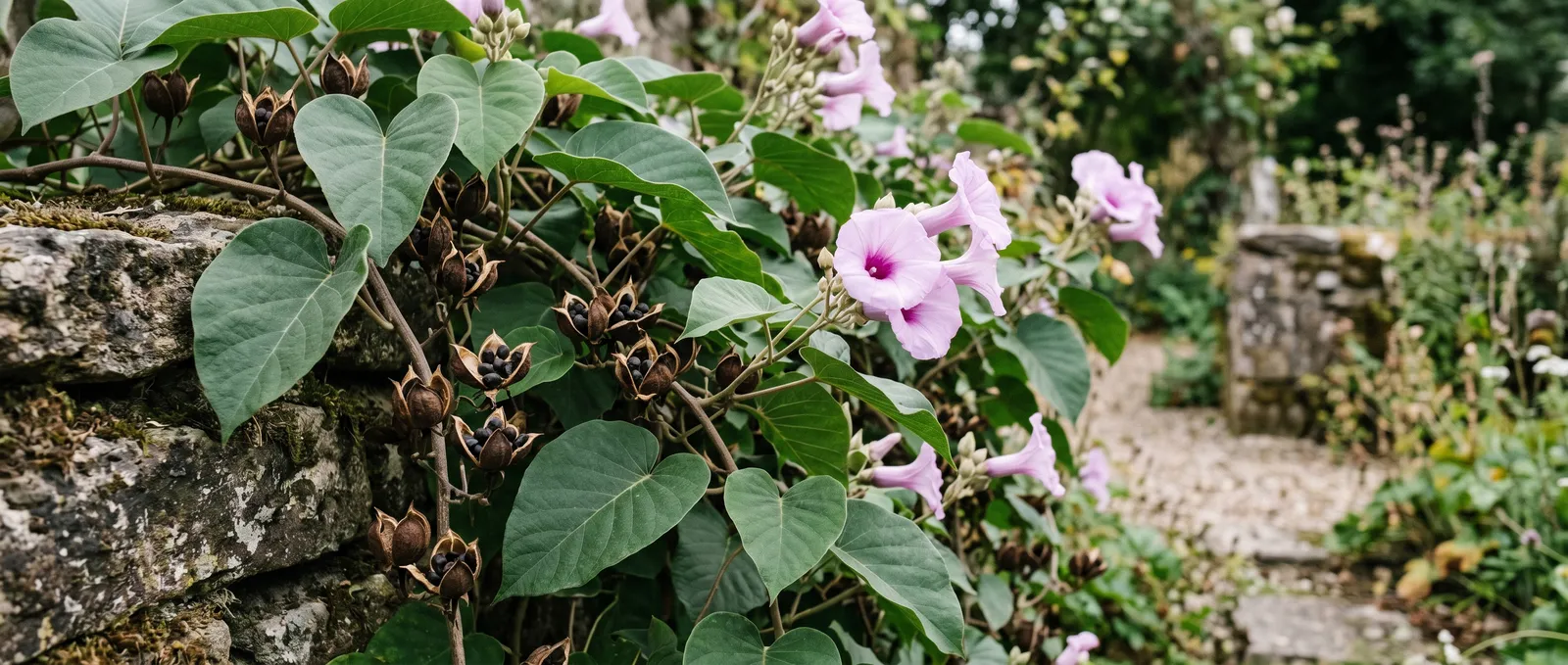
Hawaiian Baby Woodrose Plant Botany
Argyreia nervosa, commonly called Hawaiian baby woodrose, is a perennial climbing vine native to the Indian subcontinent, not Hawai'i.
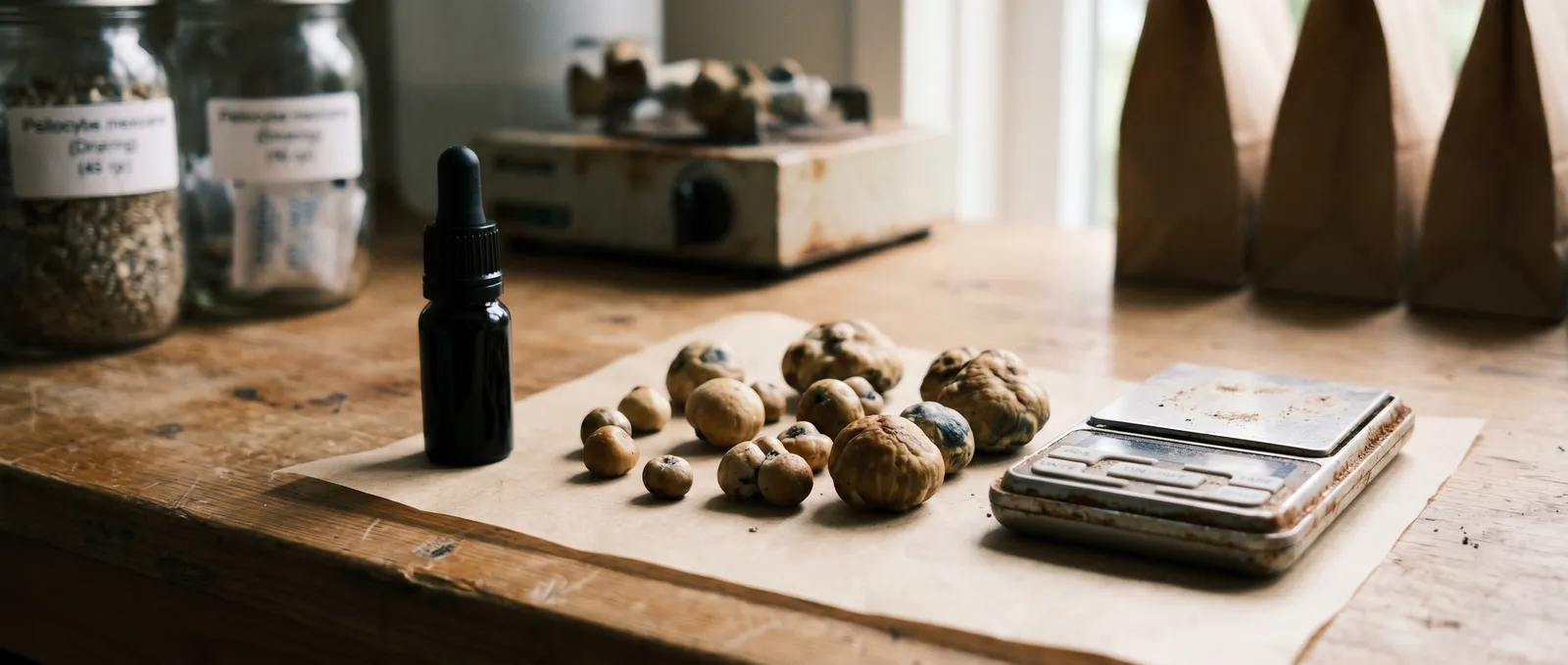
Magic Truffle Quality Indicators
Magic truffle quality indicators are the measurable and sensory characteristics — psilocybin content, texture, aroma, packaging integrity, and storage…
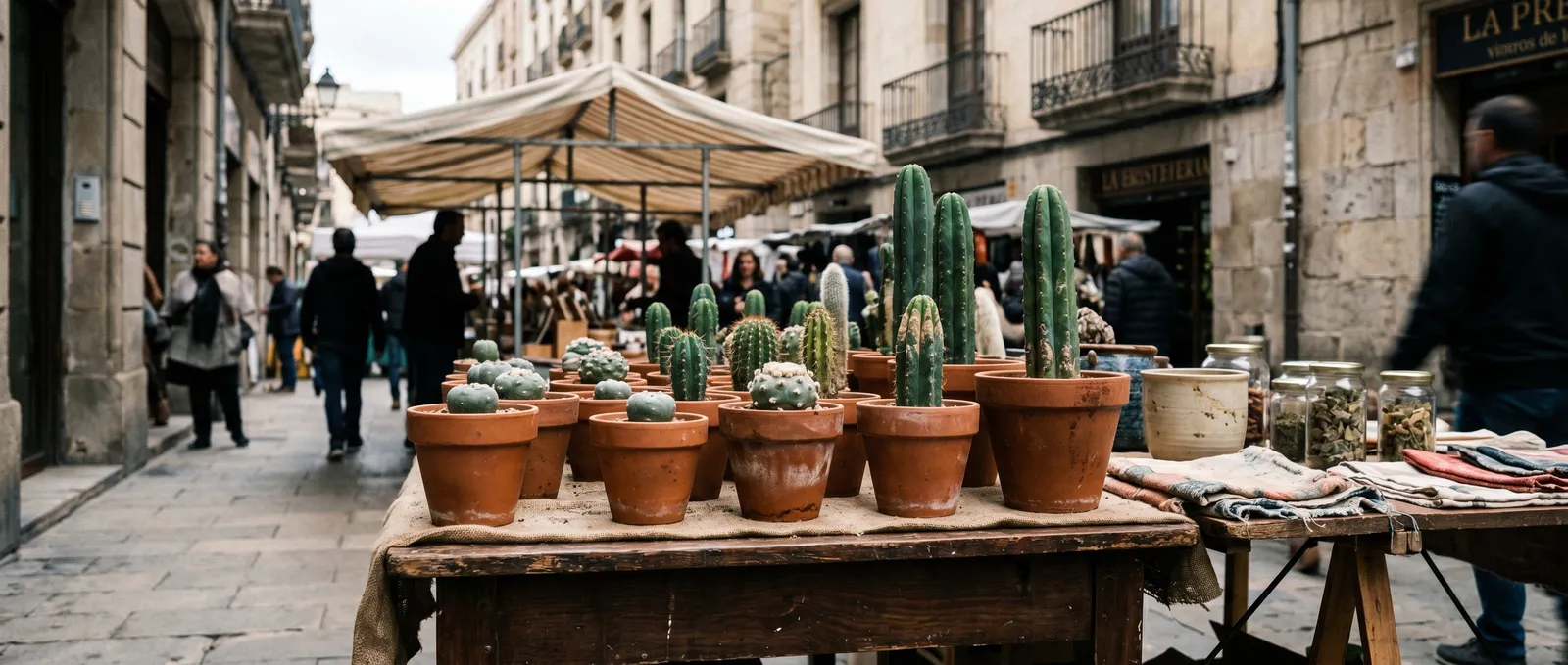
Mescaline Cactus Market Observations
Mescaline cactus market observations is a research and retail term that describes the shifting patterns in sourcing, species selection, and consumption of…
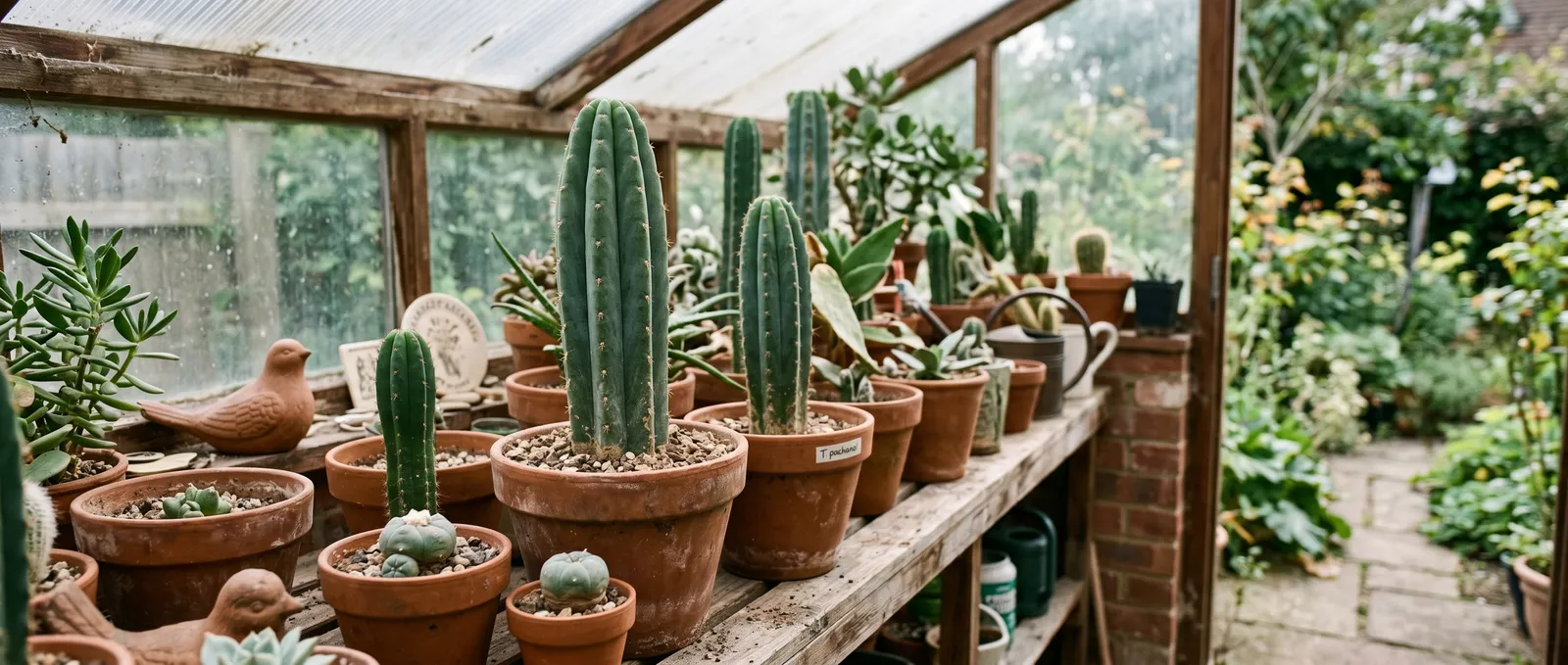
Growing Mescaline Cacti as Ornamental Plants
Growing mescaline cacti ornamental is a horticultural practice that involves cultivating species like San Pedro, Peruvian Torch, and peyote for their…
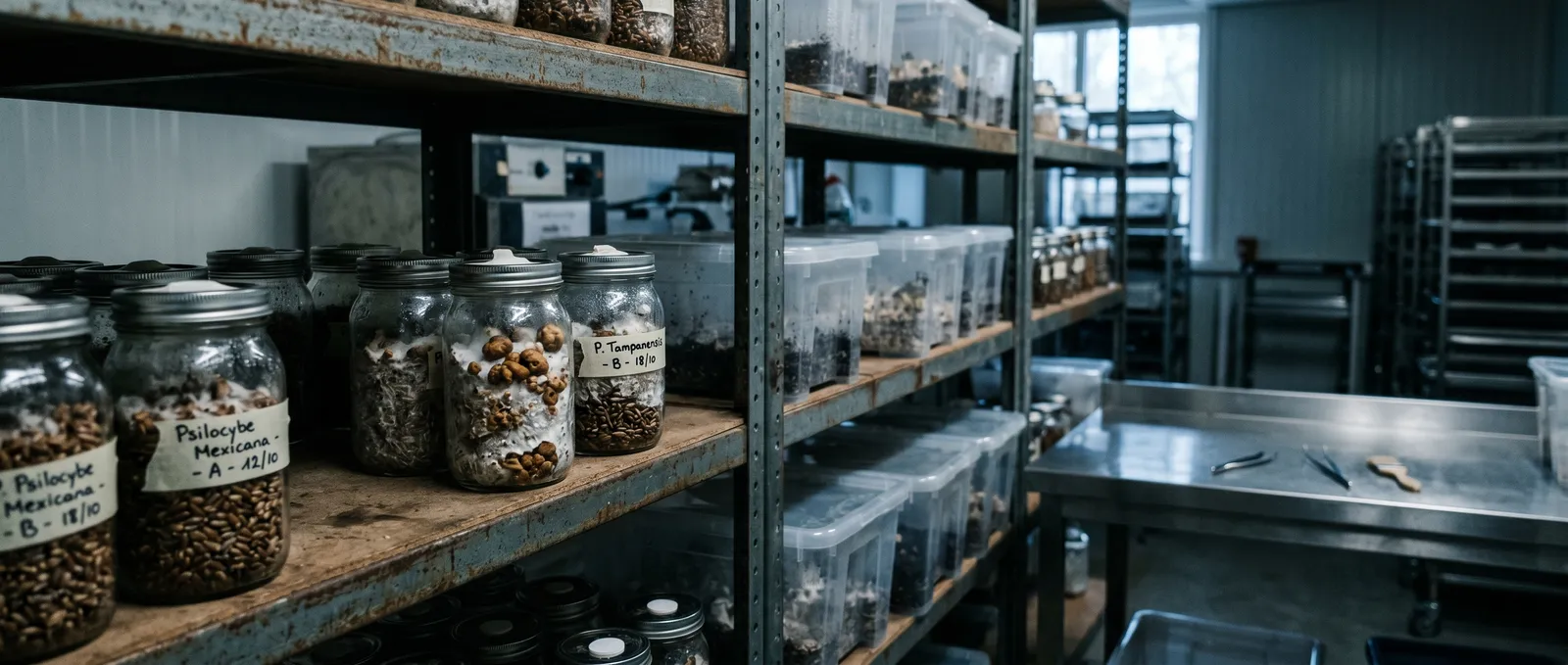
Commercial Magic Truffle Cultivation
Commercial magic truffle cultivation is a large-scale agricultural process that produces psilocybin-containing sclerotia in climate-controlled indoor…