
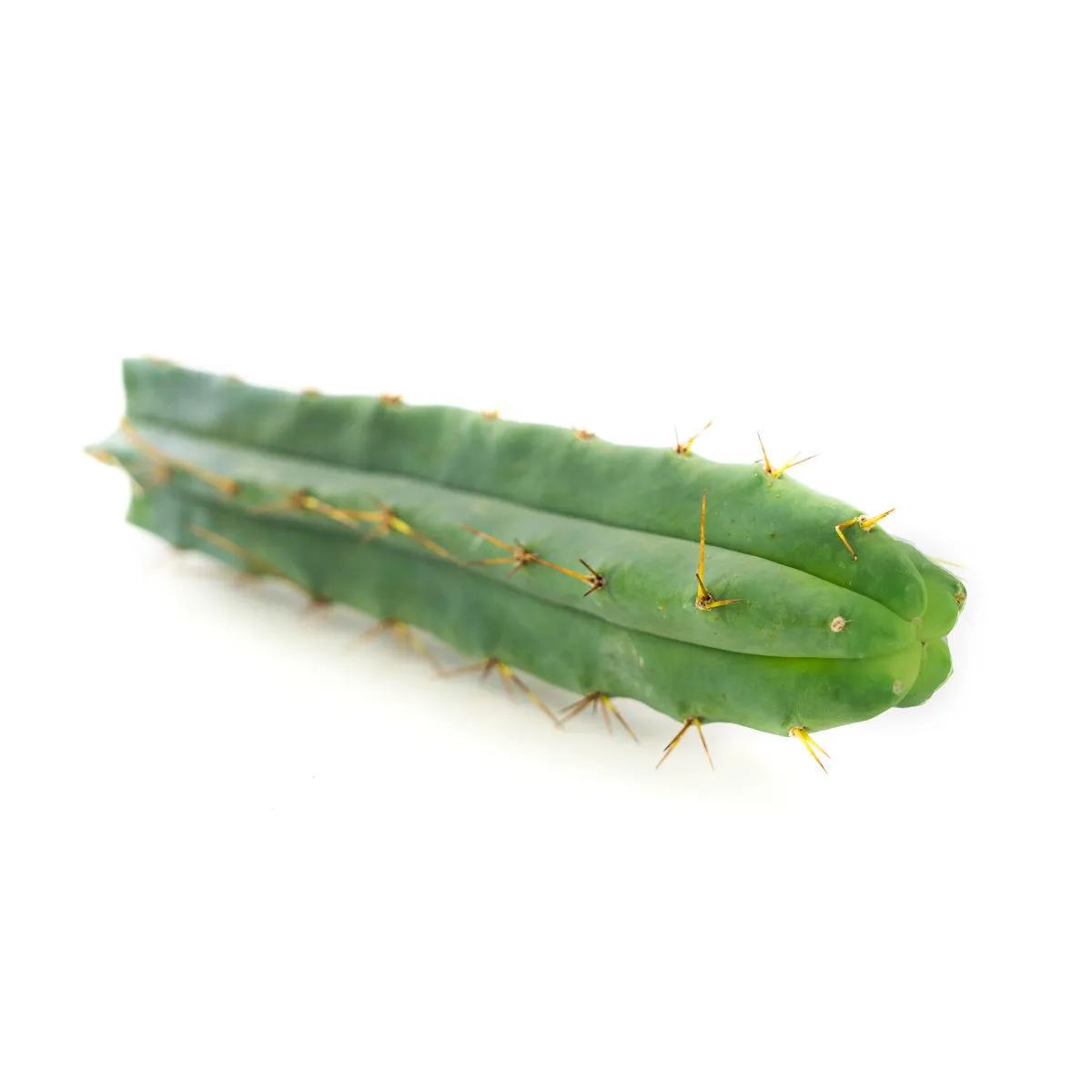
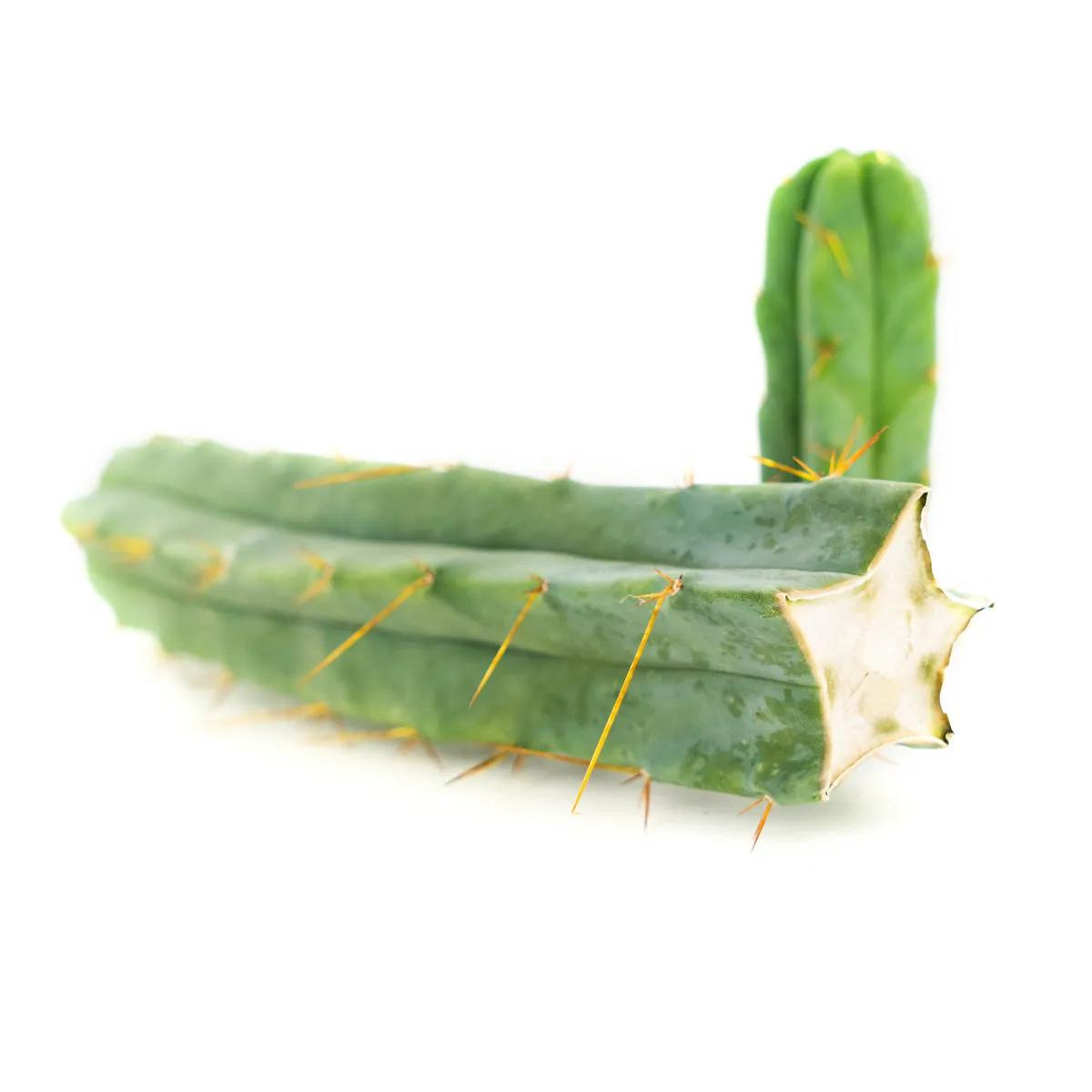
Bolivian Torch (Echinopsis lageniformis, formerly Trichocereus bridgesii) is a columnar mescaline cactus from the Bolivian Andes, sold as live cuttings you root and grow at home. If you're looking to buy a Bolivian Torch, this is the faster-growing, shorter-spined cousin of San Pedro and Peruvian Torch — three live cuttings in our shop, shipped from Amsterdam since 1999.
Buy Bolivian Torch Cuttings — Format Guide
A "cutting" is a section sliced from a mature mother plant that roots into its own cactus within weeks. Unlike seeds (which take 3–5 years to reach any useful size) or potted specimens (heavy, fragile, expensive to ship), cuttings are the sweet spot — you get a living piece of an adult plant, you pay for centimetres not years, and shipping stays sane. Echinopsis lageniformis in particular is one of the fastest-growing columnar cacti in cultivation, putting on 30–60 cm per year in decent conditions, which is why most growers pick it over the slower San Pedro.
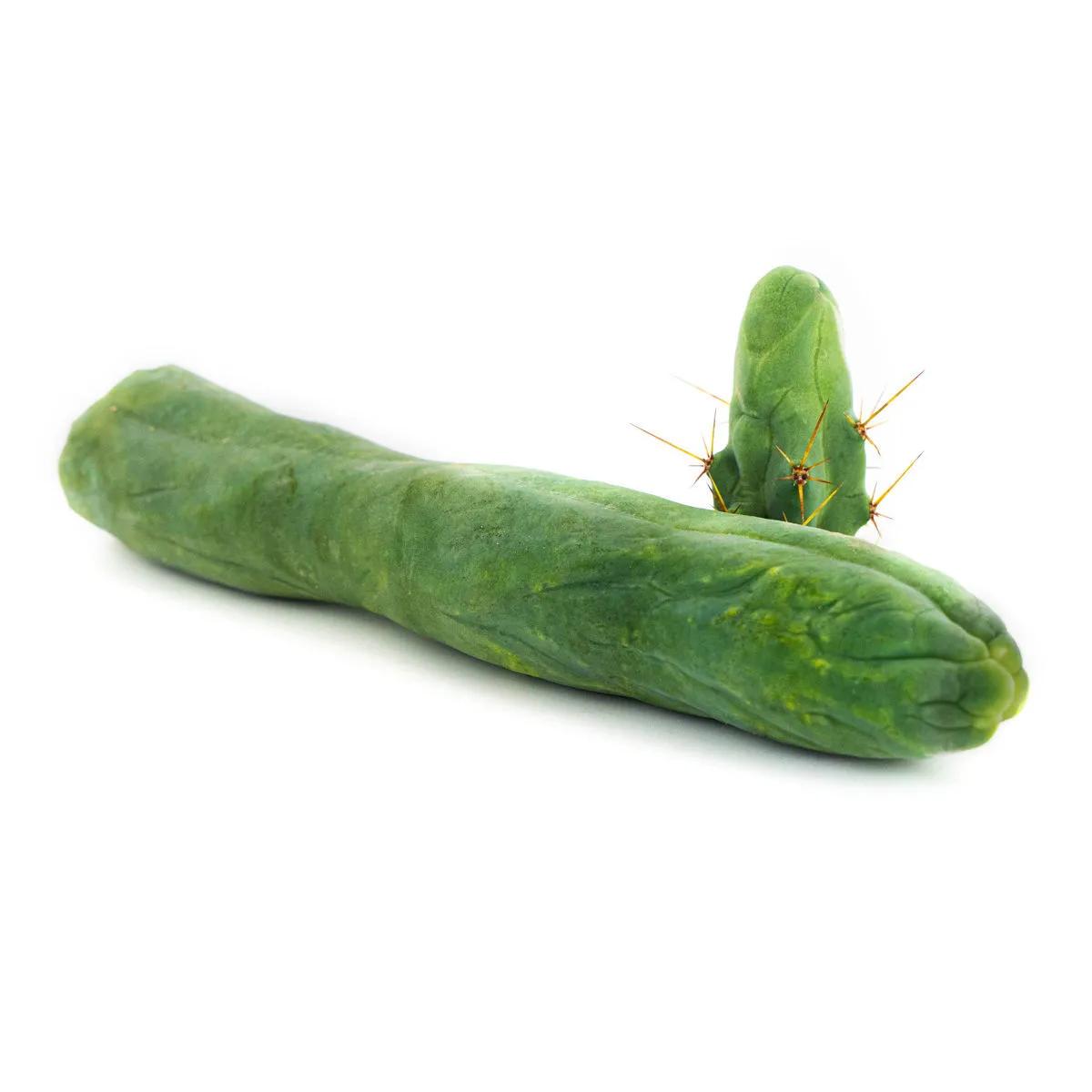
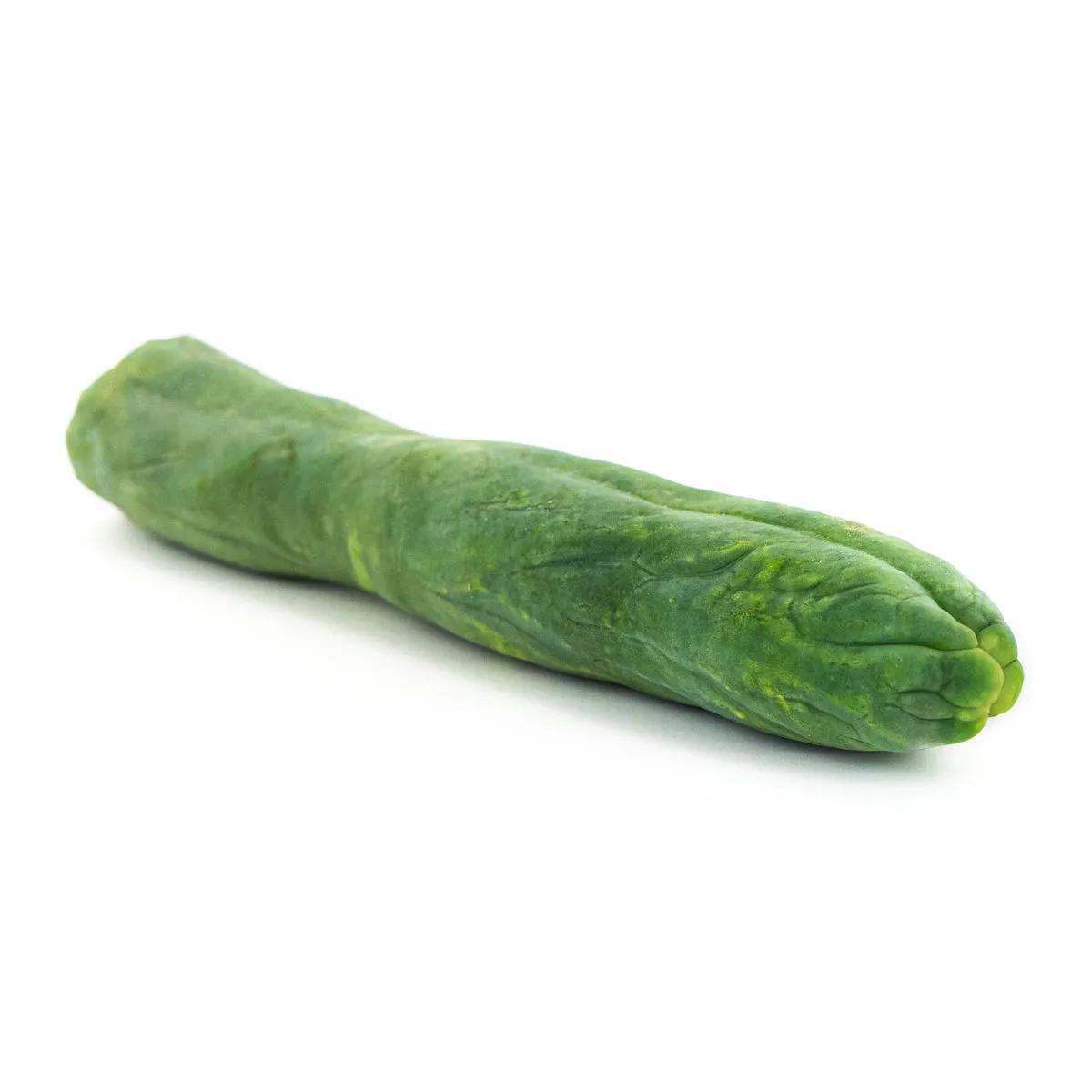
The three Bolivian Torch products we carry cover the sensible range: a standard cutting in three sizes for growers who want the classic shape, a Monstrose cultivar for collectors who want the weird sculptural mutation (nicknamed the "penis plant" — you'll see why), and an XL single-size cutting for people who want instant presence on the windowsill.
Cutting vs Seed vs Potted — Which Format Makes Sense
Seeds are cheap and satisfying if you've got five years to kill. Potted cacti look impressive on arrival but cost three to five times more and often sulk after transplant shock. Cuttings split the difference: you skip the slow seedling phase, you avoid the shipping damage of a full root ball, and you get to watch the callus form and the first roots push out — which, honestly, is half the fun.
Quick format comparison:
| Format | Time to mature plant | Good for |
|---|---|---|
| Seeds | 3–5 years | Patient hobbyists, bulk growers |
| Cuttings | 1–2 years | Most buyers — best balance |
| Potted specimen | Immediate | Display collectors, gift buyers |
How to Choose Your Bolivian Torch
Three things decide it: size, shape, and why you want one.
- Buying your first cactus? Order a standard Bolivian Torch cutting in the medium size. It's the classic columnar form, roots easily, and gives you a recognisable specimen without committing to a 60cm commitment on day one.
- Collector or grafting enthusiast? The Bolivian Torch Monstrose is what you want. Two clones (A and B) produce wildly different, genuinely weird shapes — no two plants look alike, and it's a favourite rootstock for grafting other cacti.
- Want presence from day one? The XL 50cm cutting skips the waiting game. You plant it, it roots, and it already looks like a proper Andean cactus on your shelf.
When in doubt, start with a standard cutting in the medium size. You can always buy a second one later — most Bolivian Torch growers do.
What Sets Bolivian Torch Apart From Other Columnar Cacti
The three big Andean columnar cacti — San Pedro (Echinopsis pachanoi), Peruvian Torch (Echinopsis peruviana), and Bolivian Torch — get grouped together constantly, but they're not interchangeable. Bolivian Torch grows faster than San Pedro, has shorter spines than Peruvian Torch, and tends to be hardier in cooler European conditions than either. It's the one we'd recommend to anyone north of the Alps trying to grow a Trichocereus without a greenhouse.
One honest limitation: these are slow hobby plants, not houseplants. You water them rarely, fertilise them lightly, and accept that visible growth happens over seasons, not weeks. If you want a plant that rewards weekly attention, get a monstera.
Frequently Asked Questions
Is Bolivian Torch the same as Trichocereus bridgesii?
Yes — Trichocereus bridgesii was reclassified as Echinopsis lageniformis in the 1970s, but many growers and older books still use the Trichocereus name. Same cactus, different taxonomy.
How do I root a Bolivian Torch cutting?
Let the cut end callus over for 1–2 weeks in a dry, shaded spot, then place it on dry cactus soil. Don't water until you see roots — usually 4–8 weeks. Bright indirect light, no direct sun while rooting.
Bolivian Torch vs San Pedro — which should I buy?
Bolivian Torch grows faster and handles cooler temperatures better, making it the more practical choice for European growers. San Pedro is more traditional and has a longer cultural history. Most people buying their first columnar cactus get the Bolivian.
How fast does Bolivian Torch actually grow?
In good conditions — bright light, warm season, well-draining soil — Echinopsis lageniformis can put on 30–60 cm of new growth per year, making it one of the fastest columnar cacti you can buy. Indoors in Northern Europe, expect half that.
Last updated: April 2026