
This article discusses psychoactive substances intended for adults (18+). If you have a health condition or take medication, consult a doctor before use. Our age policy
Peyote Cultural Conservation Status
Definition
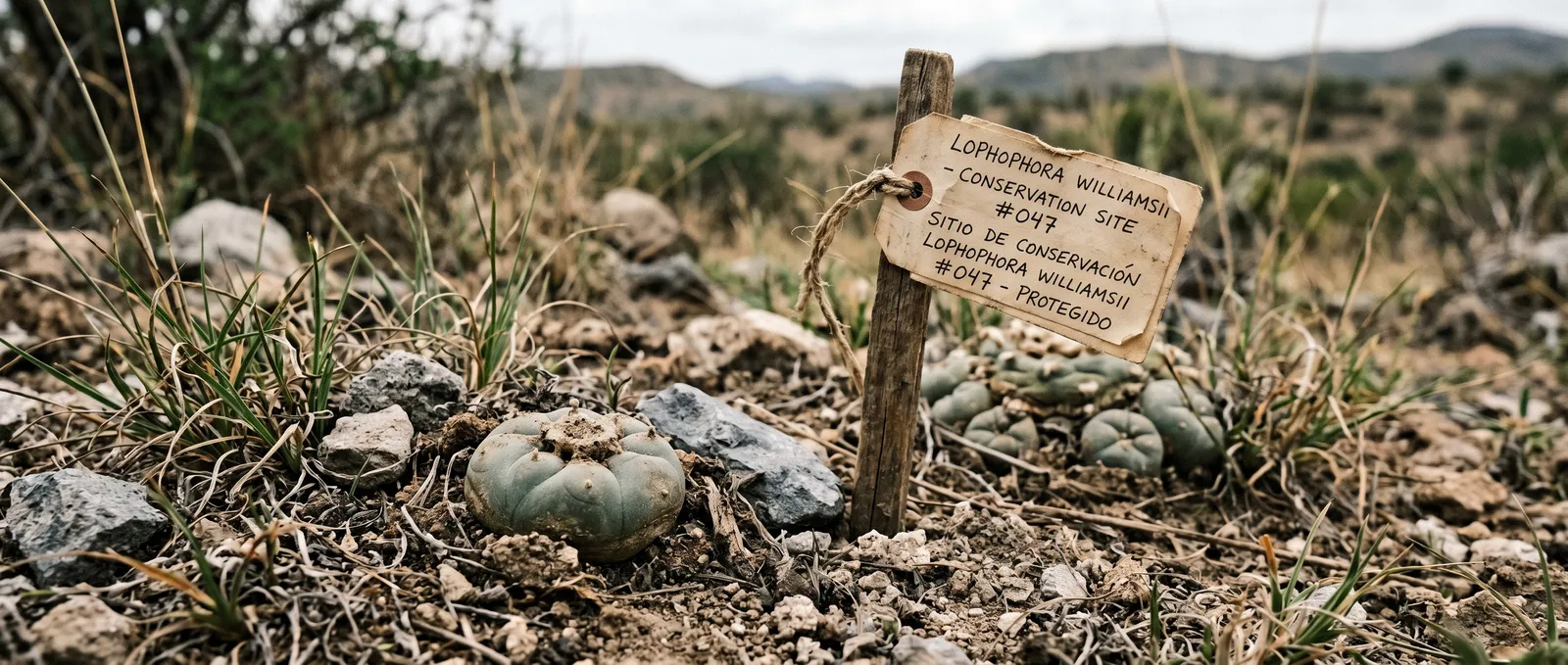
Peyote (Lophophora williamsii) is a slow-growing desert cactus whose wild populations have declined by an estimated 90% since the mid-twentieth century (Terry et al., 2011). Its peyote cultural conservation status reflects the tension between Indigenous ceremonial demand, habitat loss, and overharvesting across its narrow range in South Texas and northern Mexico.
18+ only — this article covers a psychoactive cactus and is written for adults.
Peyote (Lophophora williamsii) is a slow-growing, spineless desert cactus that has become one of the most culturally significant — and ecologically threatened — psychoactive plants on Earth. The peyote cultural conservation status of this species sits at a difficult crossroads: wild populations are declining sharply, demand from the Native American Church (NAC) continues, and the frameworks meant to protect ceremonial use may inadvertently accelerate habitat loss. According to Terry et al. (2011), peyote populations in South Texas — the only legal harvest zone in the United States — have declined by an estimated 90% since the mid-twentieth century. That single statistic frames everything that follows. For anyone hoping to buy a mescaline cactus to grow at home, understanding this conservation picture is essential context before exploring alternatives like San Pedro or Peruvian torch.
Why Is Peyote Disappearing from the Wild?
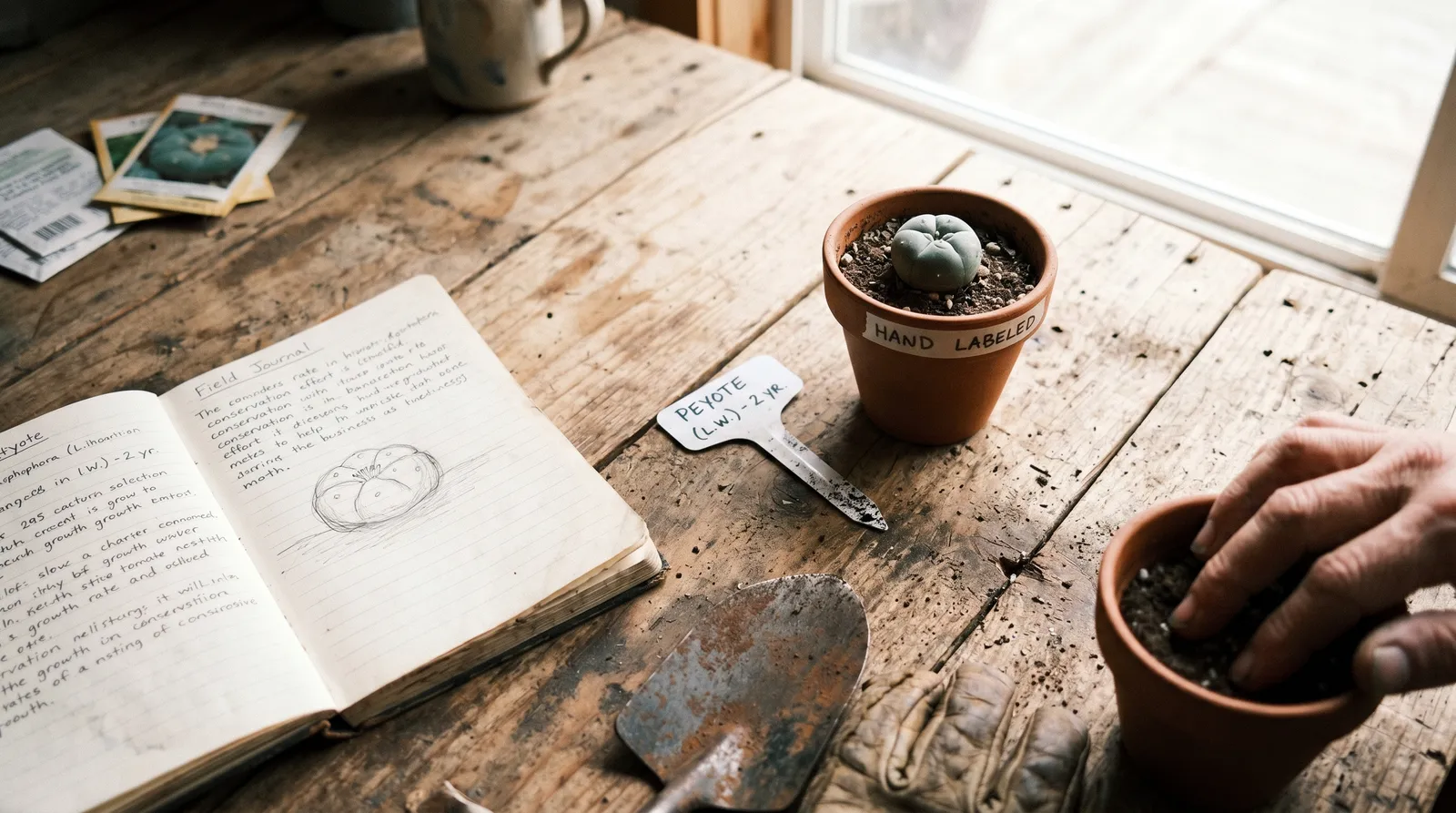
Peyote is vanishing primarily because its extremely slow growth rate — 10 to 15 years to reach maturity — cannot keep pace with habitat destruction and overharvesting. The cactus reproduces poorly when its above-ground "buttons" are cut too low, a common harvesting error that damages or kills the root. According to a bioRxiv study by Terry et al. (2023), peyote populations in two distinct South Texas ecosystems showed significantly reduced density compared to historical baselines, with Tamaulipan thornscrub habitat supporting higher populations than surrounding grassland areas.
Three pressures are converging:
- Land-use change: cattle ranching, oil and gas extraction, and brush clearing have fragmented the cactus's already limited range across southern Texas and northern Mexico.
- Overharvesting: licensed peyoteros (legal harvesters in Texas) supply roughly 350,000 NAC members, and the harvest rate has outpaced regeneration for decades.
- Improper harvesting technique: cutting too deep into the taproot rather than slicing the crown cleanly prevents regrowth from the same plant. A healthy peyote plant can regenerate from its root if harvested correctly, but field surveys suggest many plants are not given that chance.
Cultural Significance and the Conservation Bind
Peyote's ceremonial role in Indigenous communities represents one of the oldest documented plant-human spiritual relationships, stretching back at least 5,700 years based on radiocarbon-dated specimens from the Shumla Caves in Texas (El-Seedi et al., 2005). The NAC, formally incorporated in 1918, uses the cactus as a sacrament in all-night prayer meetings. The ceremonies are structured, communal, and guided by a roadman — a trained spiritual leader. For many Native American communities, peyote is not a "drug" in any Western sense; it is a relative, a teacher, a medicine.
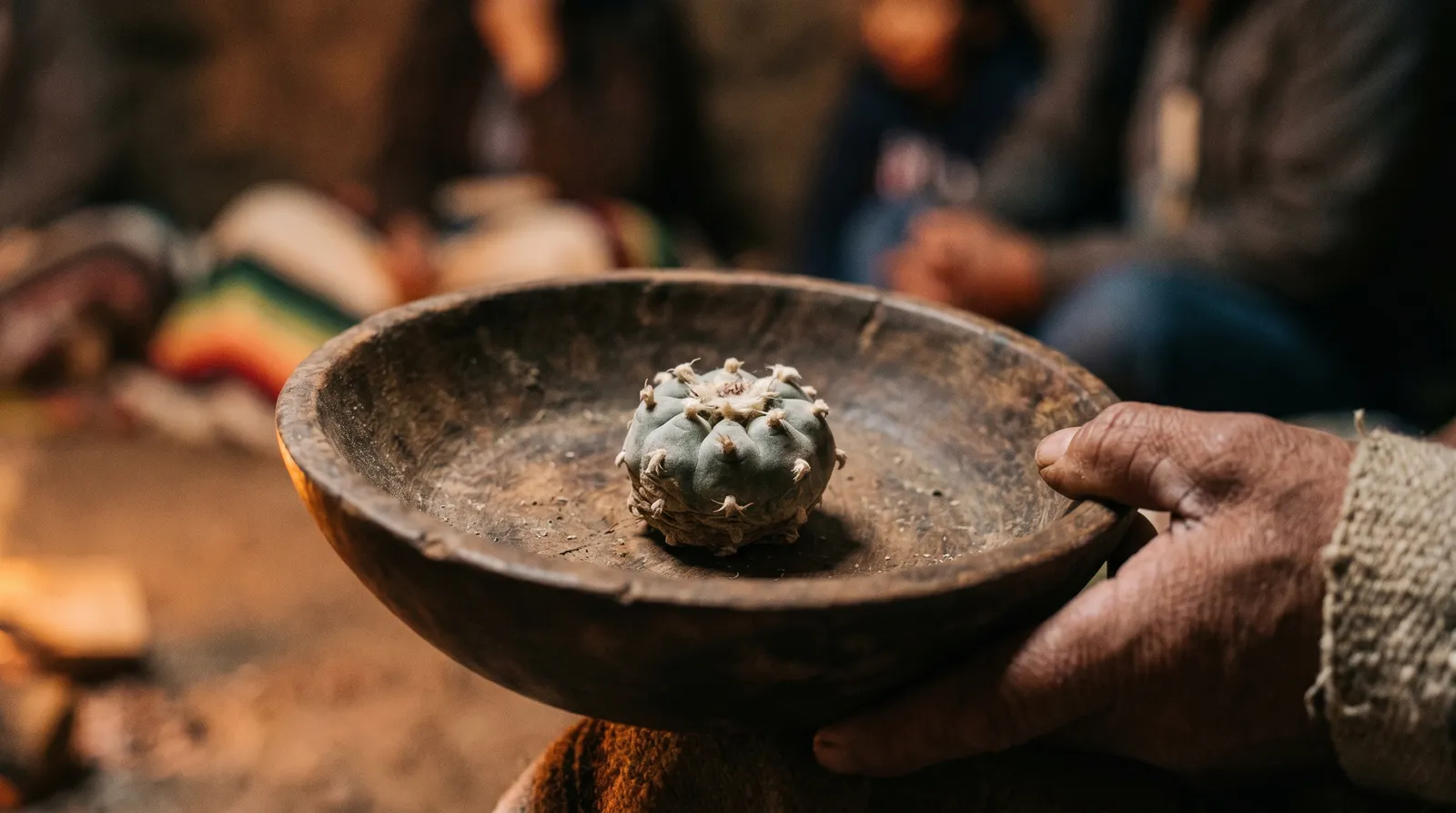
This creates a painful conservation bind. The 1994 amendment to the American Indian Religious Freedom Act (AIRFA) specifically protects the ceremonial use of peyote by enrolled members of federally recognised tribes. That protection was hard-won after decades of criminalisation. But the same arrangement channels all demand through a tiny geographic area — roughly four counties in South Texas — where a handful of licensed peyoteros harvest from private ranchland. The supply bottleneck is real: the National Council of the Native American Church reported in 2020 that obtaining sufficient peyote for ceremonies had become increasingly difficult, with some chapters waiting months for shipments. The peyote cultural conservation status therefore reflects not just an ecological crisis but a spiritual one.
Conservation Efforts on the Ground
The most significant active initiative is the Indigenous Peyote Conservation Initiative (IPCI), launched in 2017 by a coalition of NAC leaders and allied researchers. IPCI focuses on three strategies: purchasing ranchland in South Texas to create protected peyote habitat, training harvesters in sustainable cutting techniques, and funding cultivation research.
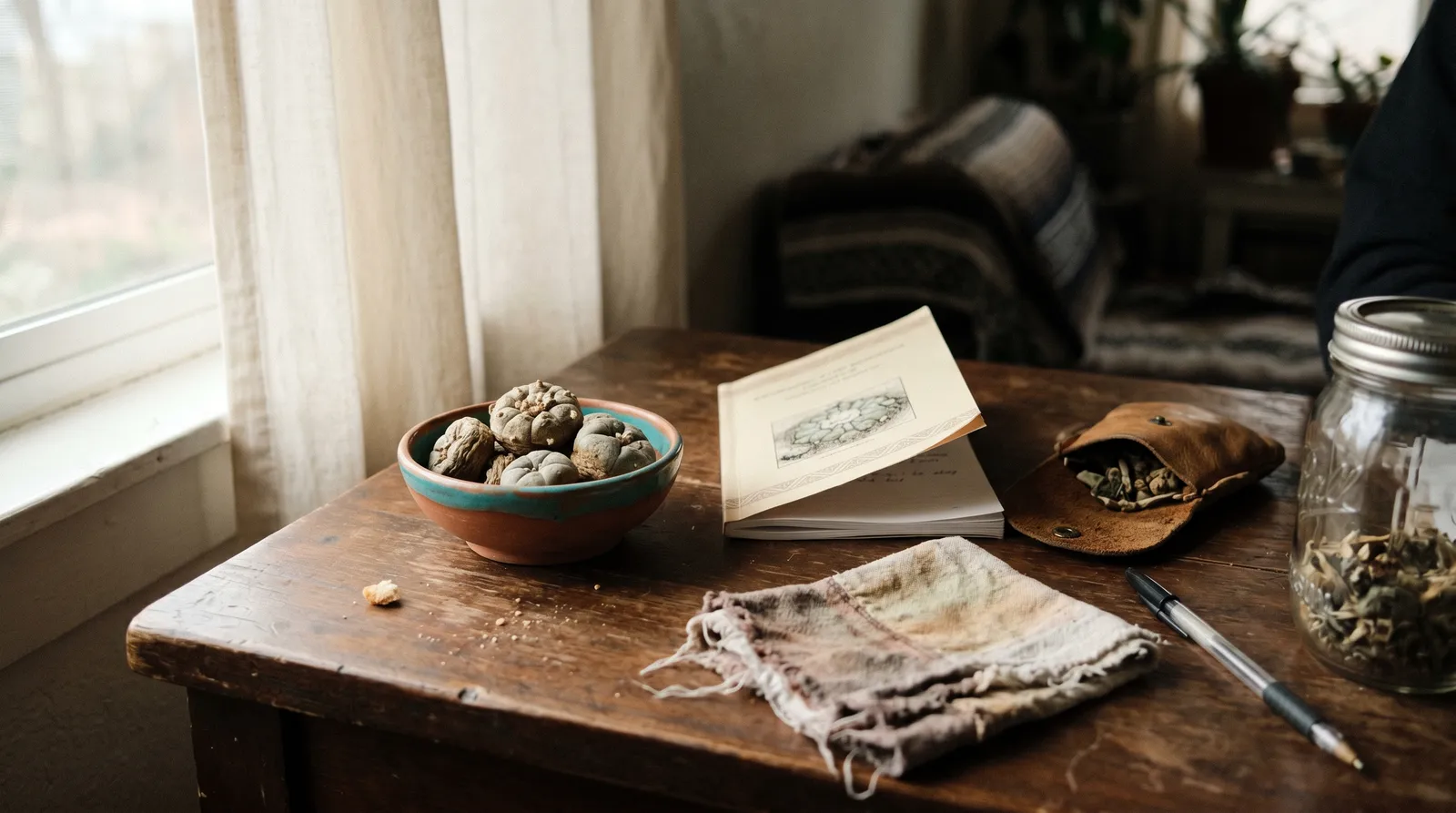
Cultivation is the most contentious piece. Some NAC leaders argue that cultivated peyote lacks the spiritual potency of wild-harvested cactus — a position rooted in theology, not chemistry. Others, including members of the Comanche, Diné (Navajo), and Lakota nations, have publicly supported greenhouse cultivation as a necessary supplement. Martin Terry, a botanist at Sul Ross State University who has spent over two decades studying peyote ecology, published data showing that greenhouse-grown peyote can reach harvestable size in 4 to 6 years — roughly a third of the time required in the wild — and contains comparable mescaline concentrations (Terry & Mauseth, 2006).
In Mexico, where peyote grows across a wider range in the states of San Luis Potosí, Coahuila, Chihuahua, and others, the Wixáritari (Huichol) people undertake an annual pilgrimage to Wirikuta — a sacred desert region — to harvest the cactus. The Mexican government declared Wirikuta a protected natural area in 1994, but enforcement has been inconsistent. A 2010 proposal by a Canadian mining company to extract silver from the Wirikuta region drew international protest and was eventually suspended, though the concessions were not formally revoked. The Wixáritari's ceremonial relationship with peyote predates European contact by millennia, and their conservation advocacy is driven by spiritual obligation as much as ecological concern. Beckley Foundation researchers have noted that Indigenous-led conservation models like this one often outperform top-down regulatory approaches for culturally embedded species. EMCDDA monitoring data, while focused on European drug trends, has also flagged growing interest in mescaline-containing cacti across EU markets — a demand signal that shows the global dimension of peyote cultural conservation status.
The Non-Indigenous Demand Problem
Growing non-Indigenous interest in mescaline is now one of the biggest threats to peyote cultural conservation status. The broader psychedelic renaissance — fuelled by clinical research into psilocybin, MDMA, and other compounds — has increased curiosity about mescaline-containing cacti. While San Pedro (Echinopsis pachanoi) is far more widely available and faster-growing, peyote carries a specific cultural cachet that drives poaching from wild populations.
The NAC and IPCI have been explicit: they do not support the decriminalisation or legalisation of peyote for non-Indigenous use. When the city of Oakland, California passed a resolution in 2019 effectively deprioritising enforcement against all entheogenic plants, the IPCI issued a public statement asking that peyote be excluded from such measures. Their reasoning was straightforward — expanded access would increase demand on an already critically depleted wild population, and the cactus's cultural context cannot be separated from its use without doing harm to both.
This position is not universally shared within the psychedelic community, but it is widely respected. Several subsequent decriminalisation efforts, including those in Santa Cruz and Washington, D.C., have either excluded peyote or included language acknowledging Indigenous concerns. The tension between individual freedom and collective conservation is genuine, and there are no easy answers — though the ecological data clearly supports caution.
What the Numbers Actually Look Like
The available population data paints a stark picture of decline across every measured metric. The Texas Department of Public Safety, which licenses peyote distributors, reported that annual legal harvest dropped from roughly 2.3 million buttons in the mid-1990s to fewer than 1.5 million by 2010 — not because demand fell, but because there was less peyote to find. Terry et al. (2011) documented population densities in surveyed areas that were a fraction of those recorded in the 1960s and 1970s.
| Metric | Historical baseline | Recent estimate | Source |
|---|---|---|---|
| South Texas population decline | Pre-1960s levels | ~90% reduction | Terry et al., 2011 |
| Annual legal harvest (US) | ~2.3 million buttons (mid-1990s) | <1.5 million (2010) | Texas DPS records |
| Time to harvestable maturity (wild) | 10–15 years | 10–15 years (unchanged) | Terry & Mauseth, 2006 |
| Time to harvestable maturity (greenhouse) | N/A | 4–6 years | Terry & Mauseth, 2006 |
| NAC membership served | ~250,000 (1990s est.) | ~350,000 | NAC Council, 2020 |
| IUCN formal assessment | None | Still none | IUCN Red List |
In Mexico, no equivalent systematic survey exists, though Wixáritari leaders and Mexican botanists have reported declining populations in Wirikuta and surrounding areas. The IUCN has not formally assessed Lophophora williamsii, which means the cactus lacks the "endangered" or "vulnerable" label that might trigger broader protections — a gap that conservation advocates have been trying to close. We should be honest about the limits of the data: most peyote habitat sits on private land where researchers cannot freely survey, so the true picture may be even worse than published numbers suggest. Google Maps satellite imagery of the Rio Grande Valley makes the fragmentation visible even to non-specialists — ranchland and brush clearance have carved the habitat into isolated pockets.
Alternatives and Where Things Stand Now
San Pedro and Peruvian torch are the most practical and sustainable alternatives for anyone interested in mescaline-containing cacti. The peyote cultural conservation status ultimately tells a story about time. The cactus grows slowly. Policy frameworks change slowly. Trust between Indigenous communities and outside researchers builds slowly. The most promising developments — land acquisition by the IPCI, sustainable harvesting training, greenhouse cultivation trials — are all long-term investments measured in decades, not quarters.
For anyone interested in mescaline-containing cacti, the conservation picture is worth understanding before anything else. If you want to buy a mescaline cactus to grow at home, San Pedro and Peruvian torch (Echinopsis peruviana) are faster-growing, widely cultivated, and not subject to the same supply crisis — you can order San Pedro cuttings or get Peruvian torch seeds from many specialist suppliers. Our separate Azarius wiki article on mescaline cacti and the San Pedro cultivation guide cover those options in detail. Compared to peyote's decade-long growth cycle, a San Pedro cutting can reach substantial size in two to three years under good conditions, making it a far more sustainable choice for home growers.
We should be transparent about what we do not know: long-term mescaline content comparisons between wild peyote, cultivated peyote, and San Pedro across varied growing conditions remain limited. The existing studies are promising but small-scale, and more research is needed before anyone can make definitive claims about equivalence.
Last updated: April 2026
Frequently Asked Questions
7 questionsWhy are wild peyote populations declining?
Can peyote be cultivated instead of wild-harvested?
Is peyote listed as endangered by the IUCN?
What are sustainable alternatives to peyote for mescaline interest?
What is the Indigenous Peyote Conservation Initiative (IPCI)?
How long does peyote take to grow to maturity in the wild?
Is it legal to harvest or possess peyote in the United States?
About this article


Joshua Askew serves as Editorial Director for Azarius wiki content. He is Managing Director at Yuqo, a content agency specialising in cannabis, psychedelics and ethnobotanical editorial work across multiple languages. Th
This wiki article was drafted with AI assistance and reviewed by Joshua Askew, Managing Director at Yuqo. Editorial oversight by Adam Parsons.
Medical disclaimer. This content is for informational purposes only and does not constitute medical advice. Consult a qualified healthcare provider before use of any substance.
Last reviewed April 24, 2026
References (2)
- [1]Terry, M., Trout, K., Williams, B., Herrera, T., & Fowler, N. (2011). Limitations to natural production of Lophophora williamsii (Cactaceae) I. Population studies on the Texas peyote gardens. Journal of the Botanical Research Institute of Texas, 5(2), 661-675.
- [2]Schaefer, S. B., & Furst, P. T. (Eds.). (1996). People of the Peyote: Huichol Indian History, Religion, and Survival. University of New Mexico Press.
Related Articles
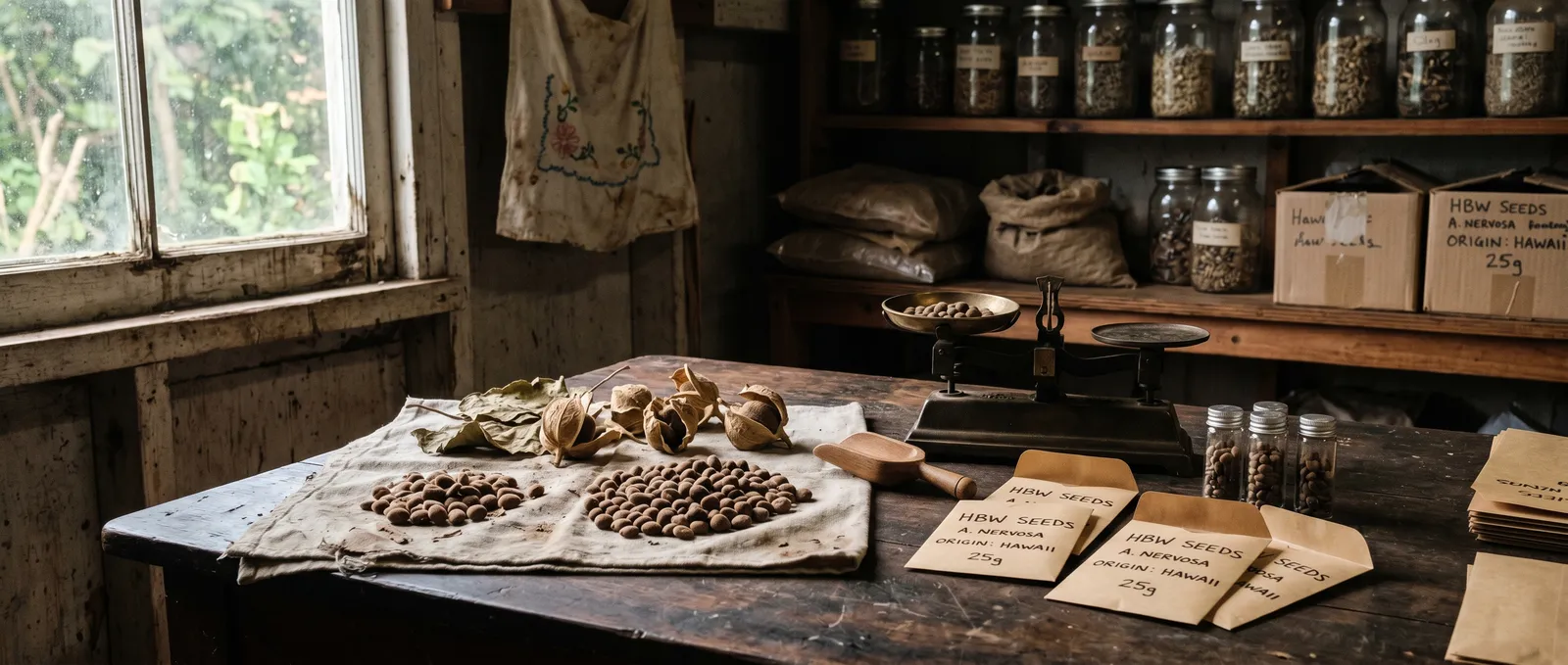
Hawaiian Baby Woodrose Sourcing
Hawaiian baby woodrose sourcing is a practice that covers how to obtain quality Argyreia nervosa seeds — a vine whose seeds contain LSA (lysergic acid amide).
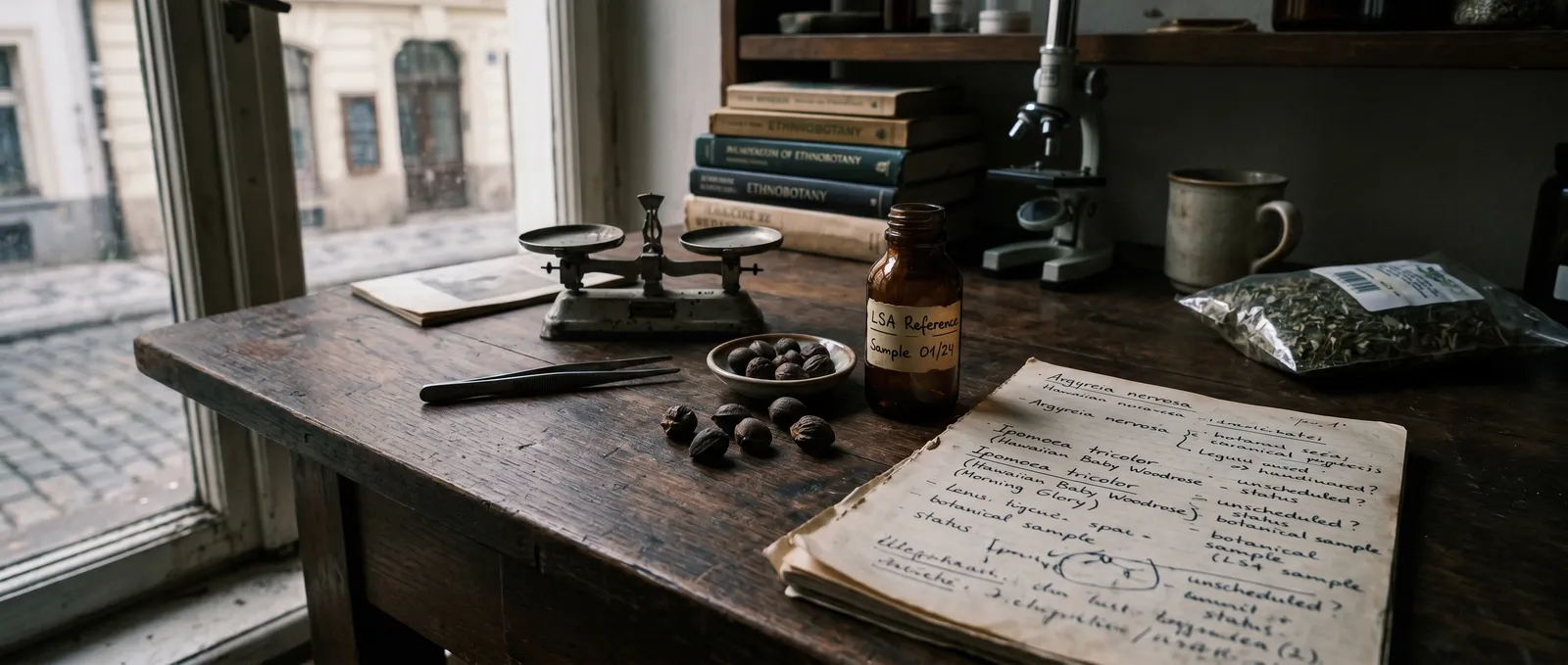
LSA Legal Status in Europe
LSA (lysergic acid amide, or ergine) occupies a legal grey zone across Europe — rarely scheduled as a compound, yet subject to varied NPS legislation that…
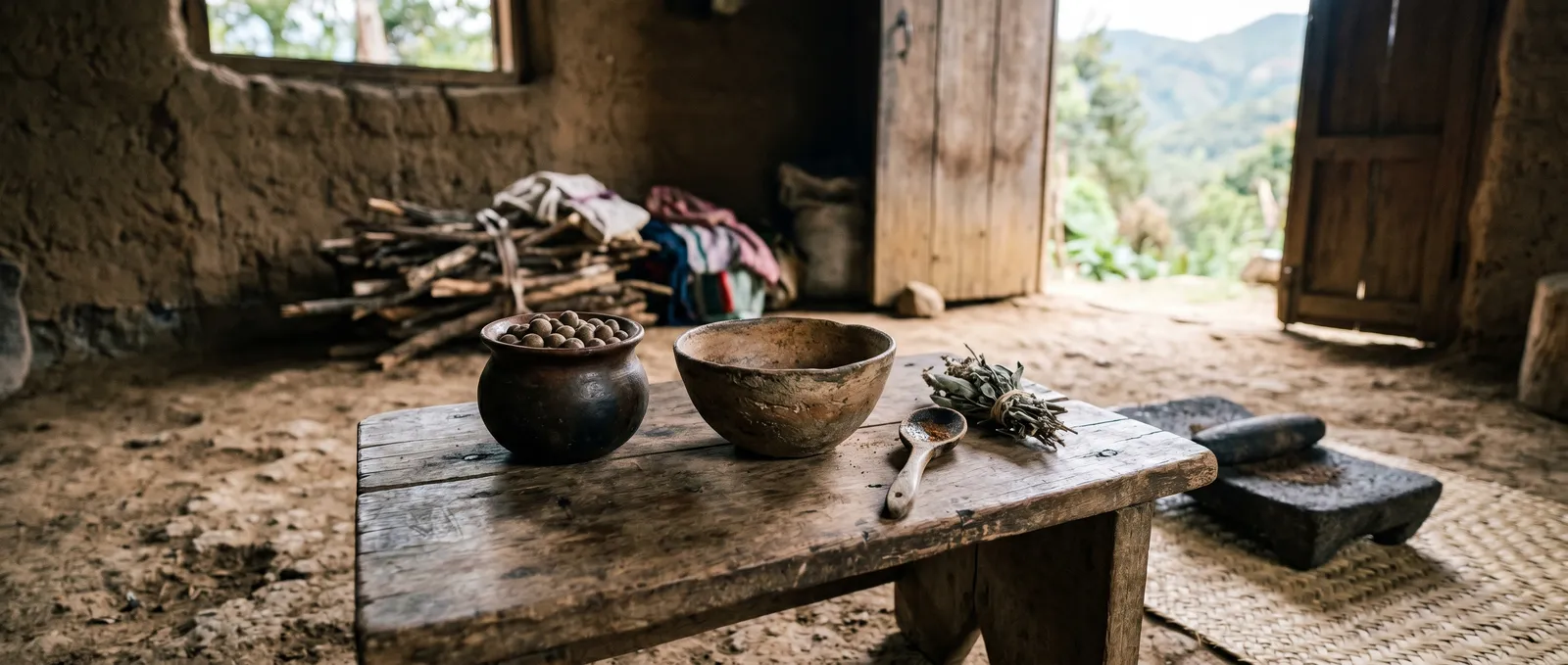
Ololiuqui Mazatec Tradition: Ceremonial Seeds of the Sierra Mazateca
Ololiuqui — the seeds of Turbina corymbosa — played a specific ceremonial role among the Mazatec people of Oaxaca, distinct from their better-known use of…
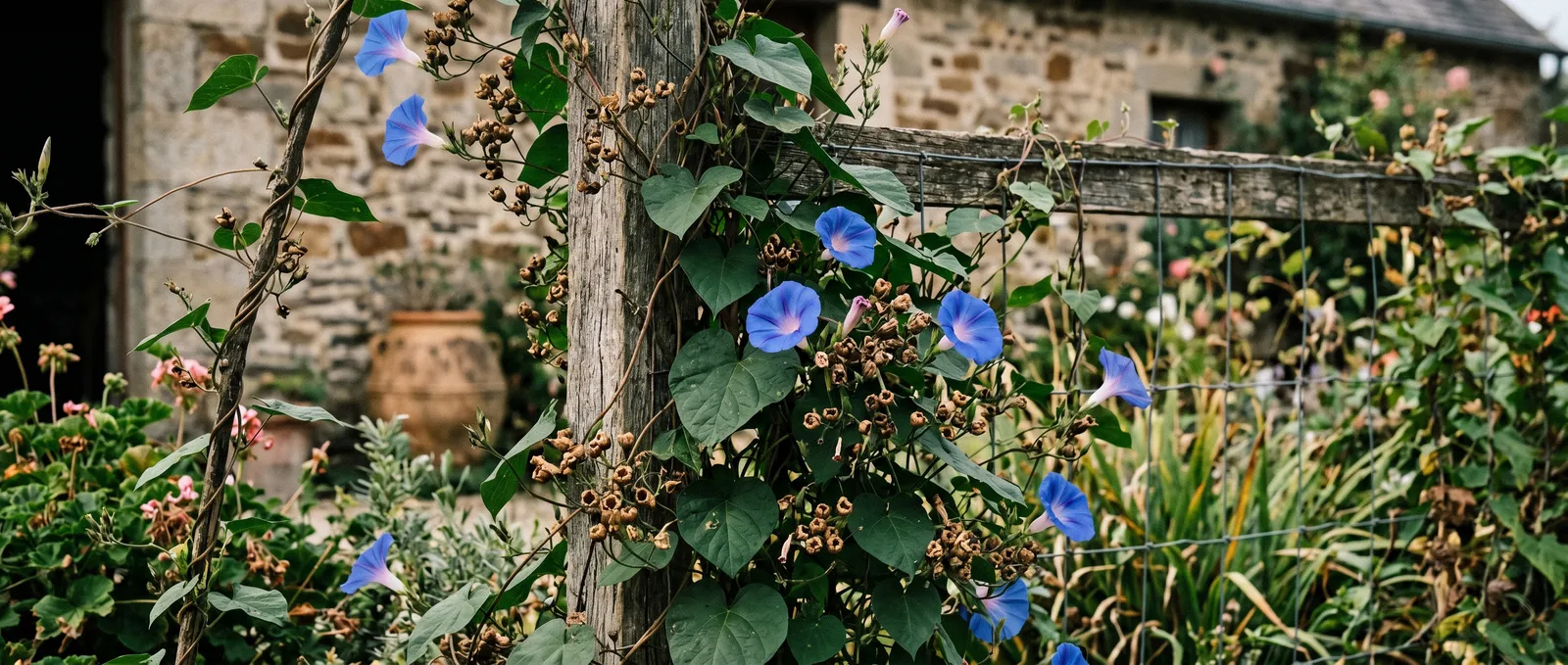
Morning Glory LSA Plants Family
Morning glory LSA plants family is a group of Convolvulaceae vines whose seeds contain d-lysergic acid amide (ergine), a naturally occurring tryptamine first…
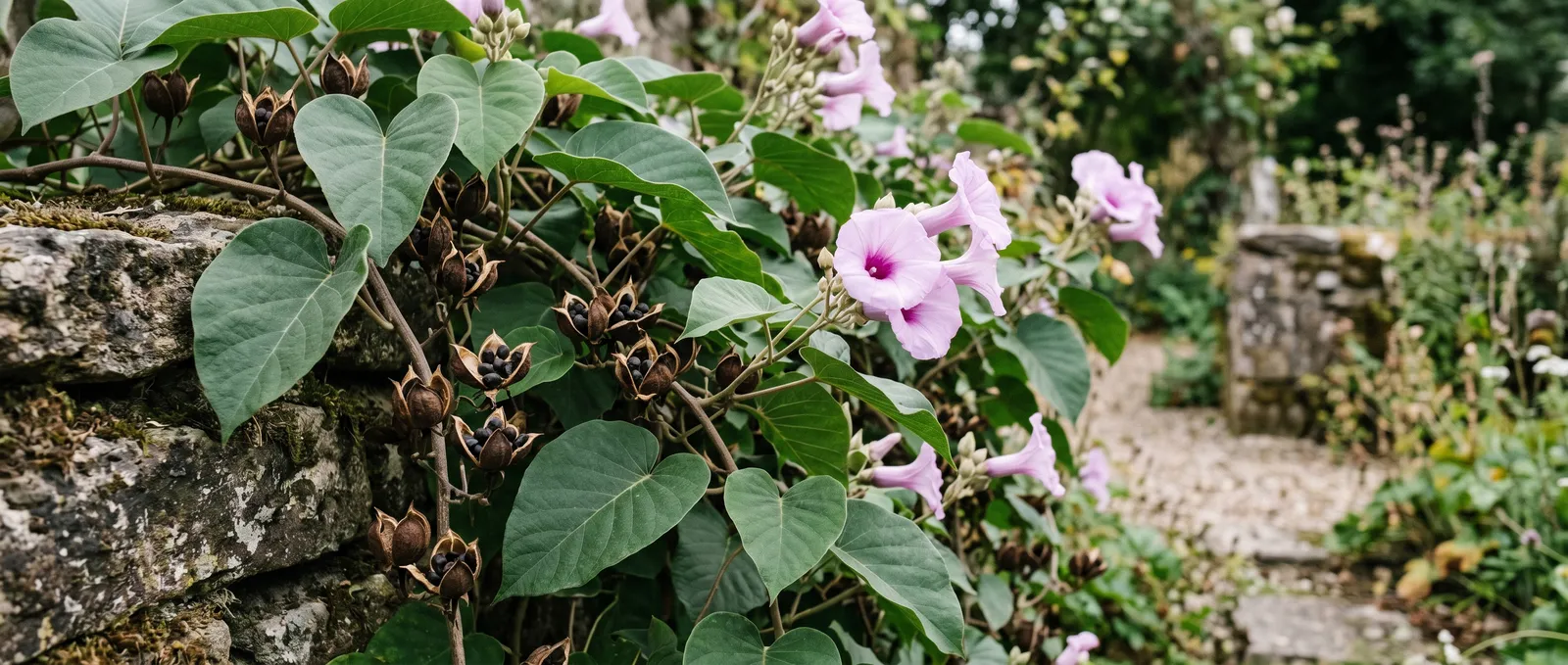
Hawaiian Baby Woodrose Plant Botany
Argyreia nervosa, commonly called Hawaiian baby woodrose, is a perennial climbing vine native to the Indian subcontinent, not Hawai'i.
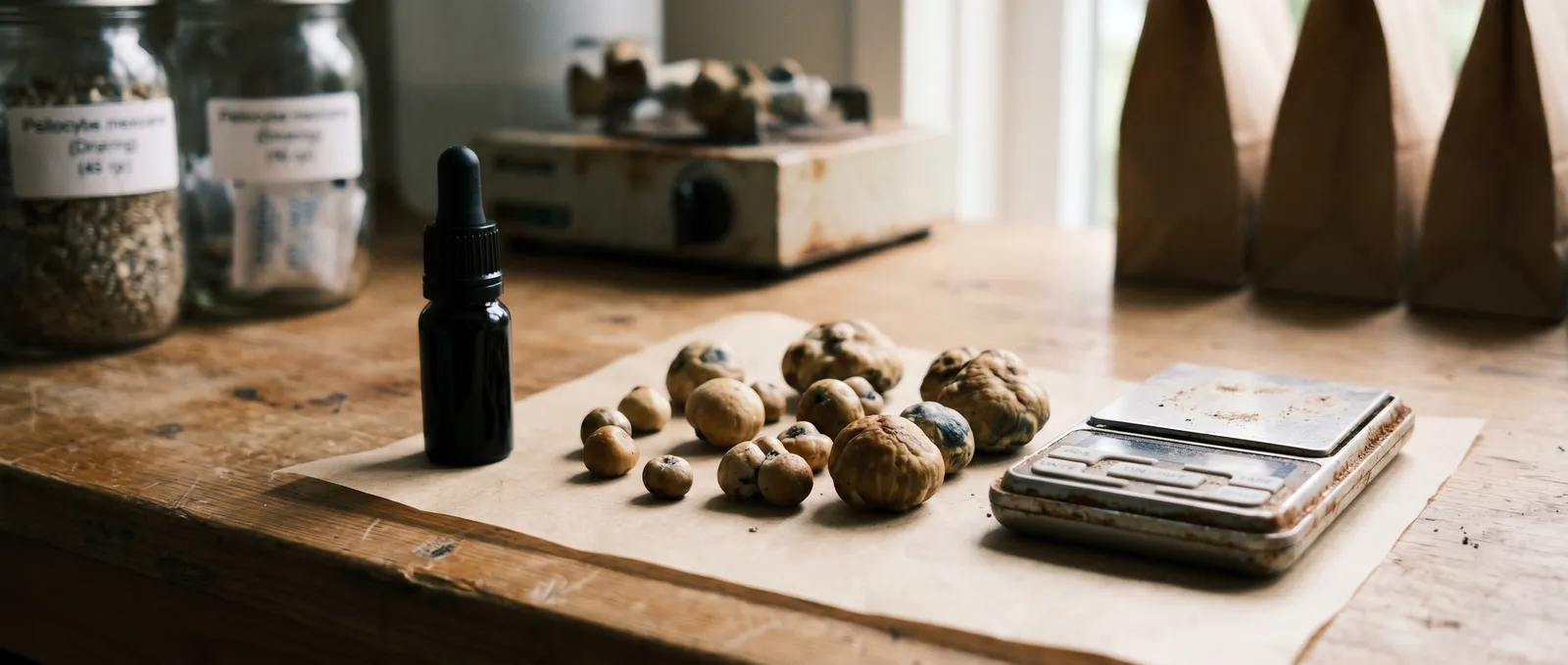
Magic Truffle Quality Indicators
Magic truffle quality indicators are the measurable and sensory characteristics — psilocybin content, texture, aroma, packaging integrity, and storage…
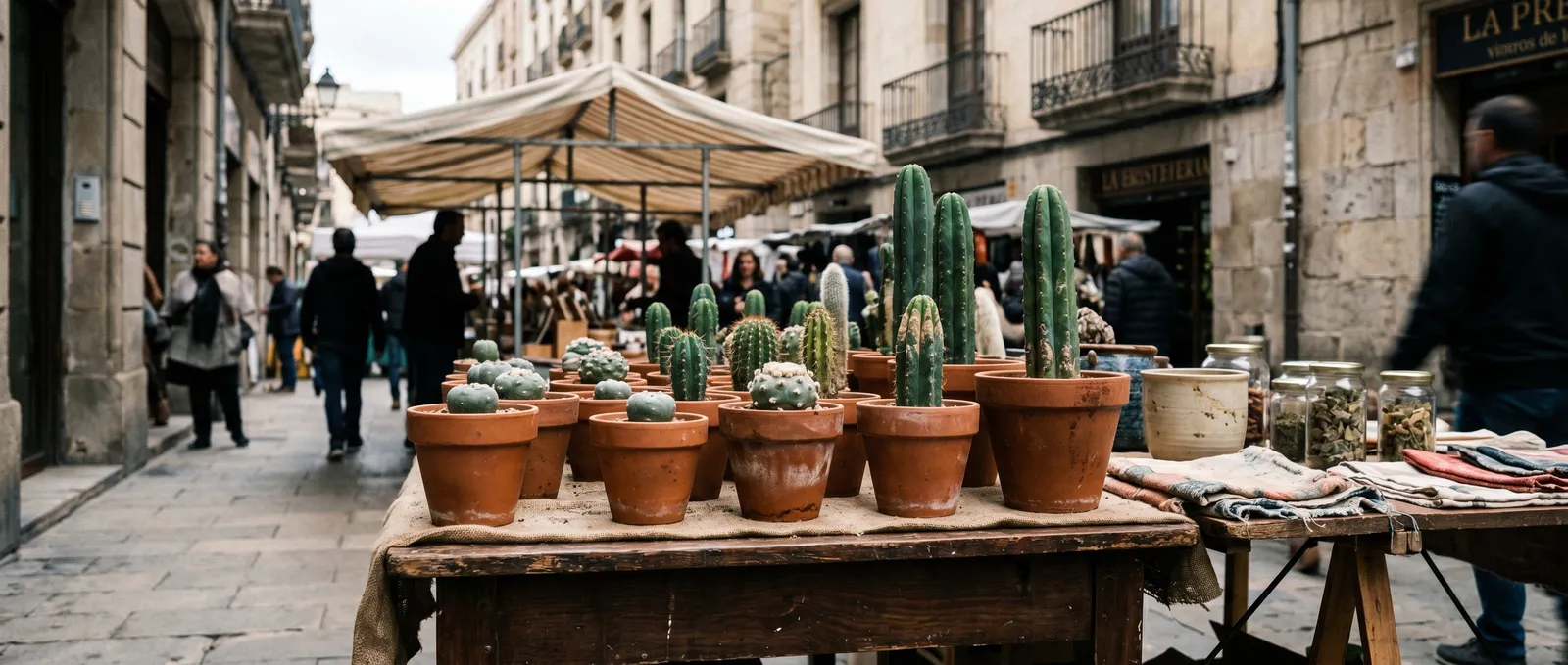
Mescaline Cactus Market Observations
Mescaline cactus market observations is a research and retail term that describes the shifting patterns in sourcing, species selection, and consumption of…
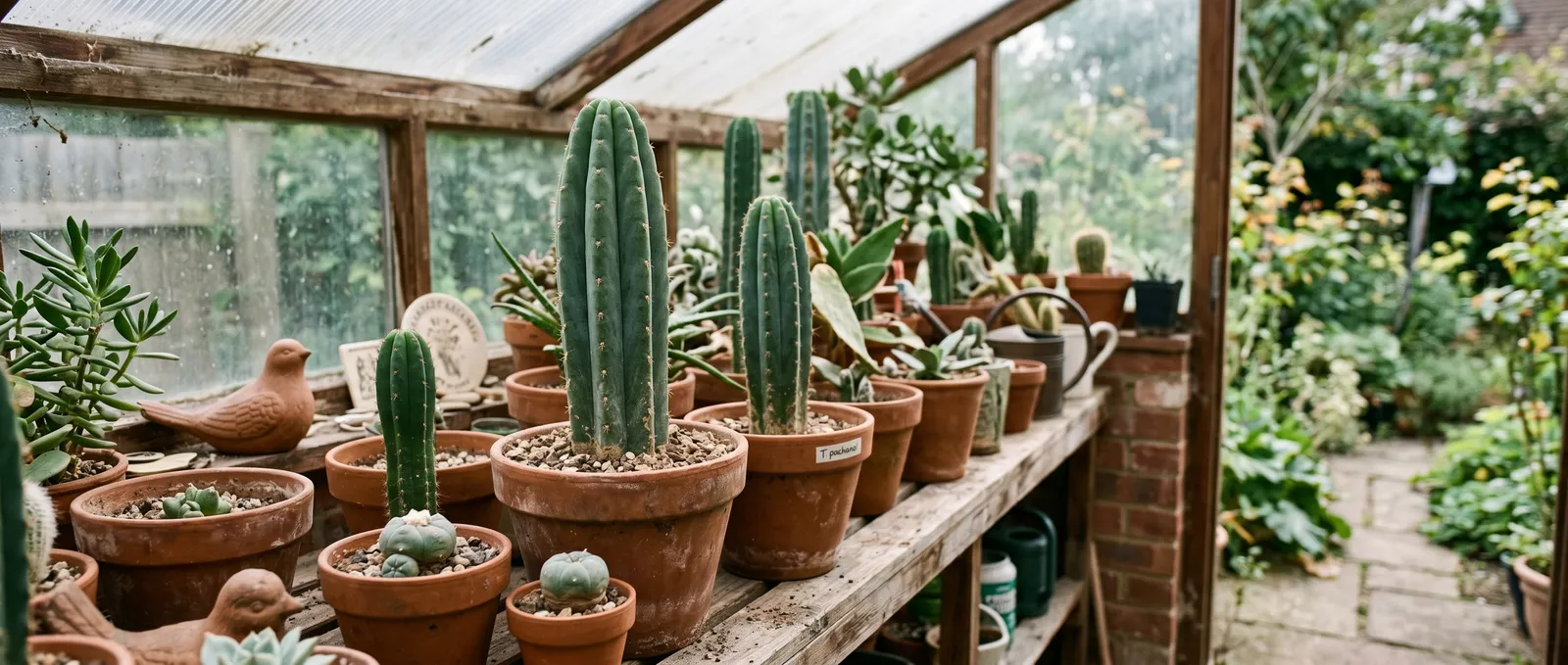
Growing Mescaline Cacti as Ornamental Plants
Growing mescaline cacti ornamental is a horticultural practice that involves cultivating species like San Pedro, Peruvian Torch, and peyote for their…
Commercial Magic Truffle Cultivation
Commercial magic truffle cultivation is a large-scale agricultural process that produces psilocybin-containing sclerotia in climate-controlled indoor…