
This article discusses psychoactive substances intended for adults (18+). If you have a health condition or take medication, consult a doctor before use. Our age policy
Psilocybin vs Psilocin: Key Differences Explained
Definition
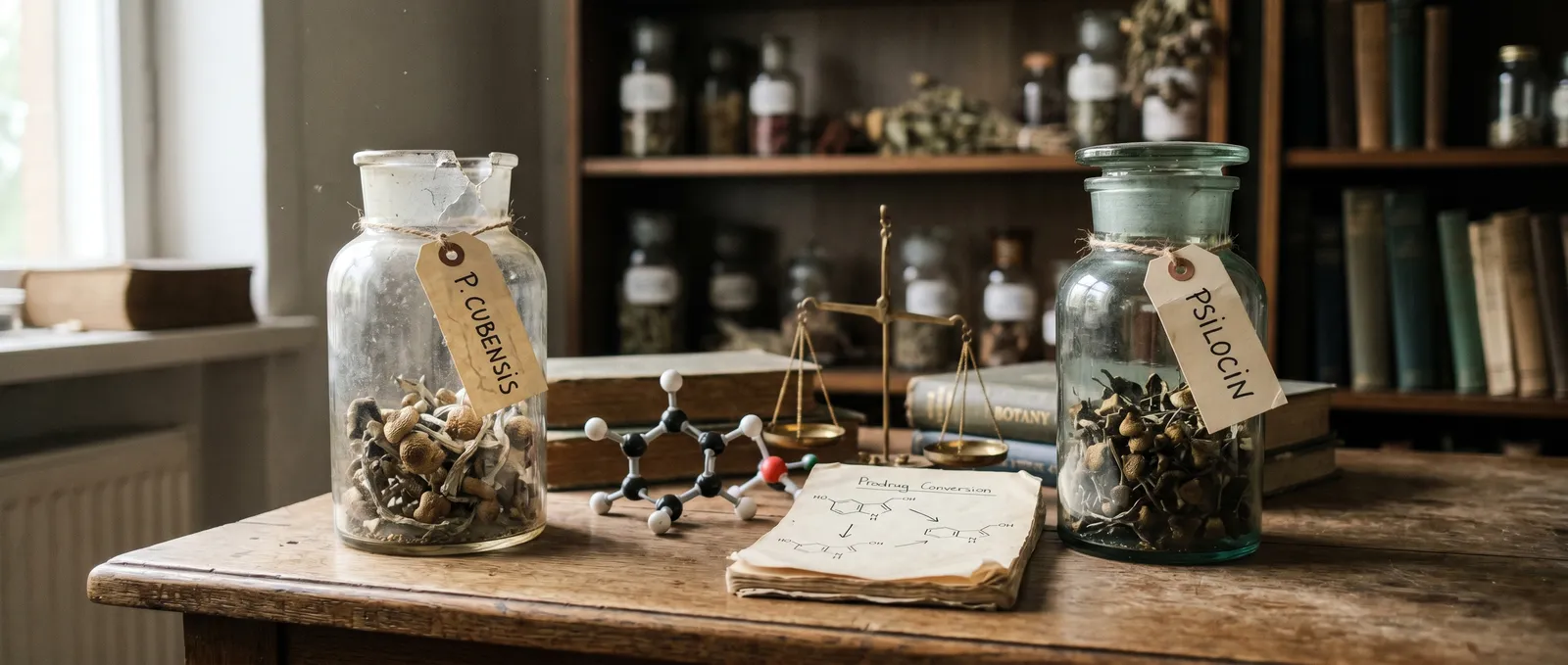
Psilocybin is a naturally occurring prodrug that your body converts into psilocin — the active psychoactive compound in magic mushrooms and truffles. A single phosphate group separates the two molecules, but that difference has major implications for stability, onset, storage, and clinical research. Understanding psilocybin vs psilocin helps explain everything from blue bruising to why clinical trials choose one compound over the other.
Psilocybin is a naturally occurring prodrug that your body must convert into psilocin — the active psychoactive compound — before any effects occur. Together, psilocybin and psilocin are the two primary psychoactive alkaloids found in magic mushrooms and magic truffles, but they are not interchangeable. That single phosphate group separating the two molecules accounts for differences in onset, stability, potency by weight, and how researchers approach each compound in clinical settings. Understanding how psilocybin vs psilocin works matters whether you're reading a study, deciding to buy magic truffles, storing your supply, or trying to make sense of why different species hit differently. The question of how psilocybin compares to its active metabolite comes up constantly among both researchers and experienced psychonauts, and the answer touches on chemistry, pharmacology, and practical storage advice. When you order magic truffles, the psilocybin vs psilocin distinction directly affects what you receive and how you should handle it.
Adult audience (18+). The dosing ranges and effects described in this article apply to adult physiology. This content is not intended for minors.
| Property | Psilocybin | Psilocin |
|---|---|---|
| Chemical name | 4-phosphoryloxy-N,N-dimethyltryptamine | 4-hydroxy-N,N-dimethyltryptamine (4-HO-DMT) |
| Molecular weight | 284.25 g/mol | 204.27 g/mol |
| Psychoactive on its own | No — prodrug | Yes — the active compound |
| Primary receptor target | None directly | 5-HT2A serotonin receptor |
| Conversion required | Dephosphorylation by alkaline phosphatase in the gut and liver | No conversion needed |
| Stability outside mushroom | Relatively stable — survives drying and storage | Highly unstable — degrades rapidly with heat, oxygen, and light |
| Typical onset (oral) | 30–60 minutes | 10–20 minutes (when isolated) |
| Typical ratio in dried Psilocybe cubensis | 0.5–1.0% by dry weight | 0.01–0.1% by dry weight |
| Use in clinical research | Standard — stable synthetic form available | Rare — synthetic psilocin degrades too quickly for reliable dosing |
| Detectable in blood | Briefly — converted within 30 min | Yes — primary measured metabolite |
Why Do Mushrooms Contain Both Psilocybin and Psilocin?
Fresh magic mushrooms contain both compounds because the fungus produces psilocybin as a stable storage form while psilocin exists as a chemically fragile intermediate. Psilocybin typically makes up 0.5–1.0% of dry weight in common Psilocybe cubensis varieties, while psilocin sits at a fraction of that — often below 0.1% (Tsujikawa et al., 2003). The reason is straightforward chemistry: that exposed hydroxyl group on psilocin's indole ring reacts readily with oxygen, which is why freshly picked mushrooms bruise blue — you're literally watching psilocin oxidise in real time.
Psilocybin, by contrast, carries a phosphate ester at that same position. That phosphate group acts like a protective cap, shielding the molecule from oxidation. It's the reason dried mushrooms retain potency for months while psilocin content drops to nearly nothing within days of harvesting. From the fungus's perspective, psilocybin is the stable storage form. From your body's perspective, psilocin is the only form that matters. This interplay between psilocybin vs psilocin is central to understanding mushroom chemistry and helps explain why people who order magic truffles should care about proper handling.
How Does Psilocybin Convert to Psilocin in the Body?
Psilocybin converts to psilocin through dephosphorylation — enzymes called alkaline phosphatases in your intestinal lining, liver, and kidneys cleave off the phosphate group within minutes of ingestion. According to Hasler et al. (1997), peak plasma psilocin levels are typically reached at around 80–105 minutes after an oral dose of synthetic psilocybin.
This conversion step is why onset from whole mushrooms generally takes 30–60 minutes on an empty stomach. Your body has to do the chemical work first. It's also why "lemon tekking" — soaking ground mushrooms in citric acid — is believed to speed things up: the acidic environment may partially dephosphorylate psilocybin before it even hits your gut, though controlled data on this specific preparation method remains thin.
Once psilocin reaches the brain, it binds primarily to 5-HT2A serotonin receptors. A 2012 study using functional MRI at Imperial College London (Carhart-Harris et al., 2012) showed that psilocin decreases activity in the default mode network — the brain regions associated with self-referential thought and the sense of a fixed "ego." This finding has been replicated and extended in subsequent research, including work supported by the Beckley Foundation, and forms the neurological basis for what users report as altered perception and dissolving of ordinary mental boundaries. Understanding the psilocybin vs psilocin conversion pathway is essential for interpreting these neuroimaging results correctly.
How Does Stability Differ Between Psilocybin and Psilocin?
Psilocybin is far more stable than psilocin, and this stability difference is the single most important factor in mushroom and truffle storage. A 2003 analysis by Tsujikawa and colleagues found that psilocin content in dried Psilocybe cubensis samples degraded substantially within weeks when stored at room temperature with light exposure, while psilocybin remained comparatively intact.
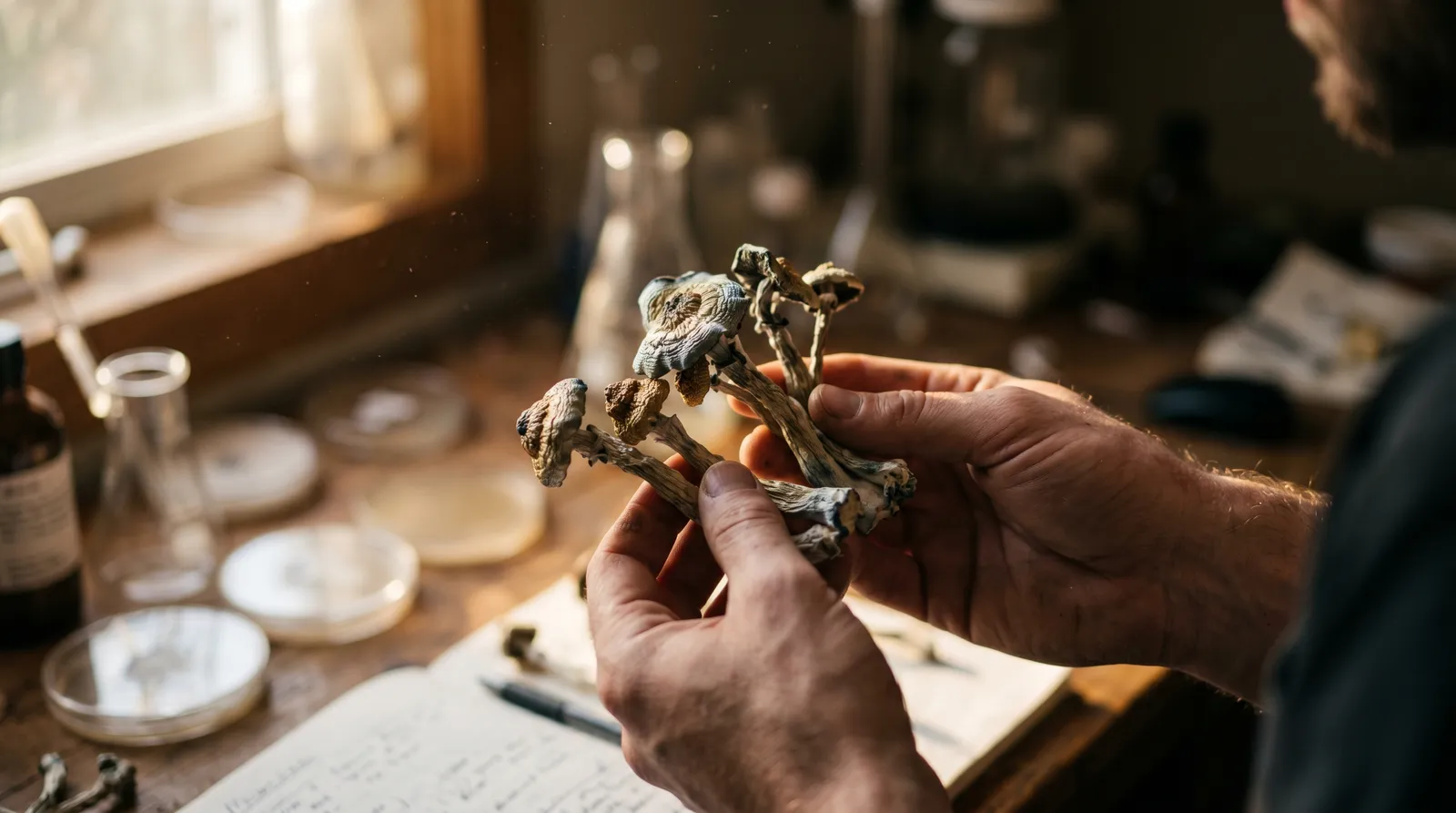
For fresh truffles (sclerotia), the dynamic is slightly different. Truffles grow underground, shielded from light and air, and tend to have a more stable alkaloid profile in their fresh state than above-ground fruit bodies. Still, once you open a vacuum-sealed pack, oxidation begins. Cool, dark, sealed storage matters — and the primary alkaloid you're preserving is psilocybin, not psilocin. Our wiki article on storing psilocybin truffles covers the specifics in more detail. If you buy fresh magic truffles from Azarius, keeping them sealed and refrigerated until use makes a measurable difference.
The instability of psilocin also explains something about mushroom potency testing. Two batches of the same species can test quite differently depending on how they were dried, how long they sat on a shelf, and at what temperature. Most of that variation comes from psilocin degradation, not psilocybin loss. If you've ever wondered why one batch seemed noticeably weaker than another of the same strain, uneven psilocin breakdown is a likely culprit — though genetics and growing conditions also play a role. Understanding how psilocybin vs psilocin differ in stability helps you make better decisions when you get magic truffles or store them at home.
Why Does Research Use Psilocybin Instead of Psilocin?
Clinical trials use synthetic psilocybin rather than psilocin because psilocybin is chemically stable enough to produce reliable, standardised doses. Nearly every major study — from the Johns Hopkins depression work to the Imperial College London trials — relies on this stability. Synthetic psilocin degrades so rapidly that producing a consistent dose for clinical use is, as of 2024, still not feasible at scale.
This creates an interesting gap in the literature. When researchers at Johns Hopkins administered 25 mg of synthetic psilocybin to participants with treatment-resistant depression (Davis et al., 2021), they were technically measuring the downstream effects of psilocin — but the dosing, pharmacokinetics, and safety data all refer to psilocybin as the administered compound. It means we have robust clinical data on psilocybin dosing but very little on isolated psilocin in humans.
A 2020 study from the University of Colorado Anschutz Medical Campus noted that psilocybin mushrooms contain numerous other chemical compounds — baeocystin, norbaeocystin, aeruginascin — that researchers have barely begun to study. Whether these contribute to the overall effect profile (an "entourage effect," as some have speculated) or are pharmacologically negligible at natural concentrations remains an open question. The EMCDDA has flagged this as an area requiring further investigation in their 2023 technical report on psychoactive substances. The Beckley Foundation's ongoing psilocybin research programme has similarly noted the need for more granular alkaloid profiling. The research simply hasn't been done yet in controlled human trials.
Does the Psilocybin vs Psilocin Distinction Matter in Practice?
Yes — the distinction between psilocybin and psilocin has direct practical consequences for potency, preparation, and storage. If you're consuming whole mushrooms or truffles, both compounds are present and your body converts psilocybin to psilocin regardless. But the distinction matters in several specific contexts:
- Potency comparisons between species: Some species (like Psilocybe azurescens) contain higher ratios of psilocin to psilocybin than others (like Psilocybe cubensis). Higher native psilocin content can mean faster onset and potentially different degradation curves during storage.
- Preparation methods: Techniques involving heat (like making tea) may accelerate psilocin breakdown while leaving psilocybin largely intact. The net effect on potency depends on temperature and duration — a brief steep is different from a prolonged boil.
- Reading research: When a study says "25 mg psilocybin," that's not the same as 25 mg psilocin. The molecular weight difference alone means 1 mg of psilocybin yields roughly 0.72 mg of psilocin after conversion (the rest is the phosphate group being cleaved off). Studies reporting blood levels always measure psilocin, since psilocybin is converted too quickly to be a useful biomarker.
- Storage: Proper drying and dark, cool storage preserve psilocybin well. Psilocin is largely gone from dried material regardless of how carefully you store it. When you buy magic truffles, keeping them vacuum-sealed and refrigerated protects the psilocybin that your body will later convert.
- Choosing products: If you want to get magic truffles with consistent potency, understanding that psilocybin is the stable compound helps you evaluate freshness and storage quality. Products like the Psilocybe Hollandia truffles or Psilocybe Utopia truffles available at Azarius are vacuum-sealed specifically to preserve alkaloid content.
How Does Psilocybin vs Psilocin Compare to Other Prodrug Pairs?
The psilocybin-to-psilocin conversion follows the same logic as other well-known prodrug relationships in pharmacology. Codeine, for instance, must be converted to morphine by liver enzymes before it produces analgesic effects. The parallel is useful: just as individual variation in liver enzyme activity means codeine affects people differently, variation in alkaline phosphatase activity may partly explain why psilocybin onset and intensity differ between individuals — though this specific variable hasn't been isolated in clinical psilocybin research yet.
Another comparison worth noting is the relationship between THC-A and THC in cannabis. THC-A is the non-psychoactive precursor found in raw plant material; heat converts it to active THC. While the mechanism differs (decarboxylation rather than dephosphorylation), the principle is similar: a stable precursor must be transformed into an active compound. The psilocybin vs psilocin pair follows this same pattern, with your body's enzymes doing the conversion work rather than heat.
We should be honest about the limits of current knowledge here. While the basic biochemistry of psilocybin dephosphorylation is well established, the degree to which individual enzyme variation affects subjective experience is still largely speculative. Most clinical trials control for dose but not for metabolic differences between participants. It's a gap worth noting, and one that makes precise potency predictions from alkaloid content alone unreliable.
How to Preserve Potency When You Order Magic Truffles
Proper storage preserves psilocybin content and ensures consistent potency from the day you receive your order to the day you consume. Since psilocin degrades almost immediately upon exposure to air, light, and warmth, the psilocybin content is what you're really protecting during storage.
Keep unopened packs refrigerated at 2–4°C. Once opened, consume within a few days or transfer to an airtight container and return to the fridge. Freezing is not recommended for fresh truffles as ice crystal formation can damage cell walls and accelerate oxidation upon thawing. If you want to get the most out of products like Psilocybe Tampanensis truffles or Psilocybe Atlantis truffles, treating storage seriously is the single most effective thing you can do. The difference in stability between psilocybin and psilocin makes this non-negotiable for anyone who cares about consistent experiences. When you order magic truffles from Azarius, the vacuum-sealed packaging is designed to maintain alkaloid integrity — but that protection ends the moment you break the seal.
Do Different Truffle Varieties Have Different Psilocybin vs Psilocin Ratios?
Different truffle varieties do contain varying total alkaloid concentrations, though published data on precise psilocybin-to-psilocin ratios across commercially available truffle species remains limited. What we know from available analyses is that total psilocybin content varies meaningfully between varieties — Psilocybe Hollandia truffles and Psilocybe Utopia truffles, for example, are generally regarded as higher-potency options compared to milder varieties like Psilocybe Mexicana truffles.
The honest limitation here is that most alkaloid analyses of truffles have been conducted on dried material, where psilocin has already largely degraded. Fresh truffle alkaloid profiling under standardised conditions — the kind of data that would let us say with confidence that variety X has a meaningfully different psilocybin vs psilocin ratio than variety Y — simply hasn't been published at the resolution needed. We'd love to point to a definitive comparative study, but it doesn't exist yet. What we can say is that if you buy magic truffles and want to compare varieties, total alkaloid content is a more reliable differentiator than ratio claims you might encounter online.
Safety Note
Since psilocin is the compound that actually interacts with your serotonin system, the safety considerations are identical whether you're ingesting psilocybin or psilocin — you end up at the same receptor. MAOIs are a particular concern: because MAO-A is involved in breaking down psilocin, combining the two can significantly potentiate and extend effects. SSRIs, lithium, and a history of psychotic disorders are also flagged as contraindications in clinical literature. Our dedicated article on psilocybin drug interactions and safety covers these in detail.
Disclaimer: The information in this article is provided for educational and harm-reduction purposes only. It is not medical advice. Psilocybin and psilocin are controlled substances in many jurisdictions. Always check the legal status of these substances in your country or region before purchasing or consuming any products containing them. If you have pre-existing health conditions or take medication, consult a qualified healthcare professional before use. Azarius does not encourage the use of any illegal substances.
The Bottom Line
Psilocybin is the stable, inactive precursor; psilocin is the unstable, active molecule. Your body converts the former into the latter, and everything that happens after ingestion — the altered perception, the emotional shifts, the neuroplasticity observed in imaging studies — is psilocin's work. The distinction between psilocybin vs psilocin explains why mushrooms bruise blue, why dried material keeps its potency, why clinical trials use synthetic psilocybin, and why your storage method matters more than you might think. Two molecules, one phosphate group apart, doing very different jobs.
Last updated: April 2026
Frequently Asked Questions
10 questionsIs psilocin stronger than psilocybin?
Why do magic mushrooms bruise blue?
Why do clinical trials use psilocybin instead of psilocin?
Does lemon tekking convert psilocybin to psilocin?
Does psilocin survive drying and storage?
What is the difference between psilocybin and psilocin?
How long does it take for psilocybin to convert into psilocin in the body?
Why do different magic mushroom species have different psilocybin-to-psilocin ratios?
How long does it take for the body to convert psilocybin to psilocin?
Can you detect psilocybin or psilocin in a standard drug test?
About this article


Adam Parsons is an external cannabis and psychedelics writer and editor who contributes to Azarius's wiki as both author and reviewer. On the writing side, he authors Azarius's kratom and kanna clusters, drawing on exten
This wiki article was drafted with AI assistance and reviewed by Adam Parsons, External contributor. Editorial oversight by Joshua Askew.
Medical disclaimer. This content is for informational purposes only and does not constitute medical advice. Consult a qualified healthcare provider before use of any substance.
Last reviewed April 24, 2026
References (7)
- [1]Tsujikawa, K., et al. (2003). "Determination of psilocybin in hallucinogenic mushrooms by reversed-phase liquid chromatography with fluorescence detection." Journal of Chromatography A , 1007(1-2), 197–202.
- [2]Hasler, F., et al. (1997). "Determination of psilocin and 4-hydroxyindole-3-acetic acid in plasma by HPLC-ECD and pharmacokinetic profiles of oral and intravenous psilocybin in man." Pharmaceutica Acta Helvetiae , 72(3), 175–184. DOI: 10.1016/s0031-6865(97)00014-9
- [3]Carhart-Harris, R.L., et al. (2012). "Neural correlates of the psychedelic state as determined by fMRI studies with psilocybin." Proceedings of the National Academy of Sciences , 109(6), 2138–2143. DOI: 10.1073/pnas.1119598109
- [4]Davis, A.K., et al. (2021). "Effects of psilocybin-assisted therapy on major depressive disorder: a randomized clinical trial." JAMA Psychiatry , 78(5), 481–489. DOI: 10.1001/jamapsychiatry.2020.3285
- [5]Sherwood, A.M., et al. (2020). "Psilocybin: crystal structure solutions enable phase analysis of prior art and recently patented examples." Acta Crystallographica Section C , 76(3), 189–193.
- [6]EMCDDA (2023). "New psychoactive substances: global markets, glocal threats." European Monitoring Centre for Drugs and Drug Addiction Technical Report .
- [7]Beckley Foundation (2022). "Psilocybin Research Programme: Overview and Findings." Beckley Foundation Scientific Reports .
Related Articles
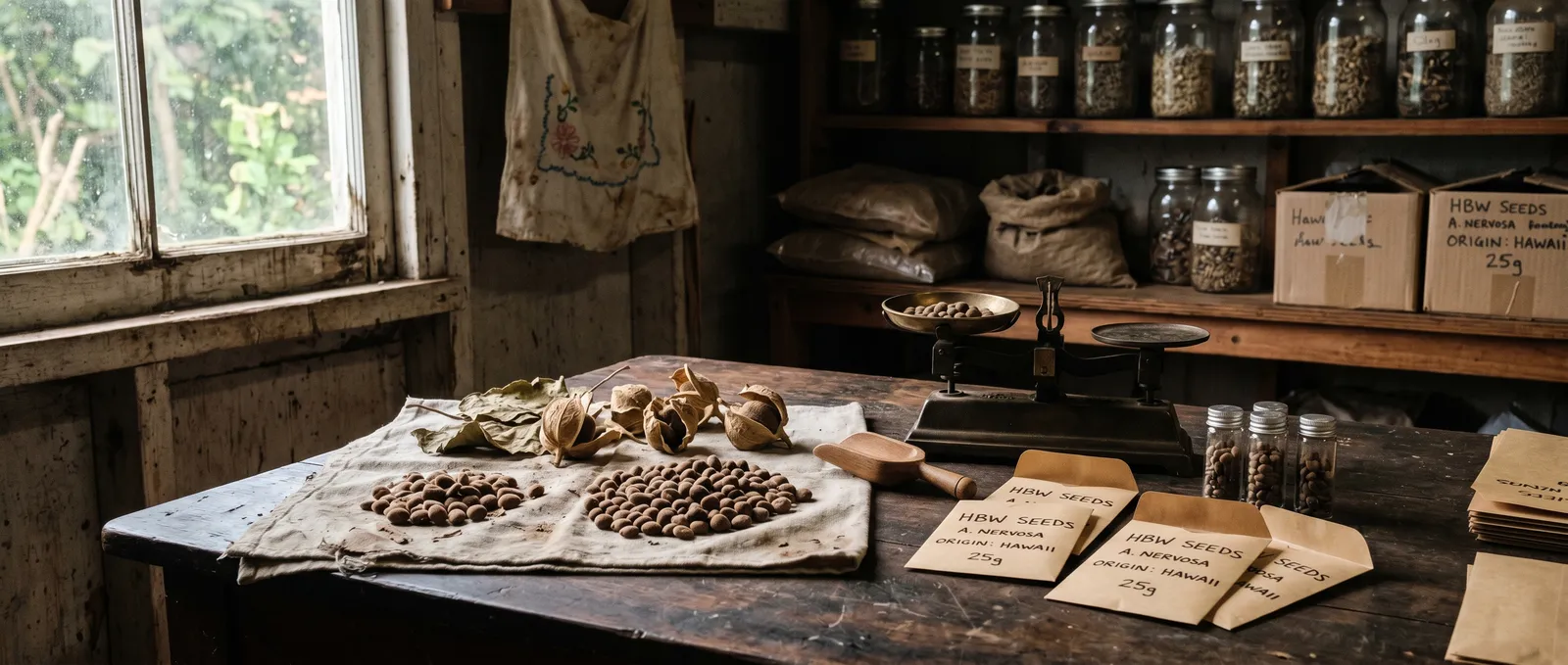
Hawaiian Baby Woodrose Sourcing
Hawaiian baby woodrose sourcing is a practice that covers how to obtain quality Argyreia nervosa seeds — a vine whose seeds contain LSA (lysergic acid amide).
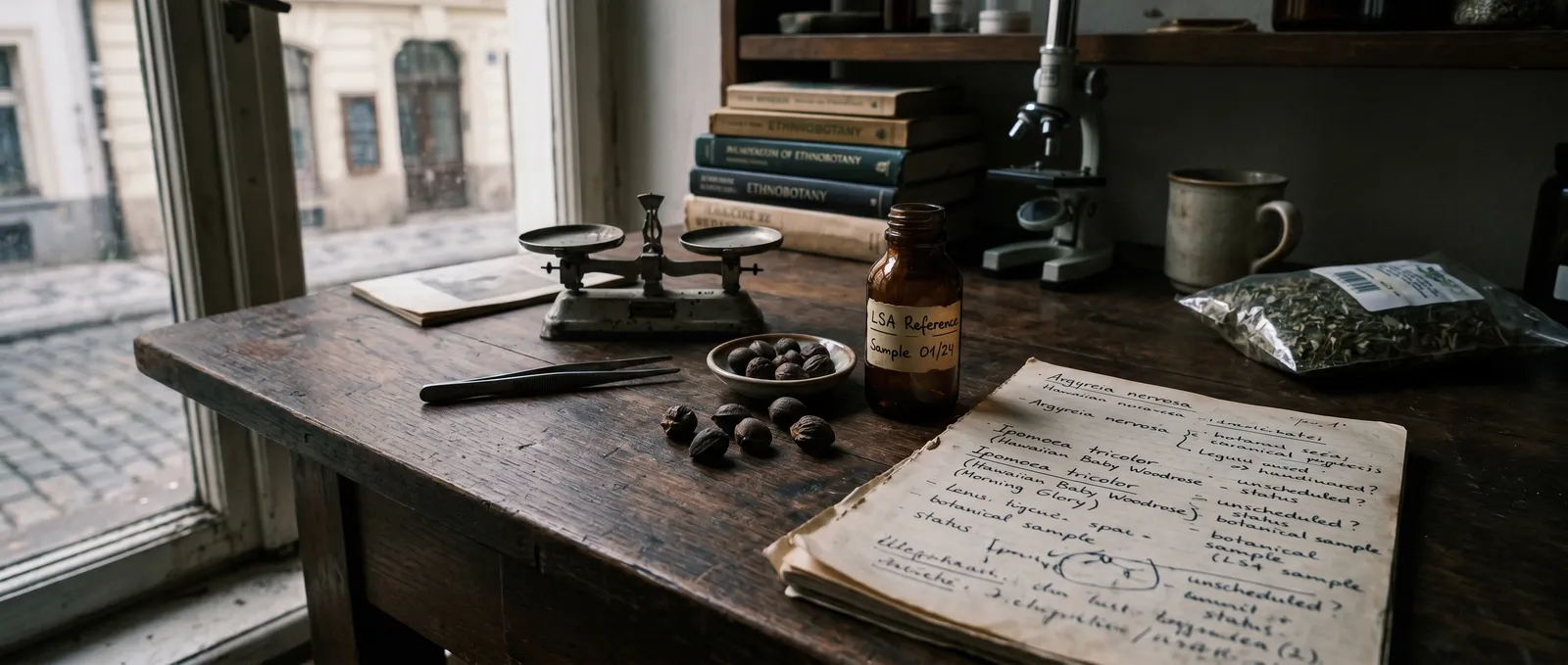
LSA Legal Status in Europe
LSA (lysergic acid amide, or ergine) occupies a legal grey zone across Europe — rarely scheduled as a compound, yet subject to varied NPS legislation that…
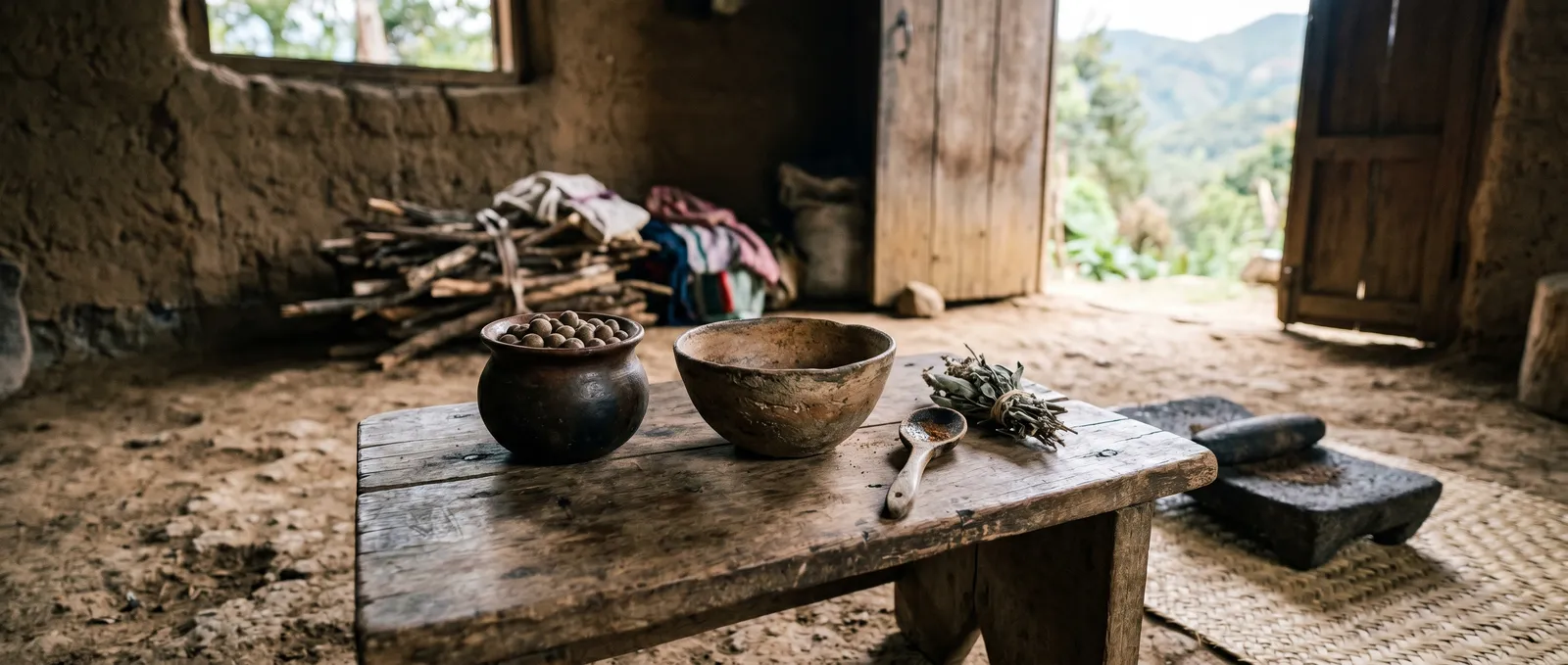
Ololiuqui Mazatec Tradition: Ceremonial Seeds of the Sierra Mazateca
Ololiuqui — the seeds of Turbina corymbosa — played a specific ceremonial role among the Mazatec people of Oaxaca, distinct from their better-known use of…
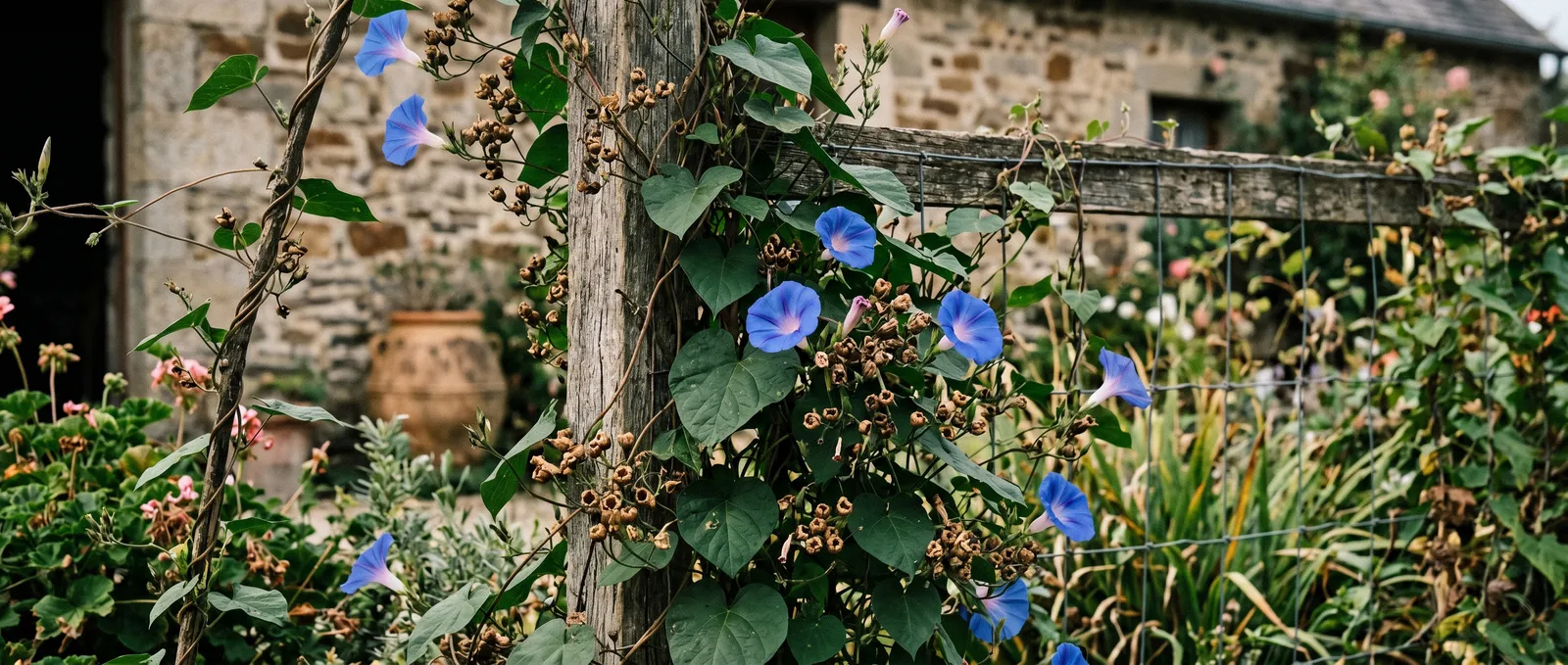
Morning Glory LSA Plants Family
Morning glory LSA plants family is a group of Convolvulaceae vines whose seeds contain d-lysergic acid amide (ergine), a naturally occurring tryptamine first…
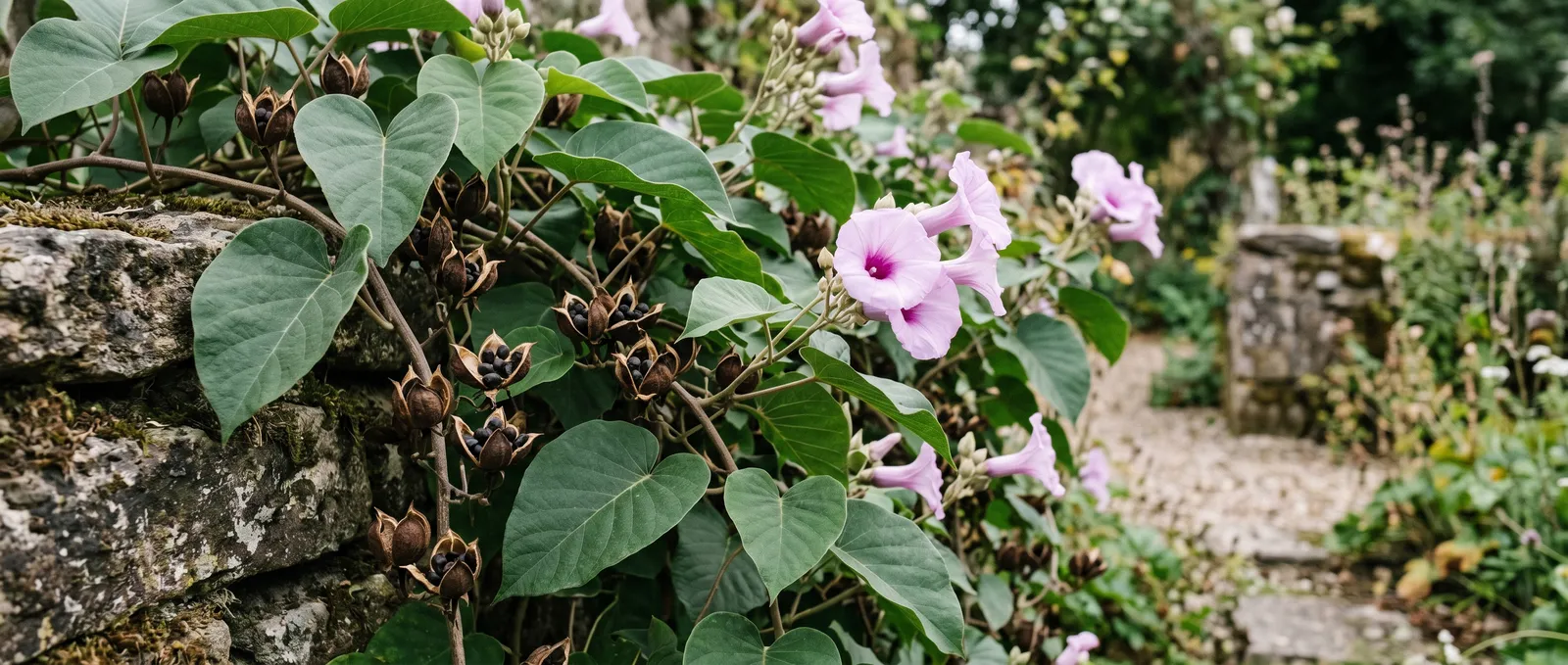
Hawaiian Baby Woodrose Plant Botany
Argyreia nervosa, commonly called Hawaiian baby woodrose, is a perennial climbing vine native to the Indian subcontinent, not Hawai'i.
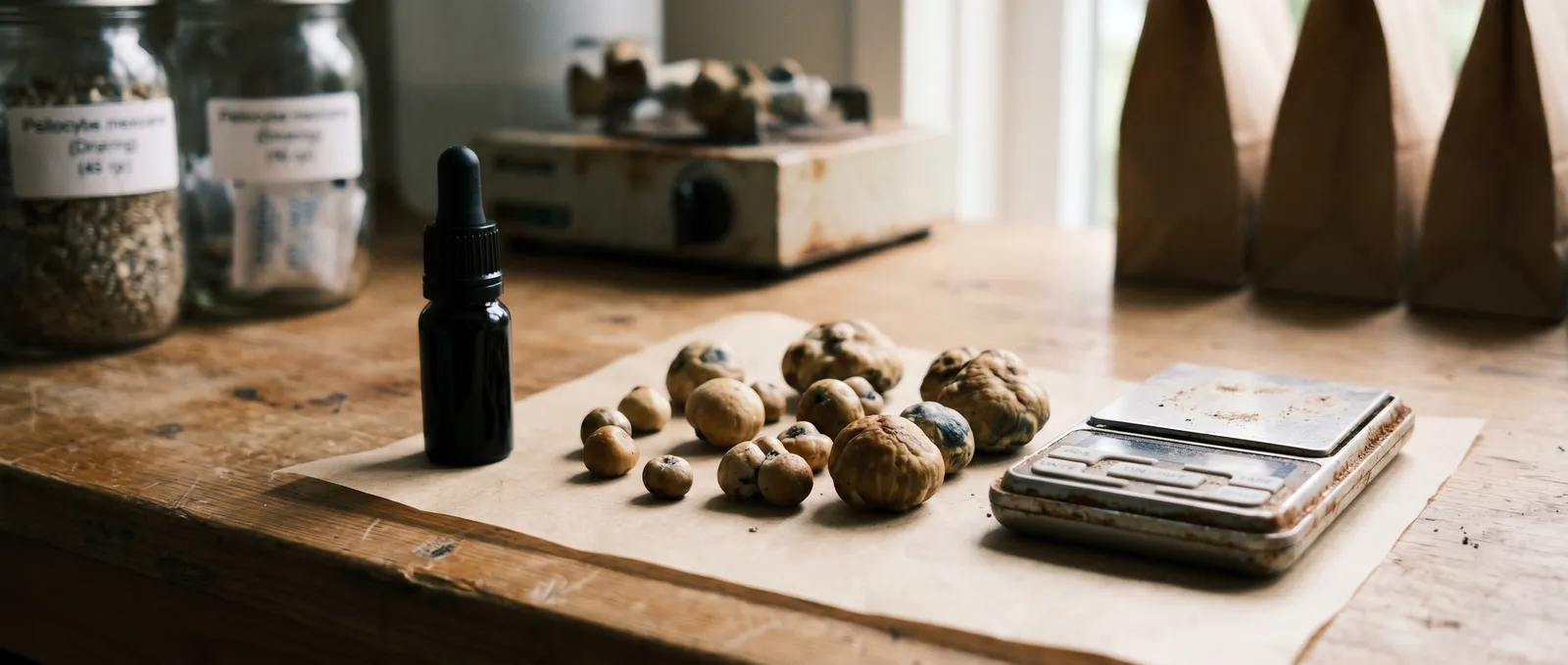
Magic Truffle Quality Indicators
Magic truffle quality indicators are the measurable and sensory characteristics — psilocybin content, texture, aroma, packaging integrity, and storage…
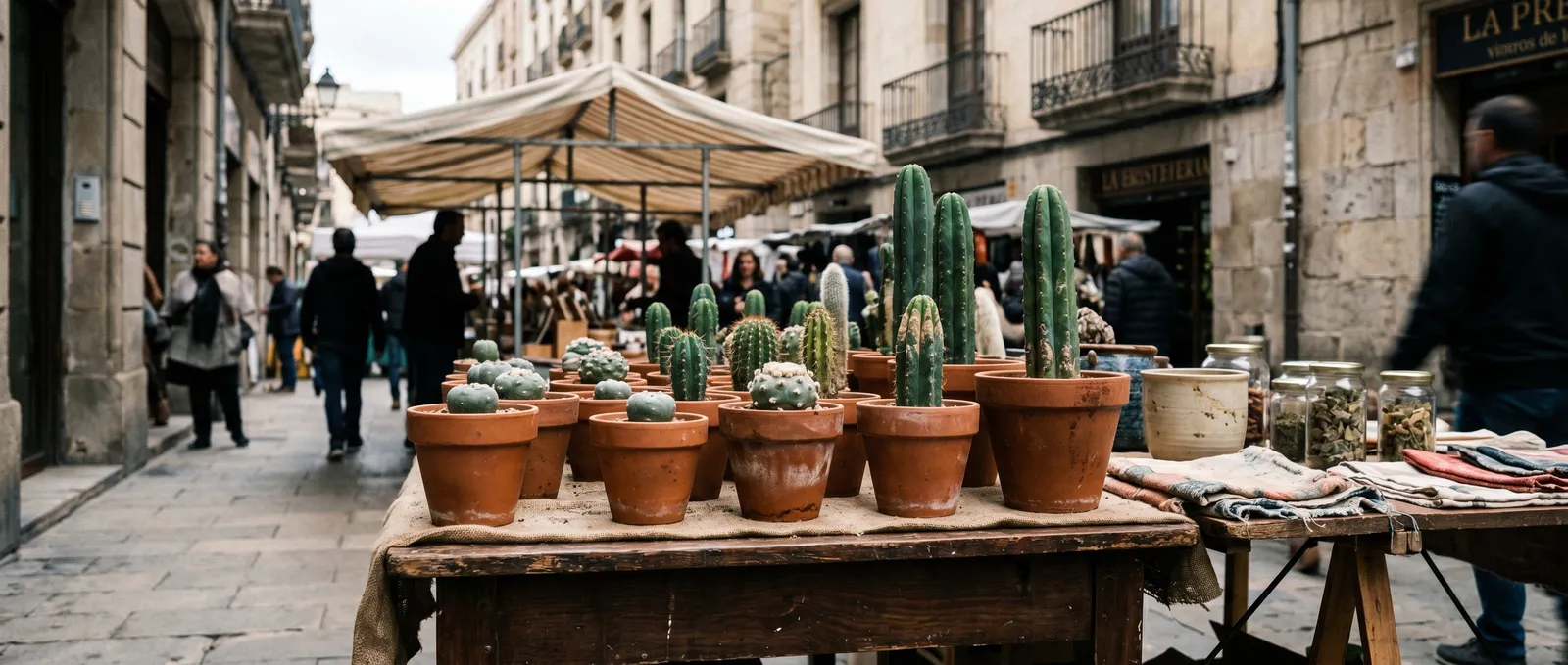
Mescaline Cactus Market Observations
Mescaline cactus market observations is a research and retail term that describes the shifting patterns in sourcing, species selection, and consumption of…
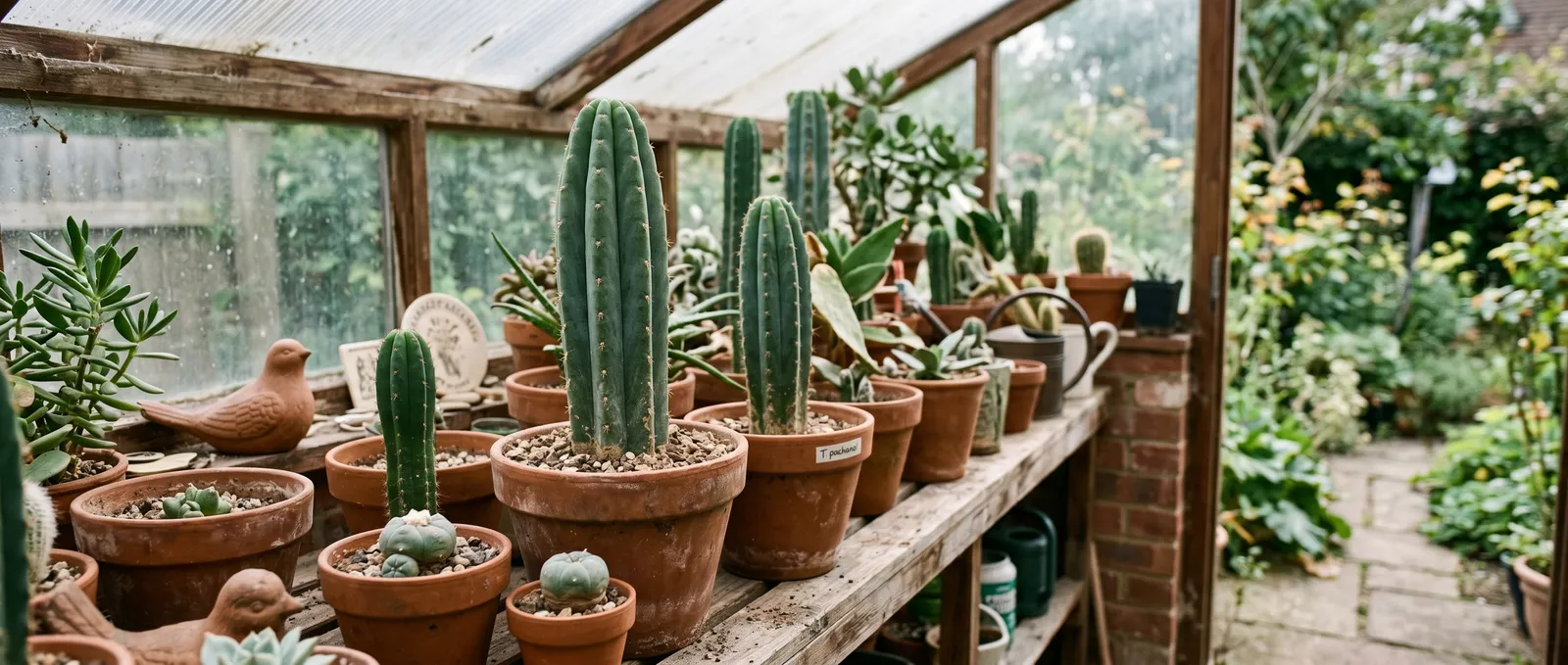
Growing Mescaline Cacti as Ornamental Plants
Growing mescaline cacti ornamental is a horticultural practice that involves cultivating species like San Pedro, Peruvian Torch, and peyote for their…
Commercial Magic Truffle Cultivation
Commercial magic truffle cultivation is a large-scale agricultural process that produces psilocybin-containing sclerotia in climate-controlled indoor…