
This article discusses psychoactive substances intended for adults (18+). If you have a health condition or take medication, consult a doctor before use. Our age policy
Sclerotia vs Fruiting Bodies
Definition
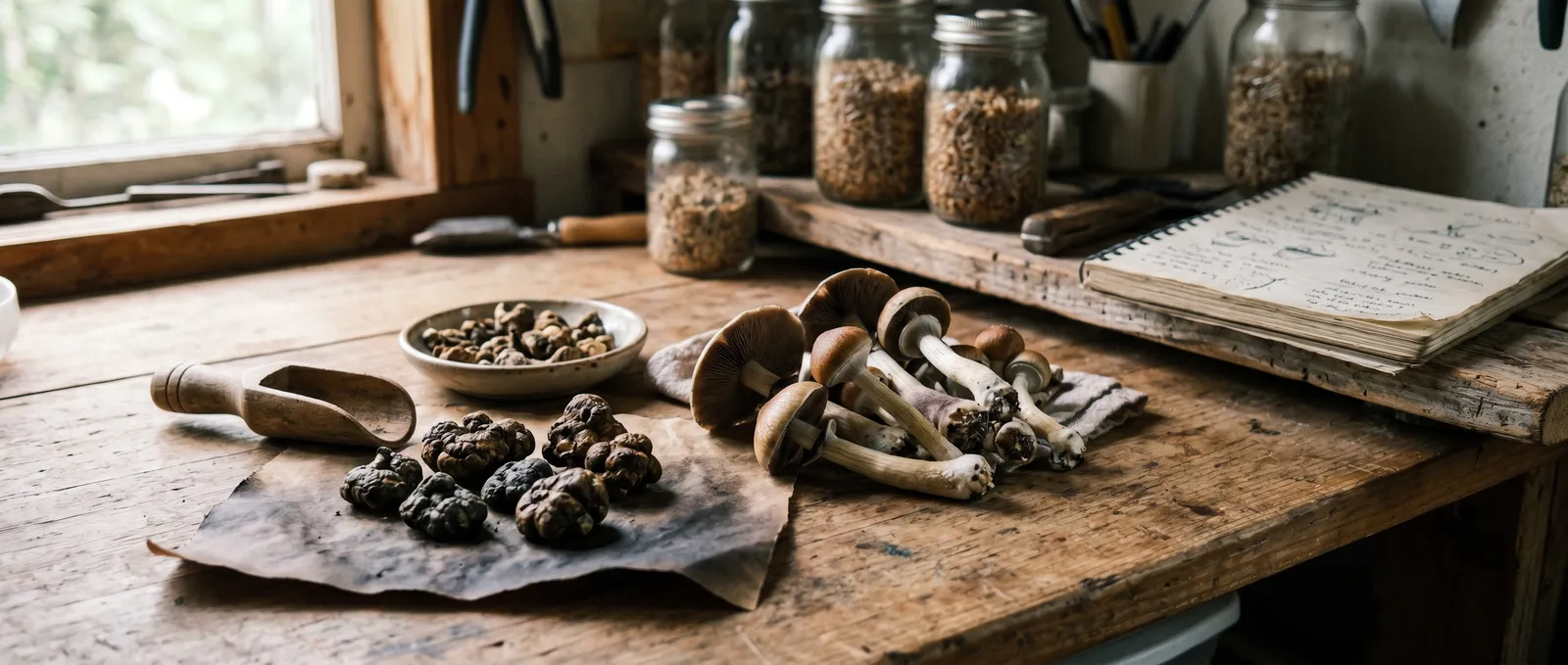
Sclerotia vs fruiting bodies is a comparison between two distinct structures produced by psilocybin-containing fungi — one a dense underground survival organ, the other the above-ground reproductive mushroom. Both contain psilocybin, but they differ markedly in potency range, water content, and consistency. Analyses show sclerotia typically contain 0.3–0.7% psilocybin dry weight versus 0.5–1.8% in fruiting bodies (Tsujikawa et al., 2003).
18+ only — the comparisons, dosing ranges, and effects described below apply to adult physiology.
Sclerotia vs fruiting bodies is a comparison between two distinct structures produced by psilocybin-containing fungi — one a dense underground survival organ, the other the above-ground reproductive mushroom that most people picture when they hear the word "magic mushroom." Both contain psilocybin and psilocin, both bind to your 5-HT2A serotonin receptors, and both can produce profound altered states. But treating sclerotia vs fruiting bodies as interchangeable is a bit like comparing a potato to the plant growing above it: related, sure, but not the same thing in your hand or on your tongue.
| Dimension | Sclerotia ("magic truffles") | Fruiting bodies ("magic mushrooms") |
|---|---|---|
| Growth location | Underground, within the substrate | Above ground, emerging from the substrate |
| Biological function | Nutrient reserve for survival under stress | Spore dispersal — the reproductive structure |
| Water content (fresh) | Approximately 65–70% | Approximately 90% |
| Psilocybin range (dry weight) | 0.3–0.7% typical for commercial varieties | 0.5–1.8% depending on species and strain |
| Potency consistency | Relatively uniform batch-to-batch | Highly variable — even within a single flush |
| Texture (fresh) | Dense, fibrous, slightly rubbery | Soft, fleshy, breaks easily |
| Taste | Earthy, sour, walnut-like | Earthy, slightly metallic |
| Shelf life (refrigerated, sealed) | Up to 2 months unopened | 5–10 days fresh; longer if dried |
| Onset time (empty stomach) | 20–45 minutes | 20–60 minutes |
| Duration | 3–6 hours | 4–6 hours |
| Common species | Psilocybe tampanensis, P. mexicana, P. atlantis | Psilocybe cubensis, P. semilanceata, P. azurescens |
What exactly are sclerotia?
A sclerotium is a hardened mass of fungal mycelium that serves as the organism's underground emergency pantry, packed with lipids, glycogen, and — in psilocybin-producing species — tryptamine alkaloids. When conditions turn hostile — drought, temperature swings, nutrient depletion — certain fungi compact their mycelial network into these dense, nugget-like structures underground. They can sit dormant for months, even years, then resume growth when conditions improve.
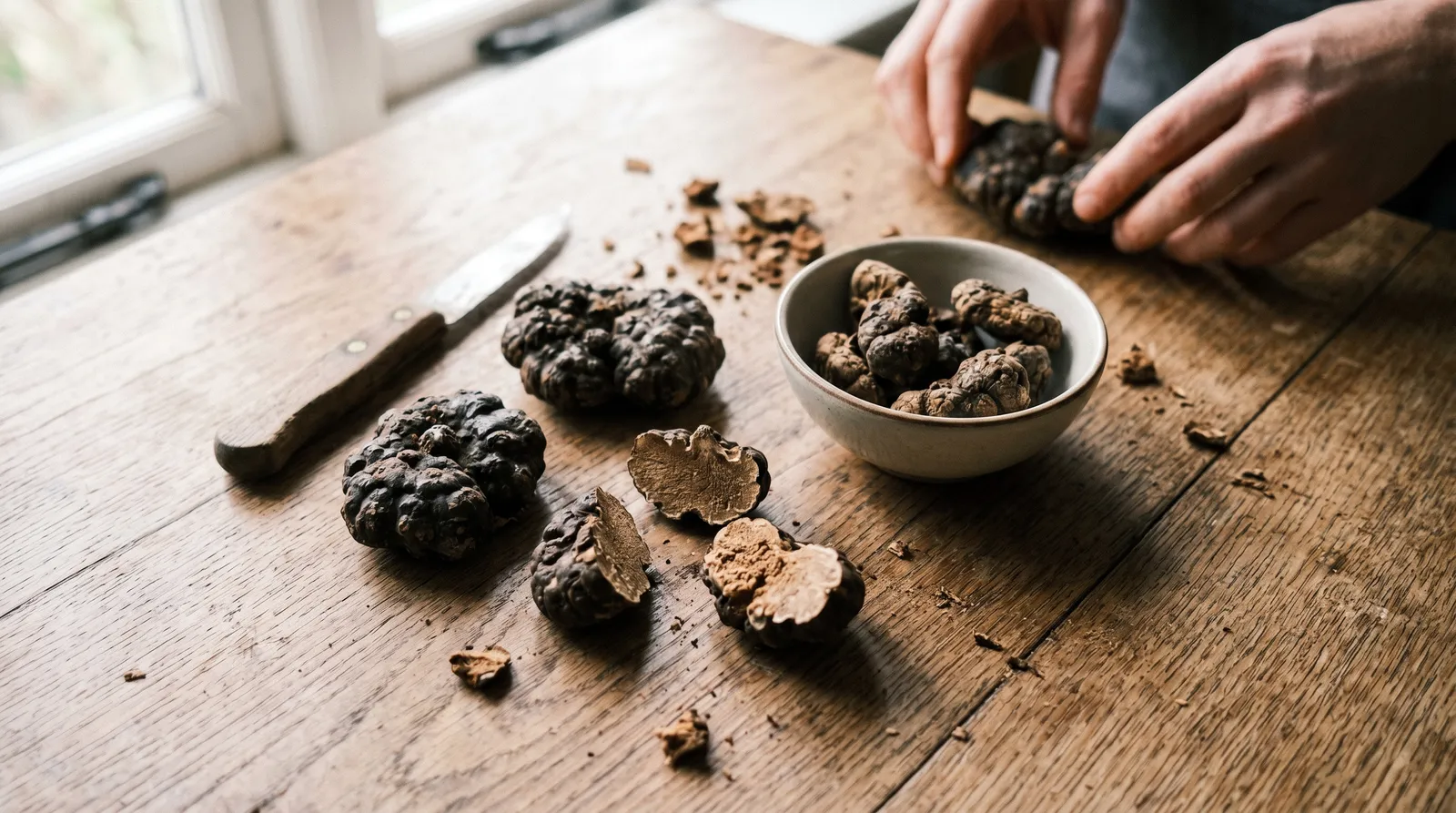
Not all psilocybin fungi produce sclerotia. The species that do — primarily Psilocybe tampanensis, P. mexicana, and P. atlantis — are the ones you'll find marketed as "magic truffles" or "philosopher's stones." The name "truffle" is a misnomer borrowed from the culinary world (true truffles belong to the genus Tuber), but it stuck because both grow underground and look vaguely similar. If you want to buy magic truffles, understanding this distinction helps you know exactly what you're getting.
Because sclerotia develop slowly in a controlled substrate — often over 8 to 12 weeks in laboratory conditions — their alkaloid content tends to be more predictable than that of fruiting bodies. A 2005 analysis by Gartz and colleagues found psilocybin concentrations in P. tampanensis sclerotia ranging from 0.31% to 0.68% dry weight, with less batch-to-batch variation than the corresponding fruiting bodies of P. cubensis (Gartz, 2005). That consistency is one reason sclerotia have become the standard format for controlled-dose applications and microdosing protocols.
What exactly are fruiting bodies?
Fruiting bodies are the above-ground reproductive structures of a fungus — the stem, cap, and spore-bearing gills that emerge when temperature, humidity, and light conditions align. The entire structure can appear and mature within days — sometimes less than a week from the first pin to a fully opened cap. In the sclerotia vs fruiting bodies comparison, this rapid growth cycle is precisely what makes fruiting bodies less predictable in terms of alkaloid content.
That speed is part of the problem with consistency. Psilocybin content in P. cubensis fruiting bodies can range from 0.14% to 1.86% dry weight depending on strain, substrate, flush number, and harvest timing, according to a 2003 analysis published in Forensic Science International (Tsujikawa et al., 2003). Even two mushrooms from the same grow kit, harvested on the same day, can differ significantly. The caps tend to concentrate more psilocybin than the stems — roughly 1.2 to 1.7 times more in most analyses — which means breaking up a batch and eyeballing a dose introduces real variability.
Fresh fruiting bodies are about 90% water. That's why 35 grams of fresh mushrooms is often cited as roughly equivalent to 3.5 grams dried. Sclerotia, being denser and drier to begin with (around 65–70% water), don't shrink as dramatically: 15 grams fresh is a common standard dose, translating to roughly 5–6 grams dried.
Potency and dosing: why the numbers matter
Fruiting bodies contain more psilocybin per gram of dry weight than sclerotia in most direct comparisons — typically 0.5–1.8% versus 0.3–0.7%. That's a chemical fact. But "stronger per gram" doesn't automatically mean "better" or "more intense in practice," because the dosing conventions already account for the difference.
A standard moderate experience with fresh sclerotia typically involves 10–15 grams. A standard moderate experience with fresh P. cubensis fruiting bodies involves around 15–25 grams (or 1.5–2.5 grams dried). The EMCDDA's 2024 Drug Profile on psilocybin notes that typical recreational doses of dried psilocybin mushrooms range from 1 to 5 grams, with effects dependent on species, individual metabolism, and set and setting (EMCDDA, 2024). For sclerotia, clinical and observational data are thinner — most published dosing data extrapolates from psilocybin content rather than from controlled sclerotia-specific trials.
Where sclerotia genuinely shine is predictability. If you pick up a sealed packet of, say, 15 grams of a named variety, the alkaloid content will be close to what the label suggests. With home-grown fruiting bodies, you're making an educated guess. That matters less if you're experienced and comfortable titrating, but it matters a great deal if you're new to the substance or trying to maintain a consistent microdosing schedule. People who buy sclerotia for microdosing often cite this reliability as the deciding factor.
Texture, taste, and how people actually consume them
Neither sclerotia nor fruiting bodies taste good — that's the honest baseline. Fresh sclerotia are chewy, dense, and slightly sour — somewhere between a raw walnut and a piece of old ginger. You need to chew them thoroughly for proper absorption, which means spending a good 30 seconds with that taste in your mouth. Fresh fruiting bodies are softer, easier to chew, and have a milder (though still distinctly earthy) flavour.
Both can cause nausea, particularly in the first 30–45 minutes. The chitin in fungal cell walls is hard for the human stomach to break down, and sclerotia — being denser — sometimes sit heavier. Making a tea (steeping chopped material in hot water for 10–15 minutes, then straining) reduces nausea for many people and typically speeds onset by 10–15 minutes, since the psilocybin is already dissolved in water rather than locked in cellular material. Lemon tek — soaking ground material in lemon juice before consumption — is another popular approach, though the evidence for it meaningfully accelerating dephosphorylation of psilocybin to psilocin is mostly anecdotal rather than peer-reviewed.
Shelf stability and storage
Sclerotia last significantly longer than fresh fruiting bodies — up to two months vacuum-sealed at 2–4°C versus roughly one week for fresh mushrooms. Their lower water content and dense structure mean they're far more resistant to degradation. That practical advantage is one reason many people order sclerotia rather than attempt to time a fresh mushroom harvest.
Drying extends the life of fruiting bodies dramatically. Properly dried (cracker-dry, stored in an airtight container with a desiccant packet, kept in the dark), mushrooms can retain the majority of their psilocybin content for a year or more. A 2020 study found that dried P. cubensis samples retained approximately 80% of their initial psilocybin after three months of storage at room temperature (Gotvaldová et al., 2020), though the degradation curve steepens with heat and light exposure. Comparable long-term stability data specifically for dried sclerotia is limited — most studies have focused on cubensis fruiting bodies — so the numbers may differ somewhat.
Freezing fresh sclerotia is possible but tricky. Ice crystals can rupture cell walls, leading to a mushy texture on thawing and potentially accelerated oxidation of psilocin. If you freeze them, do it quickly and use them promptly after thawing.
Species that produce both — and species that don't
Only a handful of psilocybin-producing species form sclerotia, and not every sclerotia-forming species produces notable fruiting bodies under cultivation. Psilocybe tampanensis, the original "philosopher's stone," fruits extremely reluctantly in culture — most cultivators never see a single mushroom from it. Its sclerotia, however, form readily and reliably. P. mexicana is more cooperative, producing both sclerotia and small, slender fruiting bodies. P. cubensis, the most widely cultivated psilocybin mushroom on Earth, does not produce sclerotia at all under any known conditions.
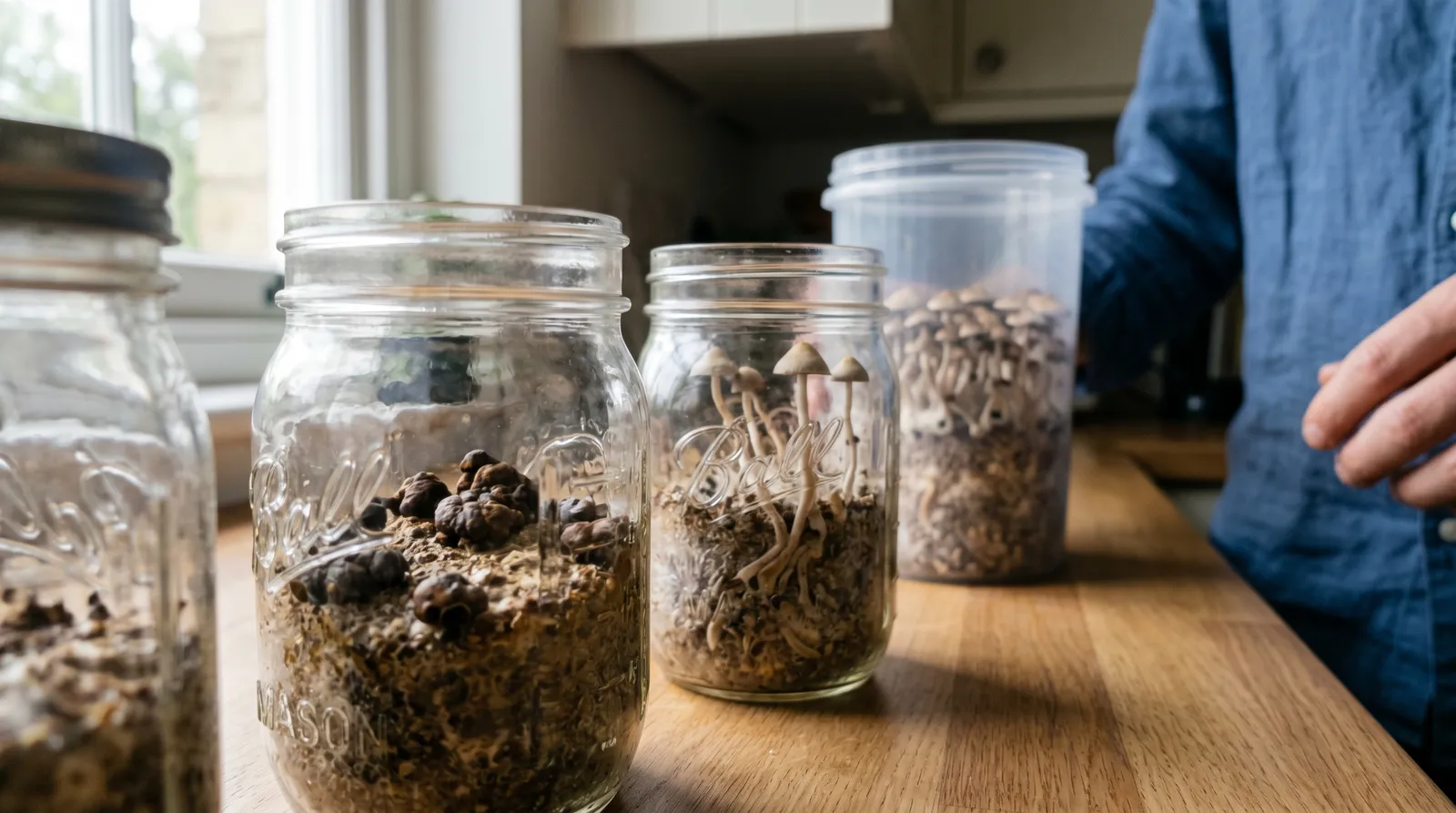
This means the sclerotia vs fruiting bodies comparison isn't always apples to apples. When people say "truffles vs mushrooms," they're often comparing P. tampanensis sclerotia to P. cubensis fruiting bodies — two different species with different alkaloid profiles, not just two different structures from the same organism. P. tampanensis sclerotia contain both psilocybin and the analogue baeocystin, though baeocystin's contribution to the subjective experience remains poorly characterised (Gotvaldová et al., 2022).
The experience compared: sclerotia vs fruiting bodies side by side
At equivalent psilocybin doses, the core psychedelic effects of sclerotia vs fruiting bodies are more alike than different — visual distortions, altered time perception, emotional amplification, and introspective thought loops appear with both formats. The onset with sclerotia tends to be slightly faster (20–45 minutes versus 20–60 minutes for fruiting bodies on an empty stomach), likely because their lower water content means a higher concentration of psilocybin per gram of fresh material reaching the gut.
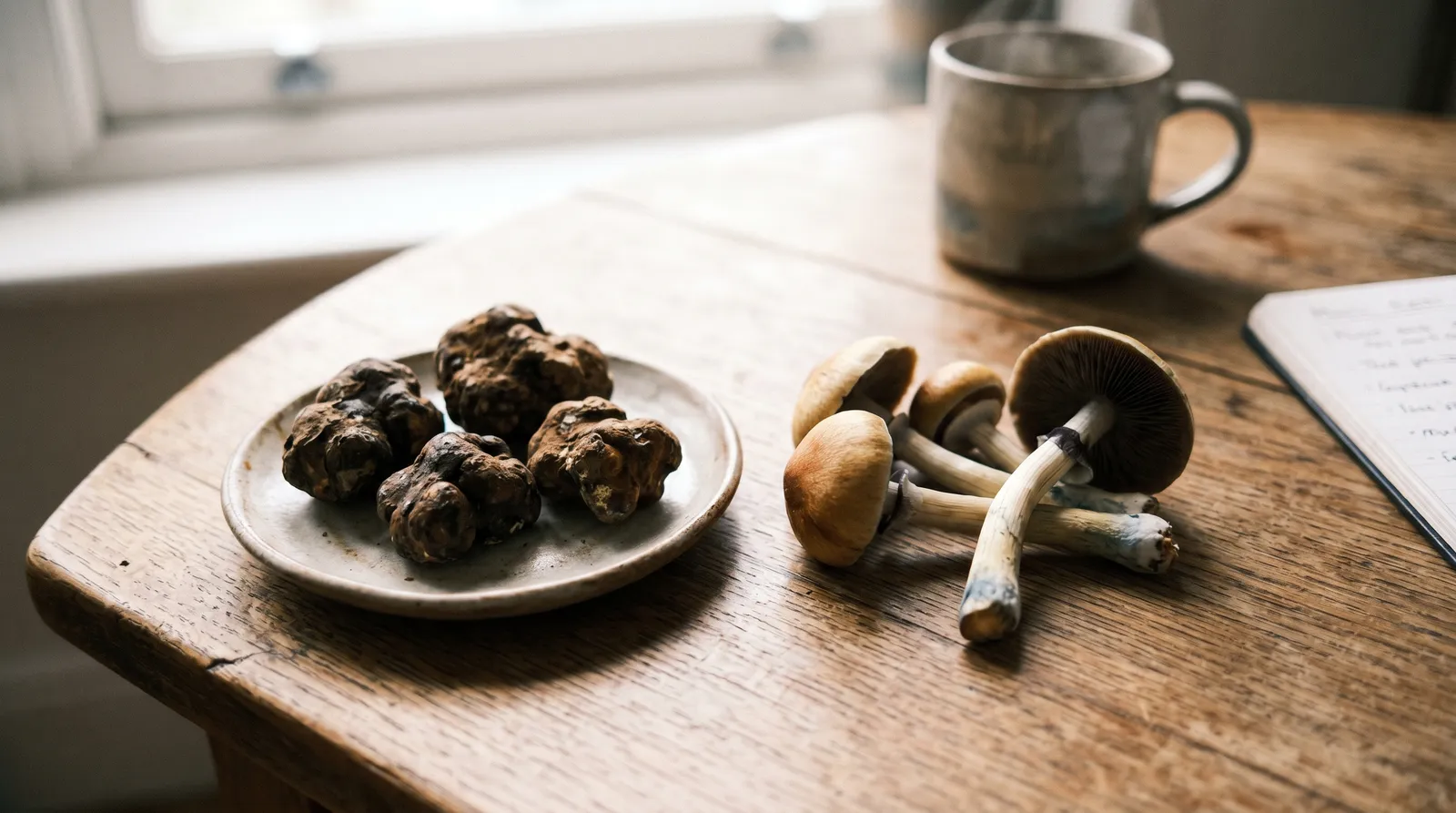
Duration is broadly comparable: 3–6 hours for sclerotia, 4–6 hours for fruiting bodies, with individual variation driven more by dose, metabolism, and stomach contents than by the format itself. Some experienced users report that sclerotia produce a slightly "warmer" or more grounded experience compared to the same species' fruiting bodies, but this is subjective and uncontrolled — no blinded study has isolated the format as a variable while holding species and dose constant.
What we don't know yet
The research on sclerotia vs fruiting bodies still has significant gaps — that's an honest assessment, not a hedge. Most published psilocybin stability and pharmacokinetic data comes from P. cubensis fruiting bodies, not from sclerotia. We don't have large-scale controlled trials comparing the subjective experience of equivalent psilocybin doses delivered via sclerotia versus fruiting bodies. The role of baeocystin, norbaeocystin, and aeruginascin — minor alkaloids present in varying ratios across species and structures — remains largely uncharacterised in humans. Anyone who tells you they know exactly how these secondary compounds modulate the experience is getting ahead of the science.
Similarly, long-term storage data for dried sclerotia is sparse. We extrapolate from cubensis drying studies, but the denser cellular matrix of sclerotia may behave differently over time. Until more targeted research appears, treat storage guidelines for dried sclerotia as reasonable estimates rather than established facts.
Which format suits what purpose?
The right choice depends on your priorities — there is no universally superior option when comparing sclerotia vs fruiting bodies.
Sclerotia make more sense if you value dosing consistency, longer shelf life, and a gentler learning curve. Their narrower potency range means fewer surprises, which is particularly relevant for microdosing or for anyone approaching psilocybin for the first time. The fact that they're sold fresh and vacuum-sealed, with labelled variety names and approximate potency tiers, adds a layer of predictability that home-grown fruiting bodies simply can't match. Browse the Azarius magic truffles range to get a sense of the varieties available and their relative strength tiers — you can buy magic truffles in several potency categories, from mild introductory varieties to high-strength options for experienced users.
Fruiting bodies make more sense if you're growing your own (since the most popular cultivation species, P. cubensis, doesn't form sclerotia), if you want access to higher-potency strains, or if you prefer the flexibility of drying and storing material long-term. Those interested in cultivation can explore the Azarius mushroom grow kits as a starting point — they include colonised substrate and instructions for each flush. The trade-off is variability — you'll want a scale accurate to 0.01 grams and the discipline to start conservatively with any new batch.
For interactions with SSRIs, MAOIs, lithium, and other serotonergic substances, the risks are identical regardless of format — psilocybin is psilocybin. The dedicated psilocybin drug interactions article on the Azarius encyclopedia covers this in detail.
Related reading
For deeper context on the topics touched on here, see the Azarius encyclopedia articles on psilocybin microdosing, magic truffle dosage guide, and how to use a mushroom grow kit. The Azarius blog also covers trip preparation and set-and-setting advice for first-time users.
Last updated: April 2026
Frequently Asked Questions
8 questionsAre magic truffles and magic mushrooms from the same organism?
Why are magic truffles more consistent in potency than mushrooms?
Do magic truffles last longer in storage than fresh mushrooms?
Can you dry magic truffles the same way as mushrooms?
Why do magic truffles cause more nausea than mushrooms for some people?
Where can I buy magic truffles online?
Are sclerotia less potent than magic mushroom fruiting bodies?
Which psilocybin mushroom species produce sclerotia?
About this article


Adam Parsons is an external cannabis and psychedelics writer and editor who contributes to Azarius's wiki as both author and reviewer. On the writing side, he authors Azarius's kratom and kanna clusters, drawing on exten
This wiki article was drafted with AI assistance and reviewed by Adam Parsons, External contributor. Editorial oversight by Joshua Askew.
Medical disclaimer. This content is for informational purposes only and does not constitute medical advice. Consult a qualified healthcare provider before use of any substance.
Last reviewed April 24, 2026
References (5)
- [1]Gartz, J. (2005). Extraction and analysis of indole derivatives from fungal biomass. Journal of Basic Microbiology, 34(1), 17–22.
- [2]Tsujikawa, K., Kanamori, T., Iwata, Y., et al. (2003). Morphological and chemical analysis of magic mushrooms in Japan. Forensic Science International, 138(1-3), 85–90.
- [3]EMCDDA (2024). Psilocybin drug profile. European Monitoring Centre for Drugs and Drug Addiction.
- [4]Gotvaldová, K., Hájková, K., Borovička, J., et al. (2020). Stability of psilocybin and its four analogs in the biomass of the psychotropic mushroom Psilocybe cubensis. Drug Testing and Analysis, 13(2), 439–446.
- [5]Gotvaldová, K., Borovička, J., Hájková, K., et al. (2022). Extensive collection of psychotropic mushrooms with determination of their tryptamine alkaloids. International Journal of Molecular Sciences, 23(22), 14068.
Related Articles
Hawaiian Baby Woodrose Sourcing
Hawaiian baby woodrose sourcing is a practice that covers how to obtain quality Argyreia nervosa seeds — a vine whose seeds contain LSA (lysergic acid amide).
LSA Legal Status in Europe
LSA (lysergic acid amide, or ergine) occupies a legal grey zone across Europe — rarely scheduled as a compound, yet subject to varied NPS legislation that…
Ololiuqui Mazatec Tradition: Ceremonial Seeds of the Sierra Mazateca
Ololiuqui — the seeds of Turbina corymbosa — played a specific ceremonial role among the Mazatec people of Oaxaca, distinct from their better-known use of…
Morning Glory LSA Plants Family
Morning glory LSA plants family is a group of Convolvulaceae vines whose seeds contain d-lysergic acid amide (ergine), a naturally occurring tryptamine first…
Hawaiian Baby Woodrose Plant Botany
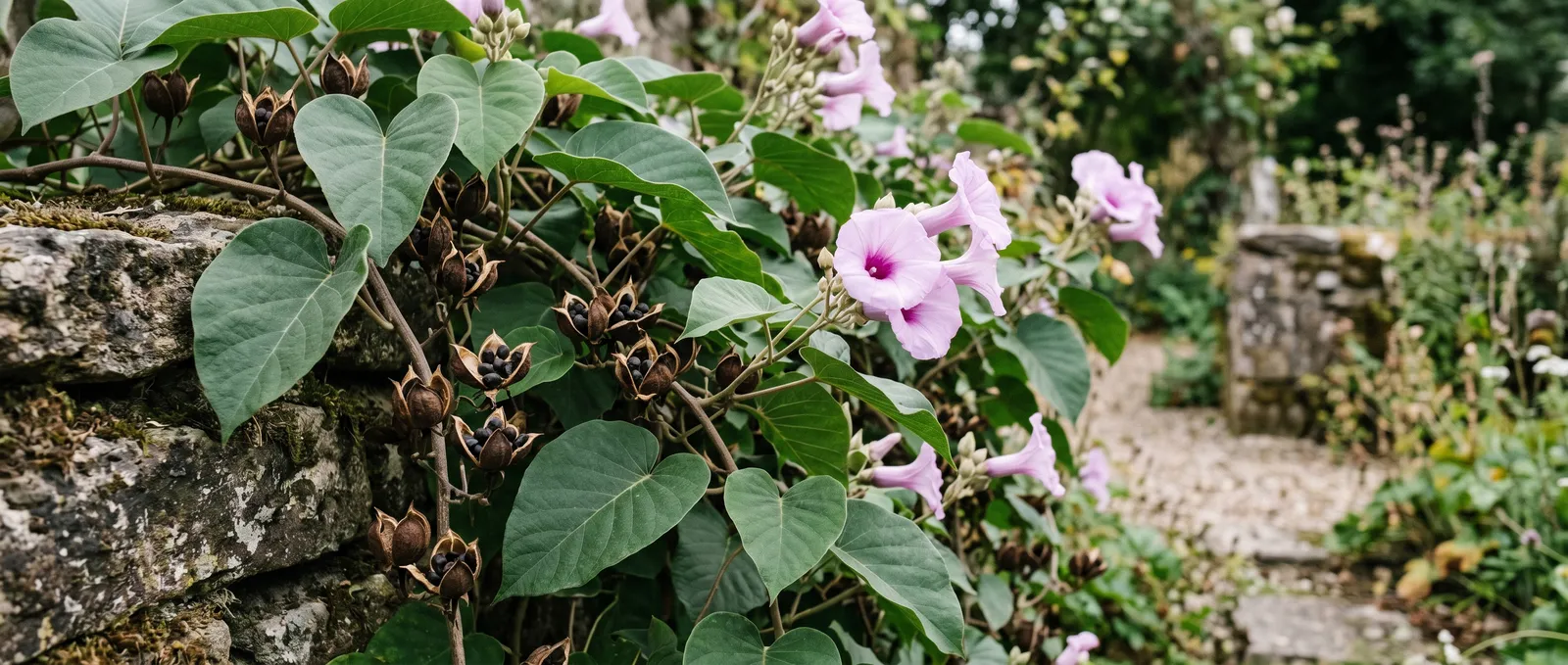
Argyreia nervosa, commonly called Hawaiian baby woodrose, is a perennial climbing vine native to the Indian subcontinent, not Hawai'i.
Magic Truffle Quality Indicators
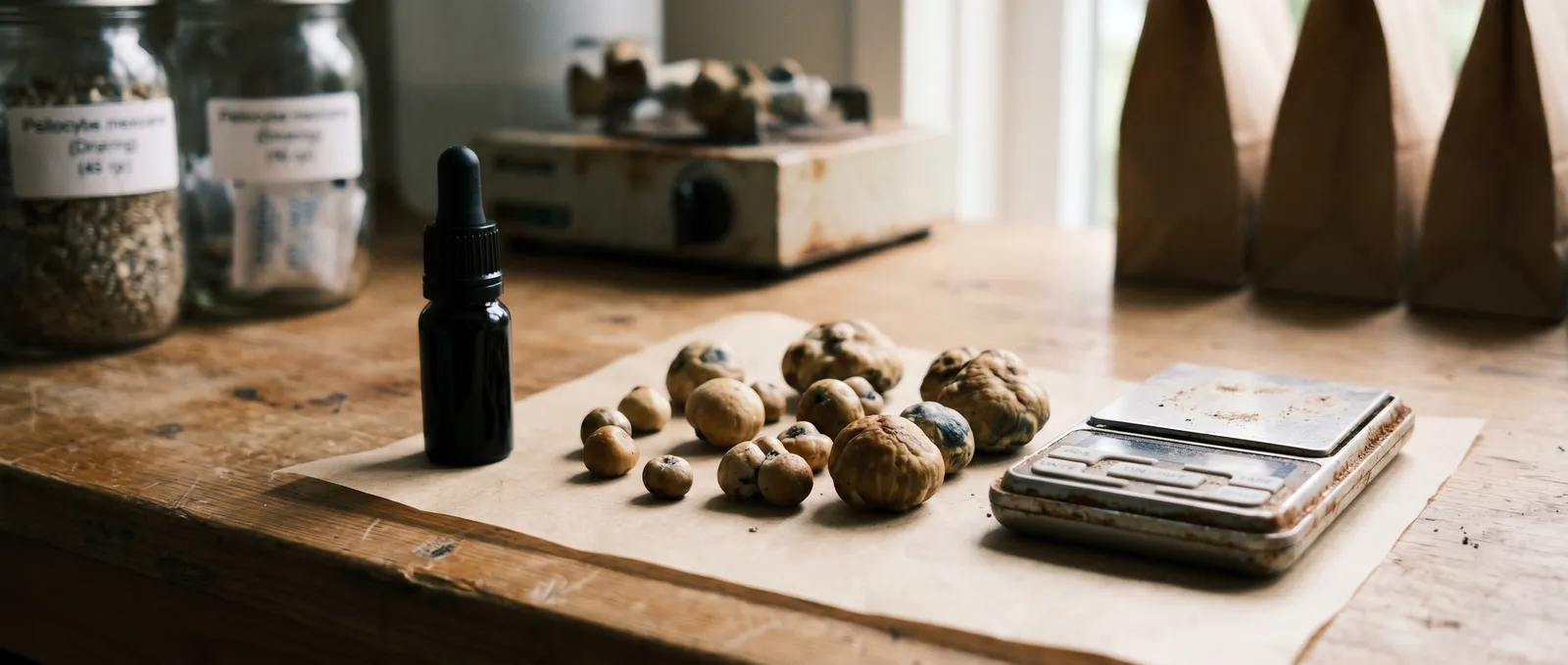
Magic truffle quality indicators are the measurable and sensory characteristics — psilocybin content, texture, aroma, packaging integrity, and storage…
Mescaline Cactus Market Observations
Mescaline cactus market observations is a research and retail term that describes the shifting patterns in sourcing, species selection, and consumption of…
Growing Mescaline Cacti as Ornamental Plants
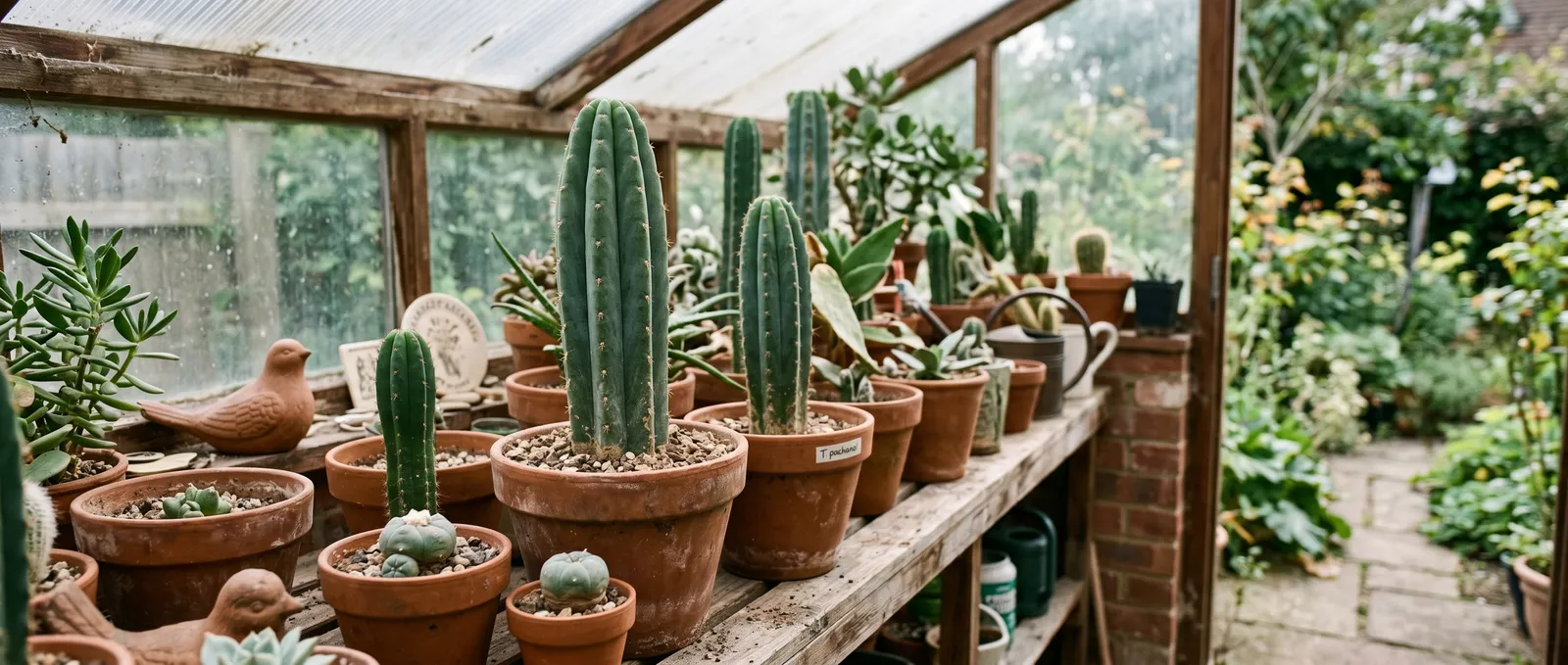
Growing mescaline cacti ornamental is a horticultural practice that involves cultivating species like San Pedro, Peruvian Torch, and peyote for their…
Commercial Magic Truffle Cultivation
Commercial magic truffle cultivation is a large-scale agricultural process that produces psilocybin-containing sclerotia in climate-controlled indoor…