
This article discusses psychoactive substances intended for adults (18+). If you have a health condition or take medication, consult a doctor before use. Our age policy
Storing and Preparing Magic Truffles
Definition
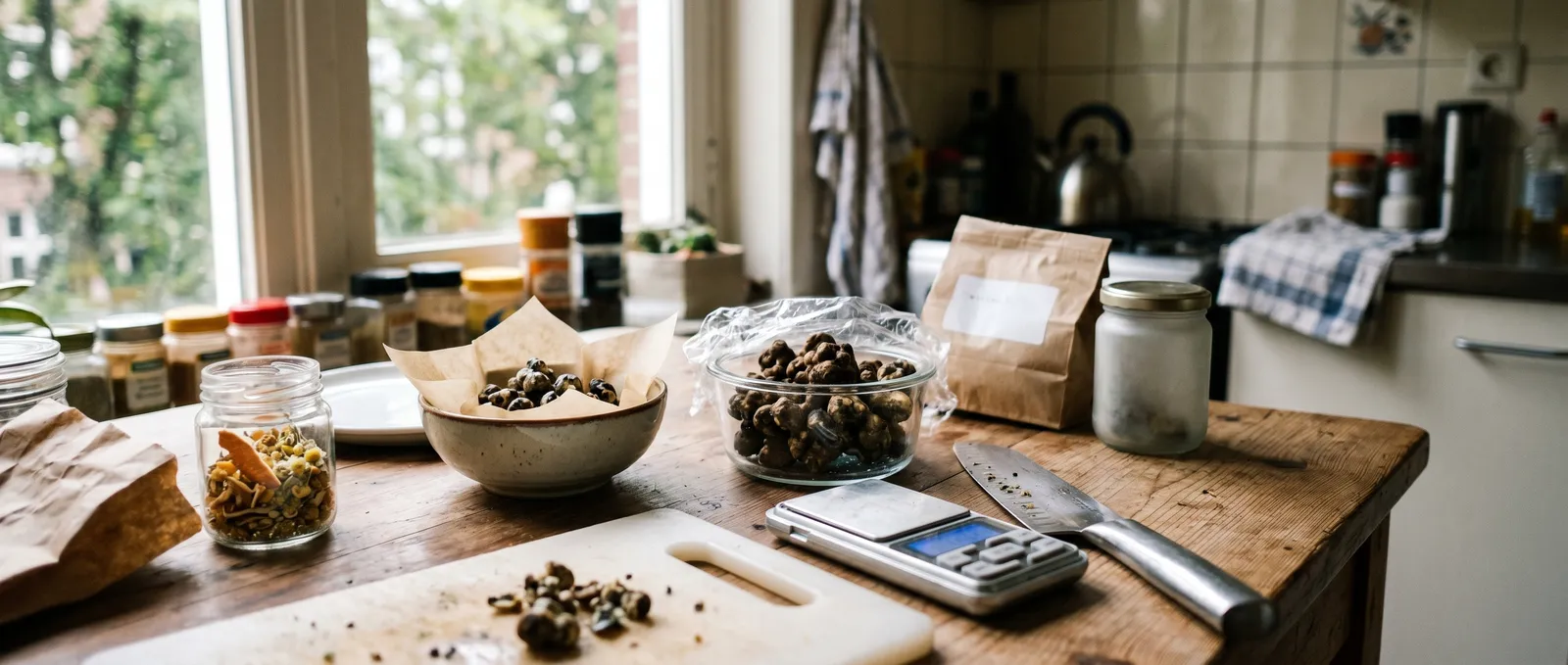
Magic truffles are living biological material that degrades through oxidation, heat, and microbial contamination. Proper storage and preparation preserves psilocybin content and freshness, whether you're keeping them for days or months. This guide covers refrigeration, drying, labelling, and the most reliable preparation methods.
Storing and preparing magic truffles correctly is the difference between a potent, pleasant experience and chewing on something that tastes like a wet gym sock and does absolutely nothing. Magic truffles — technically sclerotia, the underground nutrient reserves of psilocybin-producing fungi — are living biological material. They degrade. They bruise. They grow mould if you look at them wrong. This guide on storing and preparing magic truffles walks you through keeping them fresh, extending their shelf life, and preparing them for consumption in a way that preserves their psilocybin content.
Adult audience (18+). The dosing ranges and effects described in this article apply to adult physiology. This content is not intended for minors.
Sclerotia differ from mushroom fruit bodies in one critical respect: their dense, compact structure gives them a naturally longer shelf life than above-ground mushrooms. A fresh truffle straight from the vacuum pack holds its moisture and active compounds far better than a delicate cap and stem. But "better" doesn't mean "indefinitely." Without proper handling, psilocybin and psilocin — the two primary active alkaloids — break down through oxidation, heat exposure, and microbial contamination. According to Gotvaldová et al. (2021), psilocybin content in improperly stored material can drop by 20–50% within weeks, depending on conditions.
This article is for informational purposes only. Psilocybin is a controlled substance in many jurisdictions. Always check your local laws before purchasing, possessing, or consuming magic truffles. Nothing in this guide constitutes medical advice. If you are taking medication or have a health condition, consult a qualified healthcare professional before using psilocybin-containing products.
Step 1: Understand What You're Working With
Fresh vacuum-sealed truffles typically contain a moisture content of around 50–70%. That moisture keeps the sclerotia alive (they're still metabolically active in the pack), which preserves potency — but it also means bacteria and moulds have everything they need to colonise the material if the seal breaks or temperature fluctuates.
When you open a pack of fresh truffles, you should notice a slightly nutty, earthy smell — somewhere between walnuts and raw mushroom. If they smell sour, ammonia-like, or distinctly "off," that's bacterial decomposition. A thin white fuzz on the surface is usually mycelium (the truffle's own growth) and is harmless. Green, black, or orange discolouration is mould, and that pack goes in the bin. No exceptions.
Step 2: Short-Term Storage — The Fridge Method
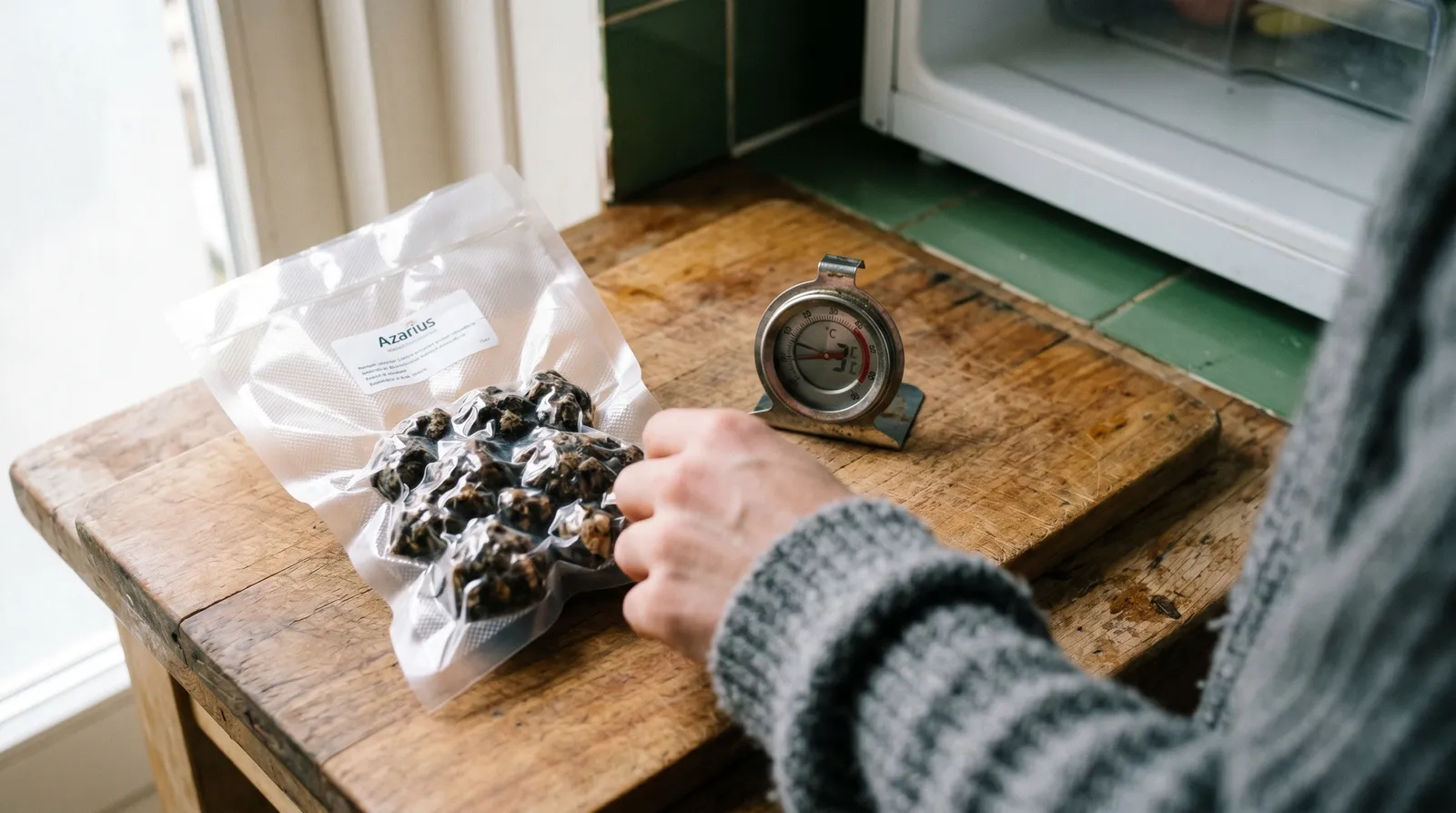
Refrigeration at 2–4°C is the single best short-term storage method for fresh magic truffles. This slows enzymatic activity and microbial growth without damaging the cellular structure of the sclerotia. For truffles you plan to consume within 2–8 weeks, the main compartment of most household fridges hits this range.
- Unopened vacuum packs: Store them exactly as they arrived. The vacuum seal limits oxygen exposure, which is the primary driver of psilocybin oxidation. Most commercially packed truffles carry a shelf life of roughly 6–8 weeks from production when kept sealed and refrigerated.
- Opened packs: Once you break the seal, the clock accelerates significantly. Wrap remaining truffles tightly in unbleached paper towel (to absorb excess moisture), place them in an airtight container or resealable bag with as much air squeezed out as possible, and get them back in the fridge within 30 minutes. Aim to use opened truffles within 3–5 days.
One thing to watch: don't store truffles next to strong-smelling foods. Sclerotia are porous enough to absorb odours, and nobody wants their Tampanensis tasting faintly of last night's curry.
Step 3: What About Freezing?
Freezing fresh truffles is generally a bad idea and one of the most common storage mistakes. The high water content inside the cells forms ice crystals that rupture cell walls. When you thaw them, you're left with a mushy, blackened mess that's lost structural integrity and — more critically — has accelerated oxidative degradation of psilocin, the compound that actually binds to your 5-HT2A receptors.
A 2020 analysis by Fricke et al. in Chemistry — A European Journal showed that psilocin is significantly less stable than psilocybin under oxidative stress. Since freeze-thaw cycles expose more psilocin to oxygen (through those ruptured cell walls), freezing fresh truffles may disproportionately reduce the very compound responsible for the psychoactive properties.
The one exception: if you've dried your truffles first (see Step 5), freezing becomes viable because there's minimal water left to form damaging crystals. Dried sclerotia in a vacuum-sealed bag, stored in the freezer, can retain potency for 6–12 months — though rigorous long-term stability data specific to sclerotia (as opposed to cubensis fruit bodies) remains limited.
Step 4: Keep It Dark and Dry
UV light is one of the fastest ways to degrade psilocybin in stored truffles. This has been documented across multiple studies on psilocybin-containing fungi. Lenz et al. (2020) found that UV exposure accelerated alkaloid decomposition in dried Psilocybe material by roughly 15–25% over a 30-day period compared to dark-stored controls. The mechanism is straightforward: UV photons break chemical bonds in the indole ring structure shared by both psilocybin and psilocin.
Practical translation: store truffles in opaque containers or, at minimum, wrap them in foil or keep them in a paper bag inside the fridge. Clear plastic bags sitting on a shelf near a window are one of the fastest ways to lose potency.
Humidity matters too. For fresh truffles, the vacuum pack handles this. For dried material, silica gel packets in the storage container keep relative humidity below 15%, which is where you want it. A single 5g silica packet per 10g of dried truffle material is a reasonable ratio.
Step 5: Drying Truffles for Long-Term Storage
Drying is the most reliable method for long-term preservation of magic truffles. The goal is to reduce moisture content to below 10% — at that point, enzymatic activity effectively stops and microbial growth becomes impossible.
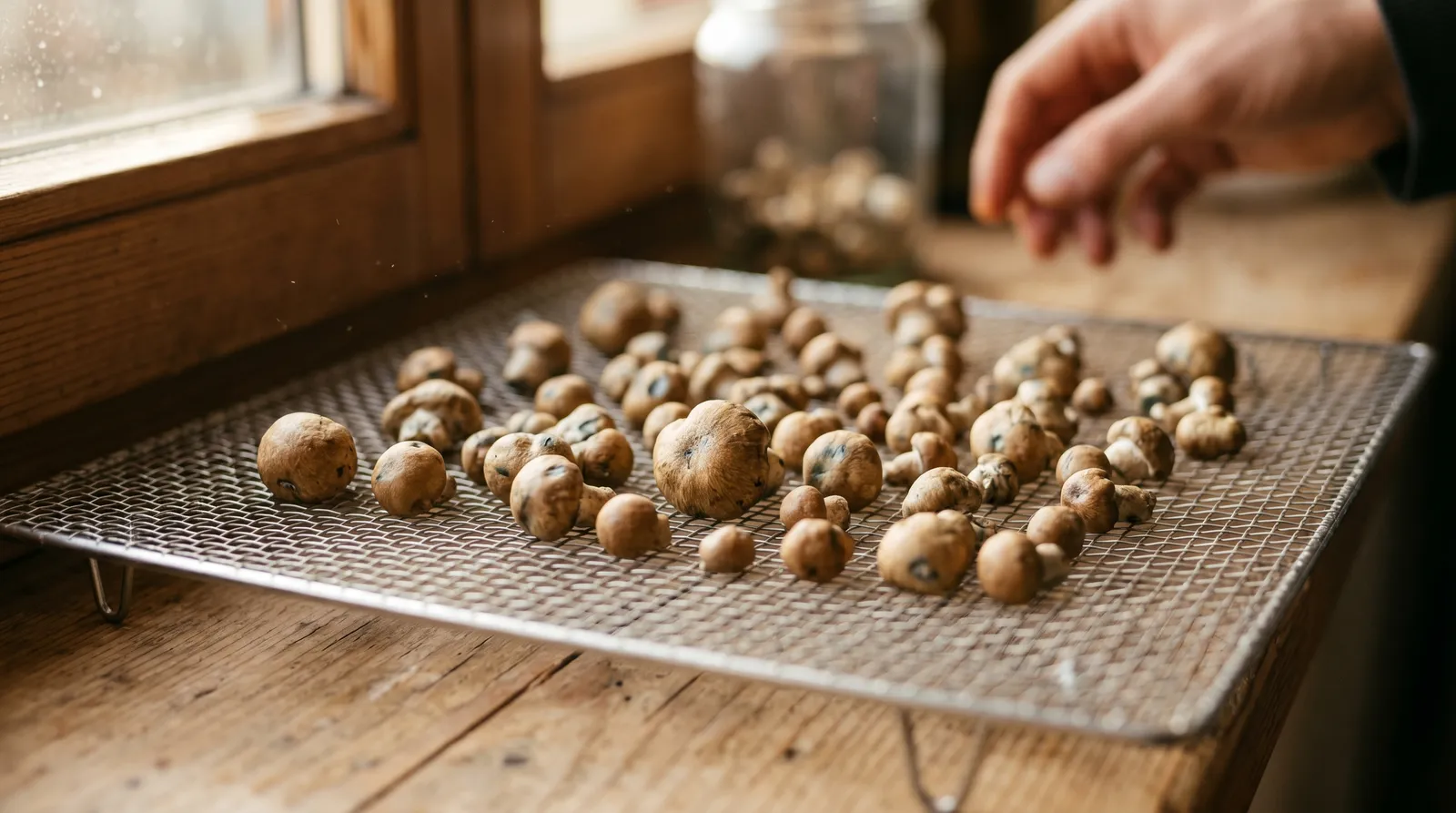
Method 1: Food dehydrator (recommended). Set the temperature to 35–45°C. Slice truffles into thin, even pieces to ensure consistent drying. Depending on the density of the sclerotia, this takes 12–24 hours. You'll know they're done when they snap cleanly rather than bending. Temperatures above 50°C risk thermal degradation of psilocybin — a 2003 study by Tsujikawa et al. in Forensic Science International showed measurable alkaloid loss at temperatures exceeding 60°C over prolonged periods.
Method 2: Desiccant drying. Place sliced truffles on a wire rack above a bed of food-grade silica gel or anhydrous calcium chloride in a sealed container. This is slower (2–5 days) but requires no electricity and keeps temperatures ambient. It works well for small quantities.
Method 3: Fan drying. A desk fan blowing over sliced truffles on a mesh screen in a dark room. The least precise method — humidity in the room matters enormously — but functional as a first step before finishing with desiccant. We'll be honest: fan drying alone rarely gets moisture low enough for safe long-term storage. Treat it as a pre-drying step, not a complete solution.
Once dried, store the material in an airtight glass jar (amber glass is ideal) with a silica gel packet, in a cool dark place. Dried and properly stored, truffles can maintain the majority of their psilocybin content for 6–12 months. After that, gradual degradation continues — expect roughly 10–15% potency loss per year under good conditions, though these figures are extrapolated from cubensis data and truffle-specific long-term studies are still sparse.
Step 6: Labelling and Tracking Freshness
Labelling every container is the single most overlooked step when storing and preparing magic truffles properly. It sounds boring. It's also the step most people skip, and then they're standing in the kitchen three months later squinting at an unlabelled jar wondering whether those crumbly brown nuggets are still any good.
Label every container with:
- The variety (Tampanensis, Mexicana, Hollandia, etc.)
- The date of purchase or opening
- Whether the contents are fresh or dried
- The approximate weight
This isn't just organisational tidiness. Different truffle varieties have different baseline psilocybin concentrations. Knowing what you've stored and when helps you estimate current potency. A Hollandia that's been in the fridge for seven weeks is a very different proposition from one opened yesterday.
Step 7: Preparation Methods
The most common preparation methods for magic truffles are eating them raw, brewing them into tea, grinding them into powder, or mixing them with food. Each approach has trade-offs in terms of onset speed, nausea, and convenience.
Fresh truffles can be eaten as-is. They taste earthy, slightly sour, and a bit like chewing on a rubber walnut — not terrible, but not exactly a culinary highlight. Chewing thoroughly is important: it breaks open cell walls and begins the process of releasing psilocybin into your digestive system. The more surface area exposed to stomach acid, the faster and more complete the absorption.
Tea preparation. Chop or grind the truffles finely, steep in hot (not boiling) water for 15–20 minutes, and strain. Water temperature matters: keep it below 70°C. Boiling water won't instantly destroy psilocybin, but sustained high temperatures accelerate degradation. Adding a squeeze of lemon juice (the so-called "lemon tek" approach) may speed the dephosphorylation of psilocybin to psilocin, potentially leading to faster onset and a shorter experience curve — though controlled studies on this specific mechanism are limited. Tea also tends to reduce the nausea that many people experience from eating raw truffle material, likely because the chitin-rich cell walls (which are tough on the stomach) are filtered out.
Grinding into powder. Dried truffles can be ground in a coffee grinder and stored as powder. This is useful for more precise measuring — you can weigh powder with a milligram scale, which is harder to do with irregularly shaped whole truffles. Store powder in gelatin or vegetable capsules if you want to avoid the taste entirely. Powder has a higher surface-area-to-volume ratio than whole truffles, which means it's more susceptible to oxidation. Keep it sealed, dark, and cool, and use it within 2–3 months for best results.
Mixing with food. Truffles can be blended into smoothies, stirred into honey, or mixed with chocolate. Heat is the enemy here — if you're adding them to any recipe, do so at the end, after cooking, and never expose them to temperatures above 70°C. Honey is actually a decent short-term preservation medium due to its low water activity (typically below 0.6 aw), which inhibits microbial growth. Truffles stored in honey at room temperature may hold up for 1–2 months, though potency tracking becomes guesswork without lab testing.
Comparing Preparation Methods
For quick reference, here's how the main preparation approaches stack up against each other:
| Preparation Method | Onset Time | Nausea Risk | Convenience | Potency Preservation |
|---|---|---|---|---|
| Raw (chewed thoroughly) | 30–60 minutes | Higher | Highest | Full |
| Tea (below 70°C) | 15–30 minutes | Lower | Moderate | High |
| Lemon tek | 10–20 minutes | Moderate | Moderate | High |
| Capsules (dried powder) | 30–60 minutes | Lower | High | High (if fresh powder) |
| Mixed with food | 45–75 minutes | Lower | Variable | High (if no heat applied) |
What to Buy for Proper Storage and Preparation
If you're planning to order magic truffles from Azarius, it's worth picking up a few storage essentials at the same time. A milligram scale is practically essential for anyone working with dried material or powder — the Scales by Azarius range covers most needs. Amber glass jars, food-grade silica gel packets, and a basic food dehydrator round out the kit. For the truffles themselves, the McSmart range and the Freshmushrooms psilocybin truffle packs are the most popular options available in our shop, each arriving vacuum-sealed and ready for proper storage.
If you're new to truffles entirely, the Magic Truffle Beginner's Guide on the Azarius Encyclopedia covers variety selection and what to expect from different species. The Azarius experience planner guide is also worth reading before your first session. For those interested in the broader context of psilocybin research, the Beckley Foundation has published extensively on psilocybin pharmacology and therapeutic applications, and the EMCDDA (European Monitoring Centre for Drugs and Drug Addiction) maintains current data on risk profiles of psilocybin-containing substances across Europe.
Fridge vs. Drying vs. Freezing: Which Storage Method Should You Choose?
The right storage method depends entirely on your timeline. Refrigeration is best for short-term use within a few weeks. Drying suits anyone who wants to keep truffles for months. Freezing only works for already-dried material. Here's the honest comparison:
- Fridge (fresh, sealed): Easiest, no prep needed, but limited to 6–8 weeks. Best for people who buy truffles and plan to use them relatively soon.
- Drying + ambient storage: Requires a dehydrator or desiccant setup and some patience, but extends shelf life to 6–12 months. The trade-off is texture — dried truffles are a completely different chewing experience.
- Drying + freezing: Maximum longevity (12+ months), but adds an extra step and requires vacuum-sealing to prevent freezer burn. Overkill for most people unless you're buying in bulk.
We don't have a single recommendation that fits everyone. If you buy one pack at a time and use it within a month, the fridge is all you need. If you prefer to stock up, invest in a dehydrator and some amber glass jars — the upfront cost pays for itself in preserved potency.
Common Mistakes When Storing and Preparing Magic Truffles
The most frequent mistakes all involve exposing truffles to conditions that accelerate psilocybin breakdown. Here are the ones we see repeatedly:
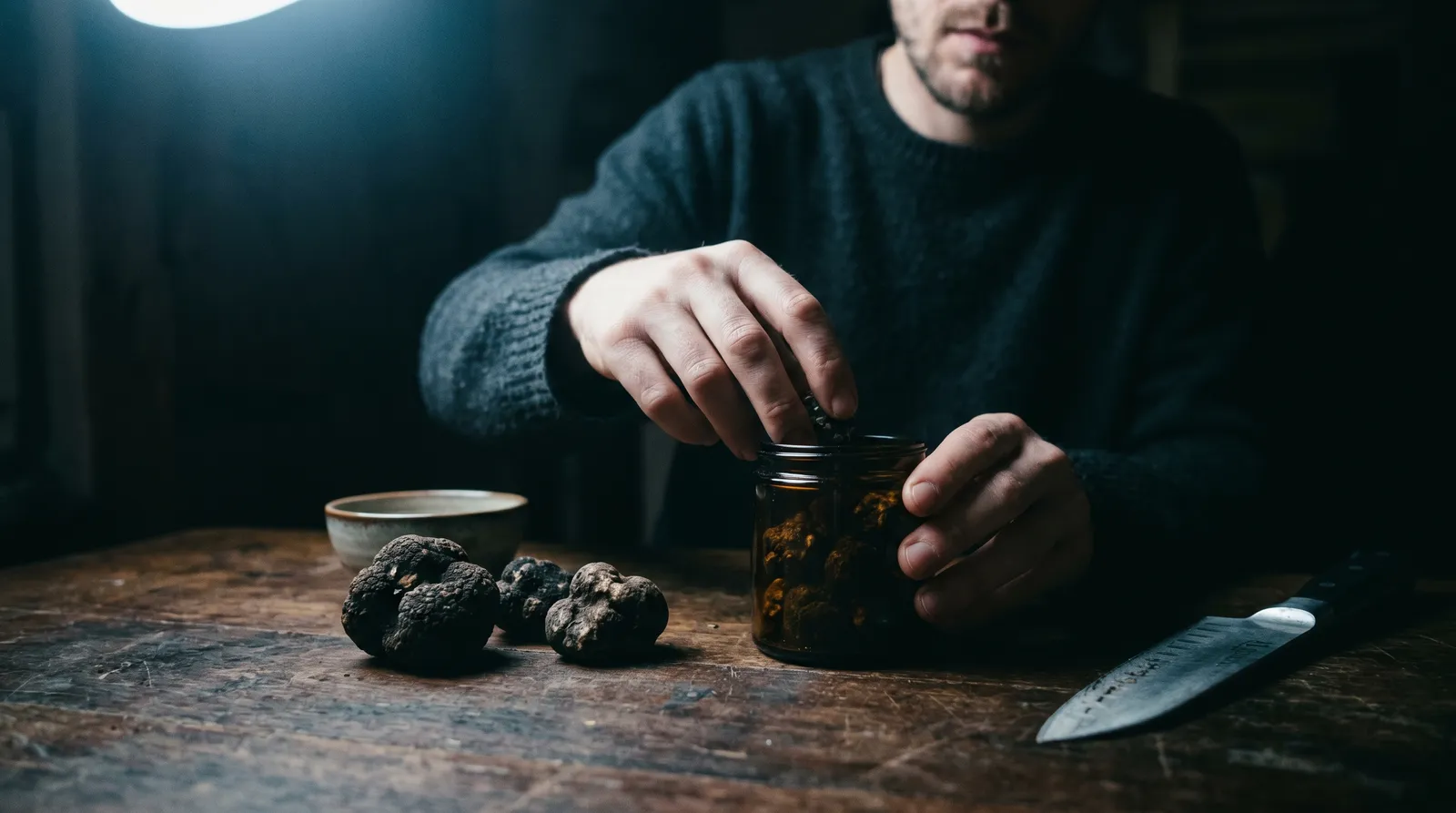
- Leaving opened packs at room temperature. Even a few hours at 20°C+ with oxygen exposure starts the degradation process. Treat opened truffles like fresh fish — fridge, immediately.
- Freezing fresh truffles without drying first. As covered above, the ice crystal damage is real and significant.
- Using a standard kitchen oven to dry. Most ovens can't hold a stable temperature below 50°C. Even with the door cracked open, hot spots and temperature fluctuations make this unreliable.
- Storing in plastic long-term. Plastic is slightly permeable to oxygen and moisture. For anything beyond a few weeks, glass is better.
- Impatience with onset timing. Onset from truffle tea is typically 15–30 minutes; from raw truffles, 30–60 minutes. Waiting at least 90 minutes before considering whether the experience has fully developed is sensible practice. Patience is a preparation skill.
A note on interactions: psilocybin may interact with MAOIs, SSRIs, and lithium. For detailed information, see the dedicated article on psilocybin interactions and safety on the Azarius Encyclopedia. The Azarius experience planner guide is also worth reading before your first session.
Storage Methods at a Glance
| Storage Method | Condition | Expected Shelf Life | Potency Retention |
|---|---|---|---|
| Vacuum-sealed, refrigerated (2-4°C) | Fresh, unopened | 6-8 weeks | High (estimated 90%+) |
| Airtight container, refrigerated | Fresh, opened | 3-5 days | Moderate-high |
| Amber glass jar with desiccant, dark cupboard | Dried (below 10% moisture) | 6-12 months | Moderate-high (estimated 80-90%) |
| Vacuum-sealed, frozen (-18°C) | Dried | 12+ months | High (estimated 85-95%) |
| Submerged in honey, room temperature | Fresh or dried, chopped | 1-2 months | Variable, unquantified |
| Capsules in airtight jar, dark and cool | Dried powder | 2-3 months | Moderate (higher oxidation risk) |
Potency retention figures above are estimates drawn from available cubensis literature and practical observation — peer-reviewed stability data specific to psilocybin sclerotia across these exact conditions and timeframes has not yet been published.
Where to Get Magic Truffles and Storage Supplies
If you want to buy magic truffles that arrive properly vacuum-sealed and ready for storage, the Azarius shop carries the full range of Freshmushrooms psilocybin truffle packs and McSmart truffles. You can also order storage accessories — milligram scales, airtight containers, and other essentials — alongside your truffles so everything arrives together. For anyone serious about storing and preparing magic truffles over the longer term, getting the right supplies from the start saves both potency and frustration.
Last updated: April 2026
Frequently Asked Questions
How long do vacuum-sealed magic truffles last in the fridge?
Commercially vacuum-sealed truffles stored at 2–4°C typically last 6–8 weeks from production. Once opened, wrap remaining truffles in paper towel, seal in an airtight container, and use within 3–5 days.
Can you freeze fresh magic truffles?
Freezing fresh truffles is not recommended. Their high moisture content causes ice crystals that rupture cell walls, accelerating psilocin degradation upon thawing. Dry truffles first (below 10% moisture), then freeze in vacuum-sealed bags for 12+ months of storage.
Does making tea from magic truffles reduce potency?
Not significantly, provided water temperature stays below 70°C. Psilocybin is water-soluble and transfers into the tea. Boiling water for extended periods may cause some degradation. Steep chopped truffles for 15–20 minutes in hot (not boiling) water for best results.
How do you dry magic truffles at home?
Slice truffles thinly and use a food dehydrator set to 35–45°C for 12–24 hours. They're done when they snap cleanly. Alternatively, place sliced truffles over food-grade silica gel in a sealed container for 2–5 days. Avoid kitchen ovens — most can't hold stable temperatures below 50°C.
What is the shelf life of dried magic truffles?
Dried truffles stored in an airtight amber glass jar with a silica gel packet, in a cool dark place, retain most of their psilocybin for 6–12 months. Expect roughly 10–15% potency loss per year under good conditions, though truffle-specific long-term data remains limited.
Does adding lemon juice to magic truffle tea make it stronger?
The "lemon tek" method may speed the conversion of psilocybin to psilocin (the active compound), potentially producing faster onset and a more compressed experience. Controlled studies on this mechanism are limited, but many users report a noticeably quicker and more intense onset compared to plain tea.
Frequently Asked Questions
10 questionsHow long do vacuum-sealed magic truffles last in the fridge?
Can you freeze fresh magic truffles?
Does making tea from magic truffles reduce potency?
How do you dry magic truffles at home?
What is the shelf life of dried magic truffles?
Does adding lemon juice to magic truffle tea make it stronger?
How can you tell if magic truffles have gone bad?
Should you eat magic truffles on an empty stomach?
Should magic truffles be stored in their original vacuum packaging before opening?
Why do magic truffles sometimes develop white fuzz during storage?
About this article


Adam Parsons is an external cannabis and psychedelics writer and editor who contributes to Azarius's wiki as both author and reviewer. On the writing side, he authors Azarius's kratom and kanna clusters, drawing on exten
This wiki article was drafted with AI assistance and reviewed by Adam Parsons, External contributor. Editorial oversight by Joshua Askew.
Medical disclaimer. This content is for informational purposes only and does not constitute medical advice. Consult a qualified healthcare provider before use of any substance.
Last reviewed April 19, 2026
References (7)
- [1]Fricke, J., Blei, F., & Hoffmeister, D. (2017). Enzymatic synthesis of psilocybin. Angewandte Chemie International Edition , 56(40), 12352–12355. DOI: 10.1002/anie.201705489
- [2]Fricke, J., Kargbo, R., Tolber, S., Major, Z., Shao, Z., & Sherwood, A. (2020). Psilocybin biosynthesis and stability. Chemistry — A European Journal , 26(37), 8281–8285.
- [3]Gotvaldová, K., Hájková, K., Borovička, J., & Jurok, R. (2021). Stability of psilocybin and its four analogs in the biomass of the psychotropic mushroom Psilocybe cubensis . Drug Testing and Analysis , 13(2), 439–446.
- [4]Lenz, C., Wick, J., & Hoffmeister, D. (2020). Dephosphorylation of psilocybin to psilocin during drying and storage. Journal of Natural Products , 83(3), 684–689.
- [5]Tsujikawa, K., Kanamori, T., Iwata, Y., Ohmae, Y., Sugita, R., Inoue, H., & Kishi, T. (2003). Morphological and chemical analysis of magic mushrooms in Japan. Forensic Science International , 138(1-3), 85–90. DOI: 10.1016/j.forsciint.2003.08.009
- [6]Beckley Foundation. (2023). Psilocybin research programme: pharmacology and therapeutic mechanisms. Beckley Foundation Research Reports.
- [7]European Monitoring Centre for Drugs and Drug Addiction (EMCDDA). (2024). European Drug Report: psilocybin and psilocin. EMCDDA Publications.
Related Articles
Hawaiian Baby Woodrose Sourcing
Hawaiian baby woodrose sourcing is a practice that covers how to obtain quality Argyreia nervosa seeds — a vine whose seeds contain LSA (lysergic acid amide).
LSA Legal Status in Europe
LSA (lysergic acid amide, or ergine) occupies a legal grey zone across Europe — rarely scheduled as a compound, yet subject to varied NPS legislation that…
Ololiuqui Mazatec Tradition: Ceremonial Seeds of the Sierra Mazateca
Ololiuqui — the seeds of Turbina corymbosa — played a specific ceremonial role among the Mazatec people of Oaxaca, distinct from their better-known use of…
Morning Glory LSA Plants Family
Morning glory LSA plants family is a group of Convolvulaceae vines whose seeds contain d-lysergic acid amide (ergine), a naturally occurring tryptamine first…
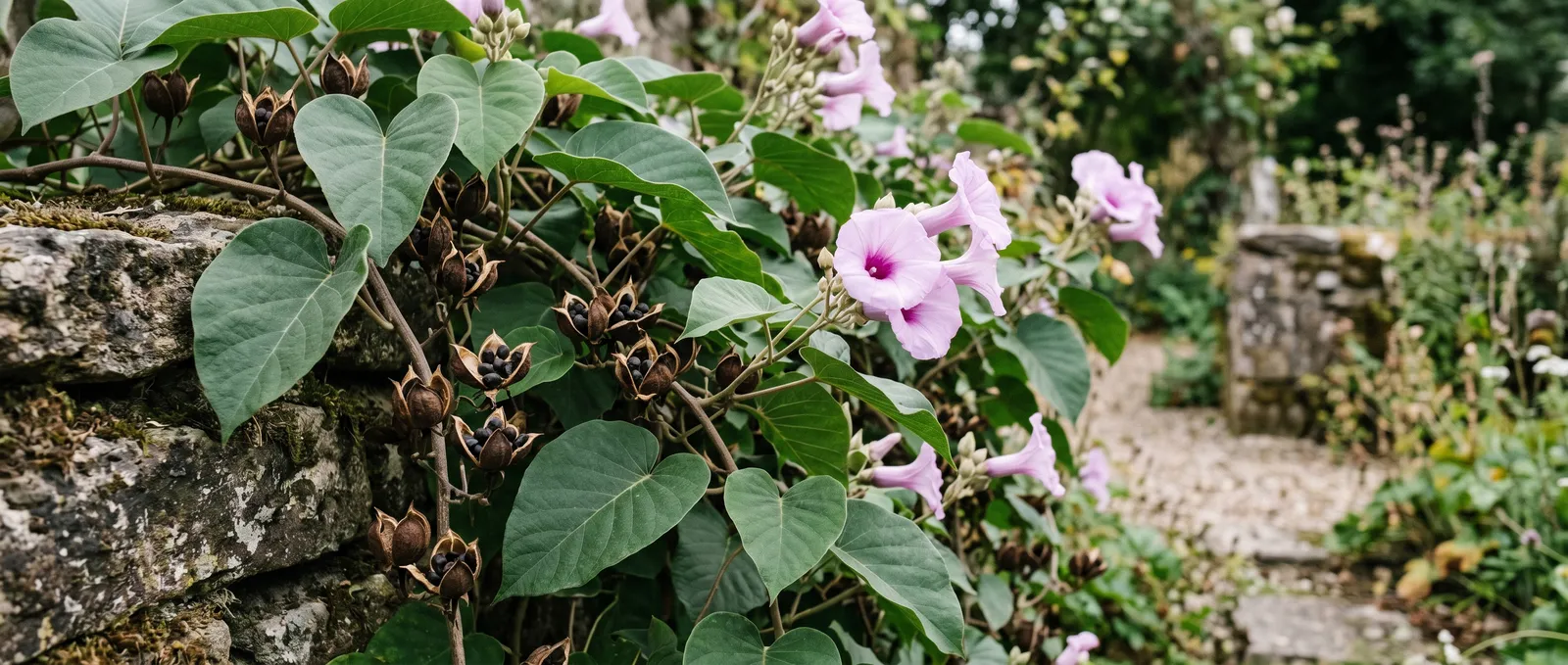
Hawaiian Baby Woodrose Plant Botany
Argyreia nervosa, commonly called Hawaiian baby woodrose, is a perennial climbing vine native to the Indian subcontinent, not Hawai'i.
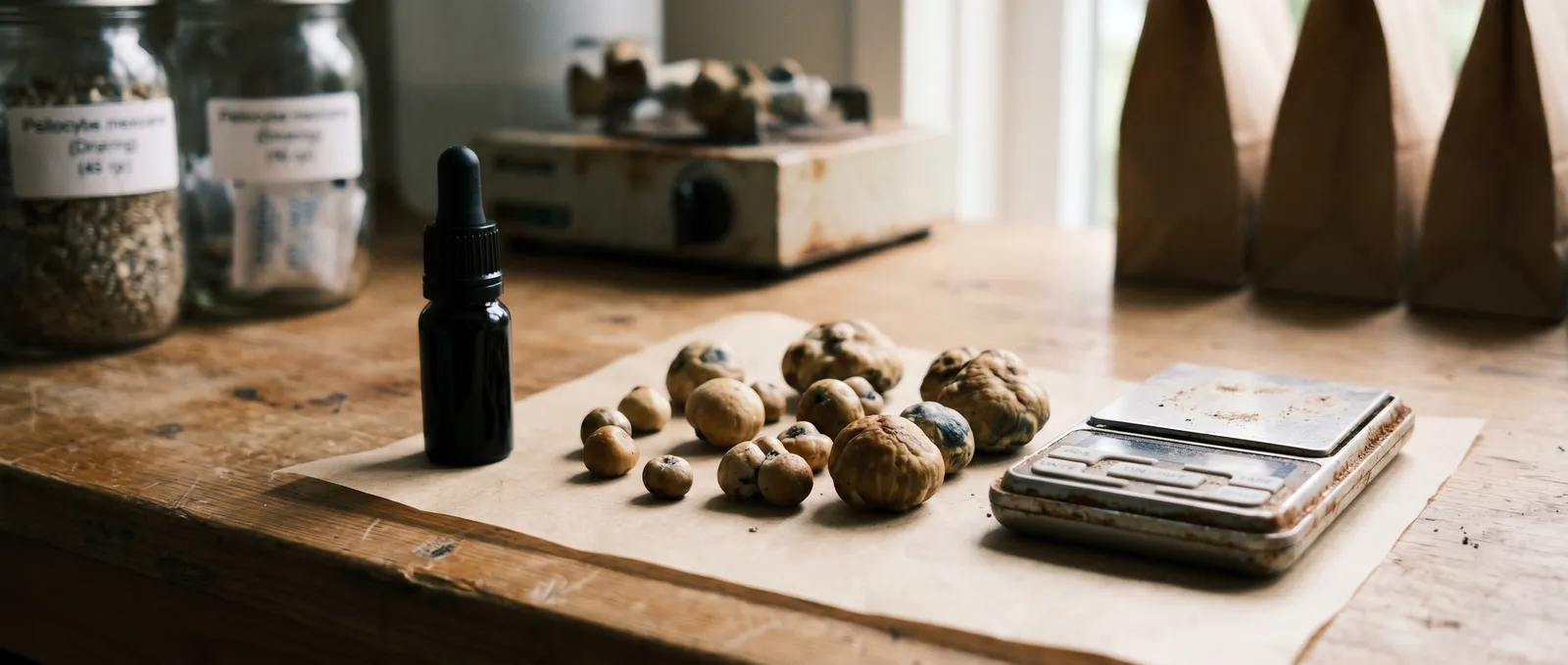
Magic Truffle Quality Indicators
Magic truffle quality indicators are the measurable and sensory characteristics — psilocybin content, texture, aroma, packaging integrity, and storage…
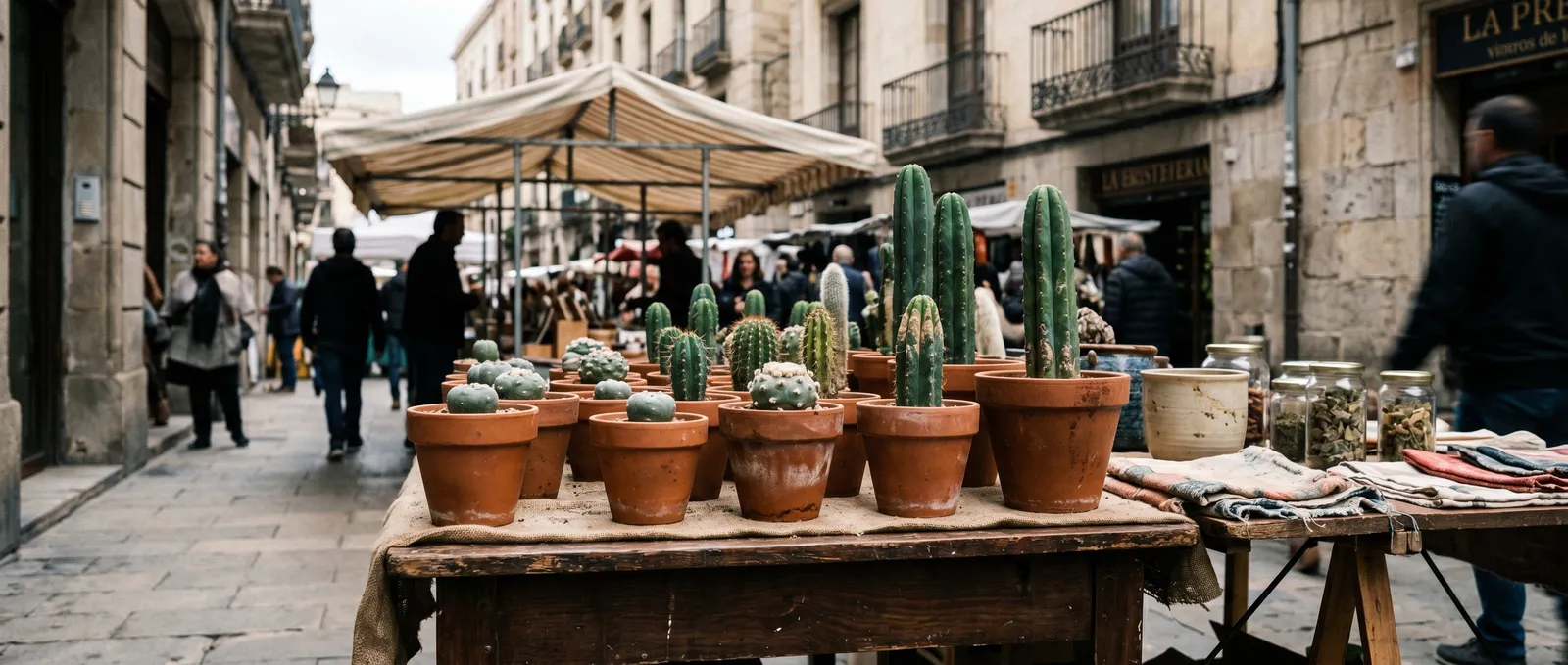
Mescaline Cactus Market Observations
Mescaline cactus market observations is a research and retail term that describes the shifting patterns in sourcing, species selection, and consumption of…
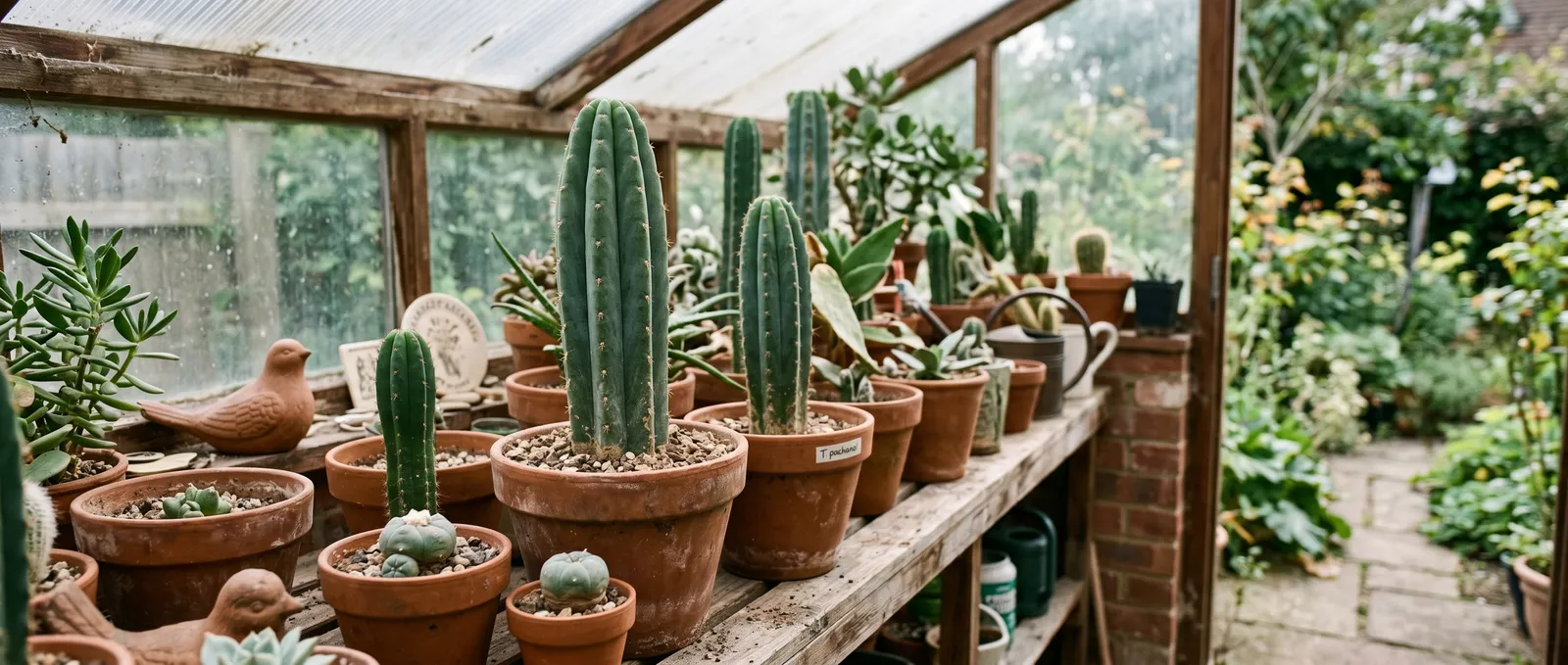
Growing Mescaline Cacti as Ornamental Plants
Growing mescaline cacti ornamental is a horticultural practice that involves cultivating species like San Pedro, Peruvian Torch, and peyote for their…
Commercial Magic Truffle Cultivation
Commercial magic truffle cultivation is a large-scale agricultural process that produces psilocybin-containing sclerotia in climate-controlled indoor…