
Functional Mushroom Quality, Contamination, and Adulteration
Definition
Quality problems in functional mushroom products span heavy metal contamination, microbial pathogens, species substitution, and starch-based adulteration. Wu et al. (2017) found beta-glucan content in reishi supplements ranged from below 1% to over 50%, illustrating a market where the gap between the best and worst products is not marginal — it is an order of magnitude.
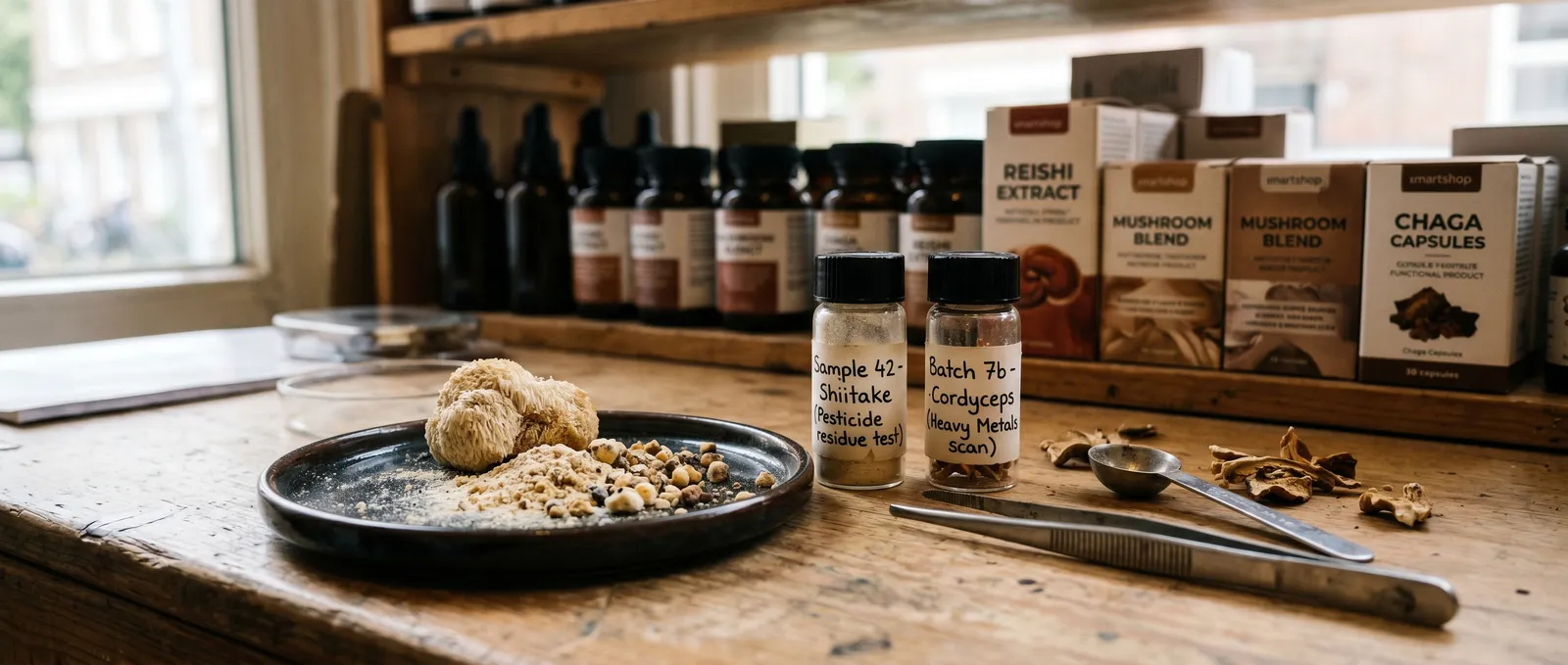
Functional mushroom quality contamination adulteration is a product-integrity problem that ranges from harmless label inaccuracies to genuinely dangerous exposure to heavy metals, pesticides, or microbial pathogens. Because dried fungal biomass readily absorbs compounds from its substrate and growing environment, and because the gap between a high-potency fruiting-body extract and a starch-heavy mycelium-on-grain powder is enormous, understanding what can go wrong — and how to spot it — matters more here than in most supplement categories. The term "adulteration" in this context covers everything from deliberate addition of fillers to passive contamination during cultivation or processing. If you want to buy functional mushroom supplements with confidence, or order from any vendor online, the information below will help you evaluate what you are actually getting.
What Contamination Actually Looks Like
Contamination in functional mushrooms falls into three broad categories — chemical, microbial, and environmental — each entering the supply chain at different points and posing different risks to anyone who might buy or order these products.
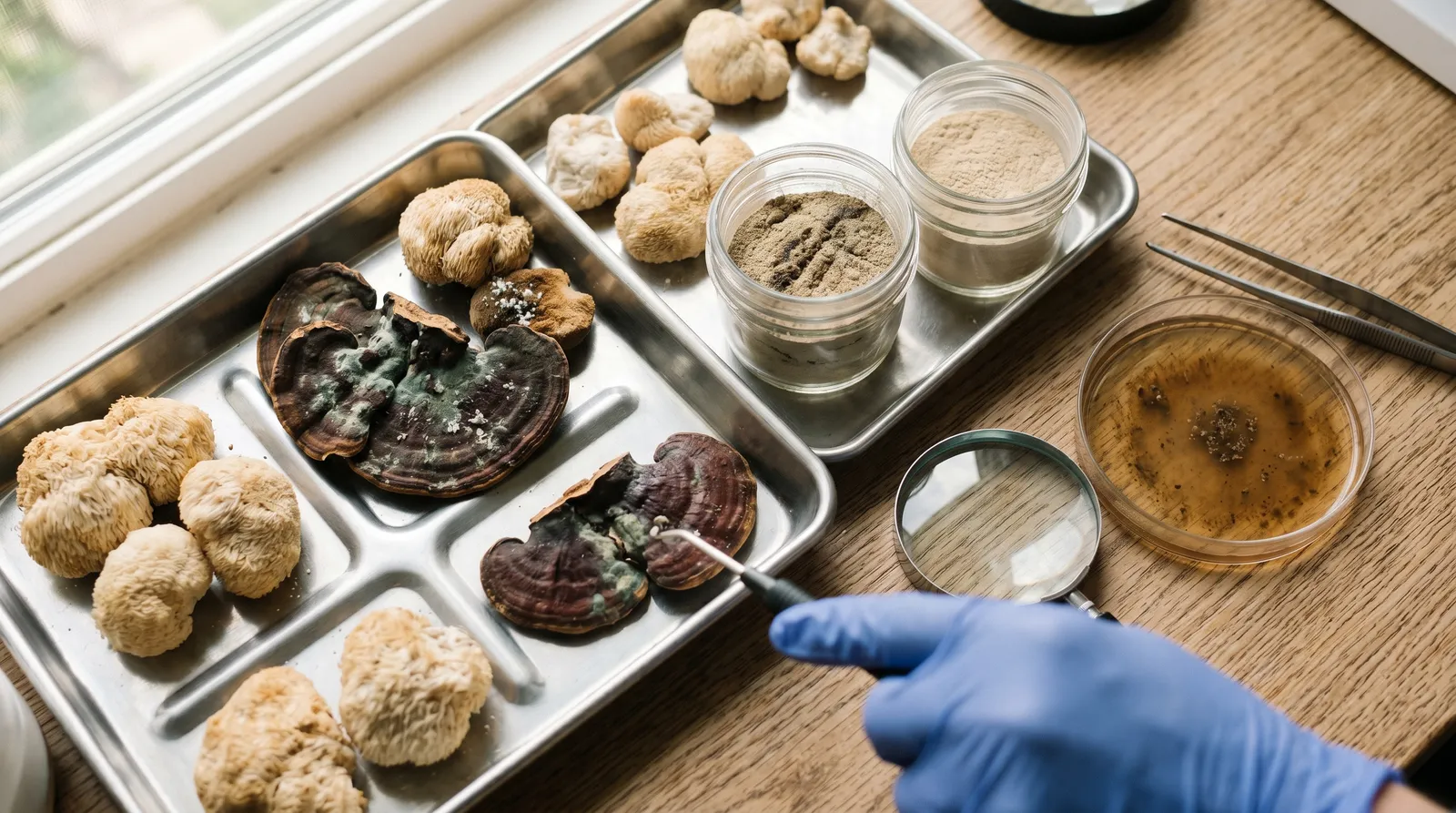
Heavy metals are the most widely documented chemical contaminant. Fungi are hyperaccumulators — they pull metals from soil, substrate, and water with remarkable efficiency. Chaga (Inonotus obliquus) harvested from birch trees in industrially polluted regions has been found to concentrate cadmium, lead, and arsenic at levels well above food-safety thresholds. Branco et al. (2023) analysed commercially available mushroom supplements across several European markets and found that 8 of 37 products exceeded European Commission maximum limits for lead or cadmium. That is roughly one in five products failing on heavy metals alone.
Pesticide residues are less frequently tested for but still present, particularly in products sourced from large-scale Chinese cultivation operations where agricultural chemical use varies by farm. Organophosphates and pyrethroids have been detected in dried shiitake (Lentinula edodes) and reishi (Ganoderma lucidum) products in spot-check analyses, though systematic data across the market remain limited.
Microbial contamination includes moulds (particularly Aspergillus species, which produce aflatoxins), yeasts, and bacteria such as Salmonella and E. coli. Dried mushroom powders stored in warm, humid conditions are especially vulnerable. A 2020 analysis by Wu et al. found aflatoxin B1 in 12% of dried Ganoderma lucidum samples sourced from subtropical growing regions, with three samples exceeding 5 µg/kg — the threshold considered actionable in most food-safety frameworks.
Radiation is a niche but real concern for wild-harvested species. Chaga and certain wild reishi sourced from regions affected by the Chernobyl fallout zone have shown elevated caesium-137 levels. This applies almost exclusively to wild-harvested Eastern European material, not cultivated products, but it is worth knowing if you are sourcing wild chaga specifically.
Adulteration Versus Contamination: The Difference Matters
Adulteration is the deliberate addition of substances to cut costs, inflate apparent potency, or bulk up weight — distinct from contamination, which is usually accidental. This distinction is central to understanding functional mushroom quality contamination adulteration as interconnected but separate problems.
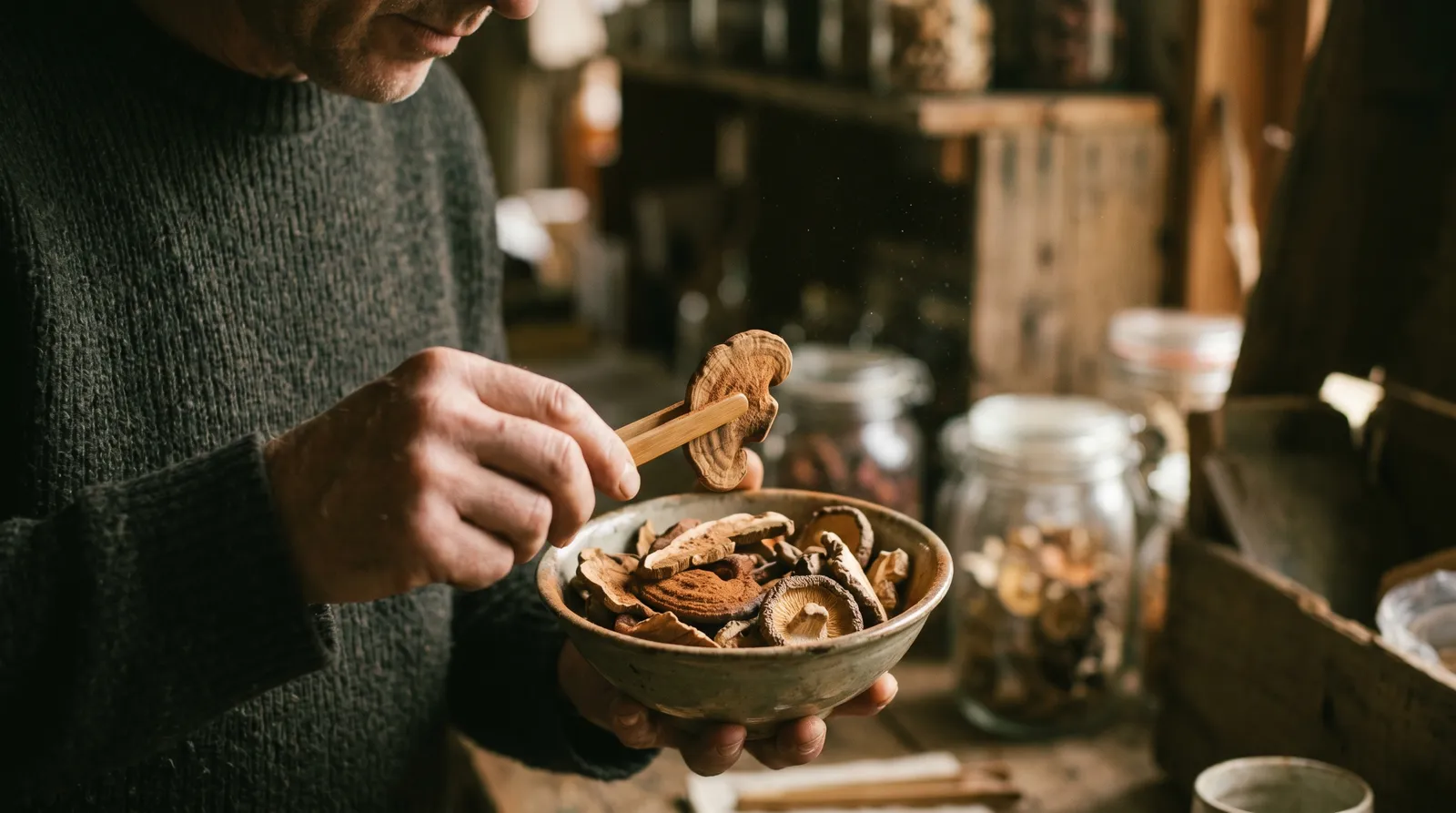
The most common form of adulteration in functional mushrooms is not exotic. It is starch. Mycelium-on-grain products — where fungal mycelium is grown on and harvested together with a rice or oat substrate — can contain 50–70% grain starch by weight, with correspondingly low beta-glucan content. Whether this counts as "adulteration" or simply "a different product category" depends on labelling. If the label says "lion's mane extract" and the product is mostly rice flour with some mycelium running through it, that is a labelling problem at minimum.
Wu et al. (2017) tested 19 reishi products sold in the United States and found that beta-glucan content ranged from less than 1% to over 50%, with several mycelium-on-grain products testing below 5%. Meanwhile, products made from hot-water-extracted fruiting bodies consistently tested above 30%. The starch content of the low-beta-glucan products was correspondingly high — in some cases above 60% — confirming that consumers were essentially buying grain powder with trace fungal material.
Other documented forms of adulteration include:
- Species substitution — selling Ganoderma applanatum (artist's bracket) as Ganoderma lucidum (reishi), or using unrelated polypore species in "turkey tail" products. Dentinger and Suz (2014) used DNA barcoding on 15 herbal supplements labelled as containing specific mushroom species and found that one-third contained species other than what was listed on the label.
- Dextrin and maltodextrin fillers — cheap carbohydrate bulking agents that inflate weight without adding active compounds. These are difficult to detect without laboratory analysis because they dissolve similarly to beta-glucans in basic tests.
- Synthetic beta-glucan spiking — adding purified yeast-derived beta-glucans to a low-quality mushroom product so it passes a total-beta-glucan assay. The beta-glucans are real, but they are not from the mushroom species on the label, and their immunological profile differs from fungal beta-glucans with specific branching patterns.
How to Read a Certificate of Analysis
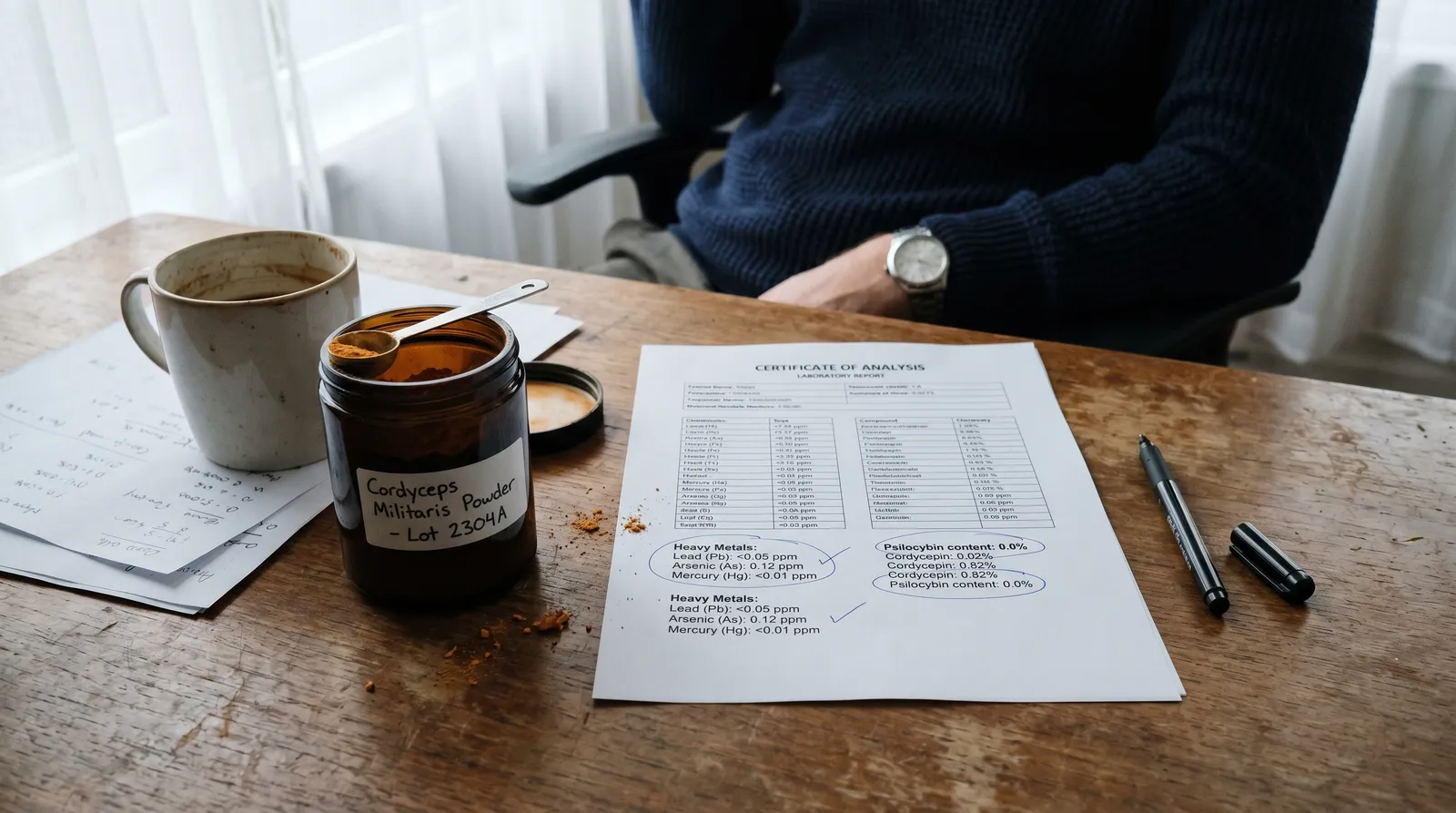
A certificate of analysis (CoA) is a laboratory document reporting what is actually in a product — and it is the single most useful tool for evaluating functional mushroom quality contamination adulteration risk before you buy or order.
| CoA Element | What It Tells You | Red Flags |
|---|---|---|
| Beta-glucan content (%) | Primary active polysaccharide concentration; fruiting-body extracts typically test 20–60% | Below 10% in a product labelled "extract"; no method specified (Megazyme assay is the current standard) |
| Starch / alpha-glucan content (%) | Indicates grain filler; high starch means mycelium-on-grain or adulteration | Above 30% in any product not explicitly labelled as whole-biomass mycelium |
| Heavy metals panel (Pb, Cd, As, Hg) | Whether the product exceeds safe intake thresholds for lead, cadmium, arsenic, mercury | No heavy metals panel at all; results reported without units or detection limits |
| Microbial panel (TPC, yeast/mould, coliforms) | Whether the product carries dangerous microbial loads | Missing aflatoxin testing for products sourced from subtropical regions |
| Triterpene content (%) | Relevant for reishi and chaga; indicates alcohol-soluble bioactive fraction | Claimed on a hot-water-only extract (hot water does not efficiently extract triterpenes) |
| Species identity (DNA or HPTLC) | Confirms the product contains the species on the label | No identity testing; reliance on visual inspection alone |
A CoA is only as good as the lab that produced it. Third-party testing — where the manufacturer sends product to an independent laboratory rather than testing in-house — is more reliable. Look for the lab's name, accreditation number, and the date of analysis. A CoA without a lab name is not a CoA; it is a spreadsheet someone typed up.
One persistent confusion: the Megazyme beta-glucan assay (the enzymatic method most widely used in the industry) measures total beta-glucans by subtracting alpha-glucans from total glucans. If a lab reports "polysaccharide content" instead of "beta-glucan content," the number may include starch and other non-bioactive carbohydrates, inflating the apparent potency considerably.
Mycelium on Grain and the Starch Question
Mycelium-on-grain products contain the entire colonised substrate — fungal mycelium plus the grain it grew on — and this is the single most contentious quality divide in the functional mushroom industry.
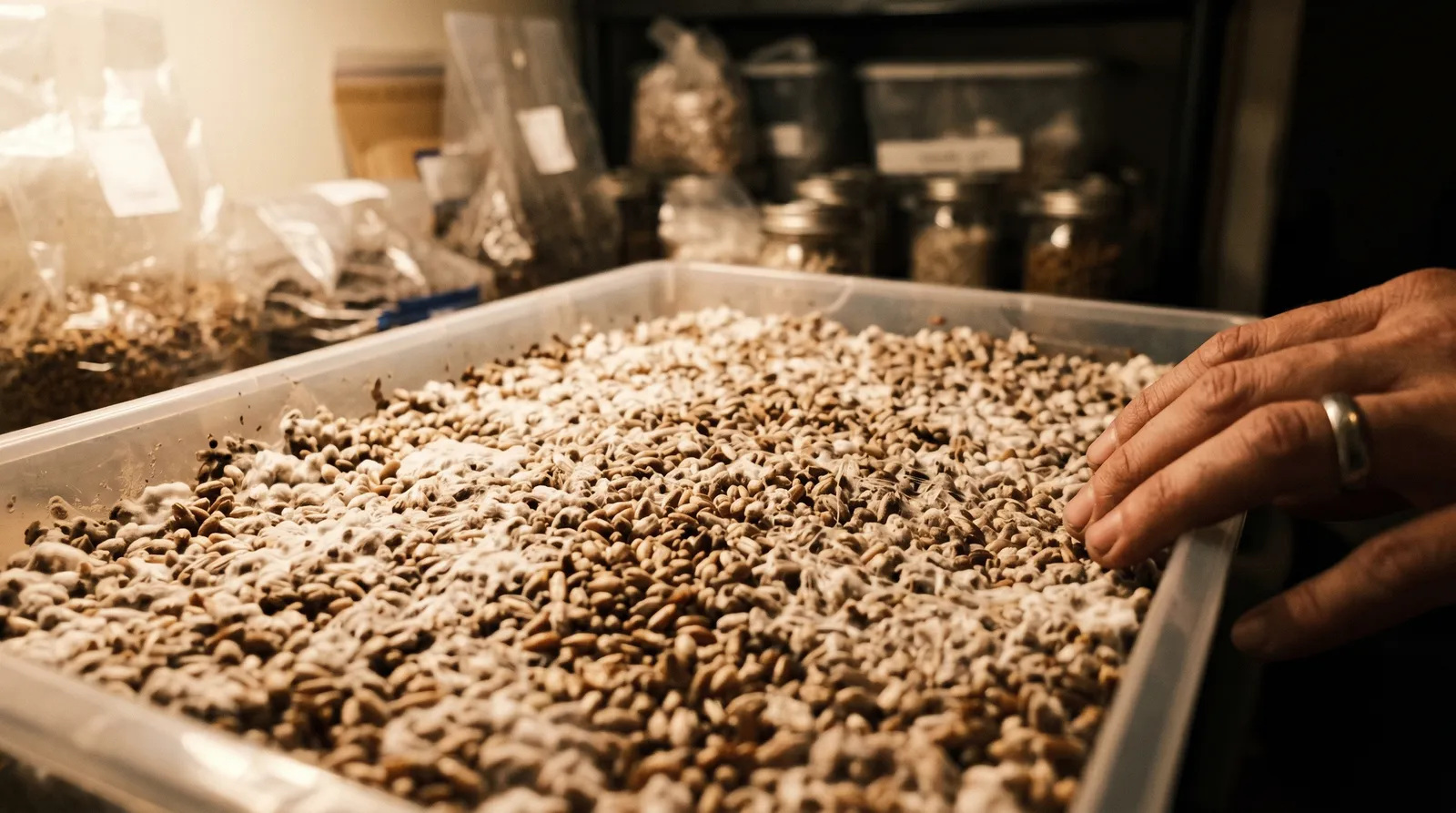
Mycelium-on-grain (MOG) products are made by inoculating sterilised grain (usually rice or oats) with fungal mycelium, allowing the mycelium to colonise the grain, then drying and powdering the entire mass — grain and all. The resulting product contains fungal mycelium, residual grain substrate, and whatever compounds each contributes.
Fruiting-body products use the mature mushroom structure — the part you would recognise as a mushroom — typically dried and then extracted with hot water, alcohol, or both.
The beta-glucan content difference is not subtle. McCleary and Draga (2016) reported that fruiting-body extracts of Ganoderma lucidum routinely tested between 30% and 55% beta-glucans, while MOG preparations of the same species tested between 3% and 12%, with alpha-glucan (starch) content often exceeding 50%. For Hericium erinaceus, the pattern is similar: fruiting-body extracts in the 25–40% beta-glucan range versus MOG products in the 5–15% range.
Defenders of MOG preparations argue that mycelium contains compounds not found in fruiting bodies — including certain extracellular metabolites and enzymes — and that "full-spectrum" biomass offers a broader biochemical profile. This argument has some theoretical basis but limited clinical validation. Most published clinical trials on functional mushrooms used either fruiting-body extracts or isolated polysaccharide fractions, not MOG preparations. When you see a study on, say, Hericium erinaceus and cognitive function (Mori et al., 2009), the preparation tested was a fruiting-body extract — not a rice-flour-heavy mycelium powder.
Neither format is inherently fraudulent. The problem is labelling. A MOG product honestly labelled as "mycelium biomass grown on organic brown rice" is a legitimate product. The same material labelled as "lion's mane mushroom extract" is misleading, because the consumer reasonably expects mushroom (fruiting body), not grain with mycelial threads running through it.
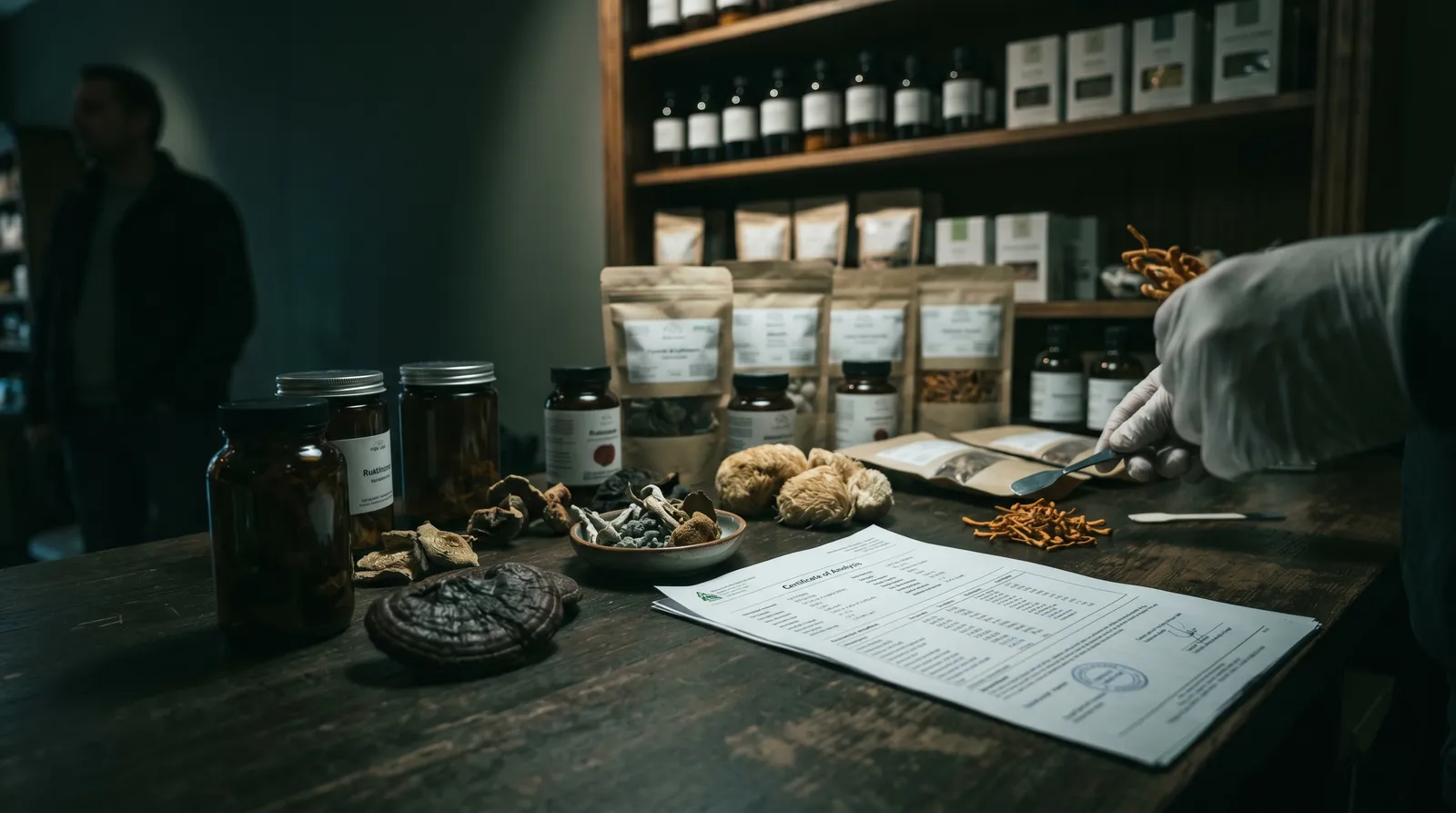
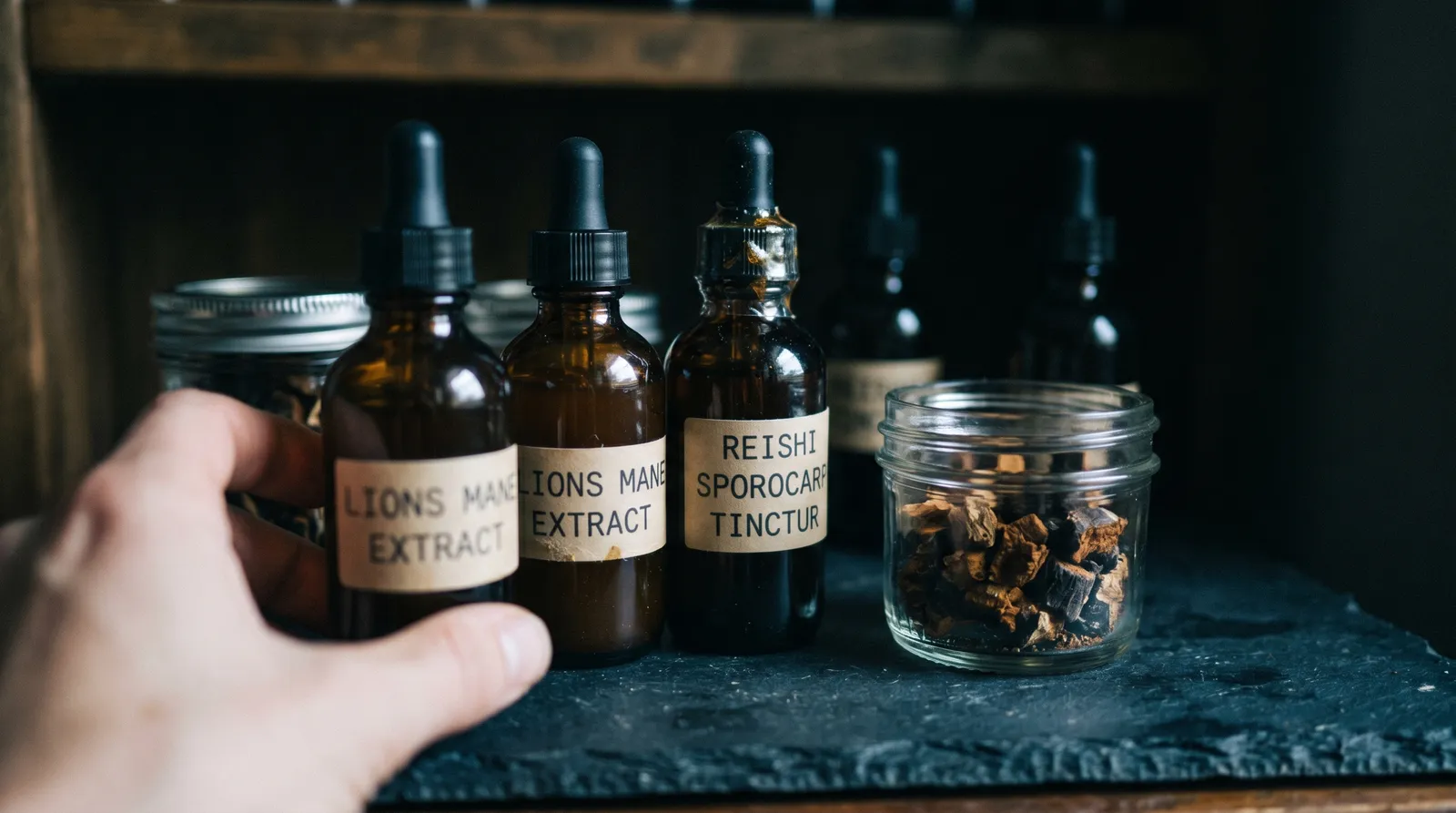
There was also a reishi product — beautiful packaging, confident claims about triterpene content — that turned out to be a hot-water-only extract. When we asked the supplier for triterpene data, they went quiet. Hot water does not pull triterpenes efficiently; you need alcohol extraction for that. The label was technically not lying, but it was letting the customer assume something the product could not deliver. We passed on it.
A more recent example involved a cordyceps product marketed as wild-harvested Tibetan Ophiocordyceps sinensis. The asking price was suspiciously low for genuine wild cordyceps, which typically sells for thousands of euros per kilogram. DNA testing confirmed it was cultivated Cordyceps militaris — a perfectly good species, but not what the label claimed. The supplier either did not know or did not care. Either way, we walked away. These experiences have made us pickier, and we think that is a feature, not a bug.
The honest truth is that we cannot verify every batch of every product with the rigour of a pharmaceutical company — no supplement retailer can. What we can do, and what we encourage every customer to do, is treat the CoA as non-negotiable. If a brand will not show you one, walk away. If the CoA lacks a lab name, walk away faster. When you get ready to buy or order any functional mushroom product — from us or anyone else — the CoA should be the first thing you look at, not the last.
Practical Steps for Evaluating Product Quality
The most effective single action you can take is requesting a certificate of analysis before you buy — everything else follows from there.
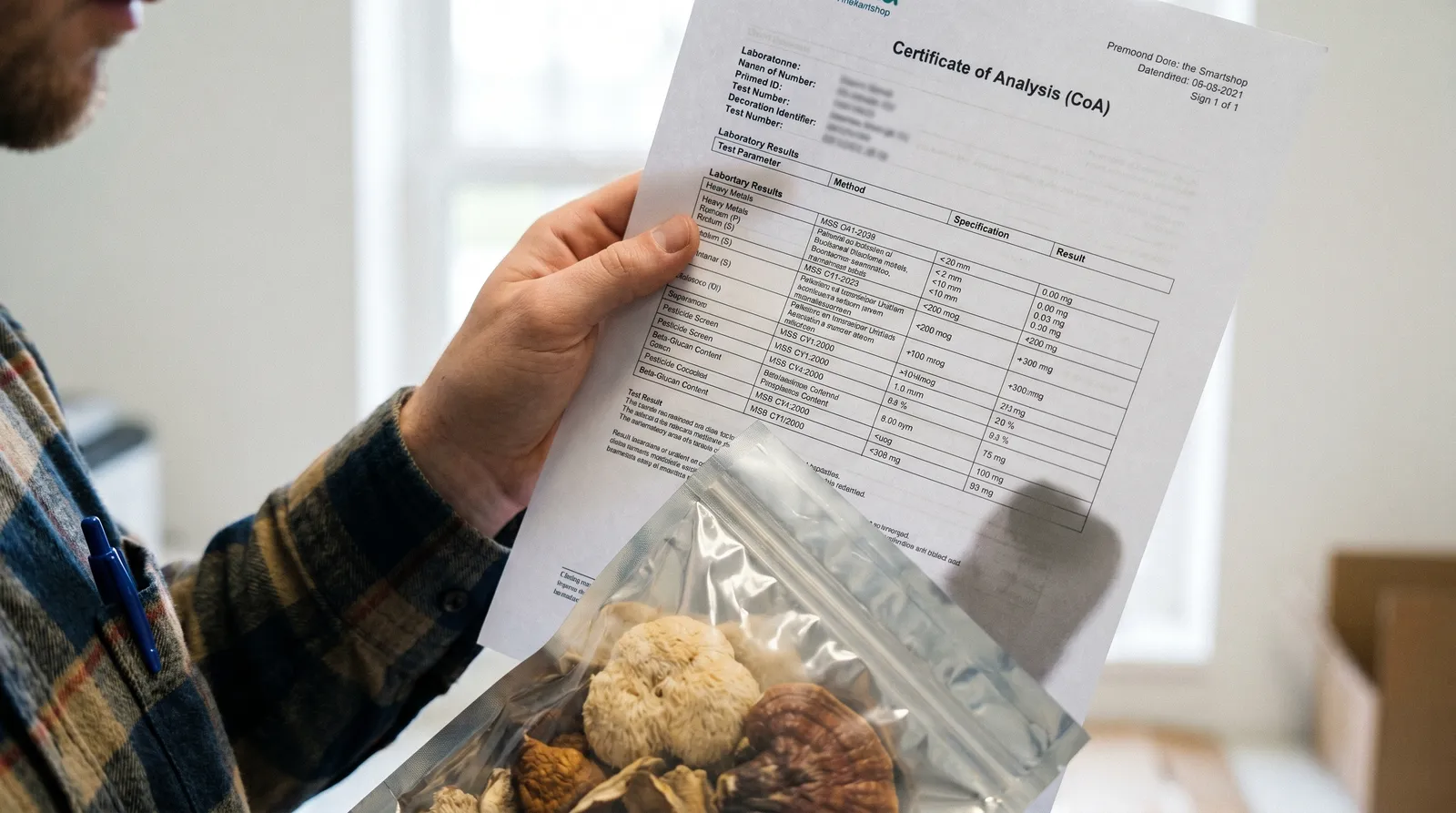
- Ask for the CoA. If a manufacturer will not share one, that tells you something. If they share one without a lab name or date, that tells you more.
- Check the beta-glucan number and the method. Megazyme enzymatic assay is the standard. "Polysaccharide content" is not the same thing as "beta-glucan content."
- Look at the starch or alpha-glucan figure. High starch in a product labelled as an extract is a red flag for MOG material or filler.
- Check whether the product specifies fruiting body or mycelium. If the label does not say, assume mycelium on grain — manufacturers of fruiting-body extracts almost always state it explicitly because it is a selling point.
- For reishi and chaga, ask about triterpene content. If the product claims triterpene benefits but was made by hot-water extraction only, the triterpene content will be negligible. Triterpenes require alcohol extraction.
- For any wild-harvested product (especially chaga), ask about heavy metals testing. Wild fungi from polluted environments concentrate metals that cultivated fungi on clean substrate do not.
- Compare products side by side. When you order a lion's mane extract, compare the CoA figures to the ranges in the table above. If the numbers do not match what a fruiting-body extract should deliver, reconsider.
None of this guarantees a good product, but it filters out the worst actors in a market where functional mushroom quality contamination adulteration variance is genuinely enormous. The difference between the best and worst functional mushroom supplements is not 10% or 20% — it can be an order of magnitude in active-compound content.
What We Do Not Know Yet
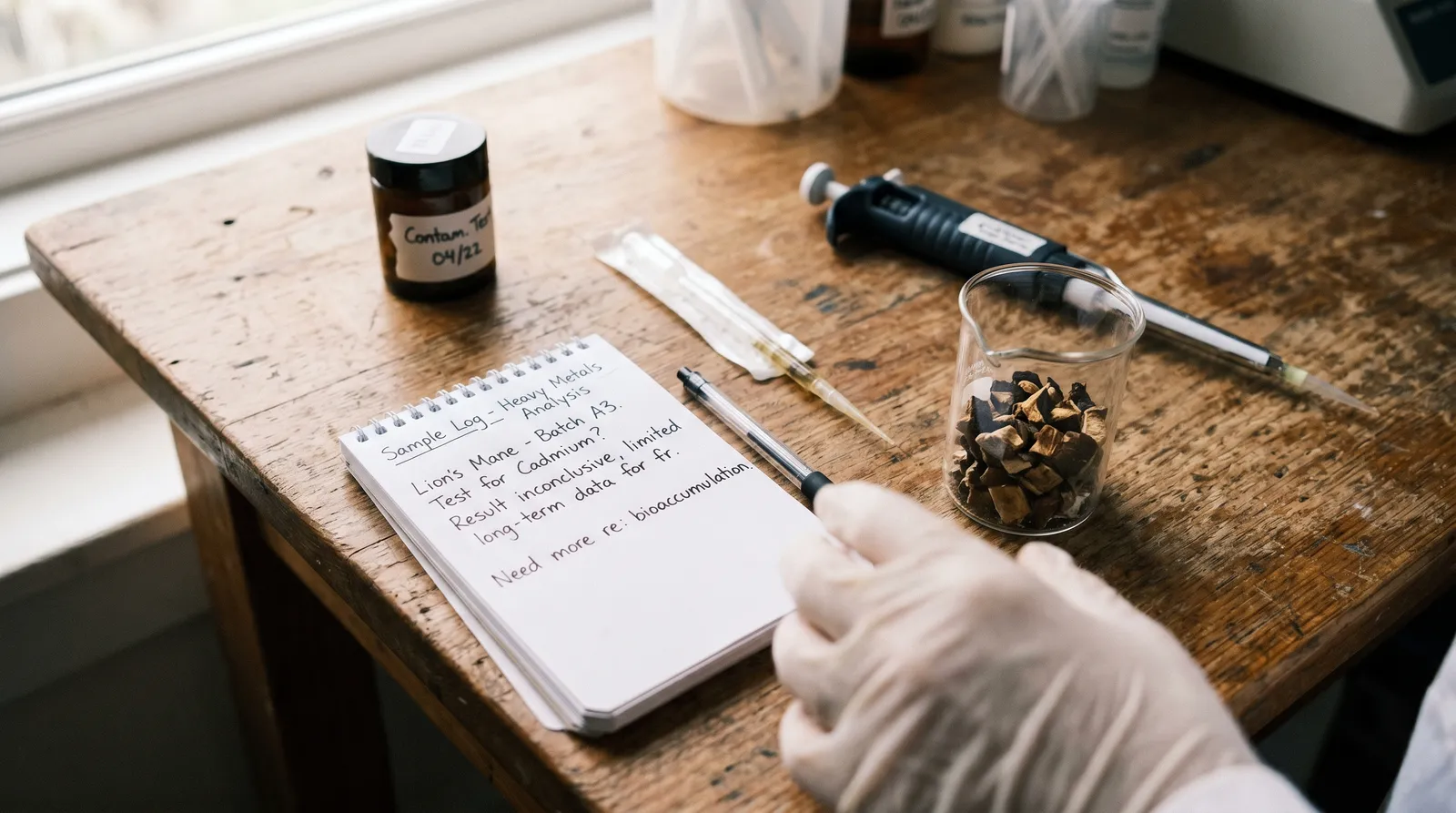
There are real limits to current knowledge about functional mushroom quality contamination adulteration, and pretending otherwise would be dishonest. Long-term bioaccumulation data for heavy metals from chronic supplement use is sparse — most studies measure what is in the product, not what accumulates in the consumer over years. The clinical significance of the beta-glucan content difference between MOG and fruiting-body products has not been tested head-to-head in humans for most species. And while DNA barcoding can catch species substitution, it cannot tell you whether a correctly identified species was grown in conditions that maximise bioactive compound production. We genuinely wish we could give you a simple checklist that guarantees quality — but the science is not yet where it needs to be to give fully definitive guidance, and anyone who tells you otherwise is selling certainty they do not have.
Safety Implications of Poor Quality
Contaminated or adulterated functional mushroom products can actively cause harm — not merely fail to deliver benefits — which is why this topic matters beyond simple value-for-money concerns.
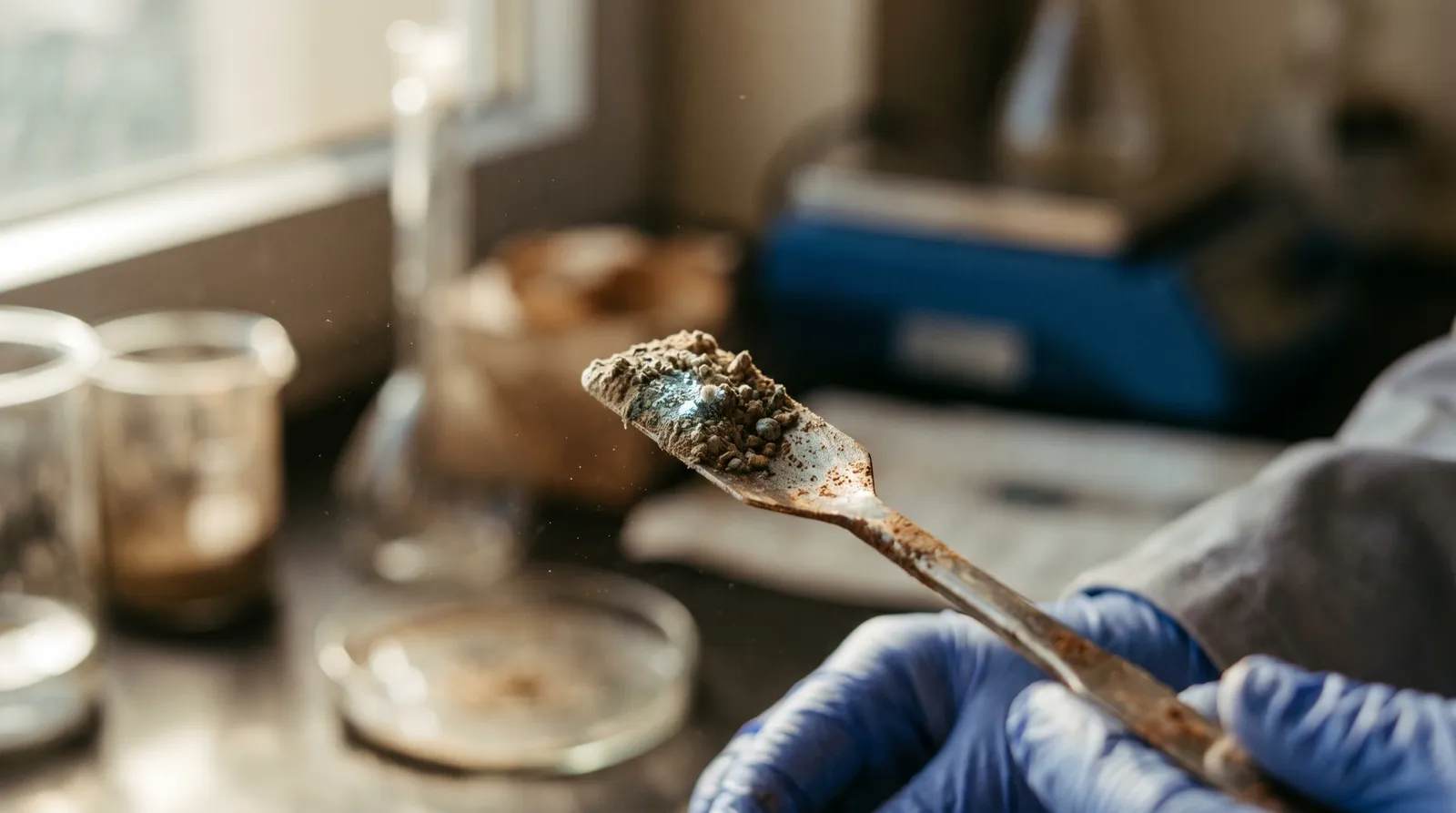
Heavy metal accumulation from chronic use of contaminated supplements is a real risk, particularly for cadmium, which has a biological half-life of 10–30 years in the human body. Aflatoxin exposure from mould-contaminated products is carcinogenic. And species substitution can introduce compounds with unexpected pharmacological activity — Ganoderma applanatum does not share the same triterpene profile as Ganoderma lucidum, meaning a substituted reishi product may have different effects on platelet aggregation and blood pressure than the consumer expects.
For individuals taking prescription medication — particularly anticoagulants, immunosuppressants, or blood-sugar-lowering drugs — product inconsistency adds a layer of unpredictability to an already complex interaction picture. The EMCDDA and other European monitoring bodies have flagged supplement adulteration as an emerging concern in their broader assessments of novel psychoactive and bioactive substance markets. The point here is simpler: if you cannot trust that the product contains what the label says, you cannot assess your own risk accurately.
How Functional Mushrooms Compare to Other Supplement Categories
Functional mushroom quality problems are more severe than those in most herbal supplement categories, and the reasons are structural rather than incidental. The starch-filler issue has no real parallel in, say, valerian or ashwagandha supplements — you do not get 60% rice flour in a valerian capsule. The hyperaccumulation of heavy metals is more extreme in fungi than in most plant-based supplements because of the biological role mycelium plays in nutrient cycling. And the fruiting-body-versus-mycelium distinction creates a quality split that simply does not exist for herbs where the whole plant is the product.
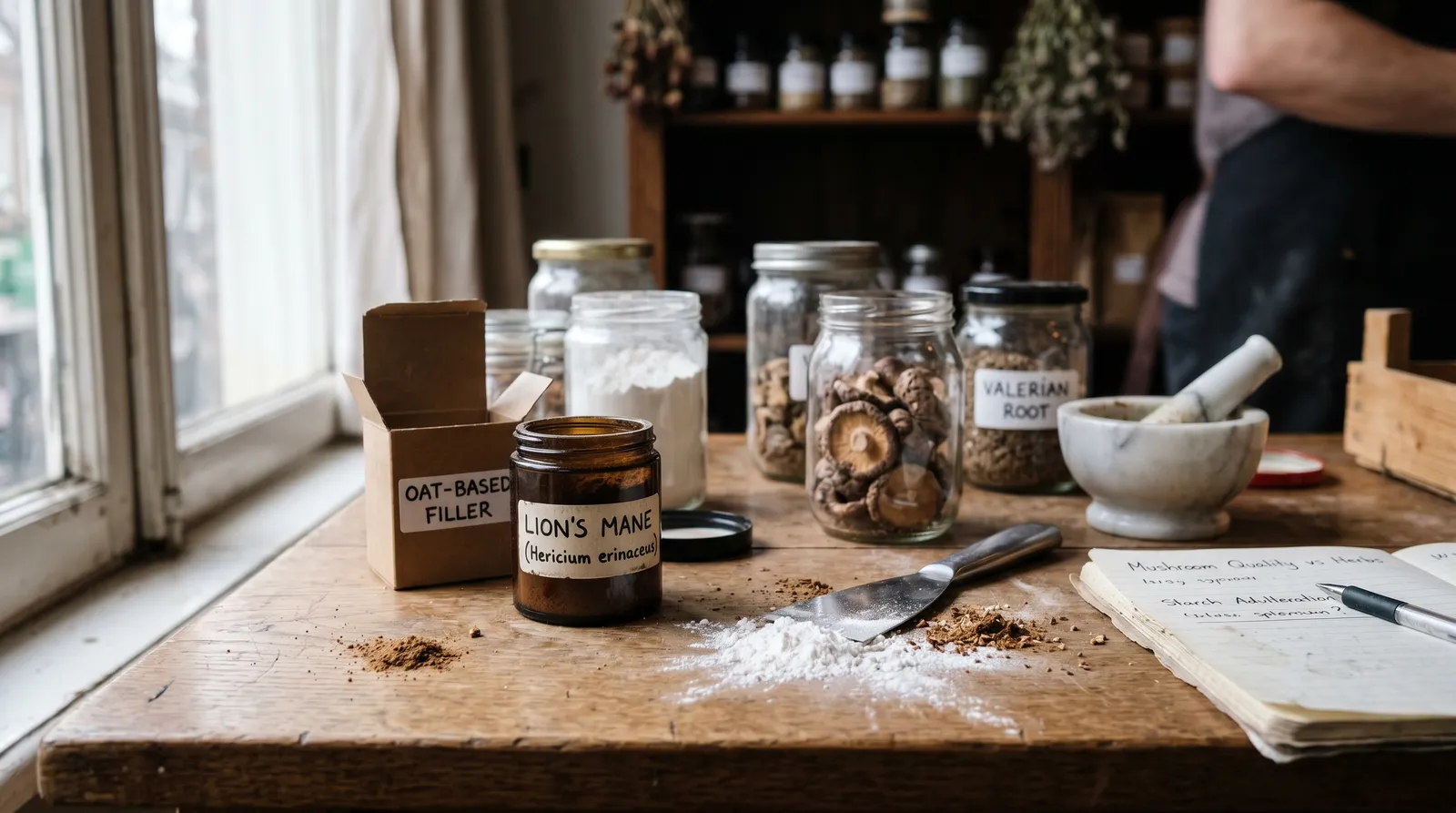
Compare this to something like CBD supplements, where the primary quality concern is accurate cannabinoid content and THC compliance — a narrower problem set. Or consider adaptogens like ashwagandha, where the main adulteration risk is dilution with cheaper root material from the same species rather than wholesale substitution with a different organism. In the functional mushroom space, you can encounter species substitution, substrate contamination, starch dilution, heavy metal accumulation, and microbial contamination all in the same product category. If you are used to evaluating herbal supplements and are now exploring functional mushrooms, recalibrate your expectations — the quality floor here is lower, and the ceiling is higher, than in most categories you have encountered.
From Our Shelves: Why We Chose What We Carry
We get asked regularly why our functional mushroom selection is smaller than some competitors'. The answer is simple: we reject more products than we accept. Our lion's mane extract (from fruiting bodies, dual-extracted) consistently tests above 30% beta-glucans with starch below 5%. Our reishi products include both hot-water and dual-extraction options so customers can get beta-glucans, triterpenes, or both depending on what they are after. We carry chaga sourced from Scandinavian birch forests with full heavy metals panels on every batch — not because Scandinavian chaga is inherently magical, but because the pollution profile of those forests is well-documented and low.
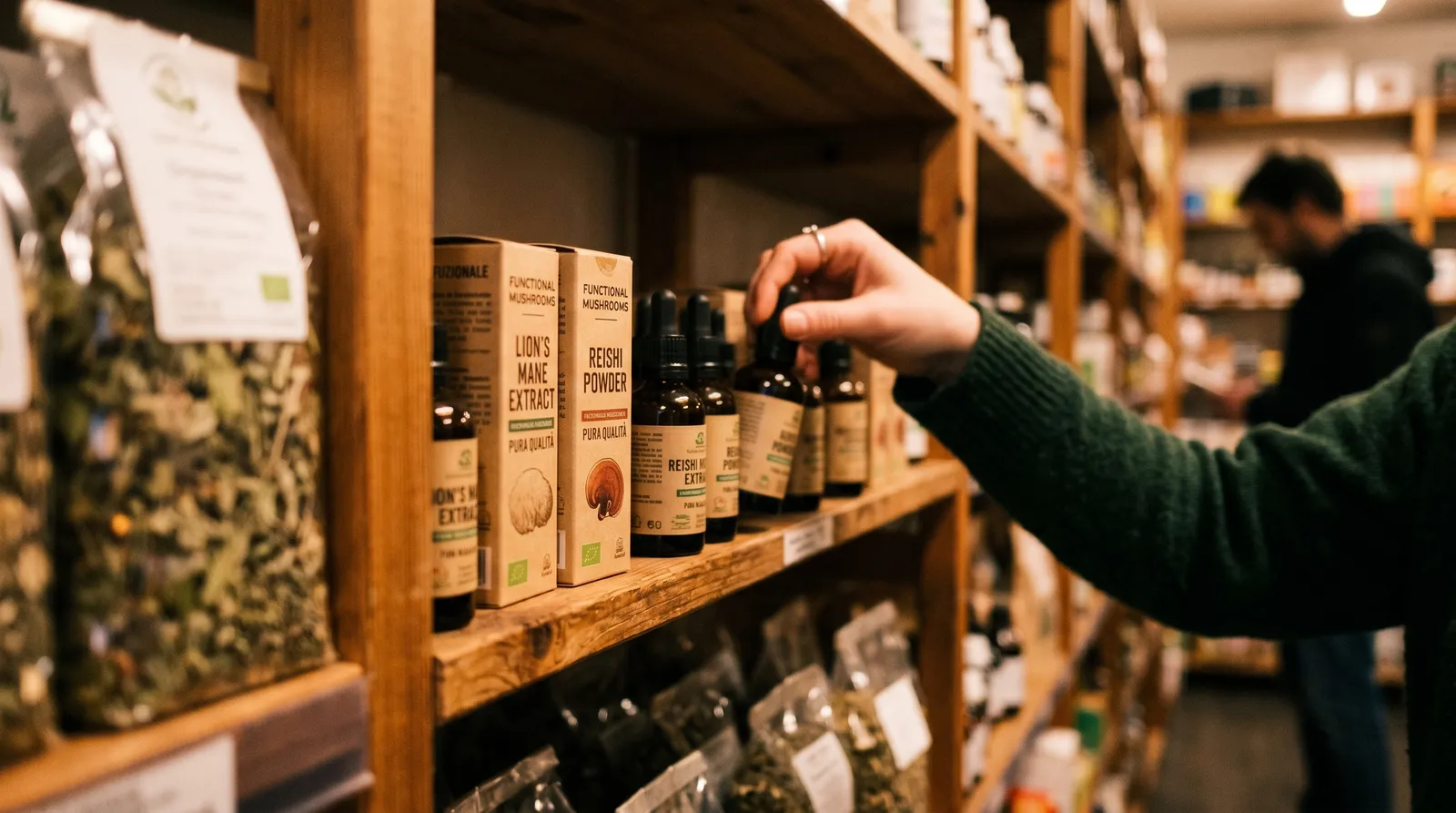
When customers order functional mushroom products from our shop, they get access to the CoA for each product. We think this should be standard across the industry, but it is not. If you are comparing products and want to buy from a vendor who treats transparency as baseline rather than bonus, that is the standard we hold ourselves to. We are not perfect — we cannot test every capsule in every bottle — but we can and do verify at the batch level, and we walk away from suppliers who cannot meet that bar.
Products Worth Knowing About
If you are looking to get started with functional mushrooms or want to order products that meet the quality standards described in this article, a few items from our catalogue are worth mentioning. Our Lion's Mane Extract capsules are a good entry point for anyone interested in Hericium erinaceus — fruiting-body sourced, dual-extracted, with CoA available. For reishi, our Reishi Dual Extract covers both beta-glucans and triterpenes in a single product. Our Chaga Extract Powder is Scandinavian-sourced with batch-level heavy metals testing. And for those exploring broader adaptogenic support, our Mushroom Complex blends several species in a single capsule with transparent per-species beta-glucan data. These sit alongside related products like our Ashwagandha KSM-66 and our CBD Oil range — different categories, but the same commitment to third-party testing and CoA transparency that we apply across the board.
Last updated: April 2026
Frequently Asked Questions
10 questionsHow can I tell if a mushroom supplement is mycelium on grain or fruiting body?
What heavy metals are most commonly found in mushroom supplements?
Does a high polysaccharide percentage on a label mean high beta-glucan content?
Can mushroom supplements contain mould or aflatoxins?
Why does extraction method matter for mushroom product quality?
What is the best way to verify functional mushroom quality before I buy?
Are functional mushrooms from China more likely to be contaminated?
Can wild-harvested mushrooms like chaga be radioactively contaminated?
Do functional mushroom supplements expire or lose potency over time?
What is the difference between hot water extraction and dual extraction in mushroom products?
About this article


Adam Parsons is an external cannabis and psychedelics writer and editor who contributes to Azarius's wiki as both author and reviewer. On the writing side, he authors Azarius's kratom and kanna clusters, drawing on exten
This wiki article was drafted with AI assistance and reviewed by Adam Parsons, External contributor. Editorial oversight by Joshua Askew.
Medical disclaimer. This content is for informational purposes only and does not constitute medical advice. Consult a qualified healthcare provider before use of any substance.
Last reviewed April 19, 2026
References (7)
- [1]Branco, S. et al. (2023). Heavy metal contamination in commercially available mushroom dietary supplements in Europe. Food Chemistry , 405, 134–142.
- [2]Dentinger, B.T.M. and Suz, L.M. (2014). What's for dinner? Undescribed species of porcini in a commercial packet. PeerJ , 2, e570. DOI: 10.7717/peerj.570
- [3]McCleary, B.V. and Draga, A. (2016). Measurement of beta-glucan in mushrooms and mycelial products. Journal of AOAC International , 99(2), 364–373. DOI: 10.5740/jaoacint.15-0289
- [4]Mori, K. et al. (2009). Improving effects of the mushroom Yamabushitake ( Hericium erinaceus ) on mild cognitive impairment. Phytotherapy Research , 23(3), 367–372.
- [5]Wu, D.T. et al. (2017). Comparison of polysaccharides and beta-glucans in Ganoderma lucidum dietary supplements. International Journal of Medicinal Mushrooms , 19(7), 611–622.
- [6]Wu, L. et al. (2020). Aflatoxin contamination in medicinal herbs and fungi from Asian markets. Mycotoxin Research , 36(4), 415–424.
- [7]EMCDDA (2023). European Drug Report: Trends and Developments. European Monitoring Centre for Drugs and Drug Addiction.
Related Articles

Medicinal Mushrooms TCM Western Pharmacognosy Guide
Guide to medicinal mushrooms TCM Western pharmacognosy — how reishi, lion's mane, cordyceps are classified, extracted, and studied.
Research on Immune Modulation by Functional Mushrooms
What does research on immune modulation by functional mushrooms actually show? Beta-glucans, Dectin-1 signalling, human trials, and the honest gap...
Allergic Reactions & Mushroom Sensitivities
Understand allergic reactions and mushroom sensitivities: mould cross-reactivity, shiitake dermatitis, species-specific risks, and safer product…
Turkey Tail Trametes versicolor — Buy Supplements
Buy turkey tail Trametes versicolor supplements at Azarius. PSK and PSP evidence, beta-glucan dosage, extraction methods, and safety.
Triterpenes In Medicinal Mushrooms
Triterpenes in medicinal mushrooms are a class of 30-carbon terpenoid compounds produced as secondary metabolites by several functional mushroom species…
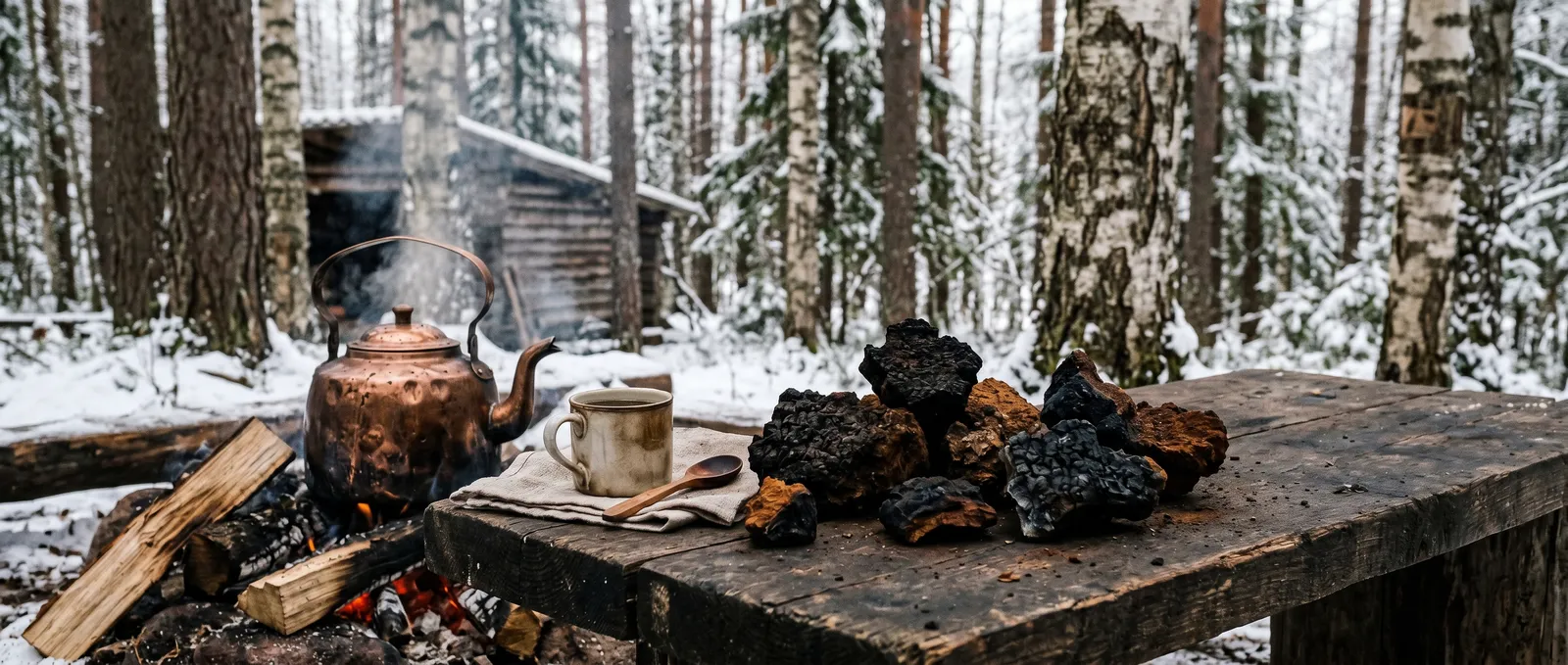
Chaga Siberian Nordic Folk Use
Chaga Siberian Nordic folk use is a centuries-old tradition in which indigenous Siberians and Nordic communities brewed the birch-parasitising fungus…
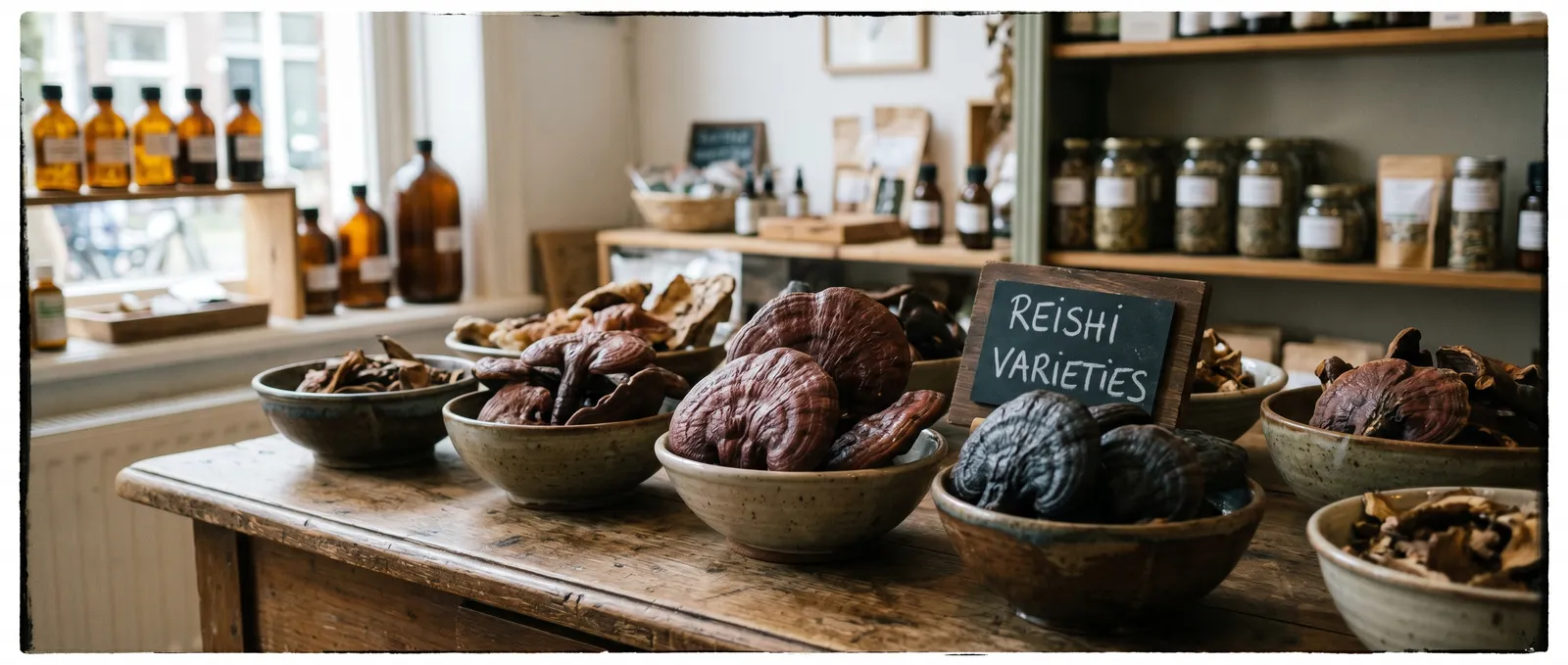
Red and Black Reishi Varieties
Red reishi (Ganoderma lucidum) and black reishi (Ganoderma sinense) both fall under the lingzhi umbrella in traditional Chinese medicine, but they differ in…
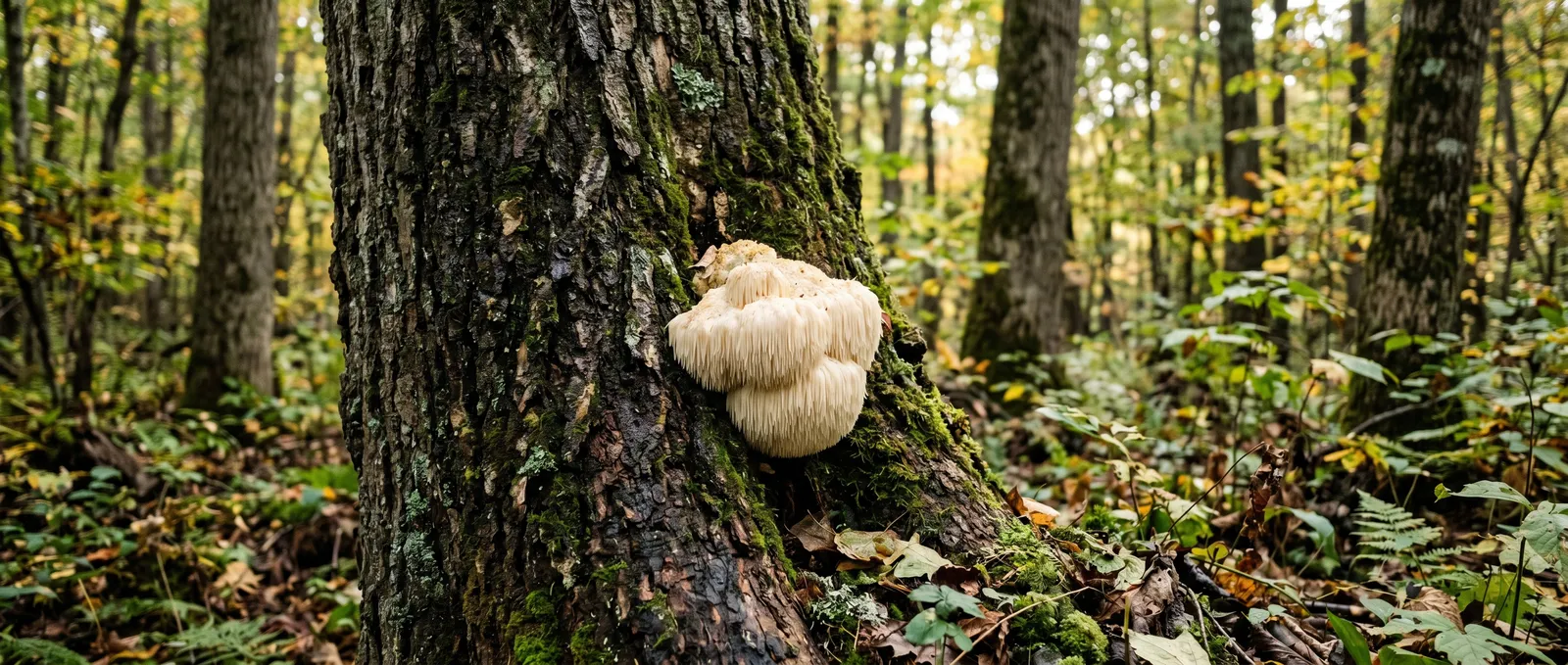
Lion's Mane Identification & Habitat
Hericium erinaceus is a tooth fungus that fruits as a single white, spine-covered mass on wounded or dead hardwood trees.
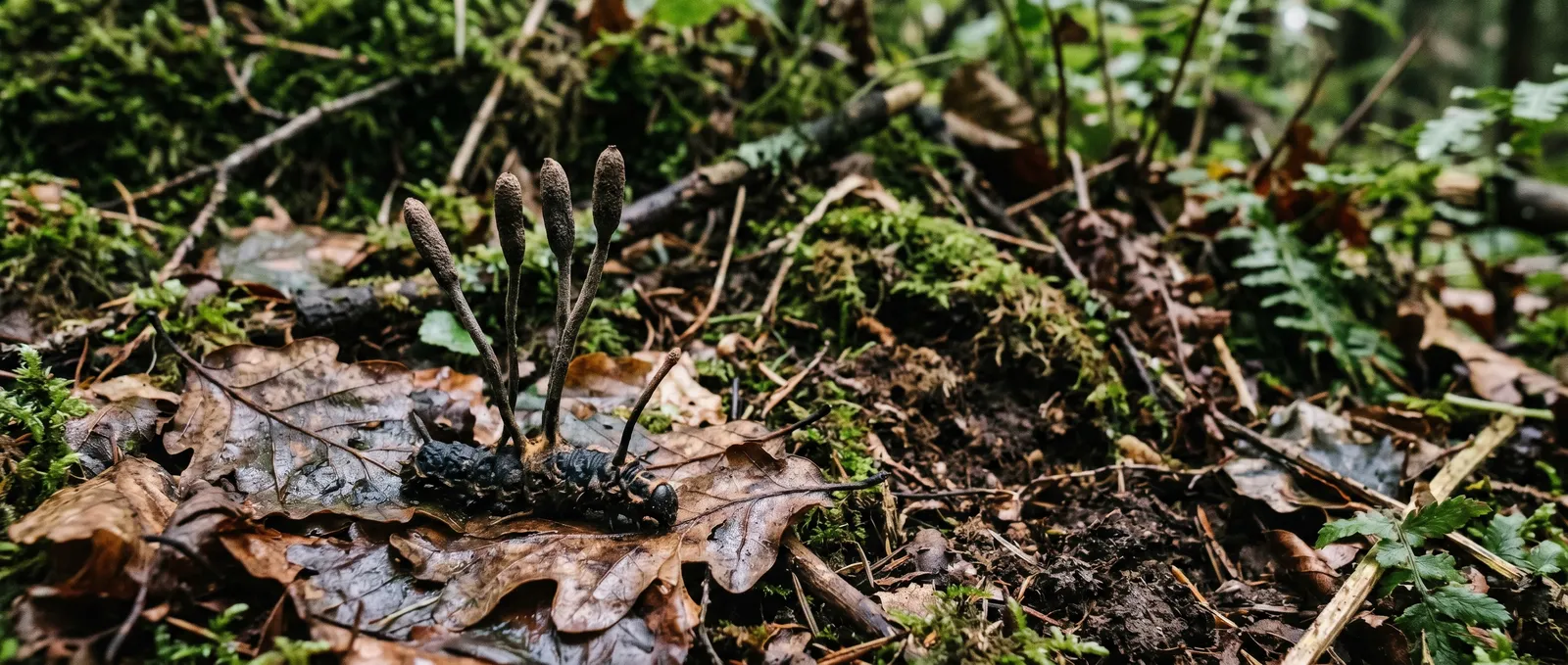
Cordyceps Lifecycle
The cordyceps lifecycle is a parasitic biological sequence in which a fungus infects an insect host, colonises its body from within, and erupts as a…